If you've booked a trip to a country where the traffic flows in the opposite direction from what you're used to, you've probably already felt a flicker of nerves about getting behind the wheel there. It's a completely normal reaction; swapping which side of the road you drive on affects nearly every instinct you've built up over years of experience, from your sense of lane position to your automatic reach for the turn signal.
Roughly a third of the world's countries drive on the left, including the United Kingdom, Australia, Thailand, and Japan, so you're far from the only traveler who's had to make this switch. Whether you're picking up a rental car in Dublin or navigating a coastal highway in New Zealand, a little preparation goes a long way toward keeping your trip stress-free. Below are three practical tips to help you settle into unfamiliar traffic patterns with confidence.
Get Your Paperwork and Planning Sorted Before You Leave
Before you even think about merging into oncoming-side traffic, you'll want to make sure your travel documents are in order. An International Driving Permit (IDP) translates your U.S. driver's license into 10 languages and is recognized as a valid form of identification in more than 150 countries worldwide. Many countries require one to drive legally, though it's not a substitute for your actual license, so you'll need to carry both documents together at all times.
You can apply for an IDP through the American Automobile Association, which is one of the two organizations authorized by the U.S. Department of State to issue these permits. The application process is fairly simple: you'll need a passport-style photo, your current license, and a completed form, and you can typically submit everything online or in person at a branch. It's worth noting that U.S. citizens visiting Canada or Mexico don't need an IDP, so check the requirements for your specific destination rather than assuming the rules are the same everywhere.
Once your documents are squared away, spend some time researching the actual roads you'll be traveling. Google Maps' Street View feature lets you preview intersections, roundabouts, and tricky junctions from home, which can take a lot of the guesswork out of your first day of driving. Familiarizing yourself with local signage and speed limit conventions ahead of time will also mean one less thing to process once you're actually on unfamiliar pavement.
Ease Into It with Practice
Your first experience navigating opposite-side traffic doesn't need to happen on a busy highway or in a crowded city center, and it shouldn't. Consider renting your vehicle a day before you actually need to drive somewhere important, and take it to a quiet parking lot or on less busy residential streets first to work in some practice. This kind of low-stakes environment lets you get a feel for the car's width, the positioning of your mirrors, and the general rhythm of steering from the opposite seat. Be patient with yourself; you're not going to get it down pat right away.
It also helps to ride as a passenger before you take the wheel yourself, if that's an option available to you. Watching how a local driver moves through intersections and roundabouts gives your brain a visual reference point that's hard to build any other way. By the time you're driving solo, you'll already have some intuition about how traffic flows in that particular country.
Many rental agencies offer vehicles equipped with lane-keep assist or similar driver aids, and it's worth requesting one if you can. These features won't drive the car for you, but they can catch small drifts in positioning while you're still building confidence. Just be sure to test how the systems work in a low-traffic setting before relying on them anywhere more demanding.
Build New Habits
One of the trickiest parts of switching sides is retraining your hands and eyes to reach for things in a different spot. Turn signals and windshield wipers are often swapped in vehicles built for opposite-side driving, so you might find yourself turning on the wipers when you meant to signal a turn; it happens to nearly everyone at first, and it's nothing to be embarrassed about. Give yourself a few extra seconds at each turn to double-check your signal before committing to the maneuver.
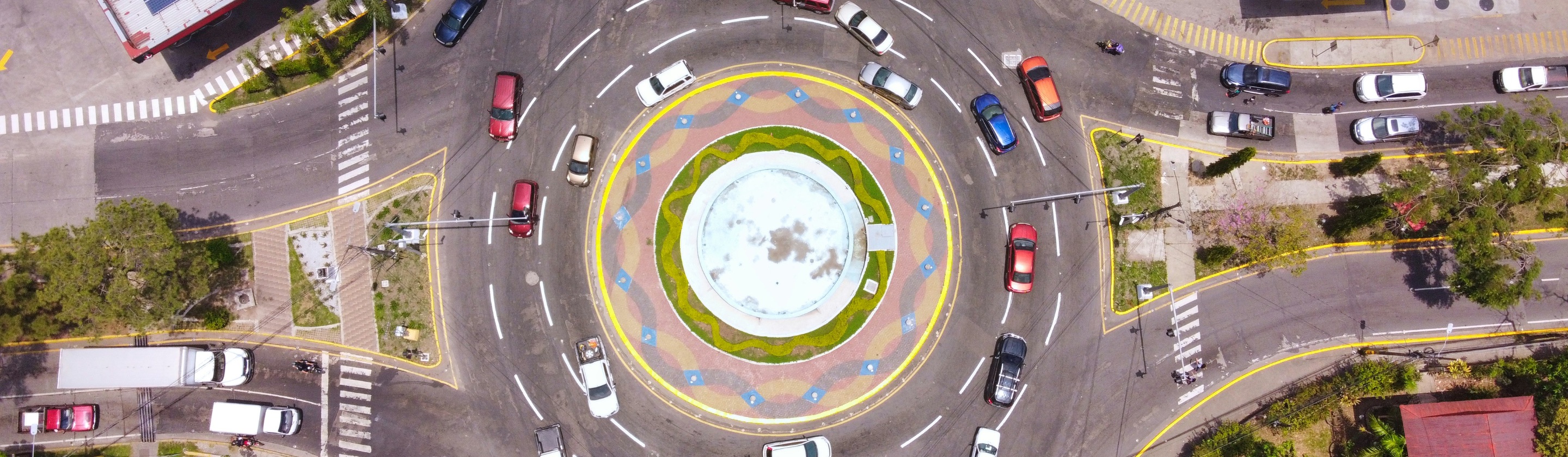
Roundabouts tend to cause the most confusion, since the direction you yield and merge is completely reversed from what you're used to. A simple mental trick that many drivers rely on is repeating the correct direction to themselves out loud as they approach, whether that's "look right" or "look left," depending on which side they're adjusting to. If you find yourself hesitating at a roundabout and there's no one behind you, it's perfectly fine to pause for a moment and watch which way traffic is actually flowing before you commit.
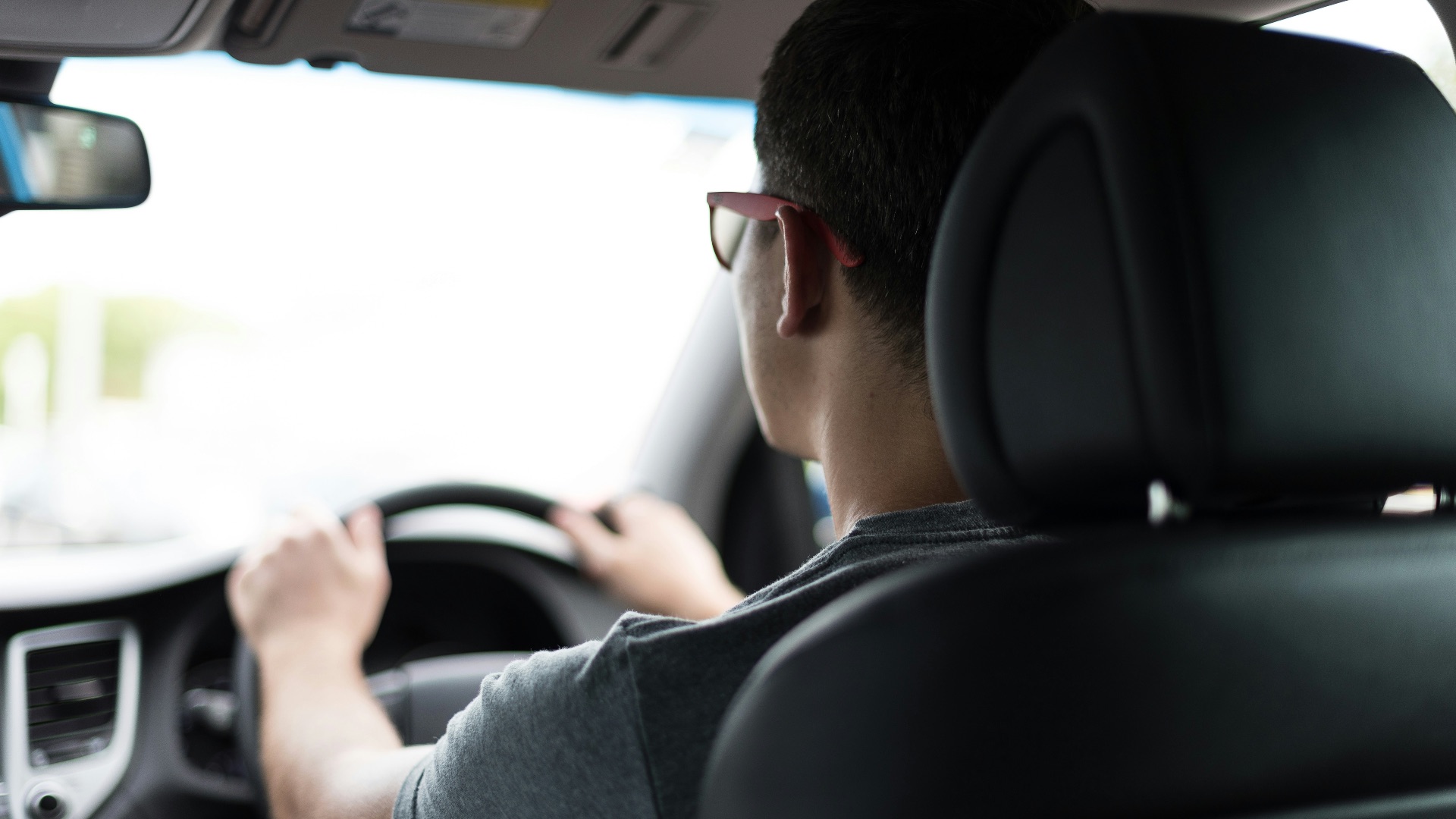
Positioning your seat correctly also makes a real difference in how naturally the new setup feels. Aligning your seat with the driver's seat of the car ahead of you gives you a visual anchor for where your vehicle sits relative to the center line, which is something that feels unnatural at first but becomes second nature within a day or two. Small adjustments like this add up quickly, and most travelers report feeling noticeably more comfortable by their second or third day behind the wheel.
Ultimately, driving on the opposite side of the road is no easy feat, but it's far from an impossible one. With the right preparation and a bit of patience while your instincts catch up to your new surroundings, you'll likely find that the learning curve is shorter than you expected. Approach it as part of the adventure rather than an obstacle, and you'll be navigating roundabouts and unfamiliar turns with confidence before your trip is over.