Most people don’t spend much time thinking about their car key. It’s easy to toss into a bag, leave in a cup holder, or keep in a jacket pocket until it’s needed. Still, the key fob has changed a great deal over the years. What began as a simple way to unlock a car without a metal key became a branded object that people can recognize right away.
A fob can’t tell you what someone has in the bank, of course. It can still hint at a certain kind of car, ownership experience, and price range before its owner reaches the parking lot. Its history starts with useful automotive technology, moving through luxury branding, design, and a bit of social display. That’s how a small car accessory came to carry so much meaning.
From Novelty To Everyday Equipment
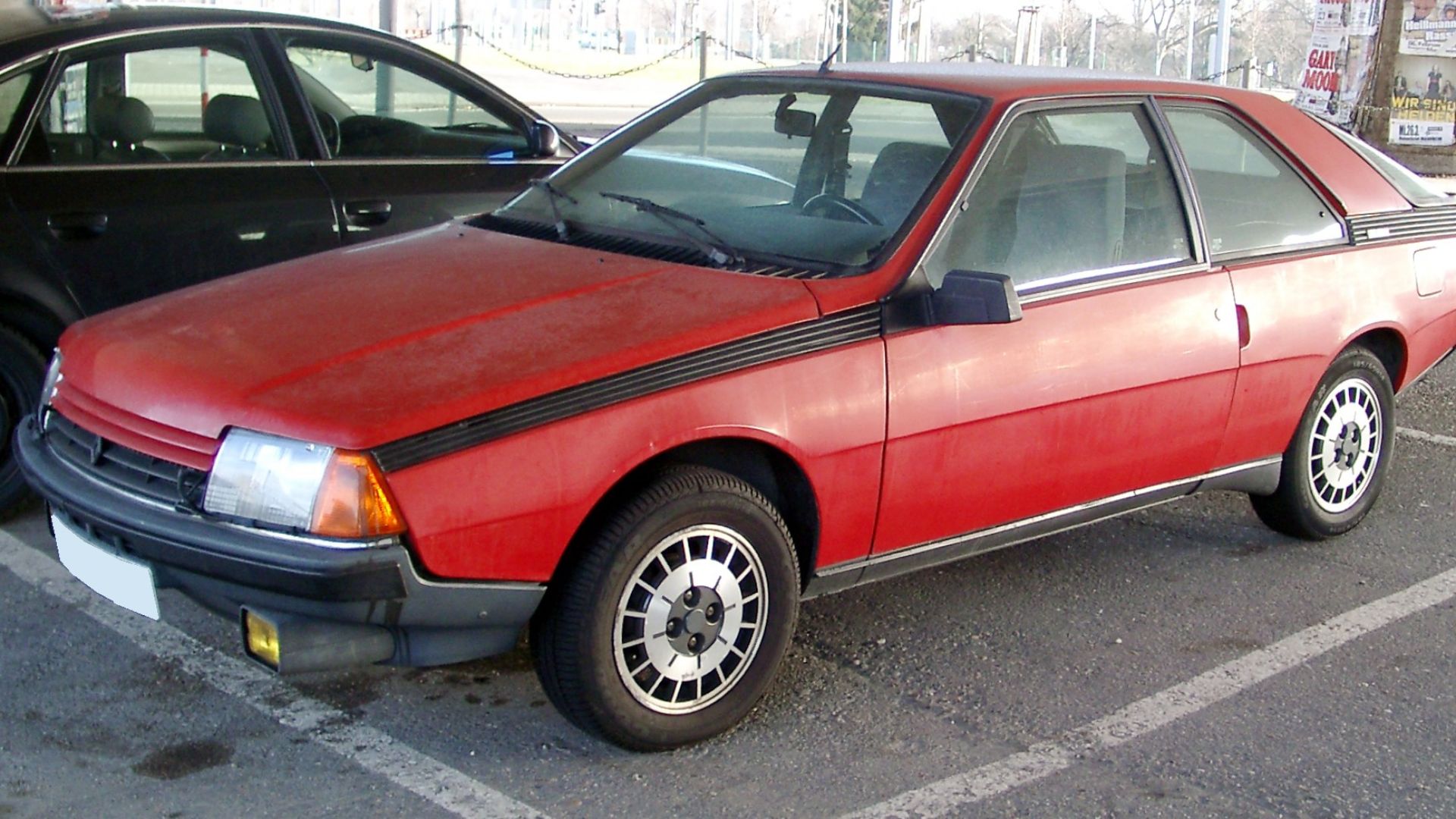
According to Renault’s historical archive, the Renault Fuego was the first car in the world to feature a remote keyless central-locking system in 1982. The system was called the PLIP remote control, and it gave drivers a new way to access their cars. At the time, central locking, electric windows, and leather upholstery were still lucrative options for car fans.
The early fob’s appeal came from the experience as much as the technology. Pressing a button from a few feet away made a car feel more advanced, even when all it did was unlock the doors. Owners carried that visible sign of modernity with them after leaving the car behind. That gave automakers another way to make a vehicle feel special after it had left the showroom, and it gave owners a small feature they could use every day.
By the late 1990s, keyless entry had become commonplace, as Kelley Blue Book explains. Once the feature spread, companies needed to come up with fresh ideas to keep the fob interesting. Manufacturers started giving it a larger role with shaped housings, prominent badges, switchblade keys, and eventually proximity access that let owners keep the fob in a pocket or bag. It still handled security and access, while its design also began to reflect the car it belonged to.
When The Brand Became Important
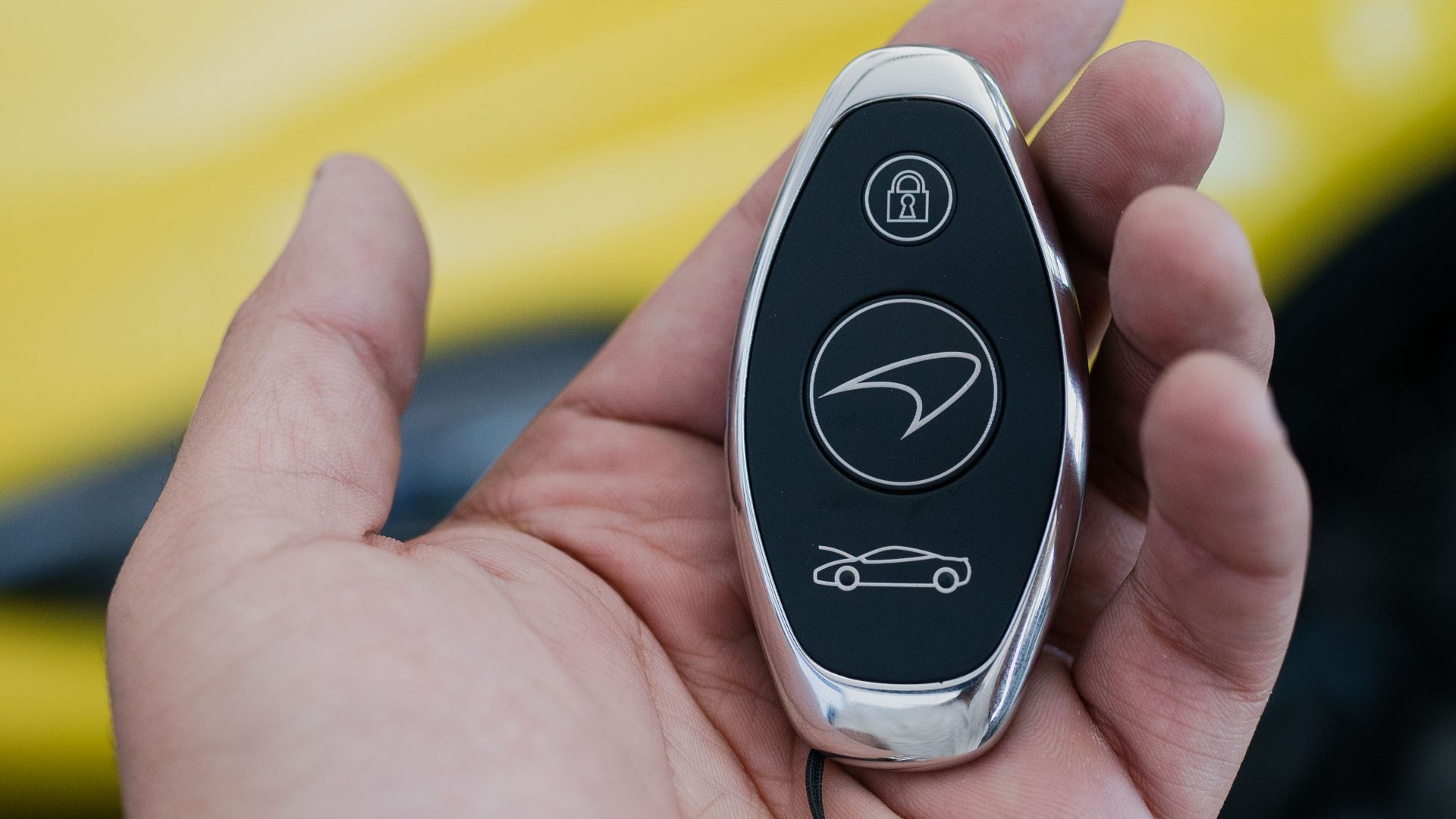
Luxury automakers saw that the key offered another place to carry a vehicle’s identity. A 2006 Edmunds report cited Lexus research saying that keys often end up in highly visible places, particularly among younger drivers. The same report quoted Bentley’s design director describing the company’s fob as a piece of jewelry meant to reflect the car’s status.
That portability gives the fob much of its status appeal. You can’t bring a coupe, SUV, or grand tourer into an office or to dinner, though the fob can sit on the table. A badge, a recognizable shape, or an unusually heavy piece of metal can make the connection clear. The fob is small enough to carry anywhere, and it remains tied to the vehicle its owner has access to.
Porsche has carried that idea into its own key design, creating keys that resemble miniature sports cars with the emergency blade concealed inside. The company describes the key as an object that has to meet security requirements while also delivering the tactile experience expected from the Porsche name. At the top end of the market, the key can become part of the vehicle’s story in another way. The Bugatti Veyron’s separate Speed Key enabled top-speed mode, changing the car’s aerodynamic settings for runs beyond 400 km/h.
Why The Fob Still Carries Meaning
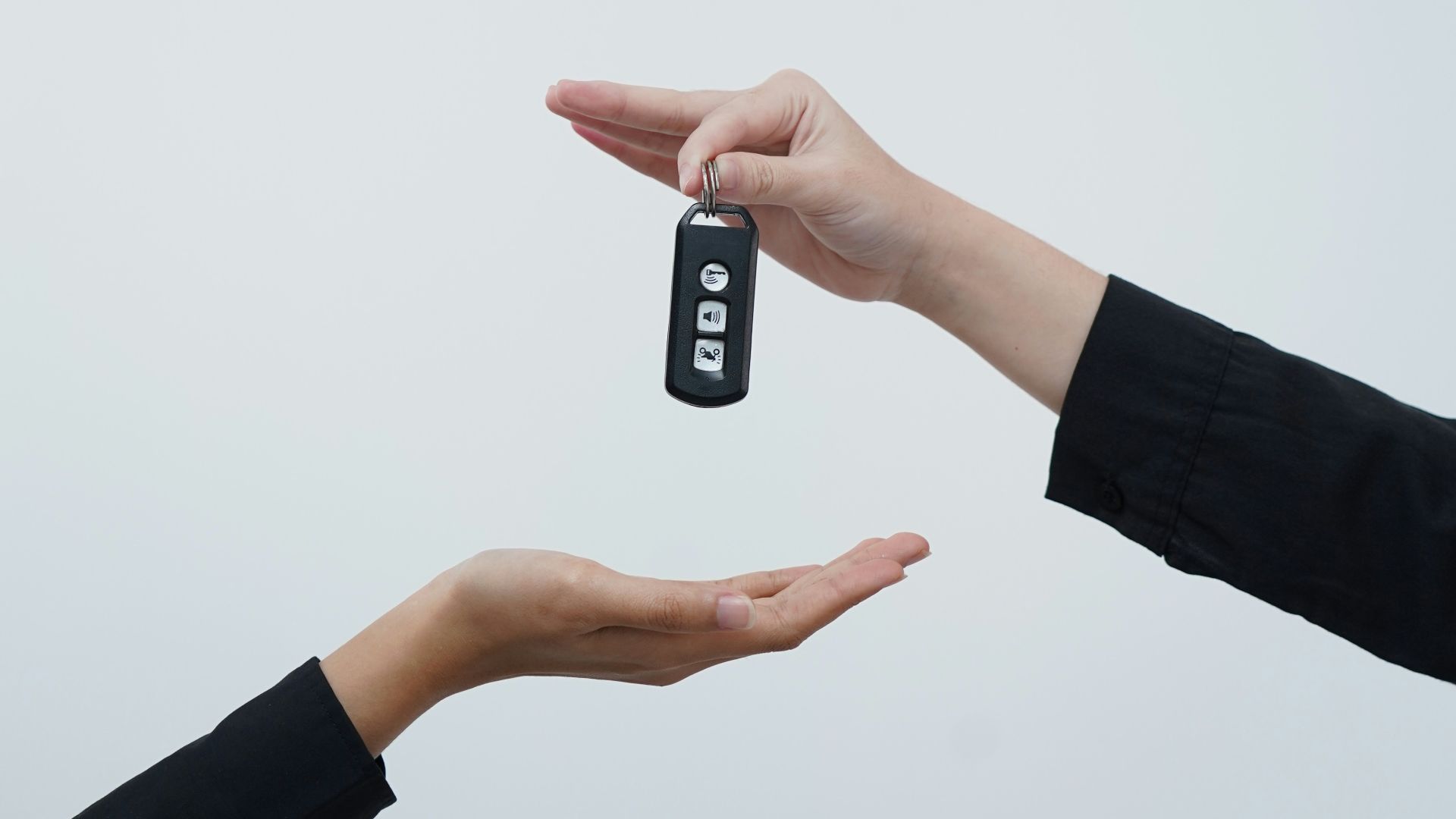
Modern fobs have picked up enough functions to explain some of their size and complexity. Depending on the vehicle, they can handle remote start, window control, liftgate access, self-parking functions, and other features that would have sounded excessive a few decades ago. Kelley Blue Book reports typical replacement costs of $150 to $500 or more, depending on the fob and the programming required. That’s a long way from the simple metal keys that many drivers grew up using.
That cost gives the device a different kind of value. A traditional metal key can be copied at a hardware store, while a smart fob may require dealership programming, proof of ownership, and a substantial replacement bill. Losing one can be a bigger headache than losing a basic key, especially when the fob is tied to the vehicle’s access and security systems. It’s a small item, though it carries a larger responsibility for the owner.
Physical fobs now share their role with smartphones and smartwatches. BMW has offered Digital Key technology since 2018, allowing compatible phones to lock, unlock, and start vehicles, while its Digital Key Plus adds hands-free access through ultra-wideband technology. Digital access may eventually make physical fobs less essential, though that could make the remaining ones feel even more considered. Nearly everyone carries a phone, while a recognizable car key remains tied to a particular brand, vehicle, and the person trusted to drive it. That’s why the key fob became a symbol of wealth in the first place: it carries a car’s identity in an owner’s hand and takes that identity far beyond the driveway.