Regulators Have Come a Long Way
Modern crash tests, emissions standards, and rollover ratings exist because plenty of vehicles on the road decades ago would fail them badly. Some of these cars were genuinely dangerous by any era's standards, while others were just products of a looser time with lower expectations. A few became infamous specifically because of flaws that later got exposed. Here's 20 cars that made it to market once but would never survive today's approval process.
1. Ford Pinto
The Pinto's rear-mounted fuel tank, built from 1971 to 1980, sat close enough to the bumper that a moderate rear-end collision could rupture it and ignite the fuel. Internal Ford documents later showed the company weighed the cost of a fix against the cost of lawsuits and chose not to make the change. The Grimshaw v. Ford case and a 1978 recall of 1.5 million vehicles turned it into a textbook safety failure.
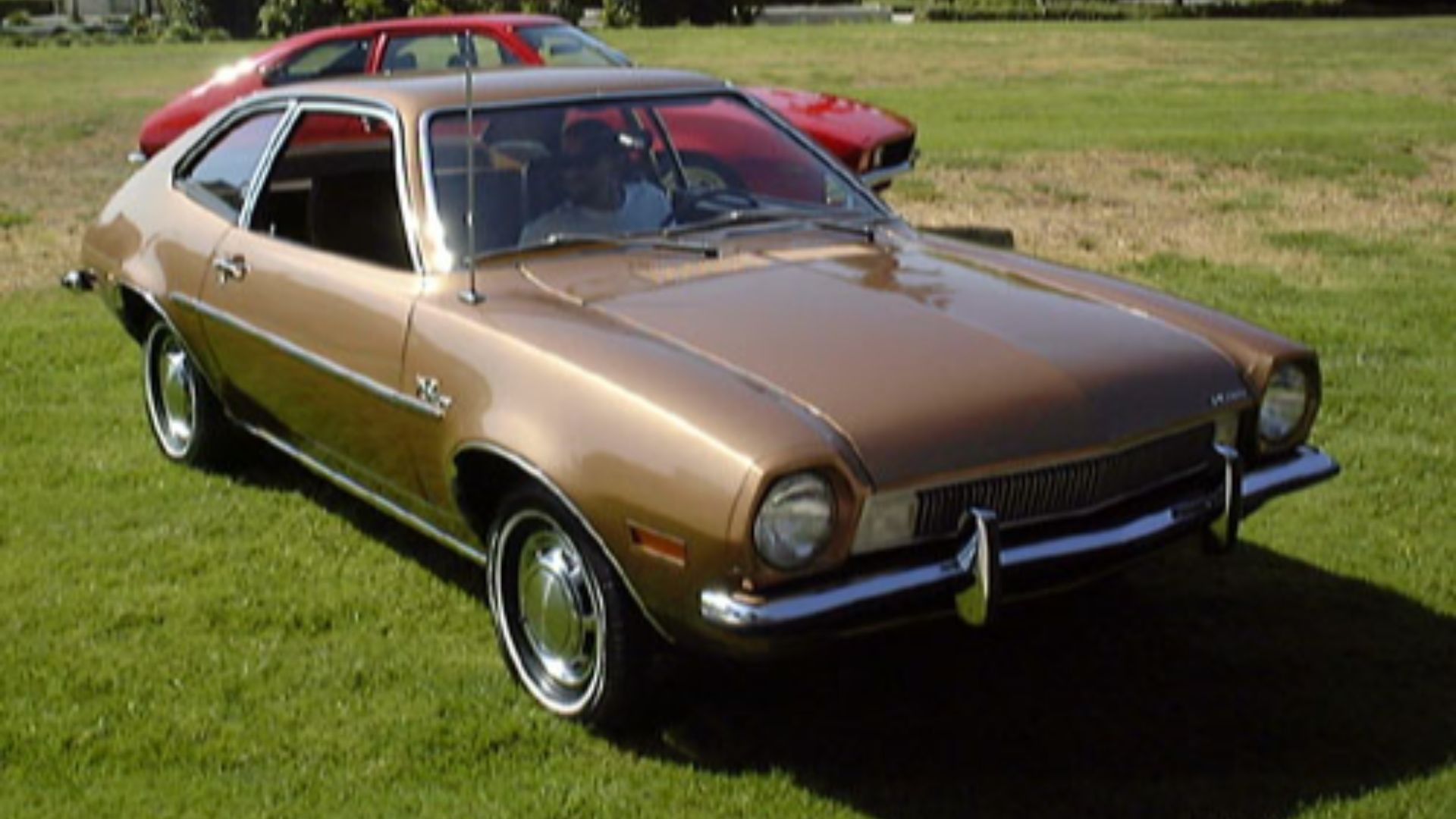 User Morven on en.wikipedia on Wikimedia
2. Chevrolet Corvair
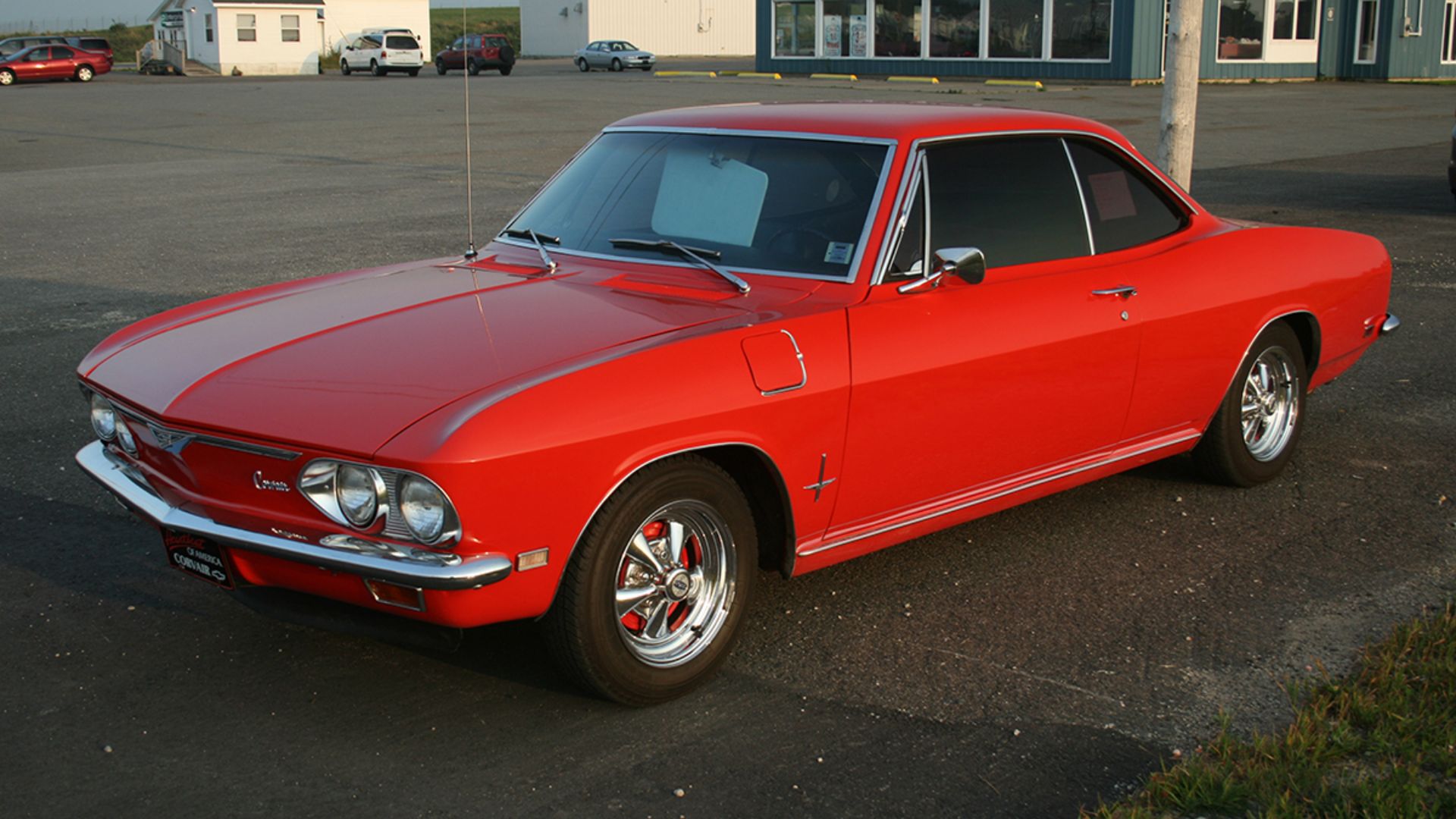
Sold from 1960 to 1969, the Corvair's rear-mounted swing-axle suspension could cause sudden, unpredictable oversteer with little warning. Ralph Nader devoted a chapter of "Unsafe at Any Speed" to it, arguing General Motors knew about the handling issue and released the car anyway. Modern stability testing would catch this in the first round.
3. Reliant Robin
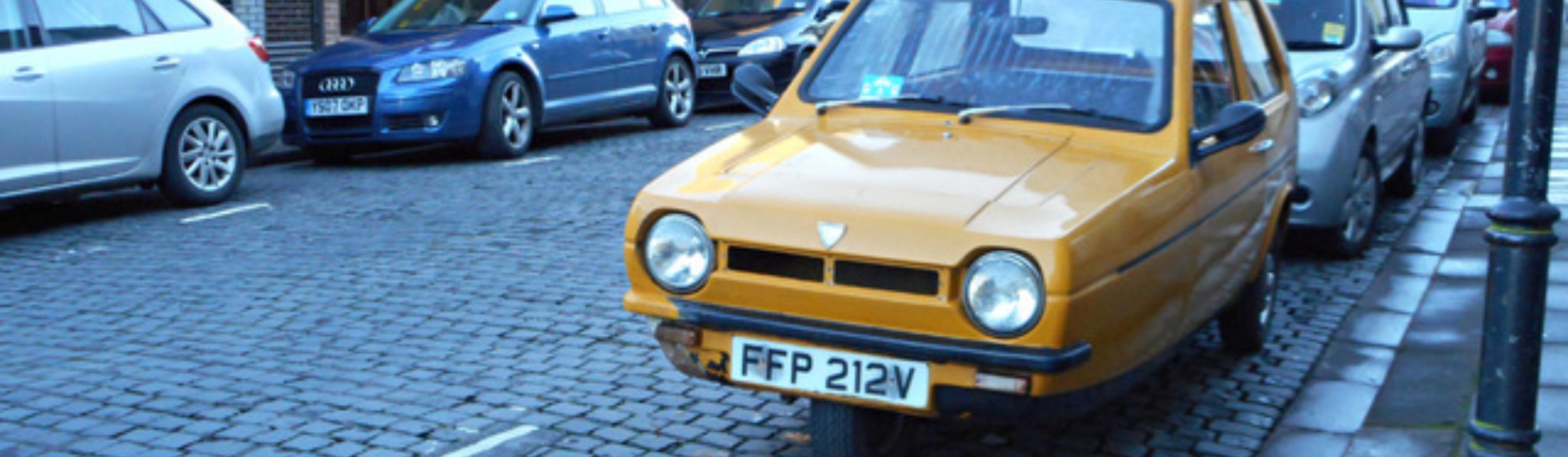
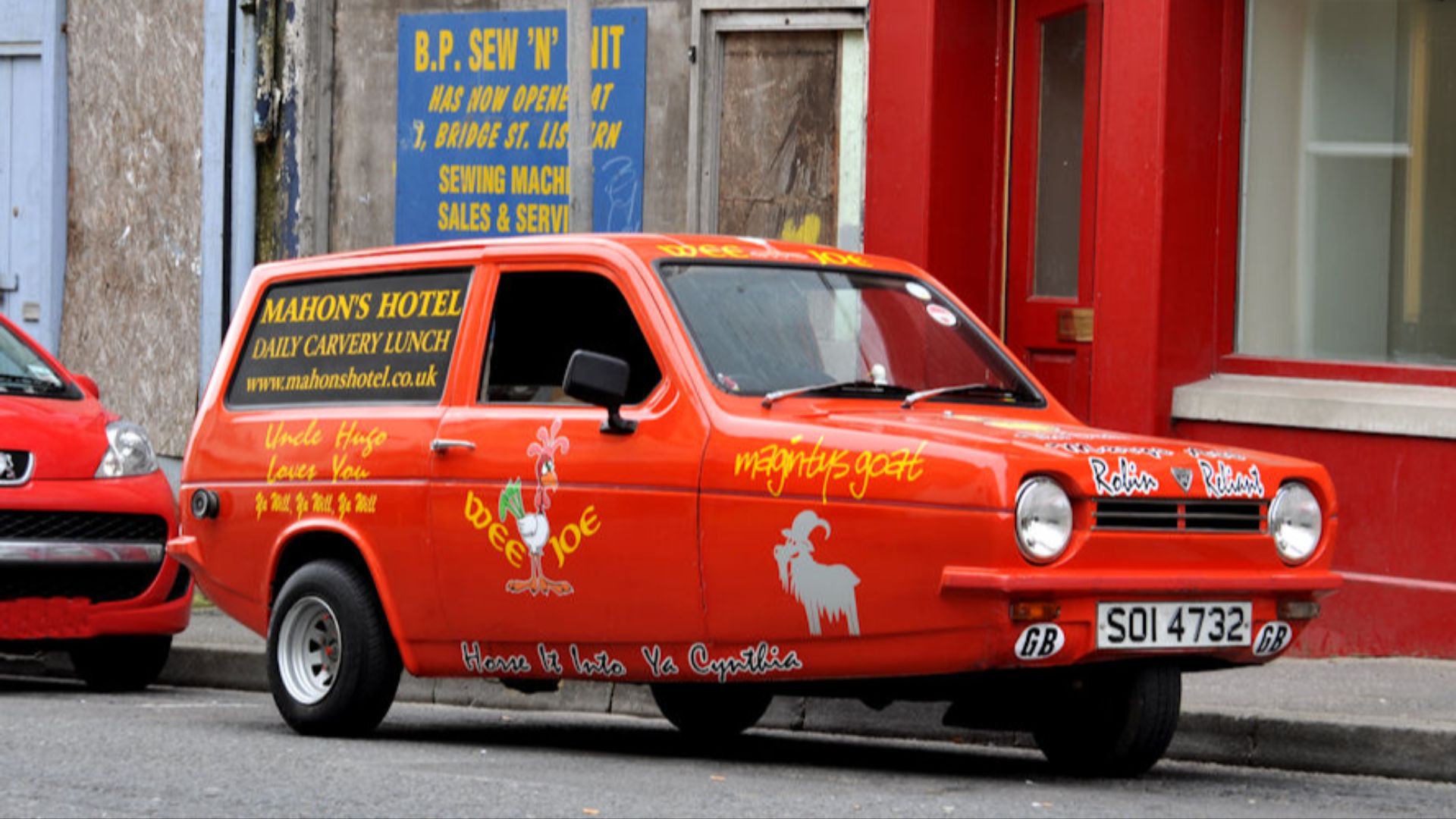
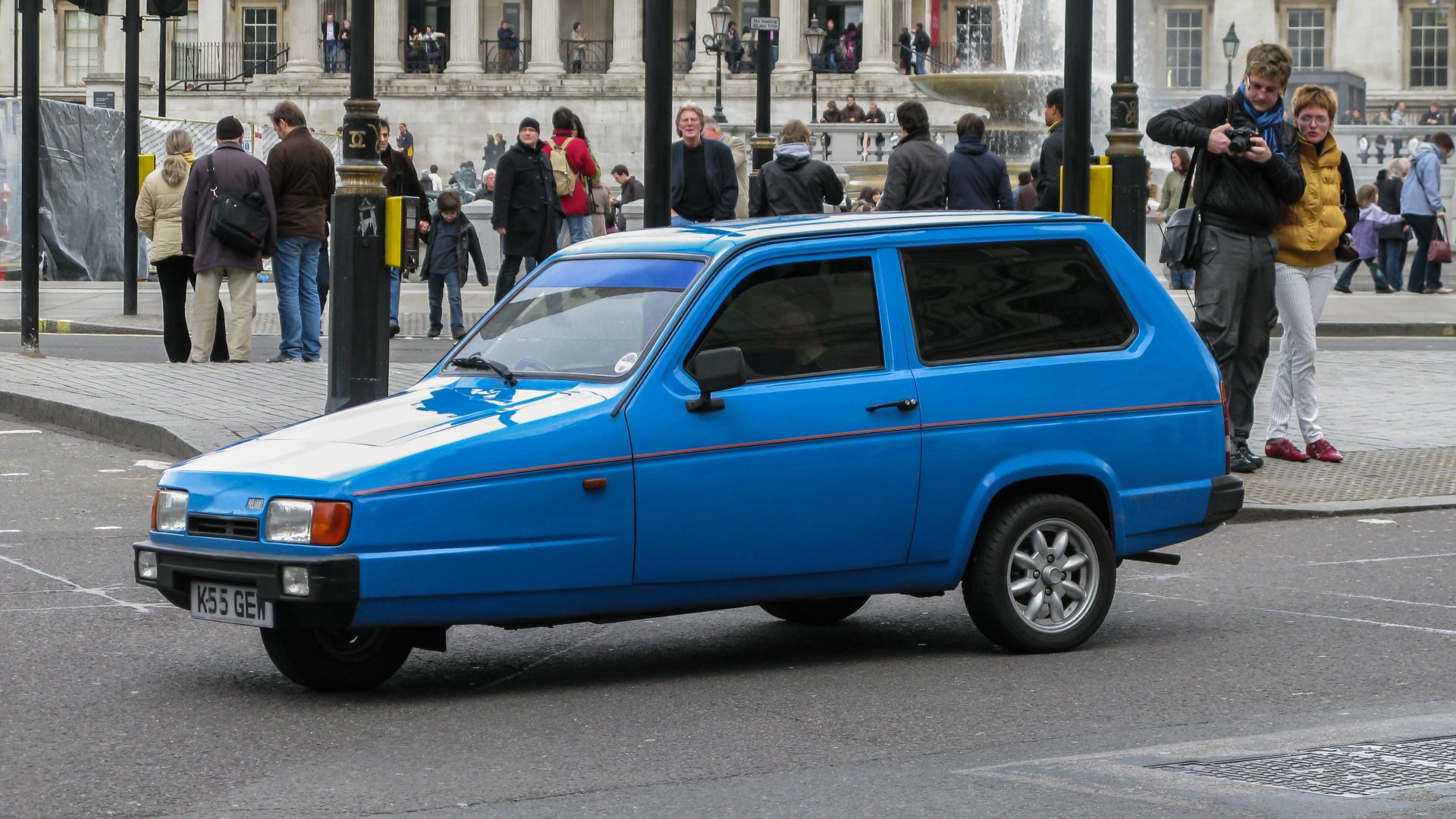
Built in Britain from 1973 to 2002, the Robin's three-wheel layout gave it a narrow track and a high center of gravity that made it prone to tipping over in sharp turns. It became such a well-worn punchline that it was still getting jokes on television decades later. No current stability standard would clear a car this tip-prone.
4. BMW Isetta
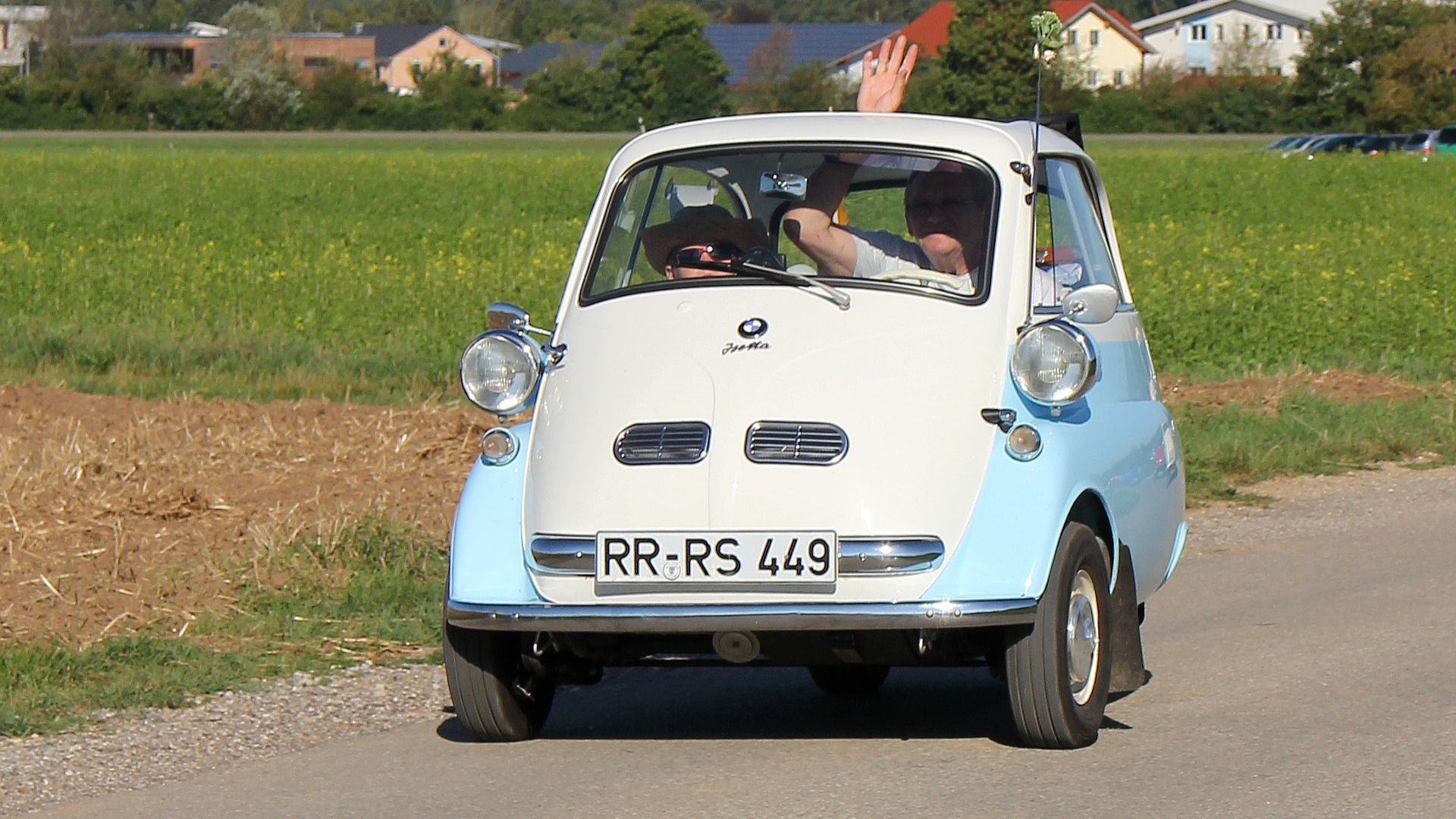
The Isetta, produced from 1955 to 1962, opened through a single front door that swung outward with the entire steering column attached to it. There was essentially no crumple zone between the driver and anything the car hit head-on. Clever for postwar mobility, useless in a frontal crash.
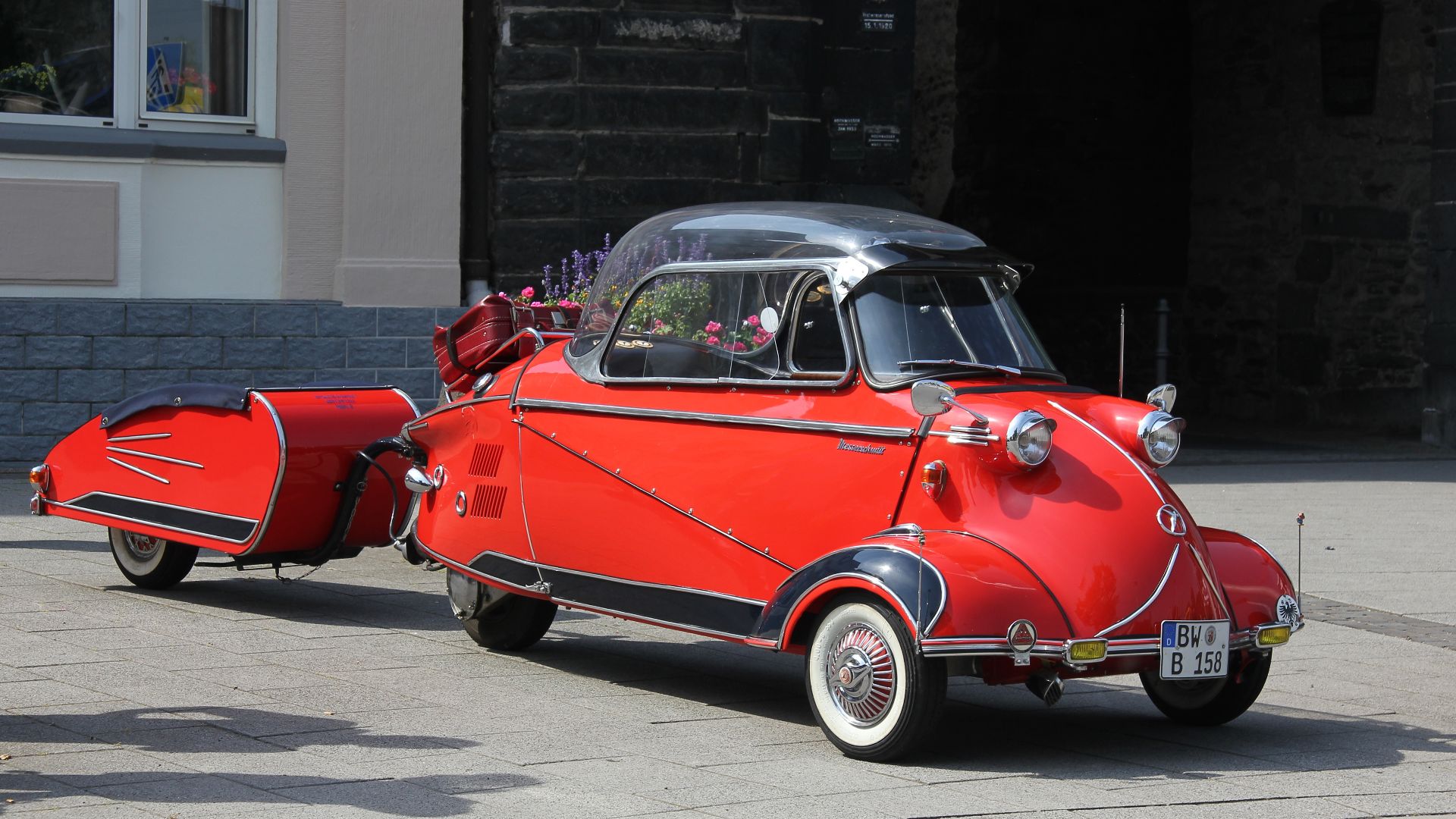
5. Messerschmitt KR200
This three-wheeled bubble car, built from 1955 to 1964 by the same company once known for fighter planes, seated its driver and passenger in tandem under a canopy that lifted like a cockpit. The lightweight shell offered next to no structural protection. A fascinating bit of postwar engineering with no path to approval now.
6. Citroën 2CV
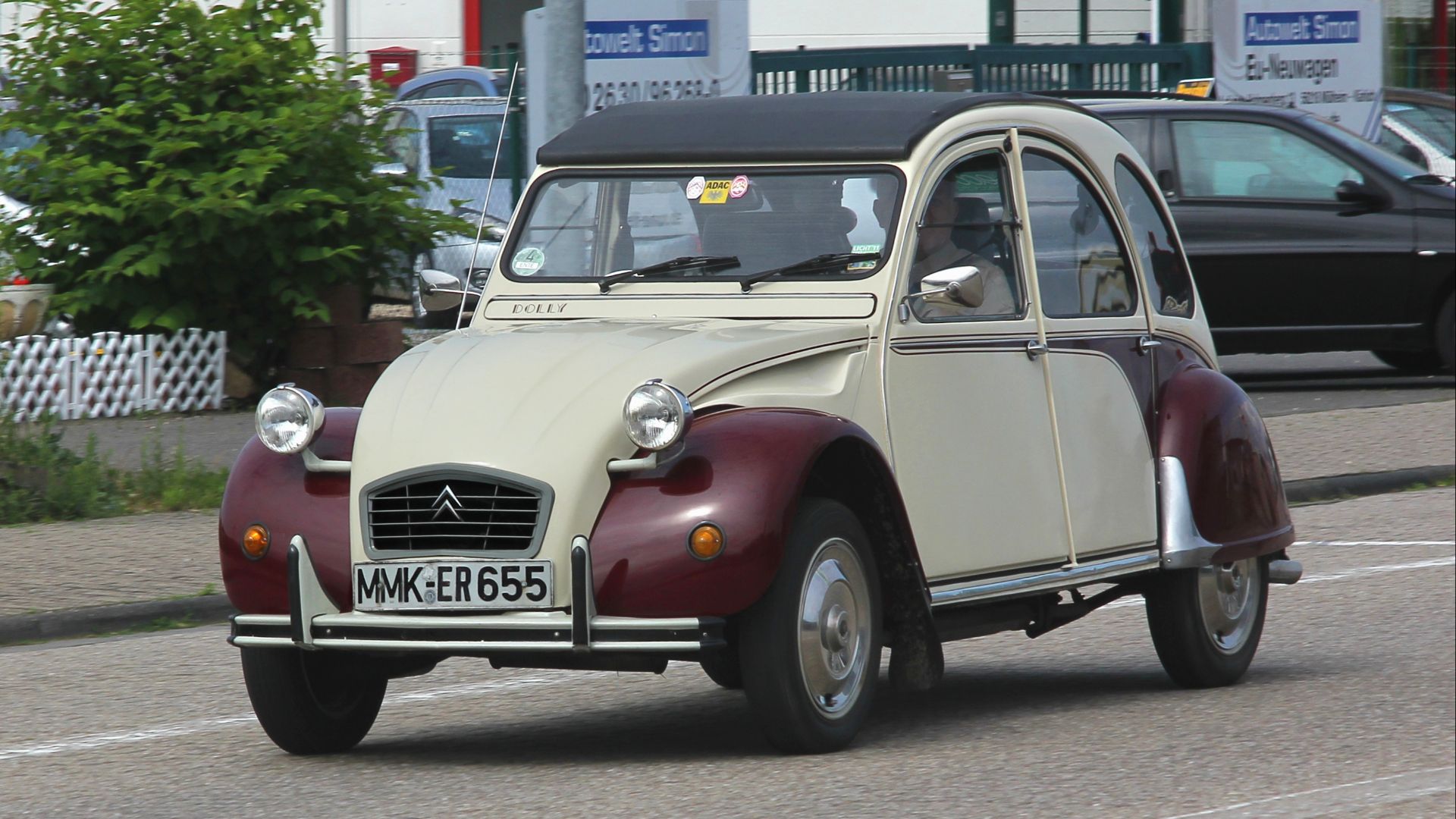
Made from 1948 to 1990, the 2CV ran on a lightweight frame and thin panels designed to keep it cheap for French farmers. That simplicity meant minimal crumple structure and a chassis that gave little resistance in a serious impact. Its long production run says more about charm than crash survivability.
7. Peel P50
The Peel P50, made from 1962 to 1965, remains the smallest production car ever built, at just over four feet long and around 130 pounds. Some versions had no reverse gear and no doors on one side, let alone safety equipment. It was never meant for anything beyond short trips at low speed.
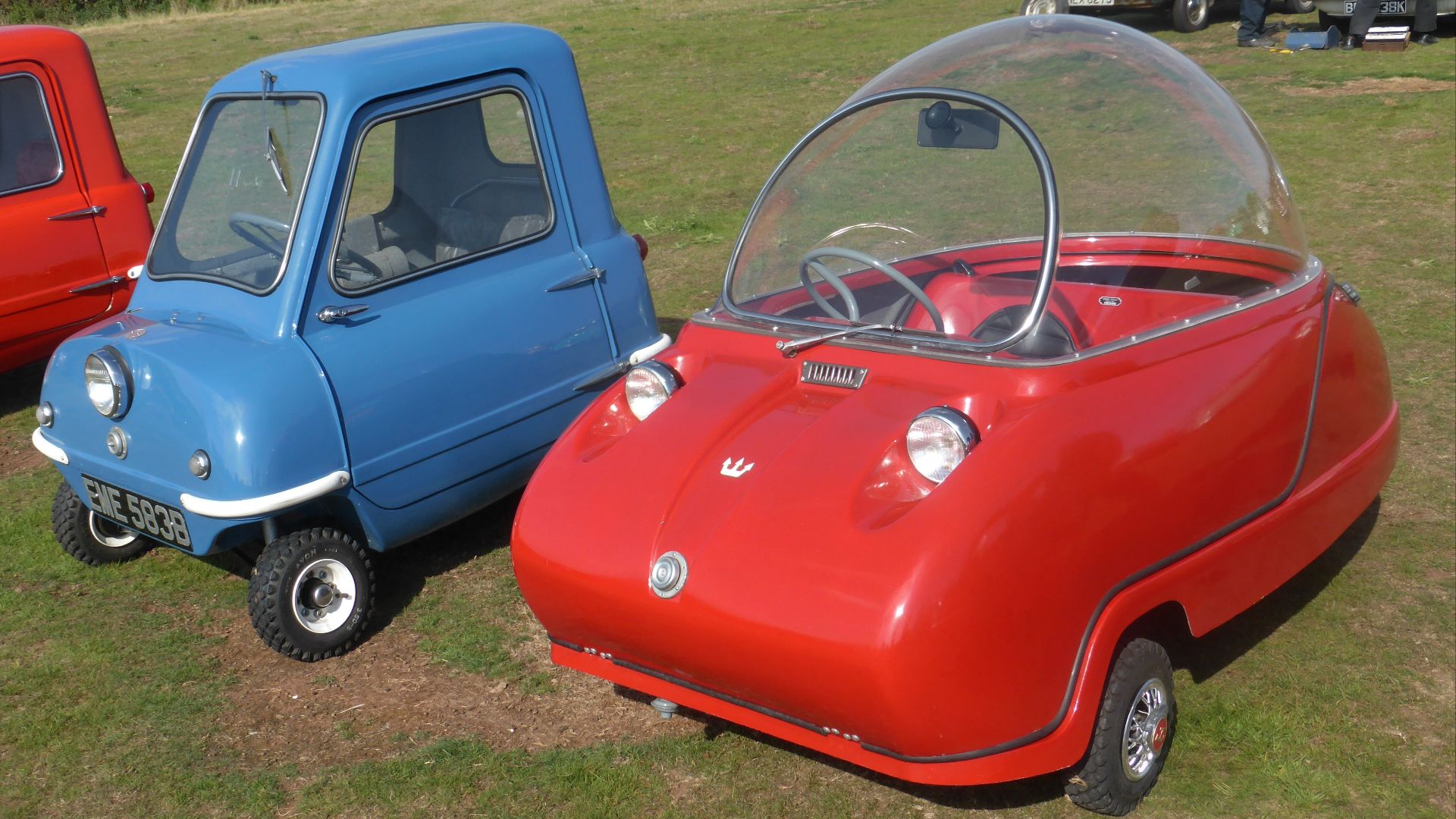 Andrew Bone from Weymouth, England on Wikimedia
8. Trabant
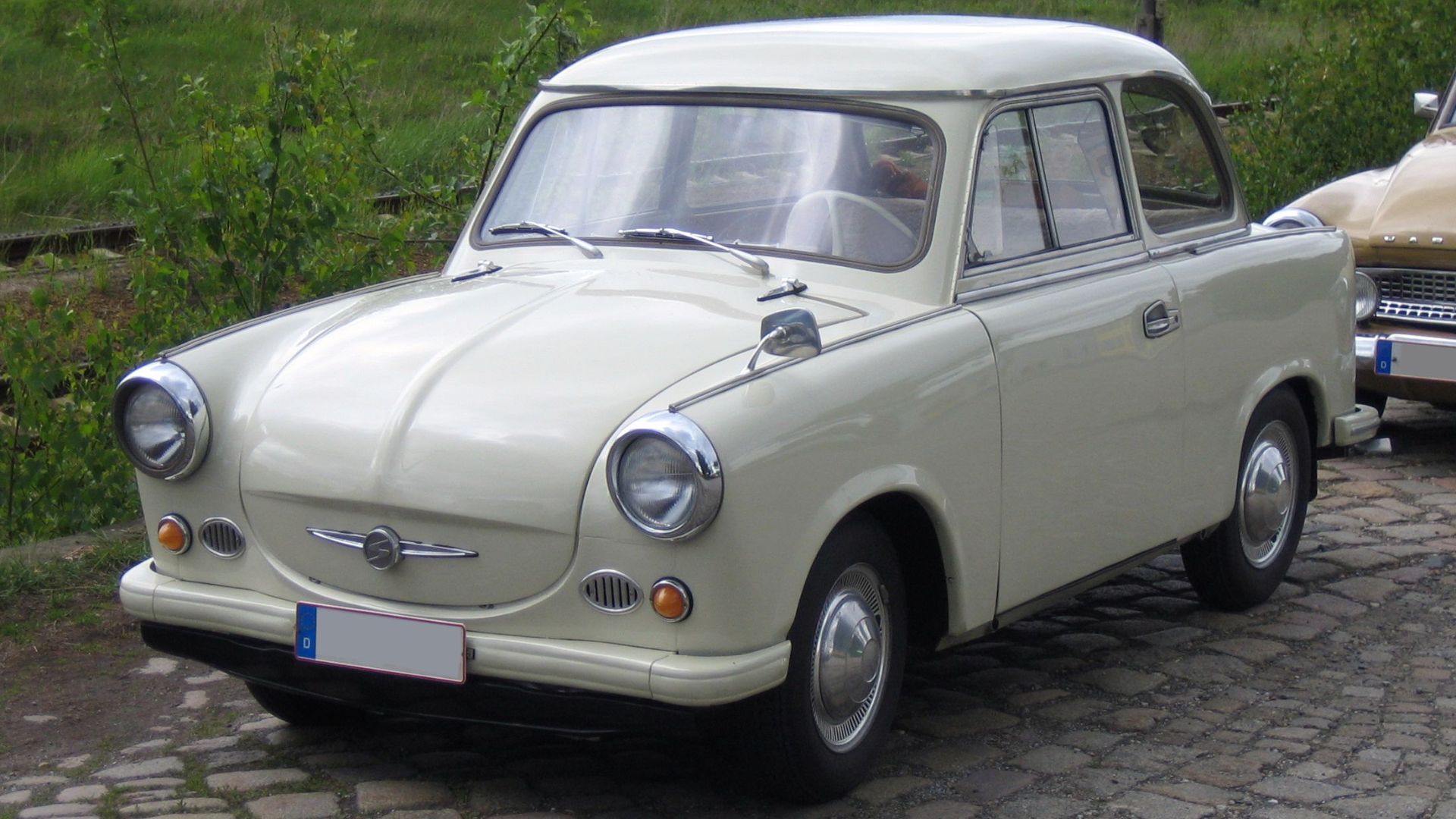
East Germany's Trabant, produced from 1957 to 1991, used a body made of Duroplast, a resin reinforced with cotton fibers, instead of steel. Its two-stroke engine produced emissions far beyond anything tolerated today, and the body offered minimal crash protection. It became a symbol of life behind the Iron Curtain as much for its limits as its ubiquity.
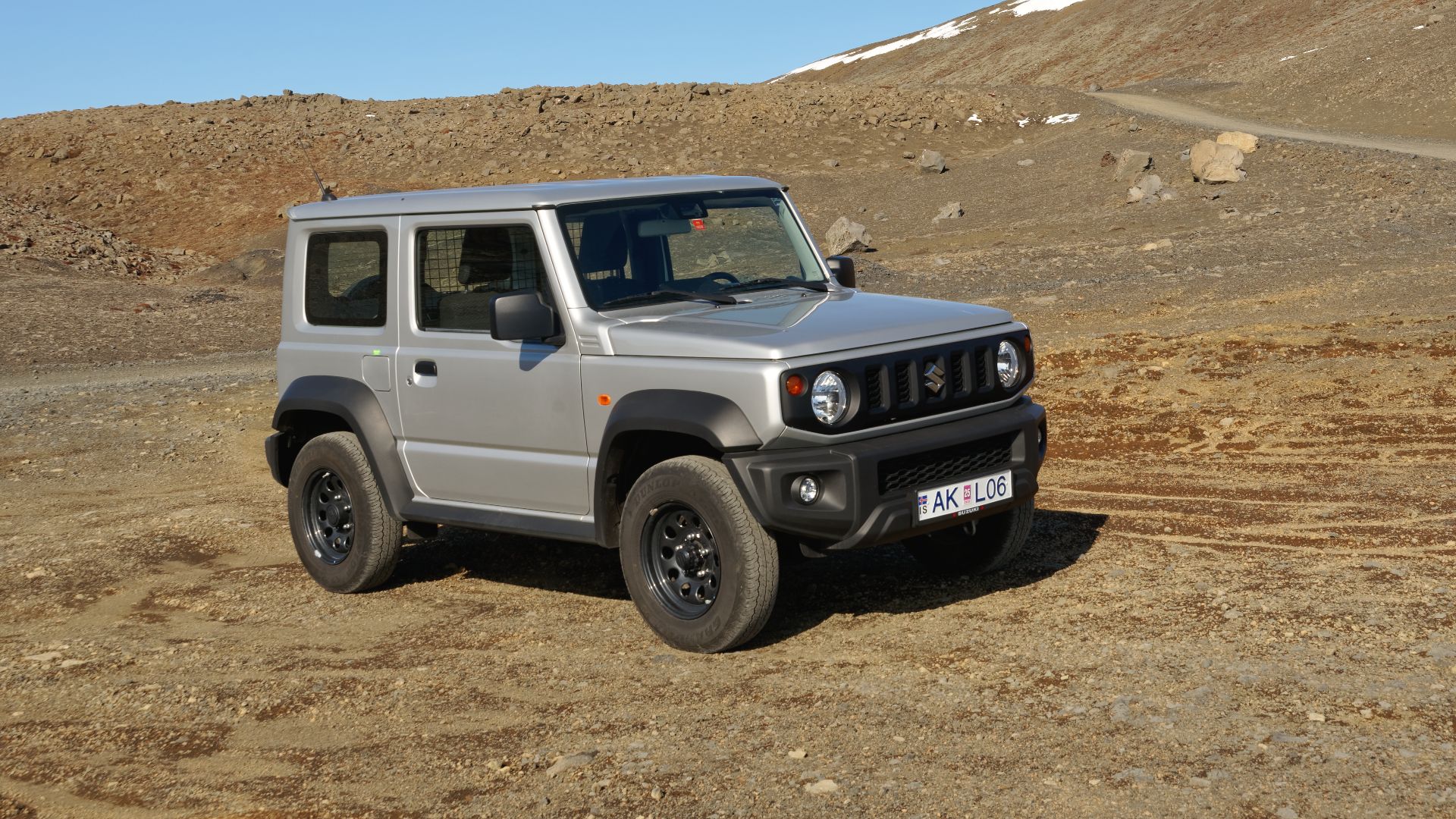
9. Suzuki Samurai
Sold in the US from 1985 to 1995, the Samurai's narrow track and high ground clearance made it prone to lifting onto two wheels during sharp evasive maneuvers, according to a widely publicized 1988 Consumer Reports test. Suzuki disputed the methodology for years, and the two sides eventually settled. Whatever the full story, the exact stability traits in question are what modern rollover ratings are built to catch.
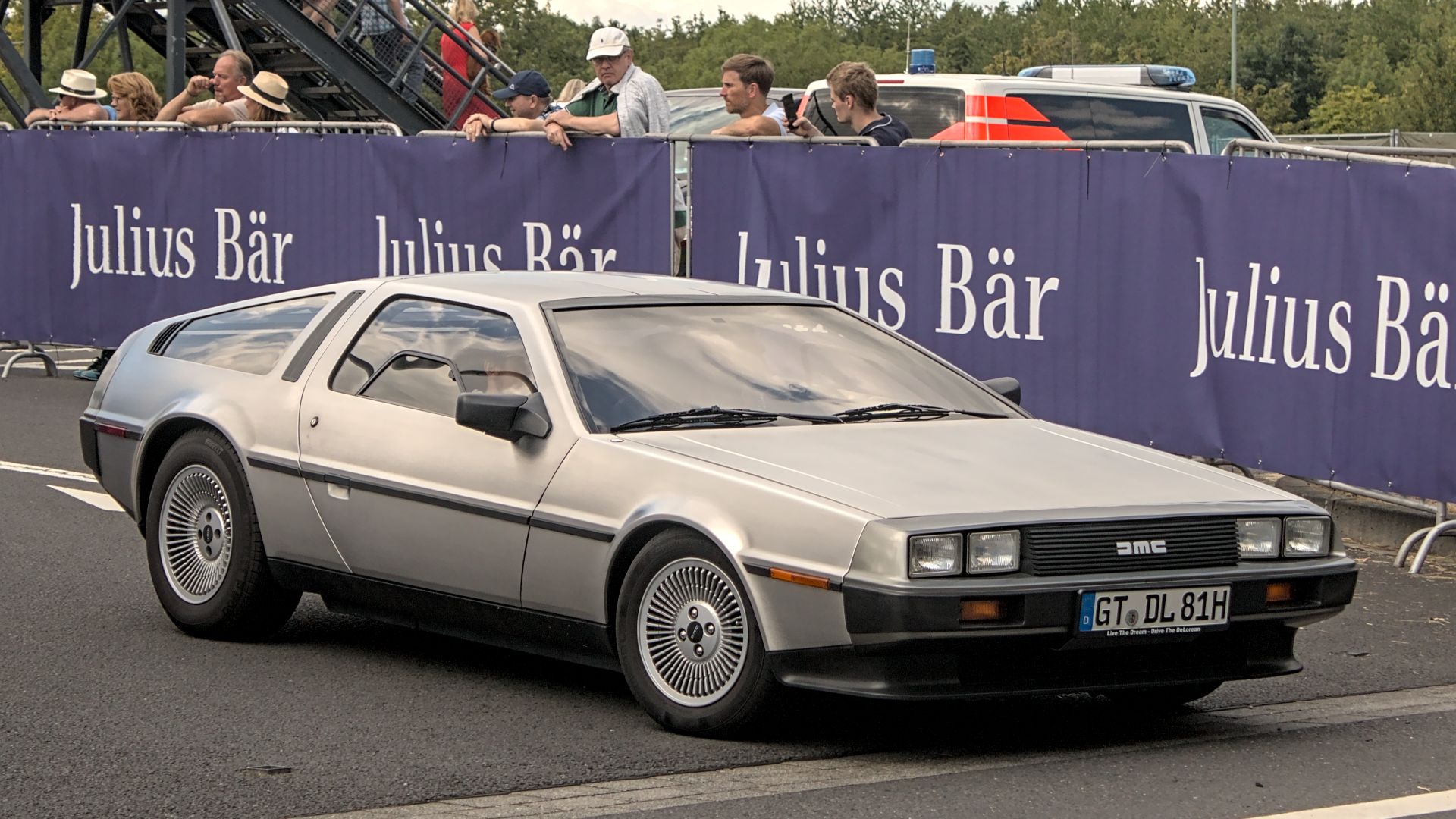
10. DeLorean DMC-12
The DeLorean's gull-wing doors, produced from 1981 to 1983, look dramatic but complicate a quick exit if the car rolls onto its side or catches fire. Modern egress standards require occupants to escape a vehicle within a set time across a range of scenarios. A door that swings up instead of out fails that test on sight.
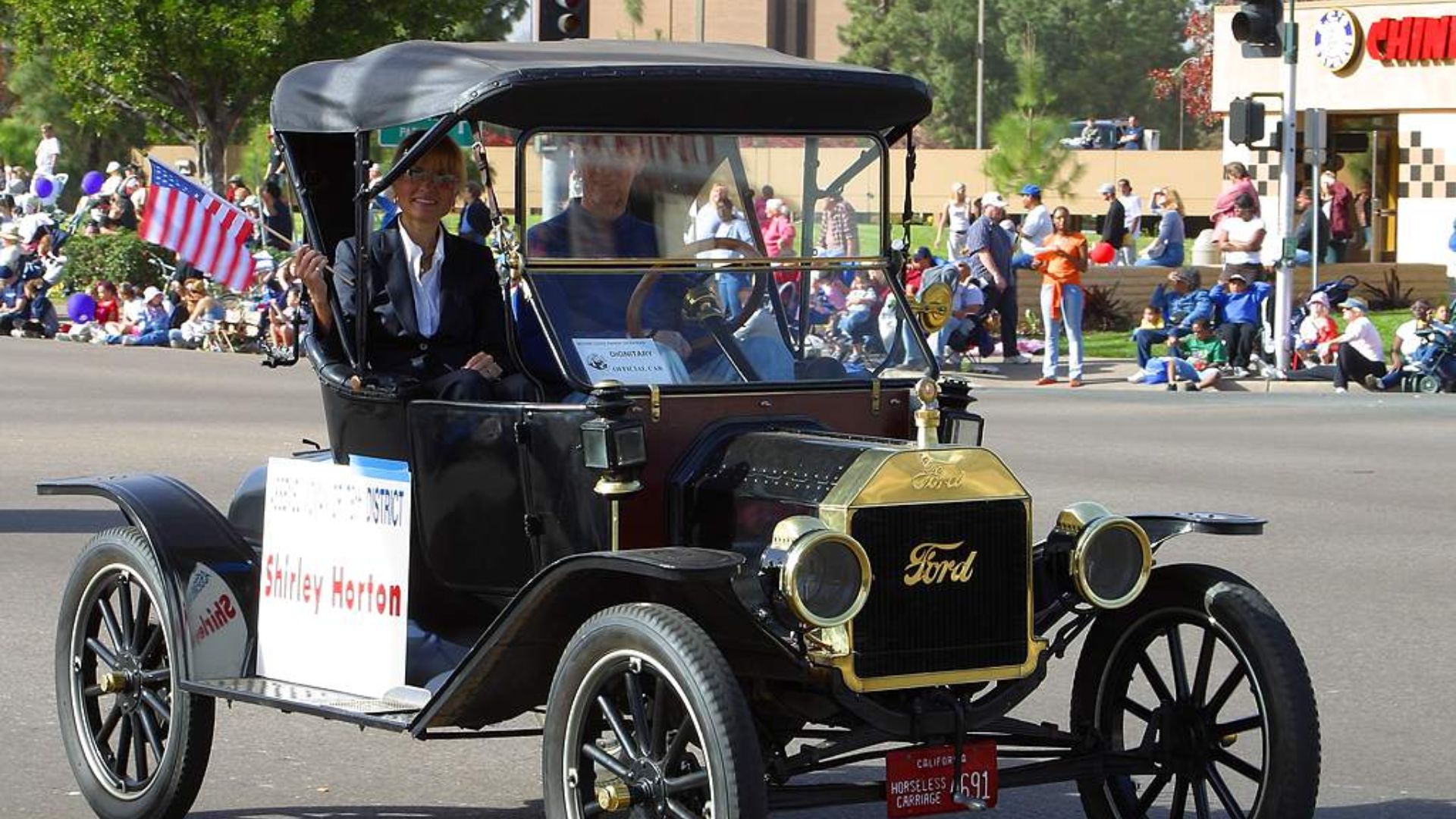
11. Ford Model T
Built from 1908 to 1927, the Model T had no seatbelts, no safety glass, and a hand crank that could kick back hard enough to break a driver's arm. Its thin steel body offered little protection by any modern measure. It revolutionized transportation while meeting almost none of today's safety requirements.
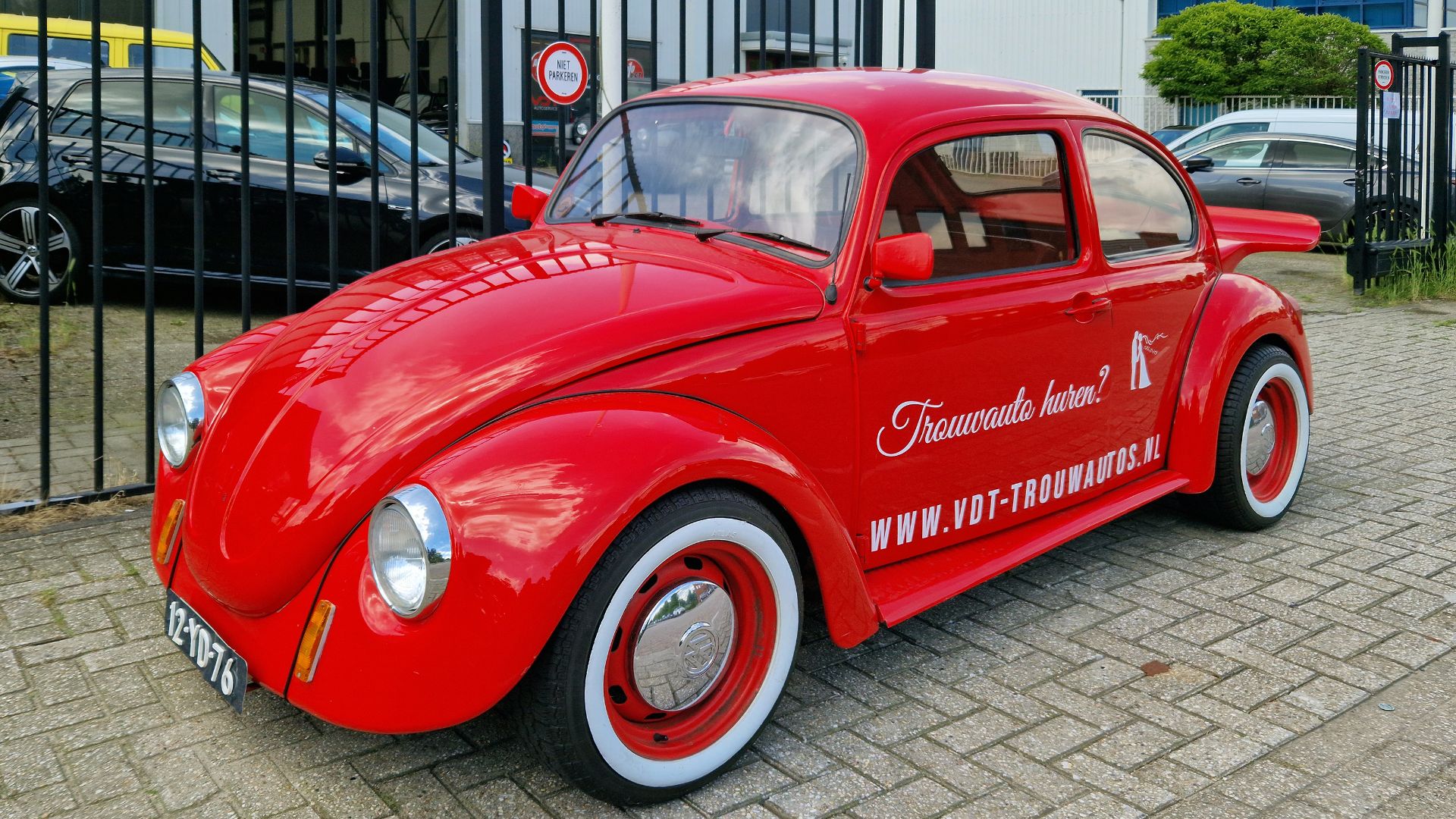
12. Volkswagen Beetle
The original air-cooled Beetle kept its fuel tank in the front trunk, close to the driver's legs, while its rear engine and swing-axle suspension shared some of the Corvair's handling quirks. Early cabin heaters drew warm air across the engine, occasionally letting exhaust into the cabin. Millions were sold, but the fundamentals predate nearly every modern safety rule.
13. Chevrolet Corvette C1
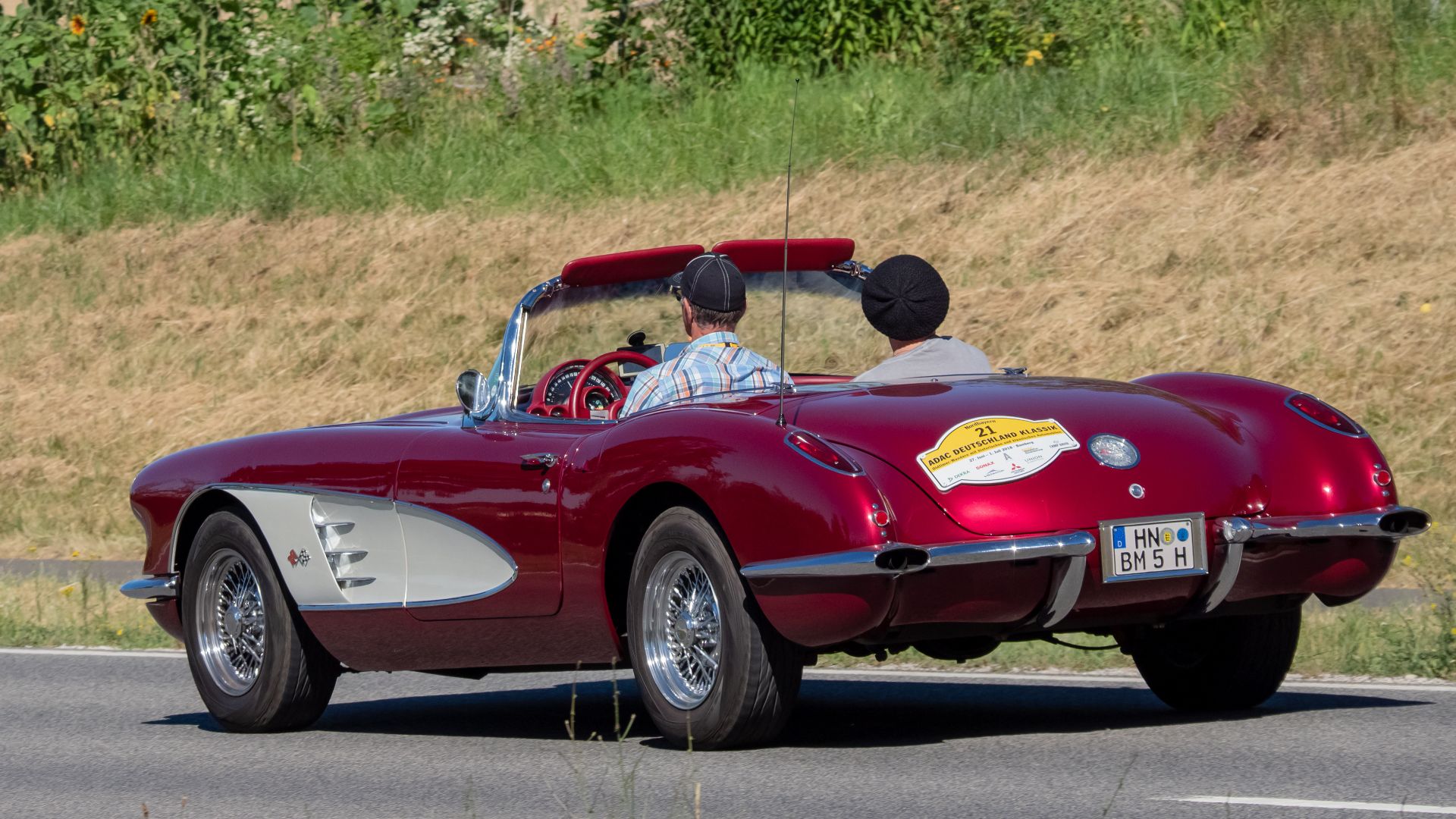
The first-generation Corvette, built from 1953 to 1962, used a fiberglass body over a steel frame and offered no seatbelts as standard for most of its run. The lightweight construction served performance but left occupants with little protection in a serious crash. Later Corvettes fixed this; the original wouldn't meet today's occupant standards as built.
14. AC Cobra
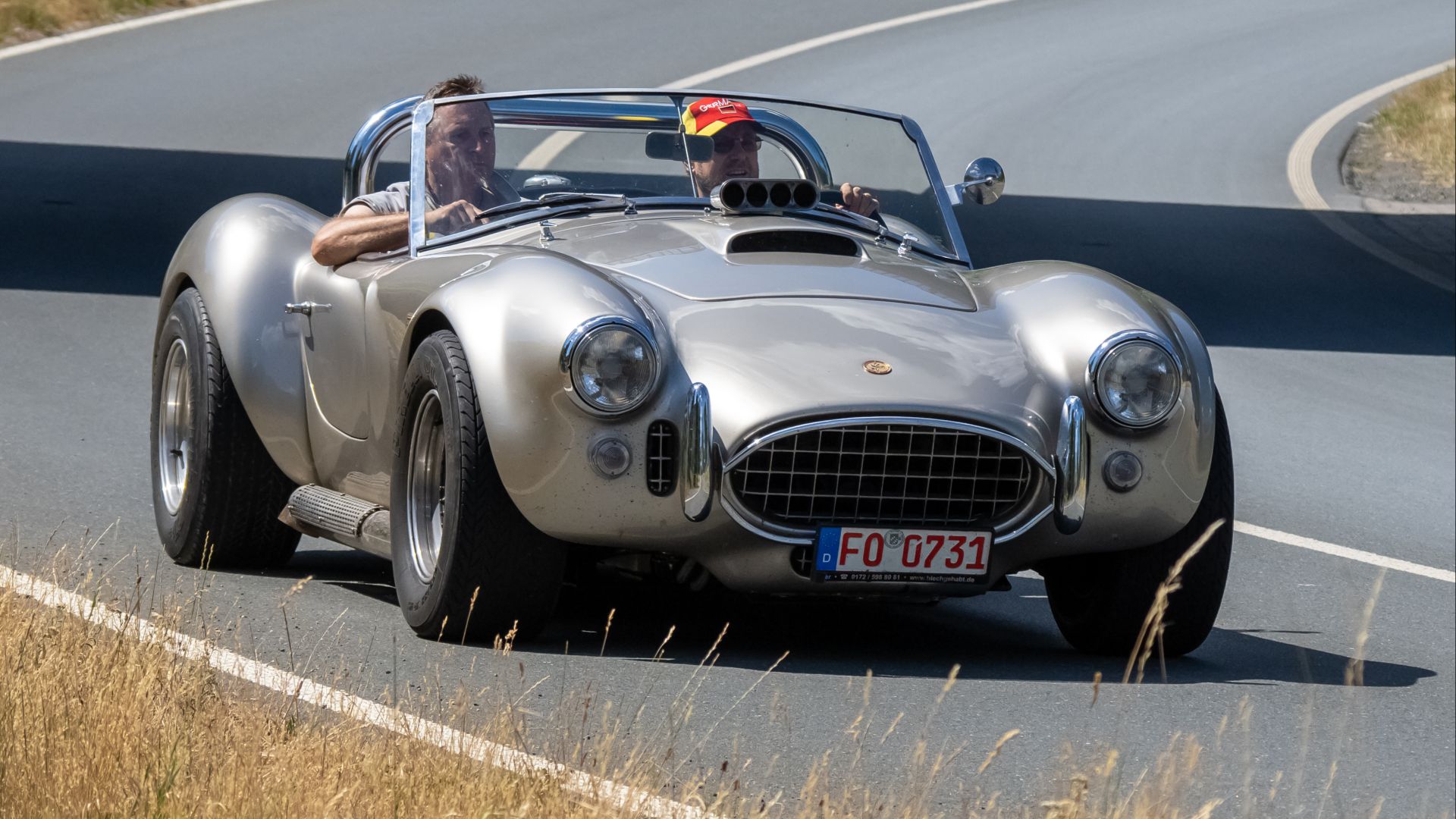
Produced from 1962 to 1968, the Cobra paired a lightweight British roadster body with a big American V8, delivering serious power with almost no safety equipment to match it. No crumple zones, no roll protection, minimal restraints in a car fast enough to outrun a driver's reaction time. Collectors love it for the exact rawness regulators would never allow now.
15. Audi 5000
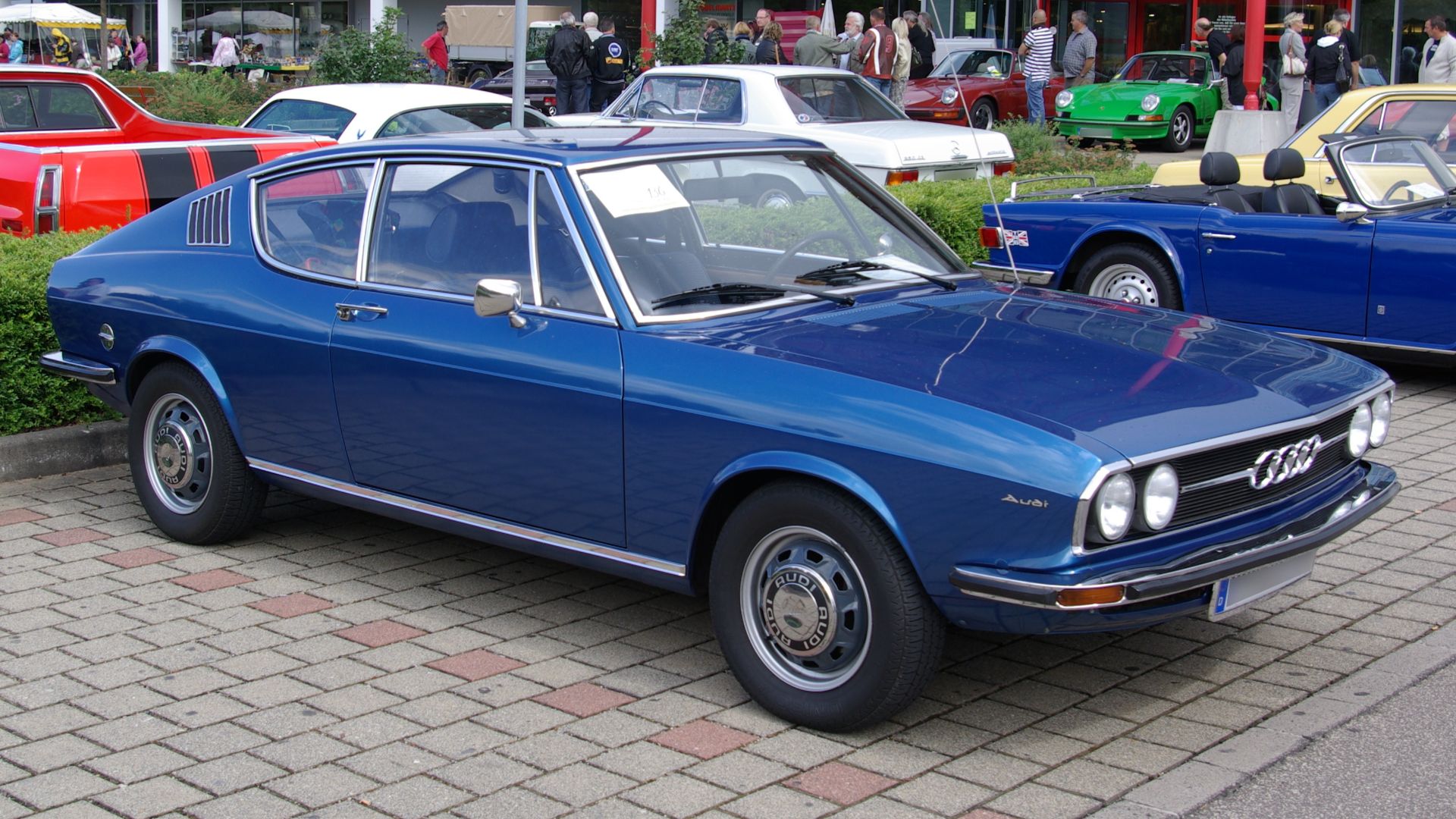
Reports of sudden unintended acceleration in the Audi 5000 became national news after a 1986 television segment, prompting an NHTSA investigation and a wave of lawsuits. Later analysis pointed mostly to pedal placement and driver error rather than a mechanical defect, but the episode reshaped pedal spacing and idle-control design industrywide.
16. Yugo GV
Imported to the US from 1985 to 1992, the Yugo became a punchline almost as soon as it arrived, criticized for poor build quality and weak crash performance in independent testing. Its structure absorbed little impact energy compared to competitors already on the market. Few cars became as synonymous with cut corners during their run.
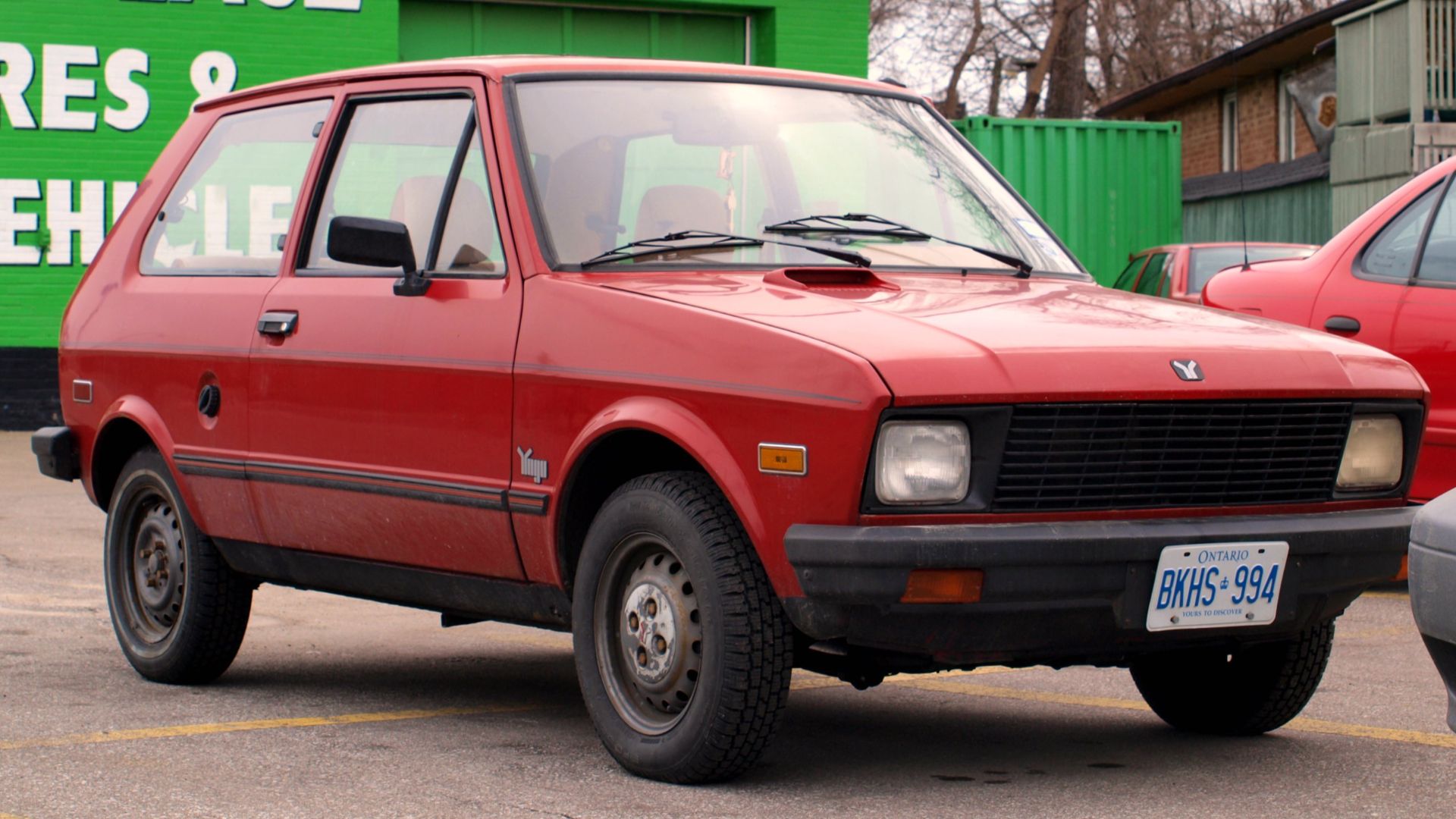 Michael Gil from Toronto, ON, Canada on Wikimedia
17. Volkswagen Type 2 Bus
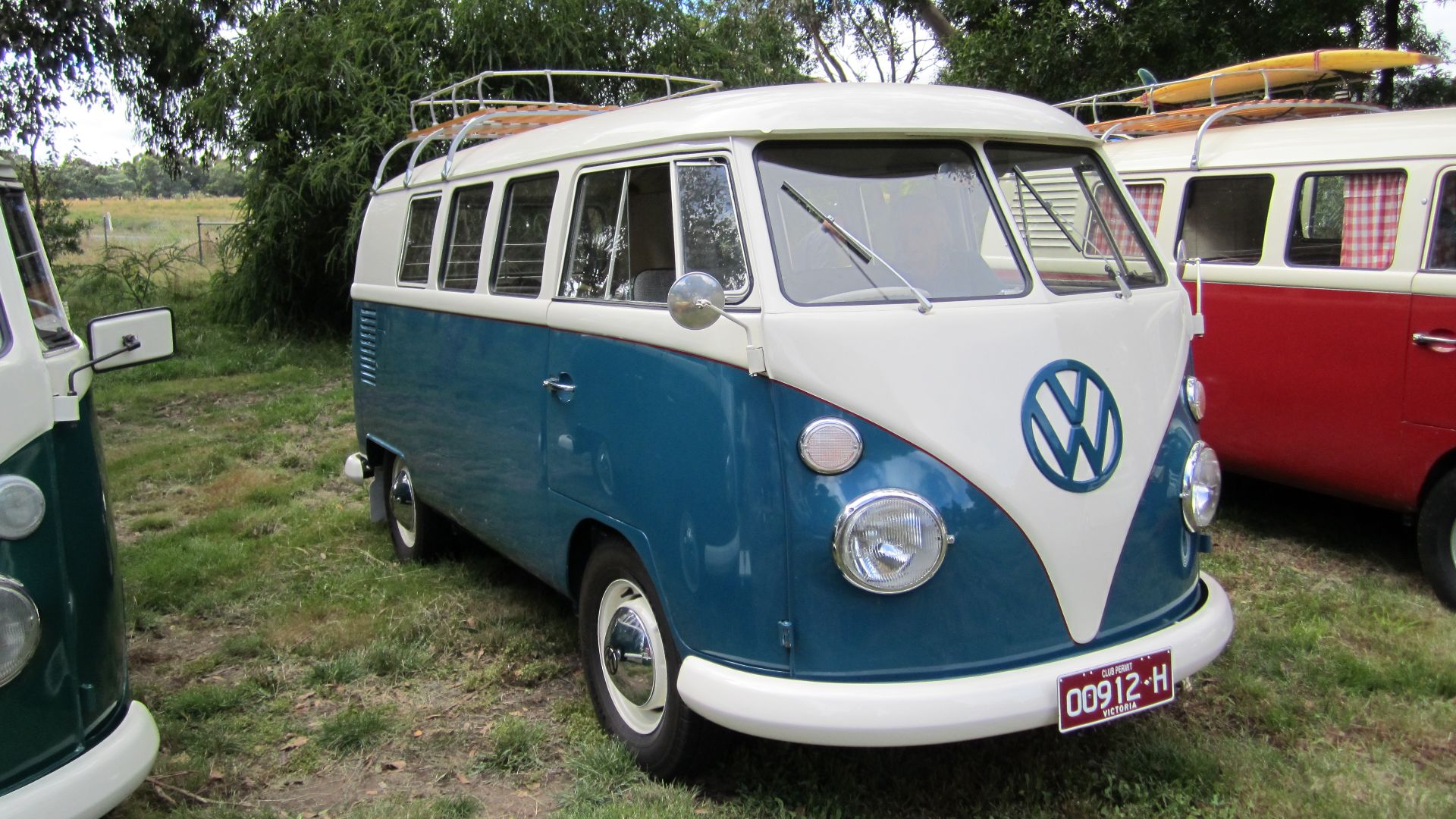
The split-window bus, sold from 1950 to 1967, put the driver directly above the front bumper with essentially no structure between the seat and whatever the vehicle hit. Its cab-over layout maximized cargo space but left almost no crumple zone up front. Modern vans set occupants well back from the nose for exactly this reason.
18. Lotus Europa
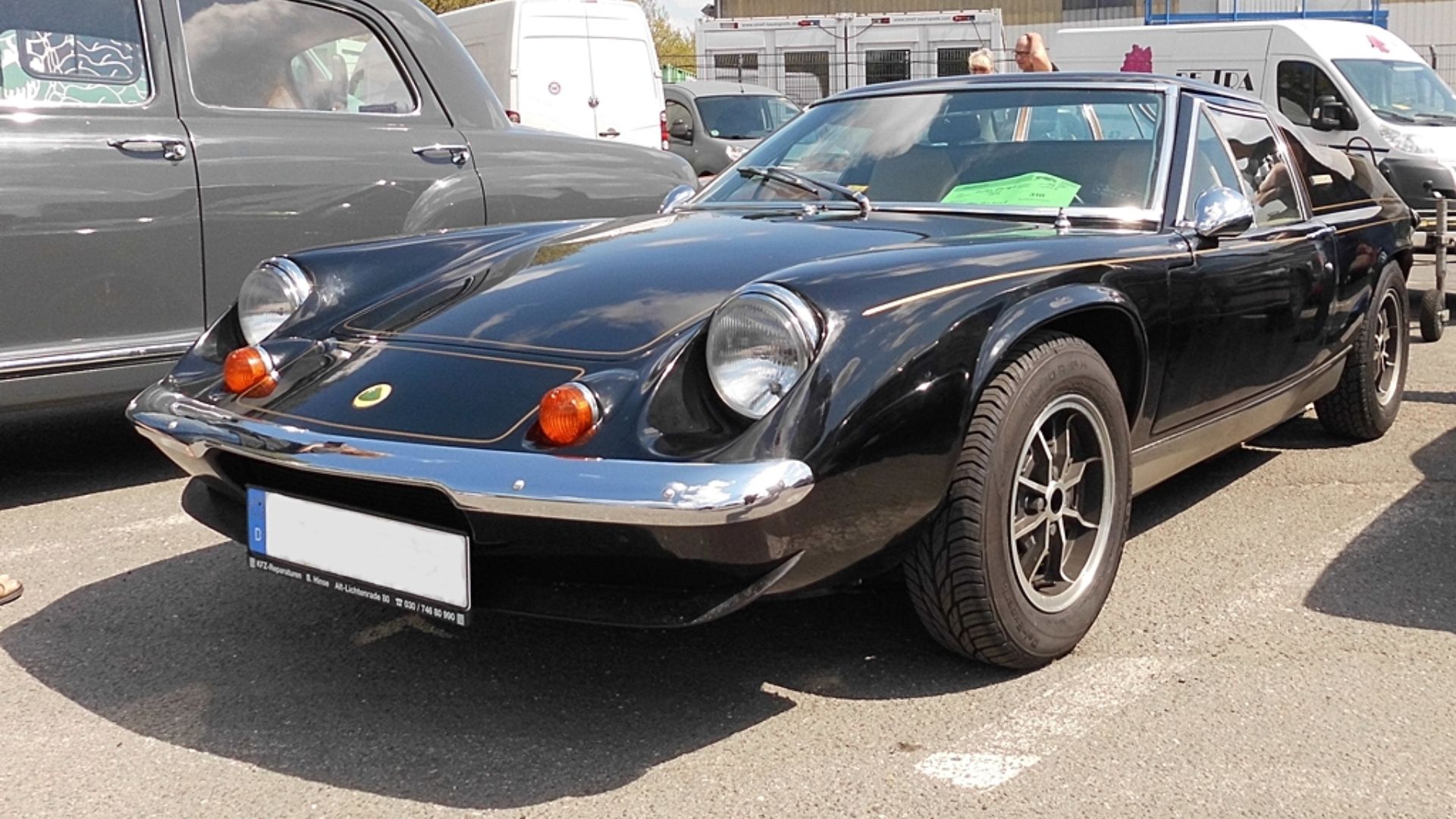
Built from 1966 to 1975, the Europa used an ultra-lightweight fiberglass body over a steel backbone chassis to keep weight down for performance. That minimalism meant very little structure was left to absorb impact energy. Beloved for how it drives, not for how it would hold up in a crash.
19. Bond Bug
The Bond Bug, produced from 1970 to 1974, was a wedge-shaped three-wheeler with a single canopy door hinged at the front and no meaningful rollover protection. Its narrow rear track gave it the same shaky stability as other three-wheelers of the era. It looked like nothing else on the road and offered little else besides.
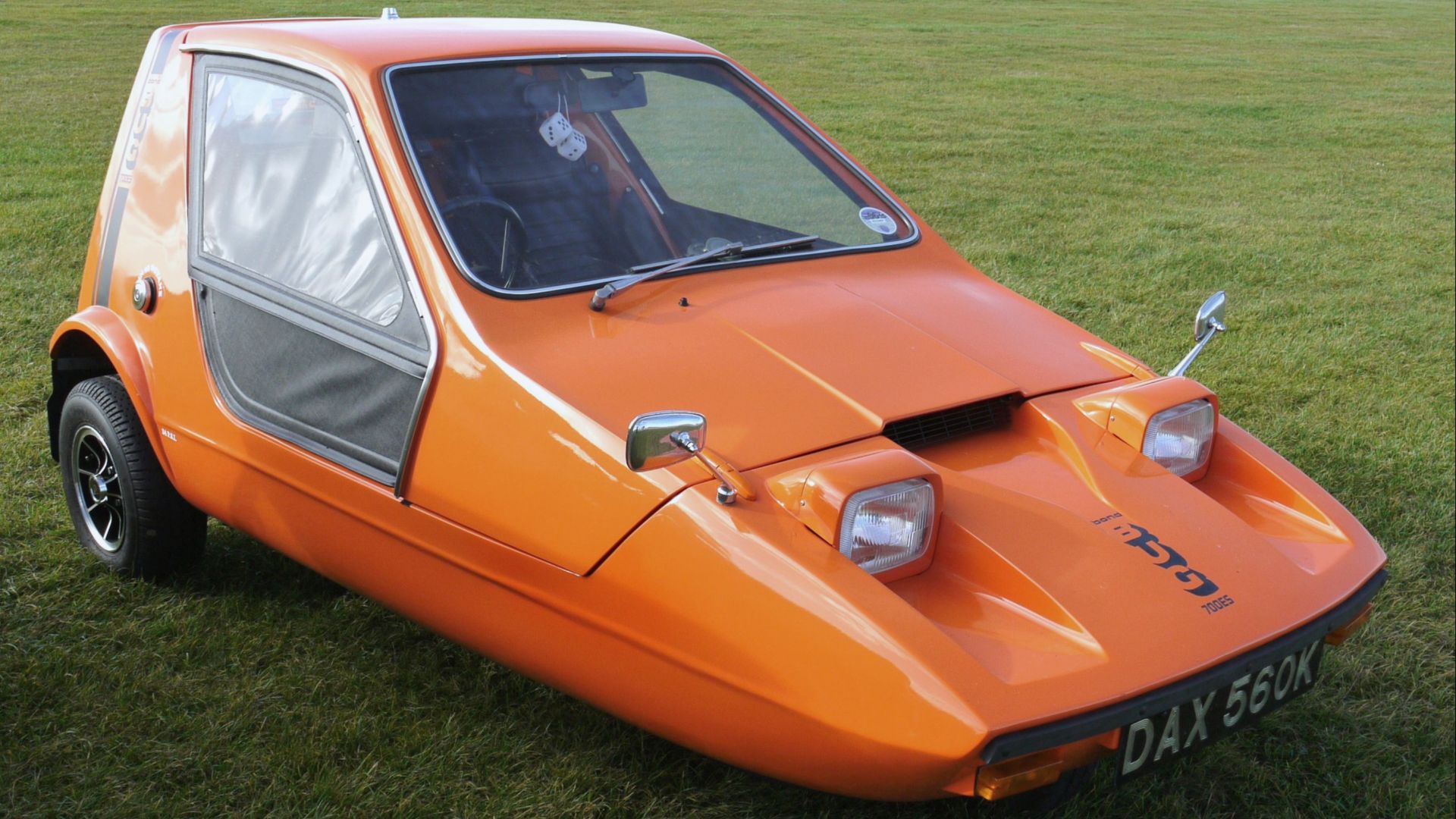 Mick from England on Wikimedia
20. Fiat 500
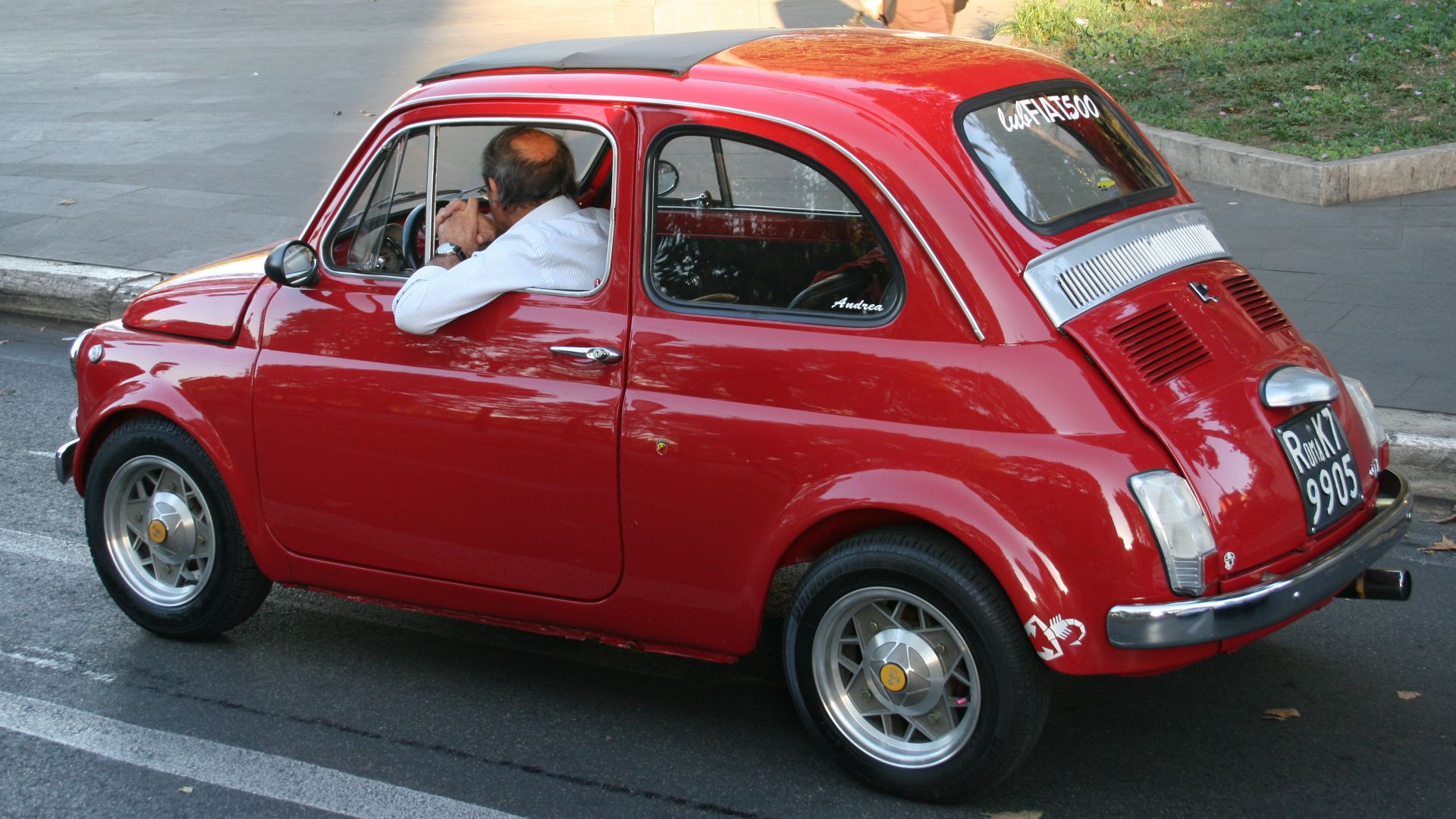
The original Fiat 500, built from 1957 to 1975, packed a small rear-mounted engine into a car barely ten feet long, built for cheap city driving rather than crash performance. Thin panels and minimal structure reflected a brief focused entirely on affordability and size. Beloved to this day, even though its crash protection is nonexistent by modern standards.