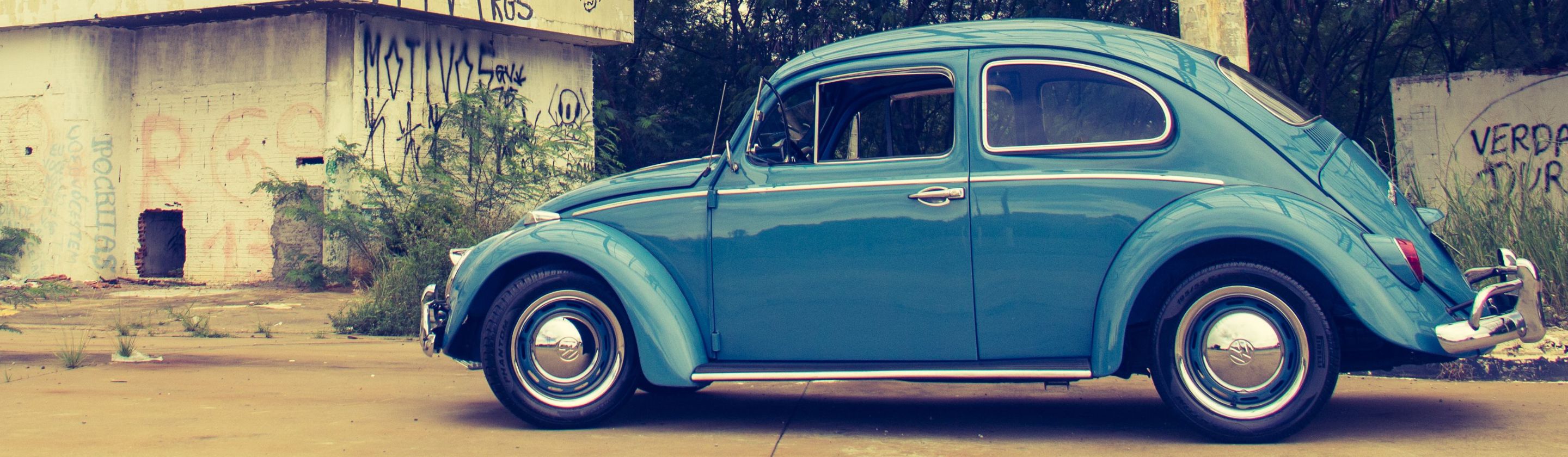
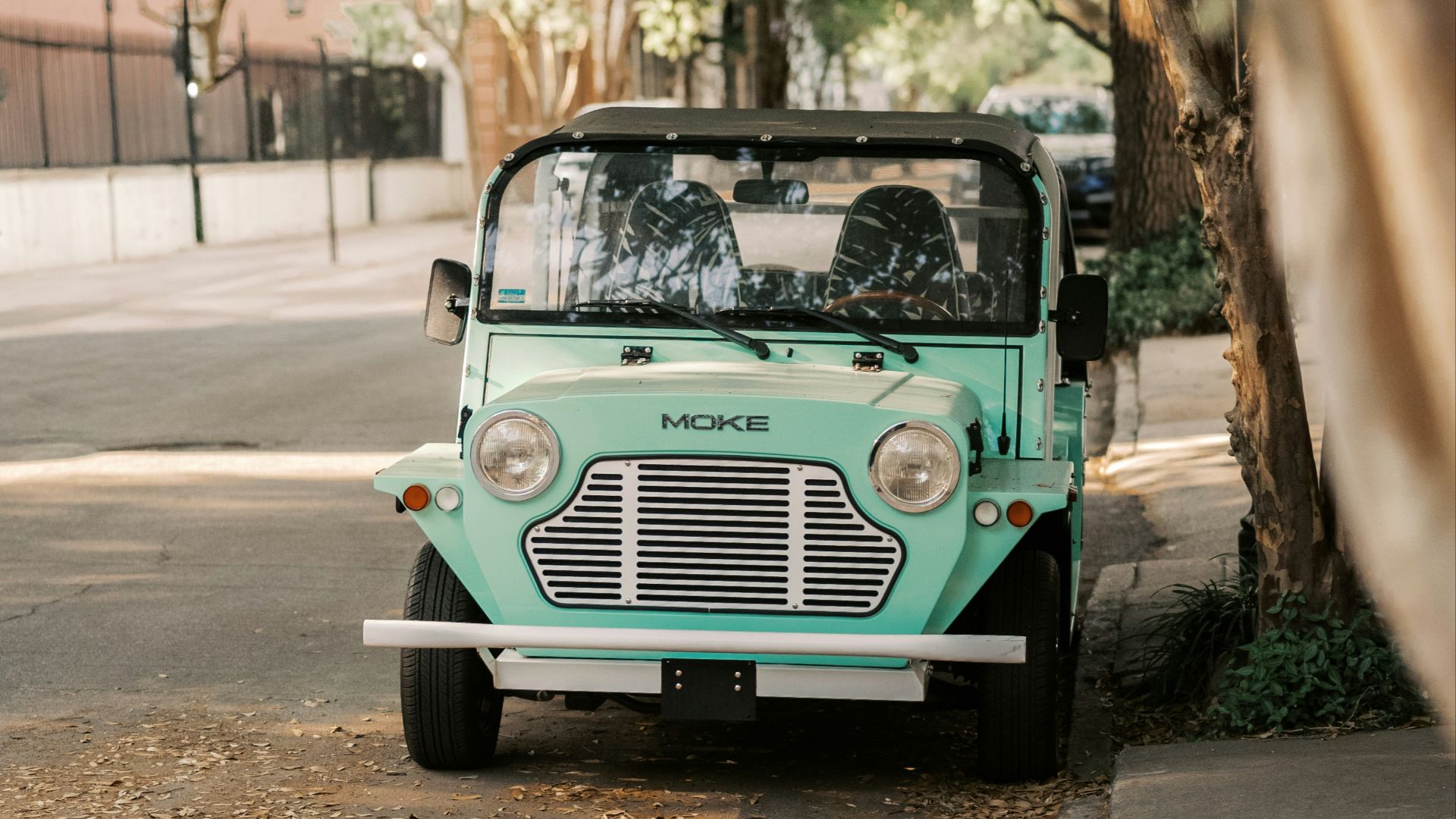
Giving a car a name can feel a little sentimental; it makes sense for something you choose, drive, maintain, and rely on through ordinary routines and major life changes. Cars are practical, yet they can feel personal, too, and their names often pop up in driveway, curbside, and around-the-house conversations. A name also gives everyone an easy way to refer to a familiar vehicle without having to describe it from scratch every time, especially after it has been part of daily life for a while.
Some names come from a color, an unusual sound, or a front-end design that looks friendly. Others grow out of years of commutes, road trips, repair bills, and last-minute rides home, the sort of small moments people remember later. A nickname can begin as a small inside joke, then become the usual way people around the house talk about the car.
Cars Are Easy to Personify
There’s a word for giving a nonhuman thing human-like traits, intentions, or emotions: anthropomorphism. You hear it in everyday talk when someone calls a computer stubborn or says a classic coupe is temperamental. In a Psychological Review paper, Nicholas Epley, Adam Waytz, and John Cacioppo describe anthropomorphism as a common and variable part of human judgment, which is a more formal way of describing a familiar habit. Giving a car a name fits that pattern, even if it starts as a joke and sticks because everyone keeps using it.
Serge Brédart’s 2021 study gives us a useful look at how often cars come up in this kind of naming. Of 130 French-speaking adults surveyed, 47 said they had named at least one object they owned. Cars were the most frequently named category, with 34 people naming one, and more participants named cars than electronic devices or household items. The result shows how a vehicle can be remembered more clearly than many other personal belongings.
Brédart, the researcher who conducted this survey, found that 40.4 percent of participants who named an object did not assign psychological characteristics to it in the same study. A name can be meaningful, funny, practical, or all three, and it can simply fit the way a particular car looks, sounds, or behaves on a day-to-day basis.
Car Design
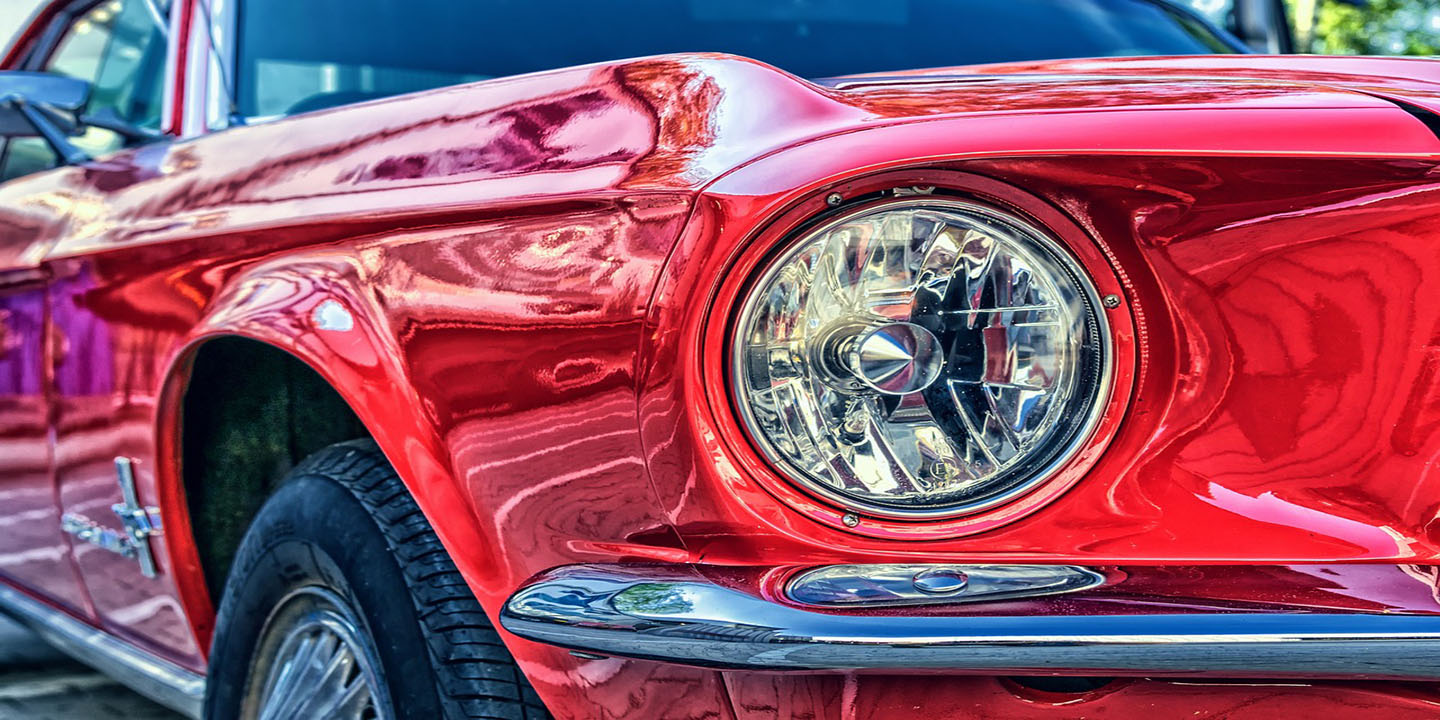
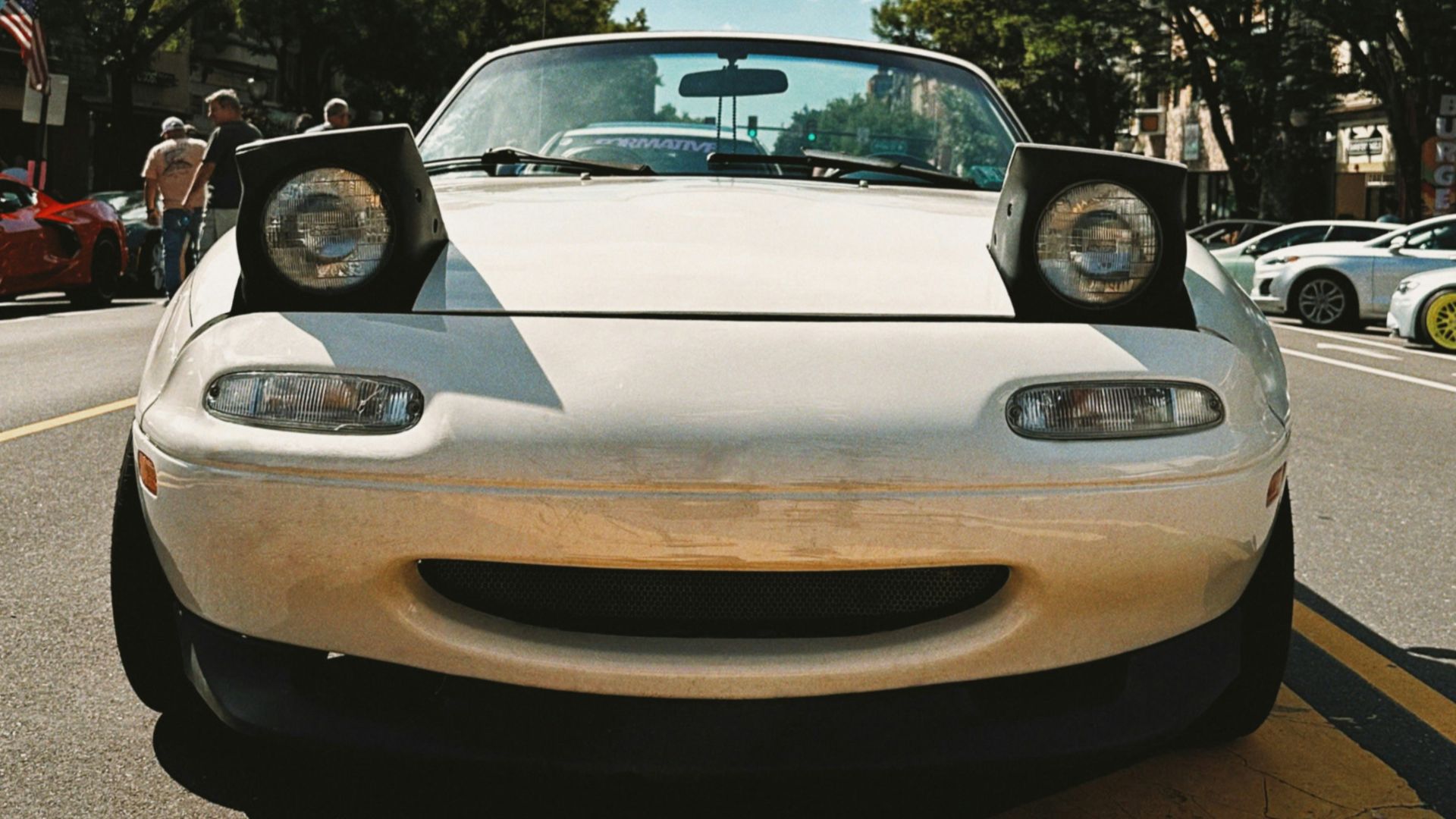
The way a car looks can shape a first impression before anyone has spent much time behind the wheel. Headlights are where eyes would be, a grille can look like it’s smiling or scowling, and a vehicle’s height and stance can make it seem friendly, alert, or imposing. A 2014 PLOS ONE paper cites earlier research showing that people attribute human traits, including maturity, gender, and interpersonal attitudes, to car fronts. Those reactions are subjective, and two people won’t always agree, yet they give people a familiar way to describe the car in front of them and a natural starting point for a nickname.
The same paper had 20 adults with no special interest in cars take part in an fMRI brain-scan task. They viewed 50 pictures of car fronts, then described the vehicles with adjectives afterward. Ratings of how well those adjectives applied to people predicted activity in the fusiform face area. The finding connects human-like descriptions of car fronts with a face-sensitive brain response while stopping short of saying a car literally has a face, and it helps explain why someone might see a rounded grille and settle on a friendly name that suits the car.
Looks aren’t the whole story once you live with a car. A car’s steering feel, exhaust note, cold-start behavior, or almost comical habit of attracting dashboard warnings can change the way an owner sees it over ordinary use and upkeep, when the same little quirks keep showing up. Over time, a name can become more specific and come to describe the vehicle’s personality for its owner and family.
Ownership Becomes a Story
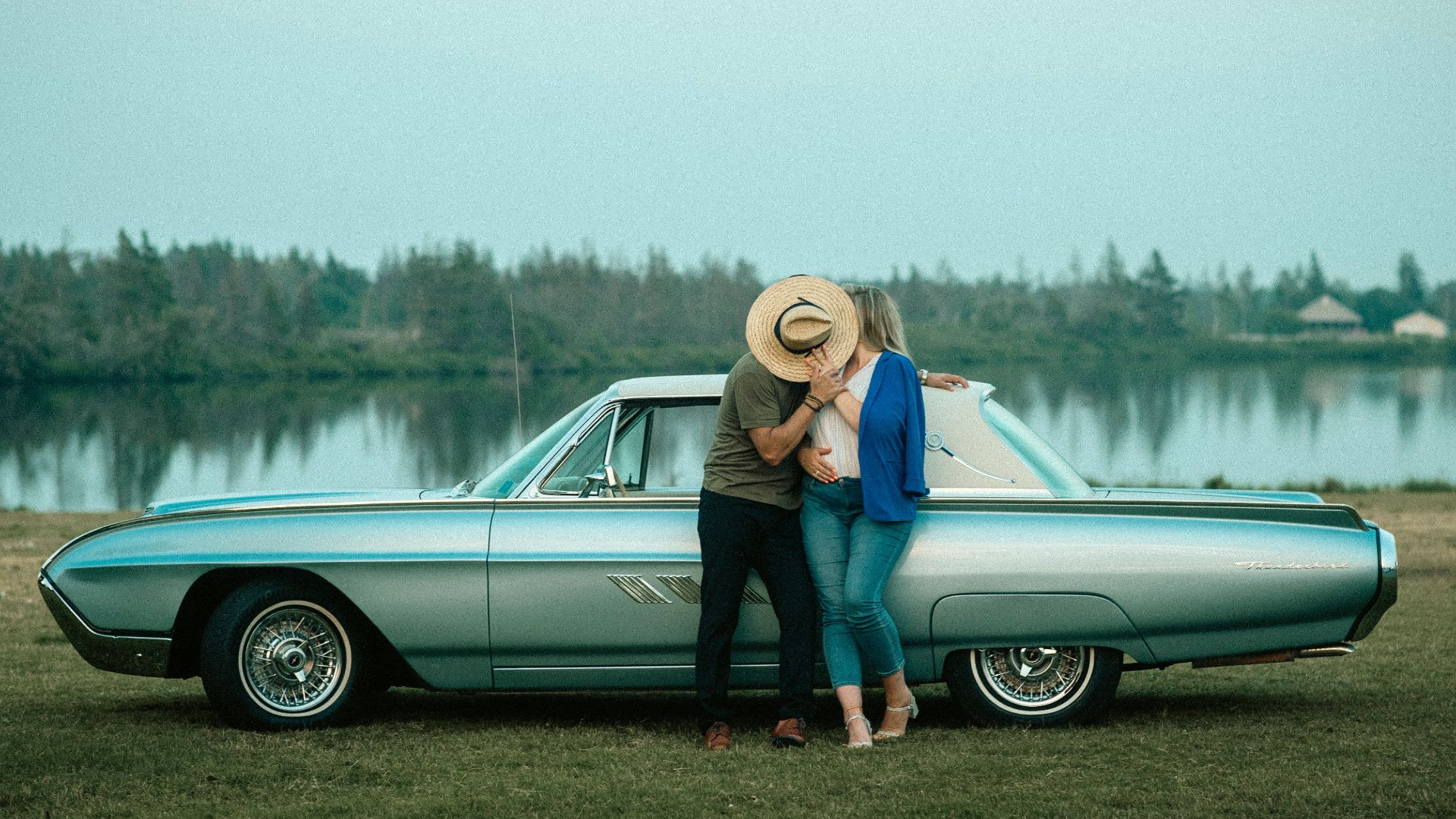 Considerate Agency on Unsplash
Cars stand apart from many other possessions because people use them in public, rely on them again and again, and connect them with milestones they recognize. Consumer researcher Russell Belk’s extended-self theory describes possessions as things people use to express and maintain a sense of identity. That idea fits cars, which can have a visible place in day-to-day life as well as a practical role. A name gives an owner another easy way to talk about a vehicle that has become familiar, useful, and personally meaningful.
Naming a car doesn’t make the relationship irrational. A first car can stand for independence, while a long-serving truck may bring back years of moves, projects, and weekend errands. A hatchback that carried someone through school or a family SUV that handled countless airport runs has also been part of early departures, quiet thinking time, and the odd emergency grocery run. Its name works as a quick, shared reference for those details, including the ones that keep coming up in family stories and everyday conversation over the years.
A name won’t change an oil interval, improve tire tread, or make a repair quote hurt less. Still, it can give a machine an identity that’s easy to share. When people name a car, they’re often adding a familiar and memorable possession to the events they remember from their own lives. That small habit can sit alongside the maintenance record and the memories that make a particular car easy to recall later, and easy to talk about with other people.