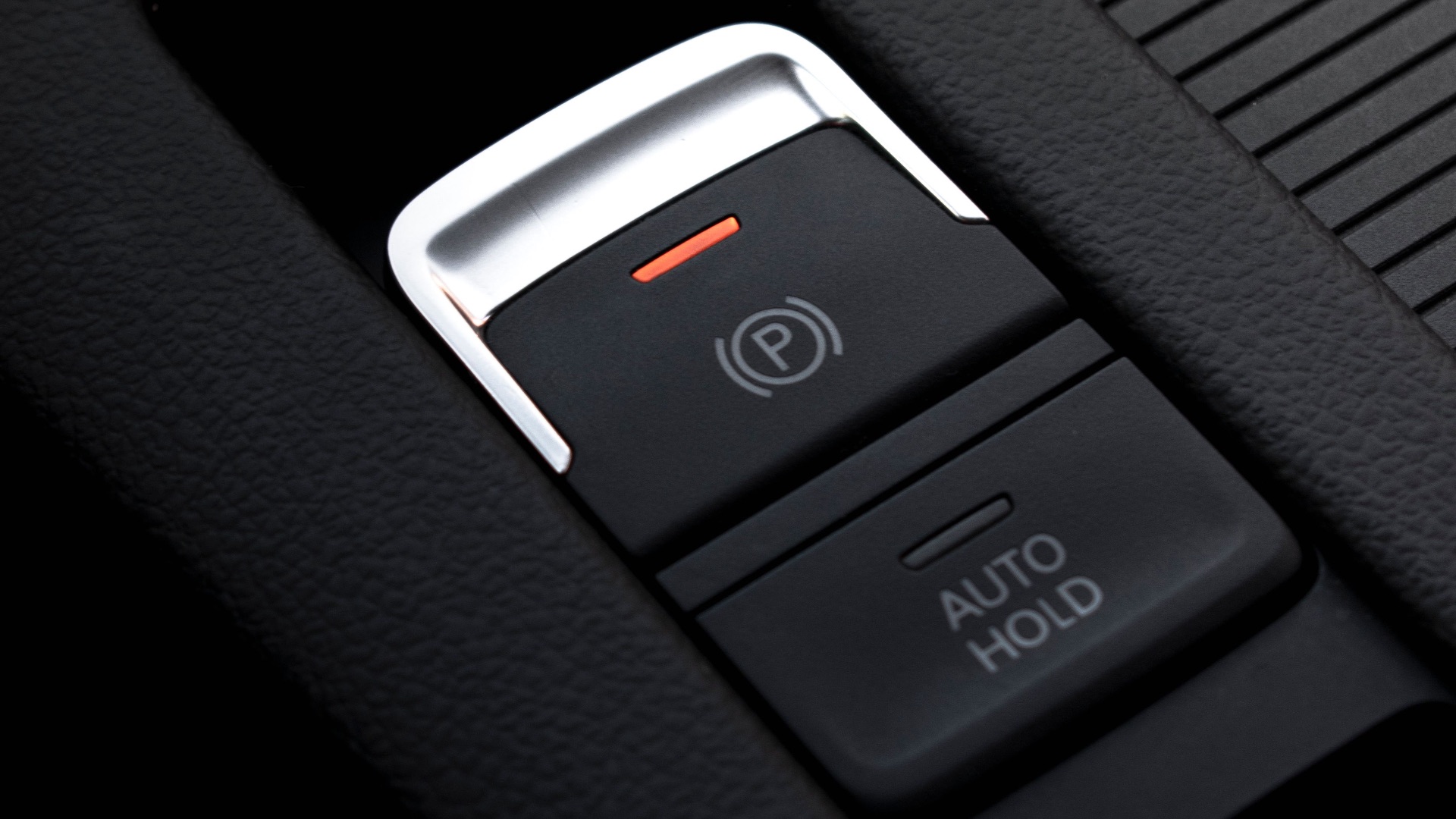
If you drive an automatic, there's a good chance you've never given your handbrake a second thought. After all, doesn't simply shifting into park do all the work for you? What's the point of that lever beside your seat, anyway? And yet, even if forgoing this extra step hasn't caused you any major trouble yet, skipping it is also not doing you any favors.
Whether you actually need the handbrake (although you often do), which is also called the parking brake or emergency brake, comes down to a few factors: your transmission type, where you're parked, and how much you care about your car's long-term health. Sound confusing? Don't worry, we'll break it all down and show how you should be using it far more often than you probably do.
What the Handbrake Actually Does
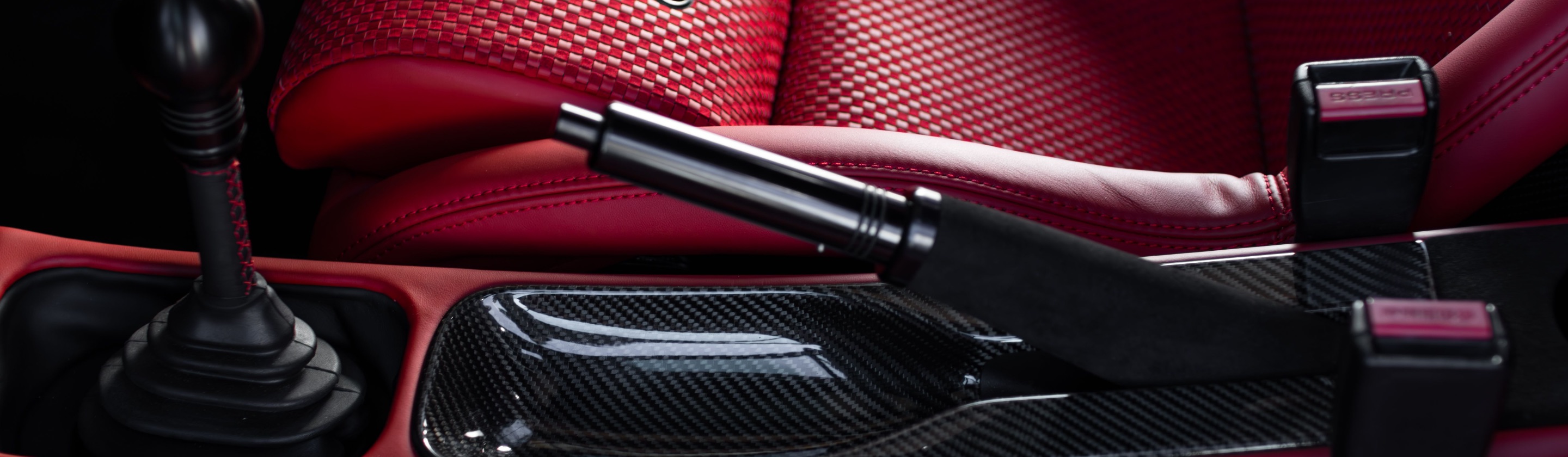
So, what does the handbrake actually do? To explain it, we'll have to dive deep into the components of your car. While your vehicle's main hydraulic brakes handle everyday stopping, the handbrake by the driver's seat has a completely separate mechanism. When it's engaged, it typically clamps down on your rear brake pads or a small drum near the rear wheels, which holds them in place regardless of whether your foot is on the pedal. You might wonder why this matters, but it's precisely because of this separate mechanism that your parking brake can still function even if your primary braking system fails or loses pressure.
In an automatic, whenever you put your car in Park, all you're doing is activating a component called the parking pawl—a small metal pin that locks into a notch. You can probably see, then, that if this pin were to fail under stress or another vehicle strikes your car and causes it to roll, having the emergency brake engaged could save you from a whole lot of trouble. After all, even though this pawl is designed to immobilize the transmission, it's not built to bear your vehicle's full weight indefinitely, so relying on it is risky.
Manual transmission drivers, on the other hand, don't have a parking pawl to fall back on at all. Without engaging the handbrake, it will still roll. That's why for anyone driving stick-shift, the parking brake is mandatory, and they'll build better habits because of it.
Why Skipping It Can Cost You Down the Road
As we've mentioned, skipping applying the handbrake regularly could shorten your transmission's lifespan. Just imagine having the entire weight of your vehicle rest on that tiny parking pawl every single time you park! Not very sustainable-sounding, right? If you don't want to have to bring your car in for costly repairs, it'll do you well to start using that handy-dandy lever.
There's also a mechanical trade-off happening on the other end of the equation. Because your parking brake is integrated into the rear calipers, if you don't apply it occasionally, your rear brakes will slowly deteriorate and become less effective. Worse yet, this decline happens so gradually that you won't notice something's wrong until you have rust-seized components that no longer respond properly in your hands.
Beyond your transmission and calipers, the handbrake mechanism itself stays reliable the more you use it. If you're always leaving it unengaged, the internal cables and components can also seize up from rust, and it may not hold your vehicle when you trust it to. To avoid any accidents down the road, make sure you're always pulling it up before you get out of the car.
When It's Non-Negotiable
While you should be engaging the parking brake every time your car is parked, there are certain situations where it's non-negotiable. Parking on an incline, for example, is one scenario where you must use your handbrake. No matter how shallow a slope, relying on the pawl alone puts constant strain on it to hold your car in place. You should also remember to position your wheels correctly: turn your wheels to the right if you're parking downhill, and to the left when against a curb or to the right if there's no curb if you're facing uphill. That way, if your brakes do fail, the car rolls into the curb rather than into the street.
The order in which you engage everything matters just as much as whether you do it. Here's something that might surprise you if you're not a car junkie: for those driving an automatic, it's recommended to apply the handbrake before shifting into park, so that your vehicle's weight settles onto the brake rather than the transmission pin. Doing it in the reverse order will largely defeat the purpose, as your transmission will have already taken on the load by that point.
The Bottom Line
At the end of the day, the handbrake isn't just some nifty-looking lever, but an essential step that should be engaged when you park. It's a genuine backup safety system, and more than that, a great way to protect your transmission from unnecessary wear. Never, ever skip it if you're parked on a hill. The more you get into the habit of using it, the longer your car will run without trouble.