Experience Costs Less Than Learning the Hard Way
Classic-car collecting has plenty of unwritten rules, and longtime owners tend to learn which ones matter after a few expensive mistakes. Some advice can protect you from buying a beautifully painted headache, while other so-called wisdom encourages people to spend money they'll never see again. Before you bring a lemon home, here are 10 truths worth remembering, and 10 persistent myths that only empty your budget.

1. Buy the Best Car You Can Afford
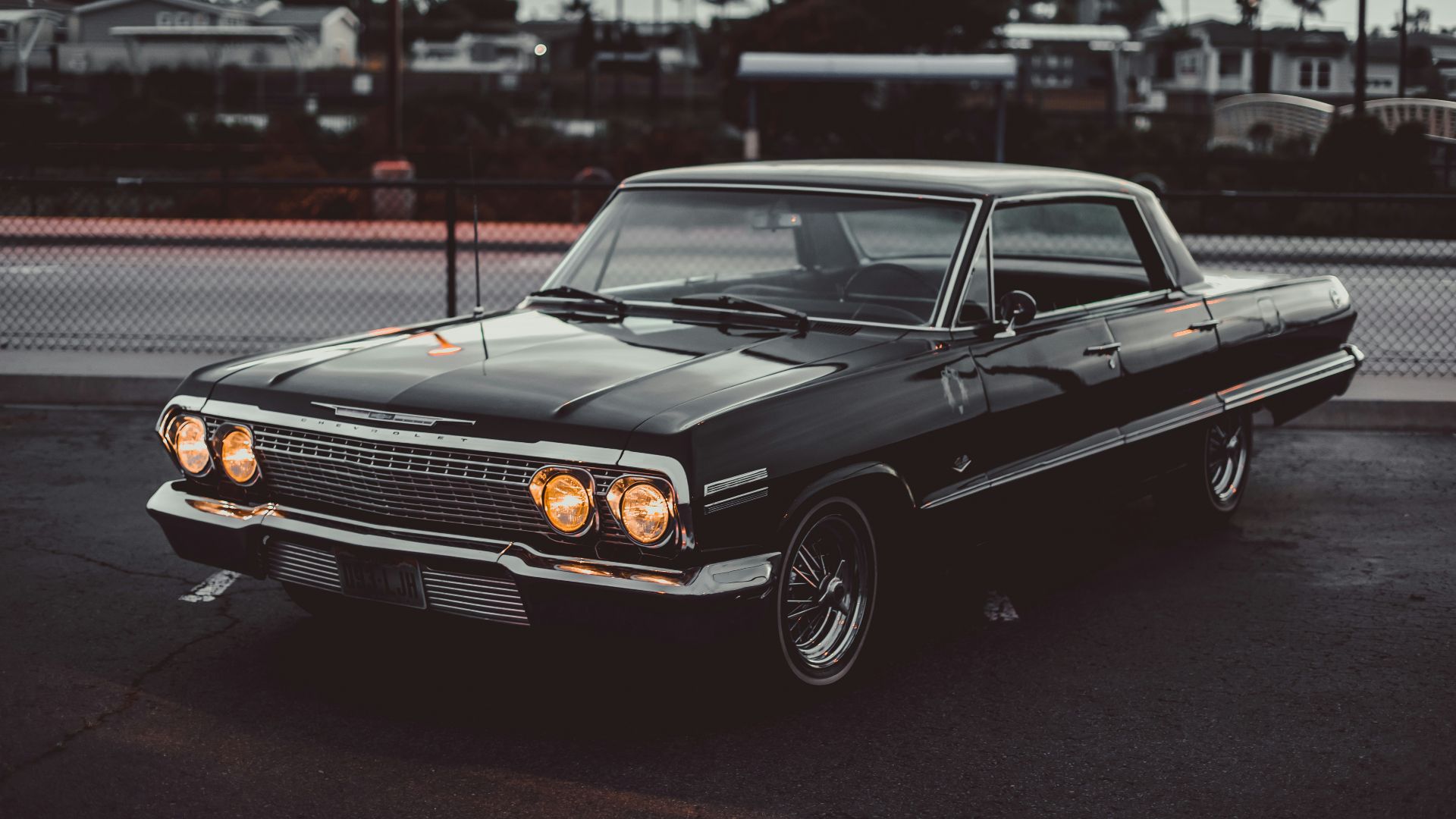
Here’s a golden rule to live by: a cheap project isn't automatically a money-saver. When it comes to classic-car ownership, don’t forget that bodywork, upholstery, trim, and mechanical repairs add up. Experienced collectors usually calculate the work required rather than getting excited by a promising price tag.
2. Rust Deserves More Attention
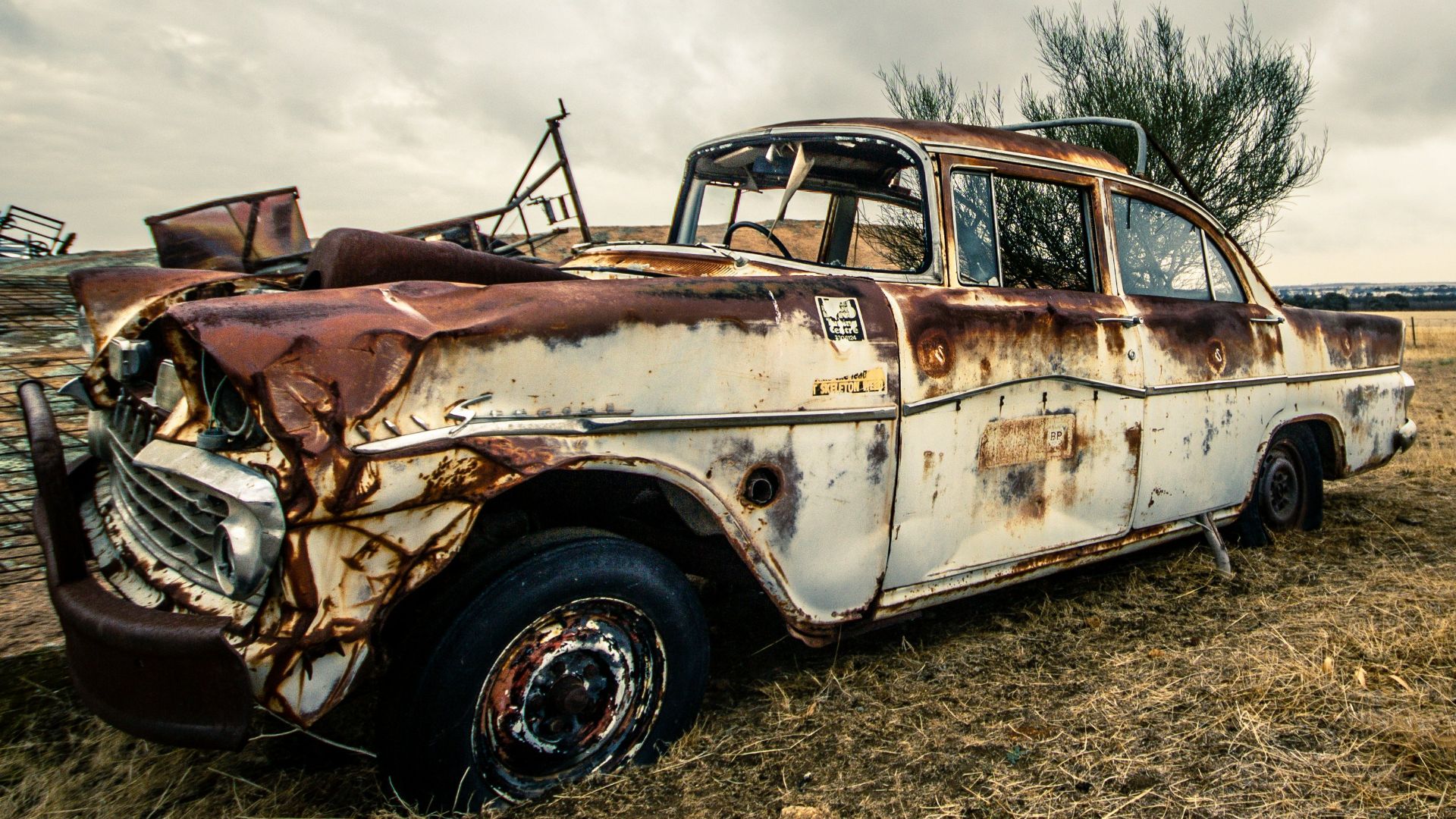
Engines, transmissions, brakes, and suspension components can often be rebuilt, but serious corrosion? That uncovers one problem after another. An old girl needing an engine rebuild may be far less intimidating than one with rusted floors, rocker panels, and frame sections.
3. Documentation Can Be Worth Real Money
The real money sits in the documents you keep. Old invoices, service records, restoration photographs, and even ownership history help establish exactly what a collector’s buying. Keeping a thick file is one of the easiest things you can do to boost its appeal.
4. Original Parts Are Worth Keeping
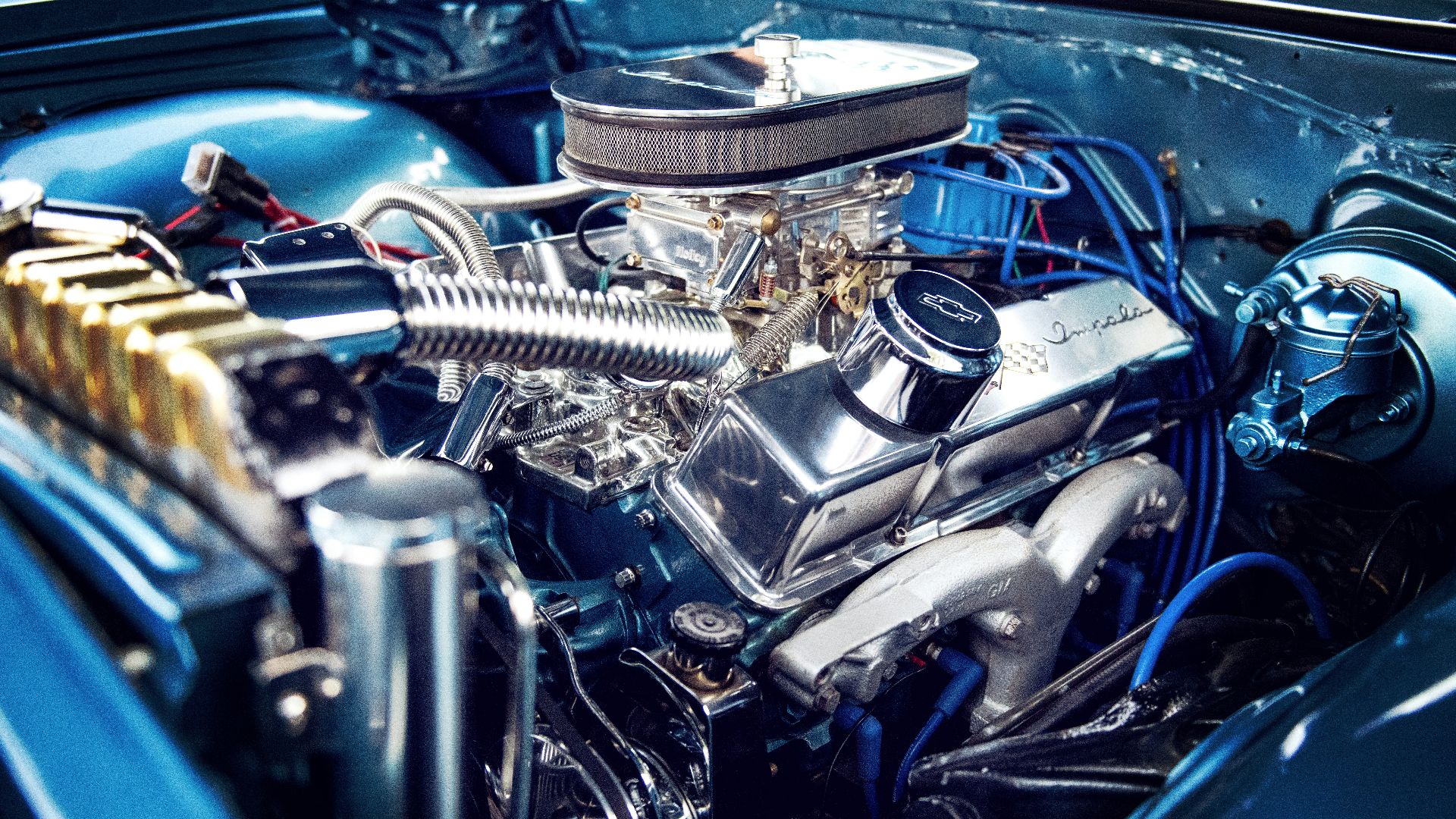
Replacing an old component doesn't mean the removed piece belongs in the trash. It’s even more valuable when you're dealing with an unusual model! There’s a reason owners hang onto original components: if a future buyer wants to return the car to factory specification, having those pieces can save an unpleasant hunt for scarce parts.
5. A Pre-Purchase Inspection Is Money Well Spent
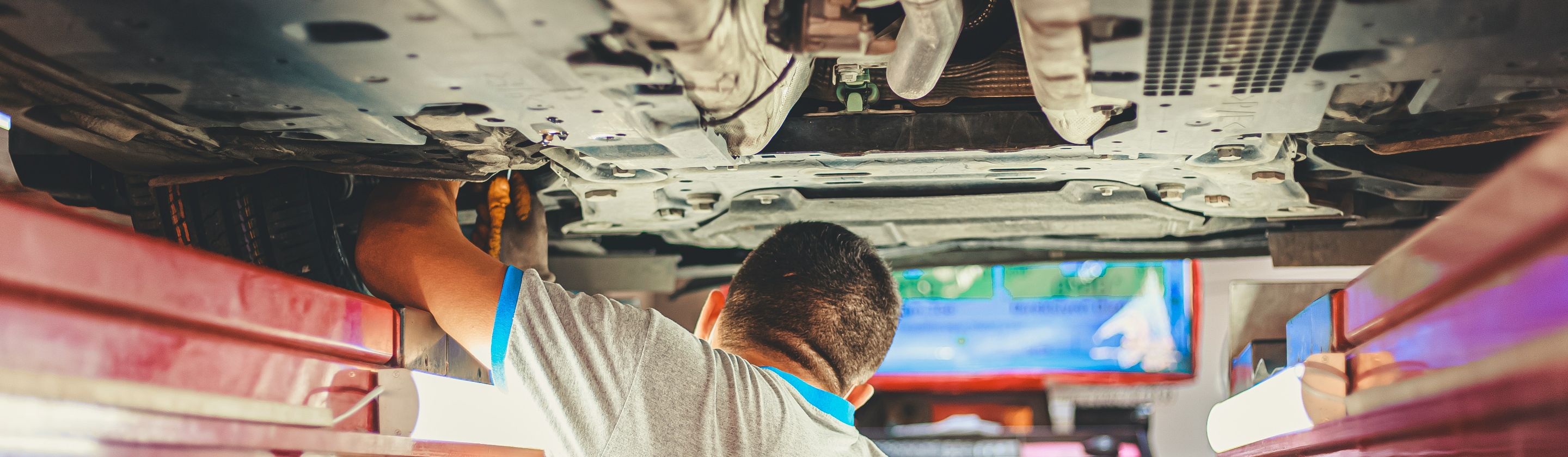
Even knowledgeable enthusiasts can miss expensive trouble when they're excited about finally finding their dream ride. However, once you put your wheels on a lift, there’s no telling if you’ll spot leaks or deferred maintenance that photographs never showed. Paying a specialist before signing on the dotted line is actually much cheaper than discovering the same problems later.
6. You Need to Research
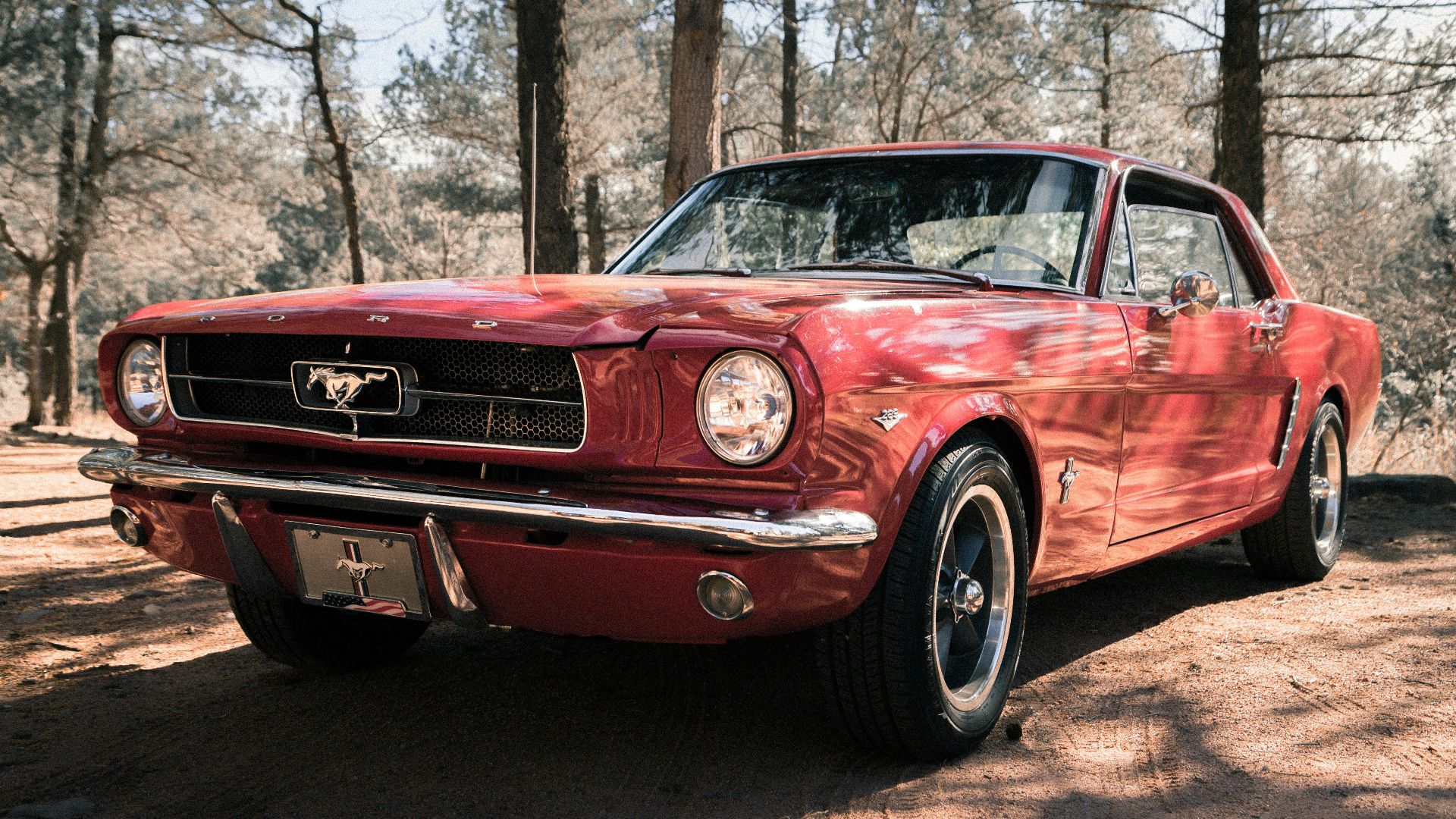
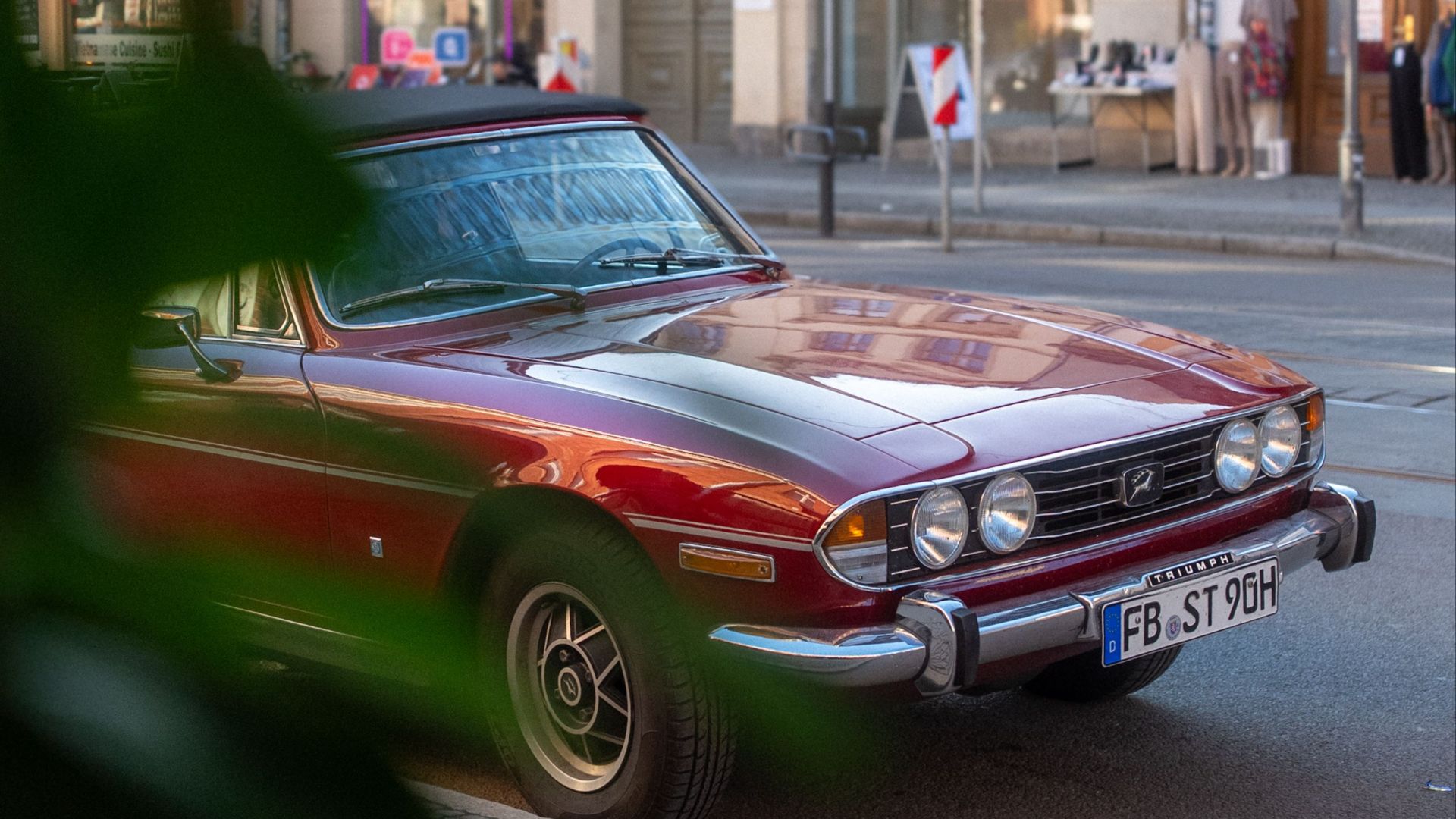
Two cars with the same model name can occupy very different parts of the collector market. That’s because engines, factory options, body styles, and production years matter. Don’t forget: a 1969 Camaro Z/28 isn't valued the same way as an ordinary six-cylinder Camaro.

7. Reversible Modifications Are Usually Safer
You can make an old car easier to drive without permanently erasing what made it worthwhile in the first place. Owners love to add electronic ignition or even just better brakes while storing the original equipment so it can be reinstalled later. On the other hand, cutting dashboards or altering bodywork gives the next owner far fewer choices.

8. Recent Sale Prices Matter More Than Asking Prices
An ambitious listing doesn't establish what a model’s actually worth, no matter what the old owner says. Collectors compare completed auctions and recent sales involving cars of similar specification and condition rather than relying on an unsold listing that's been sitting online for eight months. Knowing what buyers have genuinely paid makes negotiations a lot more grounded.

9. Keep Rare Parts in Mind
A missing engine component may be easy to replace, but what about the rest of your car? All it takes is one piece of exterior trim to send you on a months-long hunt. Seasoned collectors often inventory those hard-to-find items before worrying about parts available from several suppliers.
10. Buying Something You Enjoy Makes a Difference
Collector markets change. So, purchasing solely on a promise of price appreciation can leave you with an expensive ride you don't even like. Financial considerations obviously play a role in your choice, but enjoyment gives you something back during the years between buying and selling.

With all the good stuff out of the way, let’s dive into a few myths you really need to leave behind.
1. Every Old Car Will Eventually Become Valuable
Survival alone doesn't turn an unwanted vehicle into a collectible, and scarcity means very little when hardly anyone wants the model. A low-production economy car from the 1970s can stay a dud, even when far fewer examples survive than comparable Mustangs or Corvettes.
2. A Full Restoration Always Increases Value
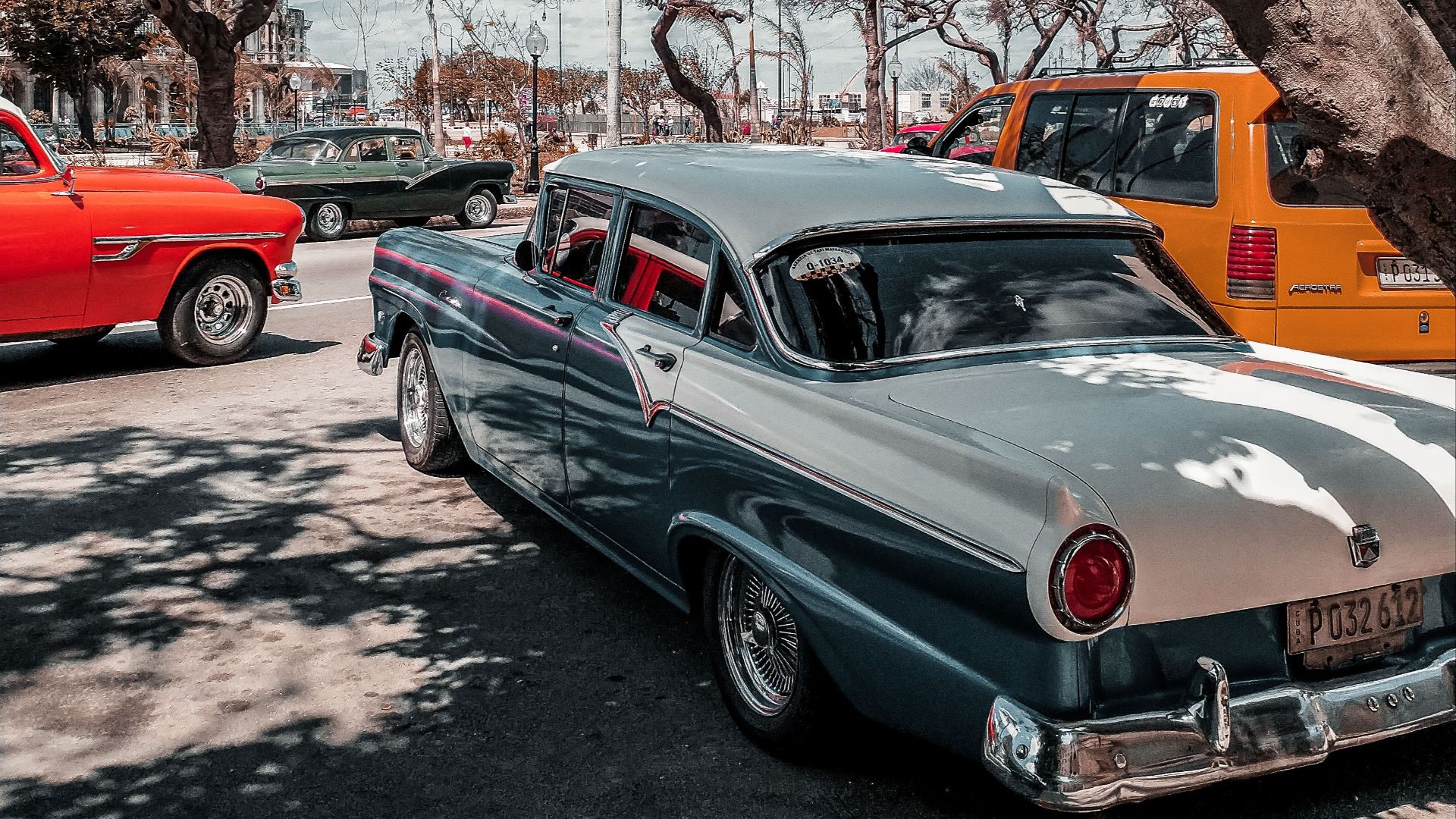
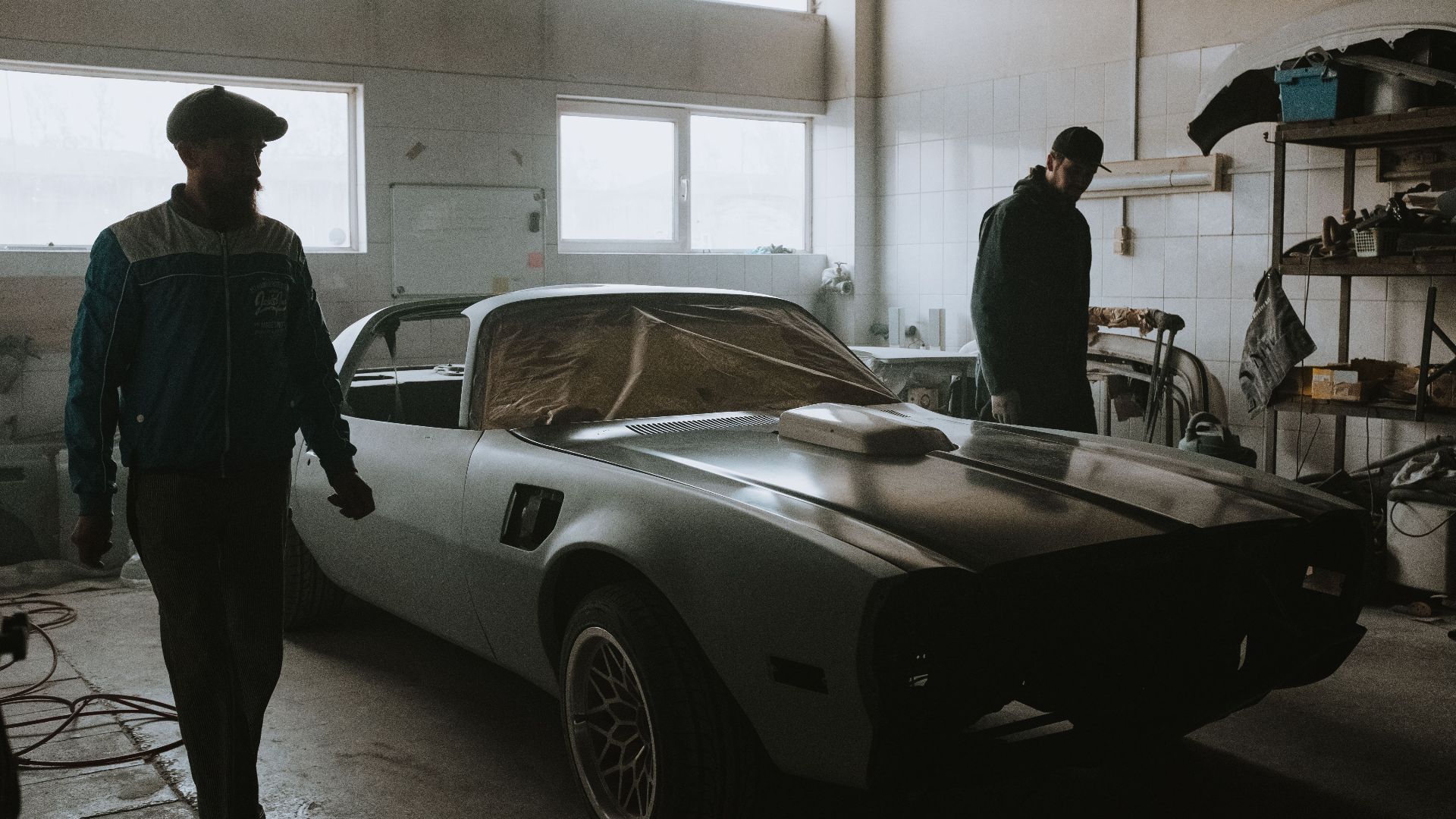
Owners can spend more restoring a car than the finished model would command on the market. Anyone who knows cars can tell you that professional paint, bodywork, chrome, upholstery, engine rebuilding, and specialist labor can push an ordinary project well beyond its realistic resale ceiling.
3. Matching Numbers Make Every Car Valuable
Correct original drivetrains can matter tremendously on certain models, but that isn't a guaranteed ticket to a huge payout. Numbers matching might affect an important big-block Corvette while making a much smaller difference on an ordinary sedan with limited collector demand. Paying heavily for the label without understanding the market can turn authenticity into an expensive bragging point.
4. Low Mileage Means Excellent Condition
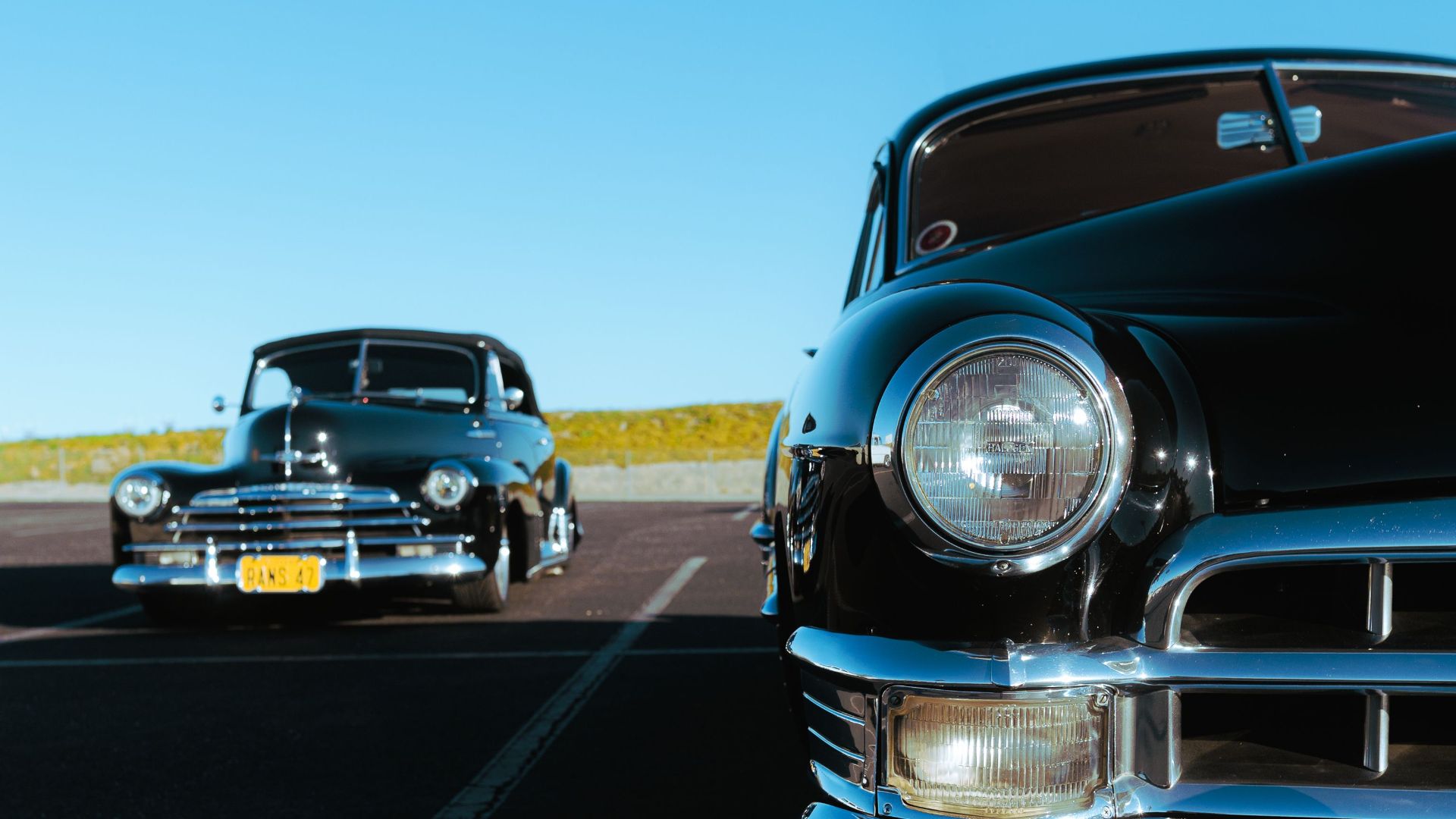
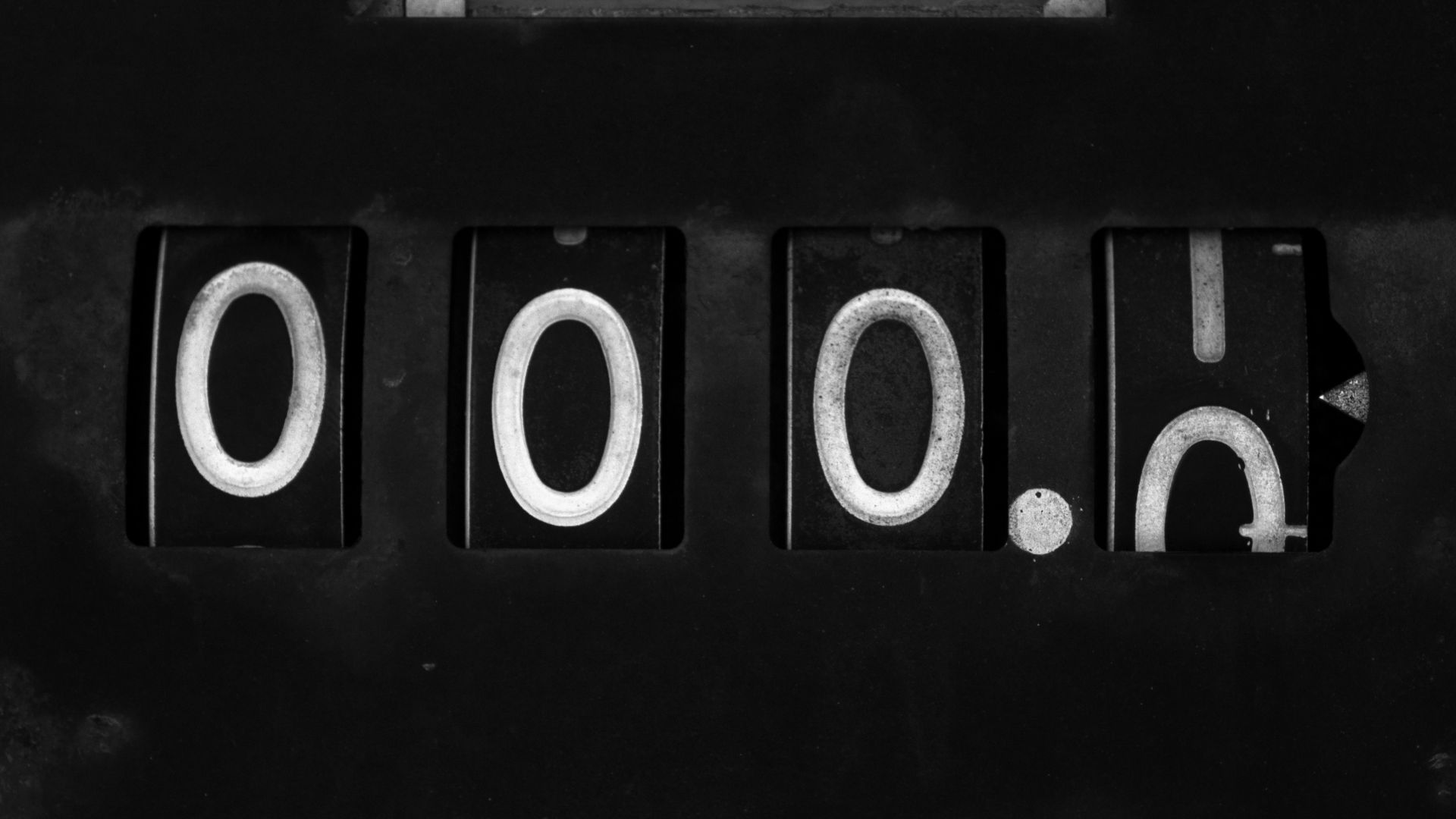
A car can spend decades barely moving and still develop expensive problems. Like it or not, even the best-looking models can run into moisture, dried seals, contaminated fuel, and deteriorated components. The odometer tells you how far the car traveled, not how lovingly those stationary years were spent.
5. Factory Paint Should Never Be Touched
Preserving original paint stops making sense when corrosion pops up underneath. Leaving bubbling paint around the wheel arches of a classic Mercedes won't make rust disappear. Word to the wise: preservation is only valuable when the surviving material is worth preserving.
6. Expensive Upgrades Add Their Full Cost to Resale
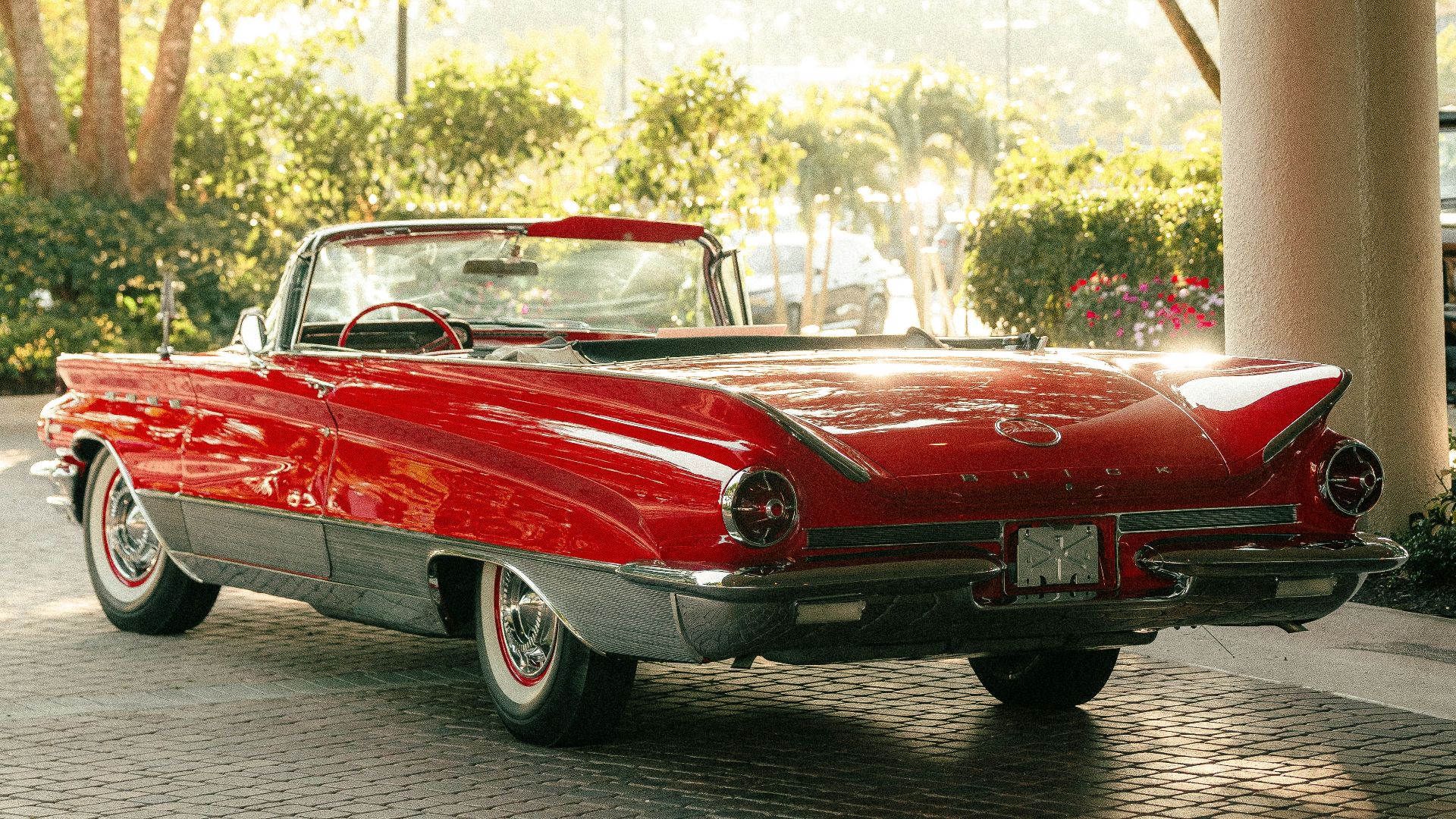
A $7,000 set of wheels might sound good to you—but they can mean very little to the next guy. Collectors frequently value a factory-looking car more than one carrying thousands of dollars in someone else's preferred accessories.
7. Auction Prices Prove Your Car Is Worth the Same Amount
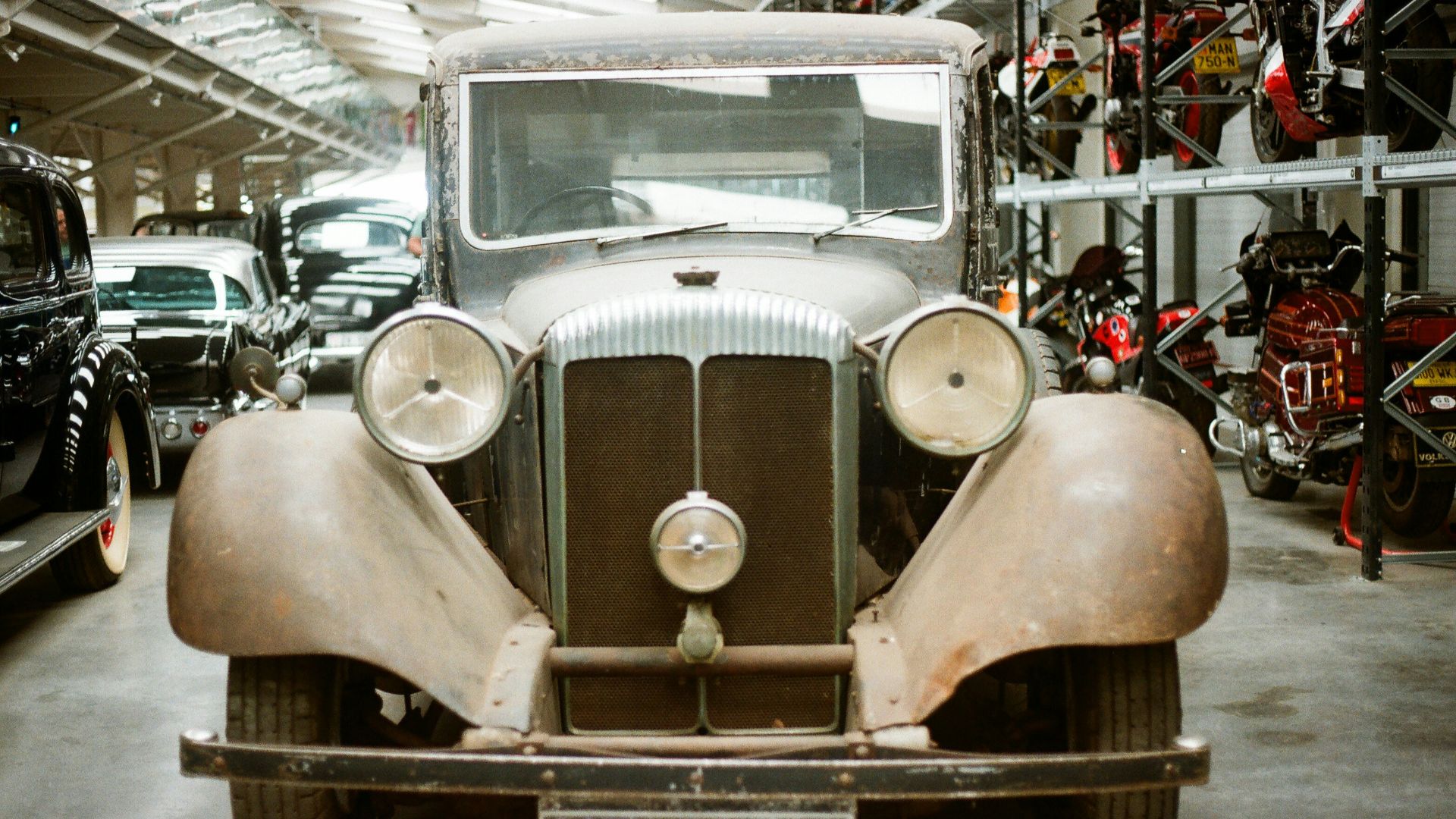
It’s easy to convince yourself that any old car is your golden ticket to an early retirement, but record-setting cars bring a lot to the table. They might have exceptional provenance, rare factory equipment, professional restoration work, or famous ownership. Yours might not.
8. You Should Replace Anything Old
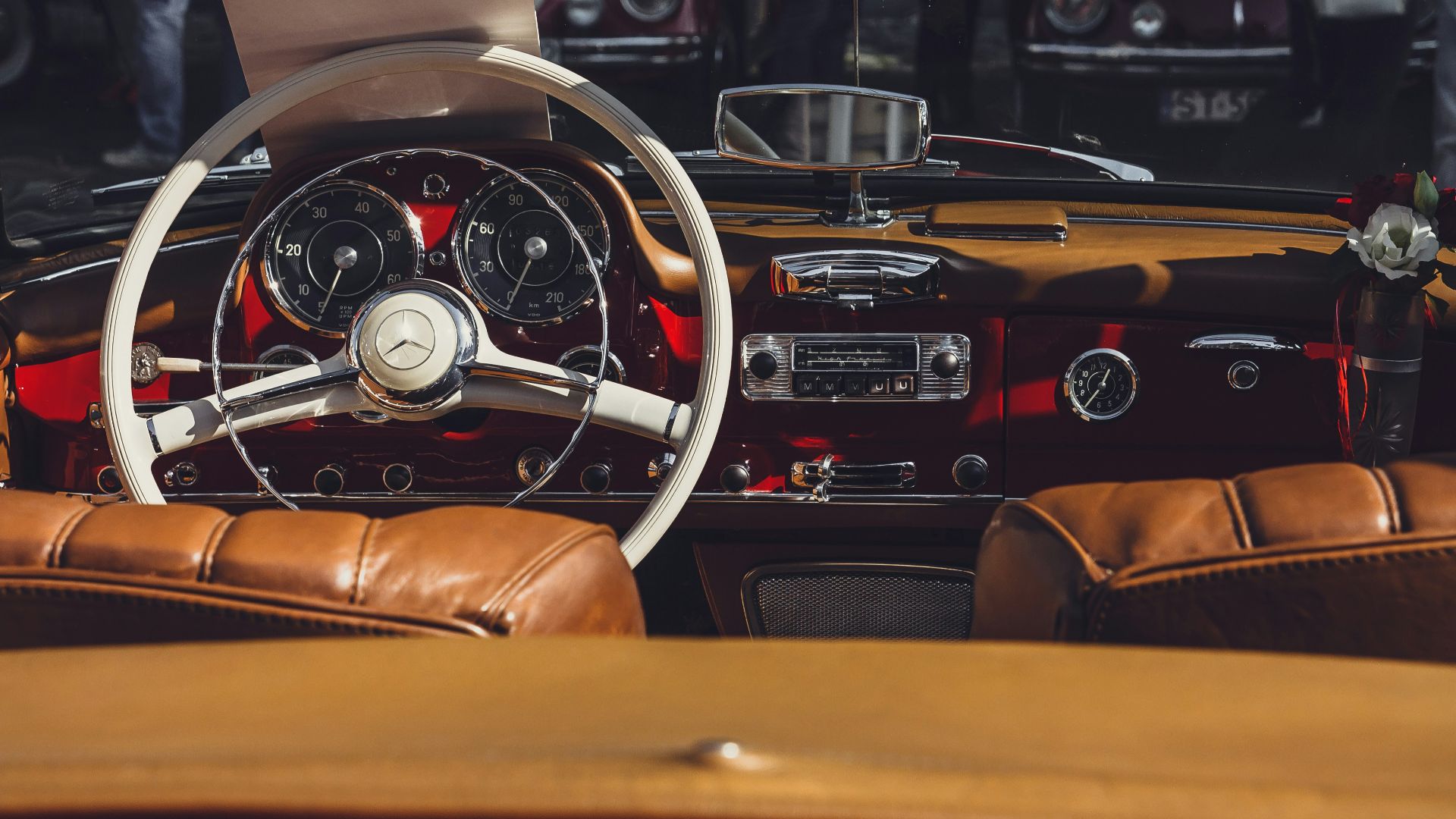
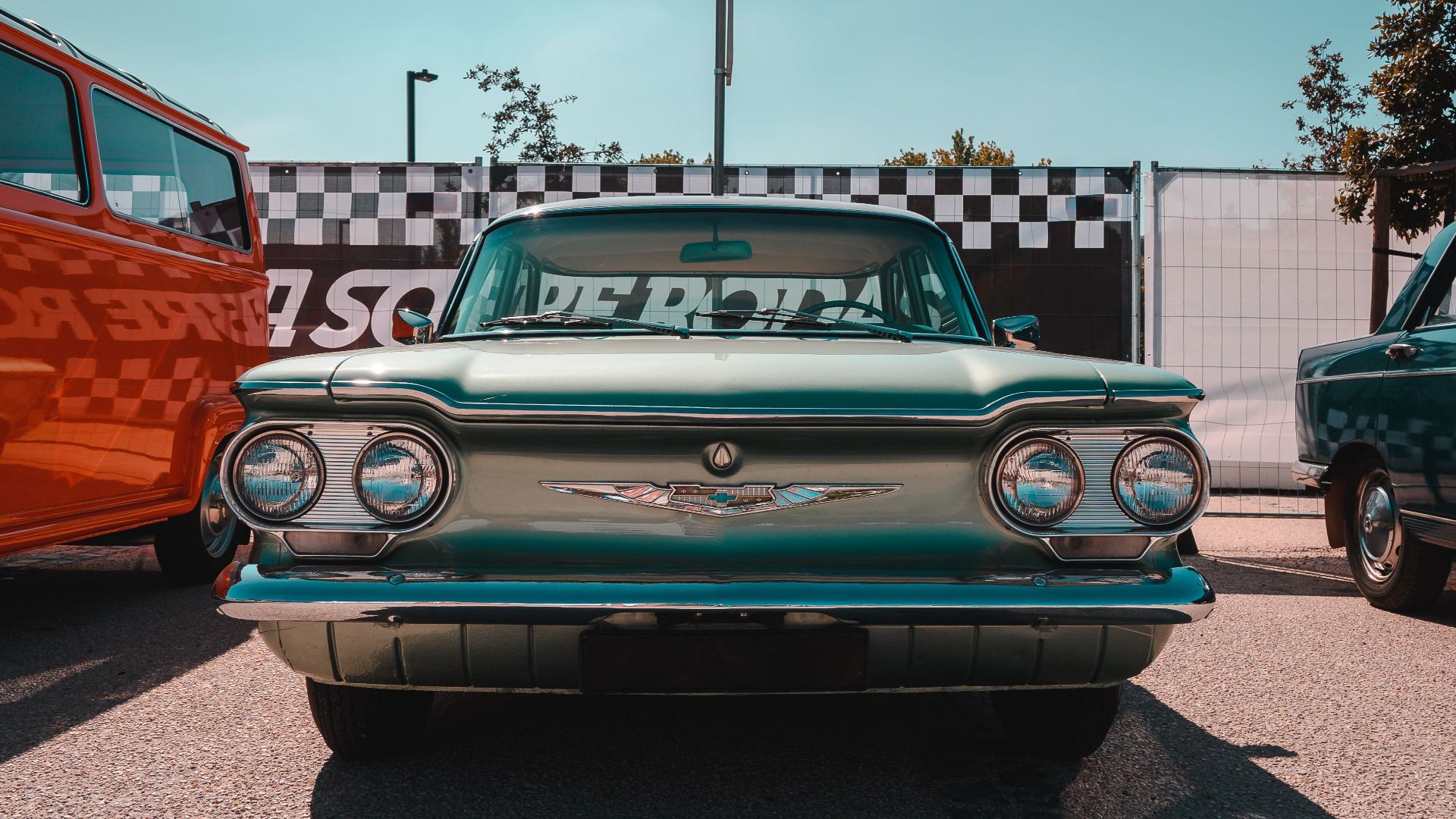
Aggressively replacing original materials can remove exactly what collectors want! An intact factory steering wheel or original set of gauges likely deserves careful preservation rather than replacement. Knowing the difference between authentic aging and genuine deterioration can also stop unnecessary spending.
9. A Famous Nameplate Guarantees an Easy Sale
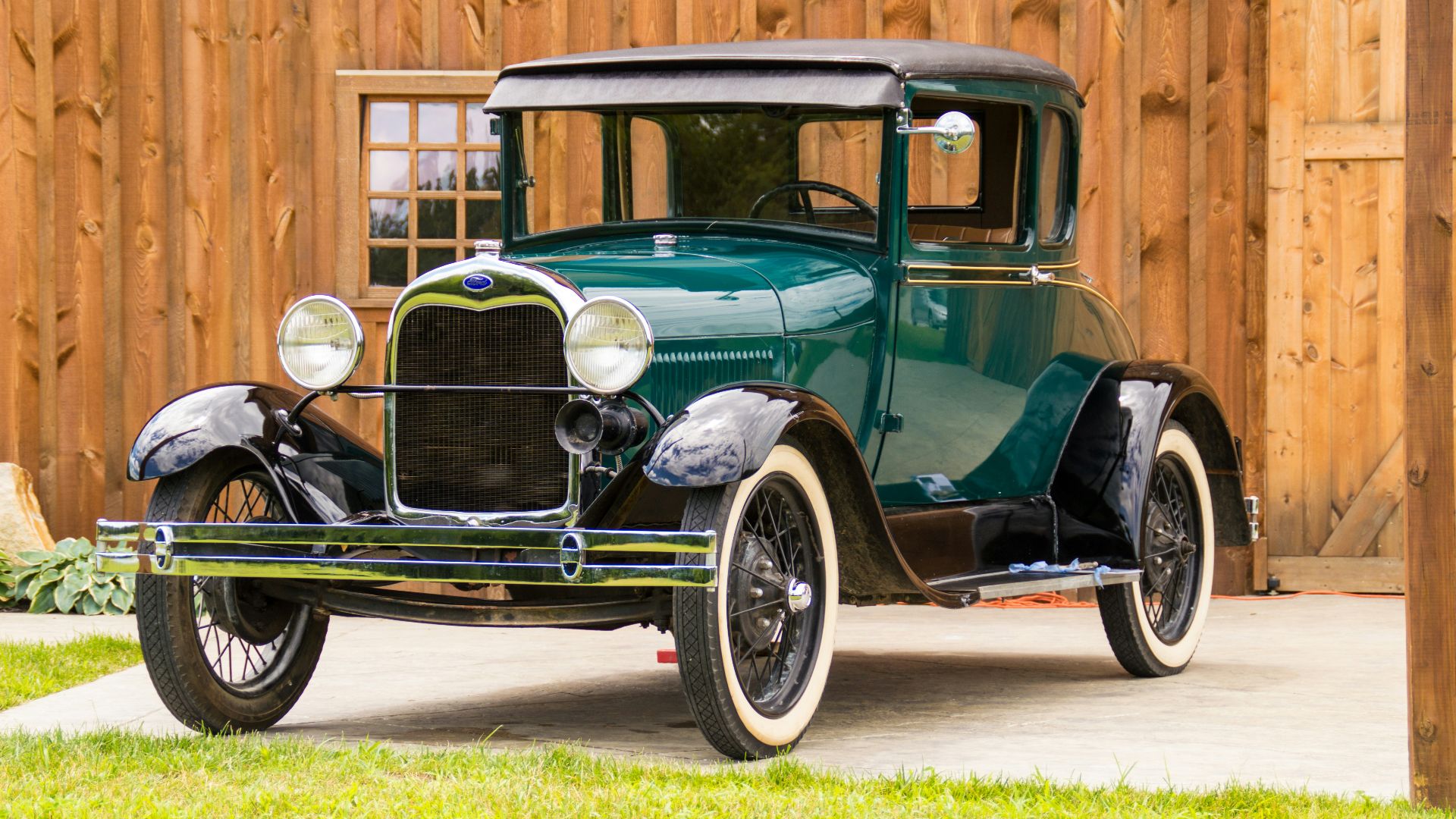
A fancy name doesn't mean buyers will pay whatever you want. Collector enthusiasm varies, and their excitement is based on a lot of different factors: generation, engine, body style, specification, and condition. Don’t price an undesirable version like the most sought-after example—it won’t go anywhere.

10. You Have to Make the Car Perfect
Someone planning to cruise a 1966 Ford Thunderbird doesn't need flawless hose clamps. They don’t need show-quality underbody finishes, either. A big part of collector interest is a good-quality model. Decide what you want from the car before spending thousands of dollars satisfying judging standards you'll never actually use.