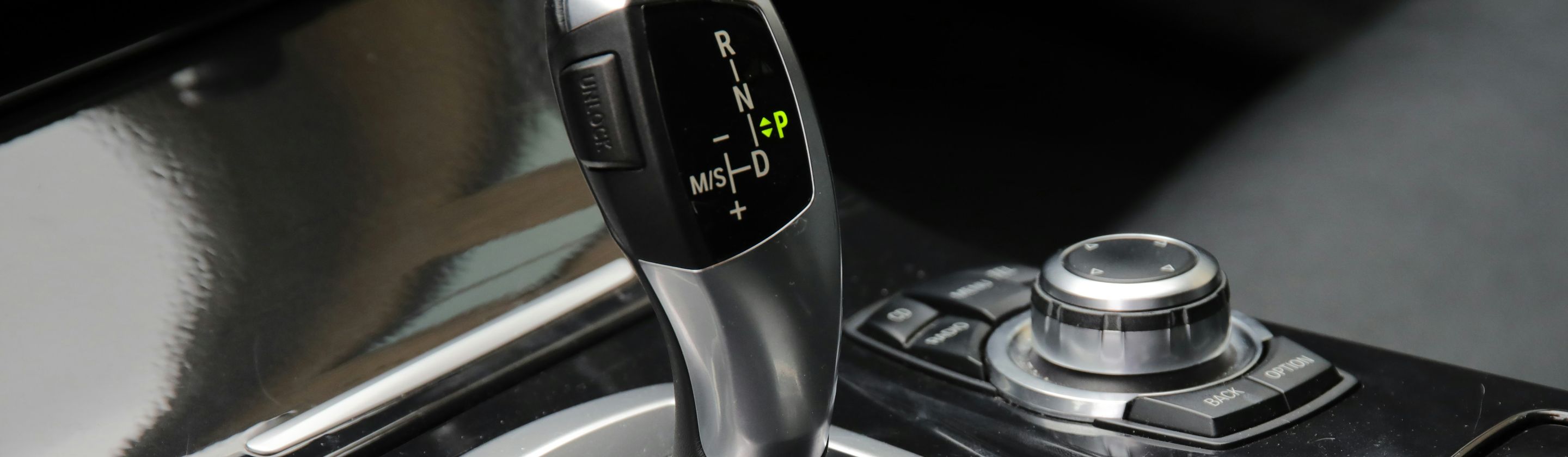
There was a time when learning to drive meant learning how to operate a clutch pedal and move a gear lever. Manual transmissions were once commonplace across everything from inexpensive commuter cars to family sedans, but today's new-car buyer has far fewer opportunities to choose one. According to the Environmental Protection Agency, manuals appeared in almost 35% of new vehicles in the 1980 model year, but their share fell below 1% by 2022.
Many factors led to this decline. Automatics got better, and people liked the ease of driving them. Auto companies stopped making them for most of their vehicles. It's now mostly found on sporty cars and off-road vehicles. Now, the remaining manual transmissions are increasingly associated with enthusiast cars, off-road vehicles, and a handful of models where buyers specifically want the experience.
Automatics Became Much Better
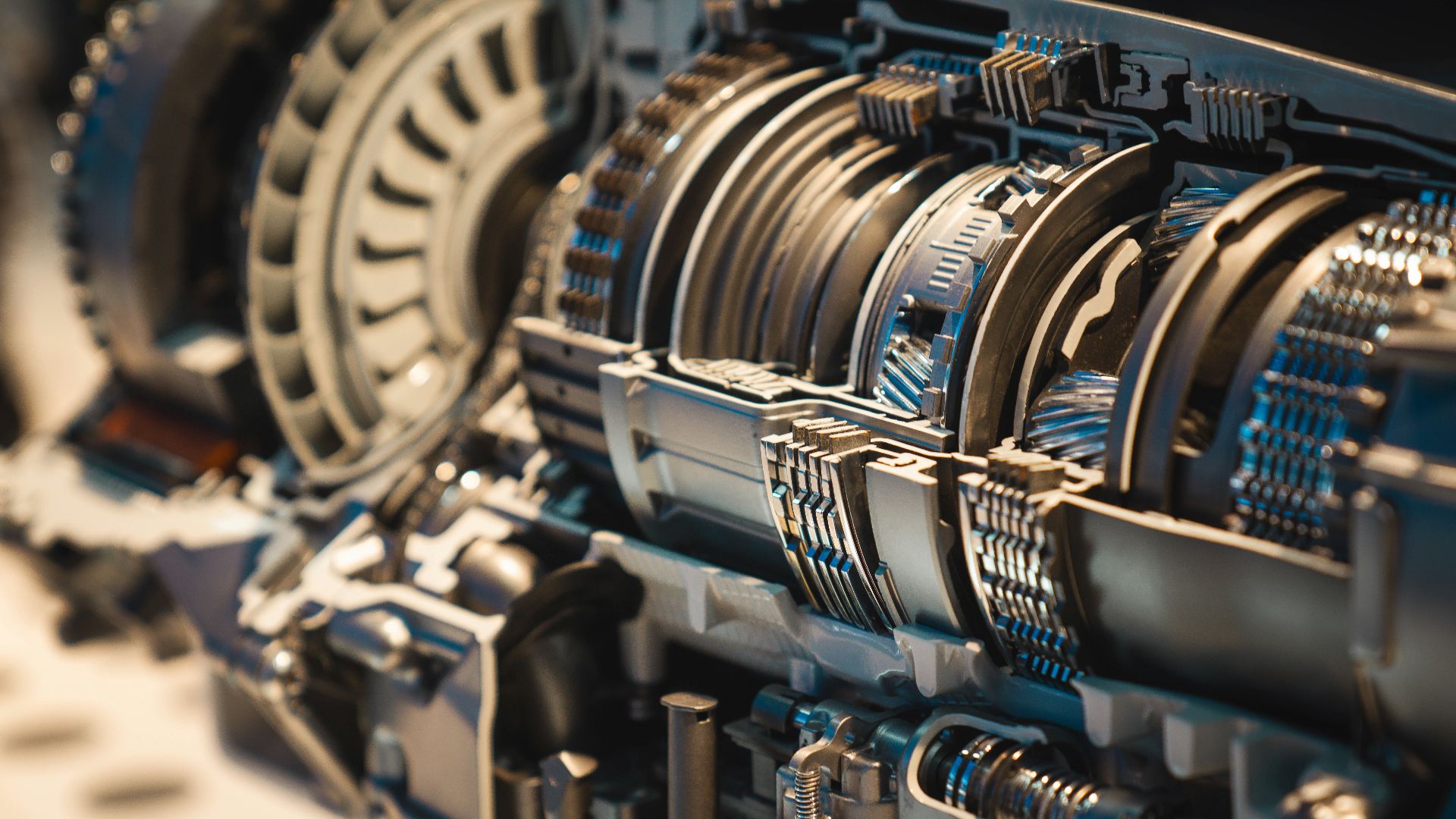
For decades, manual transmissions had an important advantage over automatics: they were generally more fuel-efficient. Older automatic transmissions had fewer gears and suffered efficiency losses through their torque converters, making a stick shift an appealing choice for drivers who wanted better fuel economy. That advantage gradually disappeared as automatic transmissions gained more gears and improved their internal technology.
Modern automatic transmissions can use eight, nine, or even more gears to keep an engine operating in an efficient range. The EPA reports that eight-speed transmissions became the most common transmission type in new vehicles in the 2019 model year, while transmissions with nine or more speeds and non-hybrid CVTs have also become significant parts of the market. That makes the old argument that you need three pedals to get respectable efficiency considerably harder to defend.
Performance was also one thing that changed. Automatics have gotten so quick now that they can shift quicker than you can shift. With dual-clutch transmissions, you can shift faster than a human driver and more consistently. The EPA has found that dual-clutch transmissions are able to shift quickly without the drag of an automatic's torque converter.
Convenience Won Over The Average Driver
Operating a clutch in heavy traffic can become tiring, particularly when you're repeatedly starting, stopping, and shifting at low speeds. An automatic transmission handles those tasks without requiring the driver to coordinate a clutch pedal and gear lever every few seconds. For commuters spending significant amounts of time in congested cities, that convenience can outweigh the enjoyment of shifting manually.
Automatic transmissions also make it easier for new drivers to concentrate on steering, traffic, navigation, and everything else happening around them. Someone who has never learned to coordinate a clutch and gear changes can get into an automatic vehicle and begin driving without mastering another mechanical skill. As automatic cars became increasingly capable, there was simply less practical motivation for the average buyer to learn the old-fashioned method.
Eventually, consumer demand became an important part of the equation. When only a small percentage of customers choose a particular option, automakers have to question whether the additional engineering, certification, manufacturing, and inventory complexity makes sense. The EPA's production data illustrates how dramatically demand has shifted, with manuals now appearing in less than 1% of new vehicle production.
The Manual Became An Enthusiast Feature
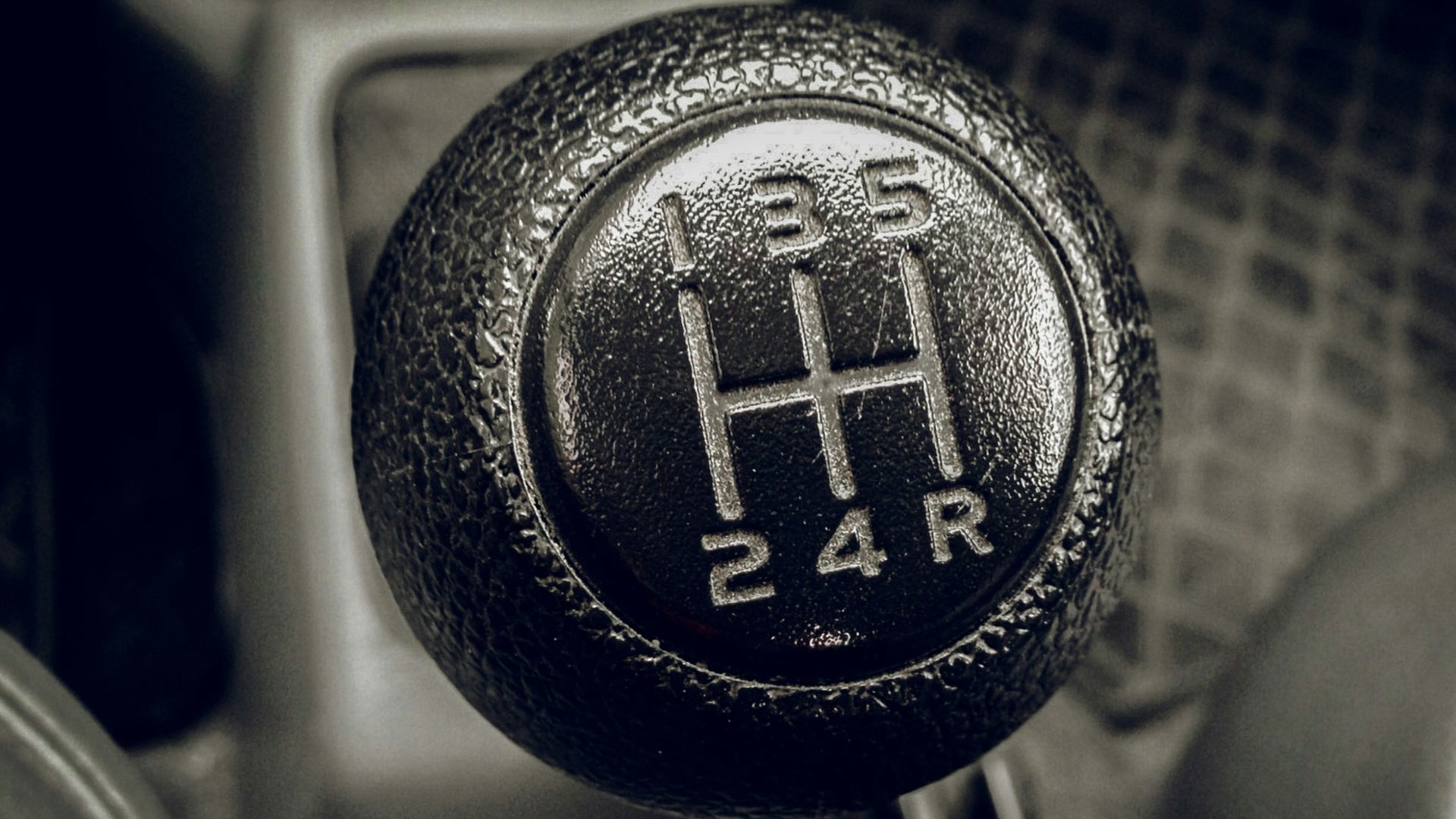
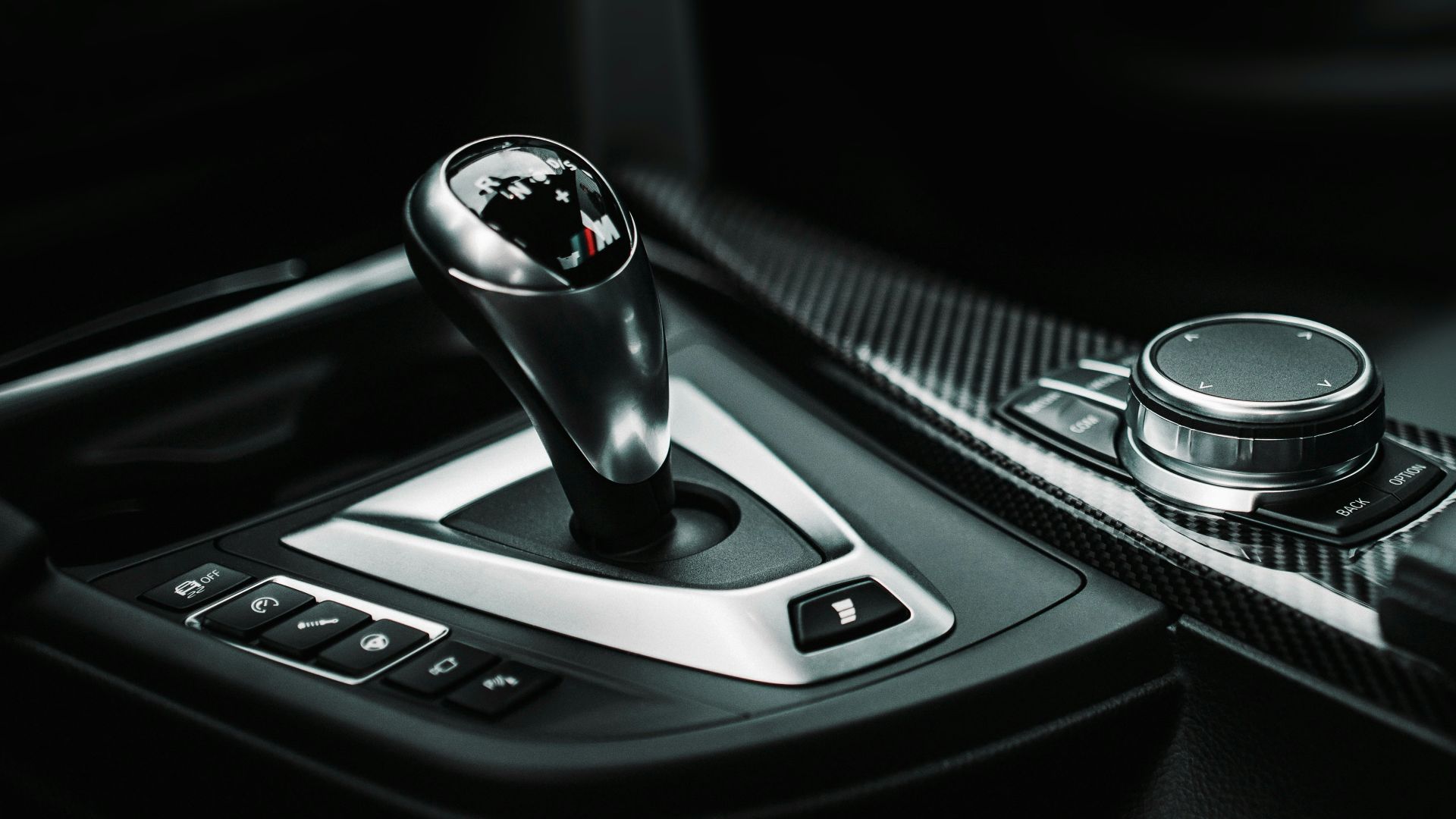
It could be argued that manual car enthusiasts are why we still see them around. When buying a sports car, some people enjoy the experience of shifting through gears. So companies will offer them on some of their higher-end vehicles. Some of these cars in 2025 include the BMW M2, Honda Civic Type R, Mazda MX-5, Porsche 911, Subaru BRZ, Toyota GR86, and Toyota GR Supra.
The remaining demand can be surprisingly strong when a manual is offered on the right vehicle. Motor1 reported that in 2025, approximately 52% of Toyota GR86 buyers and 71% of GR Corolla buyers chose manuals, while the Volkswagen Jetta GLI had a manual take rate of 44.9%. Those numbers suggest that the manual hasn't necessarily become undesirable; it has become much more specialized.
That specialization has also changed what the manual transmission represents. When almost every ordinary car offered a stick shift, choosing one wasn't particularly unusual. Now, finding a manual can require deliberately shopping for a particular model, which gives the transmission a more distinctive place in the market.
So the manual transmission didn't go away because car companies thought people didn't enjoy driving them. They just became less beneficial once automatics got better. People wanted convenience, so the auto won. The remaining manual models occupy a much smaller corner of the market, but they're often there because customers specifically want three pedals rather than because the manufacturer couldn't build anything else.
It's interesting how a manual transmission can be considered rare now. It may have started as the ordinary way to drive, but scarcity has turned it into something closer to a specialty feature. For drivers who enjoy changing gears themselves, that might make every remaining clutch pedal feel just a little more special.