
The Highs And Lows Of A Very French Brand
Peugeot has spent over a century building cars that swing between genuinely inspired and genuinely baffling, sometimes within the same decade. The brand's best work still gets cross-shopped against segment leaders decades later, while its worst ideas have become case studies in how not to launch a car. Part of the charm is that Peugeot never seemed afraid to try something strange, even when strange turned out to mean a sliding door nobody asked for. The hits, though, tend to be the kind that enthusiasts still talk about with real affection. Here's 10 Peugeots that nailed it and 10 that never quite found their footing.
1. 205 GTI
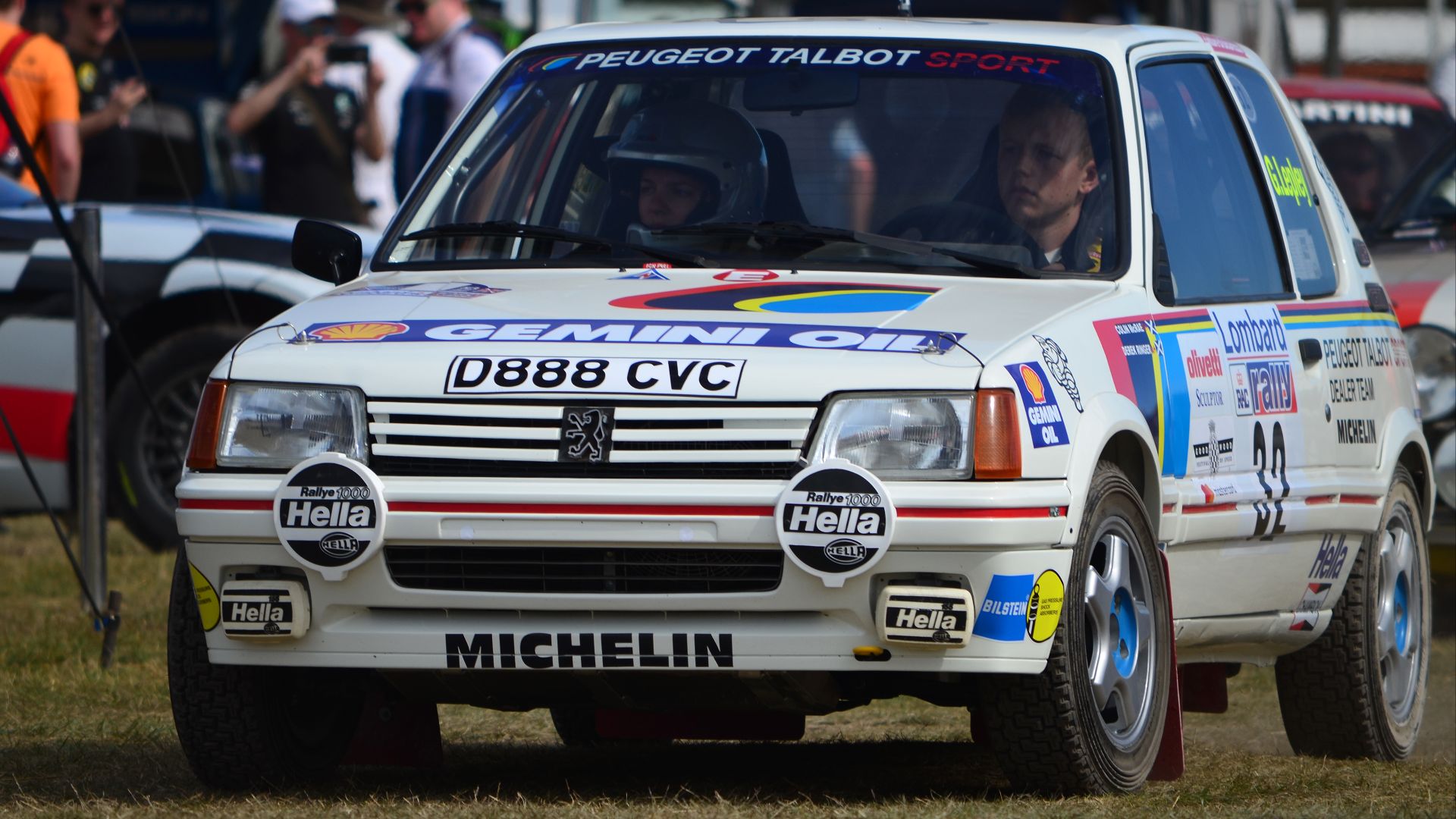
Widely considered one of the greatest hot hatches ever built, the 205 GTI combined a light chassis with sharp, communicative steering that made every drive feel like an event. It arrived at exactly the right moment in the 1980s hot hatch boom and still holds up against modern rivals in pure driving feel. Enthusiasts still track down clean examples decades later specifically for that reason.
2. 405
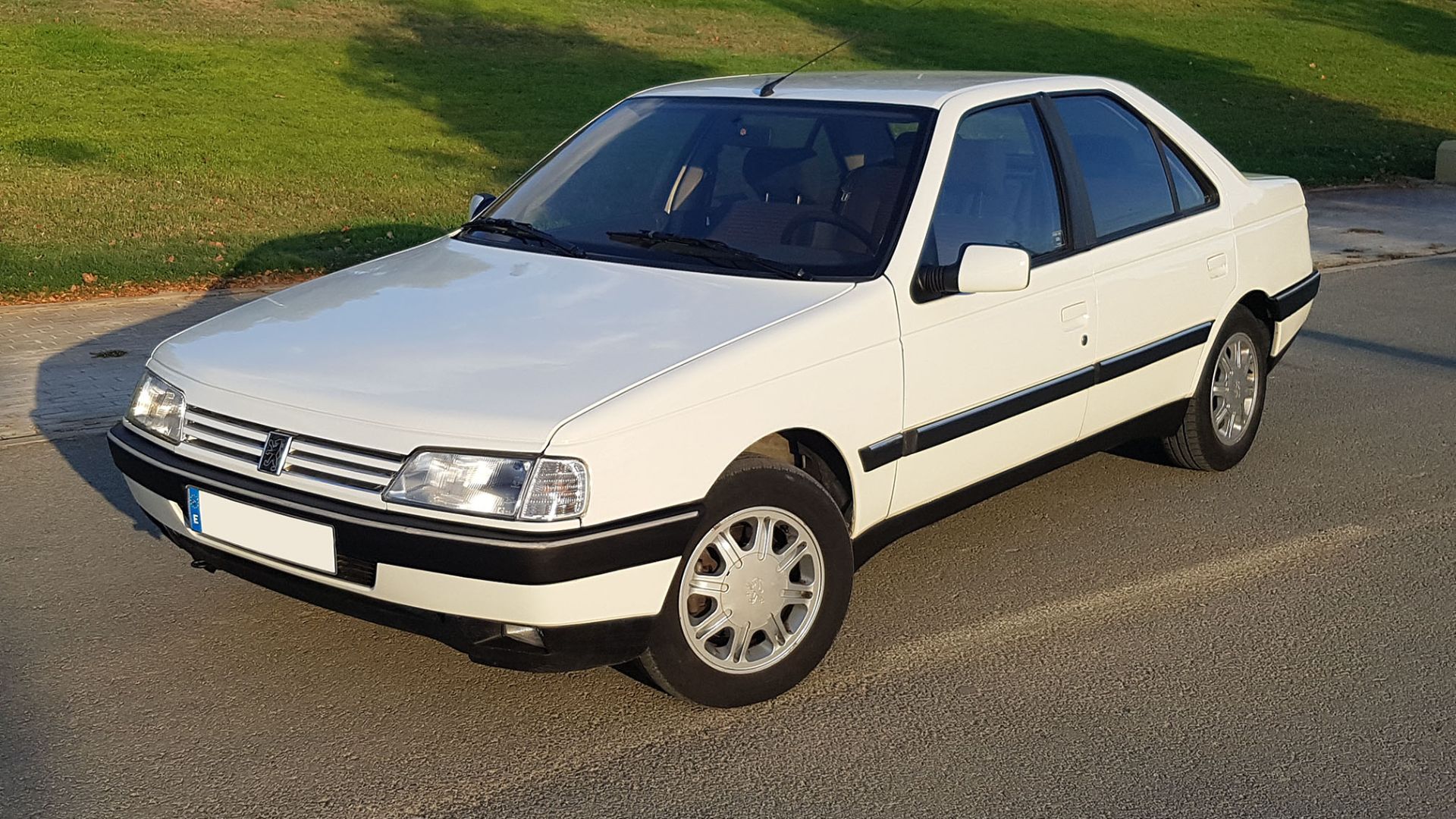
The 405 built a reputation on genuinely composed handling and dependable diesel engines that made it a favorite among taxi drivers and family buyers across Europe. It struck a balance between comfort and sharpness that a lot of rivals in the segment never quite managed. The Mi16 performance variant added a genuinely quick, engaging option on top of an already solid platform.
 commons.wikimedia.org on Google
3. 306 GTI-6
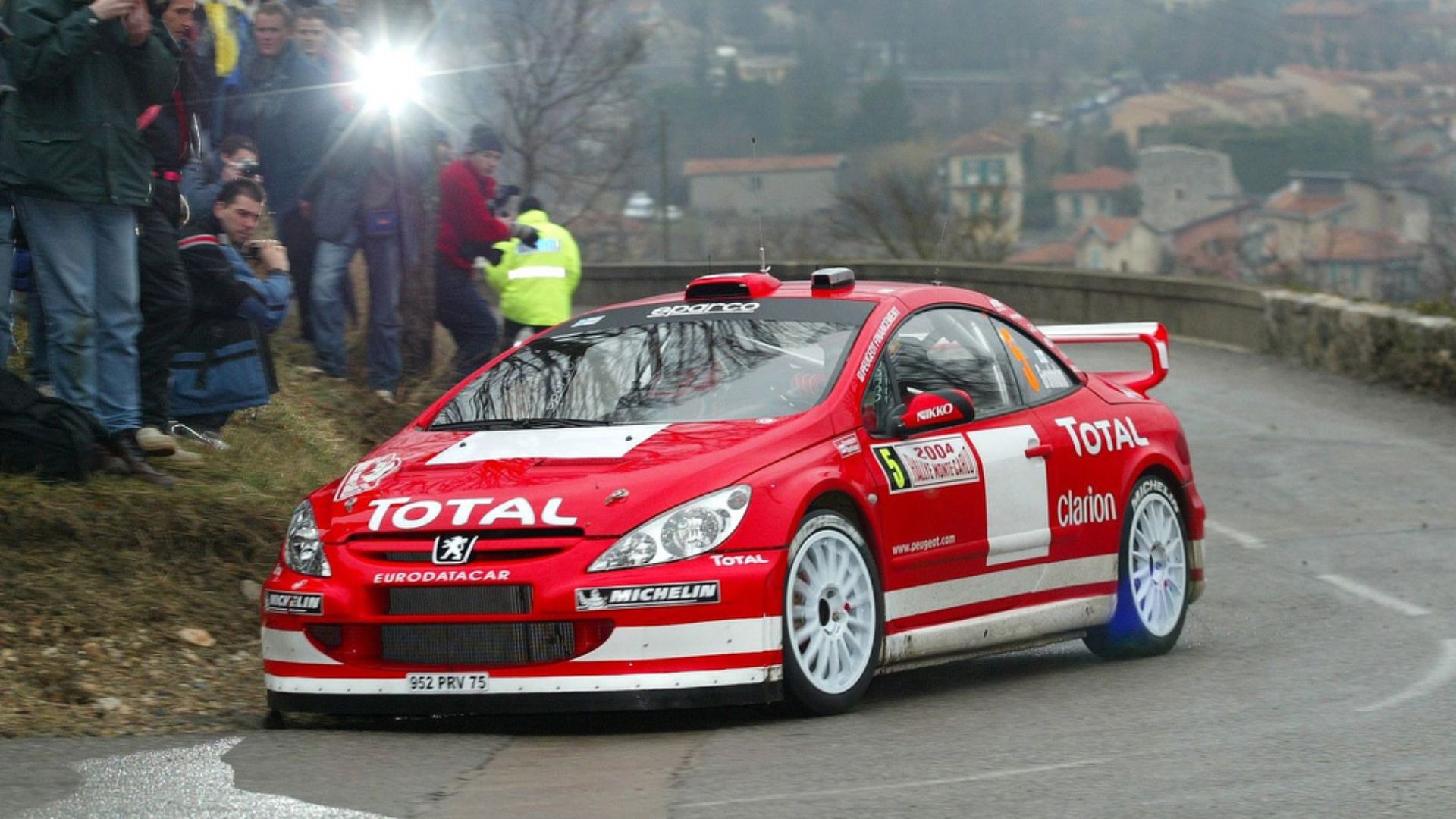
The 306 GTI-6 carried Peugeot's hot hatch reputation into the 1990s with a six-speed gearbox and handling that critics routinely rated above hotter, more powerful rivals. It never had the outright power to win a straight-line drag race, but the way it carried speed through a corner made up for it entirely. It's still regarded by a lot of enthusiasts as the last truly great Peugeot hot hatch before the formula got diluted.
4. 406 Coupe
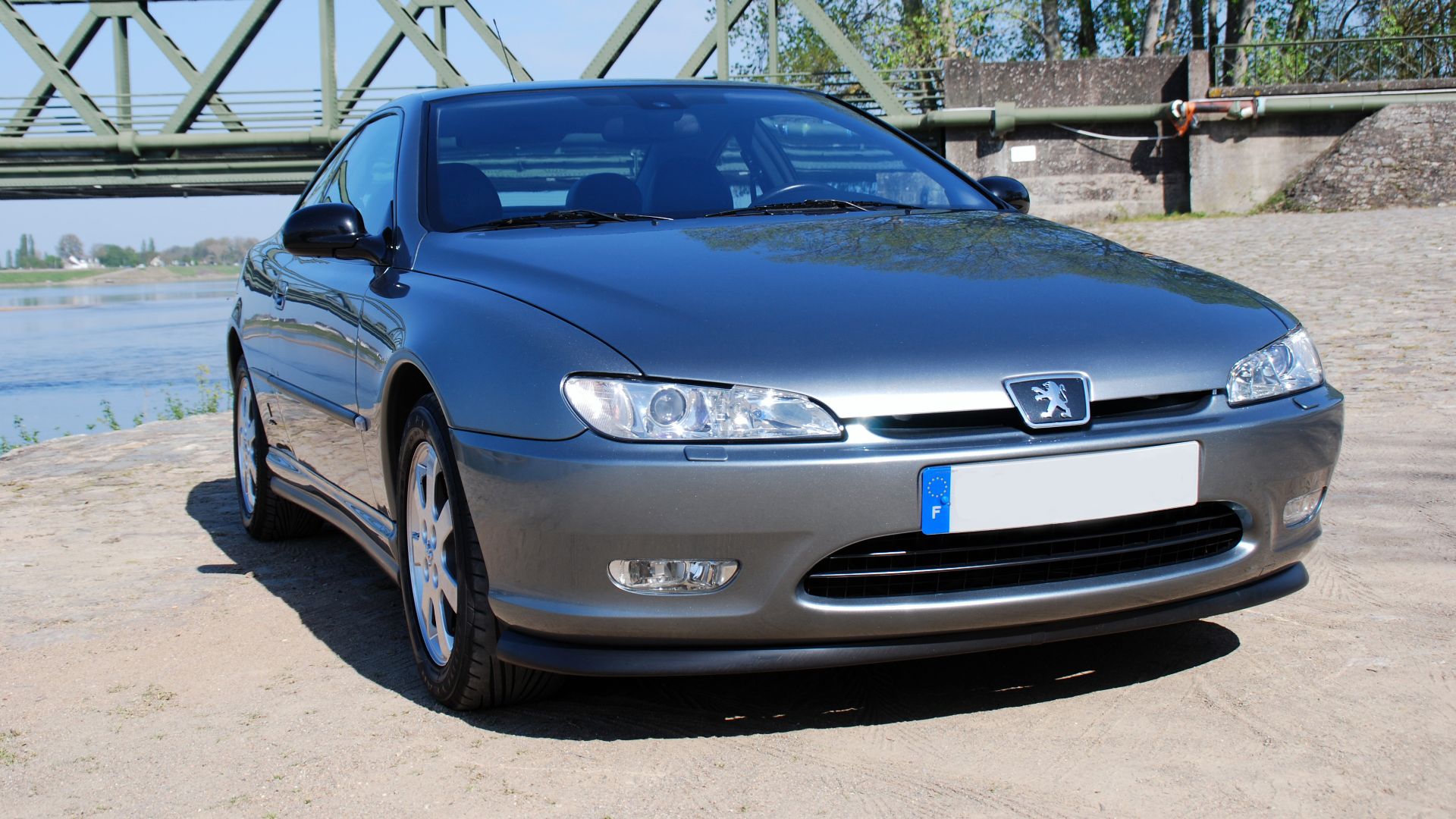
Designed by Pininfarina, the 406 Coupe turned an otherwise ordinary family sedan platform into one of the most elegant shapes Peugeot ever put into production. Its profile became genuinely iconic after a starring role in the extended car chase through Paris in the film Ronin. It remains one of the rare cases of a mainstream manufacturer's coupe actually justifying its own existence on looks alone.
 commons.wikimedia.org on Google
5. 504
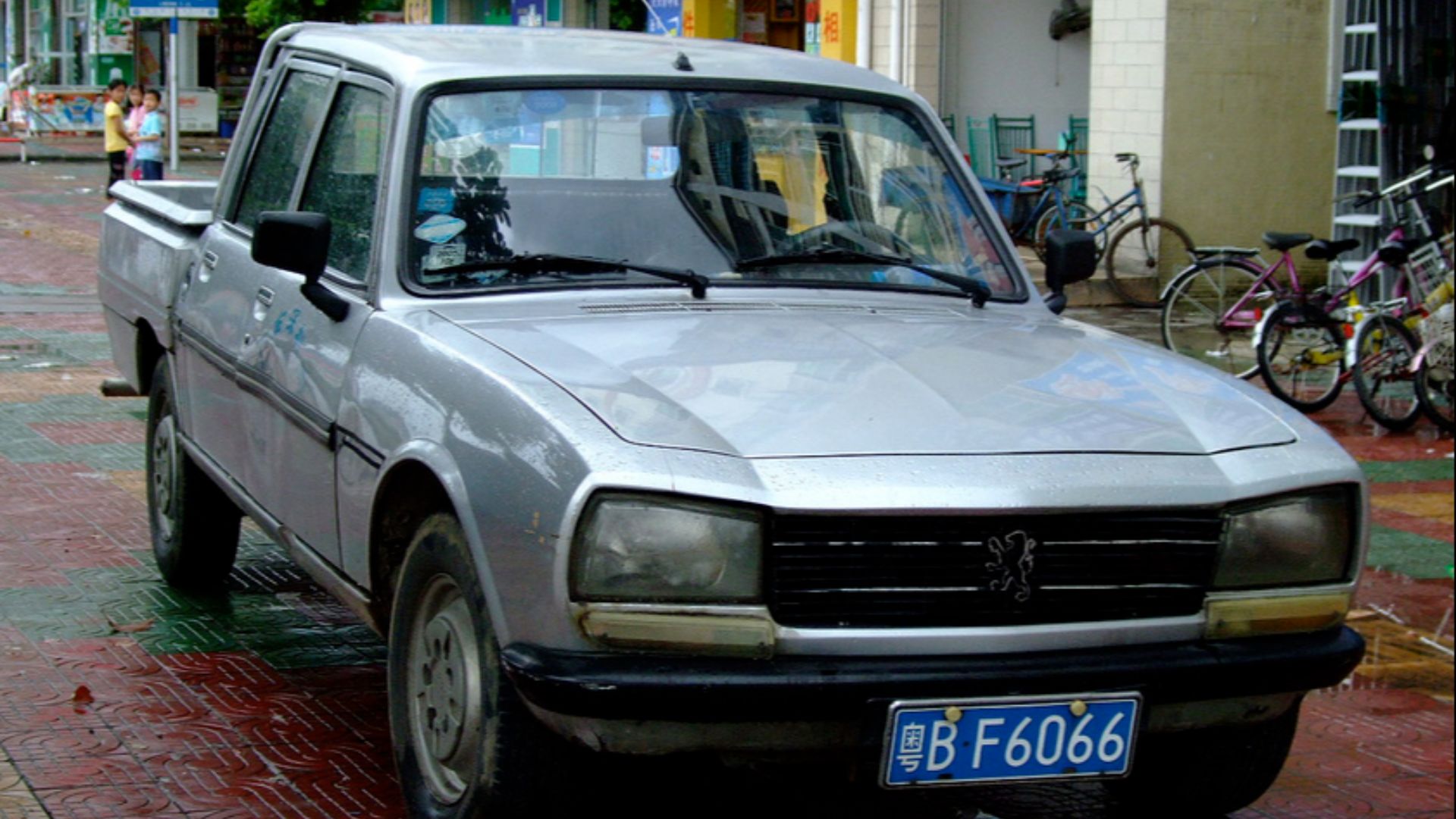
Peugeot's 504 built a reputation for near-indestructible durability that made it a dominant force across Africa and the Middle East, where examples are still running decades after production ended. It also proved itself on the rally stage, winning the grueling East African Safari Rally multiple times against far more specialized competition. Few cars have earned a reputation for toughness this thoroughly.
6. 205 T16
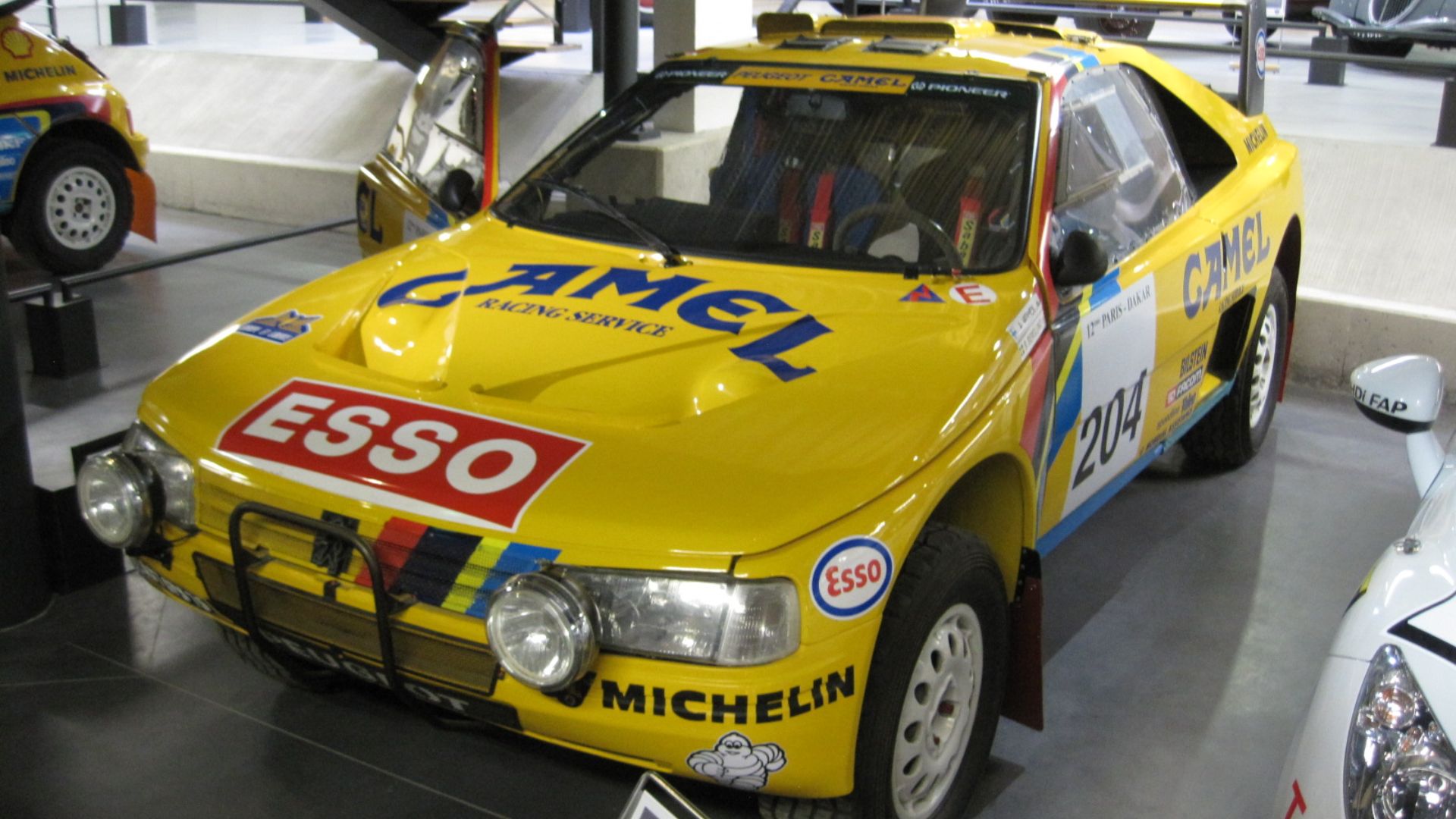
Built to satisfy Group B rally homologation rules, the 205 T16 packed a mid-mounted turbocharged engine into the humble 205's body and became one of the most dominant rally cars of its era. It won back-to-back World Rally Championship titles and remains one of the most celebrated homologation specials ever built. The road-going version still commands serious money among collectors today.
 commons.wikimedia.org on Google
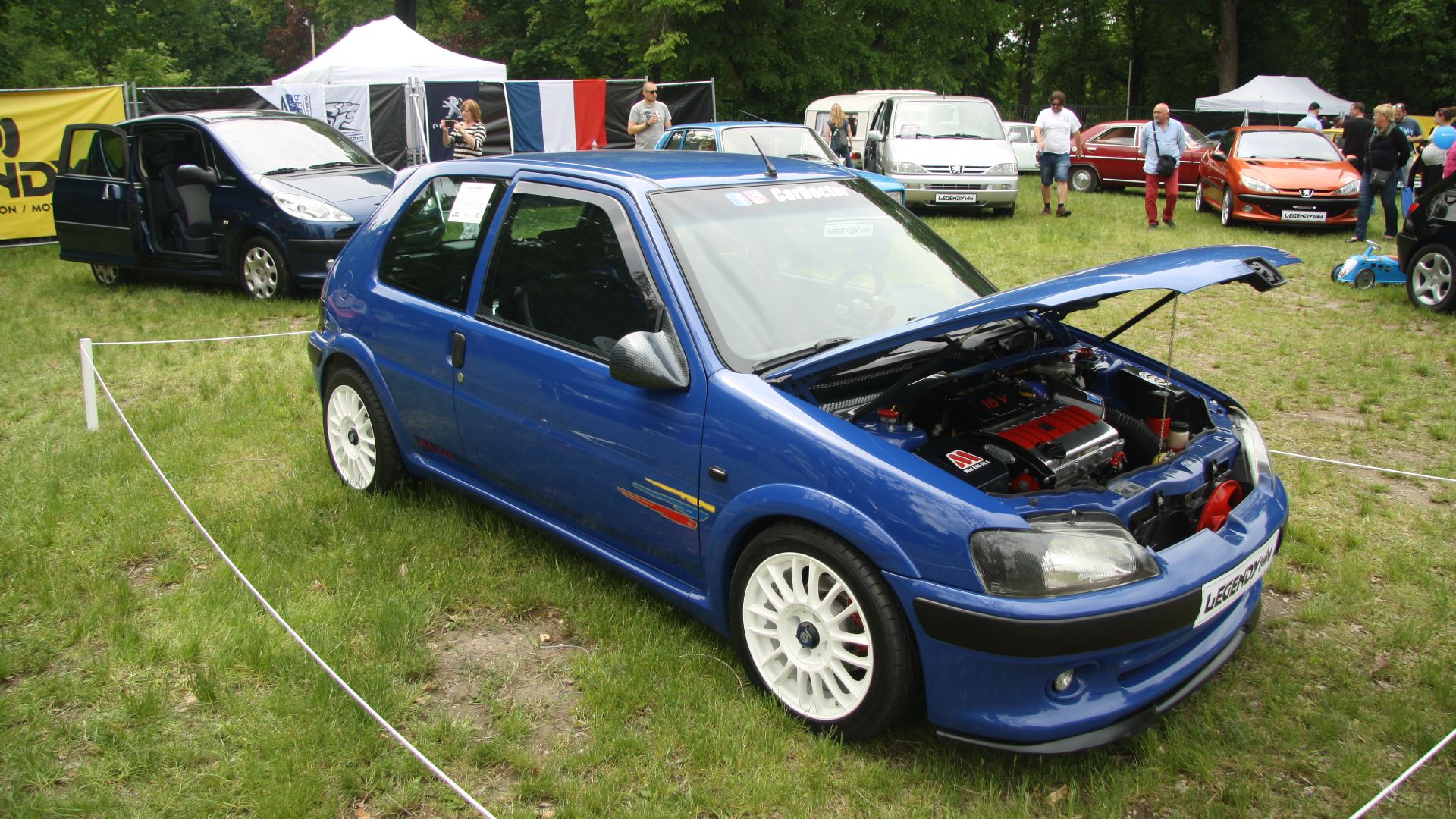
7. 106 GTi/Rallye
The compact 106 GTi and stripped-down Rallye variant delivered exactly the kind of light, eager driving experience that made Peugeot's reputation in the first place. Minimal sound deadening and a low curb weight made it feel far quicker than its modest horsepower figures suggested on paper. It's often cited as one of the last genuinely analog, unfiltered hot hatches Peugeot ever built.
 commons.wikimedia.org on Google
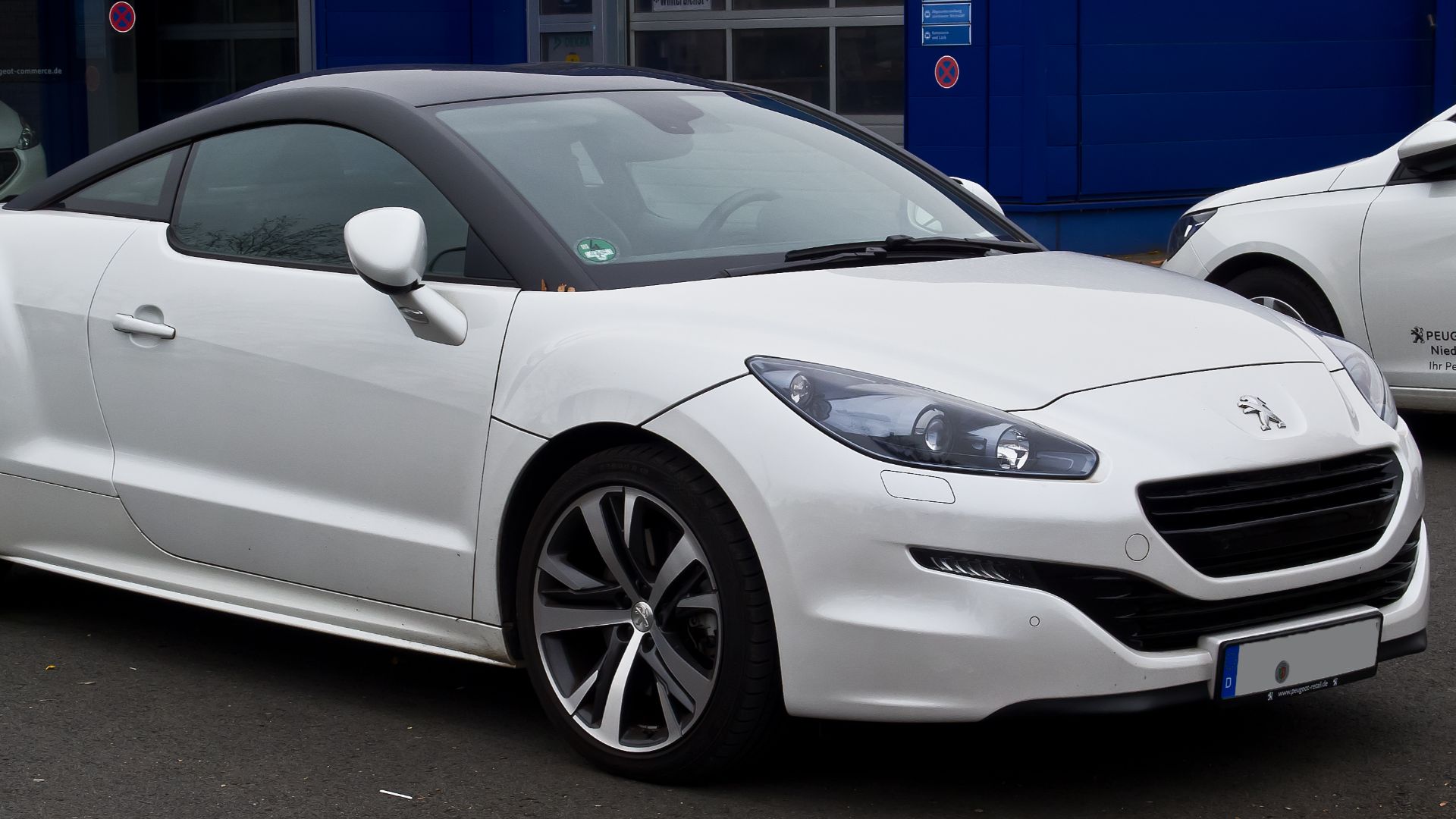
8. RCZ
The RCZ arrived with a distinctive double-bubble roofline that made it look far more expensive than its actual price tag suggested. Critics praised its handling and design while noting it traded some outright pace for style, a trade a lot of buyers were happy to make. It gave Peugeot a genuine halo car at a time when the rest of the lineup badly needed one.
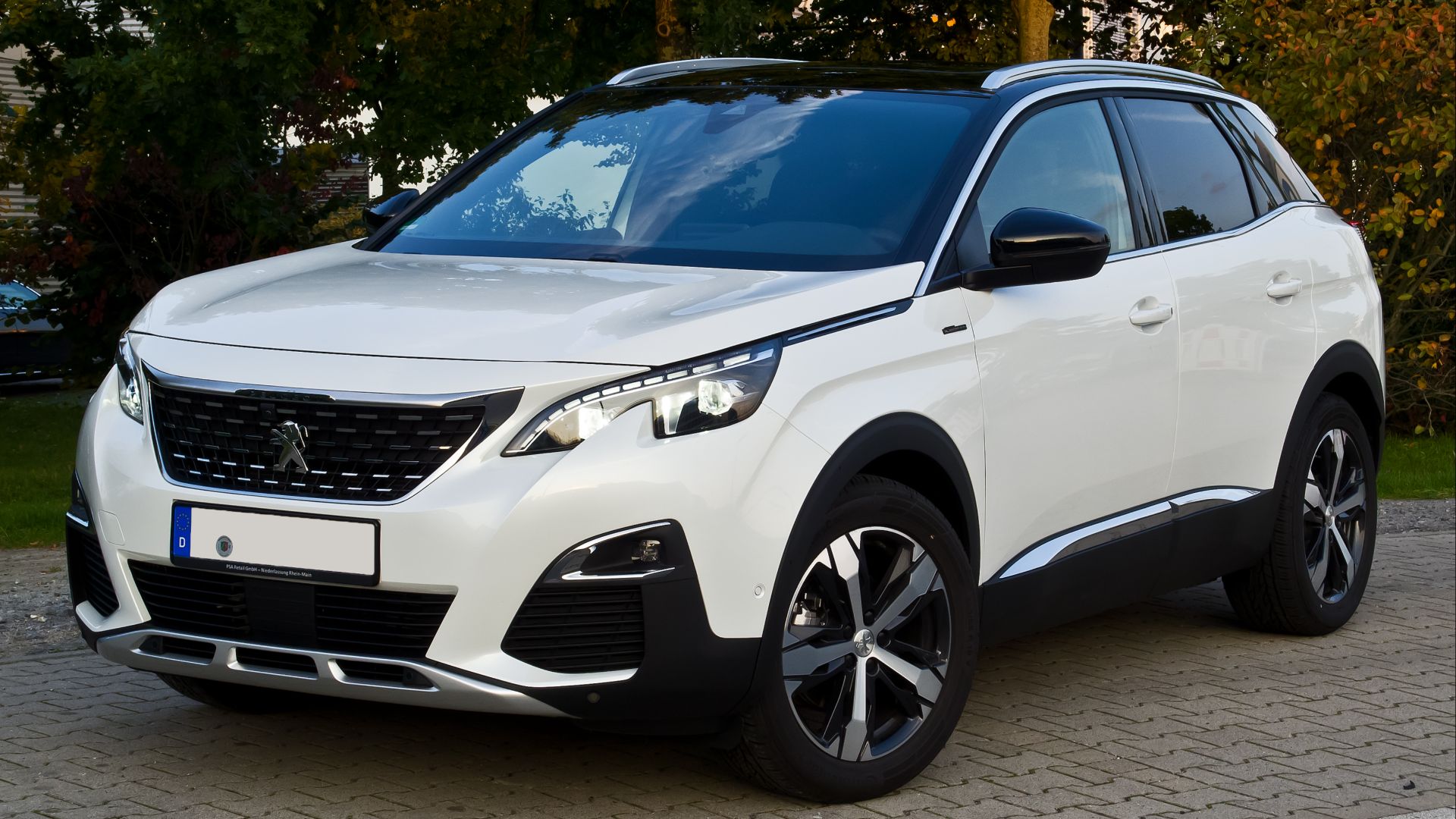
9. 3008 (Second Generation)
The redesigned 3008 that arrived in 2016 won European Car of the Year in 2017, a rare honor that reflected its striking interior design and genuinely distinctive styling in a segment full of forgettable crossovers. The unconventional small steering wheel and raised digital instrument cluster divided opinion at first but ultimately became one of Peugeot's signature design choices. It marked a genuine turning point in how seriously critics started taking the brand again.
 commons.wikimedia.org on Google
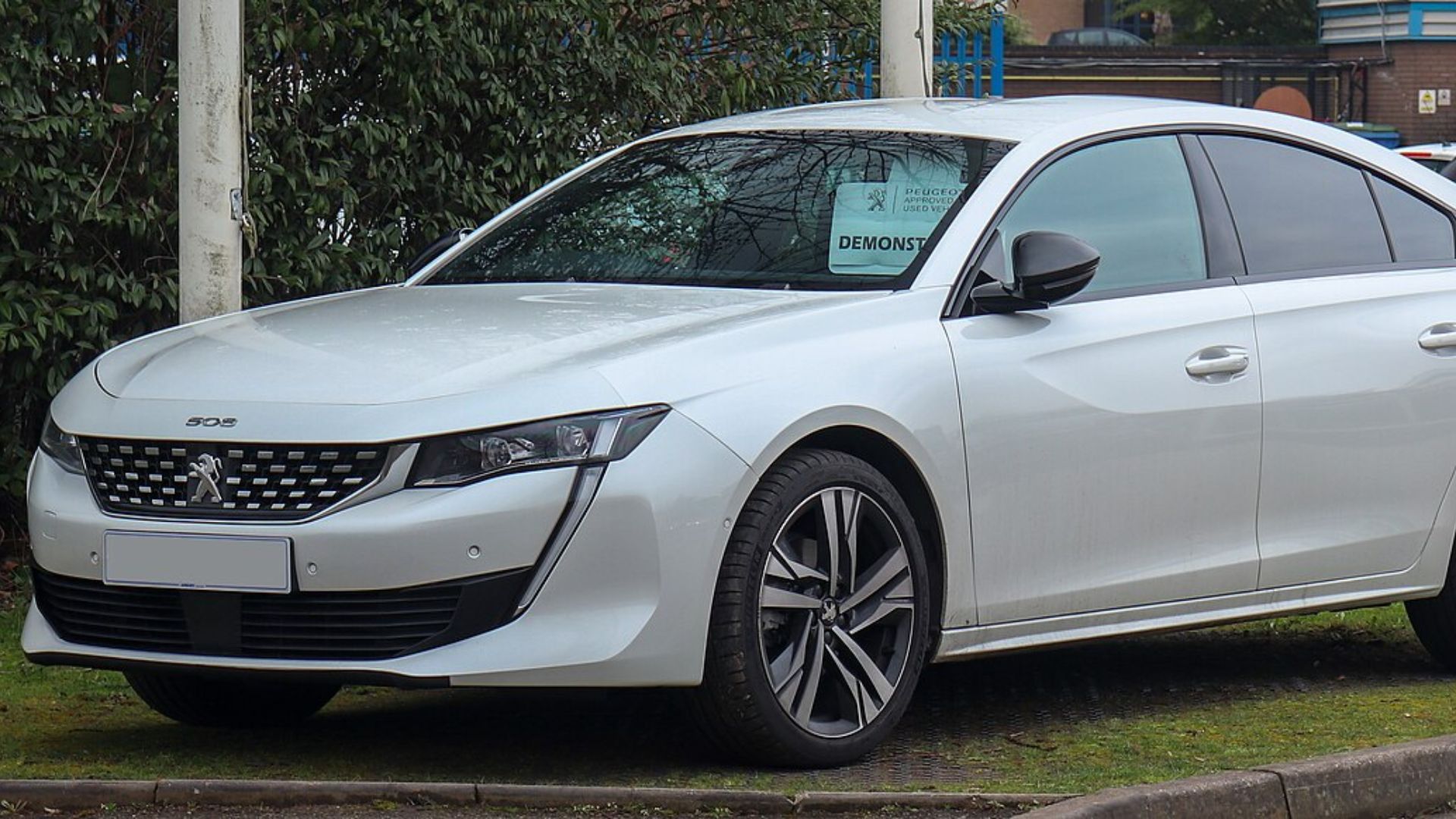
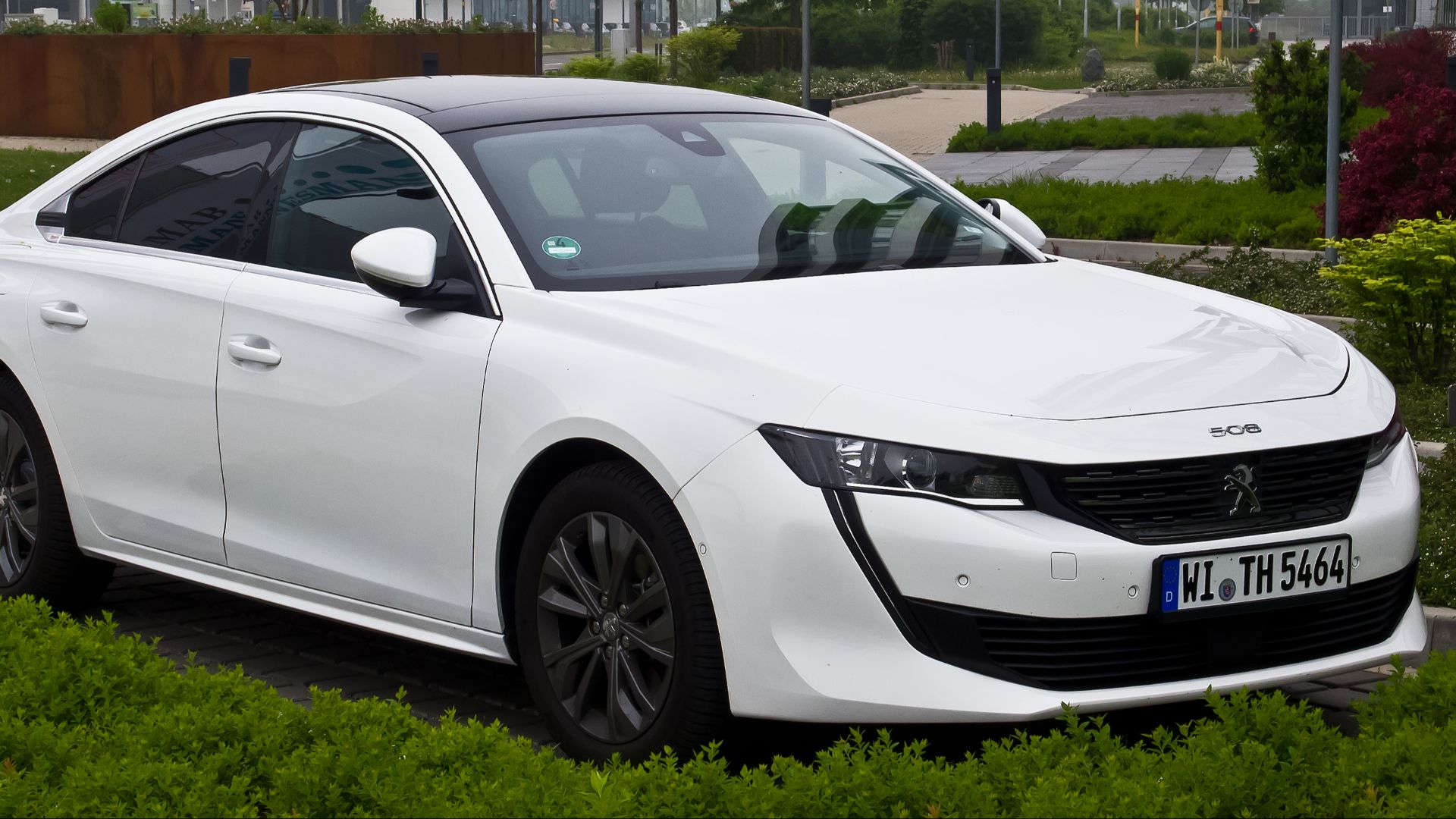
10. 508 (Second Generation)
Peugeot's second-generation 508 swapped a conventional sedan silhouette for a swooping fastback shape that made it look more like a coupe than a family car. Critics praised its interior quality and design at a price point well below traditional German rivals. It's often held up as proof that Peugeot could still compete on style even in a segment increasingly dominated by SUVs.
Here's 10 Peugeots that never quite lived up to the idea behind them.
 commons.wikimedia.org on Google
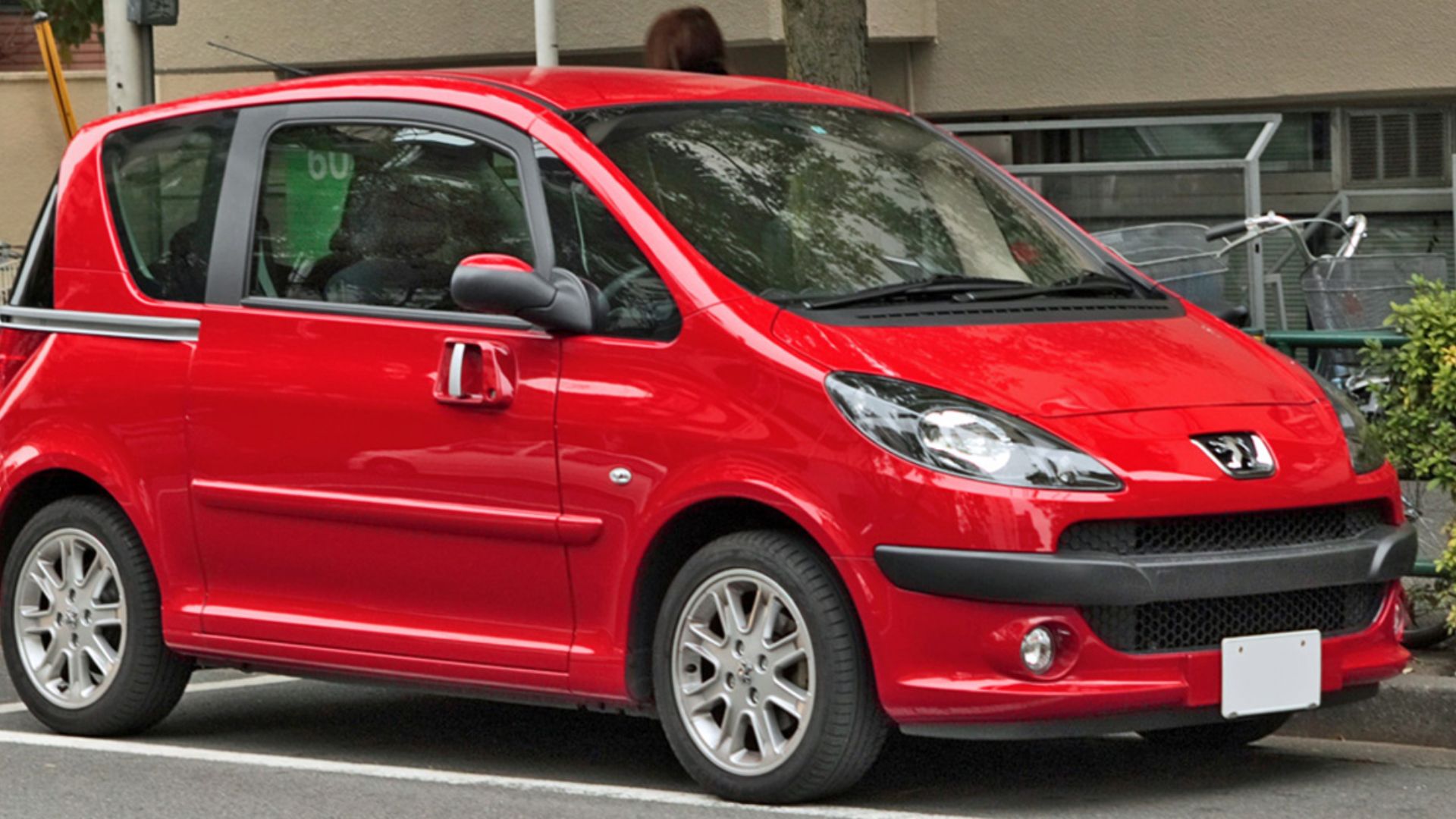
1. 1007
The 1007's signature feature, a pair of powered sliding doors meant to solve tight parking, ended up adding hundreds of pounds of extra weight that blunted performance and hurt fuel economy. The added engineering also made it far more expensive than conventional rivals offering more space for less money. Peugeot had projected selling well over 100,000 units a year and ultimately moved barely 120,000 across the car's entire five-year production run.
 commons.wikimedia.org on Google
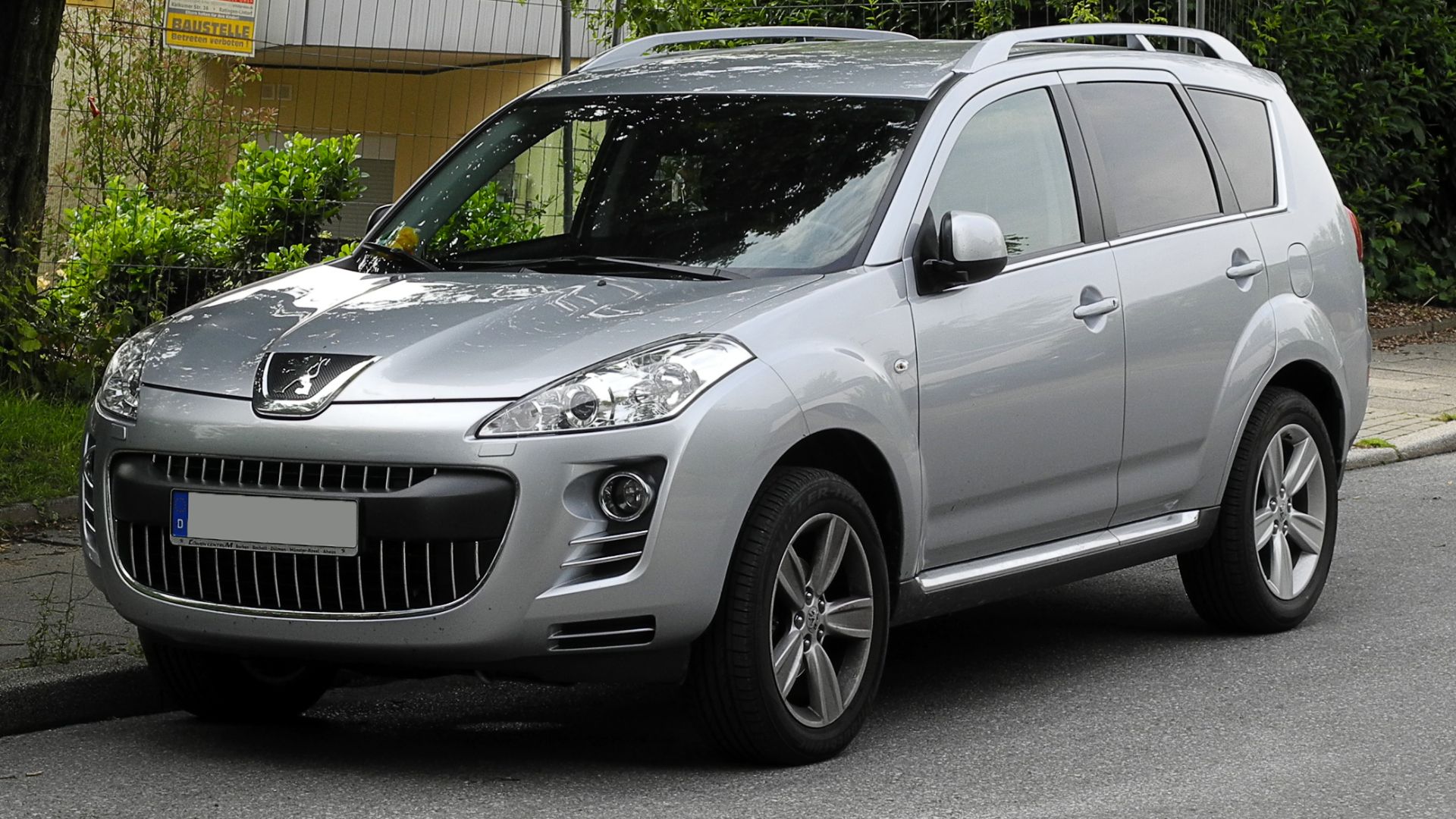
2. 4007
Built on a shared platform with the Mitsubishi Outlander, the 4007 offered solid mechanical reliability but almost none of the character buyers expected from a Peugeot. Reviewers consistently pointed out that the cheaper, mechanically identical Outlander offered the same practicality for considerably less money. It ended up feeling less like a genuine Peugeot and more like a badge stuck onto someone else's design.
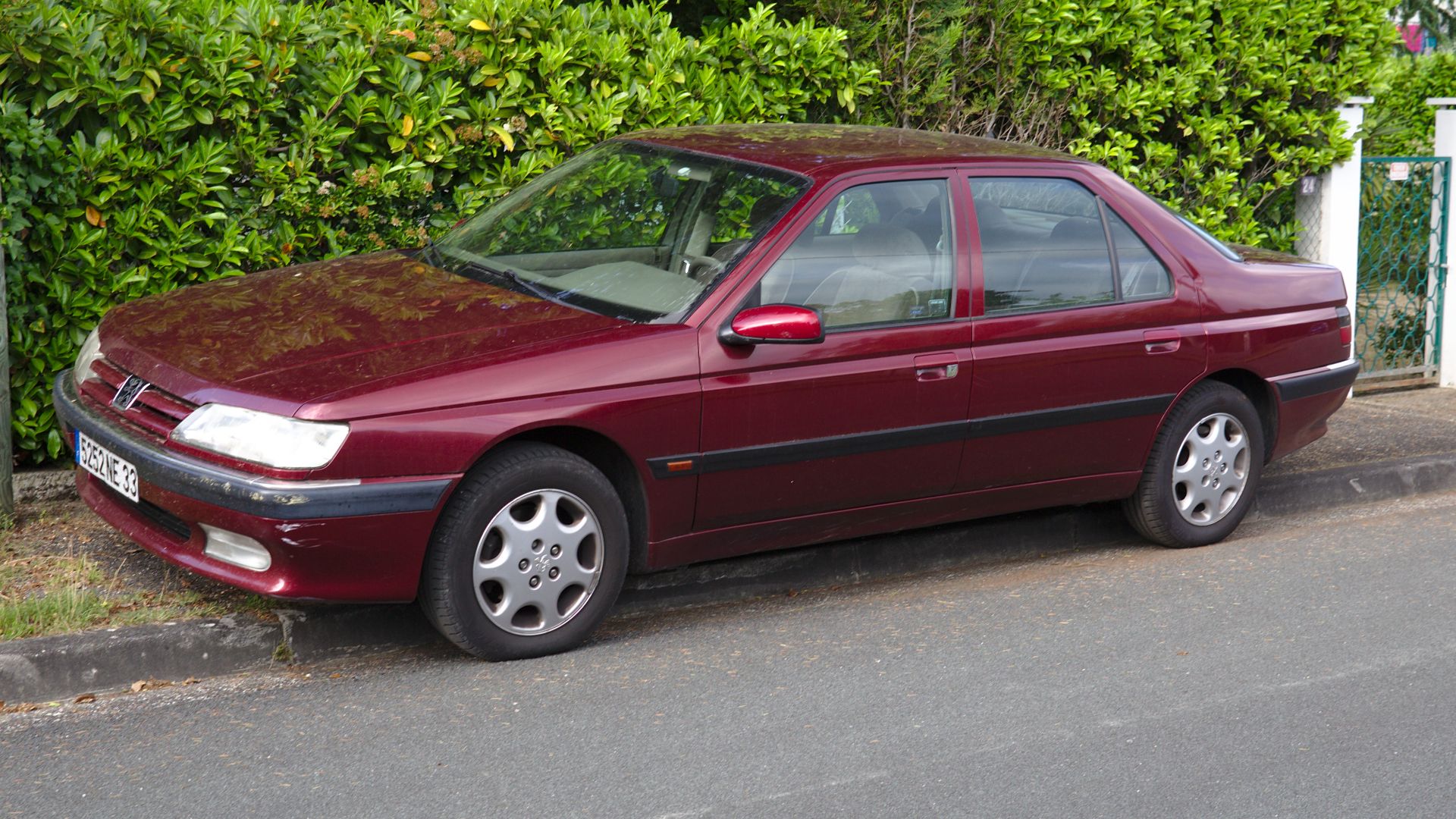
3. 605
Peugeot's attempt to crack the executive sedan segment never managed to convince buyers to look past established German rivals like the BMW 5 Series and Mercedes E-Class. Despite a smooth ride and genuinely comfortable interior, perception issues around long-term reliability kept fleet buyers and private customers alike hesitant. It quietly disappeared from the segment without ever mounting a serious challenge.
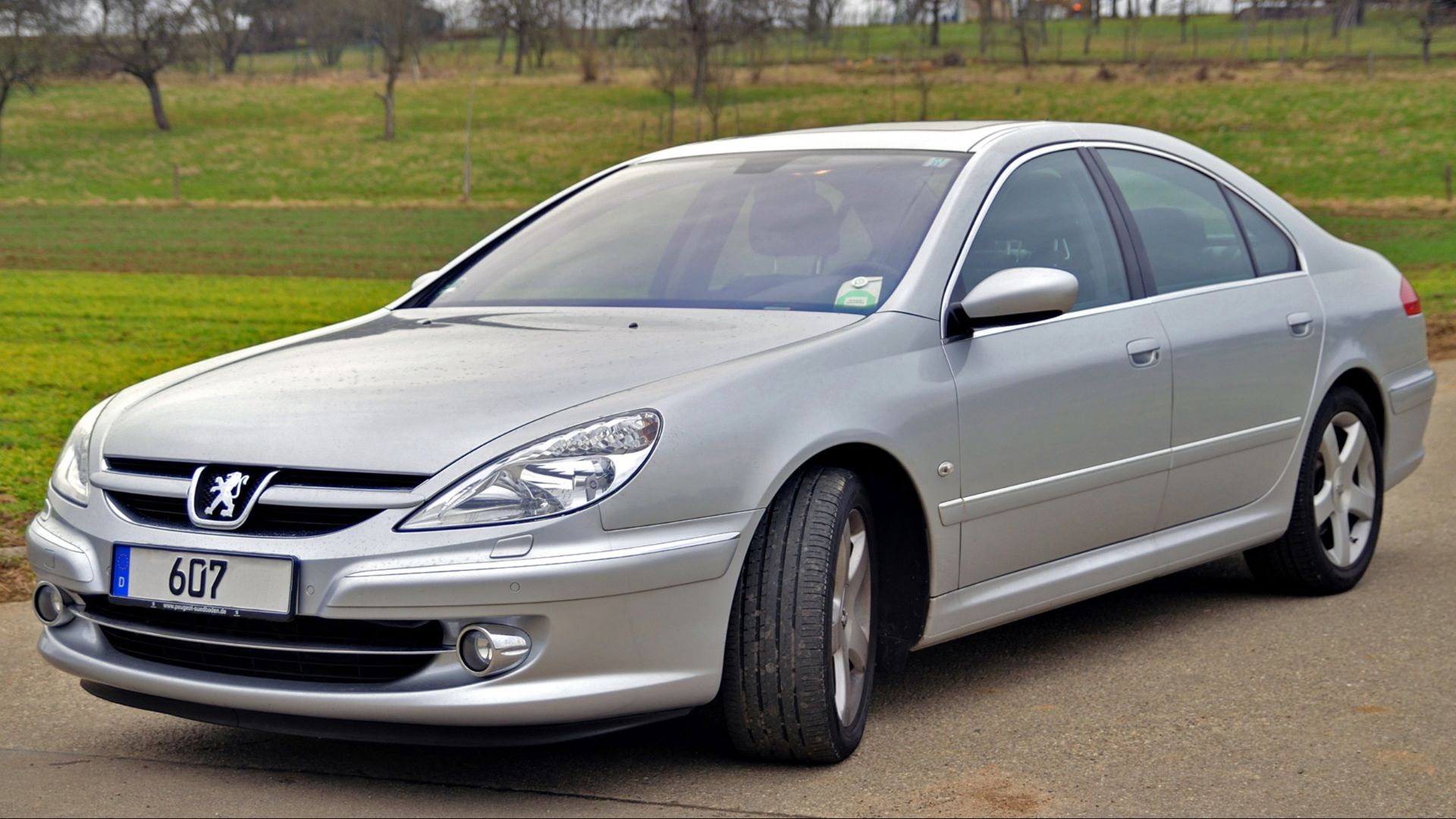
4. 607
By the time the 607 ended production in 2010, reviewers were describing it as hopelessly outdated next to newer executive rivals that had moved the segment forward without it. It never generated the kind of loyal following that Peugeot's smaller hatchbacks managed, and its departure effectively ended Peugeot's presence in the executive sedan class entirely. The brand hasn't seriously returned to that segment since.
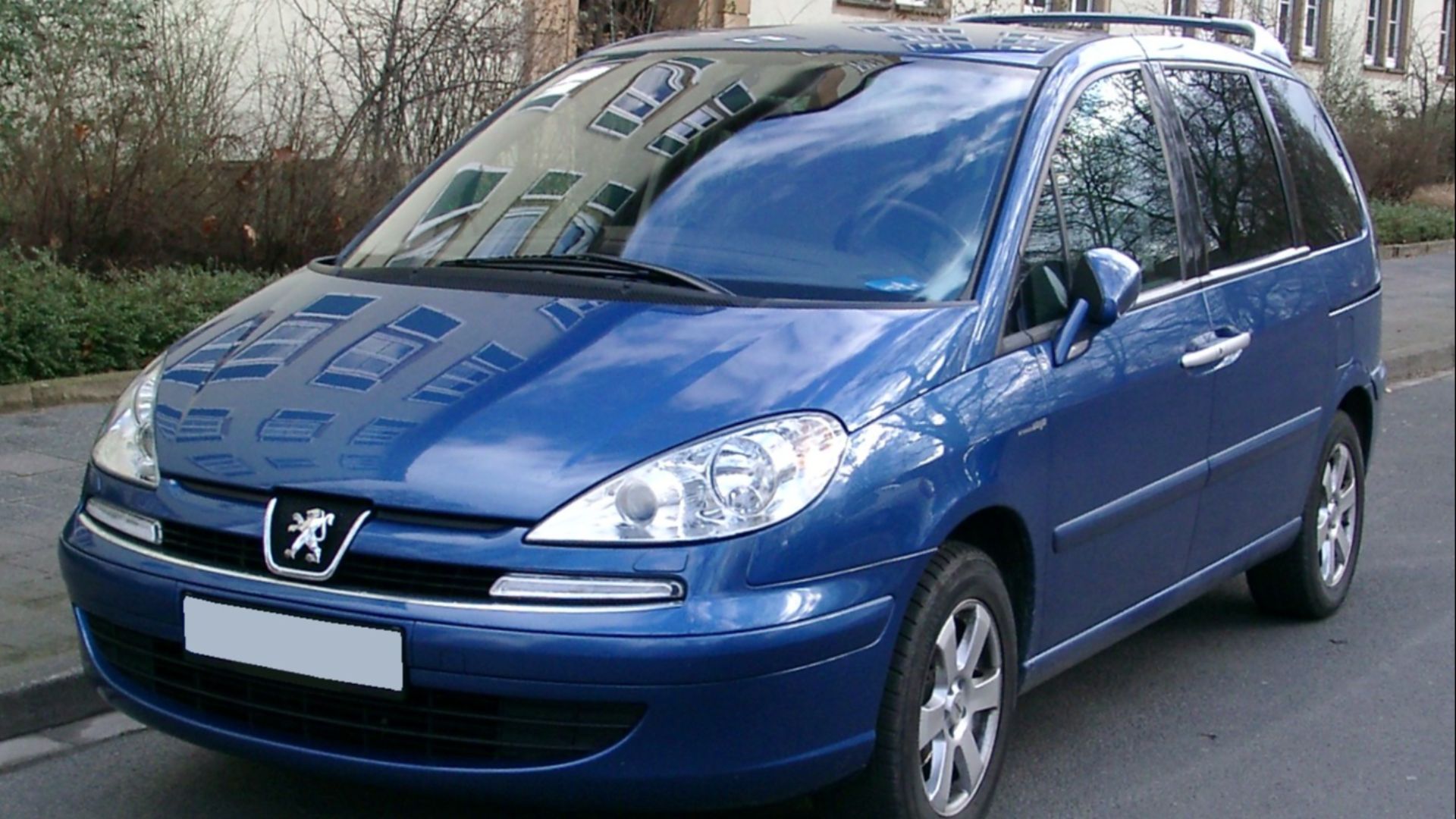
5. 807
Peugeot's large MPV offered generous interior space and practical seating, but almost nothing about its design or driving experience stood out from a crowded field of similarly boxy competitors. It did the basic job of moving a family and their luggage without ever giving anyone a reason to choose it over cheaper, equally competent rivals. It's mostly remembered now, if at all, as a forgettable footnote in Peugeot's lineup.
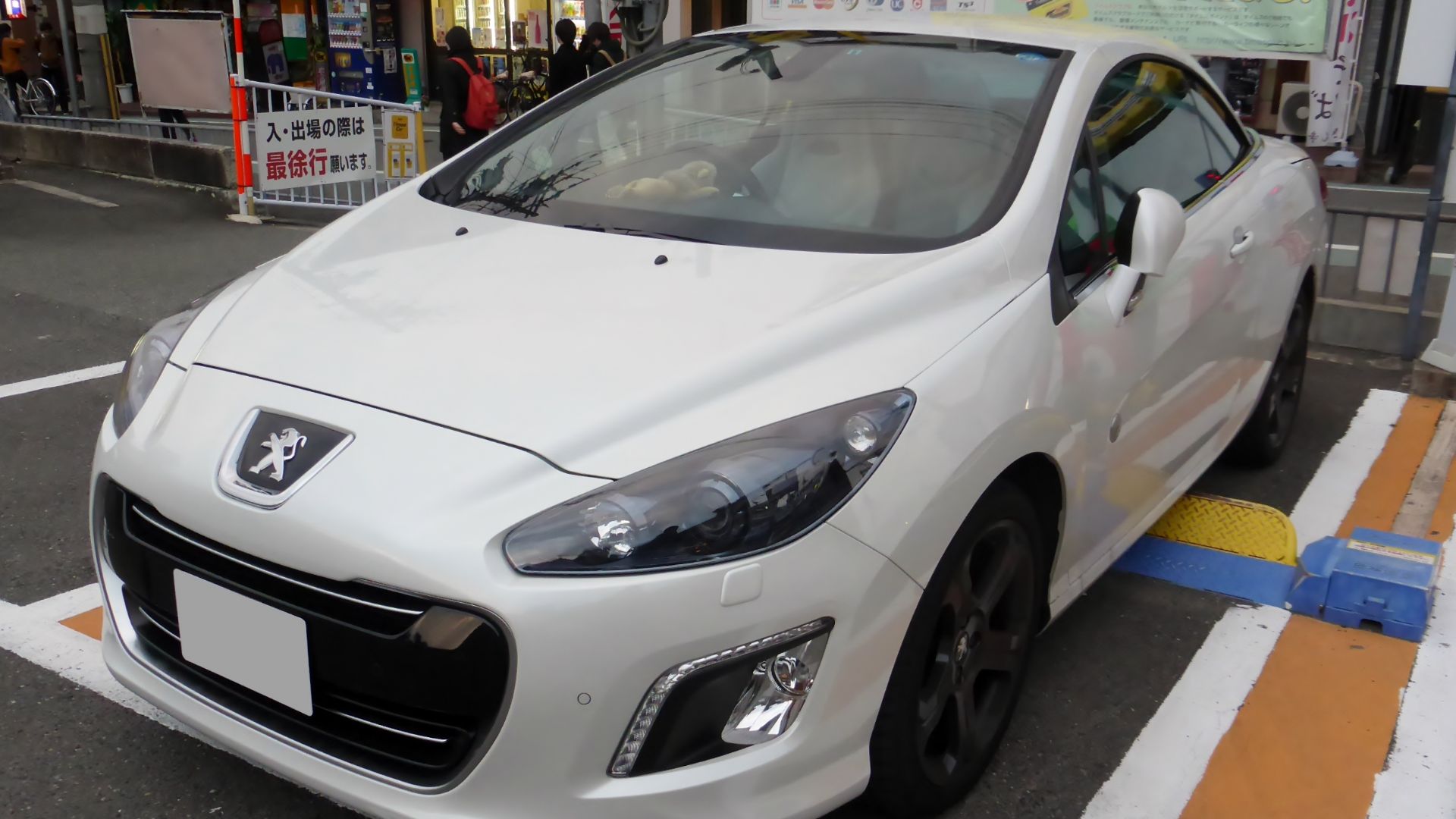
6. 308 CC
The 308 CC's folding hard-top roof looked clever in brochures but added significant weight that dulled the driving experience Peugeot's hatchbacks were known for. Trunk space shrank dramatically with the roof down, undercutting much of the car's everyday practicality. It ended up compromising both the coupe experience and the convertible experience without fully delivering either.
 Tokumeigakarinoaoshima on Wikimedia
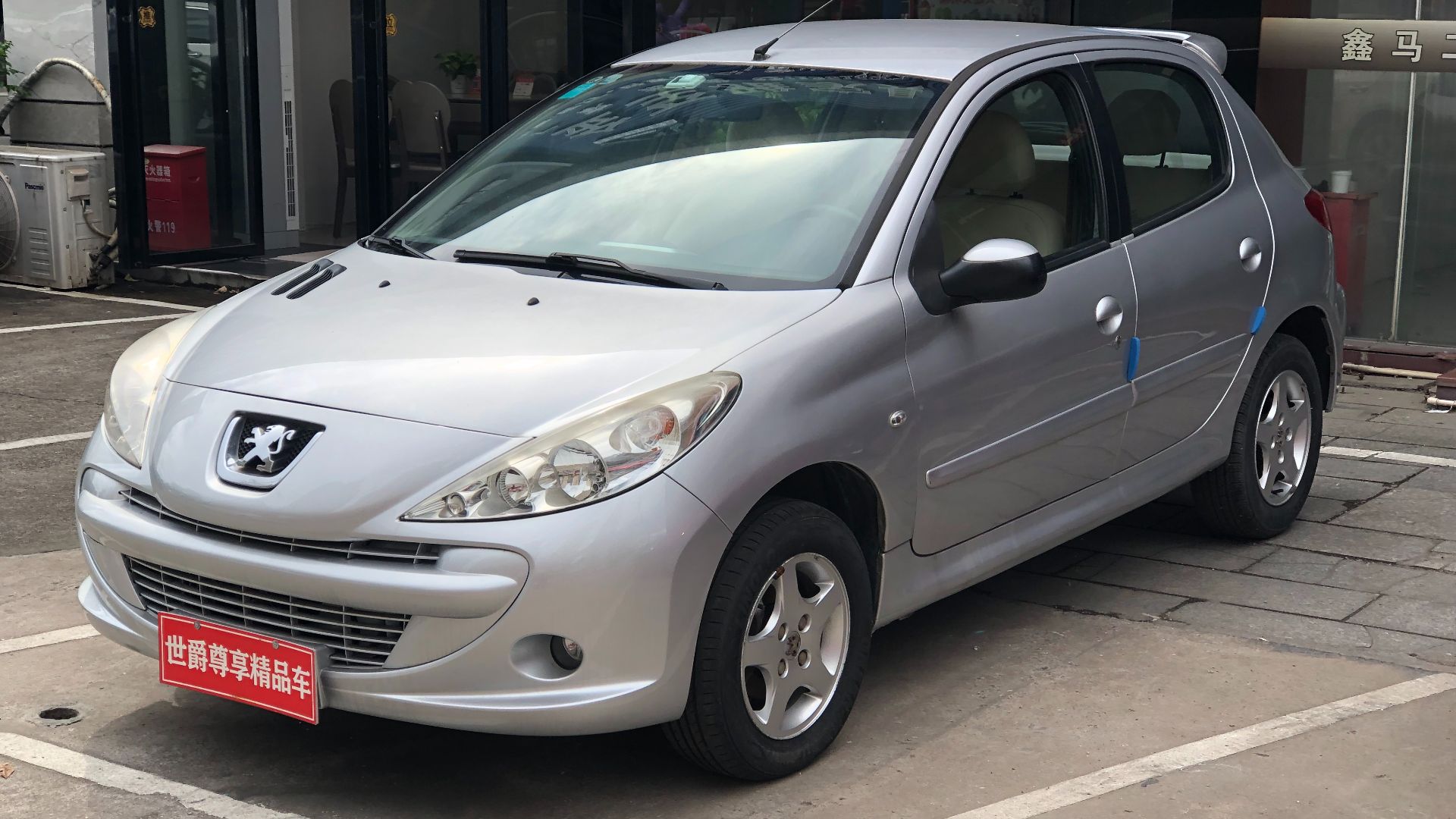
7. 207
Arriving as the replacement for the beloved 206, the 207 struck a lot of critics and younger buyers as noticeably cheaper feeling inside, with little of the personality that had defined Peugeot's earlier compact cars. It's frequently cited as the model where an entire generation's first real impression of the brand became "boring" rather than "fun." That reputation lingered over the brand's image for years afterward.
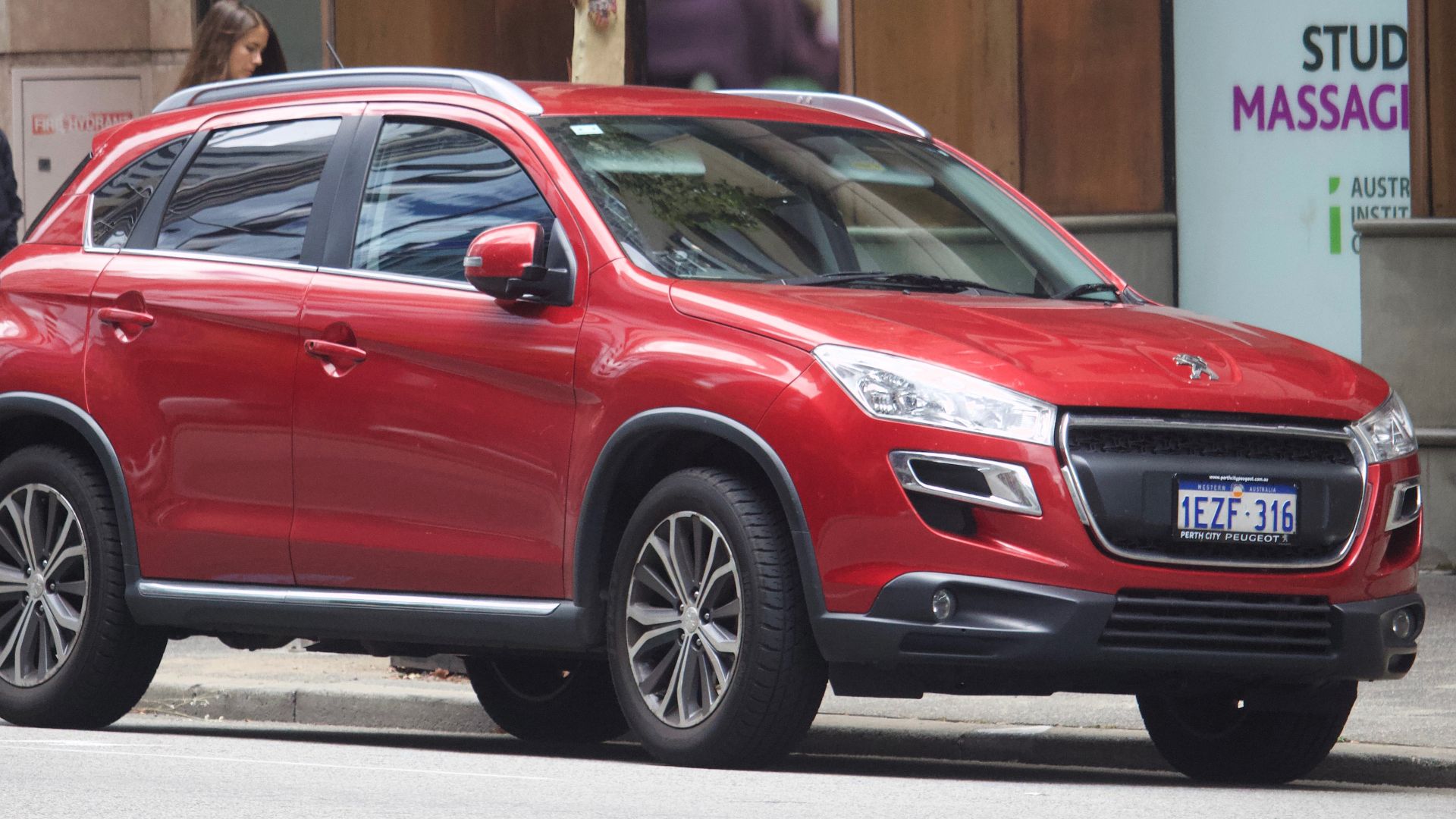
8. 4008
Following almost the exact same formula as the 4007, the 4008 was another rebadged Mitsubishi crossover, this time based on the ASX, that offered little reason to choose it over its mechanically identical sibling. Reviewers again noted that the Peugeot version typically cost more without adding any meaningful advantage. It came and went from showrooms with barely a ripple of enthusiasm.
9. 5008 (First Generation)
The original 5008 delivered a genuinely practical seven-seat layout but wrapped it in styling so anonymous that it barely registered next to more distinctive rivals in the segment. It did its job as family transportation competently enough, but nothing about driving or owning one left much of an impression. The far bolder second-generation redesign later made it clear just how much personality the first version had been missing.
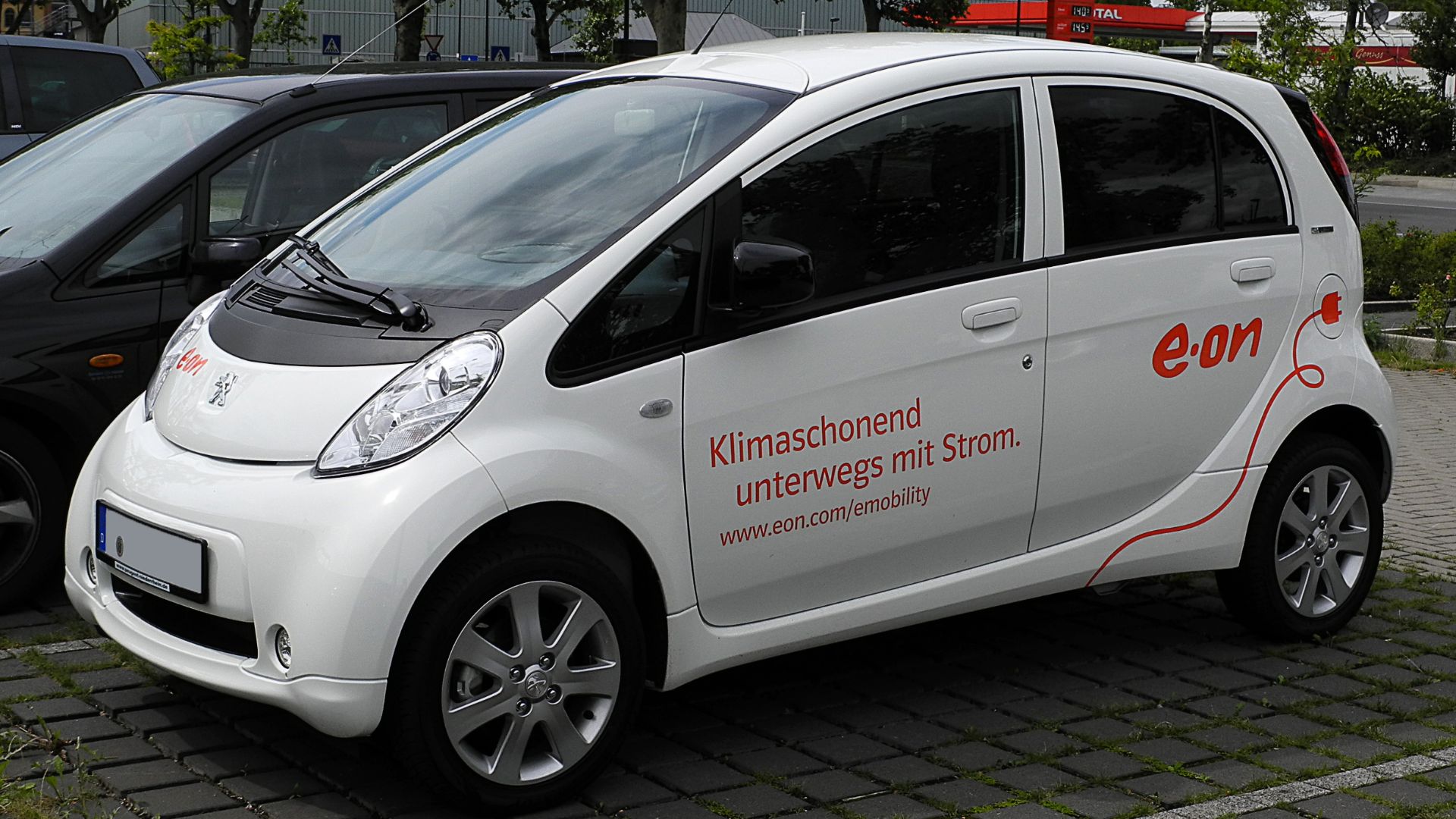
10. Ion
Peugeot's first real attempt at an electric car was, in practice, a rebadged Mitsubishi i-MiEV with a Peugeot grille attached to the front. Limited range and a high price relative to what buyers actually got made it a hard sell even among early EV adopters willing to compromise. It disappeared from most markets almost as quietly as it arrived, leaving barely a mark on Peugeot's electrification story.


_%E2%80%93_Frontansicht,_7._Dezember_2014,_Ratingen.jpg)
_%E2%80%93_Frontansicht_(1),_20._September_2017,_D%C3%BCsseldorf.jpg)
_Front.jpg)

