Automotive Trends Rarely Stay Parked
The car industry regularly introduces ideas that seem destined to reshape driving, only for buyers, regulators, or changing technology to send them into retirement within a few model years. Other features fade gradually before nostalgia, practicality, or frustration with their replacements makes them desirable again. These 10 car trends that disappeared quickly and 10 that are making a comeback reveal how frequently automakers reconsider their decisions.

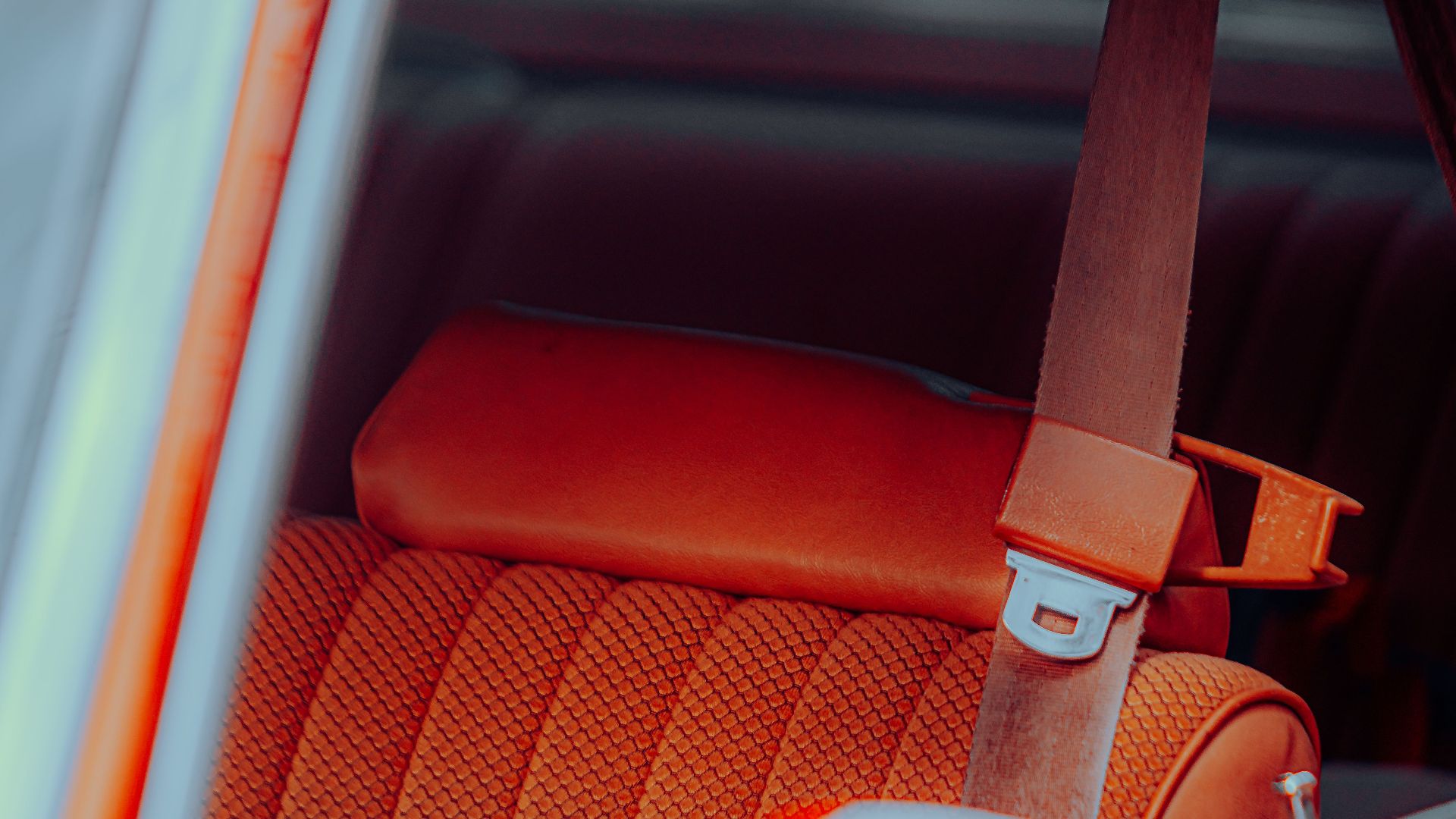
1. Automatic Seat Belts
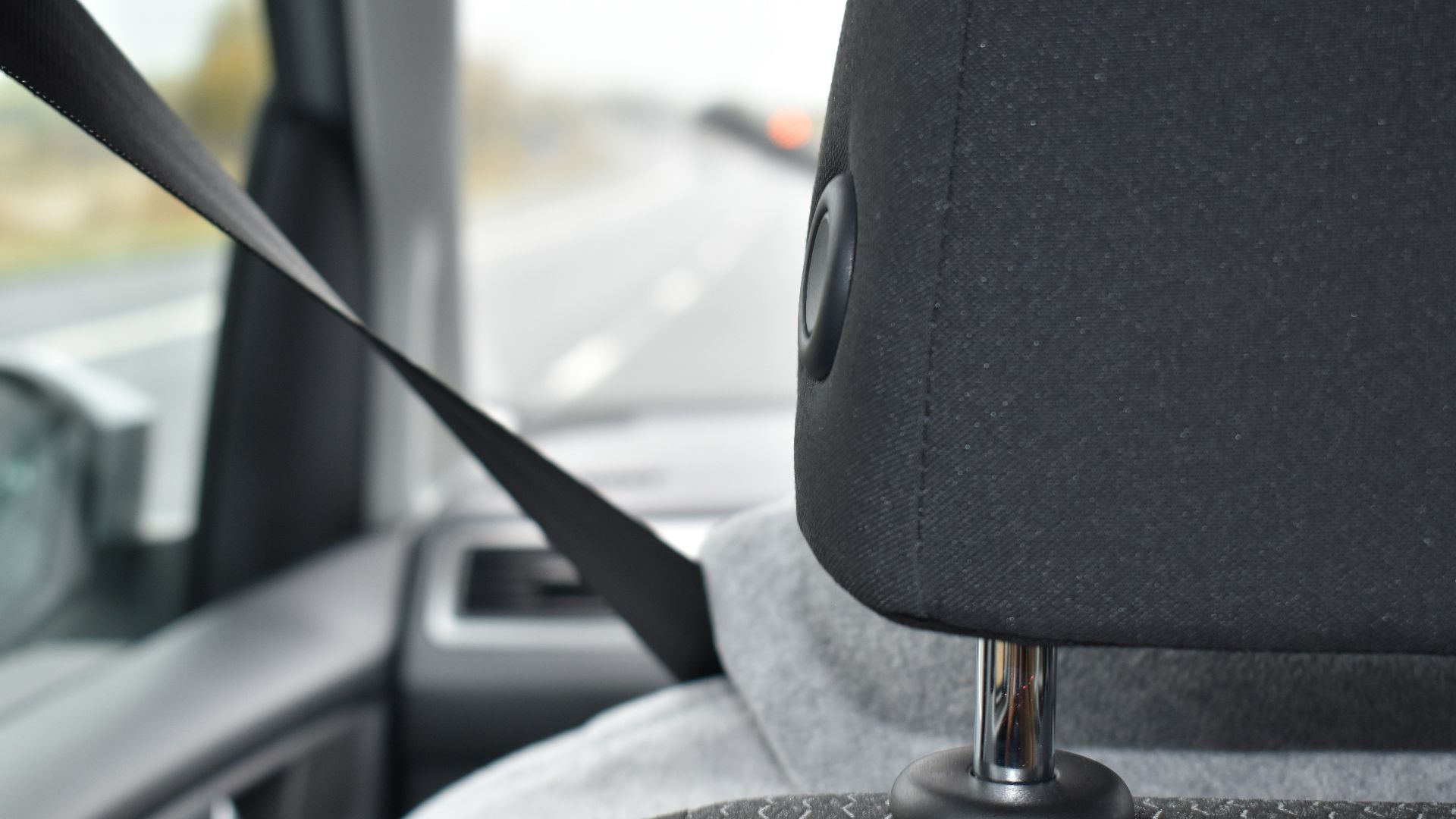
Automatic seat belts appeared in many American-market cars during the late 1980s and early 1990s as manufacturers worked to meet federal occupant-protection rules. The shoulder belt moved into place when the door closed, although drivers still had to fasten a separate lap belt in many models.
 Alexandria Gilliott on Unsplash
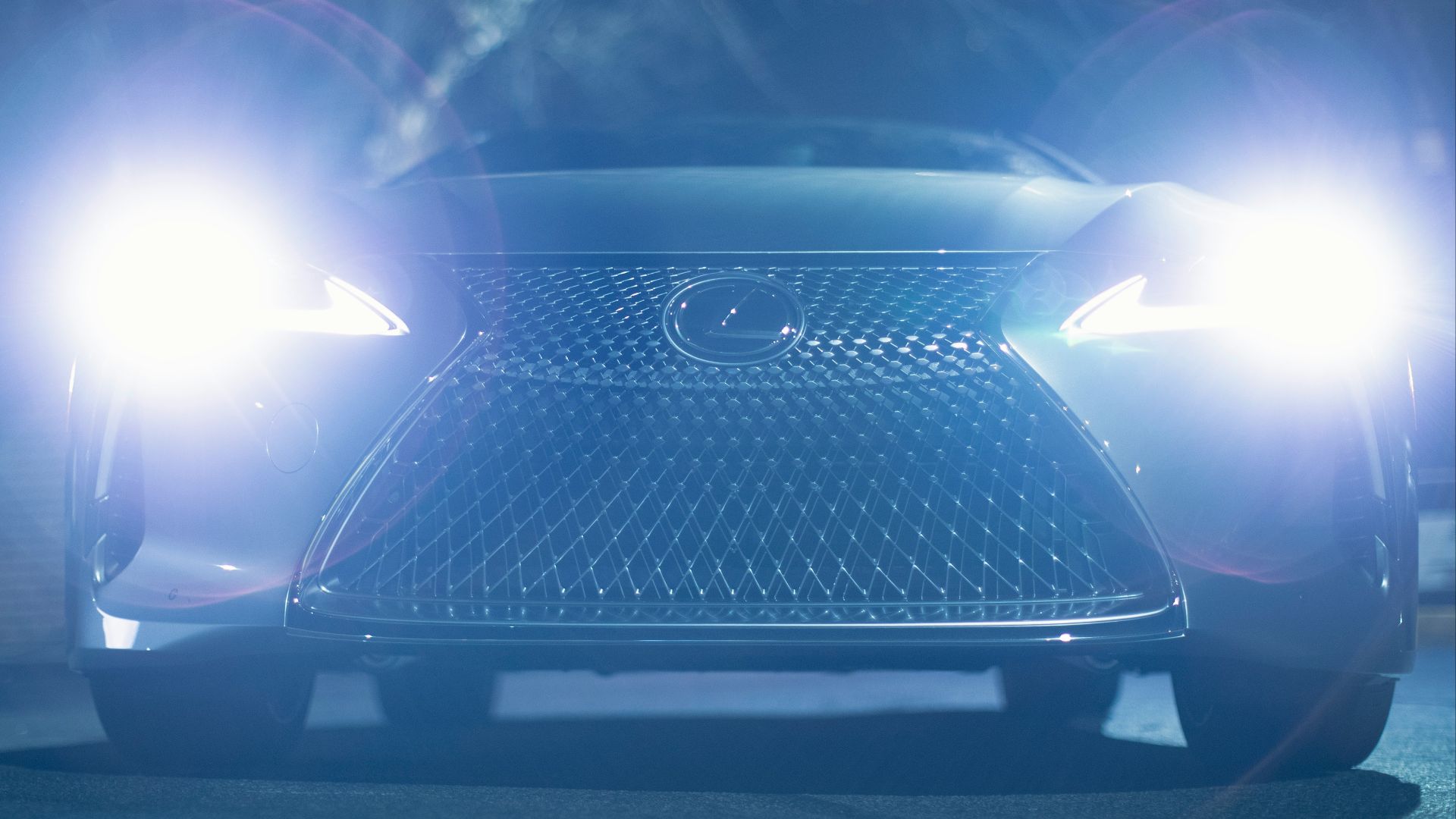
2. Pop-Up Headlights
Pop-up headlights became closely associated with sports cars during the 1970s, 1980s, and 1990s because they allowed designers to create low, smooth front ends. By the early 2000s, new vehicles had largely abandoned them despite their continuing popularity among enthusiasts.
3. Digital Instrument Clusters From the 1980s
Early digital dashboards used glowing numbers, bar graphs, and futuristic displays to replace conventional analog gauges. They looked advanced in advertisements, but many were difficult to read in bright sunlight and expensive to repair as they aged.

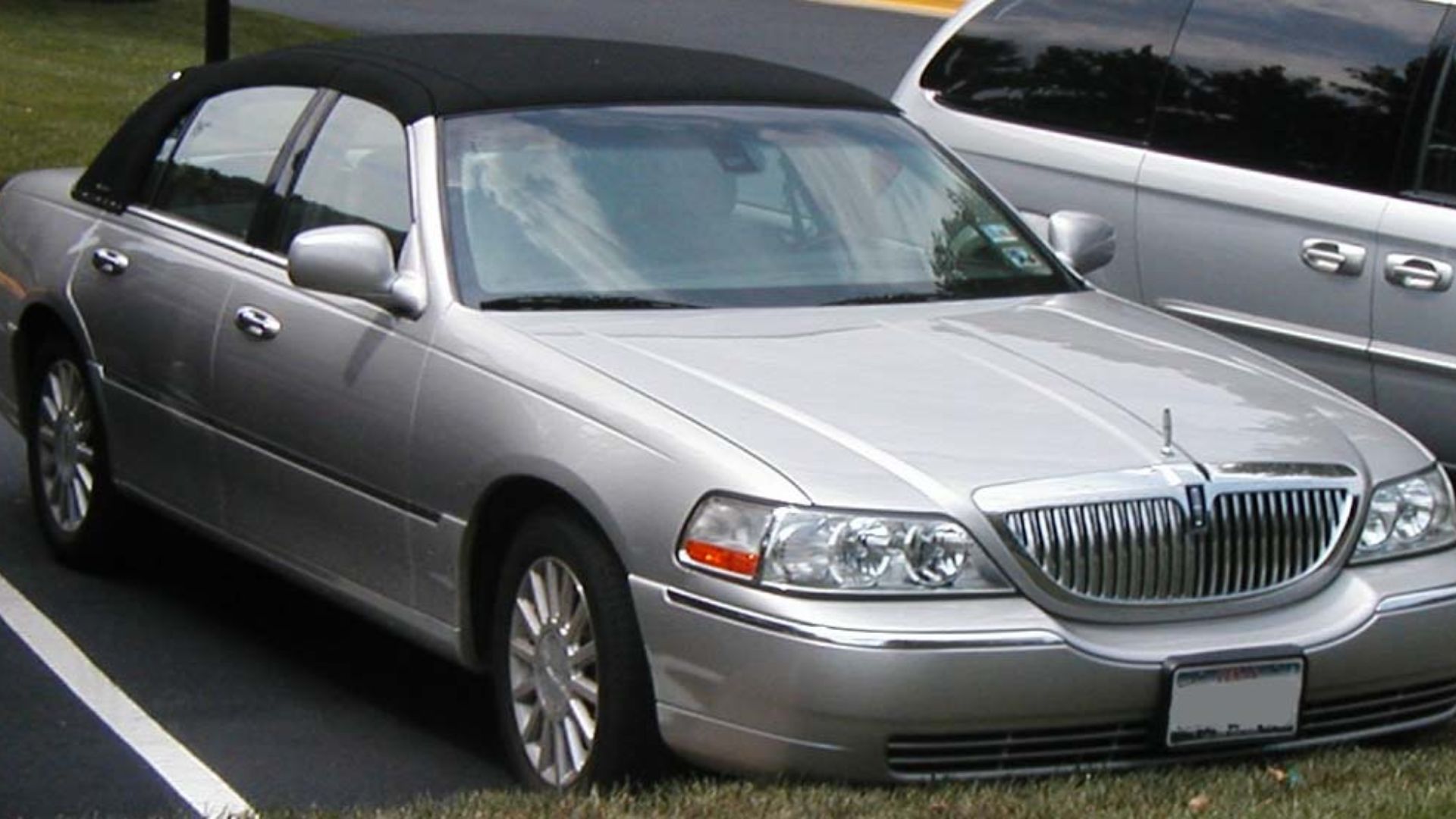
4. Vinyl Roofs
Vinyl-covered roofs became popular on American cars because they created the appearance of a convertible top without requiring a folding mechanism. By the late 1970s, the treatment appeared on everything from large luxury sedans to relatively ordinary compact models.
5. Built-In Car Phones
Factory and dealer-installed car phones were expensive status symbols during the 1980s and early 1990s. They gave businesspeople mobile access before handheld cellular phones became affordable and widely available, although calls could be costly and coverage was limited.

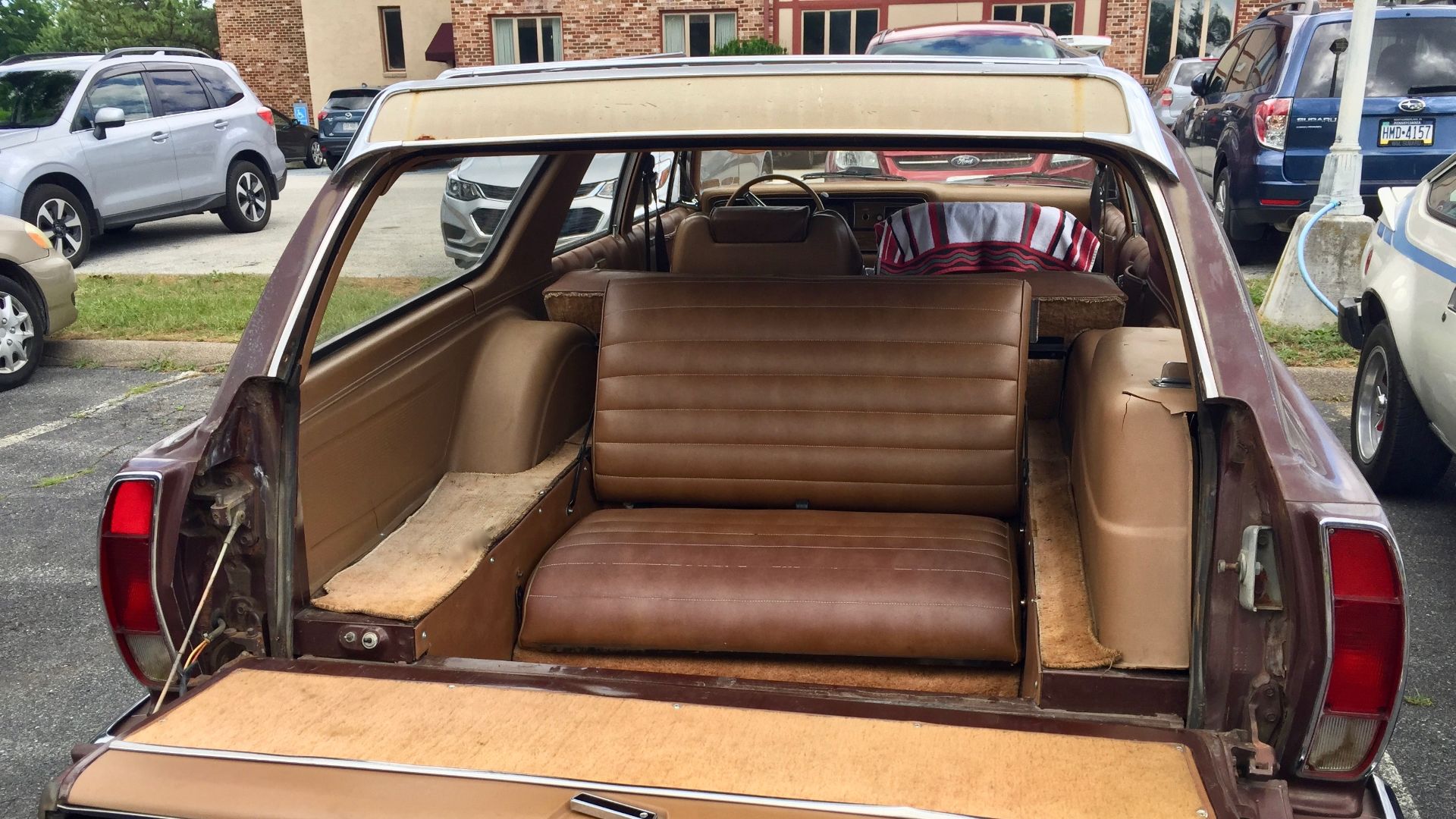
6. Rear-Facing Station Wagon Seats
Large station wagons sometimes included a third-row bench facing backward into the cargo area, allowing families to carry several children without buying a van. The unusual seating position was entertaining for passengers, but it offered limited comfort and became less attractive as safety expectations changed.
7. Cassette-Based Navigation Systems
Some early factory navigation systems stored map information on cassettes or other limited physical media before CD-based units became common. Drivers often had to load the correct regional map, and the displays offered far less detail than later systems.

8. Motorized Shoulder Belts on Door Frames
A variation of the automatic seat belt placed the shoulder strap directly on the door rather than moving it along a roof-mounted track. Occupants could enter without manually fastening the upper belt, but opening the door during a collision raised concerns about restraint effectiveness.
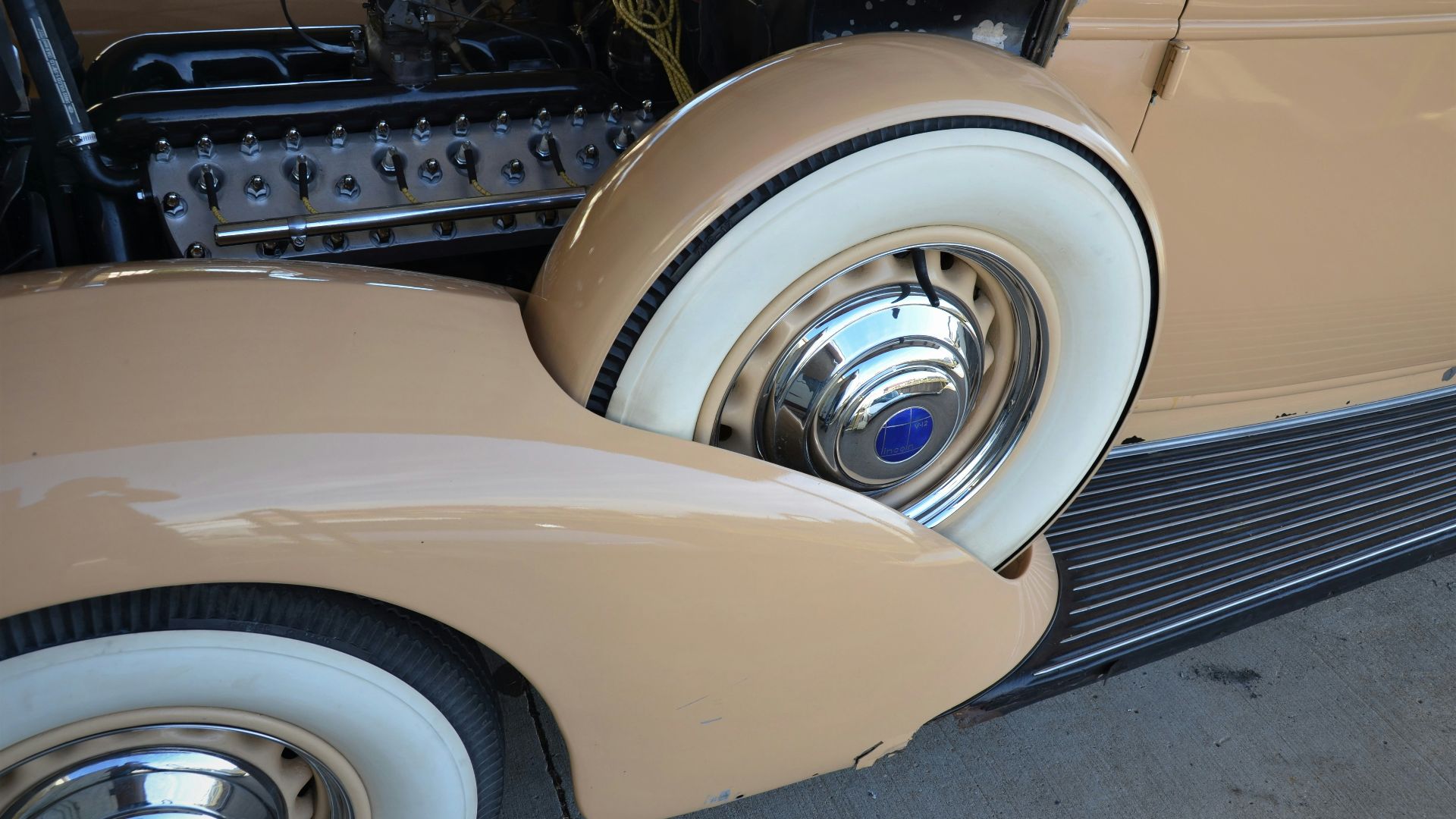
9. Hidden Rear Wheels
Several mid-century cars used body panels or removable skirts to cover part of the rear wheels and create a smoother appearance. The styling device briefly returned on selected aerodynamic models during the 1980s and 1990s, when fuel efficiency encouraged cleaner body shapes.
10. Swiveling Front Seats
Swiveling seats appeared in some cars as a way to make entering, exiting, and socializing inside the cabin easier. Their popularity remained limited because the mechanisms added weight, occupied space, and complicated restraint design.
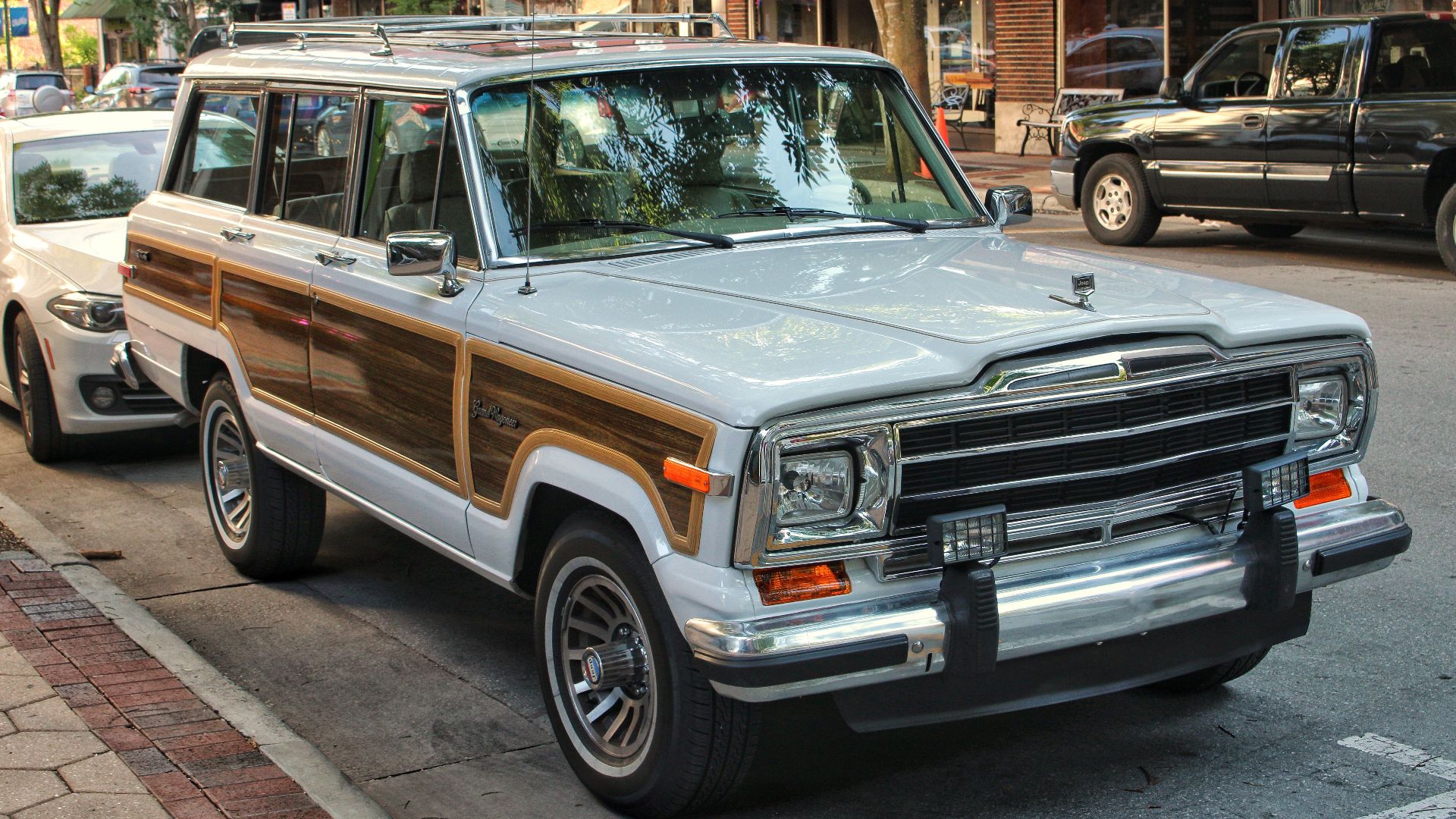
1. Physical Dashboard Buttons
Touchscreens replaced many buttons as automakers pursued cleaner dashboards and software-based controls. Drivers frequently complained that adjusting temperature, volume, or basic vehicle functions through menus required too much attention.
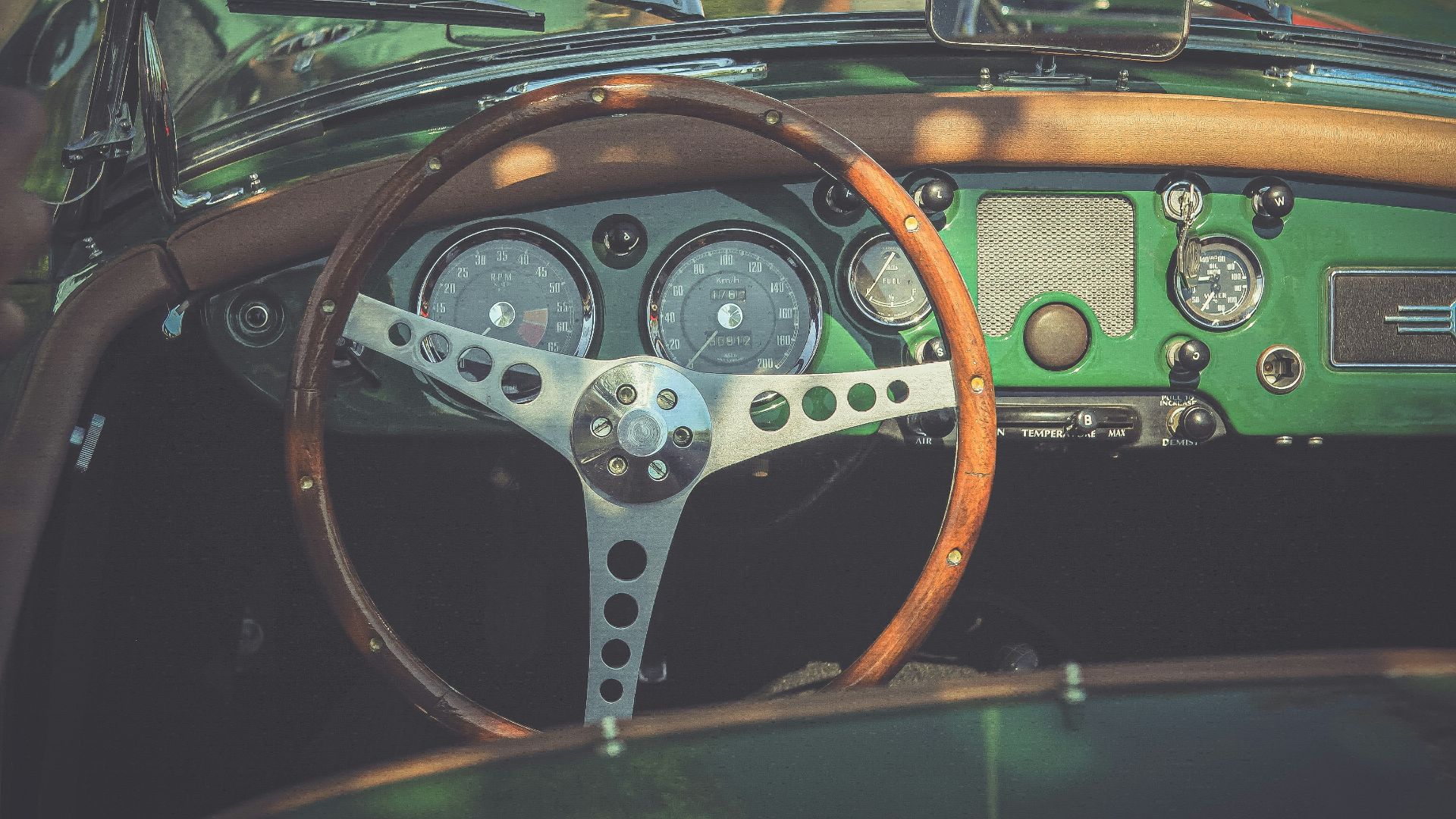
2. Retro-Inspired Styling
Modern vehicles are increasingly borrowing boxy profiles, round headlights, upright grilles, and simple body shapes from earlier generations. Automakers can create a familiar identity without reproducing the poor safety, emissions, or reliability standards of an older model.
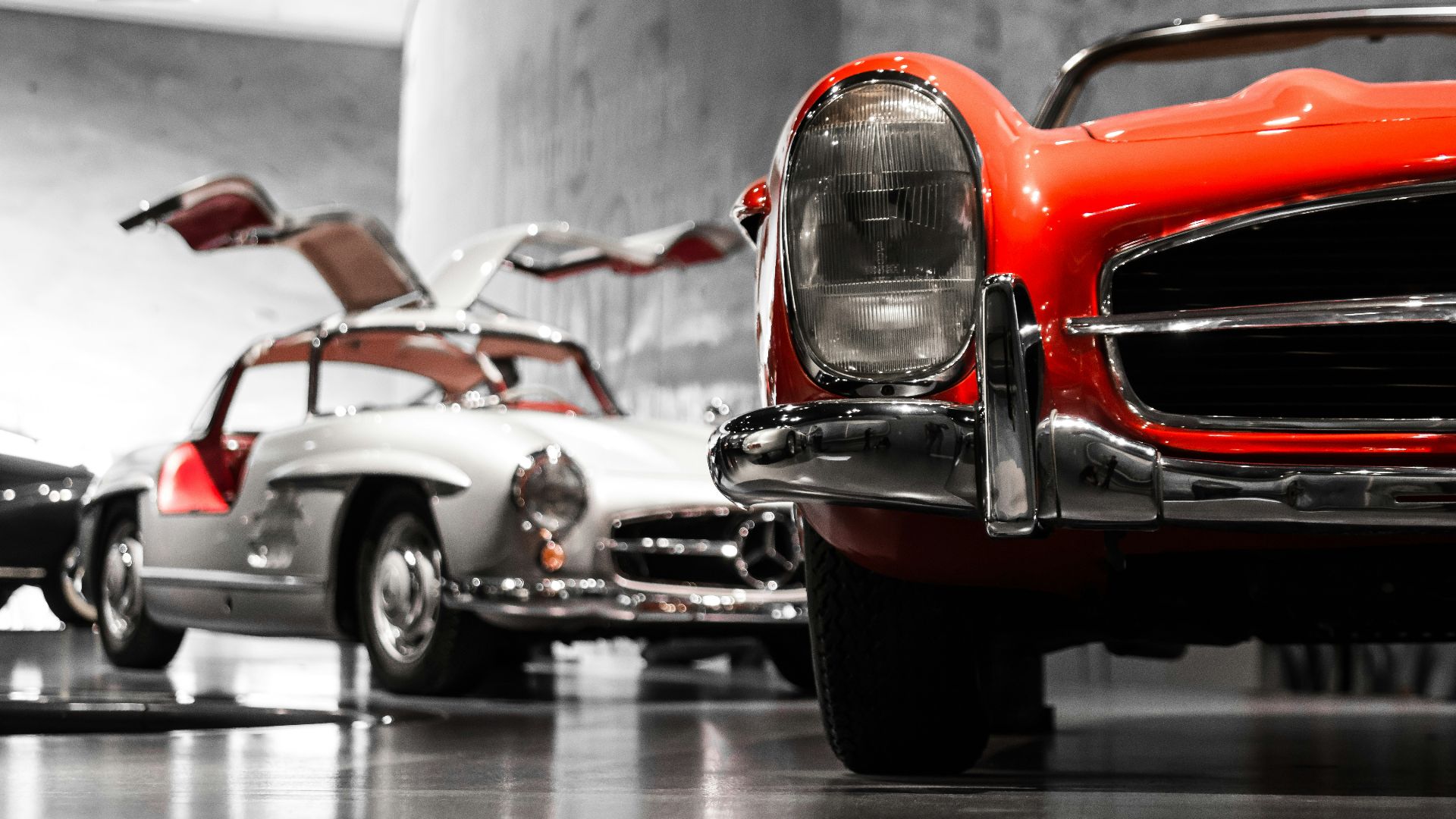
3. Two-Tone Paint
Contrasting roofs and body colors were once common before uniform paint schemes became the safer mass-market choice. Mini revived the look successfully, and numerous crossovers, electric vehicles, and small cars now offer black, white, or brightly colored roofs.

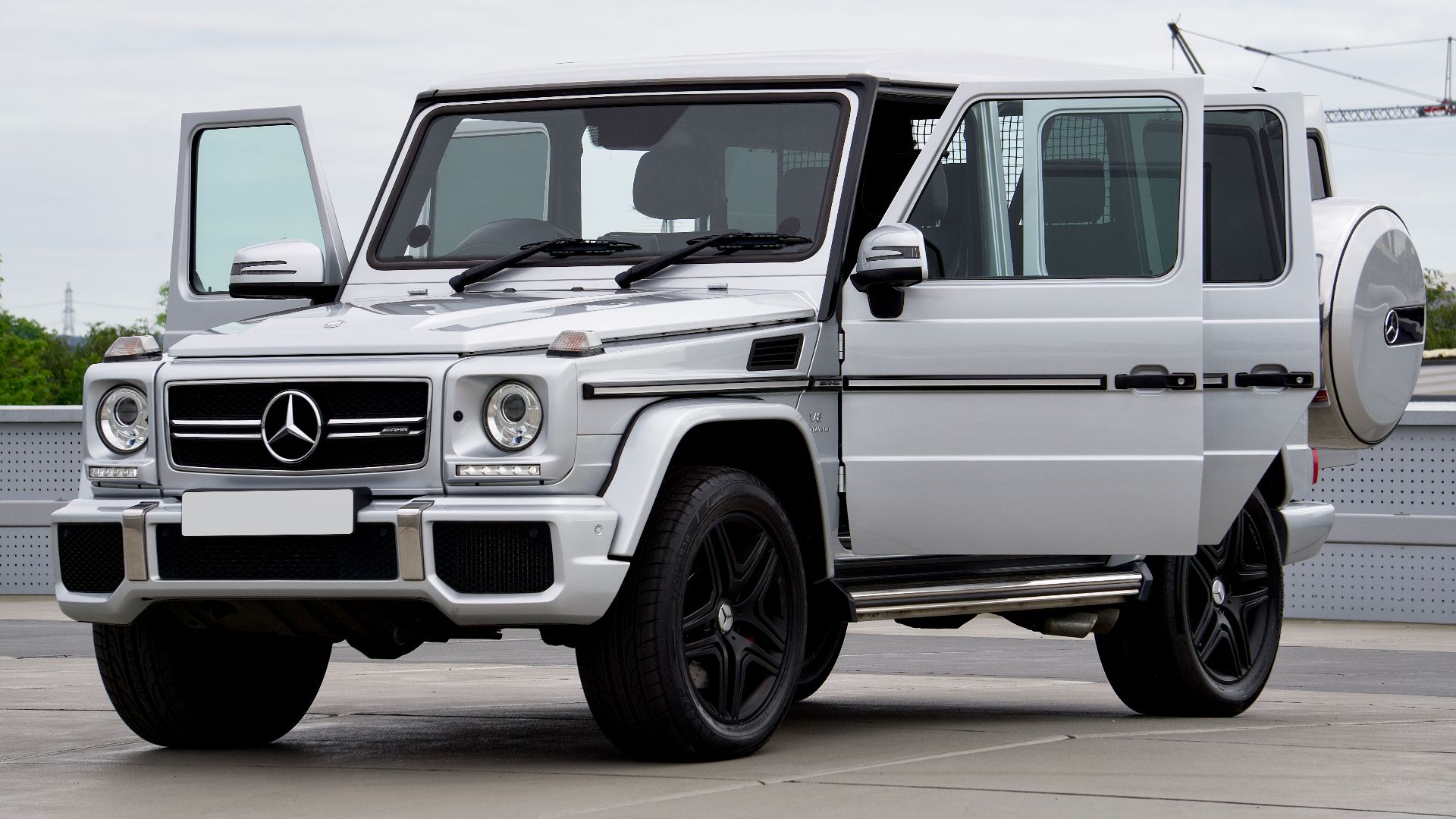
4. Boxy SUVs
Rounded crossovers dominated for years because curved bodies were associated with aerodynamic efficiency and modern design. Buyers have renewed their interest in upright SUVs that offer strong visibility, practical cargo areas, and a more rugged appearance.
5. Manual Transmissions in Enthusiast Cars
Manual transmissions continue to disappear from mainstream vehicles, but several performance models still use them as selling points. Sports-car buyers often value the additional involvement even when an automatic transmission can shift faster and produce better acceleration figures.

6. Small Affordable Pickup Trucks
Compact pickups once offered inexpensive transportation for buyers who needed an open bed without the size or cost of a full-size truck. As established pickups grew larger, this part of the market nearly vanished in North America.
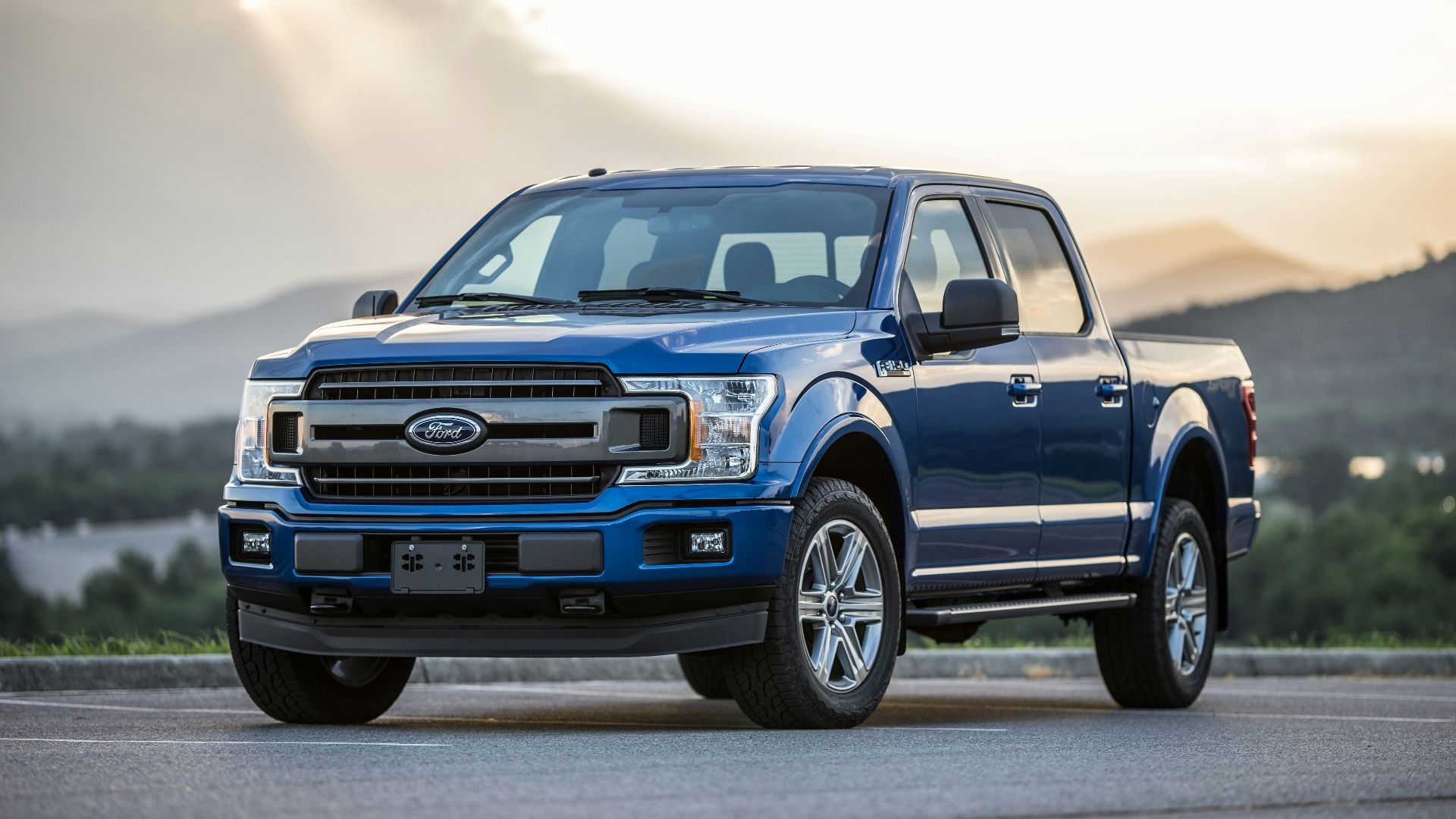
7. Station Wagons
Crossovers pushed traditional wagons out of many showrooms, but enthusiasts and luxury buyers have kept interest in the body style alive. Wagons provide carlike handling, a low roof for easier loading, and cargo space that can rival some SUVs.
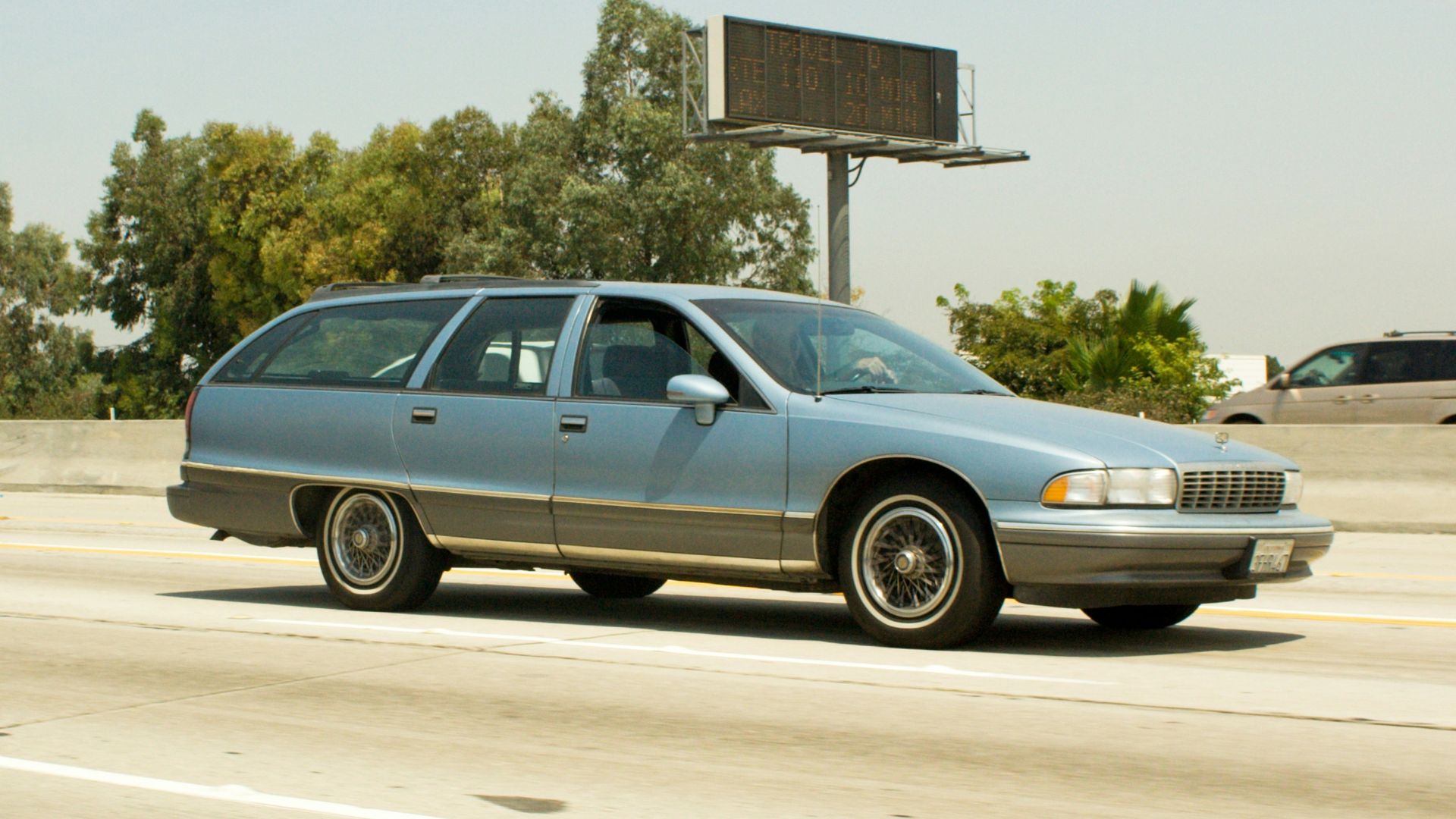
8. Cloth And Textile Interiors
Leather and leather-like materials became expected in expensive vehicles, while cloth was often treated as an economy-car compromise. Electric vehicles have encouraged this shift by allowing brands to reconsider traditional definitions of luxury.

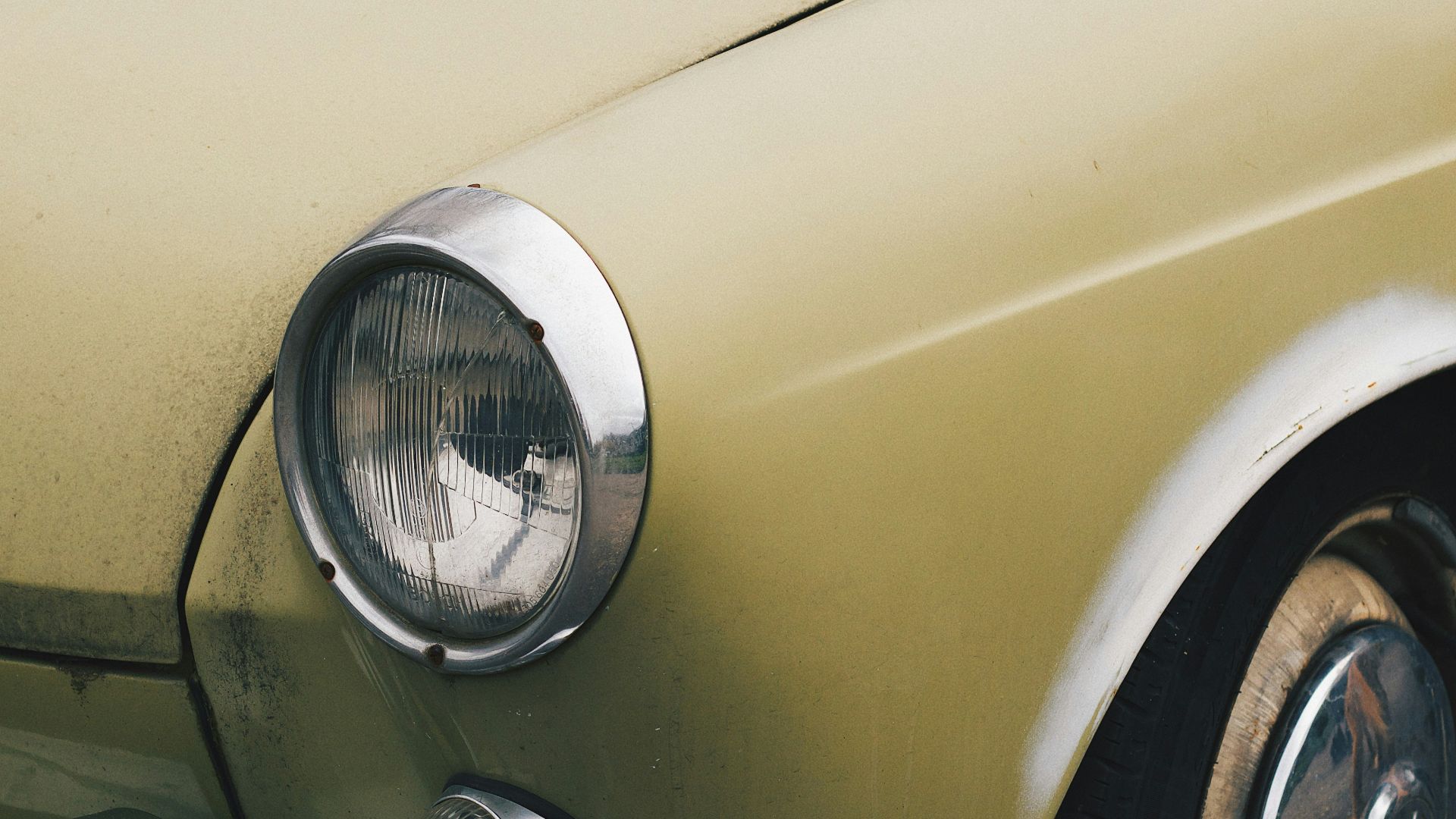
9. Round Headlights
Complex lighting shapes dominated modern automotive design as LEDs allowed manufacturers to create increasingly thin and elaborate signatures. Round lamps have returned on several SUVs, electric vehicles, and retro-themed models because they provide a simple, recognizable face.
10. Full-Size Spare Tires
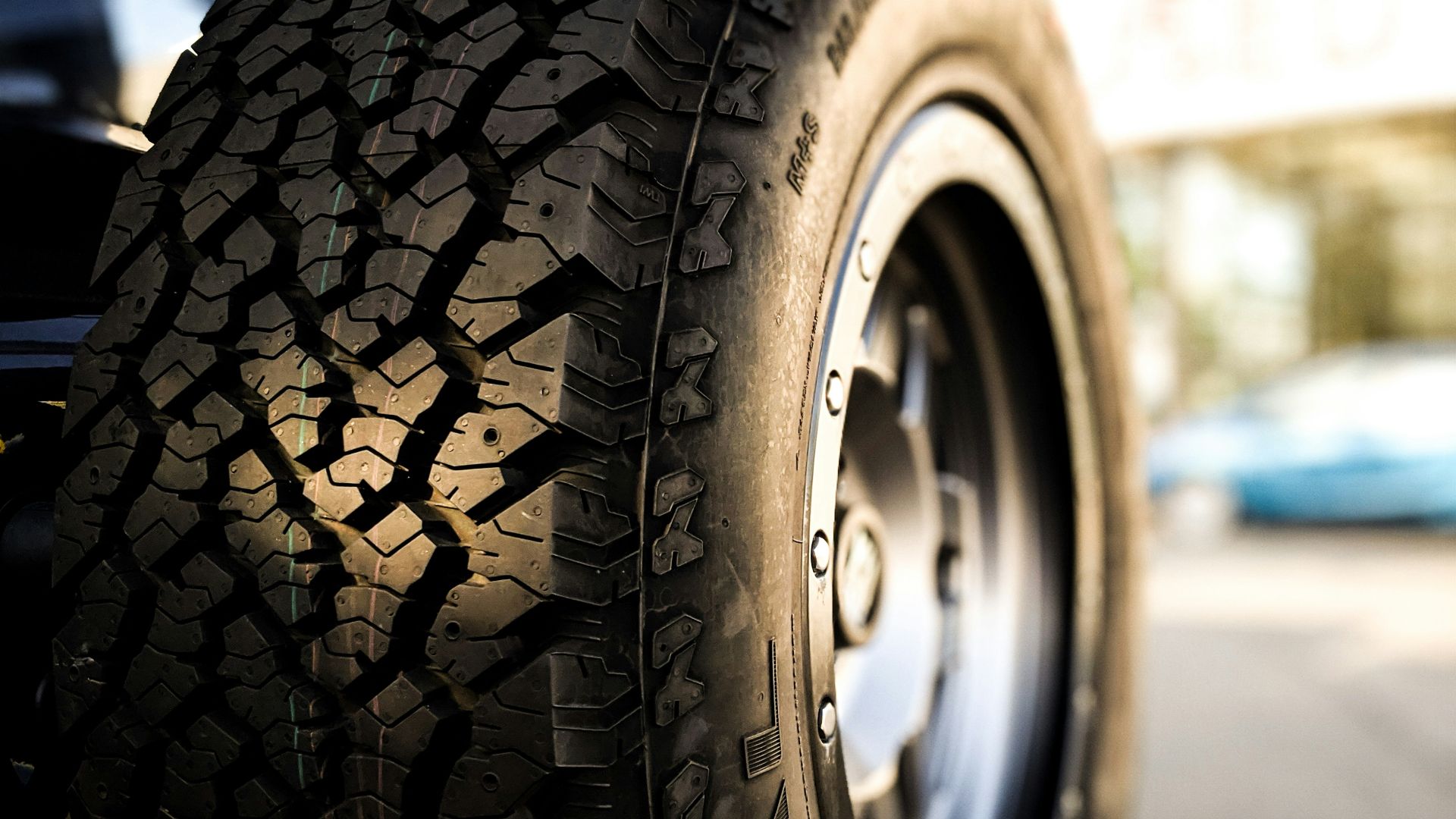
Temporary spare tires and tire-repair kits became common as automakers tried to reduce weight, cost, and cargo-floor height. Off-road models and adventure-oriented vehicles are increasingly displaying or offering proper spare tires as part of their practical, rugged image.