From Storm Birds to Sun Chariots, These Car Names Carry Serious Lore
Car names can seem like simple marketing until you look at where they came from. A surprising number were borrowed from old gods, powerful beasts, folklore, and legendary figures. That gives familiar cars a little more personality and a much longer backstory than you’d expect from a badge on a trunk. A few names on this list belong to deities or legendary people instead of monsters, but that doesn’t make the stories any less interesting. The references stretch from Norse wolves and Greek guardians to Japanese serpents and a storm-bringing figure revered in many Indigenous traditions. These 20 cars all have names that lead somewhere far more fantastical than the parking lot.
1. Ford Thunderbird
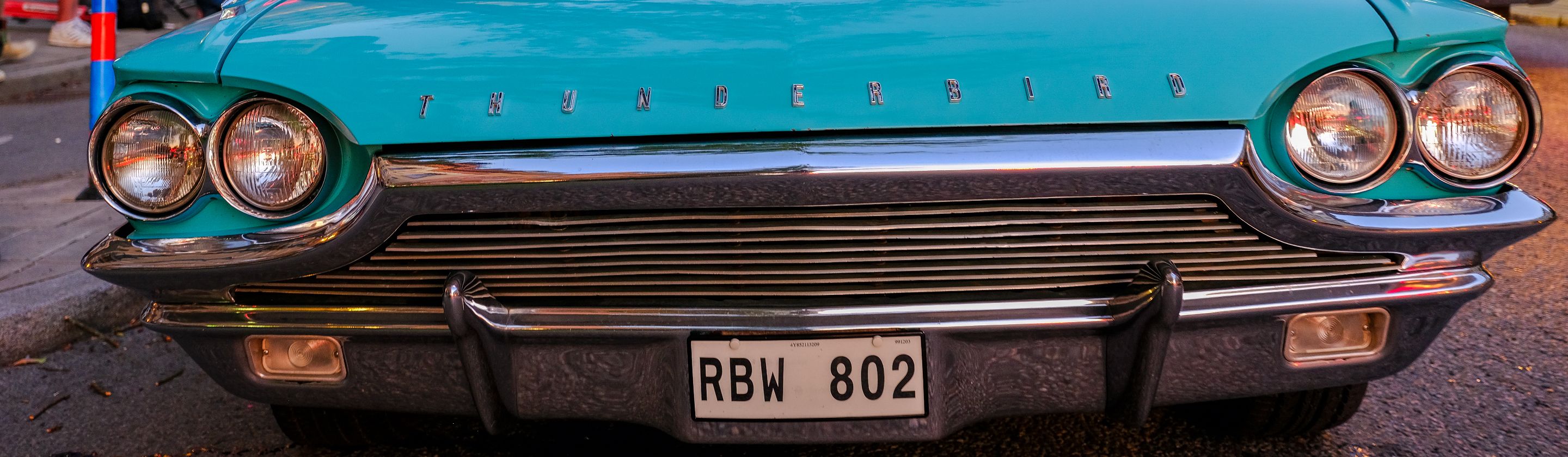
Ford chose the Thunderbird name for its 1955 two-seater through an employee naming contest. In many Indigenous traditions, the thunderbird is a powerful supernatural being connected with storms, though there isn’t one single Thunderbird story shared by every tradition. That history gives the famous badge much more meaning than a flashy bird symbol.
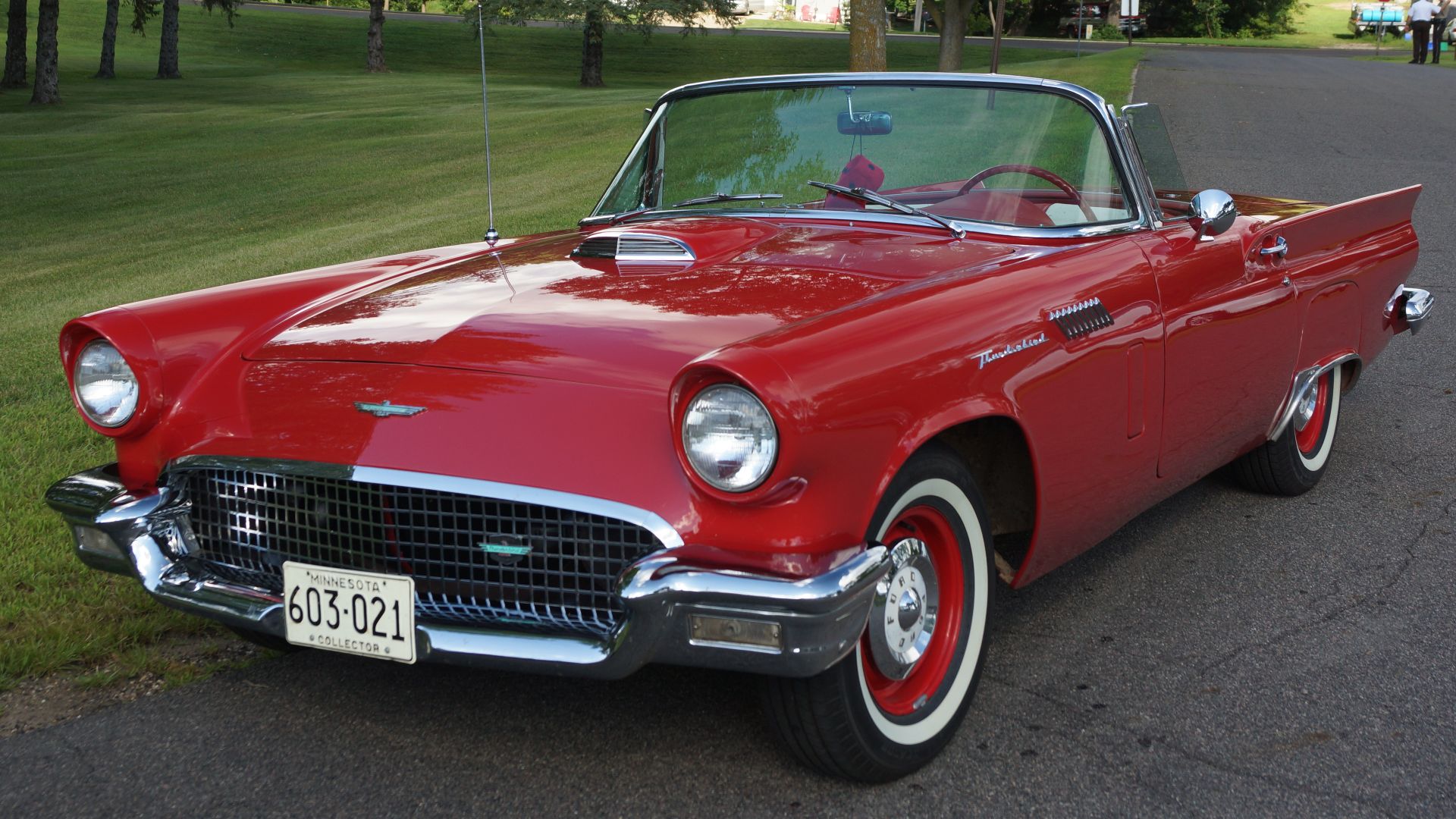 Greg Gjerdingen from Willmar, USA on Wikimedia
2. Dodge Demon
Dodge’s 1971 Demon didn’t try to hide where its name came from. The car’s artwork featured a devil, and its advertisements leaned into the idea with a “Demon-stration” ride. The name stayed around for only two model years before the car became the Dart Sport. That short run makes the original badge an especially strange and memorable detail from the period.
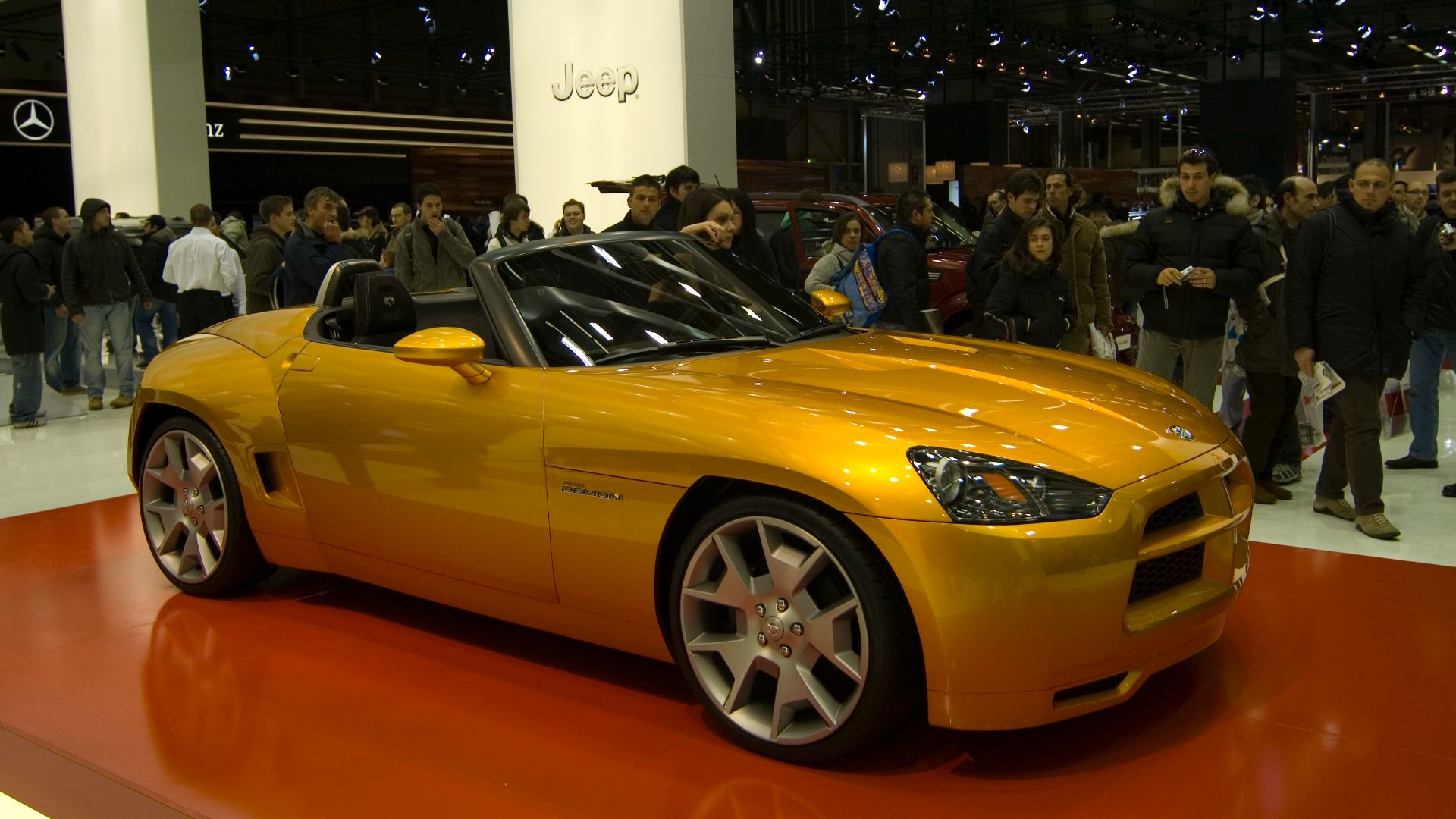 Francesco Gasparetti from Senigallia, Italy on Wikimedia
3. TVR Chimaera
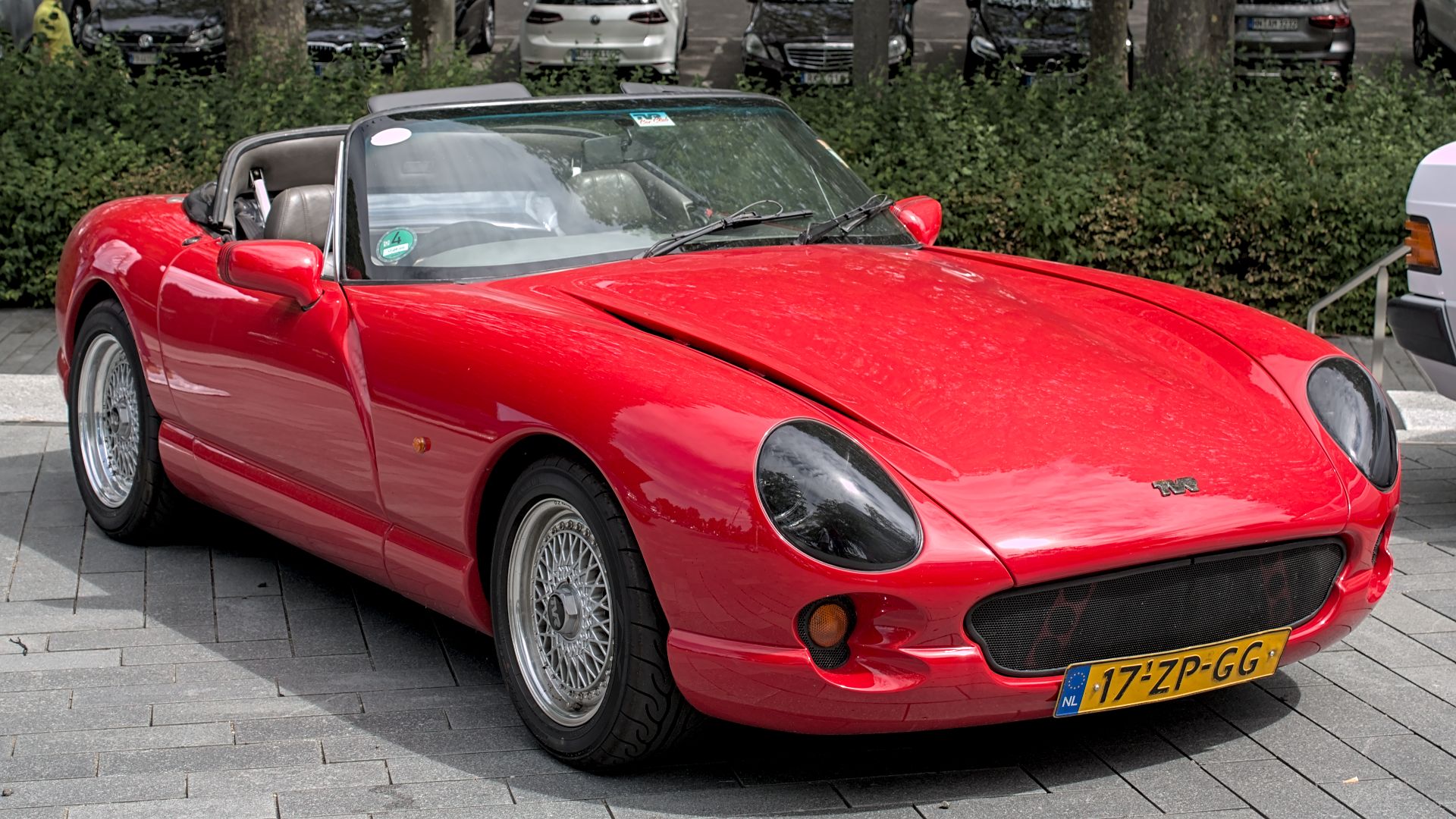
The Chimaera takes its name from the Chimera, the Greek monster traditionally described as being made from parts of several animals. TVR used the older spelling, which added some mystery to a British sports car that already seemed a little wild. Even drivers who don’t know every detail of the Greek myth can tell that Chimaera isn’t a typical place name or technical term. It refers to a creature built from several fearsome parts, giving the car a fittingly unusual identity.
4. TVR Cerbera
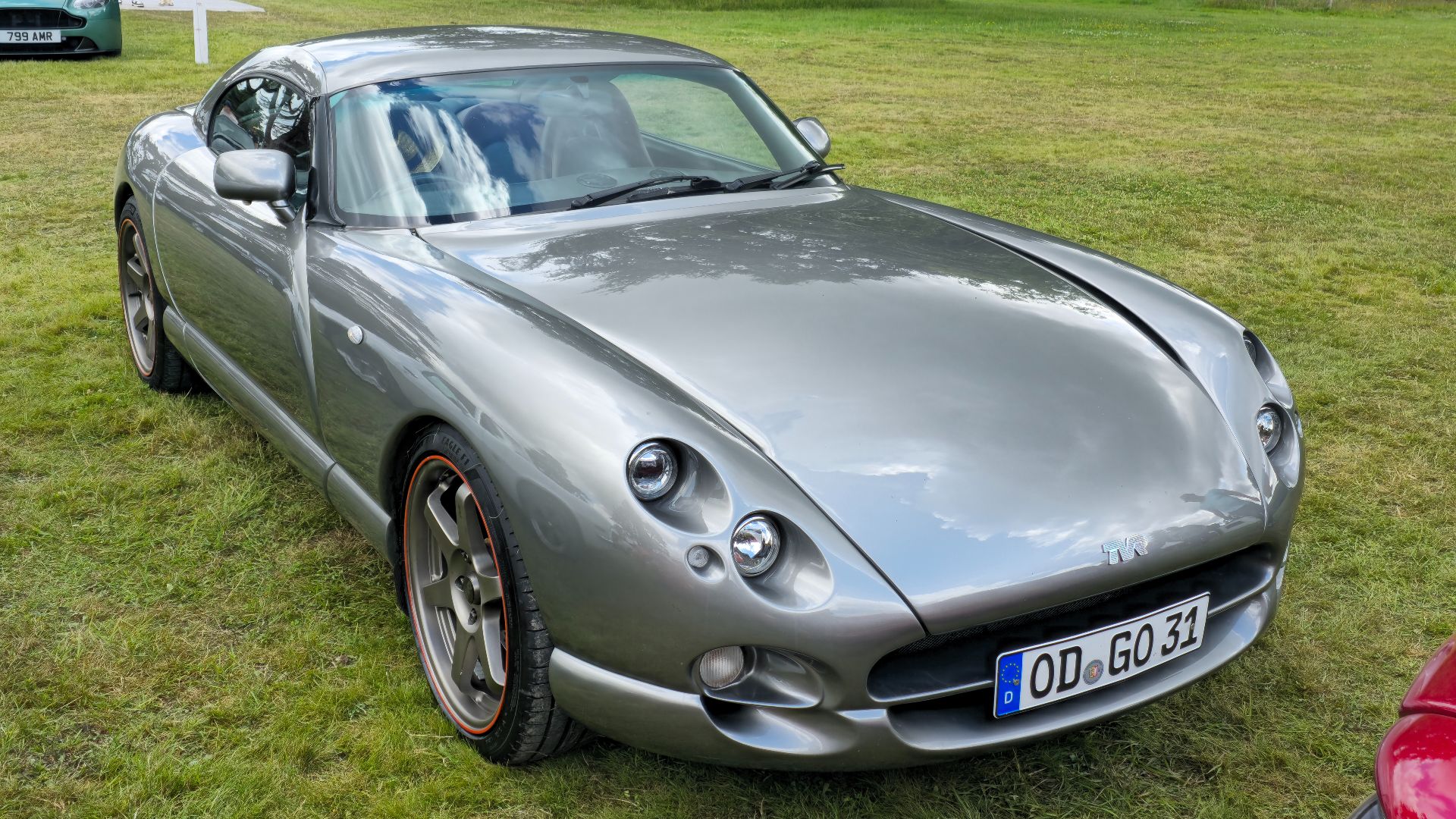
Cerbera comes from Cerberus, the three-headed guardian of Hades. This mythological furry friend guarded the entrance to the underworld. TVR has never been known for playing things too safely, and Cerbera follows that pattern with a name that sounds just as aggressive as the car looks.
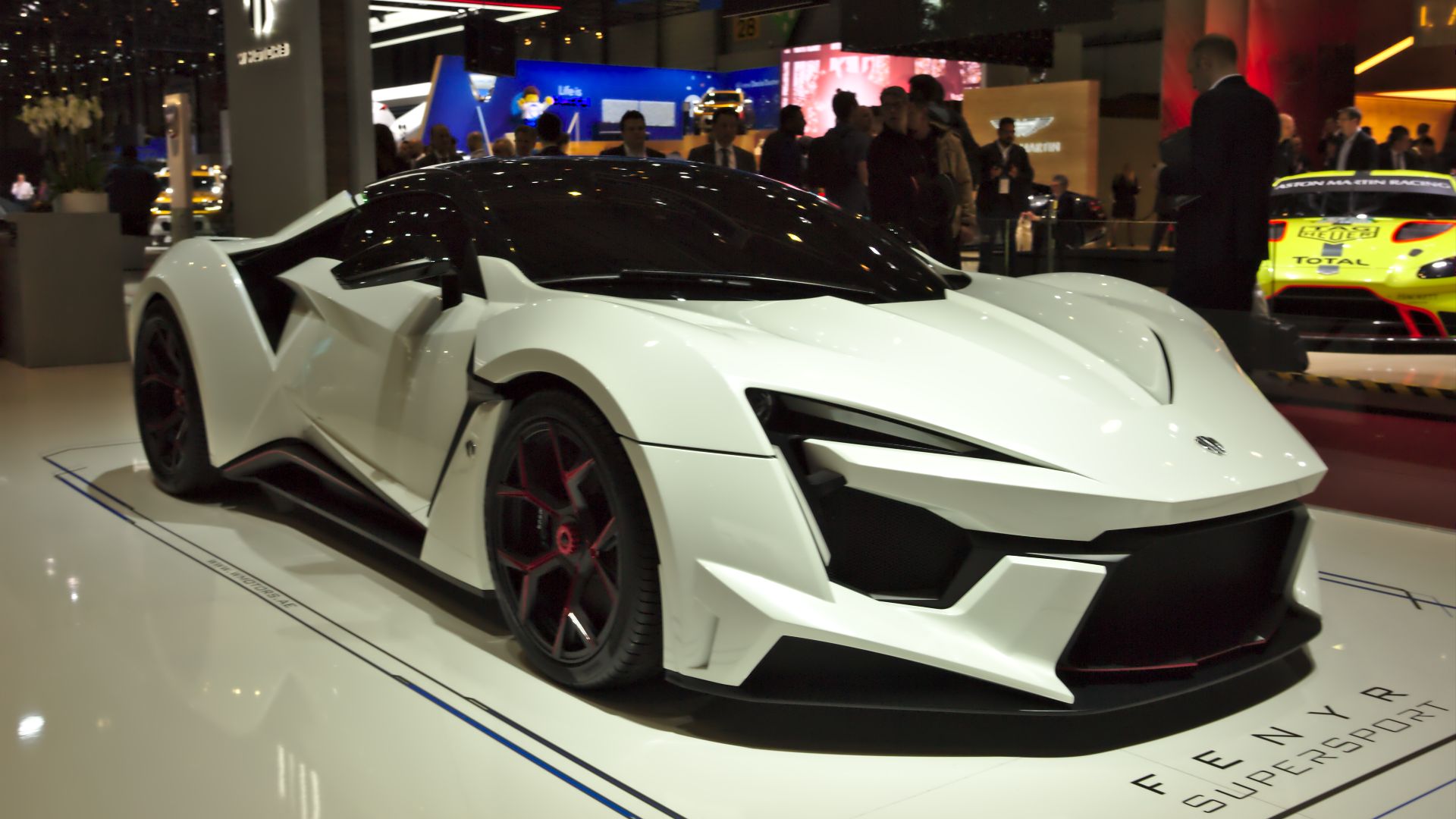
5. W Motors Fenyr SuperSport
W Motors turned to Fenrir, the giant wolf of Norse mythology, when naming the Fenyr SuperSport. In the myth, Fenrir is held by chains, giving the name a strong connection to danger, power, and something that needs to be controlled. Using Fenyr instead of Fenrir gives the badge a sharper, more modern look without losing the original idea.
6. W Motors Lykan HyperSport
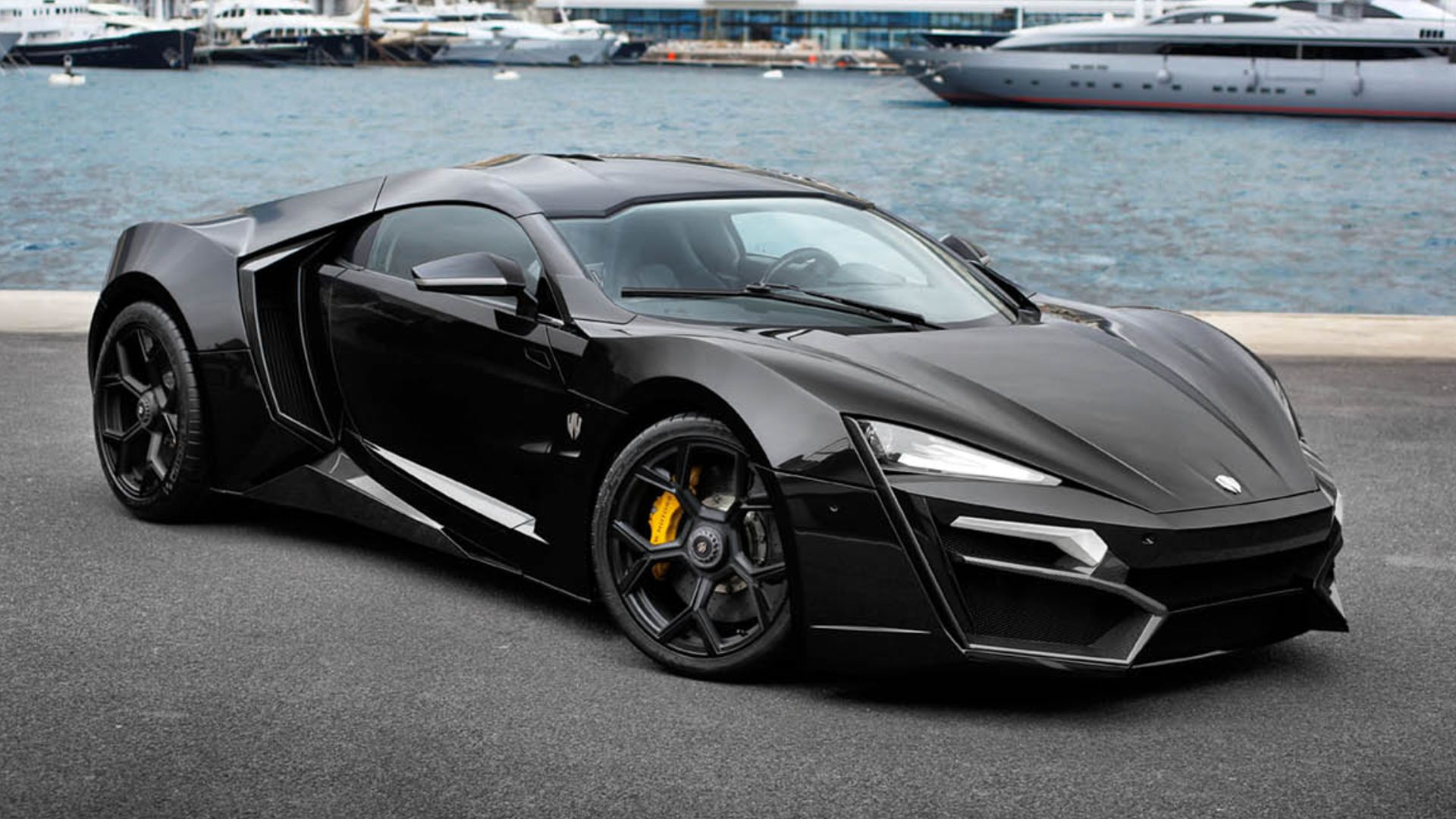
The Lykan HyperSport gets its name from a Lycan, which the brand describes as a powerful, shape-shifting wolf from legend. Swapping the C for a K gives the name a modern, science-fiction feel, though the basic idea is still pure fantasy.
7. Mitsuoka Orochi
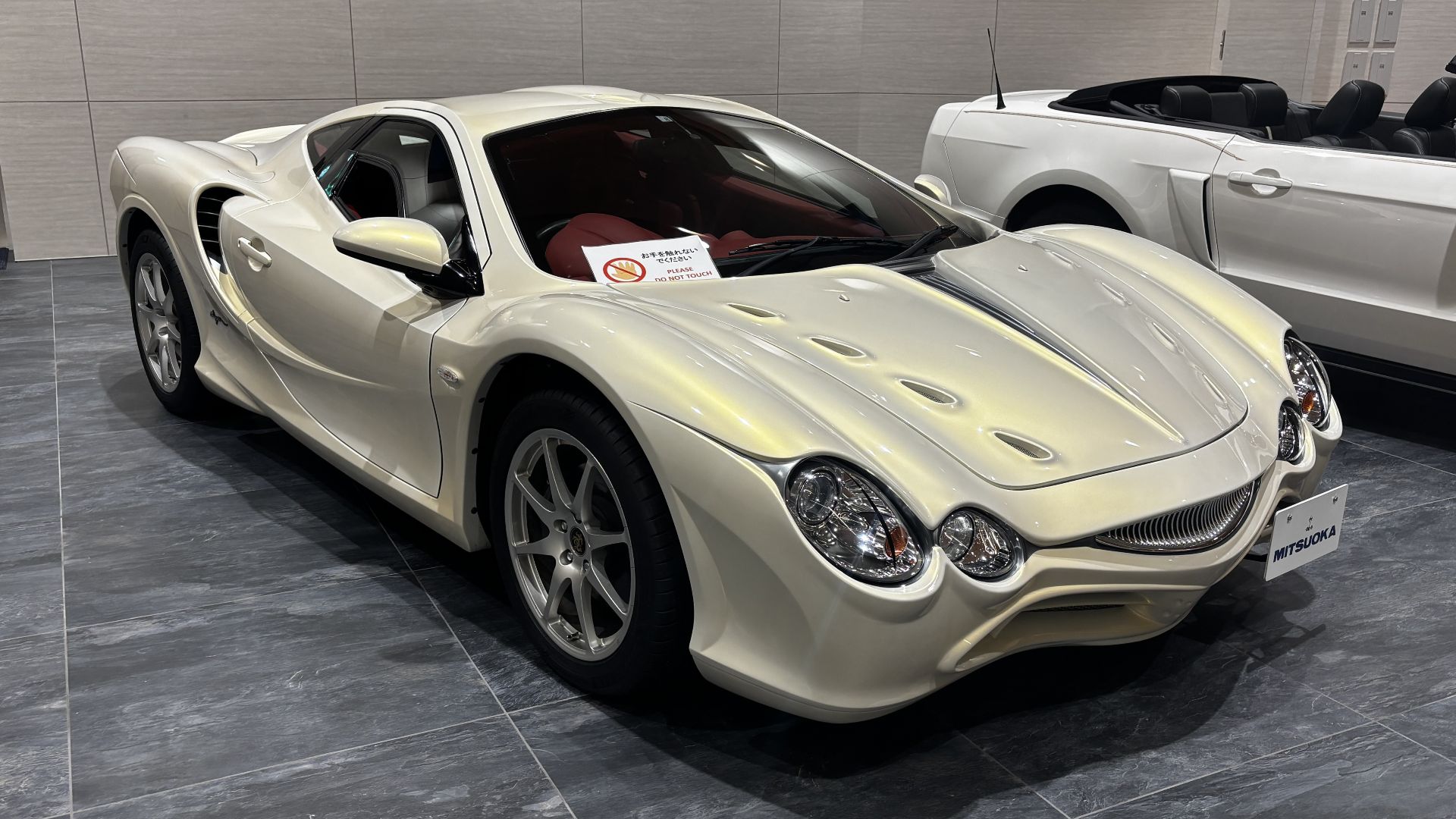
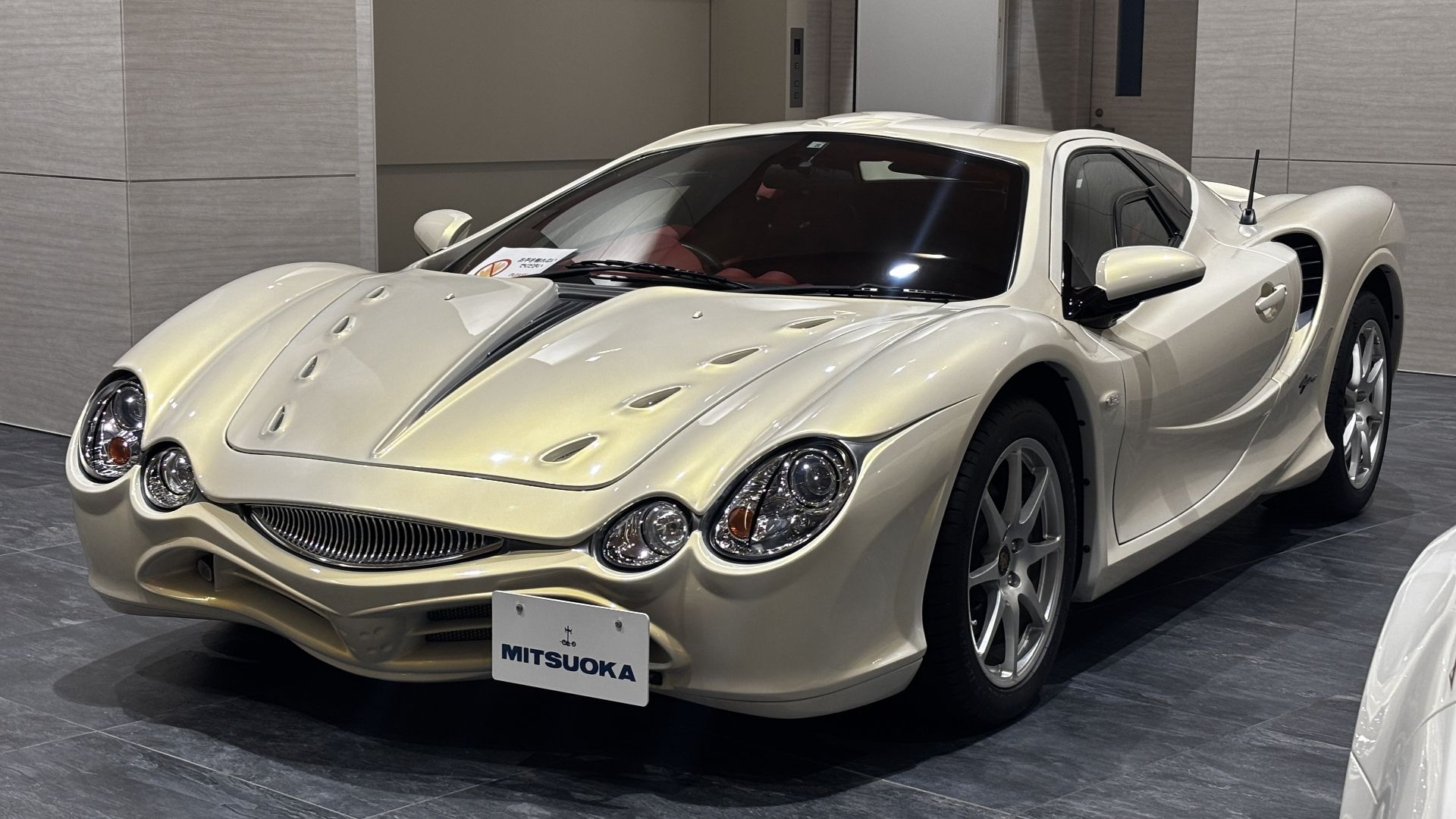
Orochi comes from Yamata no Orochi, the eight-headed serpent of Japanese folklore. The Mitsuoka Orochi’s unusual appearance matched the unsettling creature behind its name. By choosing a well-known figure from Japanese folklore, Mitsuoka connected the model to a story from its own culture.
8. Lamborghini Asterion
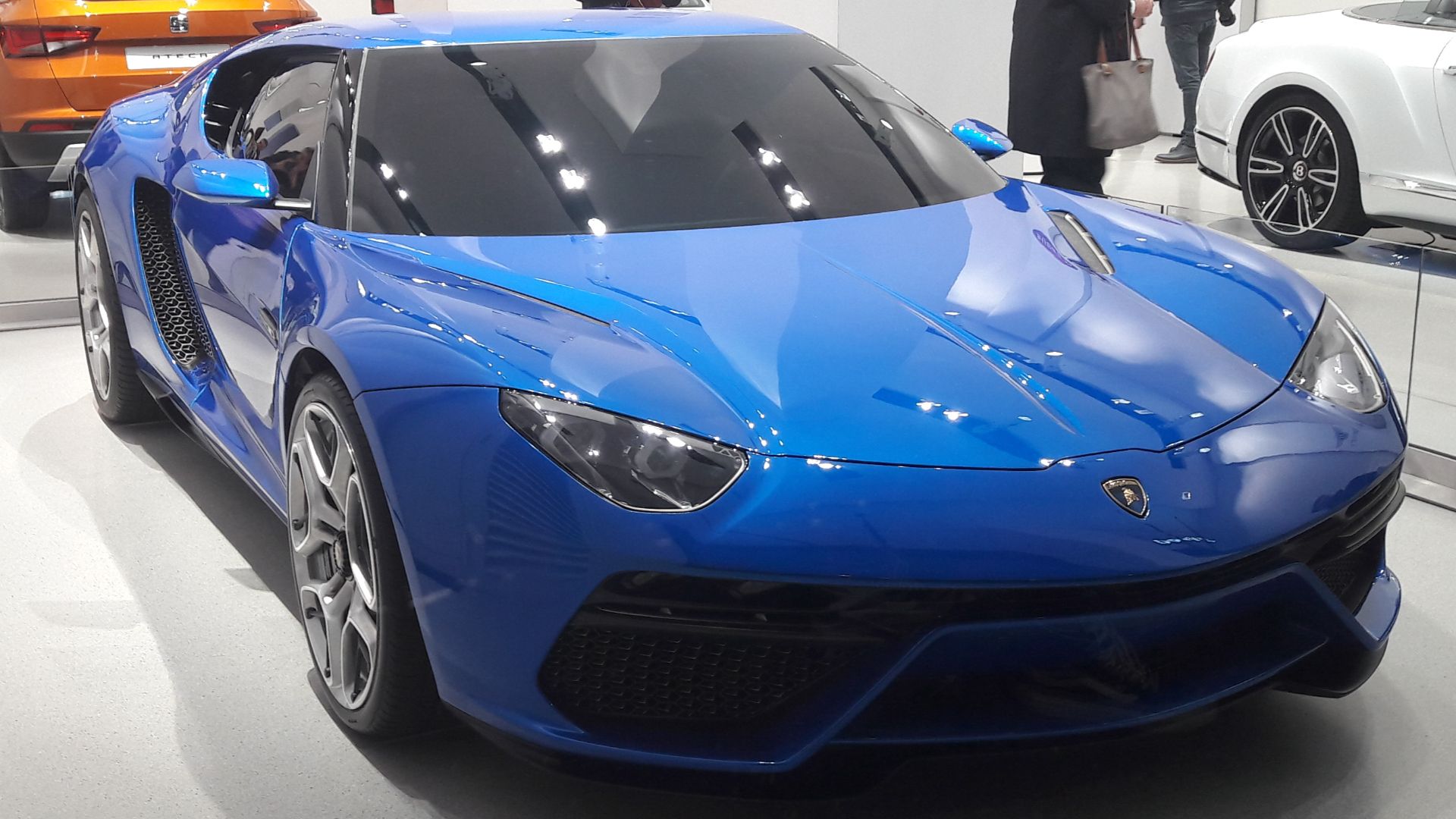
Asterion refers to the Minotaur, the half-man, half-bull figure from Greek mythology. The name was an especially clever fit for Lamborghini’s concept car because it used a hybrid setup. Only one Asterion was built, which made the rare mythological name feel even more suitable. The bull connection also worked naturally for Lamborghini, a company already closely tied to bull imagery.
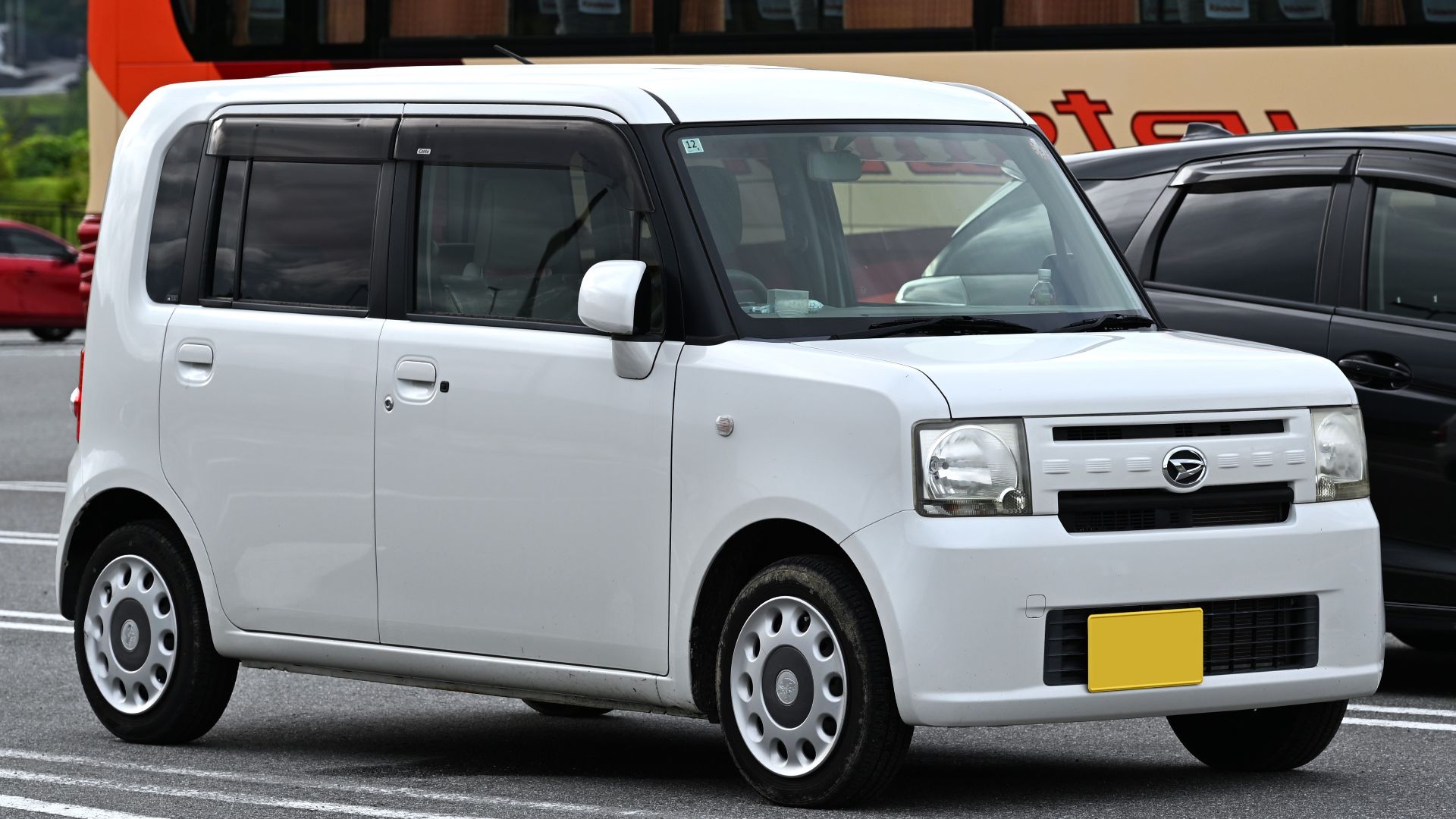
9. Toyota Pixis Space
Pixis comes from Pixie or Pixy, a word for a mischievous fairy. The Pixis Space wasn’t named after a warrior, monster, or powerful god. Instead, Toyota chose something smaller and lighter, which fits the compact nature of the vehicle.
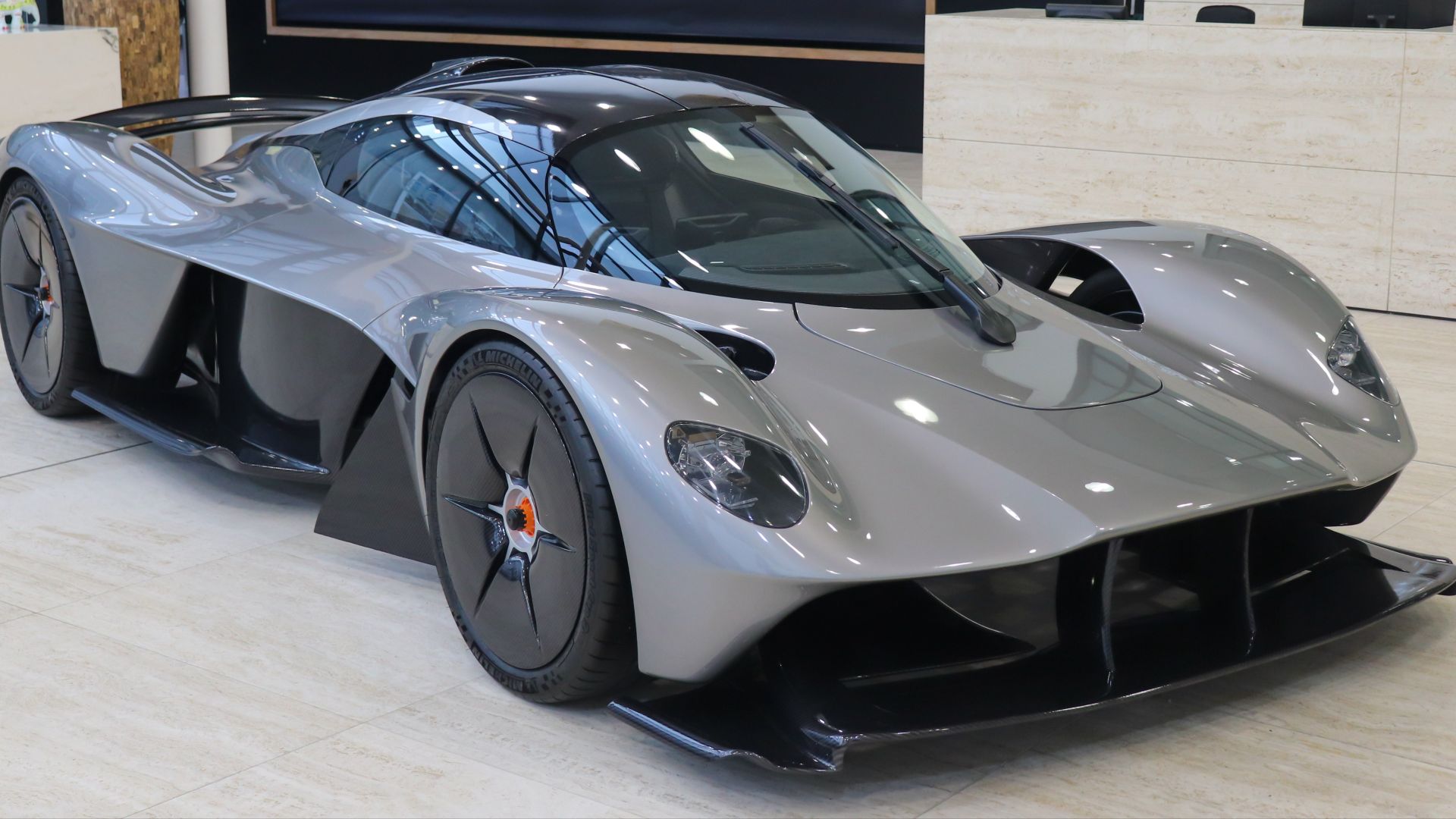
10. Aston Martin Valkyrie
Valkyrie comes from Norse mythology, where valkyries are supernatural figures connected with fallen warriors. The name brings ideas of power, honor, and divine selection, making it a natural fit for a machine at the top of a performance lineup.
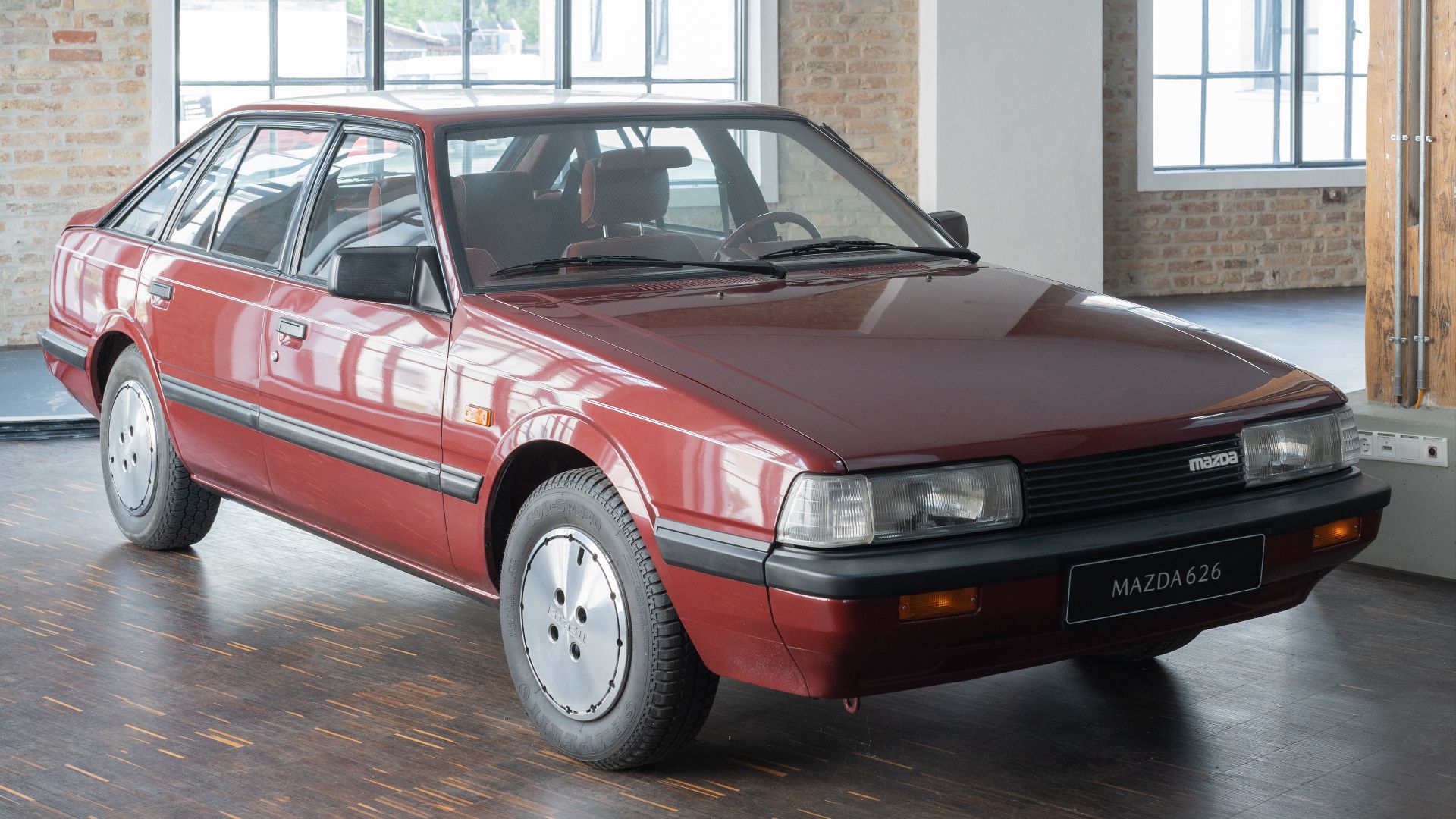
11. Mazda Cronos
Mazda named the 1991 Cronos after the Greek god of time. That’s a grand name for a four-door sedan, especially since the same car was later sold in some markets as the much more practical-sounding 626. The difference between those badges says a lot about how much a name can change the way a car feels.
 Tobias ToMar Maier on Wikimedia
12. Toyota ISIS
Toyota chose ISIS for the Egyptian goddess associated with fruitfulness and productivity. The vehicle was introduced in Japan in 2004, and the name association described it as a handy and helpful vehicle.

13. Toyota Gaia
Gaia doesn’t need much decoding. The name comes from the Greek Earth goddess, a figure tied to one of the most familiar creation stories in classical mythology. Toyota placed the name on a practical family vehicle, creating an unexpected link between an ancient goddess and ordinary daily travel.

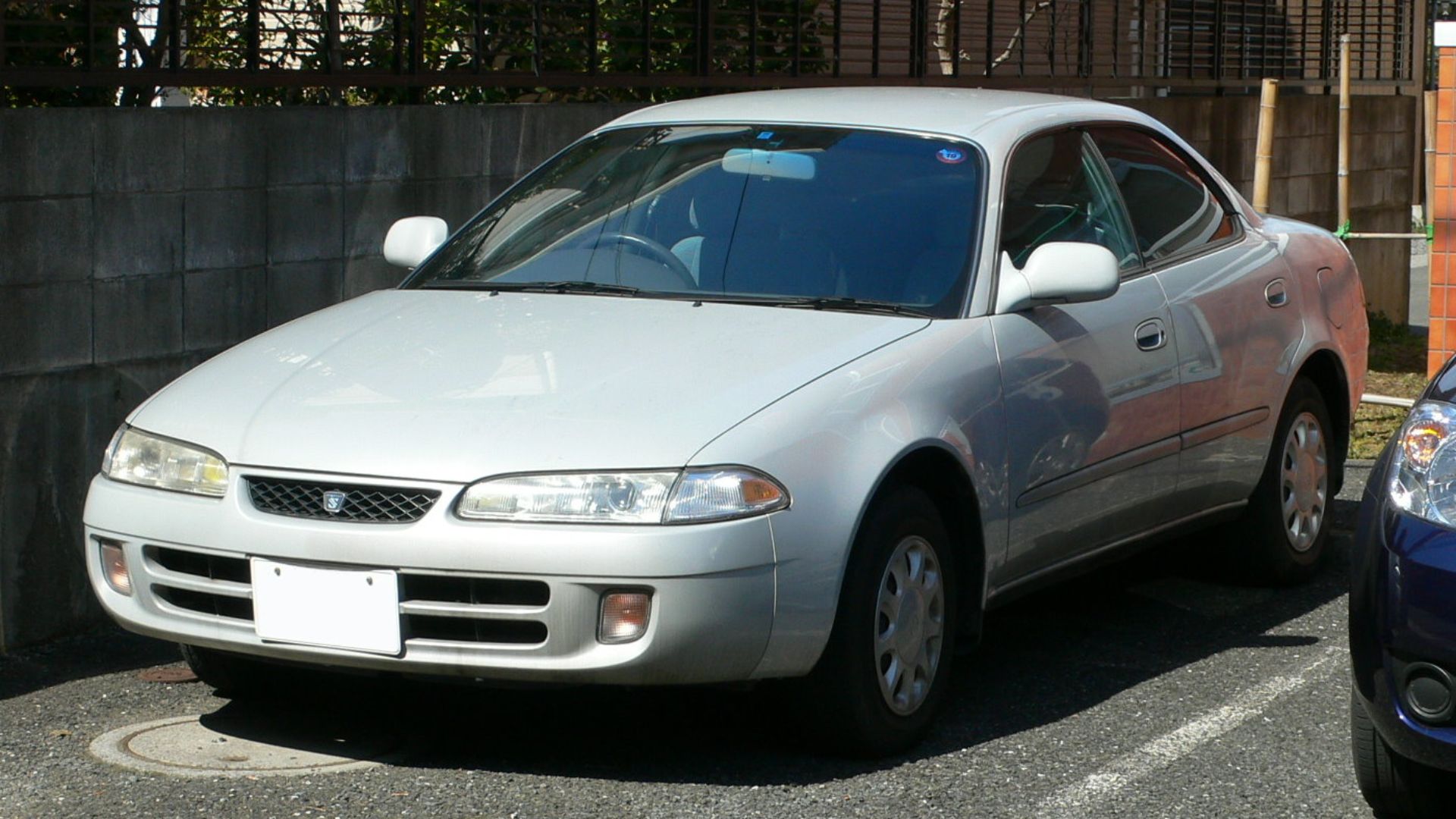
14. Toyota Corolla Ceres
This model’s name has two separate parts. Corolla refers to a flower’s ring of petals, while Ceres comes from Roman mythology. Ceres is the Roman deity connected with agriculture, so both parts of the name relate to plants, growth, and cultivation.
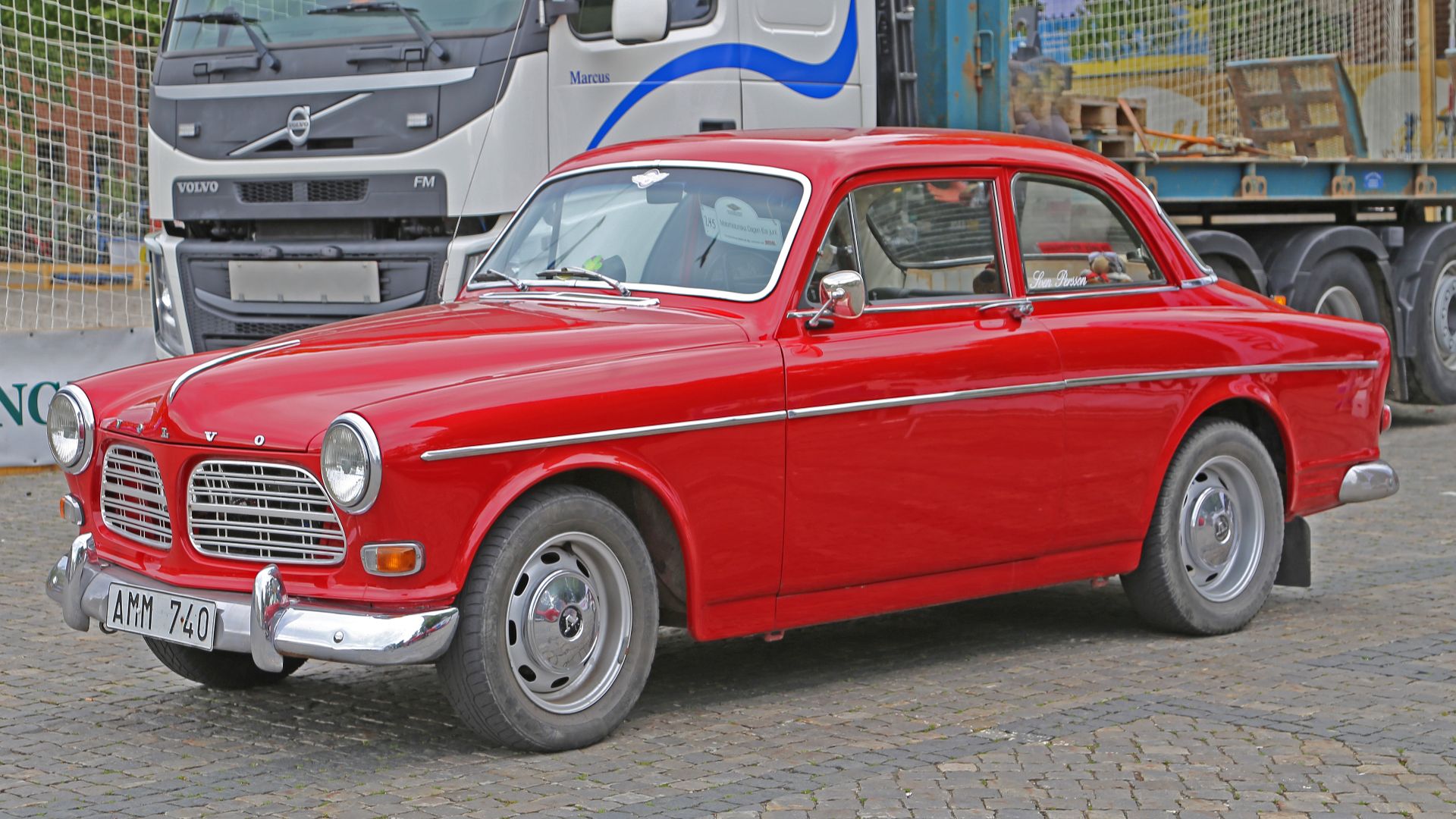
15. Volvo Amazon
Volvo borrowed the Amazon name from the legendary women warriors of Greek mythology. The model first appeared as Amason in Sweden before the international Amazon spelling became common. The name gave a practical Volvo a connection to famous warrior women, adding a tougher edge to an otherwise sensible family car.
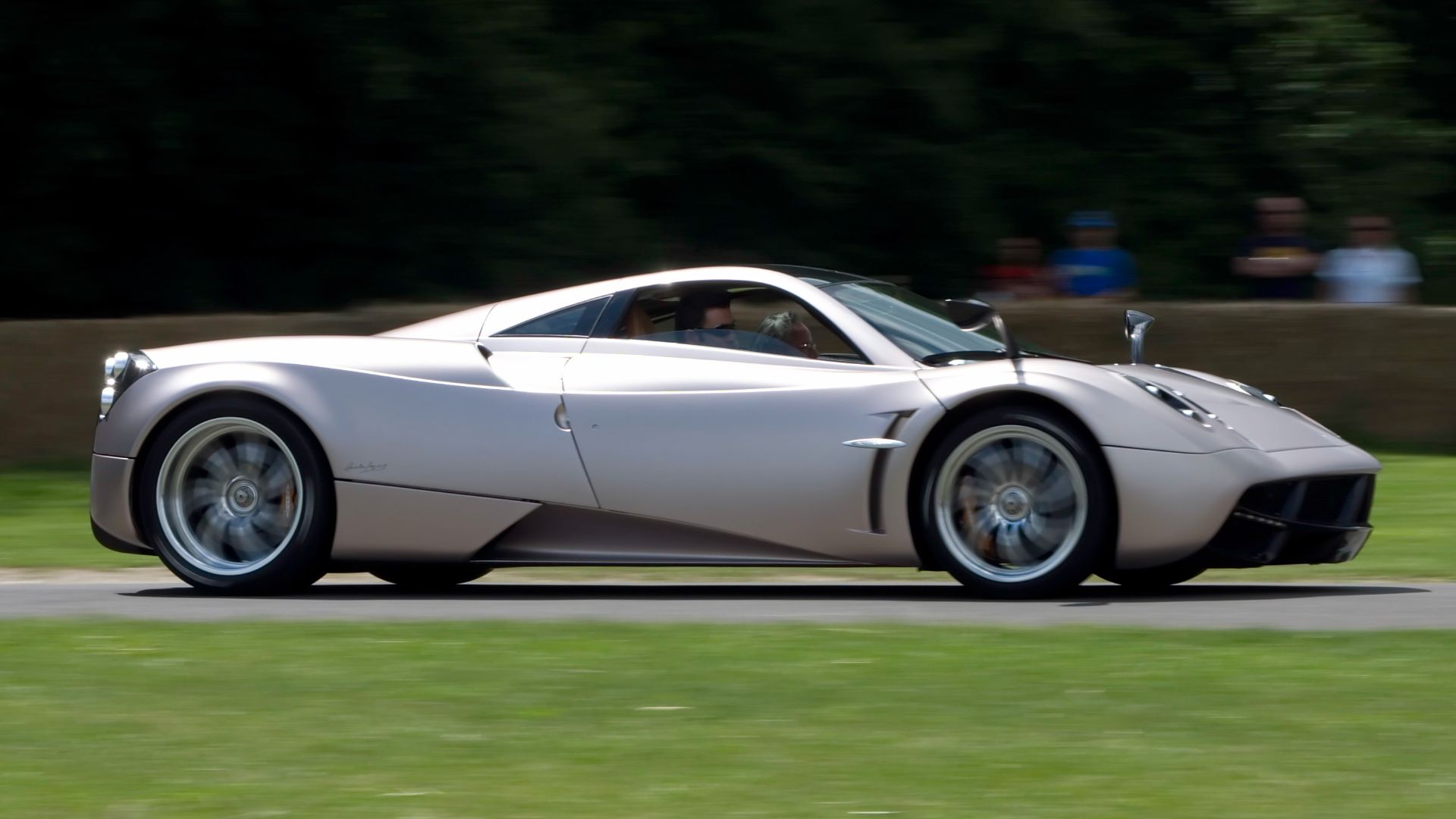
16. Pagani Huayra
Huayra is named for Huayra Tata, the Aymara god of wind. Pagani connected the car’s carefully designed aerodynamics to a figure known for controlling moving air.
 Andrew Basterfield on Wikimedia
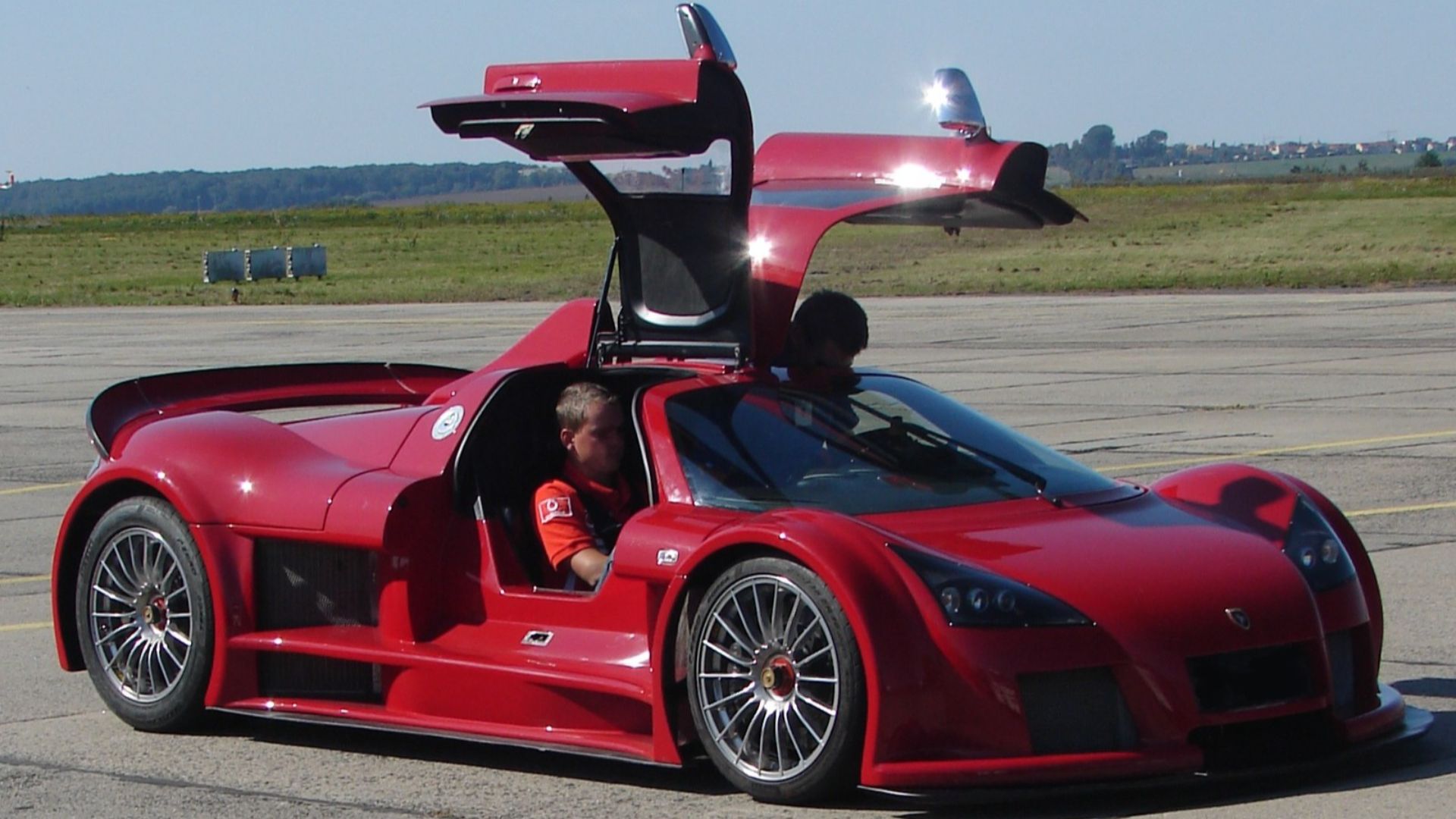
17. Gumpert Apollo
The Apollo carries the name of Zeus’s son from Greek mythology. Apollo is one of the more familiar names from Greek mythology, which makes this reference easier to spot than some of the others. The badge gave an already unusual and high-performing machine a link to the gods of Olympus.
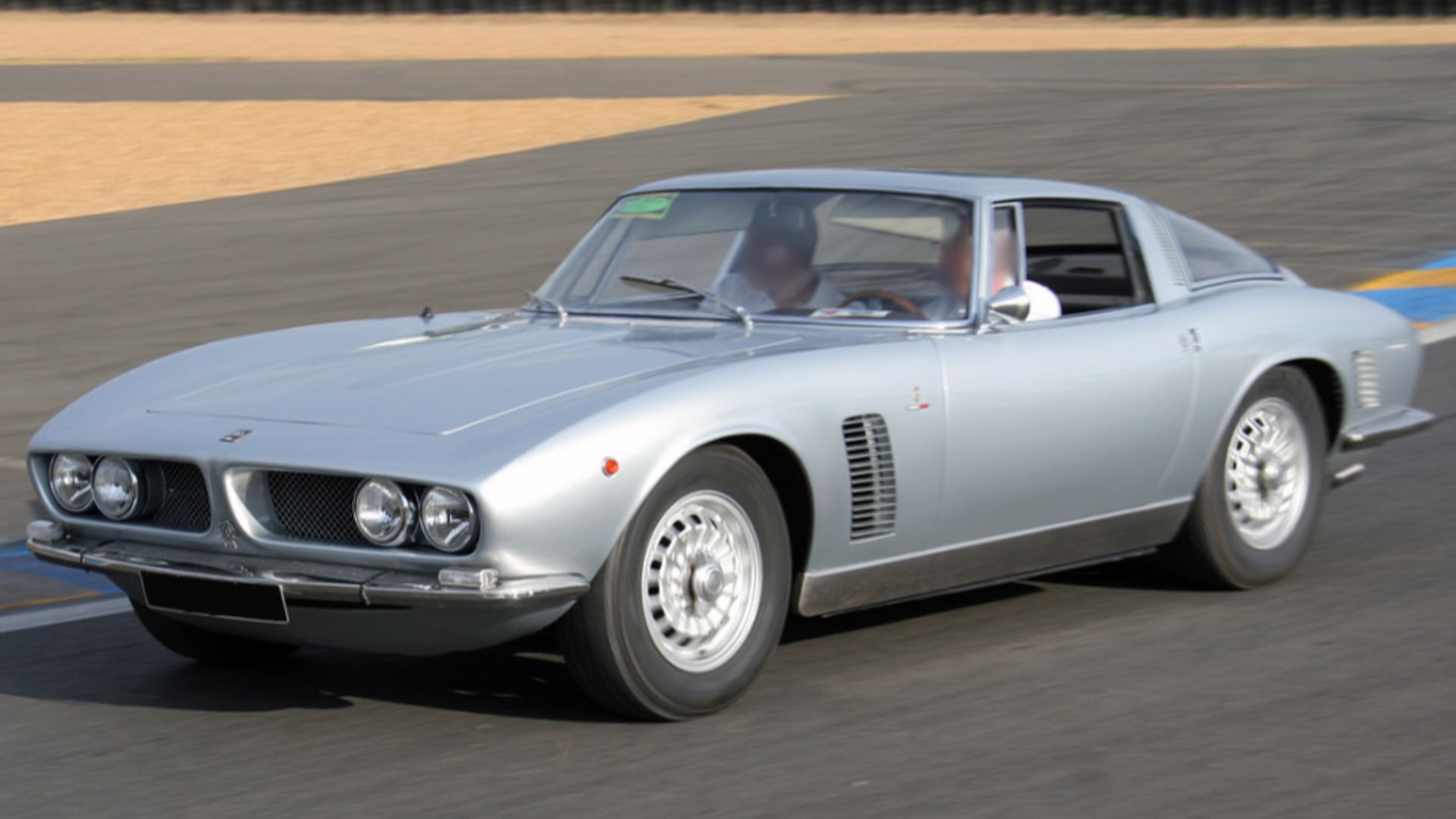
18. Iso Grifo
Grifo refers to the griffin, the legendary creature with an eagle’s head and a lion’s body. The name suited an Italian grand tourer that combined graceful styling with big-engine bravado. Since the creature itself joins parts from two powerful animals, the badge carries ideas of both strength and elegance.
19. Volkswagen Eos
Eos was named after the Greek goddess of dawn, a fitting choice for a hardtop convertible. The name sounds softer and more graceful than the usual car names built around speed, force, or aggressive animals. It also matched the open-air character of a convertible, since Eos is connected with the arrival of daylight.
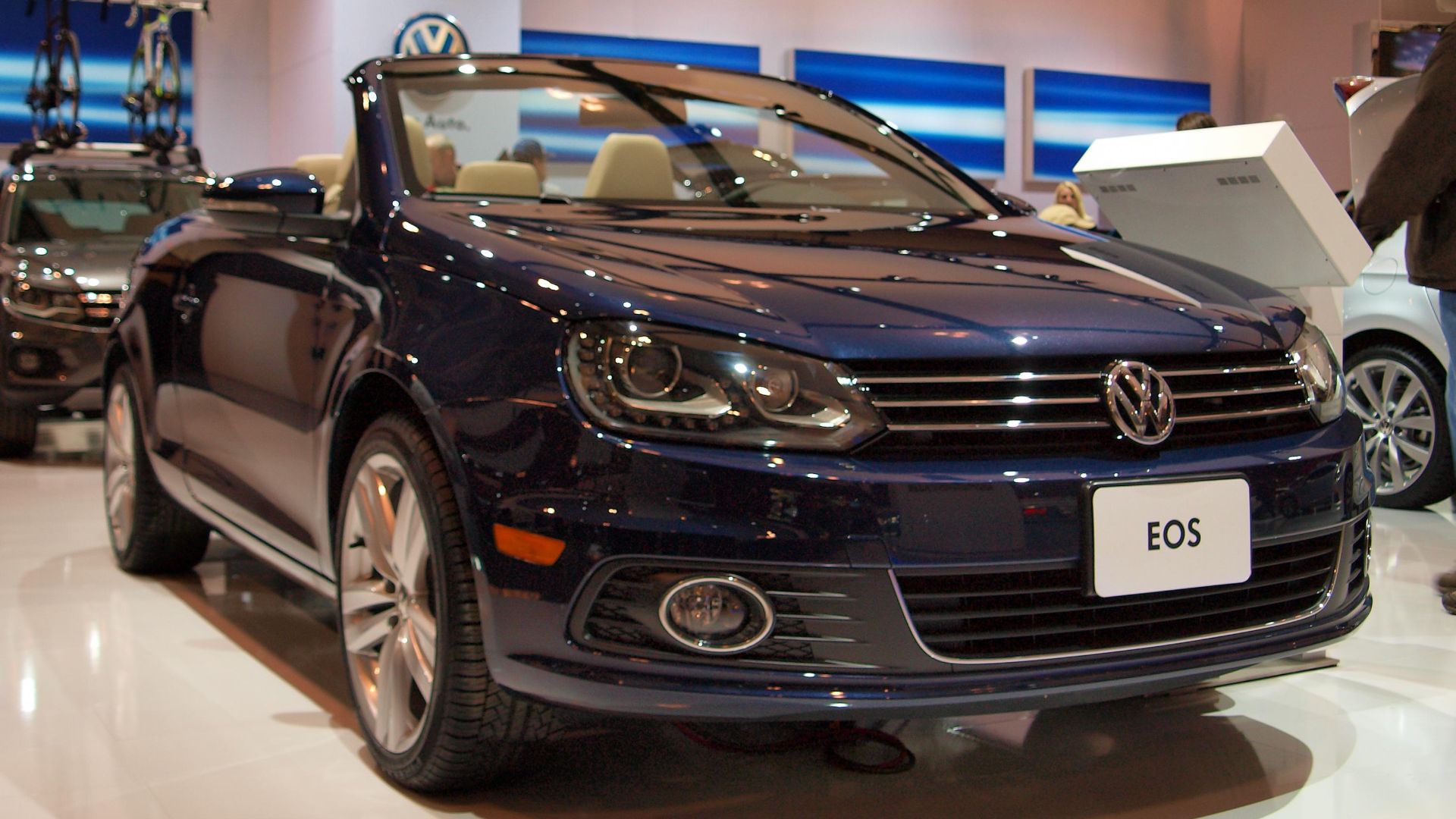 Michael Gil from Calgary, AB, Canada on Wikimedia
20. Volkswagen Phaeton
Phaeton nearly lost control of the chariot that carried the sun across the sky. The word later came to mean a fast, open carriage, giving it another connection to vehicles before Volkswagen used it on a luxury sedan.