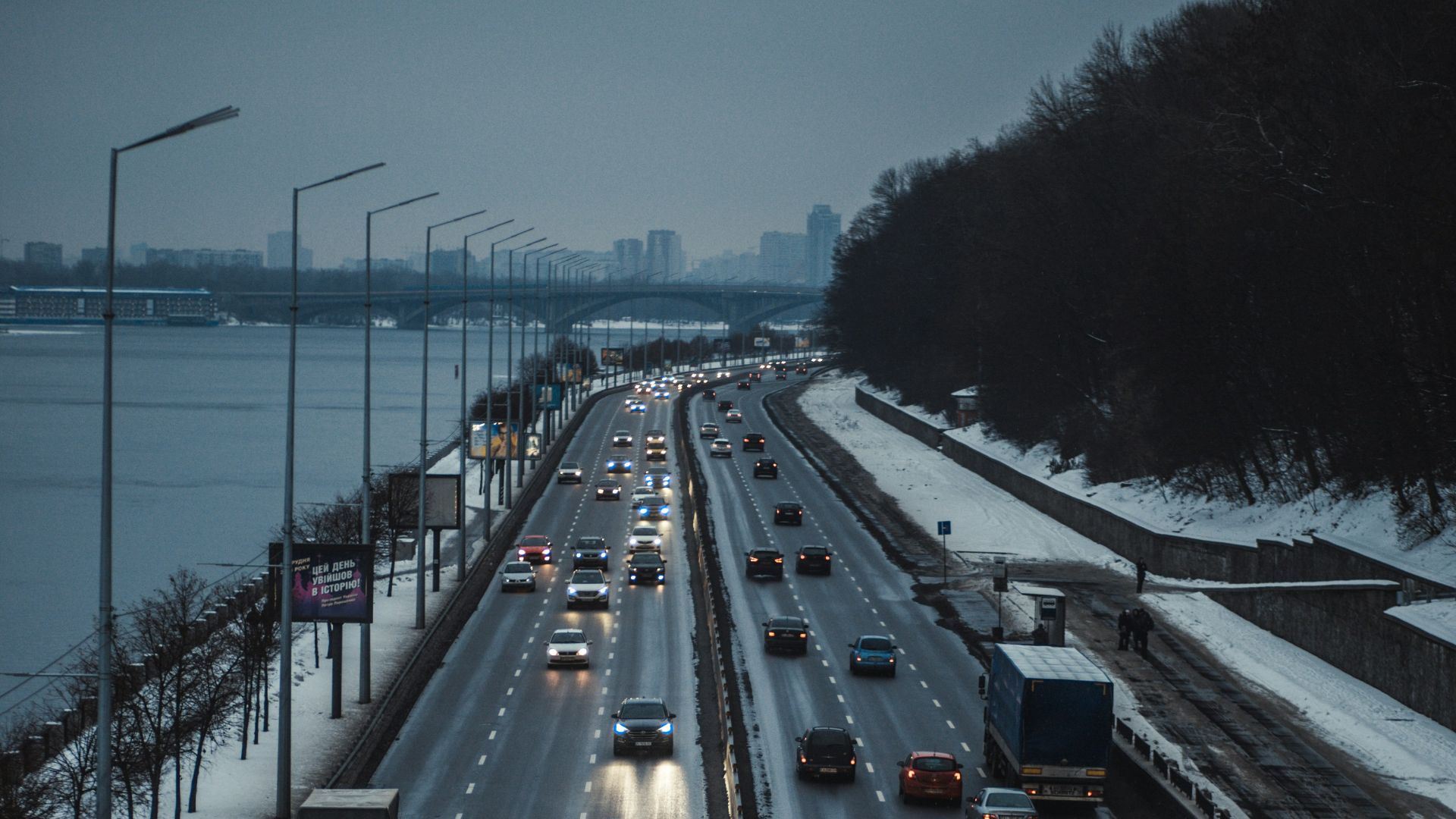
Picture this: You’re merging onto the highway. Traffic is moving, but you can see the red blur of the taillights not too far ahead of you. On your left, there’s a car that seems to be speeding up to meet you, not letting you merge. The lane is quickly closing, forcing you to hit the brakes, praying the folks merging behind you react quickly enough. Even after you make it onto the highway, you find yourself boxed in by two semi trucks and an ever-speedy left lane that you’re unsure you should enter. Oh, and it’s raining. This, folks, is the wonderful world of highway driving.
It’s no surprise that this fast-paced, occasionally hectic area of driving tends to make people nervous. To be a successful driver, you’re constantly doing a 360-degree scan of the world around you, while maintaining proper speed and etiquette. Highway driving asks this of you too, of course, but at much more dangerous speeds. For some, no matter how long they’ve been behind the wheel, the pressure of the highway is just a little too much to handle.
Highway Speeds
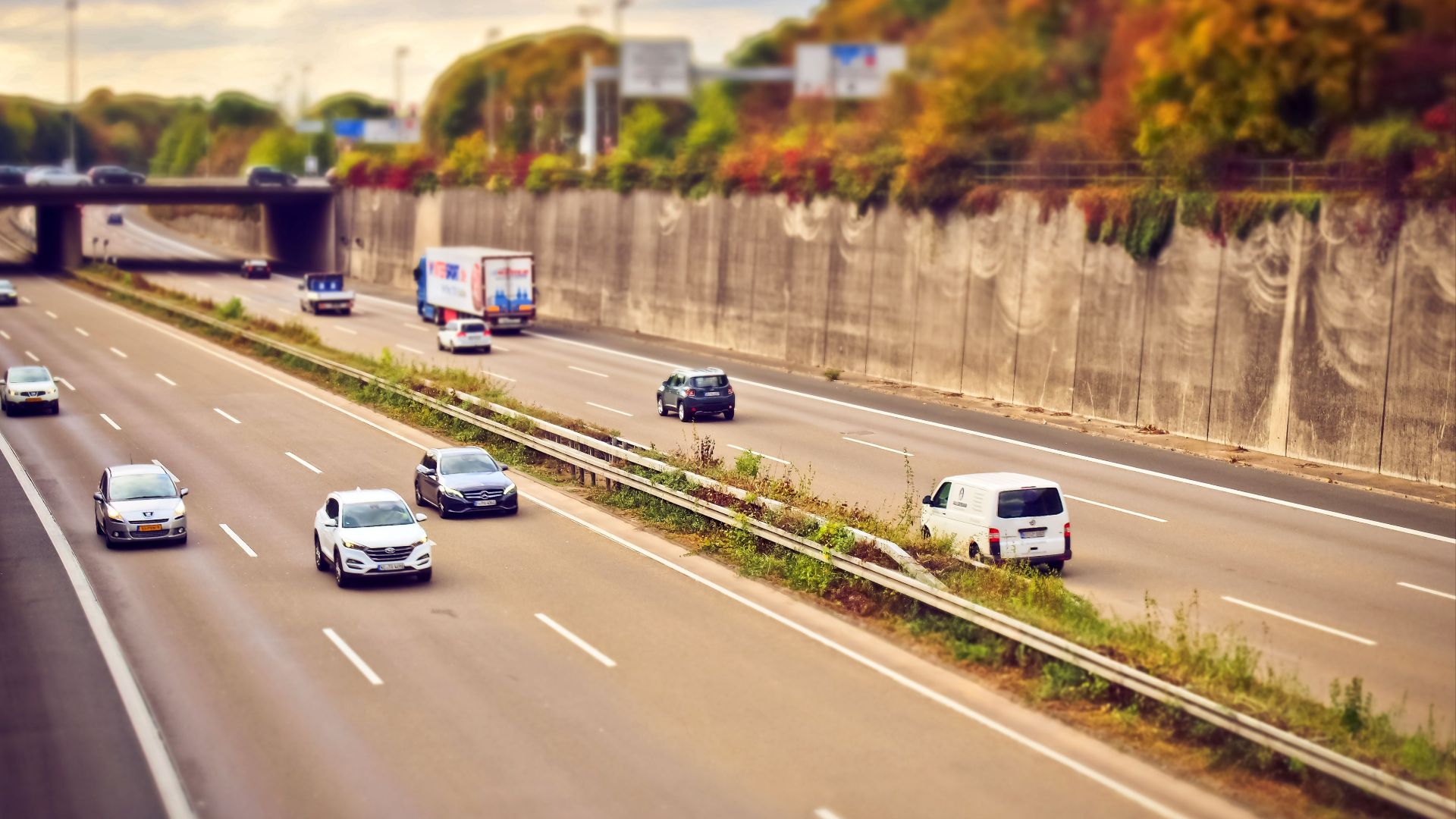
Speed is, obviously, one of the largest reasons highway driving feels intimidating. At higher speeds, drivers have less time to react to a problem on a road. The Insurance Institute for Highway Safety explains on its speed research page that higher speeds make crashes more likely because drivers have less time to react and need more distance to stop or slow down.
Even with this in mind, the stress really builds up before anything actually goes wrong. Noticing brake lights ahead, or cars drifting, or even a speed demon weaving through traffic doesn’t mean there’s going to be a crash. Again, it’s the high speeds that play a role in this concern. The National Highway Traffic Safety Administration reported that more than 11,500 people were killed in speed-related crashes in 2023, which gives real weight to the nervousness some drivers feel around fast traffic.
The other cause for concern is the inability to escape the situation with ease. On a city street, a nervous driver can often turn into a parking lot, or take another road. On the highway, you’re stuck exactly where you are until you come across the next exit.
Merging
Merging is one of the hardest parts of highway driving for plenty of folks. A driver has a lot to do to safely enter the highway in a very short period of time. The Federal Highway Administration has studied freeway merging, diverging, and weaving areas as places where traffic conflicts and bottlenecks can form, which aligns with how these spots feel from behind the wheel.
Large trucks can add another layer of stress. The Federal Motor Carrier Safety Administration says large trucks and buses have large blind spots, long stopping distances, and limited maneuverability. Trucks traveling at highway speeds can take up to the length of two football fields to come to a full and complete stop.
It’s not necessarily that drivers have a deep disregard for sharing the road with semis. It’s just that, for many of us, being tucked behind or beside such a large vehicle can create a feeling of claustrophobia.
Other Drivers
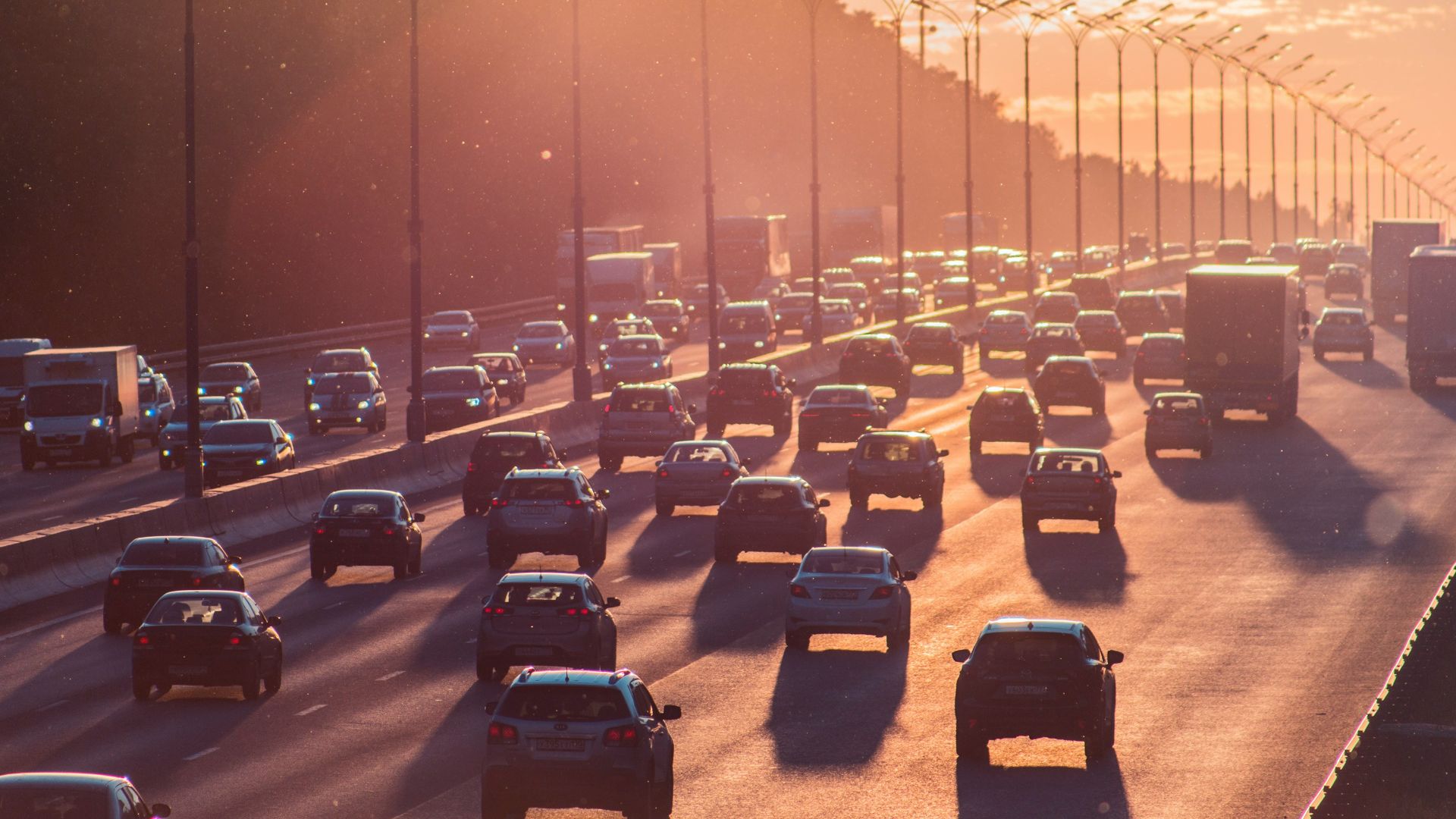
Of course, semis aren’t the only hazard one comes across on the highway. The more frequent villain on the road is other personal vehicles. Their unpredictable driving, tailing, swerving, and otherwise disregard for the folks around them make any highway situation all the more tense. Even when you’re driving carefully, you still have to account for people who may not be doing the same.
Distraction adds to that uncertainty. NHTSA says reading or sending a text takes a driver’s eyes off the road for five seconds, and at 55 mph, that’s like driving the length of a football field with your eyes closed.
When someone already feels uneasy on highways, the thought, or the visual indication, that another driver might be looking at a phone instead of the road can make nearby traffic feel even less predictable.
Experience, Age, and Anxiety

Some highway discomfort comes down to experience. Newer drivers understand what they need to accomplish and what to watch out for on the highway, but they may not yet understand the timing. Teen drivers are involved in crashes because of inexperience and risk-taking, which helps explain why busy, fast roads can feel overwhelming, especially before those habits are fully built.
Older drivers may become less comfortable for different reasons. Some older drivers have trouble with night driving, rainy weather, certain routes, or busy highways. These feelings are often tied to changes in vision, reaction time, flexibility, medication effects, or simply a more cautious approach to stressful driving.
Any negative past experiences will also stay with a driver. Amaxophobia, the fear of driving or simply being in a vehicle, is often connected to traumatic experiences. Even folks who aren’t scared straight of buckling up may still pause before entering the merging lane, especially if they’ve witnessed or been a part of a crash before.
All this to say, it’s no surprise that many folks find that their cortisol spikes when they get on the highway. The speed, spacing, merging, and other drivers all play a role in how someone reacts in this enclosed space. For many, it’s just a part of life - but we can understand the fear.