
Why Can’t We Be Friends?
Automakers spend a lot of time trying to beat one another, for money, or attention, or both. Away from the showroom, though, those same rivals often work together when developing a vehicle alone would cost too much or take too long. Most of these partnerships were publicly announced, but plenty of drivers never noticed the connections. One company might provide an engine, another might supply the platform, and someone else could build the whole thing. These 20 examples show just how often competing automakers have quietly helped each other put new vehicles on the road.
1. Toyota And General Motors
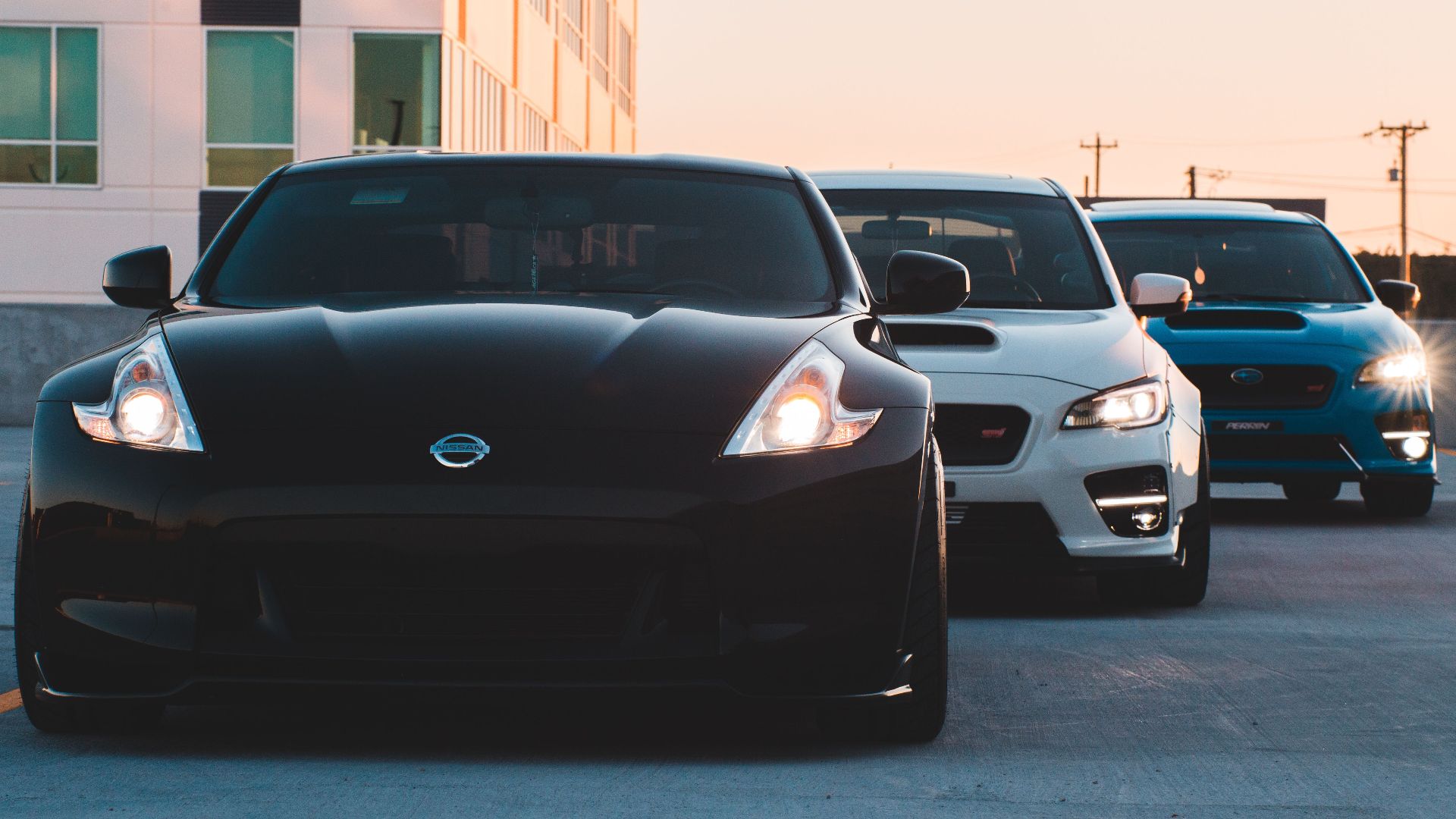
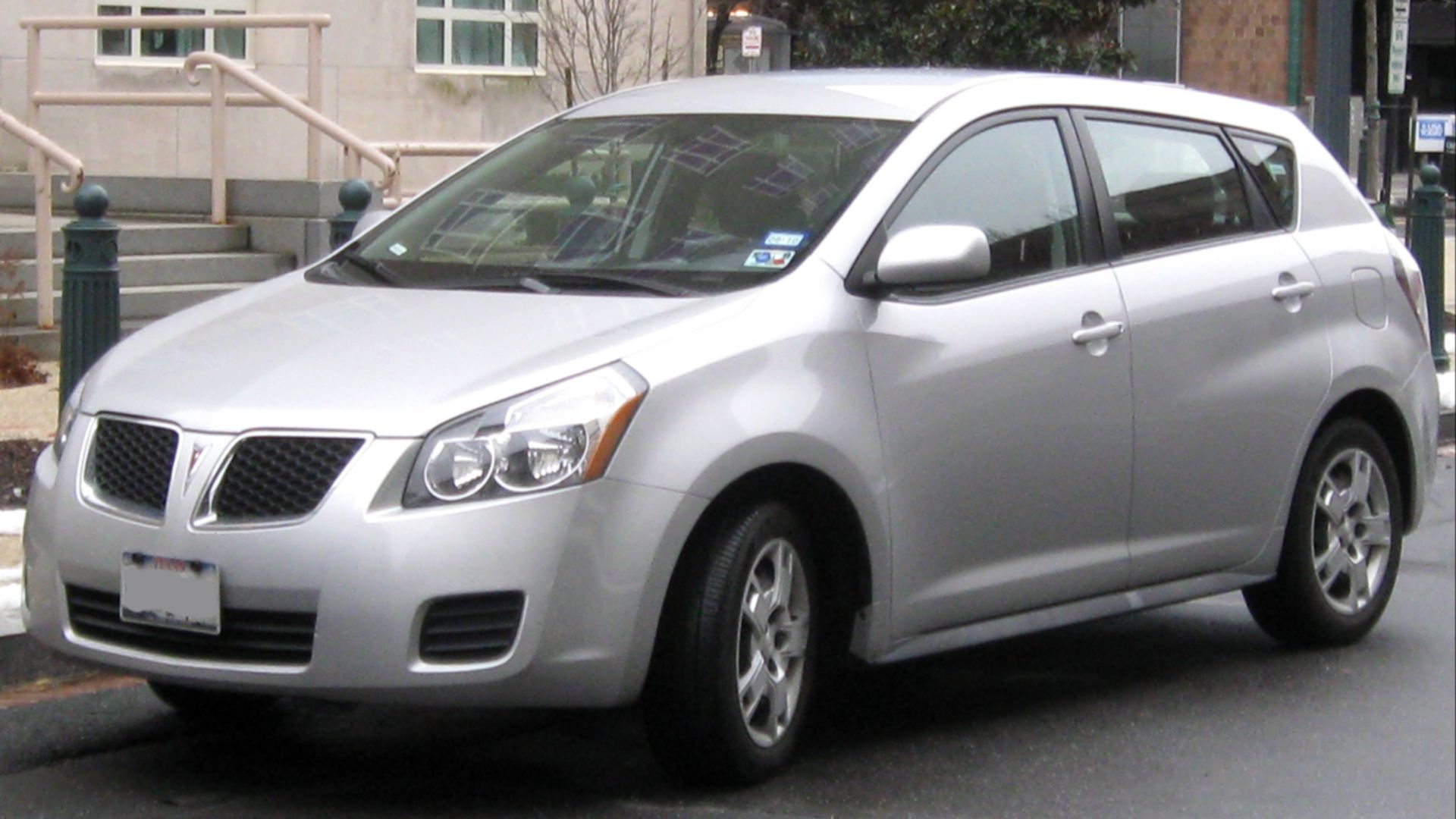
Toyota and General Motors opened the NUMMI joint factory in 1984. The deal gave Toyota valuable experience building cars in the United States, while GM employees and managers got a close look at Toyota’s production methods. The plant eventually built the Chevrolet Nova, Toyota Corolla, and Pontiac Vibe before production came to an end in 2010.
2. Ford And General Motors
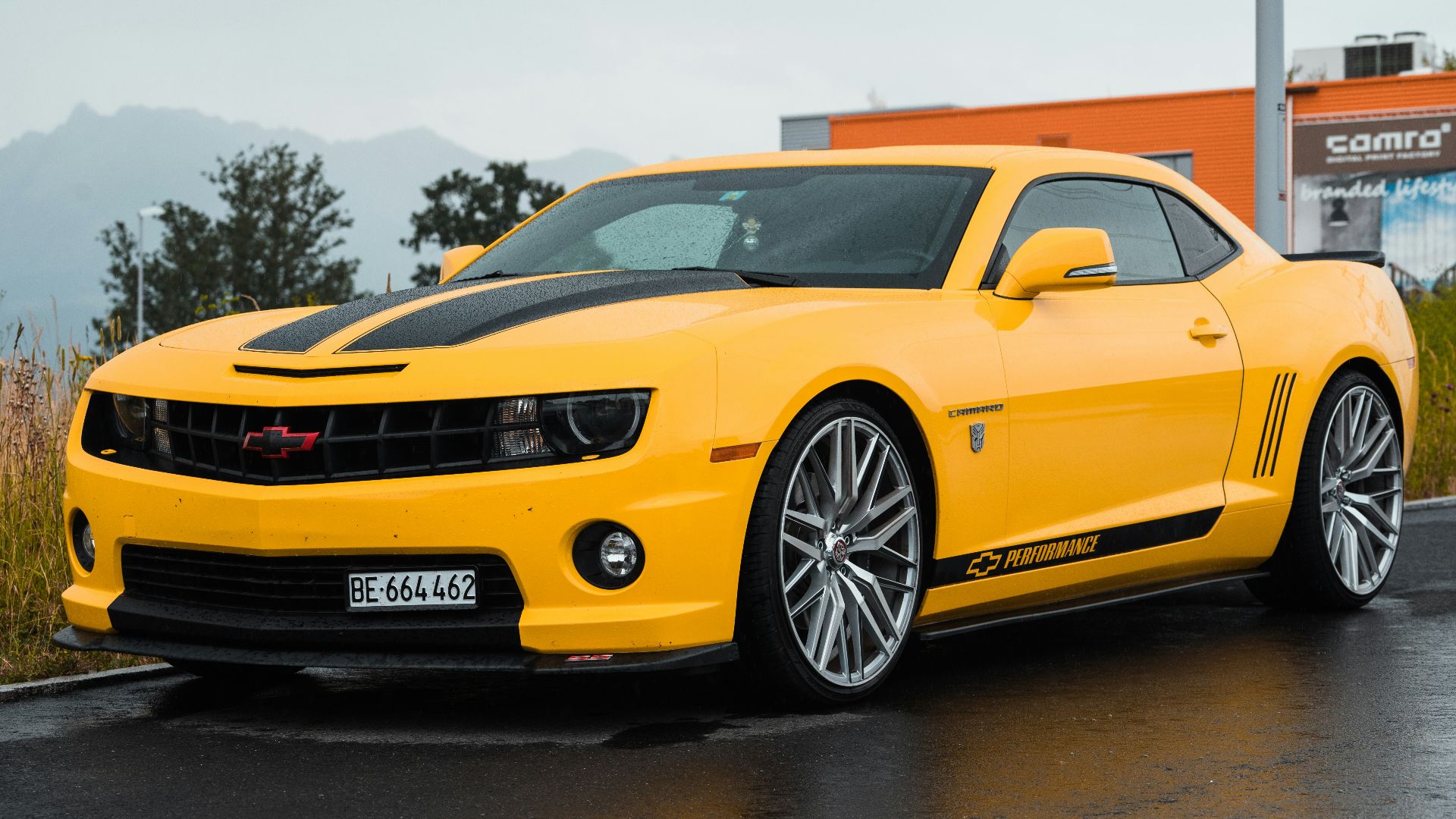
Ford and General Motors have spent generations fighting for the same American buyers, but they’ve also worked together on automatic transmissions. The two companies developed families of nine-speed and 10-speed gearboxes, which helped them split the cost of the complicated engineering. Their rear-wheel-drive 10-speed design later appeared in vehicles including the Ford F-150 and Chevrolet Camaro.
3. Toyota and Ford
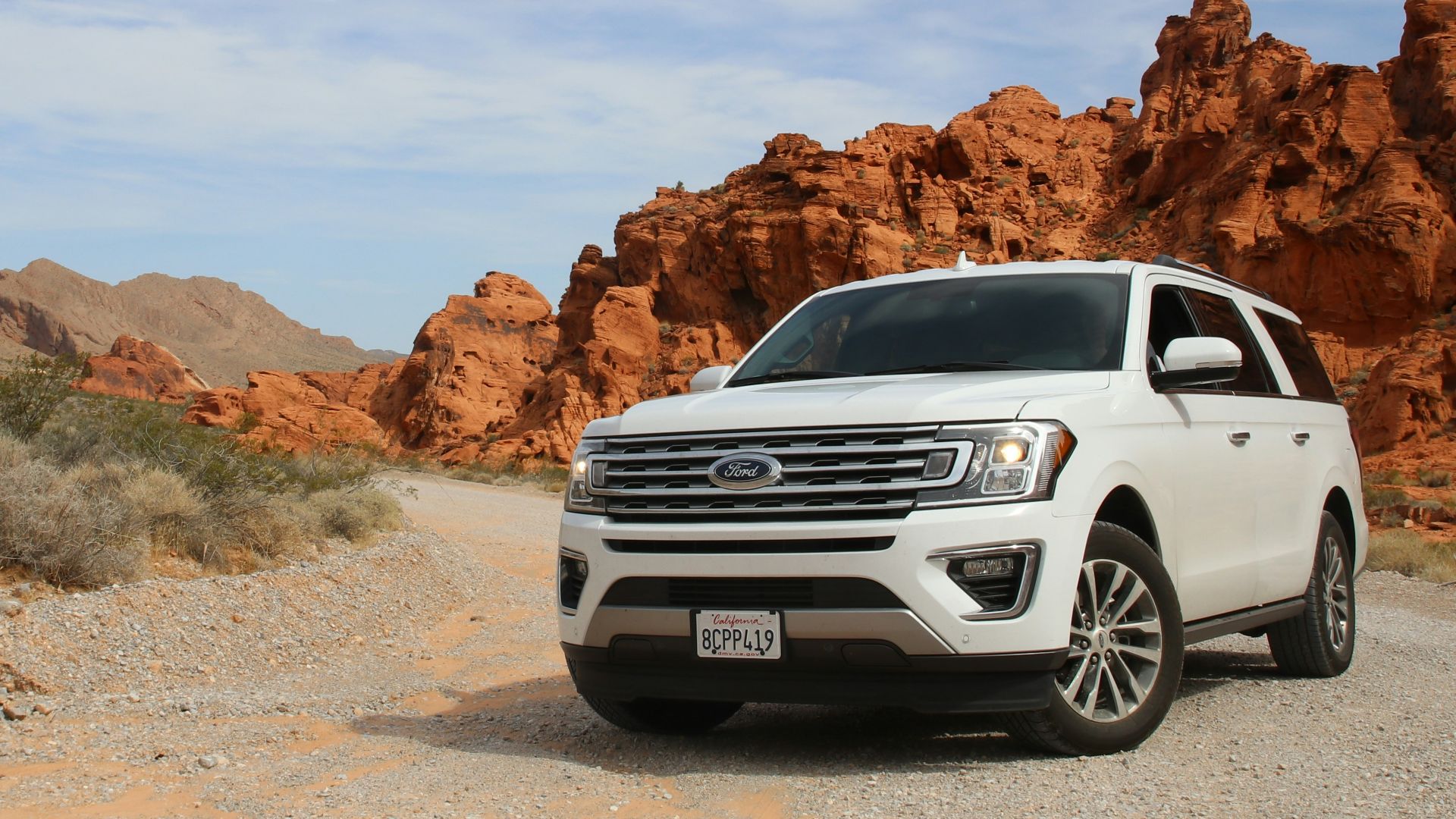
Toyota and Ford signed agreements in 2004 covering hybrid-system controls and emissions-related patents. Ford had developed its hybrid system independently, but parts of the technology overlapped with intellectual property already owned by Toyota. The agreement helped Ford launch the Escape Hybrid without a patent dispute, while Toyota received access to certain emissions-control patents held by Ford.
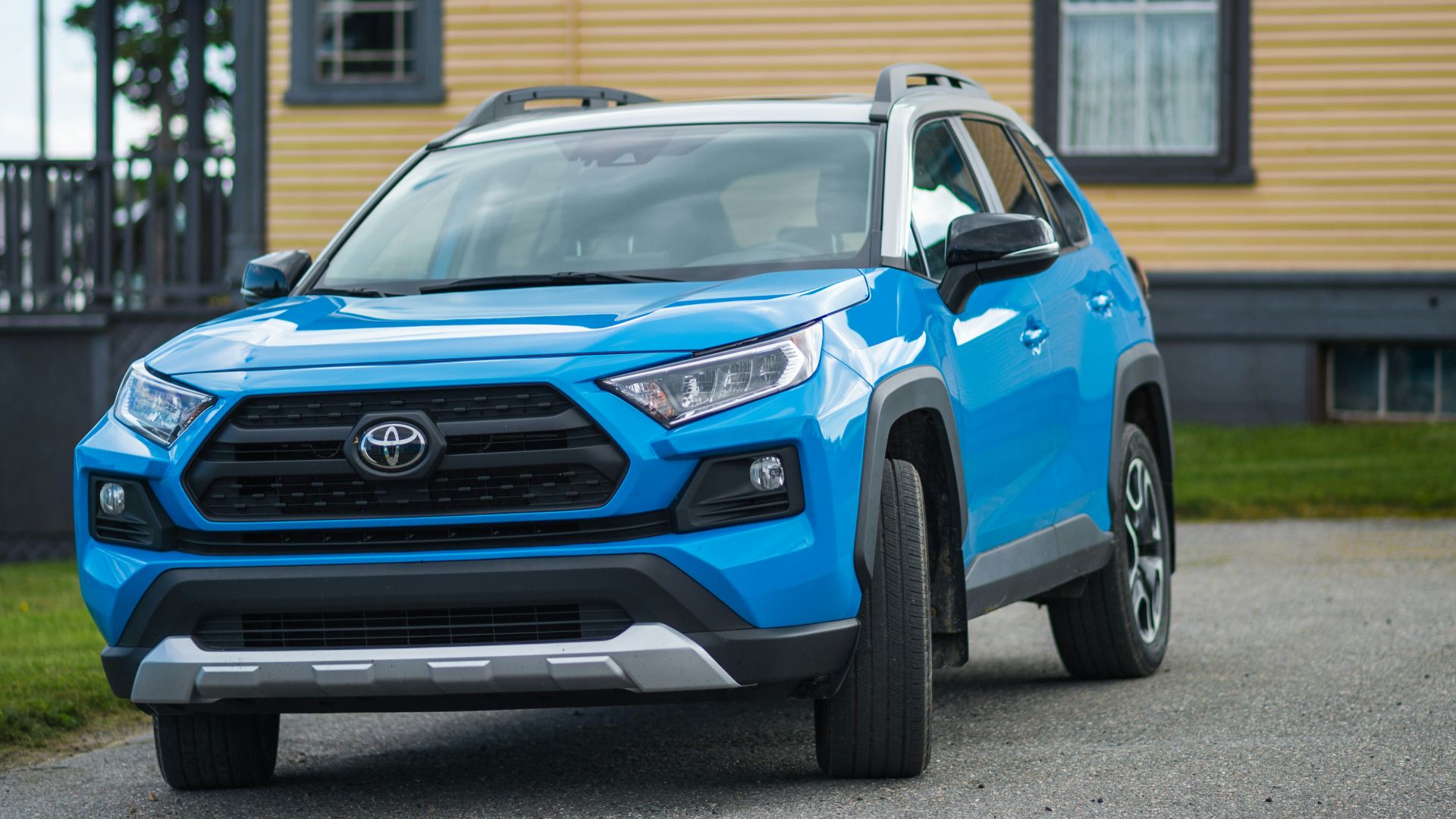
4. Tesla and Toyota
The second-generation Toyota RAV4 EV combined Toyota’s SUV with an electric powertrain supplied by Tesla. It reached California in 2012, well before electric crossovers became a regular sight in dealership lots. Toyota got a quicker way to sell an electric SUV, while Tesla landed a major supply deal and experience working with a global automaker.
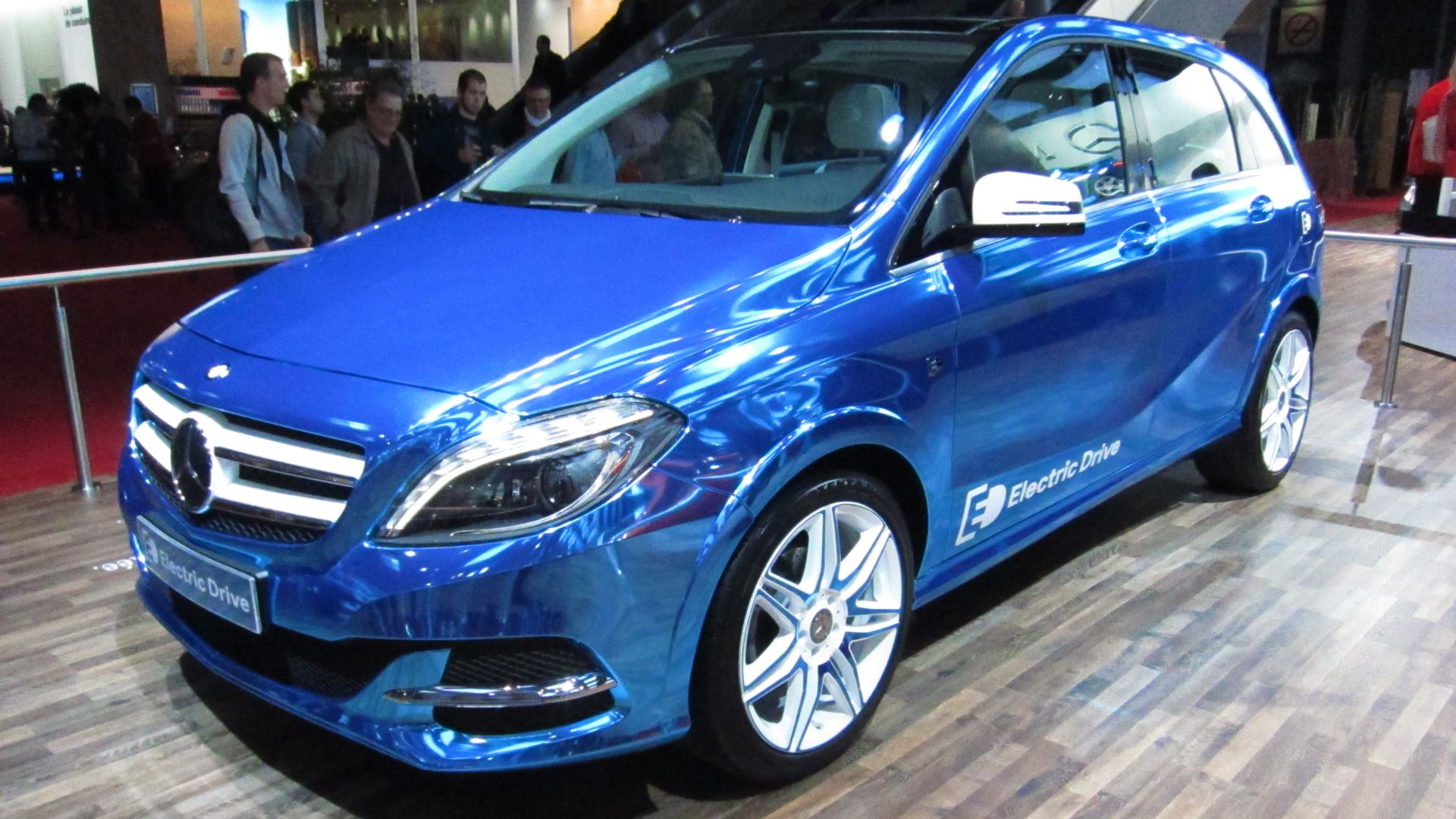
5. Tesla and Mercedes
Daimler invested in Tesla and hired the young company to develop electric powertrain technology that eventually appeared in the Mercedes-Benz B-Class Electric Drive. The arrangement gave Mercedes an electric model quickly, while Tesla received investment, engineering work, and some much-needed industry credibility.
 Rutger van der Maar on Wikimedia
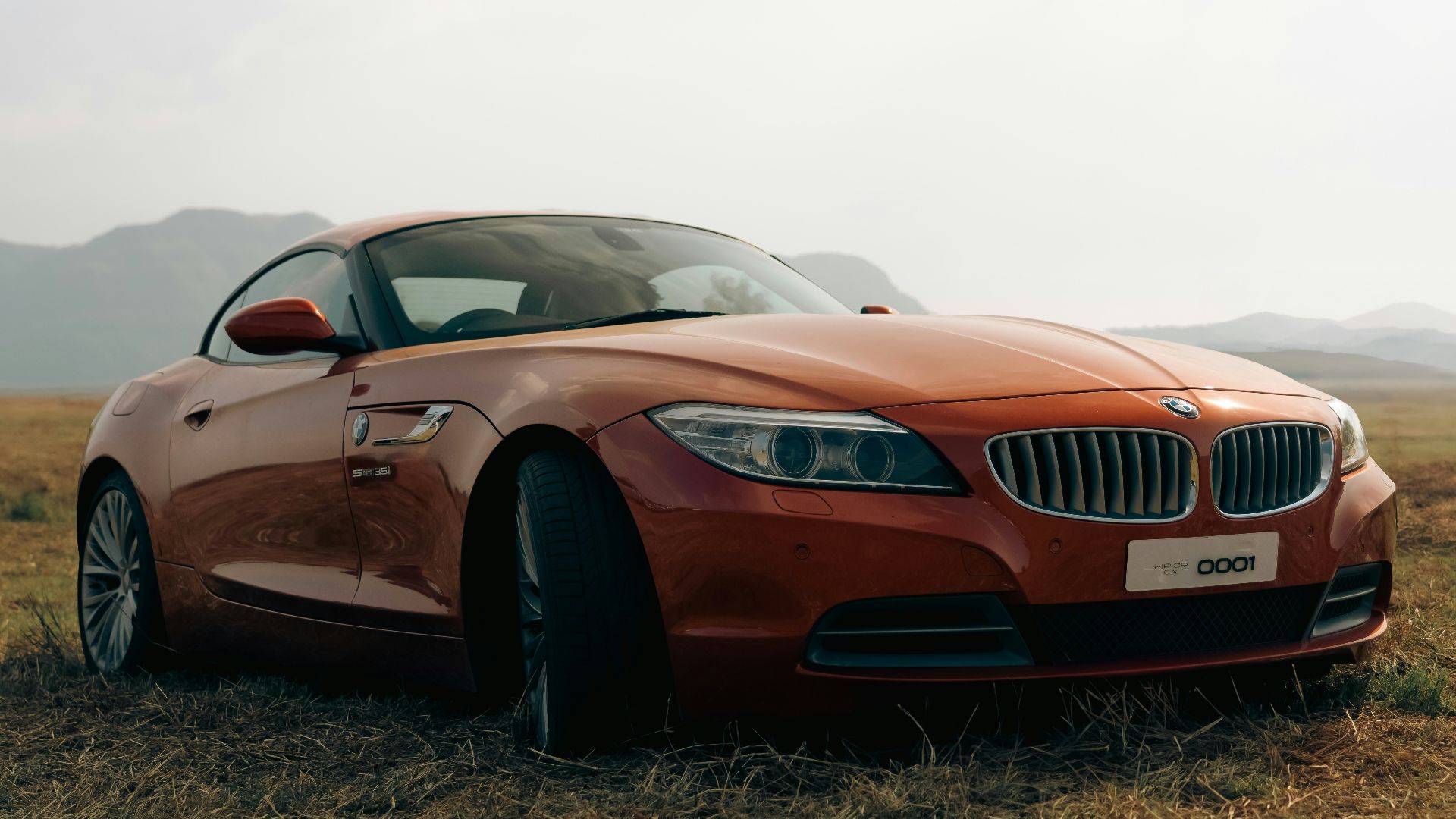
6. BMW and Toyota
BMW and Toyota worked together on the architecture and components that became the modern BMW Z4 and Toyota GR Supra. The Supra uses BMW engines and plenty of shared hardware, although Toyota handled its own styling, testing, calibration, and performance tuning.
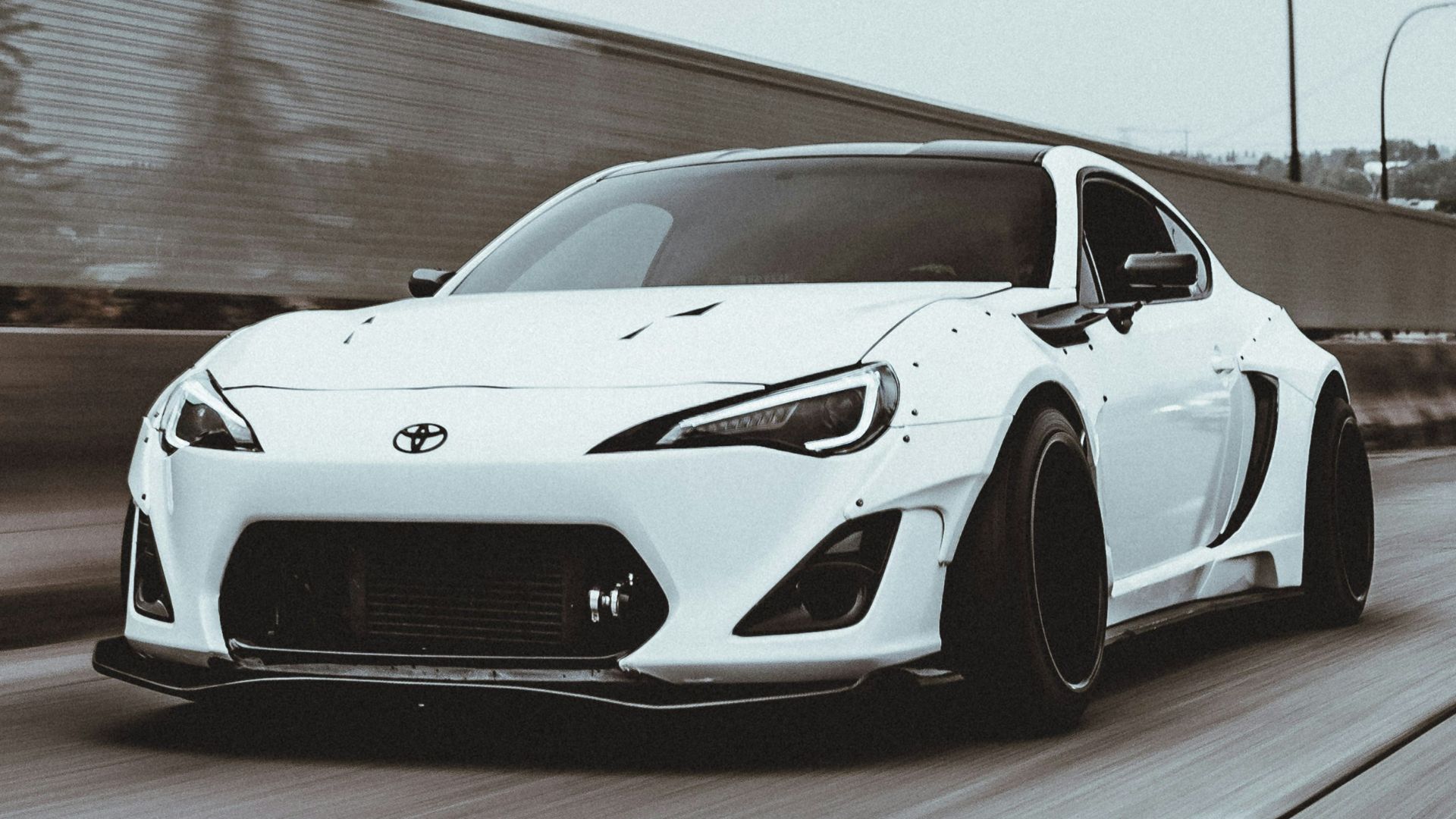
7. Subaru And Toyota
Toyota and Subaru teamed up to develop the rear-wheel-drive Toyota 86 and Subaru BRZ. The cars share their basic structure and a Subaru boxer engine, but each brand applies its own styling and chassis tuning. That cooperation made it easier for both companies to keep an affordable, lightweight sports coupe in the market.
8. Mazda And Toyota
Mazda and Toyota created a joint manufacturing plant in Huntsville, Alabama, rather than building separate facilities. The factory began producing the Toyota Corolla Cross in 2021, followed by the Mazda CX-50 in 2022. Sharing the site lets the companies divide major costs while adding more production capacity in North America.
9. Volkswagen and Ford
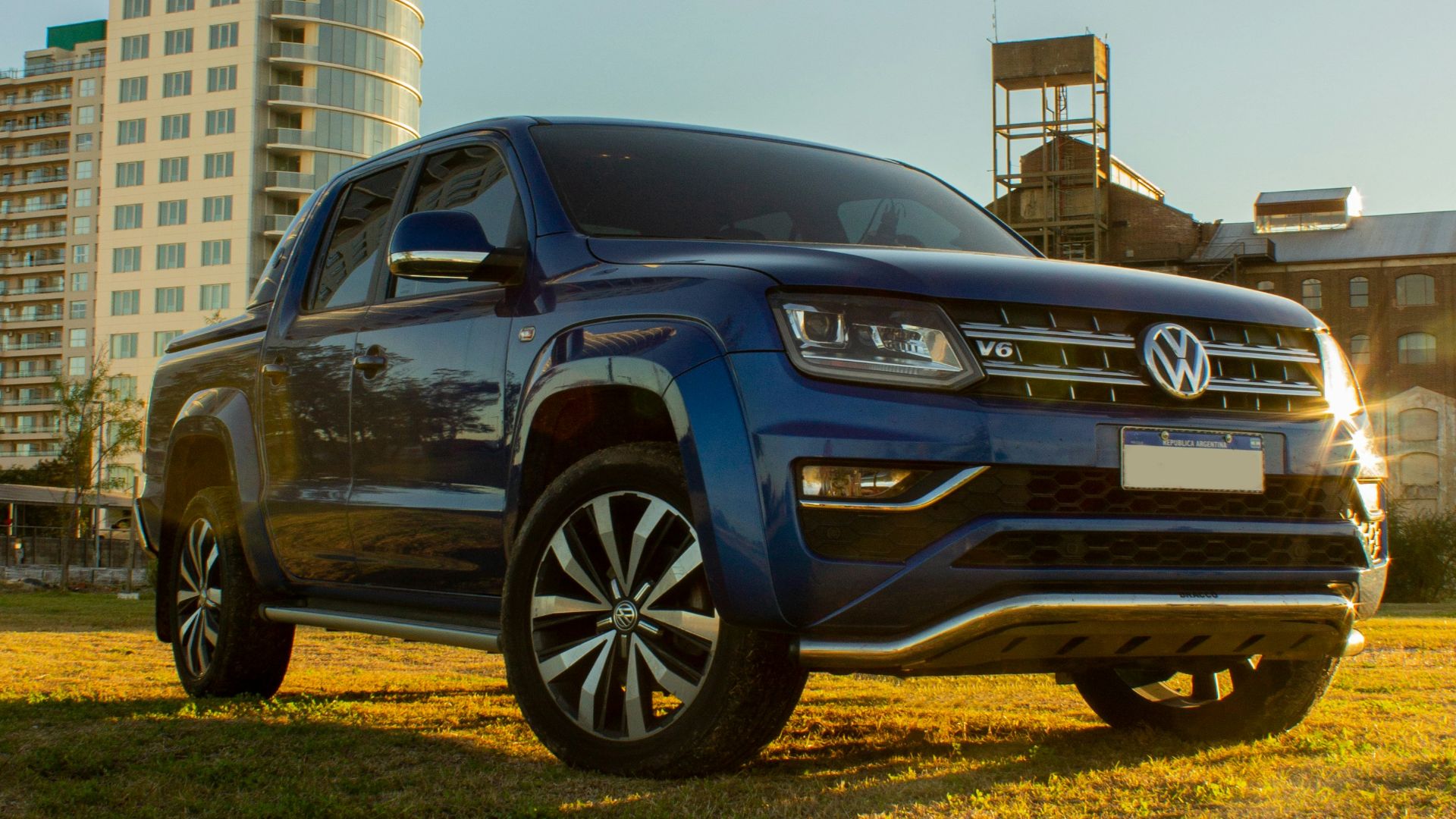
Ford used Volkswagen’s MEB electric-vehicle platform to develop battery-powered models for the European market. That move saved Ford from having to create a completely separate EV foundation, and Volkswagen used Ford’s pickup knowledge for the second-generation Amarok, which is closely related to the Ford Ranger.
10. Mazda and Fiat
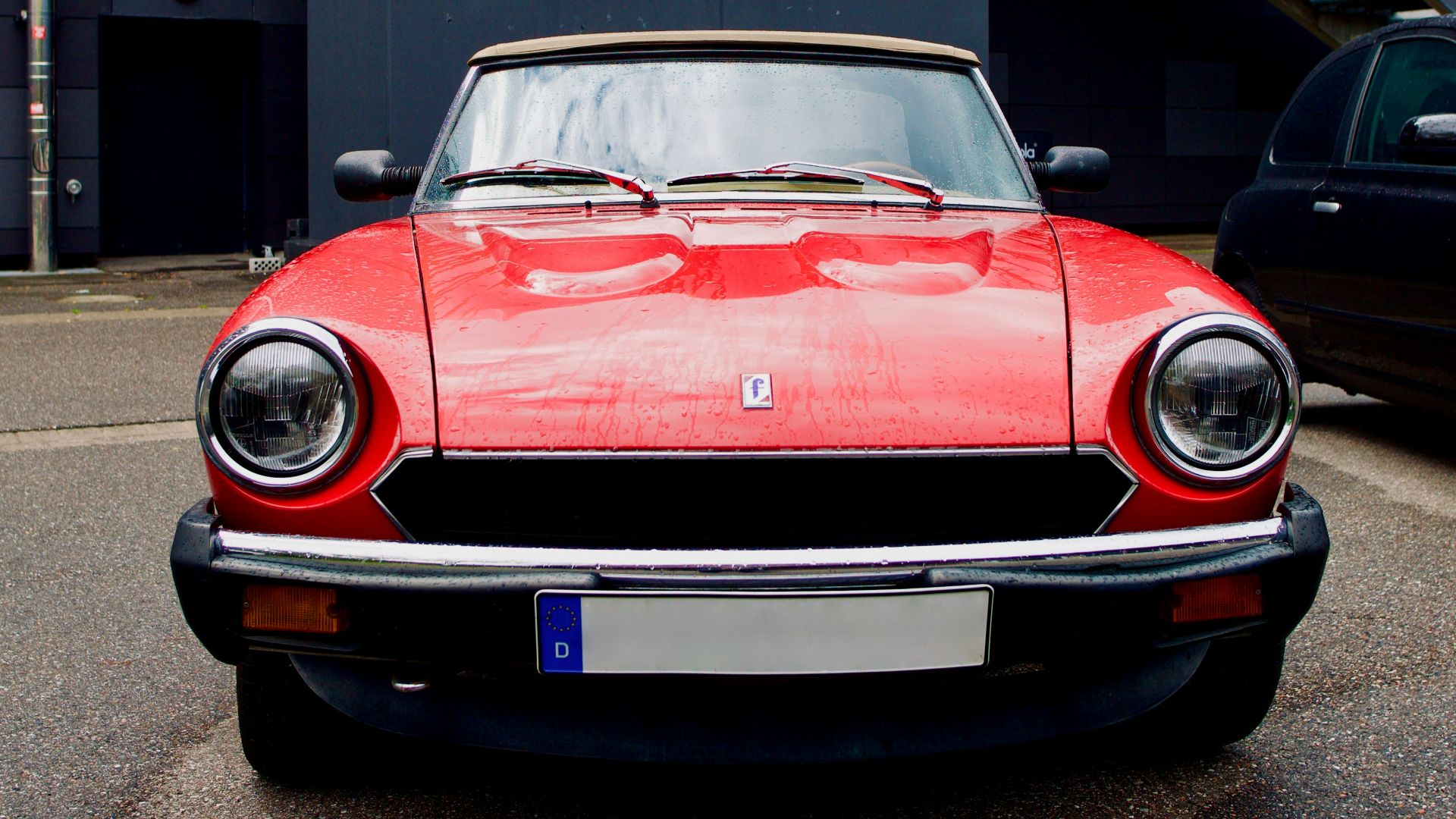
Mazda and Fiat developed a roadster using the fourth-generation Mazda MX-5’s rear-wheel-drive architecture. Mazda also built the resulting Fiat 124 Spider at its factory in Hiroshima. The Fiat received different bodywork, its own suspension tuning, and a turbocharged Fiat engine, while Mazda gained extra production volume.
11. Mercedes and Aston Martin
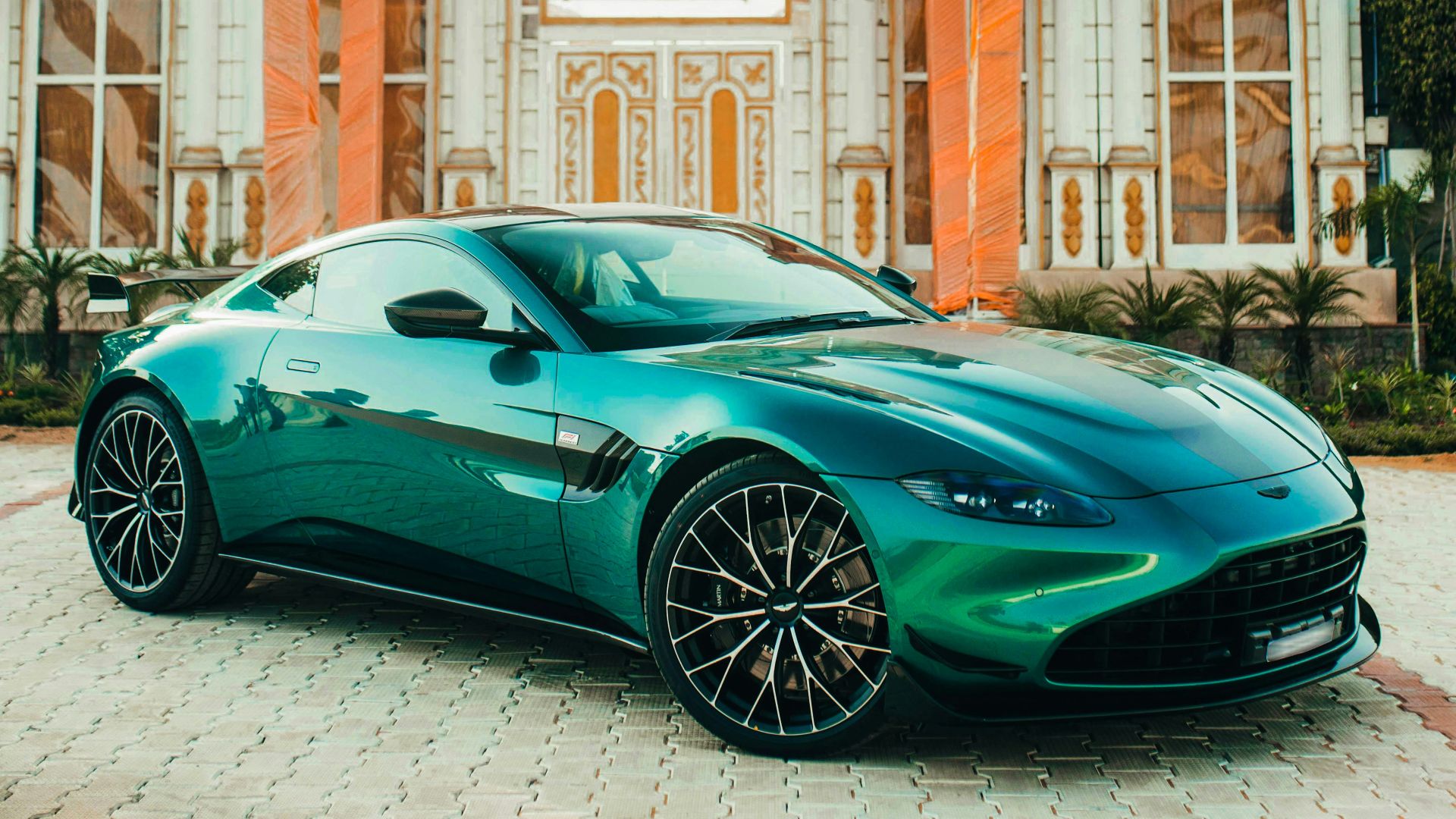
Aston Martin gained access to Mercedes-Benz powertrains and electrical systems through a strategic technology agreement. Mercedes-AMG V8 engines later appeared in Aston Martin models including the Vantage and DBX. The deal gave Aston Martin modern performance hardware on the cheap, while the British company remained responsible for its own styling, tuning, and overall vehicle character.
12. Honda And General Motors
Honda and General Motors worked together to develop a hydrogen fuel-cell system, which they manufactured through a joint operation in Michigan. The system was used in the Honda CR-V e:FCEV. By joining forces, the two automakers could share research, production knowledge, and investment, although Honda later announced that production of this particular system would end before the close of 2026.
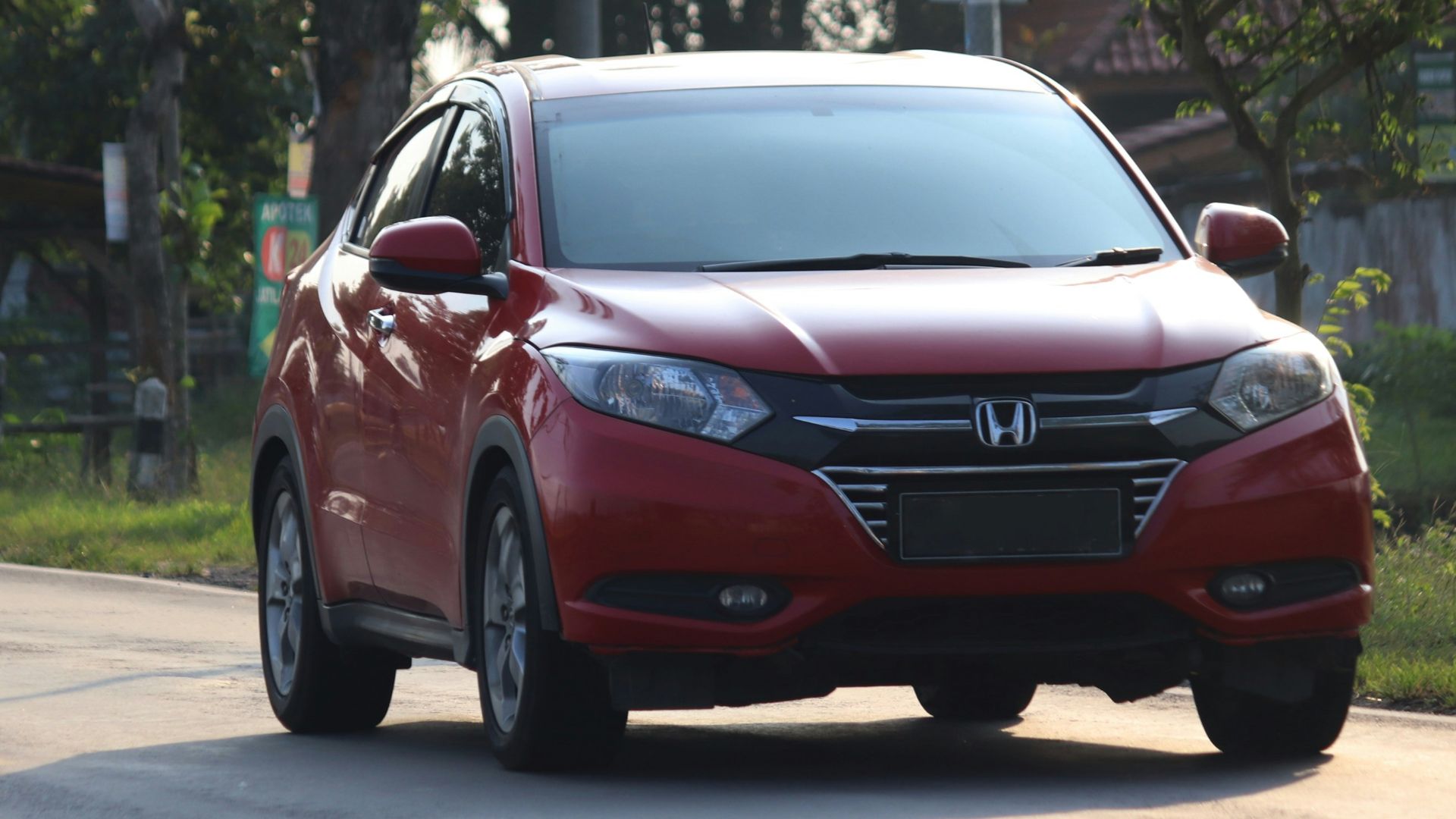
13. Toyota And Suzuki
Toyota and Suzuki formed an alliance that brought together two very different areas of experience. Toyota contributed its knowledge of electrification, while Suzuki brought years of experience building compact, affordable vehicles. Their work has included shared production, vehicle supply, and electrified models.
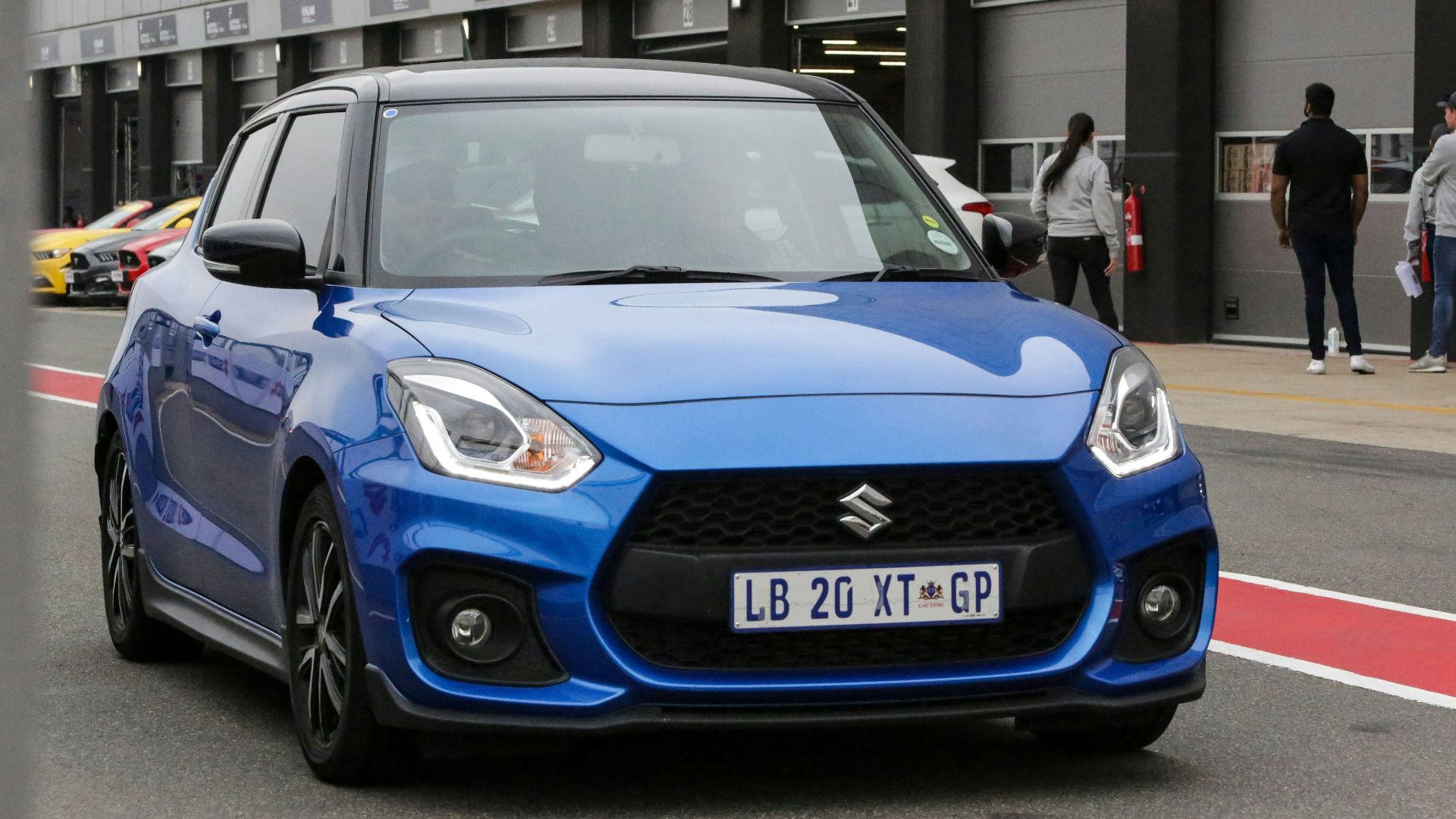
14. Toyota, Peugeot, And Citroën
The Toyota Aygo, Peugeot 107, and Citroën C1 were closely related small cars developed together and built at a shared factory in the Czech Republic. Sharing both the car and the production site helped the companies divide the costs of competing in Europe’s crowded small-car market.
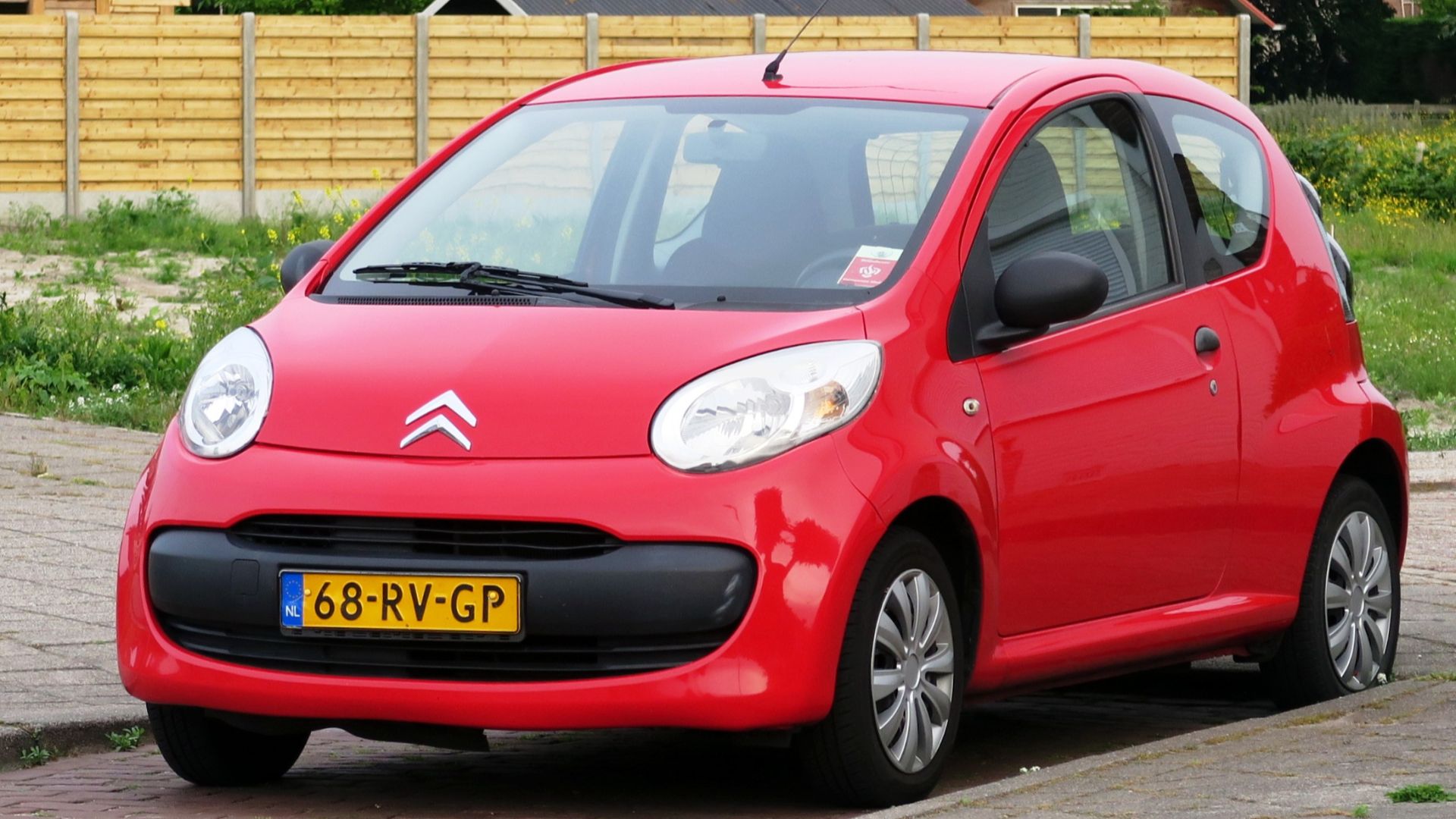
15. BMW And Peugeot
BMW and PSA Peugeot Citroën joined forces to develop and produce a family of small gasoline engines. Those engines appeared in vehicles sold by Mini, Peugeot, and Citroën. The shared program spread the engineering costs, giving BMW useful scale for its smaller models while providing its partner with modern engines for mainstream vehicles.
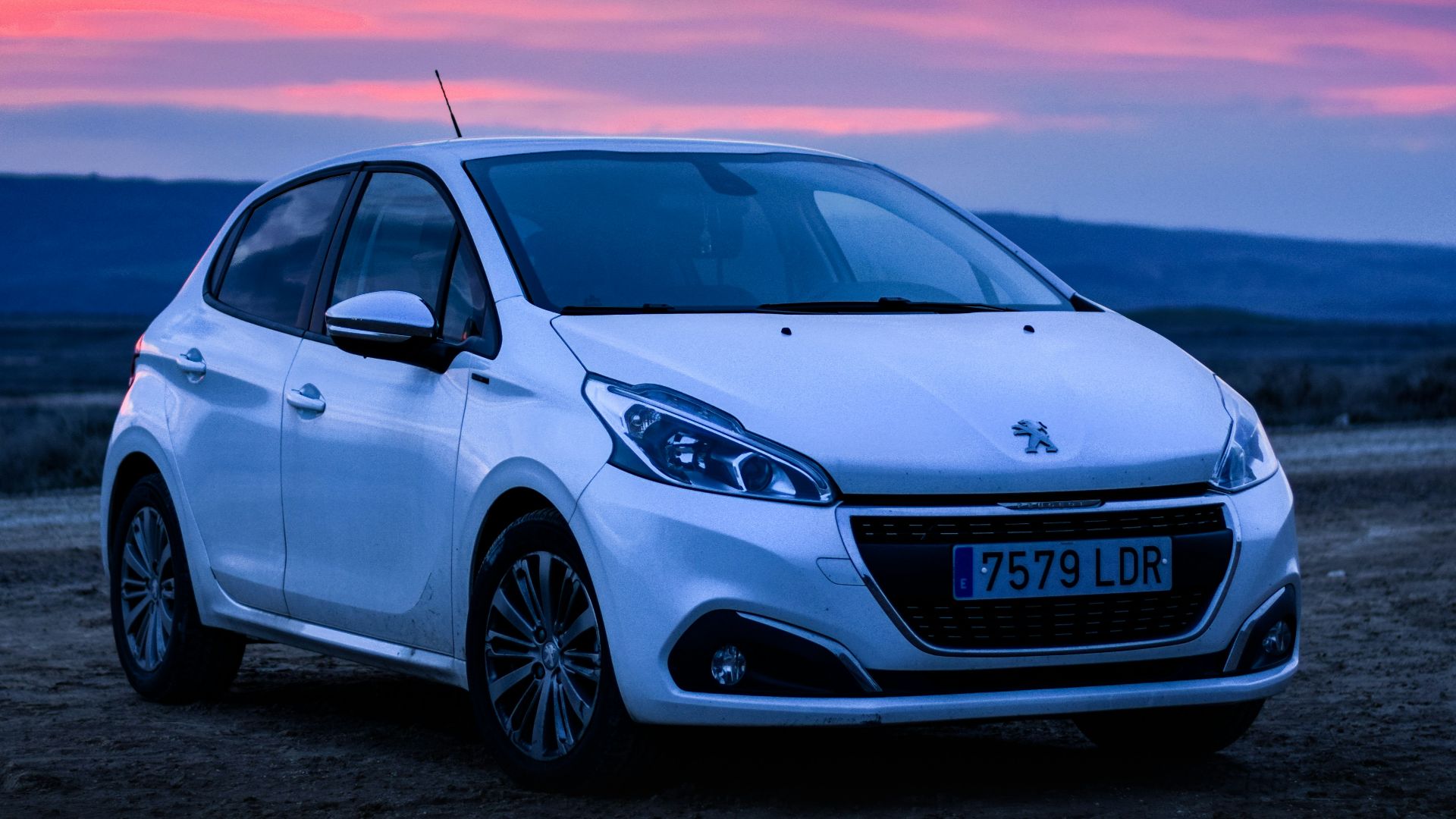
16. Nissan And Mercedes
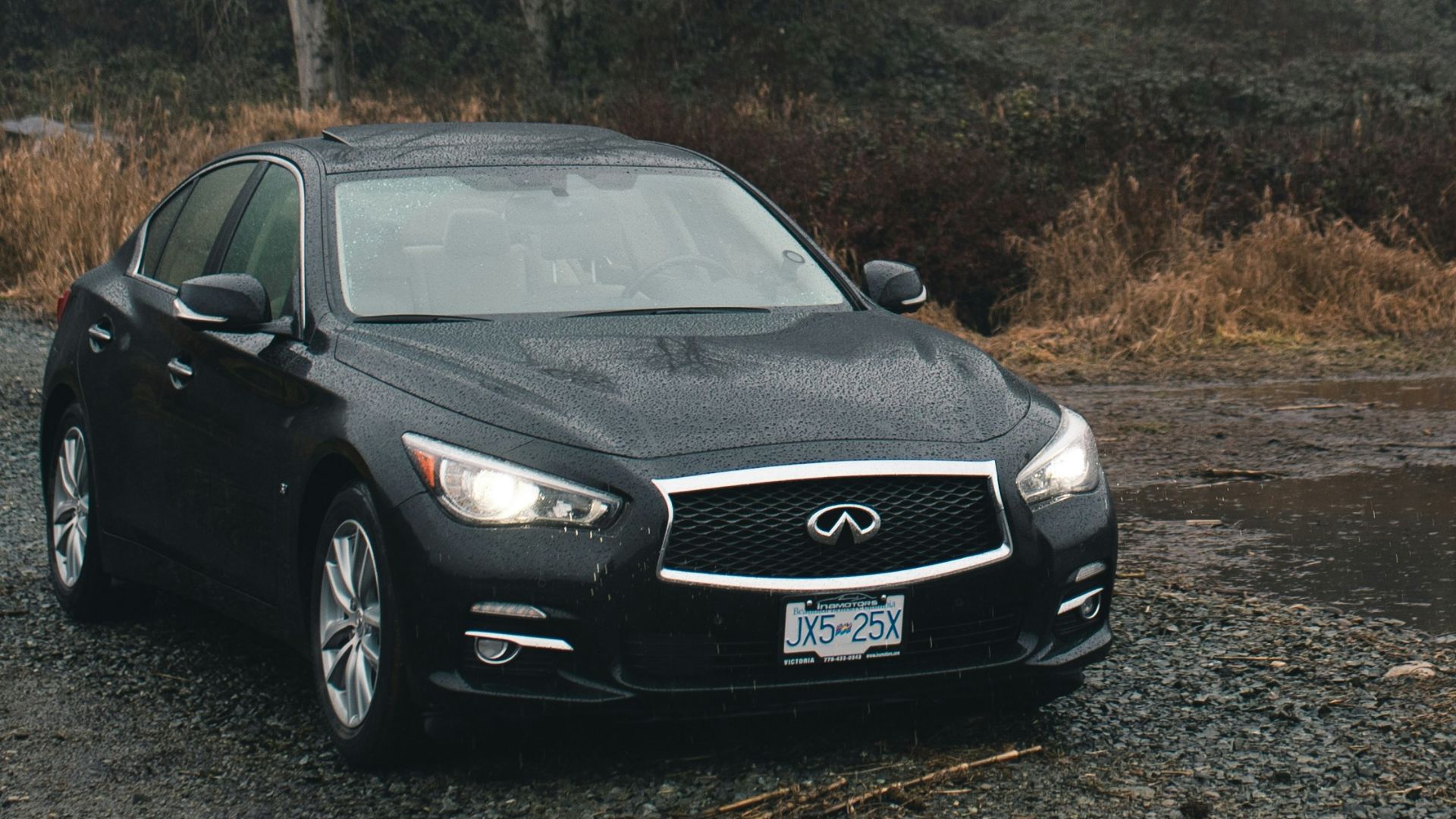
The Renault-Nissan Alliance and Daimler expanded their partnership into engines, compact vehicles, and commercial vans. A Nissan-operated factory in Decherd, Tennessee, assembled two-liter turbocharged engines for the Mercedes-Benz C-Class and Infiniti Q50.
17. Porsche And Mercedes
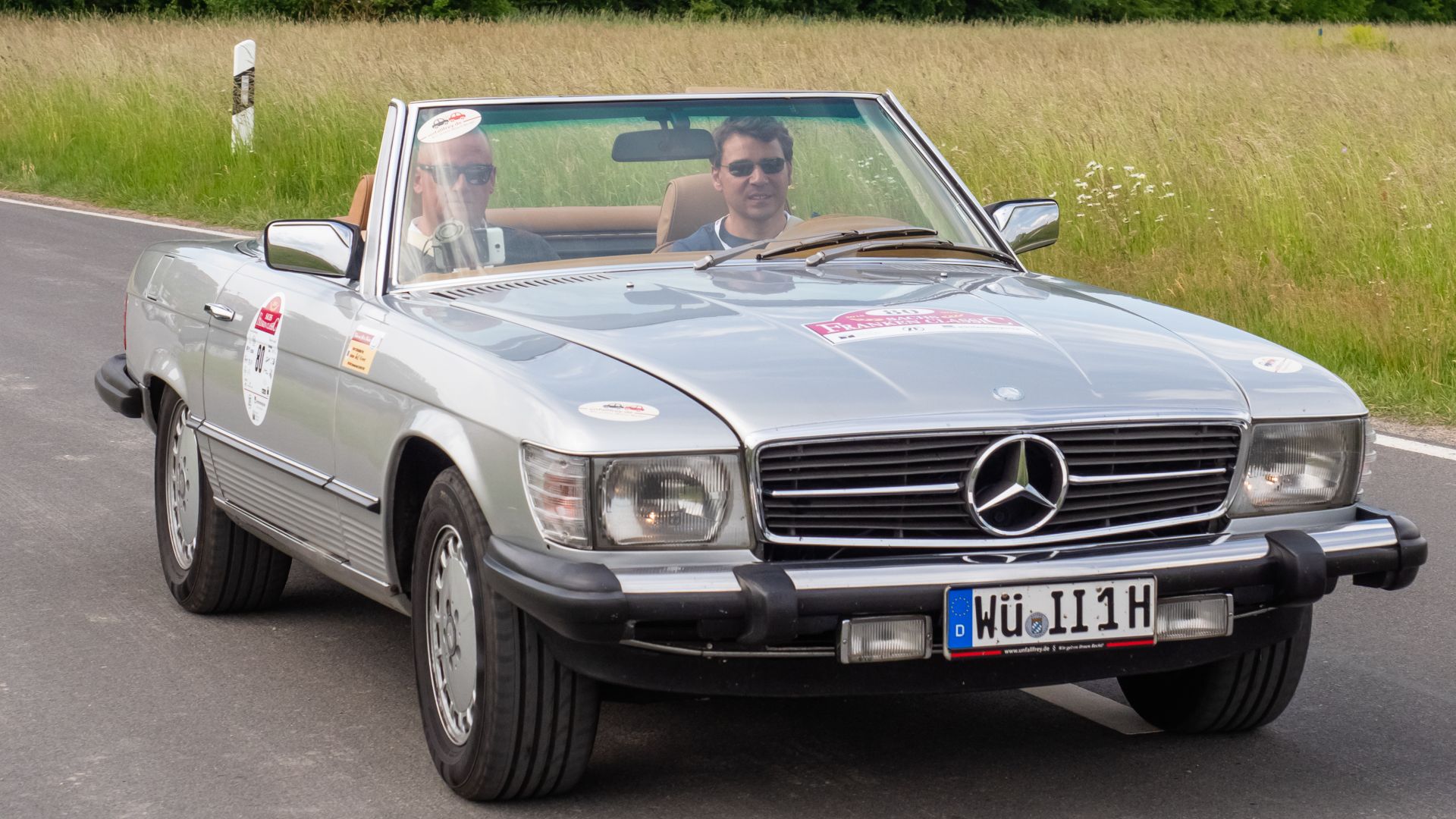
Daimler-Benz hired Porsche to help develop the high-performance Mercedes-Benz 500 E in the early 1990s. Porsche modified the W124 sedan to fit its V8 engine and wider body. Mercedes benefited from Porsche’s engineering and production skills, while Porsche received valuable contract work during a period when it was facing financial trouble.
18. Ford And Mazda
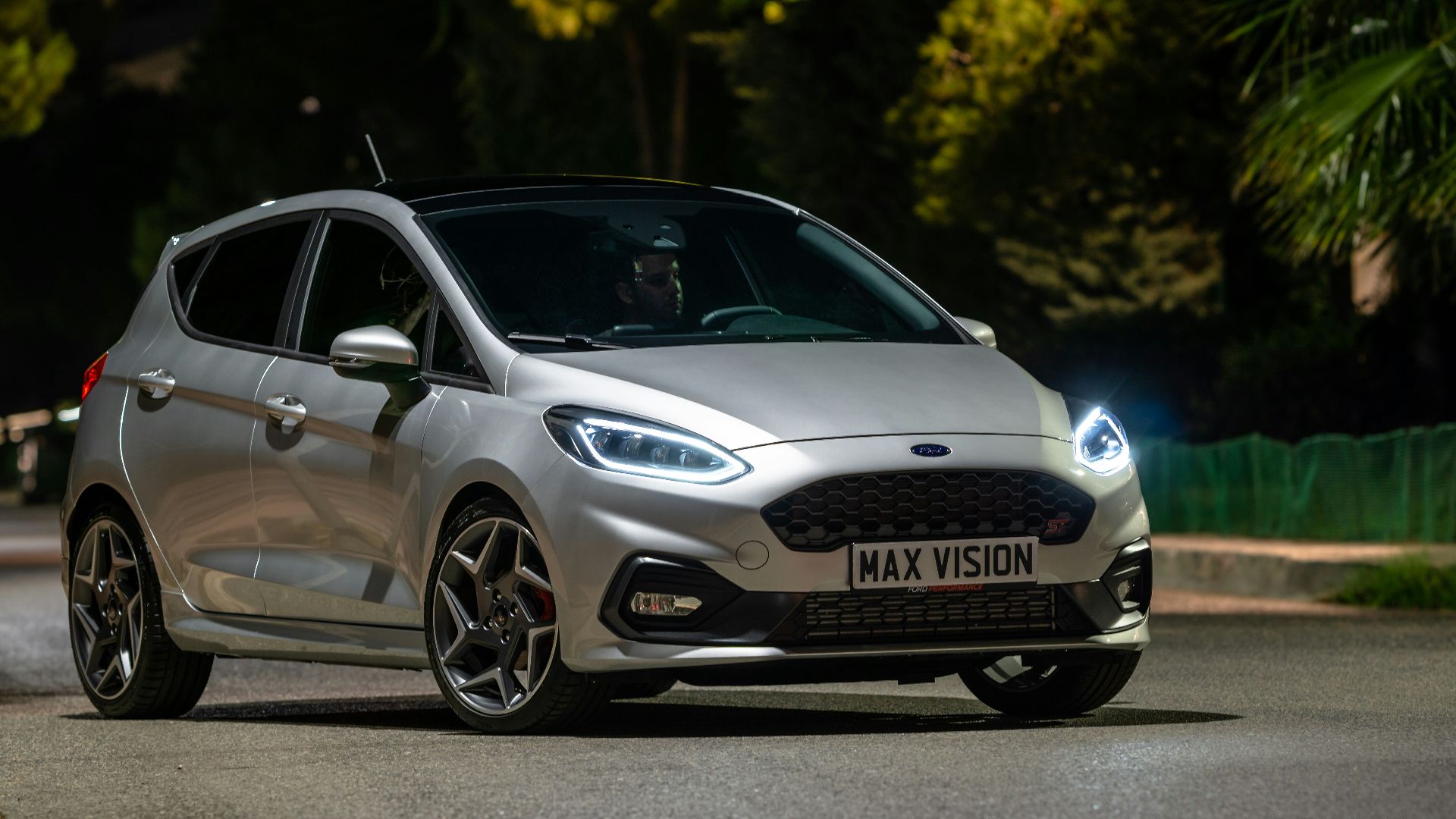
Ford and Mazda established AutoAlliance Thailand as a shared manufacturing operation serving several markets. The factory built pickups and later passenger cars, including the Ford Ranger, Mazda B-Series, Ford Fiesta, and Mazda2. Working from the same site allowed both companies to divide their investment, rely on common suppliers, and support exports from one production base.
19. Honda And Rover
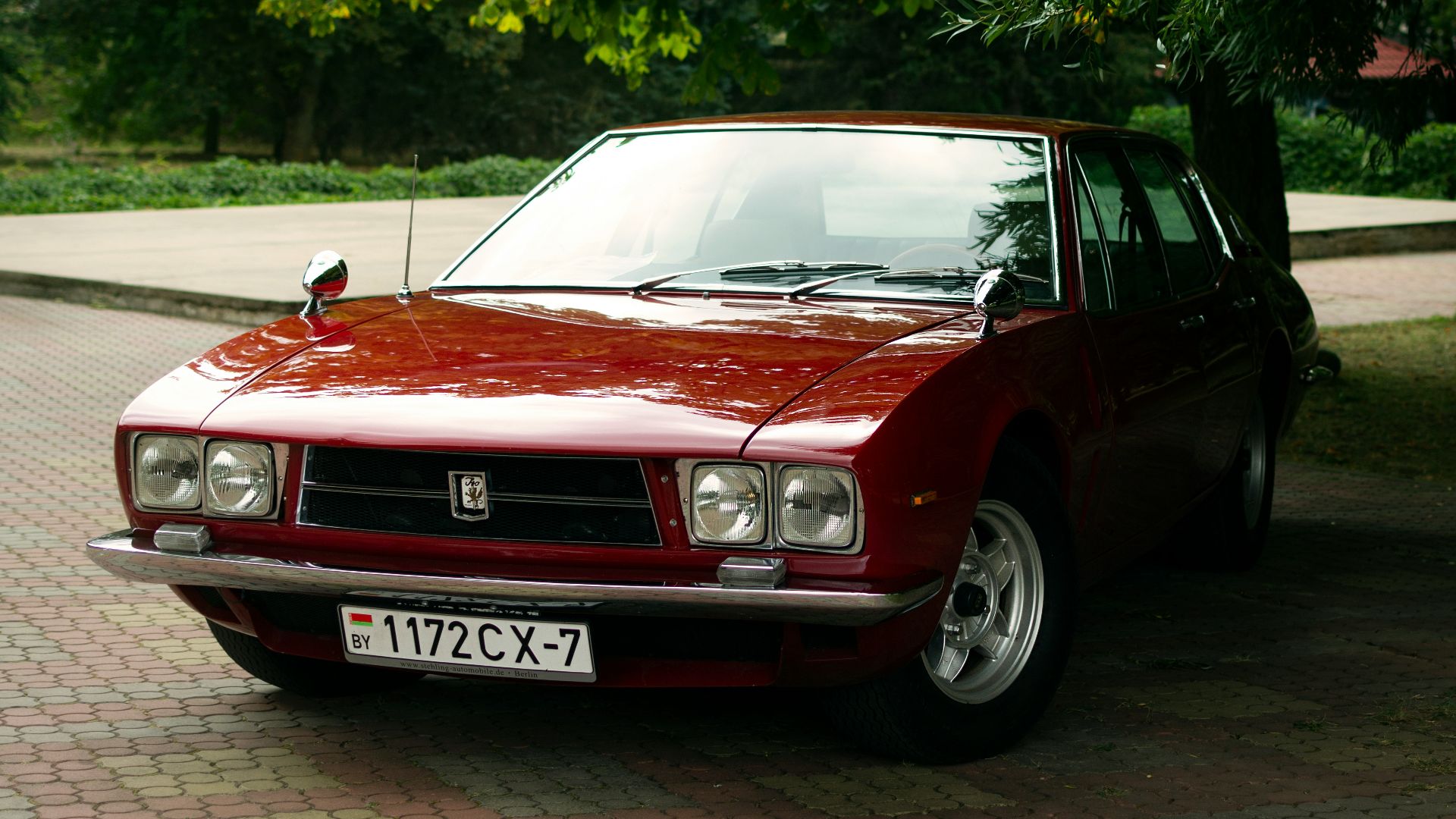
Honda and British Leyland, which later became the Rover Group, began working together in 1979. Their partnership produced several related vehicles, including the jointly developed Honda Legend and Rover 800. Rover gained access to newer technology, while Honda built more experience with European manufacturing. The relationship continued until 1994.
 Evgeni Adutskevich on Unsplash
20. Mitsubishi And Hyundai
Hyundai relied on outside knowledge while developing the Pony, its first independently branded model. Mitsubishi’s Lancer helped shape the car’s chassis and powertrain, while Italian designers created its body. The Pony helped Hyundai move beyond assembling vehicles designed entirely by other companies and marked a major step toward becoming a full automaker with ambitions beyond its home market.