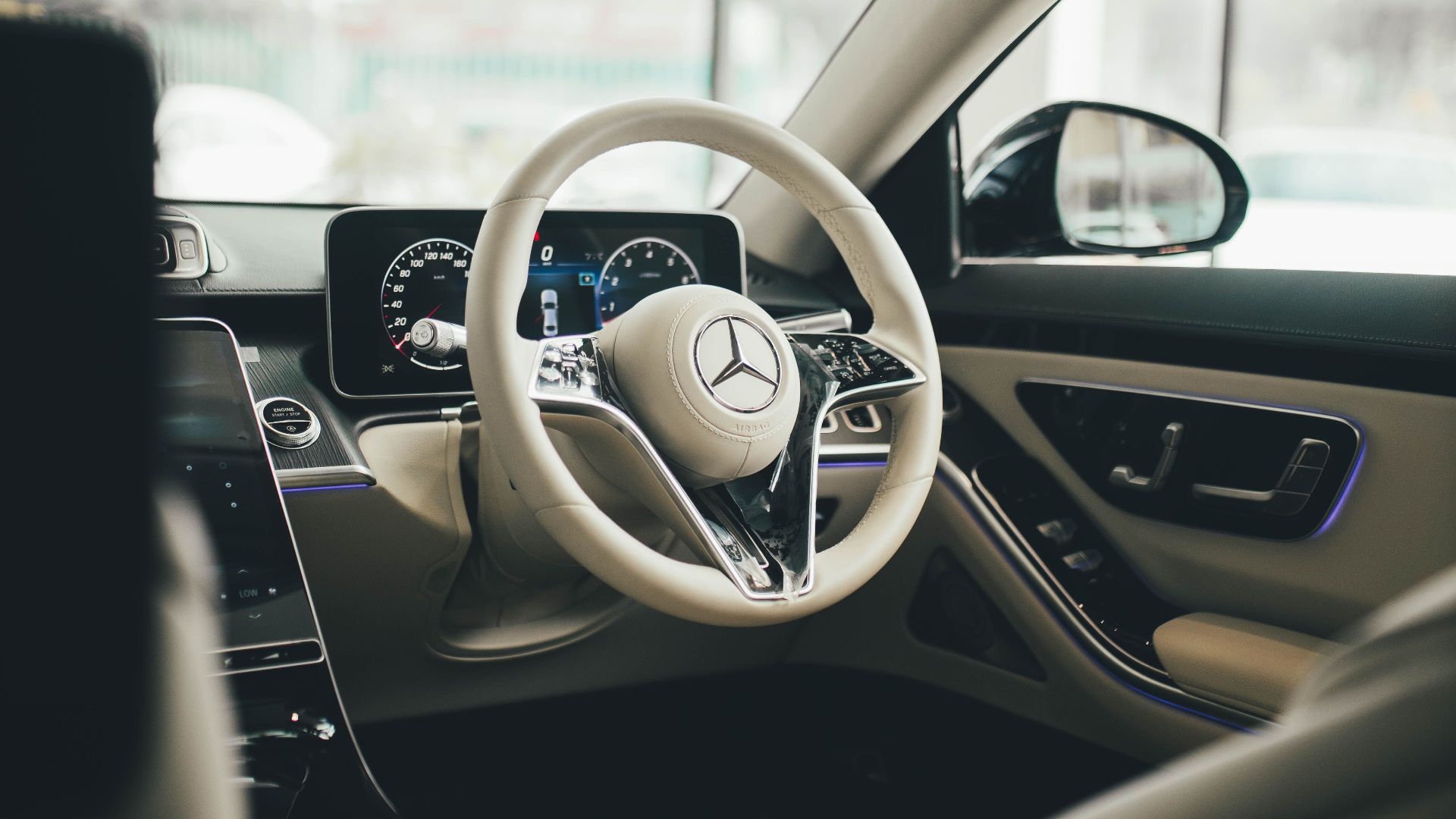
Mercedes-Benz interiors are designed to create an immediate impression, but their appeal goes beyond polished trim and large displays. The company combines recognizable styling, carefully selected materials, advanced technology, and comfort features intended to make even an ordinary commute feel much more refined. Although equipment varies considerably between models and trim levels, the cabins generally share enough design elements to remain clearly identifiable as Mercedes-Benz products. That familiarity helps drivers recognize the brand’s priorities before they’ve explored every control or feature.
That consistency matters in a luxury market where many competitors offer excellent materials and powerful digital systems. Mercedes-Benz tends to distinguish itself by treating lighting, screens, seating, and decorative surfaces as connected parts of one overall environment. Instead of relying on a single impressive feature, the brand builds its interior identity through the way numerous details work together. This coordinated approach gives the cabin a sense of purpose rather than making it feel like a collection of unrelated upgrades.
Distinctive Design Creates A Recognizable Atmosphere
Mercedes-Benz cabins frequently use flowing dashboard shapes, circular or turbine-inspired air vents, and carefully integrated decorative trim. These elements provide a recognizable visual identity even when you move between a compact sedan, a large SUV, and an electric luxury model. The layouts may change across the range, but the designers usually preserve a sense of symmetry and visual drama. That shared design language allows even smaller models to feel connected to the brand’s more expensive vehicles.
Ambient lighting has become one of the brand’s most noticeable interior features. In appropriately equipped models, light strips can extend across the dashboard, doors, footwells, and air vents, allowing occupants to adjust the cabin’s color and mood. Some systems also use lighting to support vehicle functions, such as climate adjustments or driver-assistance warnings, so the feature can communicate information rather than serving only as decoration.
Mercedes-Benz also pays close attention to how physical surfaces appear after dark. Illuminated trim, backlit controls, and carefully positioned lighting help preserve the dashboard’s shape when natural light disappears. This allows the cabin to maintain much of its visual character during nighttime driving, when ordinary materials and small design details might otherwise become difficult to see.
Materials Are Chosen For Appearance And Daily Use
Material variety is another major part of the Mercedes-Benz approach. Depending on the vehicle and selected package, buyers may encounter open-pore wood, metal, leather, leather alternatives, microfiber, patterned fabrics, or glossy decorative surfaces. Combining contrasting textures helps divide the cabin into distinct areas while preventing the dashboard and doors from appearing like one uninterrupted piece of material.
The company also subjects interior materials to demanding durability requirements before they enter production. Seat coverings must tolerate sunlight, temperature changes, repeated friction, perspiration, cleaning products, and everyday contact without quickly discoloring or losing their shape.
Luxury materials are gradually being joined by more recycled and animal-free alternatives. Mercedes-Benz offers upholstery fabrics containing recycled PET and has expanded the use of microfiber and synthetic leather options in parts of its lineup. The company has also announced an independently certified vegan interior package for the new GLC, showing that a premium cabin doesn’t necessarily have to depend on traditional leather.
Technology And Comfort Work As One System
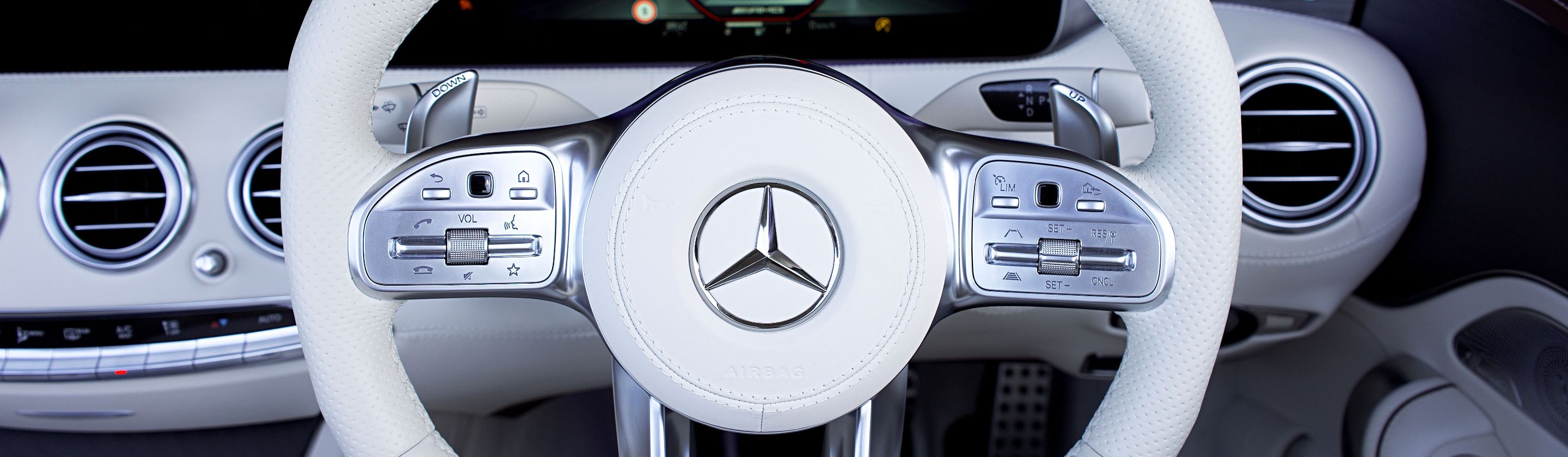
 Ambitious Studio* | Rick Barrett on Unsplash
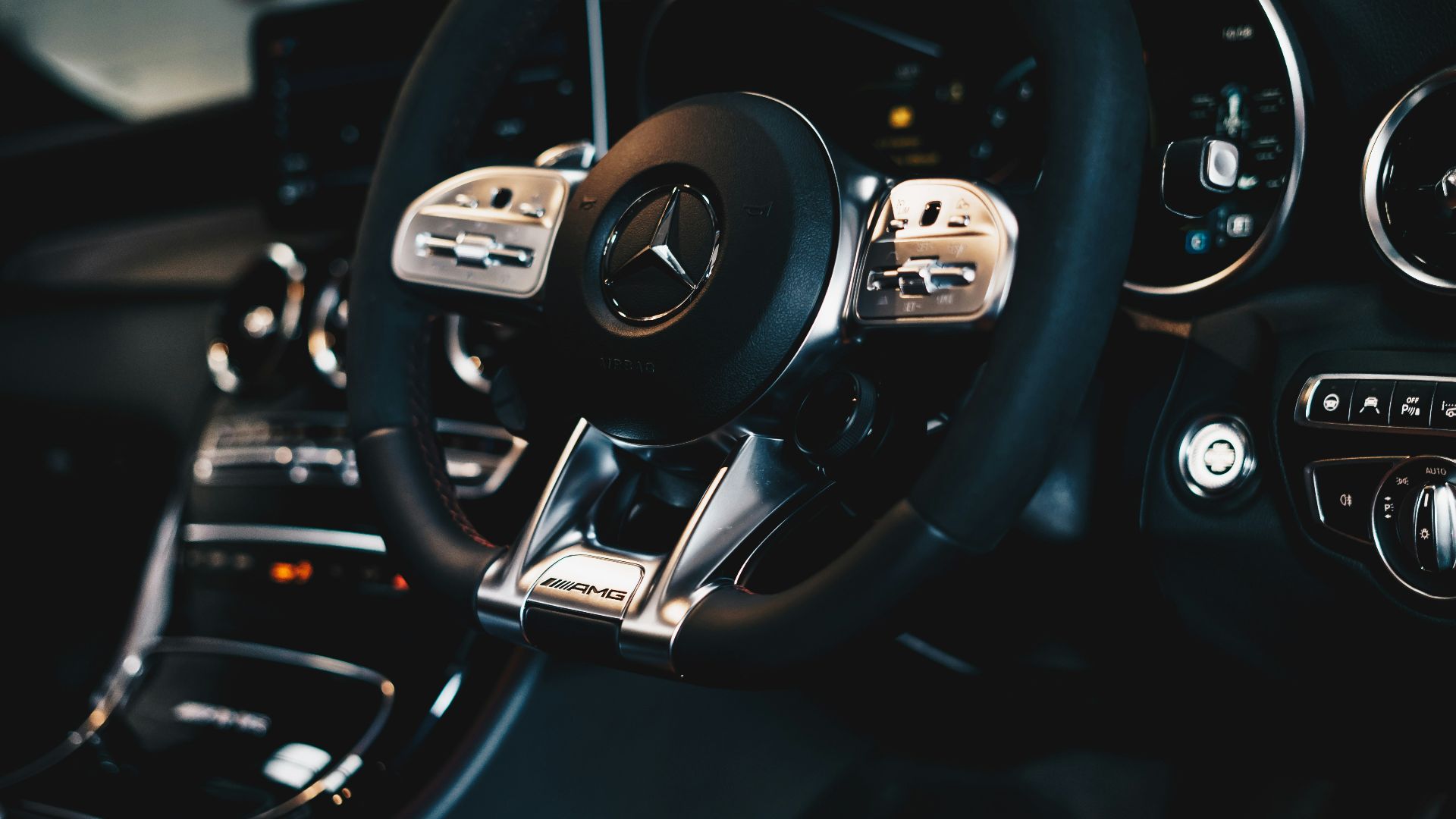
MBUX, short for Mercedes-Benz User Experience, is central to the character of newer interiors. The system brings together navigation, media, climate settings, vehicle controls, voice commands, and personal profiles through digital displays. Its graphics and menu structure are designed to match the rest of the cabin, which helps the technology feel like part of the interior rather than a tablet installed after the dashboard was completed.
At the most dramatic end of the range, the MBUX Hyperscreen combines three displays beneath one broad curved glass surface. It gives the driver, central controls, and front passenger their own areas while visually stretching across much of the dashboard. Mercedes-Benz also uses a “Zero Layer” interface that can place frequently used functions on the main screen, reducing the need to search through multiple menu levels.
Comfort technology receives similar attention, particularly in larger and more expensive models. Available multicontour seats can provide heating, ventilation, adjustable support, and massage programs, while certain systems coordinate lighting, climate settings, music, and seat functions through preset wellness programs. Features and availability differ by model, but the broad goal is to let occupants shape the cabin around their preferences rather than accept one fixed environment.
Mercedes-Benz interiors stand out because they combine recognizable design with a strong emphasis on atmosphere, personalization, and comfort. Competitors may offer equally impressive craftsmanship or technology in individual areas, but Mercedes-Benz gives lighting, materials, screens, and seating a particularly coordinated role. The result is a cabin that aims to feel distinctive before the vehicle begins moving and remains engaging throughout the journey.