
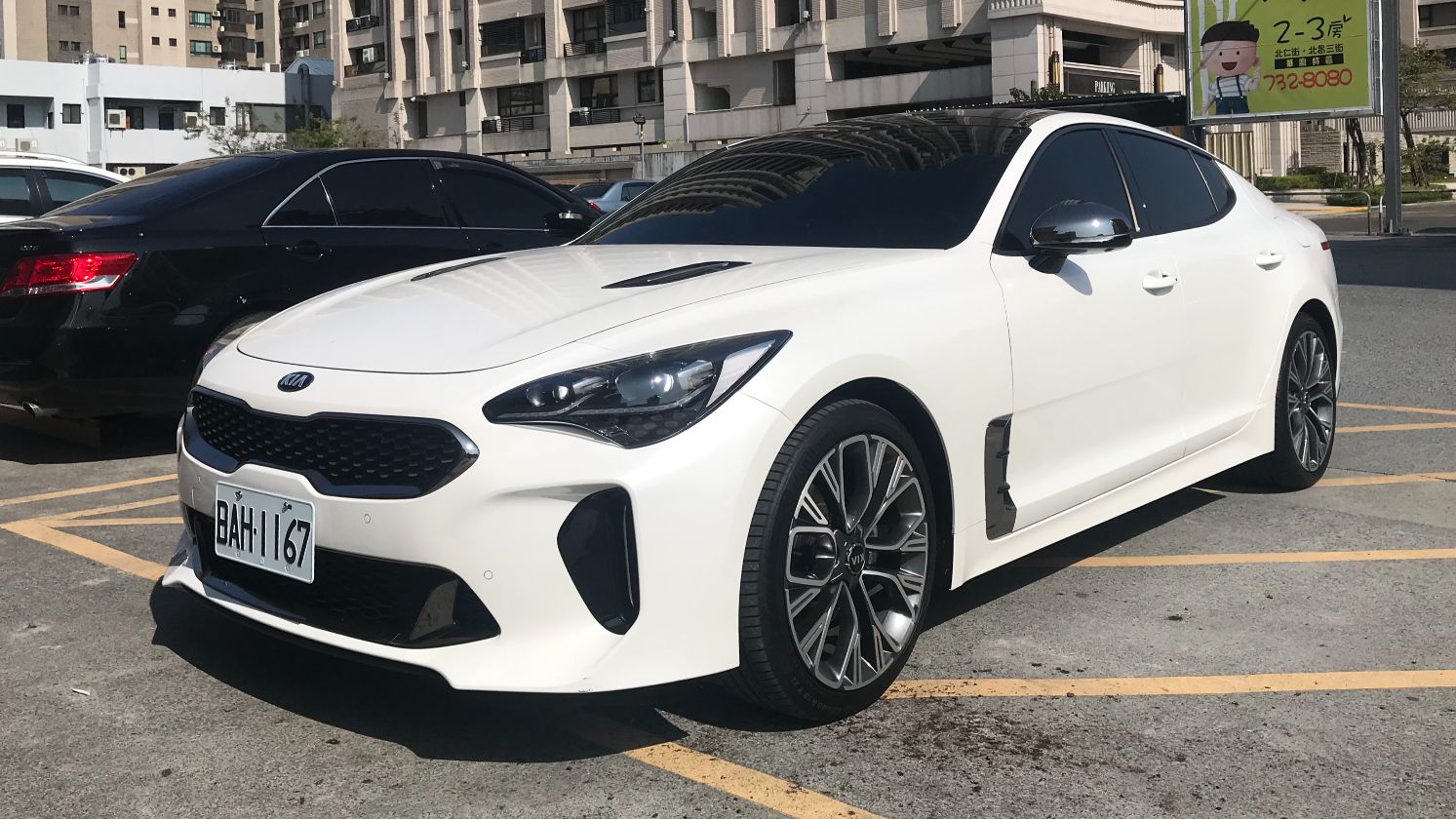
The Brand That Rewrote Its Own Story (Mostly)
Kia spent years as the punchline of the car lot, the brand you bought because it was cheap and drove until you could afford something else. That reputation has shifted dramatically, and in some cases completely reversed. But not every model has earned the same confidence. Here's 10 Kias that genuinely surprised people, followed by 10 that still give buyers reason to think twice.
 Hyundai Motor Group on Unsplash
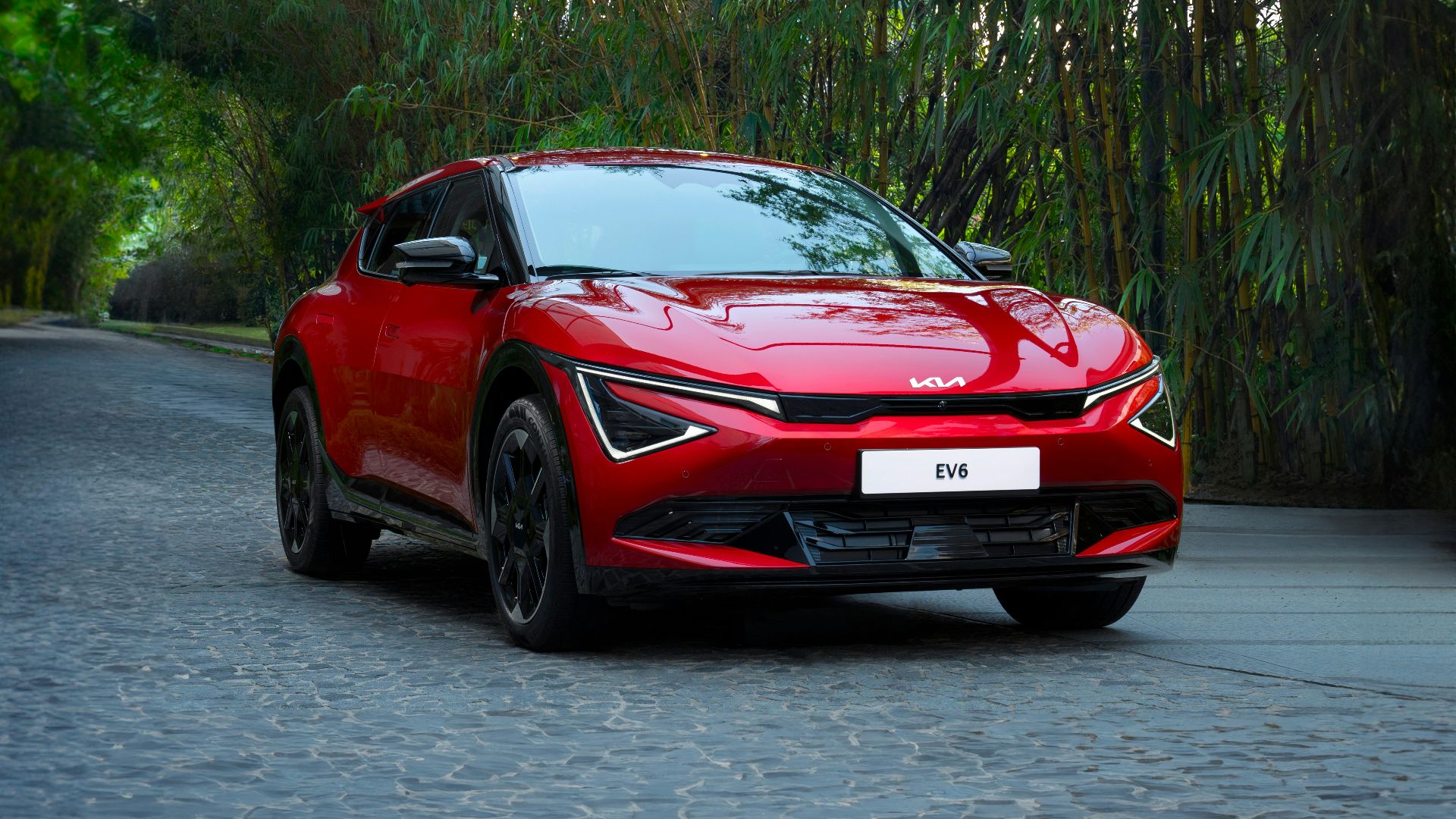
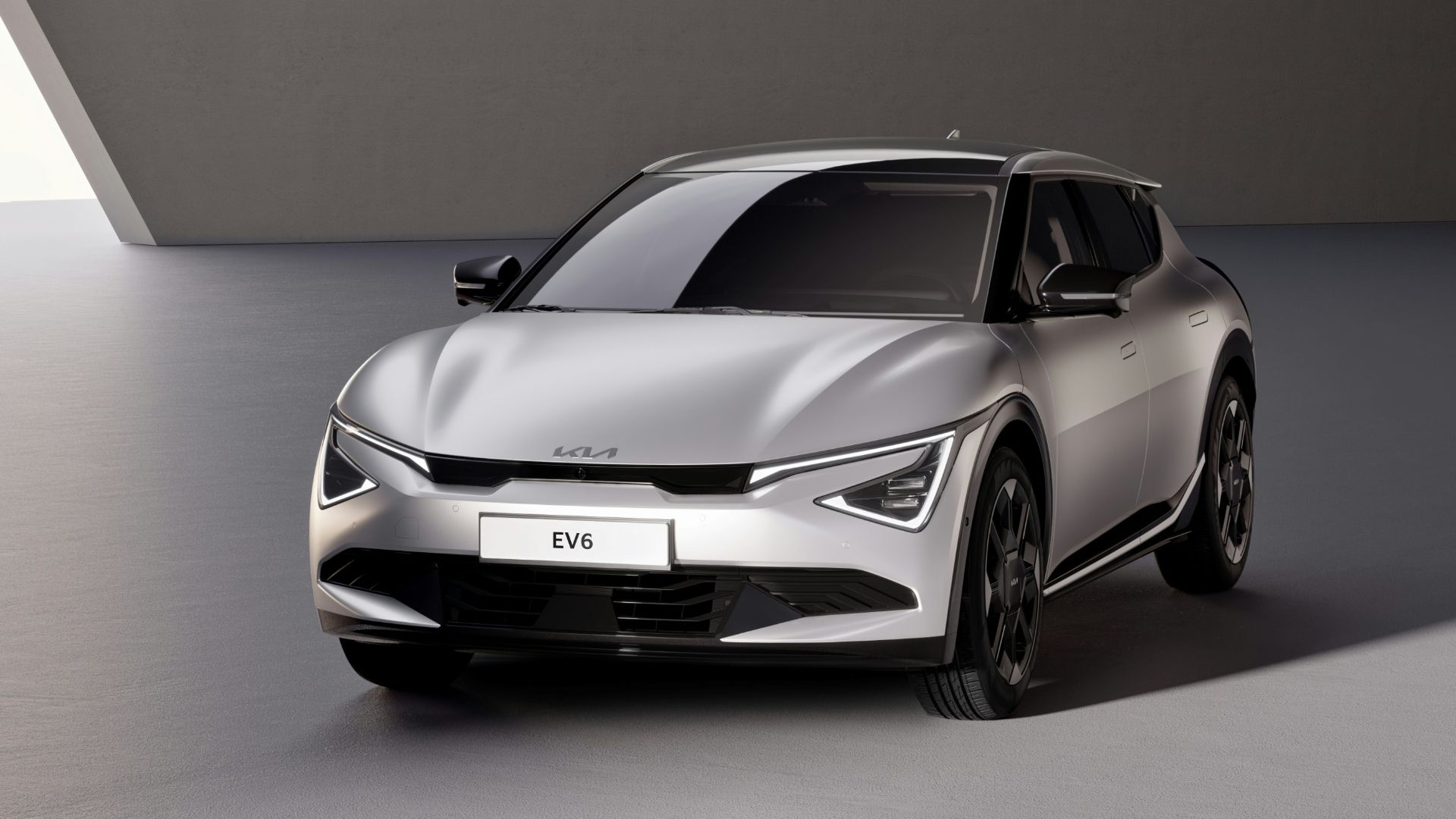
1. EV6
Nobody expected Kia's first dedicated electric vehicle to look like this. The EV6 arrived in 2022 with a sweeping near-sports car profile, a 77.4 kWh battery, and 800-volt charging that goes from 10 to 80 percent in about 18 minutes. Winning the 2022 World Car of the Year was not something anyone had predicted for Kia.
 Hyundai Motor Group on Unsplash
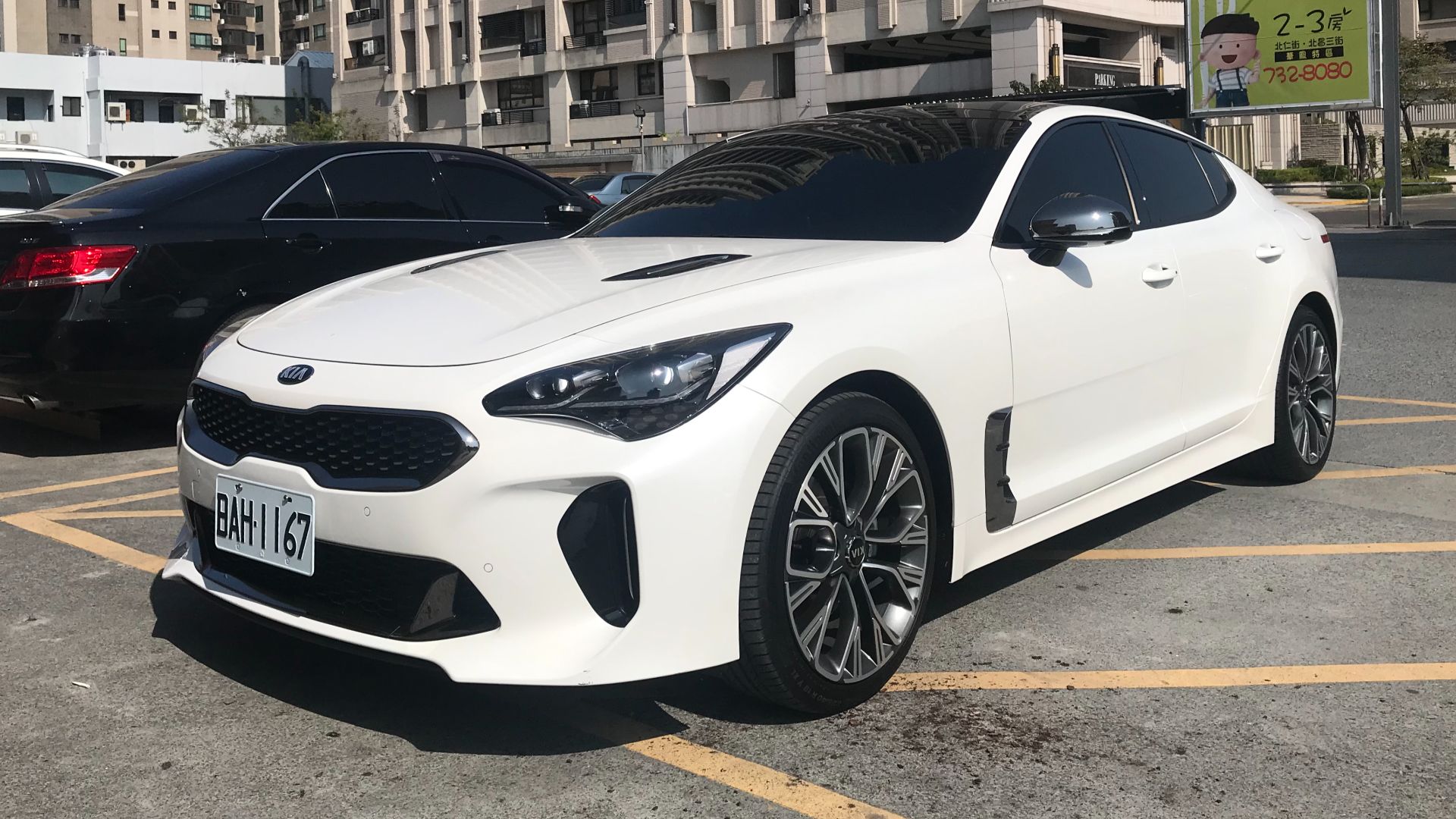
2. Stinger
When Kia announced a rear-wheel-drive sport sedan with a twin-turbo V6 and 365 horsepower, people assumed it would disappoint. The Stinger turned out to be genuinely quick, well-sorted, and fun to drive, drawing comparison tests against BMW and Audi and holding its own. That sentence would have been unthinkable a decade earlier.
3. Telluride
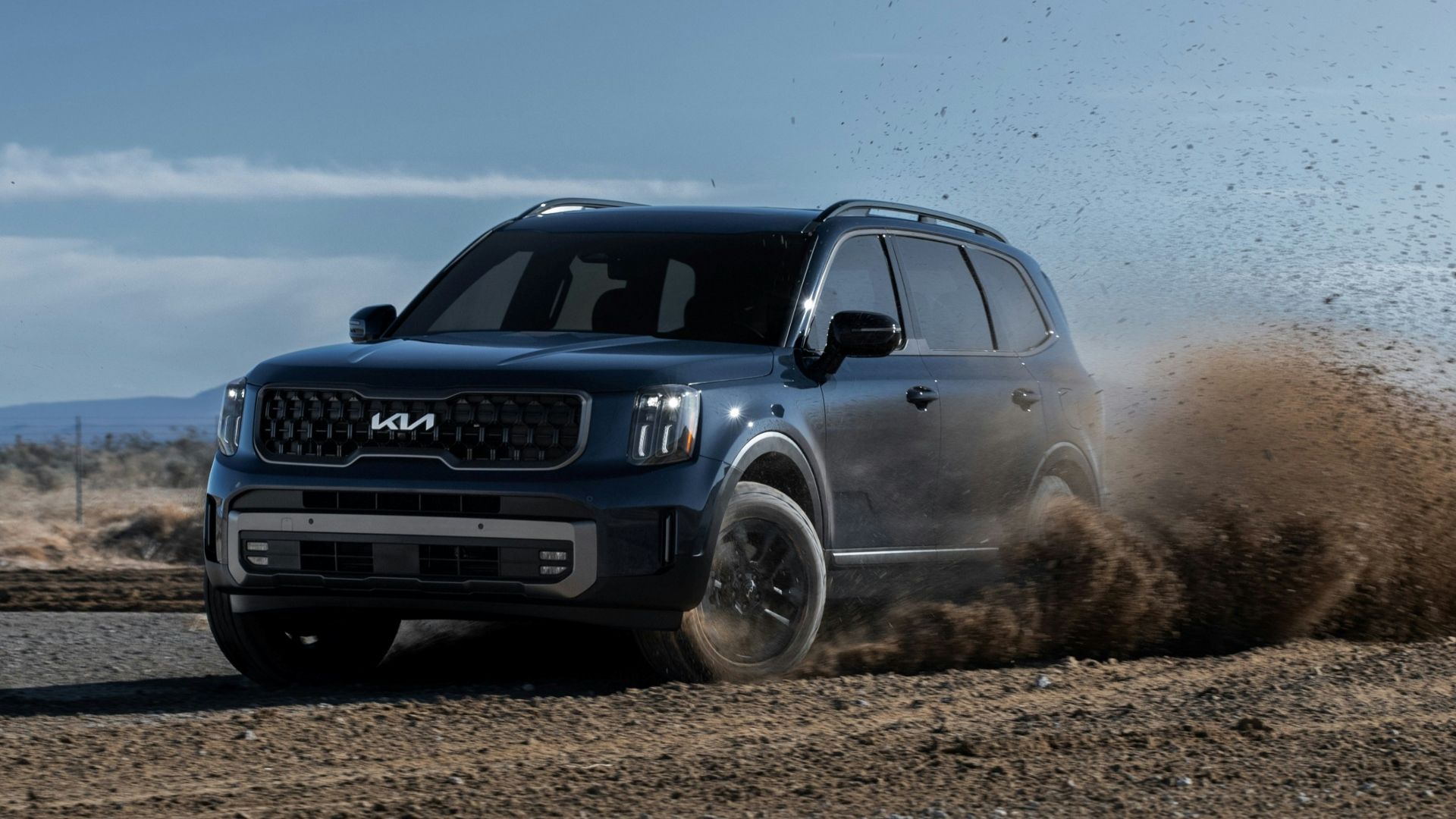
The Telluride launched in 2020 and immediately started winning awards larger brands had collected for years. It took Car of the Year from multiple publications, impressed reviewers with its interior quality, and sold so well that dealers marked it up above sticker. Dealer markups on a Kia were a genuinely new phenomenon.
 Hyundai Motor Group on Unsplash
4. K5
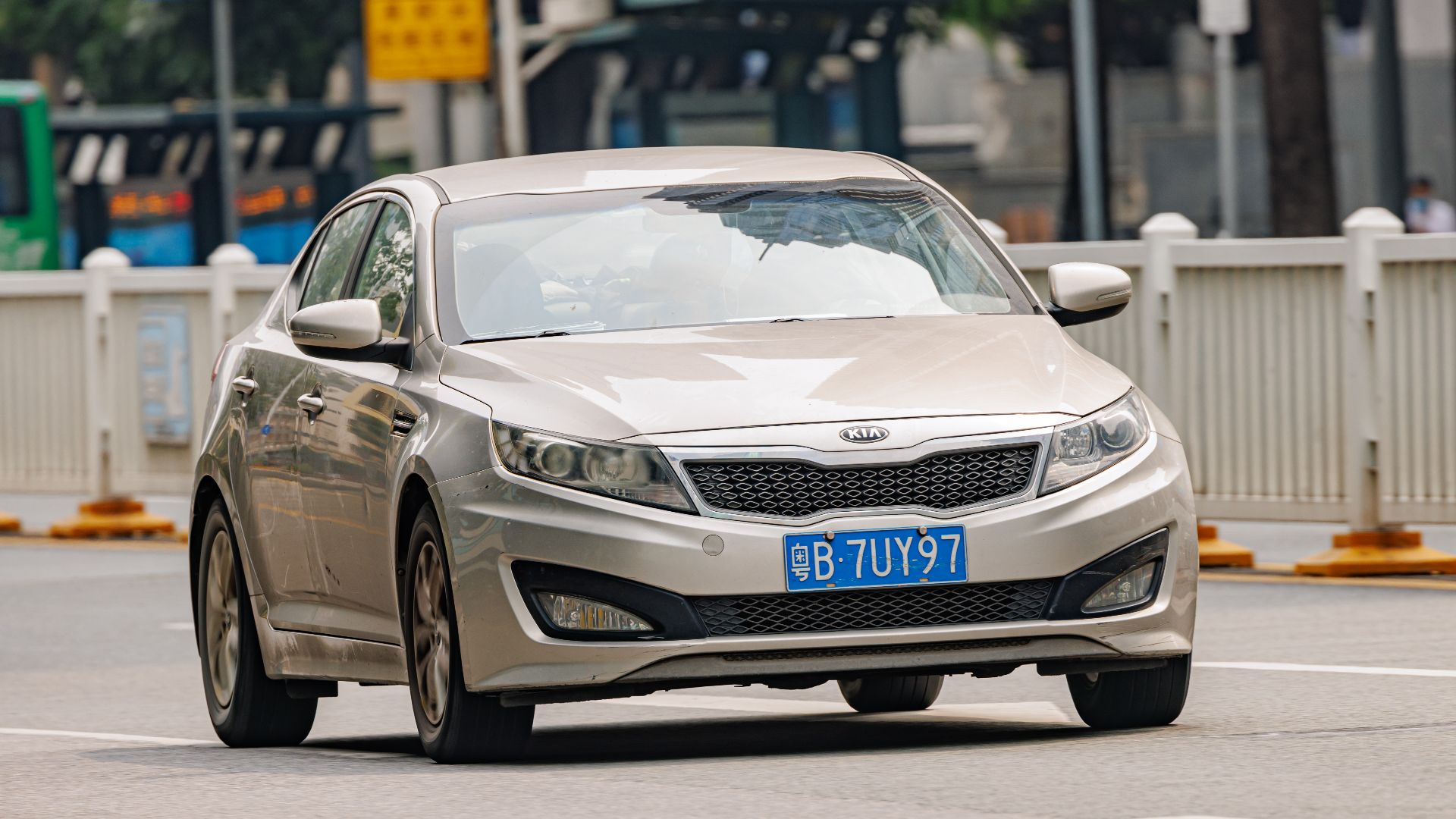
The K5 replaced the Optima in 2021 and arrived looking like something from a different brand. Sharp creases, a fastback roofline, and 290 horsepower in the Sport trim made it a sedan worth considering in a segment where most competitors had stopped trying. It looked expensive and drove confidently enough to back that up.
5. Sportage (5th Gen)
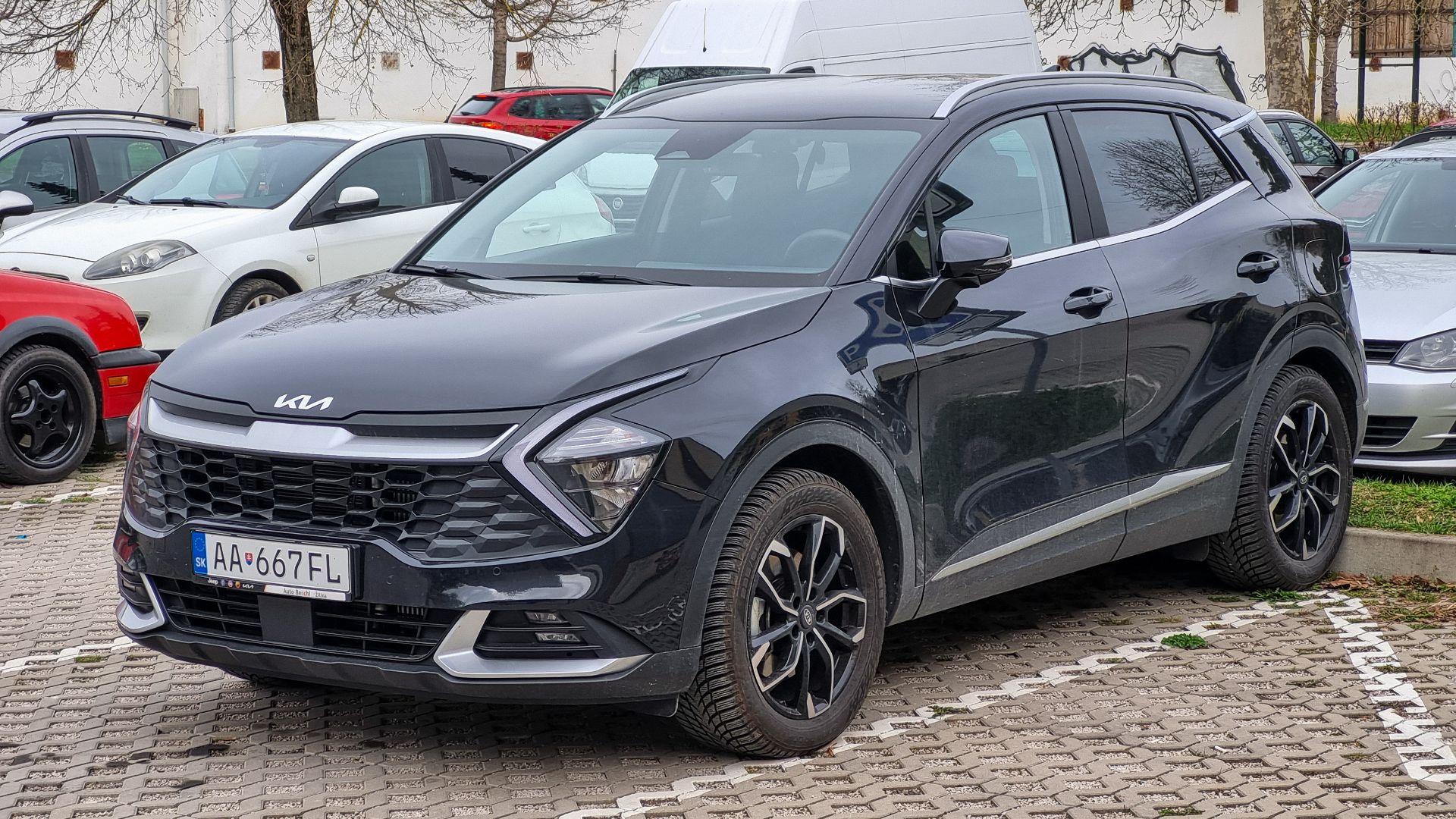
The fifth-generation Sportage that arrived for 2023 looks nothing like the cautious crossovers that came before it. The bold exterior was a genuine design risk, the interior took a meaningful quality jump, and the hybrid variants added efficiency to the package. Reviewers who expected the usual found something considerably more interesting.
6. EV9
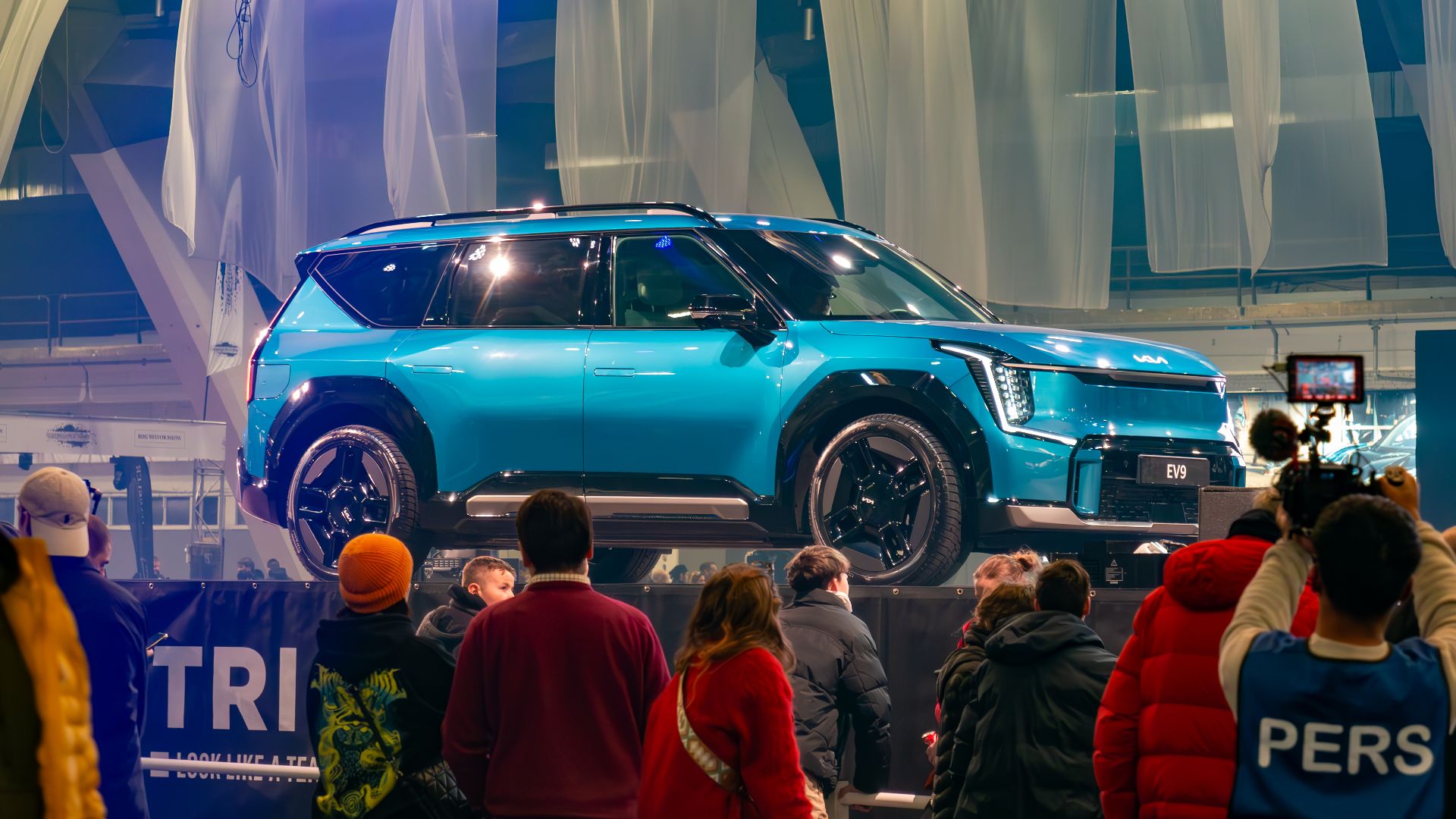
Kia's three-row electric SUV landed in 2024 with presence that commands attention. It earned praise for its interior space, thoughtful storage, and the same fast-charging architecture as the EV6. In a segment supposed to be owned by established luxury brands, the EV9 made an unexpected and compelling case for itself.
7. Carnival
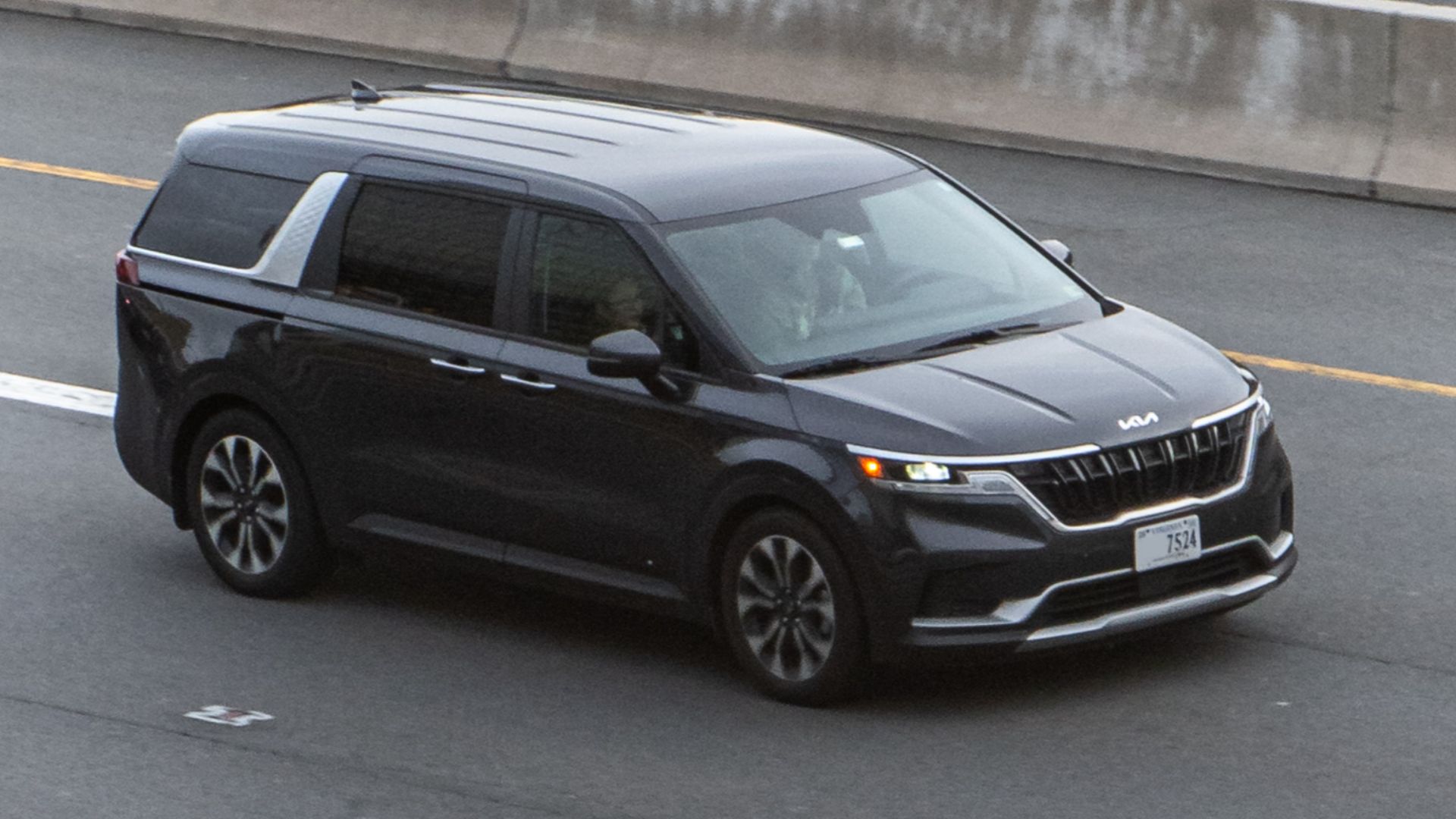
The Carnival retired the Sedona name and with it any remaining minivan shame. It looks more like a large crossover than a traditional van, the interior is genuinely premium in higher trims, and it rides well enough that passengers don't feel punished. People who swore they'd never own a minivan keep buying it.
8. Niro EV
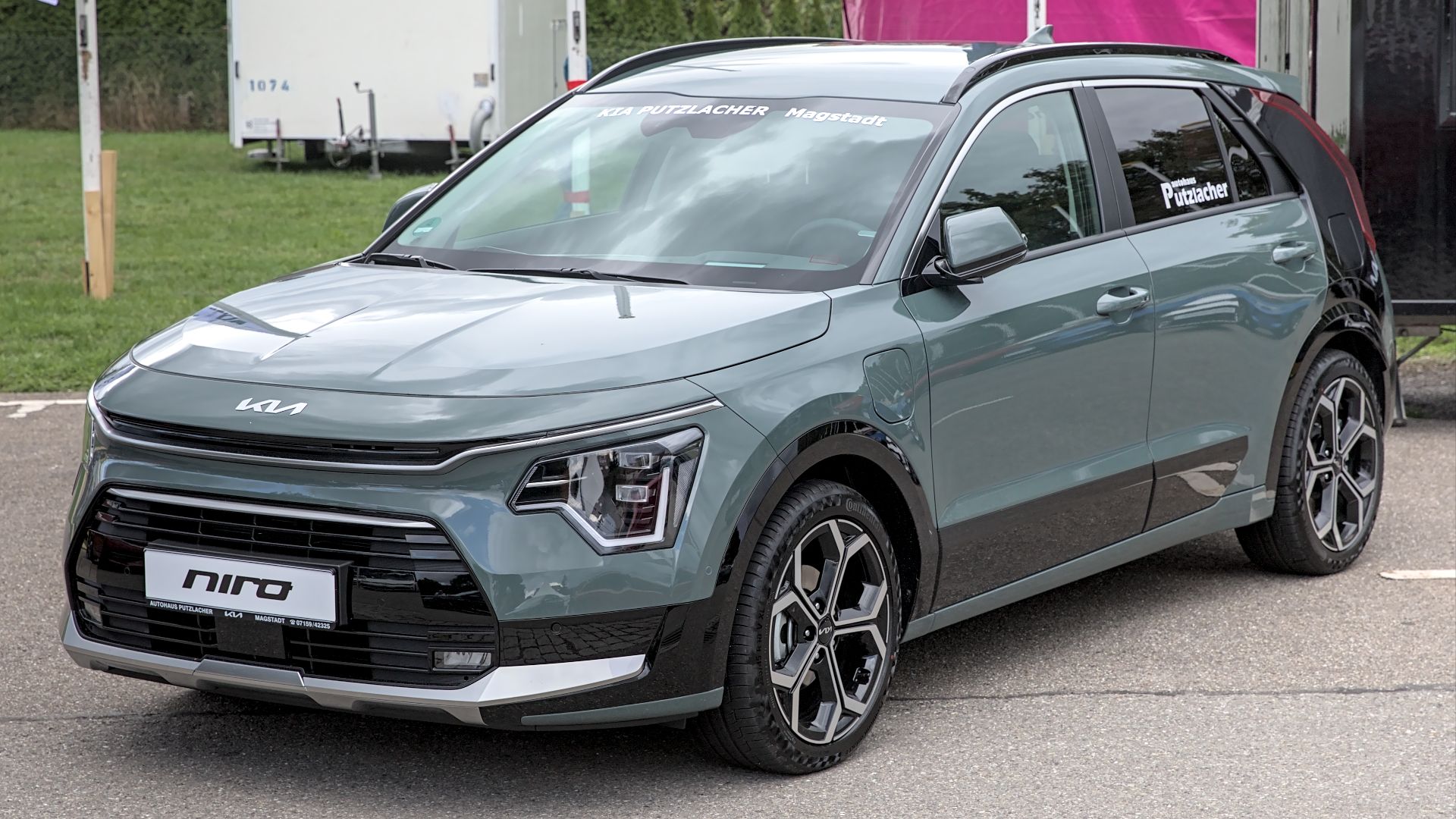
The Niro EV quietly became one of the more practical all-electric options in the compact crossover space. Real-world range held up well, the interior was comfortable, and a price that undercut most competitors found buyers who wanted an EV without compromises or explanations.
9. Soul EV
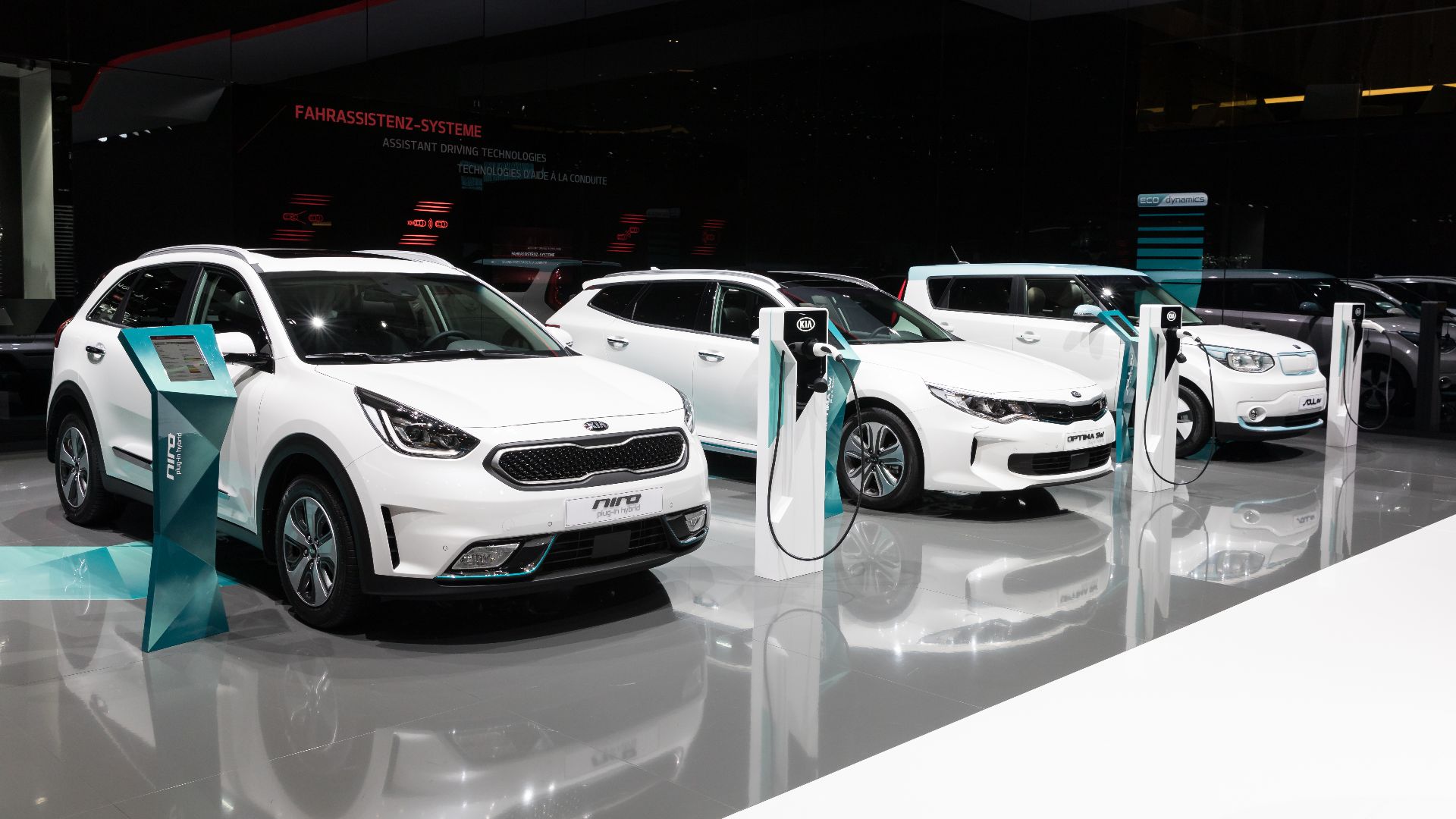
Before the EV6, the Soul EV was doing something genuinely unusual: putting a capable electric drivetrain in an affordable, quirky package people enjoyed. It wasn't the fastest or longest-range option, but it introduced a lot of buyers to EV ownership without the anxiety that often came with the territory.
10. Forte GT
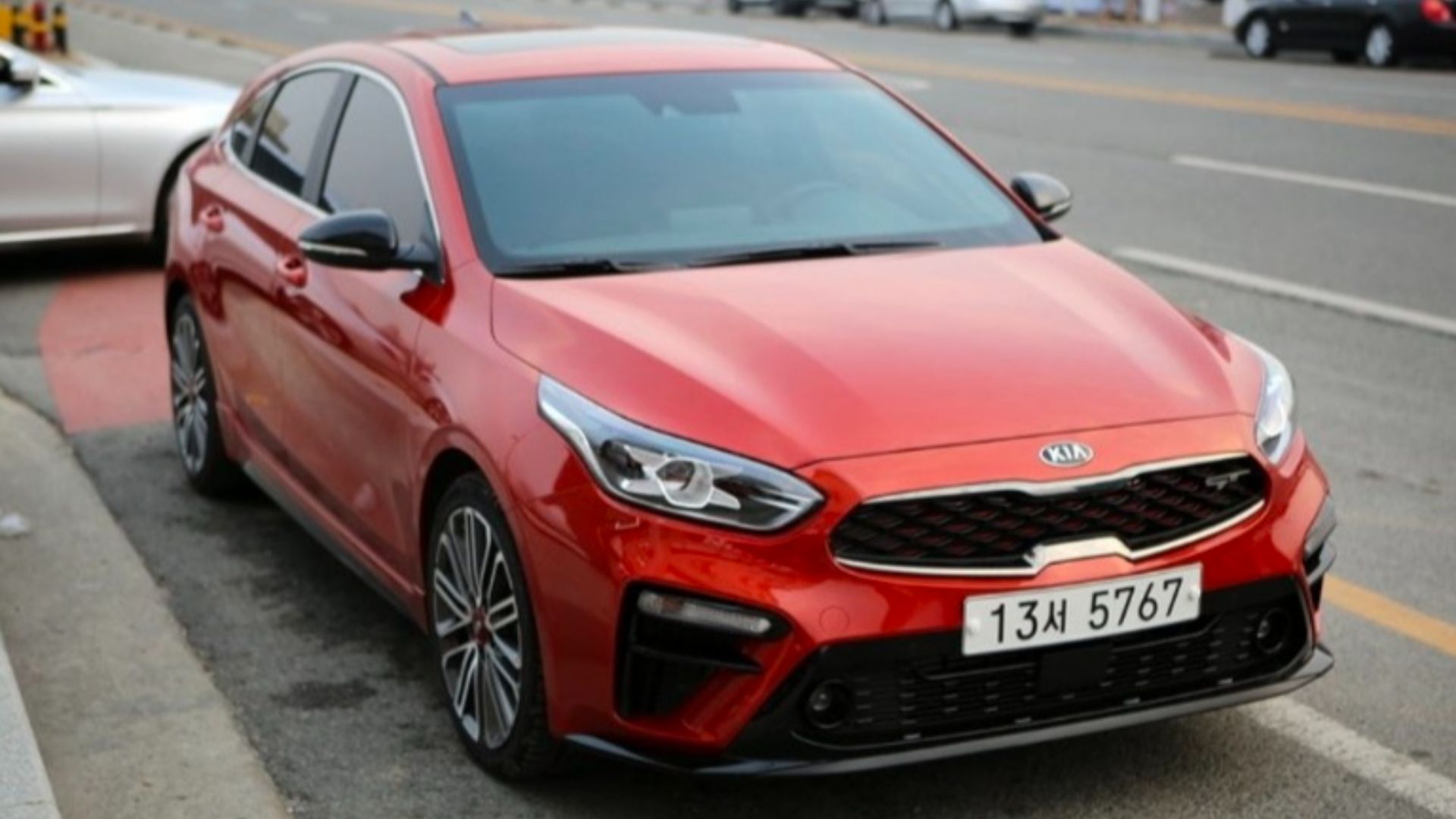
The Forte is easy to overlook, but the GT trim with its 201-horsepower turbocharged engine and available six-speed manual made a real case as a driver's compact at a price almost no competitor could touch. It didn't sell in huge numbers, but the buyers who found it knew exactly what they were getting.
And here are 10 that still give buyers pause.
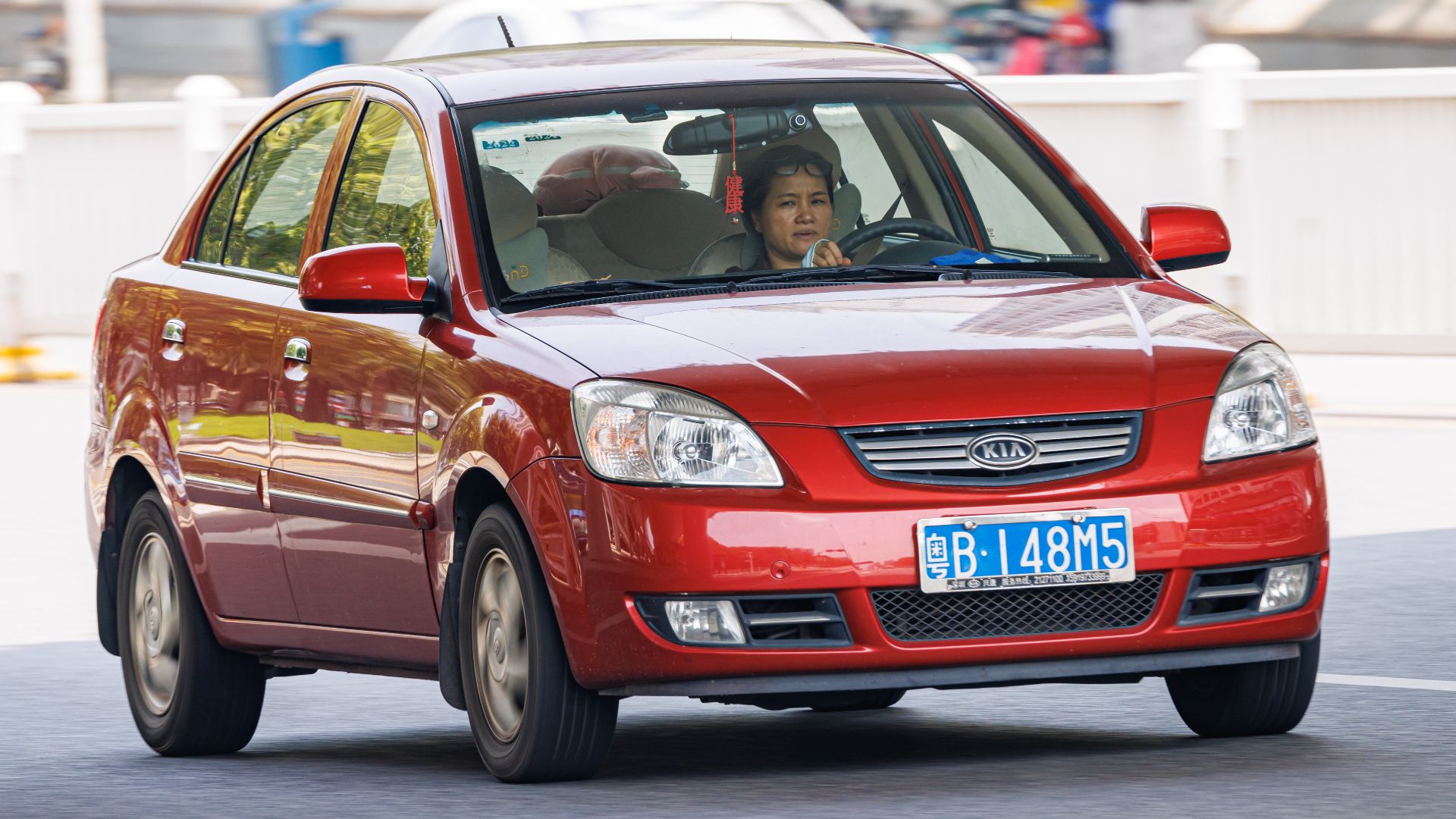
1. Rio
The Rio has lingered at the bottom of the lineup for years without a meaningful update. It feels dated in a segment that has moved on, the interior materials remind you where the money went, and the driving dynamics are forgettable enough that most reviewers struggle to say anything specific about them.
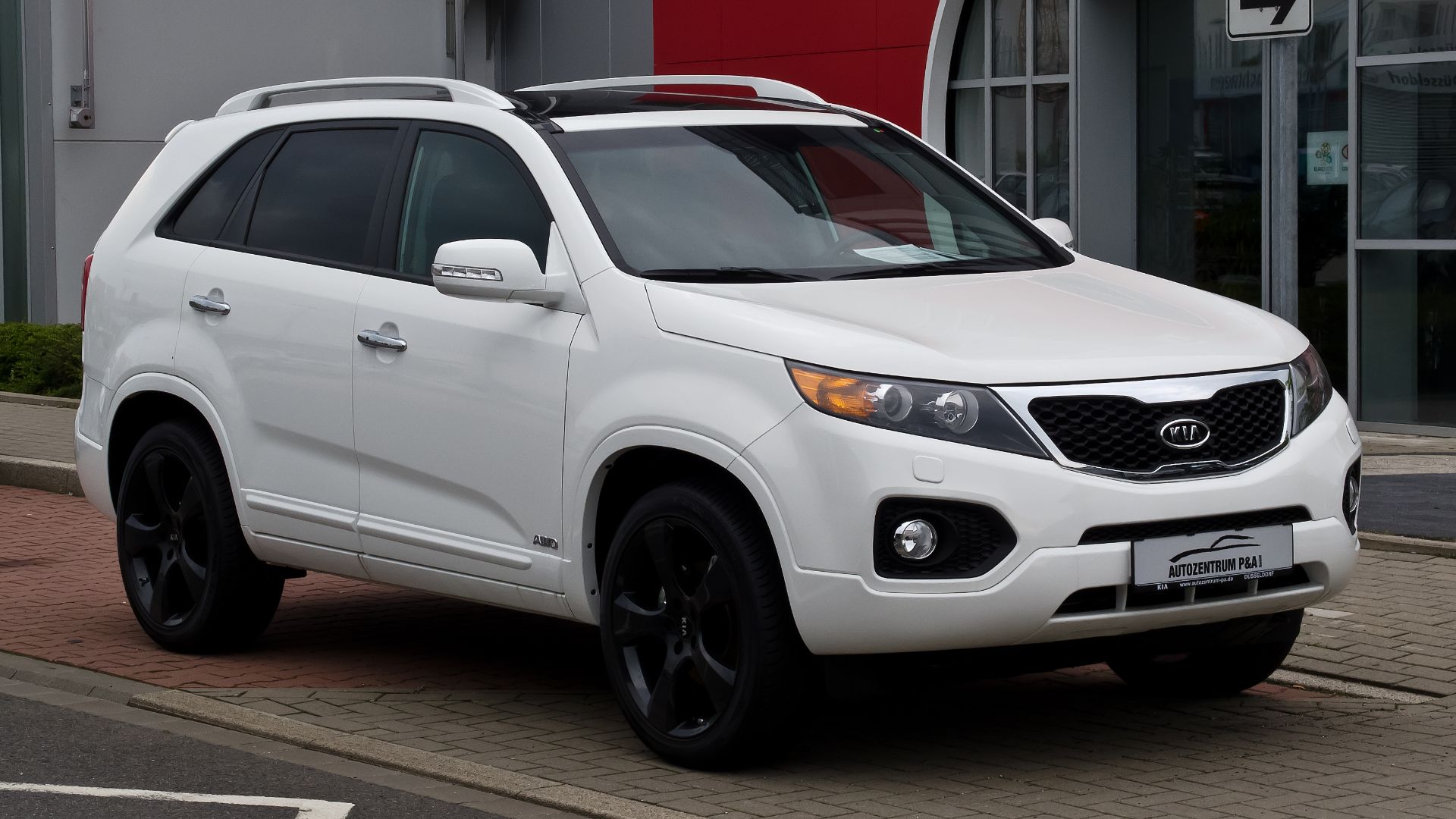
2. Early Sorento V6 (3rd Gen)
The third-generation Sorento had reliability concerns that surfaced regularly in ownership data, particularly around the 3.3-liter V6 and transmission. It wasn't universally problematic, but it appeared often enough in repair histories that buyers with long memories still raise it when the nameplate comes up.
 commons.wikimedia.org on Google
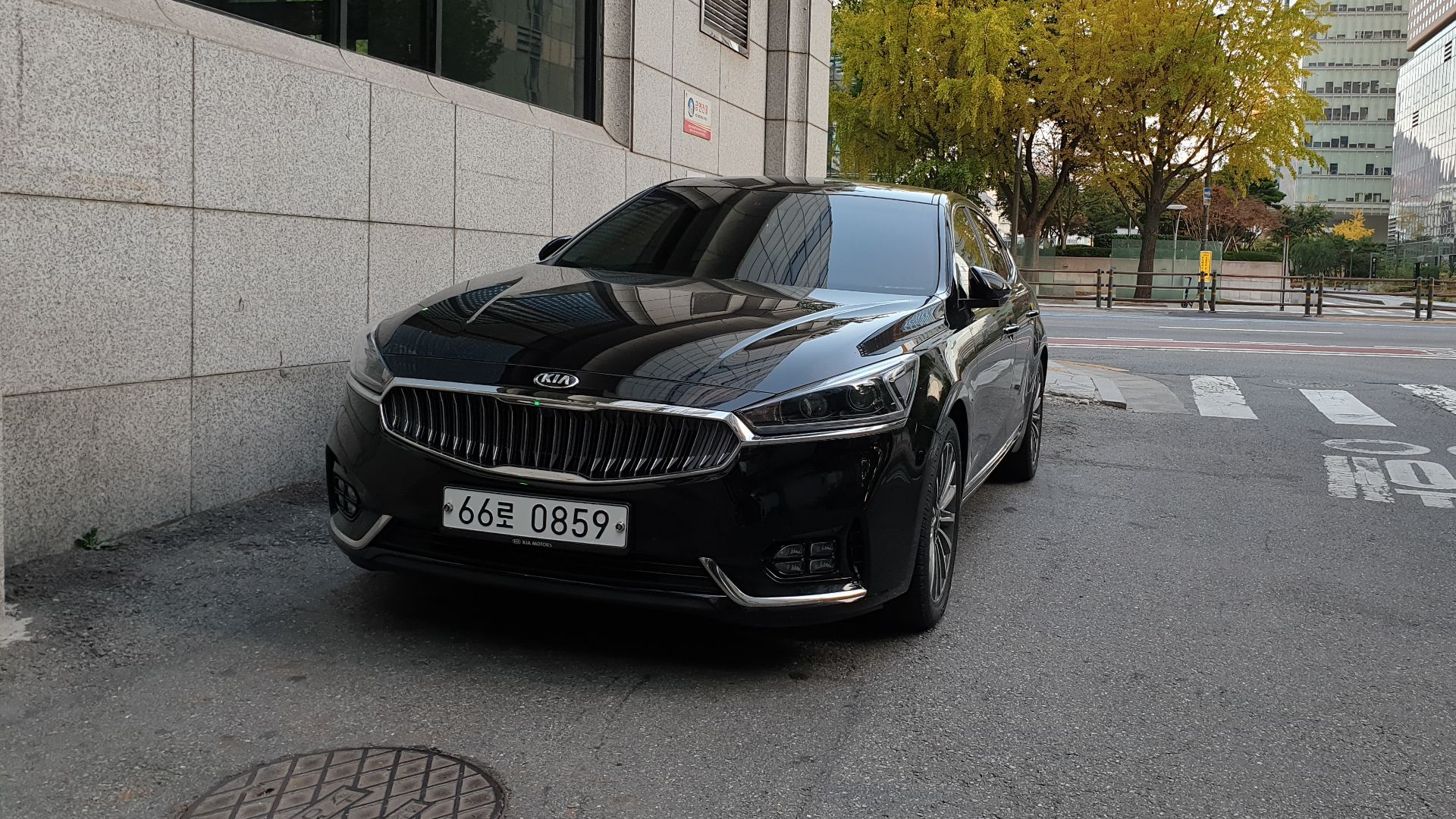
3. Cadenza
The Cadenza was Kia's attempt at a near-luxury sedan, and it never found its audience. It was comfortable and reasonably appointed, but it sat in an awkward space between mainstream and premium that buyers weren't willing to meet. It was discontinued in 2021 without fanfare, and its absence has not been mourned.
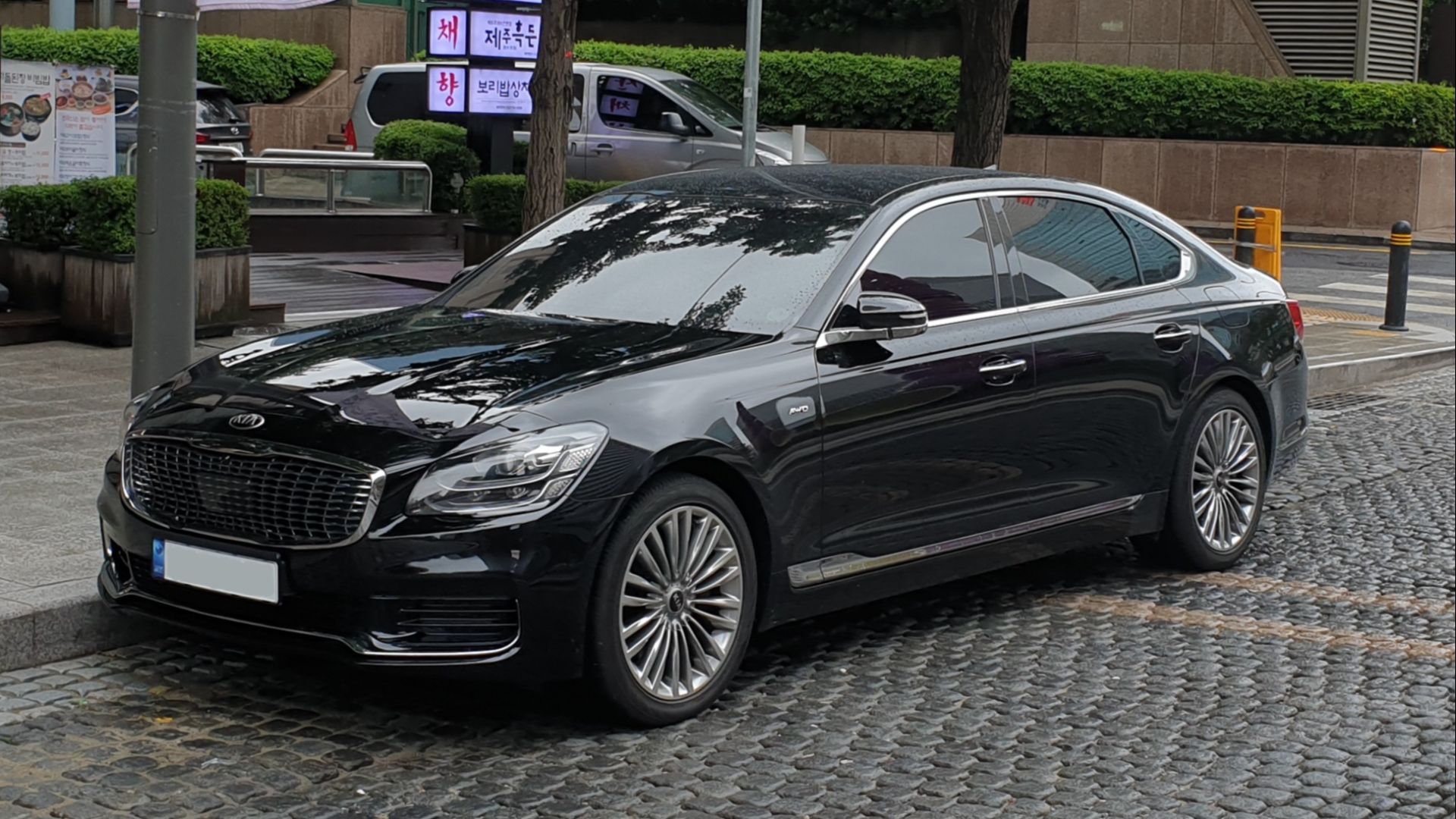
4. K900
The K900 was a genuine swing at the full-size luxury market that didn't connect. It was well-equipped and refined, but asking buyers to pay luxury money for a Kia badge proved harder than the product deserved. The second generation improved but still couldn't move the needle commercially.
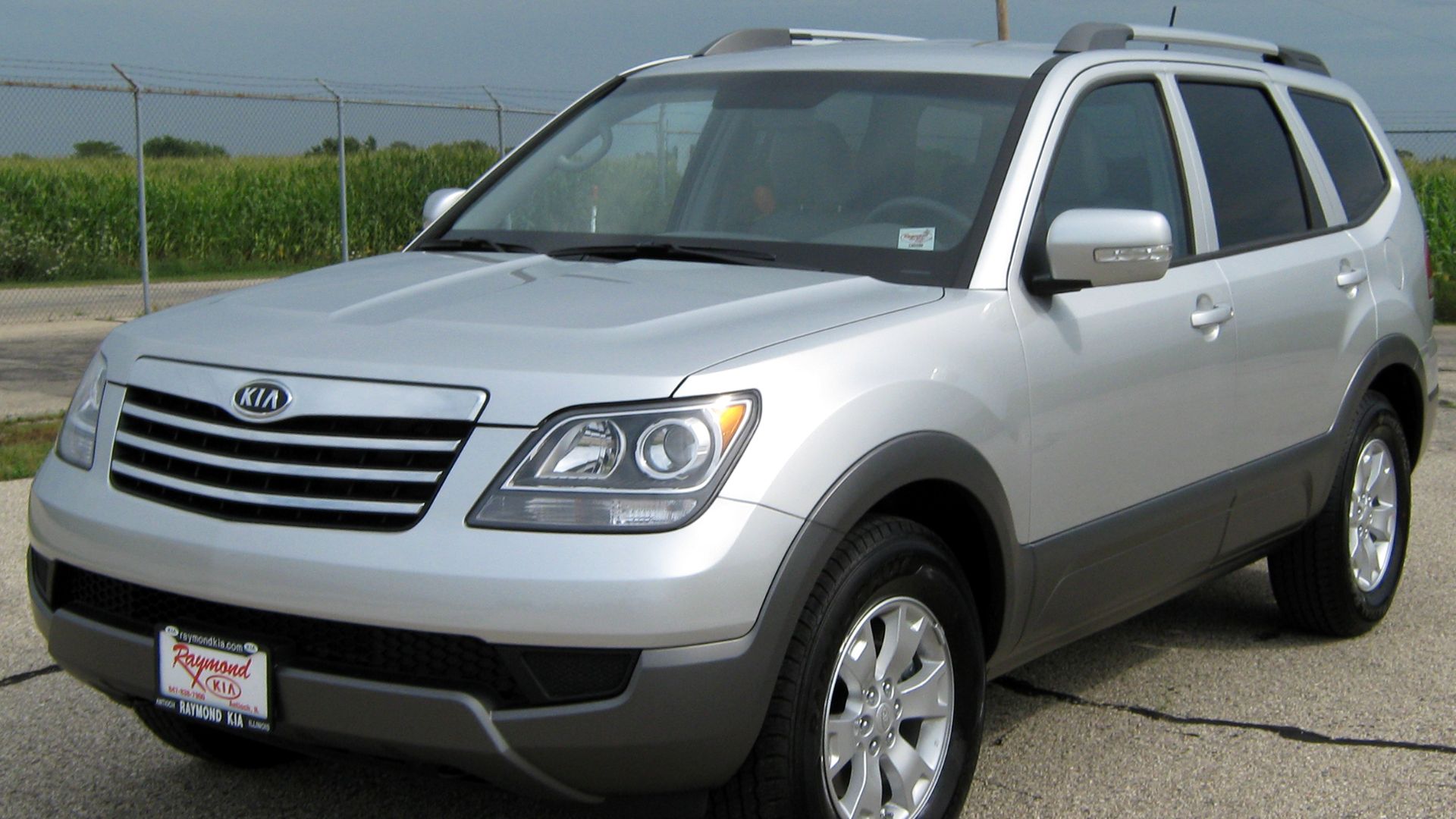
5. Borrego
The Borrego was Kia's body-on-frame SUV from 2009 to 2010, lasting just two model years before being cancelled. It was underpowered for its size, thirsty at the pump, and arrived precisely when large SUVs were the least fashionable thing a brand could sell. It's a clean example of a wrong product at the wrong time.
 U.S. National Highway Traffic Safety Administration on Wikimedia
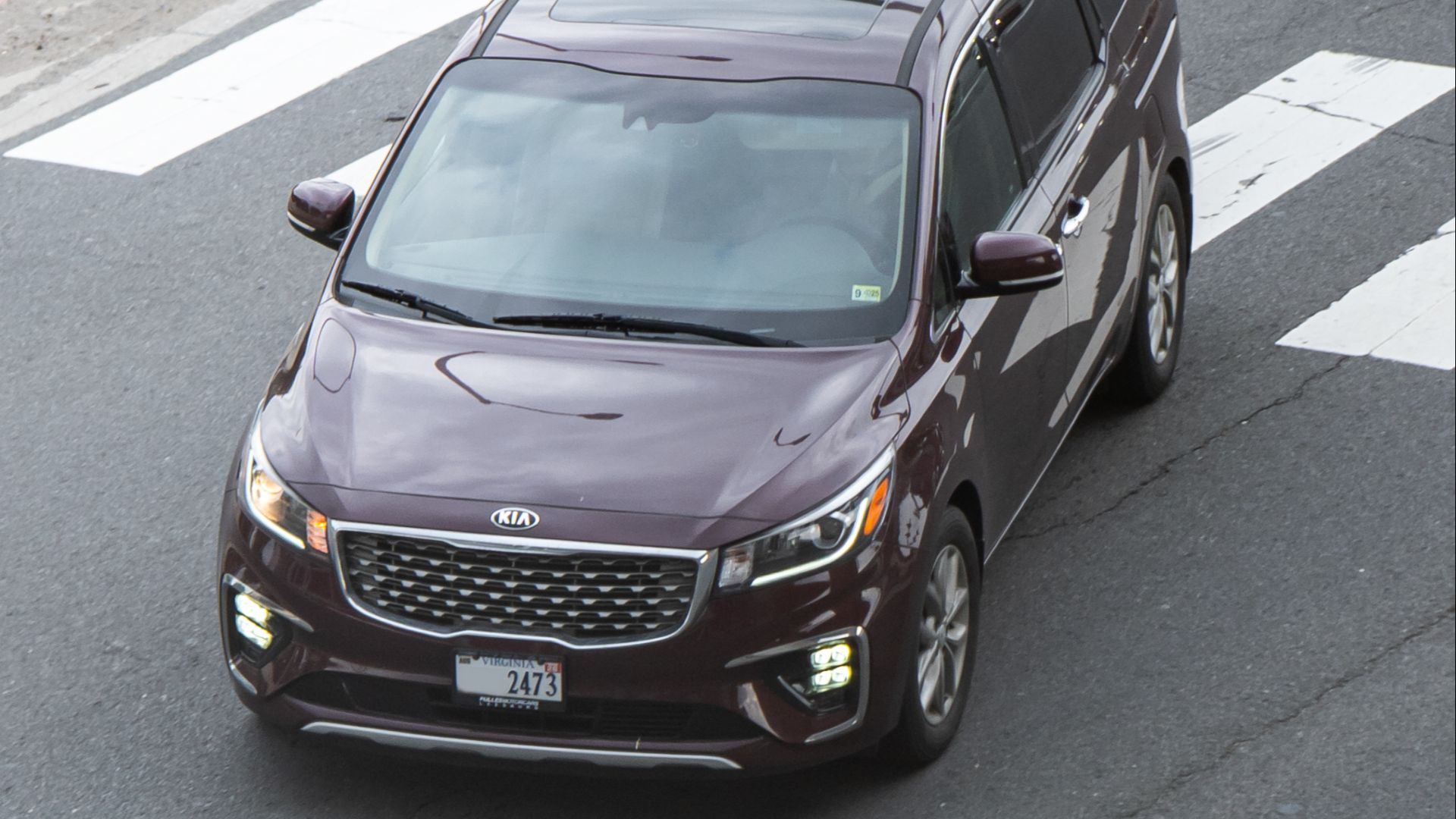
6. Sedona (Early Generations)
Before the Carnival redesign, the Sedona did little to fight the minivan category's reputation for being the vehicle people bought when they ran out of alternatives. The earlier generations were utilitarian but inspired nothing, and the interior quality lagged behind competitors in ways obvious on even a brief test drive.
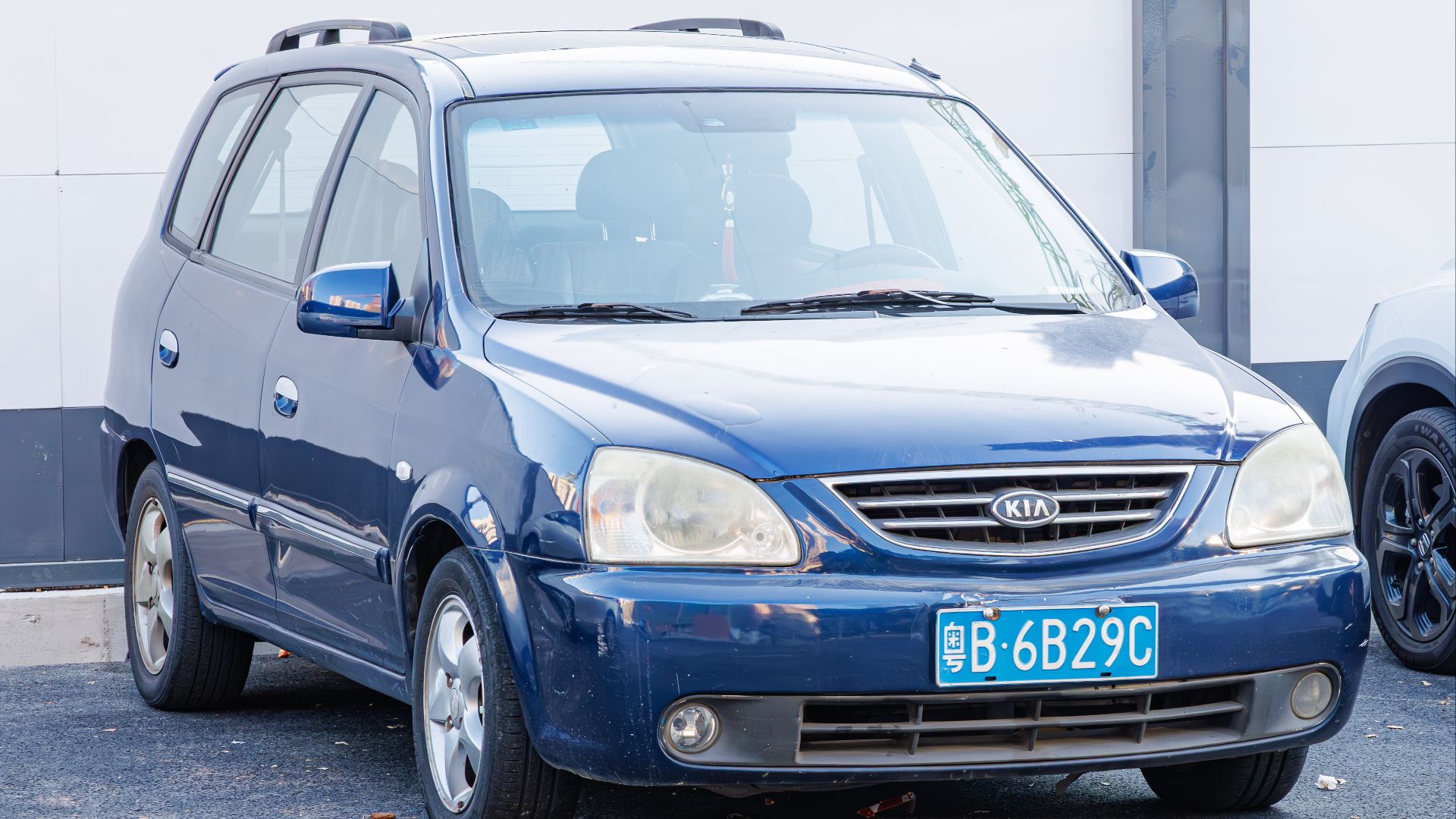
7. Rondo
The Rondo was a compact multi-purpose vehicle sold in the US from 2007 to 2012 that occupied a category so small most people couldn't describe what it was. It wasn't a wagon, not quite a minivan, not really a crossover, and buyers who couldn't place it didn't buy it. It sold modestly and disappeared.
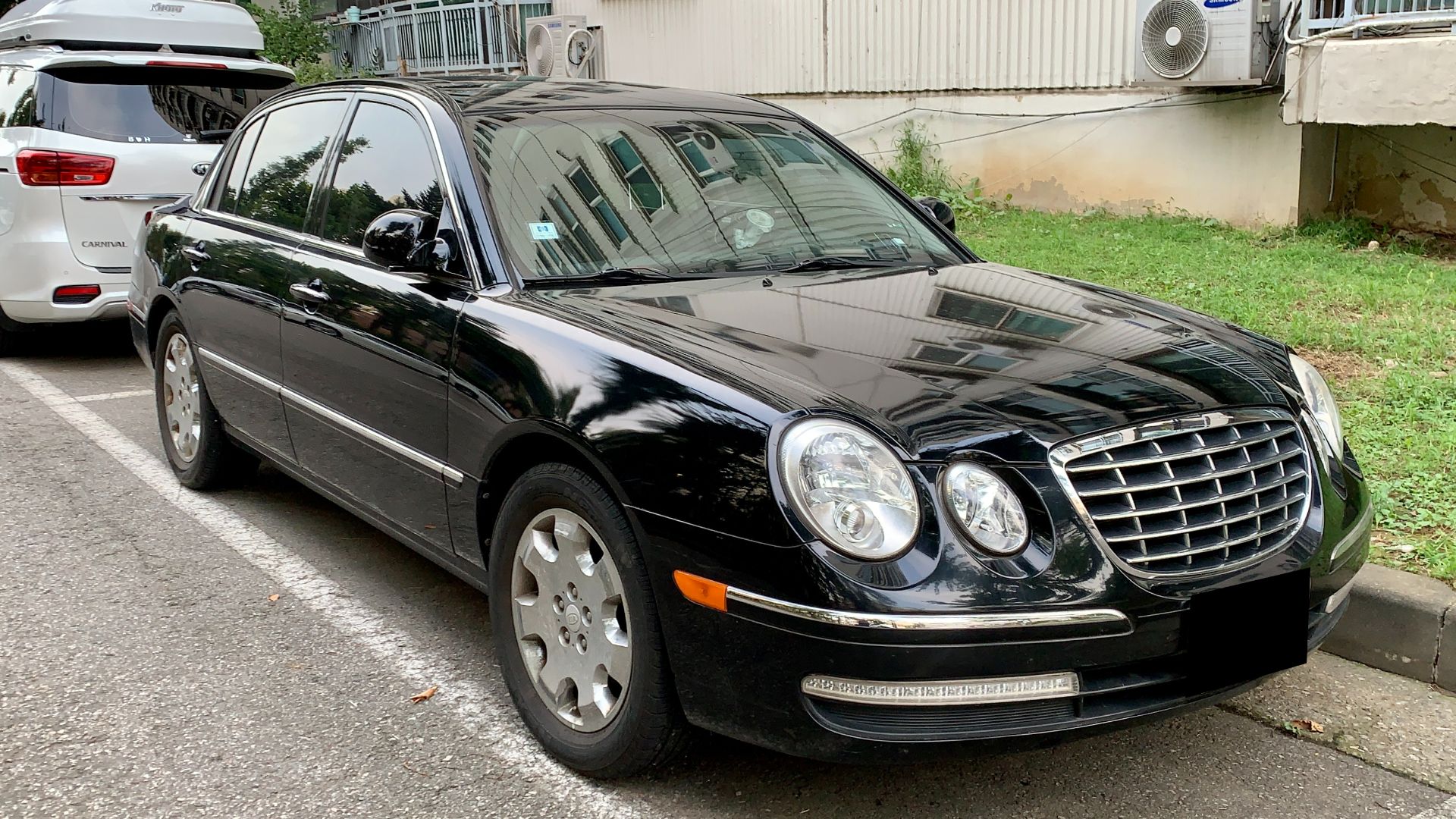
8. Amanti
The Amanti was Kia's flagship sedan from 2004 to 2009, best remembered for looking more expensive than it was and for not being particularly good to drive. It had the visual language of ambition without the engineering to match, a combination that ages poorly. Used examples show up occasionally, and they are very affordable.
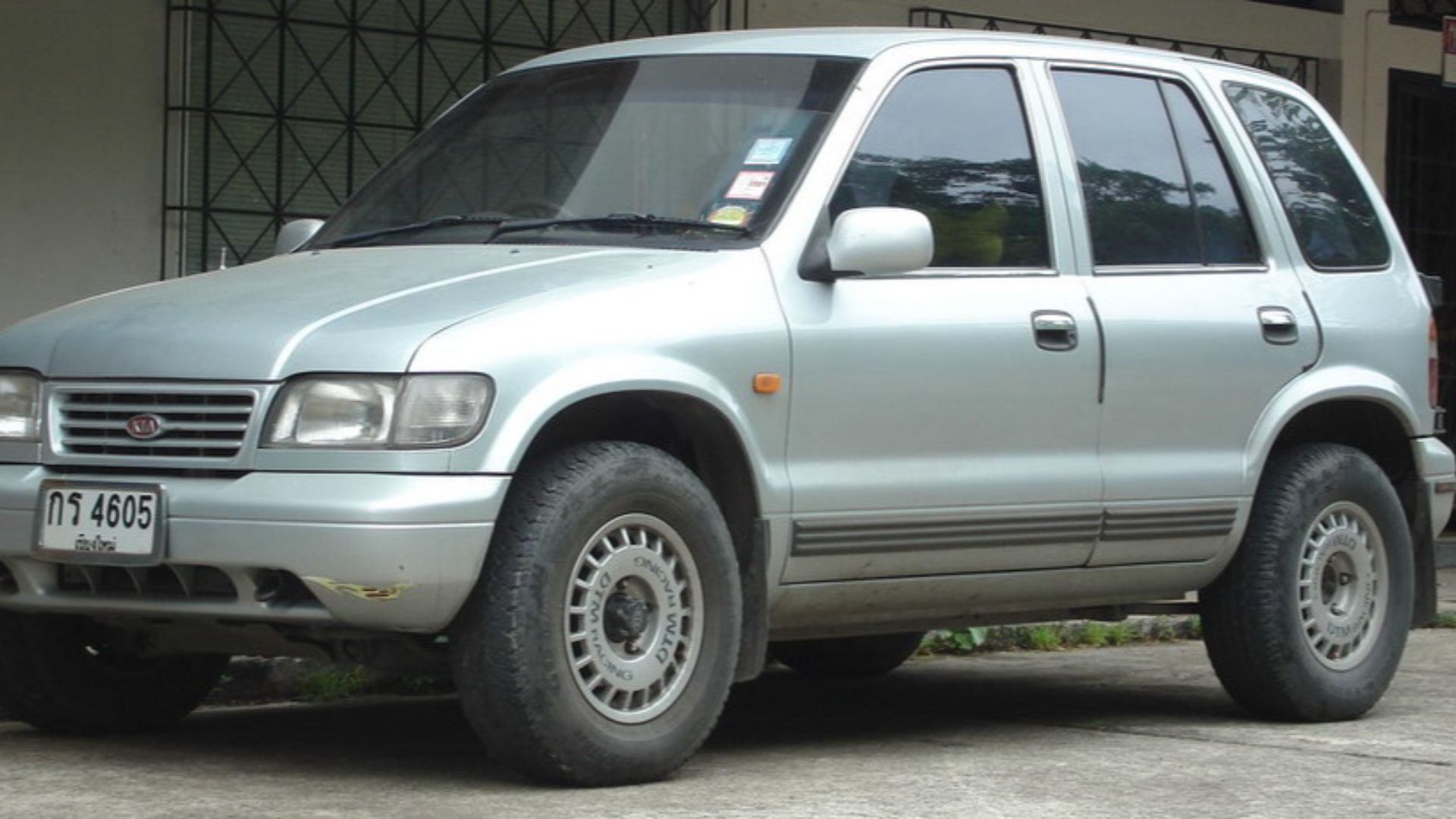
9. Early Sportage (1st and 2nd Gen)
The first two generations of the Sportage are remembered with affection that is more historical than enthusiastic. The original had reliability issues that defined its reputation, and the second generation improved without fully shaking them. The nameplate survived long enough to become something genuinely different, but the early chapters are not the ones the brand leads with.
 commons.wikimedia.org on Google
10. Optima (2nd Gen Engine Issues)
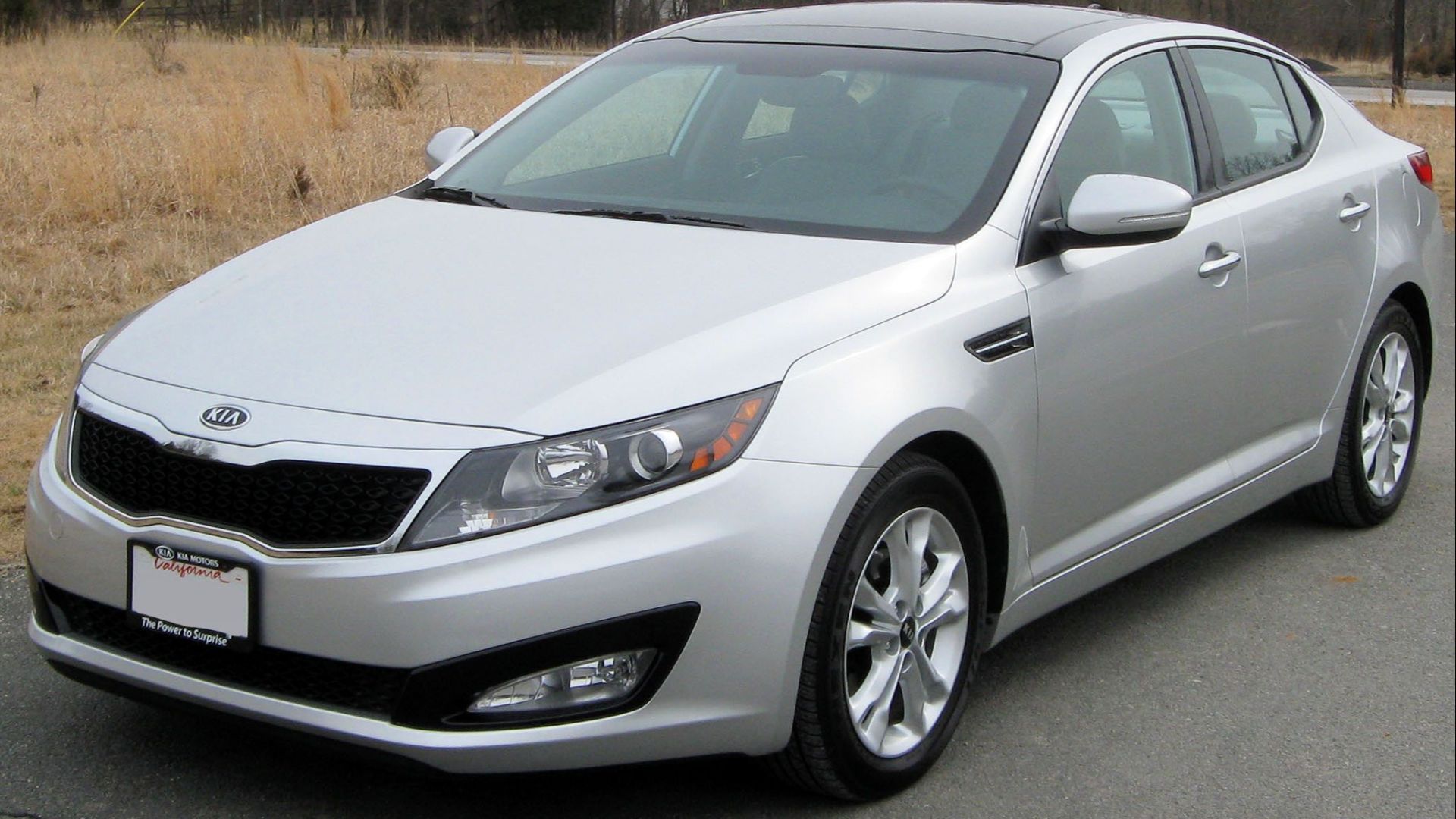
A subset of 2011 to 2014 Optimas with the 2.4-liter GDI engine developed a reputation for premature engine failure, leading to recalls and class action settlements. It wasn't every car, and Kia addressed it, but the episode stuck and comes up immediately whenever someone mentions buying an older Optima used.

_%E2%80%93_Frontansicht,_15._Juli_2012,_D%C3%BCsseldorf.jpg)
.jpg)
