You Could Say They Were Streets Ahead
It’s not often that you come across a car that looks like it belongs 20 years in the future. Some of these cars feel ahead of their time because they’re fast, flashy, or possibly even oddly shaped. The truly advanced ones go deeper than that. They bring new thinking to how a car is built, how it moves, how it keeps drivers safer, or how it uses energy. Some became legends, while others were misunderstood, too expensive, or too complicated for the buyers they were trying to win over. Here are 20 cars that brought tomorrow’s ideas to the road before the world caught up.
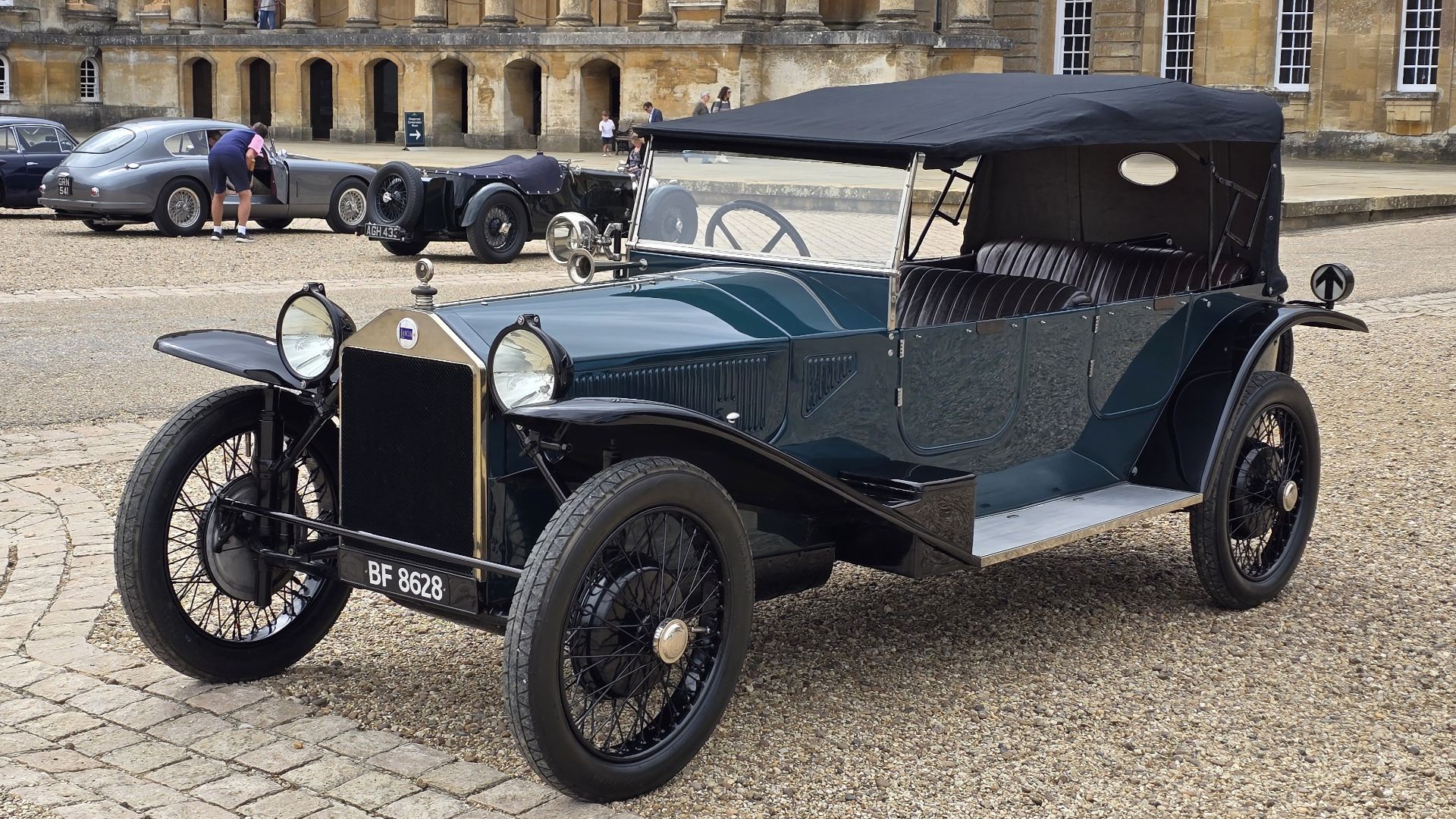
1. Lancia Lambda
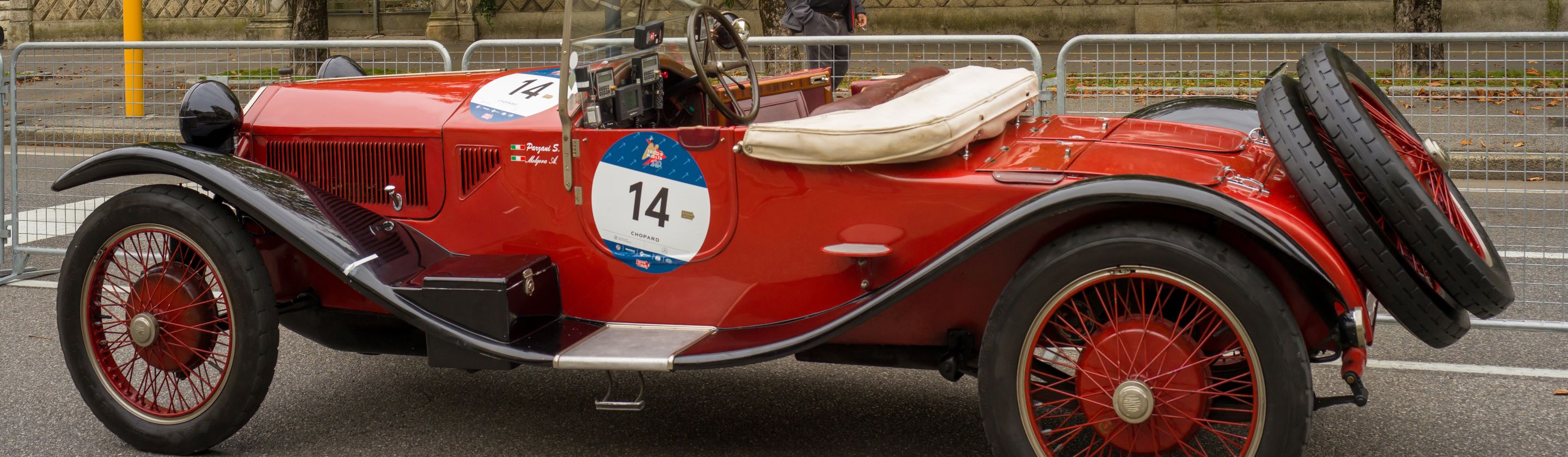
The Lancia Lambda first showed up in the 1920s. Its load-bearing body structure and independent front suspension helped make it lower, lighter, and more composed than many body-on-frame cars of the era. Long before unibody construction became ordinary, the Lambda was already paving the way.
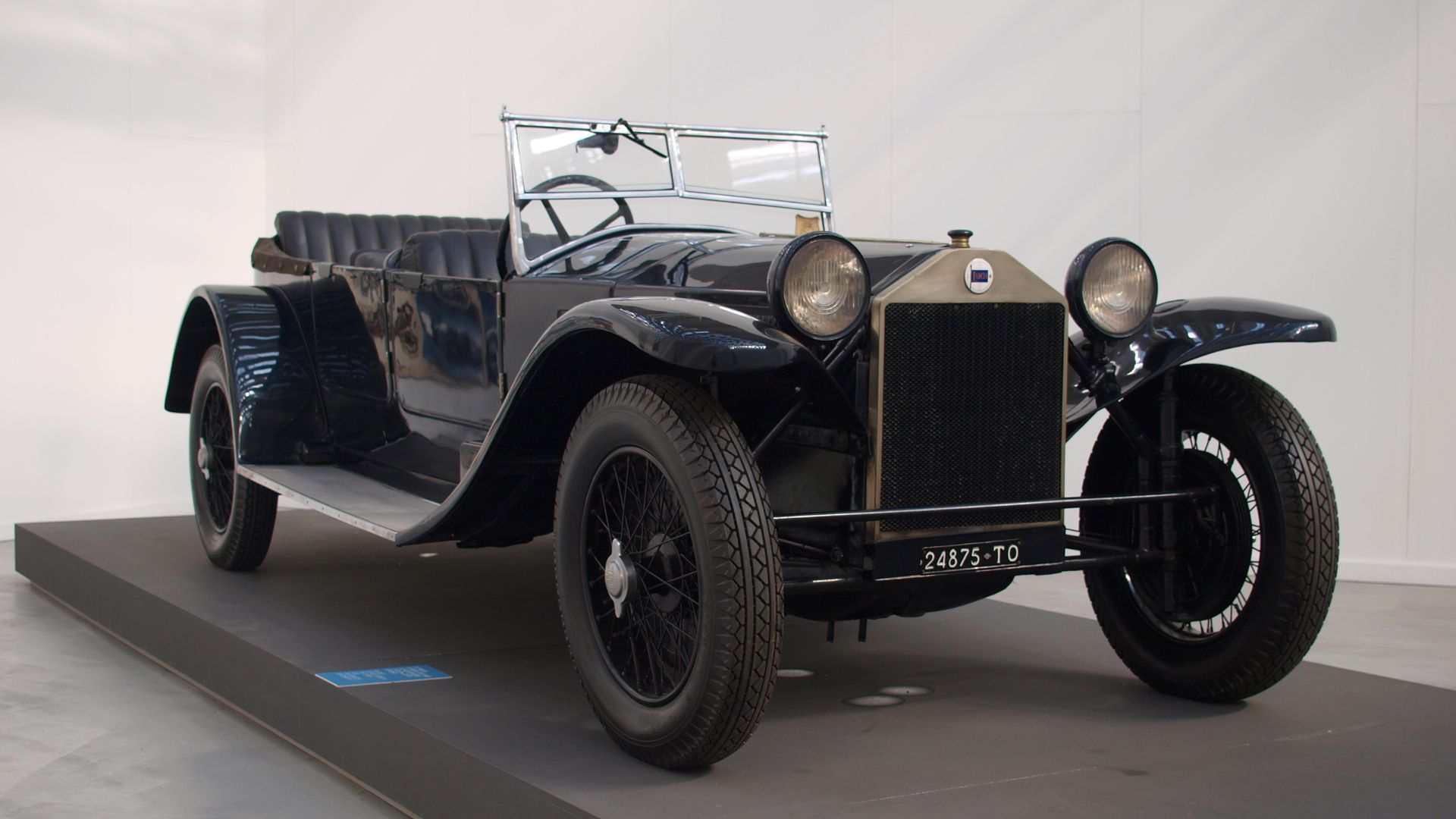
2. Chrysler Airflow
The Chrysler Airflow was shaped purely by aerodynamic thinking, a stark opposition to the upright formality of most American cars. Its streamlined profile, lower stance, and passenger placement between the axles gave it a smoother, more modern feel than the average 1930s sedan. Buyers didn’t quite know what to make of it, but the industry eventually followed its logic.
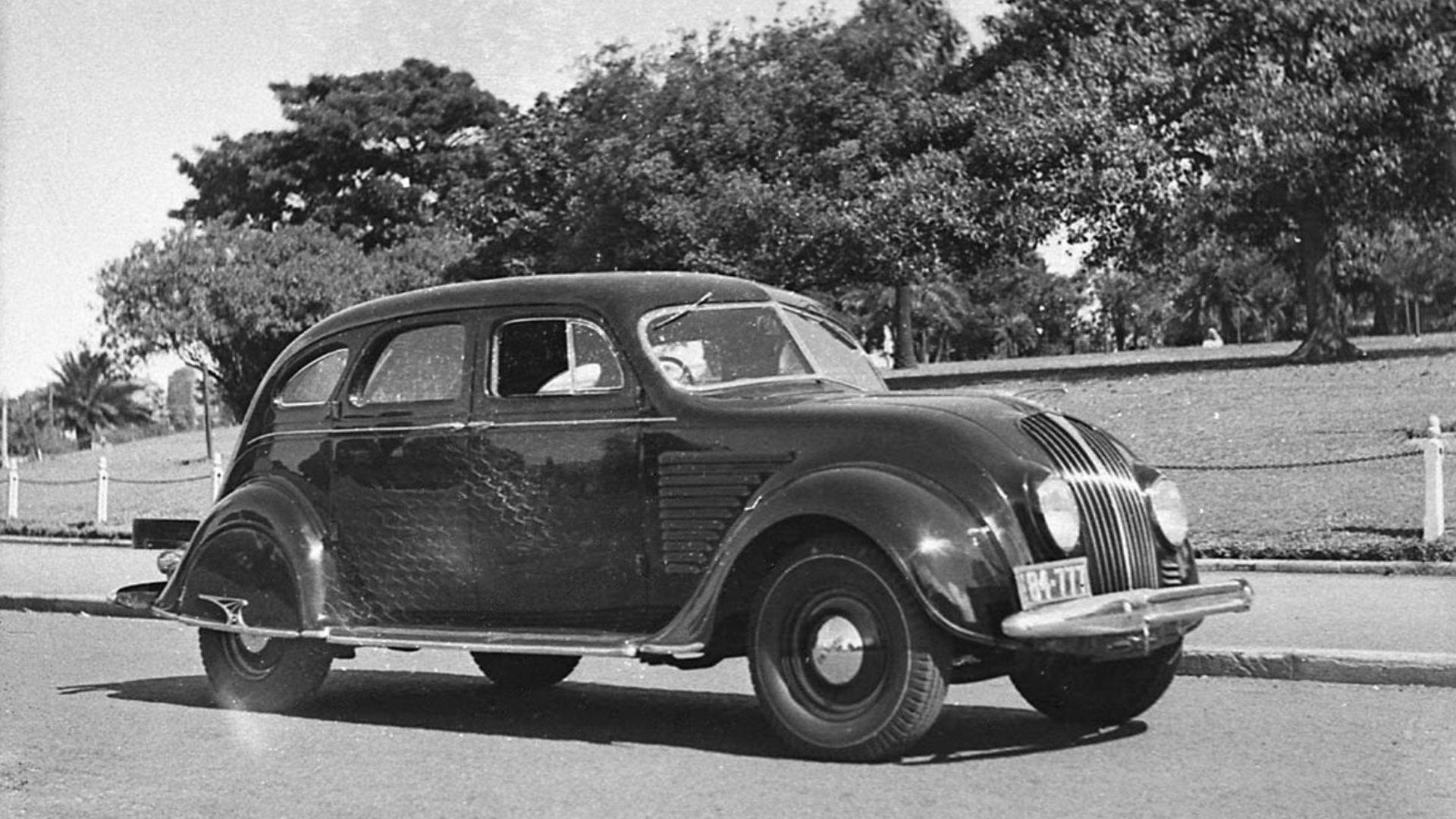
3. Citroën Traction Avant
The Citroën Traction Avant packed a remarkable mix of forward-thinking engineering into a low French sedan. Front-wheel drive, monocoque construction, hydraulic brakes, and independent suspension made it feel modern all the way back in 1934.
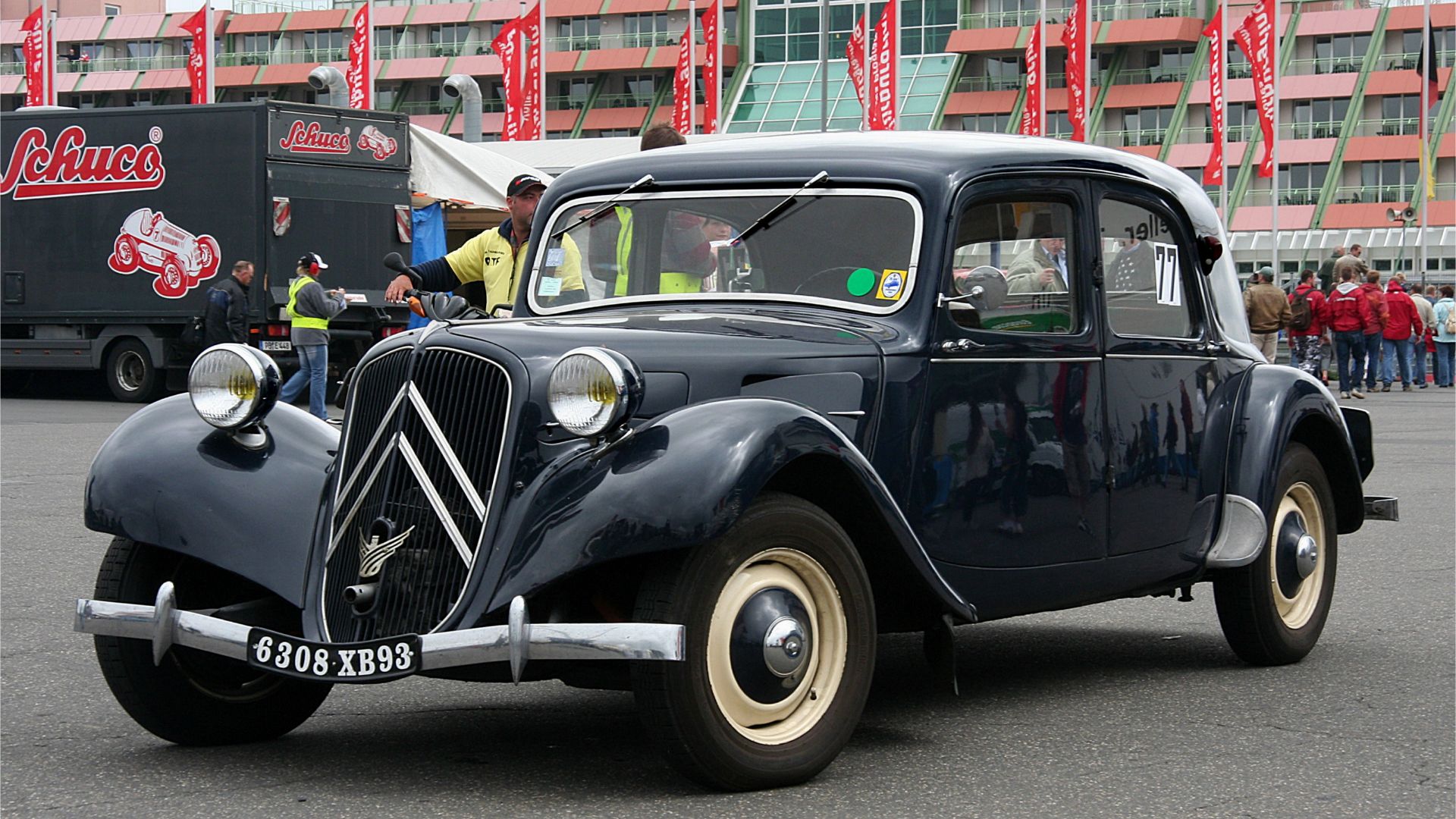
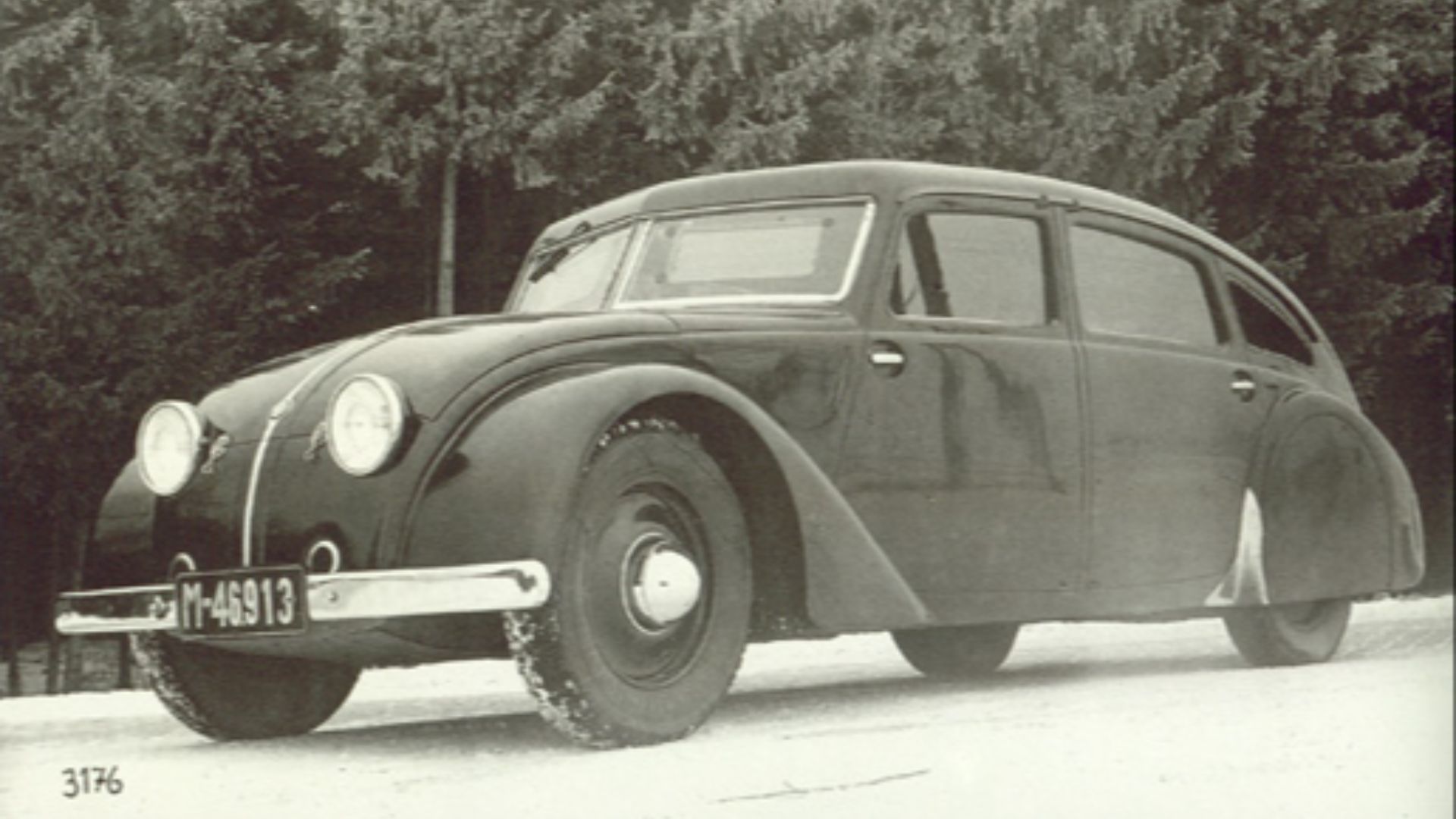
4. Tatra T77
The Tatra T77 looked strange because it was chasing a different future. Its slippery body, rear-mounted air-cooled V8, and central fin were all part of efforts to make a large car cut through the air more cleanly.
 Unknown authorUnknown author on Wikimedia
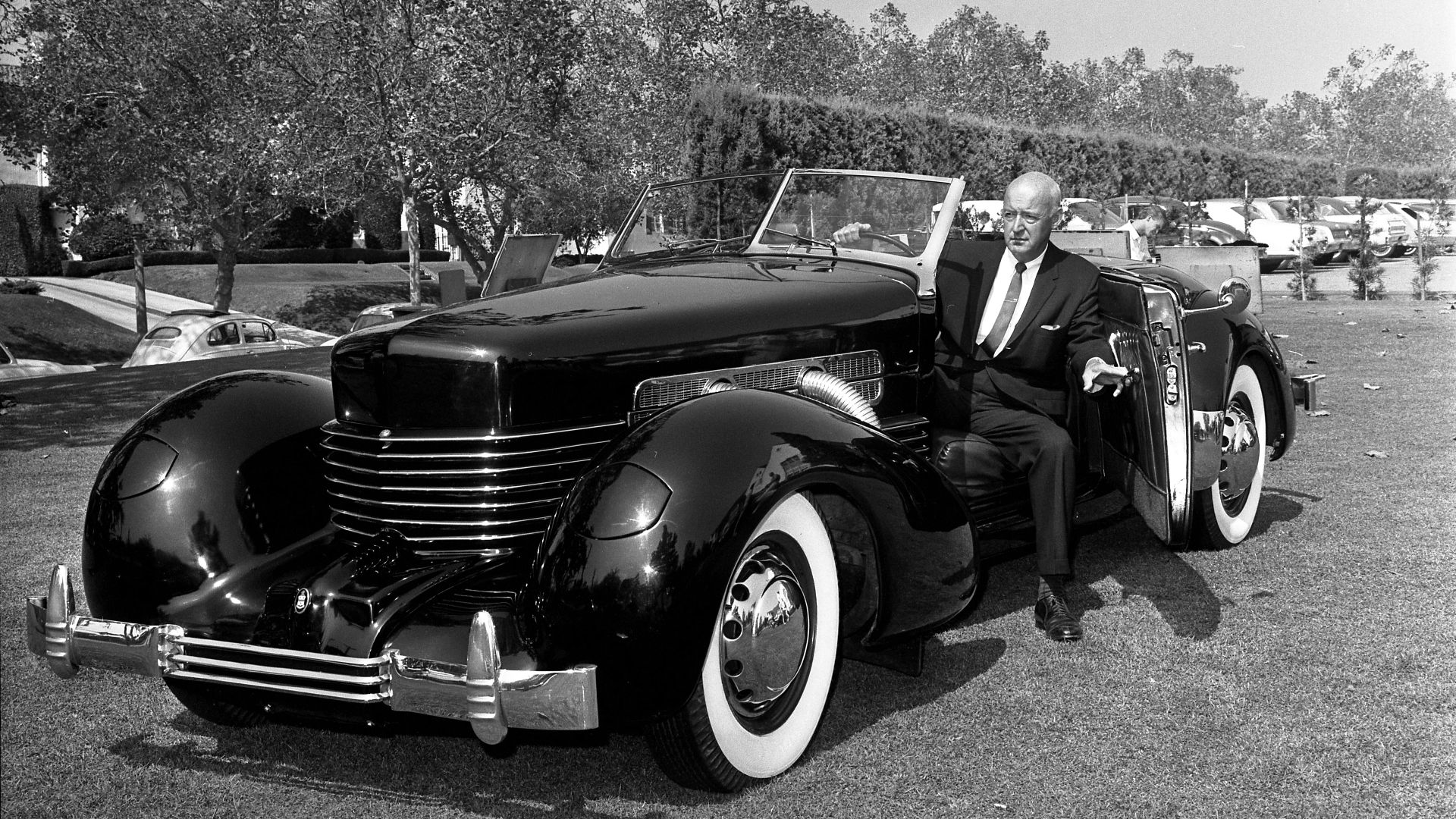
5. Cord 810/812
The Cord 810 and 812 made American luxury cars look conservative. Their front-wheel-drive layout, hidden headlights, low body, and smooth “coffin nose” styling created one of the most distinctive cars of the 1930s. The technology was expensive and complicated, but the ideas were bold enough to keep influencing car design for years to come.
 Los Angeles Times on Wikimedia
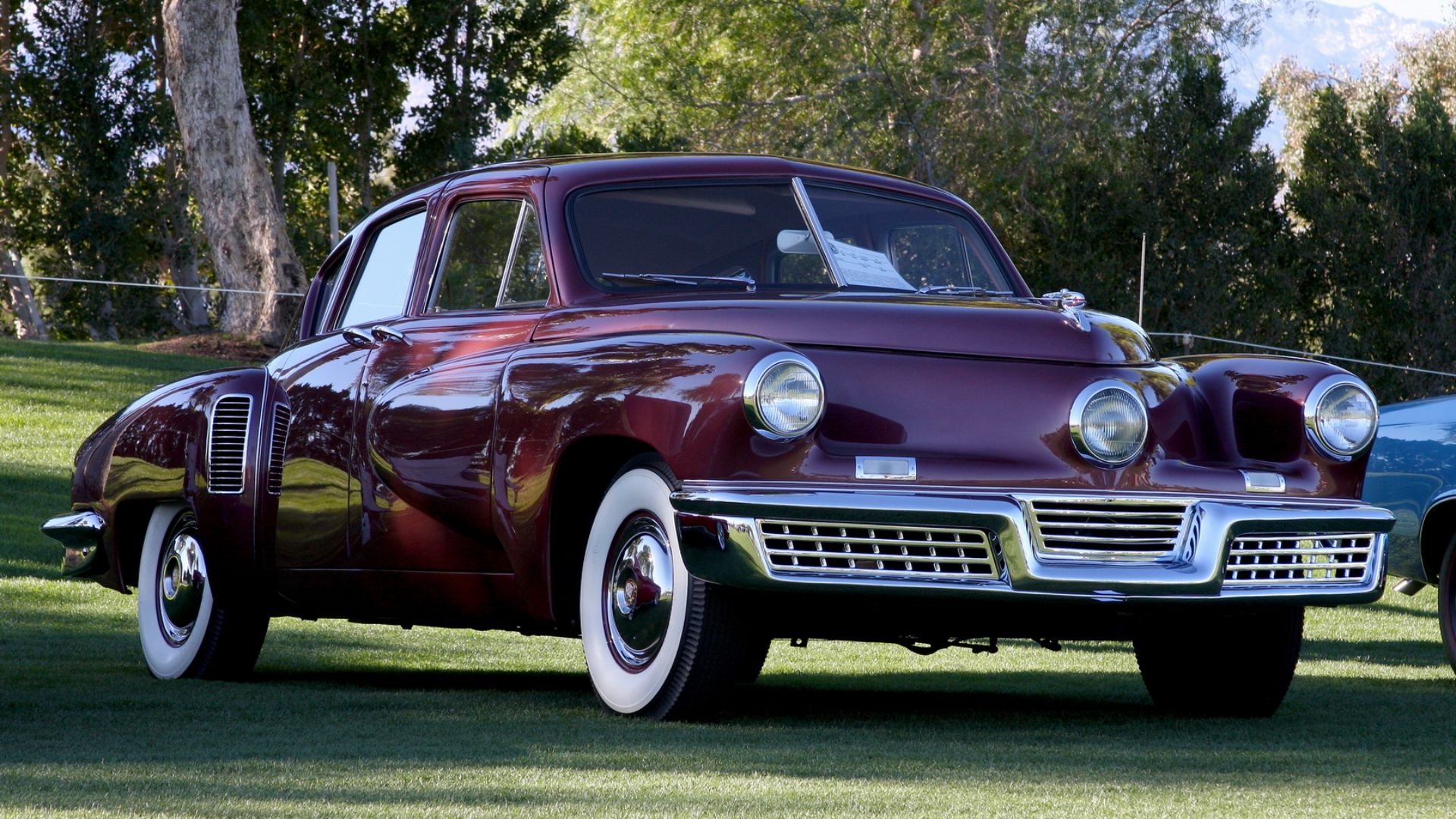
6. Tucker 48
The Tucker 48 is often remembered for its exclusivity, but its safety ideas were just as important. It featured a center headlight that turned with the front wheels, a padded dashboard, a pop-out windshield, and a passenger safety area.
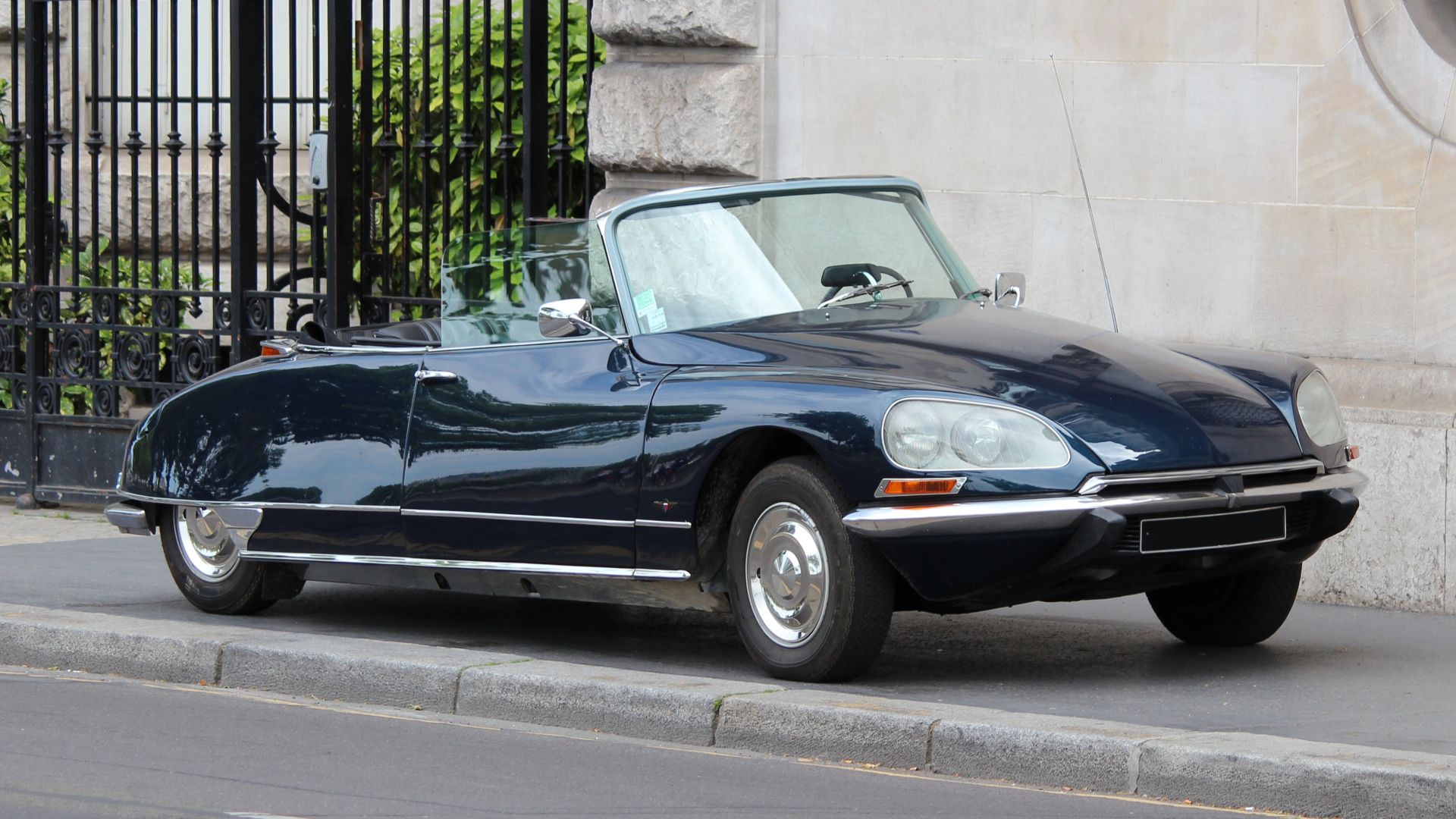
7. Citroën DS
The Citroën DS didn’t just look futuristic; it drove that way. Its hydropneumatic suspension, hydraulic power assistance, front disc brakes, and elegant body made ordinary sedans feel crude by comparison. It was complex, sometimes intimidating, and deeply ambitious.
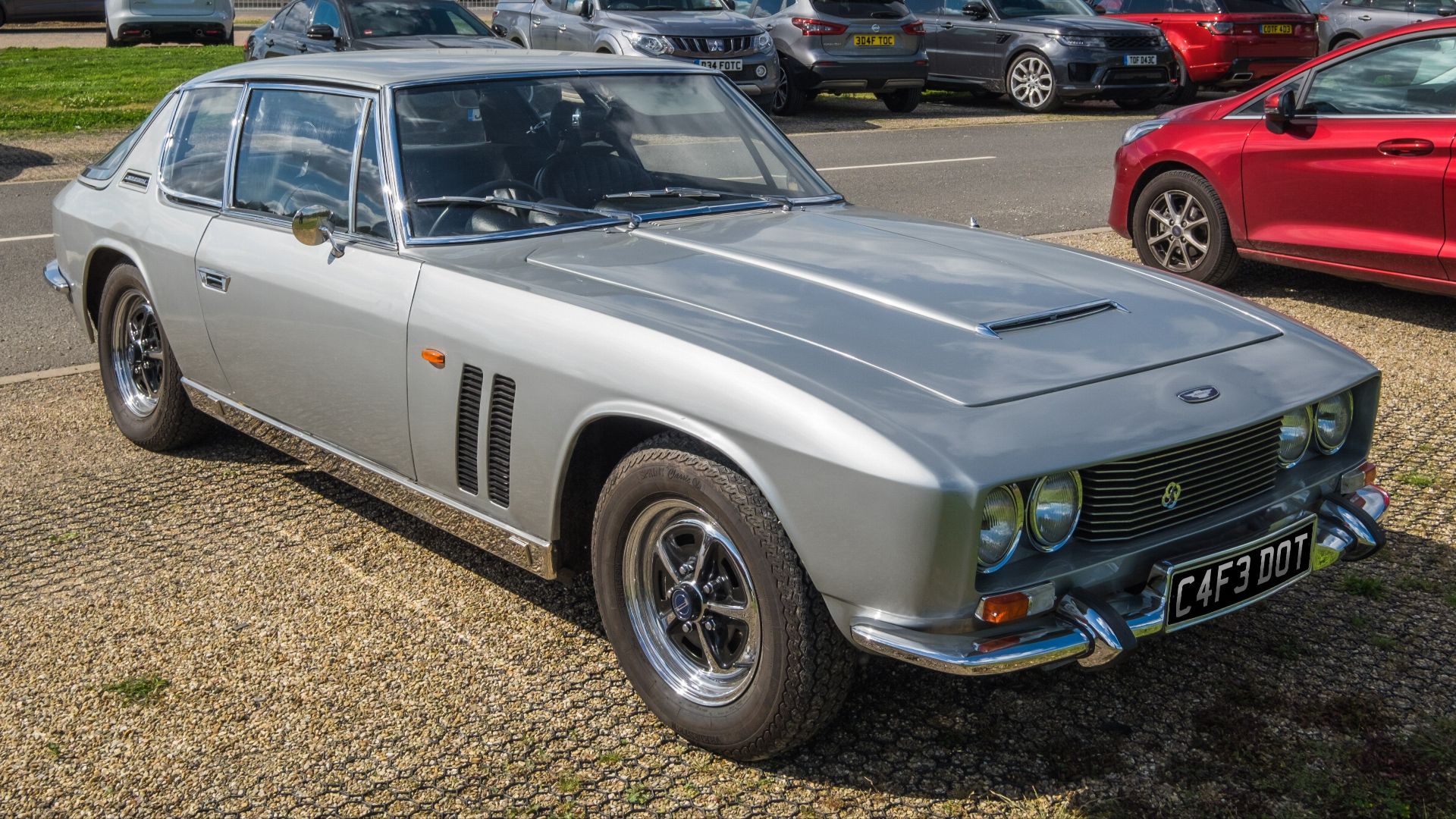
8. Jensen FF
The Jensen FF brought serious traction and braking technology to a grand tourer long before it was the norm. It used full-time four-wheel drive and a Dunlop Maxaret mechanical anti-skid braking system; unusually advanced for the 1960s. It was costly and limited, but its grip-first approach now feels surprisingly familiar.
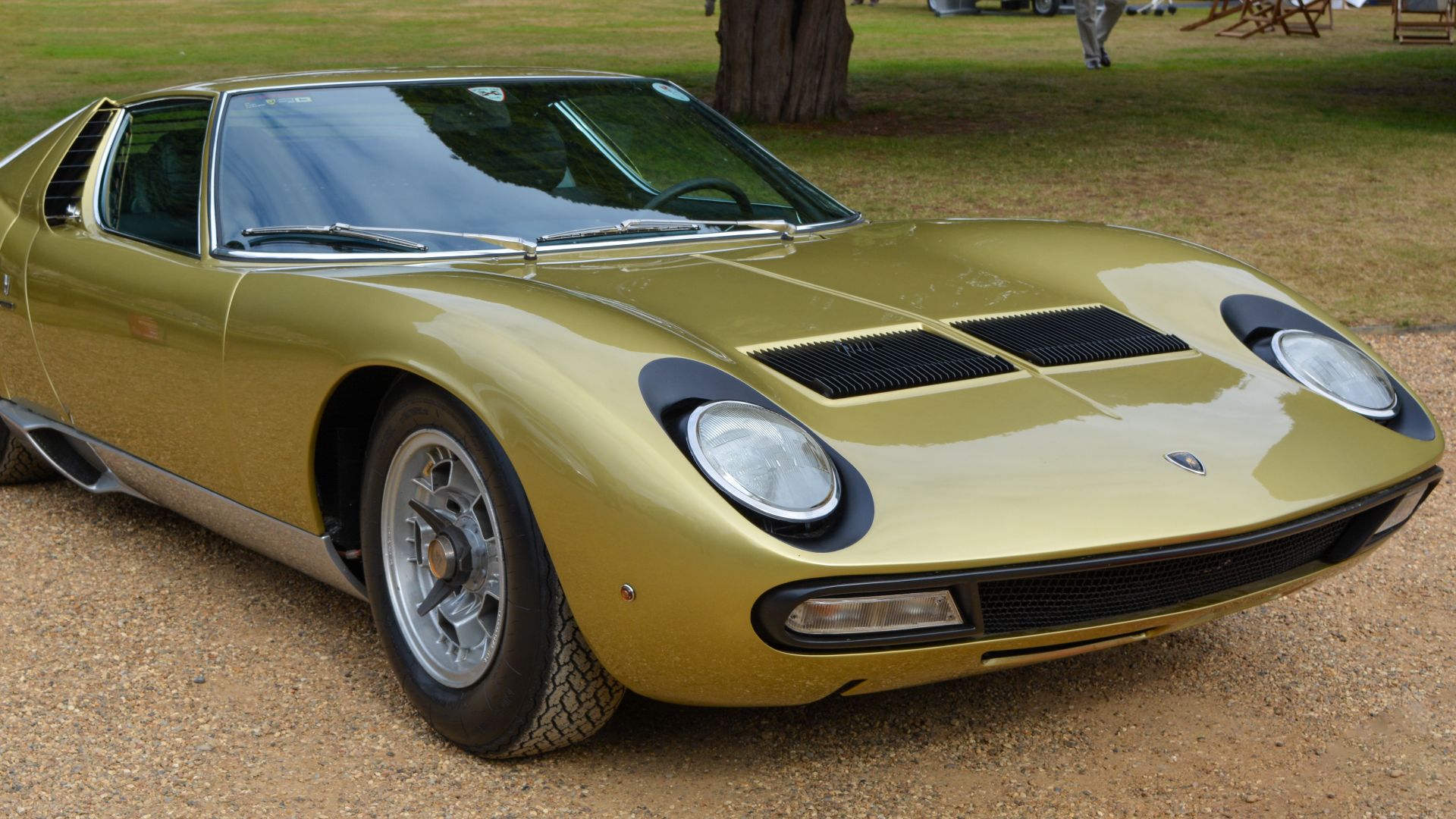
9. Lamborghini Miura
The Lamborghini Miura helped create the modern supercar template. Its V12 sat behind the cabin and ahead of the rear wheels, giving it proportions and drama that front-engine grand tourers couldn’t match. Plenty of later exotics followed that mid-engine formula, but the Miura championed the idea.
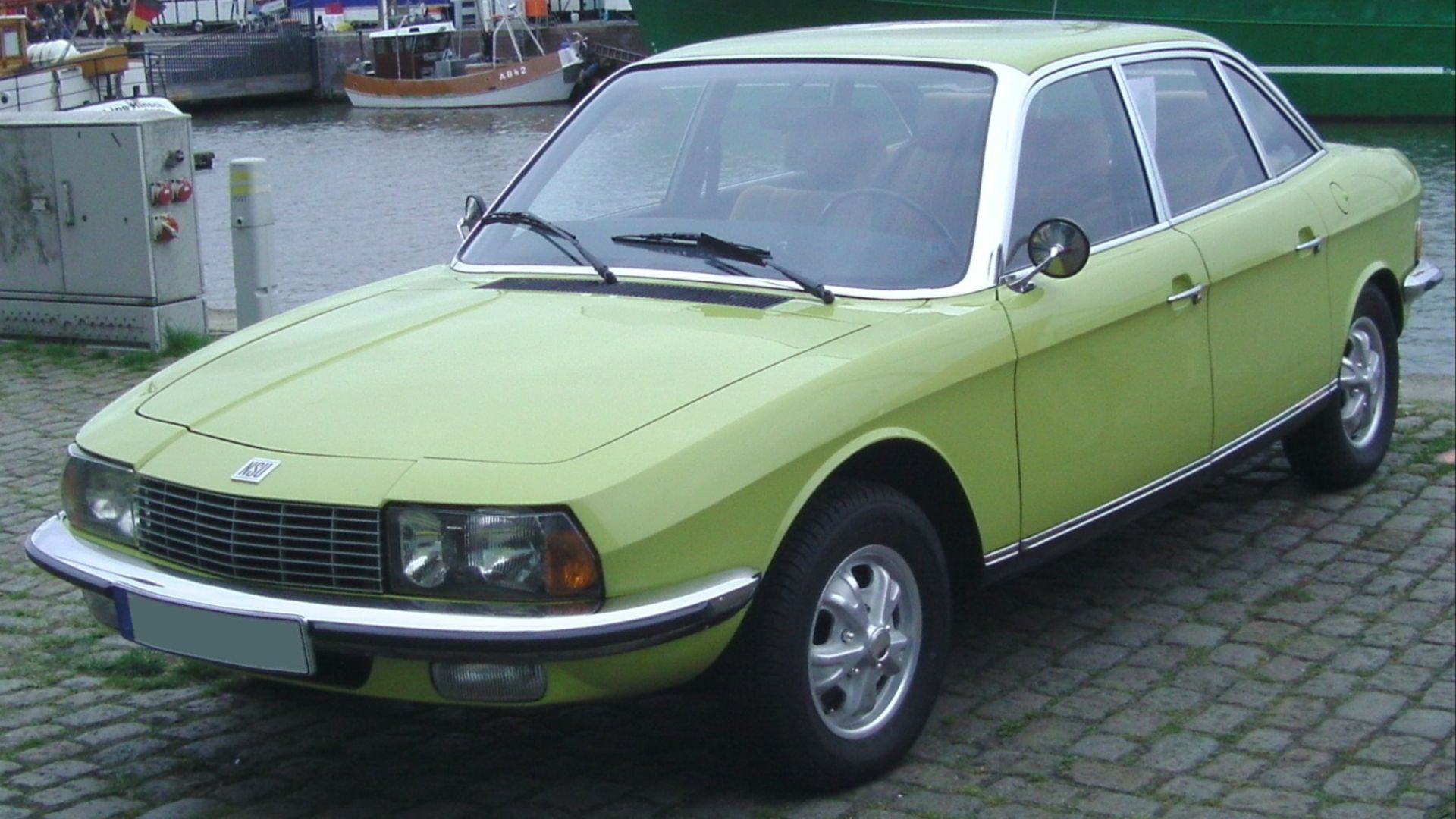
10. NSU Ro 80
The NSU Ro 80 was a sedan with a future-car spec sheet. It used a twin-rotor Wankel engine, front-wheel drive, four-wheel disc brakes, low-drag styling, and a semi-automatic transmission. Early rotary reliability problems hurt its reputation, but the car’s clean design and technical confidence still stand out.
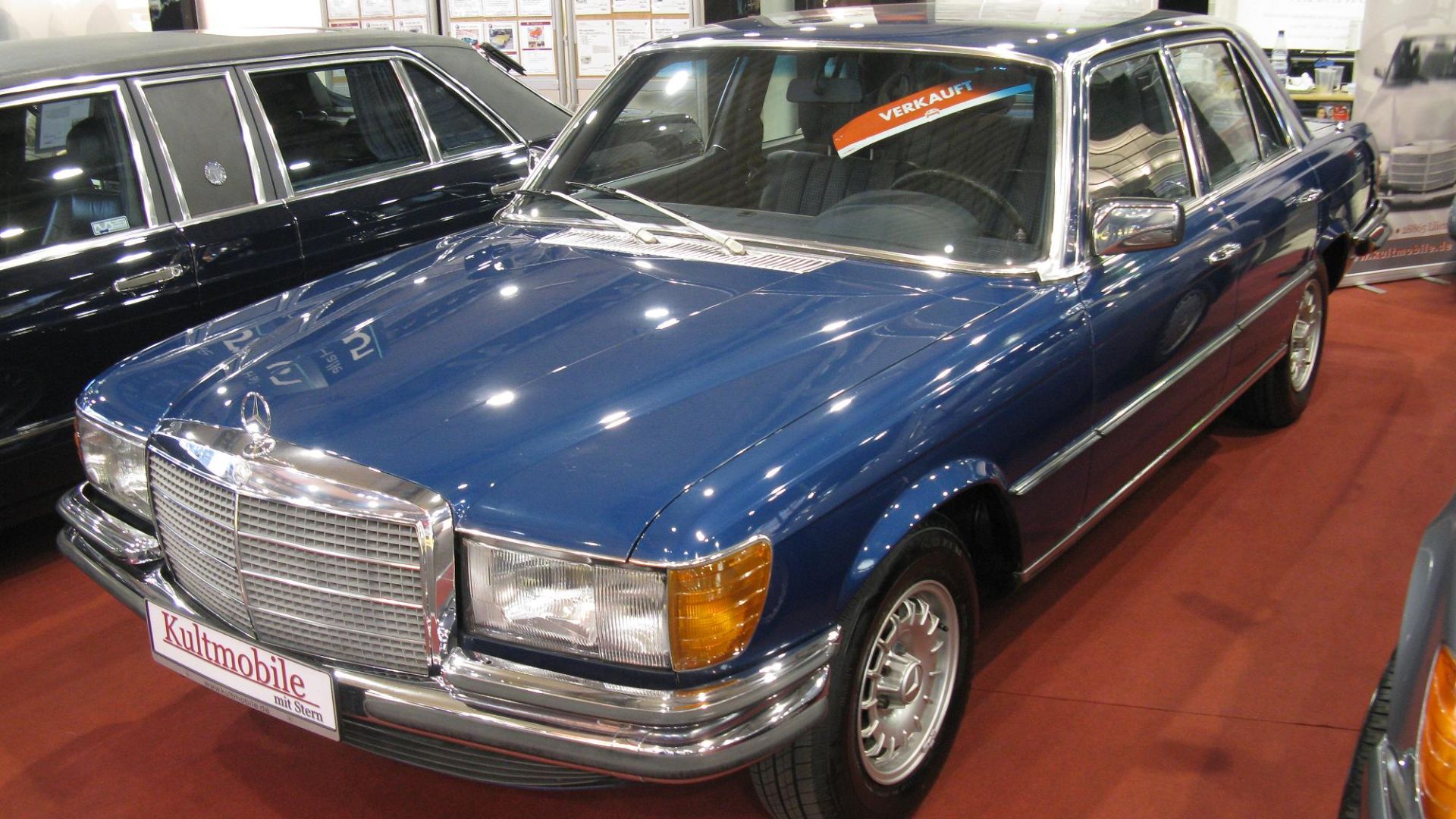
11. Mercedes-Benz S-Class W116
The W116-generation S-Class brought electronically controlled anti-lock braking into a production luxury car. That system helped drivers keep steering control under hard braking, which was a major step toward the safety technology we now take for granted.
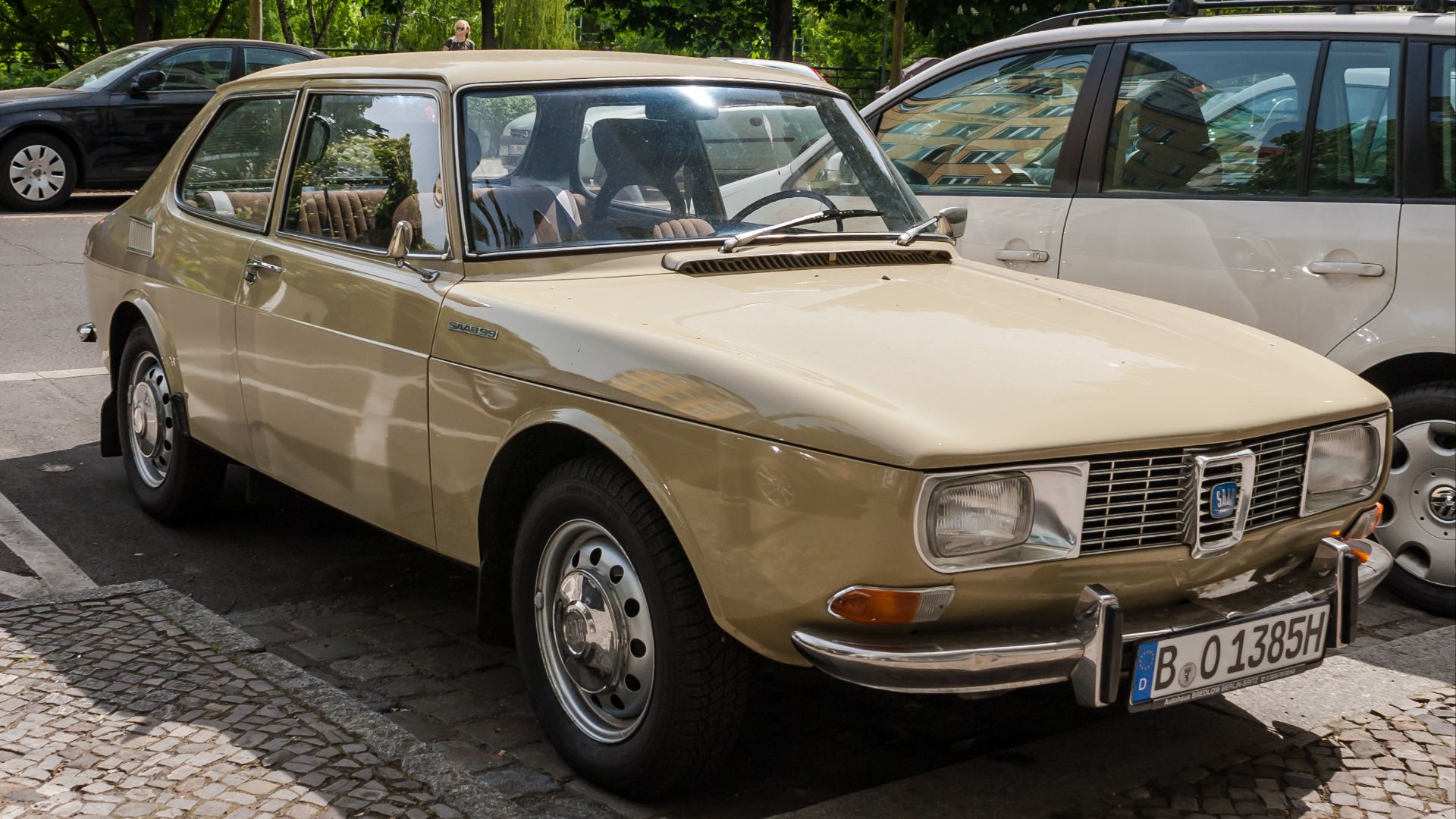
12. Saab 99 Turbo
The Saab 99 Turbo made turbocharging feel useful in normal life, not just exciting on a spec sheet. Its turbocharged engine was tuned for everyday drivability, giving a practical family car a stronger, more flexible personality.
13. Audi Quattro
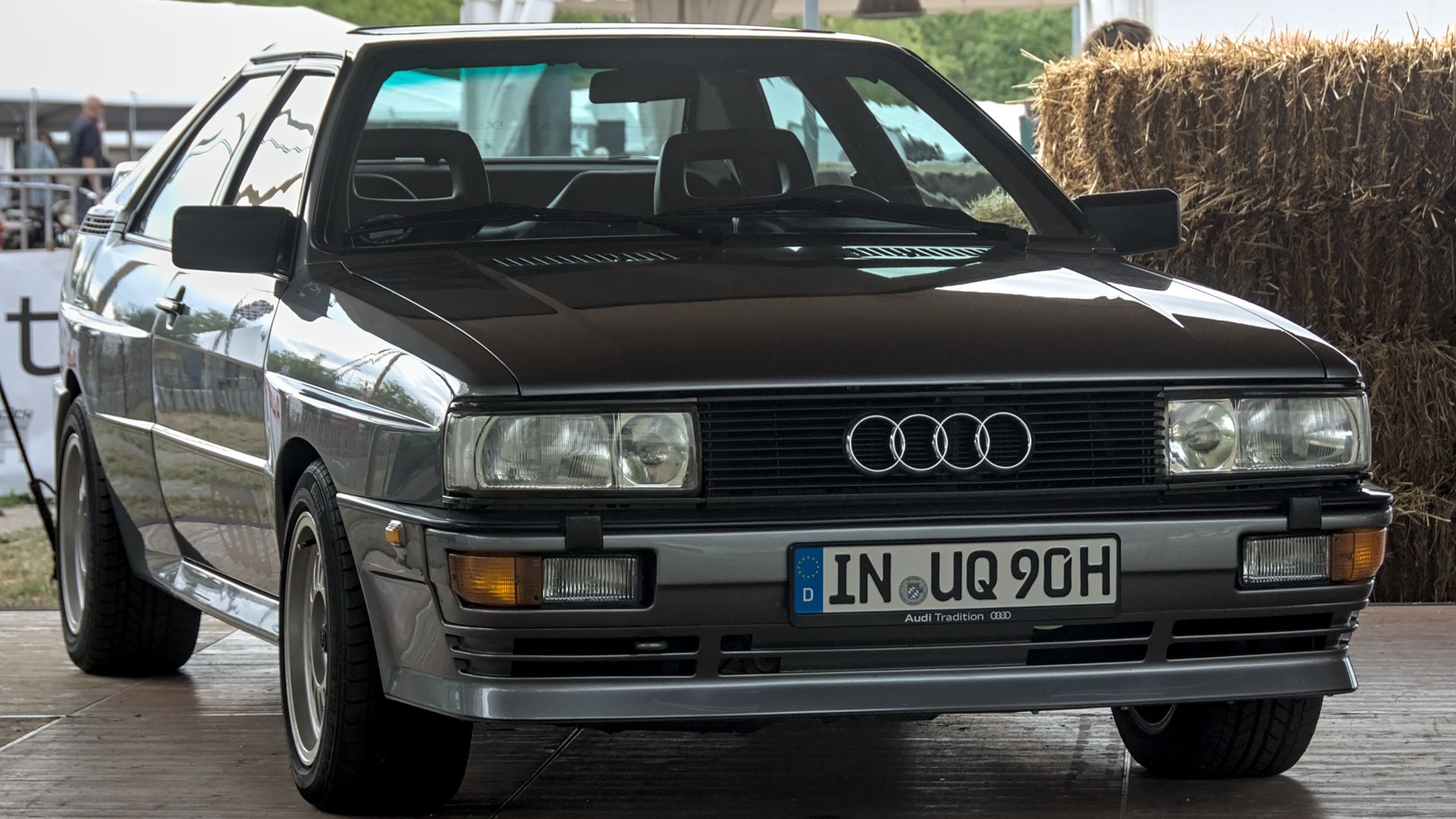
The Audi Quattro turned all-wheel drive into performance hardware. Its turbocharged engine and permanent all-wheel-drive system gave it grip that worked on wet roads, loose surfaces, and rally stages alike. It changed how people thought about fast cars, proving that traction could be just as thrilling as raw power.
14. Buick Riviera
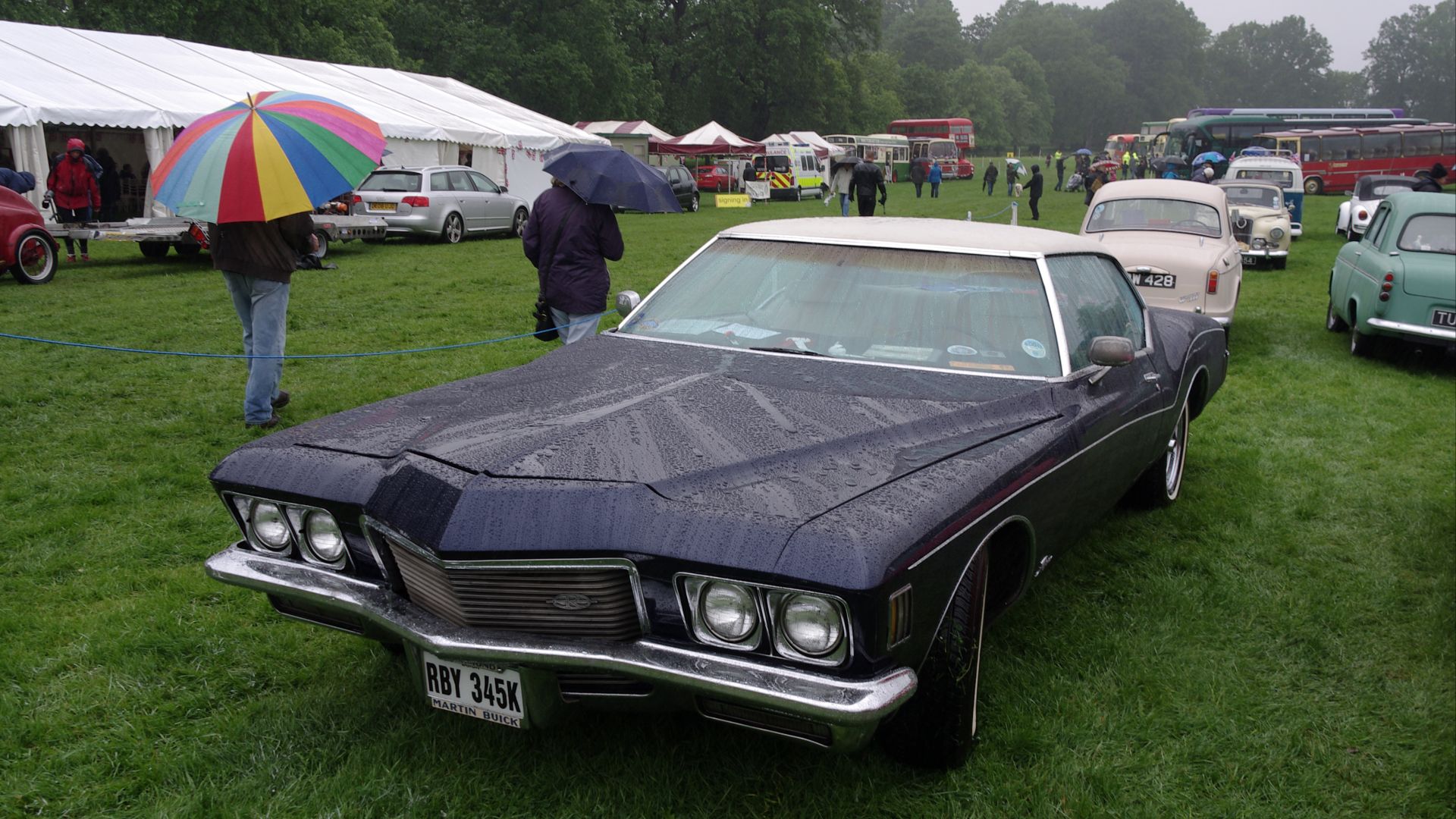
The 1986 Buick Riviera put a touchscreen-style Graphic Control Center in the dashboard decades before screen-heavy interiors became normal. It controlled audio, climate, trip information, and diagnostics through a CRT display with touch-sensitive controls. By modern standards, it was clunky, but it did signify what future vehicles would look like.
 mattbuck (category) on Wikimedia
15. Porsche 959
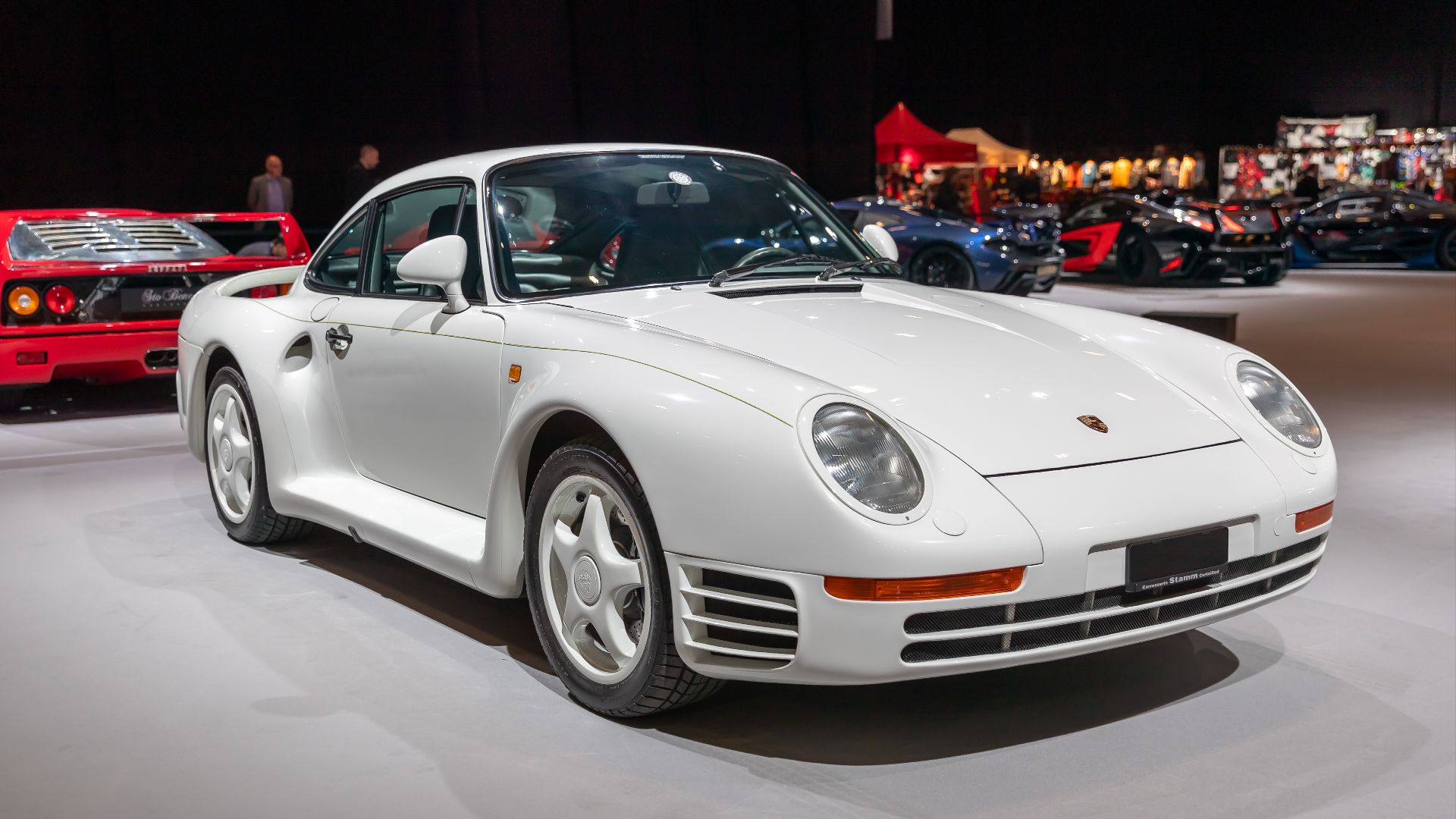
The Porsche 959 was almost like a rolling technology lab. It combined advanced all-wheel drive, sequential twin turbocharging, adjustable ride height, careful aerodynamics, and lightweight materials in one capable package. In the mid-1980s, that mix of speed, control, and all-weather usability felt almost unreal.
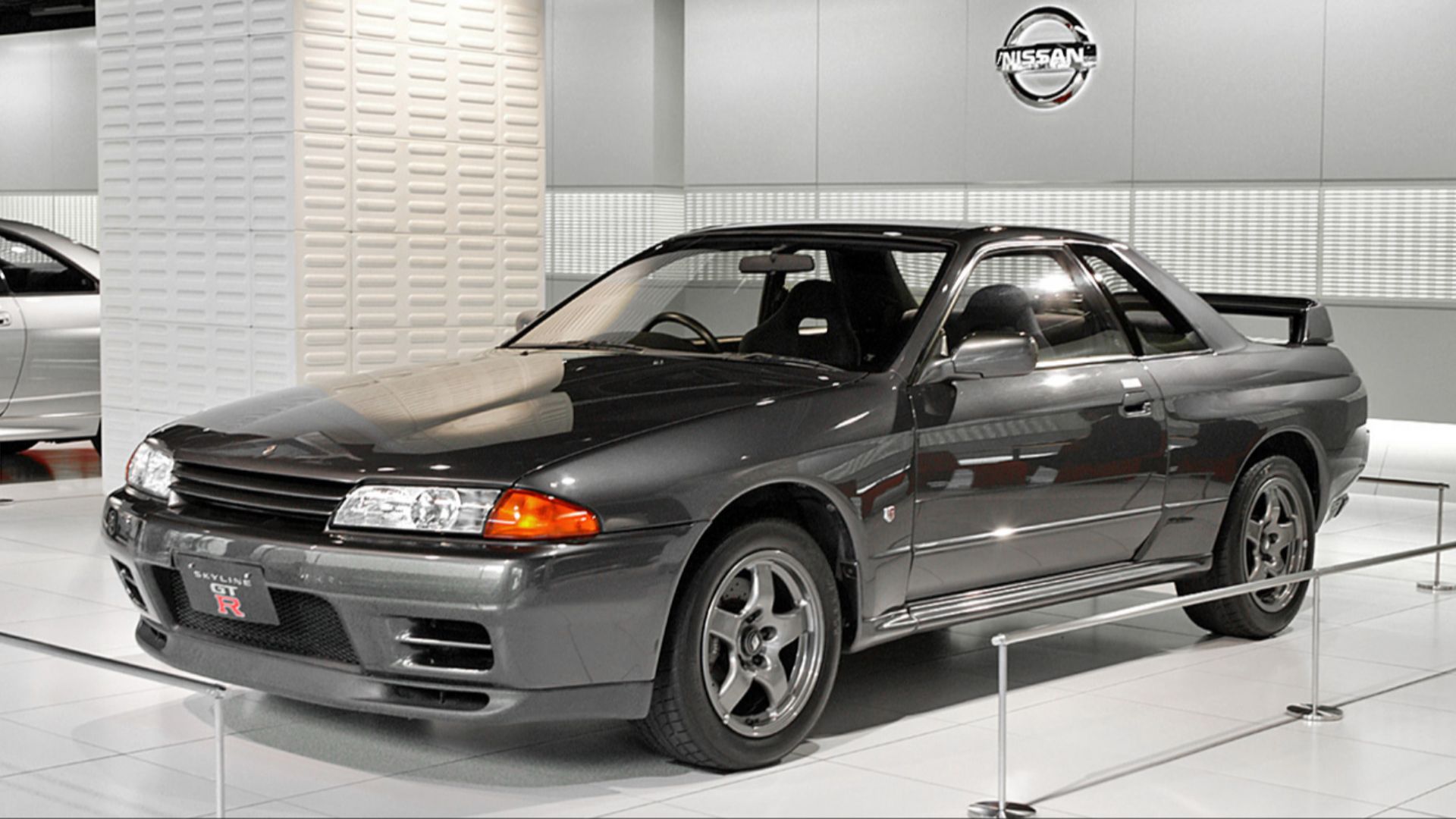
16. Nissan Skyline GT-R R32
The R32 Skyline GT-R was clever in a way that made it brutally effective. Its RB26DETT twin-turbo inline-six, ATTESA E-TS all-wheel drive, Super-HICAS four-wheel steering, and multilink suspension gave it serious control over how power met pavement.
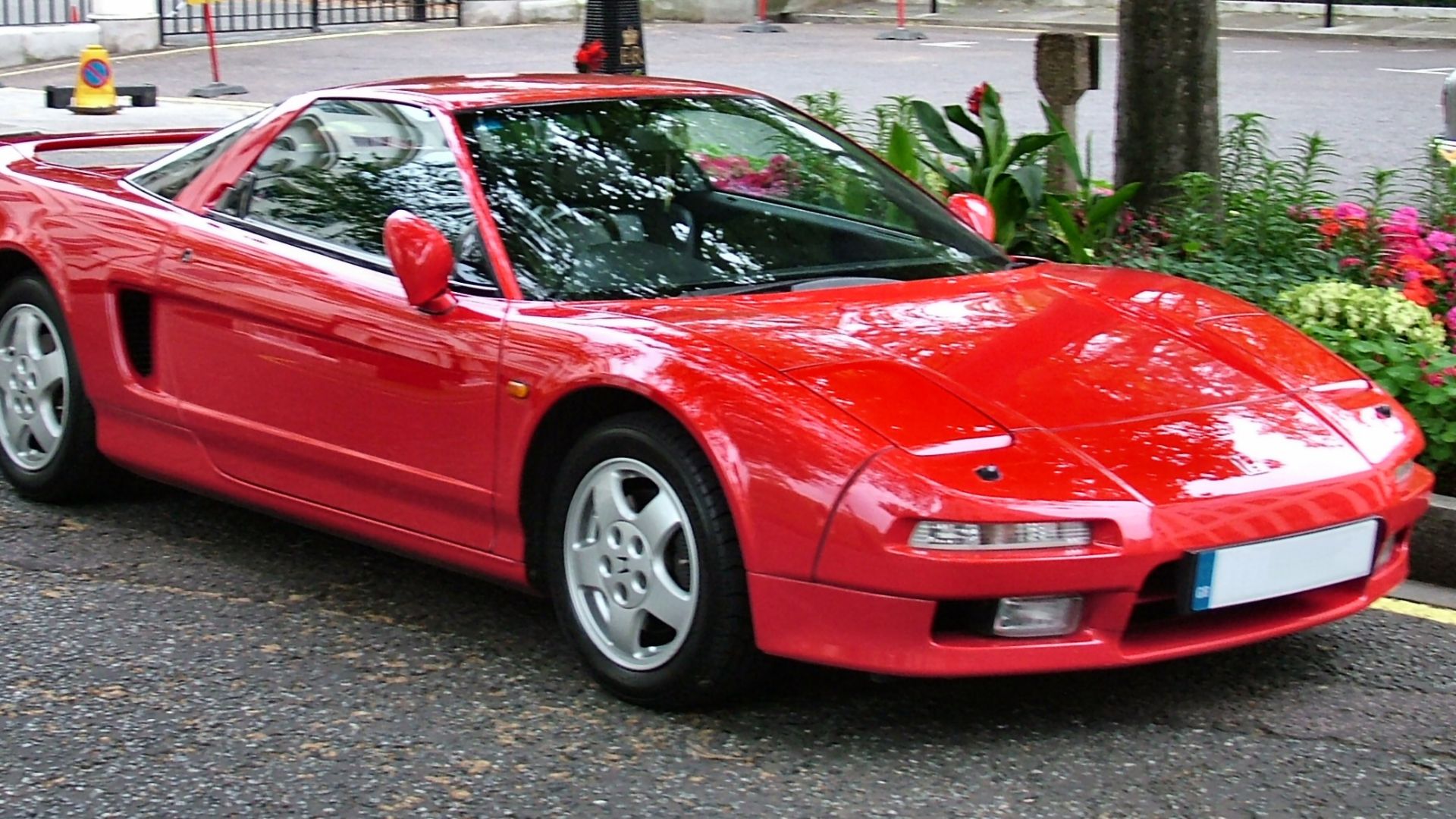
17. Honda/Acura NSX
The original NSX made exotic-car engineering feel precise, reliable, and livable. Its aluminum construction, mid-engine layout, VTEC engine, titanium connecting rods, and polished ergonomics gave it technical depth without the usual supercar hassle.
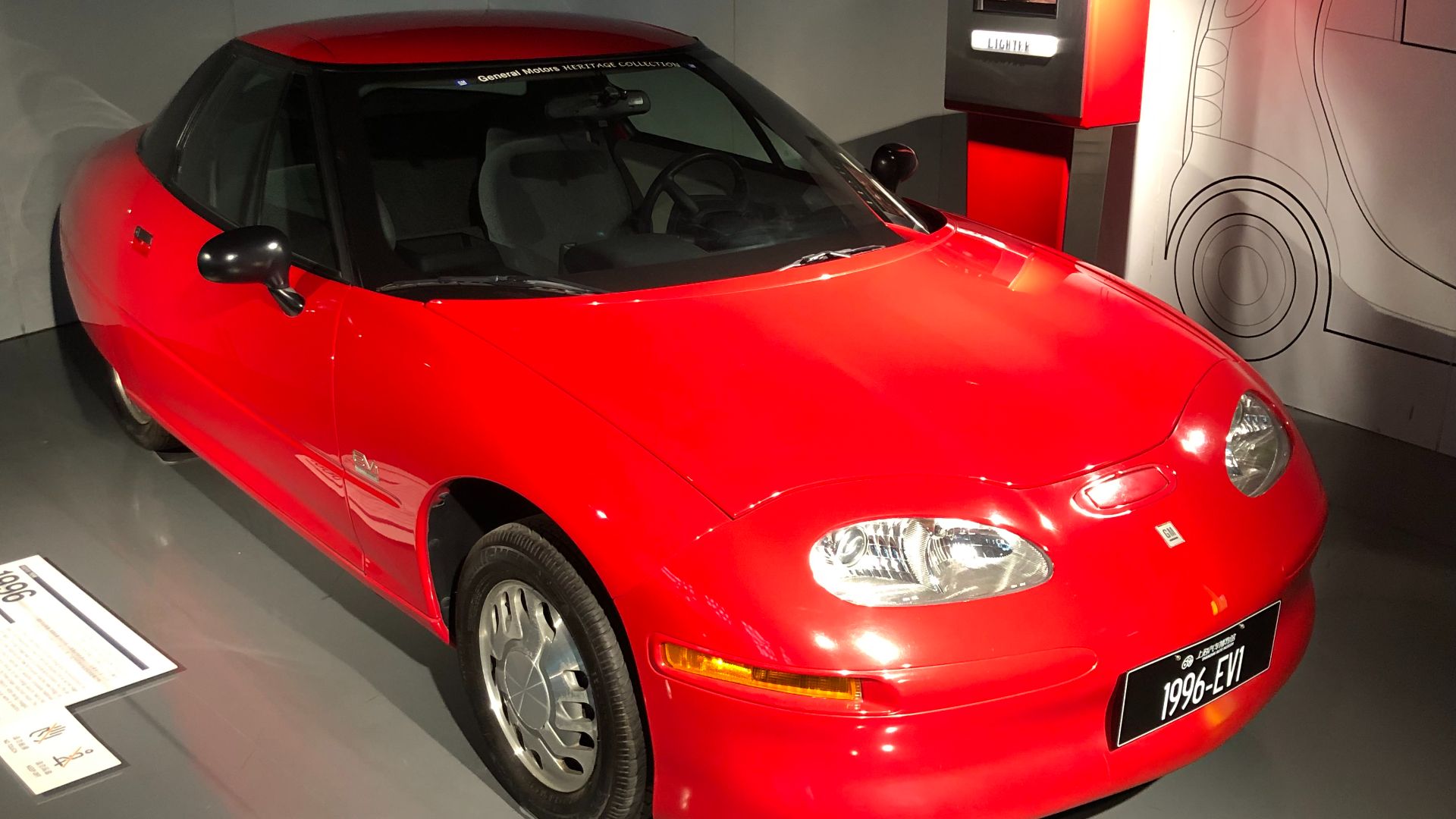
18. General Motors EV1
The EV1 was a dedicated electric car before the market was ready for dedicated electric cars. Its aerodynamic body, electric drivetrain, and energy management made it feel like a preview of a more eco-friendly automotive future.
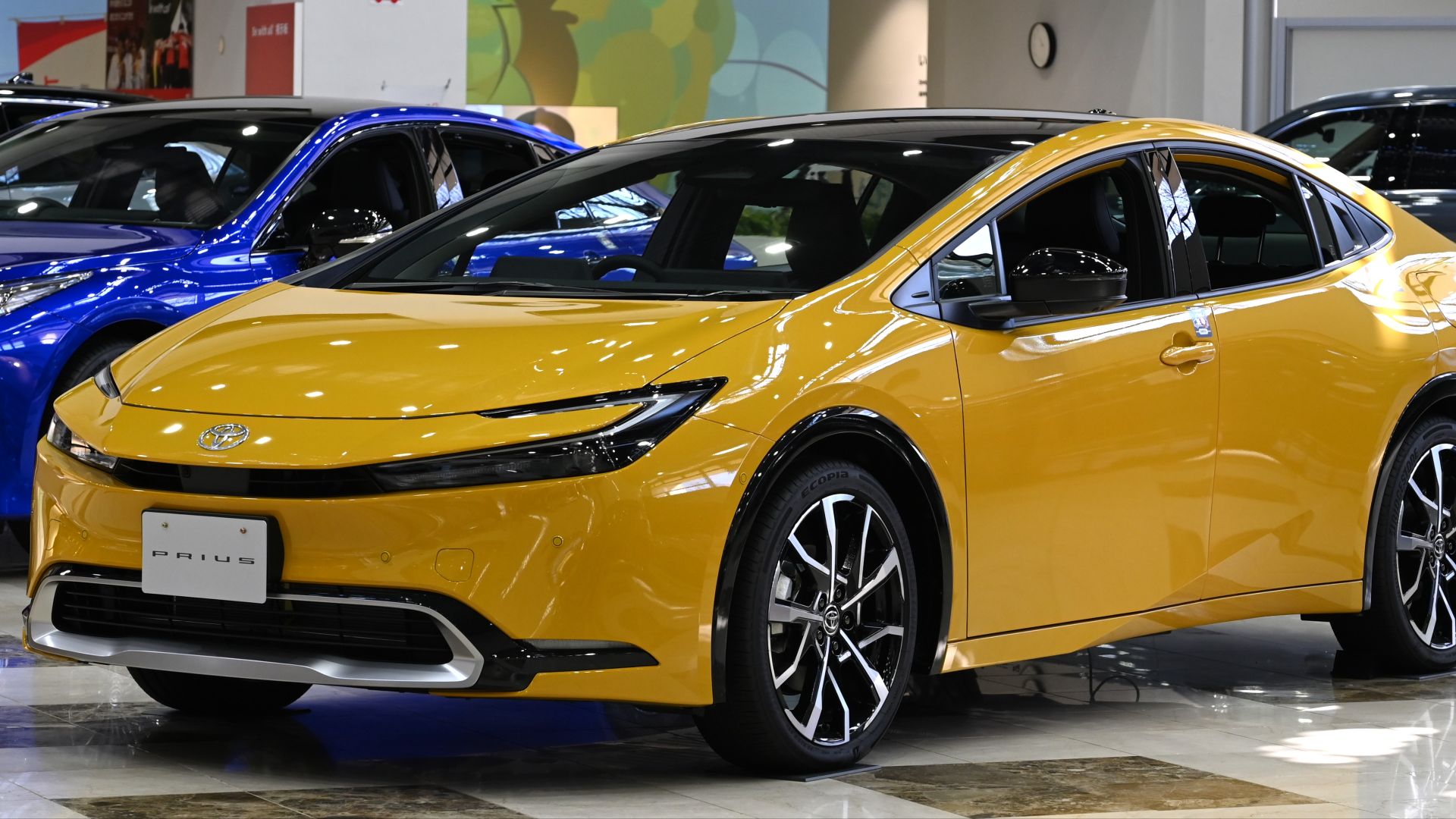
19. Toyota Prius
The first Toyota Prius didn’t need wild styling to be revolutionary. Its gasoline-electric hybrid system made electrification feel practical, quiet, and approachable for everyday drivers. By blending engine power, electric assist, regenerative braking, and careful energy management, it changed what a sensible car could be.
20. BMW i3
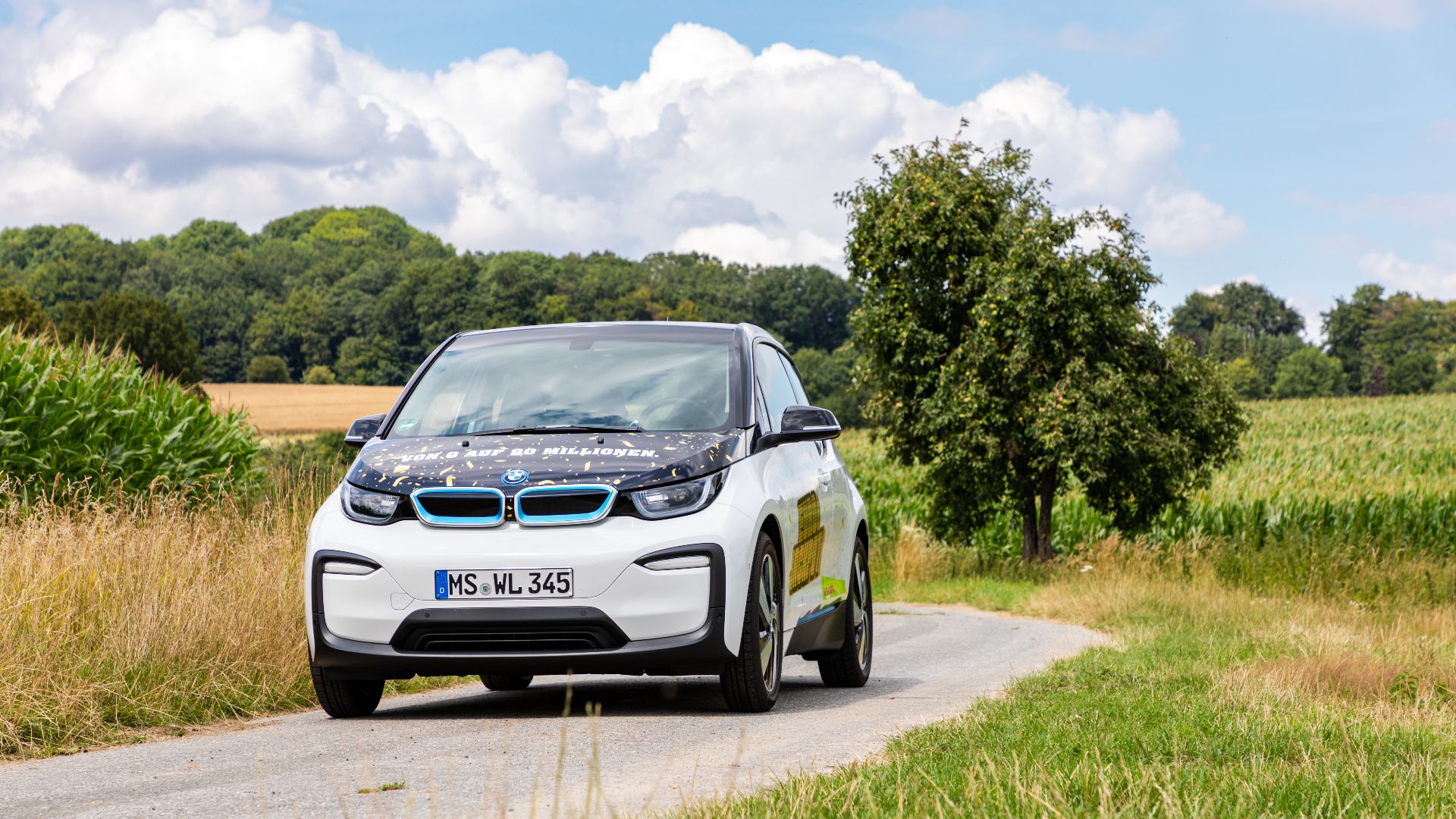
The BMW i3 was a small electric city car with unusually big engineering ideas. Its carbon-fiber-reinforced passenger cell, aluminum drive structure, unconventional cabin materials, and purpose-built EV layout made it feel unlike a regular hatchback. Its range now looks modest, but its lightweight construction and sustainability-minded design were seriously ahead of the curve.