
Most drivers think about their car battery only when the vehicle refuses to start. Because batteries usually operate quietly in the background, it's easy to assume they perform the same way throughout the year. In reality, temperature has a significant impact on battery performance, lifespan, and reliability. Many drivers don't realize how much the weather influences battery performance until they experience a problem firsthand.
Both extreme heat and extreme cold can create problems, although they affect batteries in different ways. Understanding how temperature influences battery health can help you avoid unexpected breakdowns and extend the life of one of your vehicle's most important components. A little knowledge can go a long way when it comes to preventing costly surprises. Seasonal temperature changes can affect both newer batteries and older ones, although the impact is often greater on aging units.
Why Cold Weather Makes Starting More Difficult
Cold temperatures slow the chemical reactions that occur inside a car battery. As the temperature drops, the battery becomes less capable of producing the electrical current needed to start the engine. This reduction in performance can make a healthy battery seem weaker than it actually is. This is one reason vehicles may crank more slowly on particularly cold mornings.
At the same time, your engine requires more energy to start in cold weather. Motor oil thickens when temperatures drop, which means the engine's moving parts face greater resistance. The battery is therefore asked to deliver more power precisely when it's least capable of doing so. This combination explains why winter is a common time for battery-related problems. In severe conditions, even a relatively new battery may struggle to provide sufficient starting power.
Older batteries are particularly vulnerable during cold snaps. A battery that functions adequately during mild weather may struggle once temperatures plunge because it has less reserve capacity available. For many drivers, the first freezing morning of the season reveals a battery that was already nearing the end of its useful life. That's why battery failures often seem to happen suddenly during winter.
How Heat Can Shorten Battery Life
While cold weather often gets the blame for battery problems, excessive heat is frequently more damaging in the long run. High temperatures accelerate the chemical reactions inside the battery, which can increase wear on internal components. Over time, this process contributes to the gradual deterioration of battery materials. The damage may occur slowly, but it can significantly reduce overall lifespan. Many automotive experts consider prolonged heat exposure one of the leading causes of premature battery failure.
Heat can also cause battery fluid to evaporate more quickly. In traditional lead-acid batteries, this loss of electrolyte can affect performance and increase internal stress. Even maintenance-free batteries are not completely immune to the effects of prolonged exposure to high temperatures. Vehicles operated in consistently hot climates often experience shorter battery life as a result. Parking in direct sunlight day after day can further increase heat-related strain.
Another challenge is that heat-related damage may not become obvious immediately. A battery weakened during a hot summer can continue functioning for months before showing noticeable symptoms. Drivers are sometimes surprised when a battery fails during winter, unaware that the underlying deterioration actually occurred during the previous warm season.
Protecting Your Battery Throughout The Year
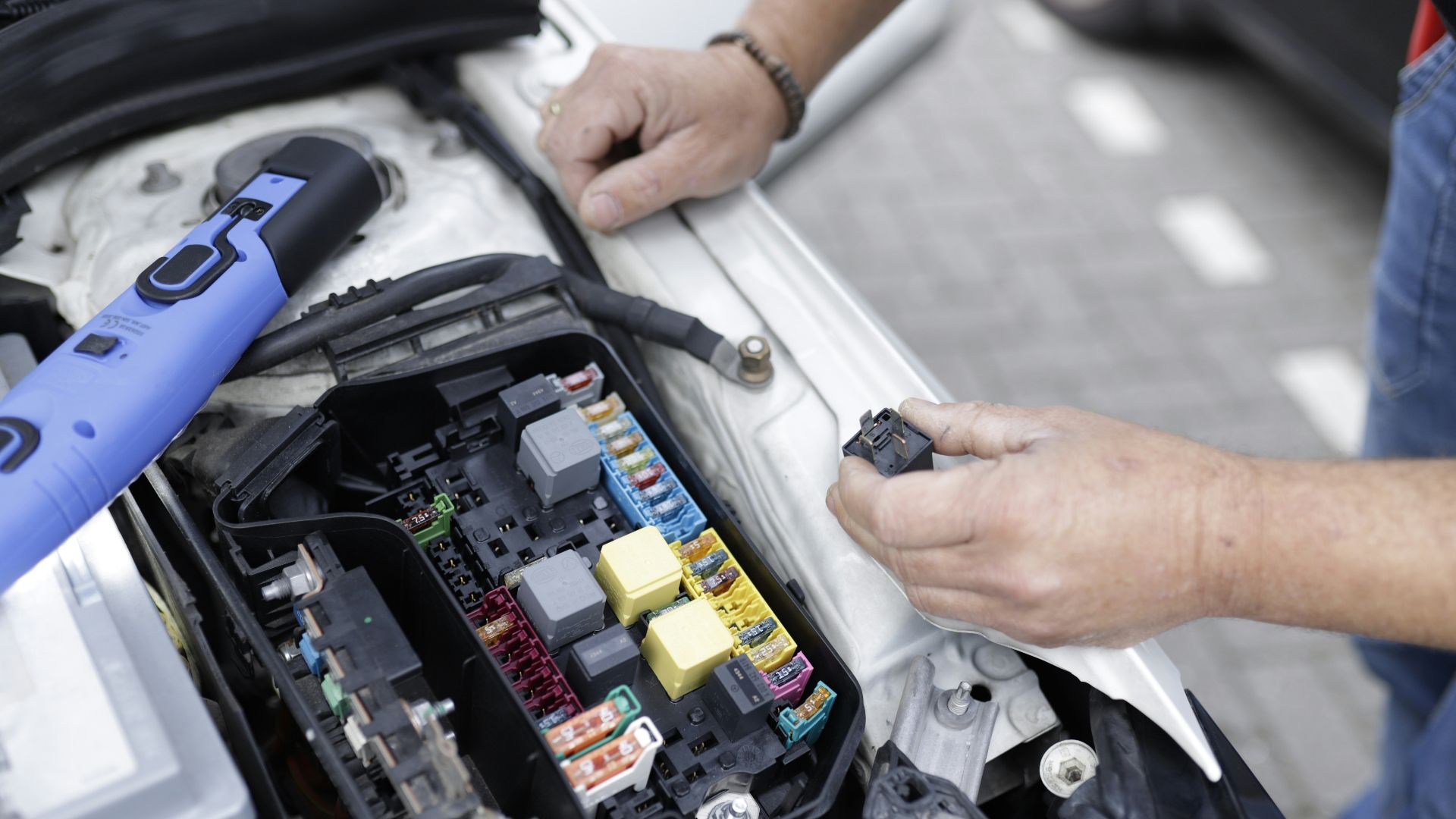
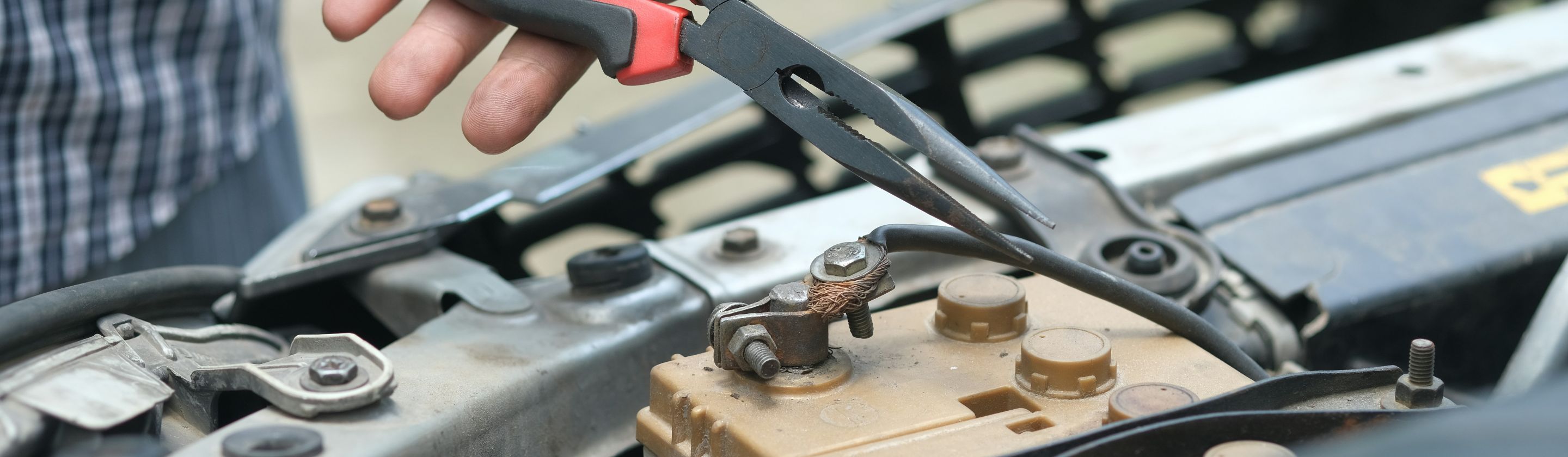
Regular battery inspections can help identify problems before they lead to a breakdown. Corrosion around the terminals, loose connections, and signs of physical damage should be addressed promptly. Routine maintenance allows small issues to be corrected before they affect reliability. Many automotive service centers can also test battery health during scheduled maintenance visits.
Limiting unnecessary strain on the battery can improve its longevity. Turning off lights, accessories, and electronics when the engine isn't running helps preserve available power. Short trips that don't give the charging system enough time to replenish the battery should also be minimized when possible.
Parking in a garage or shaded area can provide additional protection from temperature extremes. While this won't eliminate the effects of weather, it can reduce exposure to severe heat and cold. Using a battery maintainer for vehicles that sit unused for extended periods may also help preserve battery health. Small preventive steps often make a meaningful difference over the life of the battery. These precautions are especially helpful for seasonal vehicles that spend long periods in storage.
Your car battery works hard regardless of the season, but temperature plays a major role in how effectively it performs. Cold weather reduces available power, while hot weather gradually accelerates wear and aging. By understanding these effects and taking a few simple precautions, you can improve reliability and reduce the likelihood of being stranded by a dead battery. A little attention throughout the year can help ensure your vehicle starts when you need it most.