

The Extra Costs That Can Make a Vehicle Much More Expensive
When shopping for a vehicle, most buyers focus on the sticker price, monthly payment, and interest rate. However, financing agreements often include additional fees that can quietly increase the total cost of ownership by hundreds or even thousands of dollars. While many of these charges are legal and disclosed somewhere in the paperwork, they aren't always highlighted during the sales process, making it important to understand exactly what you're paying for before signing. Here are 20 sneaky financing fees dealers hide in plain sight.

1. Documentation Fees
Documentation fees, often called "doc fees," are charged for processing paperwork related to the sale. While preparing documents does require administrative work, the actual amount charged can vary dramatically between dealerships and states. In some cases, these fees add several hundred dollars to the final transaction.

2. Loan Origination Fees
Some lenders charge a fee simply for creating and processing the loan. This cost may be included in the financing package rather than presented as a separate charge upfront. Because it gets rolled into the loan balance, many buyers don't immediately notice its impact.

3. Credit Report Fees
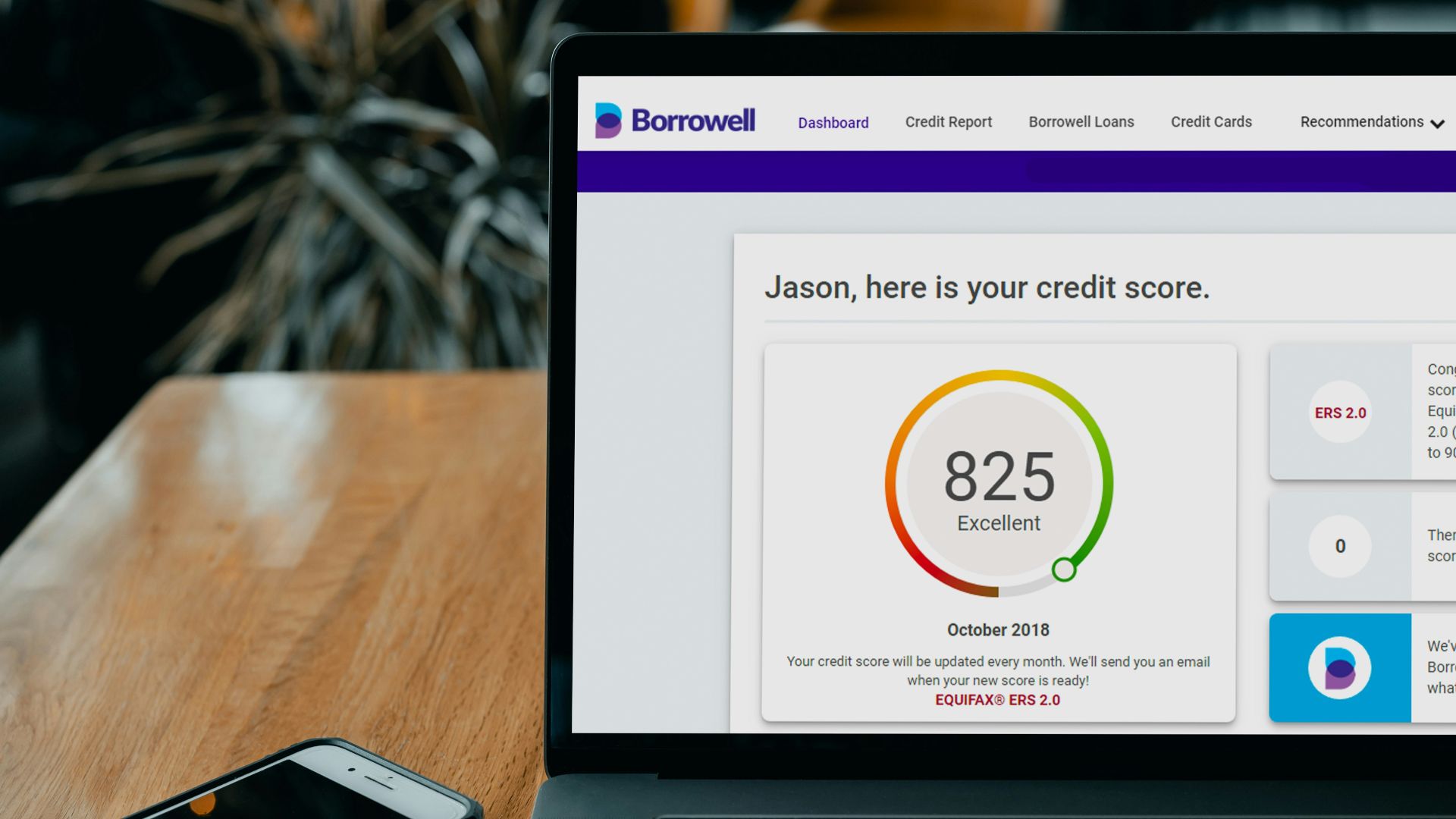
Dealers and lenders often pull a buyer's credit report during the financing process. While the actual cost of obtaining the report is generally modest, some dealerships pass the expense along to the customer. The charge may appear among numerous line items that receive little attention during signing.
4. Extended Warranty Financing Costs
An extended warranty isn't technically a financing fee, but financing one can increase borrowing costs substantially. Buyers often focus on the warranty's monthly payment impact rather than its total financed cost. Interest paid on the warranty can significantly increase the final amount spent.

5. GAP Insurance Markups
Guaranteed Asset Protection, commonly known as GAP insurance, can be valuable for some buyers. However, dealerships sometimes charge considerably more than insurance companies or lenders offering similar coverage. The difference may be hidden within the financing agreement rather than presented as a separate comparison.

6. Payment Protection Plans
These plans are designed to help cover loan payments during certain hardships, such as disability or job loss. While they may provide benefits in specific situations, they're often optional and can add a meaningful amount to the financed balance. Some buyers don't realize they've agreed to the coverage until reviewing the paperwork later.

7. Dealer Reserve Fees
When a dealership arranges financing through a lender, it may receive compensation for doing so. In some cases, the dealer marks up the interest rate above the lender's approved rate and keeps part of the difference. Buyers often see only the final rate rather than the markup behind it.

8. Vehicle Service Contracts
Service contracts are frequently presented alongside financing paperwork and can resemble manufacturer warranties. Because they're commonly rolled into monthly payments, the true cost may seem smaller than it actually is. Over the life of the loan, both the contract and the interest paid on it can add up quickly.

9. Electronic Filing Fees
Some dealerships charge fees for electronically processing registration and title paperwork. While electronic systems can streamline transactions, the associated charges may exceed the dealership's actual costs.

10. Title Processing Fees
Handling vehicle title documentation involves administrative work and government filings. Certain title-related fees are legitimate and required by law, while others may include additional dealership charges.

11. Registration Handling Fees
Government registration fees are unavoidable, but some dealerships add separate handling or processing charges on top of them. These additional costs may not always be clearly explained during negotiations.

12. Add-On Product Financing Charges
Products such as paint protection, wheel coverage, key replacement plans, and interior treatments are often included in financing offers. Even if the products themselves seem reasonably priced, financing them increases the total amount borrowed. Interest paid over several years can make these add-ons far more expensive than expected.

13. Early Payment Penalties
Although less common than they once were, some loans still include penalties for paying off the balance ahead of schedule. These provisions can reduce the savings normally associated with early repayment. Reading the loan agreement carefully can help avoid unpleasant surprises later.

14. Loan Processing Fees
Certain lenders charge administrative fees to review, approve, and establish financing accounts. These charges may be listed separately or incorporated into the financed amount.

15. Acquisition Fees on Lease Buyouts
Drivers purchasing a leased vehicle at the end of the lease term may encounter acquisition or purchase-option fees. These charges are typically disclosed in the lease agreement, but they may not receive much attention when the lease begins.

16. Lease Disposition Fees
Those returning a leased vehicle rather than buying it often face disposition fees. The charge is intended to cover costs associated with preparing the vehicle for resale or auction.

17. Excess Wear Evaluation Charges
Lease agreements frequently contain provisions regarding vehicle condition upon return. Some dealerships or leasing companies charge inspection-related fees in addition to repair costs for excessive wear.

18. Convenience Payment Fees
Certain lenders charge extra fees when payments are made by phone, debit card, or expedited methods. While each charge may seem minor, repeated use can increase the overall cost of the loan. Many borrowers don't consider these expenses when evaluating financing offers.

19. Dealer Preparation Fees
Preparation fees are sometimes presented as charges for inspecting, cleaning, or readying a vehicle for sale. Critics often point out that preparing inventory is already part of a dealership's normal business operations.

20. Interest Rate Markups Hidden by Monthly Payments
One of the most expensive financing costs isn't always listed as a separate fee at all. By focusing discussions on monthly payments rather than loan terms and interest rates, some dealerships make it harder for buyers to recognize when they're paying more than necessary.