
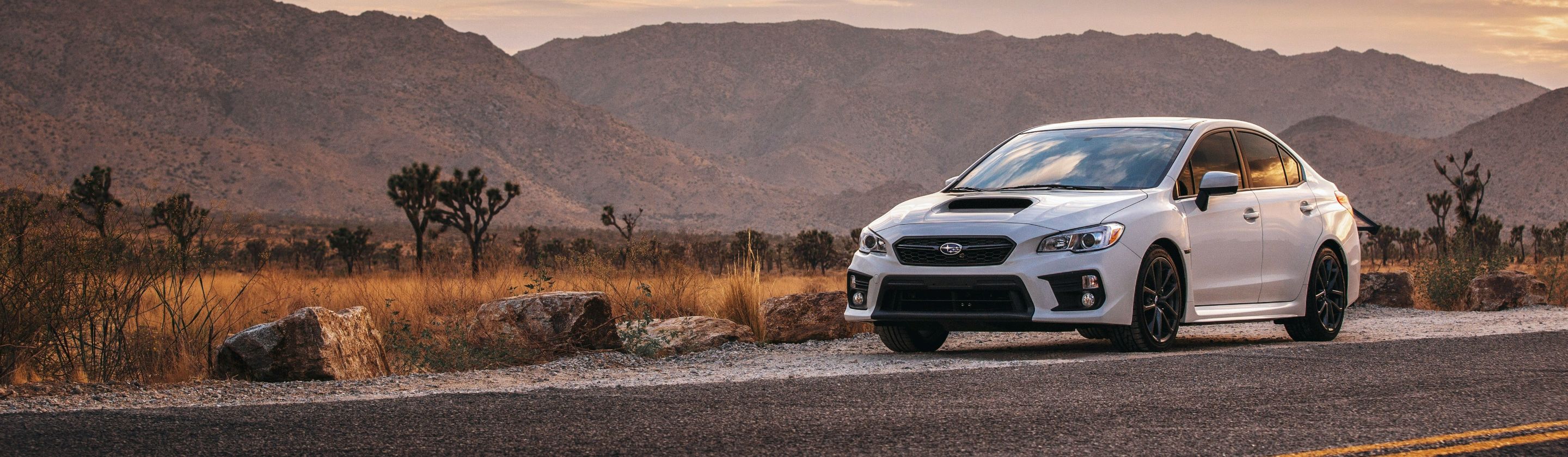
Immemorial and Forgettable
Subaru has built something most automakers would kill for: a genuinely passionate fanbase. People who own the right Subaru don't just drive it. They put a National Park sticker on the back glass and keep it until the odometer rolls past 200,000 miles. But for every model that earned that devotion, there's another one that left people wondering what the engineers were thinking. Here are 10 Subarus that became true cult favorites, and 10 that really tested everyone's patience.
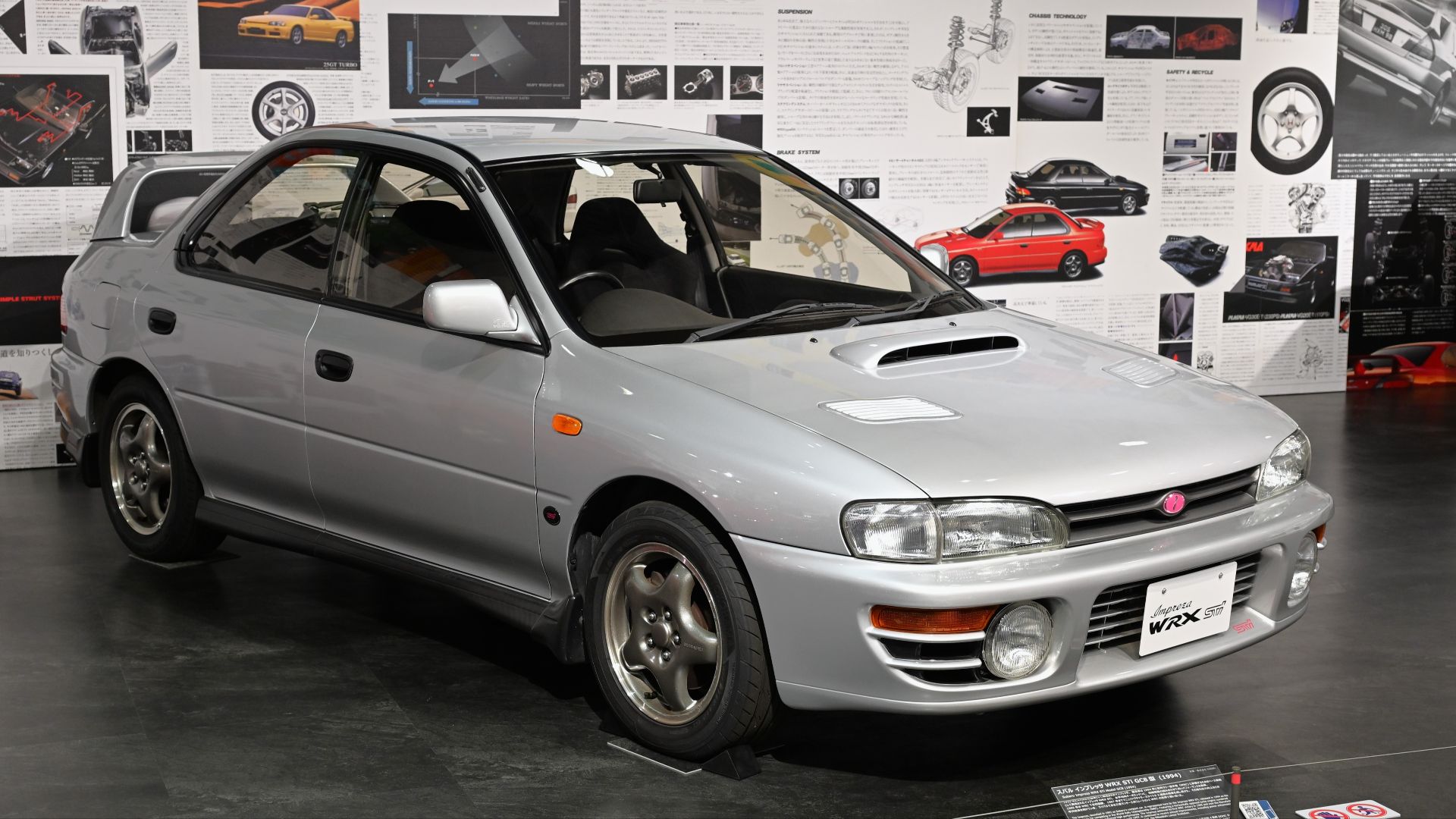
1. Impreza WRX (2002–2007)
The early WRX turned a generation of car enthusiasts into Subaru converts. It was quick, it was loud in all the right ways, and it cost about half what a comparable sports car would have. Driving one felt like discovering a secret.
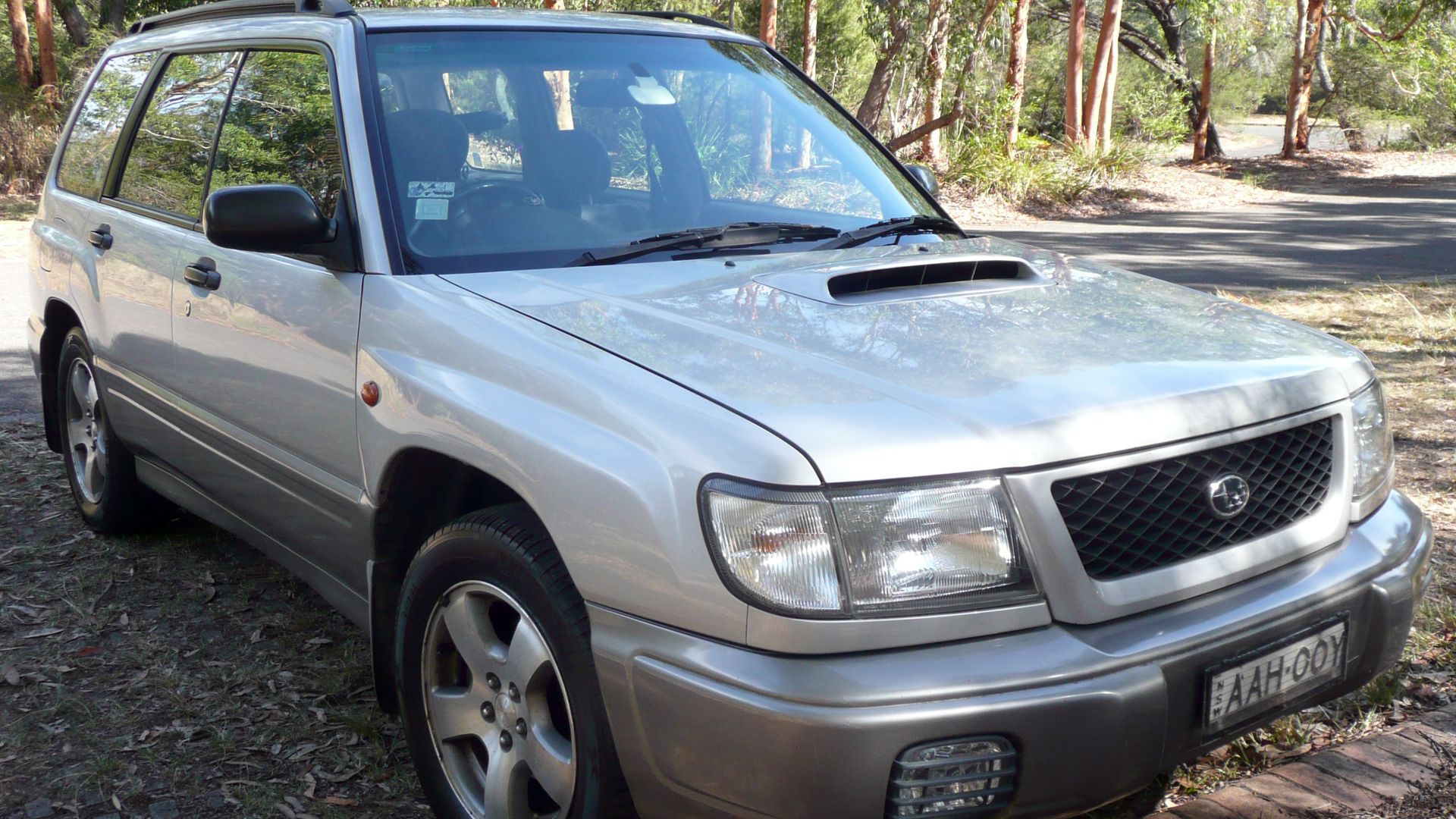
2. Forester (First Gen, 1998–2002)
Before the crossover craze took over, the first-generation Forester was something genuinely original: a tall, boxy wagon that could handle a dirt road without pretending to be a truck. Owners figured out quickly that it was one of the most practical vehicles ever built for the money.
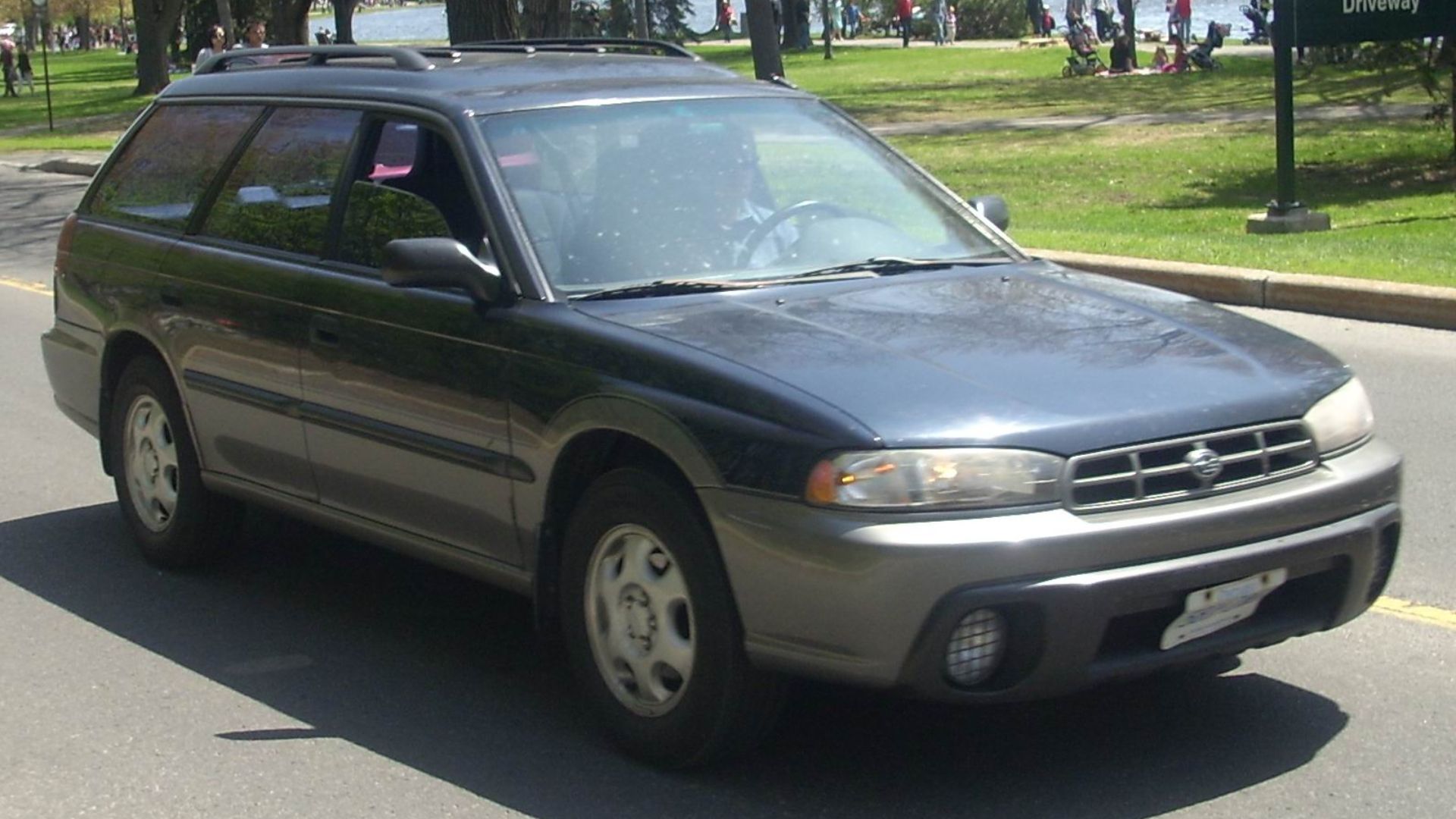
3. Outback (Late 1990s)
The late-'90s Outback basically invented the lifted wagon segment, and it did it before anyone else had the nerve to try. There's a reason you still see well-kept examples hauling kayaks through the Pacific Northwest decades later.
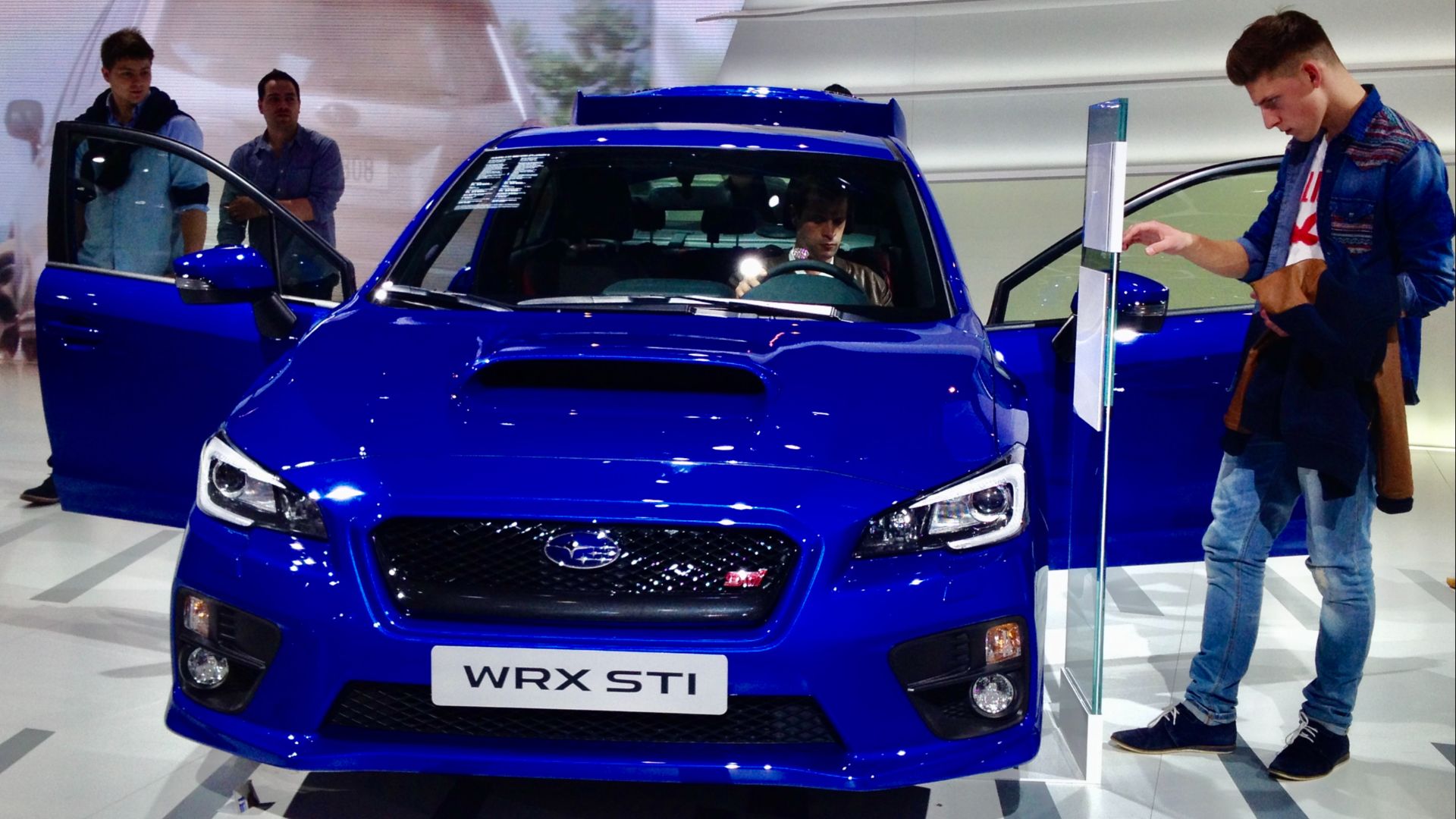
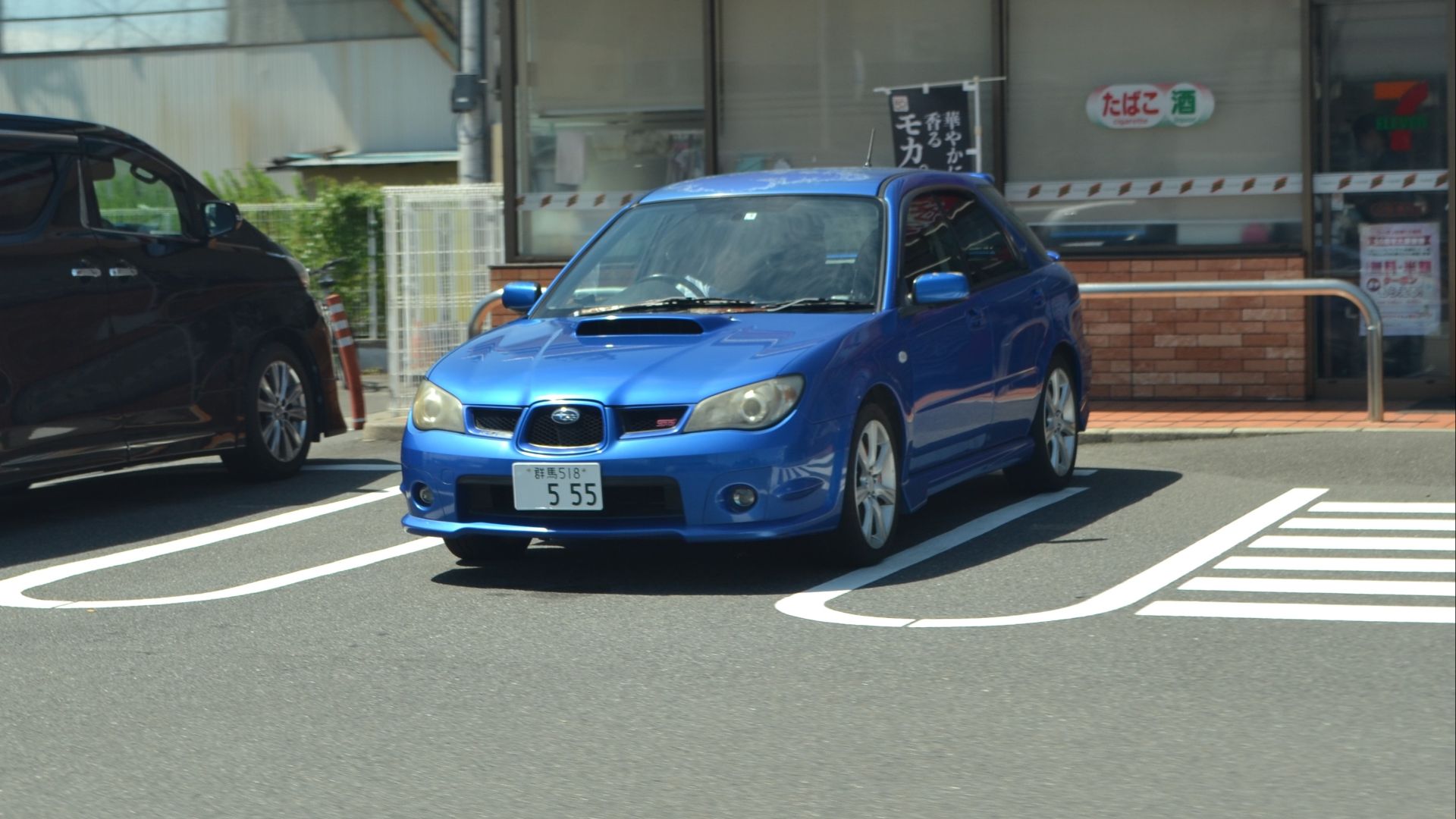
4. WRX STI (2004)
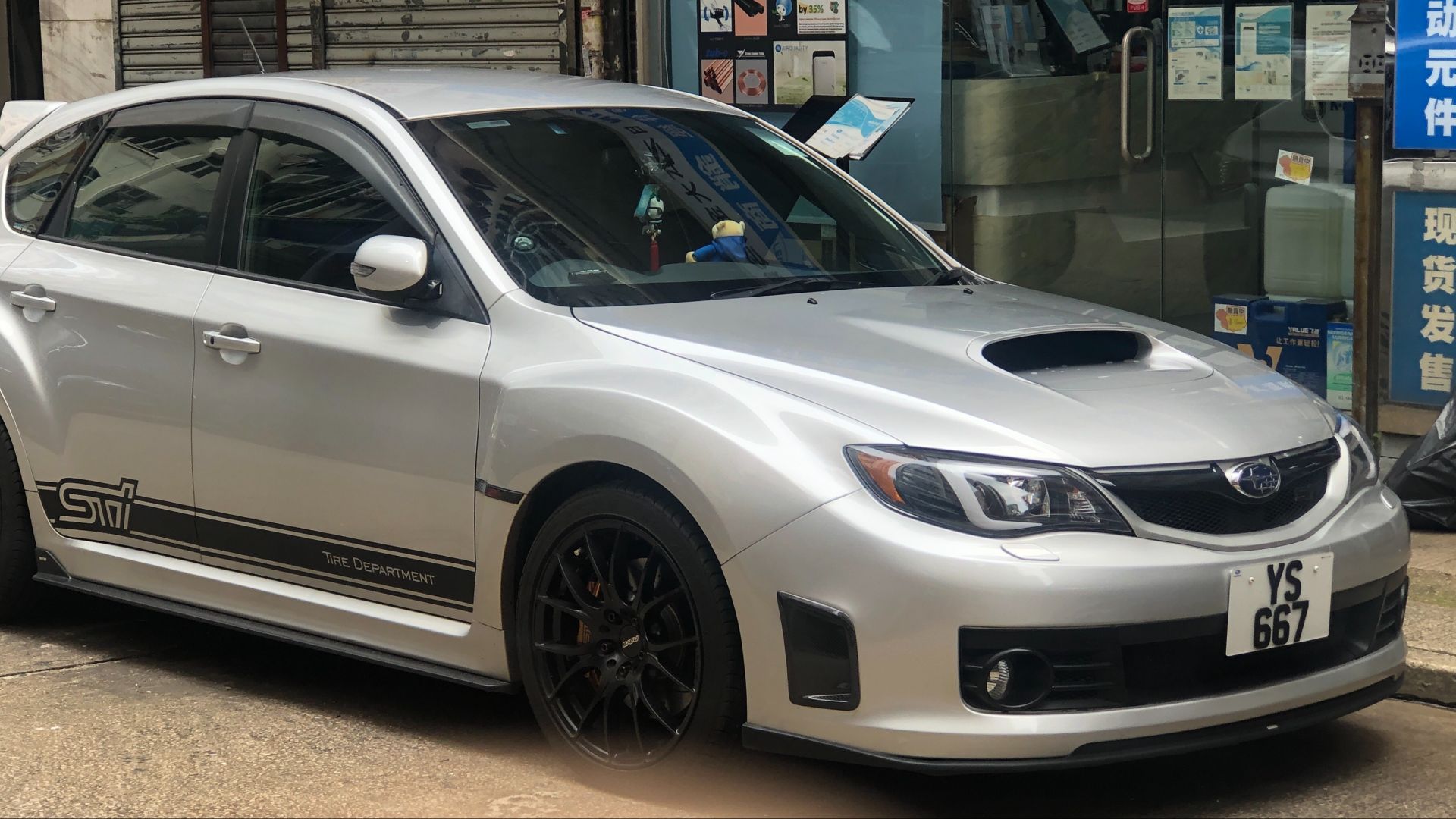
When the STI came to the US market, it felt like Subaru had handed customers a street-legal rally car with a warranty. The gold BBS wheels, the aggressive hood scoop, the driver-selectable center diff. It was the kind of car that made you want to find a twisty back road immediately.
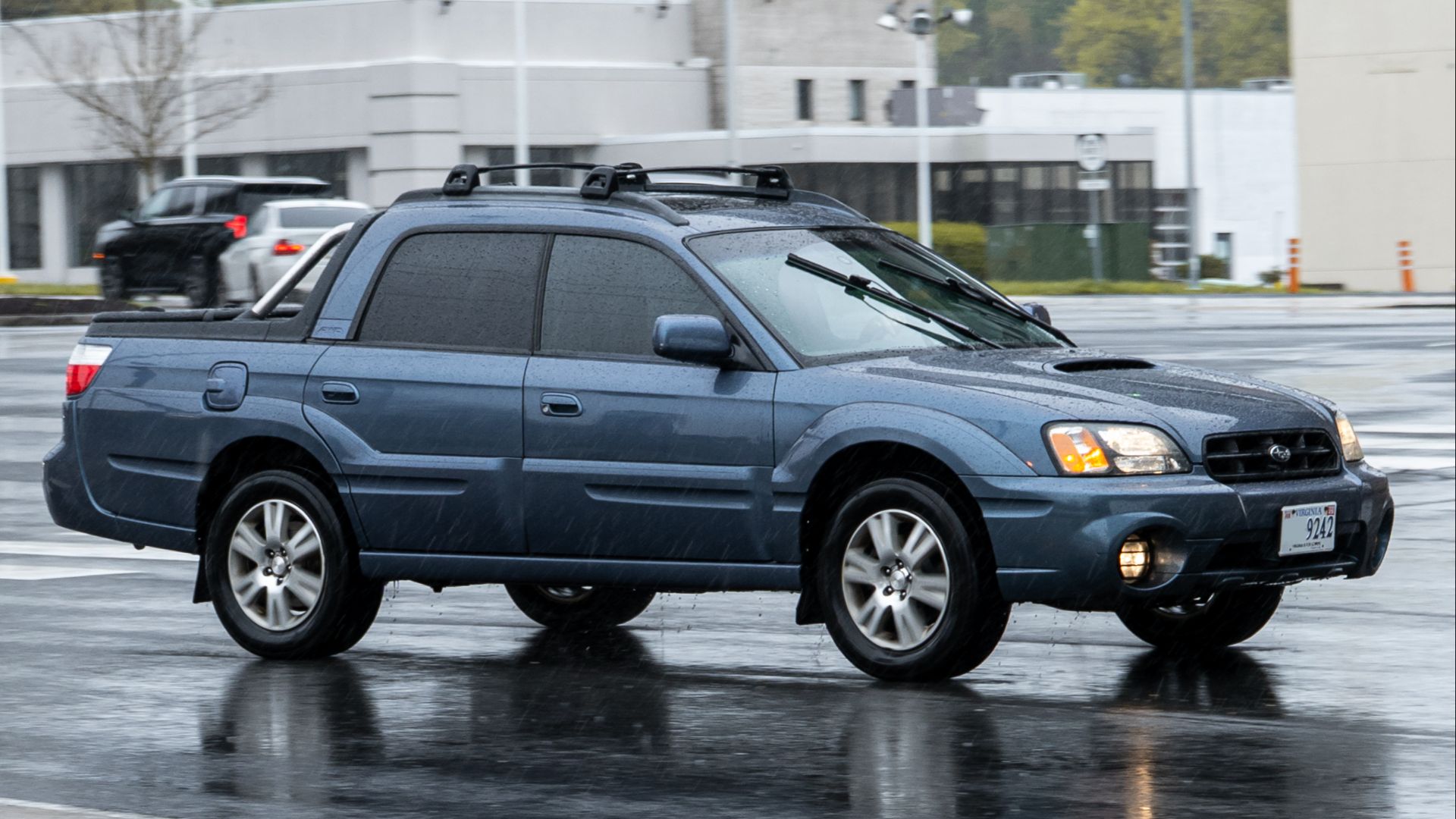
5. Baja (2003–2006)
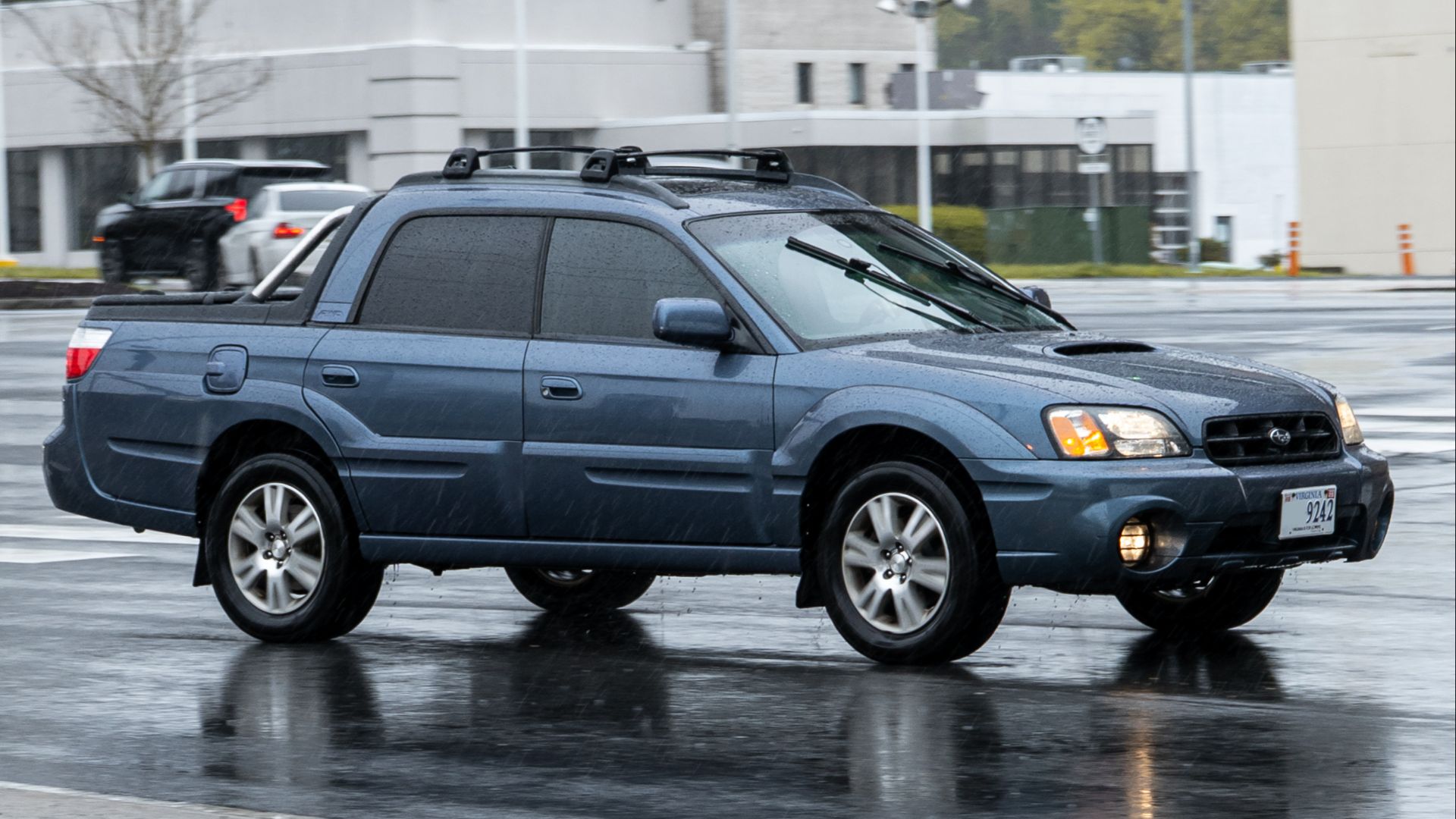
The Baja was strange and weird and absolutely wonderful. It was a car-based pickup with a pass-through trunk opening, and nobody could quite explain why they liked it so much, but they did. Time has been kind to it. Clean examples now sell for more than they did new.
6. BRAT (1978–1987)
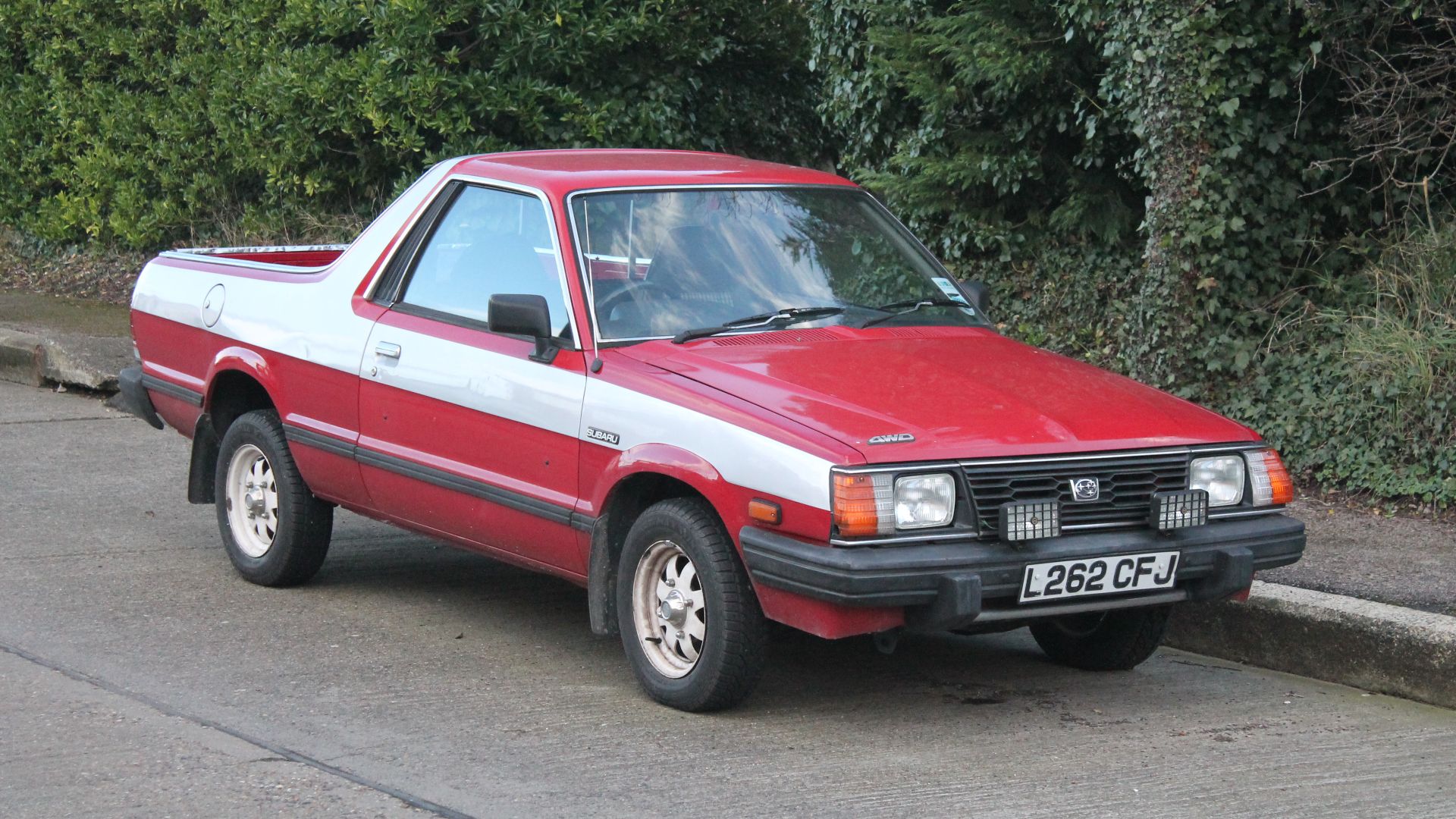
Few vehicles have aged as well in terms of personality as the BRAT. It had little seats in the truck bed, a unibody structure when everyone else was using body-on-frame, and an all-wheel-drive system decades ahead of its time. It's the kind of vehicle that gets waved at by strangers.
 Charlie from United Kingdom on Wikimedia
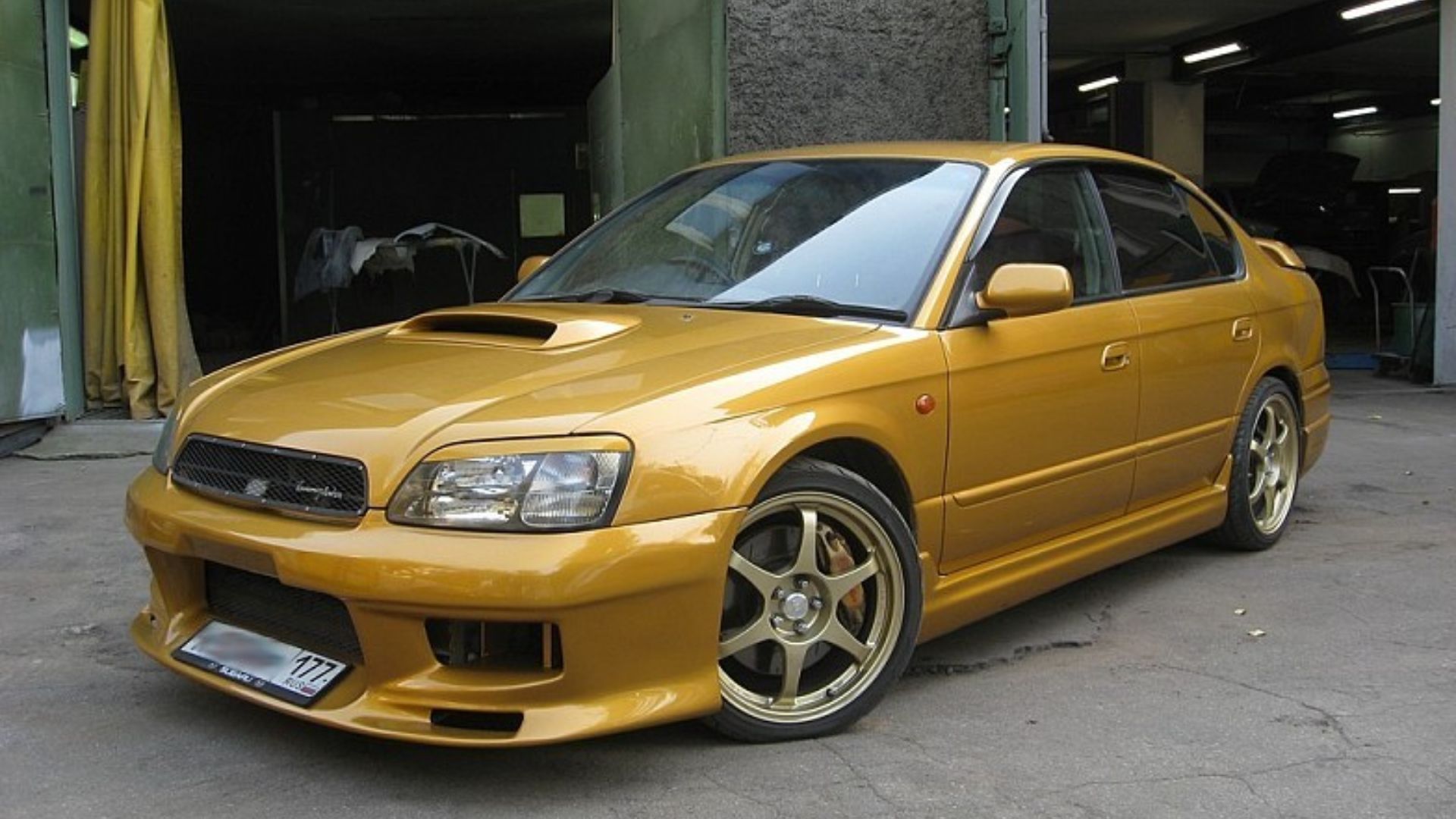
7. Legacy GT (2005–2009)
The Legacy GT never got the attention it deserved, which is part of why it became a cult car. It was a turbocharged, all-wheel-drive family sedan that looked completely anonymous and could outrun most sports cars on a wet road. People who knew, knew.
8. Impreza Wagon (1993–2001)
The first-generation Impreza wagon was small, honest, and surprisingly capable. It didn't have a turbo or fancy suspension tuning, but it handled snow and neglected pavement better than anything in its price range. Plenty of people kept them running well into the 2010s.
9. SVX (1992–1997)
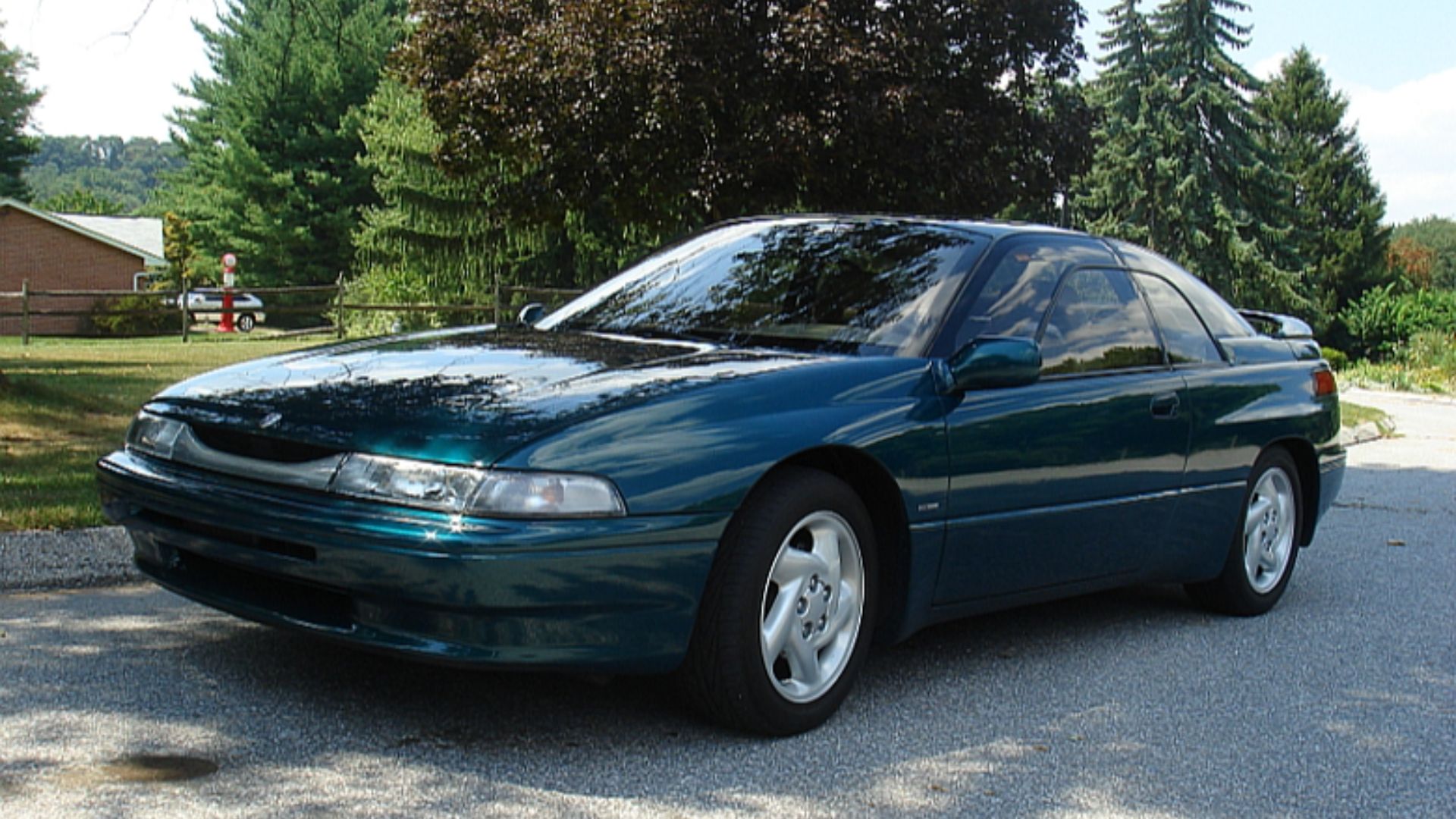
The SVX was Subaru's attempt at a grand tourer, and it landed somewhere genuinely beautiful. Designed by Giugiaro with a distinctive window-within-a-window roofline, it looked like nothing else on the road. Ownership was complicated, but the visual design never stopped turning heads.
 Svxcess at English Wikipedia on Wikimedia
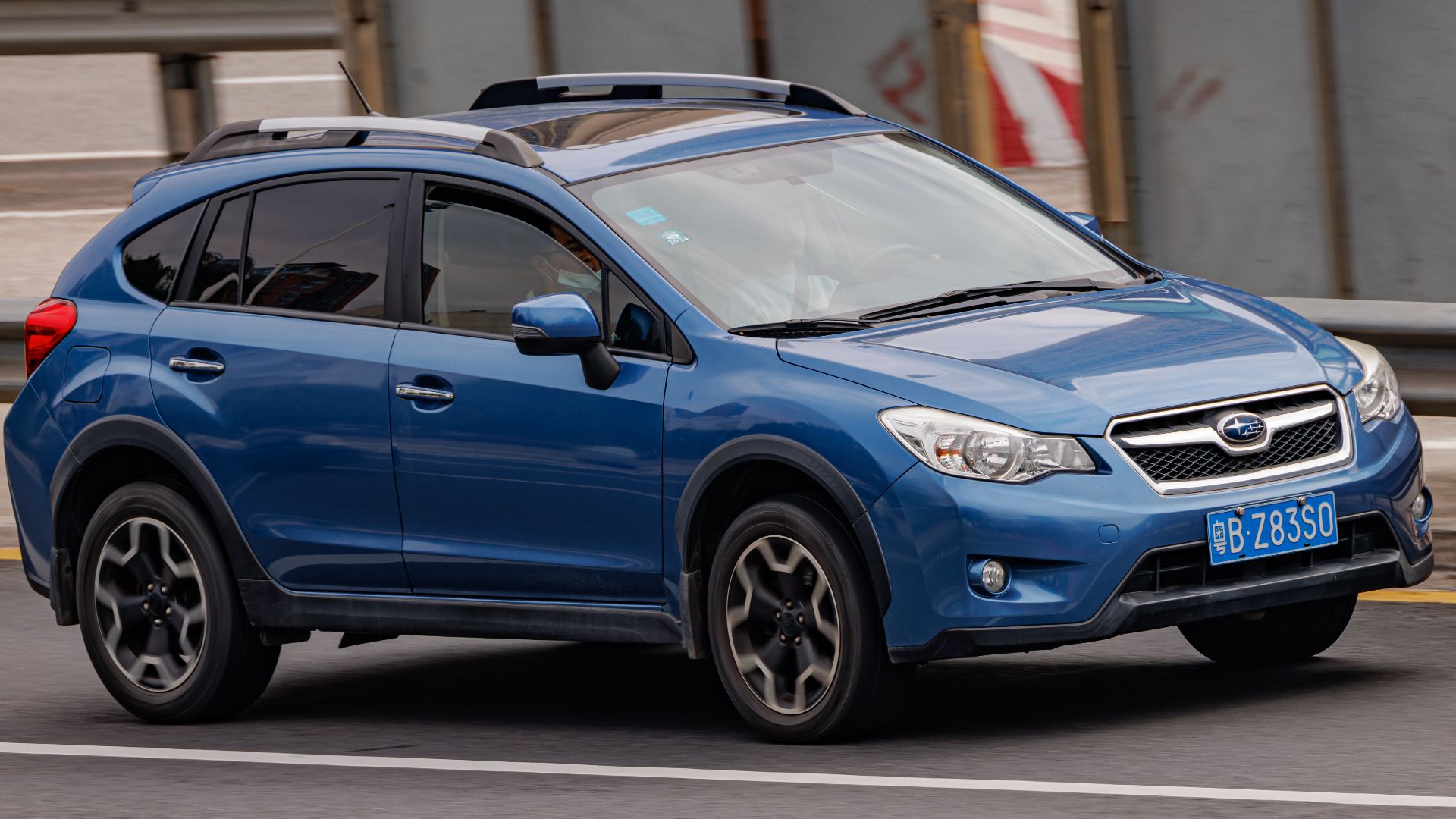
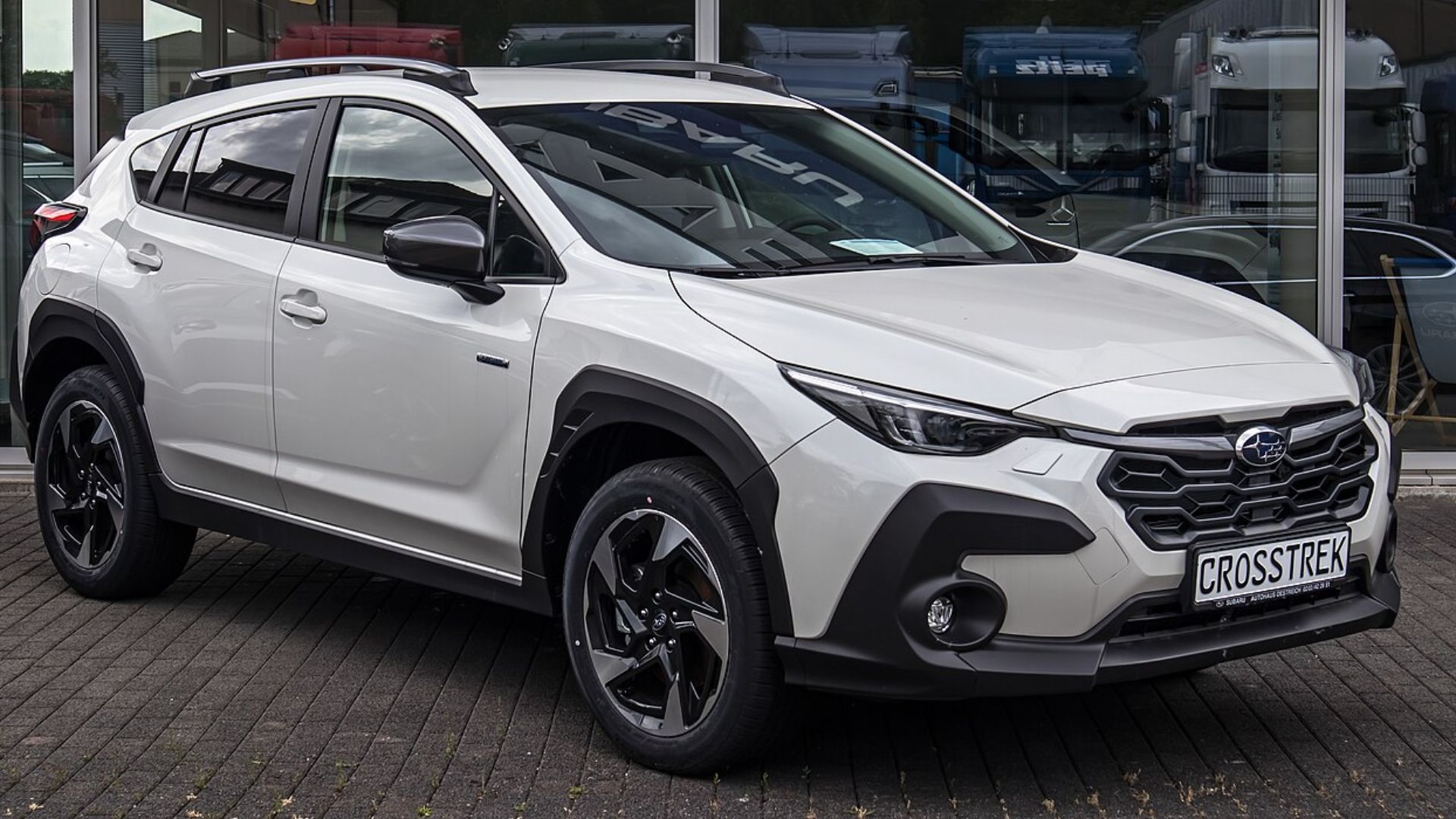
10. Crosstrek (2013–2017)
The early Crosstrek filled a gap that nobody had officially named yet: the small, slightly lifted hatchback for people who wanted light trail capability without the bulk of a full crossover. It was unpretentious, efficient, and easy to live with. The aftermarket loved it.
Here are the 10 cult favorites that earned real loyalty. Now for the 10 that wore people down.
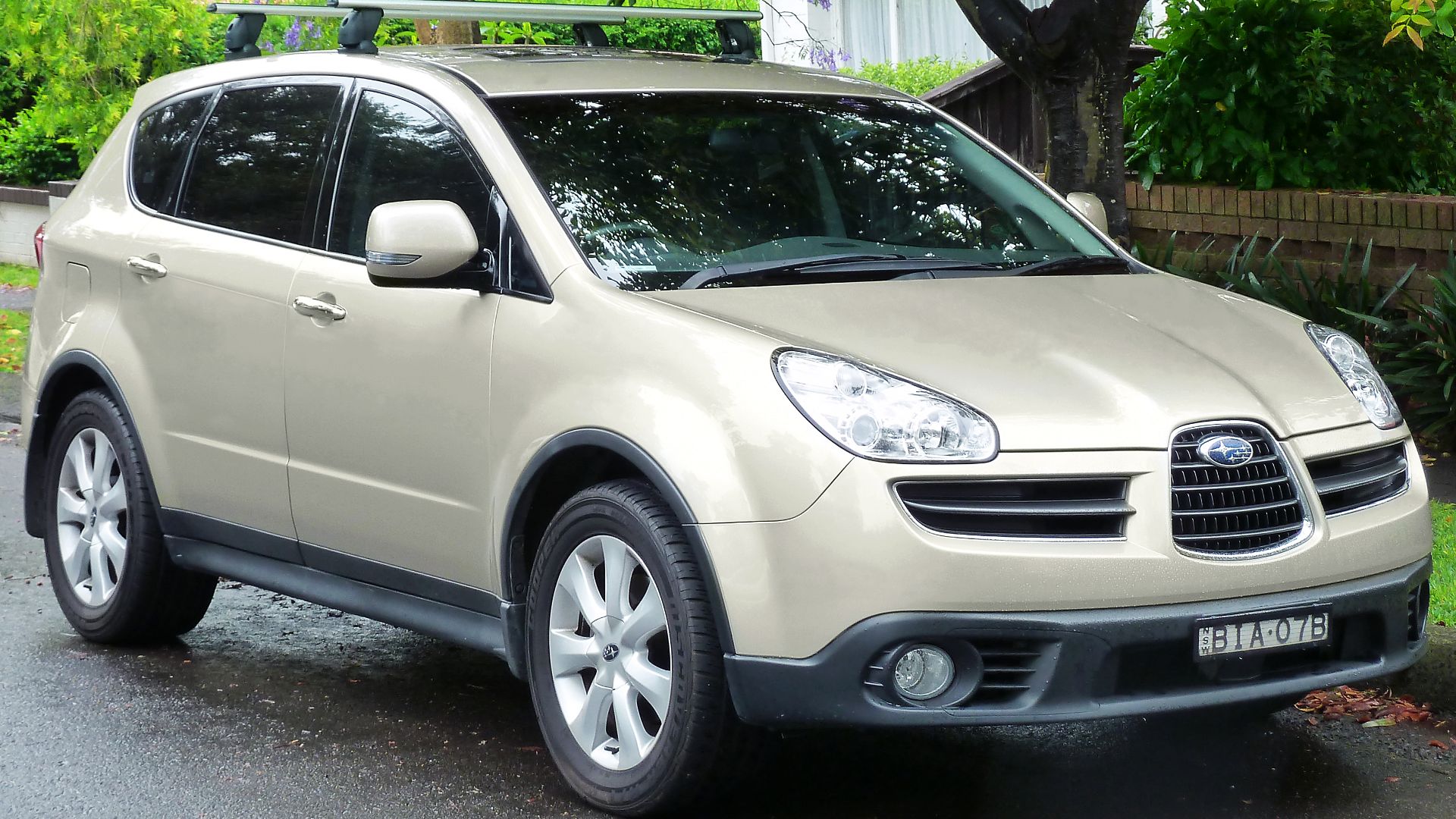
1. Tribeca (2006–2014)
The Tribeca arrived with bold styling and left without much ceremony. The front end was polarizing in the worst way, the third row was essentially unusable for adults, and it never found the audience Subaru was clearly hoping for. It was discontinued quietly, and most people had forgotten it existed before it was officially gone.
 commons.wikimedia.org on Google
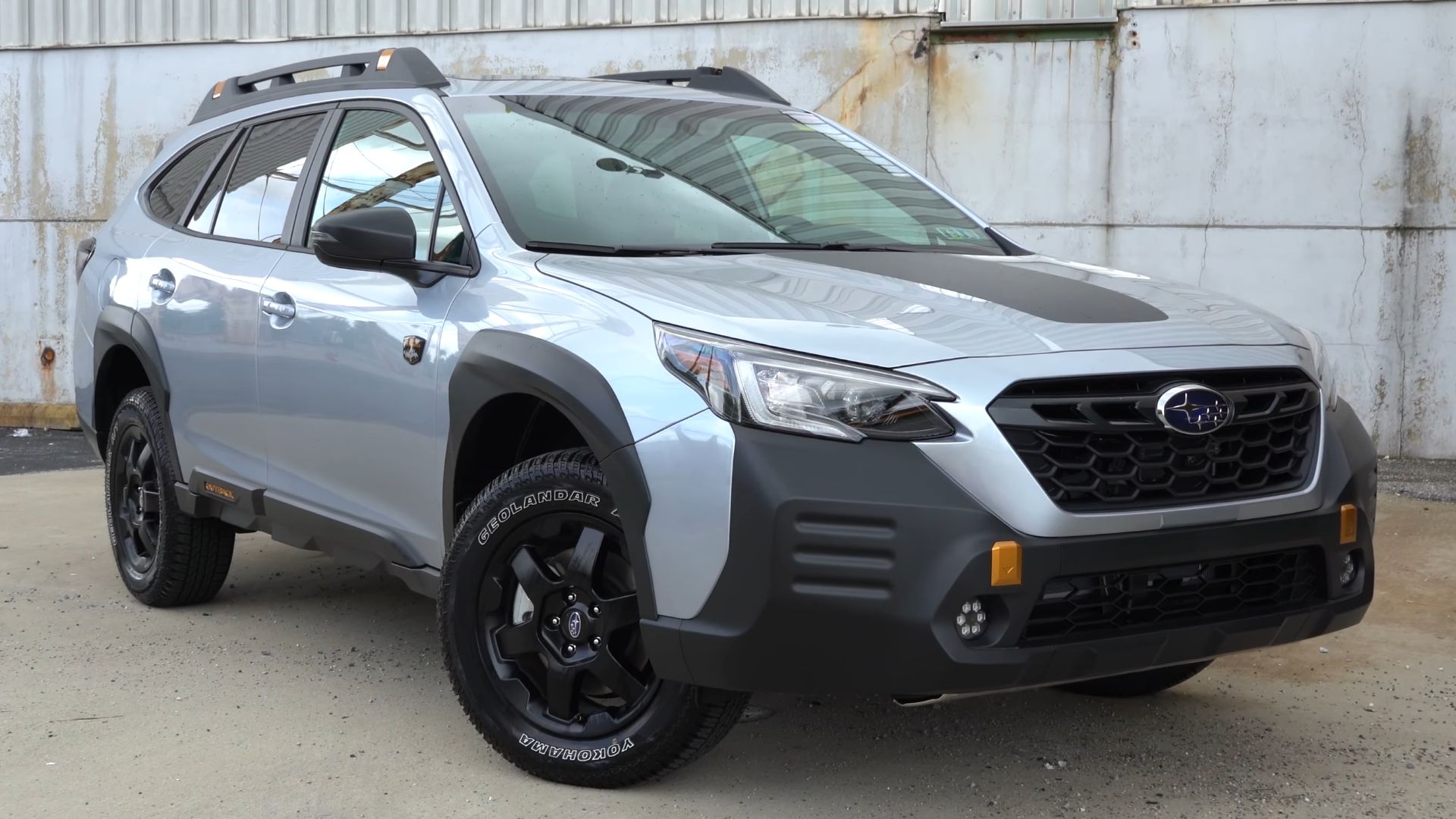
2. Outback (2020–2022, with the Lineartronic CVT Issues)
The modern Outback is a good vehicle with a frustrating asterisk. The CVT in this generation developed a reputation for shuddering at low speeds, and the fix, a software update that didn't always fully resolve the problem, left a lot of owners feeling like they were stuck managing a problem that shouldn't have existed.
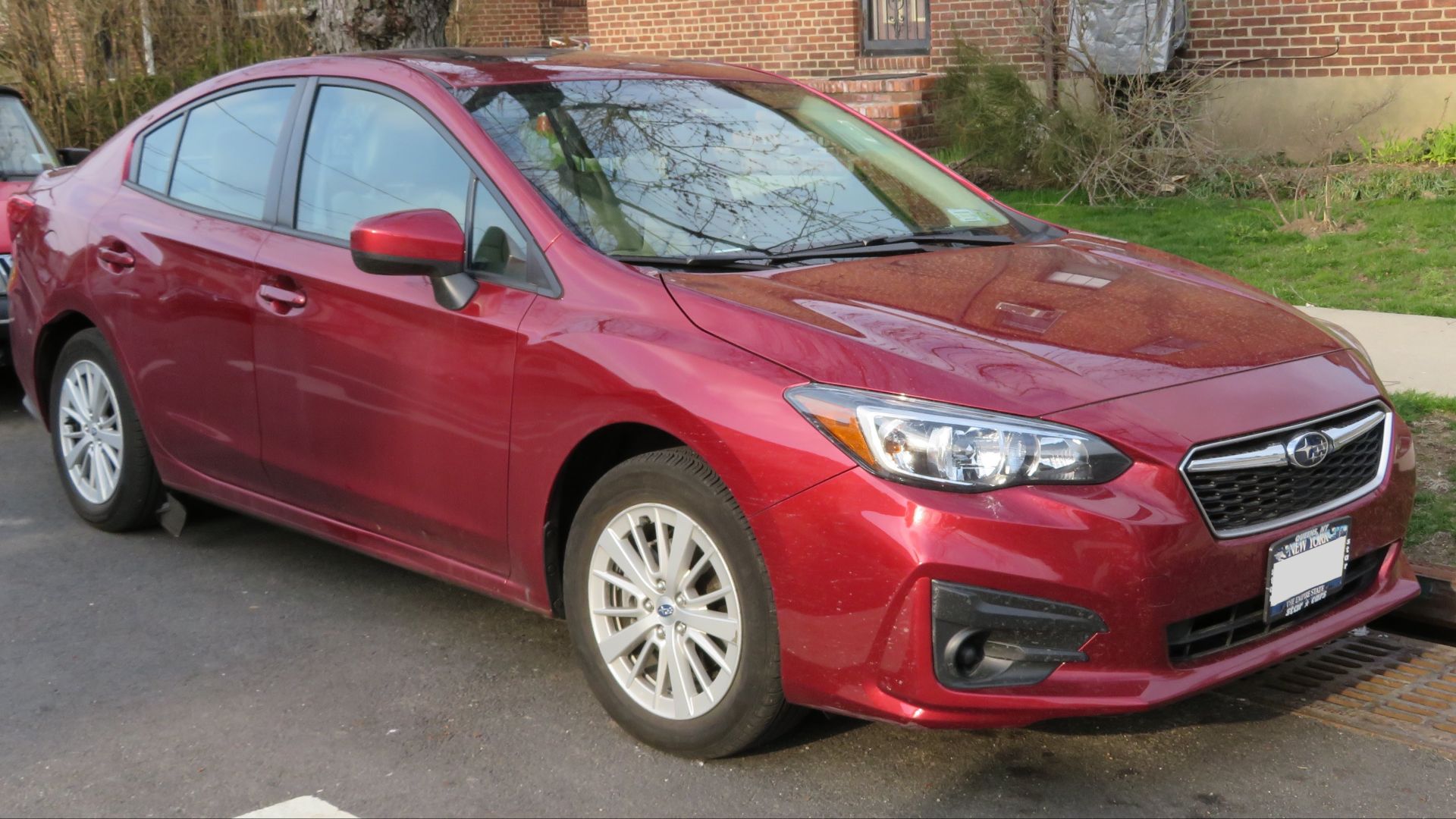
3. Impreza (2017 Sedan)
The 2017 Impreza was a generational refresh that made practical improvements while somehow losing a lot of what made the car interesting. The driving feel was numb, the interior materials felt cost-reduced, and it struggled to stand out in a segment full of genuinely compelling competitors. It sold, but it didn't inspire.
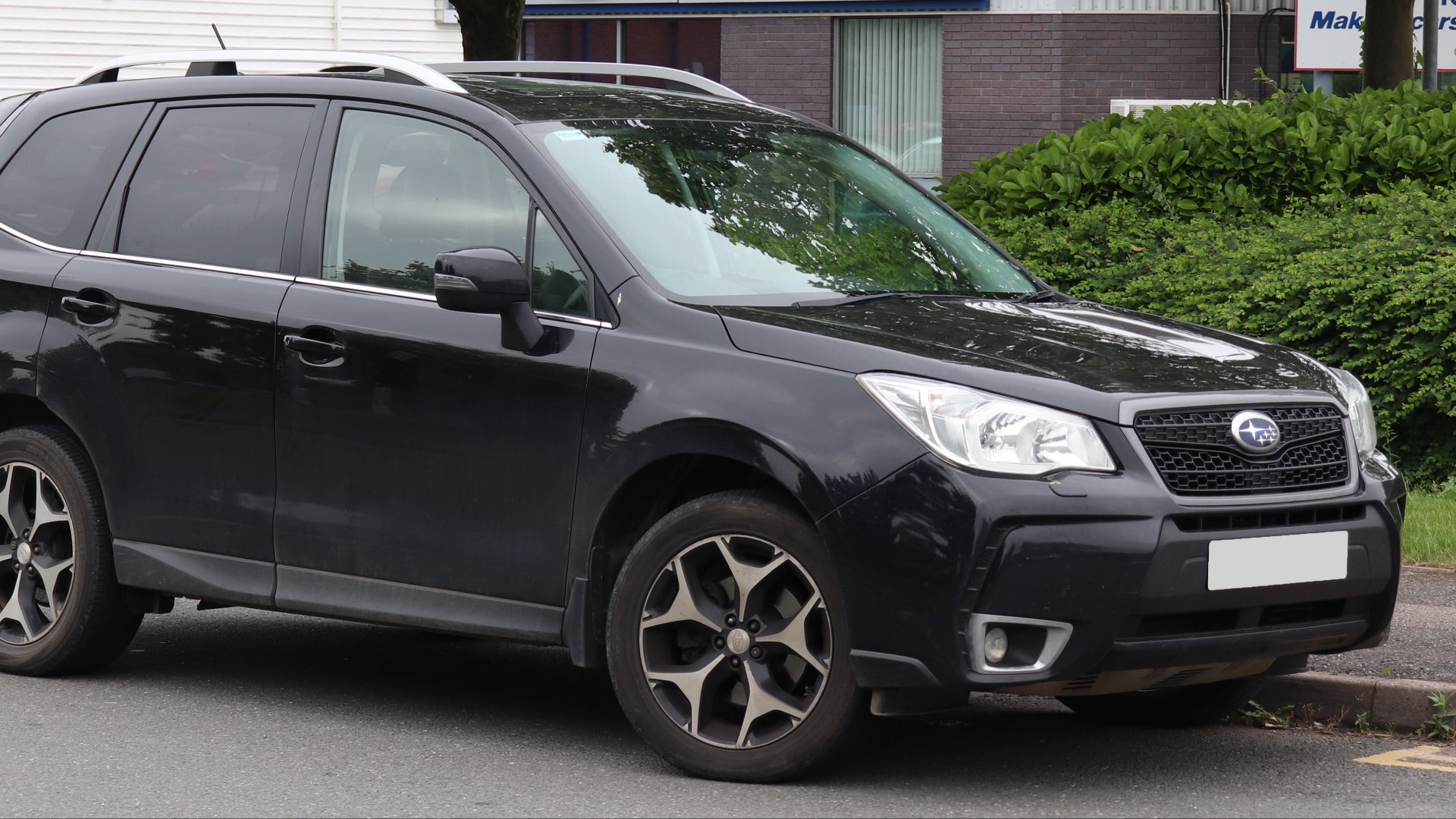
4. Forester XT (2014–2018)
The turbocharged XT version of the Forester was supposed to give buyers the best of both worlds. In practice, fuel economy took a significant hit with the turbo engaged, and the powertrain felt inconsistent in a way that made commuting less pleasant than it should have been. The naturally aspirated version made more sense for almost everyone.
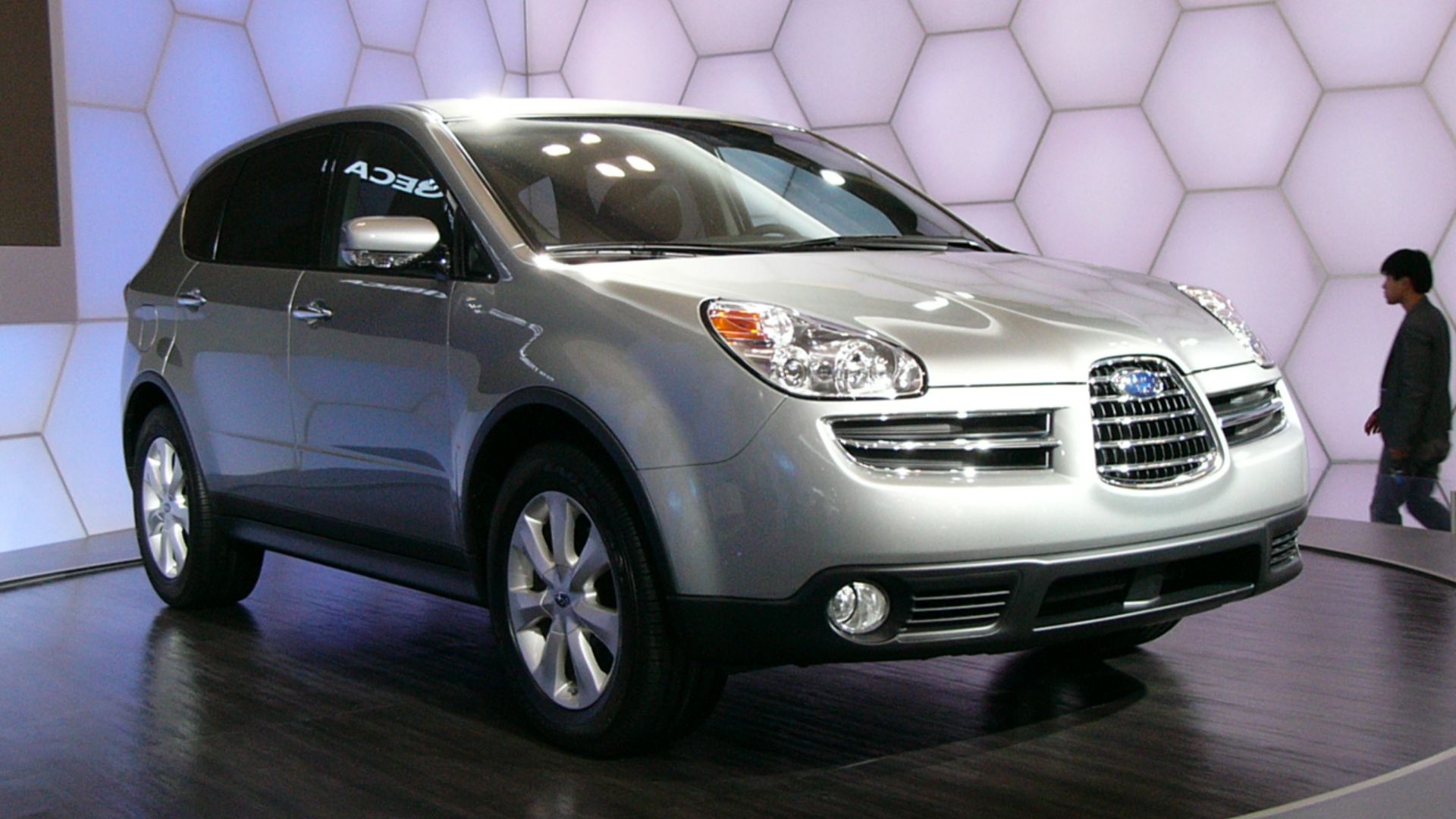
5. B9 Tribeca (Early Version)
Before they renamed it the Tribeca, the B9 Tribeca launched with a seven-passenger layout that felt rushed. Fit and finish issues surfaced early, the infotainment system was primitive even for its era, and the seating configuration made the middle row awkward enough that buyers noticed it on the test drive.
6. Baja (For Daily Drivers)
The Baja earns a cult following today, but when it was new, it frustrated buyers who actually tried to use it as a truck. The bed was too small for serious hauling, and the pass-through opening, while clever, couldn't compensate for having one of the smallest cargo beds in its class. It was a novelty that cost truck-buyer money.
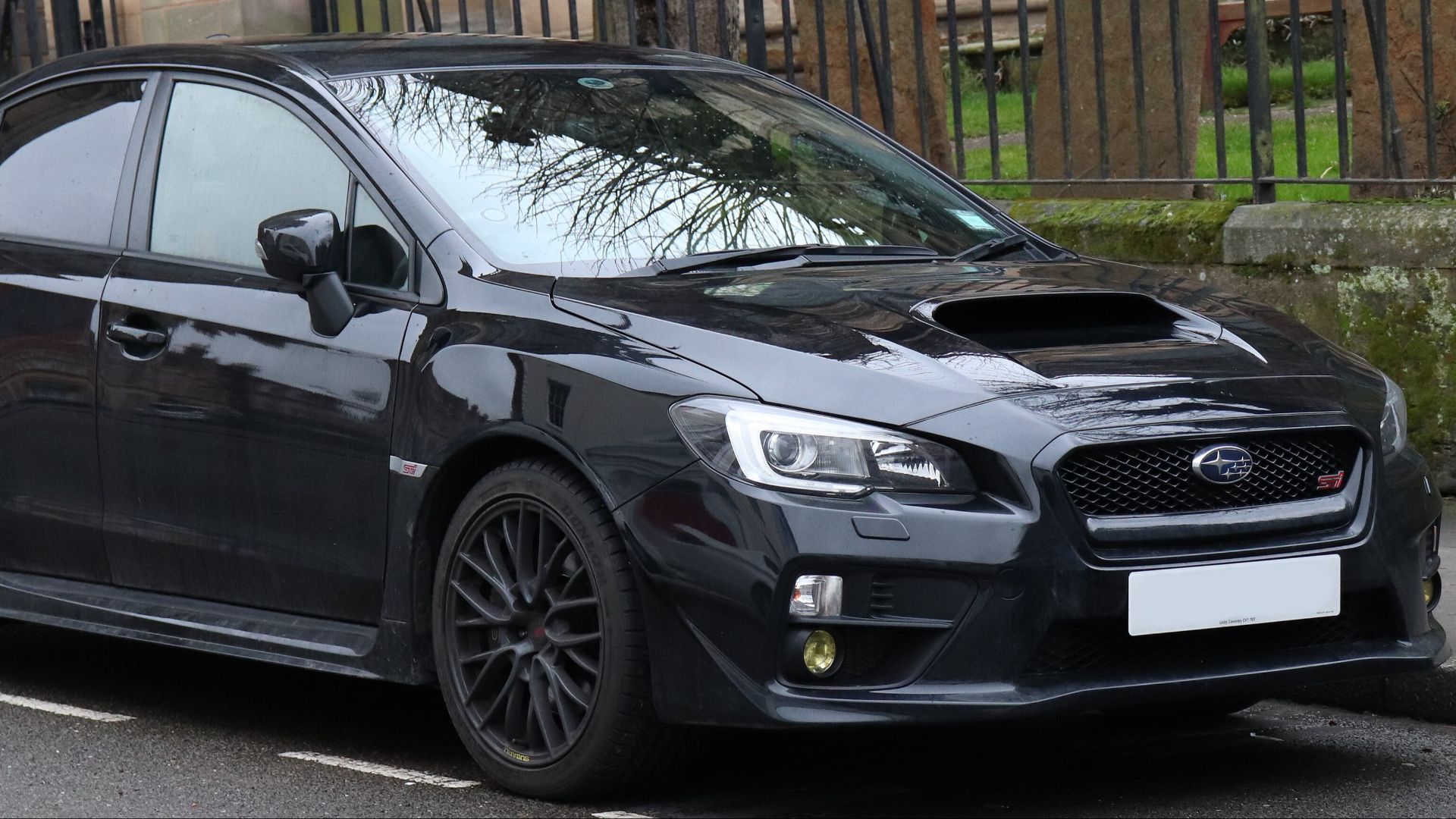
7. WRX (2015 CVT Option)
Offering a CVT in the WRX felt like a brand contradiction the moment it was announced. The performance crowd ignored it, and the buyers who might have appreciated the ease of the CVT had plenty of better-suited options elsewhere. It existed, found almost no audience, and eventually disappeared. It was a decision that probably should have been reconsidered before launch.
 commons.wikimedia.org on Google
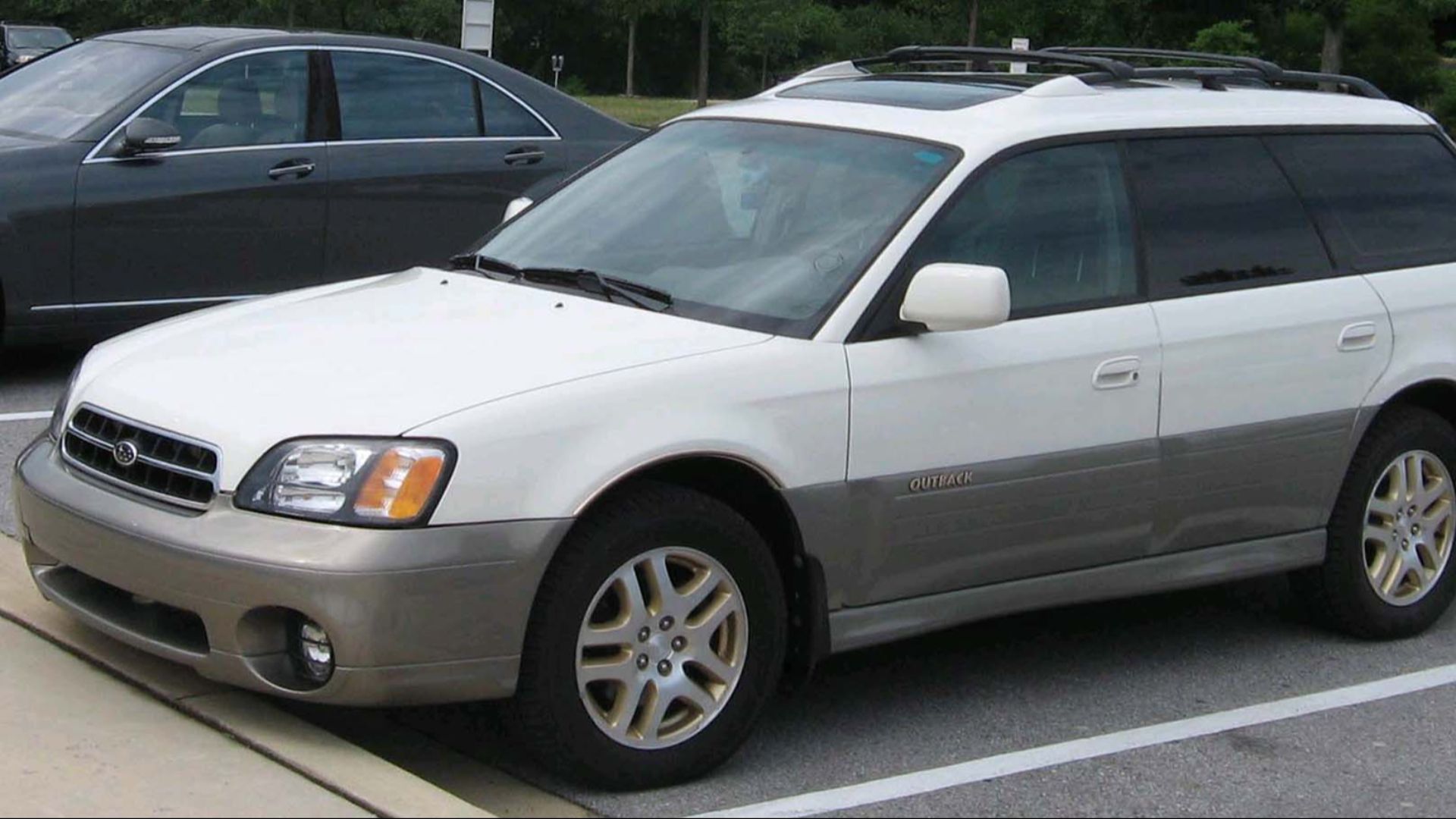
8. Outback (2000–2004 Head Gasket Era)
Plenty of 2.5-liter Subarus from this period developed head gasket problems that became a defining conversation in ownership forums. If you were buying used and didn't know to ask about it, you found out the hard way. Subaru acknowledged the issue slowly, and the repair costs landed hard on owners who hadn't budgeted for an engine-out job.
9. Legacy (2010–2014 Base Trim)
The base-trim Legacy from this generation was the kind of car that existed purely to hit a price point. It wasn't bad in any dramatic way. It was just relentlessly average, with a flat driving character and an interior that felt like it had been designed to discourage upgrades. The GT and 3.6R versions were genuinely good; this one just took up space in the lineup.
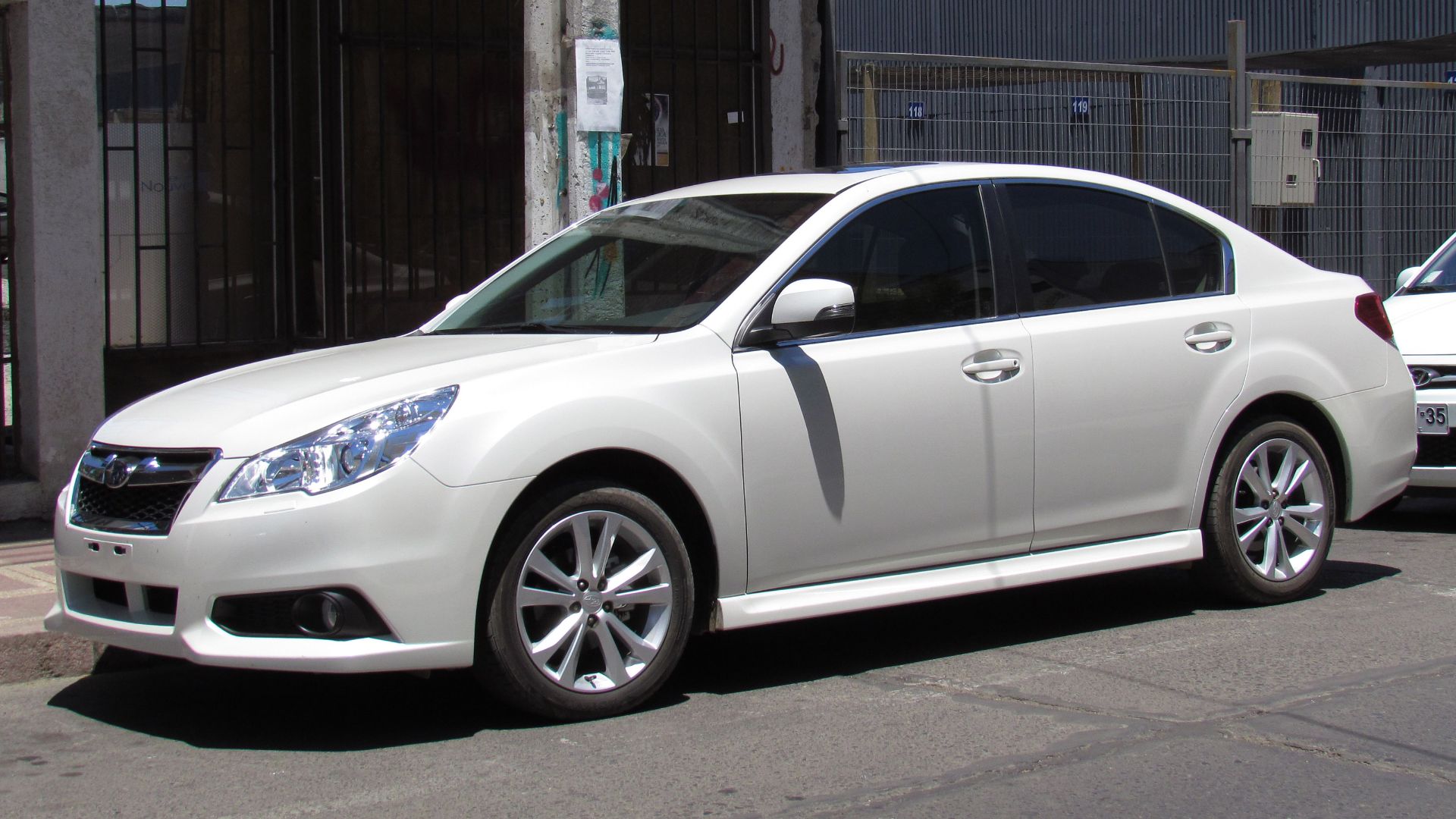 order_242 from Chile on Wikimedia
10. Crosstrek Hybrid (2019)
The plug-in hybrid Crosstrek had a promising concept and a deeply underwhelming execution. With only about 17 miles of electric range, it couldn't be used as a true EV for most commutes, and the premium over the standard model was difficult to justify mathematically. Buyers who wanted a real hybrid felt like they were getting something half-baked, which, in terms of electric range, they essentially were.


_R_Premium_Pack_wagon_(2011-11-17).jpg)

_%E2%80%93_f_31052025.jpg)