The SUV Just Couldn’t Keep Up
Station wagons didn’t vanish because they stopped being useful. They were still roomy, easy to load, comfortable on long drives, and usually nicer to drive than the taller SUVs and crossovers that took over their old showroom space. While some of these wagons had clear replacements, others simply disappeared as buyers were nudged toward higher-riding family vehicles. The shift made business sense for automakers, but it left behind a lot of cars that still worked beautifully in daily life. These 20 station wagons show why the long-roof formula deserved more credit.
1. Volkswagen Golf SportWagen And Golf Alltrack
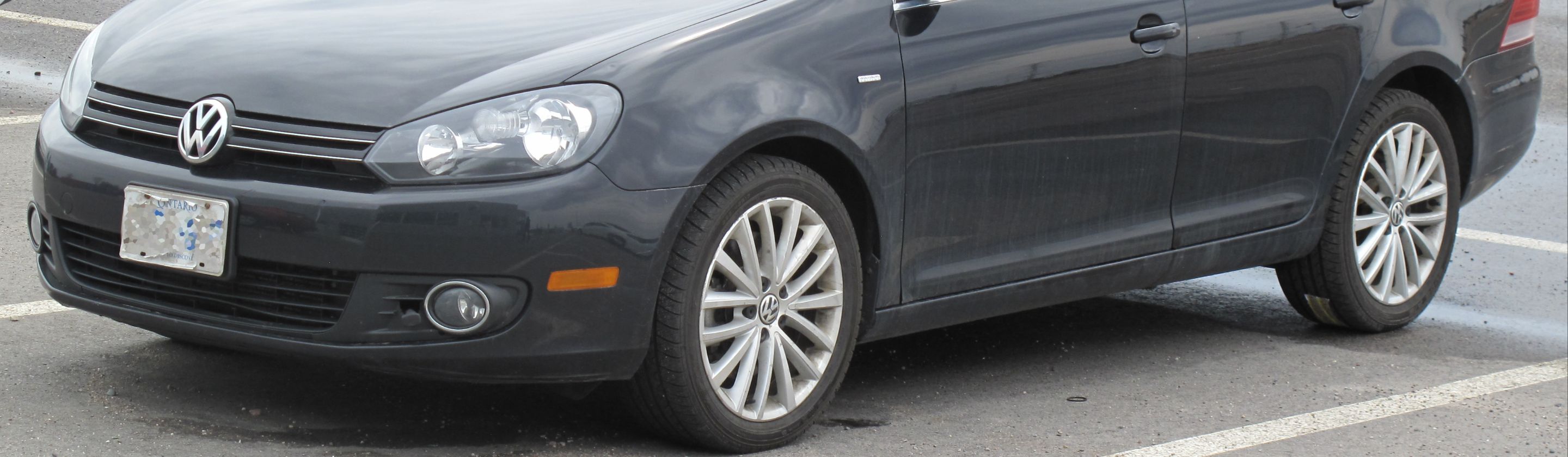
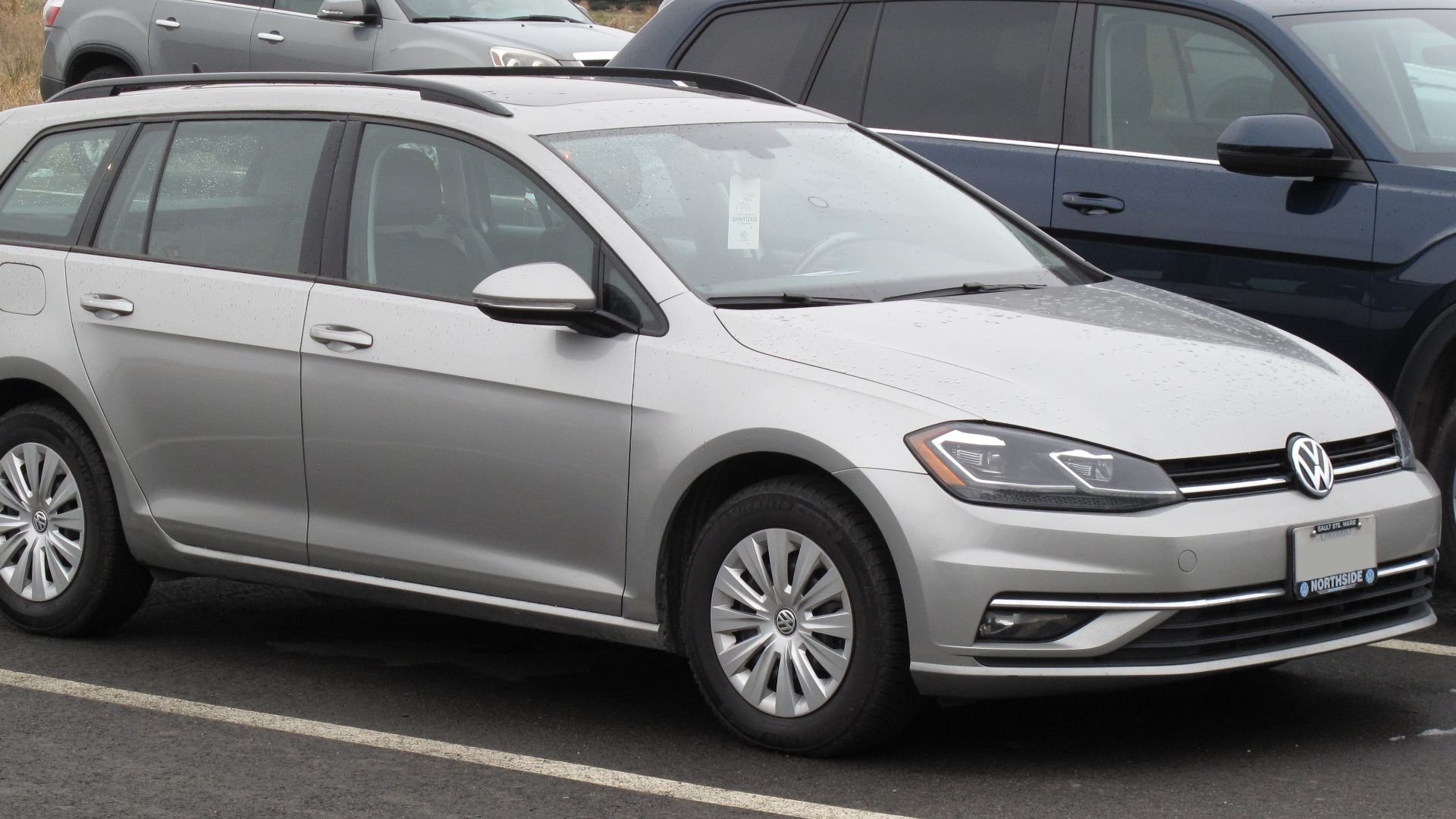
The Golf SportWagen and Alltrack gave drivers compact-SUV usefulness without the extra bulk. They had ample cargo space, available all-wheel drive, and the tidy feel that made the Golf so easy to like.
2. Buick Regal TourX
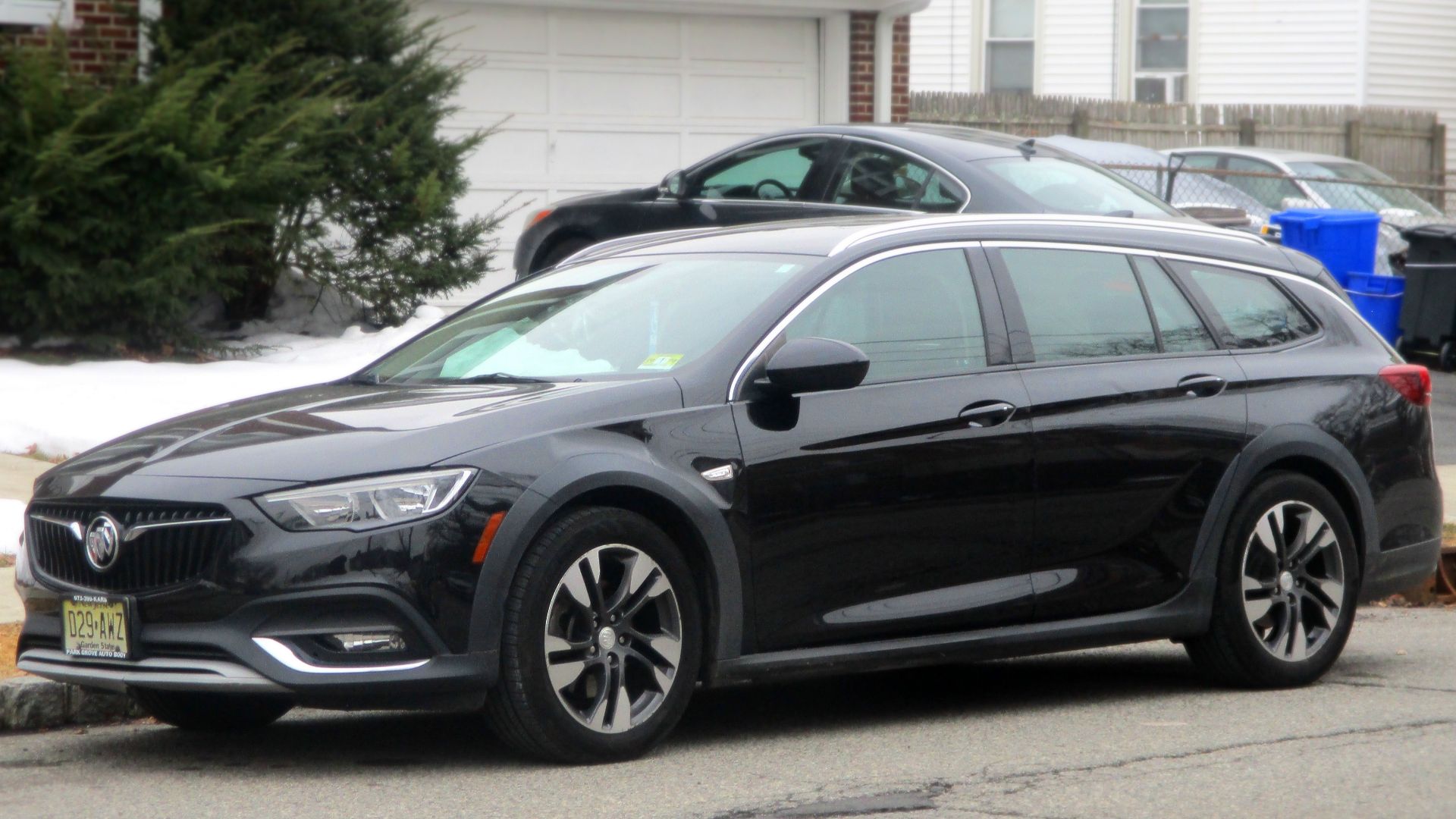
The Regal TourX was one of Buick’s most appealing modern cars because it didn’t feel like the obvious choice. It came with standard all-wheel drive, a long cargo area, and a sleek shape that looked more interesting than the crossovers that followed. Buick’s later U.S. lineup made more logistical sense, but the TourX had more character.
3. Dodge Magnum
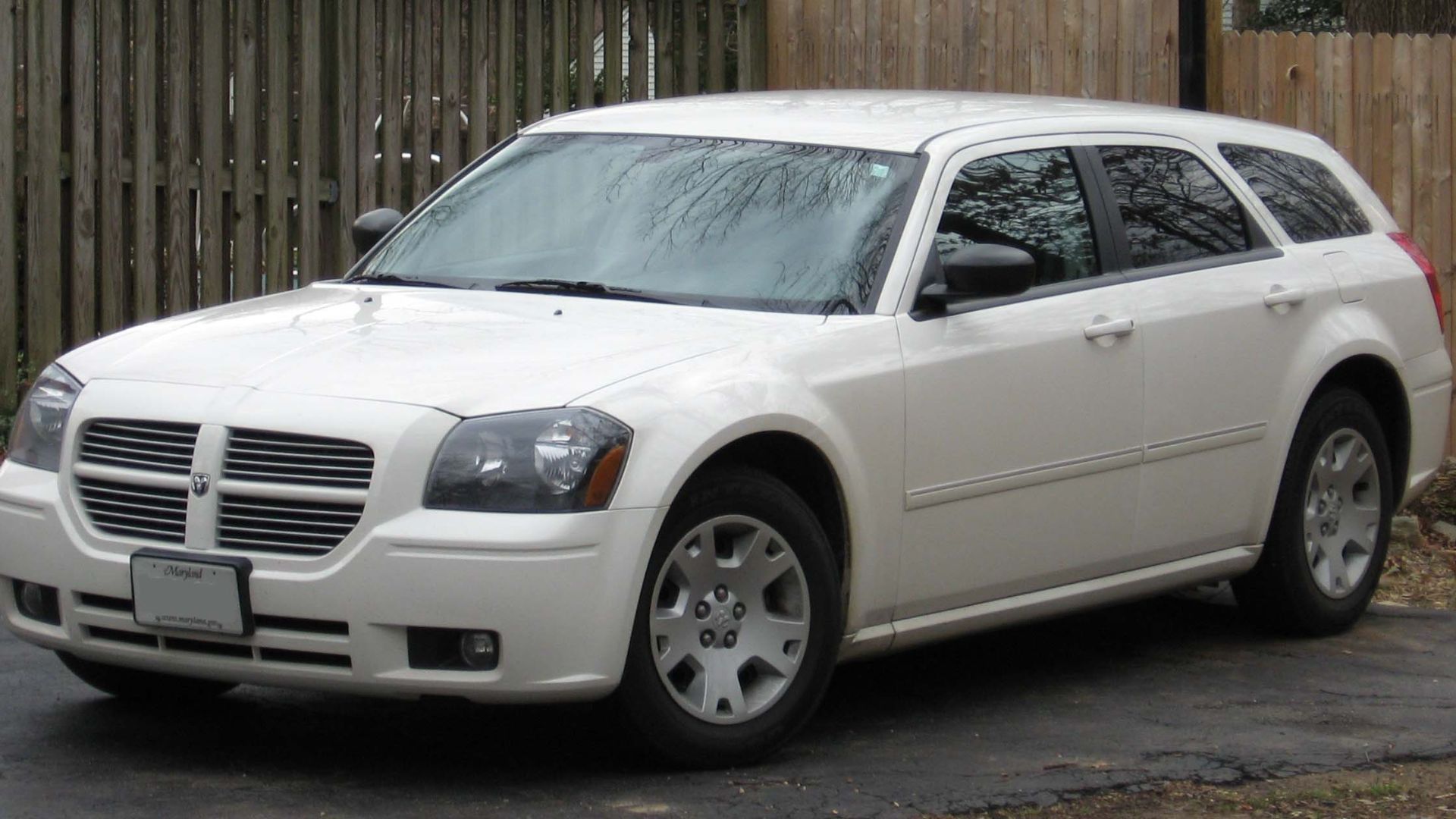
The Dodge Magnum mixed family-hauler space with a shape that felt closer to a muscle car. It had rear-drive capabilities, available V8 power, and a wagon body that made it far more useful than its tough look suggested. The Journey gave Dodge a more conventional crossover, though it never had the Magnum’s personality.
4. Ford Taurus Wagon
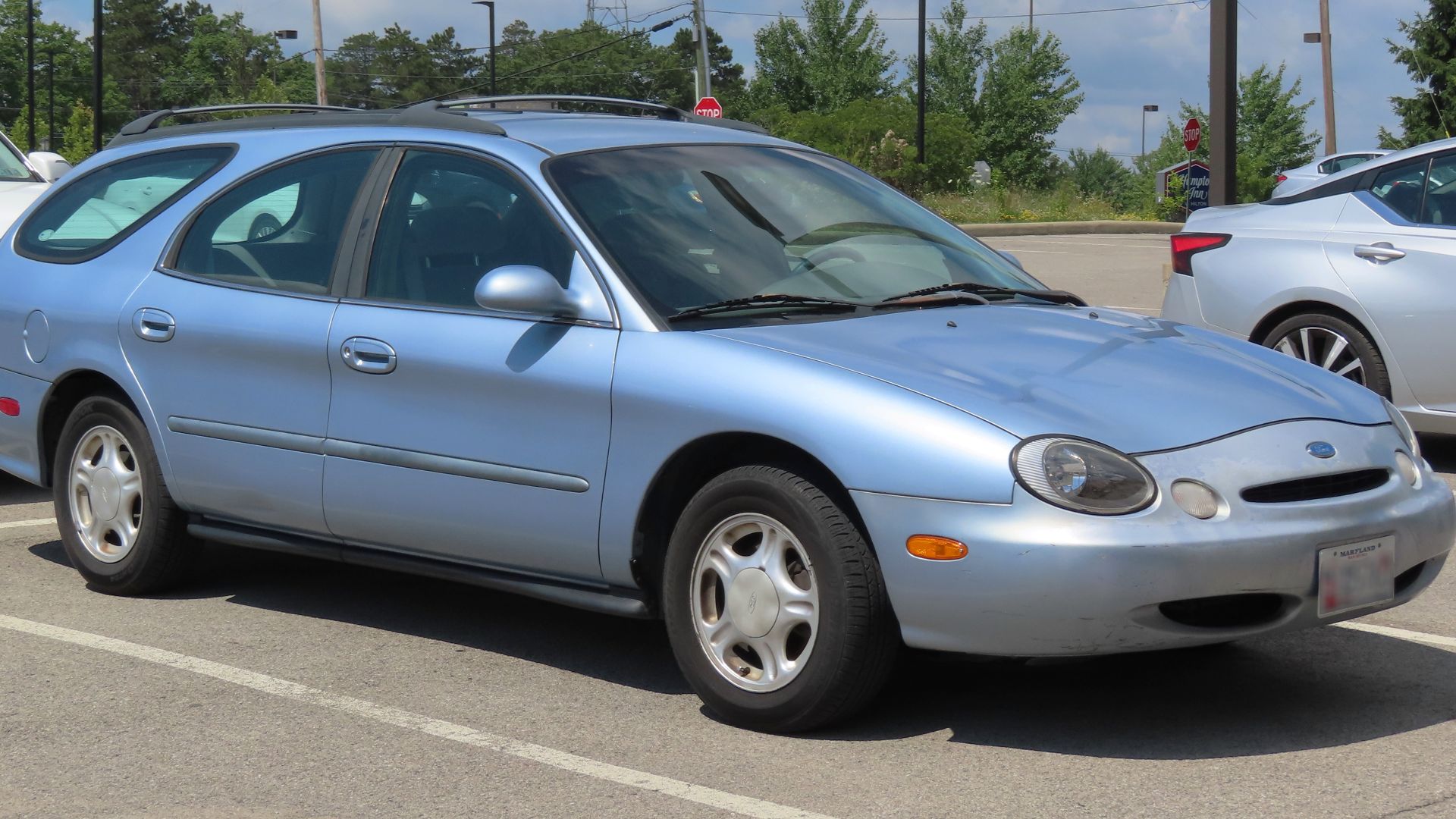
The Taurus wagon was a plain family car in the best way. It offered a big cargo area, comfortable seating, and a low loading height that made everyday use easy. Ford later moved that practical family role into the taller Freestyle and Taurus X, but real fans never forgot the Wagon.
5. Cadillac CTS Sport Wagon
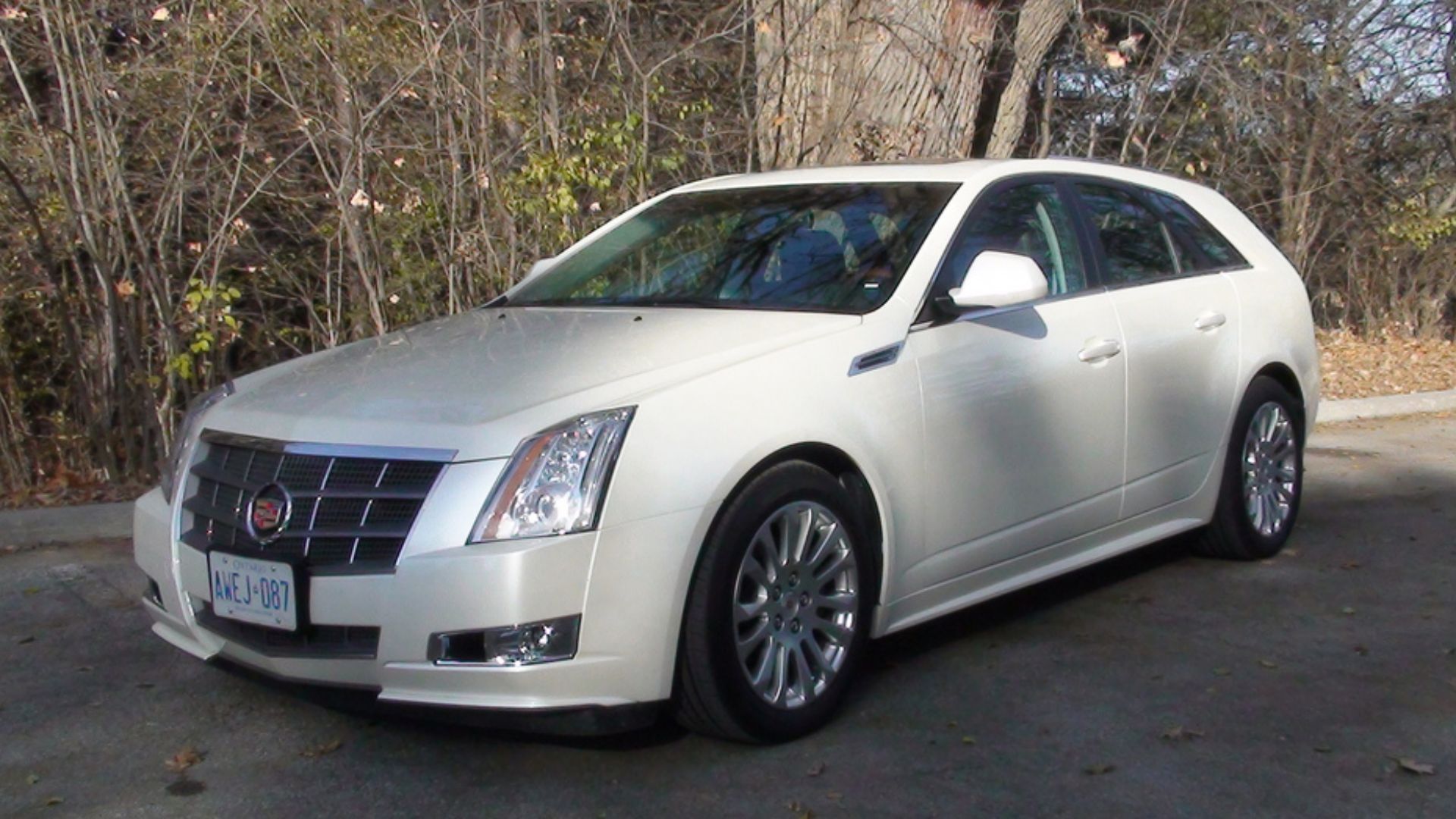
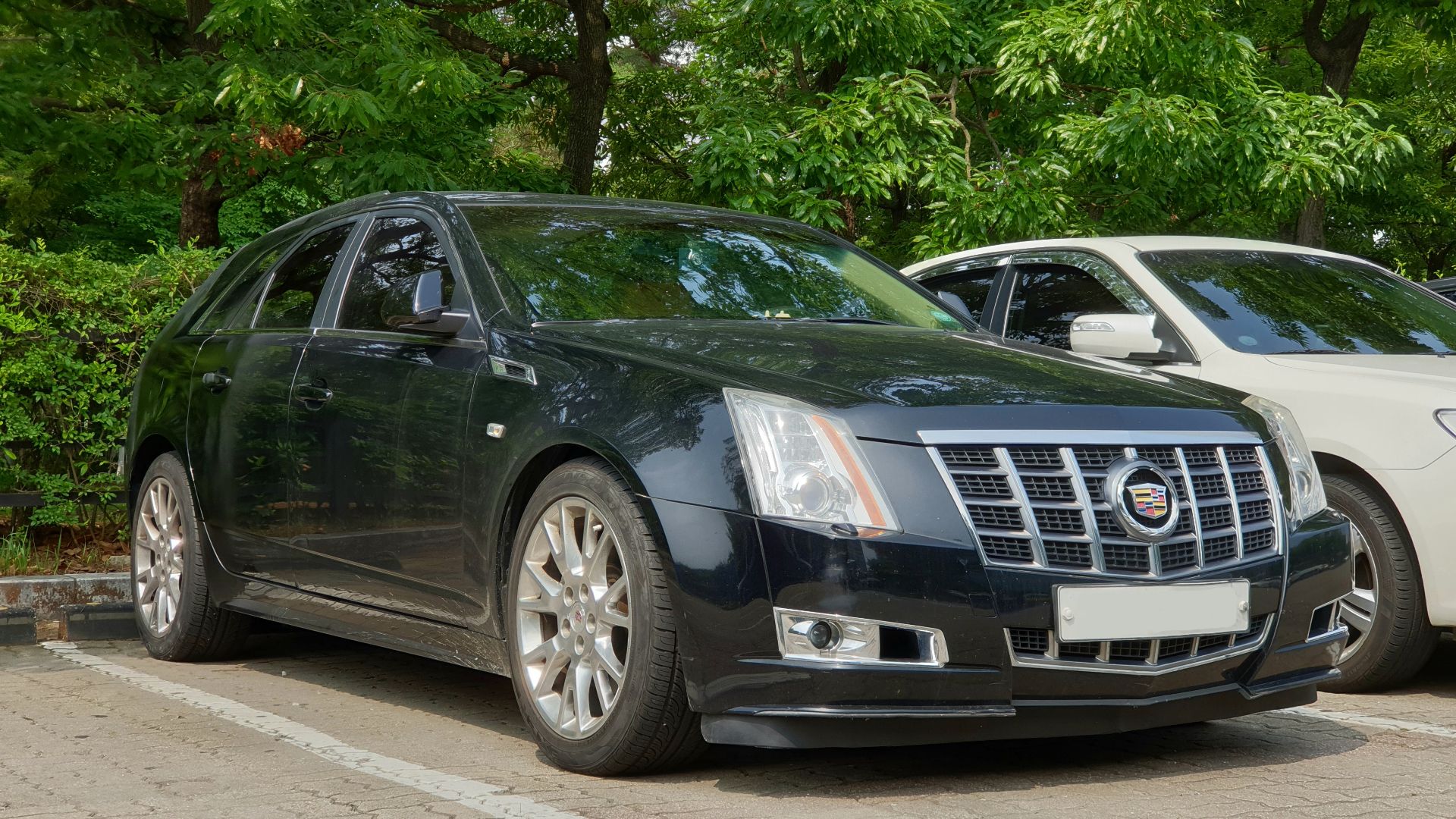
The CTS Sport Wagon was one of Cadillac’s most memorable modern body styles. It kept the sharp profile of the CTS sedan, but added a good amount of cargo room. Cadillac’s later luxury crossovers were useful, but they didn’t have the wagon’s low, polished presence.
6. Jaguar XF Sportbrake
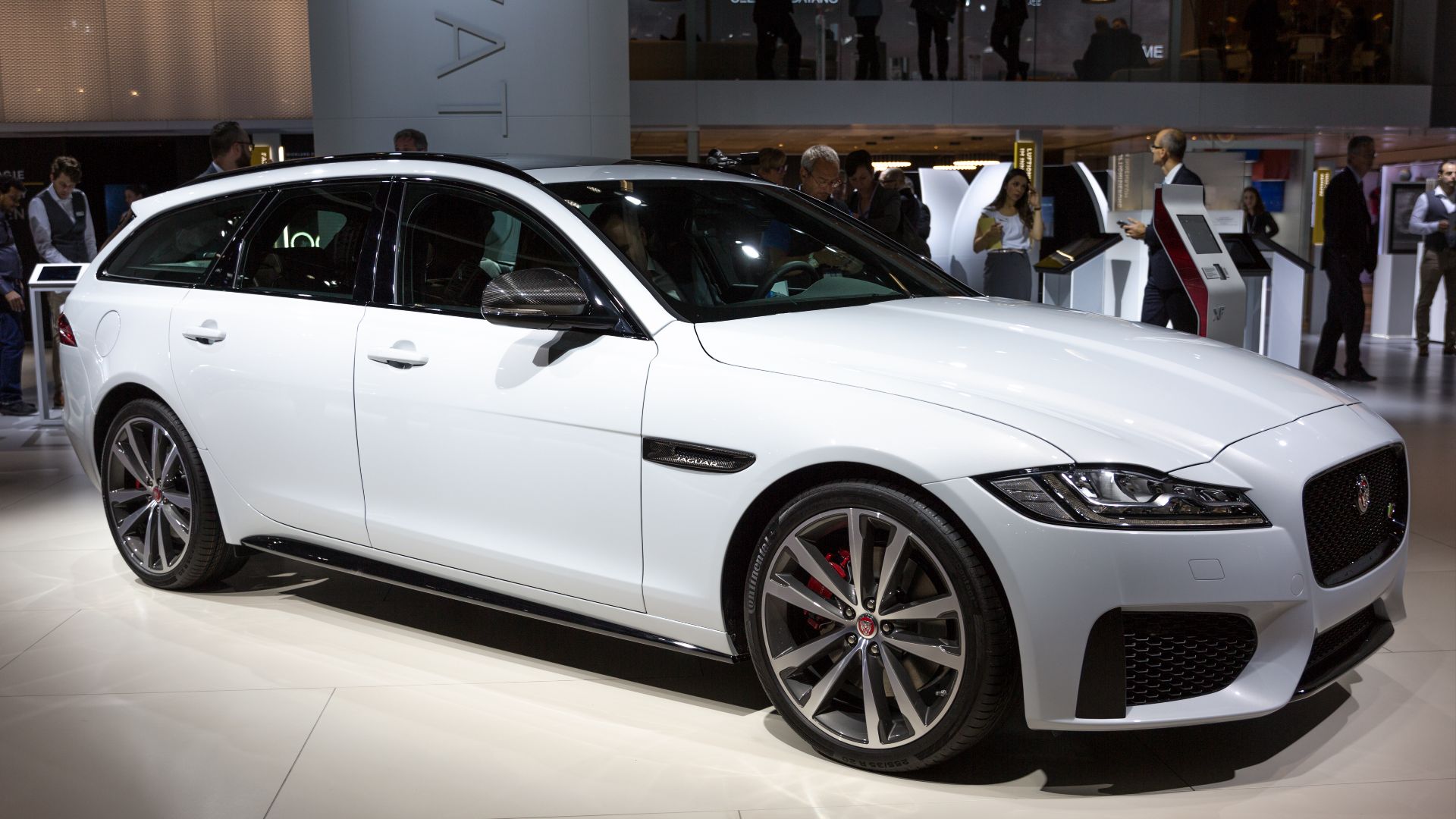
The XF Sportbrake gave Jaguar a family-friendly car that still looked sleek and upscale. It offered the space buyers wanted without giving up the lower stance and smoother road feel of a wagon.
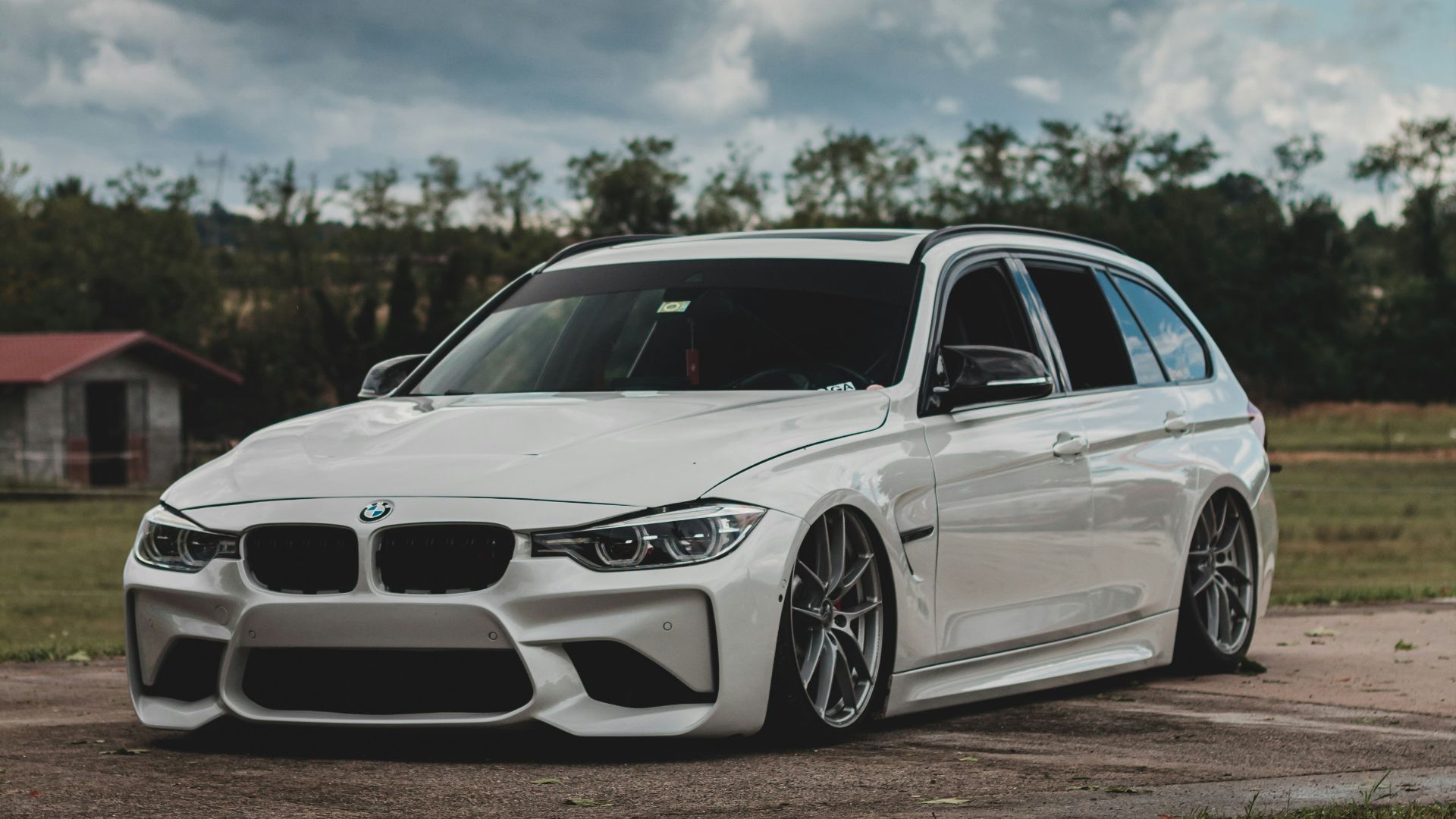
7. BMW 3 Series Sports Wagon
The 3 Series Sports Wagon was built for people who wanted cargo space without losing the luxe of a BMW. BMW’s smaller crossovers became easier showroom choices, though the wagon was much more rewarding to drive.
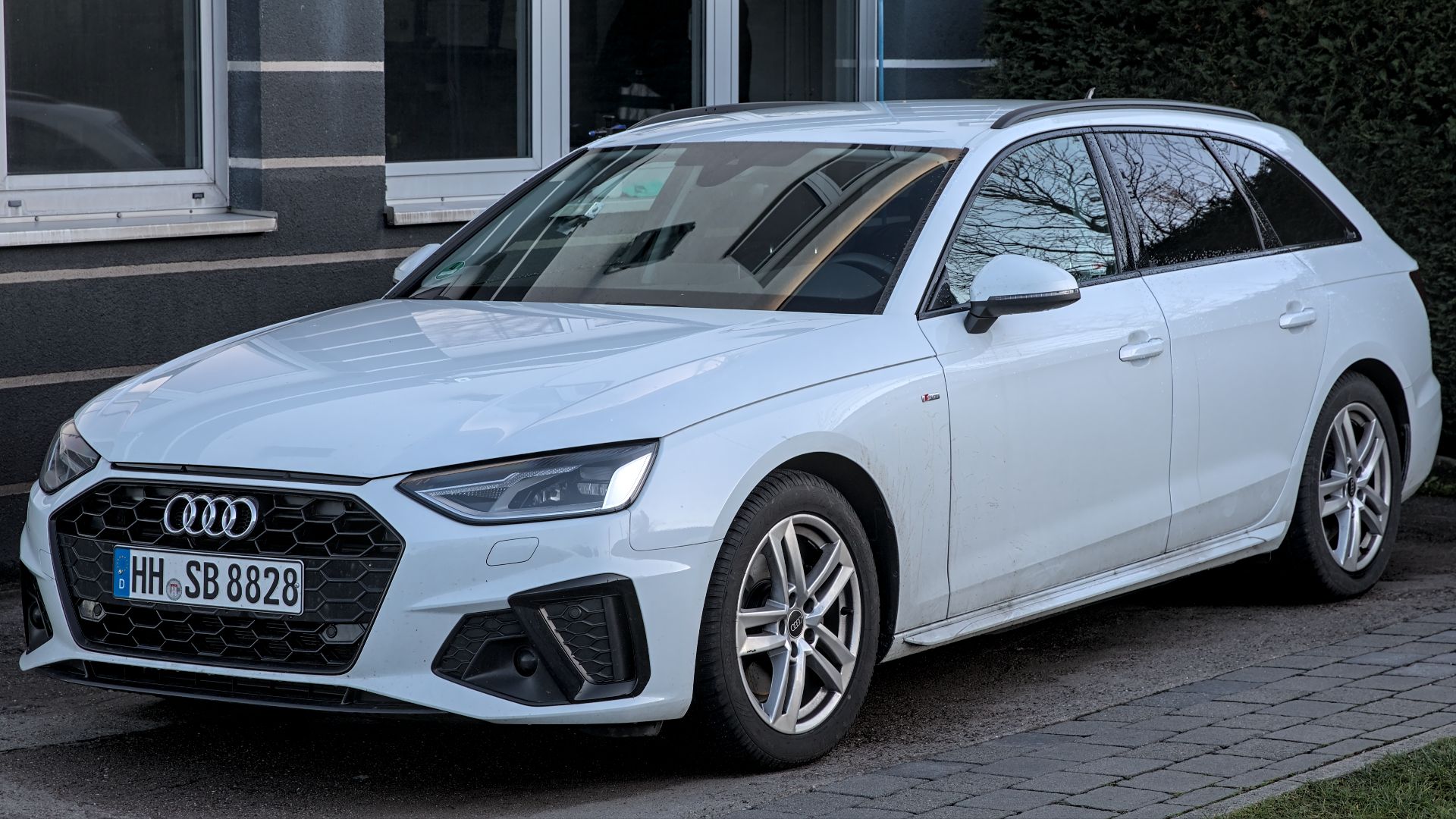
8. Audi A4 Avant
The A4 Avant was clean, useful, and high-end, without looking gaudy. It offered drivers all-weather confidence and wagon practicality in a size that worked well for day-to-day use. Eventually, the Q5 became the obvious utility pick for many shoppers.
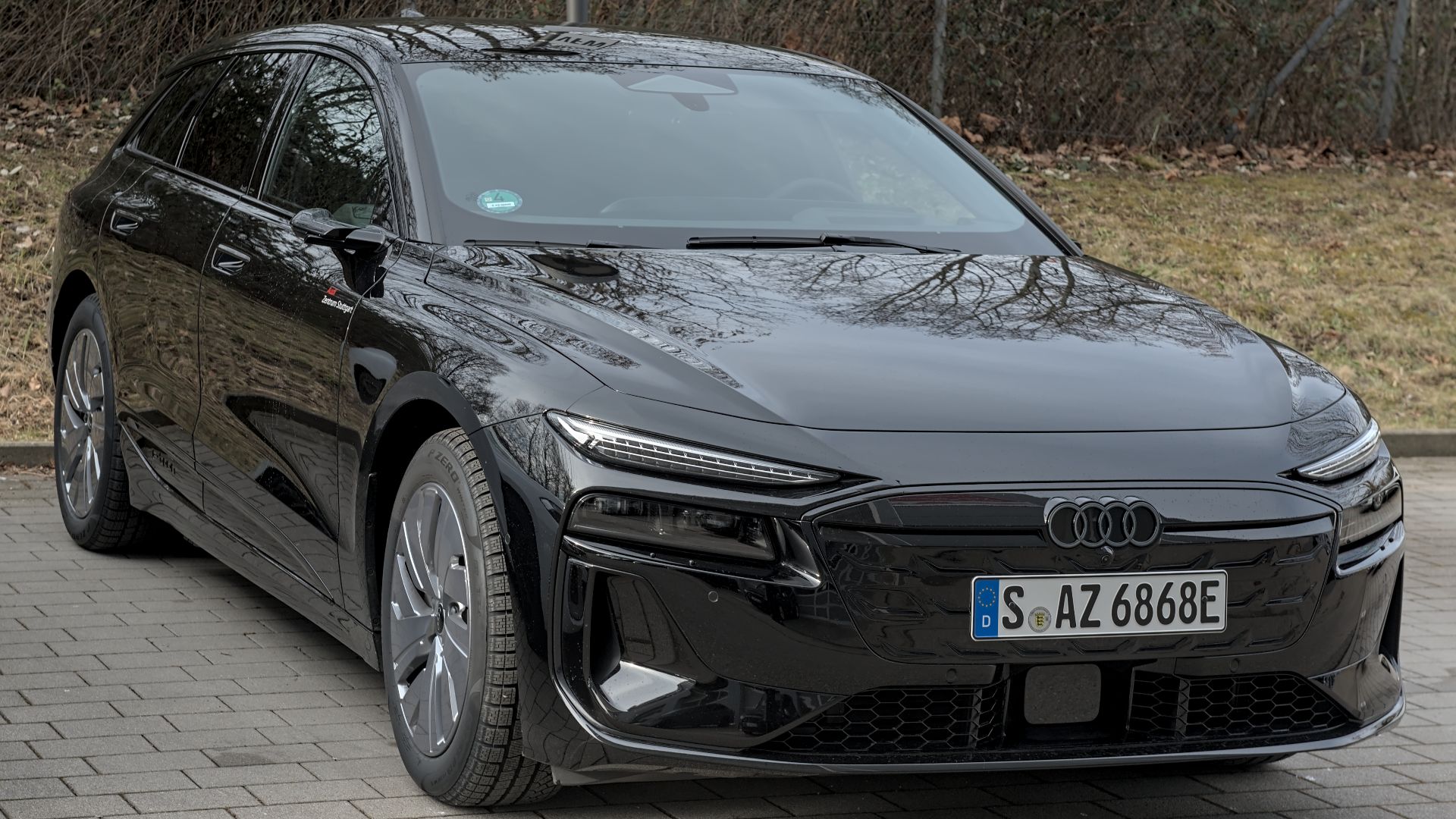
9. Audi A6 Avant
The A6 Avant blended luxury comfort with the cargo space families actually need. Like the A4, it was drivable all year long and was comfortable for long-distance driving. Audi’s larger SUVs added height and presence, but the wagon was much more elegant.
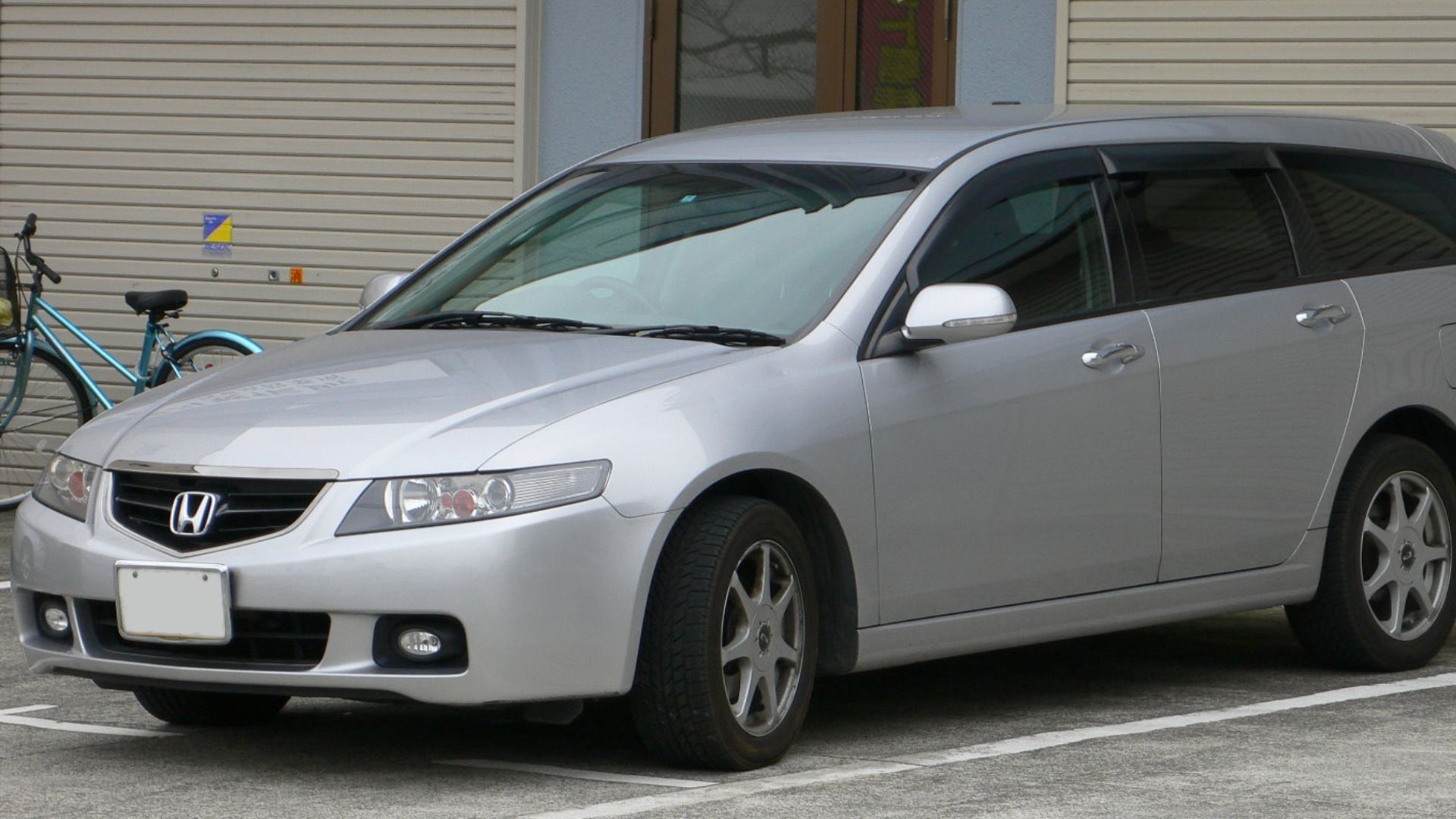
10. Honda Accord Wagon
The Accord wagon made an already sensible family car even more useful. It gave buyers Honda comfort and practicality with a lower, smoother feel than a crossover. The CR-V became the family-friendly Honda many people knew best, but the Accord wagon stayed in our hearts.
11. Toyota Camry Wagon
The Camry wagon didn’t need rugged trim or off-road styling to make its point. It paired Camry comfort and dependability with a cargo area that made daily life easier. The RAV4 helped move Toyota’s practical family-car image into crossover territory, but the wagon had a much cleaner shape.
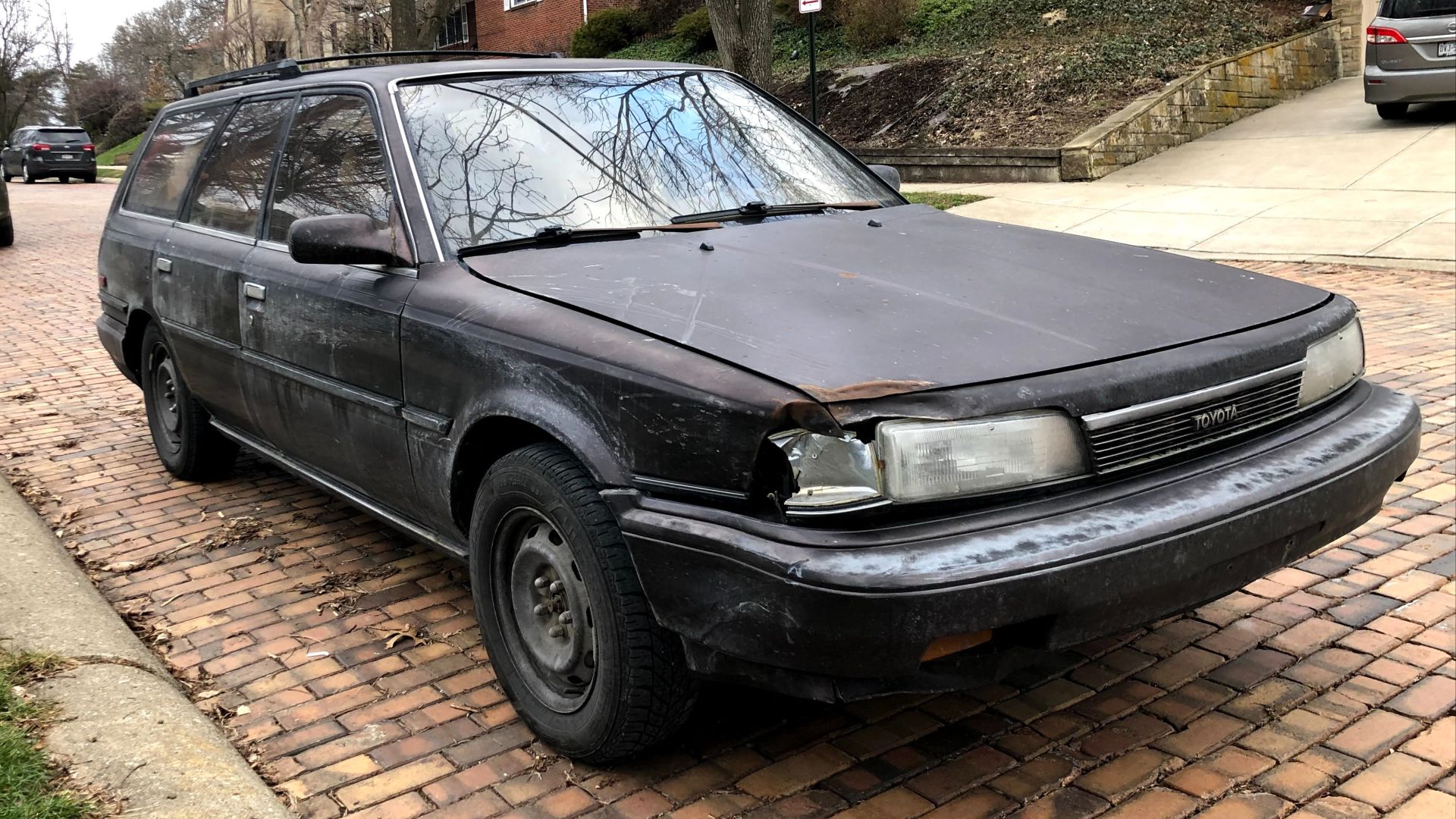
12. Saturn L-Series Wagon
The Saturn L-Series wagon was simple, roomy, and easy to love. It had a lower cargo floor and a long load area that made errands and luggage runs easy. Saturn’s Vue brought the brand into the crossover market, but the wagon remained the more straightforward family tool.
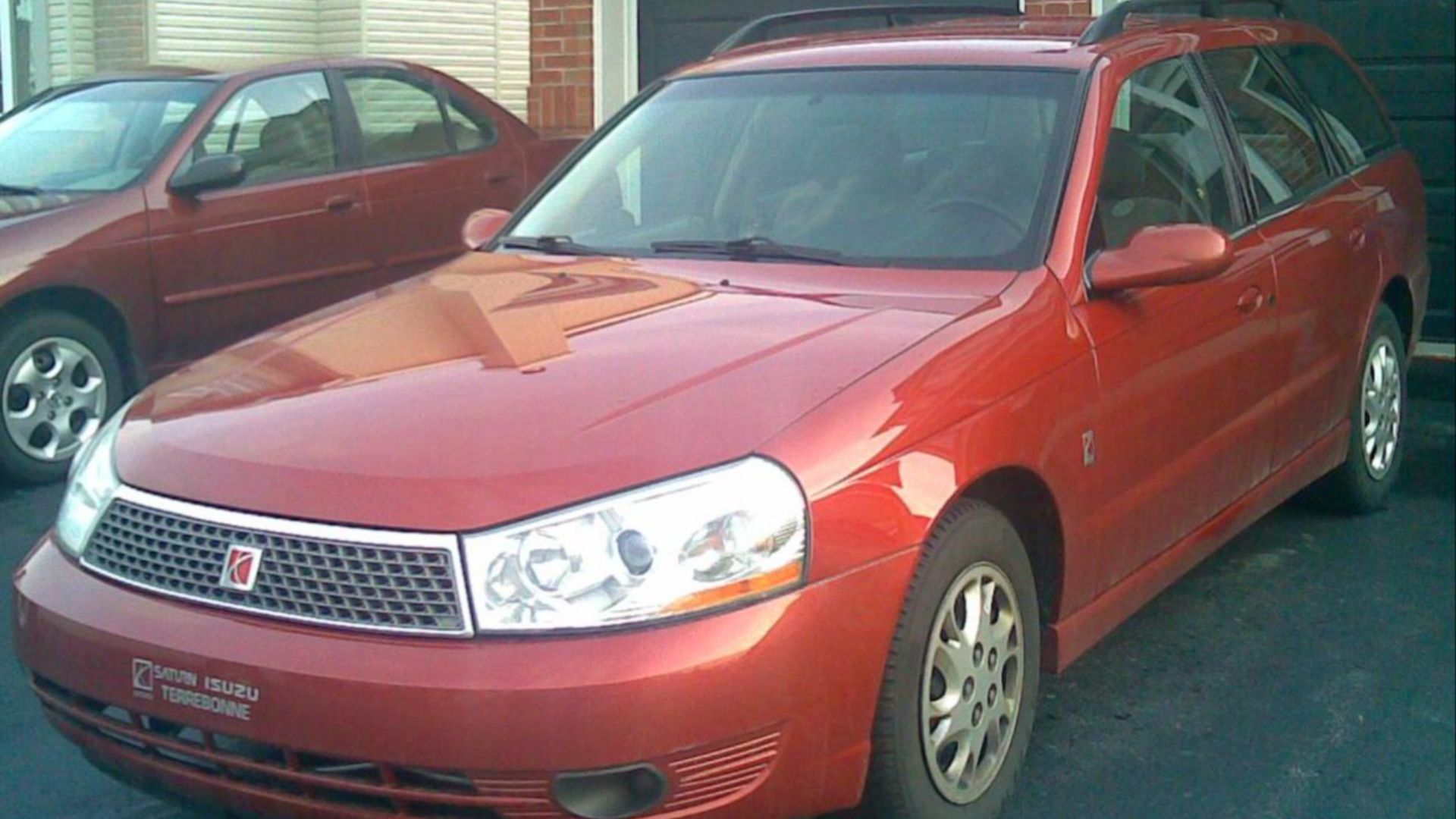
13. Volvo V90 Cross Country
The V90 Cross Country offered all-wheel drive, extra ride height, and a handsome long-roof shape that suited the brand. Volvo’s SUVs became its main U.S. family vehicles, though the V90 Cross Country kept the classic wagon appeal alive.
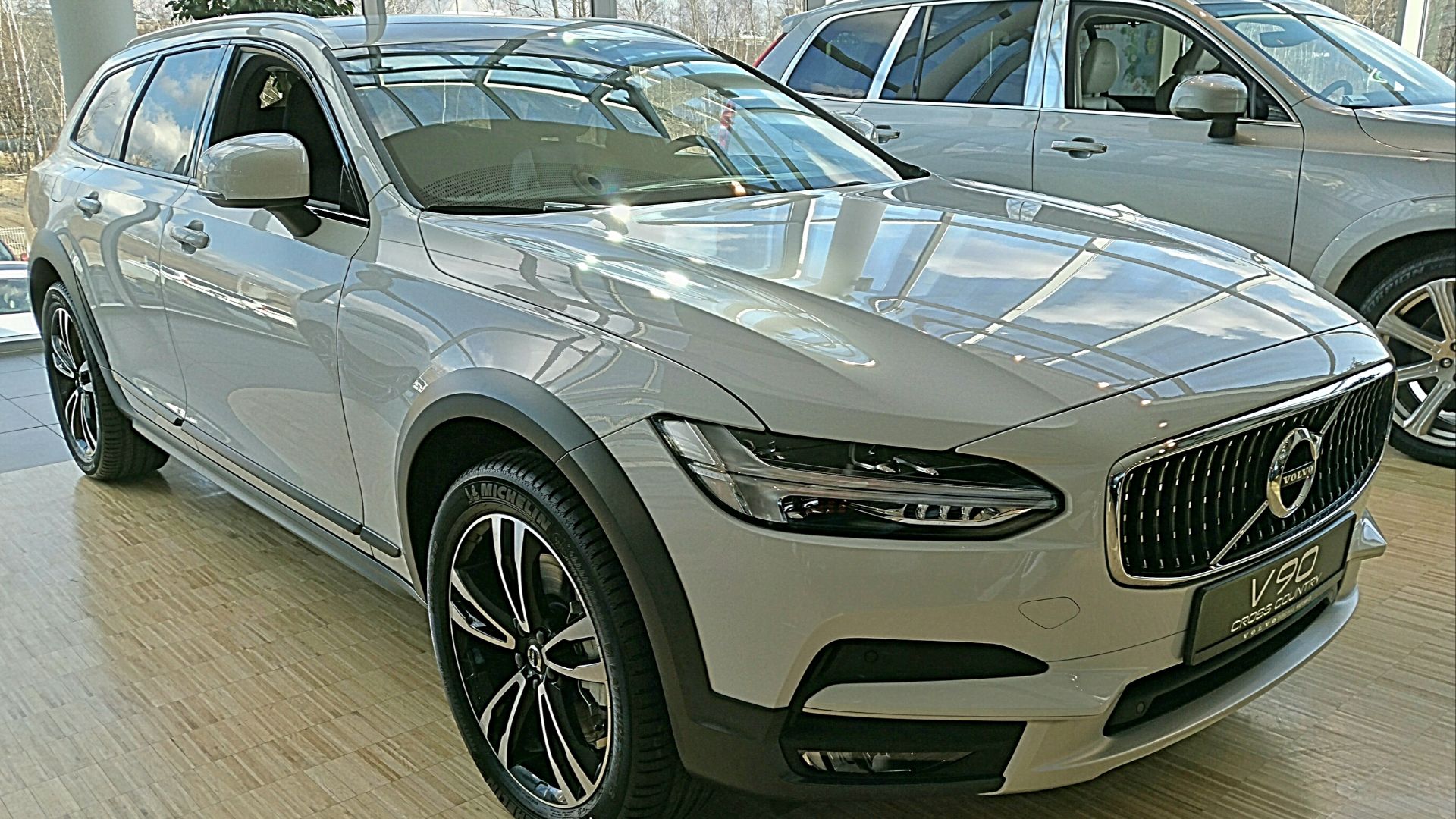
14. Volvo V60 Cross Country
The V60 Cross Country was smaller than the V90, which made it better for daily use. It had all-wheel drive, tidy dimensions, and enough cargo space for real family life. The XC60 gave buyers more height, but the V60 Cross Country held onto the old Volvo wagon charm.
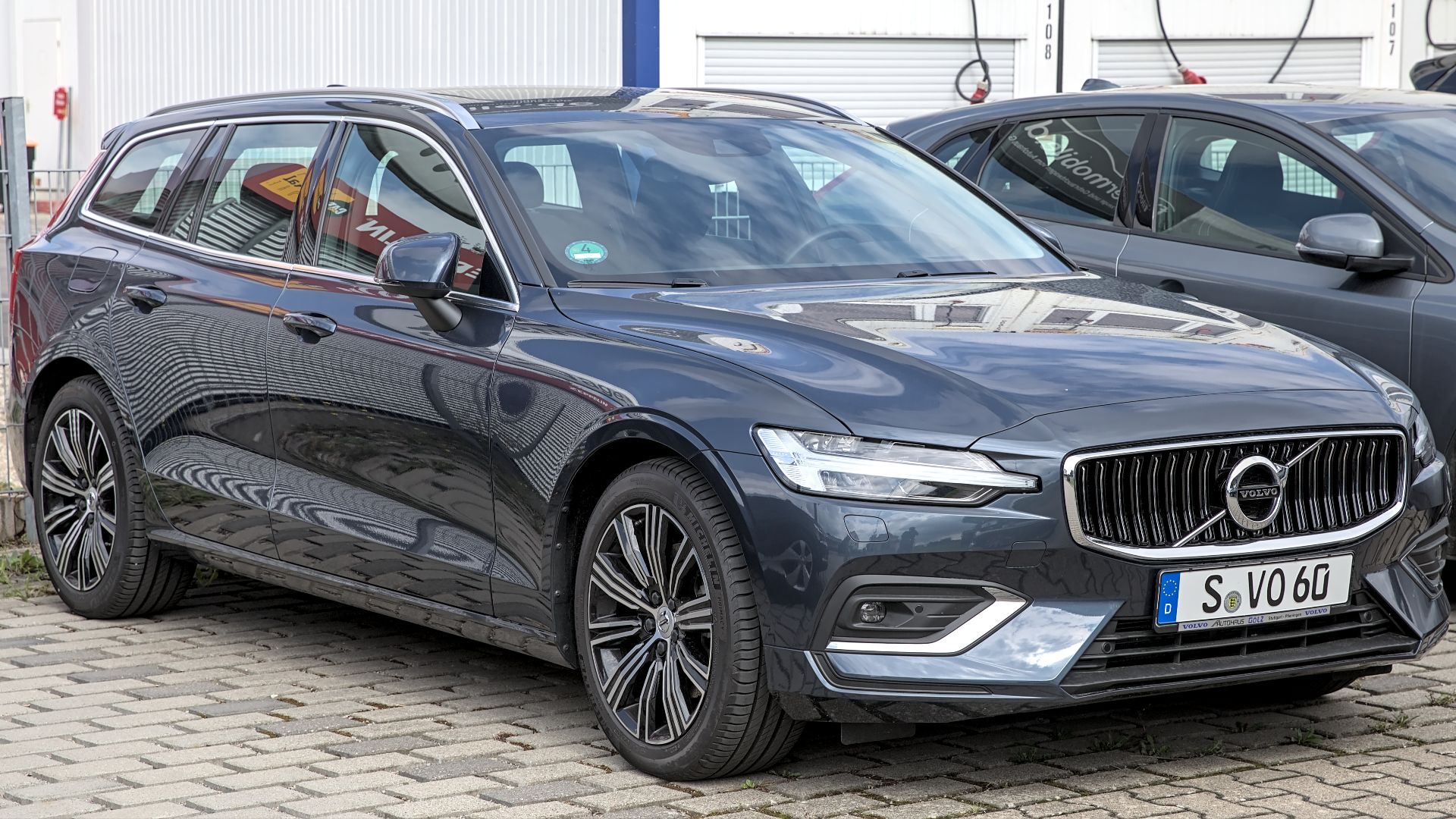
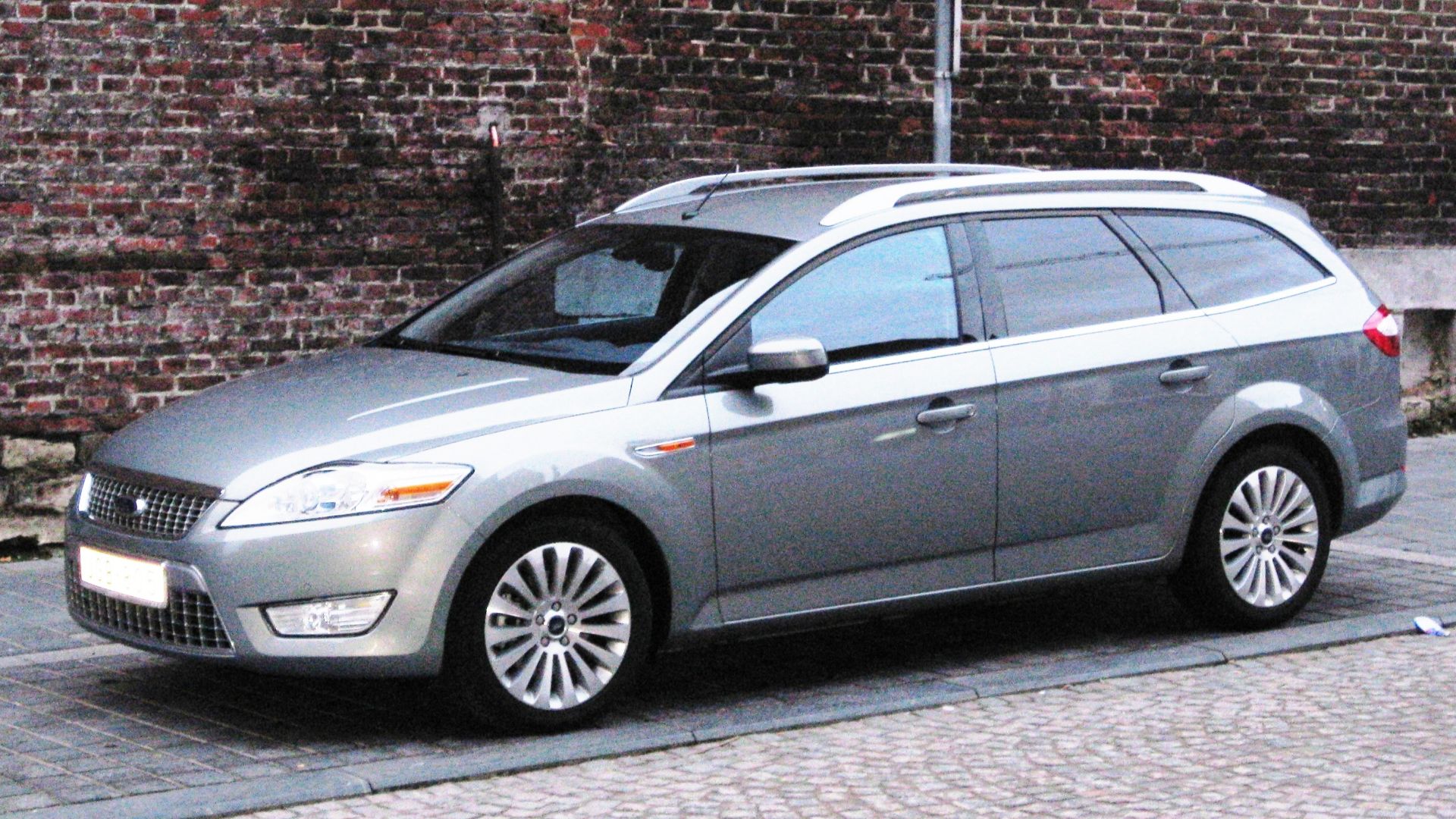
15. Ford Mondeo Estate
The Mondeo Estate was the kind of family car that made perfect sense for European commuters. It was spacious, comfortable, and composed on long drives, with the kind of useful cargo area people expect from a proper estate. Ford’s crossover push, unfortunately, traded some of that road-friendly ease for a little more stature.
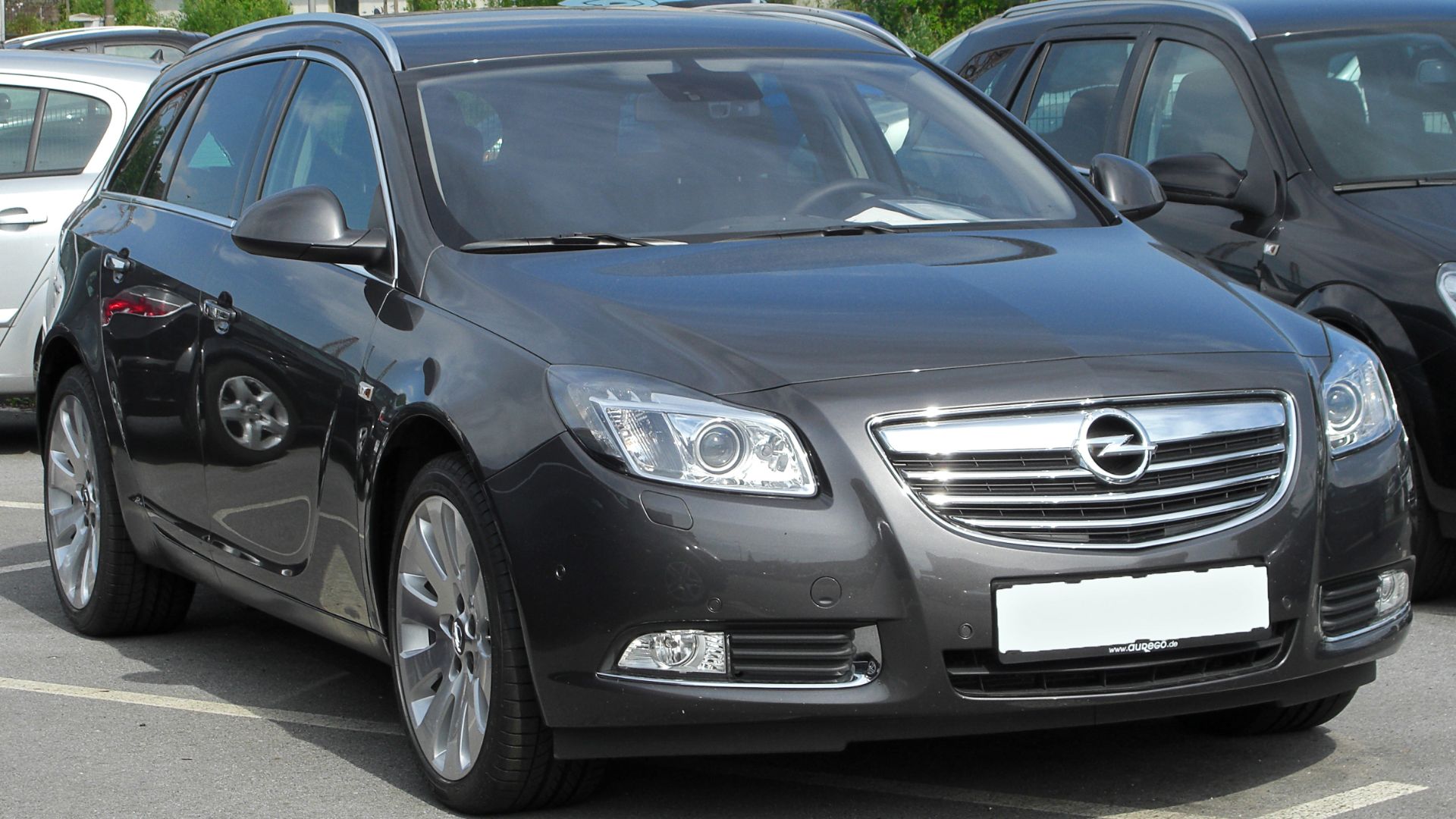
16. Opel Insignia Sports Tourer
The Insignia Sports Tourer was a big estate made for long trips. It had the space and calm road manners that made large wagons so easy to live with. As the Insignia’s future moved away from the classic estate body, the wagon still looked like the cleaner family-travel choice.
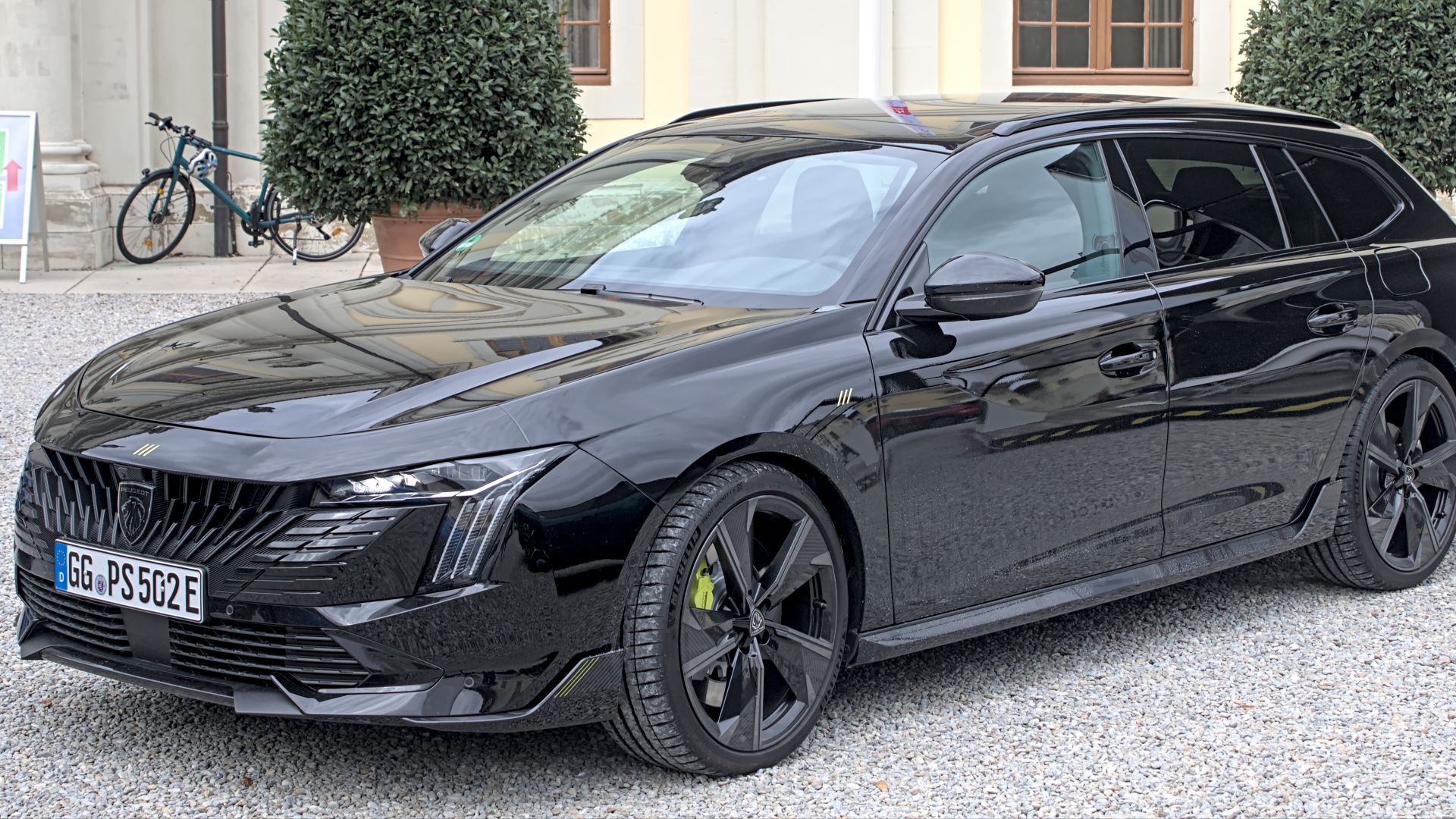
17. Peugeot 508 SW
The 508 SW showed that a practical estate could still look sharp. It had a stylish cabin, useful cargo room, and a low profile that made it feel more refined than many family SUVs.
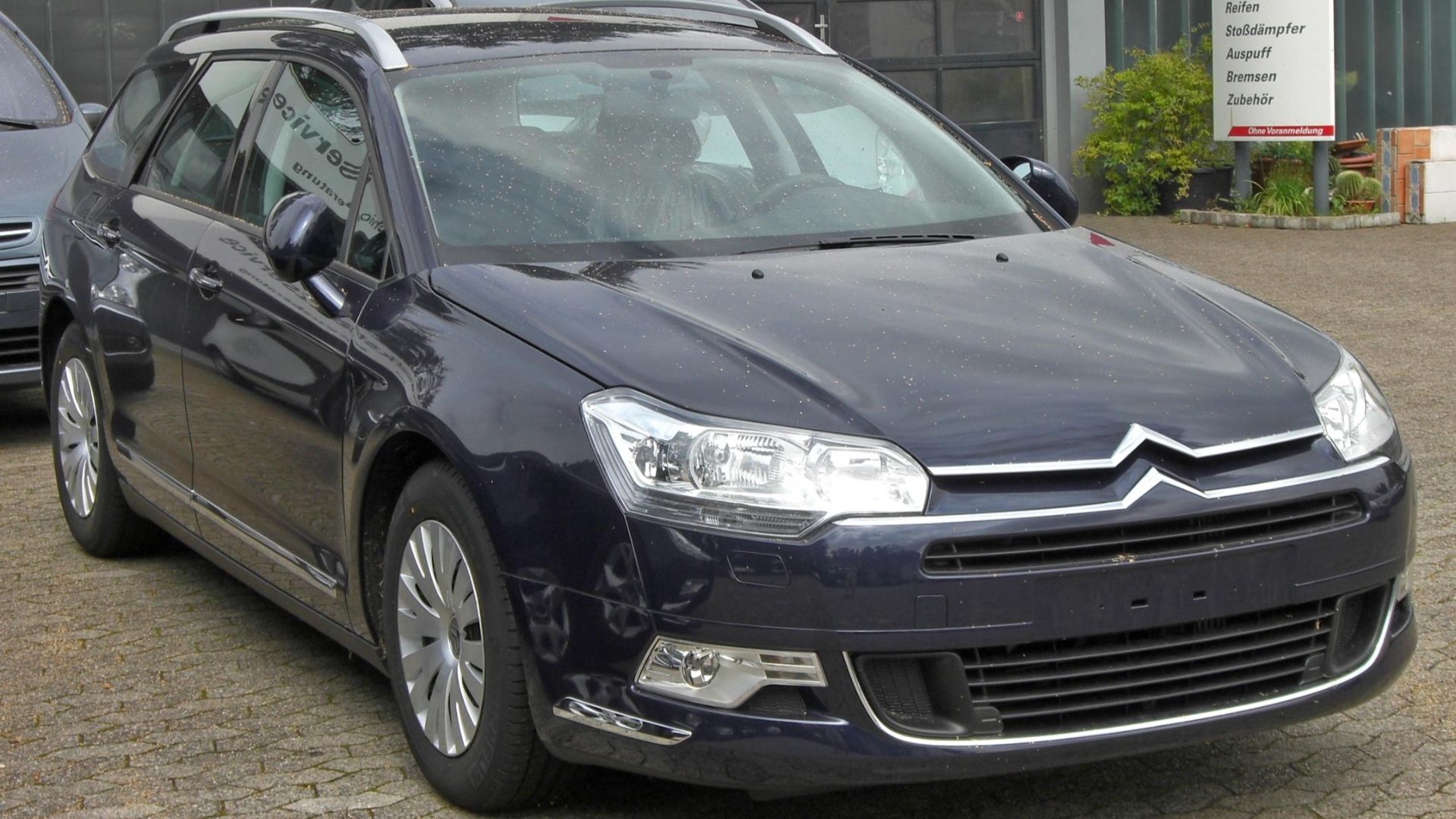
18. Citroën C5 Tourer And C5 X
The C5 Tourer, and later the wagon-like C5 X, fit Citroën’s history of comfortable family cars. They leaned into space and comfort without copying the usual SUV shape.
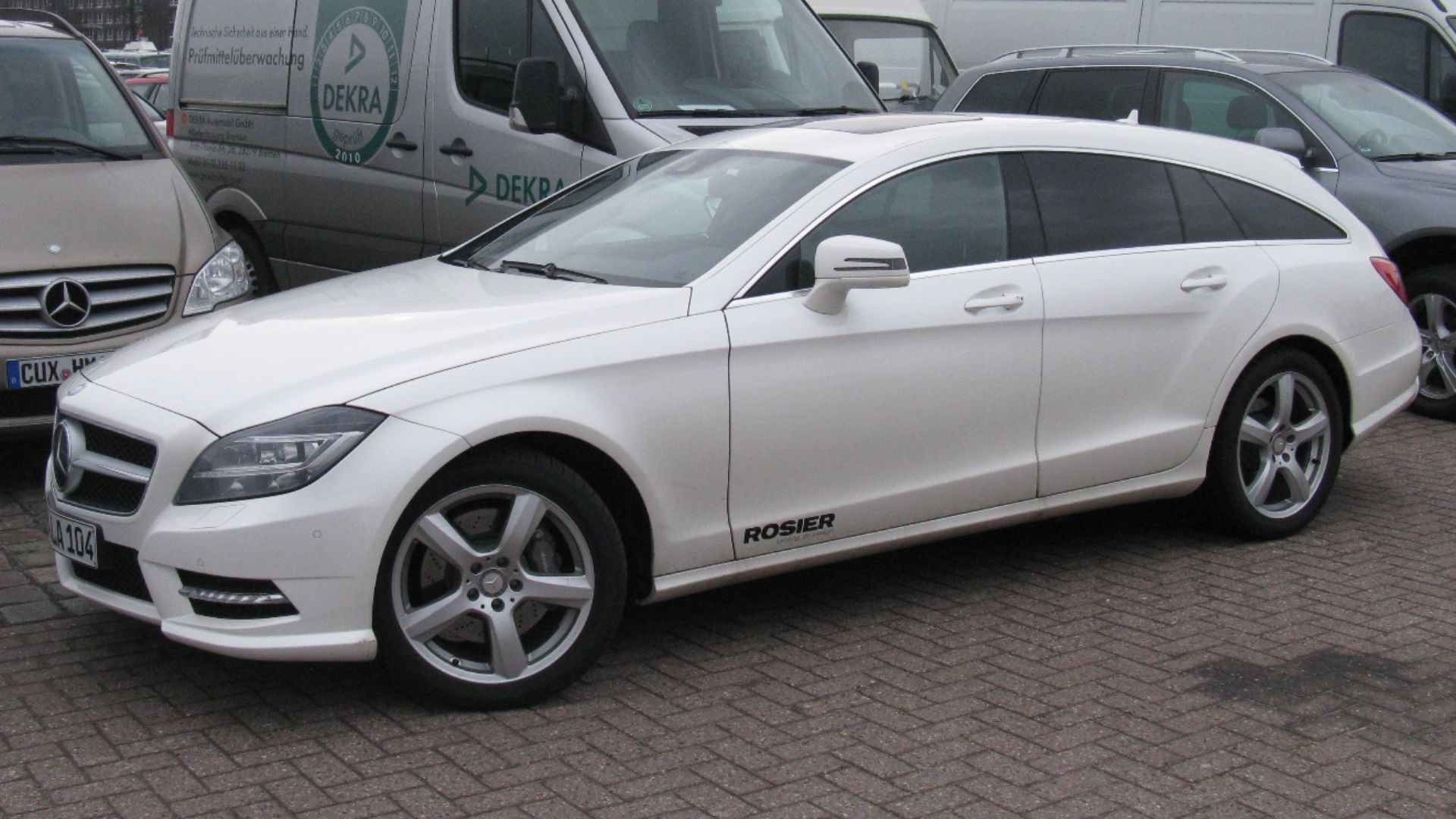
19. Mercedes-Benz CLS Shooting Brake
The CLS Shooting Brake was a luxury wagon that combined style and practicality. It added some decent storage space to the sleek CLS shape, creating something far more special than a regular family hauler.
20. Acura TSX Sport Wagon
The TSX Sport Wagon was a quiet standout with a clean, useful shape. It had enough space for daily life while staying pleasant to drive. The RDX became the more familiar practical Acura, but the wagon was the better fit for drivers who never needed SUV height.