
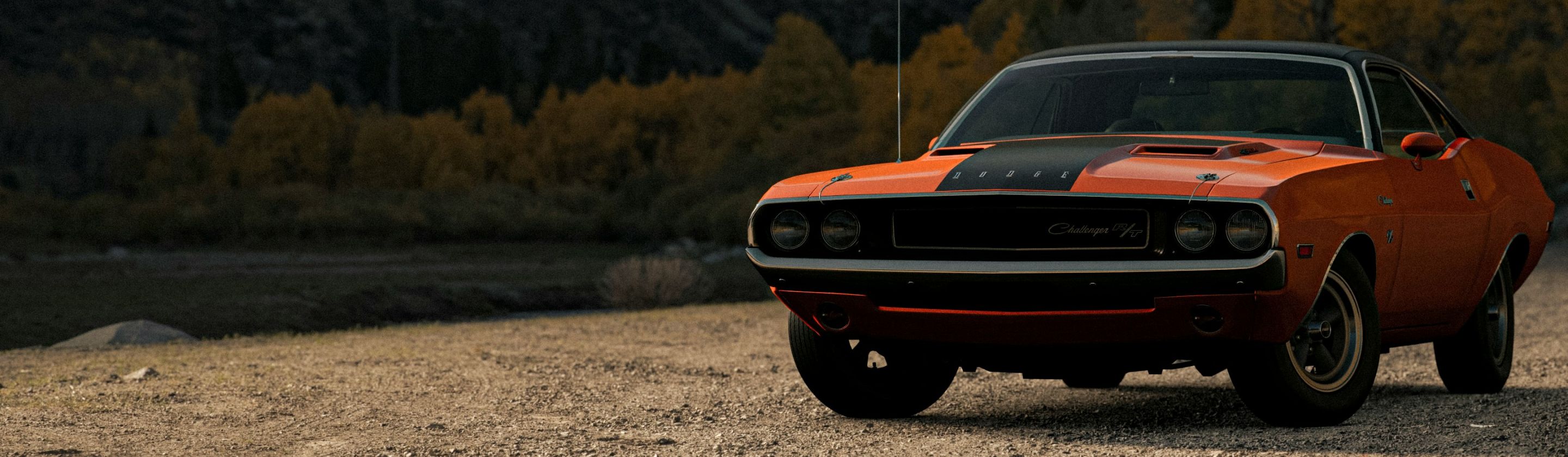
Not Every Car With a Stripe Earned It
Dodge has always been good at selling the idea of performance, and for stretches of its history that idea was backed up by genuinely serious hardware. For other stretches, the badges and the graphics did most of the heavy lifting while the engines told a different story. The gap between the two is wider than most people remember, and the marketing was consistent enough that the distinction got blurry. Here's 10 Dodges that delivered real muscle, and 10 that were mostly selling the look.
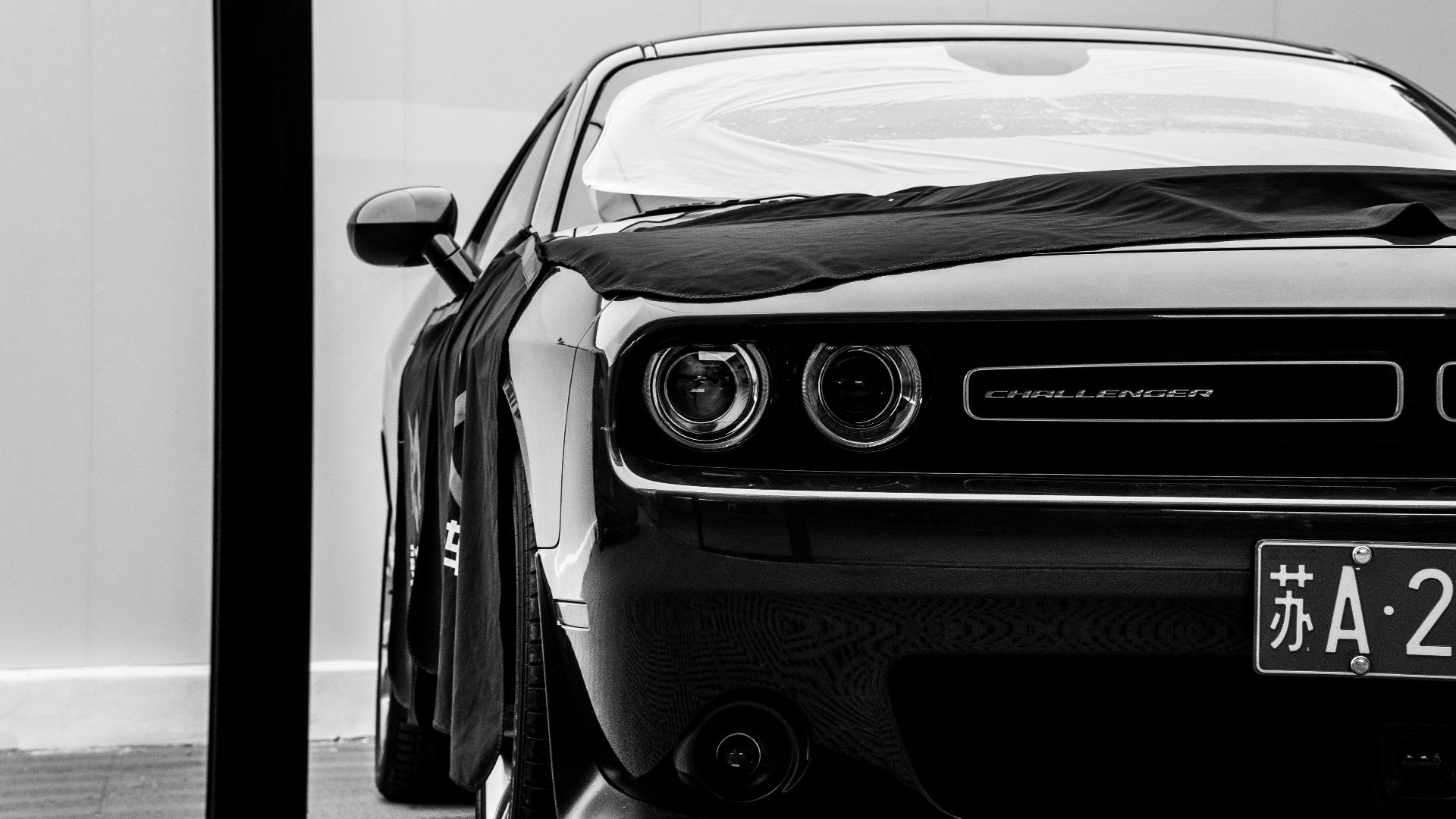
1. 1968 Dodge Charger R/T 426 Hemi
The 426 Hemi made 425 horsepower by the factory's intentionally conservative estimate, and most people who have looked at the real numbers believe the actual output was higher. It was a race engine adapted for street use that required premium fuel and mechanical sympathy, and it was not subtle about any of this.
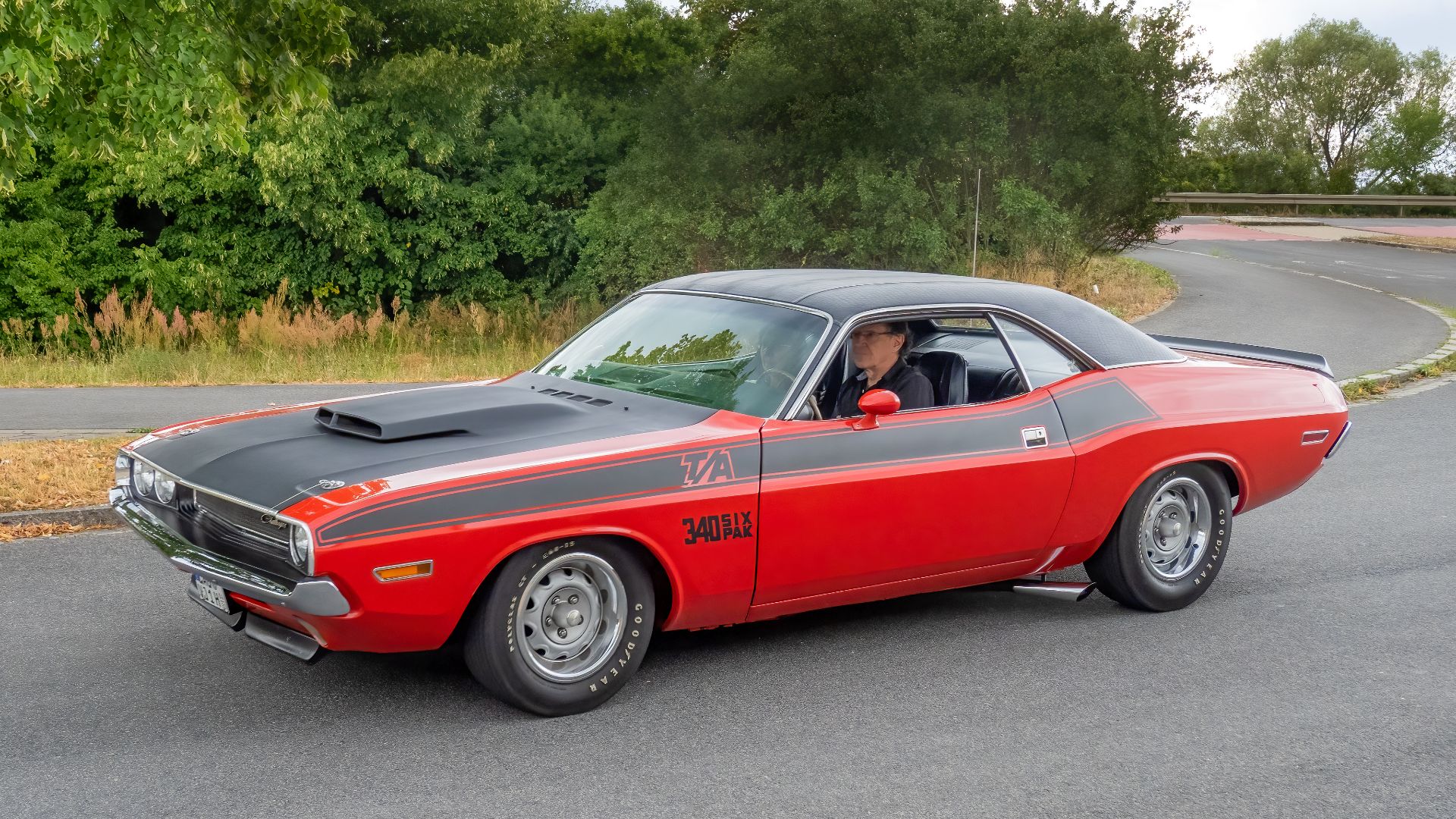
2. 1970 Dodge Challenger T/A
The Challenger T/A was built to homologate the car for Trans-Am racing, which meant it came with a solid-lifter 340 six-pack, a fiberglass hood with a functional scoop, and side exhaust that exited in front of the rear wheels. It was produced for one year only and was genuinely quick in a way that reflected its racing purpose.
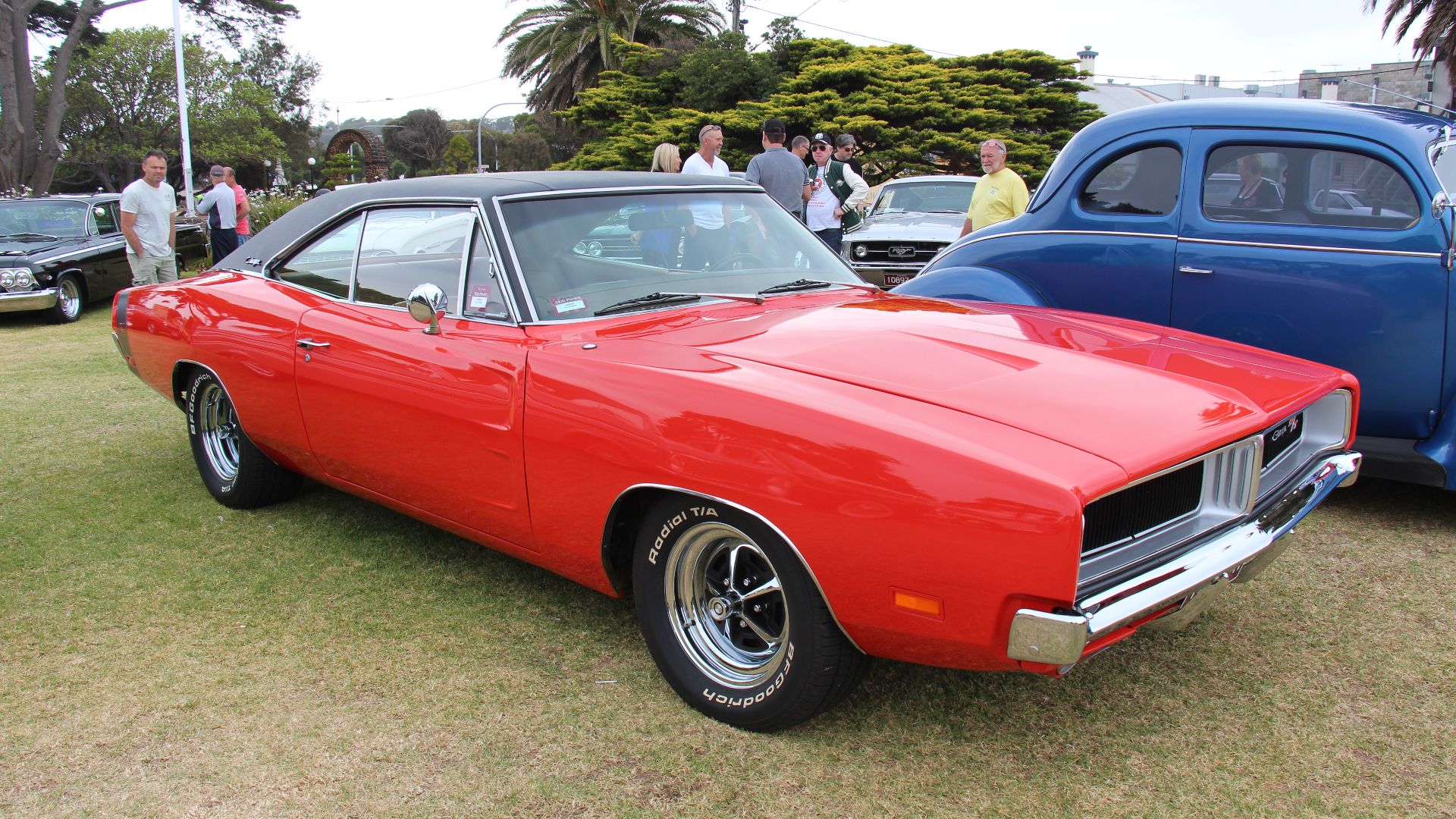
3. 1969 Dodge Charger 500
Dodge built the Charger 500 to fix the aerodynamic problems hurting the standard Charger on superspeedways, flush-mounting the rear window and filling in the recessed grille to reduce drag. The result won races at Daytona and Talladega and represented one of the more serious factory efforts to translate NASCAR requirements into a street car.
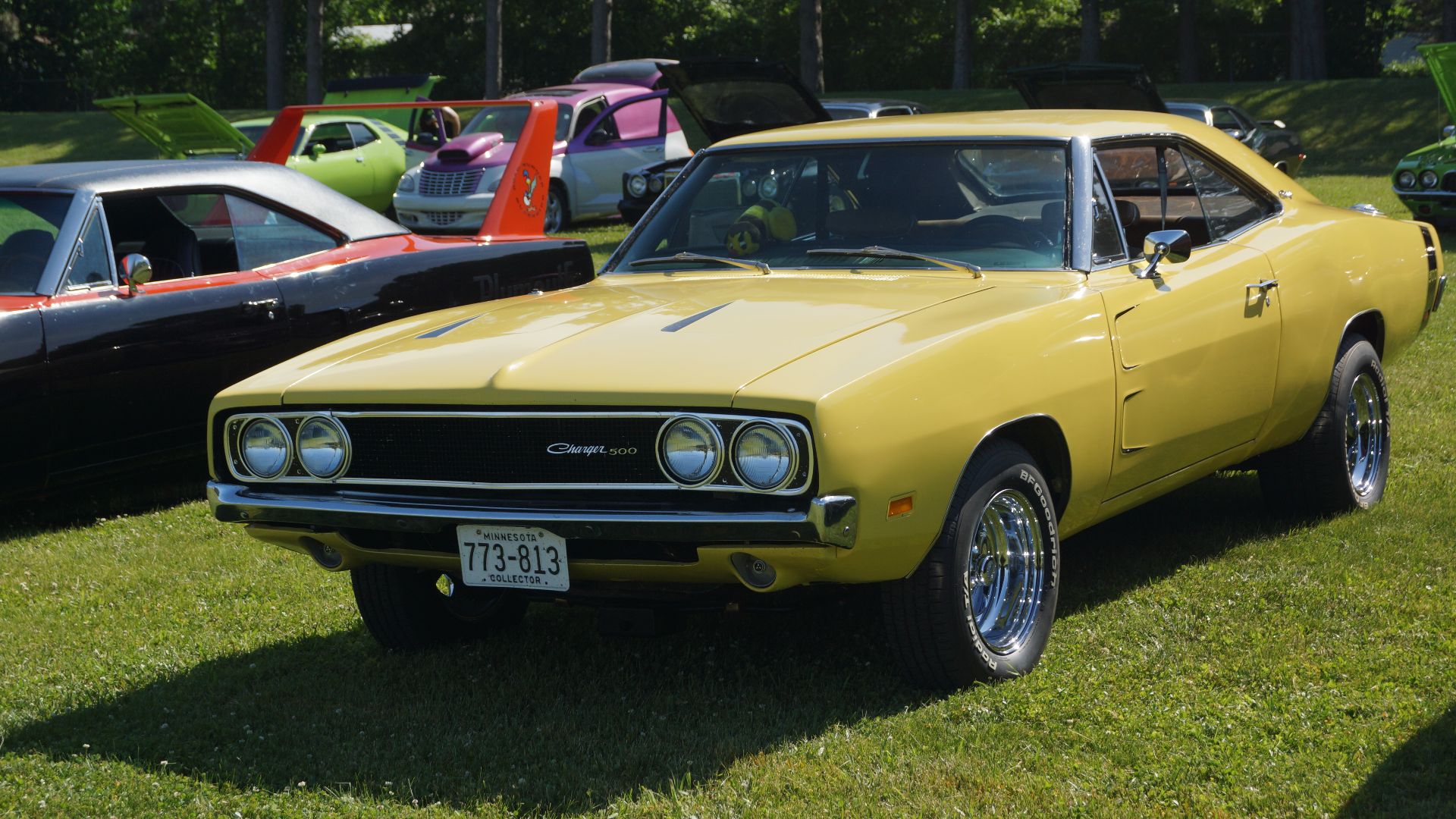 Greg Gjerdingen from Willmar, USA on Wikimedia
4. 1971 Dodge Charger Super Bee 426 Hemi
By 1971 the muscle car era was already winding down under pressure from insurance rates and emissions standards, and the Super Bee with the 426 Hemi was one of the last serious examples before horsepower numbers started dropping. Production was extremely limited, and the cars that came out that year with that combination represent the end of something rather than a continuation.
5. 2008 Dodge Viper ACR
The ACR package turned the already serious Viper into something track-focused enough to set production car lap records at multiple circuits, with adjustable aerodynamics and compound tires that required some commitment to use on public roads. It was not a comfortable car and was not trying to be.
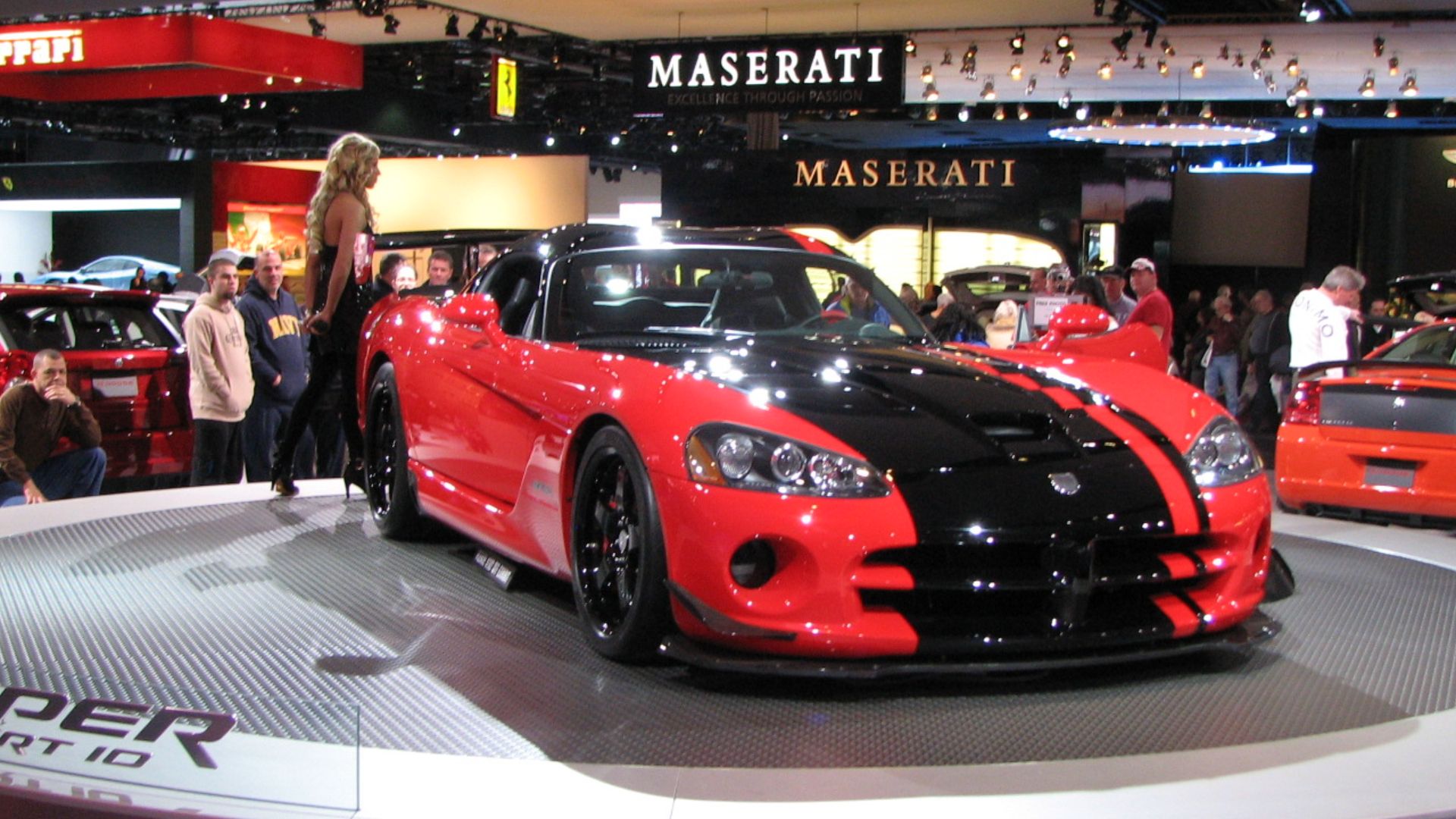 Kevin Ward from Warren, USA on Wikimedia
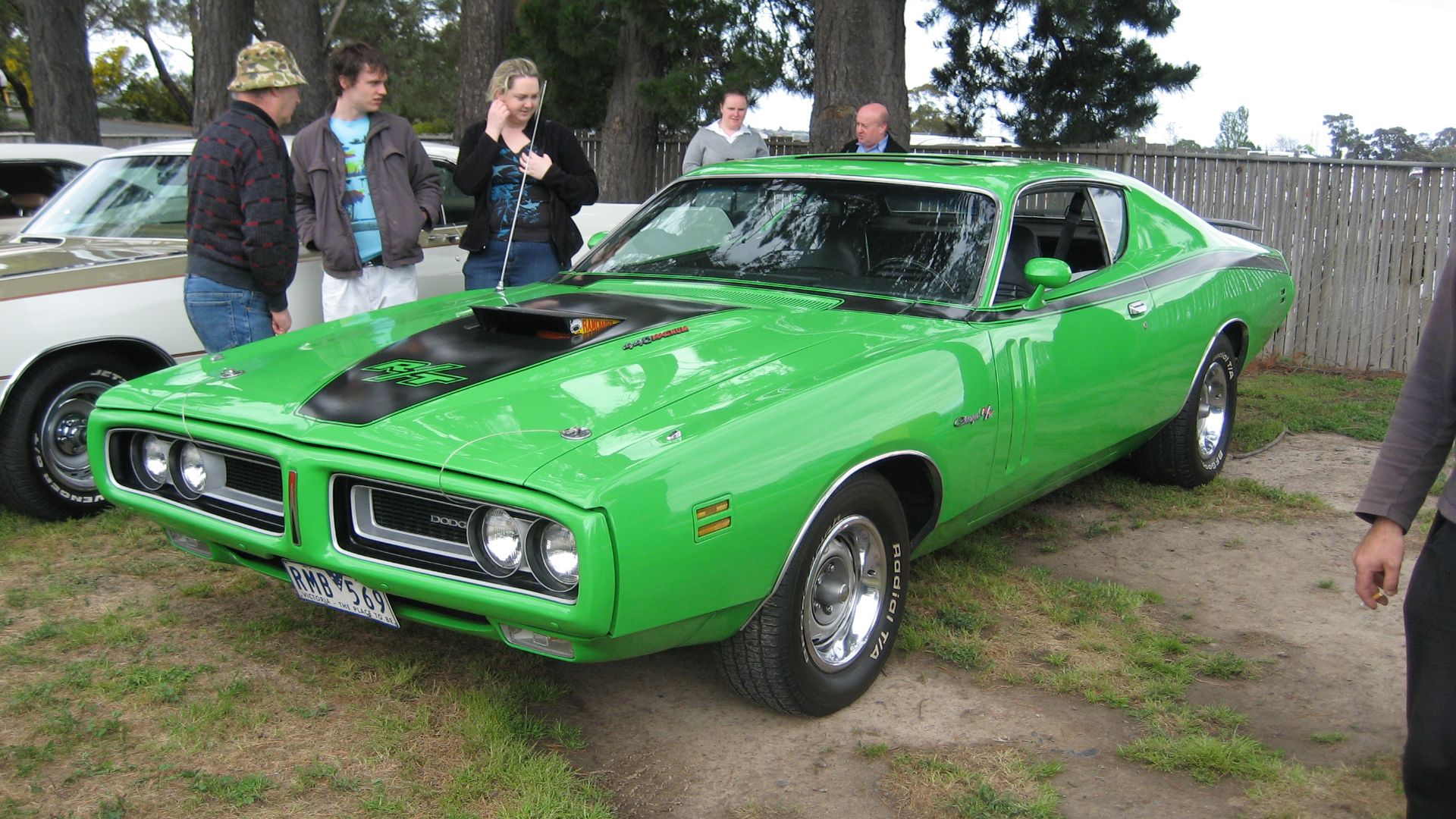
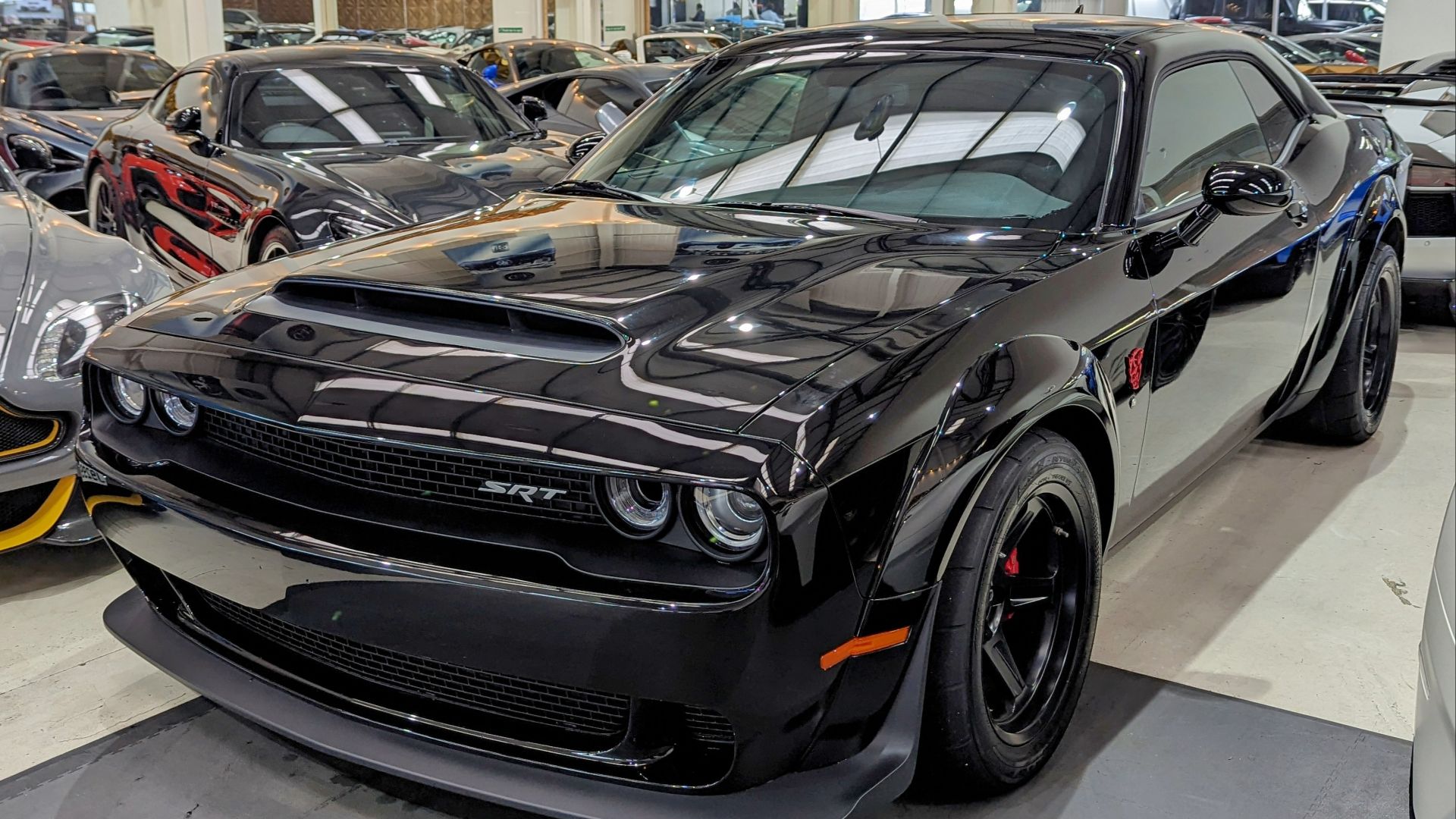
6. 2018 Dodge Challenger SRT Demon
The Demon was factory-rated at 840 horsepower on race fuel, came with the largest supercharger ever fitted to a production car at the time, and was banned by the NHRA before it was even delivered to customers. Dodge removed the front passenger seat and rear seats from the standard configuration, and the car ran the quarter mile in the mid-nine-second range from the factory.
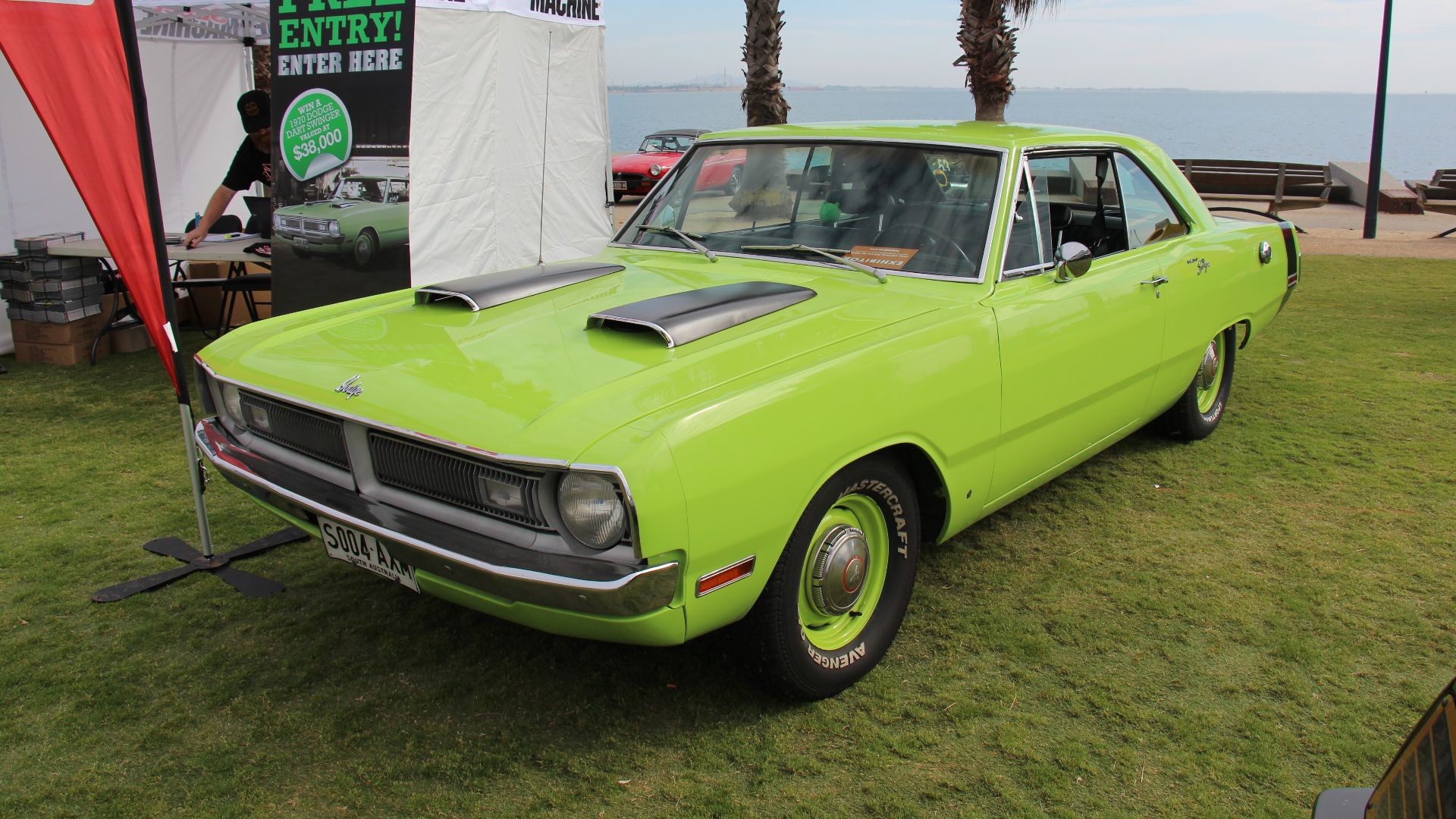
7. 1970 Dodge Dart Swinger 340
The Dart Swinger 340 offered genuine small-block performance in a lightweight platform that made it faster through corners and off the line than its modest appearance suggested. It was less celebrated than the big-block Mopar machines of the same era but more usable day to day, and it has a serious following among people who have driven one.
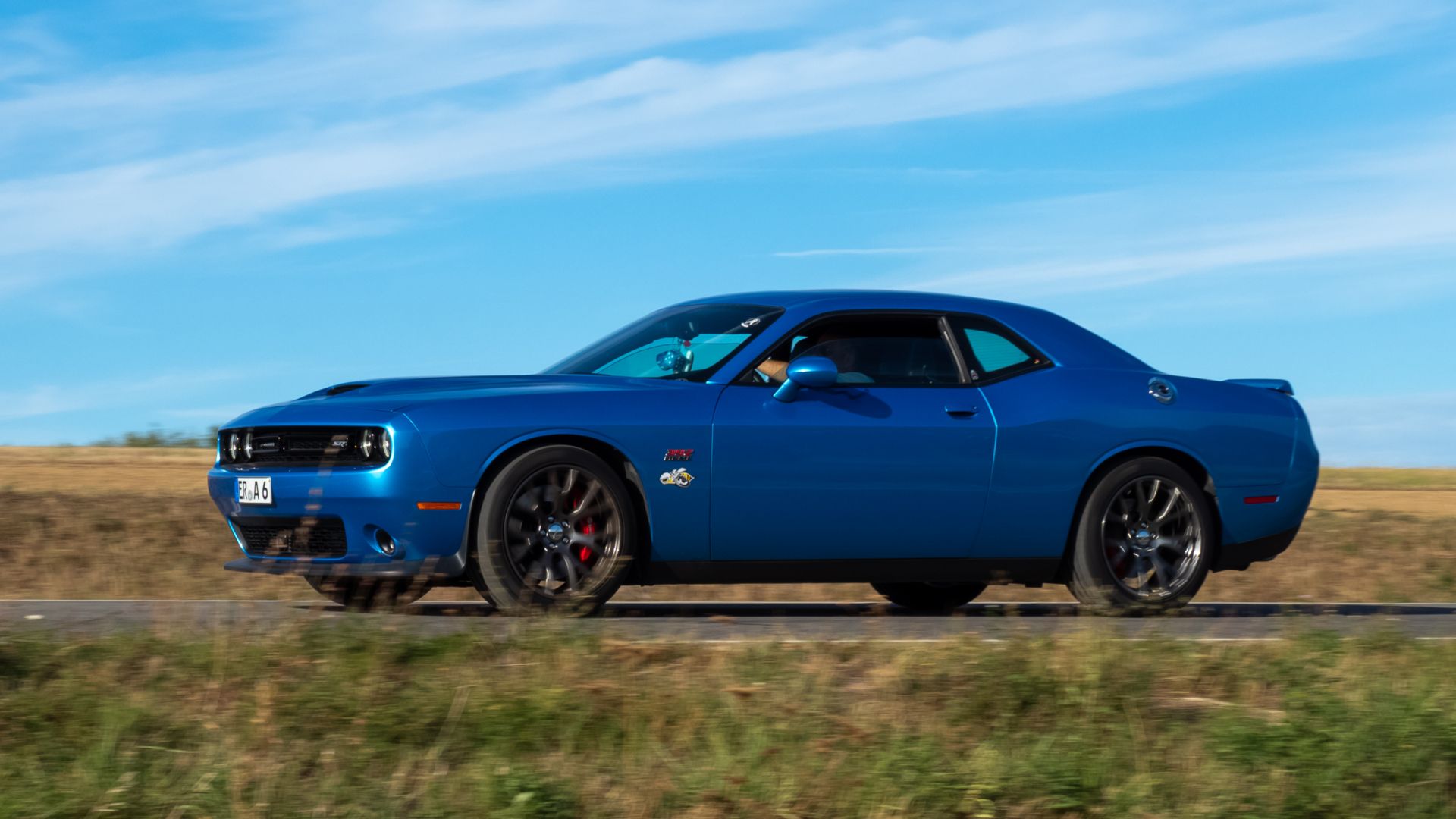
8. 2015 Dodge Challenger SRT Hellcat
The Hellcat arrived with 707 supercharged horsepower at a price that made comparable European performance cars look like poor value, with quarter-mile times that put it among the fastest production cars available that year at any price. It was heavy and not particularly sophisticated dynamically, which was part of the point.
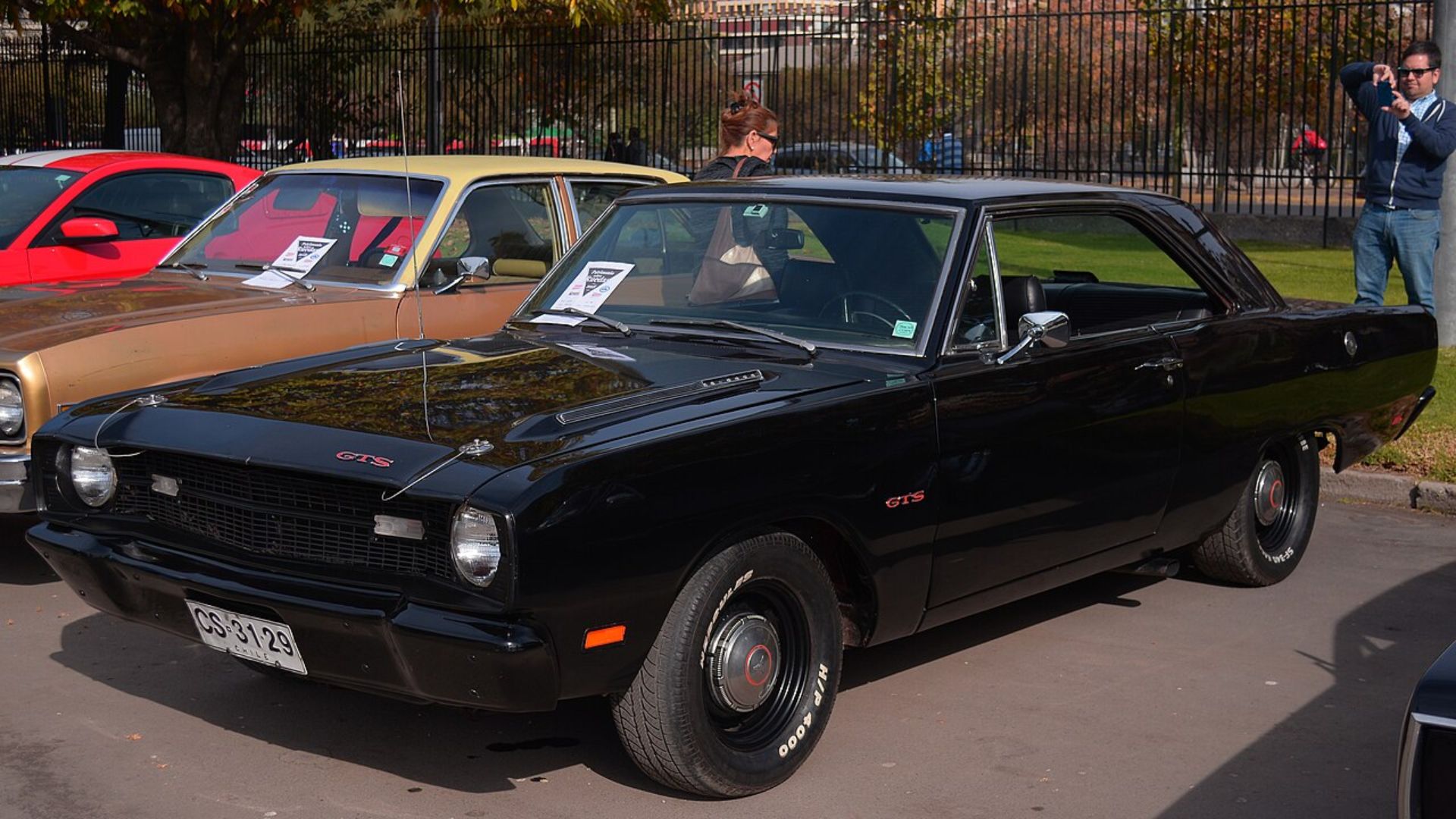
9. 1969 Dodge Dart GTS 440
Putting a 440 cubic inch engine into the compact Dart body produced a power-to-weight ratio that made the car genuinely dangerous in the wrong hands, and Dodge was willing to do it because the drag racing community had been doing engine swaps into A-body cars for years anyway. The factory version was more reliable than the typical swap and faster than most people expected.
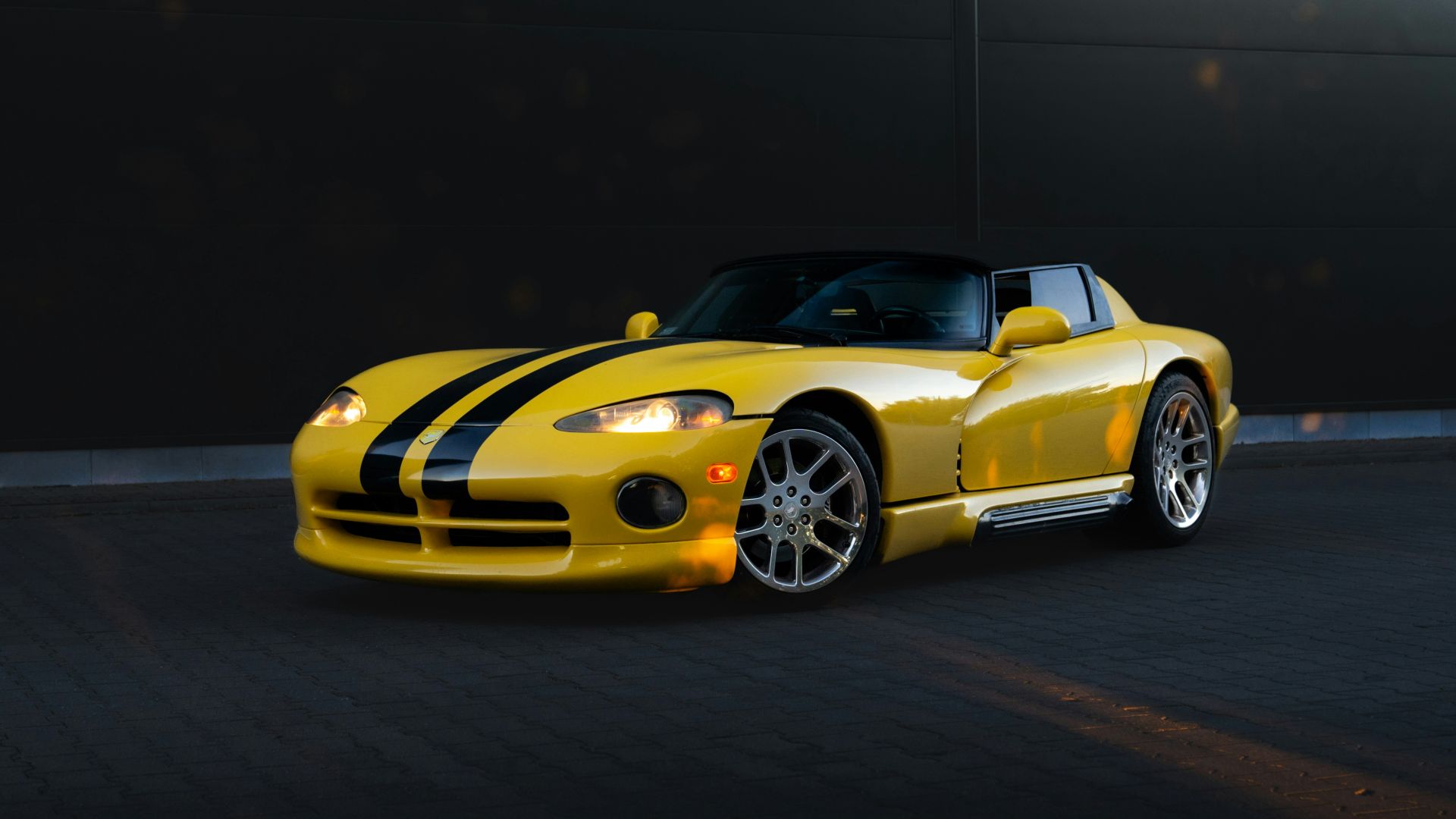
10. 2017 Dodge Viper GTS-R Commemorative Edition
The final year of Viper production included several special editions, and the GTS-R Commemorative Edition came with ACR-level hardware and a livery based on the cars that had won at Le Mans. The performance numbers at the end of production were better than they had ever been, which made for a clean exit.
And now, here are 10 that were mostly selling the look.
1. 1976 Dodge Charger Daytona
By 1976 the Charger Daytona was an appearance package on a mid-size car with a standard 318 cubic inch engine producing around 170 horsepower, which had nothing to do with the aerodynamic racing machine that shared its name from 1969. The stripe and the badge were doing the work the engine no longer could.
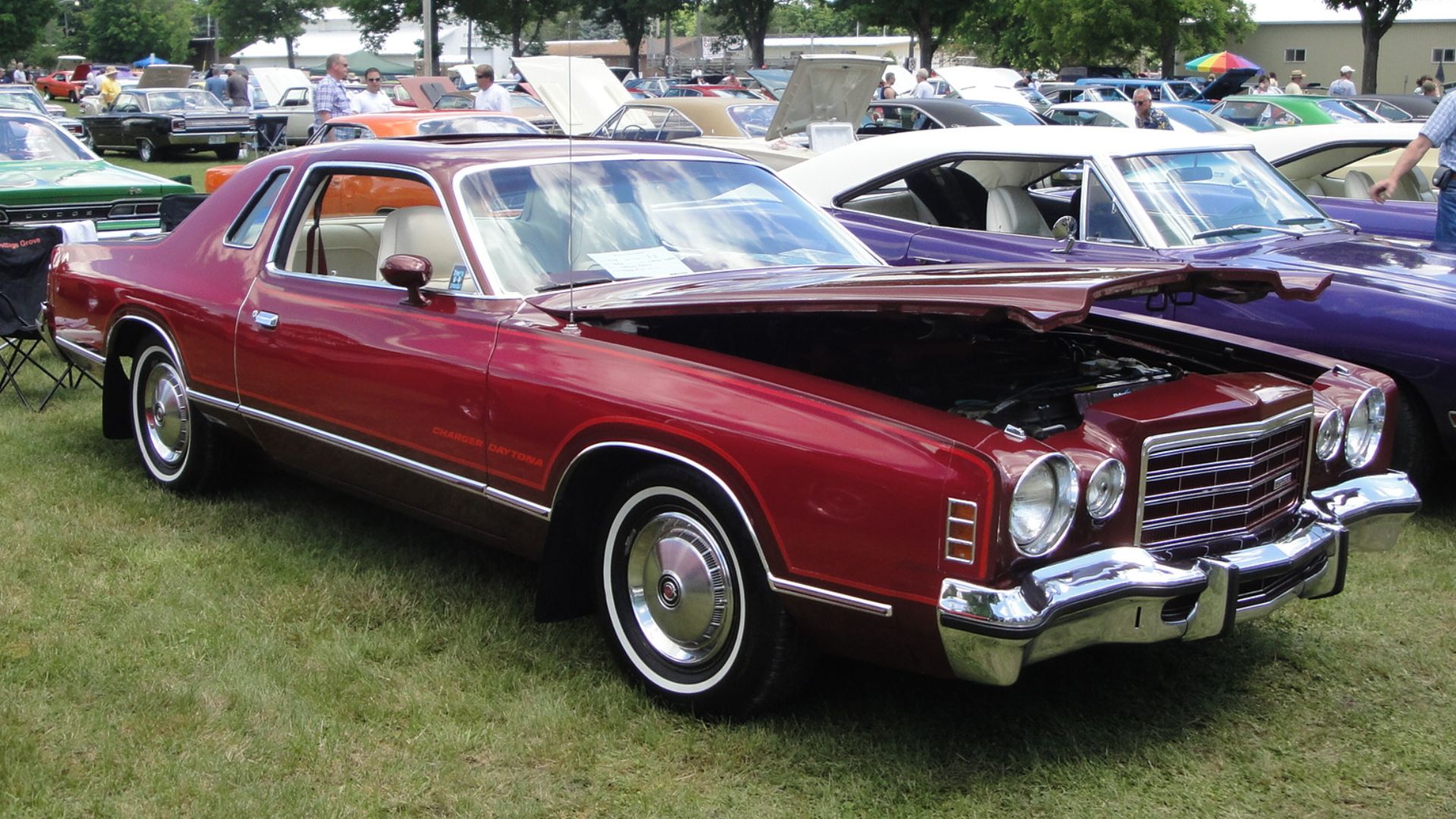 commons.wikimedia.org on Google
2. 1980 Dodge Mirada
The Mirada was positioned as a personal luxury car with sporty pretensions and wore its European-influenced styling with some confidence. The available engines topped out at a 318 that struggled to move the car with any urgency, and the performance credentials were essentially visual, which was not unusual for the period but is worth noting in a car that was trying to suggest otherwise.
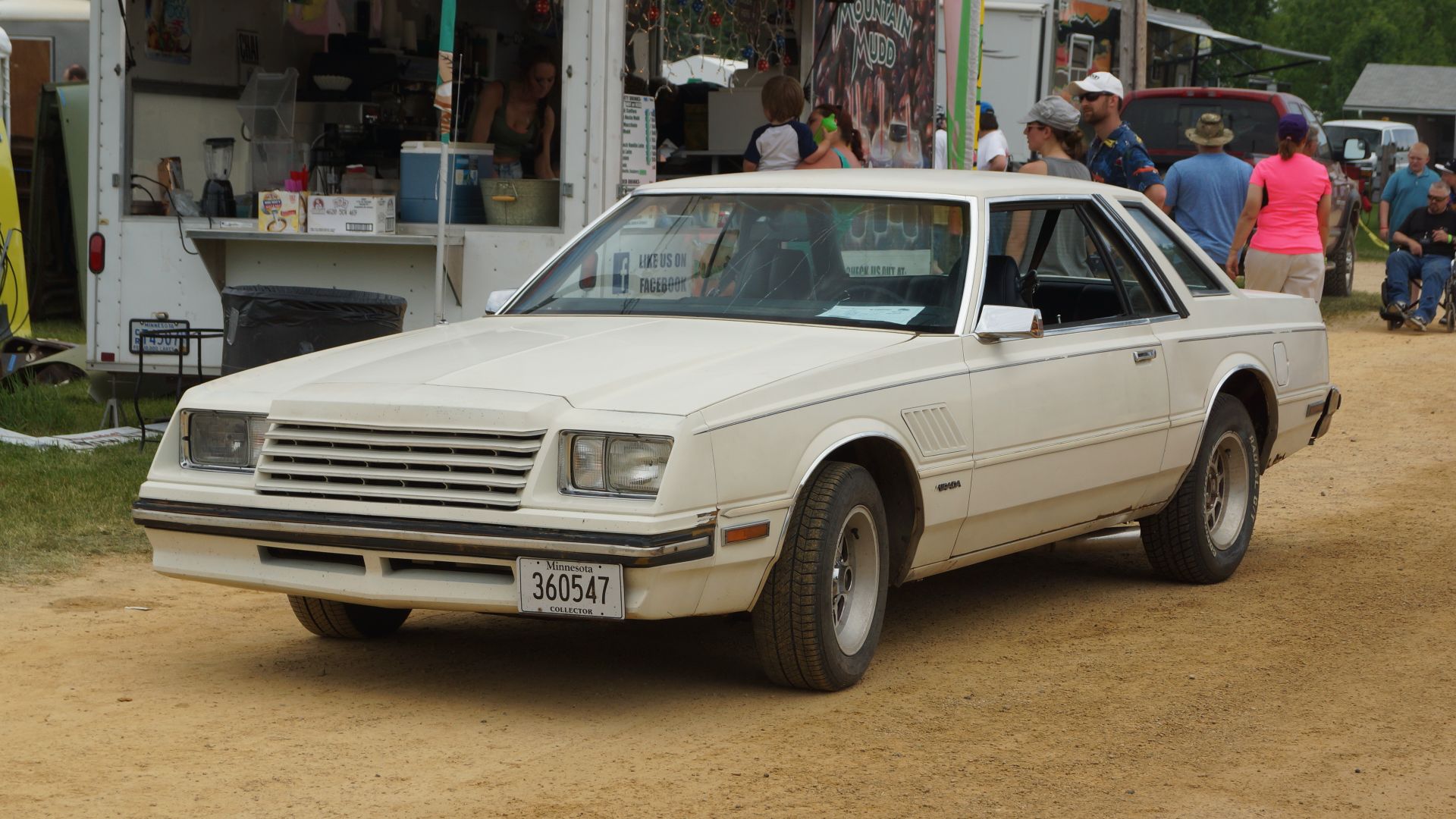 Greg Gjerdingen from Willmar, USA on Wikimedia
3. 1983 Dodge Rampage
The Rampage was a car-based pickup built on the Omni platform with a front-wheel-drive layout and a 2.2 liter four-cylinder, and the sport graphics package it could be ordered with created a contrast with the mechanical reality that was hard to ignore. It was not a bad vehicle for what it actually was, but what it actually was had nothing to do with performance.
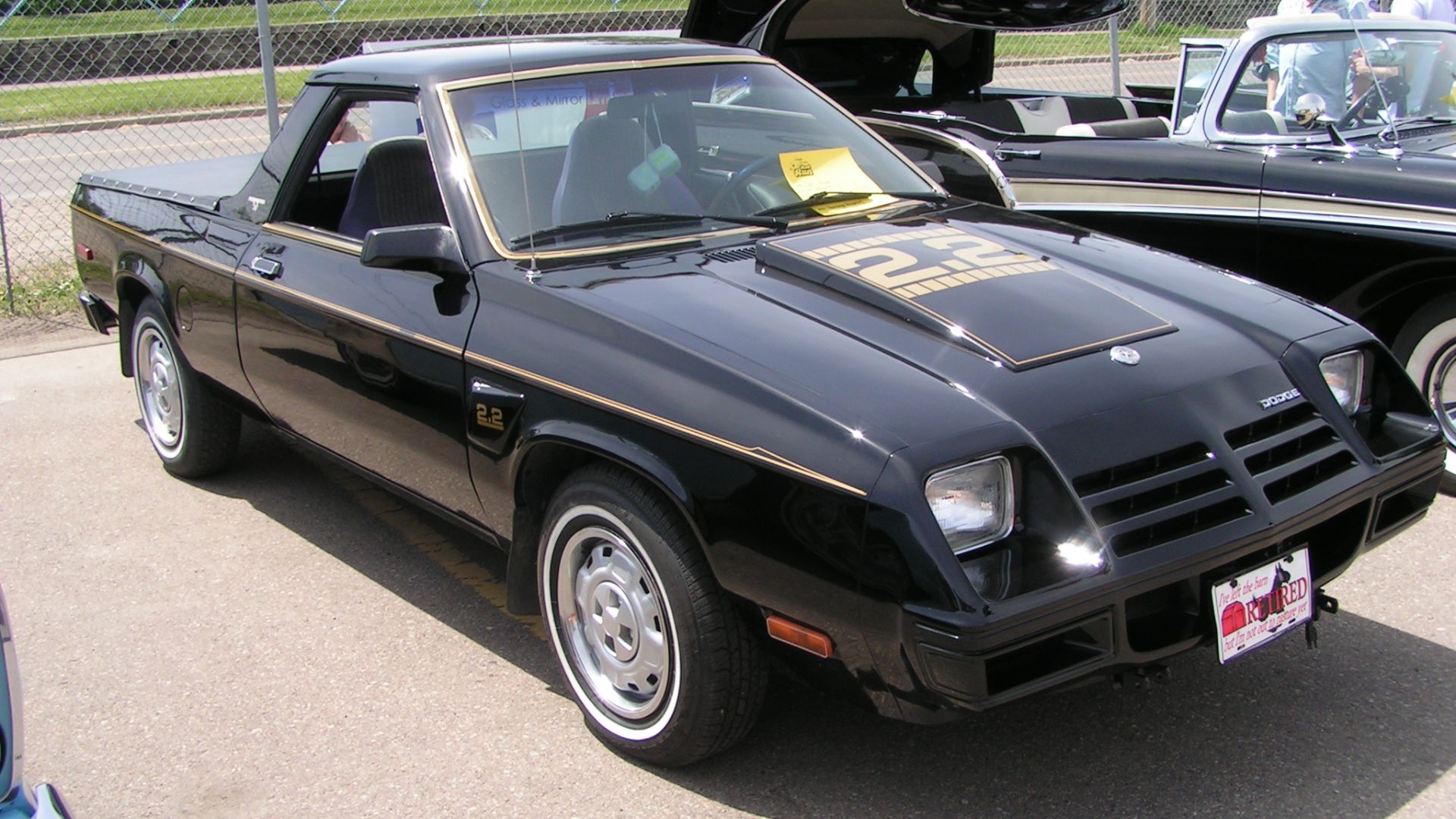
4. 1987 Dodge Daytona Pacifica
The Daytona Pacifica was a trim package on the front-wheel-drive Daytona coupe with a 2.2 liter engine, leather interior, and a name borrowed from a California coastal city to suggest a lifestyle the hardware could not support. The turbocharged version of the same car was a different story, but the Pacifica trim was primarily an aesthetic exercise.
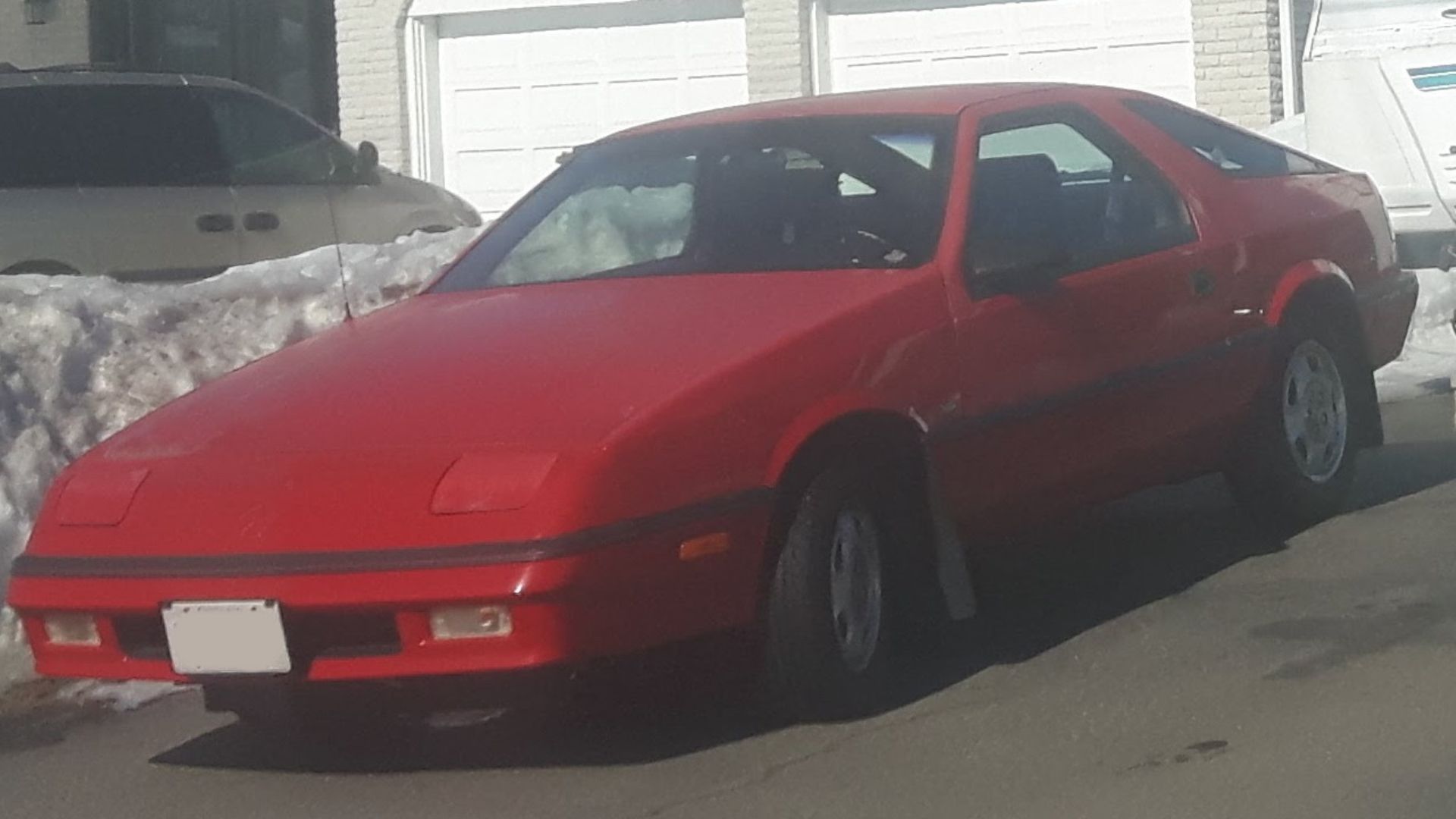 commons.wikimedia.org on Google
5. 1994 Dodge Shadow ES
The Shadow ES came with a slightly upgraded suspension and exterior trim, but the 2.5 liter engine produced around 100 horsepower and the car weighed enough that the sport designation was more aspirational than descriptive. It was a reliable economy car with some visual additions, and that is a reasonable thing to be without calling it a performance vehicle.
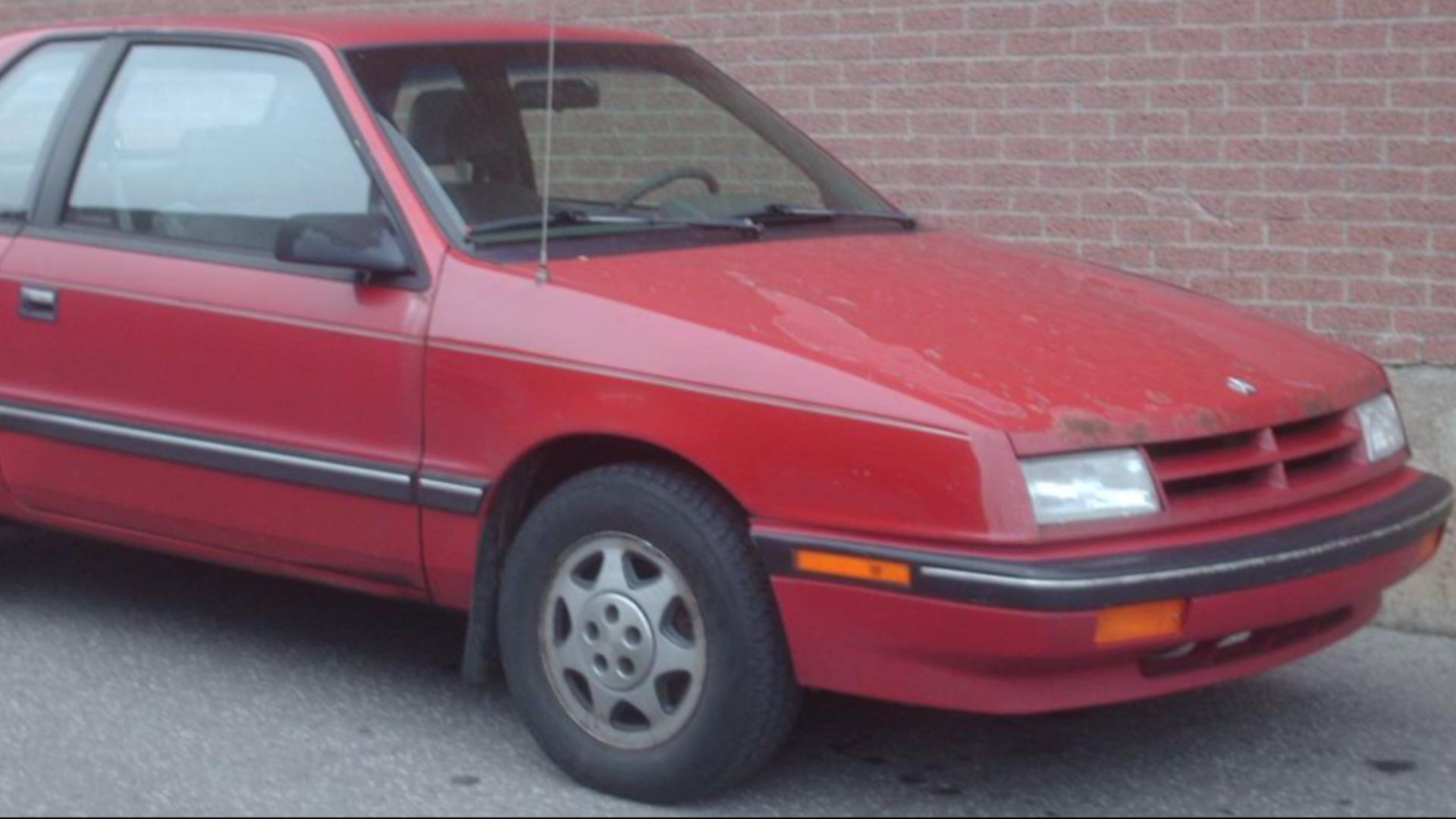 commons.wikimedia.org on Google
6. 2000 Dodge Neon R/T
The Neon R/T had a stiffer suspension and a revised engine tune that pushed output to around 150 horsepower, which was enough to make it entertaining on a twisty road. The R/T badge carried muscle car associations that the actual performance did not justify, and the gap between the name's history and the hardware was wide enough to be worth noting.
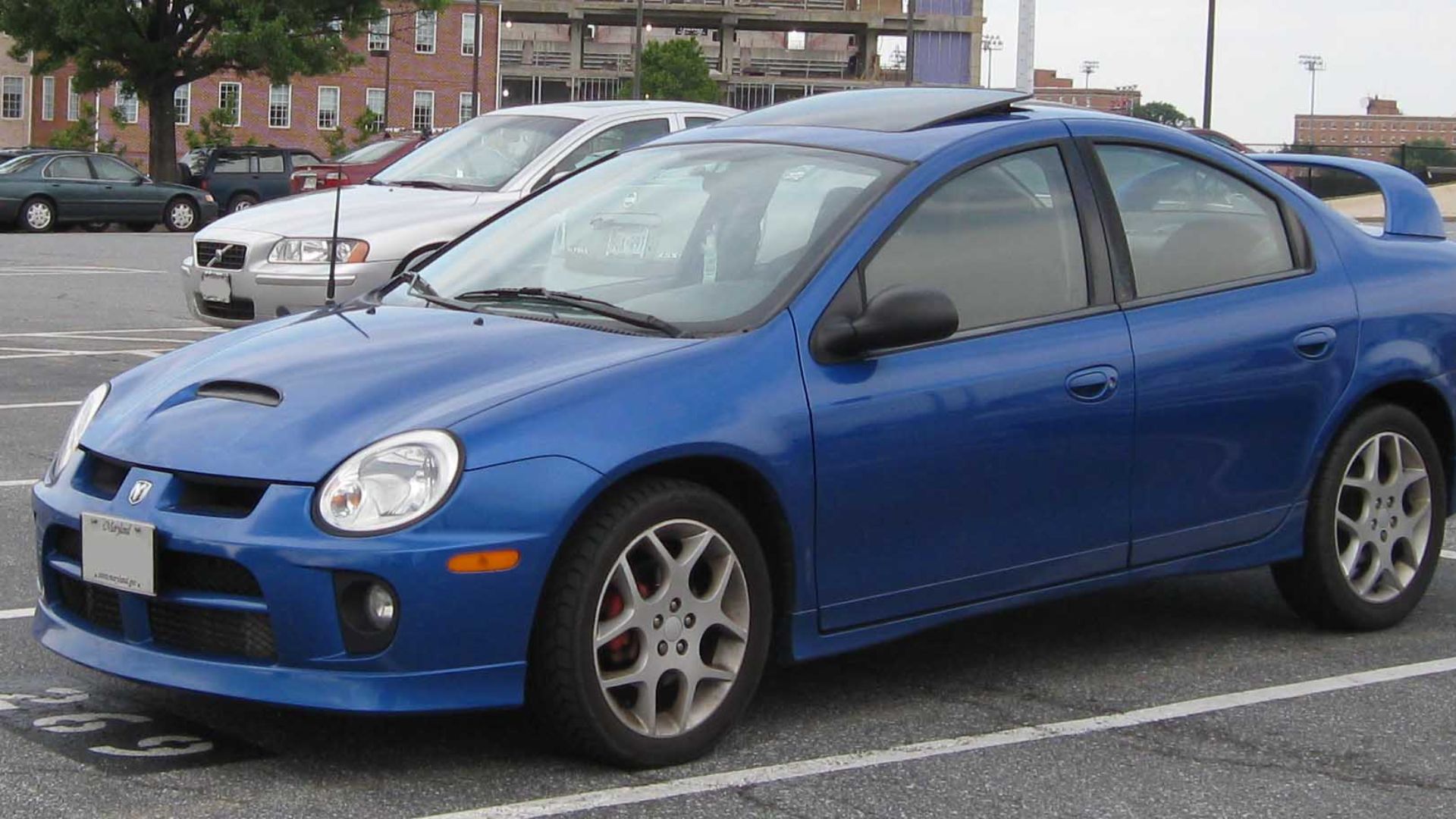 commons.wikimedia.org on Google
7. 2010 Dodge Avenger R/T
The Avenger R/T came with a 3.5 liter V6 producing 235 horsepower, which was adequate rather than impressive, and the sport suspension and visual package suggested performance engagement the driving experience did not consistently deliver. It was a reasonable family sedan wearing performance clothes, and the distinction matters when R/T has the history it has.
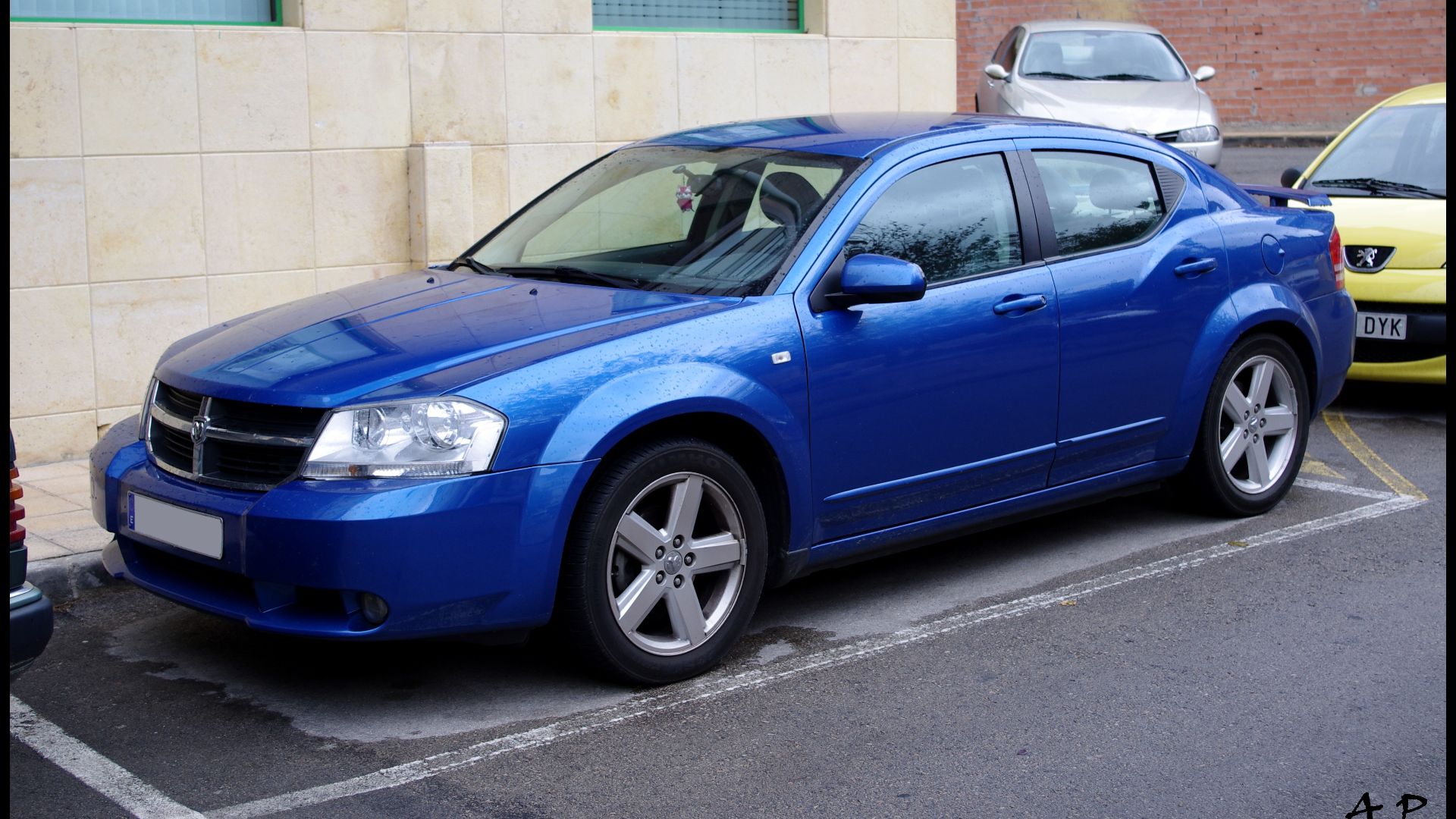 commons.wikimedia.org on Google
8. 1999 Dodge Stratus ES
The Stratus ES was a front-wheel-drive mid-size sedan with a 2.5 liter V6 and a sport appearance package that included a rear spoiler, which was decorative given the car's actual aerodynamic needs at the speeds it was likely to reach. The ES designation implied something the drivetrain and chassis were not configured to provide.
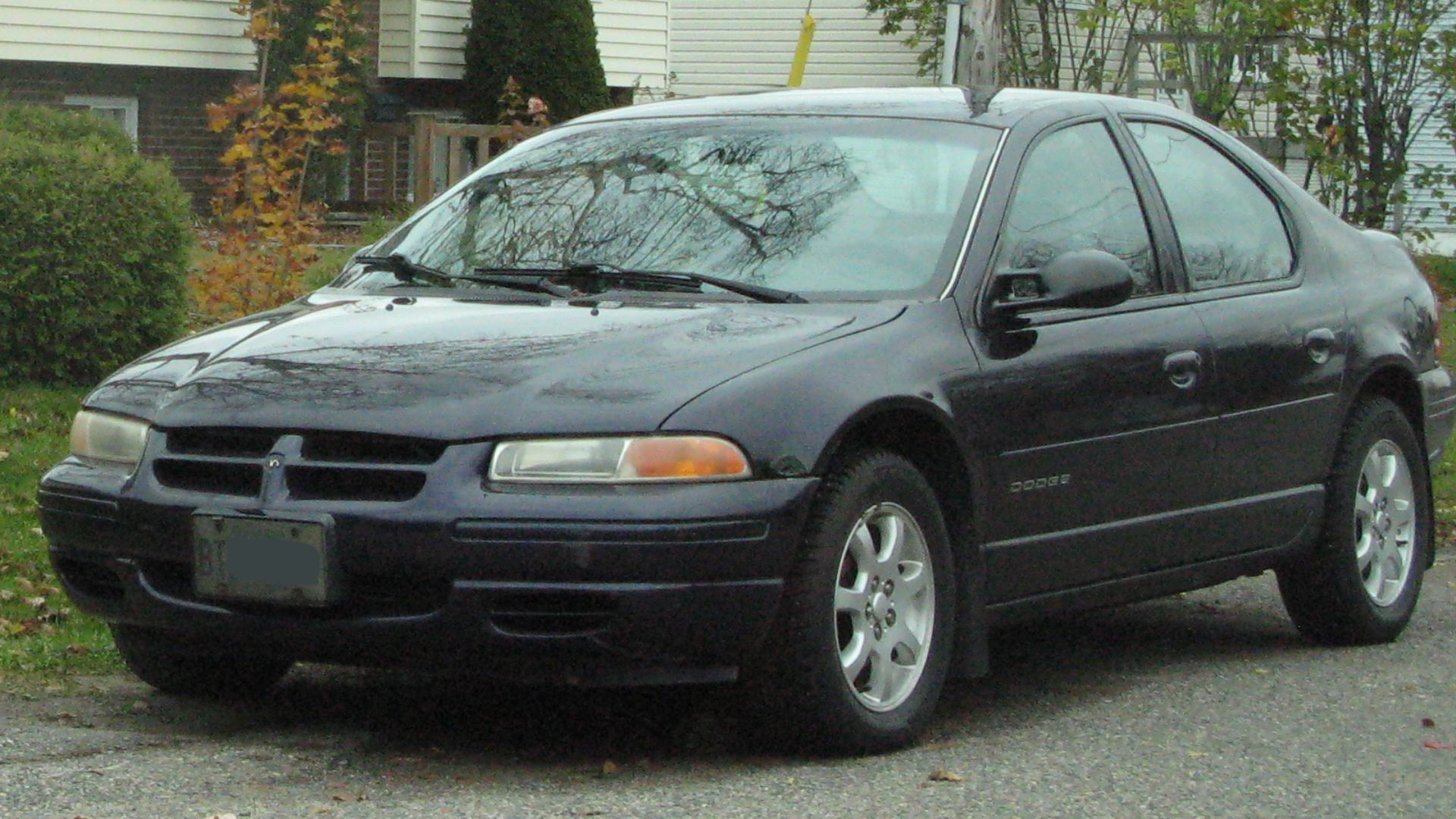 commons.wikimedia.org on Google
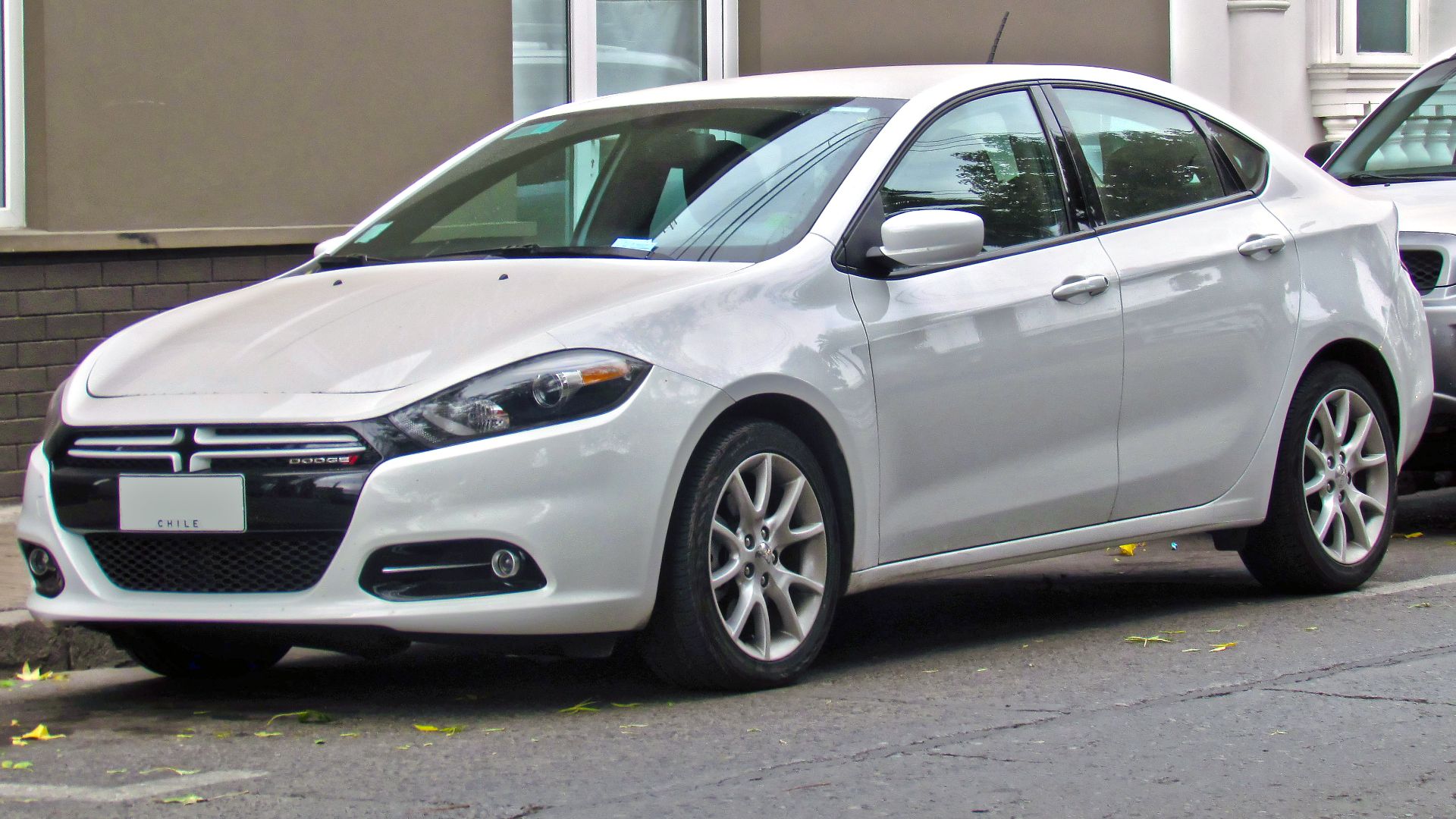
9. 2013 Dodge Dart Rallye
The Dart Rallye was a trim package on the reborn compact Dart with a 1.4 liter turbocharged four-cylinder producing around 160 horsepower, and the sport graphics and lowered suspension gave it a convincing appearance from the outside. The engine delivered reasonable everyday performance, but the Rallye name evoked a competitive history the car was not in a position to honor.
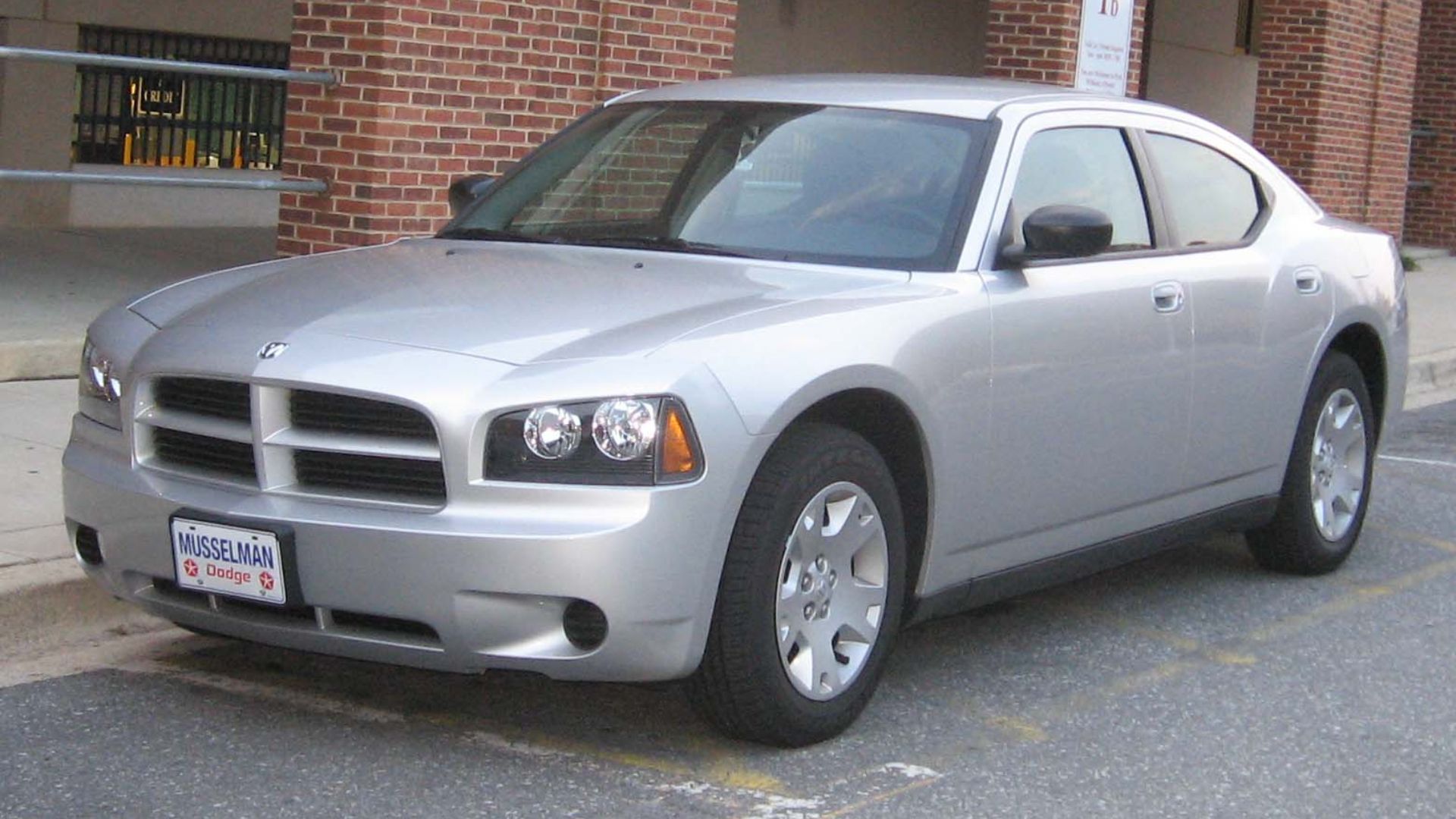
10. 2006 Dodge Charger SE
The base Charger SE came with a 2.7 liter V6 producing 178 horsepower in a car weighing over 3,700 pounds, which delivered performance that was distinctly ordinary. The Charger name created expectations the V6 could not meet, and dealers presumably moved plenty of them on the strength of the badge before buyers discovered what they had purchased.



.jpg)
.jpg)


.jpg)

.jpg)