When The Basics Are Well Managed
Gas stations can provide a sense of security before you even park your vehicle. You notice the lighting, the cleanliness of the windows, the layout of the pumps, and whether the facility appears to have been recently maintained. These small details become even more significant during late-night stops, solo drives, or when visiting unfamiliar areas. The most comfortable gas stations typically don’t rely on a single major safety feature; instead, they incorporate practical elements that contribute to an overall feeling of cleanliness, clarity, and management. Here are 20 factors that can enhance your sense of safety at a gas station.
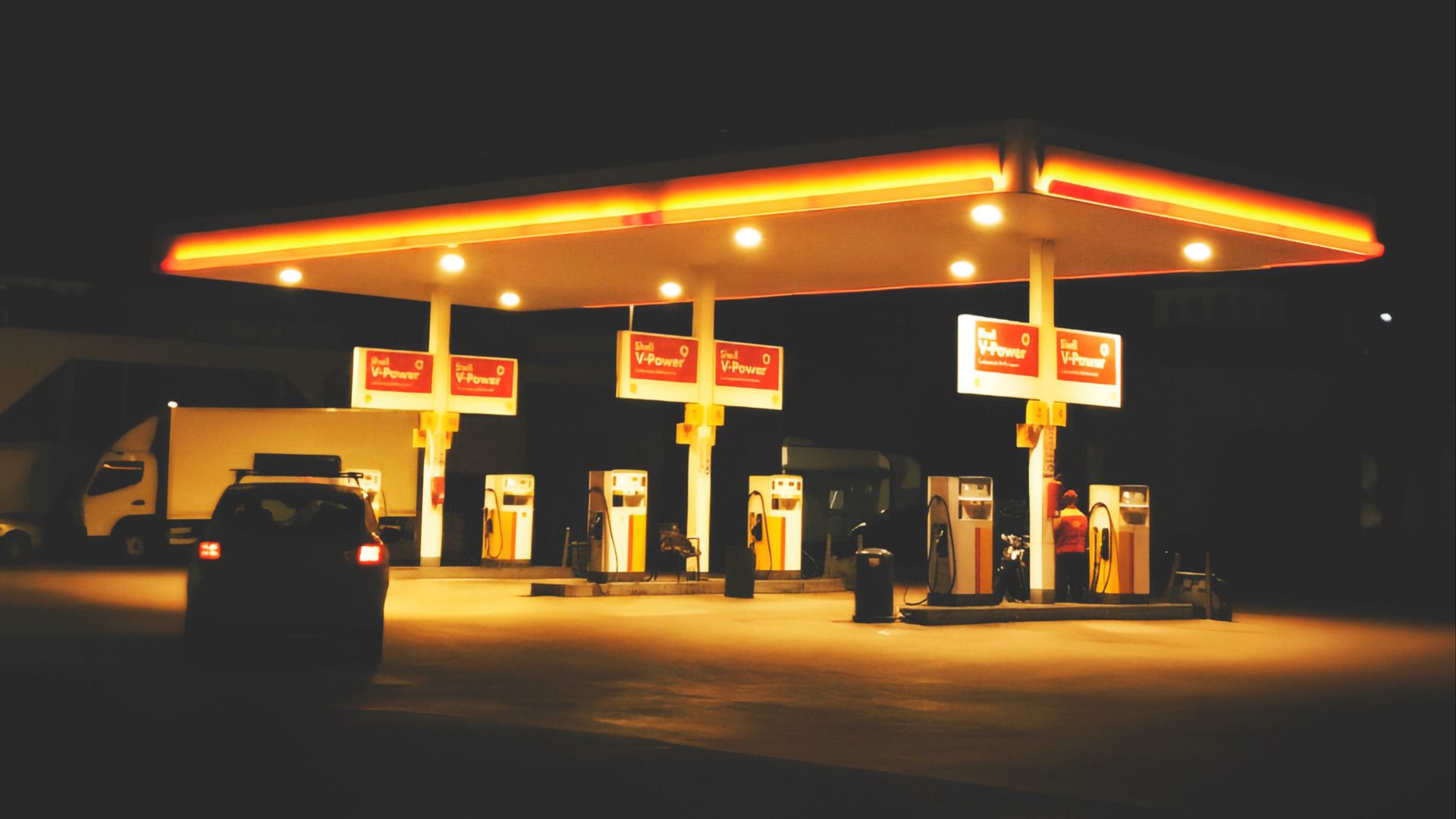
1. The Lighting Reaches Every Corner
Good lighting plays a crucial role at gas stations. When the canopy, pump lanes, parking areas, sidewalks, and front door are all well-lit, drivers can easily see curbs, spills, moving vehicles, and other people without having to squint through shadows.
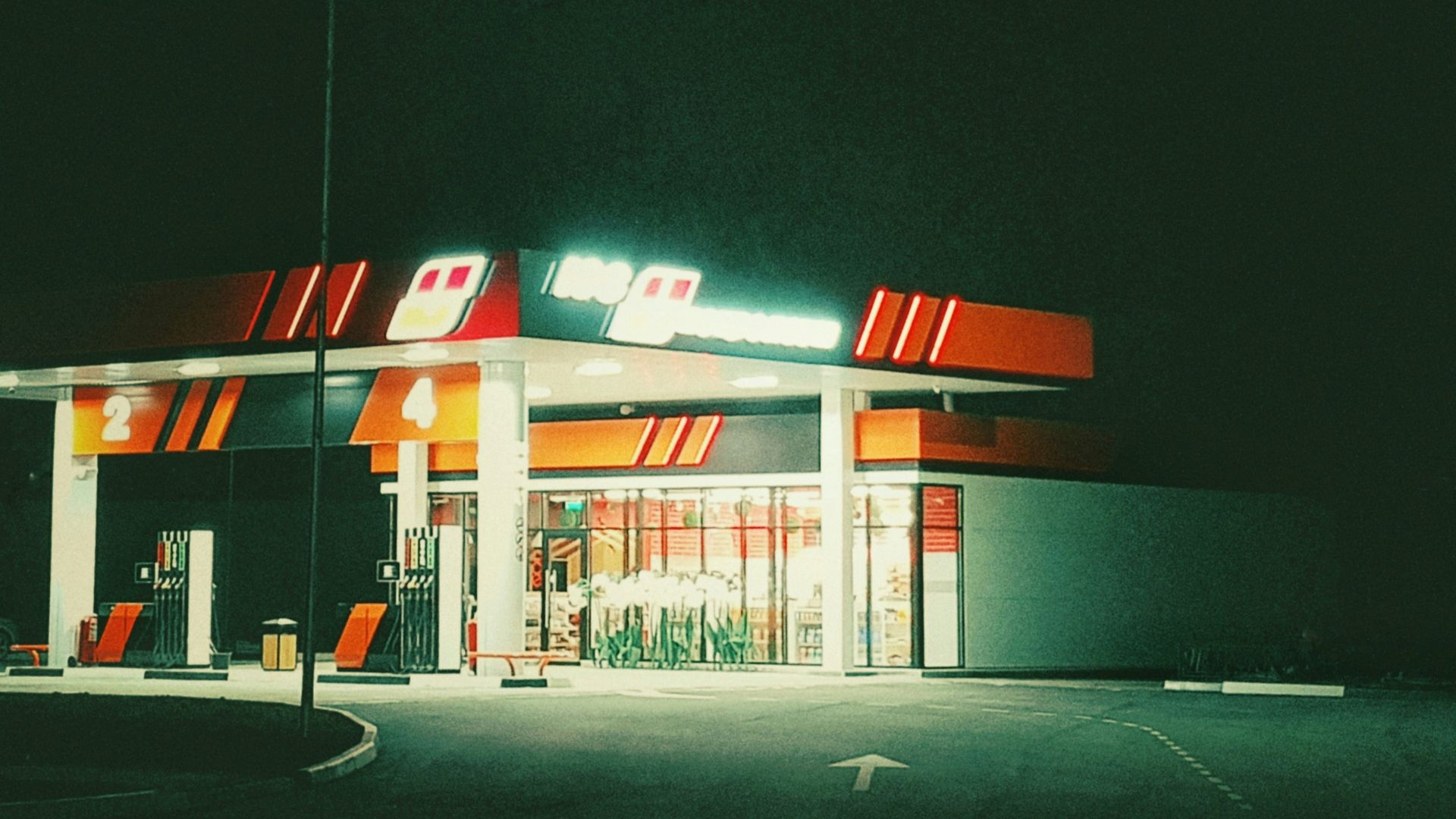
2. The Store Windows Are Clear
Clear windows give the store an open feel before you even walk inside. They also allow counter staff to see the pumps, the front door, and the parking lot, creating a sense of oversight and reducing feelings of isolation.
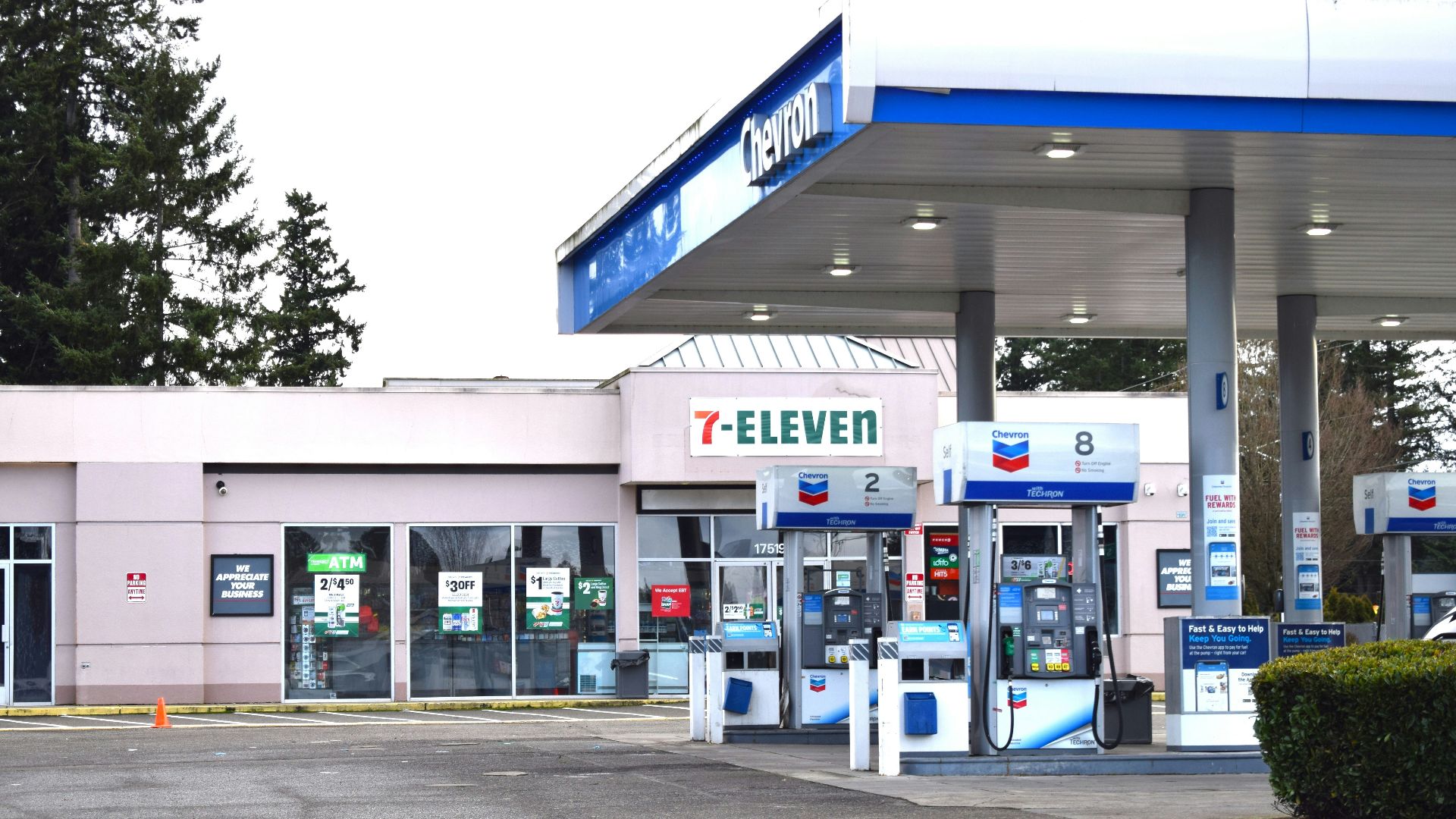
3. The Pumps Are Visible From the Counter
Pumps located near the store tend to feel more secure because staff can keep an eye on them. This visibility also increases payment security, as easily observed pumps are generally less attractive targets for tampering than those hidden away.
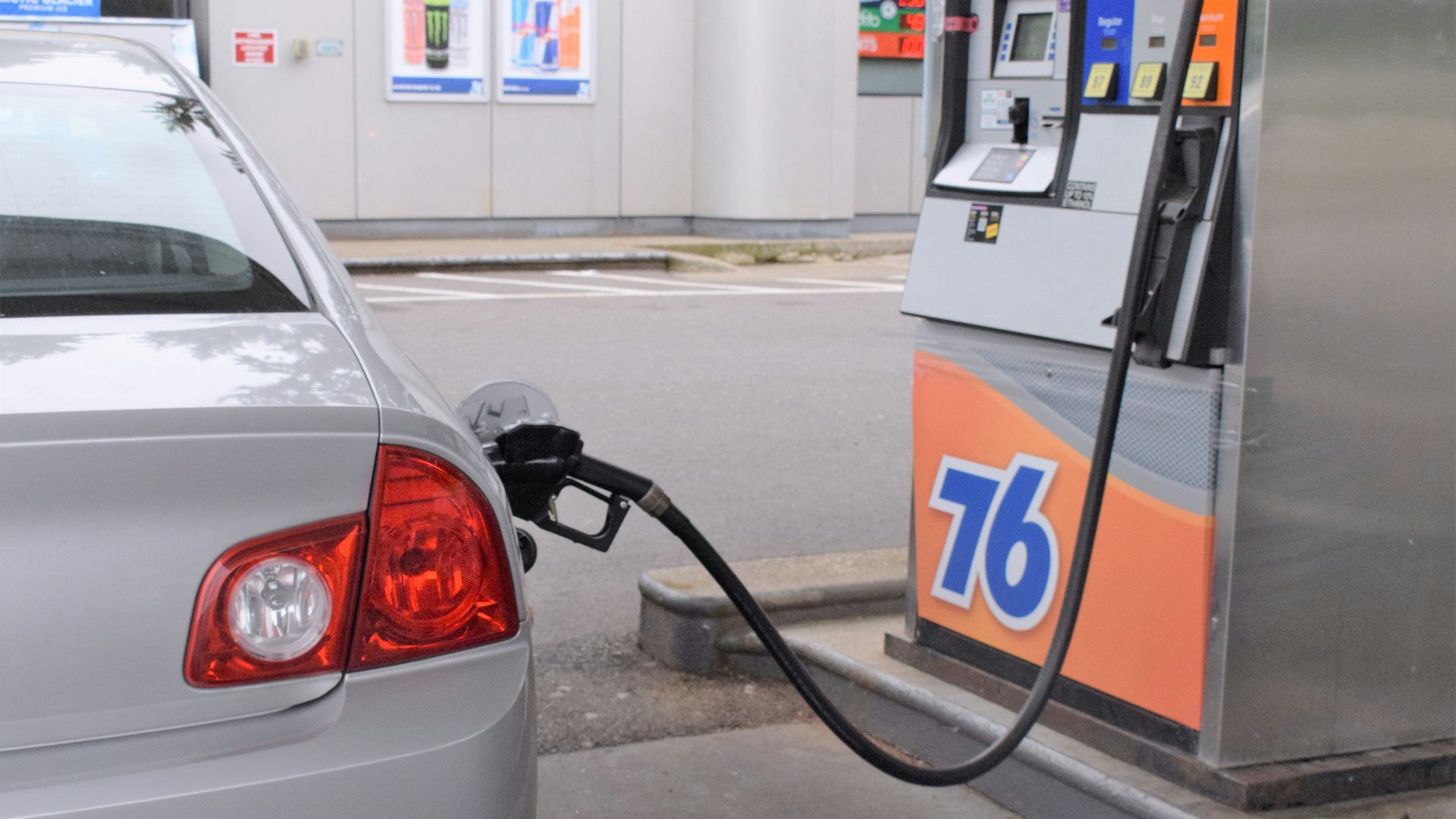
4. The Pump Islands Look Clean
A tidy pump island indicates that maintenance is being performed. Empty trash cans, stocked windshield cleaning buckets, clear instructions, and clean pavement help the location feel cared for rather than neglected.
5. The Card Readers Appear Intact
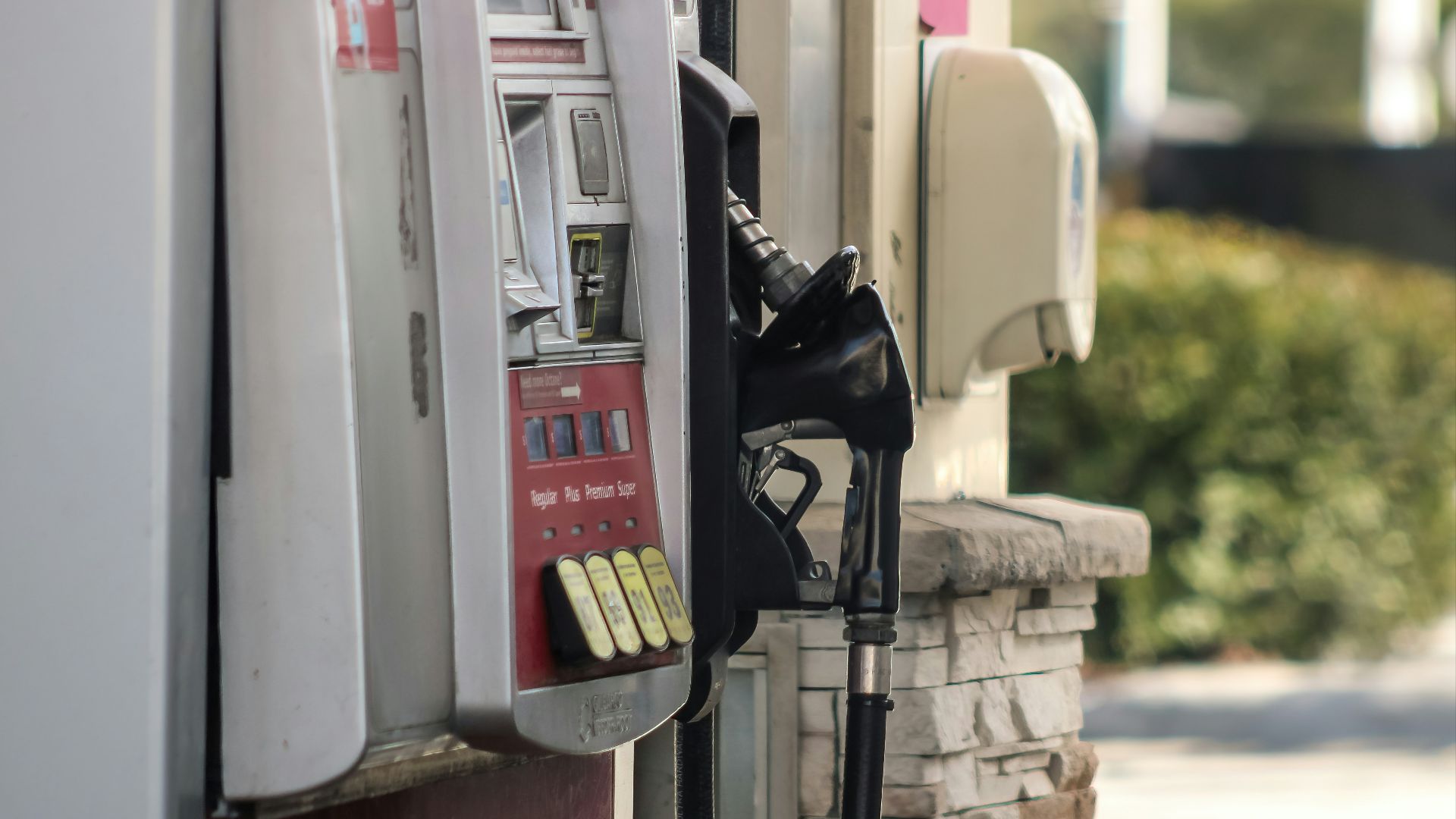
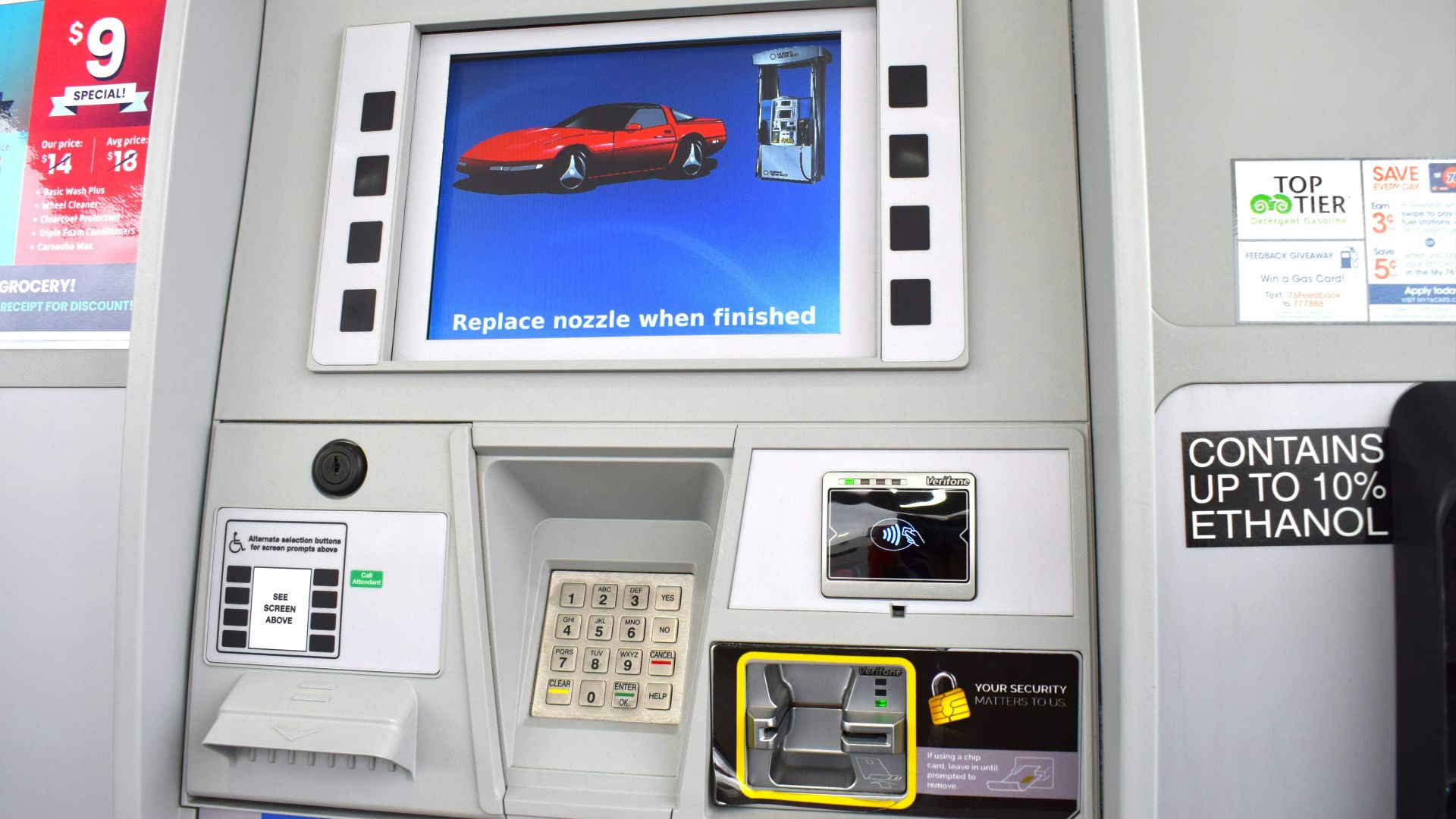
Most drivers now take a moment to inspect card readers. Loose, oversized, mismatched, or damaged equipment can raise concerns about tampering, while clean readers with intact panels and matching hardware can enhance trustworthiness.
6. Contactless Payment Is Available
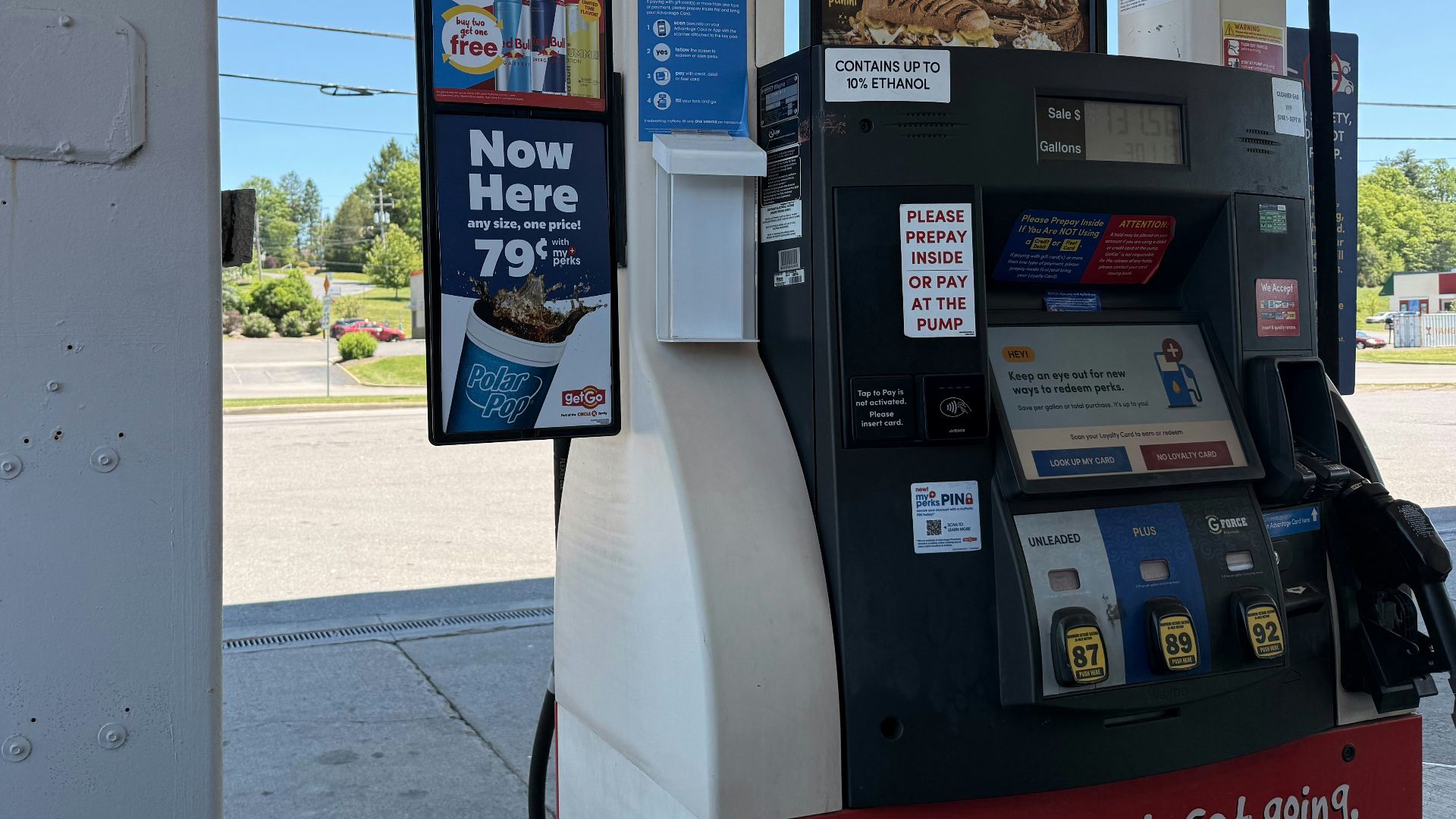
Tap-to-pay options offer drivers additional peace of mind at the pump. This feature allows users to complete transactions without swiping or inserting a card, keeping the process quick and feeling more secure.
7. Cameras Are Clearly Visible
While visible cameras don’t guarantee a problem-free experience, they do signal that the station is accountable for its property. Cameras positioned near the pumps, entrances, and registers indicate that safety has been a consideration.
8. There Aren’t Many Blind Spots
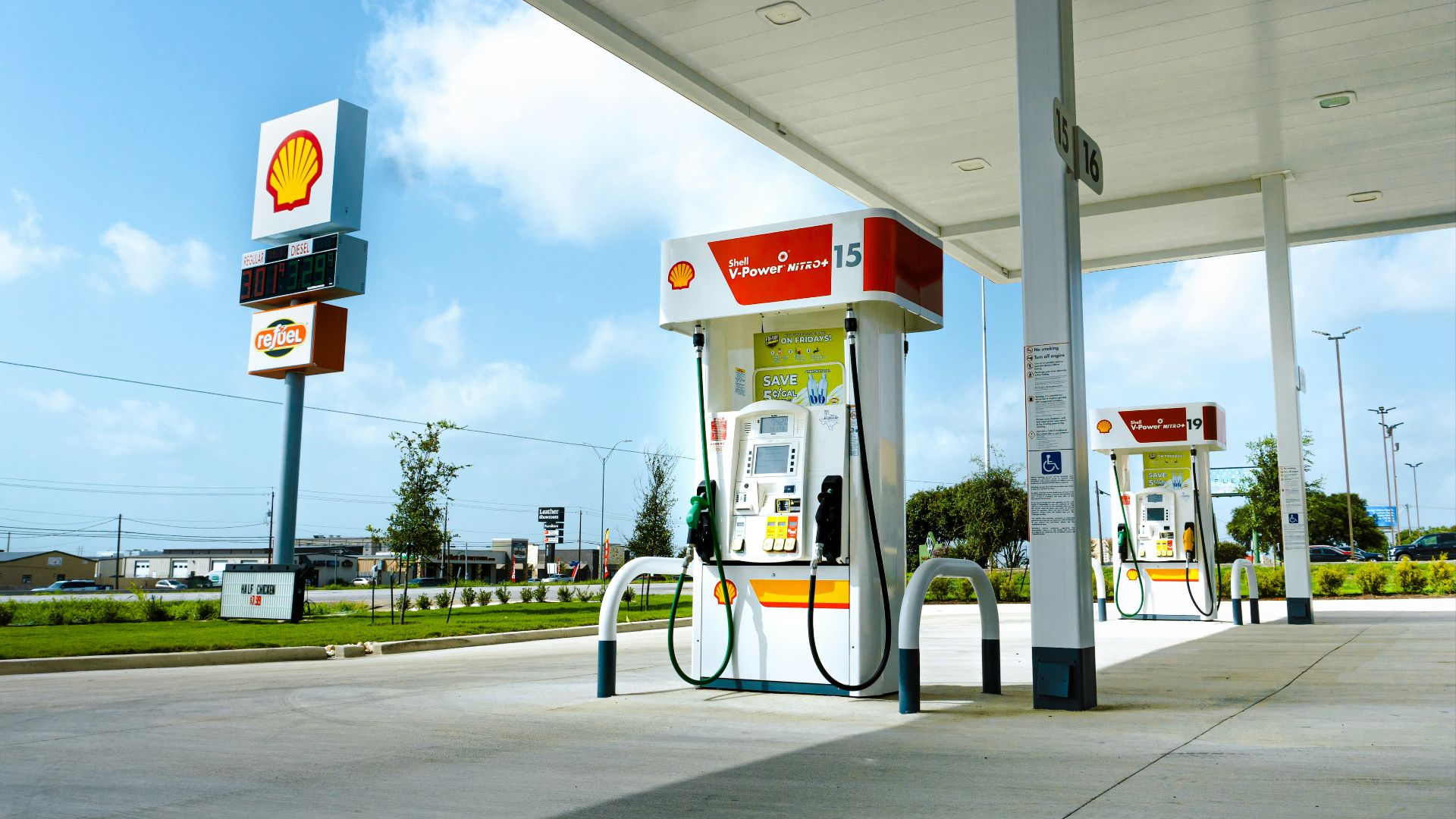
Gas stations that conceal too much from view can make visitors feel uneasy. A well-designed station keeps areas like dumpsters, landscaping, delivery vehicles, and side walls from obstructing the main areas where customers walk, pay, and fuel up.
9. The Layout Is Easy to Understand
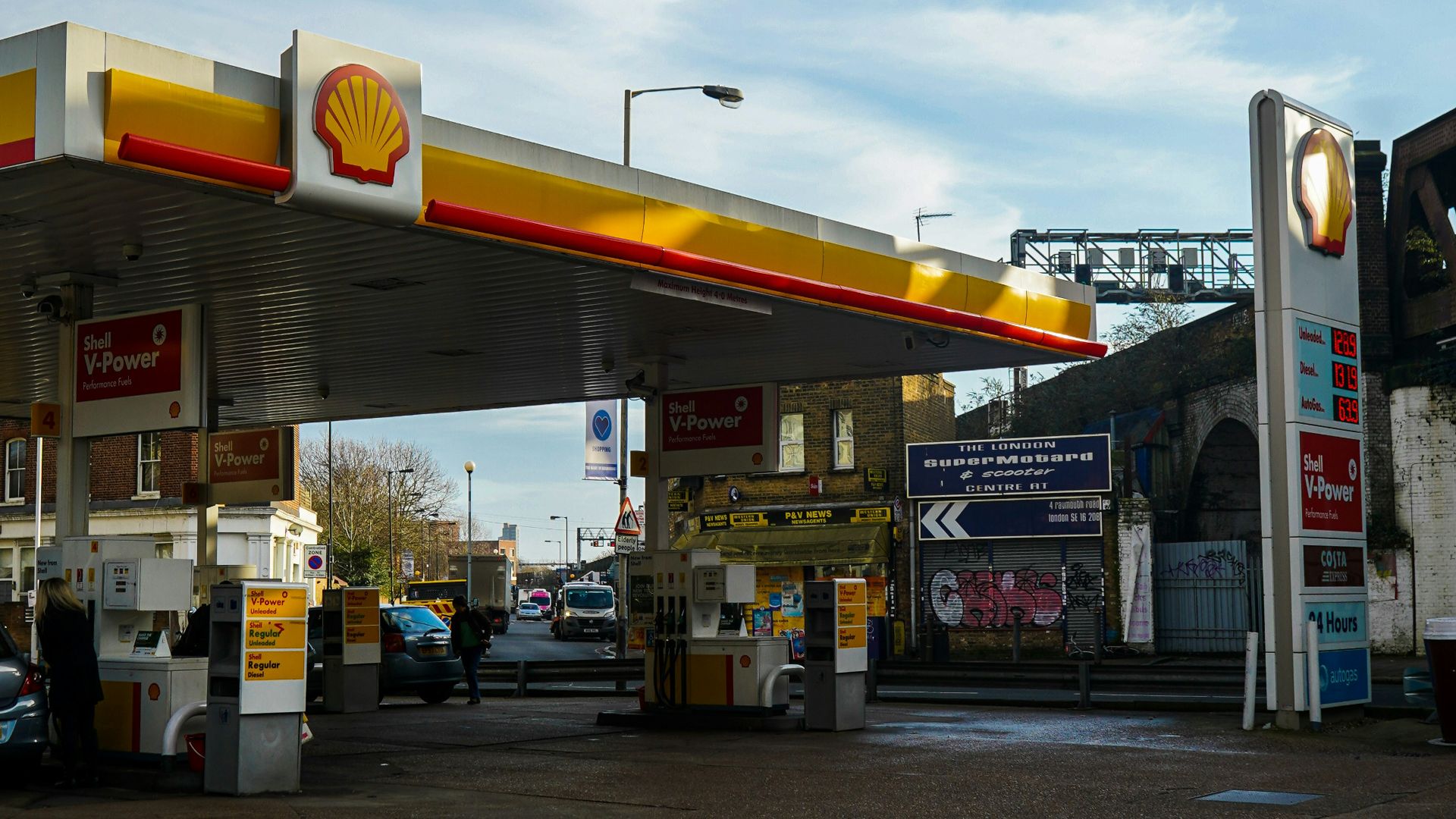
A confusing lot can add unnecessary stress to a routine stop. Clearly marked entrances, obvious exits, and enough space to maneuver help drivers avoid tight turns and awkward angles that can be uncomfortable.
10. There’s Normal Customer Activity
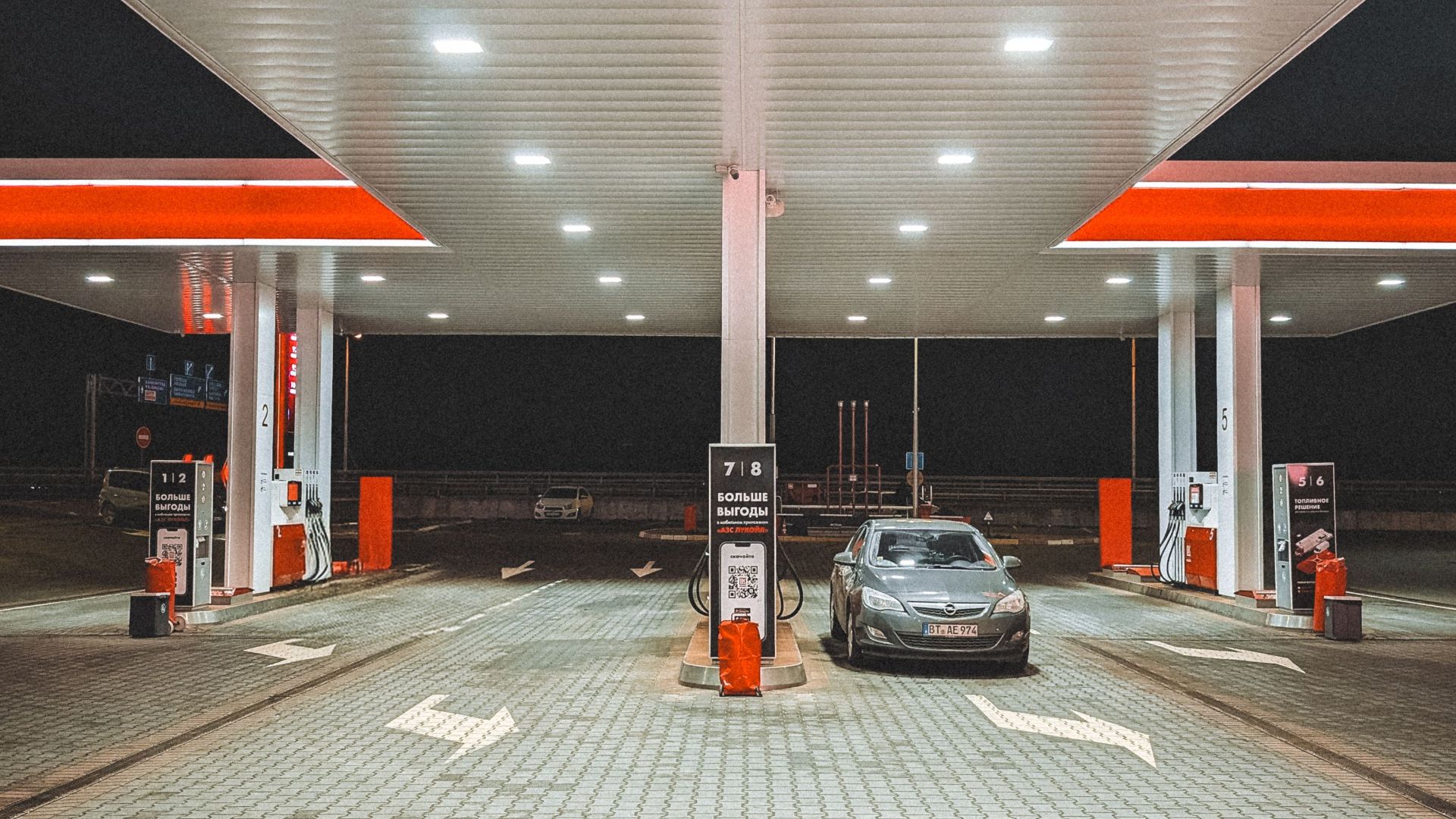
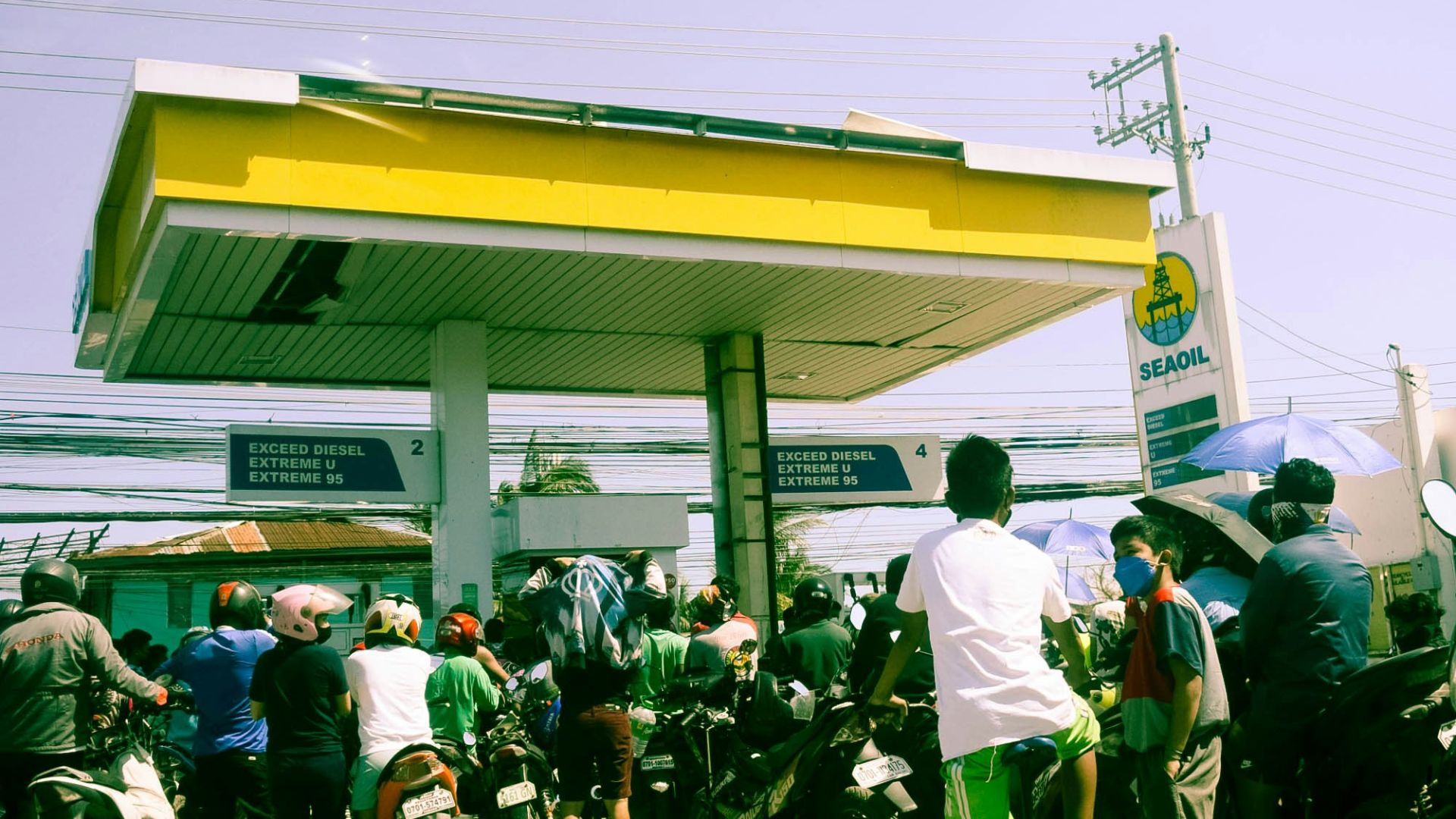
An empty station during late-night hours can feel unsettling, while a crowded lot with groups of people can evoke discomfort for other reasons. The ideal scenario features normal activity: customers fueling up, buying snacks, using the air pump, and then moving on.
11. Windows Are Free of Ads
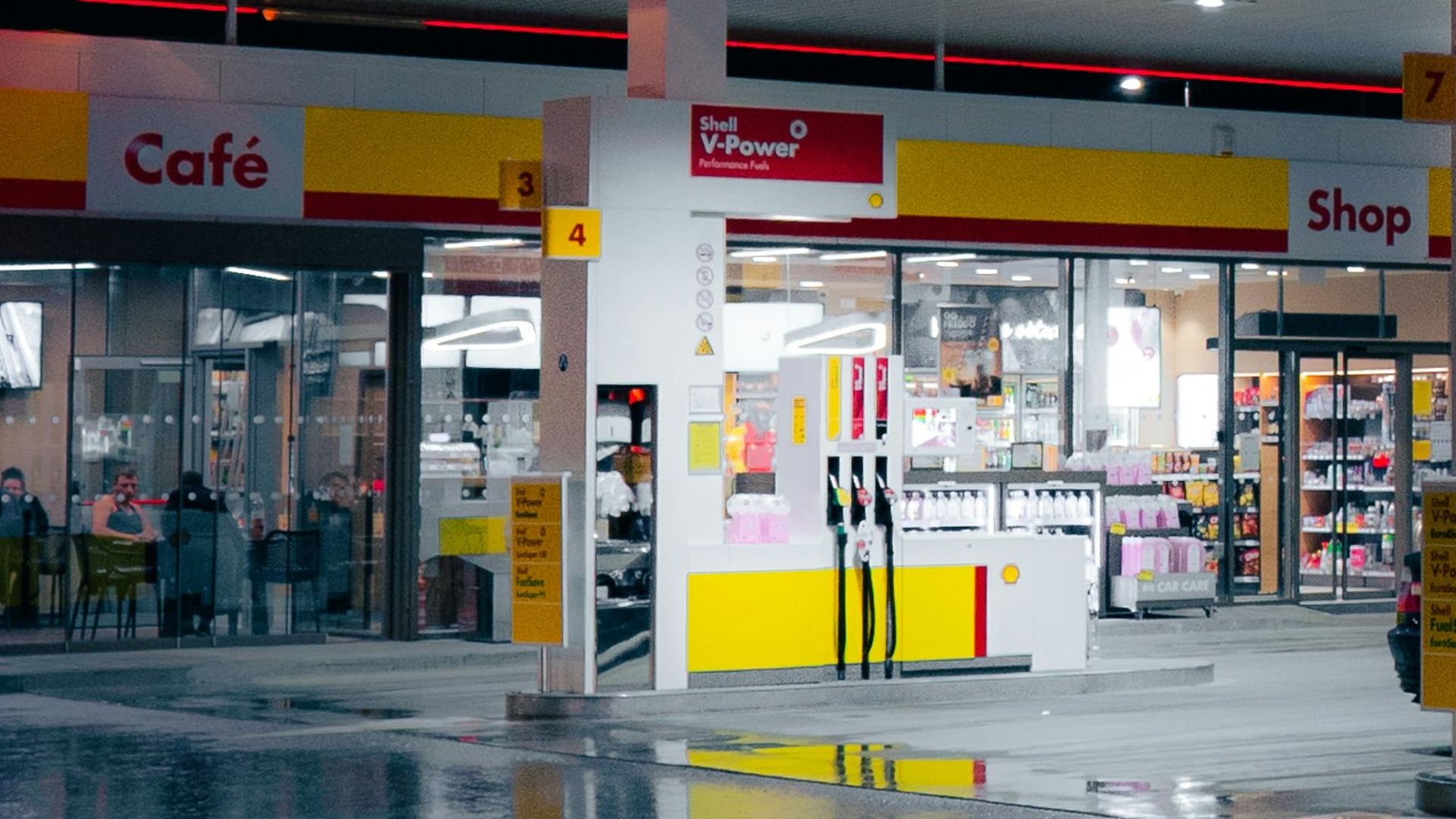
Having a few posters near the windows is normal. However, when the glass is covered with signs, it blocks views in both directions and can make the store feel disconnected from the lot.
12. Staff Appear Alert
A calm, attentive employee can greatly enhance the station’s atmosphere. An employee who notices customers, monitors the forecourt, and promptly addresses minor issues makes the place feel managed by real people rather than just by pumps and fluorescent lights.
13. Cash Handling Seems Secure
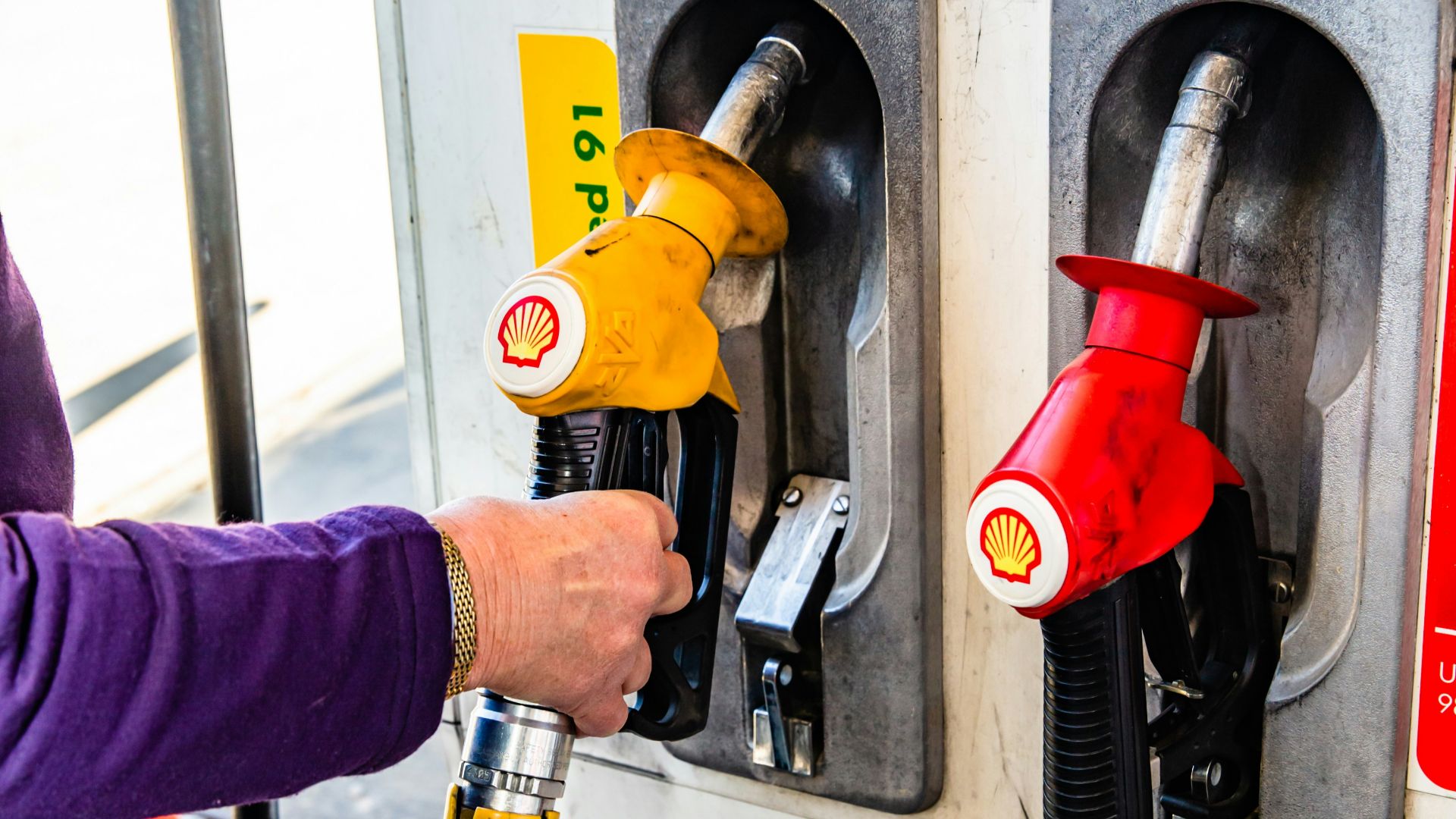
Stations that limit cash transactions at the register can seem less vulnerable. Signs about restricted cash access, drop safes, or specific payment policies demonstrate that the business is proactive about minimizing risk, especially during slower hours.
14. Restroom Is Well-Maintained
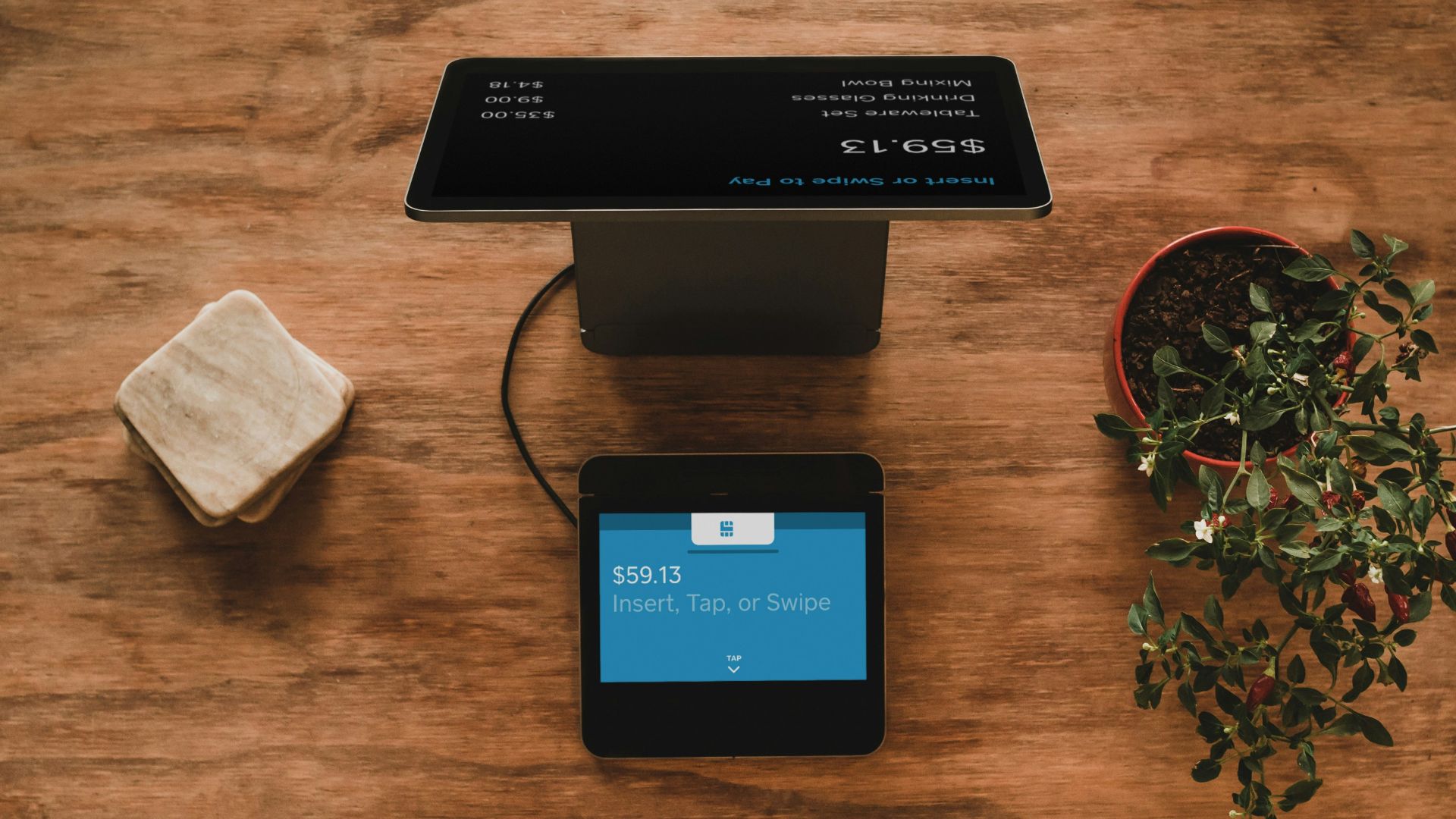
A clean restroom may not indicate that everything is perfect, but it does suggest that regular checks are conducted. Stocking soap, ensuring dry floors, providing working locks, and emptying trash cans contribute to a sense that the station is well managed.
15. Spills Are Addressed Promptly
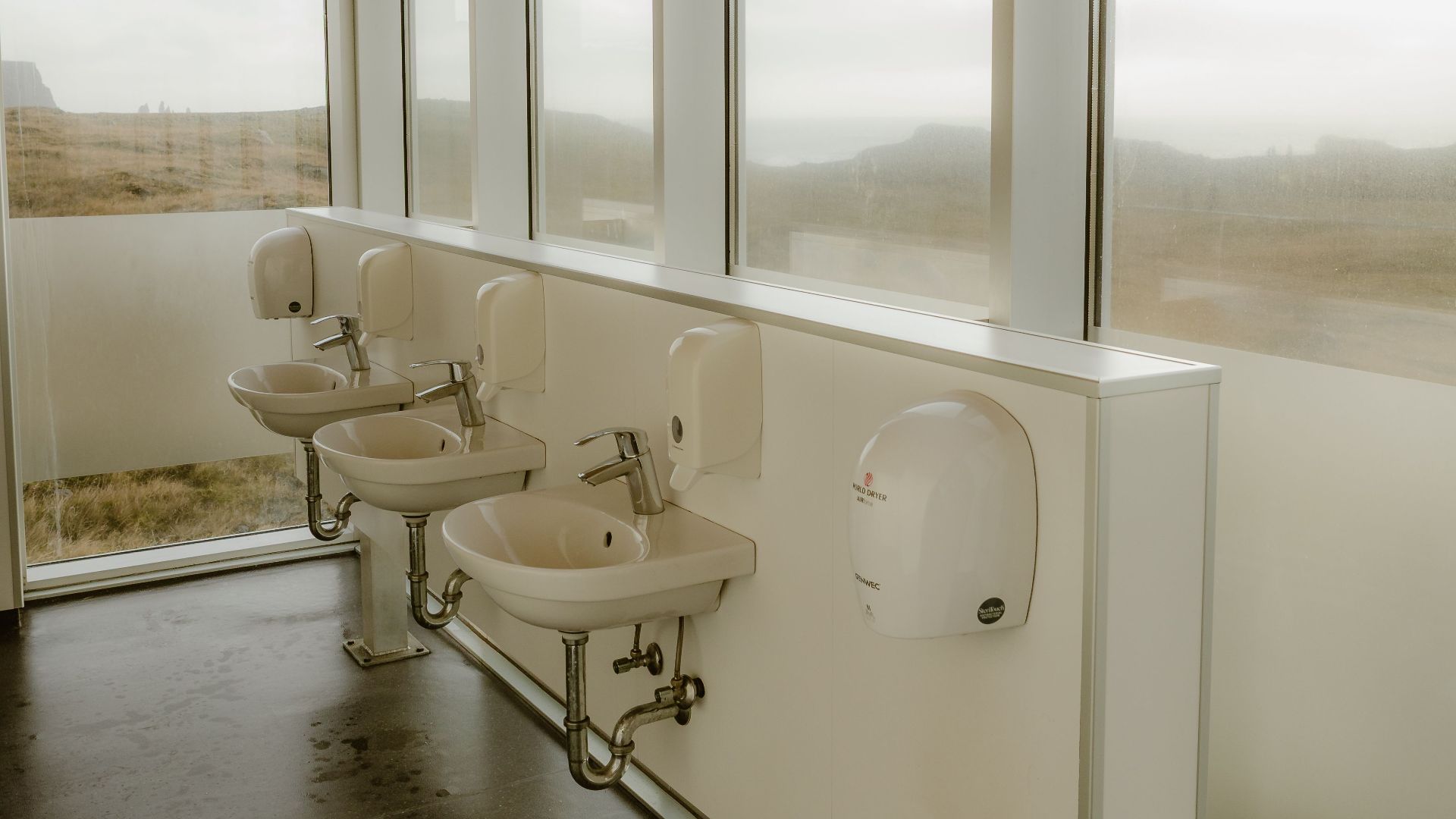
Gas stations present numerous slip hazards, including fuel drips, oil spots, rainwater, melted snow, and spilled drinks. A station that employs cones, absorbent materials, and quick cleanup indicates that staff are attentive to basic hazards.
16. Fueling Rules Are Clearly Displayed
Good stations make the basic fueling rules easy to see. Signs reminding customers to turn off engines, refrain from smoking, avoid overfilling, and stay near the nozzle may seem routine, but it’s essential to handle gasoline vapors with care.
17. Equipment Is Well-Maintained
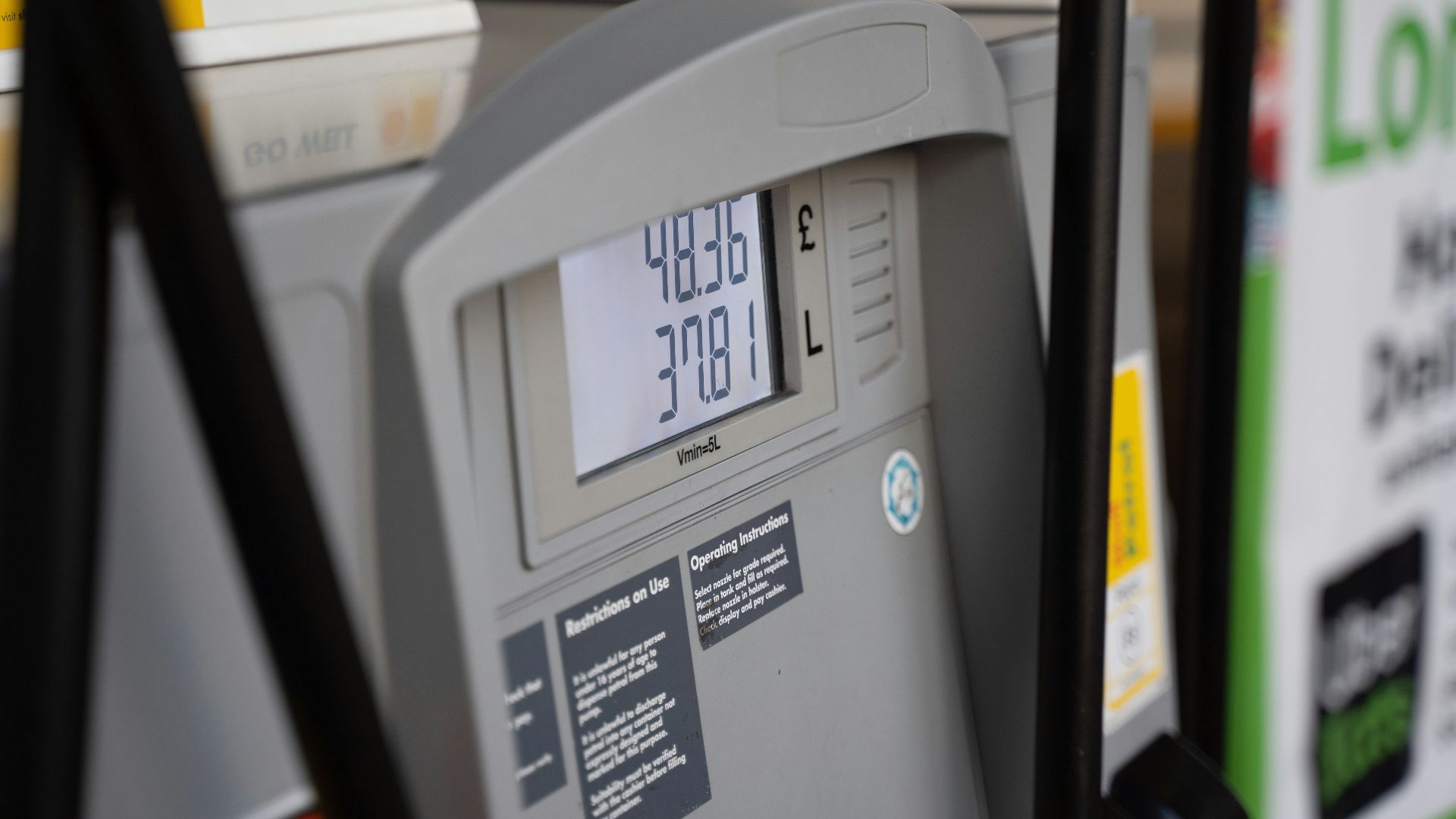
Cracked hoses, loose handles, broken displays, and awkward nozzle cradles can make a pump seem neglected. Clean, sturdy equipment gives drivers greater confidence that fueling will be straightforward and trouble-free.
18. There’s Ample Space to Move Around
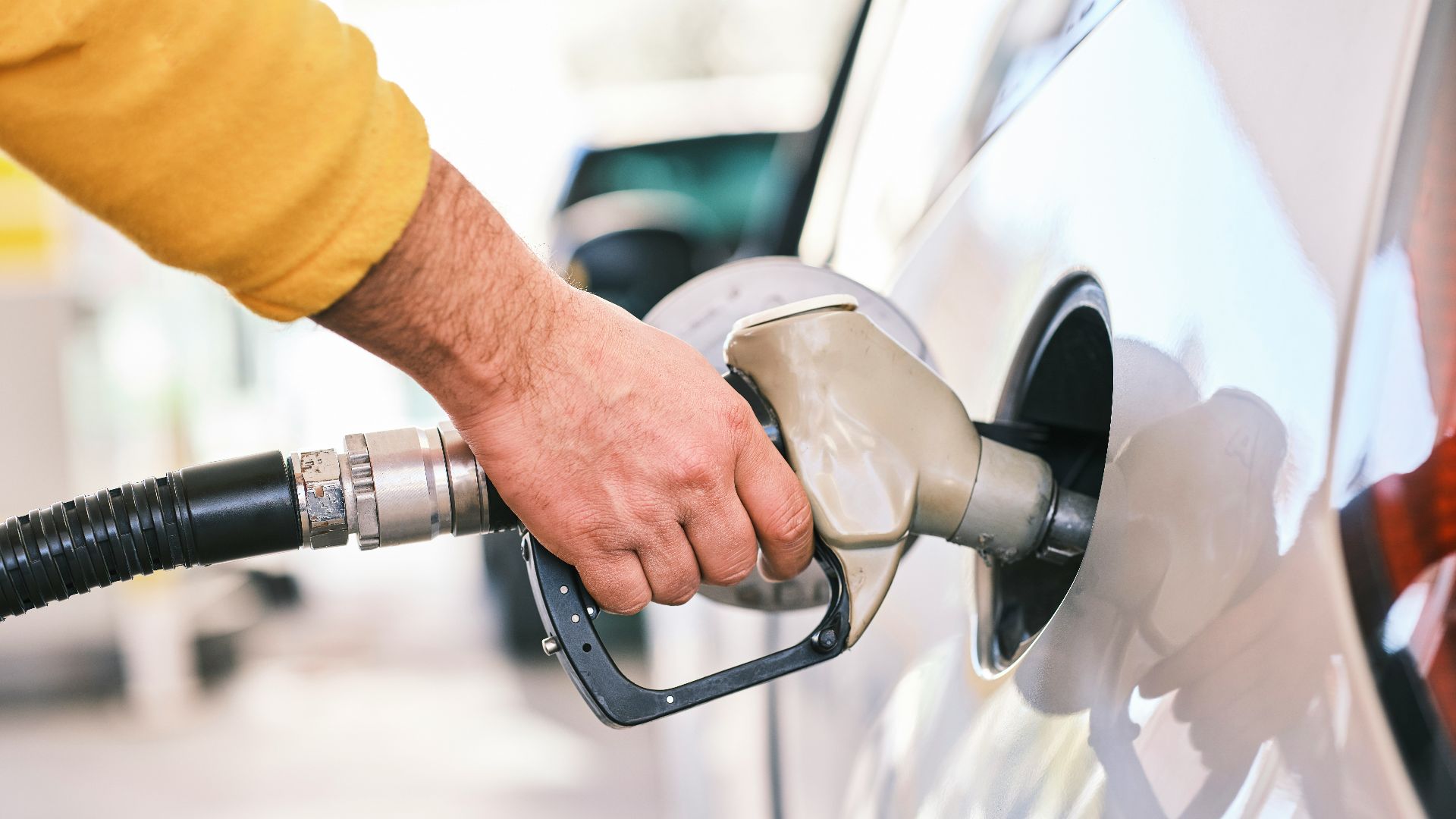
Narrow pump lanes can make people feel impatient and jumpy, increasing the likelihood of collisions. When there is enough room to open doors, walk around the car, avoid other vehicles, and pull away easily, the experience feels calmer from start to finish.
19. Late-Night Stops Are Thoughtfully Designed
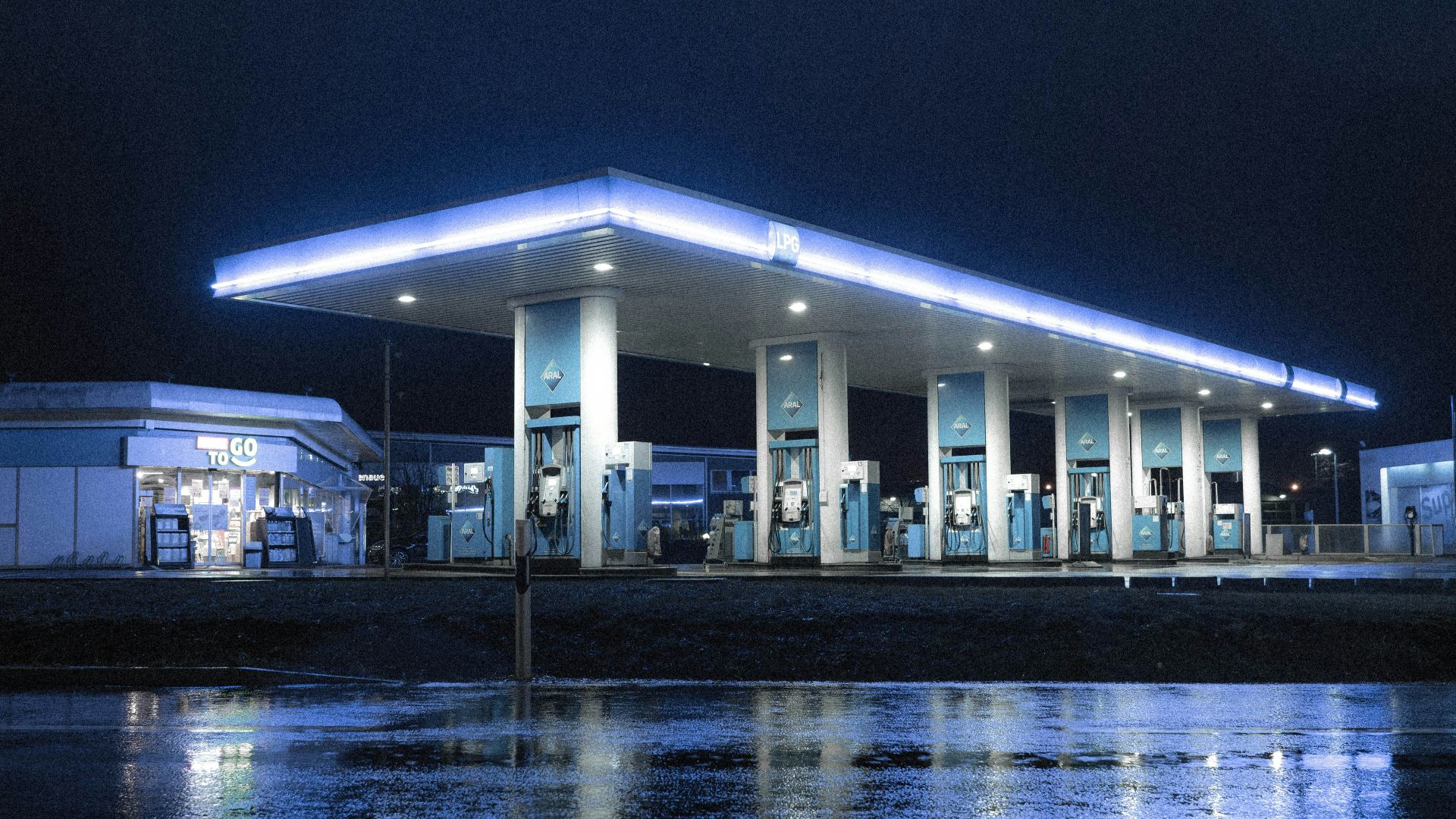
A station that operates during unconventional hours needs to work harder to feel welcoming. Bright lighting, clear windows, visible staff, pumps close to the store, and easy exits become even more important in quieter surroundings.
20. The Entire Area Feels Well-Cared For
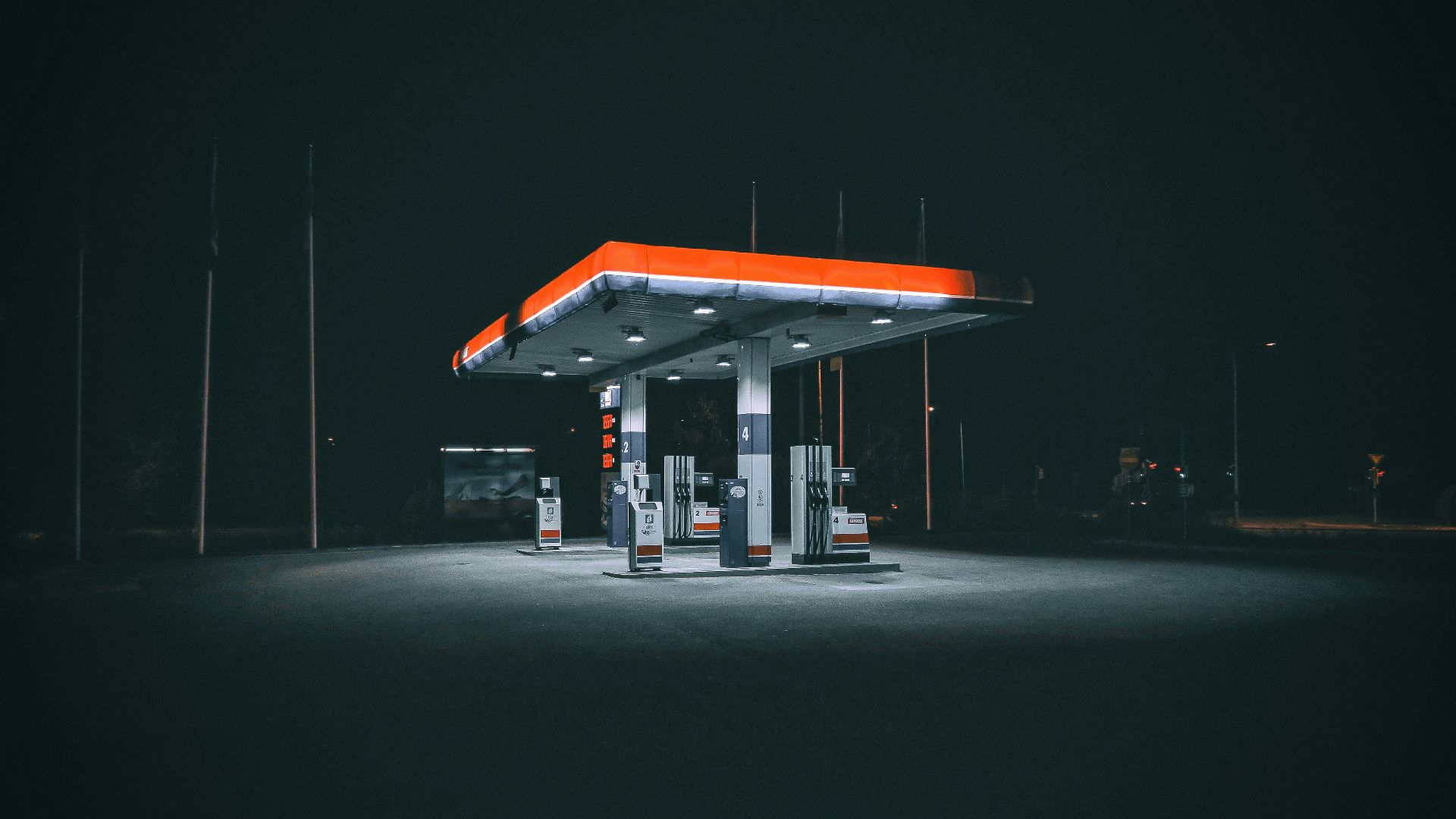
The safest-feeling stations typically combine several practical details. Good lighting, clear sightlines, clean surfaces, secure payment options, sensible traffic flow, and attentive staff all contribute to a stop that feels organized and trustworthy.