The Vehicles That Changed What Drivers Expected
Most cars are designed to fit into existing categories, whether that's a sedan, sports car, SUV, or pickup truck. Every so often, though, a manufacturer introduces something so different that competitors eventually create an entirely new segment around the idea. These 20 vehicles didn't simply join established markets; they helped redefine them and changed the direction of the automotive industry.

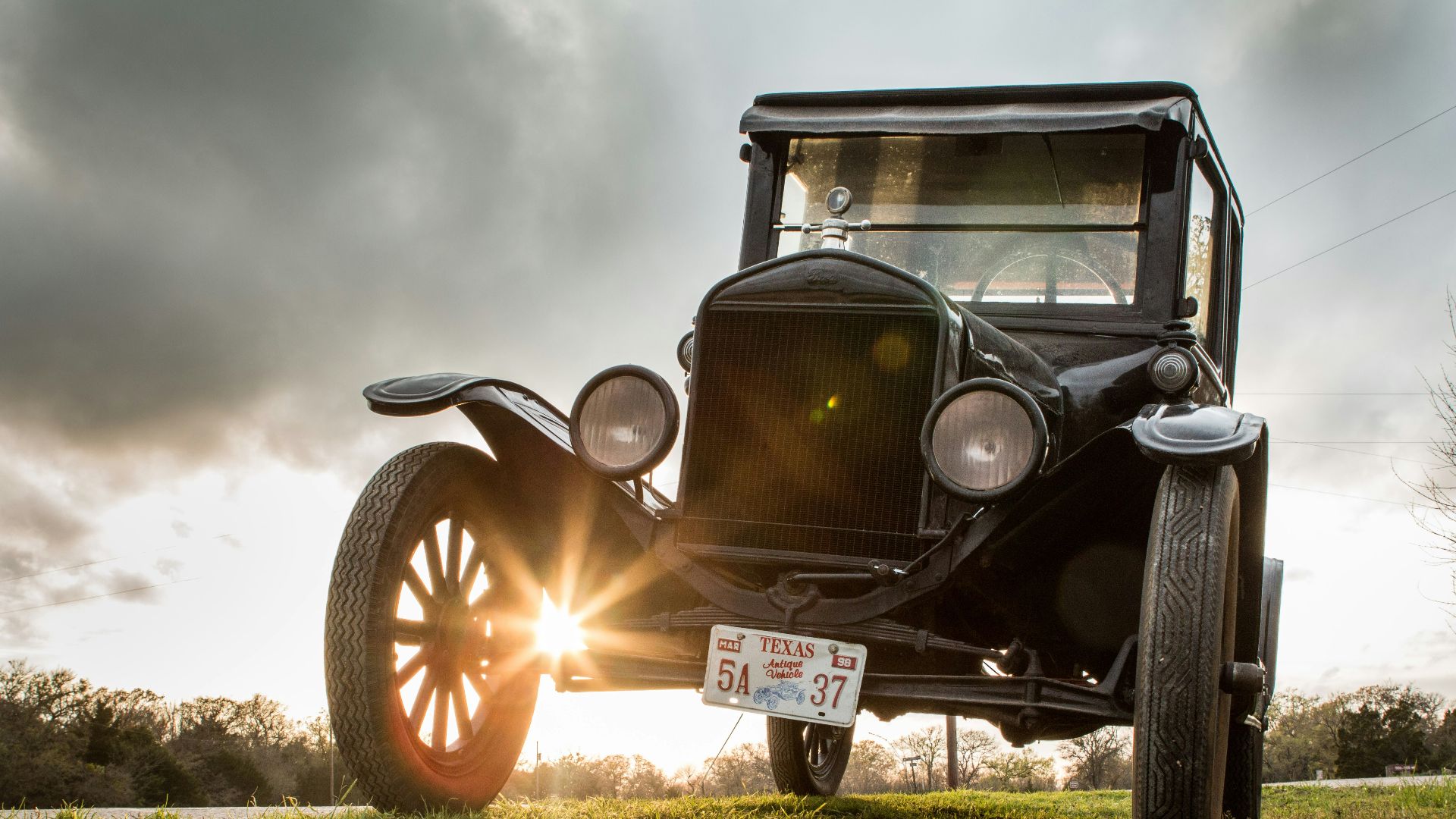
1. Ford Model T
The Model T wasn't the first automobile, but it transformed cars from luxury items into products that ordinary people could afford. Mass production techniques allowed ownership on an unprecedented scale. In doing so, it effectively created the modern mass-market car category.
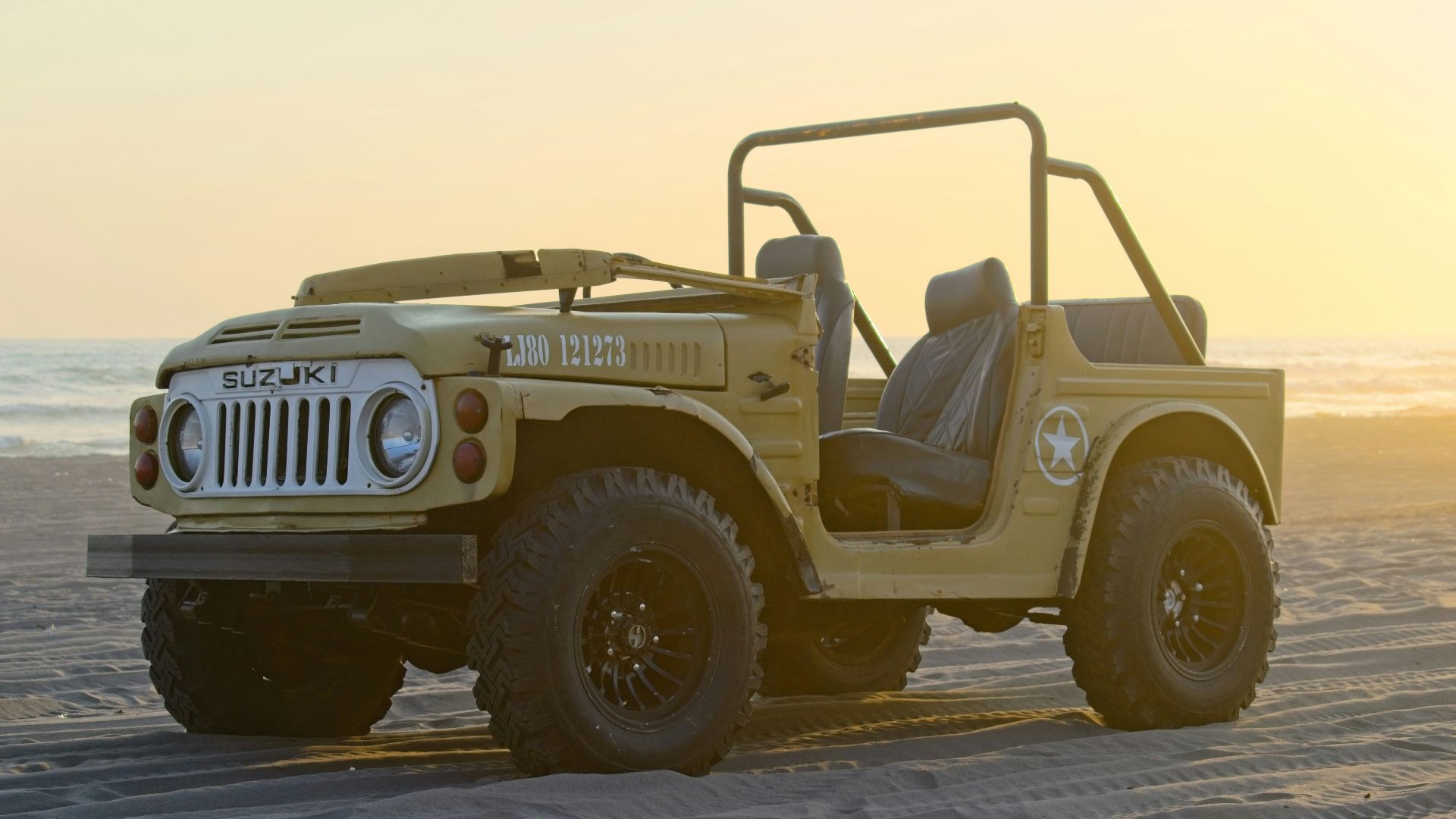
2. Jeep CJ
Born from military origins, the CJ established the template for civilian off-road vehicles. Its rugged design prioritized capability over comfort at a time when few vehicles served that purpose. The modern recreational off-roader can trace much of its DNA back to this concept.
3. Volkswagen Beetle
The Beetle proved that a small, affordable car could achieve worldwide success. Its distinctive shape and practical design helped popularize compact motoring for millions of drivers. Few vehicles have done more to establish the global economy-car market.

4. Chrysler Minivan
When Chrysler introduced its front-wheel-drive minivans in the 1980s, it effectively created a new family-vehicle category. They offered more passenger space than wagons while remaining easier to drive than full-size vans. Competitors quickly rushed to develop their own versions.
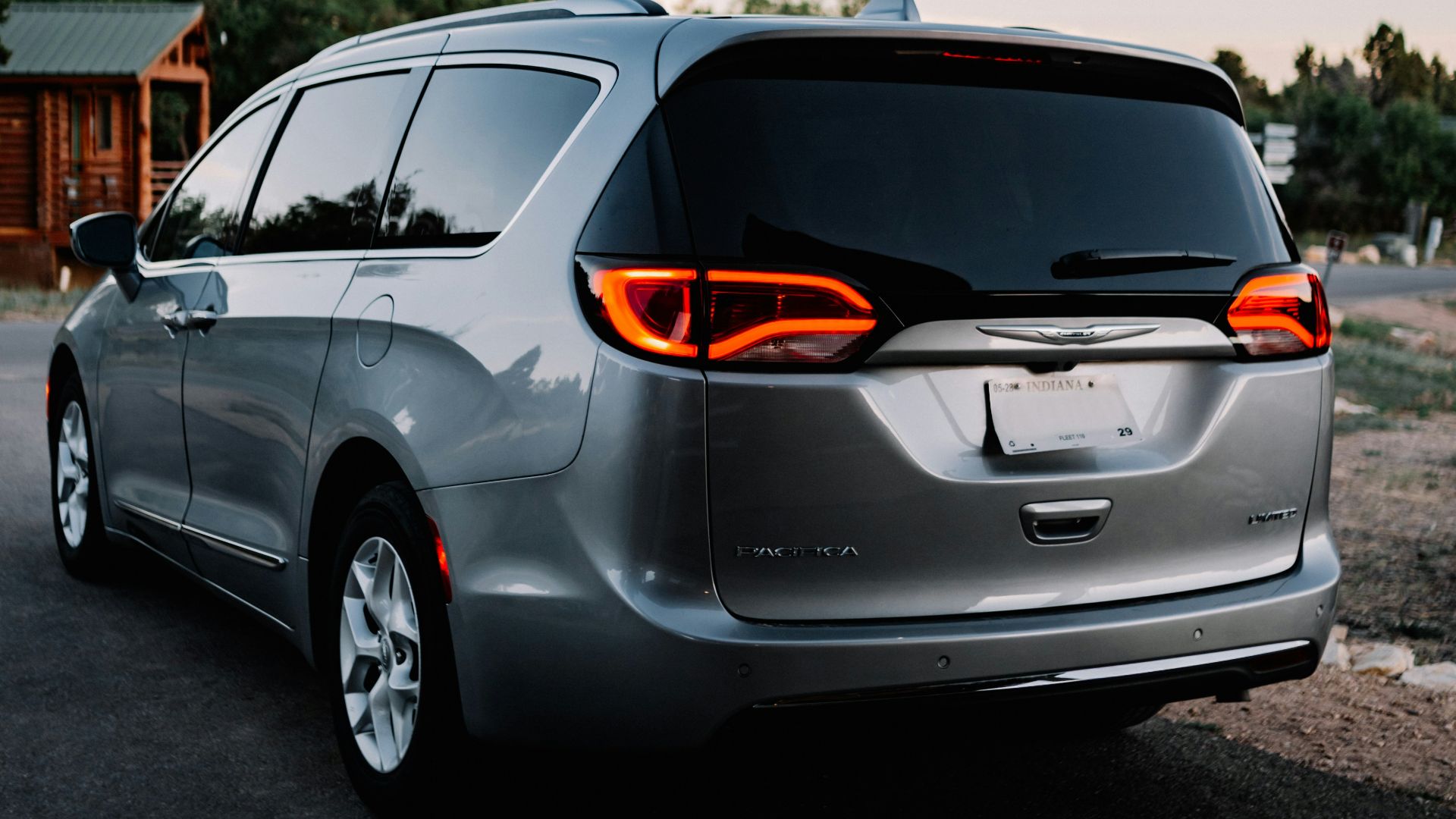
5. Toyota Prius
The Prius brought hybrid technology into the mainstream in a way no earlier vehicle had managed. It became closely associated with fuel efficiency and environmentally conscious driving. Its success encouraged nearly every major automaker to pursue hybrid development.
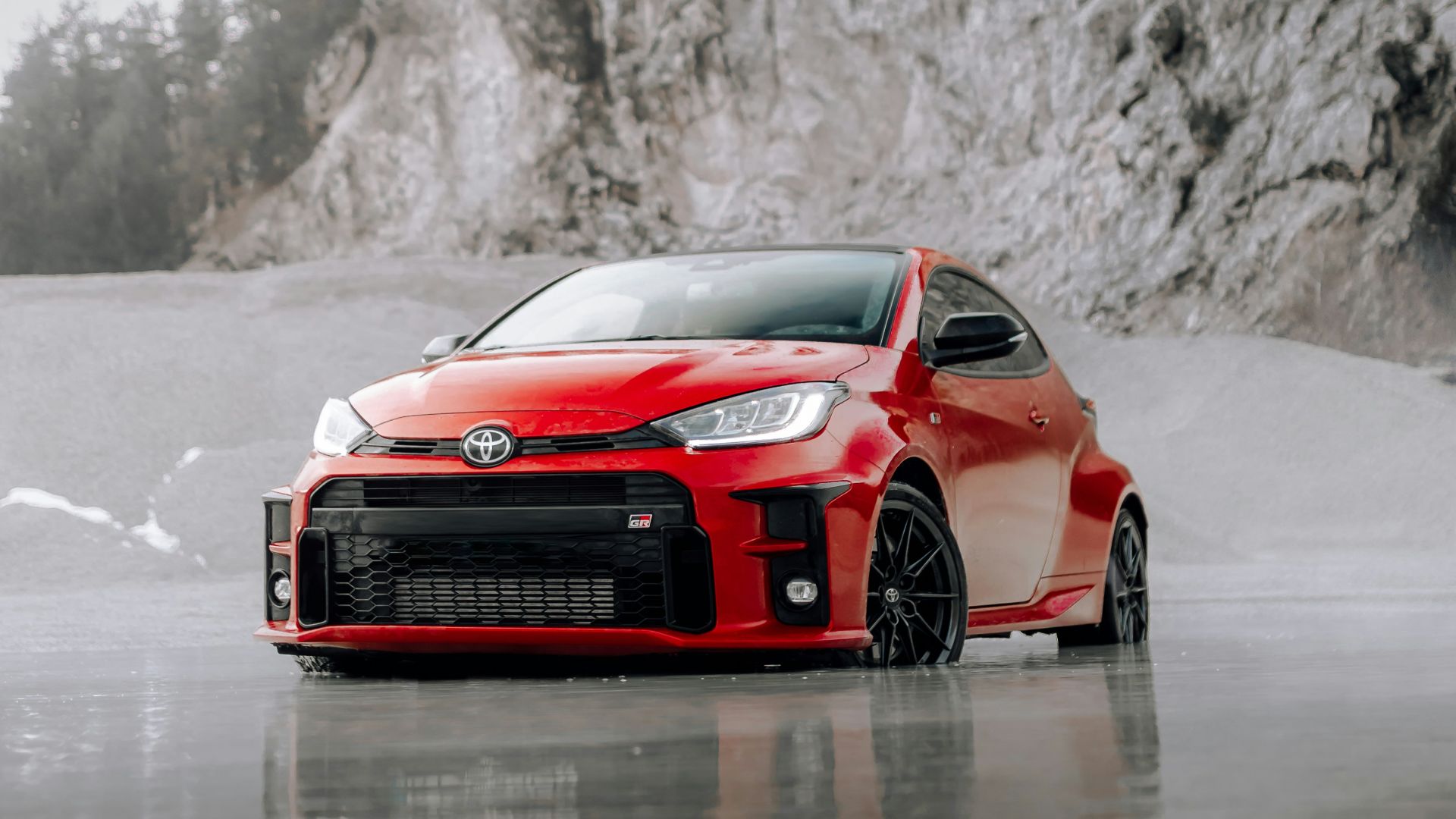
6. Range Rover
The original Range Rover combined genuine off-road ability with levels of comfort and refinement rarely seen in utility vehicles. It demonstrated that buyers could have luxury and capability in the same package. Today's luxury SUV market owes much to that breakthrough.
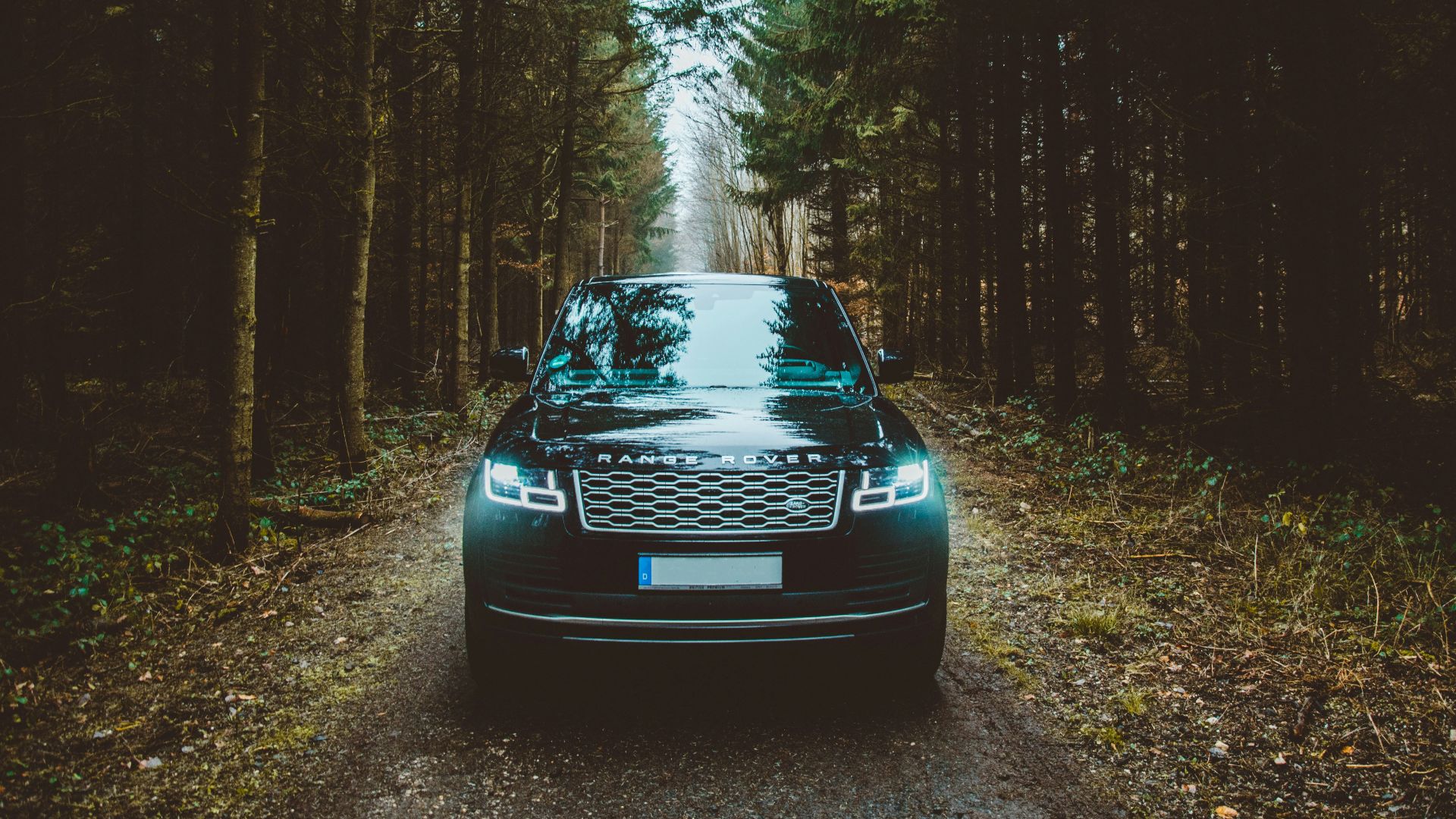
7. Pontiac GTO
Often credited as the first true muscle car, the GTO paired a powerful engine with a relatively affordable midsize platform. The formula appealed to buyers seeking performance without exotic-car prices. An entire generation of high-powered American vehicles followed its lead.
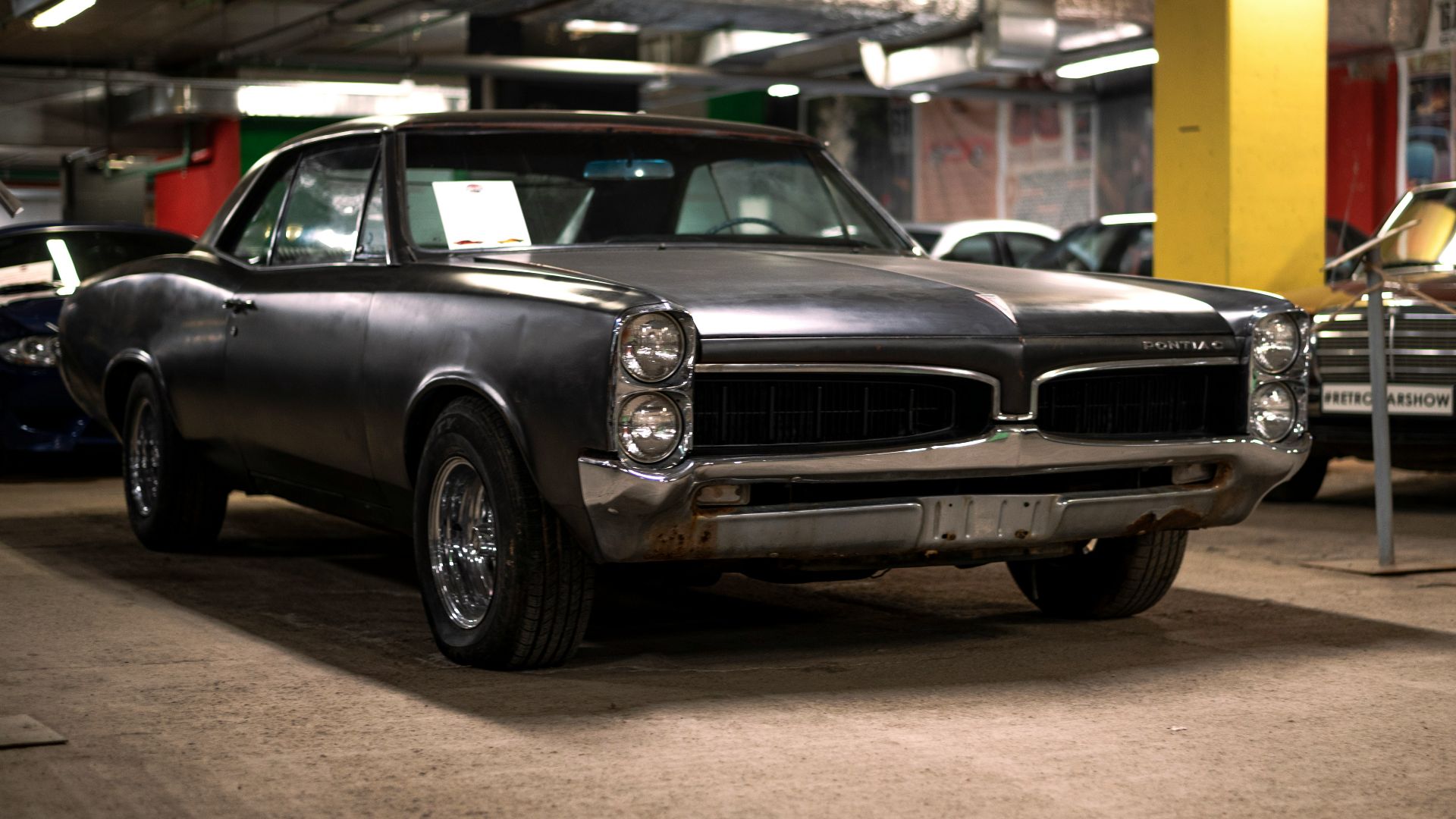 Vitali Adutskevich on Unsplash
8. Mazda MX-5 Miata
The Miata revived the lightweight roadster at a time when the category seemed nearly extinct. It emphasized driving enjoyment, simplicity, and affordability rather than outright speed. Its success inspired renewed interest in small sports cars around the world.

9. BMW X5
The X5 helped establish the modern luxury crossover SUV. It offered the elevated seating position buyers wanted while delivering driving dynamics closer to a premium sedan. Many manufacturers soon adopted a similar formula.
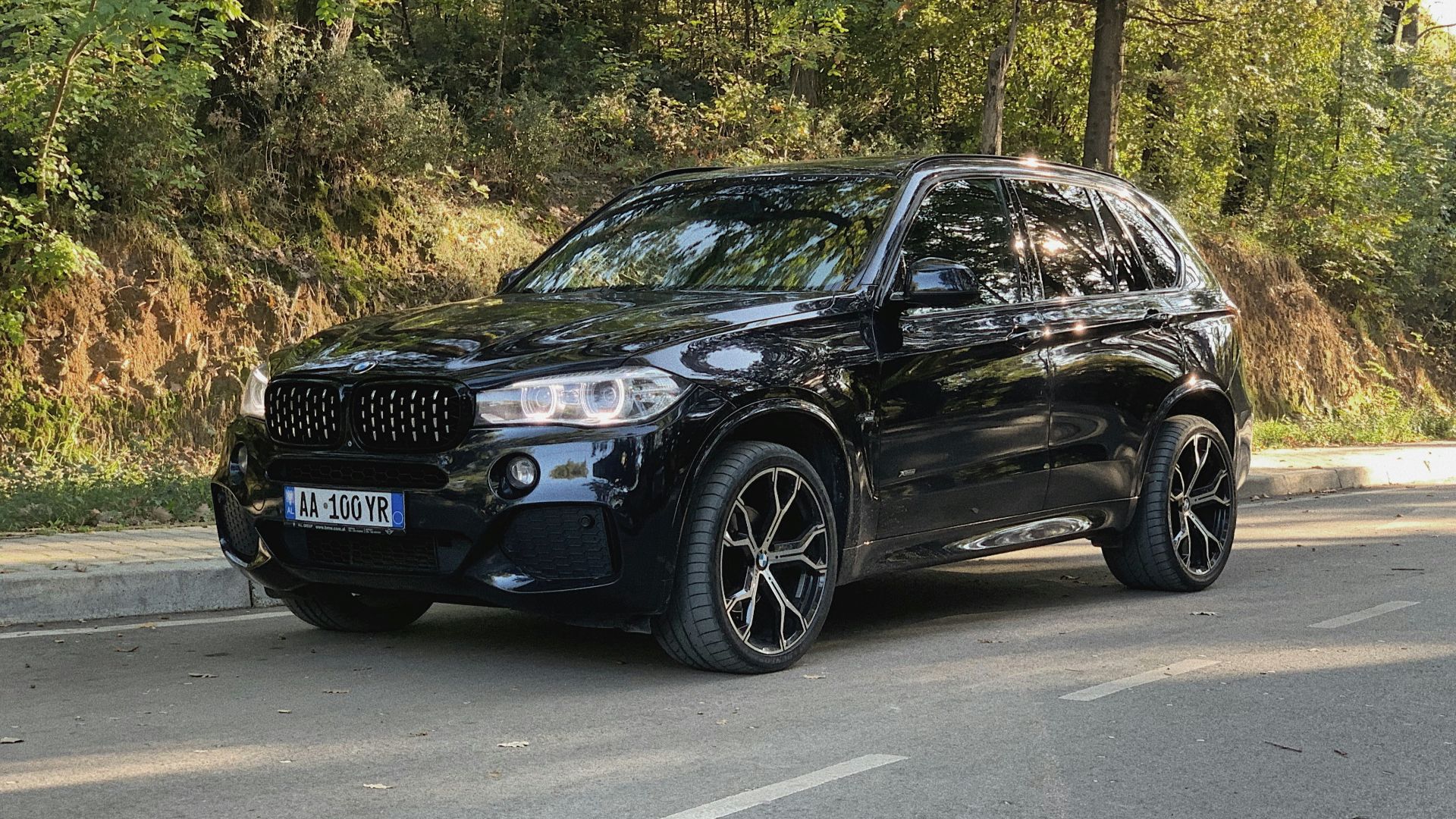
10. Subaru Outback
By blending characteristics of a wagon and an SUV, the Outback appealed to drivers seeking versatility without a traditional truck-based vehicle. Its raised ride height and all-wheel-drive capability created a distinctive niche. The crossover boom that followed reflected many of the same ideas.
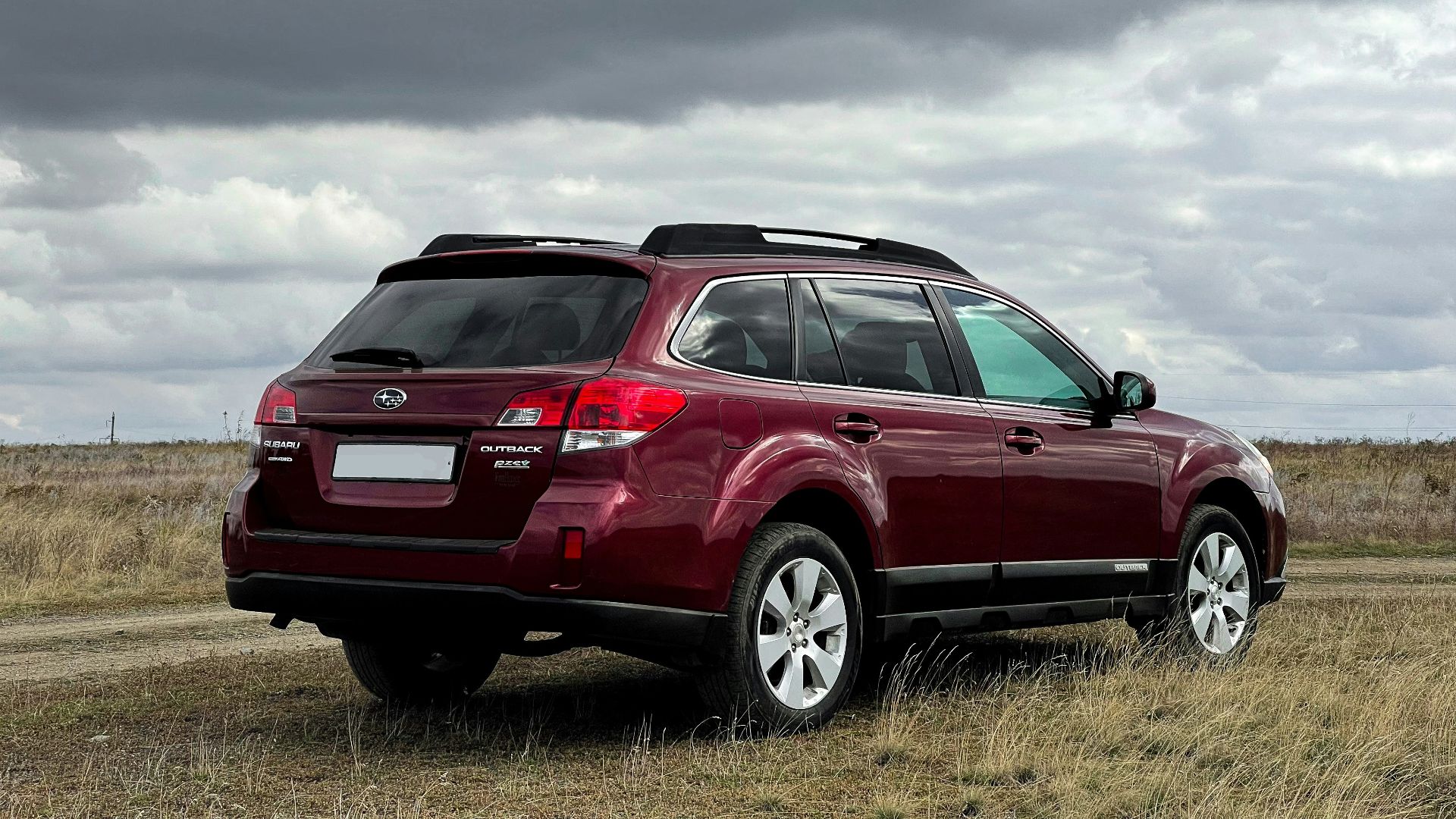
11. Tesla Model S
The Model S changed perceptions of what an electric vehicle could be. Instead of focusing solely on efficiency, it delivered luxury, technology, and impressive performance. Its influence accelerated the industry's shift toward electric mobility.
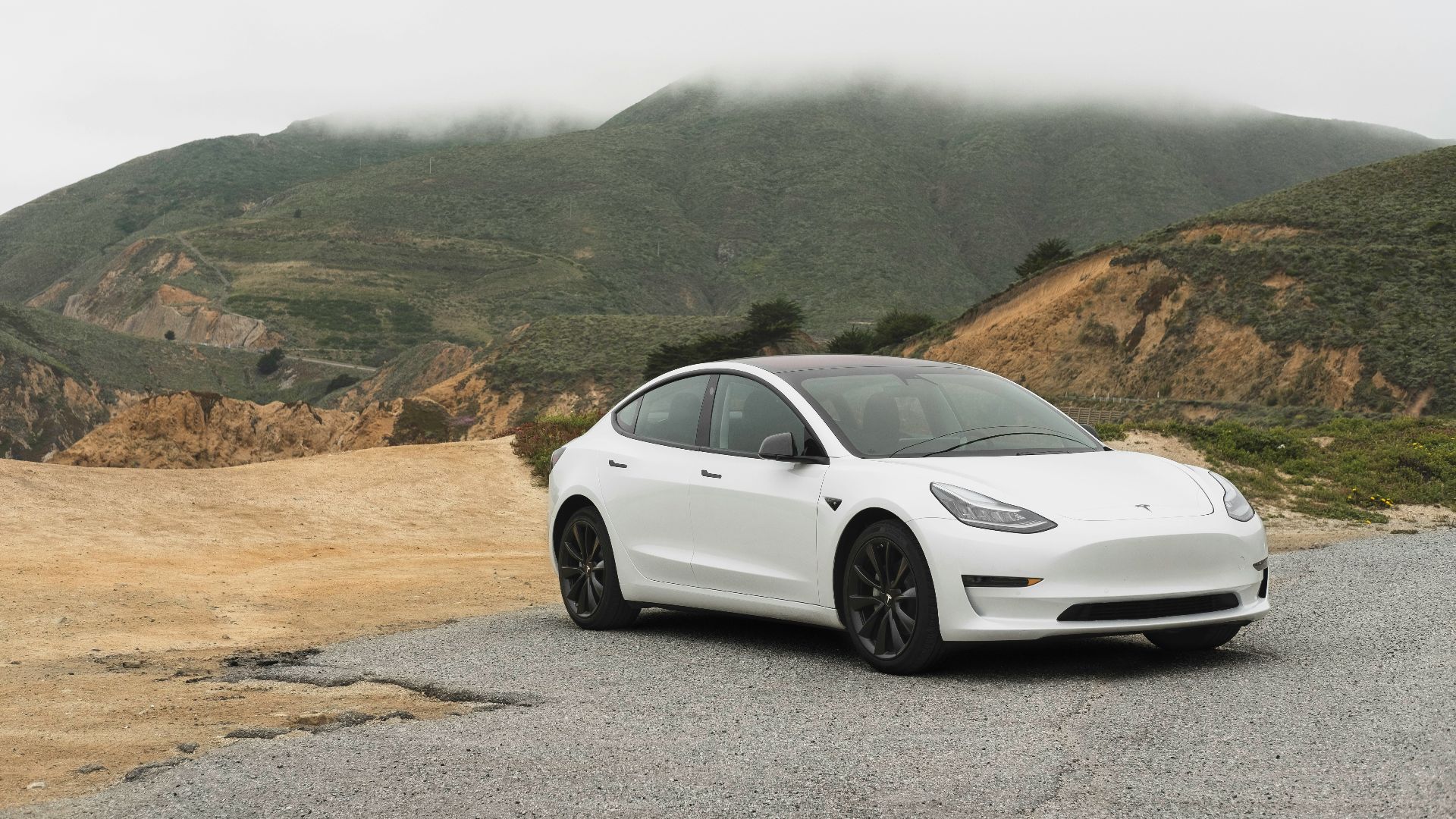
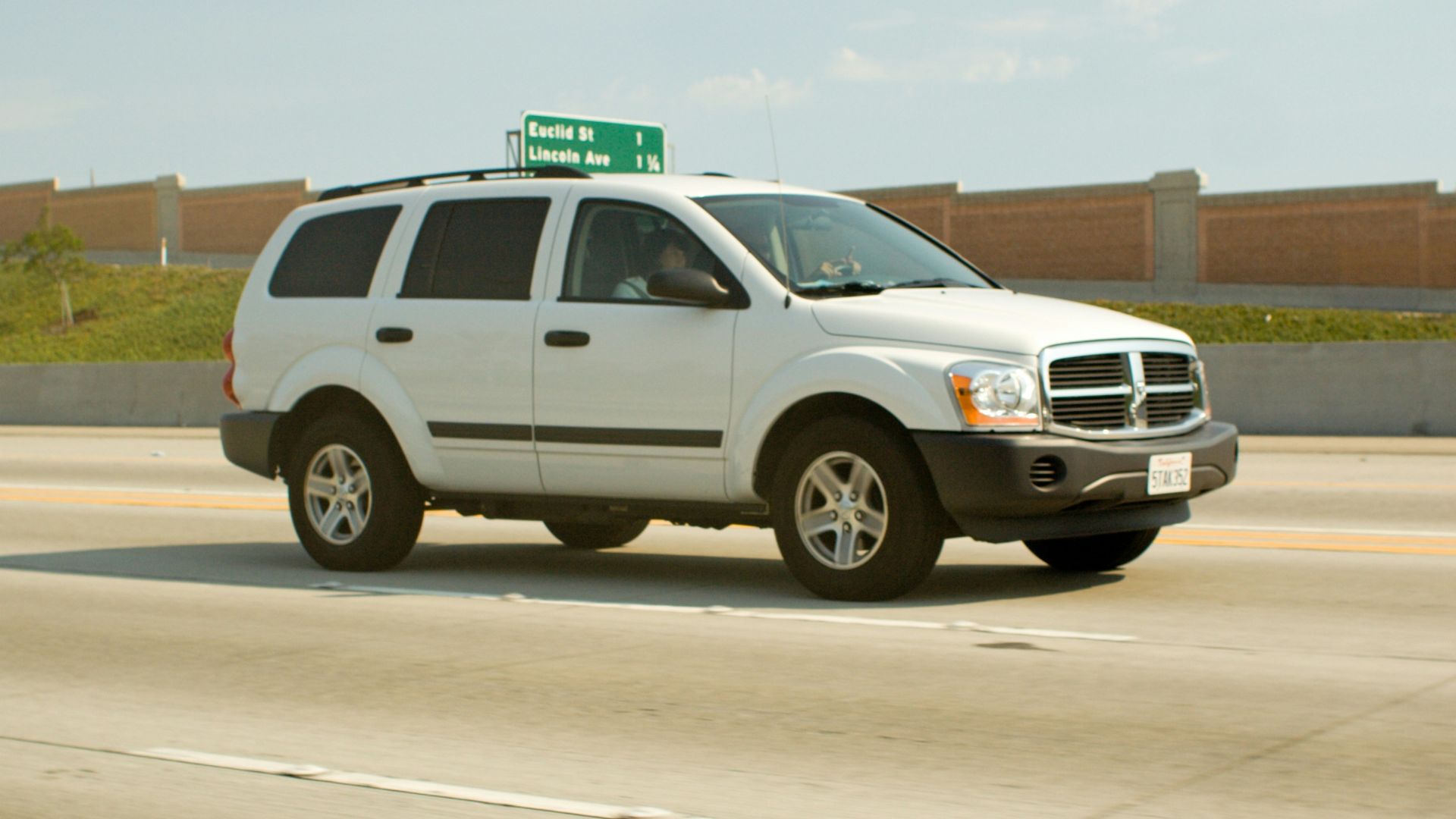
12. Dodge Caravan
Although closely related to Chrysler's minivans, the Caravan helped establish the category's widespread popularity. It showed families that there was a practical alternative to large station wagons. The impact on family transportation was enormous.
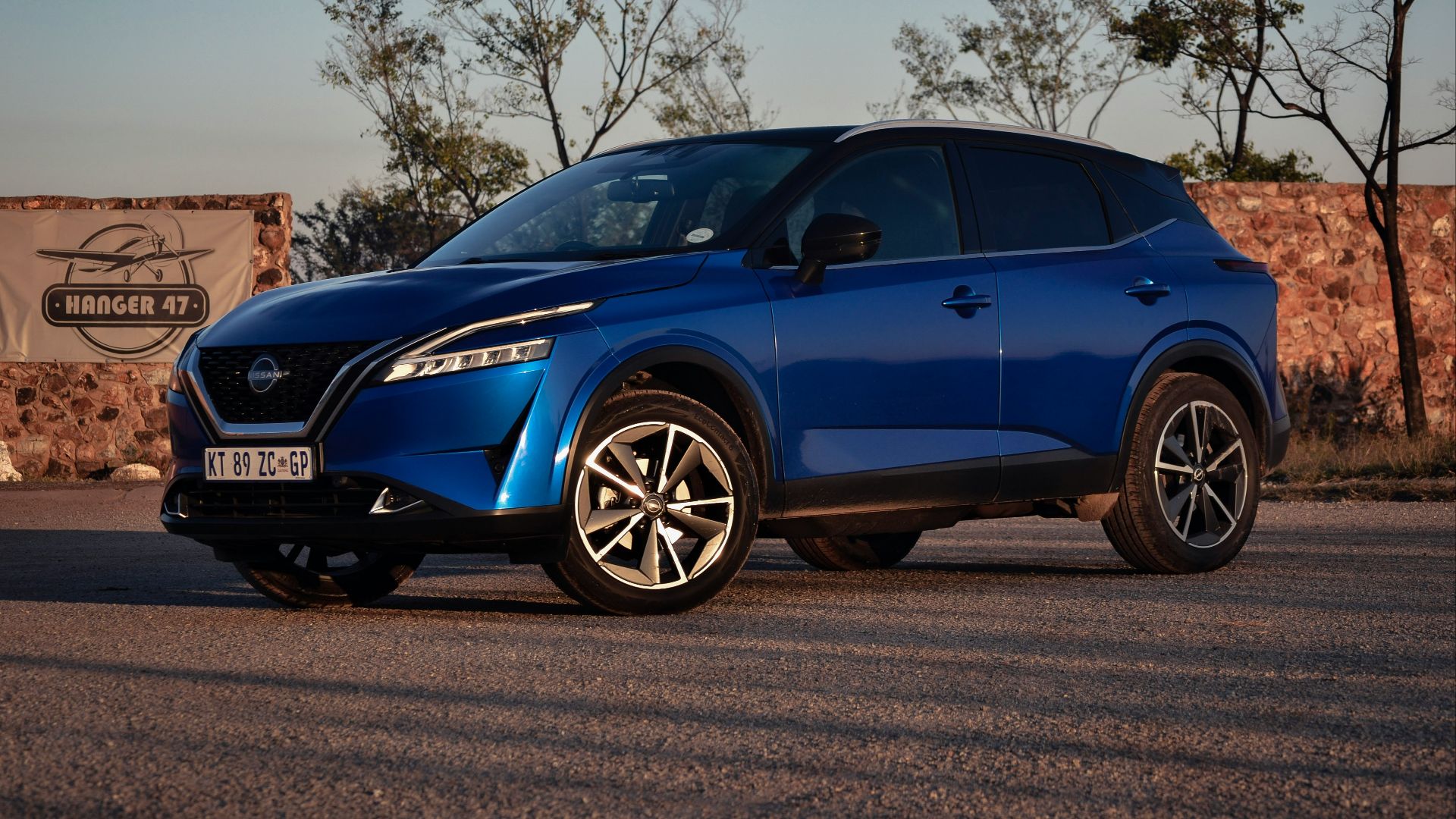
13. Nissan Qashqai
The Qashqai demonstrated that buyers wanted something between a traditional hatchback and a full SUV. Its compact size, elevated seating position, and everyday practicality proved highly appealing. Many modern compact crossovers follow the path it helped establish.
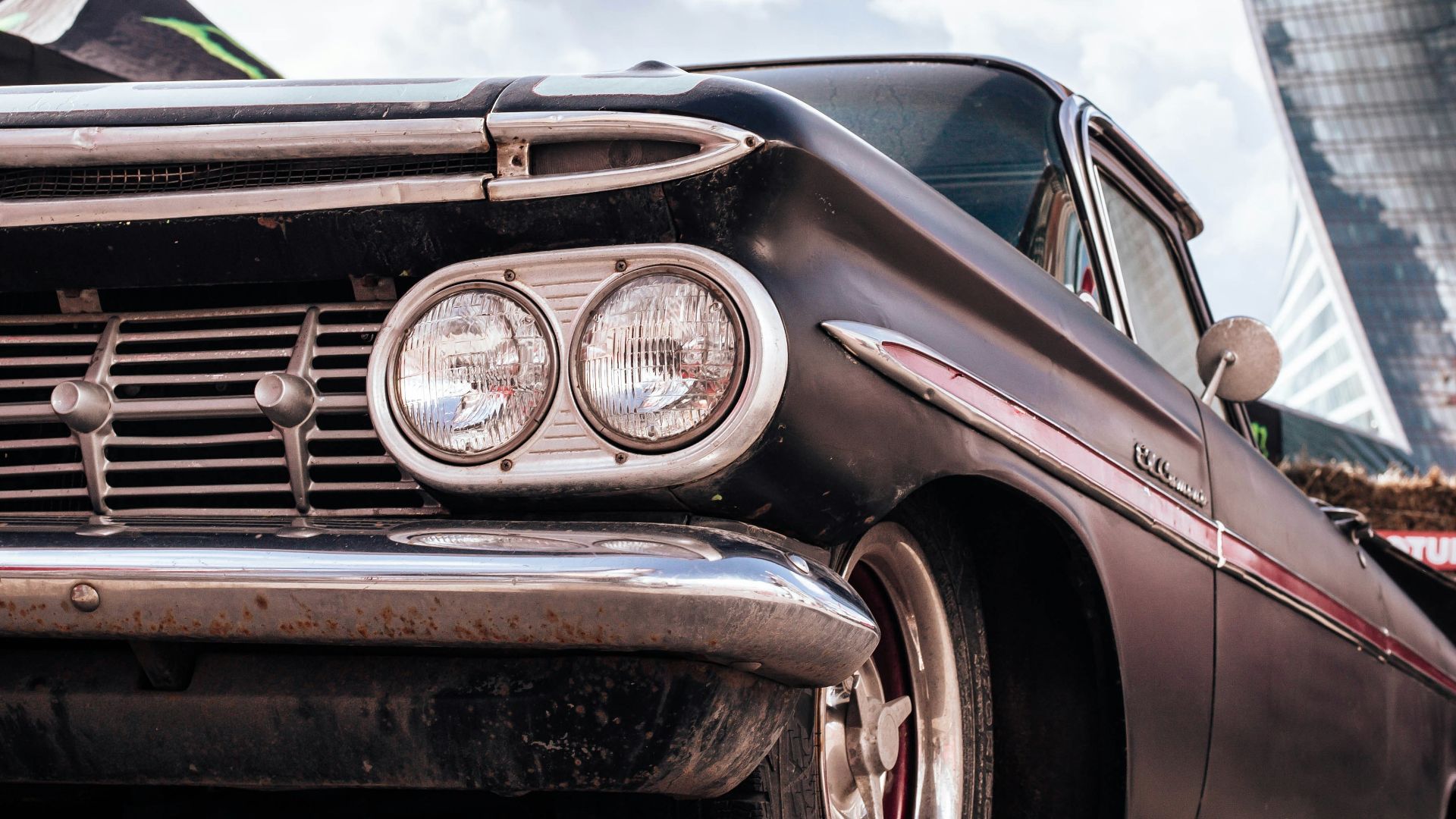
14. Chevrolet El Camino
The El Camino blended the characteristics of a passenger car and a pickup truck. It offered cargo-carrying capability without the bulk of a conventional truck. That unusual combination created a category that remained uniquely popular for decades.
15. Lamborghini LM002
Long before high-performance luxury SUVs became common, the LM002 explored the concept. It combined exotic-car heritage with off-road capability in a way few people expected. Many modern performance SUVs echo ideas that once seemed unusual.
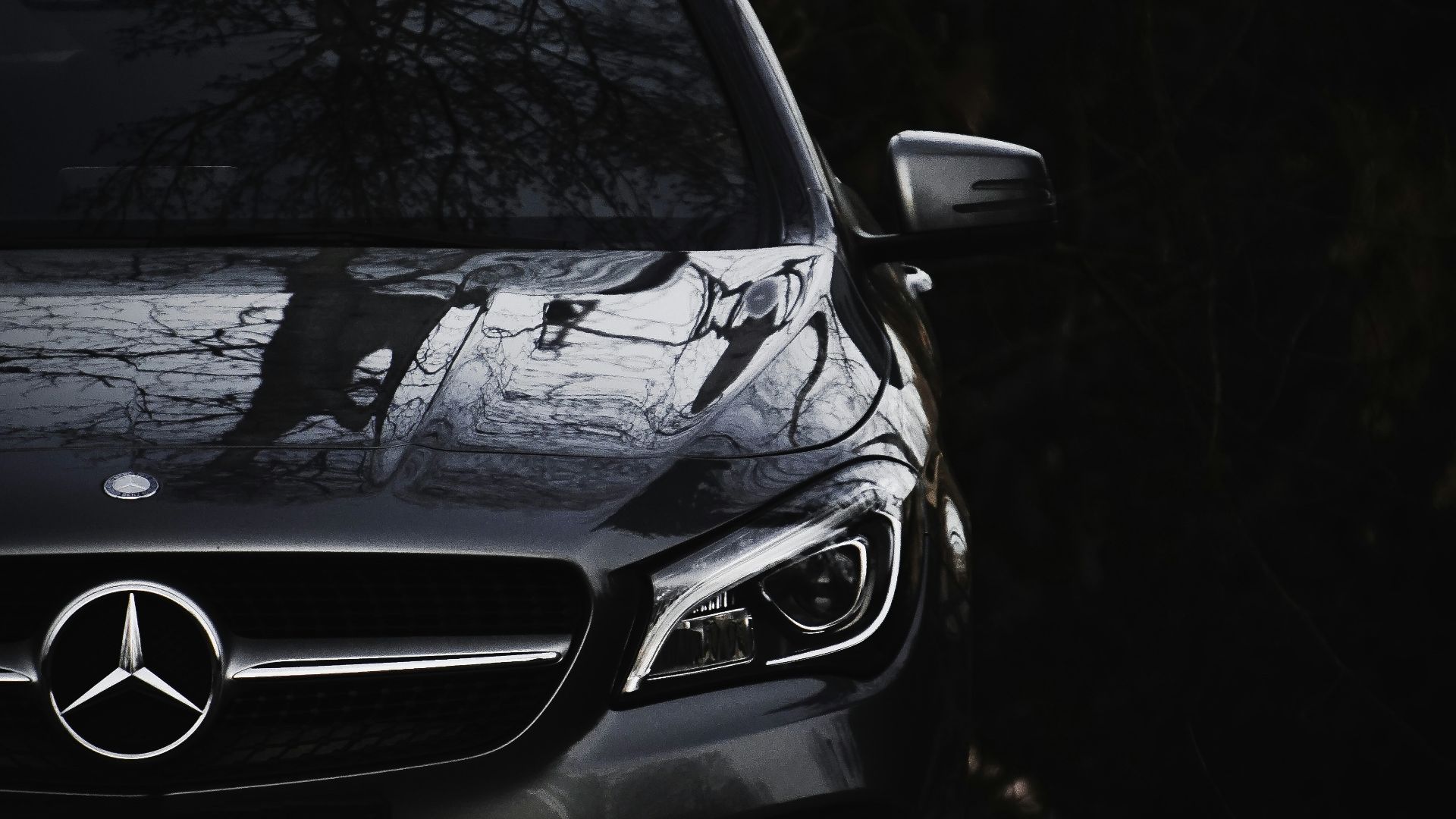
16. Mercedes-Benz CLS
The CLS introduced the idea of a four-door coupe to a broader audience. Its sleek roofline challenged conventional sedan design while maintaining practicality. The concept became so popular that numerous competitors developed similar vehicles.
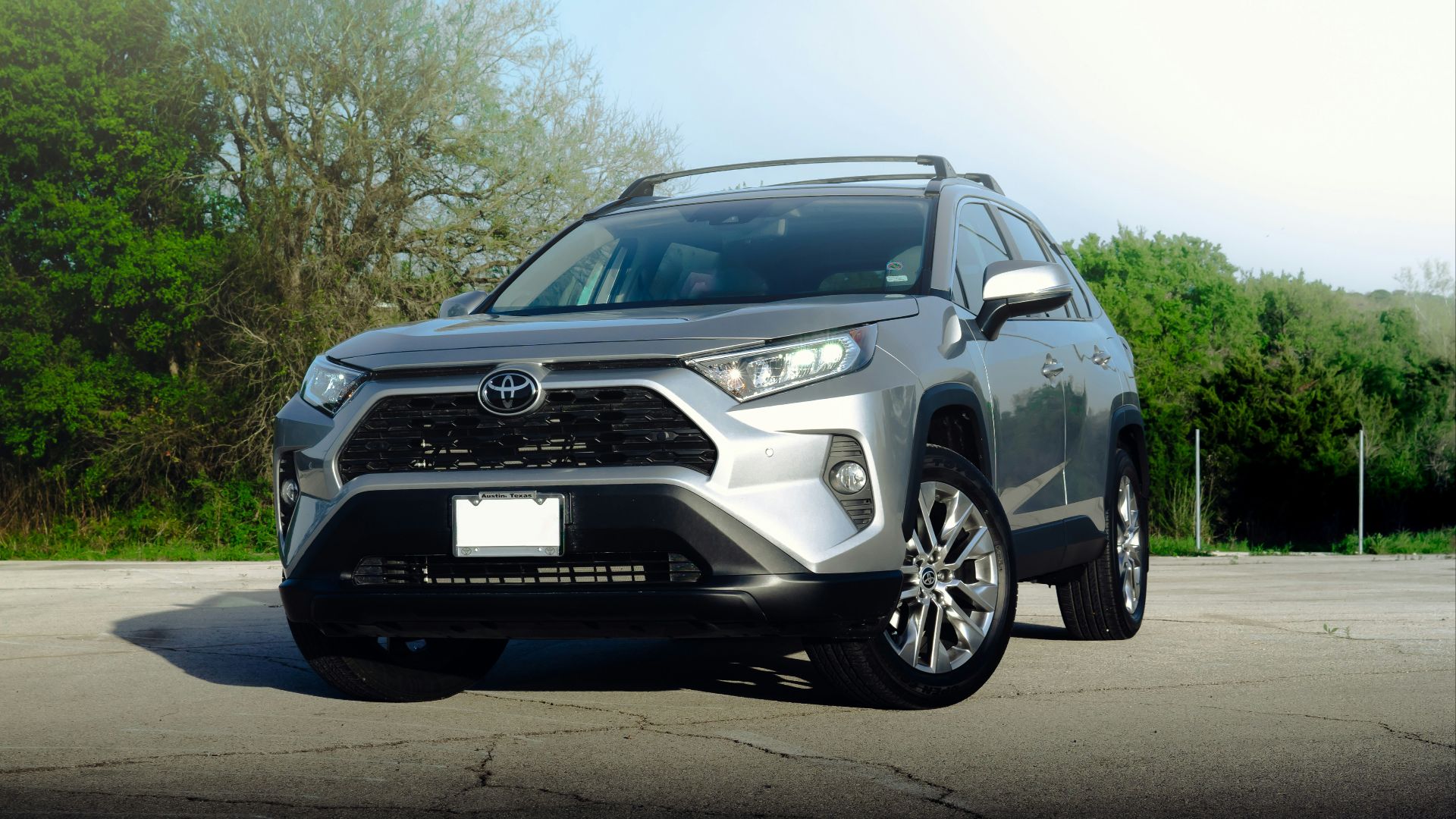
17. Toyota RAV4
The original RAV4 helped define the compact crossover segment. It combined car-like handling with SUV-inspired styling and versatility. What was once a novel idea eventually became one of the industry's most important categories.
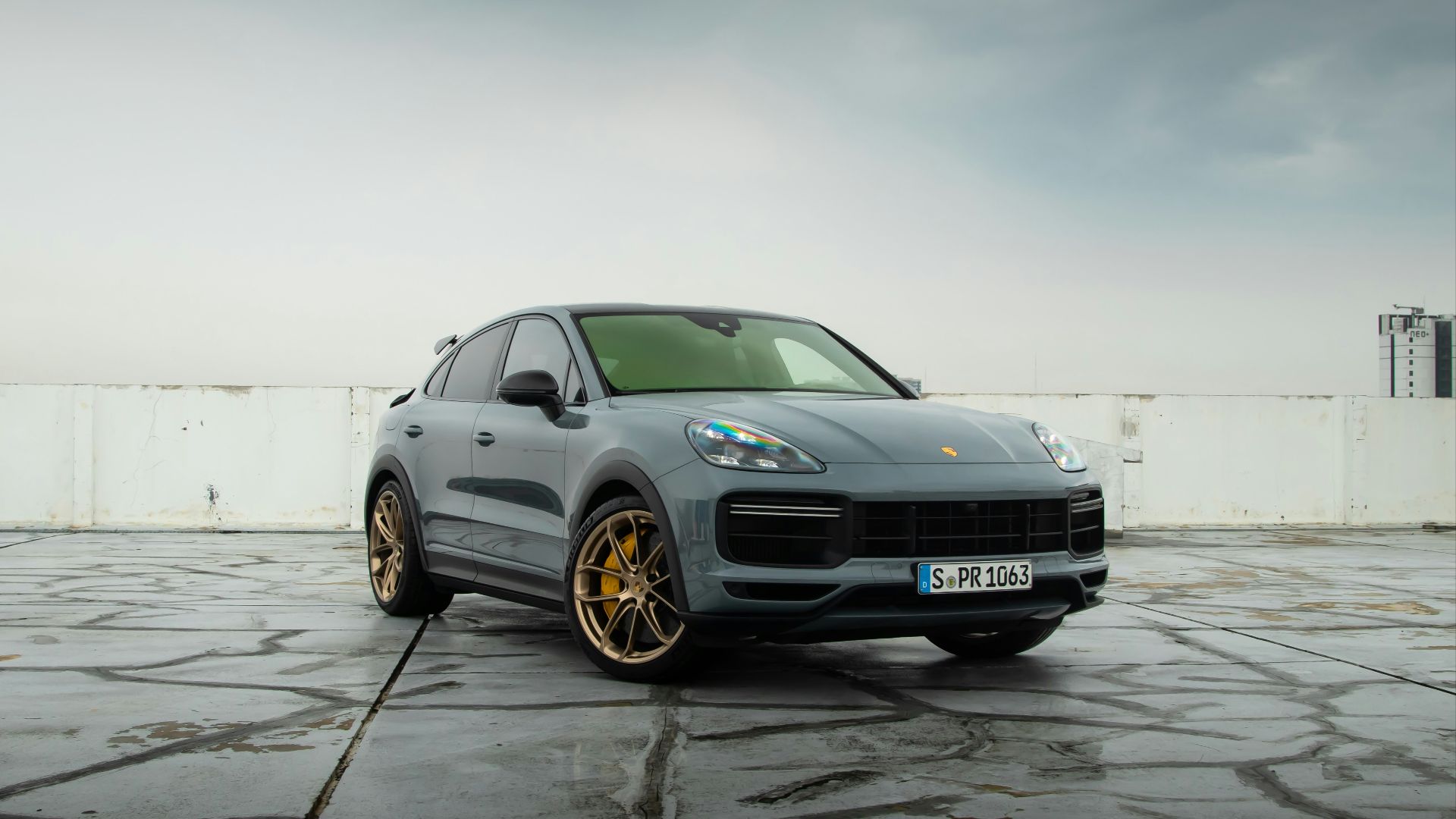
18. Porsche Cayenne
Many enthusiasts questioned Porsche's decision to build an SUV. The Cayenne proved that a performance-focused brand could successfully expand beyond sports cars. Its success encouraged other luxury manufacturers to pursue similar strategies.
19. Honda CR-V
The CR-V arrived at a time when buyers were looking for practical alternatives to larger SUVs. Its combination of efficiency, interior space, and ease of use resonated with a wide audience. It helped establish the compact crossover as a mainstream choice.
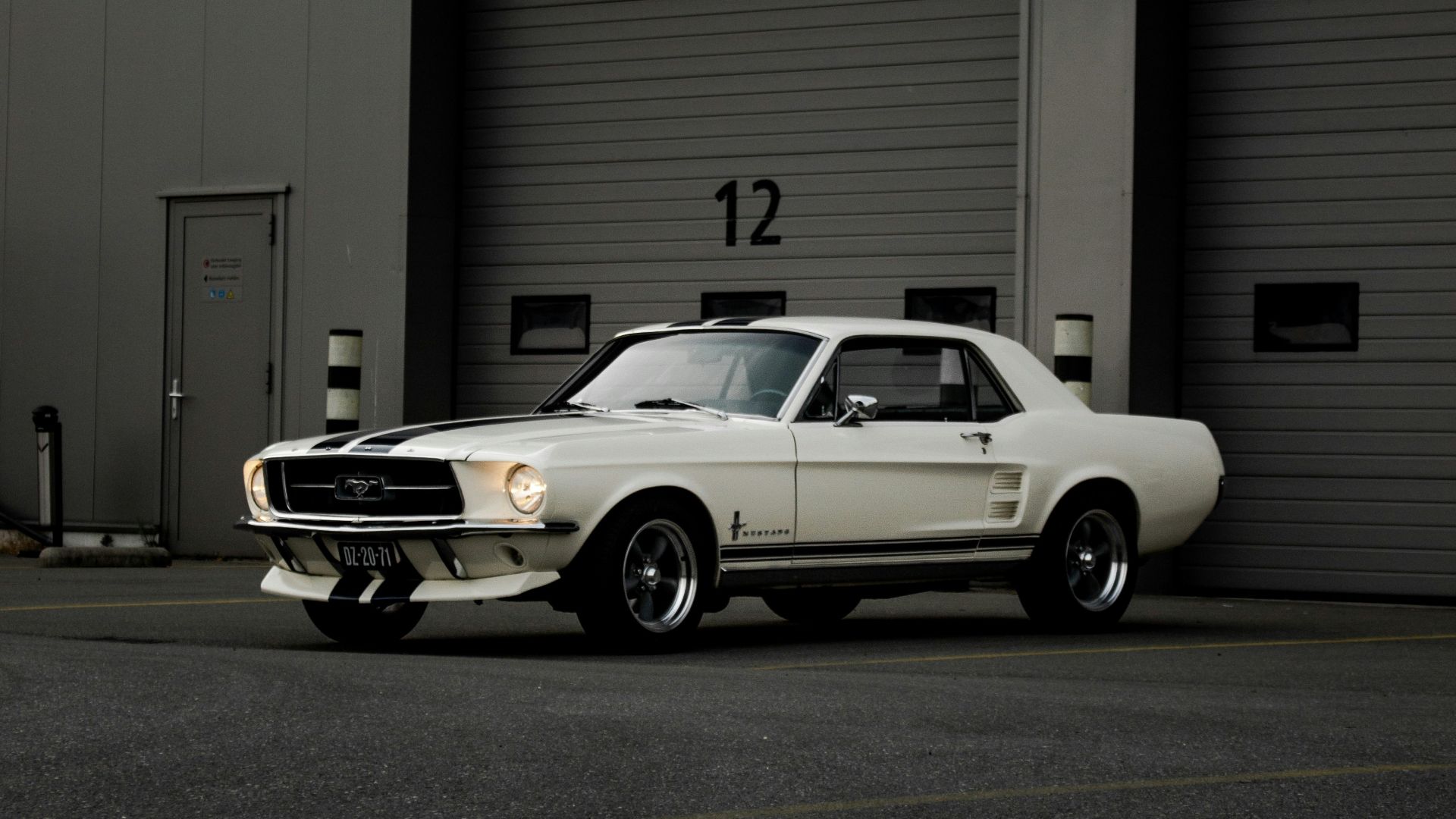
20. Ford Mustang
The Mustang created the "pony car" segment almost overnight. It offered sporty styling, customization options, and attainable pricing that appealed to a broad range of buyers. Competitors quickly introduced rivals, confirming that an entirely new category had been born.