Getting a driver’s license is a big moment for many people. You study the rules, learn how the car handles, pass the tests, and finally get trusted with the keys. That basic idea is familiar in many places, but the process can look very different depending on where you live.
Some countries make new drivers spend a long time in learner stages. Others require official driving schools before you can even take the final test. In some places, a license from home won’t automatically let you drive, which can surprise travelers, new residents, and anyone planning to rent a car abroad.
Learner Stages

In the United States, there isn’t one single national path to a regular driver’s license because each state sets its own rules. The National Highway Traffic Safety Administration says all 50 states and Washington, D.C., have a three-stage graduated driver licensing system for teen drivers. These systems are meant to limit risk while new drivers build experience, especially around things like night driving and carrying young passengers. California gives a clear example: the California DMV says a minor can apply for an instruction permit at 15 and a half, must hold it for at least six months, and must log 50 supervised driving hours, including 10 at night.
Canada also leaves licensing rules to provinces and territories, so the process depends on where you live. In Ontario, a new driver starts with a G1 license after passing a vision test and a knowledge test. After that, the driver moves to G2 before earning a full G license. The Ontario government says the full process usually takes about 20 months.
Australia follows a similar idea, with learner and provisional stages that many people know by the L-plates and P-plates on cars. Austroads describes graduated licensing across Australian jurisdictions, while Service NSW says learner drivers must get their Ls first and drive with a fully licensed supervising driver. In New South Wales, a person can apply for a learner licence at 16 after passing the Driver Knowledge Test. The system gives new drivers more freedom over time instead of handing it all over at once.
Official Training Can Change The Process
Germany puts official driving instruction at the center of getting licensed. The country’s federal service portal says applicants must sign a contract with an officially recognized driving school. For a Class B car license, theory training includes at least 14 hours. Drivers also have to pass both a theory test and a practical driving test with an authorized expert.
That kind of system makes sense when you look at the roads German drivers use. Someone getting licensed there may need to deal with city streets, rural roads, cyclists, pedestrians, trams, and high-speed autobahn sections. The process treats driving as something that needs careful training, not just casual practice. It also gives new drivers a clear path before they’re allowed out on their own.
France also builds official training into the process for a regular car license. Service-Public.fr says the age for getting a Category B driving license dropped to 17 starting January 1, 2024. A standard course requires at least 20 hours of practical instruction with a driving instructor, according to Service-Public.fr license guidance. That gives France a slightly unusual setup: drivers can get access earlier than in some places, but they still need official training before the practical test.
A License From Home May Not Be Enough
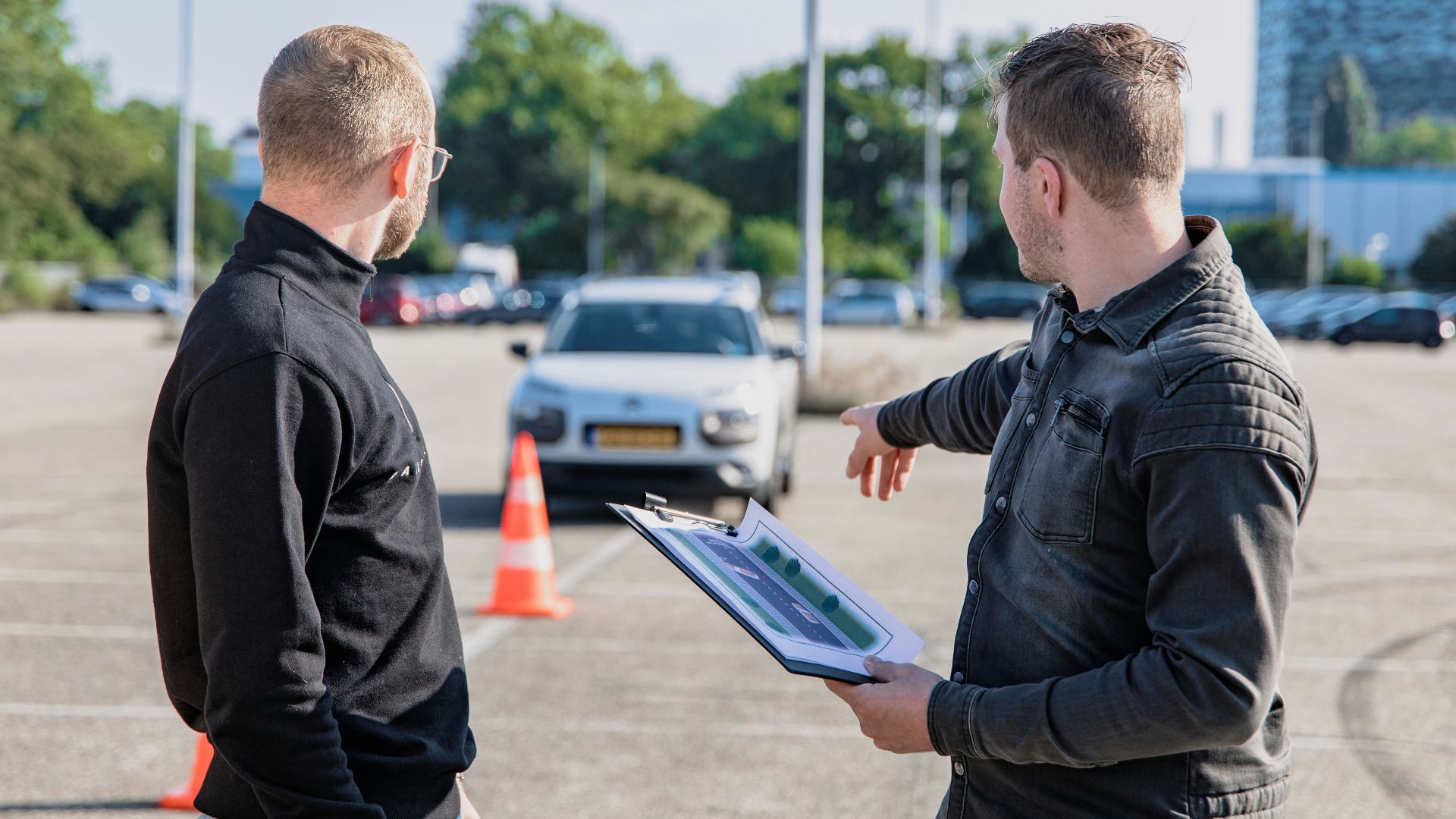
The United Kingdom takes a route built around a provisional license and testing. GOV.UK says most people can start learning to drive a car at 17. They first need a provisional license, then they must pass the theory test and the practical driving test. The GOV.UK theory test page explains that the test covers road rules and hazard perception, which means learners have to show they can spot risks, not just remember signs.
China is a good example of why a valid license from home doesn’t always settle the matter. Shanghai’s official English portal lists three main routes: converting an overseas license, applying for a temporary driving permit, or applying from scratch. The same Shanghai government guidance says converting an overseas license can involve an application, a medical check-up, and a written test on Chinese traffic laws. A temporary permit for short visits can be valid for up to one year.
Singapore, Japan, South Africa, and the United Arab Emirates also show how local rules can shape the path to legal driving. The Singapore Police Force says new drivers may train at one of the three driving centers and apply after passing the required theory and practical tests, with Class 3 covering motor cars and Class 3A covering motor cars without clutch pedals. Tokyo Metropolitan Police says that from April 1, 2026, the exam age requirement for ordinary vehicles drops to 17 years and six months, although the actual license is still issued from age 18. South Africa requires a learner’s license before a full driving license, with Code 2 learner licensing for light vehicles available from 17 and a Code B driving license available from 18, according to the South African Government learner license page and driving license page. In the UAE, the official government portal says citizens and residents who want a driving license need lessons from a registered driving institute and must pass all required tests, with 18 listed as the minimum age for cars and light vehicles.