The driving experience has evolved dramatically over the past few decades, and much of that change has occurred inside the vehicle itself. While improvements in performance and safety often receive the most attention, modern cabin technology has transformed how drivers and passengers interact with their cars daily. Features that once seemed futuristic are now common in vehicles across a wide range of price points. Many technologies that were once limited to luxury vehicles are now available in affordable family cars. This widespread adoption has changed what consumers expect when shopping for a new vehicle.
Today's cars function as more than simple modes of transportation. Digital displays, connectivity features, and advanced convenience systems have turned many cabins into highly interactive environments. As technology continues to advance, the relationship between drivers and their vehicles keeps changing in ways that would've been difficult to imagine just a generation ago. Drivers now spend much of their time interacting with software as well as mechanical controls. The cabin has become an important selling point alongside performance, reliability, and fuel efficiency.
Information Is More Accessible Than Ever
Older vehicles typically relied on simple analog gauges to provide essential information. Drivers could monitor speed, fuel levels, and engine temperature, but very little additional data was available. While these systems were effective, they offered a relatively limited view of what was happening inside the vehicle. Most drivers had to rely on warning lights when problems developed. This approach provided less insight into vehicle performance than modern systems offer today.
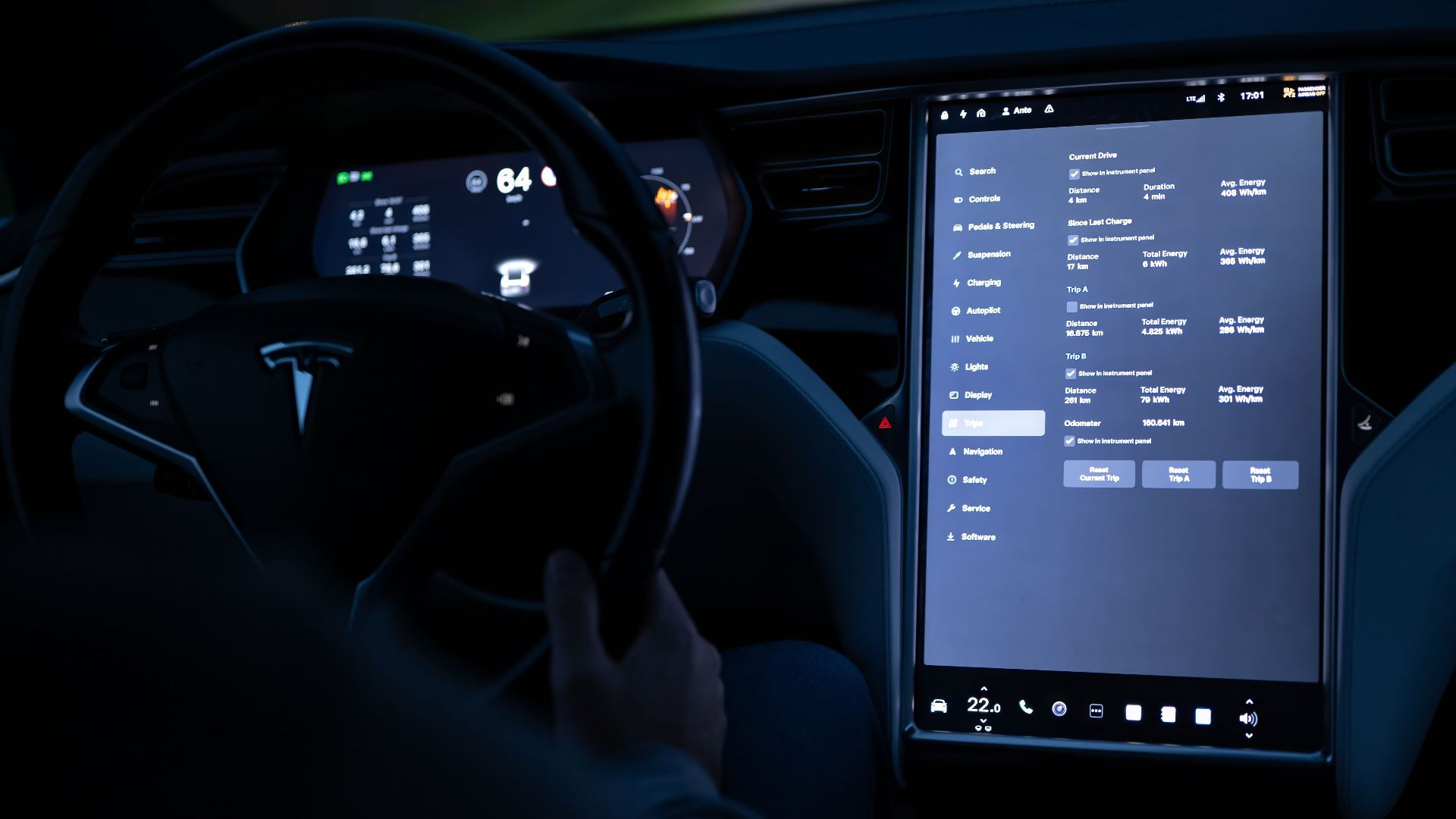
Modern digital instrument clusters provide far more information at a glance. Drivers can often customize displays to show navigation directions, fuel economy data, tire pressure readings, and driver-assistance information. This level of access helps people make more informed decisions while behind the wheel. Important updates can be displayed in ways that are easy to understand. The ability to personalize these screens also allows drivers to prioritize the information they find most useful.
Large infotainment screens have further expanded the amount of information available in the cabin. Weather forecasts, traffic updates, and vehicle diagnostics can now be displayed alongside traditional driving information. These systems help drivers stay informed without relying on separate devices for every task. In many vehicles, software updates can even add new functions after purchase. That capability allows technology to evolve throughout the life of the vehicle.
Connectivity Has Changed Daily Driving
One of the biggest shifts in recent years has been the integration of smartphones into vehicle cabins. Systems such as Apple CarPlay and Android Auto allow drivers to access navigation, calls, messages, and music through the vehicle's interface. This integration creates a more seamless experience between personal technology and transportation. Drivers no longer need to mount separate navigation units or manage multiple devices while traveling.
Voice-control technology has also become increasingly common. Instead of manually adjusting settings or entering destinations, drivers can often use spoken commands to interact with various systems. This convenience helps reduce distractions while making technology easier to use during a trip. Modern voice assistants are generally more accurate than earlier versions. As a result, drivers can complete tasks more efficiently while keeping their attention focused on the road.
Wireless connectivity has improved the passenger experience as well. Features such as Bluetooth audio streaming, Wi-Fi hotspots, and multiple USB charging ports allow occupants to stay connected throughout longer journeys. As a result, vehicles have become more accommodating for both work and entertainment purposes. Families can keep devices charged during road trips without carrying numerous adapters.
Comfort And Convenience Have Reached New Levels
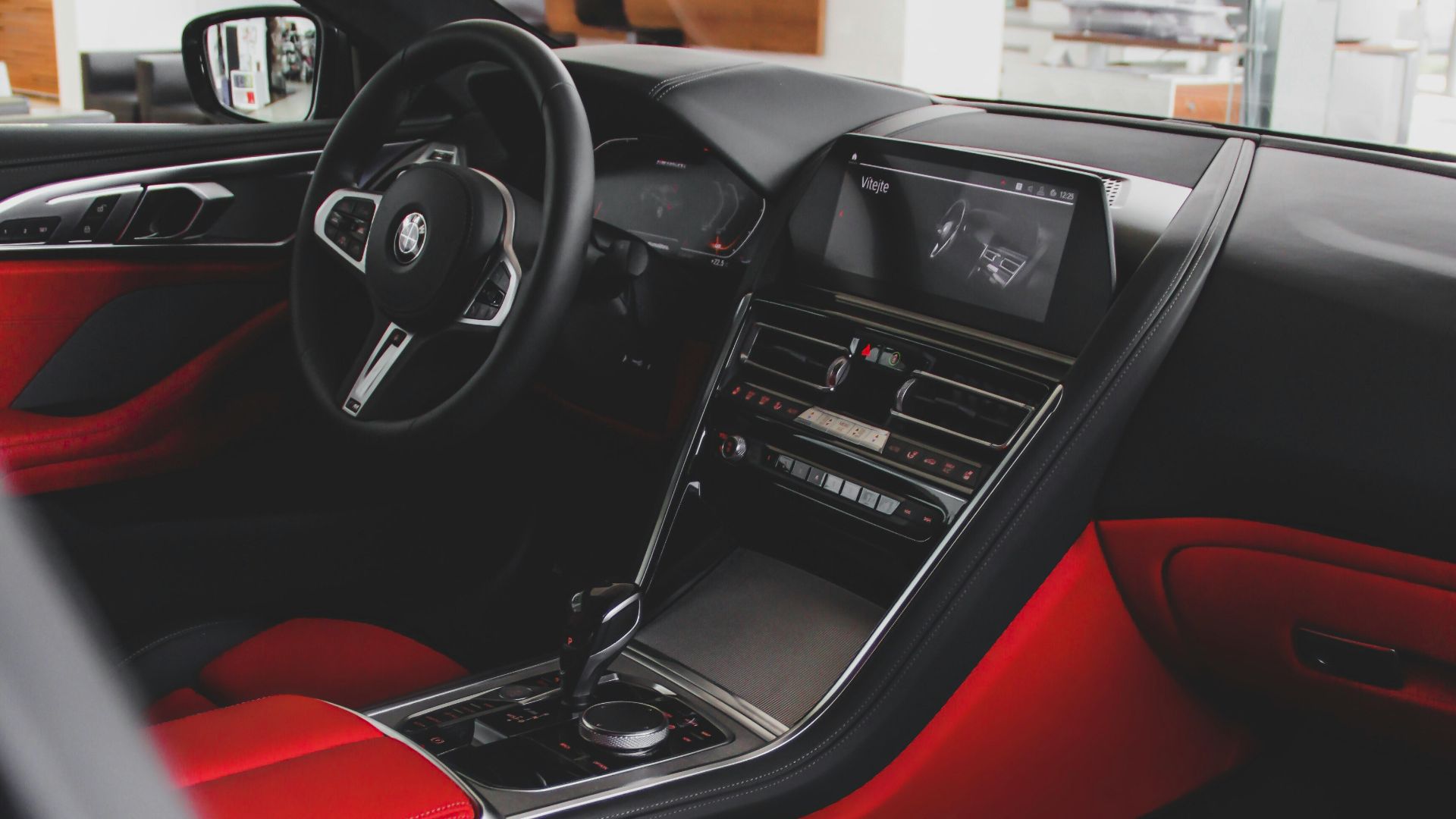
Modern cabin technology has significantly improved overall comfort. Features such as heated and ventilated seats, automatic climate control, and customizable driver profiles allow occupants to tailor the environment to their preferences. These systems help make daily commuting and long-distance travel more enjoyable. Some vehicles can even remember settings for multiple drivers automatically.
Advanced convenience features have reduced many of the small frustrations associated with driving. Keyless entry, push-button start systems, and power-operated functions simplify routine tasks that once required more effort. While each improvement may seem minor on its own, together they create a noticeably smoother ownership experience. Many drivers now consider these features necessities rather than luxuries.
Driver-assistance technologies have also changed how people interact with their vehicles. Adaptive cruise control, lane-keeping assistance, and parking aids help reduce workload during certain driving situations. Although drivers must remain attentive, these technologies can make travel feel less stressful and more comfortable. Many of these systems are designed to support drivers rather than replace them.
While the basic purpose of a vehicle remains the same, cabin technology has transformed nearly every aspect of the driving experience. Modern drivers have access to more information, greater connectivity, and higher levels of comfort than ever before. As automakers continue introducing innovations, the cabin will likely remain one of the most important areas shaping how people experience life on the road. Future developments may further blur the line between transportation technology and consumer electronics. The evolution of cabin technology demonstrates how rapidly the automotive industry continues to adapt to changing expectations.