Brands That Picked A Lane And The Ones That Didn’t
Walk a big dealership lot long enough and you start noticing which brands feel like they mean something. Some have a look you can spot from half a parking lot away, with an identity that survives model years, ownership changes, and the slow churn of trends. Others feel like a name slapped on whatever happened to fit the corporate plan that quarter, with styling cues that come and go like seasonal menu items. Their identity gets lost in the cost-cut trims, cautious design, and a marketing pitch that could fit any brand with a leather package. Here are 10 brands that lost the plot, and 10 that managed to grab it again.
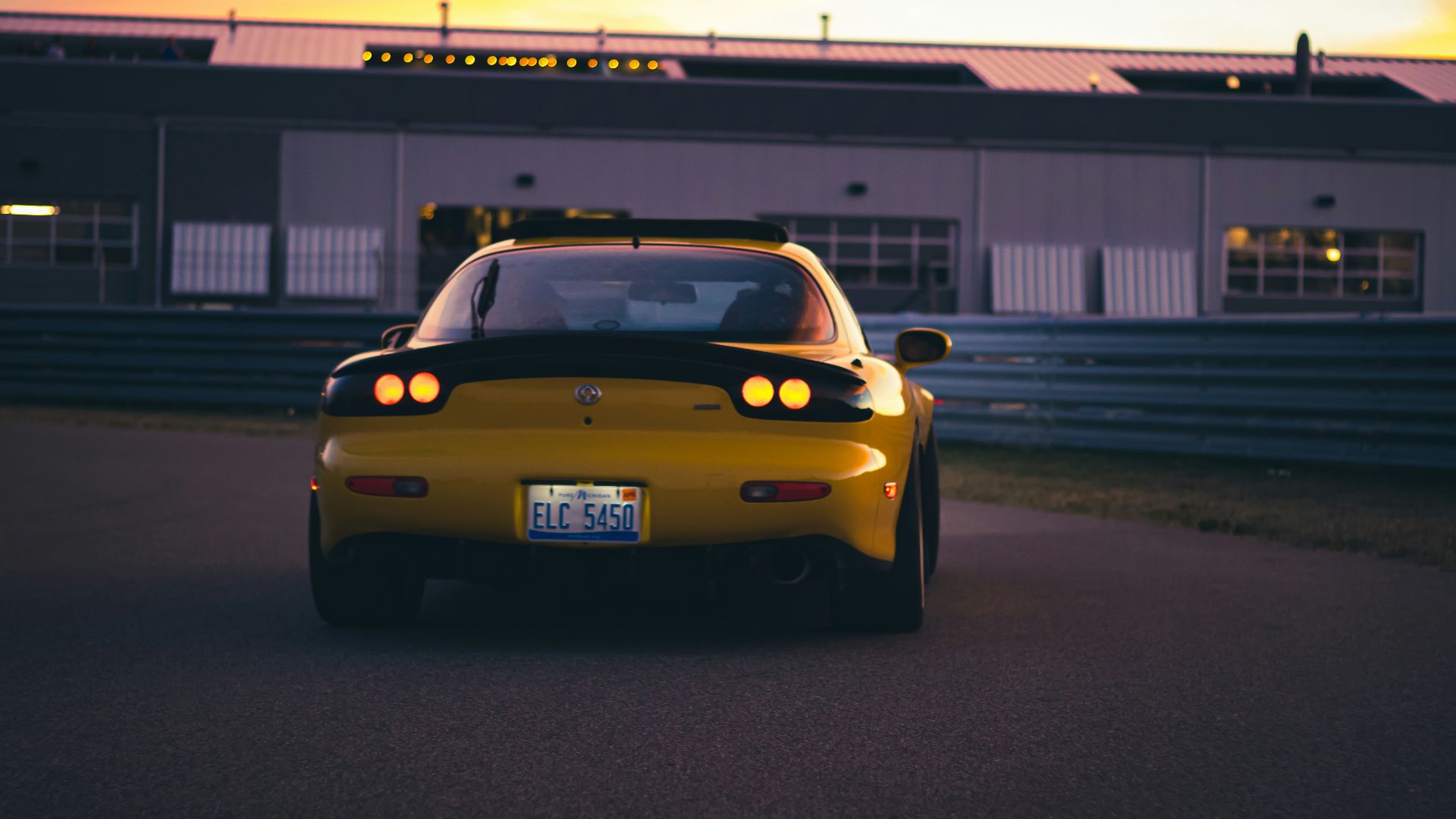
1. Pontiac Lost Its Edge
Pontiac spent decades being sold as GM’s excitement option, then drifted into an era where too many models felt like mild variations of something you could already buy. When GM announced in April 2009 that Pontiac would be phased out, it wasn’t only a business move, it was an admission that the division’s purpose had gotten blurry.
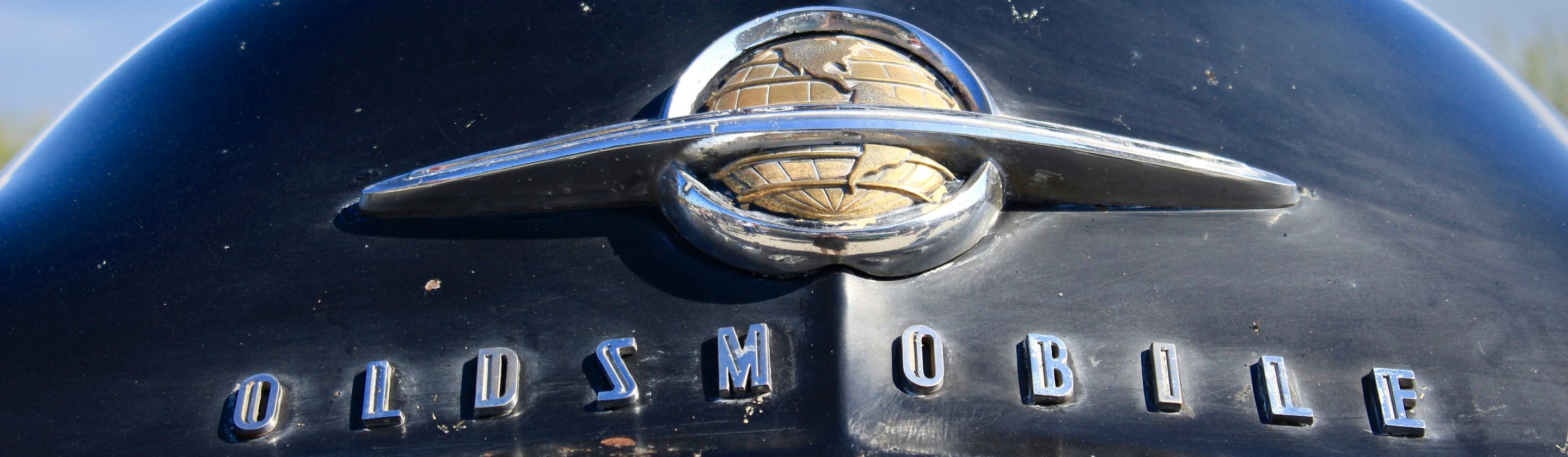
2. Oldsmobile Became A Brand Without A Reason
Oldsmobile used to be the kind of mainstream brand that tried things early and sold a lot of cars to regular people who liked a little novelty with their comfort. By the time GM announced in December 2000 that it would phase Oldsmobile out, the brand had become hard to explain inside the same showroom as Buick, Pontiac, and Chevrolet.
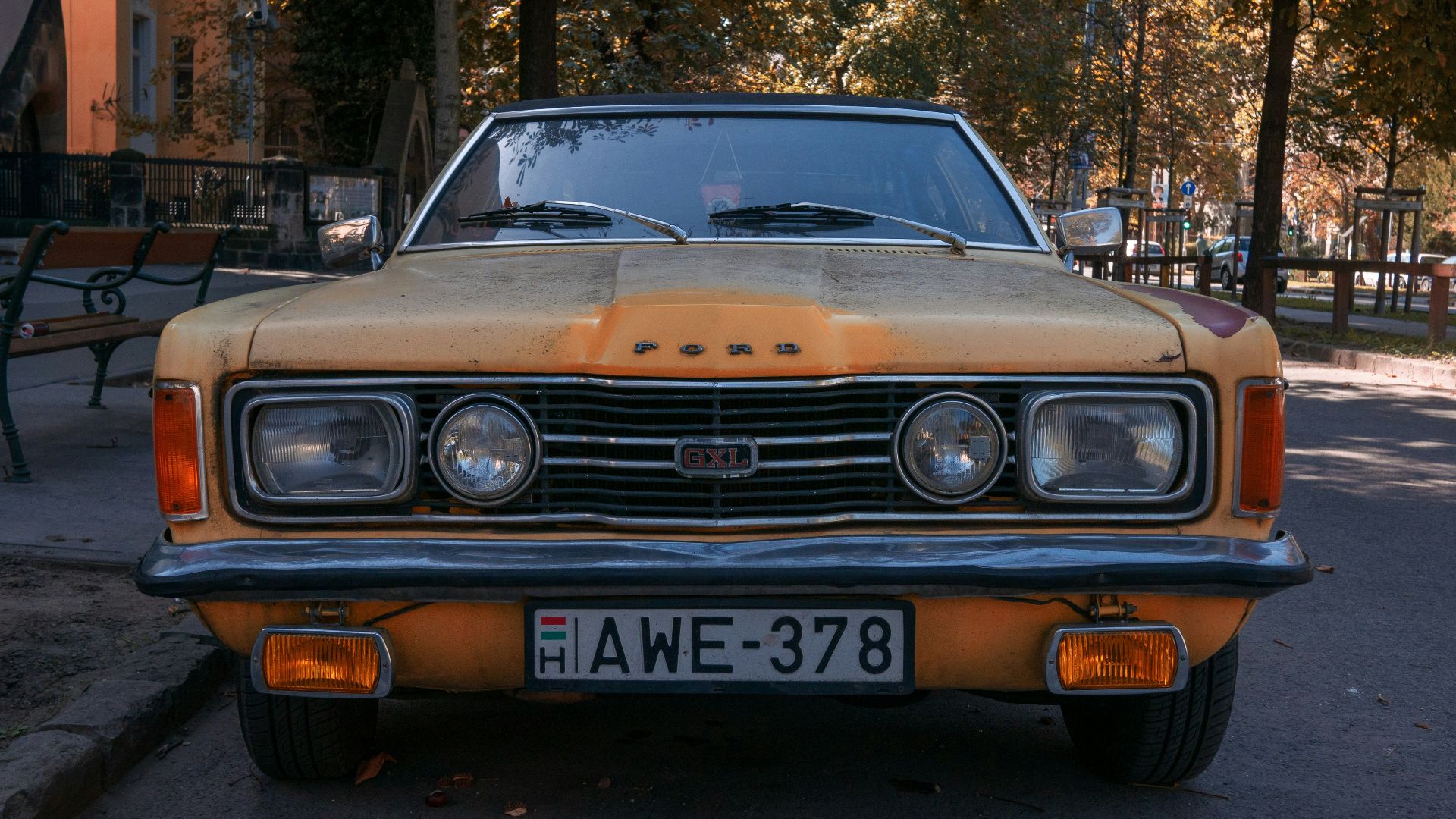
3. Mercury Stayed Stuck In The Middle
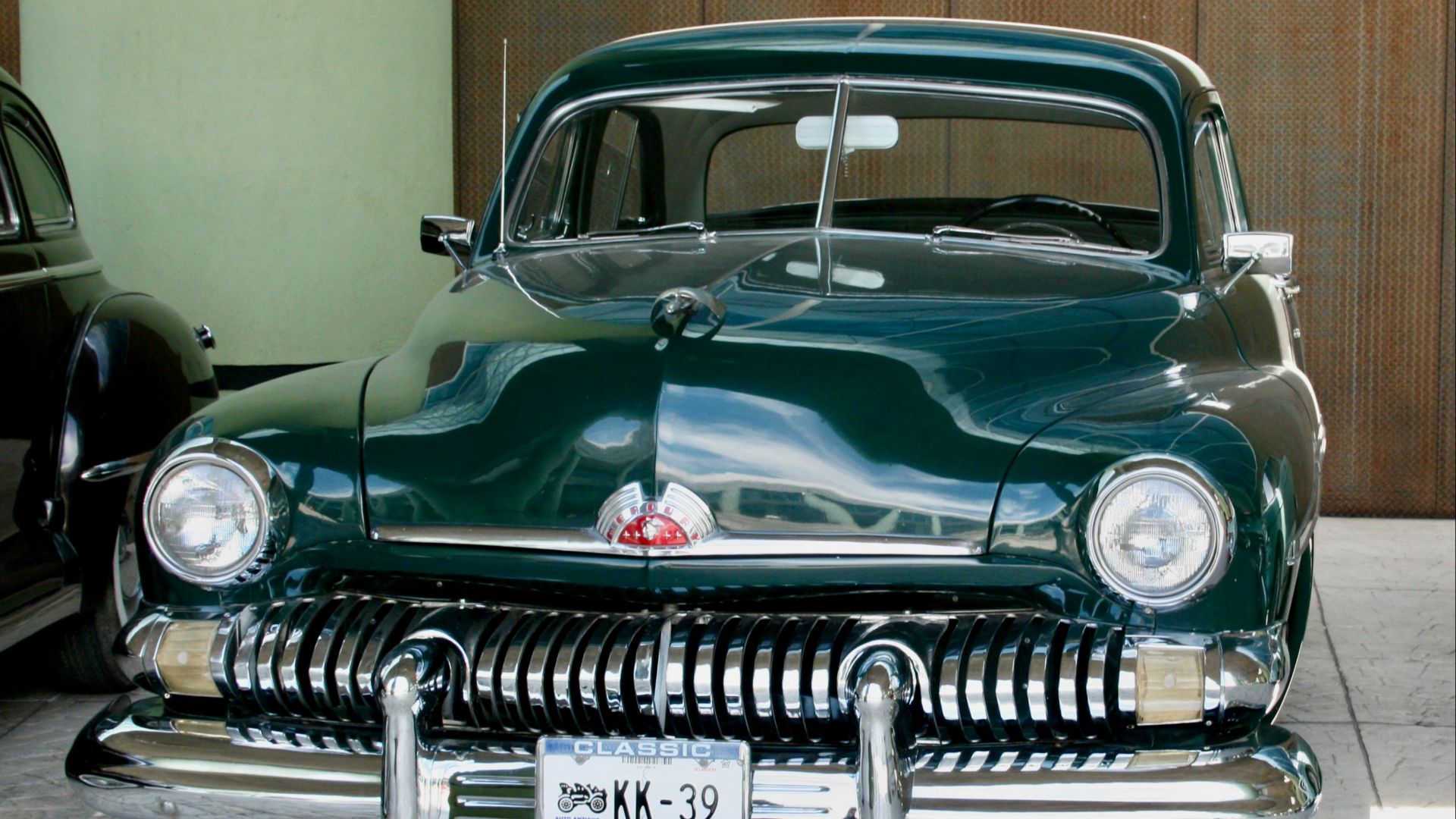
Mercury’s whole deal was being nicer than a Ford without being a Lincoln, which sounds tidy until the products stop feeling distinct in any real way. When Ford announced in June 2010 that Mercury was done, the obituary line basically wrote itself: the brand didn’t have enough separate identity to justify its own space.
4. Saturn Went From Quirky Experiment To Corporate Leftovers
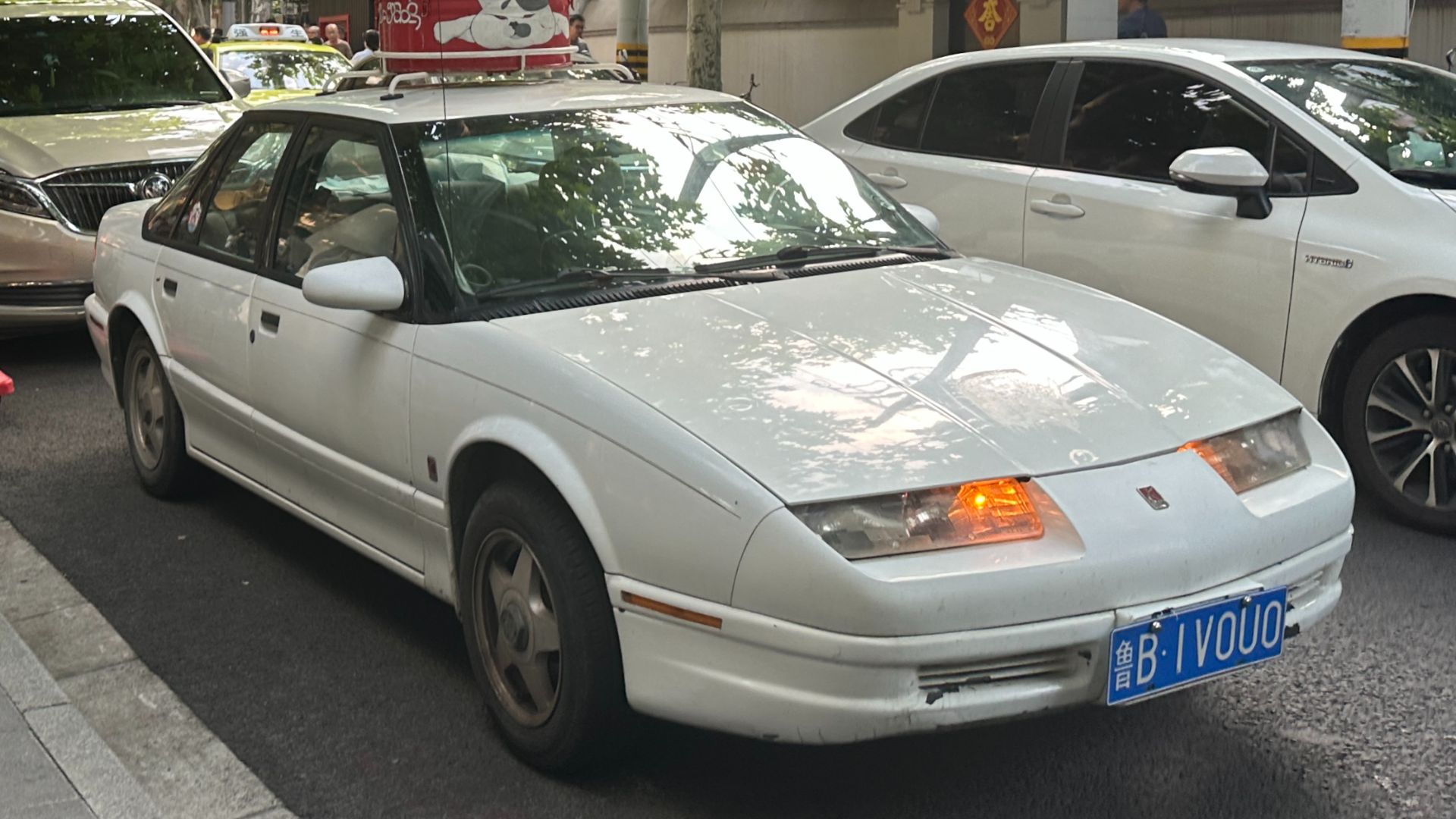
Saturn started as a rare, sincere attempt to build a different kind of American car company, right down to the retail experience and the attitude. Once the lineup leaned harder on shared GM bones, the brand’s personality thinned out, and that original point of Saturn got harder to feel from behind the wheel.
 JustAnotherCarDesigner on Wikimedia
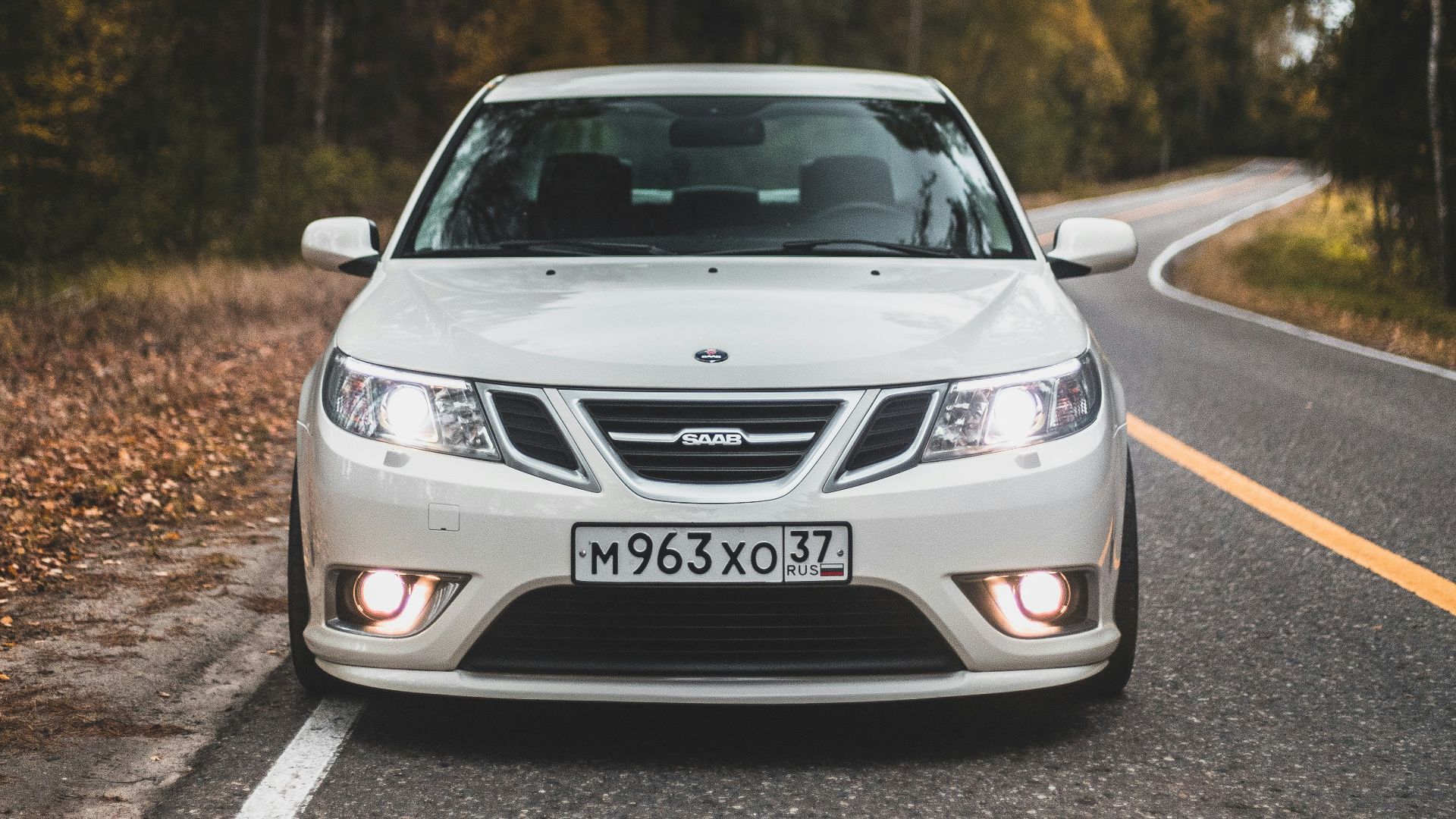
5. Saab Got Smoothed Down Until It Wasn’t Saab Anymore
Saab’s appeal was always a little specific: practical weirdness, turbo punch, and an interior that felt designed by someone who didn’t care what Detroit thought was normal. By the end, the company was scrambling, and Saab filed for bankruptcy in Sweden in December 2011, which closed the book on a brand that had already been losing the quirks people showed up for.
6. Lancia Spent Years On Mute
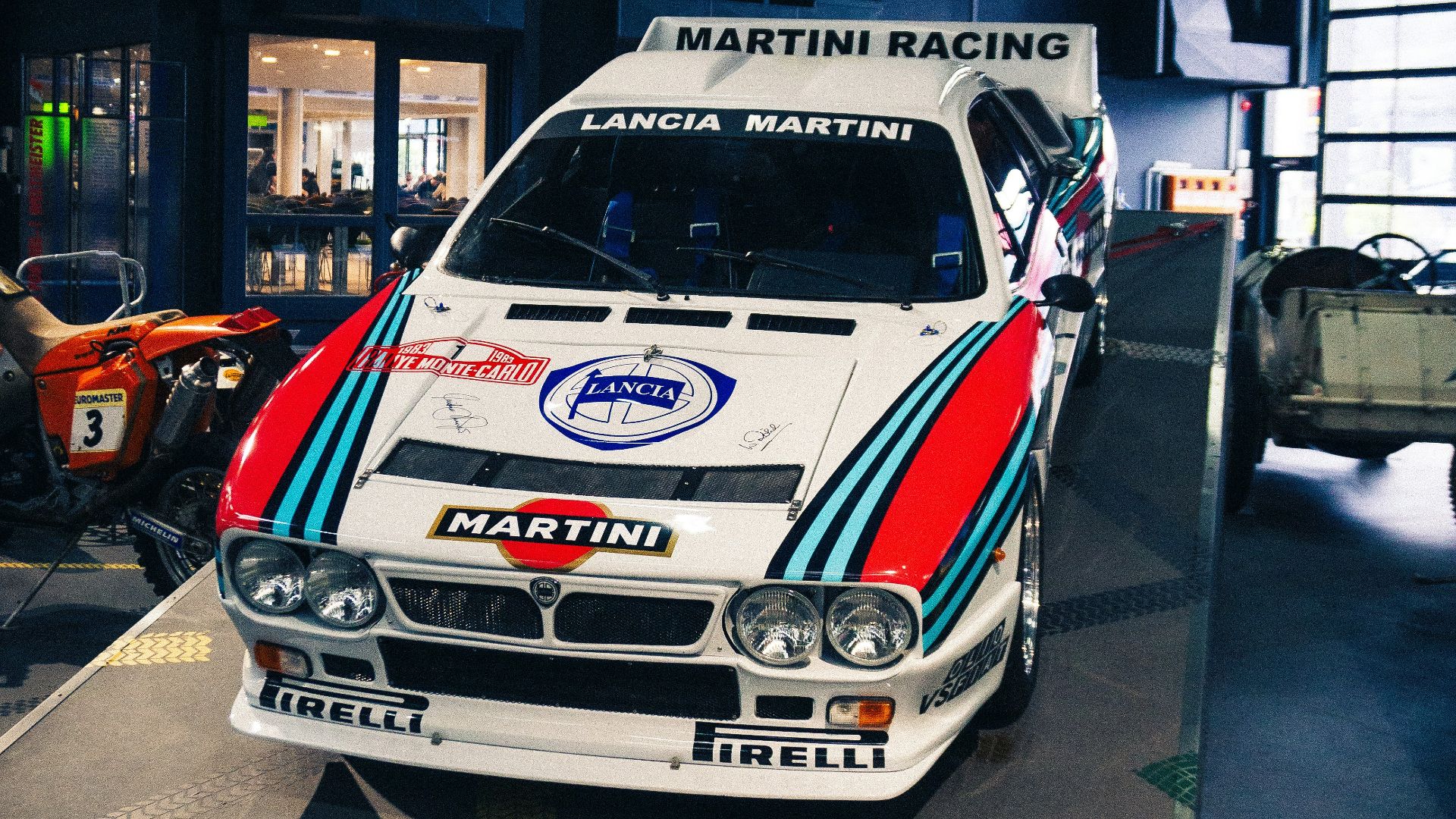
Lancia carries real historical weight, especially for people who remember its motorsport glory and its old-school Italian elegance, yet the modern brand shrank so far that it basically disappeared from most conversations. Stellantis later laid out a formal renaissance plan, including bringing Lancia back outside Italy and launching a new Ypsilon.
7. Infiniti Forgot What Luxury Meant
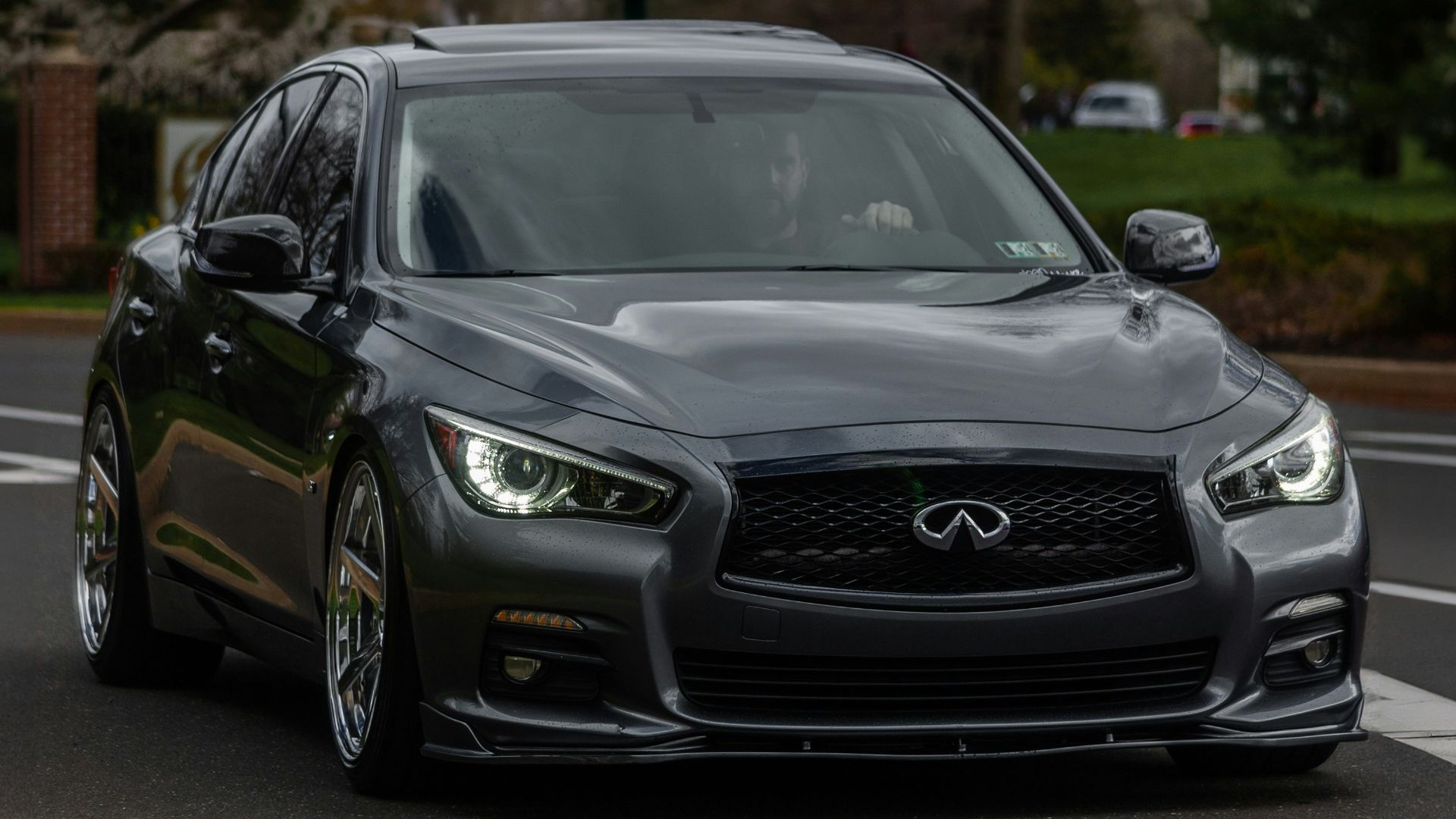
Infiniti has had moments where it felt sharp and confident, then wandered into years of products that didn’t land cleanly as sporty, plush, or especially modern. U.S. deliveries fell to 58,070 in 2024, a number that makes the identity problem visible in plain math, not just vibes.
 Photogon (Warren Valentine) on Unsplash
8. Mitsubishi Let Its Reputation Outrun Its Showrooms
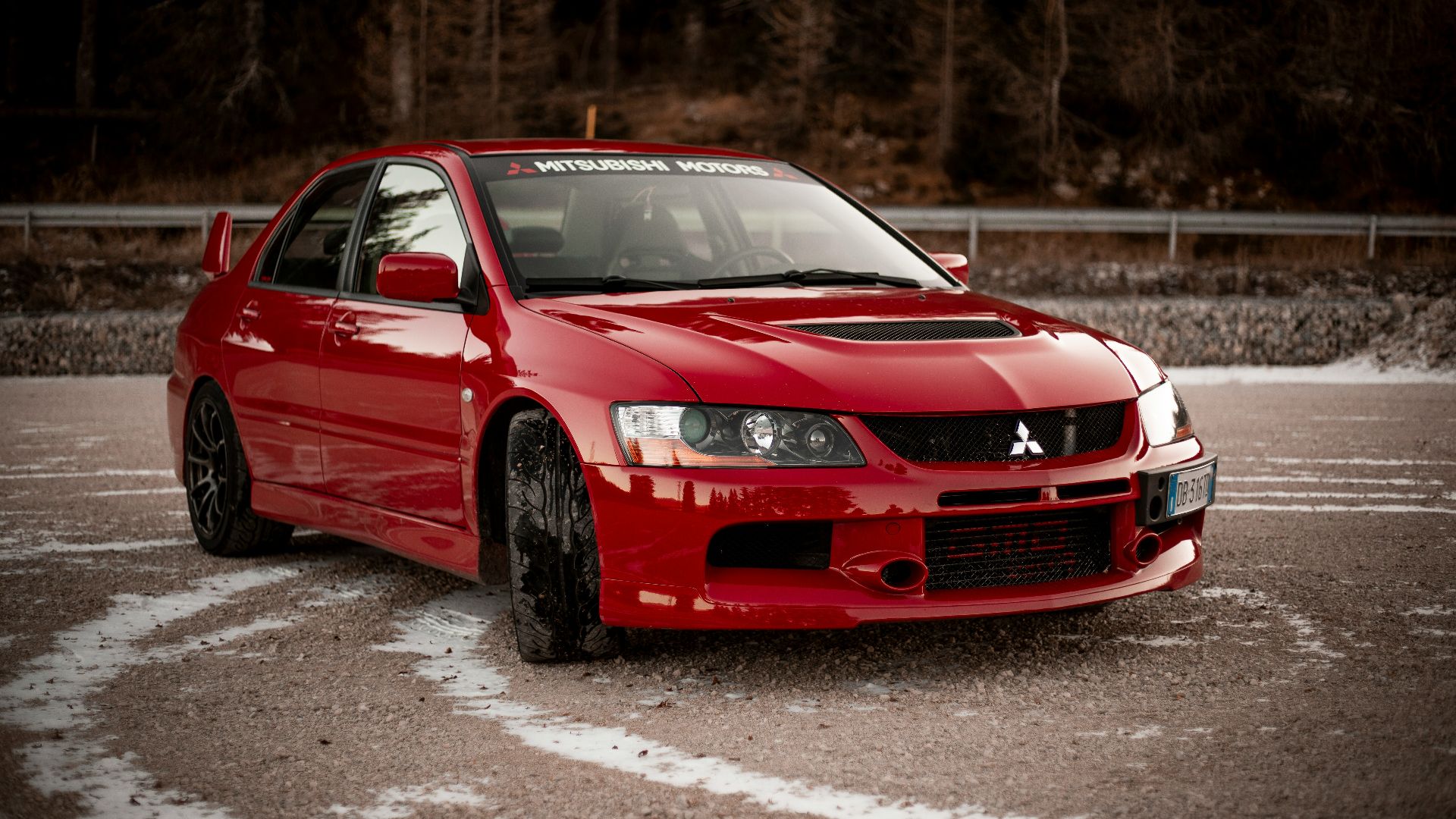
Mitsubishi still has a name that makes some people think of rally-bred performance and mechanical grit, then you look at the recent lineup and feel the gap. The brand spent a long stretch selling sensible transportation without much of the old energy, and the result is a reputation that lives more in memories than in new-car shopping lists.
9. Buick Got Pinned Between Everybody Else
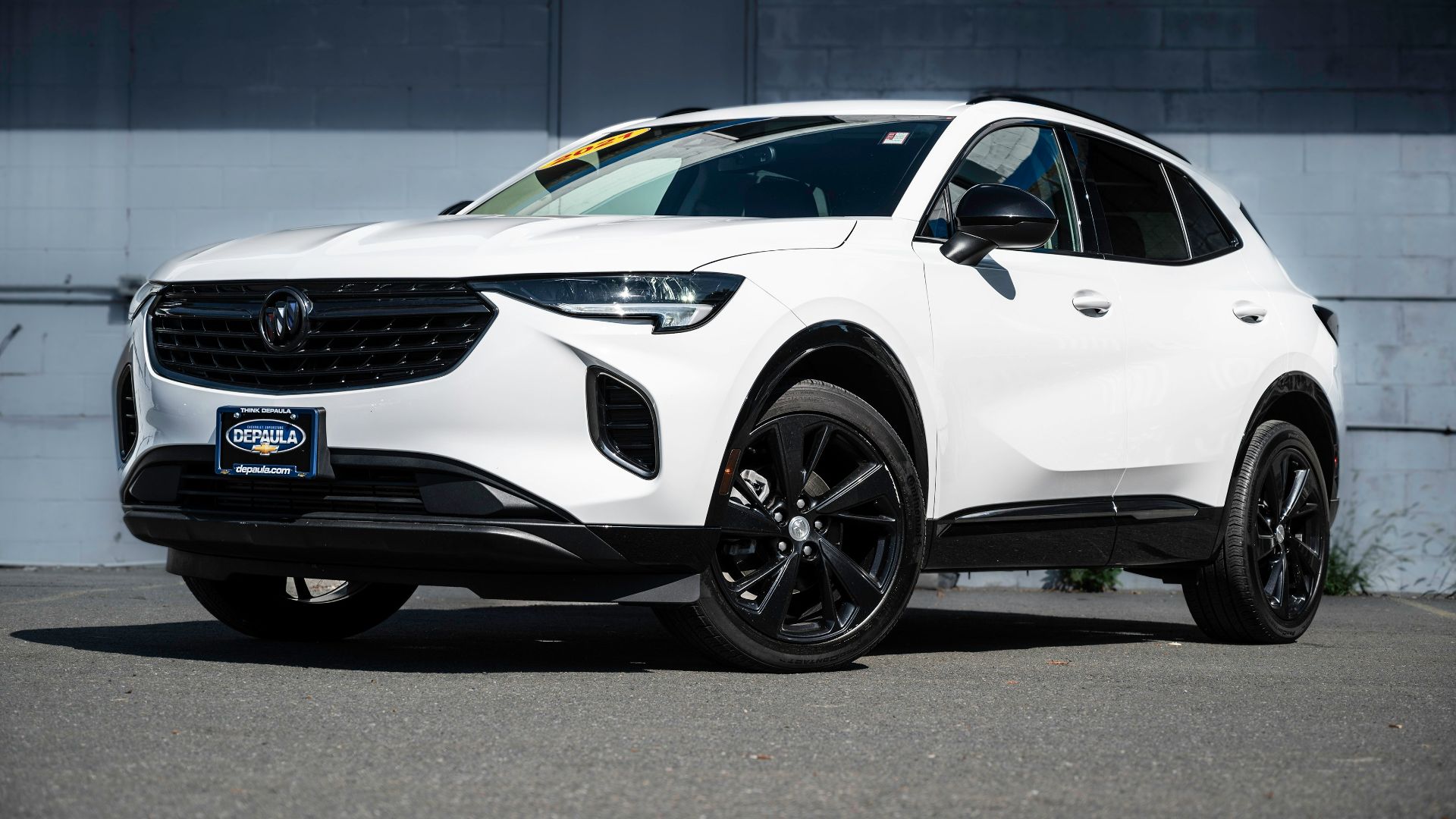
Buick has had a uniquely tricky job in North America, sitting between mass-market Chevrolet and luxury Cadillac without a simple reason for a buyer to choose it on purpose. As the brand pushed deeper into crossovers and tried to sharpen its modern image, that in-between feeling still lingered for a lot of shoppers who couldn’t quite place what Buick stood for.
10. Chrysler Became Too Small To Feel Like A Brand
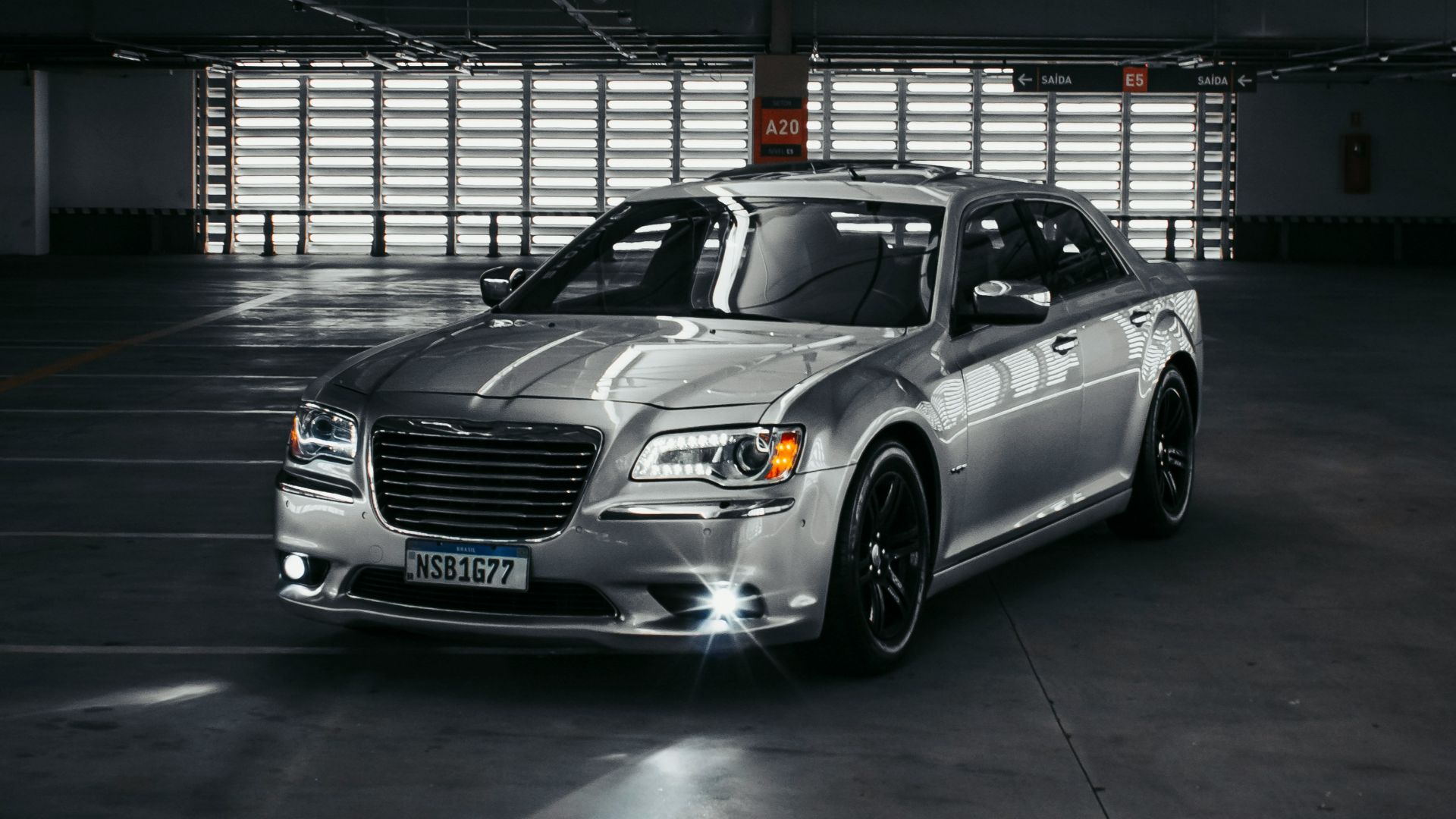
For years, Chrysler carried big-name American-car energy, then slowly turned into a brand you could walk past without noticing because there just wasn’t much there. MotorTrend summed it up bluntly when the 2024 lineup shrank to minivans as the only products on offer, which makes it hard for any identity to feel alive, no matter how good the Pacifica is at its job.
And now, here are ten brands that rediscovered and reinvigorated themselves.
1. Cadillac Found A Sharper Voice
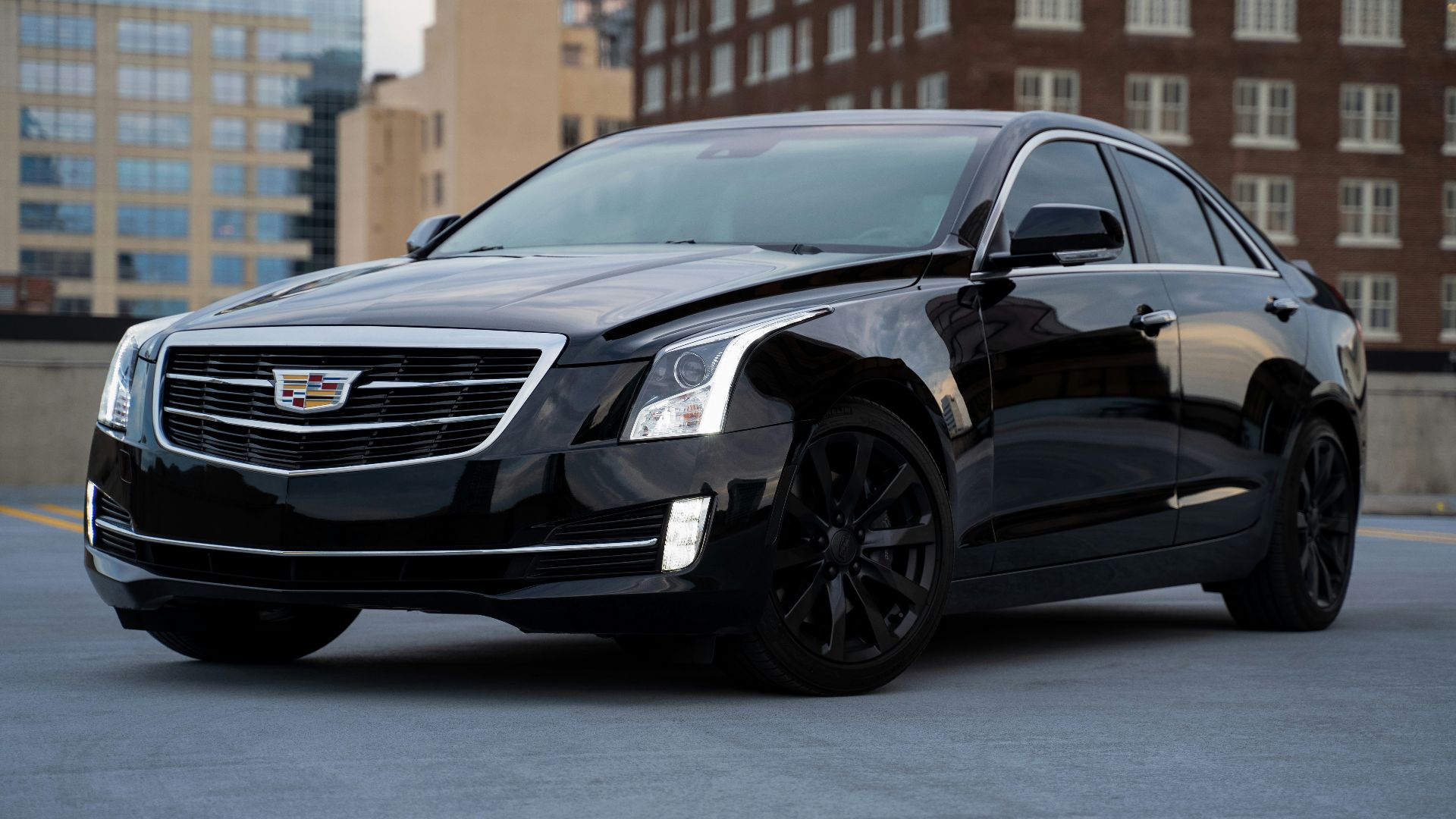
Cadillac’s turnaround started when the brand decided it didn’t have to look like anyone else, and leaned into the crisp, angular direction that came through in the Evoq concept shown in 1999. Once that look and attitude turned into real production cars, Cadillac stopped feeling like yesterday’s luxury trying to survive on name alone.
2. Lincoln Recommitted To Calm Luxury
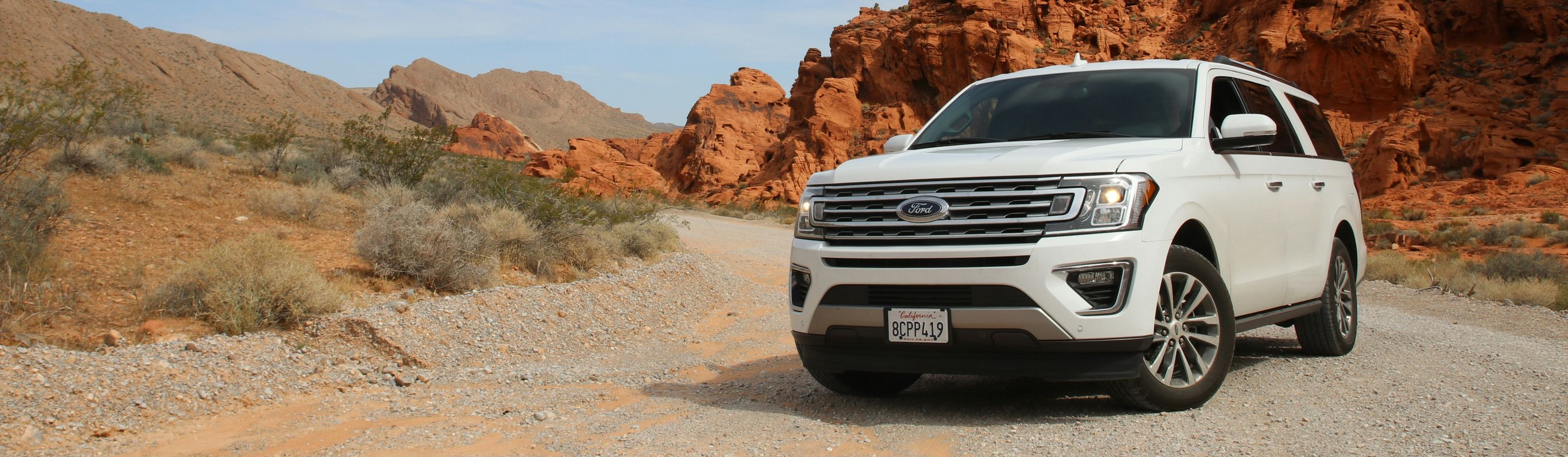
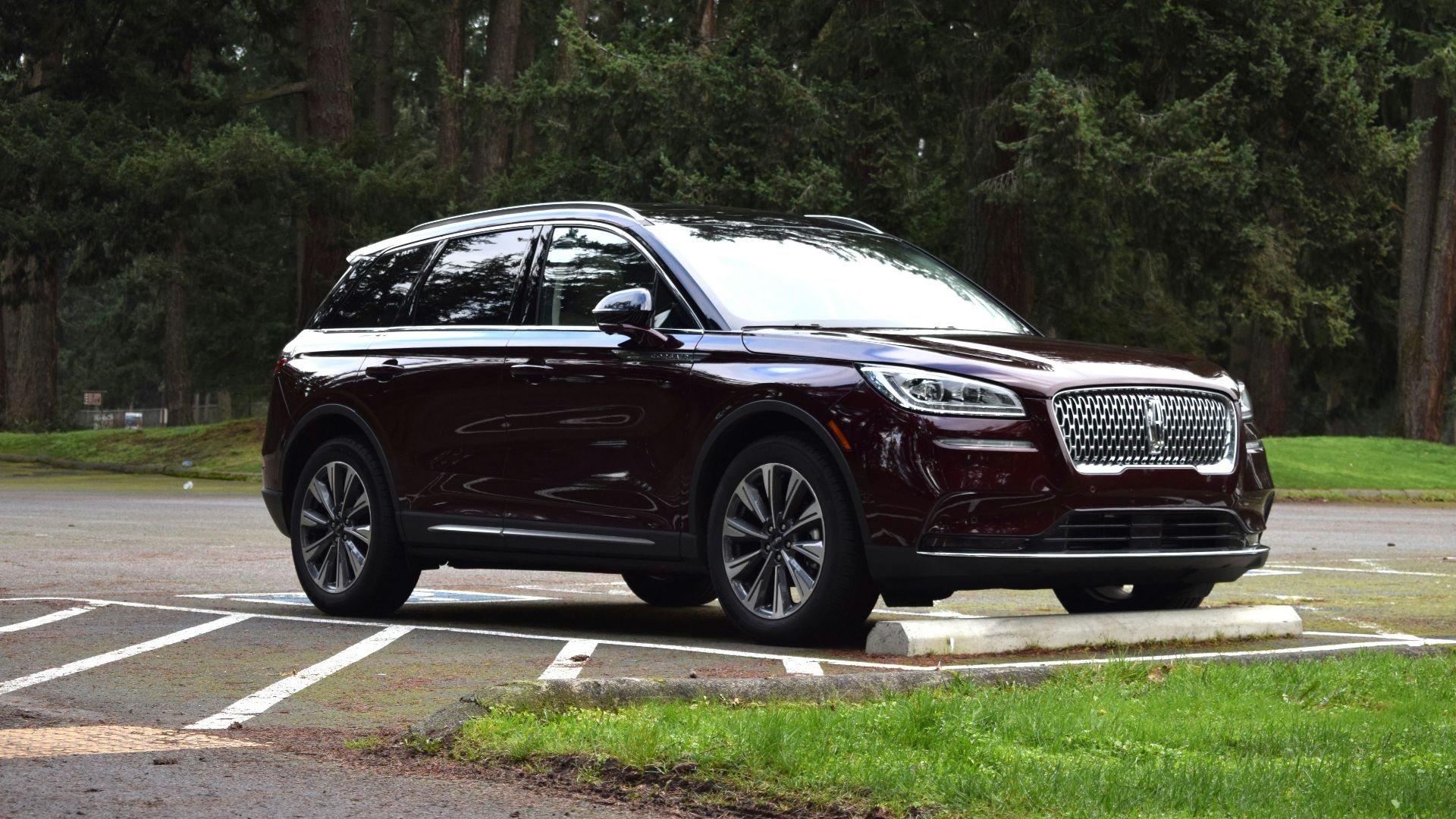
Lincoln’s modern reset has been about making the cabin feel like a quiet place to land, not a shouty status symbol, and that idea has shown up consistently in design and marketing. The refreshed Navigator helped pull attention back to the brand, including a triple-digit year-over-year sales gain reported in mid-2018, which is what momentum looks like when the product finally matches the pitch.
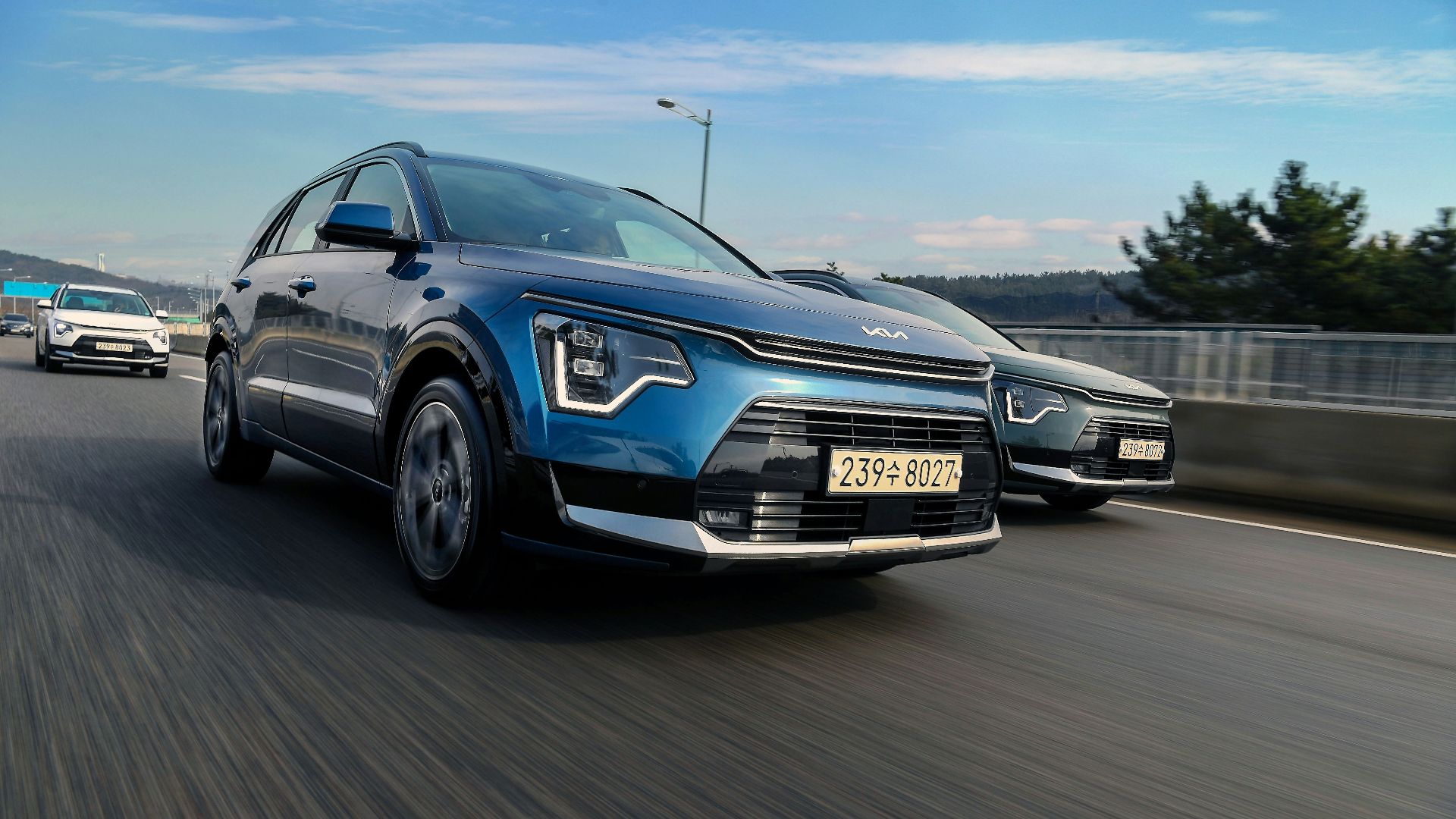
3. Kia Built A Face You Can Recognize
Kia’s identity shift got real when the brand treated design as strategy instead of decoration, starting with bringing in Peter Schreyer in 2006. The tiger nose grille idea wasn’t just a styling trick, it gave Kia a consistent visual signature that made the cars feel intentional instead of generic.
 Hyundai Motor Group on Unsplash
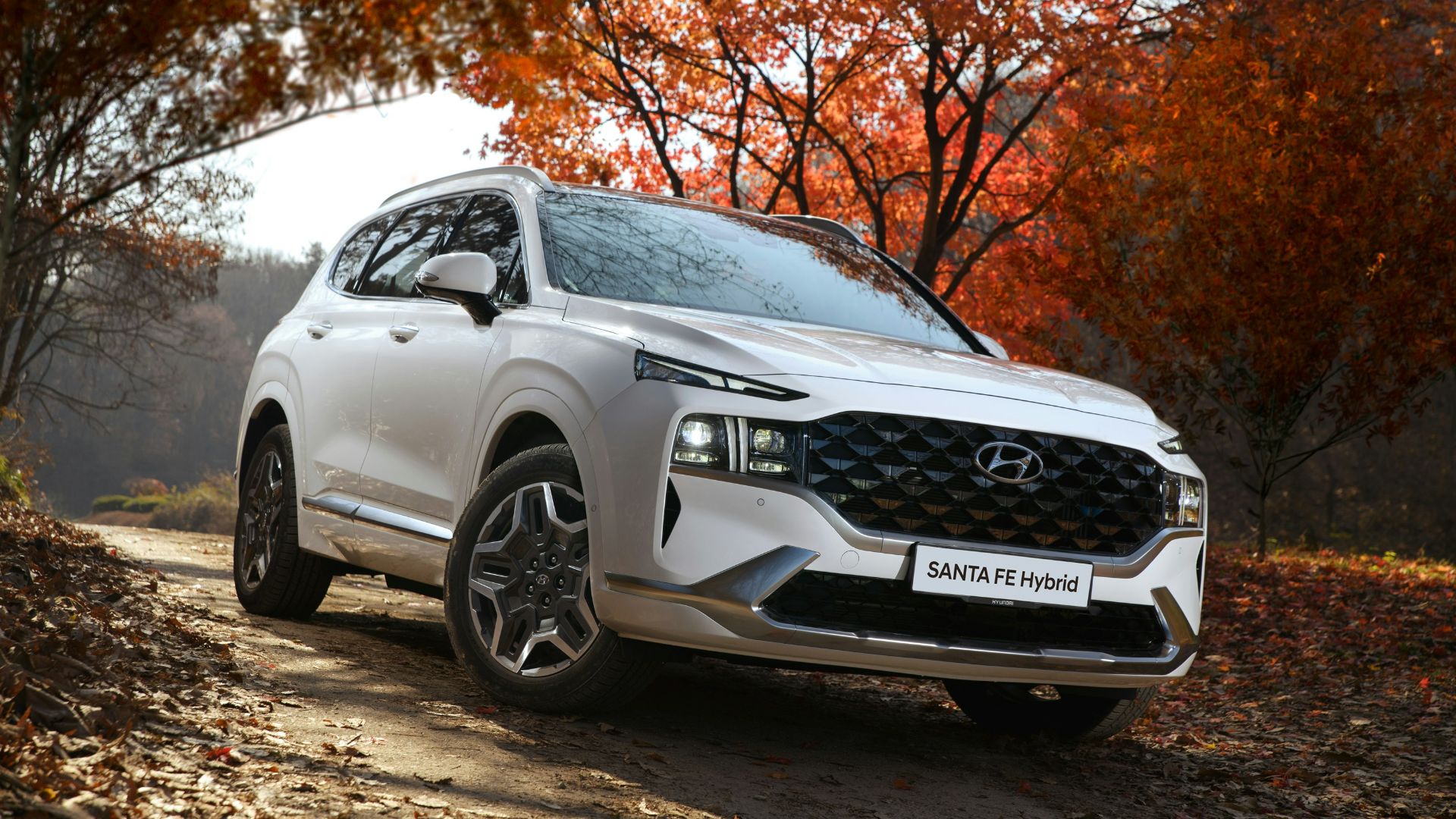
4. Hyundai Started Taking Design Seriously In Public
Hyundai’s change wasn’t only about better cars, it was about looking like the company believed its own progress. The brand pushed its fluidic sculpture design language into the spotlight around its 2010-era concepts, and that kind of named, deliberate styling is one of the ways a manufacturer tells you it wants to be remembered.
 Hyundai Motor Group on Unsplash
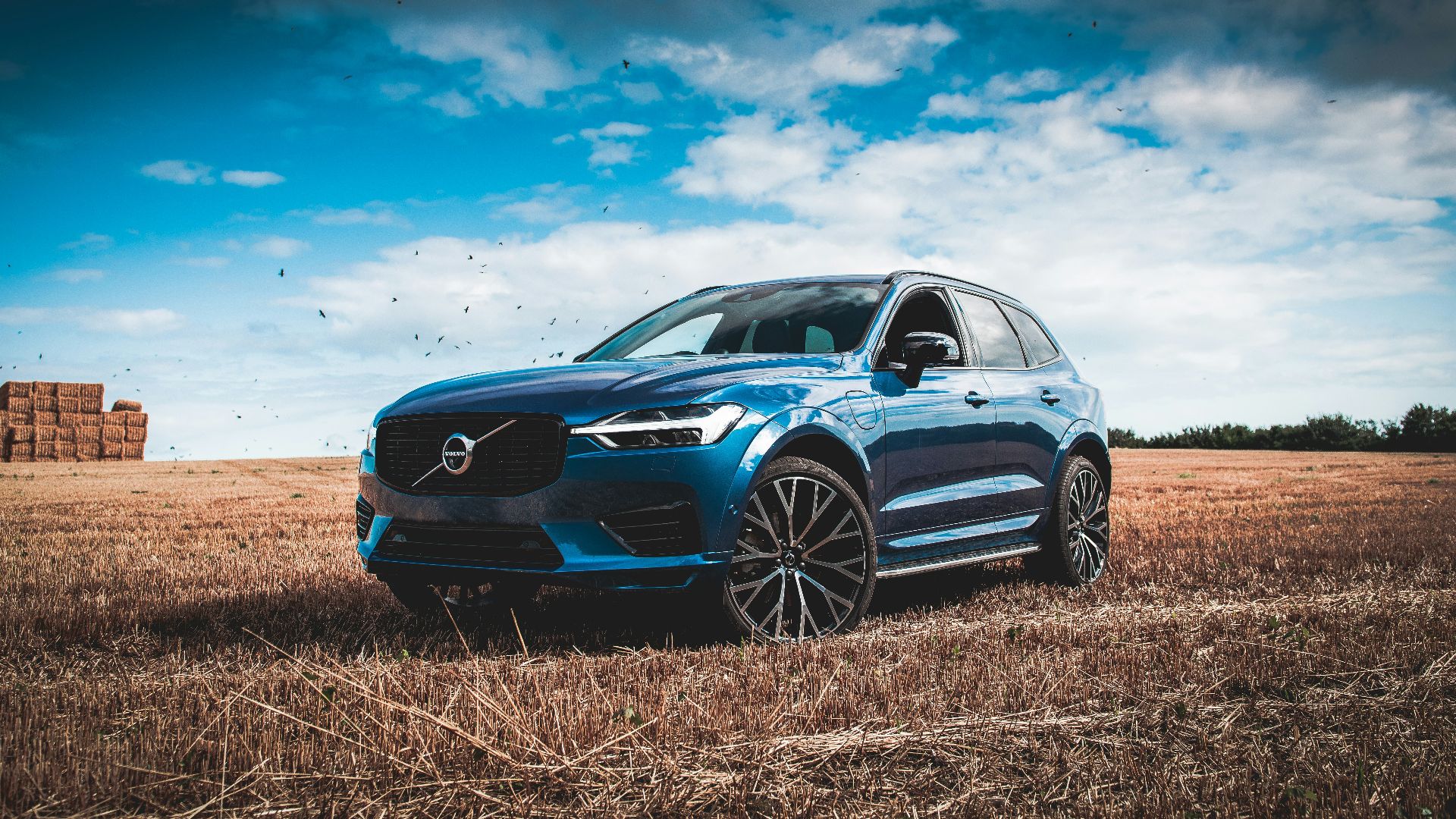
5. Volvo Got The Room To Be Volvo Again
Volvo has always had a safety-first identity, yet it needed investment and long-term confidence to make that feel modern rather than dated. When Geely completed the acquisition of Volvo Cars in August 2010, it marked the start of a new era where the brand could spend on clean design and serious engineering without apologizing for being itself.
6. MINI Turned Nostalgia Into A Real Brand
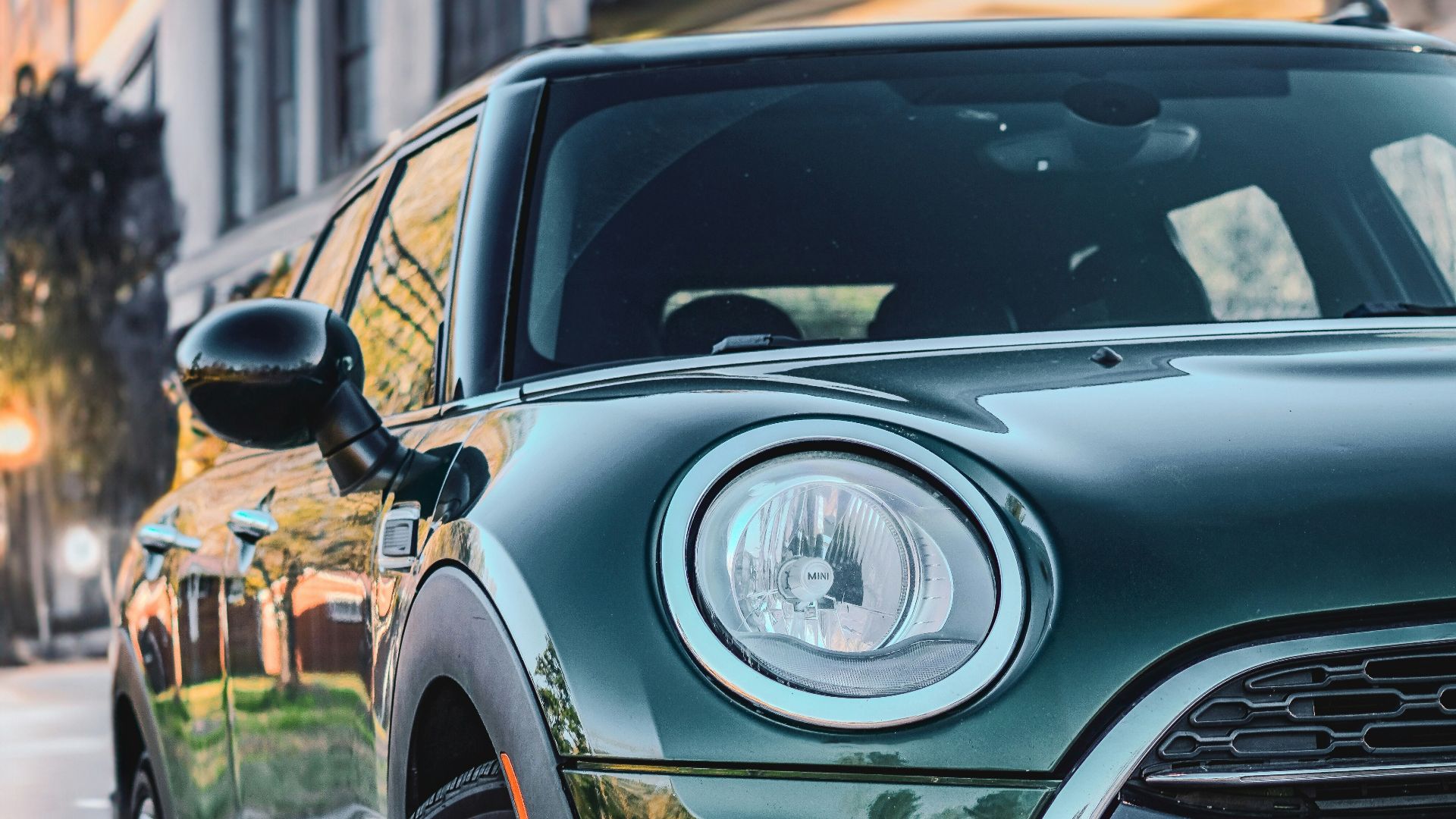
Reboots can feel cynical, yet MINI’s modern era worked because it kept the size, the cheeky attitude, and the sense that driving should feel like doing something, not simply commuting. BMW’s own brand materials treat 2001 as the anchor point for MINI’s modern identity, and that through-line is exactly what makes the cars feel coherent even as they’ve grown up.
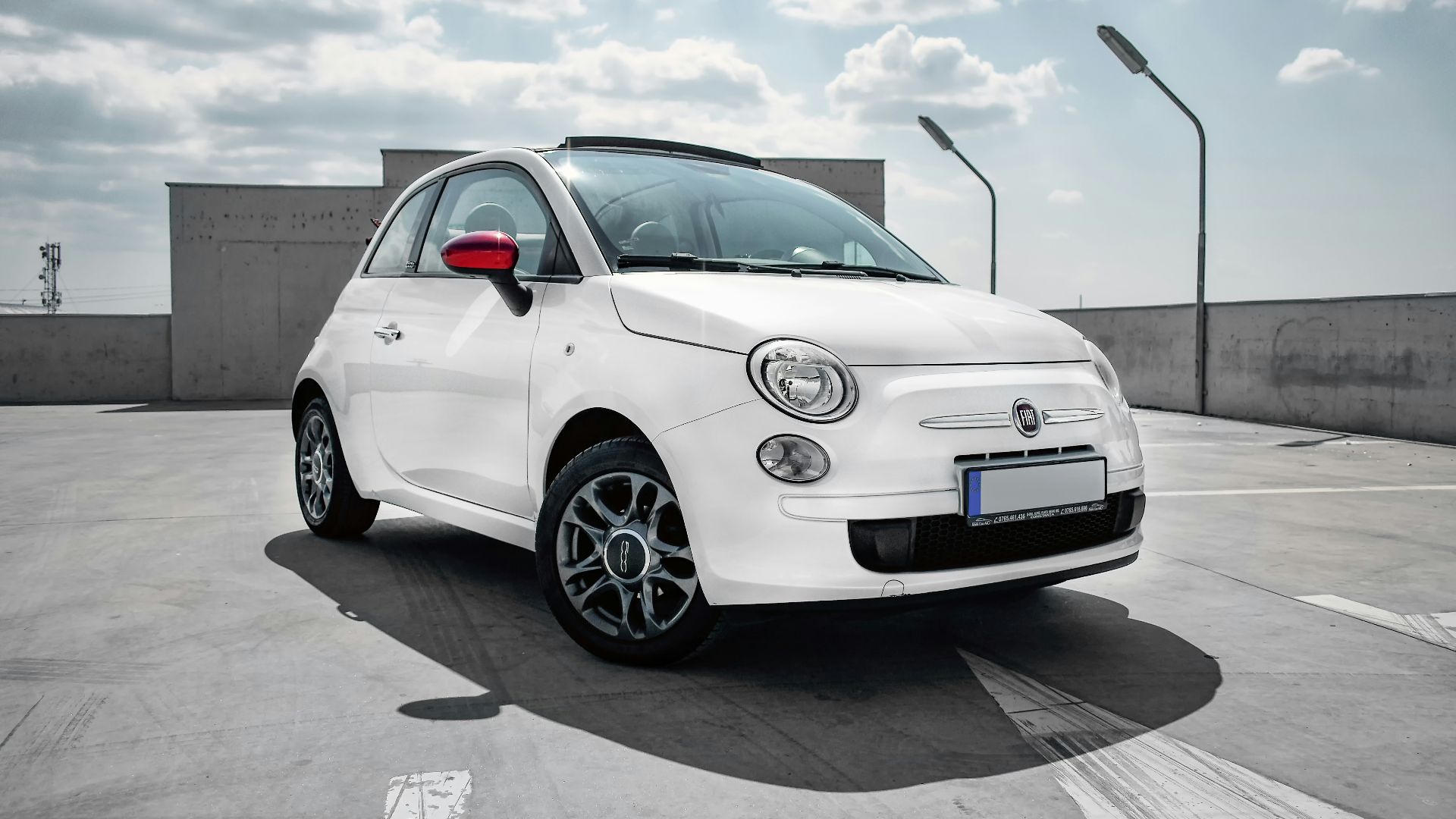
7. Fiat Made The 500 More Than A Cute Throwback
The modern Fiat 500 didn’t just borrow an old name, it leaned into the idea of a small city car with personality and made it central to Fiat’s global image again. That relaunch began in 2007, explicitly echoing the original 1957 500’s role as simple, charming transportation people actually wanted to be seen in.
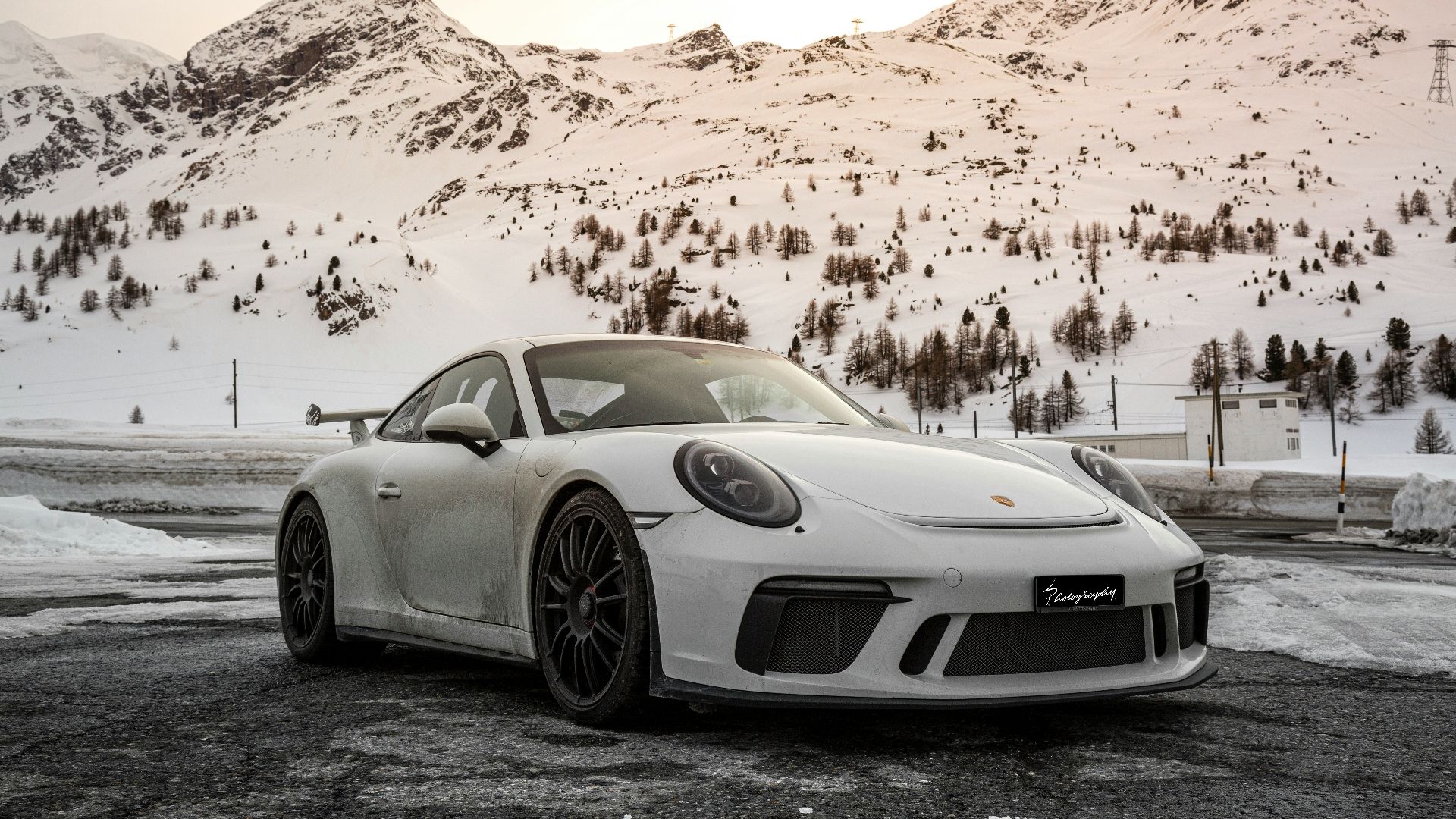
8. Porsche Expanded Without Losing The Core
Porsche had to widen its appeal without turning into a generic luxury brand, and it managed that trick by treating new models as additions, not replacements. The Cayenne debuted in 2002 as Porsche’s third model line after the 911 and Boxster, and the brand kept the performance story running even as the driveway got more practical.
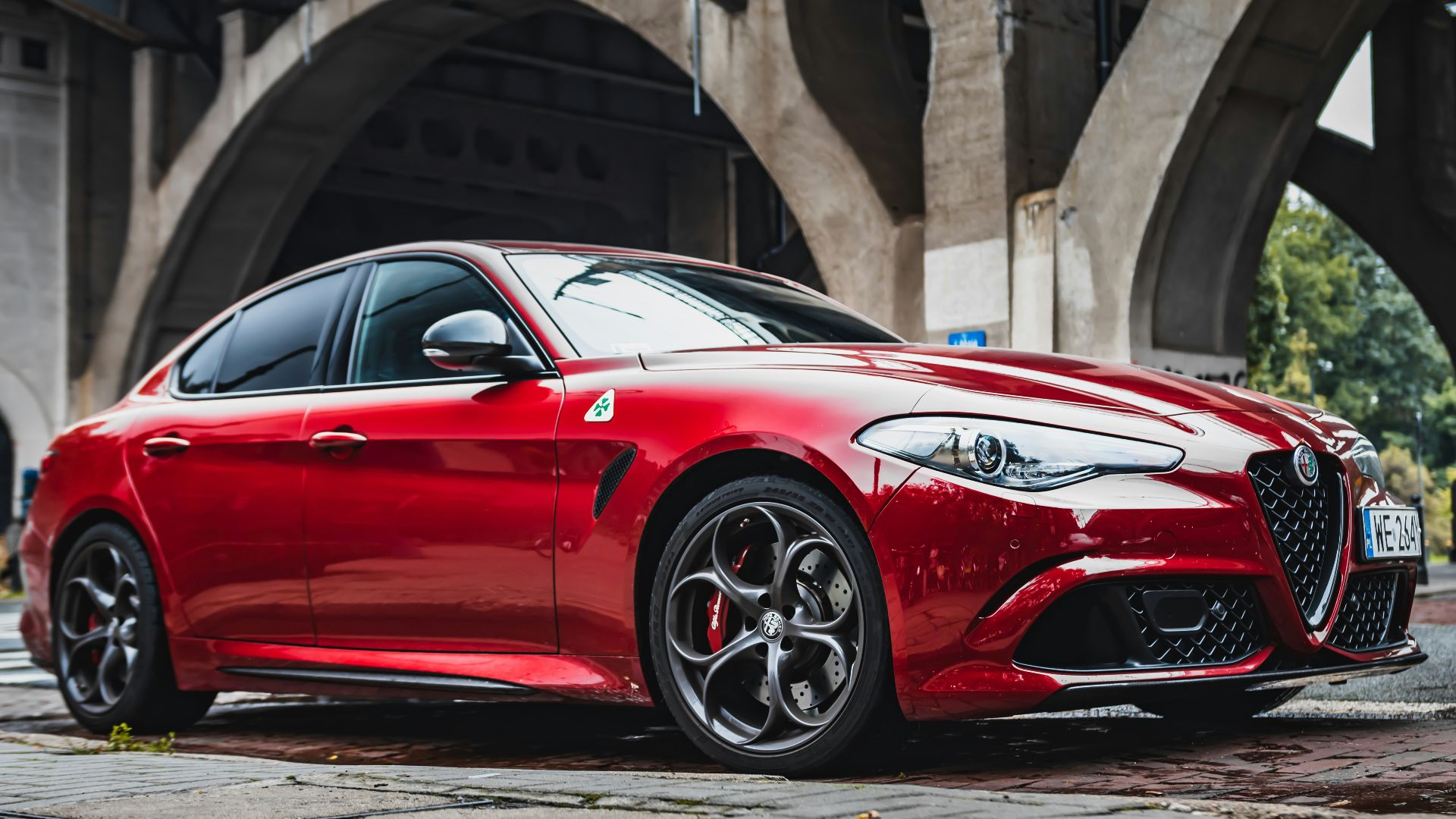
9. Alfa Romeo Relearned How To Make A Sports Sedan
Alfa Romeo’s modern comeback clicked when it returned to the kind of sedan that feels built around driving, not around checklists. The Giulia was unveiled in 2015 and launched shortly after, bringing back a rear-wheel-drive foundation that matched the brand’s old reputation in a way the previous era often struggled to deliver.
10. Lamborghini Got Stability Without Going Soft
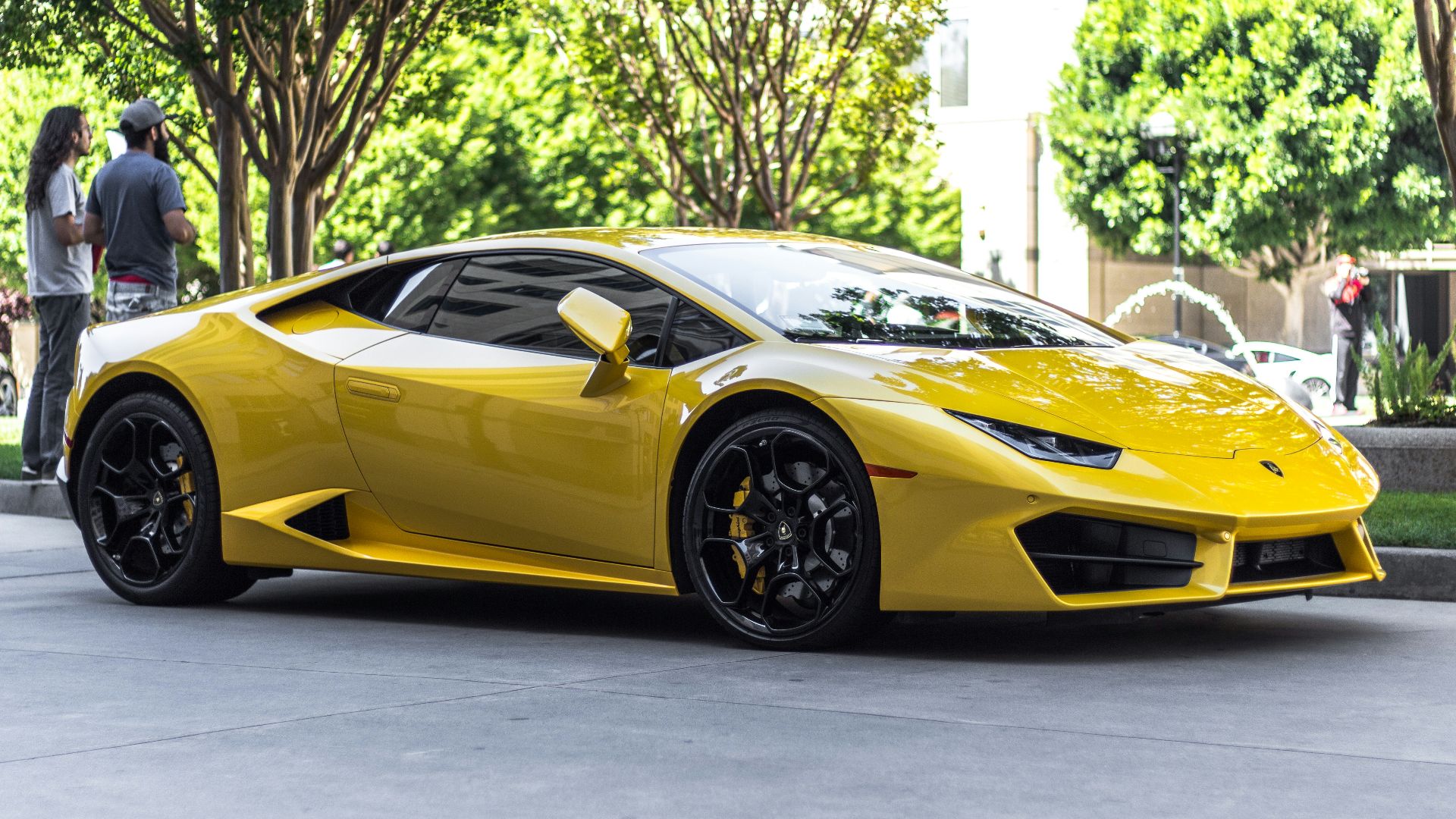
Lamborghini has always sold drama, yet drama needs dependable execution to stay impressive instead of chaotic. Volkswagen Group’s official brand history notes that Lamborghini was acquired on July 10, 1998, and the years after that acquisition turned wild design into something repeatable at a high level.