Mazda’s Hiroshima operations have a reputation for turning out high-quality vehicles, yet the plant’s most remarkable accomplishment happened long before crossovers, turbo badges, or glossy museum tours. In August of 1945, Hiroshima became the site of the first atomic bomb used in war, and the world was changed forever. Mazda, then known as Toyo Kogyo, was forced to confront the same impossible question as the rest of the city: what does survival even look like after that?
The factory’s success story starts with the uncomfortable truth that survival was never guaranteed, even if some buildings remained standing. Hiroshima’s official records estimate that about 140,000 people died by the end of December 1945, and roughly 350,000 people were in the city when the bomb exploded.
Against that level of devastation, any organization that could provide shelter, structure, or employment became part of the city’s recovery, whether it planned to or not. Mazda’s Hiroshima plant ended up doing all three, and it did it while trying to restart its own production.
Close Enough to Be Changed, Far Enough to Keep Standing

Long before the bombing, Toyo Kogyo had already started shifting its footprint. Mazda’s official history notes that the company built a new plant in Fuchu Village, now Fuchu Town, and relocated its headquarters there from Hiroshima City in 1931. The move placed key facilities outside the city center while still tying the company to Hiroshima as its hometown economy.
Mazda’s own timeline states that Toyo Kogyo’s building was located five kilometers from the center of the bombing, and that the damage to the building was limited. Limited, however, does not mean untouched, and it definitely does not mean the workforce, families, and neighborhoods were spared.
Still, limited structural damage meant the company had something rare in Hiroshima on that fateful day: usable space.
A Different Kind Of Operations
In the days after the bombing, Hiroshima needed more than sympathy and speeches; it needed roofs, supplies, and organized spaces that could still run on a schedule. Mazda’s official history says the company helped recovery efforts by providing relief for disaster victims and accepting government agencies, including the prefectural office, to operate on its premises temporarily.
It cannot be understated how widespread the destruction and human loss were, including the lingering effects of radiation and the uncertainty around exact death counts. A functioning industrial site was able to support recovery in much more practical ways, such as providing space for coordination and a base for distributing aid. Mazda’s timeline specifically mentions tending to victims and giving administrative bodies room to operate. The plant didn’t fix Hiroshima, yet it provided the kind of structure that made rebuilding possible.
A factory is often described as “just a workplace,” until a disaster turns it into a community asset. When an employer can keep people on payroll, even partially, it reduces the pressure on families who have lost homes, transportation, and normal routines. Basically, it boils down to creating a sense of routine amidst a life-altering event.
Survival Into Legacy

Surviving the blast is only one chapter in this incredible story, because a standing building still needs materials, labor, and workable supply lines. Mazda’s timeline shows how quickly the company tried to regain its productivity, noting that in January 1946, it resumed production of rock drills and tools. While that may seem quick after dealing with so much destruction, creating some semblance of organization during such a chaotic time was likely not only beneficial for Mazda but also for the community at large.
The same timeline tracks a steady manufacturing comeback that built momentum year by year. By November 1948, the company had achieved a monthly production of 500 units for three-wheel trucks, and by 1953, it had increased its monthly production capacity to 3,000 units following a large-scale relocation and expansion of the three-wheel truck plant. Those numbers are more than milestones, as they also represent jobs, transportation, and a functioning industrial rhythm returning to a wounded region.
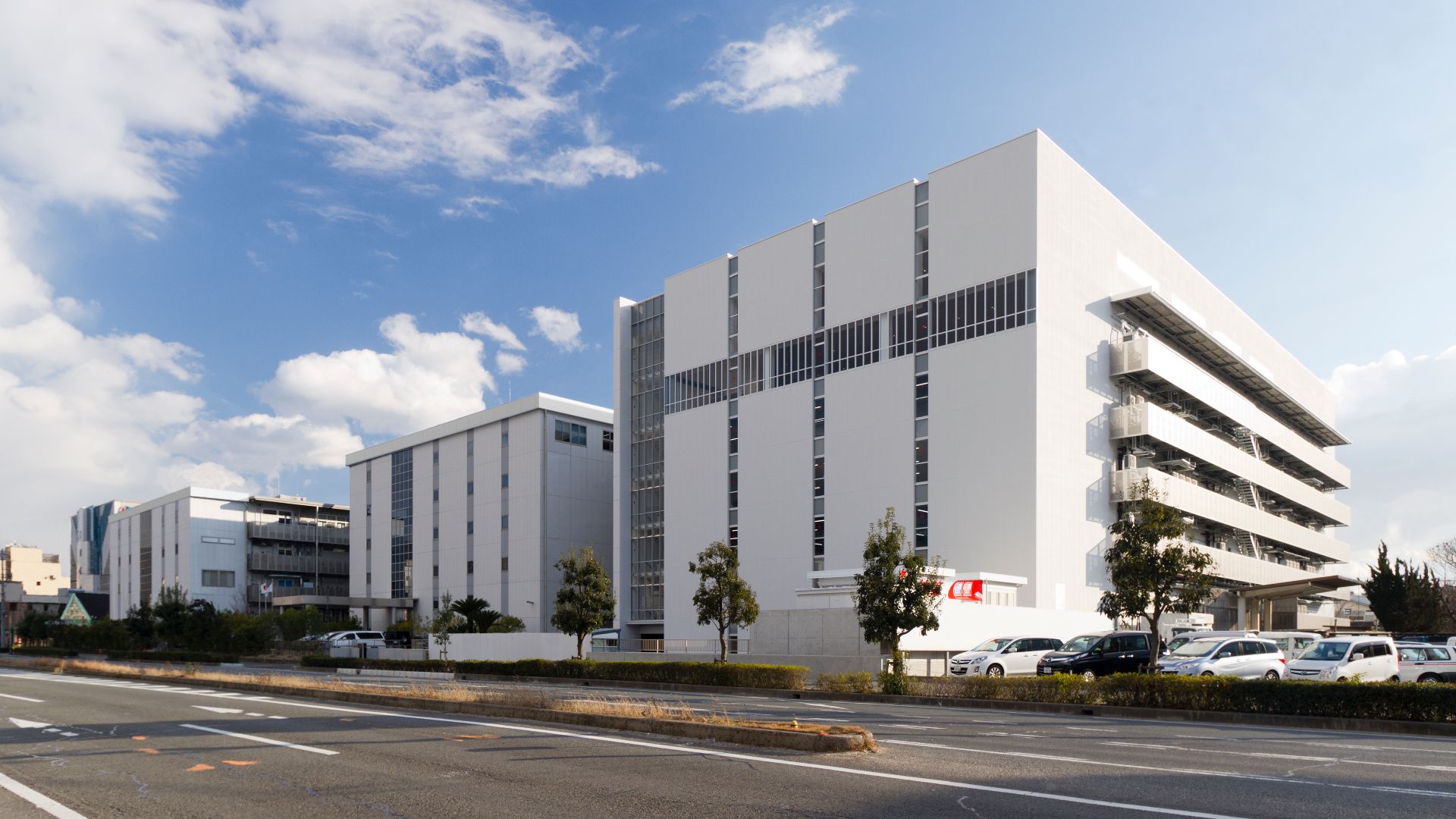
Decades later, Hiroshima remained central to Mazda’s global production. Mazda’s newsroom reported that it celebrated 40 million units of cumulative vehicle production in Japan with a ceremony at its Ujina Plant No. 2 near its Hiroshima headquarters in July 2007. In Mazda’s Annual Report 2018, the Hiroshima Plant is listed with a production capacity of 569,000 units per year, underscoring how a site that once focused on sheer survival grew into a high-volume manufacturing hub. That arc is what makes Hiroshima’s Mazda plant incredible: it carried a city through crisis, then kept building for generations afterward.