 Christian Wiediger on Unsplash
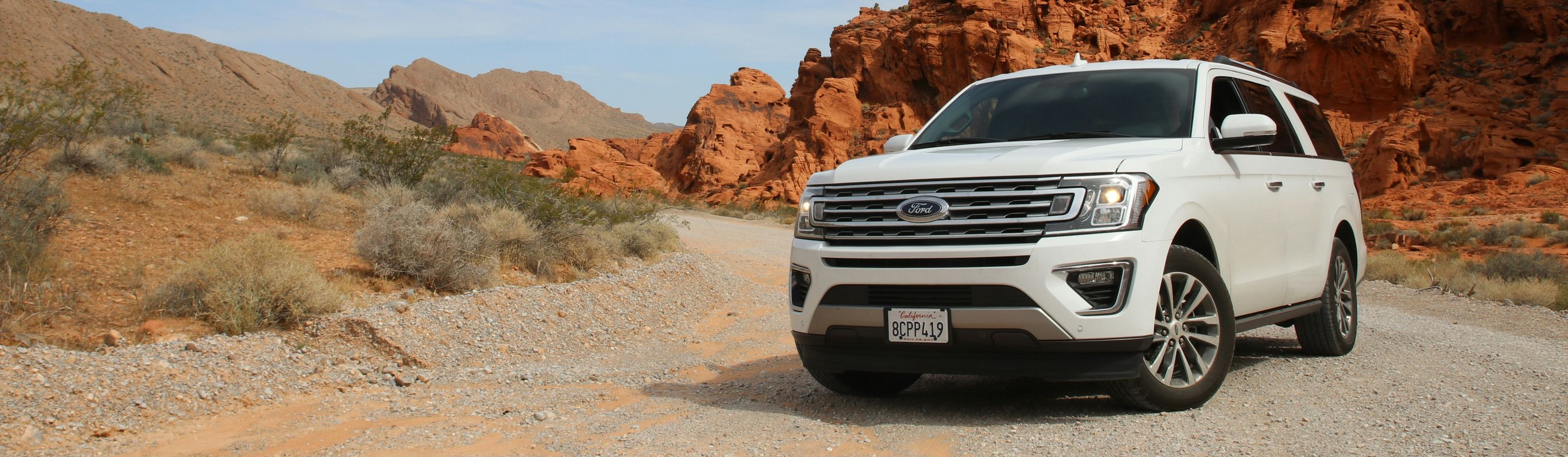
Too-bright headlights are one of those driving annoyances that feel oddly personal, like the universe specifically chose your eyeballs for target practice. You’re cruising along, minding your business, and then an oncoming SUV shows up with beams that feel borrowed from a stadium. With cars that can start to drive themselves, we have to wonder why this particular problem hasn’t been fixed.
The less satisfying answer is that “too bright” isn’t one simple problem, and the fixes come with tradeoffs people don’t agree on. Crash data often points to visibility as the bigger safety issue than glare discomfort. A big chunk of the stalemate comes down to regulation, enforcement, and the messy reality that headlights don’t behave the same way on every road, or on every vehicle.
Glare Versus Brightness
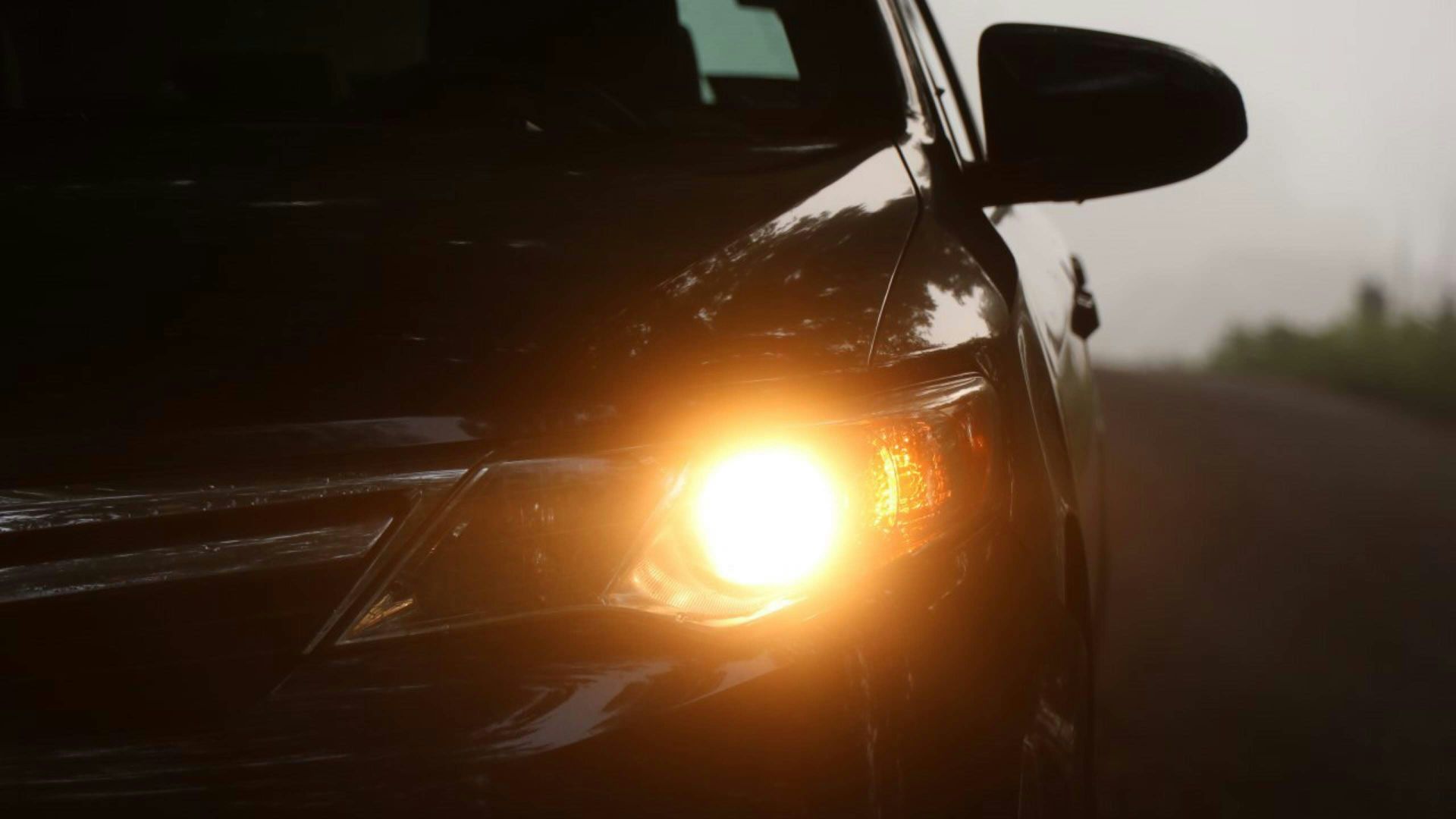
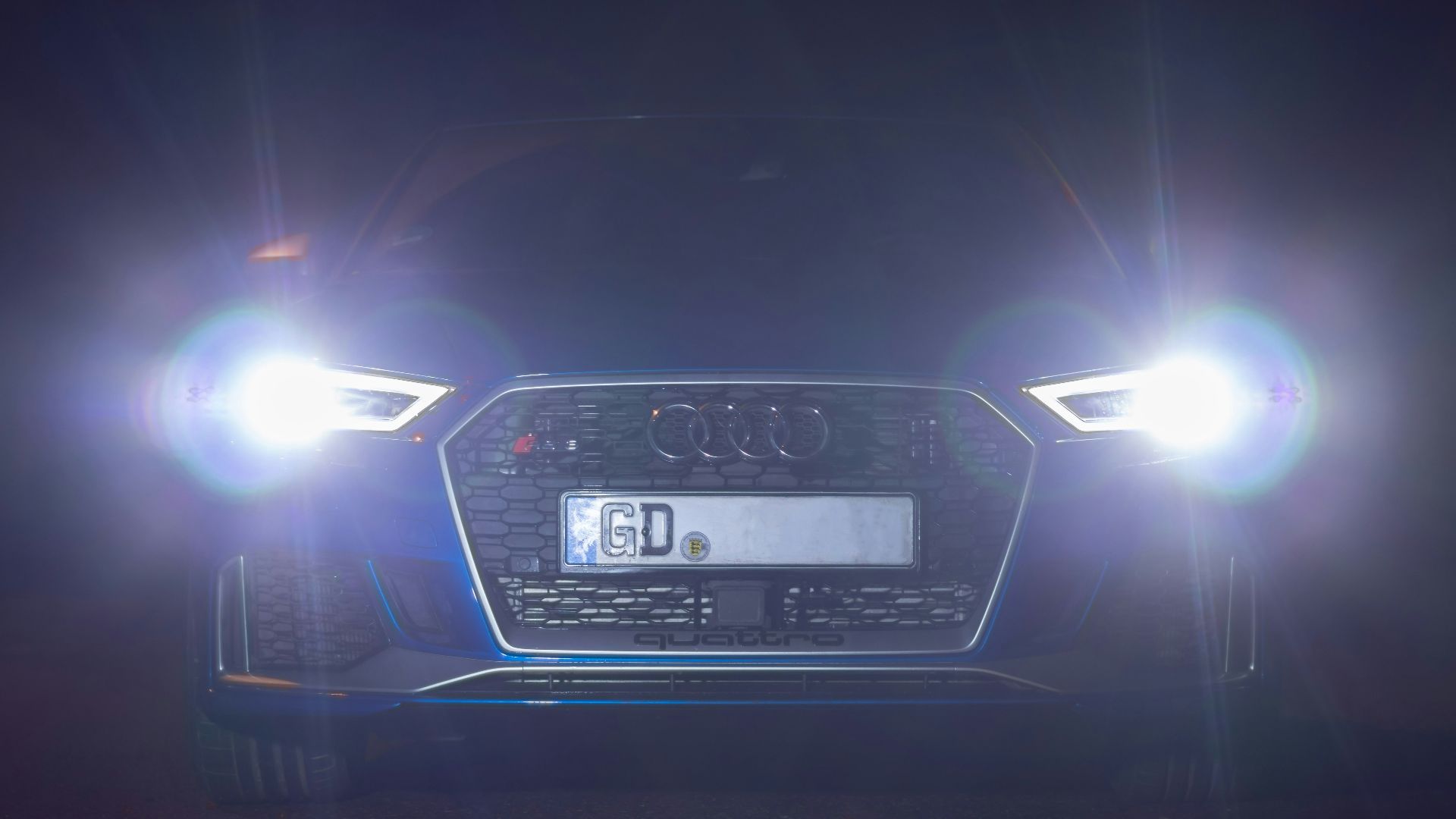
Brightness and glare are related, but they aren’t twins, and your eyes absolutely know the difference. NHTSA’s research found that bluish-looking lights can increase discomfort ratings, even when the more dangerous “disability glare” effects are driven mainly by raw intensity. In plain terms, whiter, blue-leaning light can feel harsher, even if it isn’t always reducing your seeing distance more than an older-style lamp would. That helps explain why modern LEDs and earlier HID systems get blamed so quickly, even when the underlying issue is more complicated.
Geometry also surprisingly plays a role. NHTSA has pointed to factors like higher mounting height, beam pattern distribution, and mis-aim as contributors to glare complaints, and those factors show up constantly in real-world driving. A tall vehicle behind you can hit mirrors at the perfect angle, and an oncoming vehicle cresting a small hill can pitch its lights straight into your line of sight. Even a properly designed headlamp can feel brutal if it’s aimed slightly high, or if the vehicle rides higher than the car in front of it.
Age makes the experience worse, which is one reason the conversation stays heated. IIHS found that nighttime crashes with glare noted as a contributing factor tended to involve older drivers more often, and it specifically called out drivers older than 70 as appearing most affected in the data it analyzed. That doesn’t mean younger drivers are immune; it just means older eyes can be less forgiving when hit with a blast of light and then asked to recover instantly. When a safety issue hits some people much harder than others, consensus gets harder, and policy moves more slowly.
A Touch Of History
Headlight rules in the United States have a reputation for lagging behind headlight tech, and there’s paperwork to back up the frustration. IIHS notes that federal headlight regulations “have not changed significantly since 1968,” and it also points out that the standard focuses on the headlamp itself without fully accounting for how it’s aimed once installed on a particular vehicle. That’s a big deal because two identical lamps can behave very differently depending on mounting height, suspension, load in the trunk, and basic alignment.
Public outrage has also been cycling this issue for a long time. In the Federal Register write-up tied to the adaptive driving beam rulemaking, NHTSA described publishing a Request for Comments on glare issues in 2001 and receiving more than 5,000 comments, most of them about nighttime glare from front-mounted lamps. So, yes, people have been mad about headlights for decades, and it feels like it's only getting worse.
Then there’s the aftermarket chaos, because humans can’t leave well enough alone. NHTSA has said that LED light sources are permitted in certain types of headlamps, yet “no LED replaceable light source may be used in a replaceable bulb headlamp” under current federal requirements, even though illegal LED replacement bulbs are widely sold online. NHTSA also notes it generally does not regulate the modifications individuals make to their own vehicles, leaving states to address installation issues. Translation: the rulebook can be strict on paper, while real-world enforcement depends on where you live, how inspections work, and whether anyone actually checks.
What Would Actually Fix This Issue?
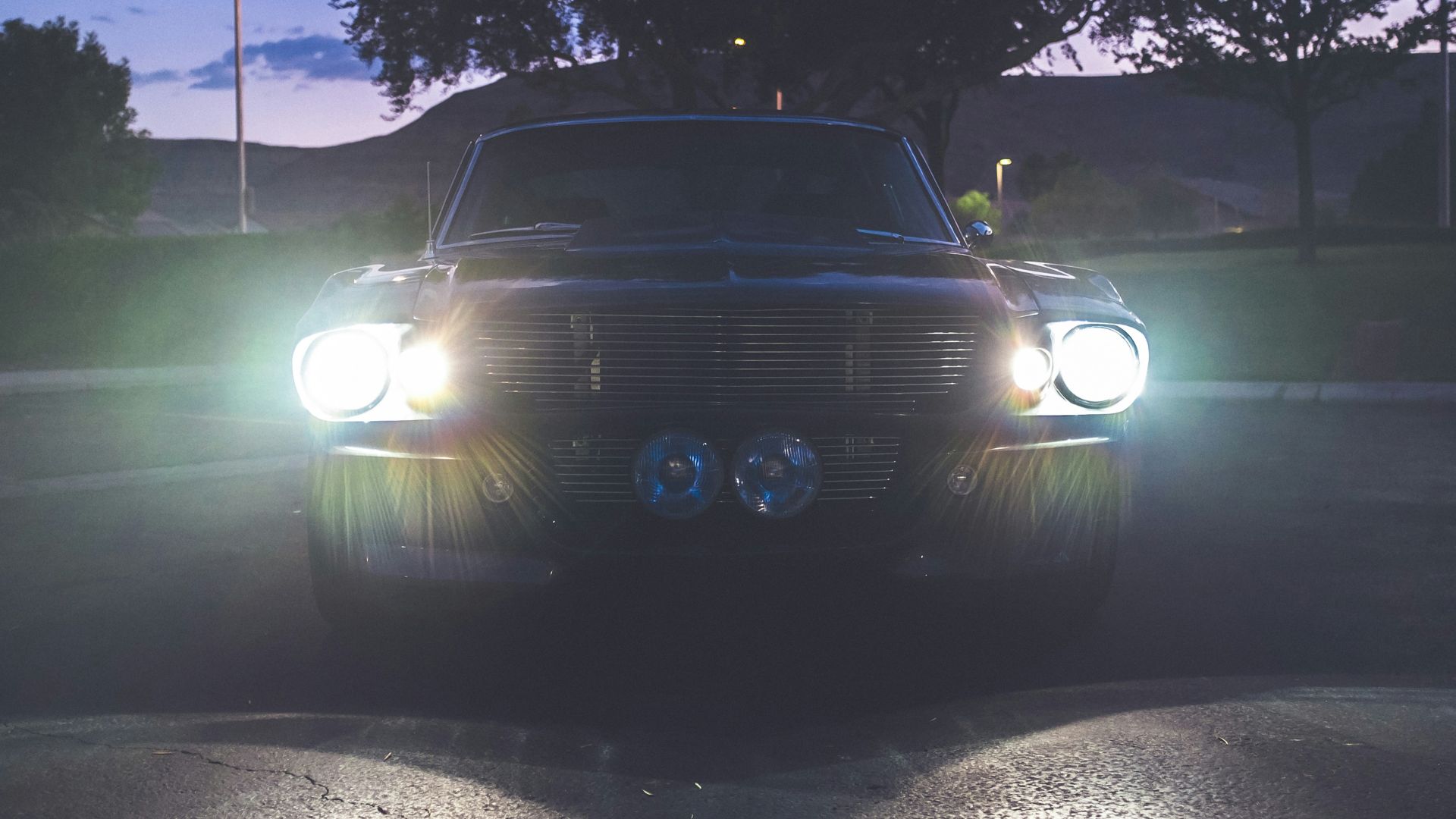
The most obvious technical solution is adaptive lighting that gives drivers more light without blasting everyone else, and the U.S. finally opened the door to it. NHTSA’s 2022 final rule amended FMVSS No. 108 to enable certification of adaptive driving beam (ADB) systems, which dynamically shape the beam pattern to put less light on occupied areas of the road and more light elsewhere. In the same Federal Register document, NHTSA describes ADB as an improvement over simple “high-beam assist” because it can provide more illumination than low beams while still controlling glare. The concept is basically “high beams where it’s safe, low beams where it’s polite,” and it’s the direction a lot of countries have already been moving.
Headlight aim is the other unglamorous, high-impact fix, and it’s finally getting more formal attention. A 2025 NHTSA report explains that the Infrastructure Investment and Jobs Act of 2021 required work toward amending FMVSS No. 108 to include performance-based standards that ensure headlights are correctly aimed on the road, including on-vehicle testing that accounts for headlight height and lighting performance.
A few fixes live closer to your own driveway, even if that feels unfair because you didn’t invent modern headlights. AAA testing found that “hazy” deteriorated headlights on low beam provided just 22% of the light a new headlight produces at full capacity, and that restoration can double maximum light intensity while reducing glare-producing light scatter by up to 60%. That’s a reminder that glare isn’t only about the other driver’s LEDs; it can also come from scattered light and poor optics on any vehicle. Clean lenses, correct aim, and avoiding sketchy bulb swaps won’t solve the whole policy mess, yet they can make the nightly glare situation less miserable, one less chaotic beam pattern at a time.