The Review Habits That Quietly Warp Impressions
Car reviews can be genuinely helpful, and they also come with built-in distortions that rarely get said out loud. The biggest gap is that most reviews are based on short drives in carefully chosen conditions, while real ownership is thousands of small moments: the same commute, the same parking garage, the same pothole near your house, the same kid seat that never quite fits right. Even well-meaning reviewers can miss what they never had time to test, or they can lean on a familiar story because the audience expects it. Here are twenty ways reviews tilt reality, so you can read between the lines.
1. Top Trim Bias
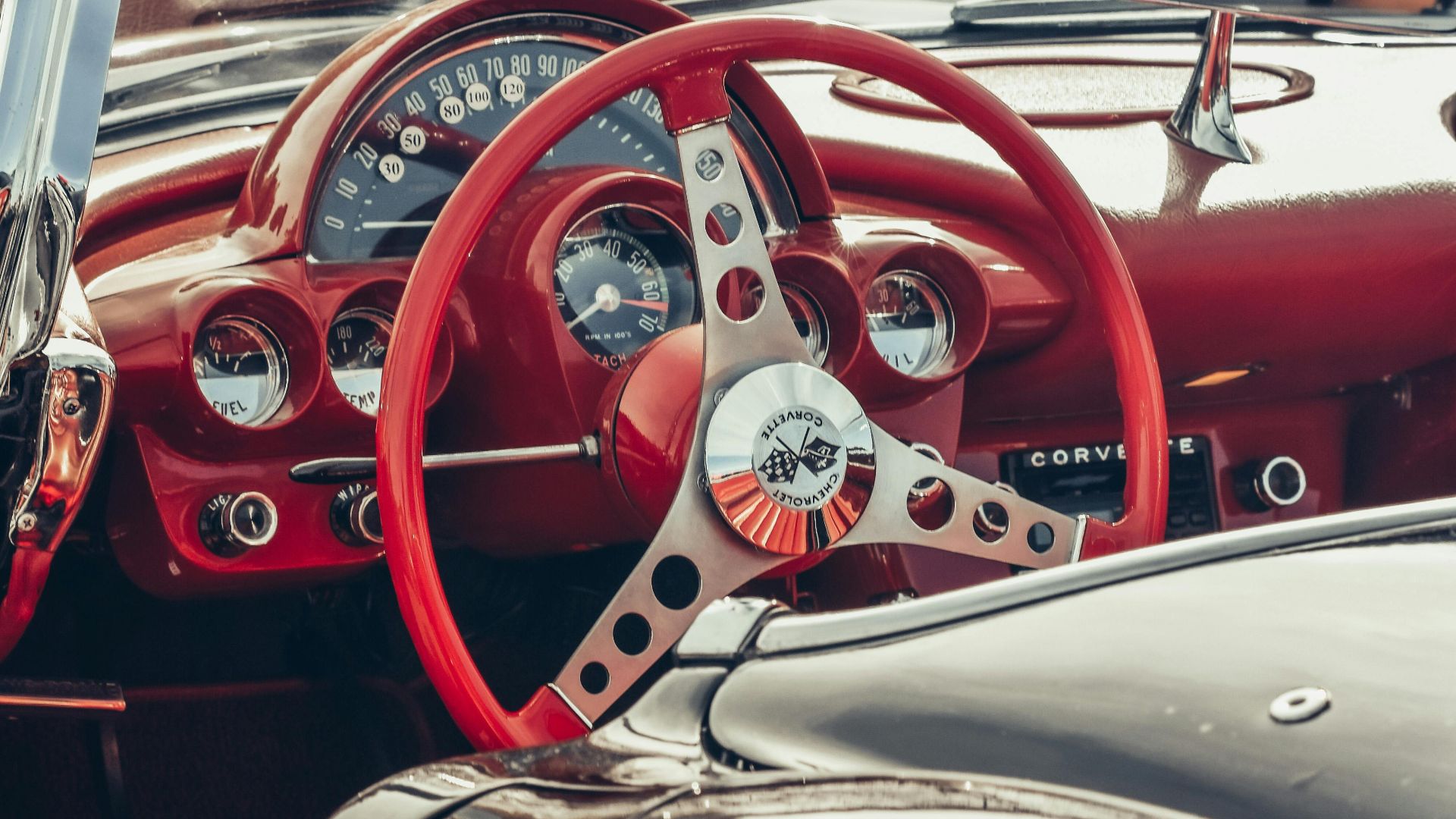
Reviews often feature the highest trim because that’s what gets sent out and what looks best on camera. The base version can ride rougher, sound louder, and lose features that made the car feel polished in the first place.

2. Options Confusion
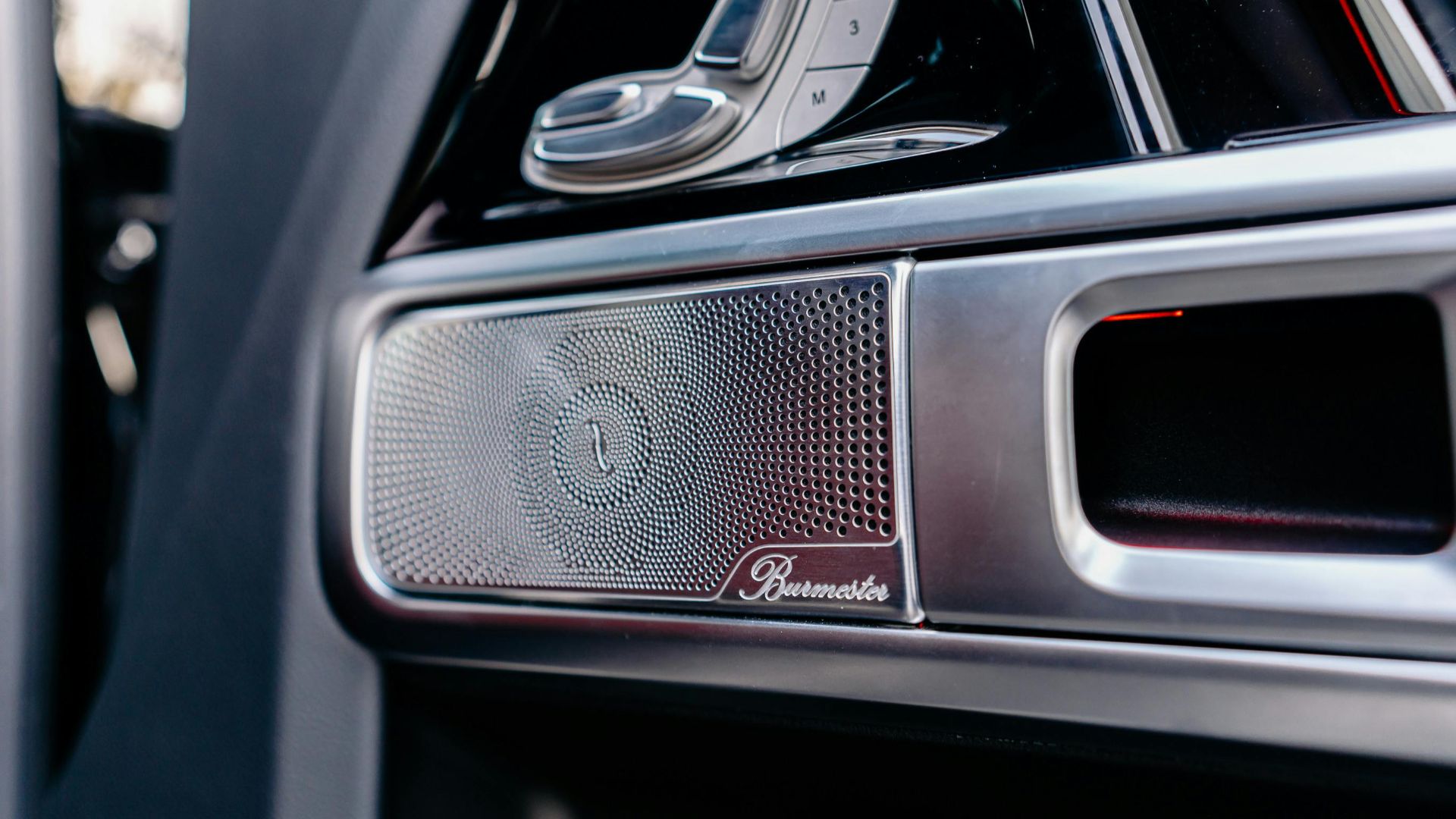
A reviewer might rave about a sound system or a driver-assist feature that’s bundled into an expensive package. If you’re shopping closer to the entry price, the car you test-drive may feel noticeably less impressive in the exact areas that sold you.
3. Perfect Routes
Press drives often happen on smooth roads that hide the harshness you feel on broken pavement. The car may seem refined when the surface is perfect and speeds are controlled. On your commute, potholes, expansion joints, and rough asphalt can make it feel louder and less comfortable.

4. Short Seat Time
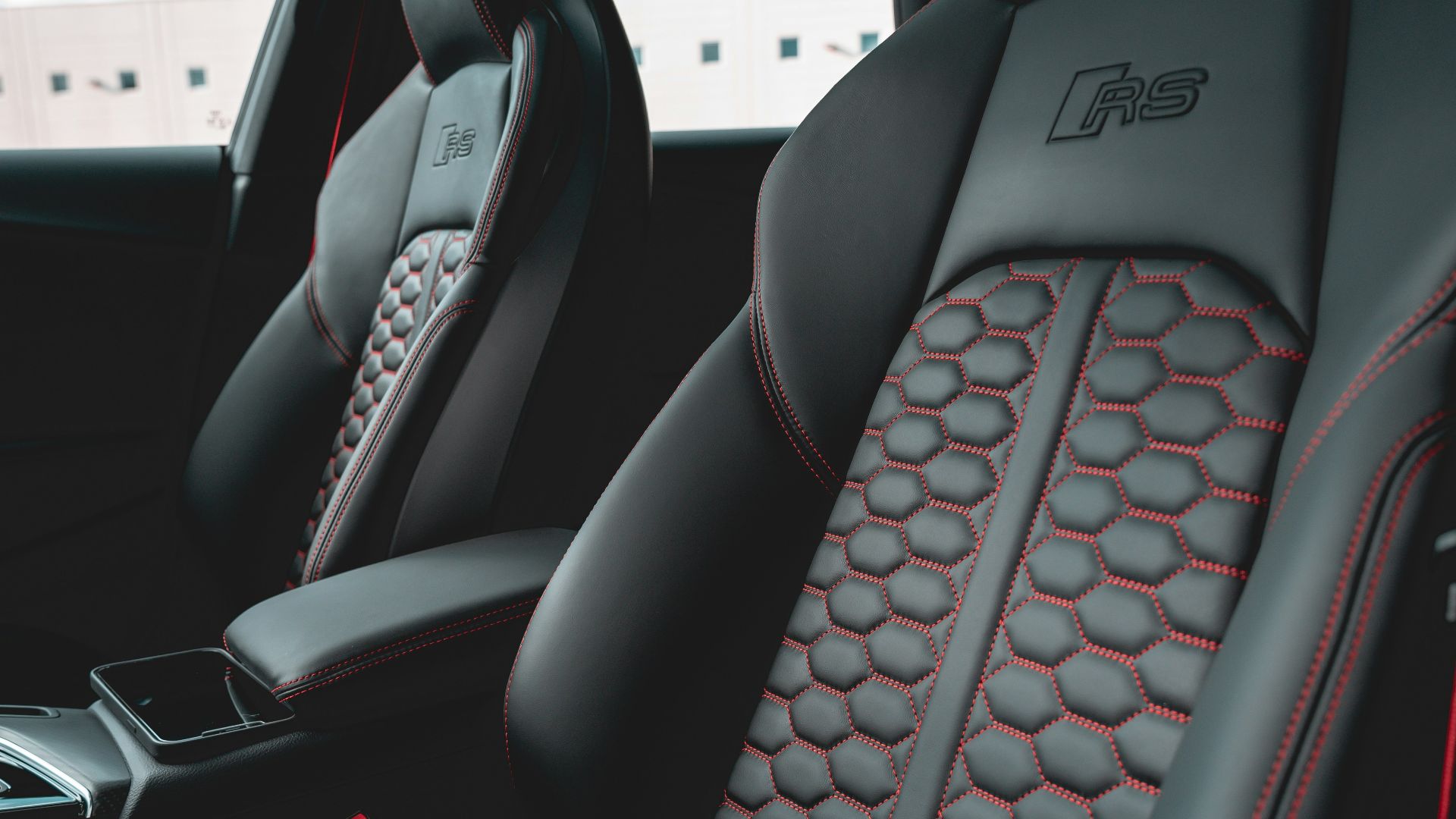
A seat can feel fine for fifteen minutes and become a problem after an hour. Issues like short seat cushions, awkward lumbar support, and hard side bolsters show up slowly. Many reviews don’t capture that because the drive is too short.
5. Handling Overweight
Some reviews focus heavily on cornering and steering feel, even for cars mostly used in traffic. That emphasis can make a stiff, busy ride sound like a positive trait. You may end up living with a car that feels tiring day to day even if it’s fun on a back road.
6. Acceleration Headlines
A quick 0–60 time doesn’t tell you how the car responds in normal passing and merging. Some engines feel strong only when pushed hard, and some transmissions hesitate before downshifting. The result can be a car that tests well on paper but feels sluggish in real use.

7. Brake Feel Ignored
Stopping distance numbers don’t describe how easy the car is to brake smoothly in traffic. A grabby pedal, touchy regen blending, or a soft initial bite can make the car feel unpredictable. Reviews often mention brakes briefly and move on before explaining what daily braking feels like.
8. Quietness Assumed
A car can seem quiet on a short drive at moderate speed, especially on fresh pavement. Wind noise at highway speeds and tire roar on coarse roads may be much worse than the review suggests. If you drive long distances, that noise becomes a real comfort and fatigue issue.

9. Infotainment Familiarity
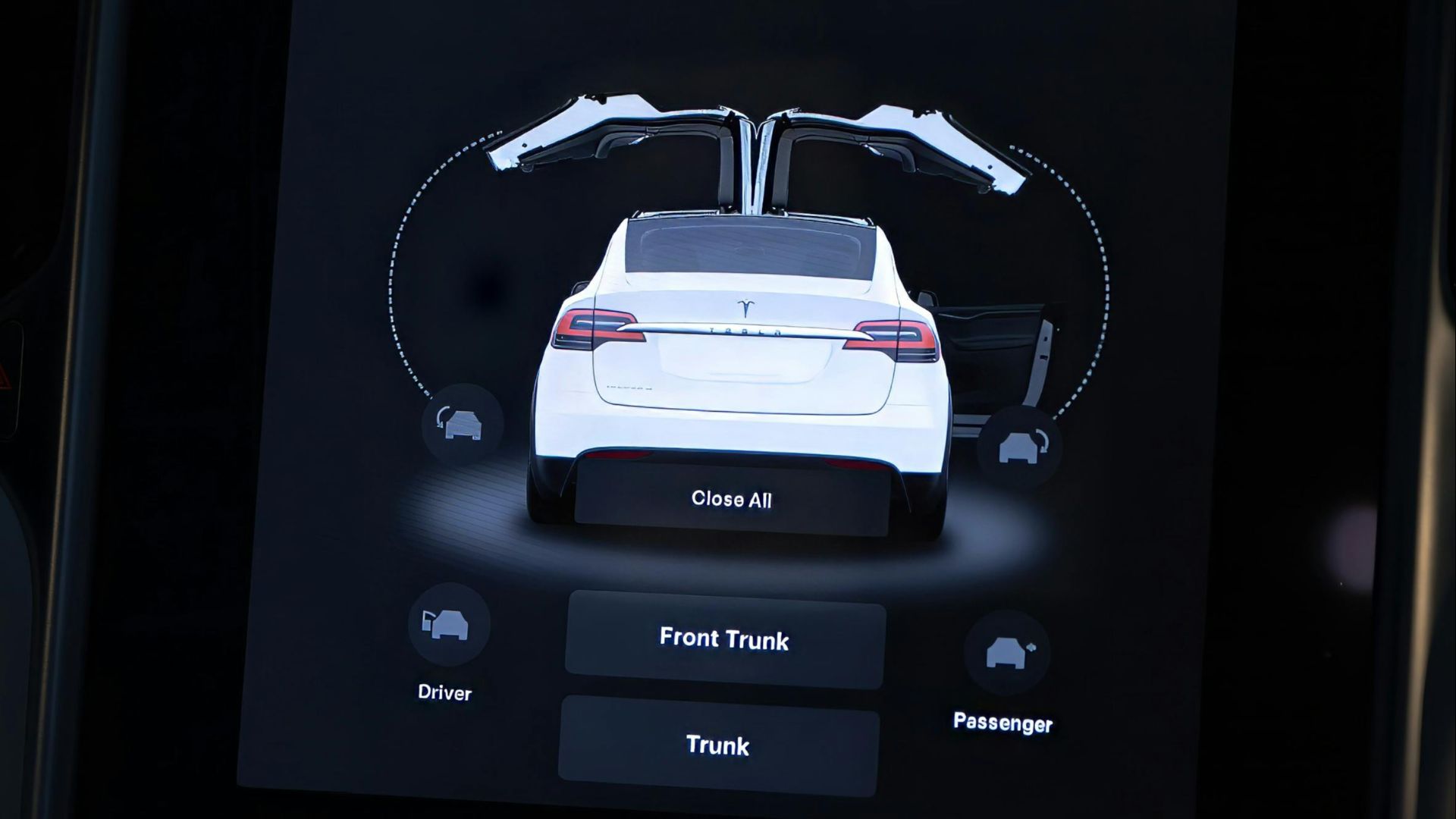
Reviewers learn the menu system quickly, so the interface may look simpler than it feels as a new owner. If basic actions require multiple taps, you’ll notice it every single day. The distraction matters most when you’re driving and trying to do something quickly.

10. Climate Control Pain
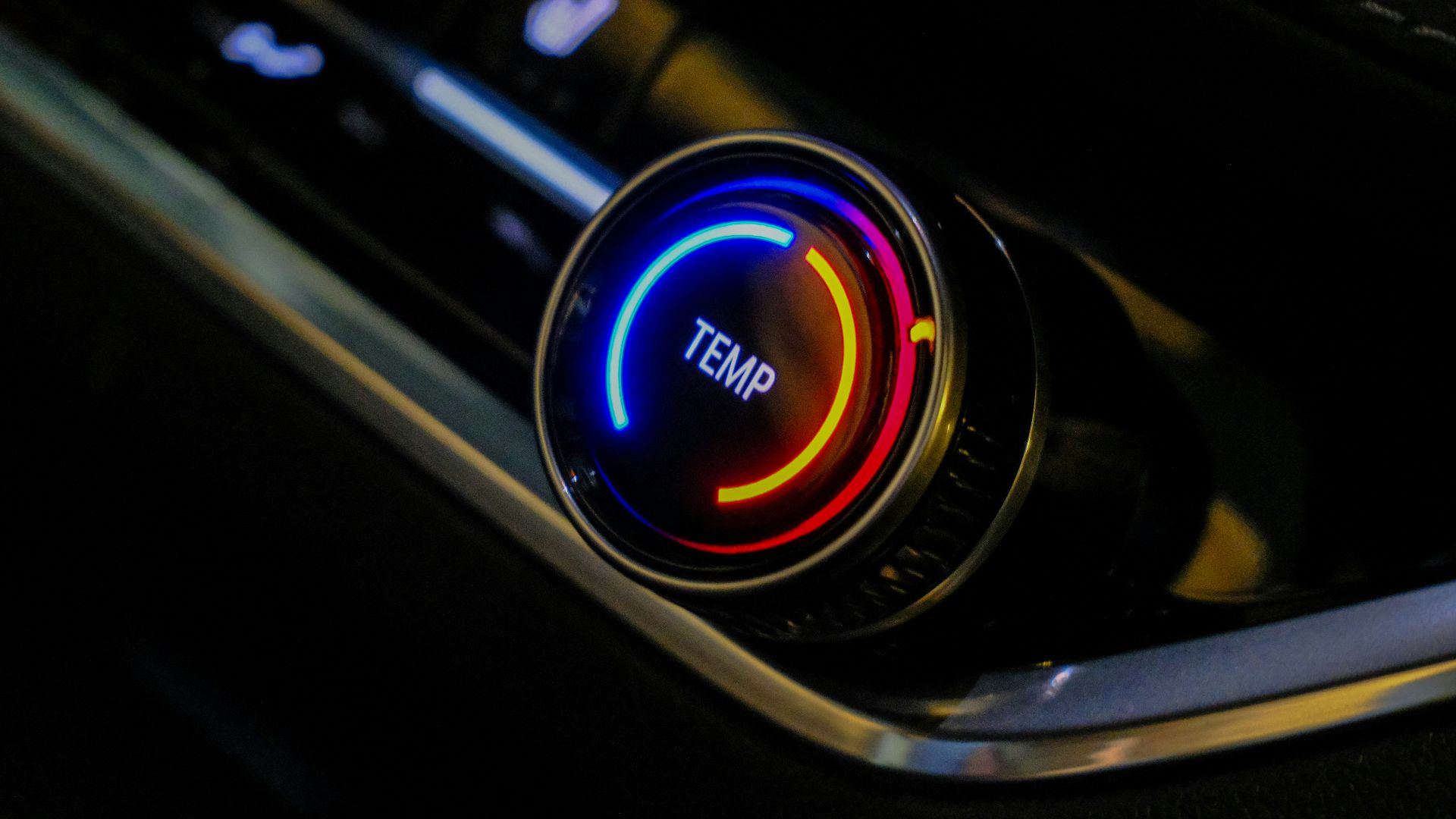
A/C performance isn’t the same as control design, and some cars hide key functions inside screens. That means quick adjustments take longer and pull attention away from the road. Many reviews mention the system works well without stressing how annoying it is to operate.
11. Camera View Tricks
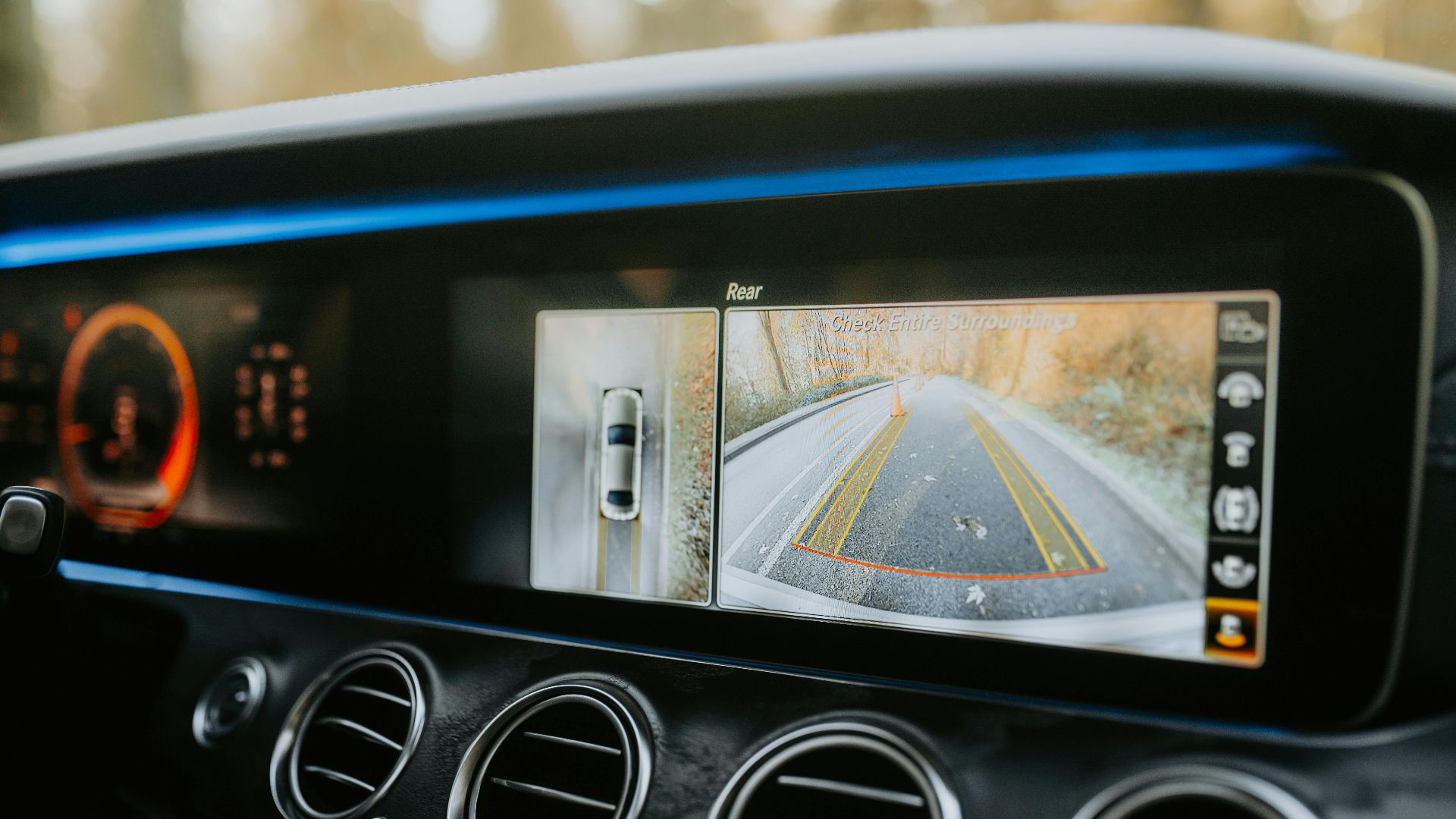
Backup and surround cameras can look excellent in daylight and struggle in low light, rain, or glare. Reviews often show ideal footage, not the messy version you get in real parking lots. Dirty lenses and poor contrast can make the tech less useful than it appears.
12. Visibility Underplayed
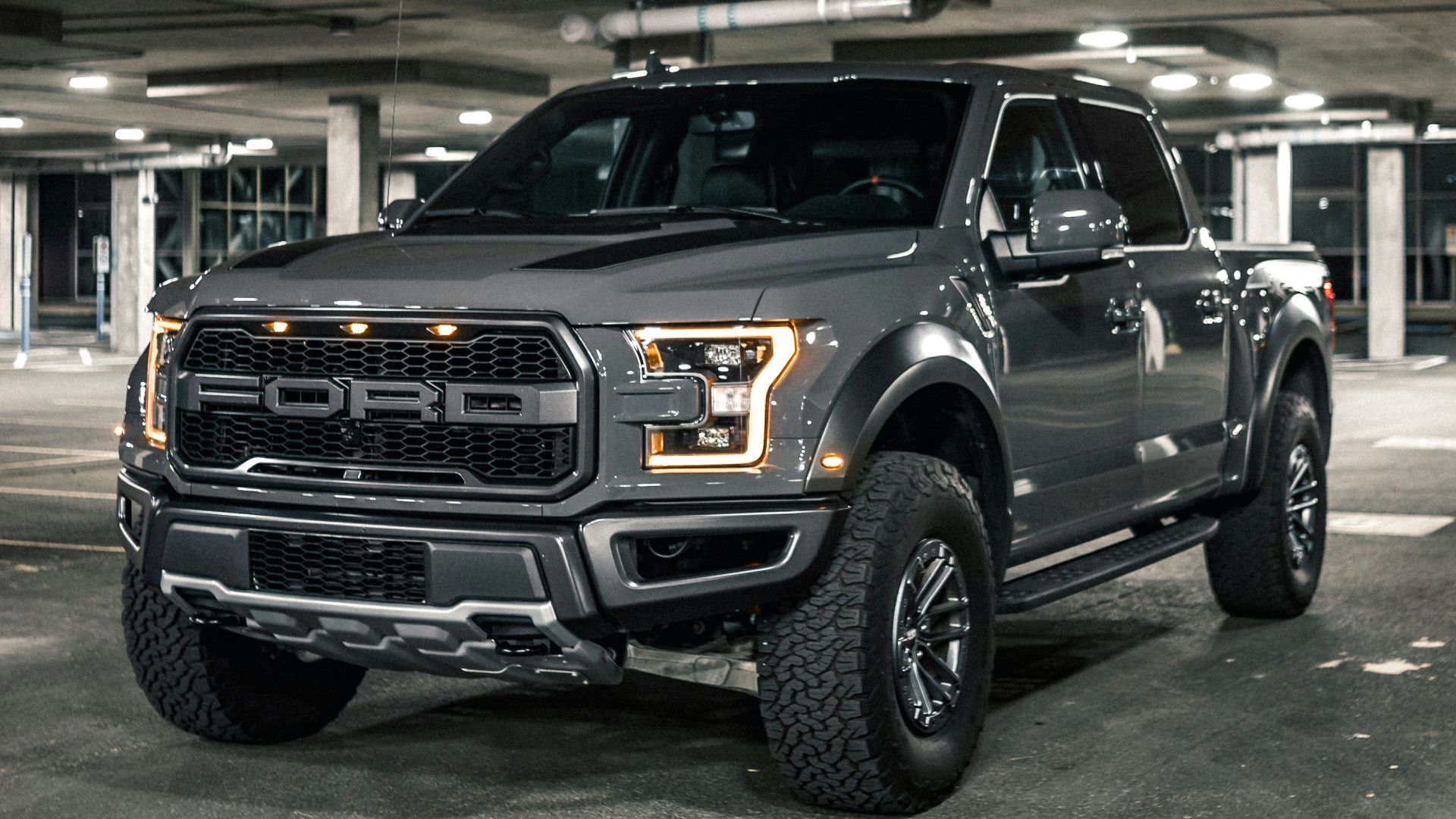
Thick roof pillars, small rear windows, and high door lines can create big blind spots. A car can feel stressful in traffic and harder to park even if it drives well otherwise. Reviews sometimes call the styling sleek without clearly warning you about sightlines.
13. Tech Equals Safety
Driver-assist features can reduce fatigue, yet they don’t replace strong crash protection. Real safety depends on structure, restraints, and crash-test performance, not just sensors and alerts. Reviews may spend more time on lane centering than on the safety results that matter in a collision.
14. Fuel Economy Drift
Review mileage comes from a short test in specific weather, speed, and traffic conditions. Your results can drop with higher speeds, hills, cold temperatures, or lots of stop-and-go driving. A few miles per gallon difference can add up over years of ownership.

15. Tire Cost Silence
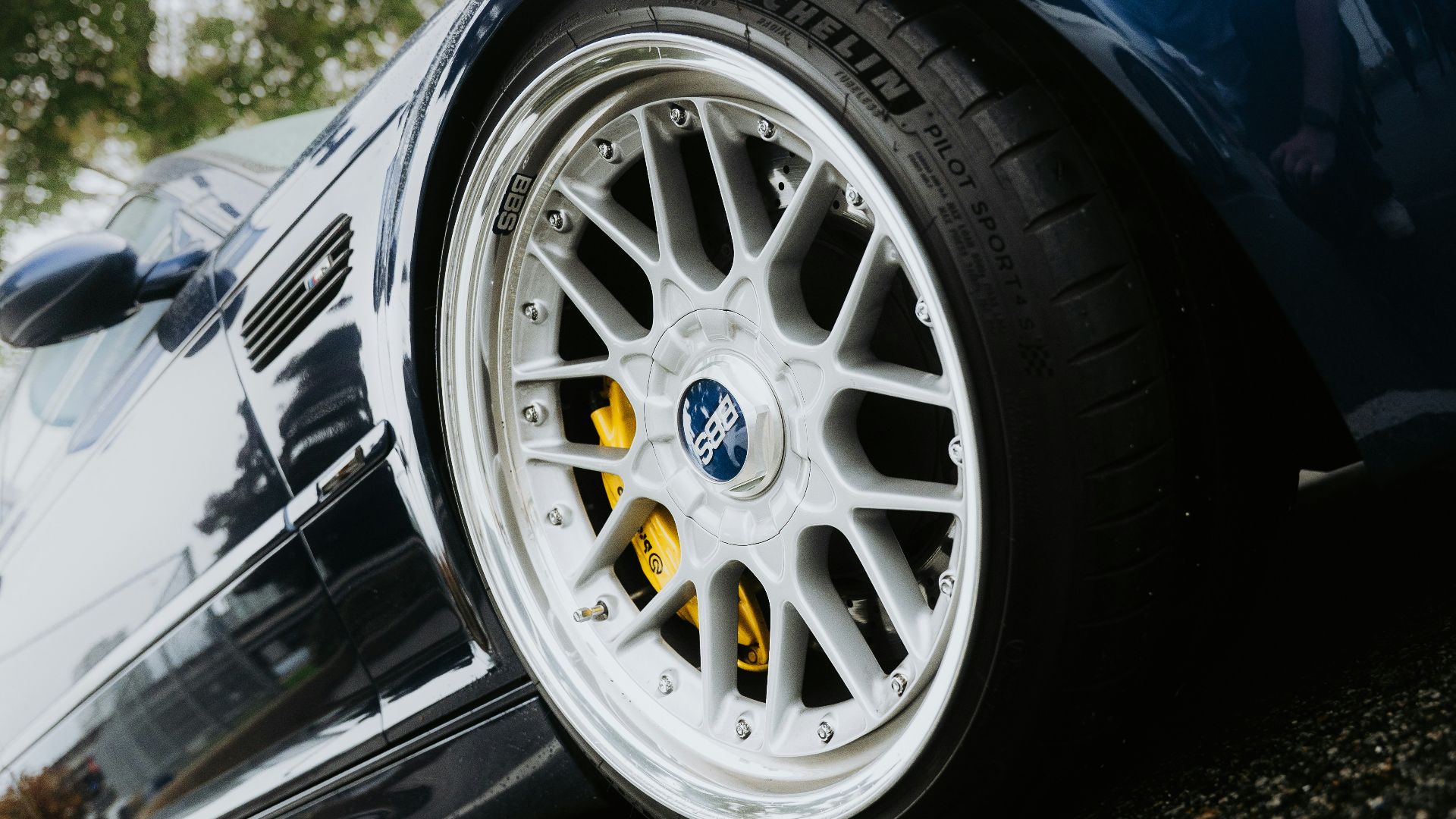
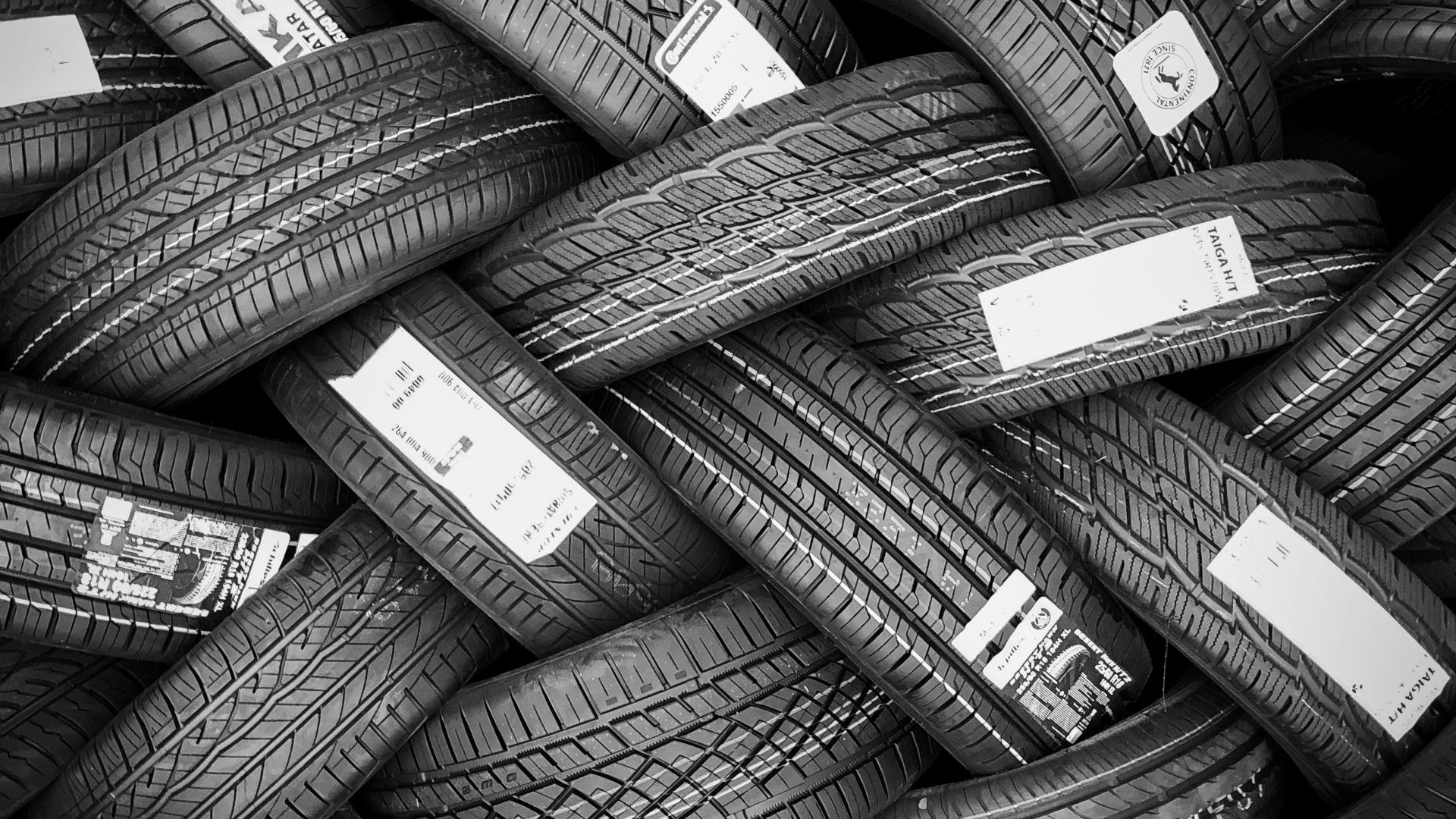
Big wheels and performance tires can improve grip and appearance, and they also cost more to replace. Low-profile tires can wear faster and be more vulnerable to pothole damage. Reviews rarely translate those choices into real replacement costs and hassle.
16. New-Car Cabin
A new interior hides squeaks, rattles, and wear that appear after months of use. Some glossy plastics scratch easily, and some soft materials stain or crease quickly. Reviews can’t show that because press cars are clean, fresh, and lightly used.

17. Reliability As Vibe
Early reviews often rely on brand reputation instead of long-term data, especially with new powertrains. A redesigned engine, transmission, or software system can behave differently than older models from the same brand. Confident language can hide the fact that nobody knows how the car will age yet.
18. Service Reality Missing
The ownership experience depends on dealer competence, parts availability, and how easy it is to get an appointment. A great car can become frustrating if service takes weeks or the dealer is difficult. Reviews usually focus on the drive and skip this practical side.

19. Cargo Numbers Only
Cargo volume figures don’t reveal whether the opening is narrow or the floor is high. Two cars with similar numbers can feel totally different when loading strollers, suitcases, or bulky groceries. Reviews often cite the number and move on without testing real items.

20. One-Person Fit
A review reflects one person’s height, posture, tolerance for noise, and priorities. If your body and routine are different, you may notice problems the reviewer didn’t mention. The most useful approach is comparing multiple reviews and focusing on specifics that match your life.