Modern Cars Collect More Personal Data Than You Realize
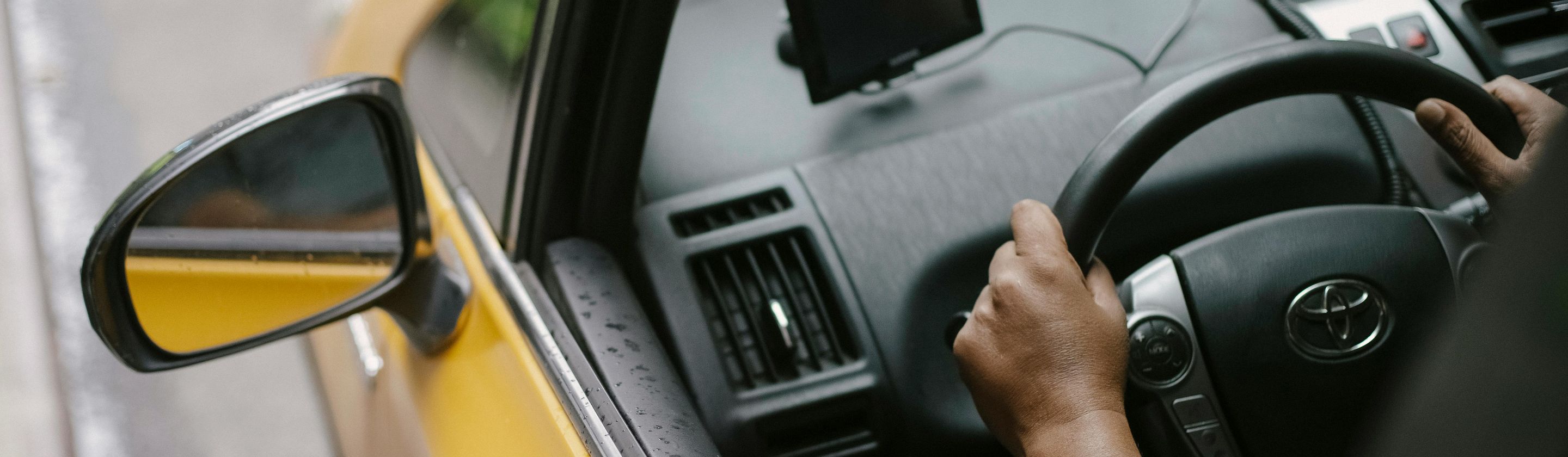
Cars used to be mostly mechanical, and privacy was not part of the conversation unless someone followed you. Now the average newer vehicle is a rolling network of sensors, software, and connected services, and it quietly learns patterns that look a lot like personal information. Some of this data stays in the vehicle, some gets sent to the manufacturer or service providers, and some can be shared with third parties depending on contracts, settings, and local law. Regulators and consumer groups have been raising alarms about how much data connected cars collect and how uneven the opt-out options can be. If you drive a modern car, especially one with an app, built-in navigation, or driver-assistance features, here are 20 things it can infer about you.
1. Where You Sleep Most Nights
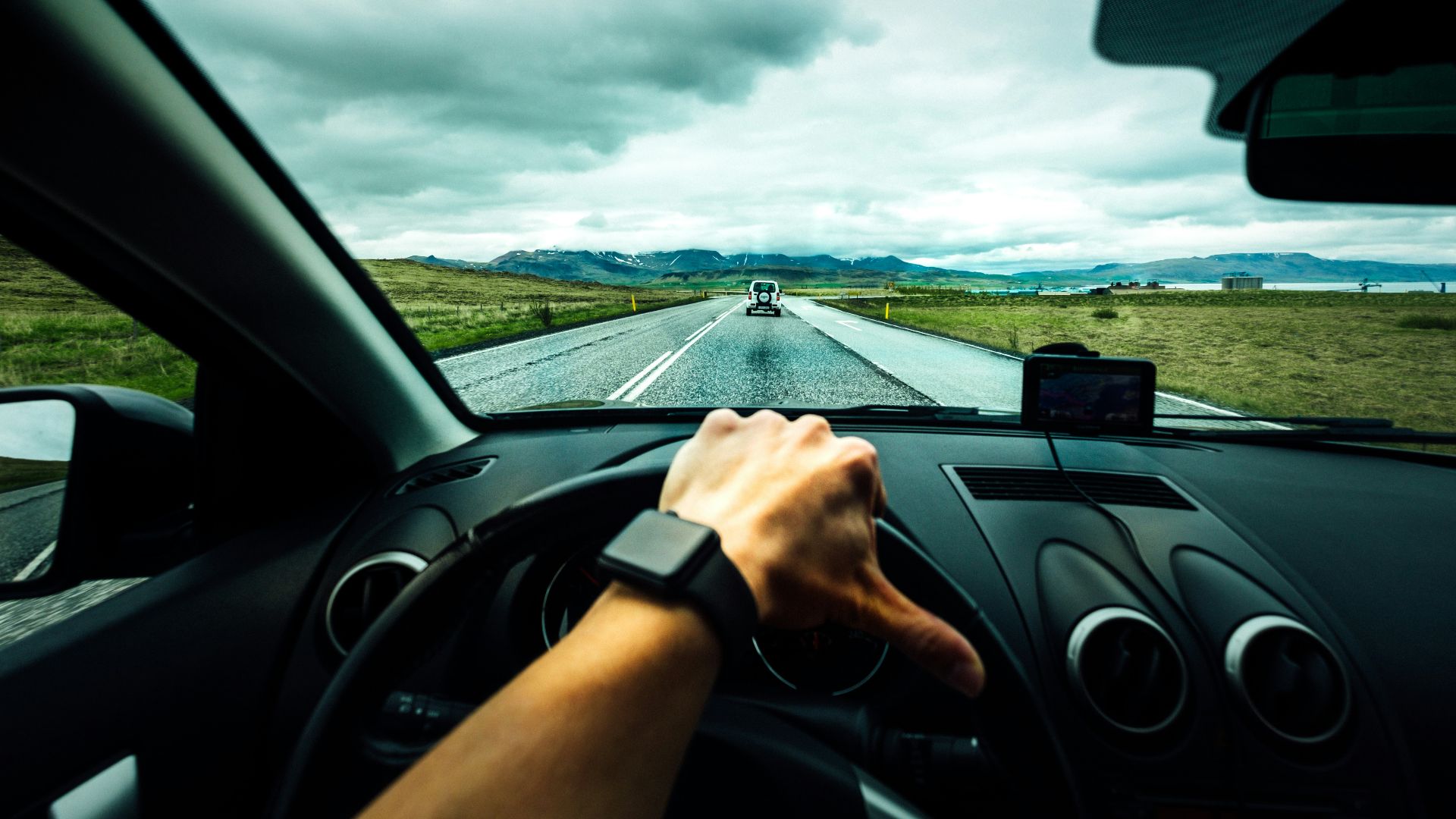
Repeated overnight parking locations make a home address guess straightforward, even if you never entered one. If you use built-in navigation or a companion app, the system can store and sync frequent locations automatically. Over time, it becomes a pattern, not a one-off stop.

2. Where You Work Or Spend Most Weekdays
Morning departures and daytime parking locations make a workplace pattern easy to infer. Even without exact addresses, recurring routes and time windows can map a daily schedule. If the car reports traffic, diagnostics, or trip data to a cloud service, that routine can leave a record.

3. Your Daily Schedule And Commute Rhythm
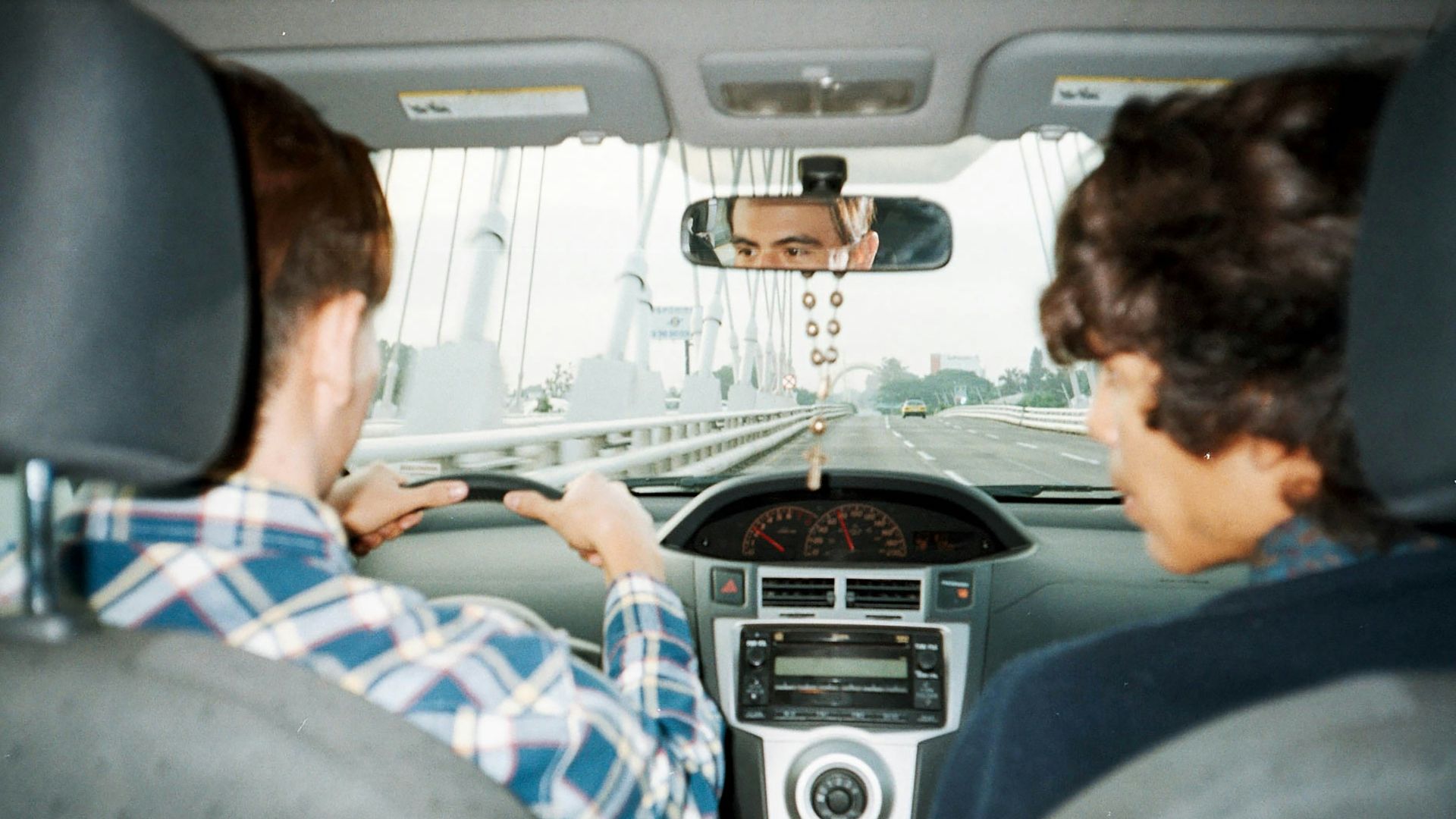
Start times, trip lengths, and stop durations add up to a pretty accurate picture of your day. A car does not need calendar access to know when you leave, when you return, and how often you run late. The pattern shows up in the drive history.
 Karolina Grabowska www.kaboompics.com on Pexels
4. Your Usual Routes And Shortcuts
Navigation history, map matching, and traffic features can store the roads you take most often. Even if you never set a destination, many systems track the path for trip summaries, efficiency stats, or driver-assistance logging. Those routes can reveal habits like avoiding highways or preferring certain neighborhoods.

5. Your Most Frequent Errands
Regular stops at the same grocery store, pharmacy, gym, or school create a recognizable set of places. Cars with location history can label frequent destinations, and connected apps often surface them as suggestions. It becomes a behavioral profile built from repetition.

6. How Often You Visit Medical Offices
Repeated visits to the same clinics, hospitals, or therapy offices can be visible in location logs. The car may not know why you were there, yet it can record that you go, how often, and how long you stay. That kind of pattern can become sensitive fast if it leaves the vehicle.

7. Where Your Kids Probably Go To School
School drop-off lines have a time signature, and they happen five days a week. A car that tracks trip history can capture those repeated stops and the timing around them. Even without names, the routine can point to a school location.

8. Whether You Are Usually Alone Or With Passengers
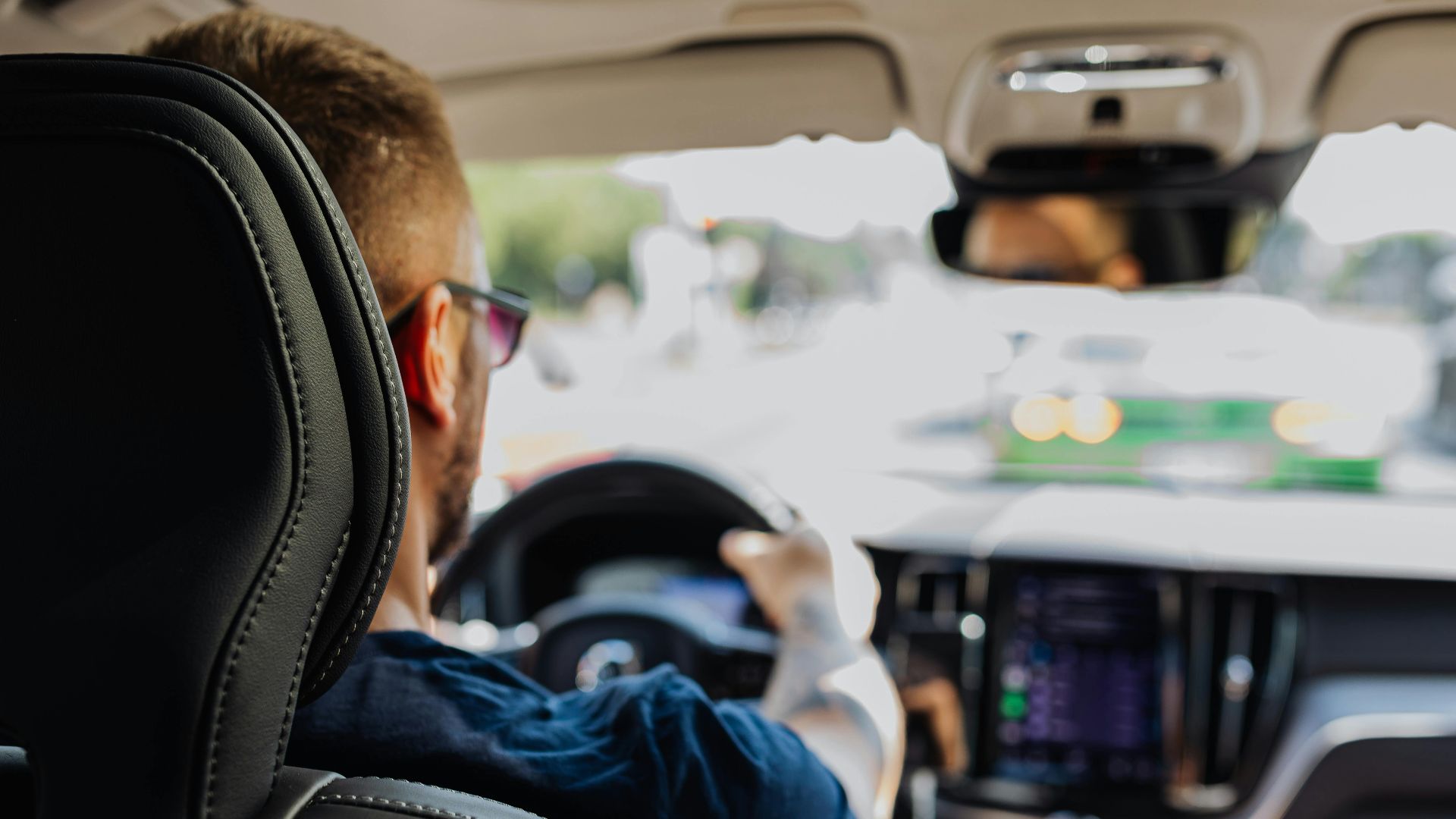
Seat belt sensors, occupant detection, and weight sensors can indicate how often seats are used. If you regularly drive with someone in the front seat or kids in the back, the car can register that pattern. Some systems also track which seat positions are most commonly occupied.
9. Whether You Tend To Drive When You’re Tired
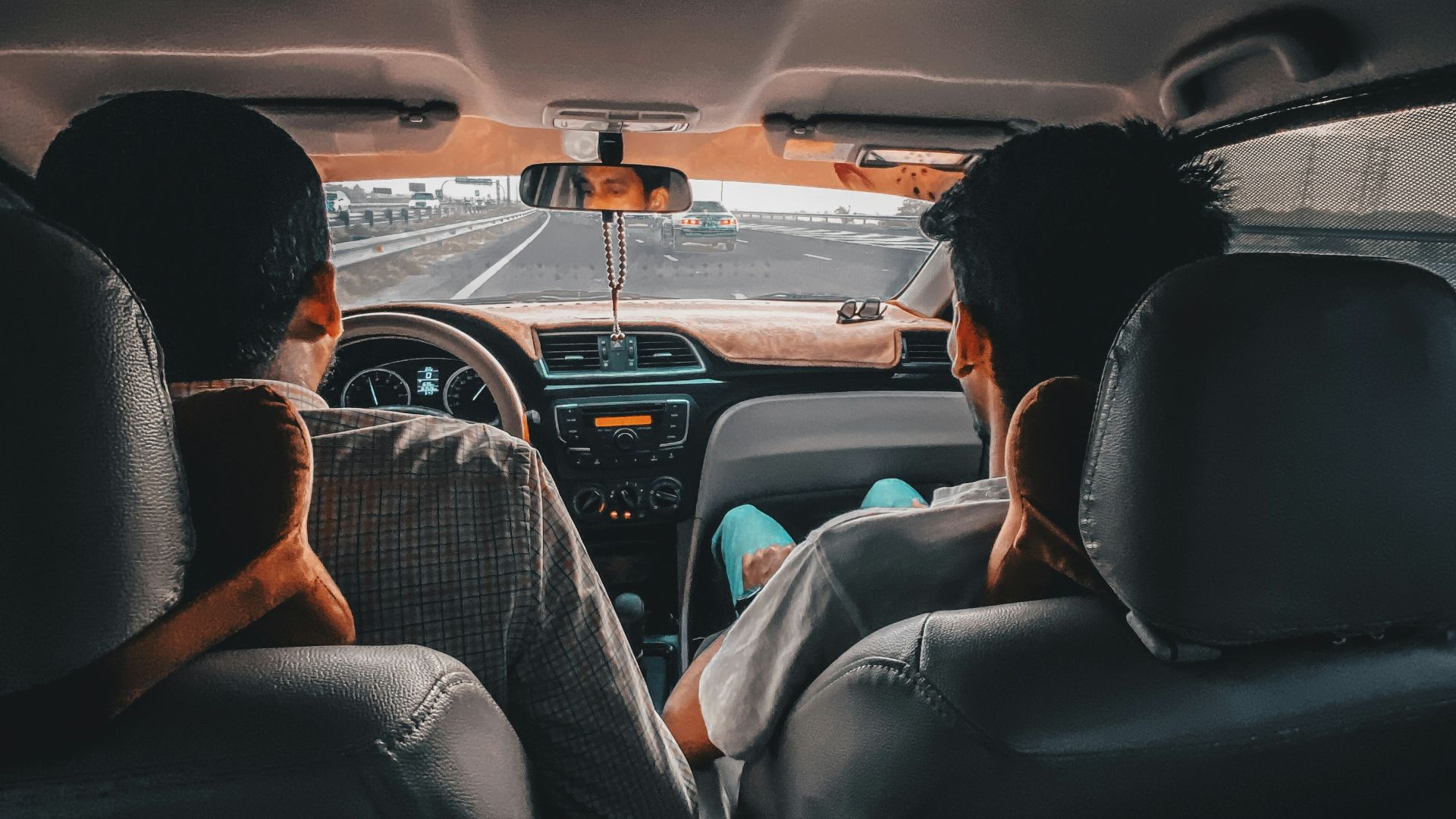
Lane-keeping systems, steering input monitoring, and driver-attention features look for patterns that suggest fatigue. Even older systems can flag frequent late-night driving combined with wandering lane position or delayed reactions. The car is not diagnosing you, yet it can log events that point to tired driving.
10. How Often You Speed And Where You Do It
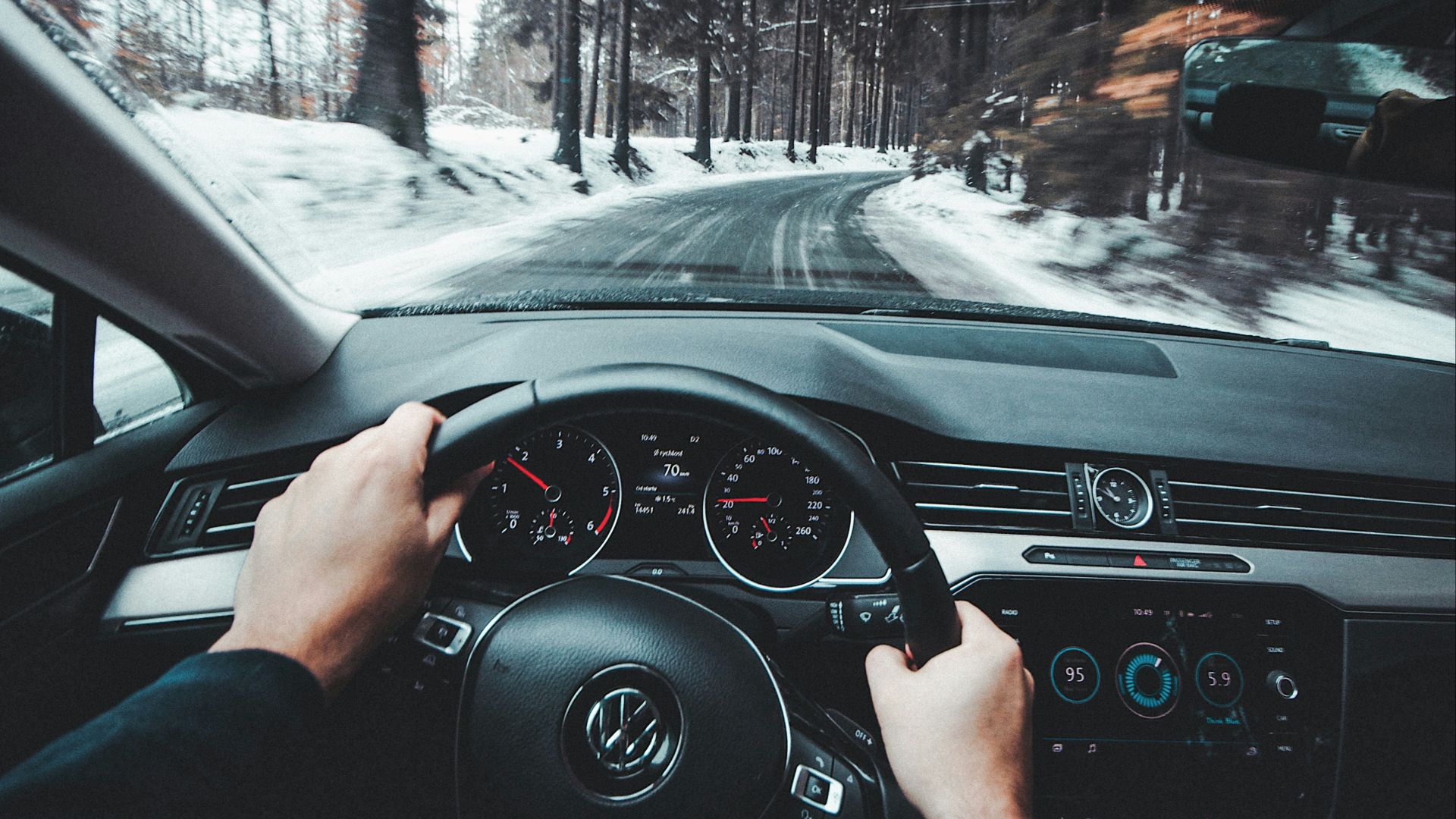
Speed is basic telemetry, and it is often stored for trip stats, safety scoring, or insurance-linked programs. If the car logs GPS and speed together, it can show the stretches where you consistently push past the limit. That creates a record that can be more detailed than most people assume.
11. How Aggressive Or Cautious You Drive
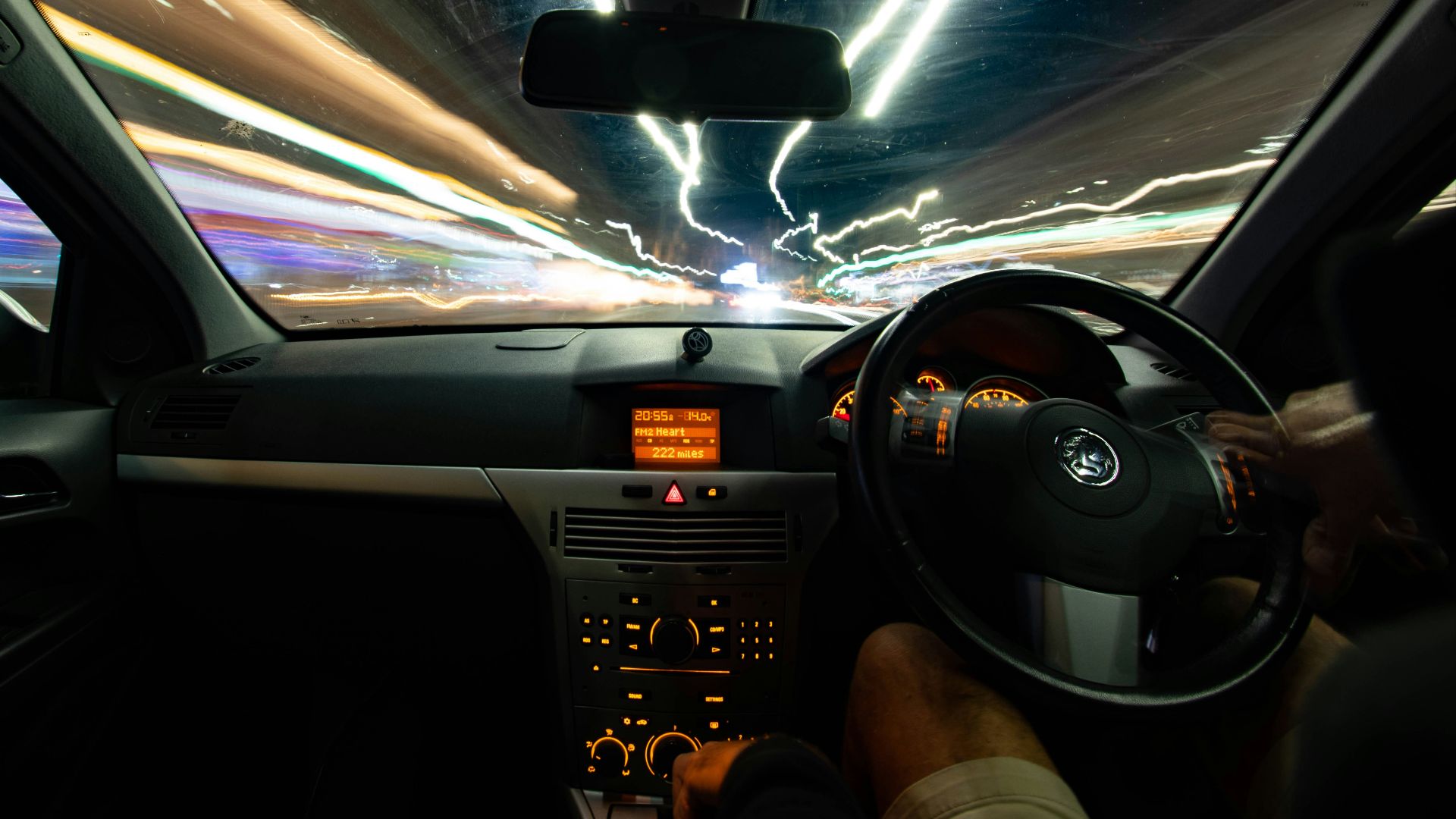
Hard braking, rapid acceleration, sharp cornering, and close following are measurable events. Many vehicles and companion apps summarize these into driving scores or safety feedback. Over time, it becomes a behavioral fingerprint, not just a bad day in traffic.

12. Whether You Use Your Phone While Driving
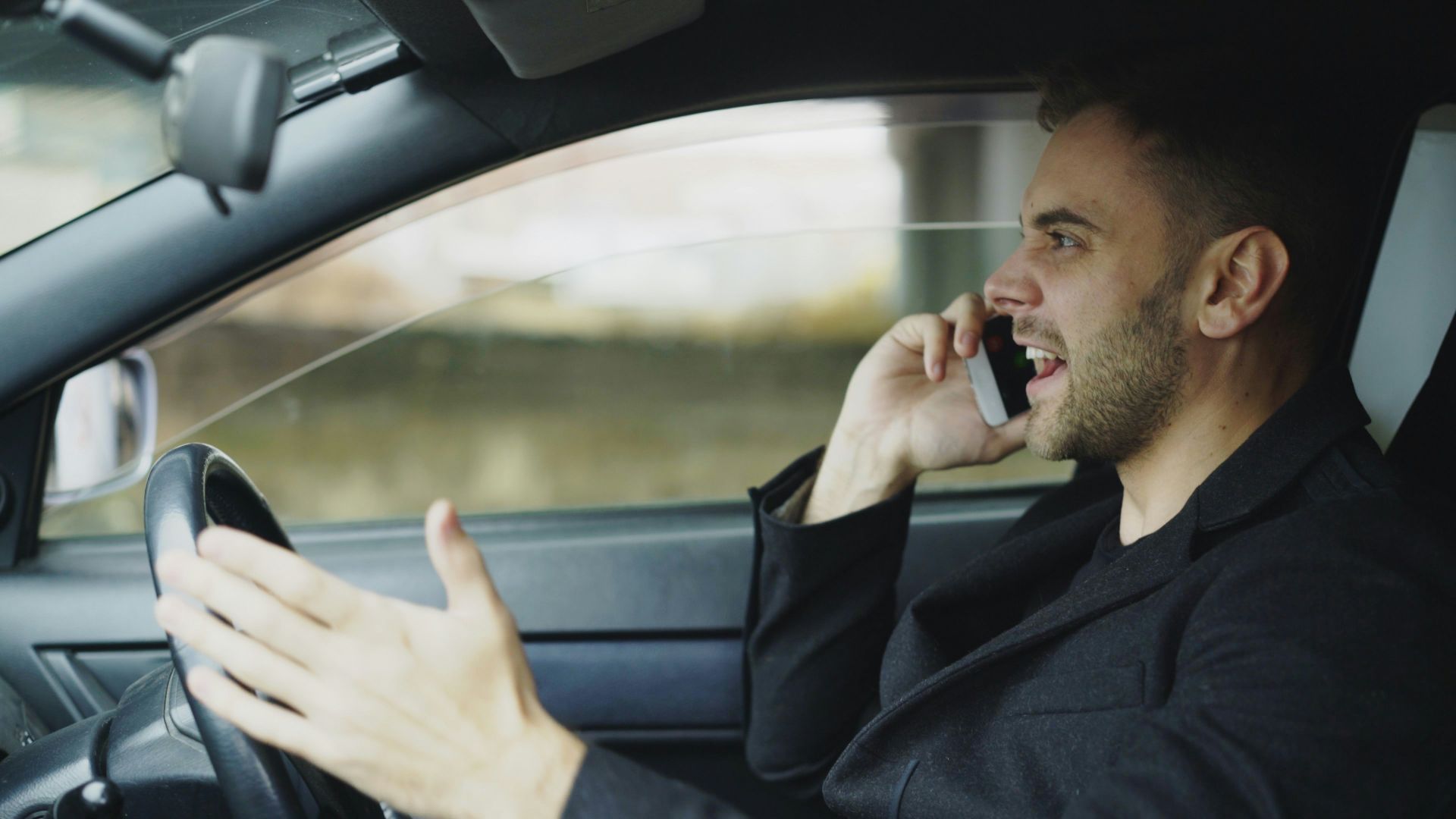
Some infotainment systems track phone connection events, screen interactions, and voice-command usage. Even without reading your messages, a system can detect when a paired phone is active and how often you interact with it. If you use a hands-free system rarely, the pattern can still suggest phone behavior.
13. Your Favorite Music And What Time You Play It
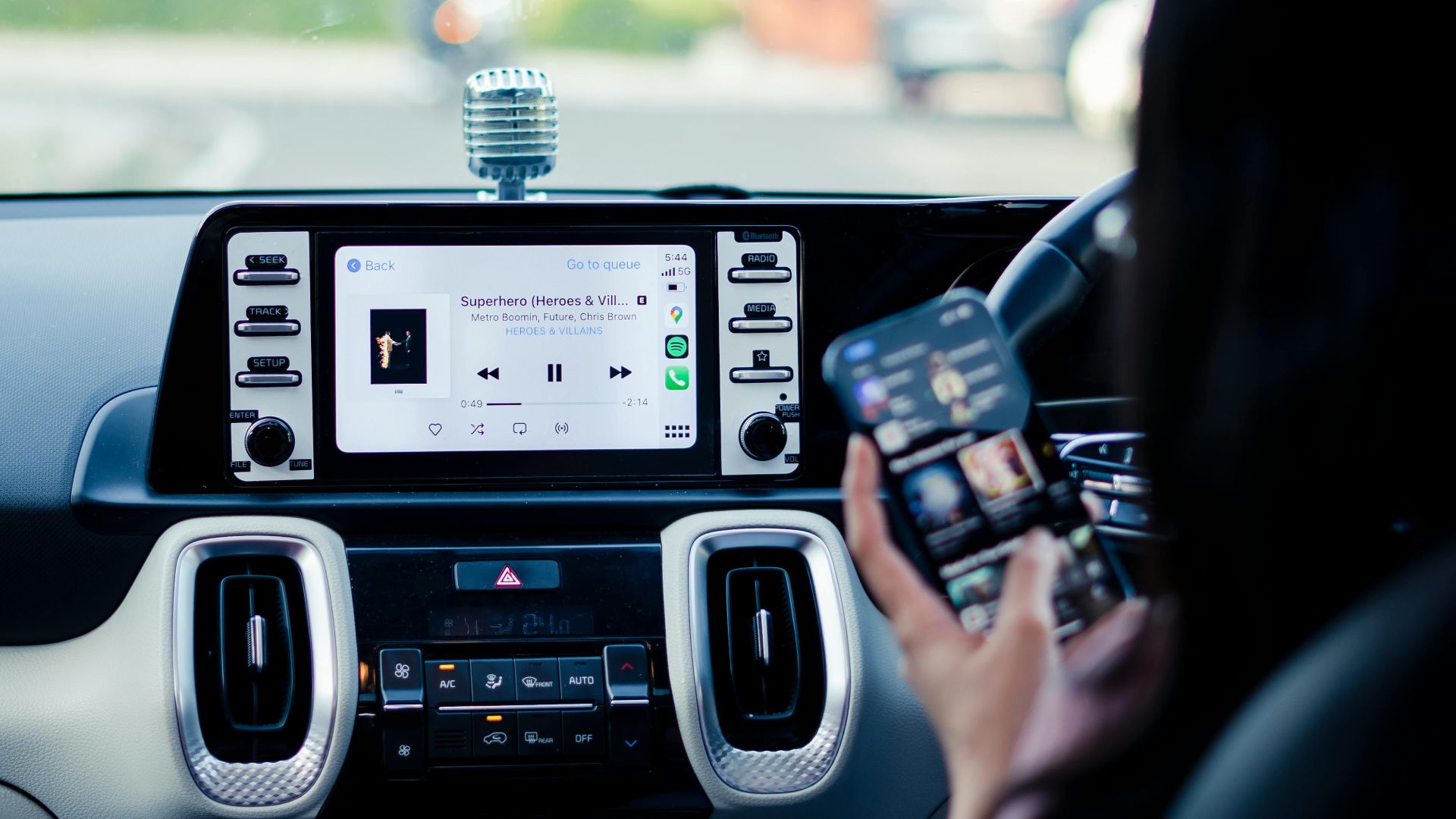
Radio presets, streaming choices, and listening history can be stored locally or tied to a user profile. The car can notice that you always play the same playlist on Monday mornings or that you switch to podcasts on long drives. It is simple preference data, yet it is still personal.
14. How Often You Take Long Trips
Trip distance, time, and charging or fueling patterns reveal travel frequency. A car can tell whether you mostly do short urban drives or regular highway runs. If you use navigation, it can also store destination history in a way that shows travel habits clearly.

15. Whether You Regularly Drive In Certain Neighborhoods
Even if you never set a destination, routine routes can show where you spend time. Over time, your car can build a map of the areas you pass through and where you stop. That information can imply social life, shopping patterns, and daily context.

16. When You Usually Have Money Stress
Fuel level habits, delayed maintenance, warning lights left on, and skipped service intervals can create a pattern that looks like tight budgeting. It is not a moral judgment, yet the car can register that you tend to stretch oil changes or postpone repairs. Connected service platforms can also record declined recommendations and timing.
17. Whether You Keep Up With Maintenance
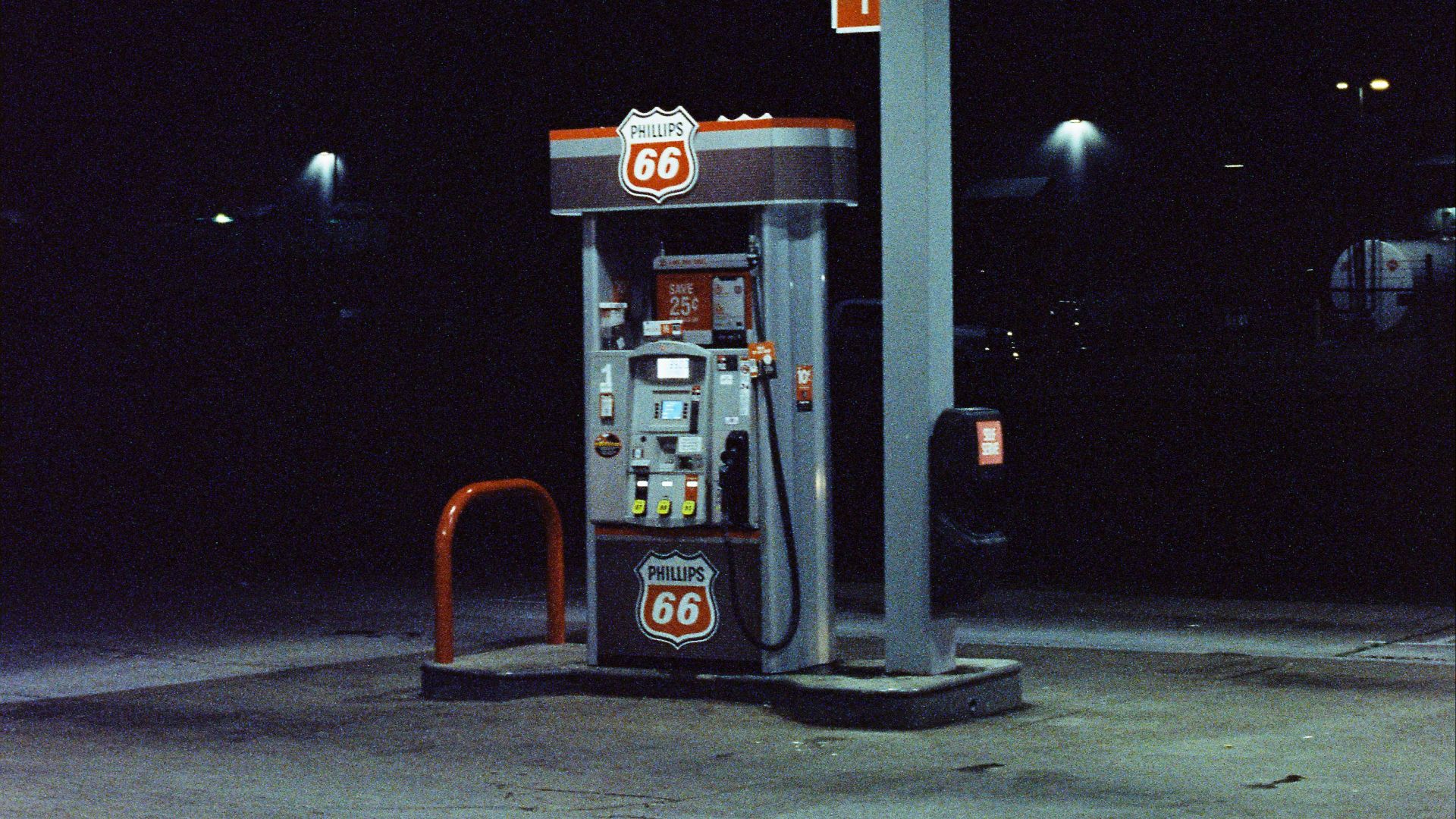
Service reminders, diagnostic codes, tire pressure alerts, and dealer visit logs can show how quickly you respond to issues. A well-maintained car leaves a different data trail than one that runs on postponement. If maintenance is tracked through the manufacturer’s system, it can connect to a long-term profile.
18. How Clean Or Messy Your Driving Environment Is
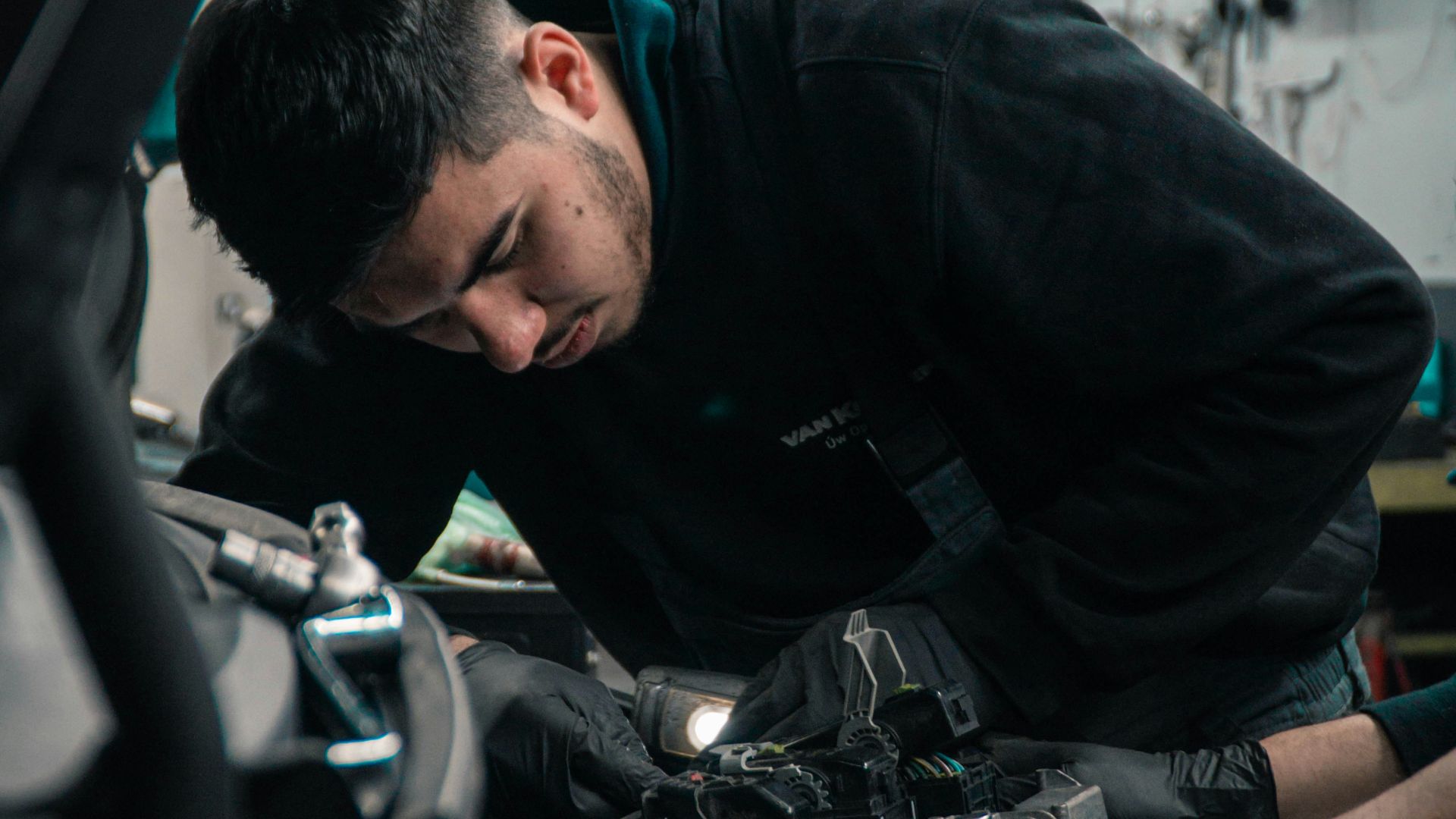
This shows up indirectly through cabin air filter alerts, climate control usage patterns, and sensor readings tied to air quality features. Cars with interior cameras or advanced driver monitoring can capture more, depending on the system. Even without images, repeated air recirculation use and filter replacements can hint at the cabin environment.
19. Whether You Like It Cold Or Hot
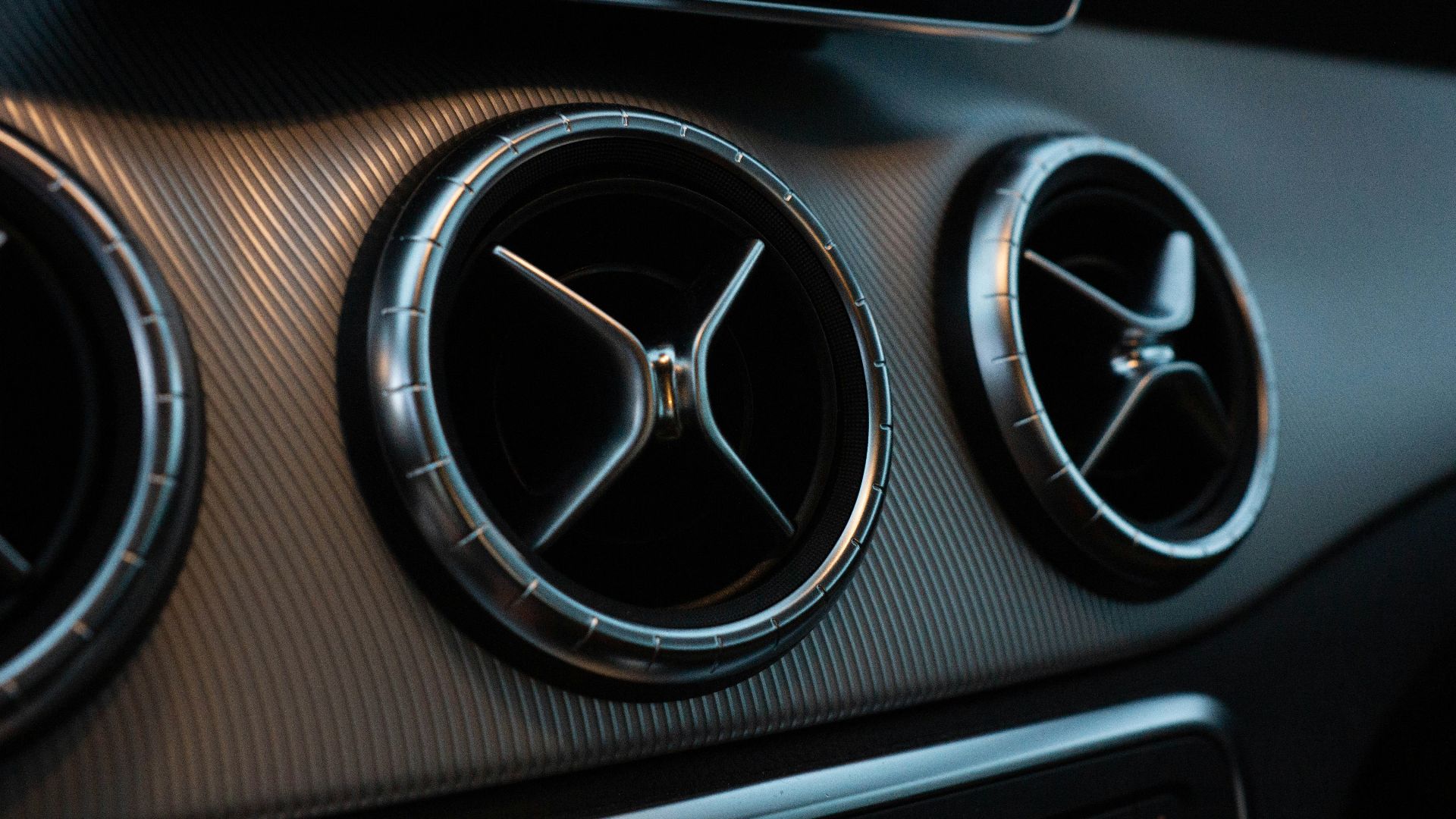
Climate control settings are some of the stickiest habits in any car. Temperature targets, seat heater use, defroster patterns, and fan speed choices get repeated daily and often saved to a profile. That preference can even be linked to a specific driver key or user account.
 Philipp Katzenberger on Unsplash
20. Which Driver You Are When Multiple People Share The Car
Many vehicles can associate patterns with different keys, seat positions, mirror settings, driving style, and infotainment preferences. Even if no one sets up formal profiles, the system can infer who is driving based on what changes when the car turns on. Over time, it can separate household routines without anyone naming them.