The Price Tag Is Just The Beginning
Buying a luxury car feels like a milestone. The leather smells better, the engine purrs instead of roars, and every feature seems designed to make you feel like you’ve made it. What most people don’t talk about, though, is how the real costs start showing up long after you drive off the lot. If you’re considering that high-end badge, here are 20 hidden costs of luxury car ownership that rarely make it into the glossy ads.

1. Higher Insurance Premiums
Luxury vehicles cost more to repair and replace, which means insurance companies charge accordingly. Even if you have a clean driving record, your monthly premium can jump significantly compared to a standard vehicle.
2. Premium Fuel Requirements
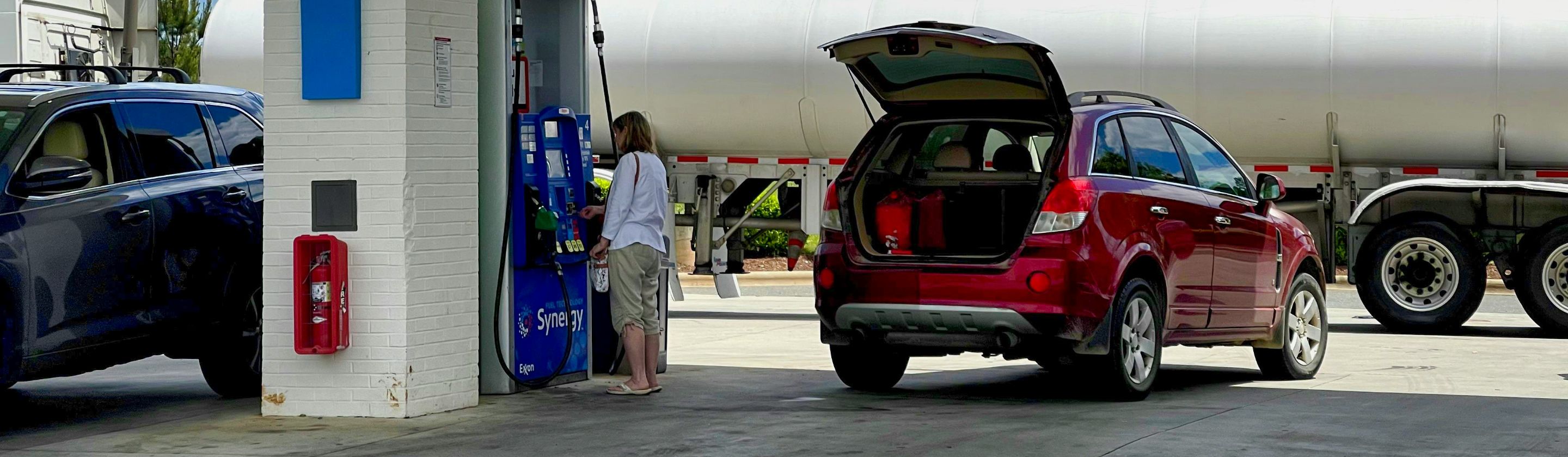
Many luxury cars require premium gasoline to run efficiently. That difference at the pump might not seem huge at first, but it adds up over months and years. If you’re commuting daily or taking long road trips, the ongoing fuel expense becomes noticeable fast.

3. Costly Maintenance Visits
Routine maintenance for a luxury car isn’t priced like it is for an economy sedan. Oil changes, brake jobs, and scheduled services often come with higher labor rates and specialized procedures.

4. Expensive Replacement Parts
When something breaks, the bill can be eye-opening. Luxury brands often use proprietary parts that aren’t interchangeable with cheaper alternatives. That means fewer third-party options and higher prices for everything from headlights to suspension components.
5. Specialized Repair Technicians
Not every mechanic is trained to work on high-end vehicles. You may need to visit certified dealerships or specialty shops, which typically charge higher hourly rates. Limited options can also mean longer wait times and less flexibility when scheduling repairs.

6. Rapid Depreciation
Luxury cars tend to depreciate quickly, especially within the first few years. While they carry high sticker prices, their resale value can drop sharply once newer models are released. That loss in value might not be obvious day to day, but it’s very real when you decide to sell or trade in.

7. Higher Registration Fees
In many states, vehicle registration fees are partially based on the car’s value. A more expensive car often comes with a higher annual registration bill. It’s not a one-time cost, and it continues as long as you own the vehicle.

8. Increased Property Taxes
Some regions calculate vehicle property taxes based on assessed value. A luxury car can raise your yearly tax obligation compared to a standard model. That ongoing expense is easy to overlook when you’re focused on the purchase price.
9. Tire Replacement Costs
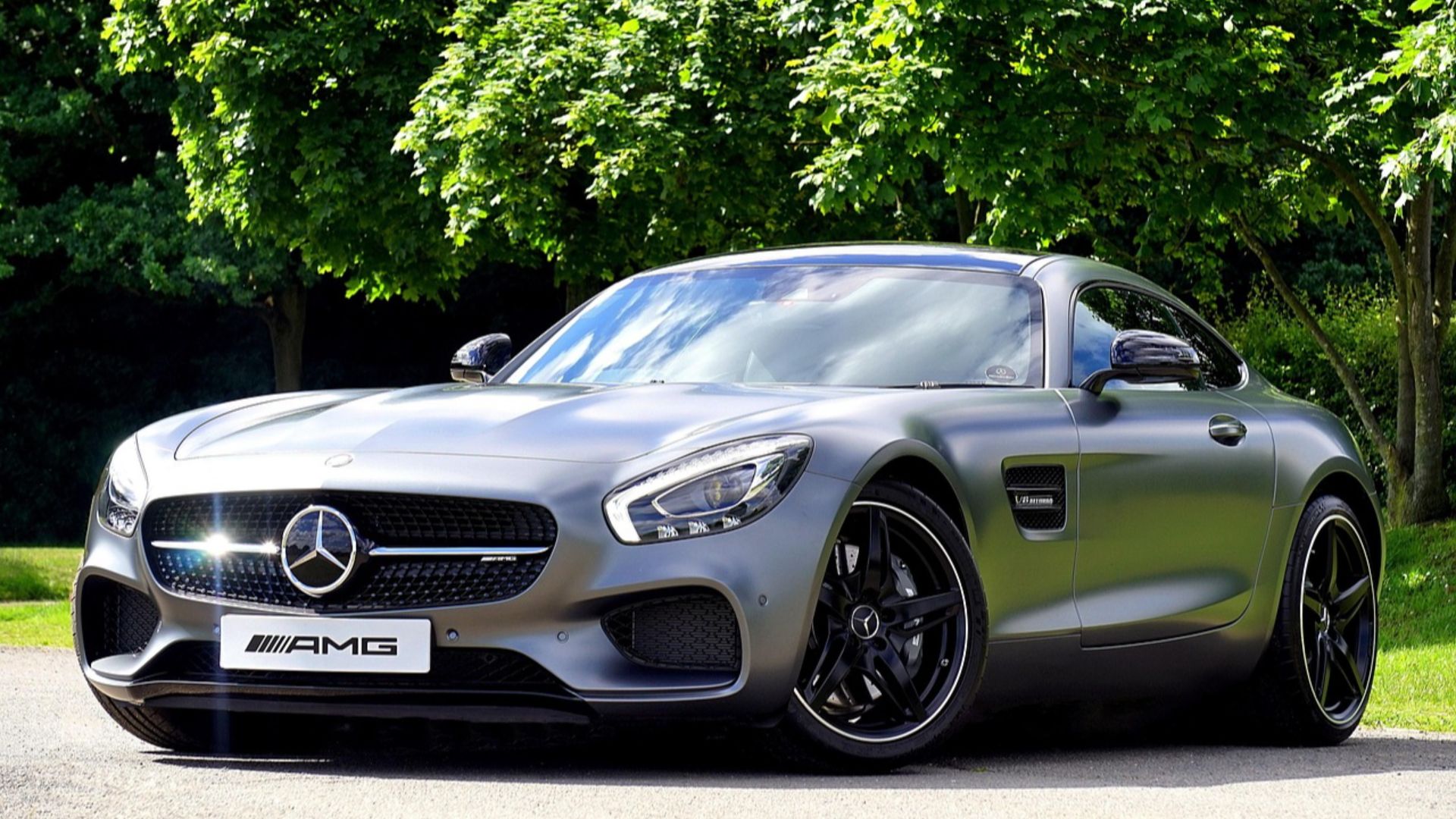
Luxury vehicles frequently come equipped with performance tires. These tires offer better handling but wear out faster and cost significantly more to replace. If your car uses staggered tire sizes, you might not even be able to rotate them, which shortens their lifespan.
10. Advanced Technology Repairs
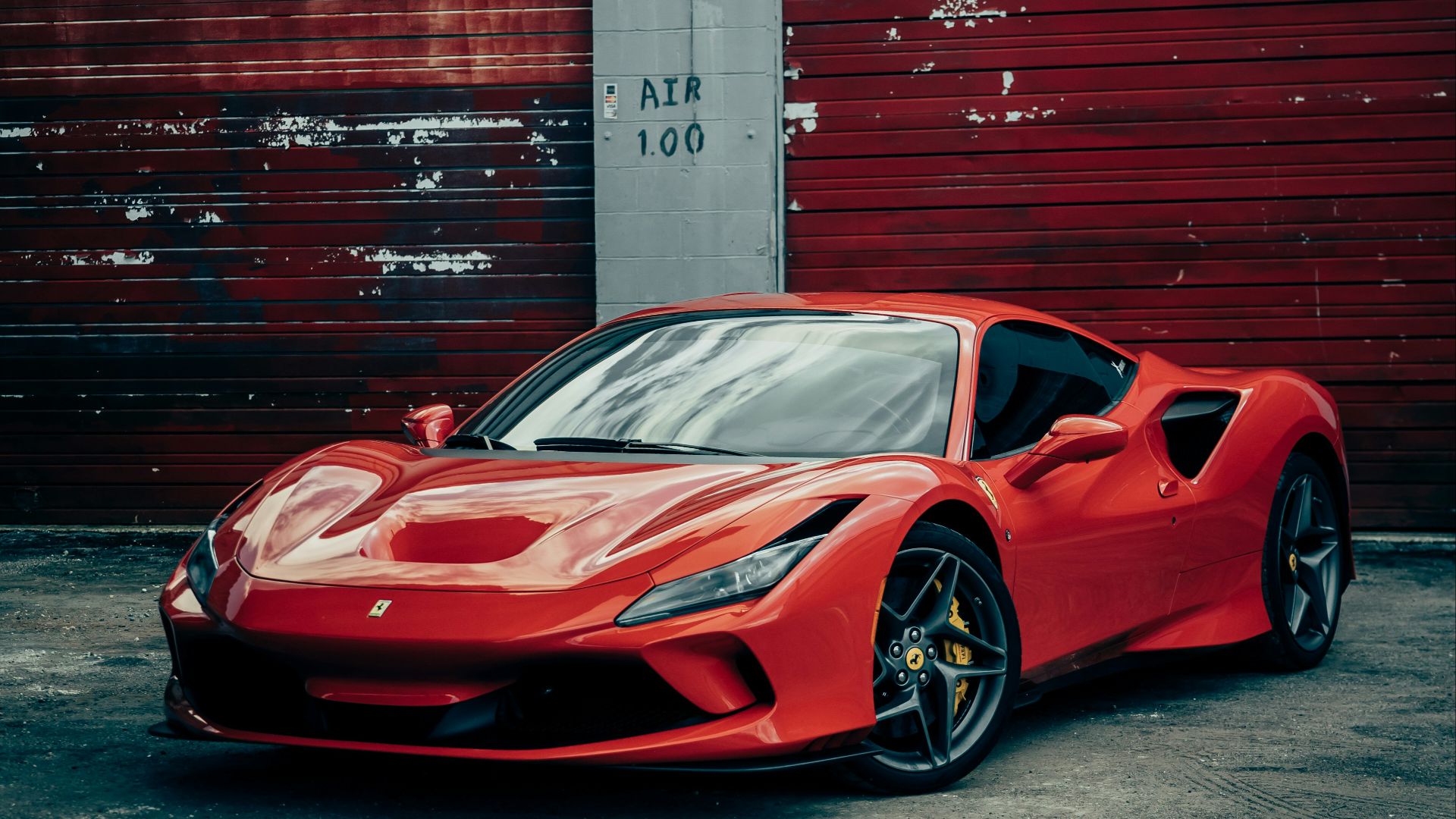
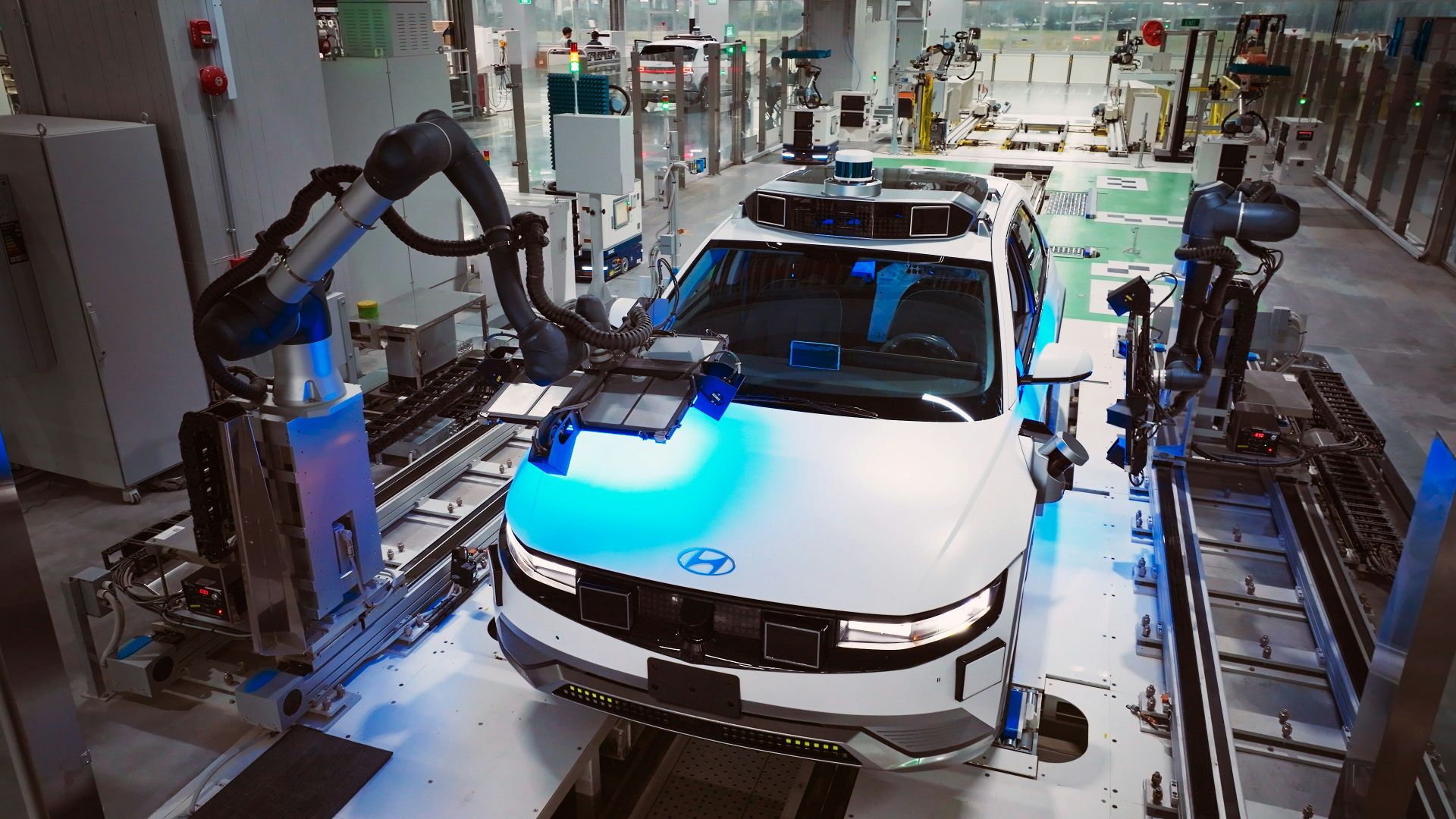
High-end cars are packed with sensors, cameras, and digital displays. When one of those systems malfunctions, repairs can be surprisingly complex and expensive. A minor fender bender might involve recalibrating multiple sensors rather than just fixing a dent.

11. Luxury Car Wash And Detailing
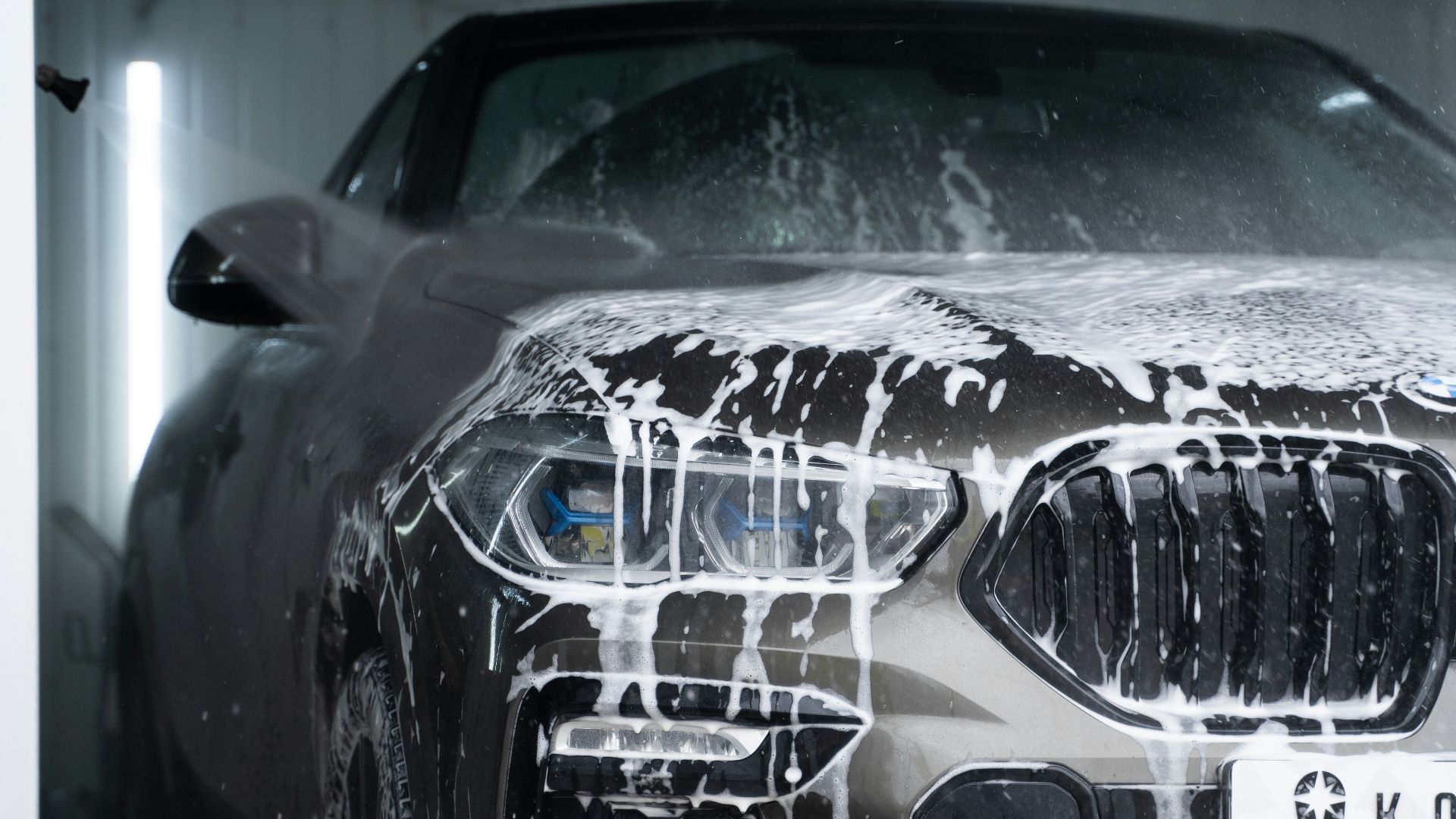
Owners often feel compelled to maintain the vehicle’s pristine appearance. Professional detailing services, ceramic coatings, and paint protection films can become regular expenses. Keeping that showroom shine takes more than a quick trip through an automatic wash.
12. Costly Extended Warranties
Extended warranties for luxury vehicles are typically more expensive than standard plans. While they can provide peace of mind, the upfront cost isn’t small. You may end up paying thousands just to protect yourself from potential future repairs.
13. Higher Financing Costs
If you’re financing your luxury car, the larger loan amount means more interest paid over time. Even with a competitive interest rate, the total cost of borrowing rises with the vehicle’s price. That extra interest can quietly inflate what you thought you were spending.
14. Storage And Parking Concerns
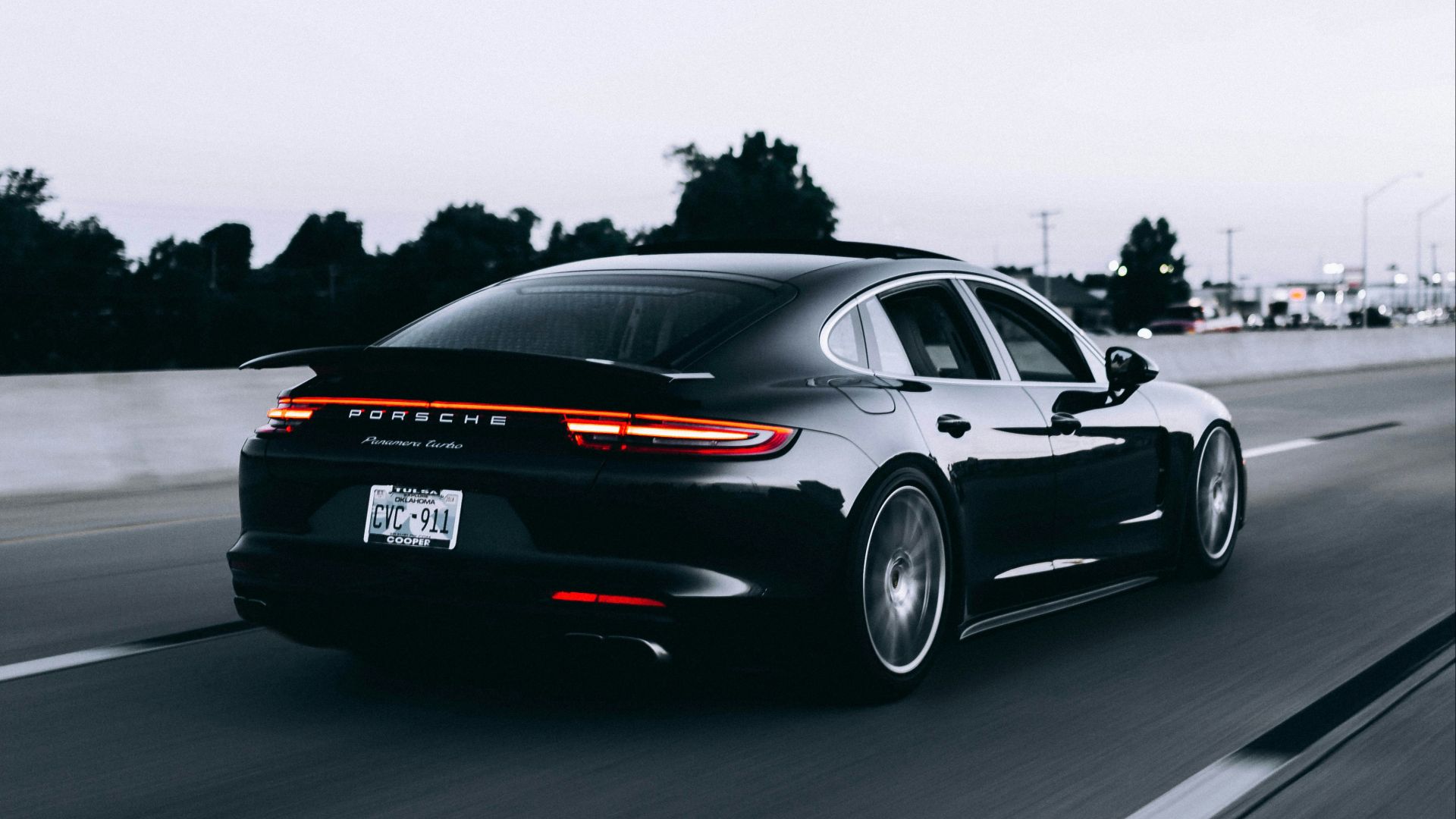
Luxury car owners often seek covered or secure parking to protect their investment. Renting a garage space or choosing premium parking options can add recurring monthly costs. You might also hesitate to park in tight or high-traffic areas, limiting convenience.

15. Increased Theft Risk
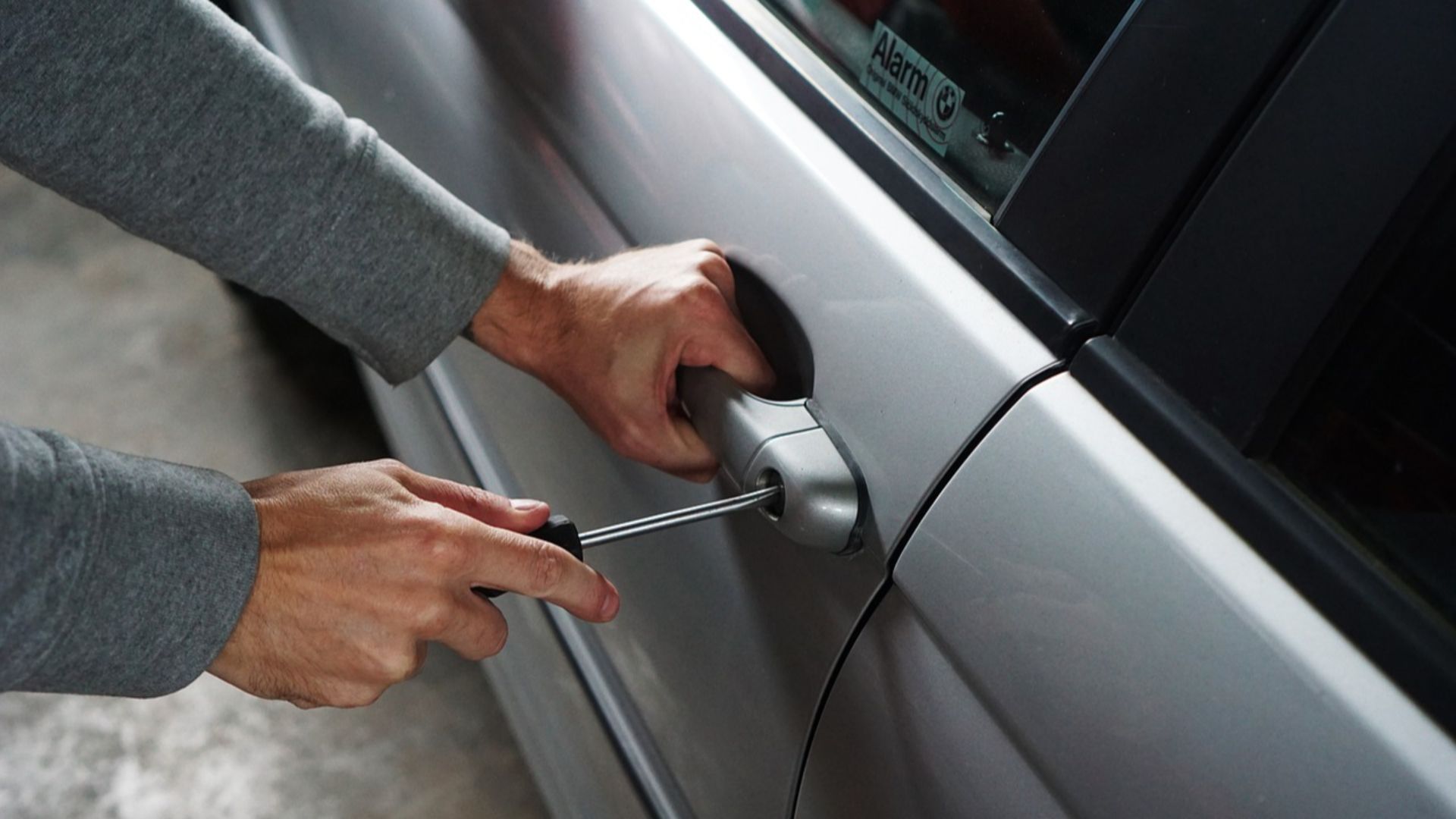
High-end vehicles can be more attractive to thieves. In some areas, this risk may further increase insurance premiums or require additional security measures. Installing tracking systems or enhanced alarms adds yet another expense.
16. Cost Of Customization
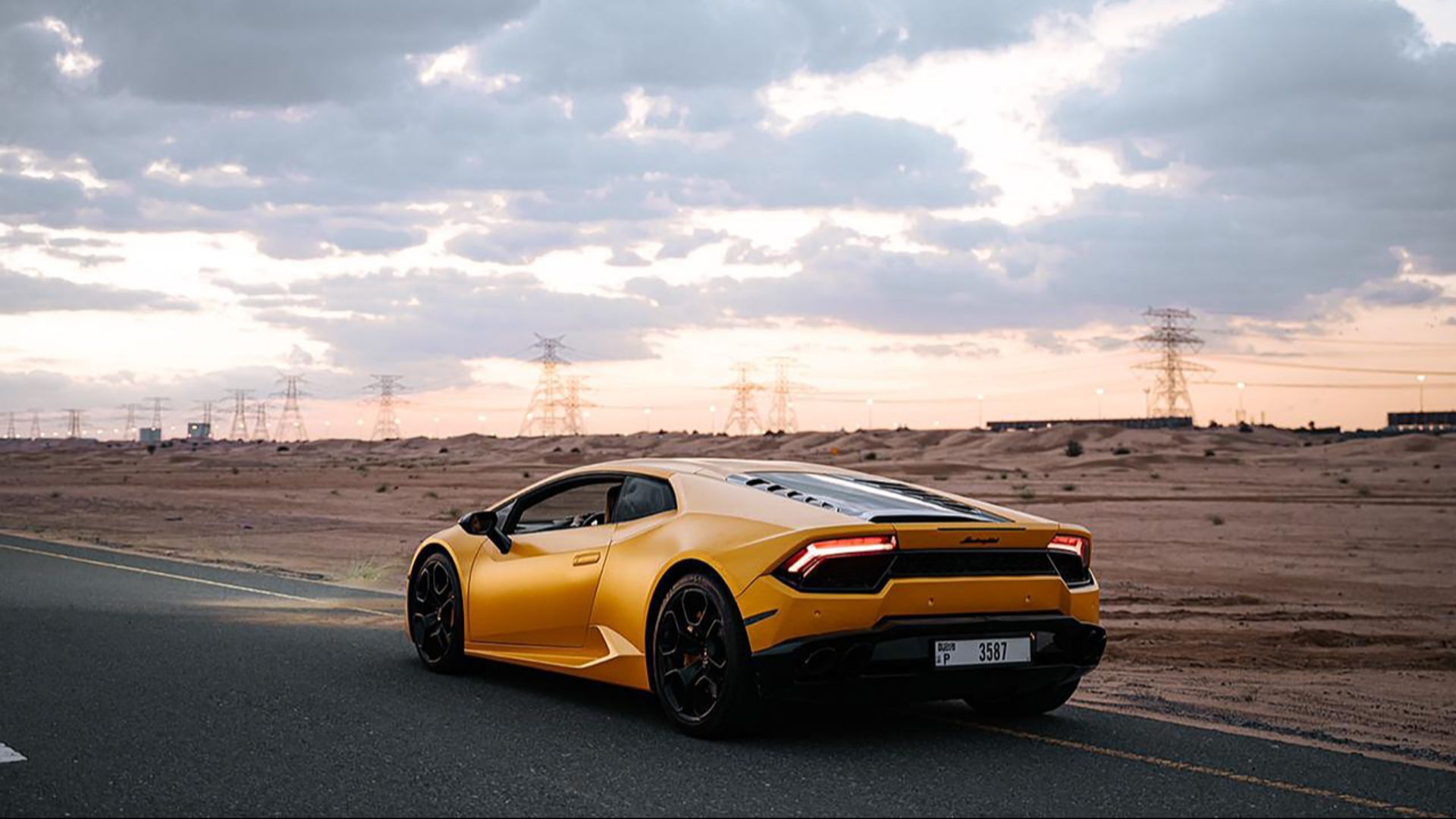
Many luxury buyers personalize their vehicles with upgraded wheels, interior trims, or performance enhancements. These add-ons aren’t cheap, and they’re rarely recouped at resale. Custom touches can easily push ownership costs beyond the original budget.
17. Out-Of-Warranty Repairs
Once the manufacturer’s warranty expires, repair costs can spike dramatically. Luxury components like adaptive suspensions or advanced infotainment systems aren’t inexpensive to fix. Without coverage, a single repair can rival several months of car payments.
 Hyundai Motor Group on Unsplash
18. Opportunity Cost
Money tied up in a luxury vehicle isn’t available for other investments or financial goals. That large upfront payment or higher monthly expense could have been earning interest elsewhere. While it’s not a visible expense, it’s a financial trade-off.
19. Social Expectations
Owning a luxury car can subtly shift how others perceive you. There may be unspoken expectations about lifestyle, spending habits, or generosity. That social pressure can influence decisions in ways you didn’t anticipate.

20. Emotional Attachment
Luxury cars often create a stronger emotional bond than standard vehicles. That attachment can make it harder to sell the car when it’s financially sensible to do so. Holding on longer than you should can extend the period of high ownership costs.