 Christian Wiediger on Unsplash
Winter EV testing has a way of cutting through the marketing sparkle. Once the temperature drops and the roads turn into a mix of dry pavement, wind, and slush, an EV has to work harder to deliver the same day-to-day comfort. If you’ve ever watched the range estimate fall faster than expected on a cold commute, you already understand why these tests get so much attention.
Controlled winter tests are an important part of fully understanding what an electric vehicle is capable of. Across multiple studies, cold weather consistently hits electric vehicles through battery efficiency losses, slower charging, and the extra energy required to keep the cabin warm. Real-world range commonly drops about 14–39% compared to manufacturer ratings in harsh conditions. One good test run can answer the question you actually care about: how far will this EV go when the weather stops cooperating?
What These Tests Measure
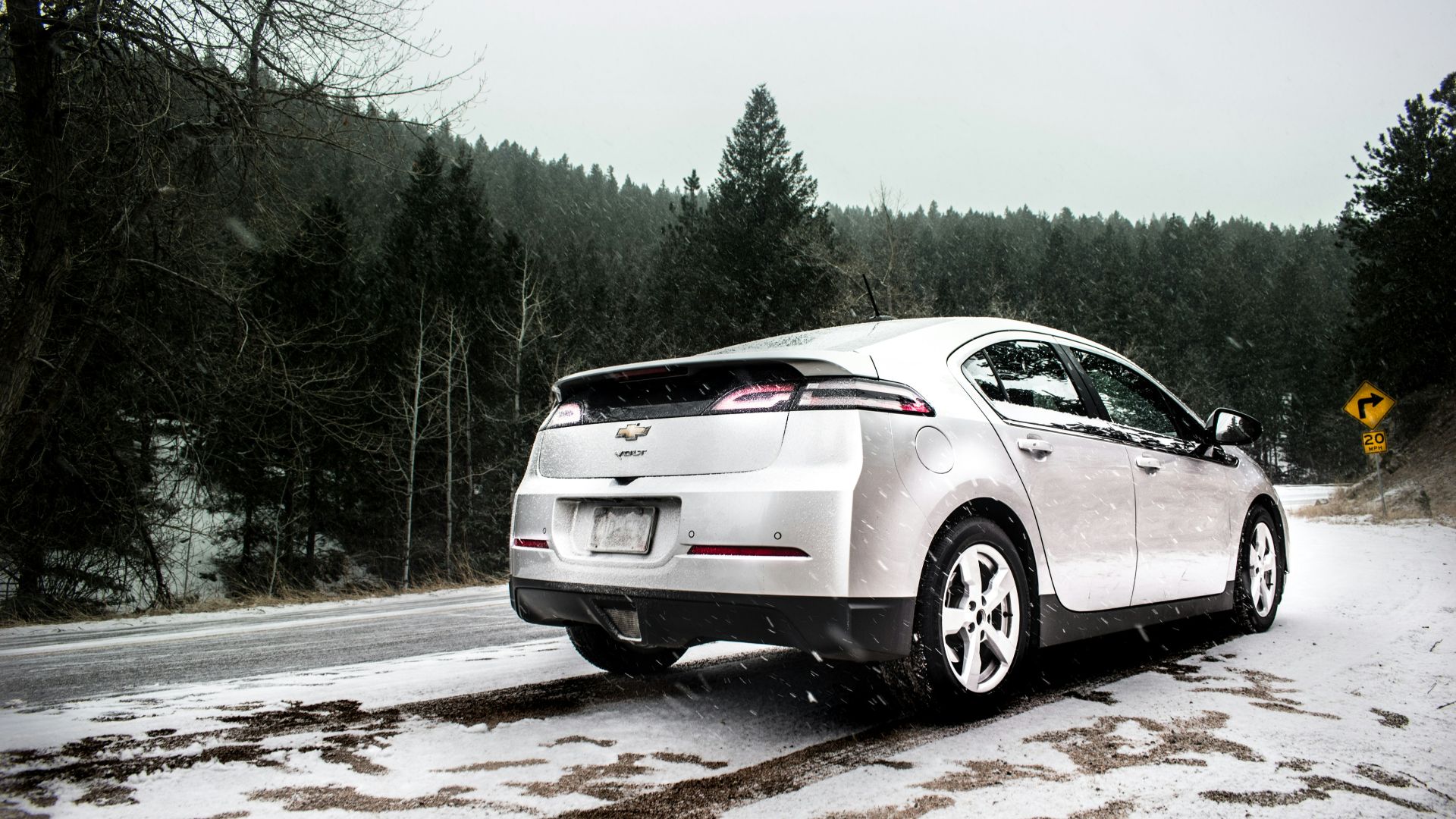
The best winter EV tests do not involve driving around until someone feels cold enough to complain. Large-scale studies simulate brutal temperatures, often around -7°C to -15°C (19°F to 5°F), then run vehicles on routes that blend highway, city, and mountain driving until the batteries deplete. CAA’s 2025 Canadian Winter EV Test, for example, evaluated 14 models on a route from Ottawa to Mont-Tremblant with standardized conditions meant to mirror real winter travel.
Standardization also fixes a common misunderstanding about ratings like EPA and WLTP. Lab ratings are useful, but are usually based on specific test cycles and assumptions that do not always match a freezing highway drive with the heater running. Norway’s El Prix Winter Range Test is popular for this exact reason, putting many EVs through the same cold-weather routine and publishing results that are easy to compare across the lineup.
Real-world data backs up what these controlled events show, even when the weather is less extreme. Recurrent analyzed winter range behavior across thousands of vehicles and reports that many EVs average about a 20% range loss around freezing temperatures, although this number varies by model and conditions. That aligns with the idea that winter impact is predictable in direction, yet inconsistent in magnitude.
Where The Miles Go
Cold weather hits the battery first. Lithium-ion cells become less efficient below 0°C, in part because internal resistance rises and the chemical reactions that move energy slow down. Many winter tests begin with a preconditioned battery, then measure what happens after the pack is exposed to real cold, mirroring the way an EV behaves after sitting outside. This idea is also expressed in another common piece of technology - your cell phone. It’s common to watch your battery drop much, much quicker when it’s in cold weather, in comparison to warmer climates.
Cabin heating is the other big range drain, and it is the one you feel the quickest. The U.S. Department of Energy describes how resistive cabin heaters can draw roughly 3–4 kW, while heat pumps can often deliver similar comfort closer to 1–2 kW, depending on conditions. That difference can translate into meaningful range loss, especially on short trips where the cabin keeps demanding heat while the battery stays cold.
Then there’s the part nobody wants to blame: car speed. Cold air is denser, and DOE modeling discusses how denser air can increase aerodynamic drag by about 9%. In simple terms, highway speeds in the winter require more charge. Add winter tires, wet pavement, snow buildup in wheel wells, and higher rolling resistance, and the vehicle’s workload climbs again. The reason winter losses look worse on fast routes is that each of those factors stacks on top of the battery and heating.
What These Results Teach You
The biggest surprise for many drivers is how uneven the range hit can be from one model to the next. In CAA’s winter test results, some vehicles held up relatively well, including the Polestar 2 at a 14% range loss, while others dropped sharply, such as the Volvo XC40 Recharge at 39% and the Toyota bZ4X at 37%. That spread suggests winter performance is not just about battery size, since thermal management, efficiency, and how the vehicle allocates heat can change the outcome.
Charging results in the cold can be even more revealing than range, because they expose the gap between “fast-charging capability” and “fast-charging in January.” CAA reports that a 15-minute DC fast-charge session added about 100 km of range on average, roughly 28% battery, with massive differences between models. The Tesla Model 3 reportedly gained 200+ km in that same time window, while the Kia Niro EV added about 35 km, and the Toyota bZ4X added 19 km in the test data shown. Those numbers explain why winter road trips can feel smooth in one EV and painfully slow in another, even when both have access to the same charging station.
Practical takeaways from winter testing are simple, even if they require a little planning. Preheating the cabin while plugged in, using seat heaters strategically, and leaving a 20–30% buffer for unexpected detours can make winter driving feel far less dramatic. CAA’s guidance also leans toward prioritizing Level 2 home charging when possible, since regular overnight charging reduces the stress of depending on cold-weather fast-charging for every outing. For perspective, Consumer Reports notes that cold weather affects all vehicles, including gas cars, and winter efficiency losses are not exclusive to EVs, even if the EV drop feels more visible because it is presented as miles remaining.
Winter EV tests, at their best, reveal something reassuring: cold-weather penalties are real, measurable, and manageable with the right expectations. The data keeps pointing toward the same conclusion, which is that winter turns efficiency into a competitive feature and thermal design into a make-or-break detail. The road still gets cold, but it doesn’t mean all hope is lost.