Small Lights, Big Misunderstandings
Car lights are a special kind of conversation, whether you’re looking at your dashboard or at a neighboring vehicle that’s flashing its headlights. Most of the confusion comes from treating every warning as the same level of urgency, or assuming every external signal is just someone being impatient. Once you start noticing patterns, you realize a lot of trip stress, breakdown drama, and near-miss moments come down to misreading the same handful of lights. These are 20 common signals drivers misunderstand, along with what they usually mean in the real world.
1. Dashboard Colors
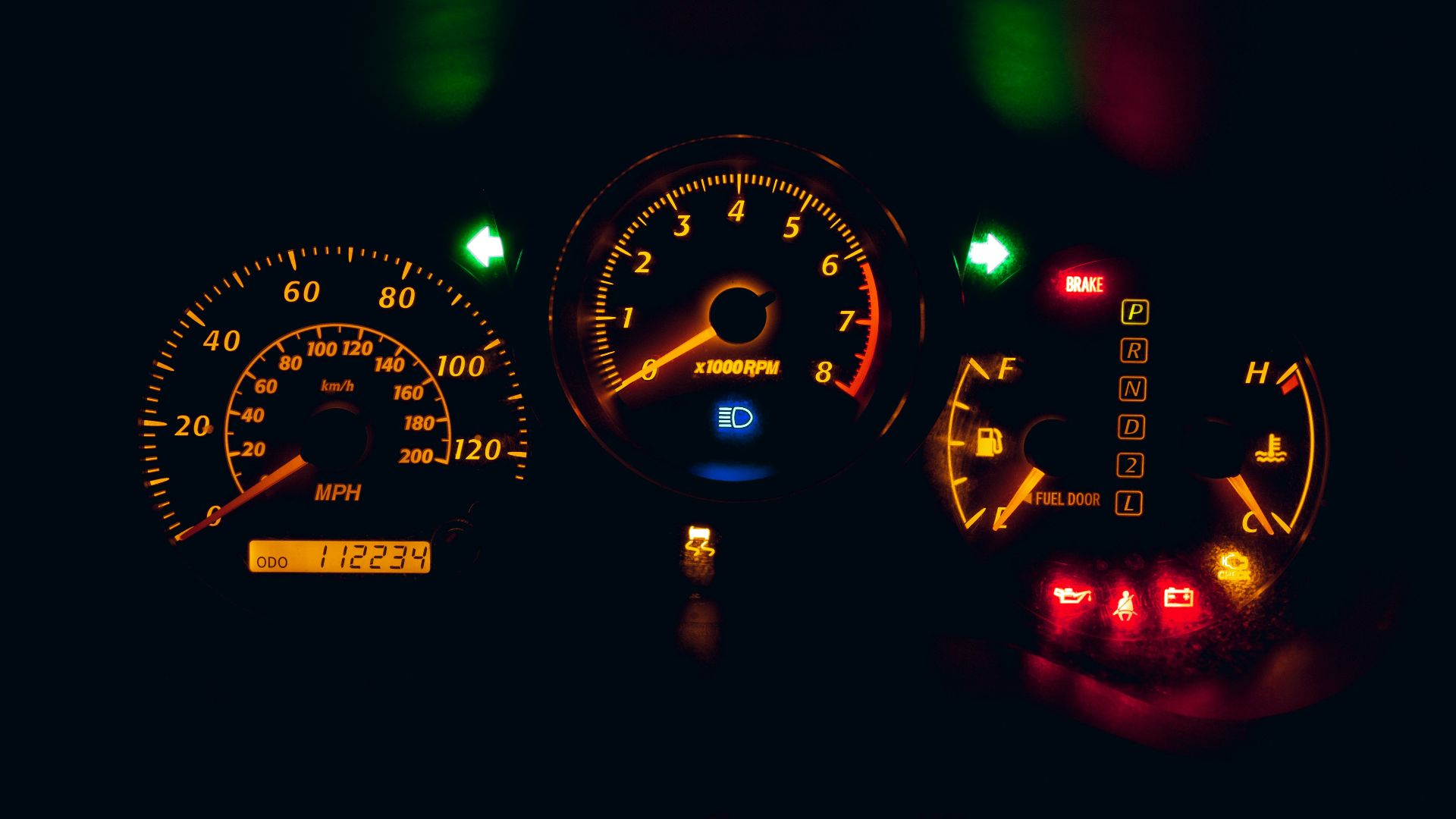
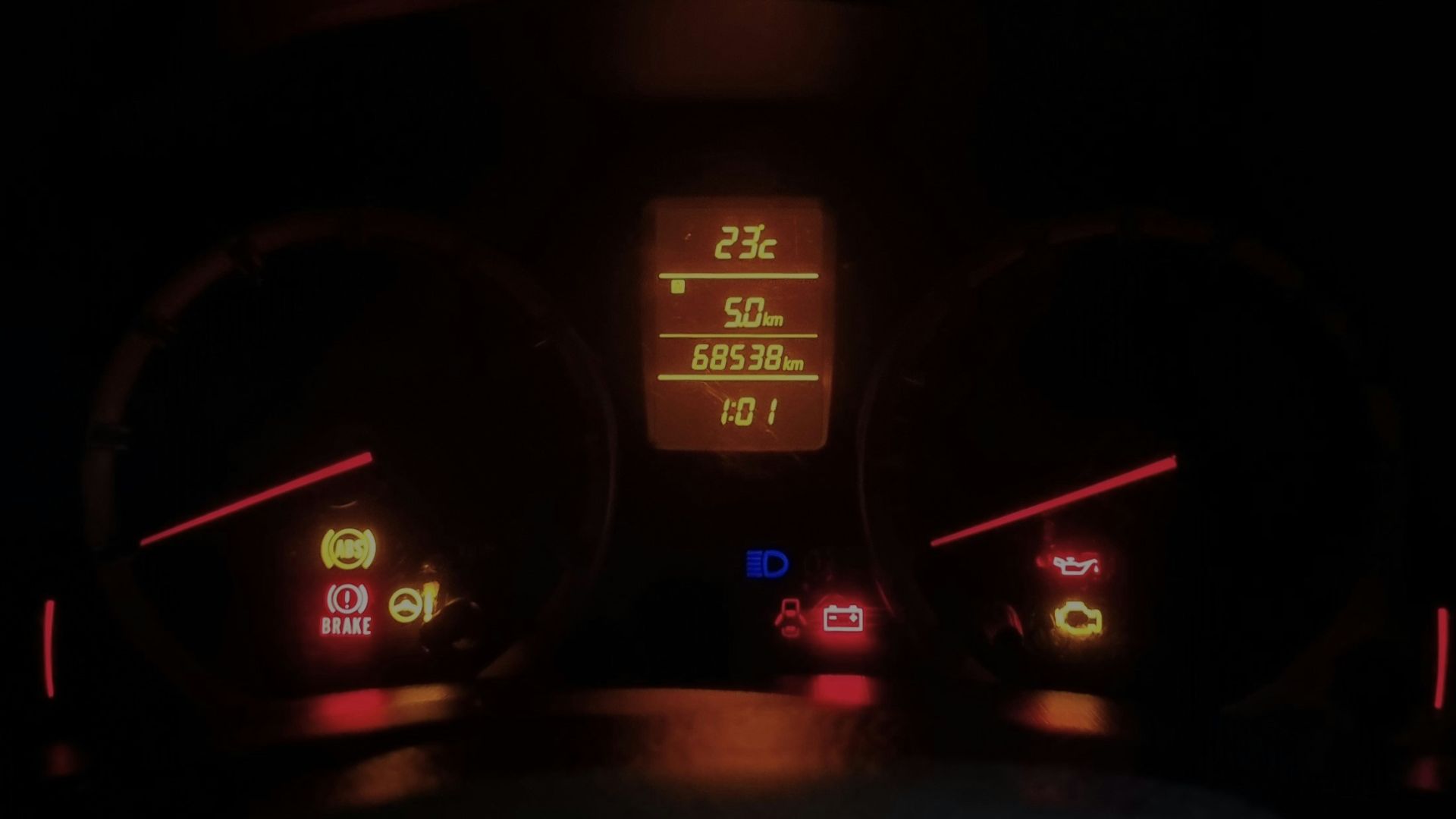
A lot of people react to dash lights based on how annoying they feel, not what they signal. Most vehicles follow a simple convention: red tends to mean stop or address immediately, amber suggests attention soon, and green or blue usually means a system is active.
2. The Check-Engine-Later Habit
A steady check-engine light often gets ignored because the car still starts, still accelerates, and still gets you from point A to point B. The problem is that while many issues may fly under the radar for a while, they’ll rear their head when you least expect them.
3. Oil Pressure Versus Oil Change
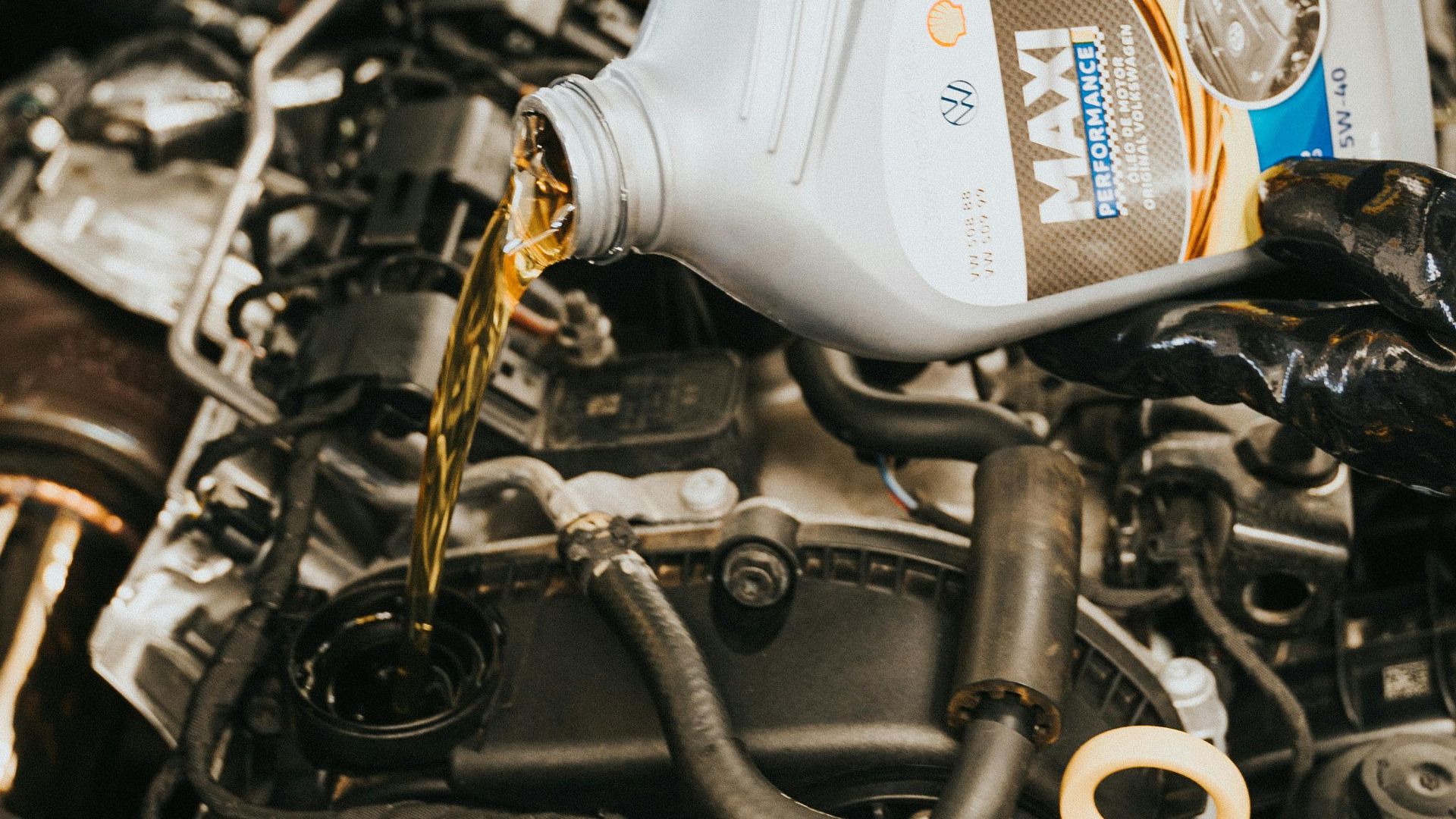
The oil pressure warning is one of the most misunderstood lights because people lump it in with routine service. Low oil pressure can mean the engine isn’t getting proper lubrication. If the symbol is warning you about pressure, the safe assumption is that the engine is the real issue, not the oil itself.
4. The Battery Light
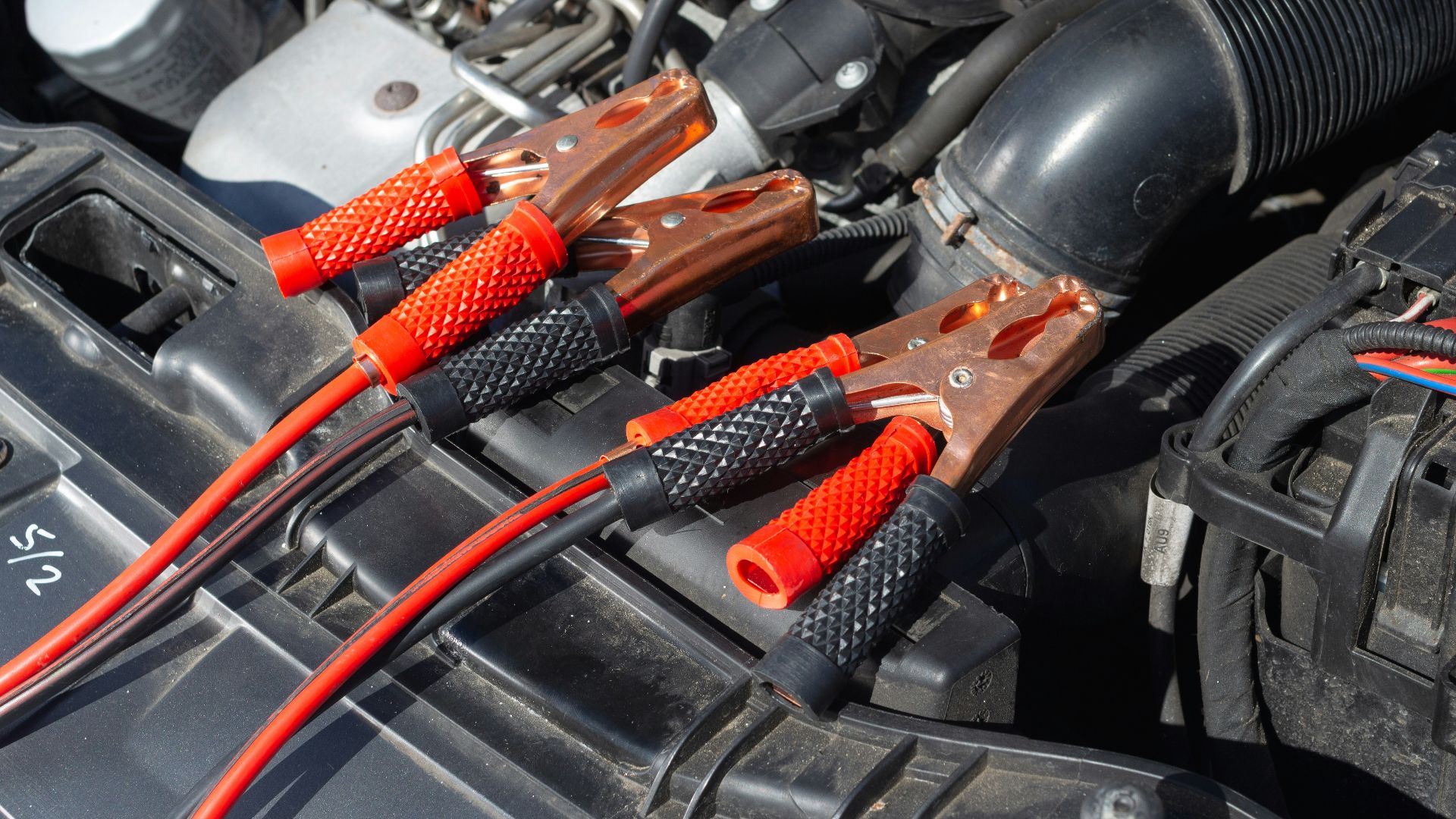
When the battery or charging system light comes on, drivers tend to assume the battery is simply old and needs replacing. In many cases, the issue is that the charging system is not keeping up, which often points to the alternator or related components.
 Daniel @ bestjumpstarterreview.com on Unsplash
5. A Flashing Check-Engine
A blinking check-engine light is not the same as a steady one, and it deserves a completely different reaction. Flashing can indicate a serious misfire that may damage the catalytic converter. This is the appropriate time to pull over.
6. Brake Warning Light Versus Parking Brake
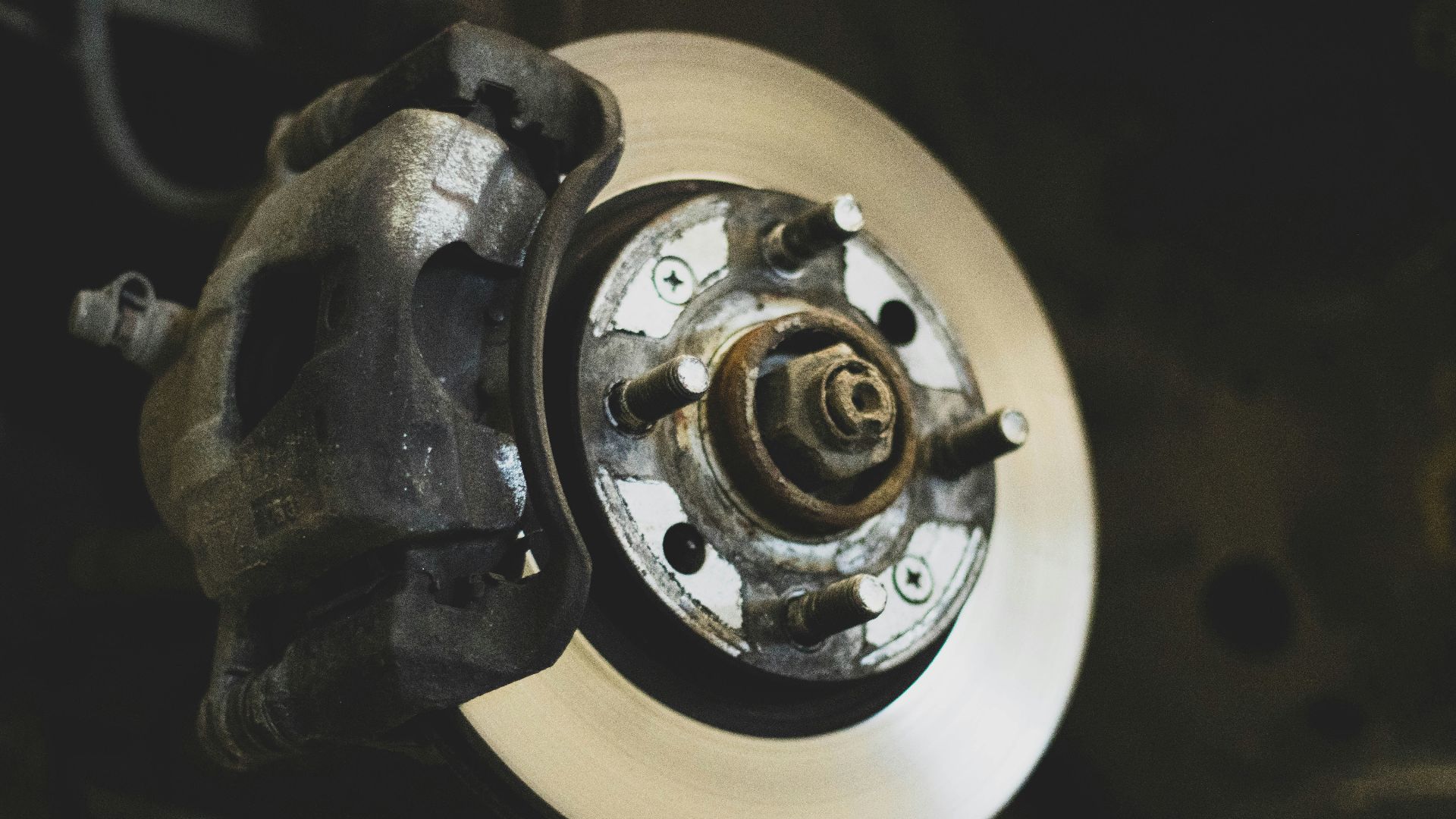
Drivers often see the brake light and assume they forgot to release the parking brake. Sure, sometimes that fixes the issue, but sometimes it signals low brake fluid or a fault in the braking system. When a light involves brakes, it’s best not to treat it casually.
7. ABS And Stability Lights
It’s easy to shrug off ABS or stability control warnings when the car still stops normally. The catch is that these systems are designed for hard braking, slick roads, and sudden maneuvers, so you might not notice they are gone until you really need them.
8. Tire Pressure Warnings
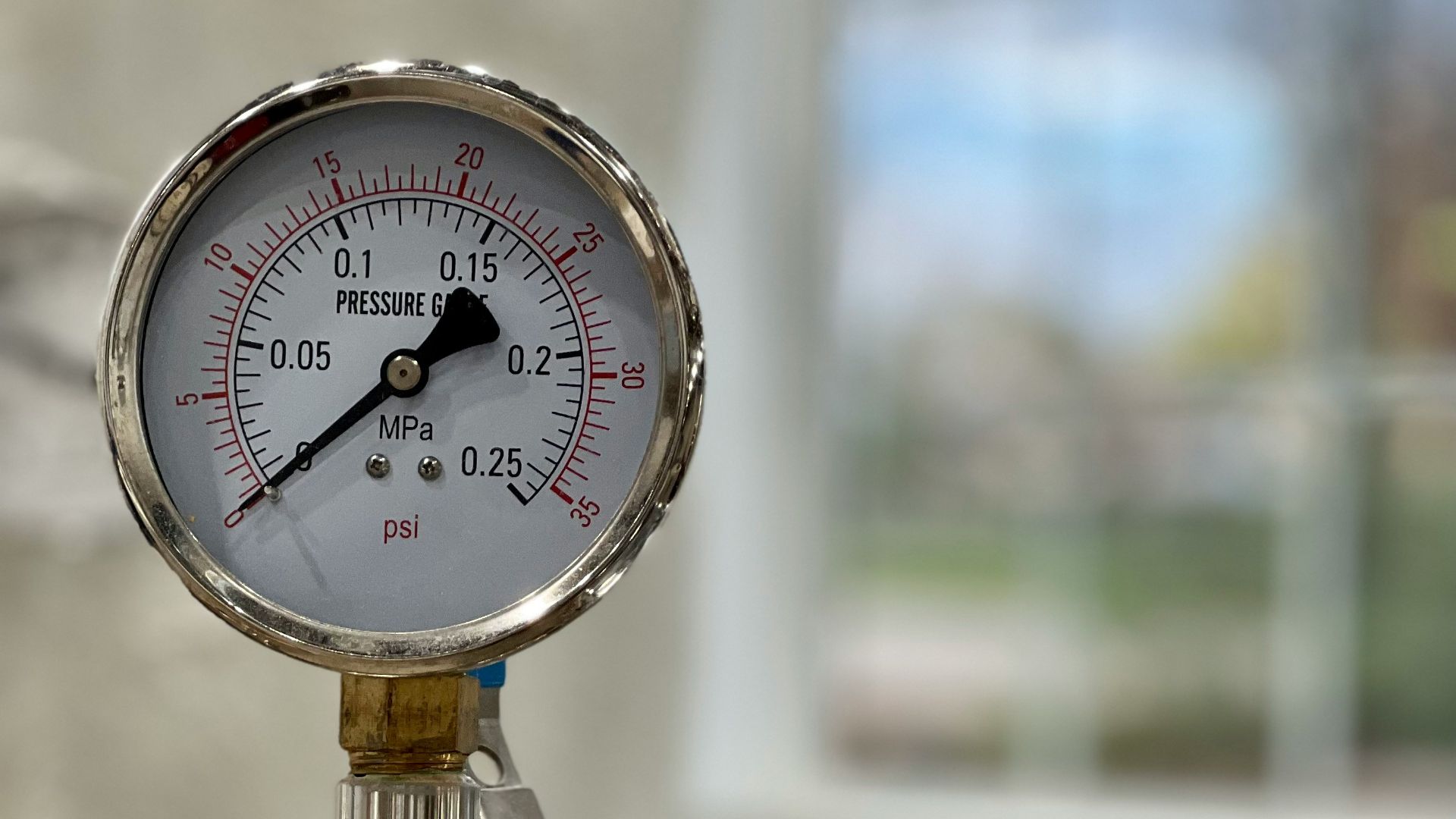
The tire pressure light gets treated like a pesky reminder, especially when the weather changes and tires lose a bit of pressure overnight. Underinflated tires can run hotter, wear faster, and handle worse, which matters most at highway speeds.
 Stephanie Klepacki on Unsplash
9. Coolant Temperature
When the coolant temperature warning appears, some drivers keep going because they assume the car can handle it for a bit. Overheating can lead to serious engine damage, and the costs tend to climb fast once the temperature goes out of range.

10. Driver-Assist Warnings
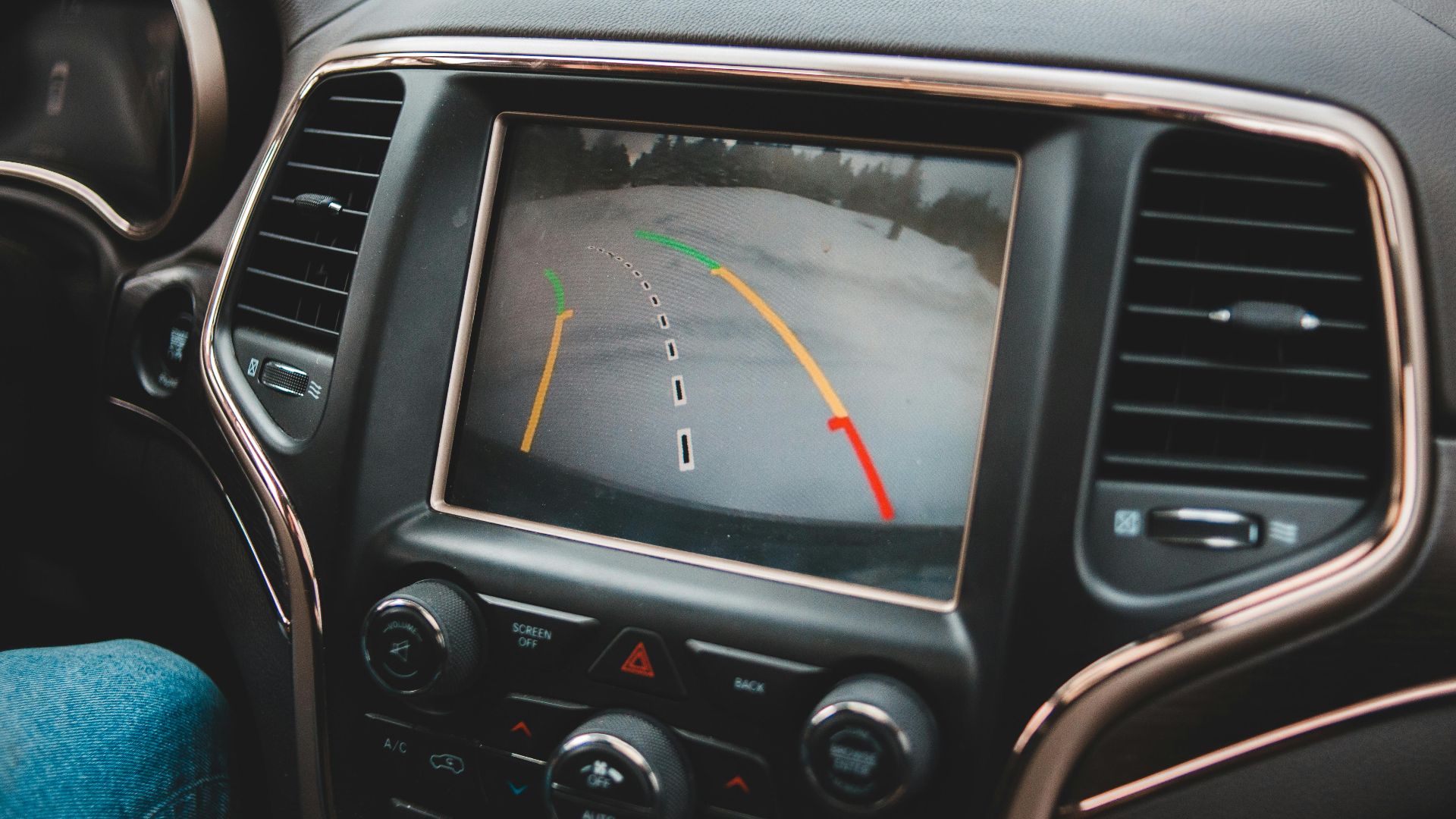
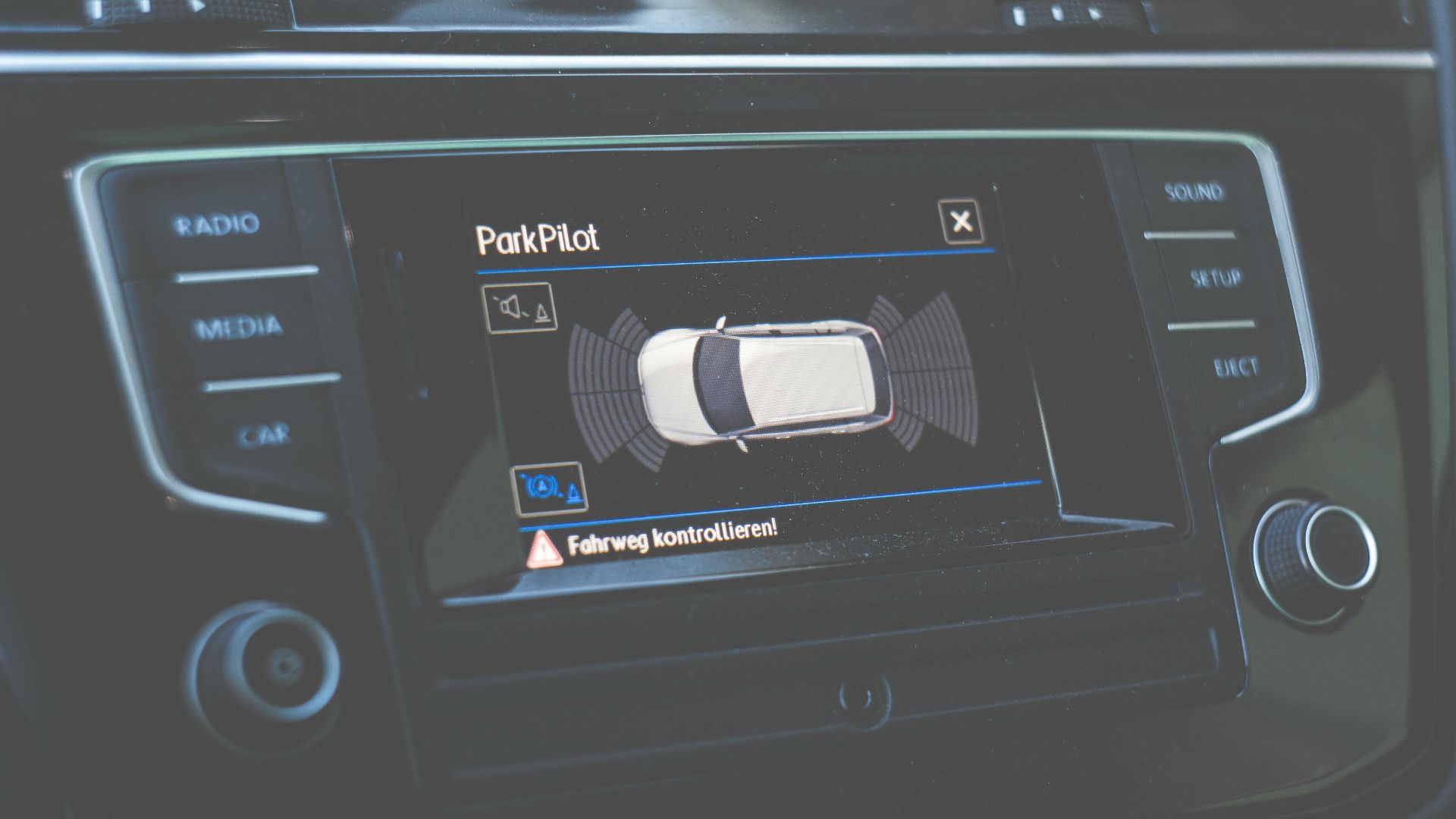
Lane-departure alerts, collision warnings, and sensor messages are often dismissed, with folks equating the issue to dirt, snow, or road grime. However, it can occasionally be a calibration issue or system fault that changes how the car behaves.
11. Hazard Lights Do Not Grant Parking Privileges
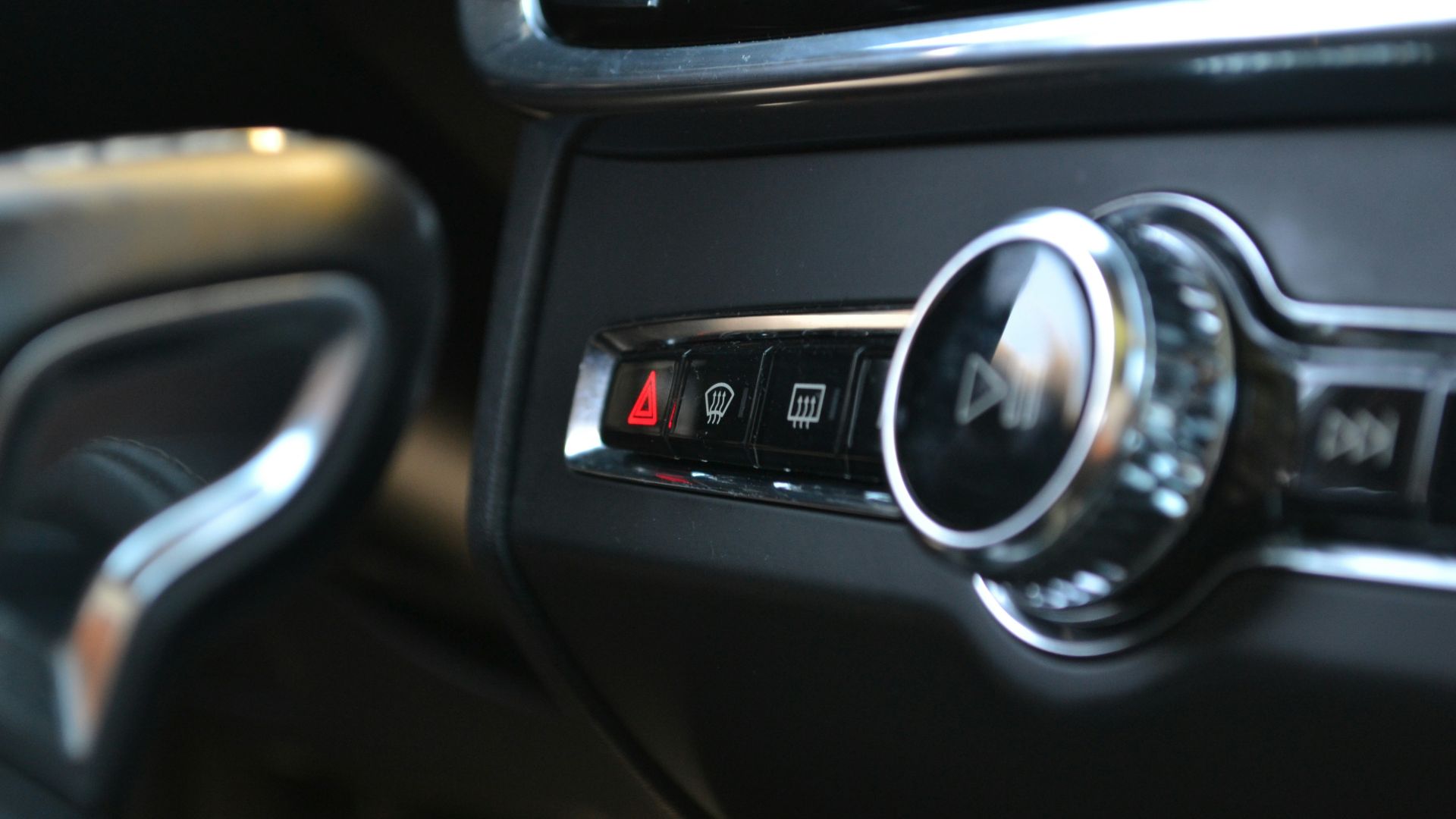
Throwing hazards on is often used as a way to stop wherever you want, especially in cities where delivery drivers, rideshares, and impatient travelers all compete for curb space. The trouble is that hazards can confuse others, because they signal an emergency stop, not a casual errand.
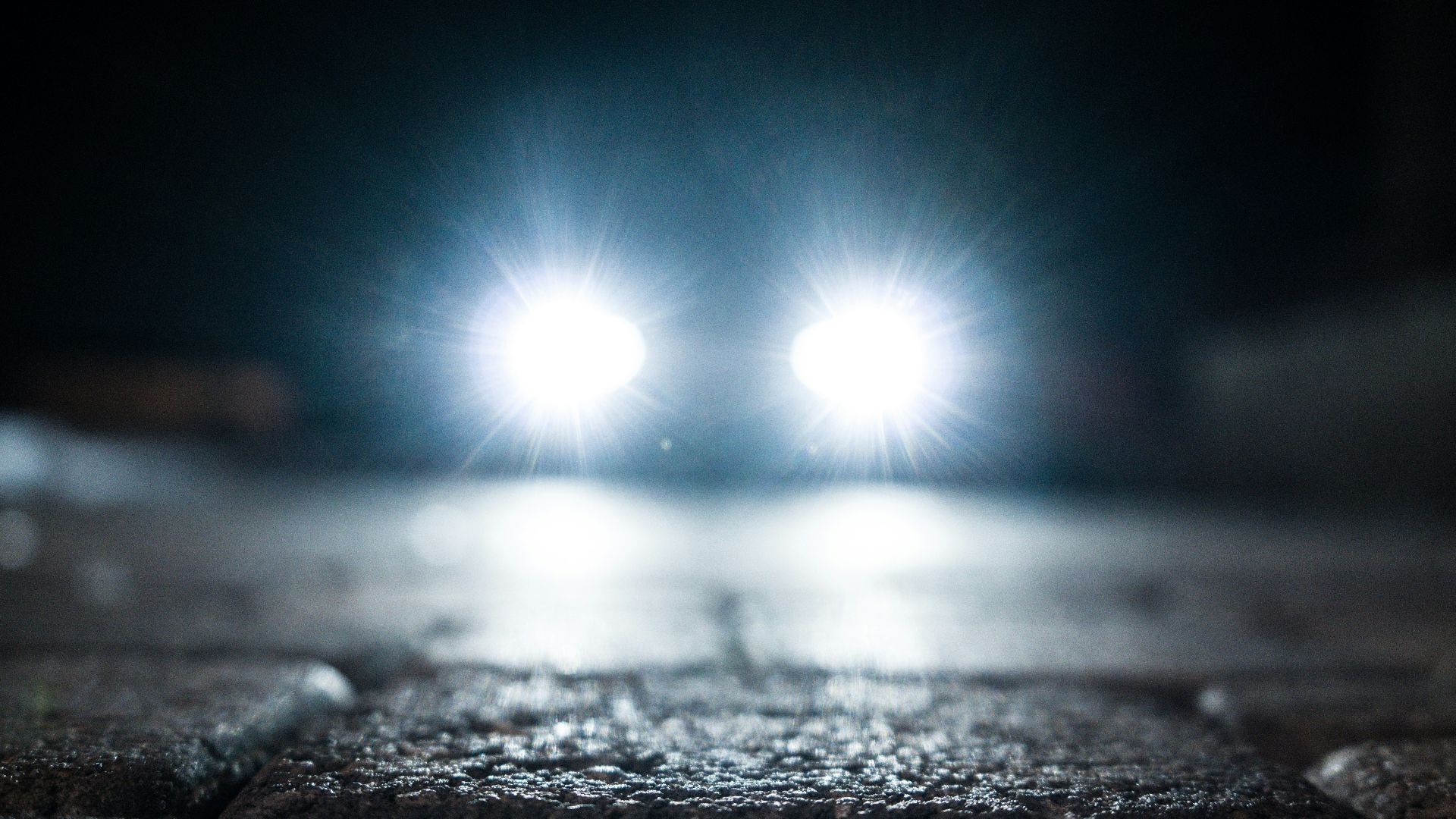
12. The Quick Headlight Flash Has Many Meanings
One or two flashes from an oncoming driver can mean a hazard ahead, a reminder that your lights are off, or a warning about something unusual on the road. Some people interpret it as aggression and ignore it out of principle, but it’s usually meant to be a genuine help.

13. Flashing To Push Over Is Not Universal
In some places, a headlight flash is used to pressure someone to move out of the passing lane, and drivers learn to read it as a demand. In other regions, flashing can mean yielding. It’s important to read the situation before hitting the gas pedal.

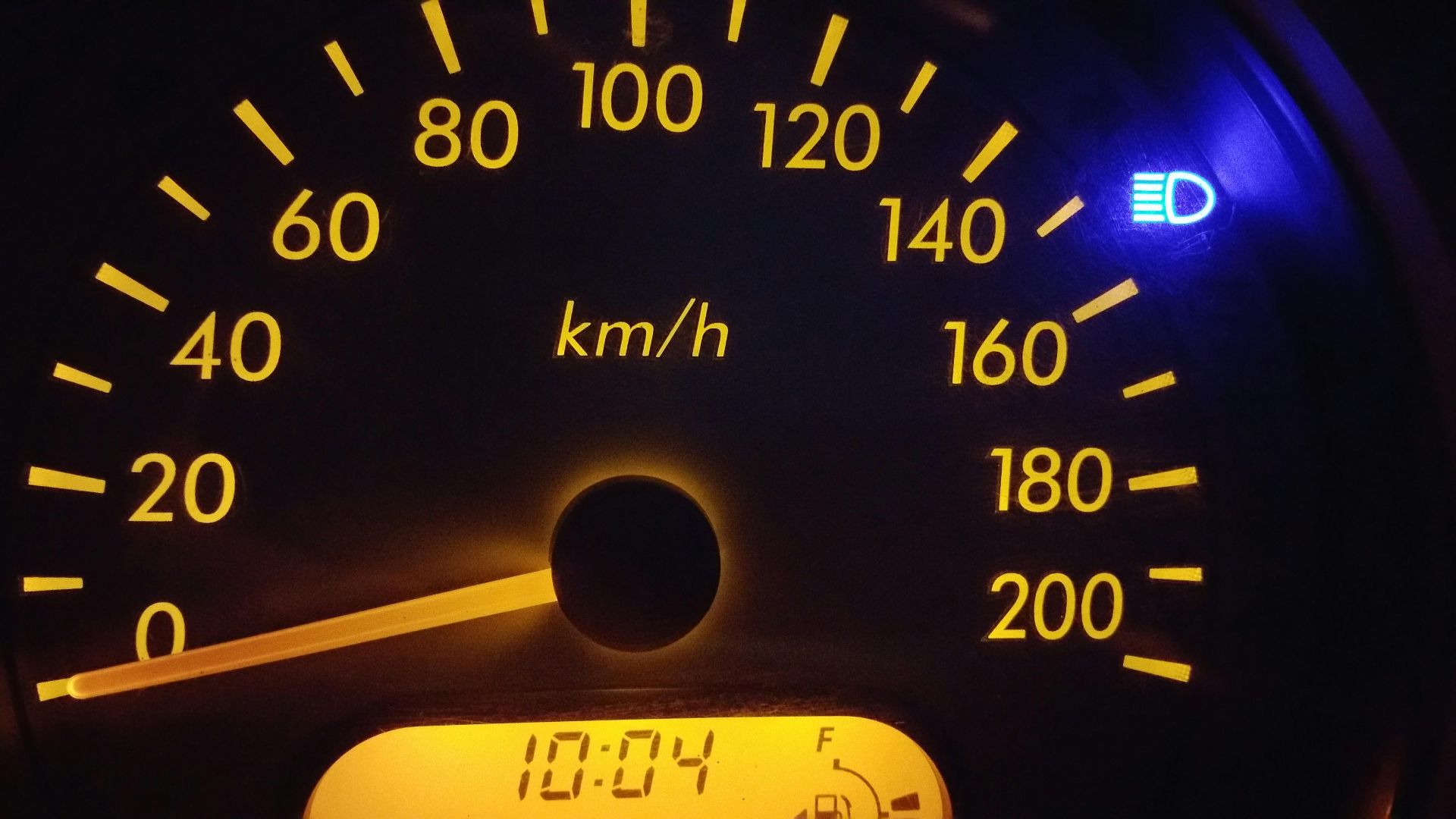
14. The Blue High-Beam Icon Is A Warning, Too
The high-beam indicator is blue for a reason: it’s meant to be obvious. Some drivers mistake it for a generic headlights-on symbol and cruise through traffic while unintentionally lighting up everyone else’s mirrors.
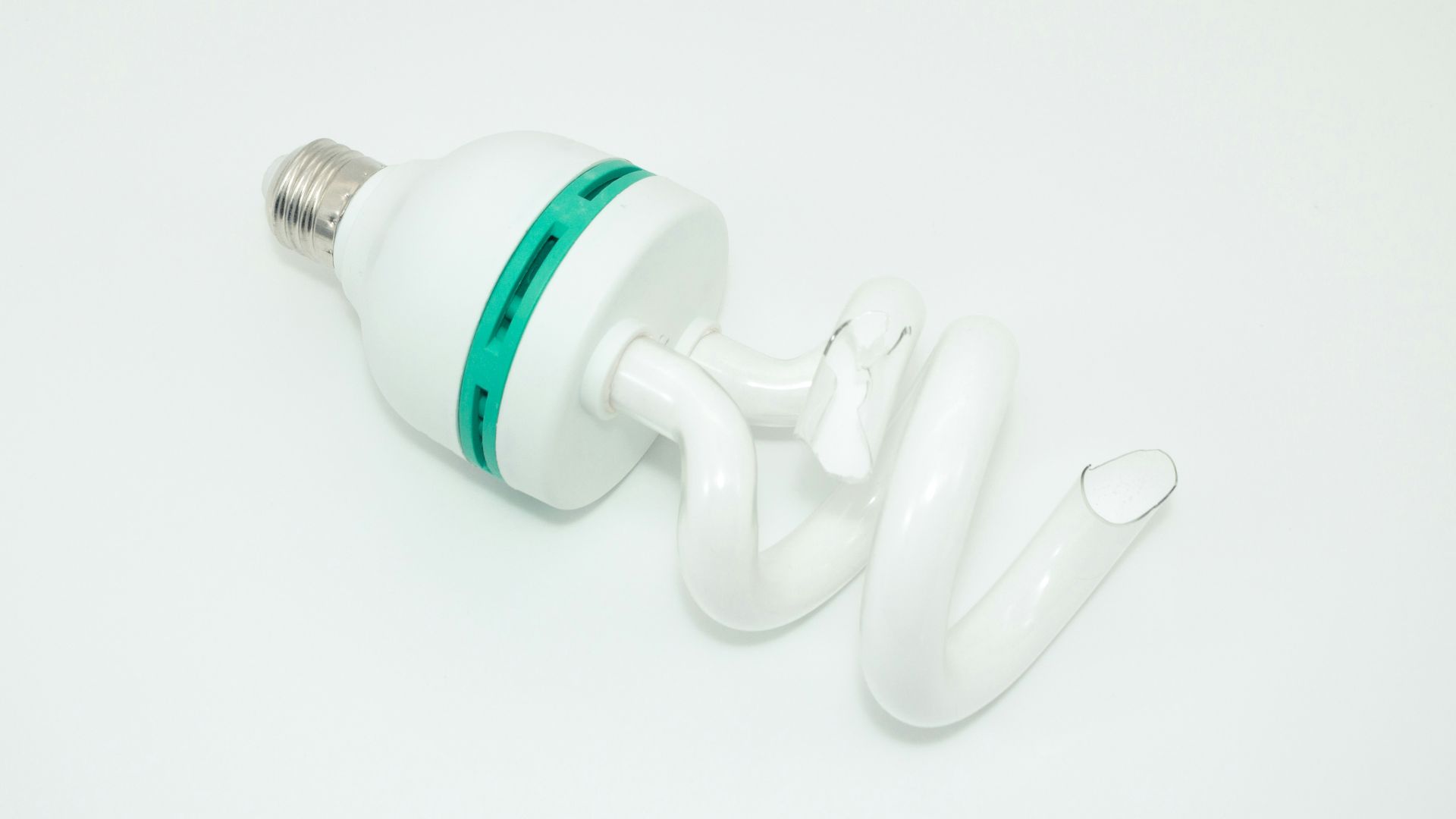
15. Fast Turn-Signal Clicking Means A Bulb Is Out
A rapid turn-signal blink is your car’s way of telling you something in the circuit isn’t working as expected, often a burned-out bulb. Many people treat the sound as an annoying quirk and keep driving, which means other drivers are not seeing your turns or lane changes clearly.
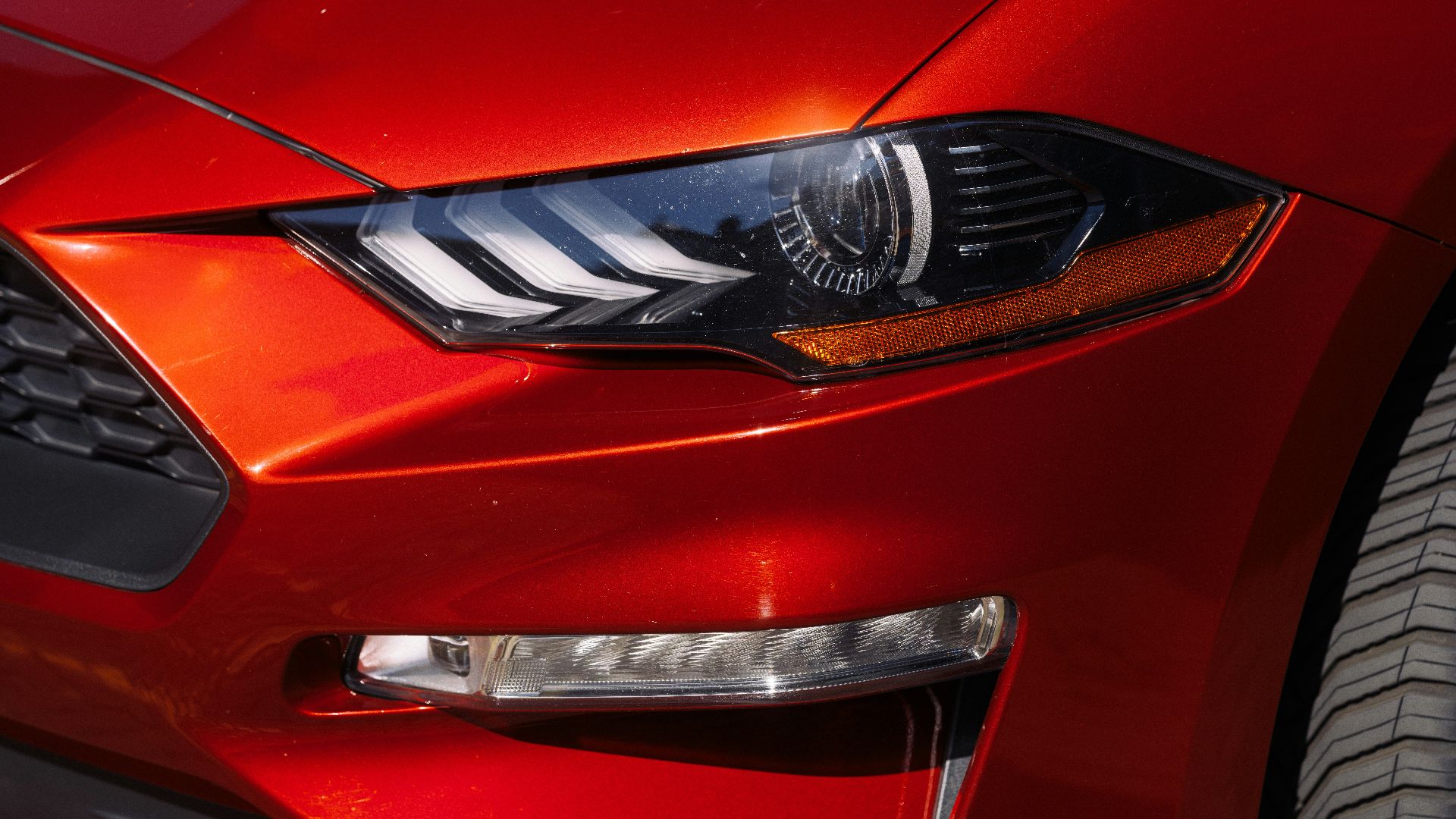
16. Late Turn Signals Create Avoidable Confusion
Signaling after you’ve already started drifting over is a great way to surprise the person in the next lane. Turn signals work best when they give other drivers time to adjust. Using them early is one of the simplest ways to reduce honking, braking, and potential accidents.
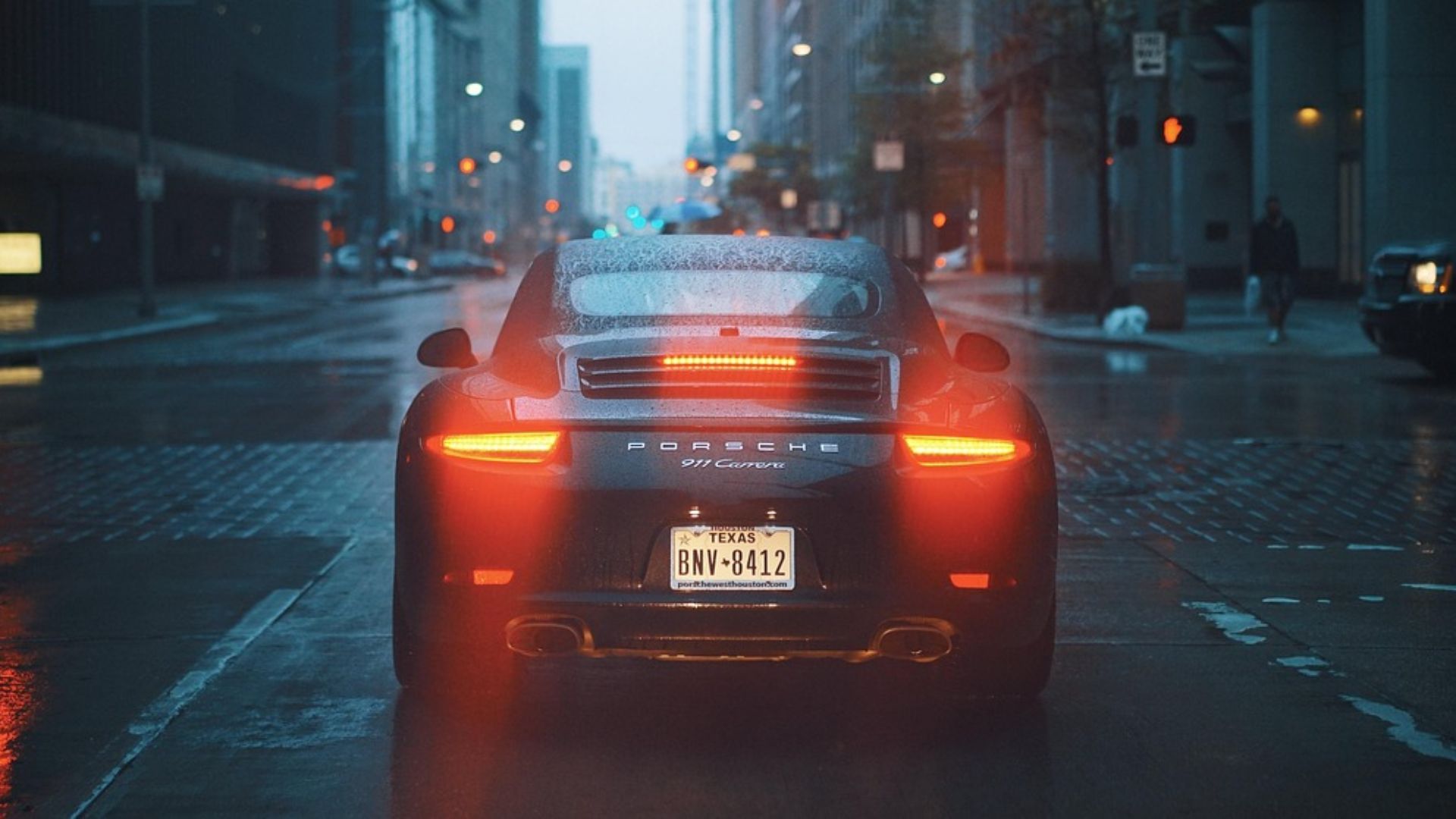
17. Daytime Running Lights Can Trick You
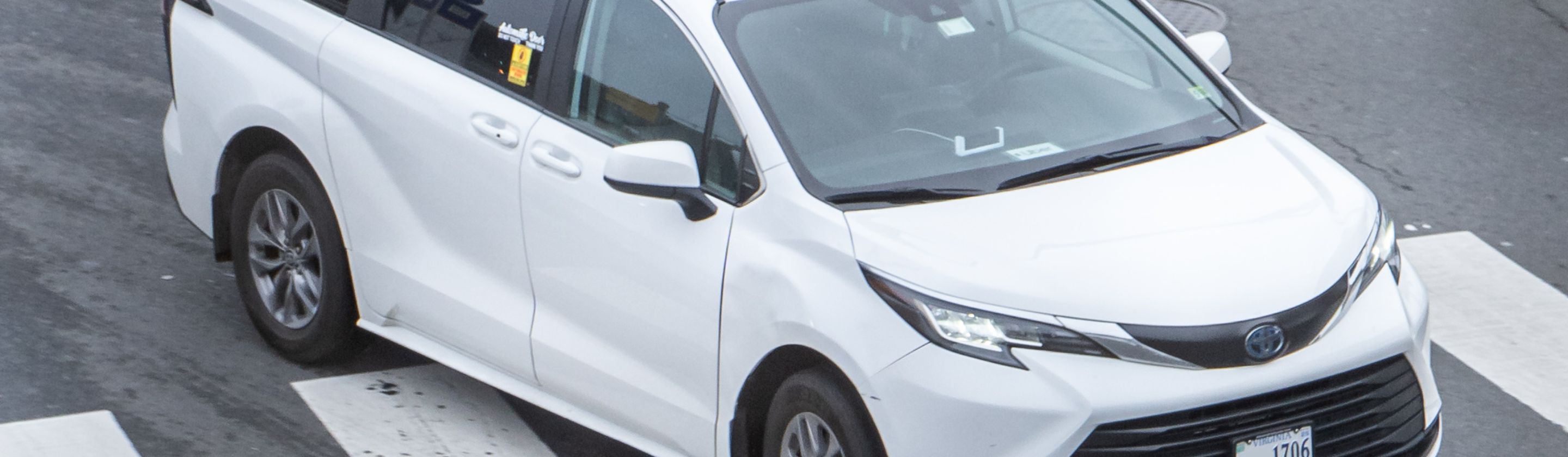
Daytime running lights often make the front of the car look lit, which leads drivers to assume their full headlights are on. In many cars, DRLs do not automatically activate rear lights, so your taillights might be dark even though the road ahead looks fine from your seat. This becomes a problem in rain, dusk, tunnels, and winter fog, when visibility is already low.
18. Service Reminders
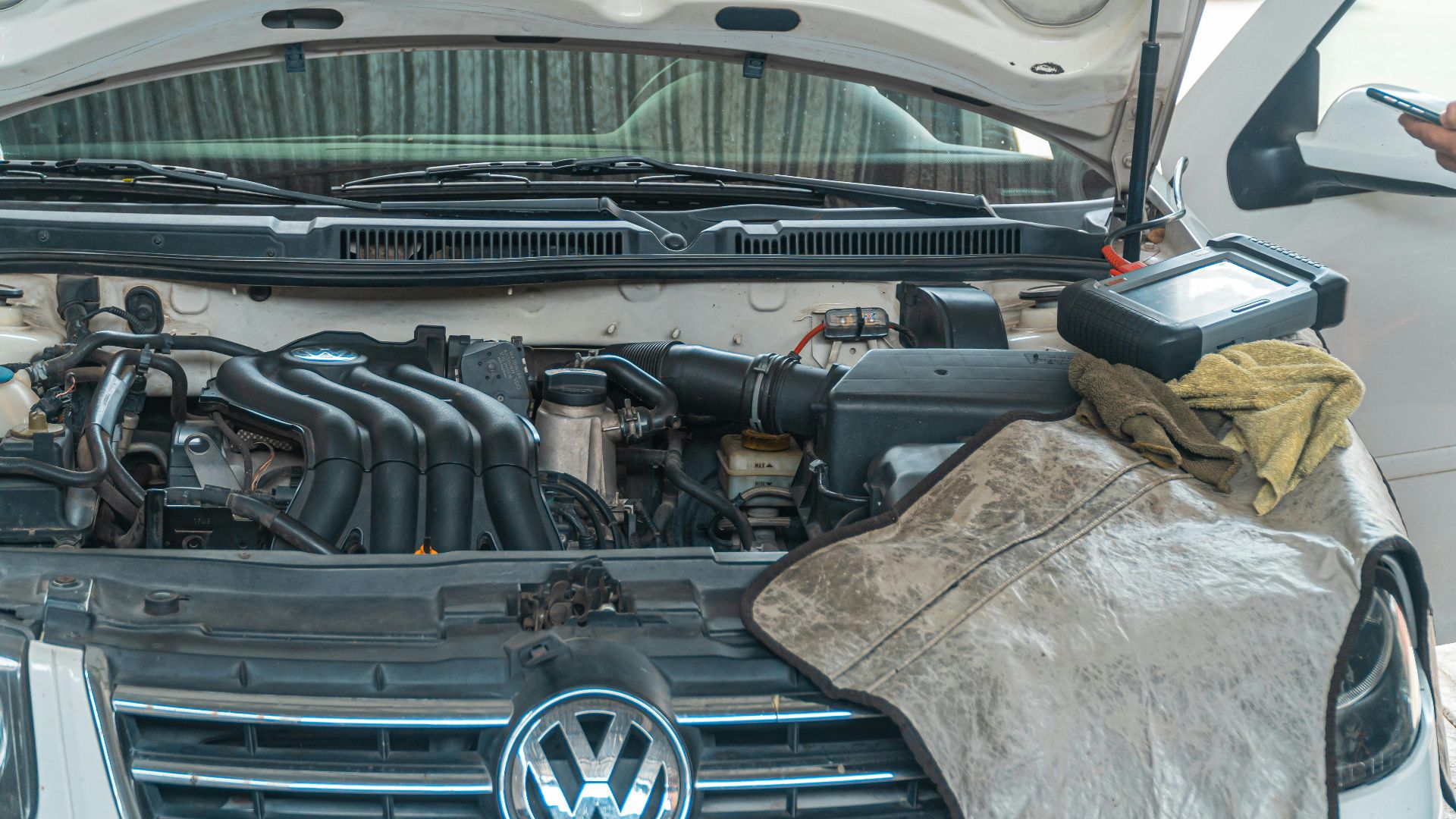
A maintenance reminder light is easy to ignore because it is not loud, it is not scary, and the car does not immediately change how it drives. That said, avoiding these reminders long-term creates much more intense and expensive problems.
 Jose Ricardo Barraza Morachis on Pexels
19. Multiple Lights At Once
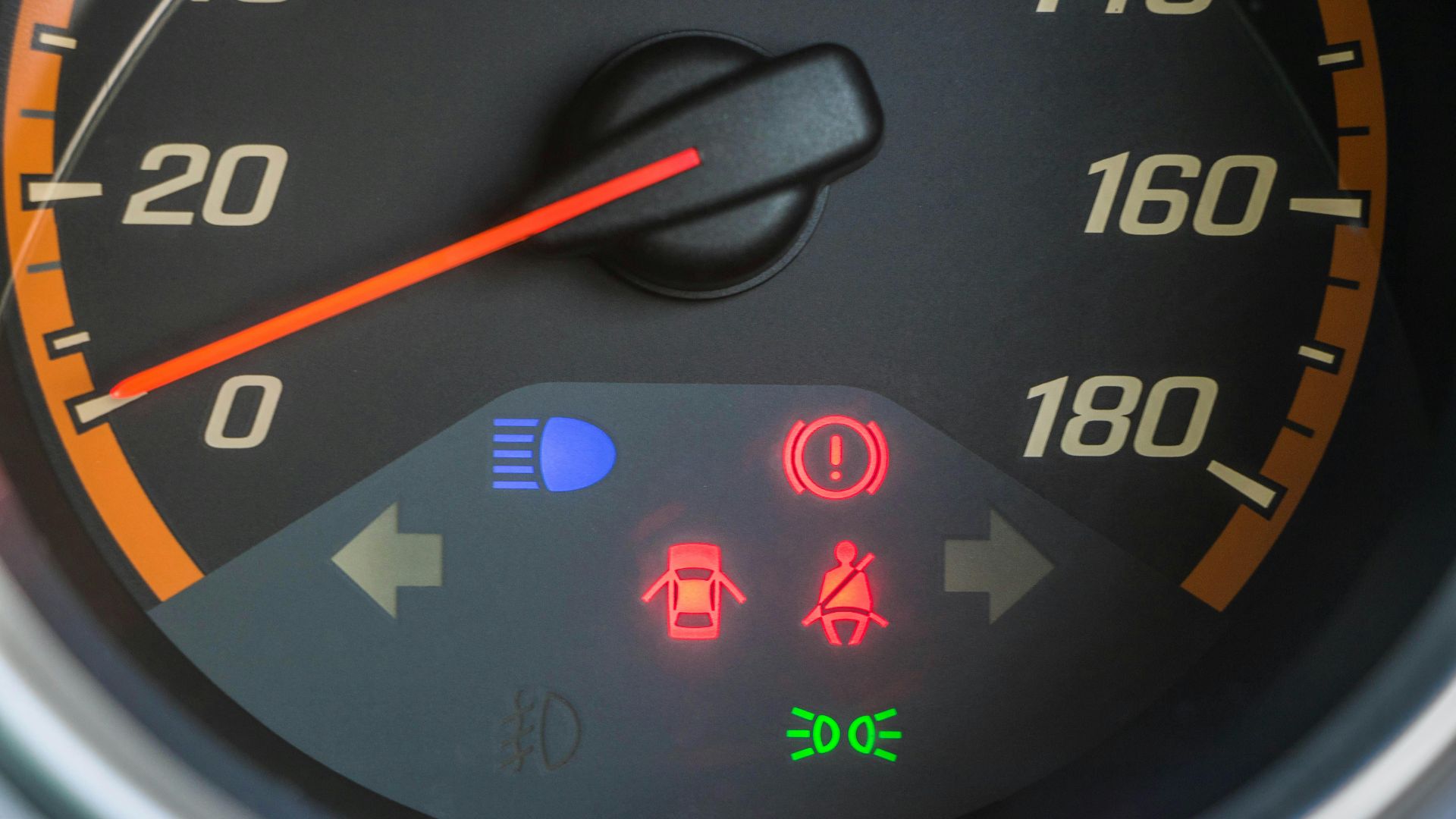
When several warning lights appear together, people often panic and assume the car is falling apart. In many cases, a low-voltage or charging issue can trigger a cascade of warnings, as modern cars rely on stable electrical systems.
20. The “Sensor Glitch” Assumption Becomes A Habit
Modern cars will show symbols that can feel cryptic, so it’s tempting to label anything unfamiliar as a harmless glitch. The safer approach is to verify what the symbol means through the owner’s manual or a qualified mechanic, especially when the light relates to brakes, temperature, airbags, or steering. When you treat every warning as meaningless, you train yourself to miss the one message you really needed to catch.