When you're planning a trip, the question of safety probably crosses your mind at some point. Most people have a gut feeling about whether they'd rather buckle up in a car or board an airplane, but those instincts don't always align with the actual data. The statistics might surprise you, especially if you're someone who grips the armrest during takeoff but thinks nothing of merging onto a busy highway.
The truth is that comparing these two modes of transportation isn't as straightforward as it seems. Different factors come into play when measuring risk, from the distance traveled to the type of road or airspace you're navigating. Understanding what the numbers really mean can help you make more informed decisions about how you travel—and maybe even ease some of that pre-flight anxiety.
The Statistics Don't Lie: Flying Is Safer by the Numbers
When researchers analyze transportation safety, they typically measure risk per mile traveled or per journey taken. According to data from the National Safety Council, your odds of dying in a motor vehicle crash are approximately 1 in 93 over your lifetime, while your odds of dying in an air and space transport incident are about 1 in 9,821. That's a massive difference that holds true across multiple studies and decades of data collection.
The numbers become even more striking when you look at fatalities per mile traveled. Commercial aviation in the United States has an incredibly low fatal accident rate, with some years passing without a single commercial airline fatality. Meanwhile, an average of 40,000 people die in car accidents annually in the U.S. alone, according to the National Highway Traffic Safety Administration. When you consider that Americans drive far more often than they fly, the rate per mile still favors air travel by a significant margin.
It's worth noting that these statistics specifically refer to commercial airlines rather than private planes or helicopters. General aviation—which includes small private aircraft—has a notably higher accident rate than commercial flights, though it's still comparable to driving in terms of overall risk. The stringent regulations, extensive pilot training, and advanced technology used in commercial aviation create a safety net that's hard to match in other forms of transportation.
Why Driving Feels Safer Even Though It Isn't
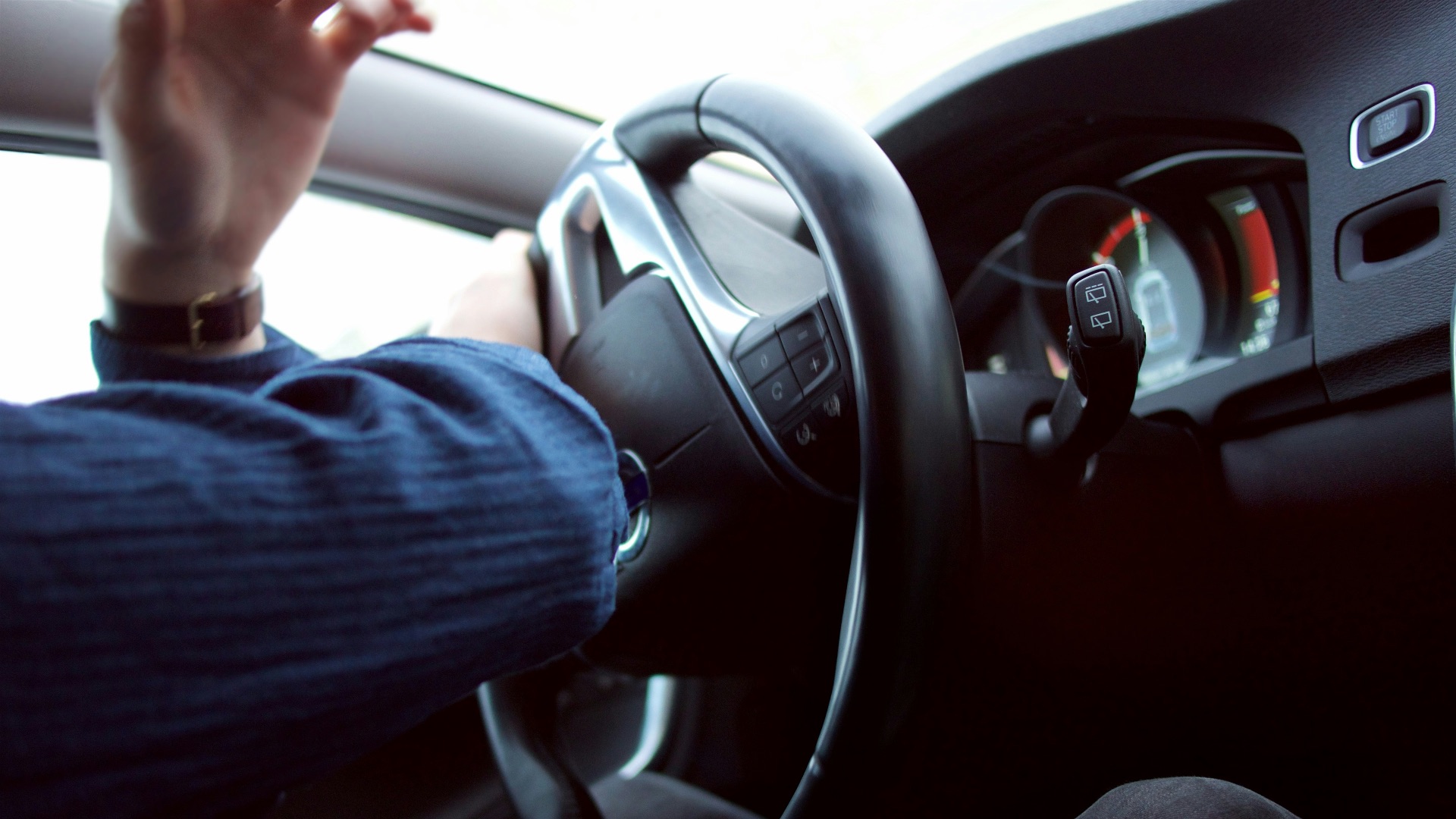
There's a psychological phenomenon at play here that makes driving seem less dangerous than it actually is. When you're behind the wheel, you feel a sense of control over your environment and your fate. You can adjust your speed, change lanes, or pull over if something doesn't feel right, and it's this illusion of control that makes the activity feel safer than it objectively is. In contrast, sitting in an airplane cabin means surrendering that control entirely to the pilots and crew, which can trigger anxiety even though you're statistically much safer.
Familiarity also breeds comfort, sometimes to a dangerous degree. Most people drive almost every day, so the activity becomes routine and unremarkable. You probably don't think twice about your morning commute, even though that's when you're more likely to be exposed to significant risk from distracted drivers, poor road conditions, and human error. Flying, on the other hand, is a rare event for most people, and its unfamiliarity makes every sensation, from turbulence to engine sounds, feel potentially threatening.
Media coverage plays a substantial role in shaping our perceptions, too. When a plane crash occurs, it dominates headlines for days or even weeks because these incidents are rare and often involve many casualties at once. Car accidents, despite being far more common and deadly in aggregate, rarely make national news unless they involve unusual circumstances. This disparity in coverage creates a skewed perception where plane crashes seem more frequent and threatening than they actually are; meanwhile, the daily toll of traffic fatalities becomes background noise that we've unfortunately learned to tune out.
What Makes Flying So Much Safer
The aviation industry has spent decades building redundant safety systems into every aspect of flight operations. Modern aircraft have multiple backup systems for critical functions, meaning that if one component fails, others can take over seamlessly. Pilots undergo rigorous training and regular simulator sessions that prepare them for virtually any emergency scenario you can possibly imagine. Air traffic controllers, in turn, meticulously monitor every commercial flight.
Maintenance standards for commercial aircraft are extraordinarily strict compared to what's required for cars. Every plane undergoes detailed inspections at regular intervals, with mechanics checking thousands of components to ensure they're functioning properly. The Federal Aviation Administration mandates these procedures and can ground entire fleets if safety concerns arise. Meanwhile, many cars on the road are poorly maintained, with worn tires, faulty brakes, or other mechanical issues that drivers simply ignore until something catastrophic happens.
The controlled environment of air travel also eliminates many risk factors that plague roadways. There's no equivalent to drunk driving in commercial aviation because pilots face strict regulations about alcohol (and drug) consumption and undergo testing. Weather conditions that would make flying unsafe result in delayed or canceled flights. The standardization of procedures across the industry means that every flight crew follows the same protocols, reducing the chance of human error that's so much more common in driving. The next time you're worried about getting on a plane, just know that you're in better hands than if you were to get behind the wheel.