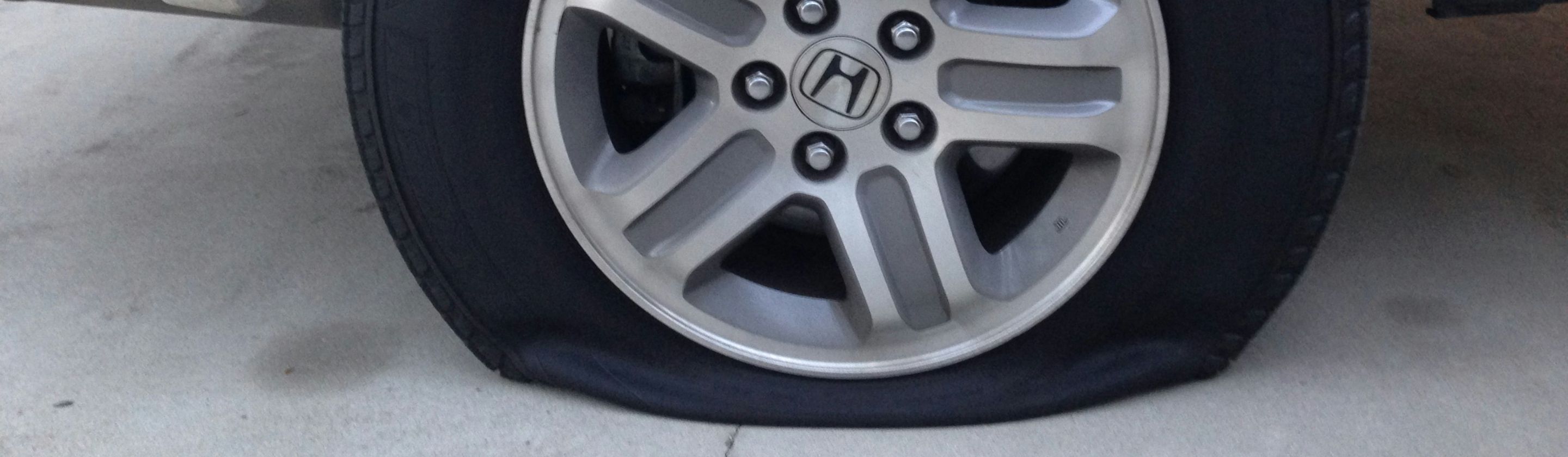
No, You Shouldn't Drive With A Flat Tire—And Doing It Is More Dangerous Than You Think
No, You Shouldn't Drive With A Flat Tire—And Doing It Is More Dangerous Than You Think

A flat tire has a funny way of showing up when you’re already late, under-caffeinated, or both. And thanks to those little stipulations, your brain immediately tries to negotiate: “If I just creep to the next exit, it’ll be fine.” That impulse is understandable, but it’s also how a minor inconvenience turns into an expensive, stressful mess.
Here’s the truth: when a tire loses most (or all) of its air, the rules of normal driving no longer apply. You’re not just rolling on “less tire,” you’re risking heat damage, wheel damage, and a sudden loss of control that can catch even careful drivers off guard. Before you even think about taking the risk, it’s time we explored just how bad an idea it actually is.
What a Flat Tire Does to Your Car
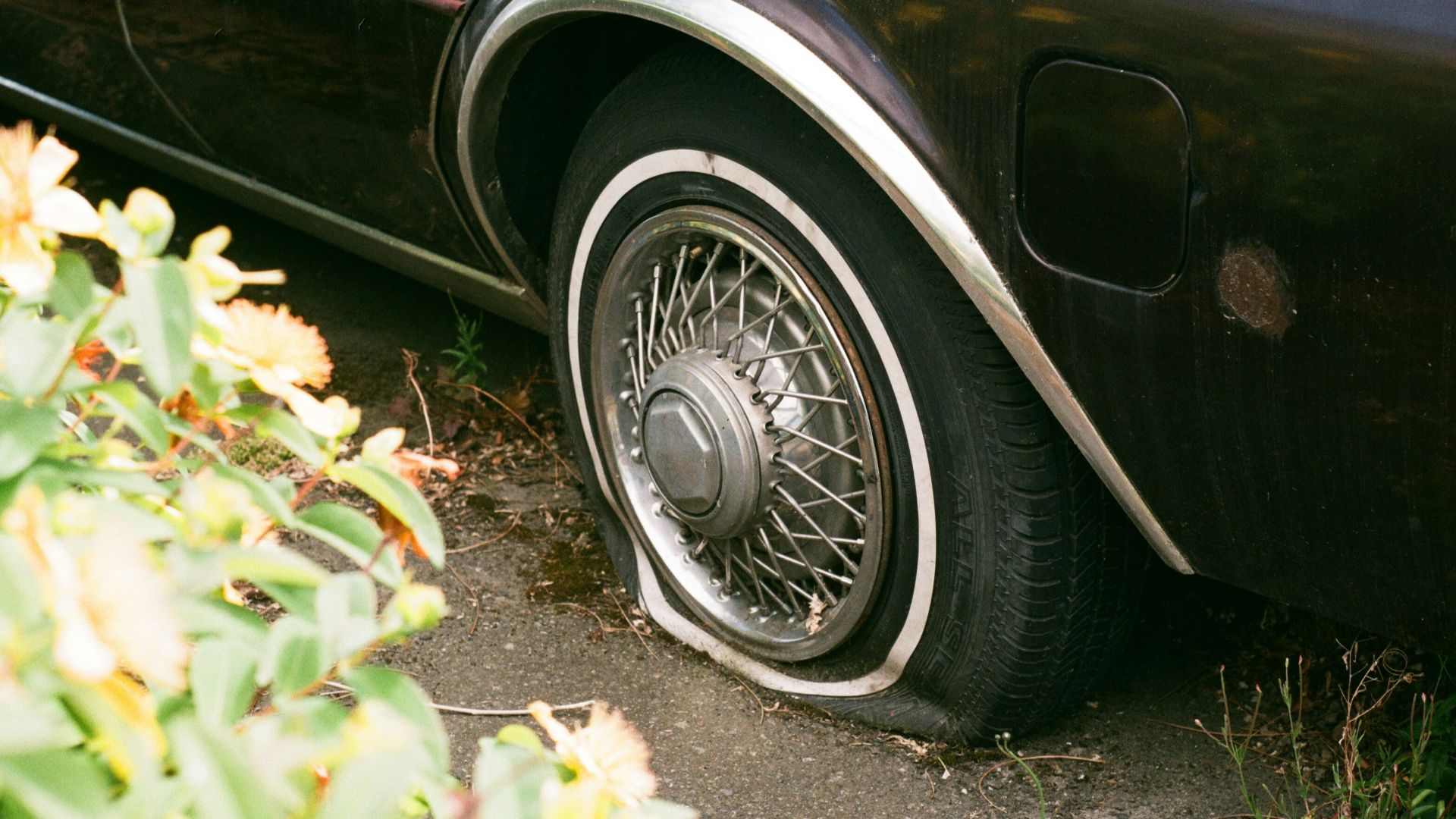
When a tire’s deflated, the sidewall has to do a job it was never hired for: holding up your vehicle’s weight. Instead of the internal air pressure supporting the load, the sidewall bends and flexes excessively with every rotation. Sure enough, that creates rapid heat buildup and internal stress. That heat can then weaken the tire’s structure, making failure more likely the longer you keep moving.
To make matters worse, as you continue rolling, the tire can begin to separate internally. What this means for you is that the rubber might break down in ways you can’t reliably see from the outside. Even if the tire looks “mostly okay” when you finally stop, the hidden damage may make it unsafe to repair or reuse.
Then there’s the wheel itself, which becomes the understudy nobody asked for. With so little cushioning left, the rim can easily strike the pavement, scrape, or bend—especially on rough roads or at speed. Don’t be surprised if you then experience vibration, alignment issues, or a wheel that no longer seals properly with a tire.
The Safety Risks are Bigger Than “A Bumpy Ride”
A flat tire changes how your vehicle responds to steering, braking, and quick corrections. You know, all the important stuff! The contact patch becomes unstable, the car may pull hard to one side, and your ability to hold a clean line through a curve drops fast. If you’re on a highway or making a lane change, that instability also turns a routine moment into a white-knuckle nightmare.
Heat is also a quiet troublemaker here—it’s not only about the tire being ruined; it’s about the risk of a sudden blowout. Underinflation increases friction and heat inside the tire, and higher speeds make the situation even more punishing. It doesn’t matter if it’s “just a short distance,” traffic conditions won’t honor your plan.
It’s worth zooming out for a second. Tire issues aren’t rare little flukes in the transportation universe. The National Safety Council points to tire-related danger as a serious safety concern and cites NHTSA estimates tying unsafe tires to tens of thousands of crashes and hundreds of fatalities in a single year (2017). While that doesn’t mean every low-pressure light equals doom, it does mean tire safety is basic risk management.
A flat can also mess with your stopping distance. With less stable rubber on the road, the tire may not grip predictably when you brake. Next thing you know, your vehicle squirms under the slightest touch. Then, if you brake harder than planned, the car may drift or tug, which is the last thing you want when space is tight.
What You Should Do Instead
First, choose safety over convenience. It might suck in the moment, but your schedule won’t pay your repair bill. If you suspect a flat, slow down smoothly, signal early, and aim for the safest nearby spot—ideally a parking lot or wide shoulder with good visibility. From there, keep yourself out of traffic, turn on your hazards, and get some assistance.
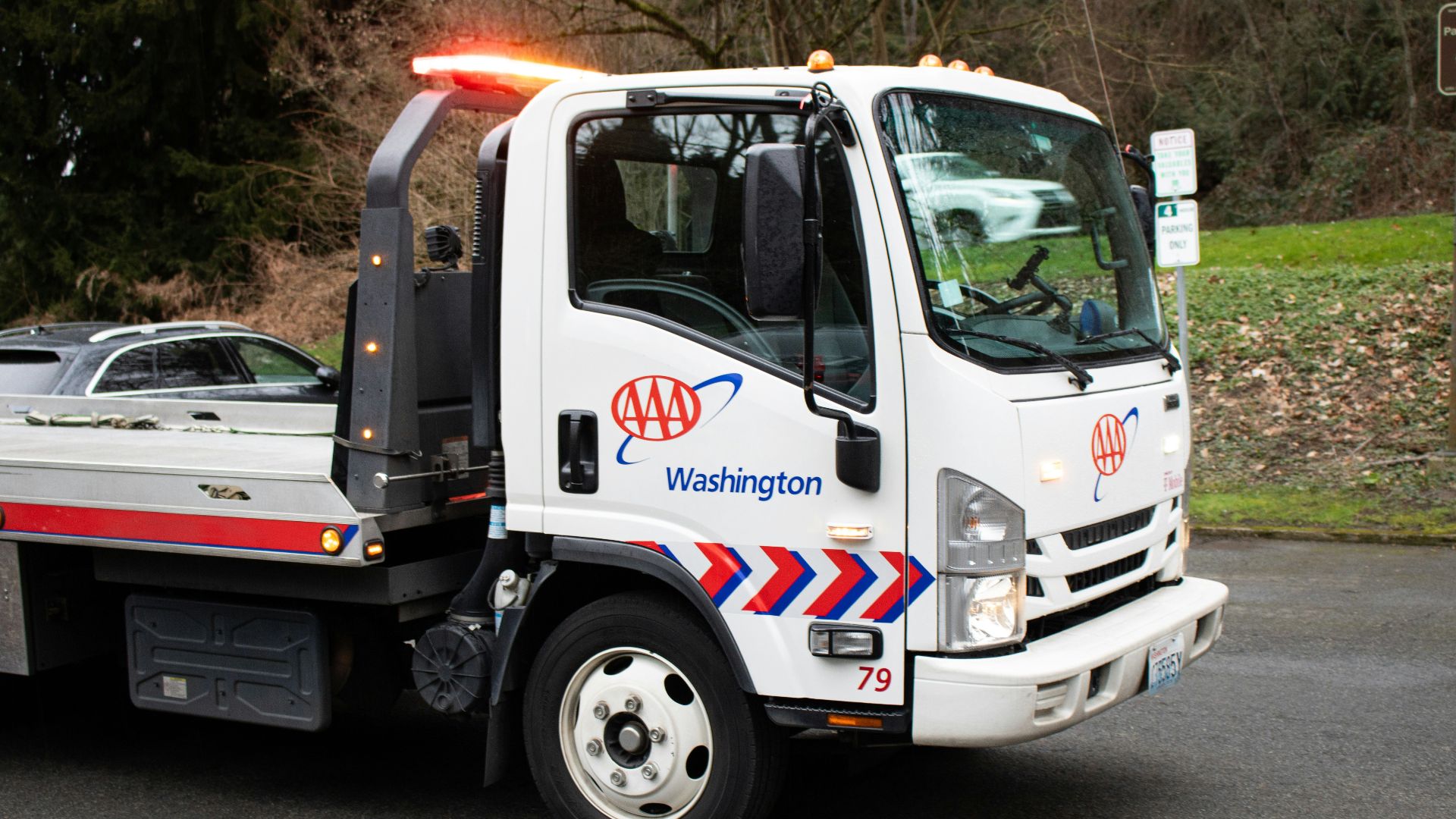
Next, use the tools you’ve got. If you have a usable spare and know how to install it safely, great; if not, roadside assistance is the smarter move. AAA describes flat-tire service as typically involving inflating the tire if possible or replacing it with the spare, and towing you if the spare isn’t safe—exactly the kind of boring, competent outcome you want.
Once you’re safe and help is on the way, think a step ahead so the “fix” doesn’t create a second problem. If the tire was driven on while fully flat, it’s probably best to assume it’s beyond repair, and budget accordingly. It’s also smart to have the shop inspect the wheel and the tire pressure on the other three corners; one flat sometimes signals a bigger maintenance issue. And if you needed a reminder to check your spare’s pressure occasionally, congratulations—you’ve just earned it, courtesy of the universe.