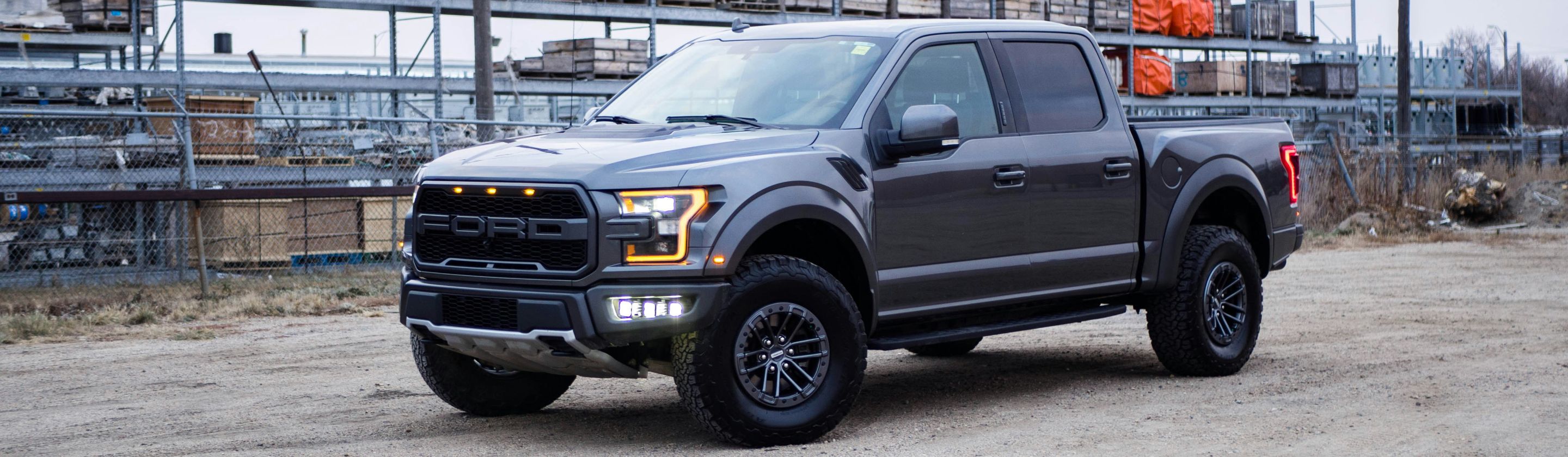
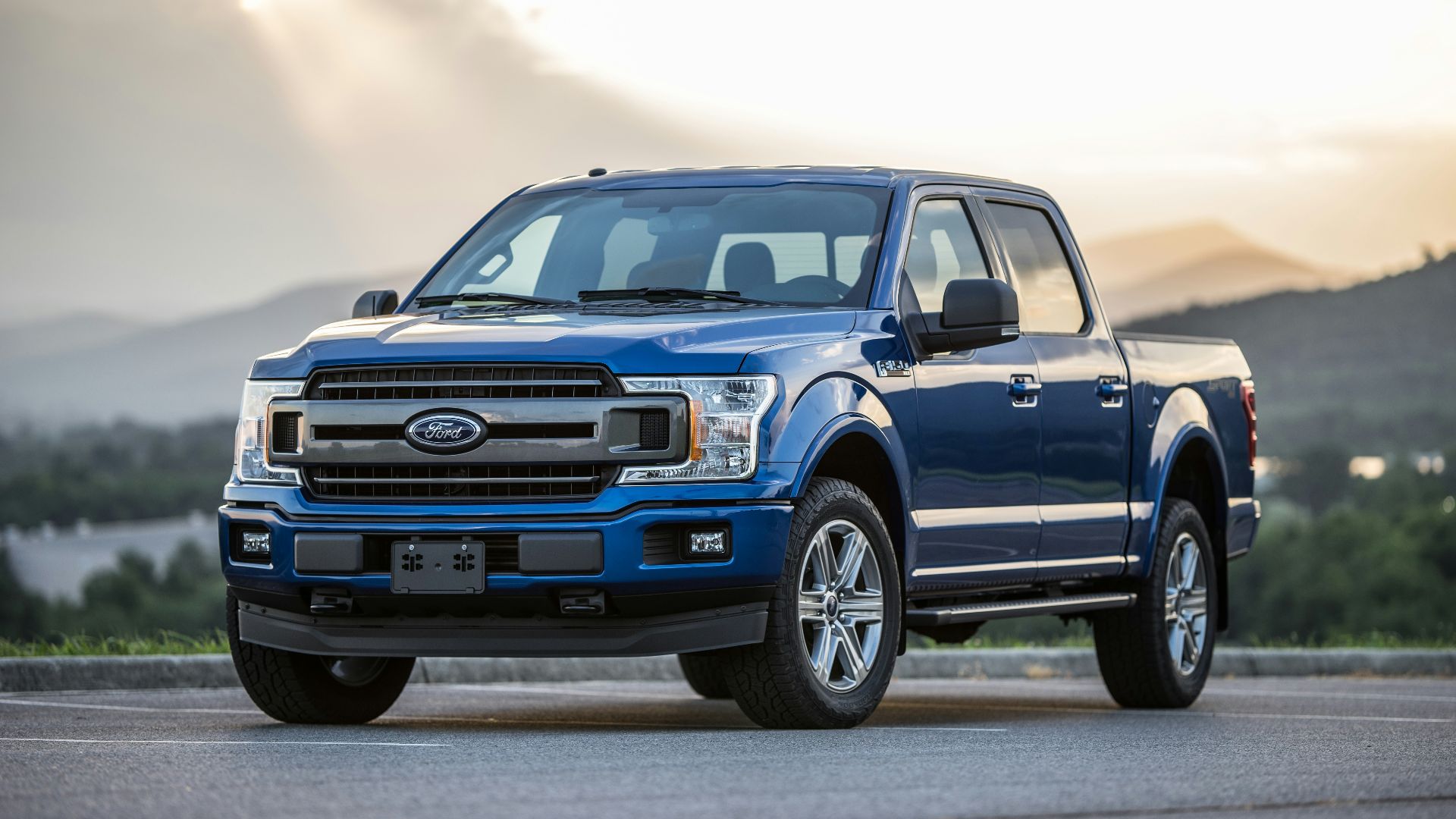
The pitch for aluminum-bodied vehicles is genuinely compelling. The material is lighter than steel, resistant to rust, and increasingly sophisticated in how it can be formed and joined. Ford made the business case loud enough for everyone to hear when it switched the F-150, the best-selling vehicle in the United States for over four decades, to an aluminum body in 2015. Weight savings of around 700 pounds translated directly into better fuel economy and higher payload ratings. On paper, and in the showroom, the argument is hard to counter.
What the brochures don't linger on is what happens after the first significant collision. Aluminum behaves differently than steel in ways that are consequential not just for the repair shop doing the work, but for the owner paying the bill and the insurer calculating the loss. The gap between how good aluminum sounds as an engineering solution and how complicated it becomes as a real-world material is one of the more quietly frustrating realities of modern automotive ownership, and it deserves more attention than it typically gets.
How Aluminum Actually Behaves in a Crash
Steel has a property that body shops quietly rely on called work hardening, which means that when you bend it, it resists further deformation and can often be straightened without losing structural integrity. Aluminum does something different. It deforms more easily at first, which sounds like an advantage, and in a pure crash-energy-absorption sense it sometimes is. The problem is that once aluminum has been deformed, it tends to crack rather than stretch back. The molecular structure doesn't allow for the same degree of reforming that steel does, which is why you can often take a dent out of a steel panel with a slide hammer and some patience, and why doing the same to aluminum is far more likely to produce a cracked panel that needs replacing entirely.
That distinction matters enormously when you're looking at a repair estimate. A minor parking lot incident that would have cost a few hundred dollars on a steel-bodied vehicle can run into the thousands on an aluminum one, not because the damage looks worse but because the repair process is fundamentally different. Aluminum requires specialized tools, dedicated work spaces separated from steel repair areas to avoid galvanic corrosion caused by cross-contamination of metal particles, and technicians who have been specifically trained and certified in aluminum repair techniques. Aluminum-intensive vehicle repairs cost significantly more on average than comparable steel repairs, with some estimates putting the gap at 25 to 30 percent depending on the severity of the damage.
The Ford F-150 transition forced the collision repair industry into a reckoning it wasn't entirely prepared for. Ford itself acknowledged this by investing in a network of certified repair facilities and training programs, and by releasing detailed repair manuals that specified procedures most shops had never dealt with before. Rivet bonding, a technique that joins aluminum panels using structural adhesives and self-piercing rivets rather than welding, became something technicians had to learn from scratch. Welding aluminum is possible but requires MIG or TIG processes that are different from steel welding, and the equipment costs alone put proper aluminum repair out of reach for many independent shops.
The Insurance and Total Loss Problem
Repair costs don't exist in isolation. They feed directly into how insurers calculate whether a vehicle is worth fixing or worth totaling, and aluminum's expense profile has shifted those calculations in ways that owners don't always anticipate. A vehicle gets declared a total loss when the estimated repair cost exceeds a certain percentage of its actual cash value, a threshold that varies by state and insurer but typically sits somewhere between 70 and 100 percent. When repair costs climb because of material and labor complexity, vehicles hit that threshold faster.
The Insurance Institute for Highway Safety and various actuarial analyses have noted that aluminum-intensive vehicles tend to generate higher claim costs even in relatively minor collisions. A bumper cover replacement on a steel vehicle might involve straightforward parts and standard labor. The same incident on an aluminum vehicle might require panel replacement rather than repair, specialized adhesives, recalibration of sensors mounted behind the damaged area, and labor from a certified technician whose time costs more than a general technician's. All of that adds up before you've addressed anything that looks particularly serious.
What this means practically is that an aluminum-bodied vehicle depreciates into a zone of vulnerability faster than its steel equivalent. As the vehicle ages and its actual cash value drops, the repair cost threshold for a total loss declaration gets easier to cross. A five-year-old aluminum-bodied truck with a moderate front-end collision isn't necessarily a write-off on the merits of the damage alone. It might be a write-off because the math, shaped by material costs and labor rates, simply doesn't work in favor of repair.
What Owners Are Actually Dealing With
The practical experience of owning an aluminum-bodied vehicle diverges from the ownership experience of a steel one in ways that accumulate over time. Finding a qualified repair shop is the first friction point. Not every market has an adequate density of aluminum-certified facilities, which means owners in rural or smaller suburban areas may face longer wait times, greater distances to travel, or pressure to use shops that claim competency they haven't formally demonstrated. Ford's certified collision repair network addressed this to some degree for F-150 owners, but it didn't solve it universally.
Aftermarket parts availability is another layer of the problem. Steel panels have a long aftermarket supply chain built up over decades of the same basic manufacturing processes. Aluminum panels, particularly those joined with structural adhesives and rivets, are more often OEM-only or require specific replacement procedures that defeat the purpose of using a cheaper aftermarket part in the first place. That keeps repair costs elevated throughout the vehicle's life in a way that buyers rarely factor into their total cost of ownership calculations at the point of purchase.
None of this means aluminum-bodied vehicles are a bad choice. The engineering case for the material remains solid, and for buyers who prioritize performance, fuel economy, and towing capacity, the F-150's aluminum body delivered real and measurable benefits. What we should be more honest about, as an industry and as a car culture, is that materials innovation in the body structure of a vehicle is not a free upgrade. It comes with tradeoffs that live not in the engineering lab but in the collision center, in the insurance adjuster's estimate, and in the moment an owner finds out that a dented quarter panel is going to cost them more than they budgeted for. The weight savings are real. So is the bill.