
10 Reasons Car Insurance Feels Like a Scam & 10 Reasons It’s Actually Math
Built For Numbers, Not Feelings
Car insurance has a way of making decent, responsible people feel like suckers. You pay dutifully every month, and then the price still jumps or the coverage feels weirdly narrow right when you need it. You usually only deal with insurance when something has already gone wrong, like a crash, a theft, a hailstorm, or a cracked windshield, and you’re stressed and just trying to get your car repaired or replaced. On top of that, the rules vary by state, the paperwork reads like it was drafted for a courtroom, and the numbers can hinge on details that don’t feel connected to how you actually drive. Here are ten reasons car insurance can feel like a scam, and then ten reasons it often comes down to numbers and risk, even when the system explains it badly.]
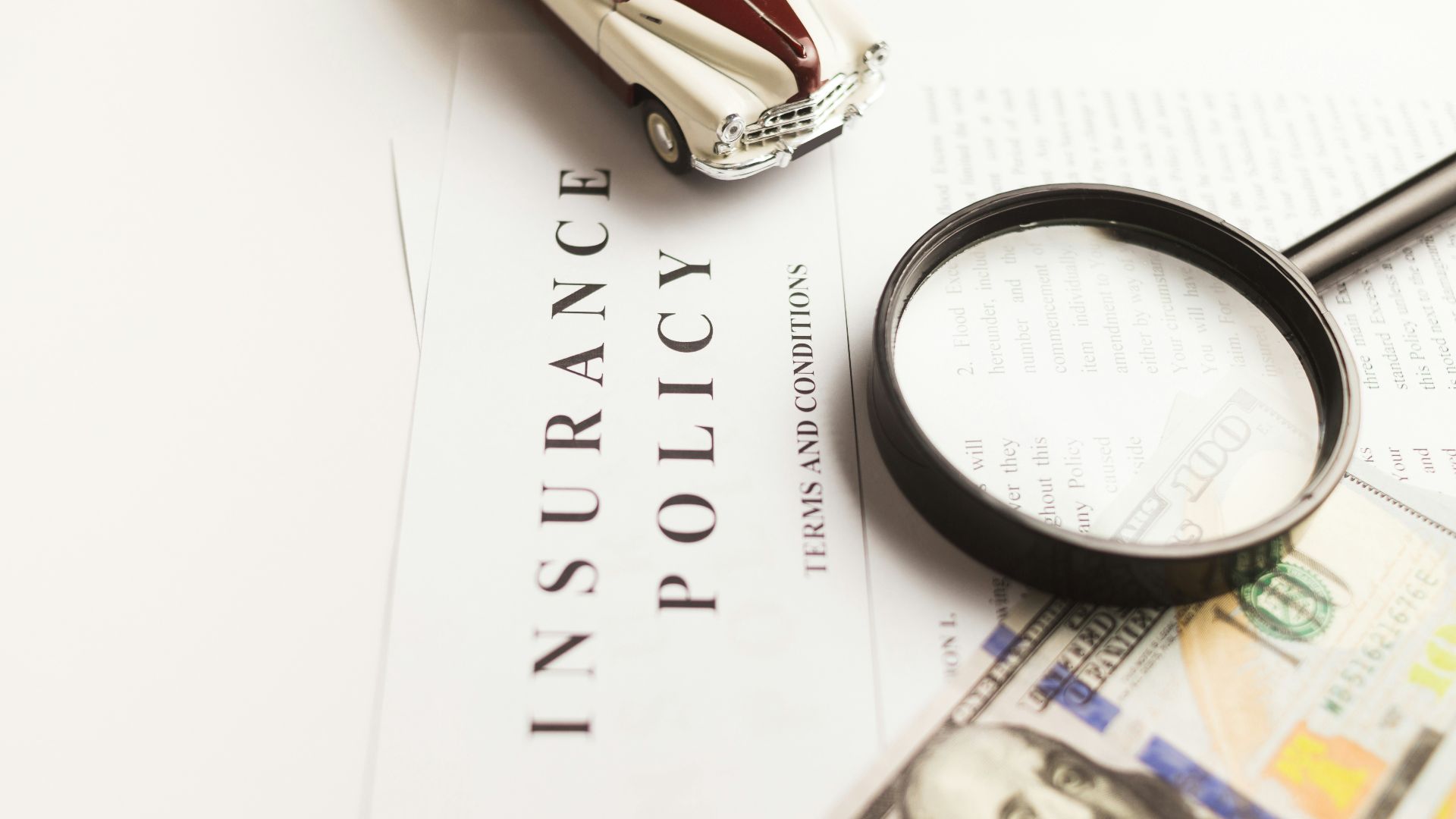
1. You Pay For Years And Still Feel Unprotected
Most months, you’re buying the idea of protection, not a service you can point to, and that can feel like paying for air. When something happens, coverage sometimes turns out to be narrower than you assumed. The mismatch between what you thought you bought and what the policy actually promises is where the scam feeling starts.

2. The Price Goes Up Even When You Drive The Same
A renewal notice can arrive with a higher premium and no obvious reason, which feels like a company charging more because it can. People don’t see the broader forces behind the scenes, like repair inflation, higher medical costs, and more expensive parts, so the increase feels random.

3. The Claim Process Feels Like You’re On Trial
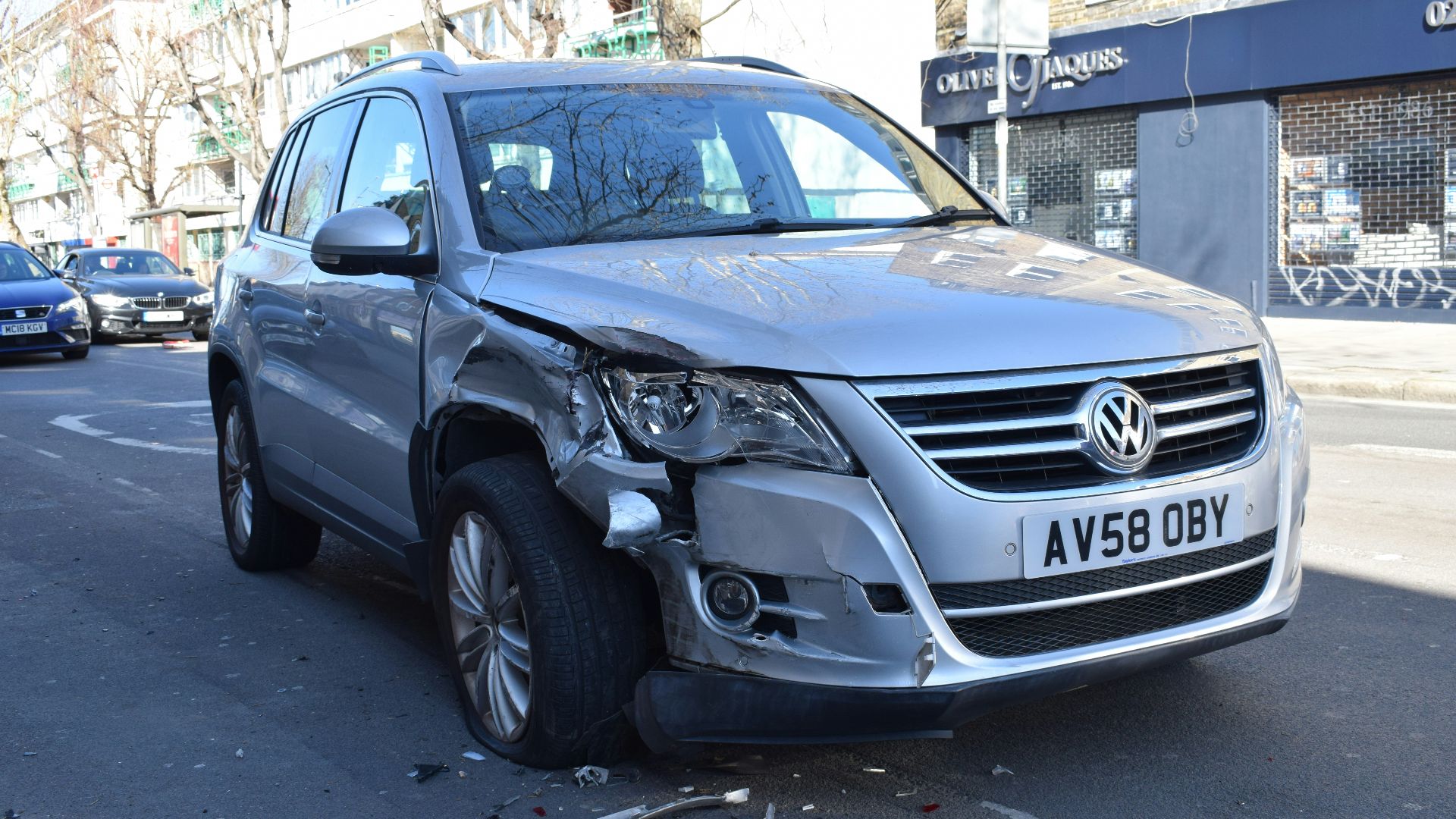
After a crash, you may be asked to repeat the story, provide photos, pull records, and answer questions that feel suspicious. Insurance fraud is a real, documented problem that regulators and industry groups talk about openly, yet it still stings when honest drivers feel treated like suspects. The process can be slow and procedural at exactly the moment you need speed.
 Clark Van Der Beken on Unsplash
4. Deductibles Feel Like Paying Twice
You pay premiums for the privilege of having coverage, then you pay again when you actually use it. Deductibles are normal and clearly stated, yet they’re easy to resent because they show up at the worst possible time. The emotional math says you already paid, even when the contract says you’re sharing the cost.

5. Total Loss Payouts Can Feel Like A Lowball
When a car is totaled, insurers often pay actual cash value, which reflects market value and depreciation rather than what you paid or what you still owe. That difference can feel insulting when you’re staring at a loan balance or shopping for a replacement in a pricey market. The payout can be consistent with policy language and still feel like getting shorted.
 commons.wikimedia.org on Google
6. Your ZIP Code Can Matter More Than Your Driving
Rates commonly reflect where the vehicle is garaged because theft risk, crash frequency, and repair costs differ by location. That can feel like getting punished for your neighborhood, especially if you’ve never filed a claim. Regulators and consumer guides acknowledge location as a standard rating factor, yet fairness is not always how it feels at the kitchen table.
7. The Policy Language Feels Like A Trap
Coverage is full of exclusions and definitions that are easy to skim and hard to remember until something goes wrong. The language exists because these are legal contracts, and legal contracts tend to read like they expect a fight. If you’re stressed, even a reasonable exclusion can feel like a gotcha.
 Gabrielle Henderson on Unsplash
8. One Small Accident Can Haunt Your Rate
A minor fender-bender can lead to years of higher premiums, which feels disproportionate if the damage was small. The system often prices based on expected future risk, and a claim becomes a signal, even if it was a fluke. People experience it as punishment, especially when they did everything they were supposed to do.
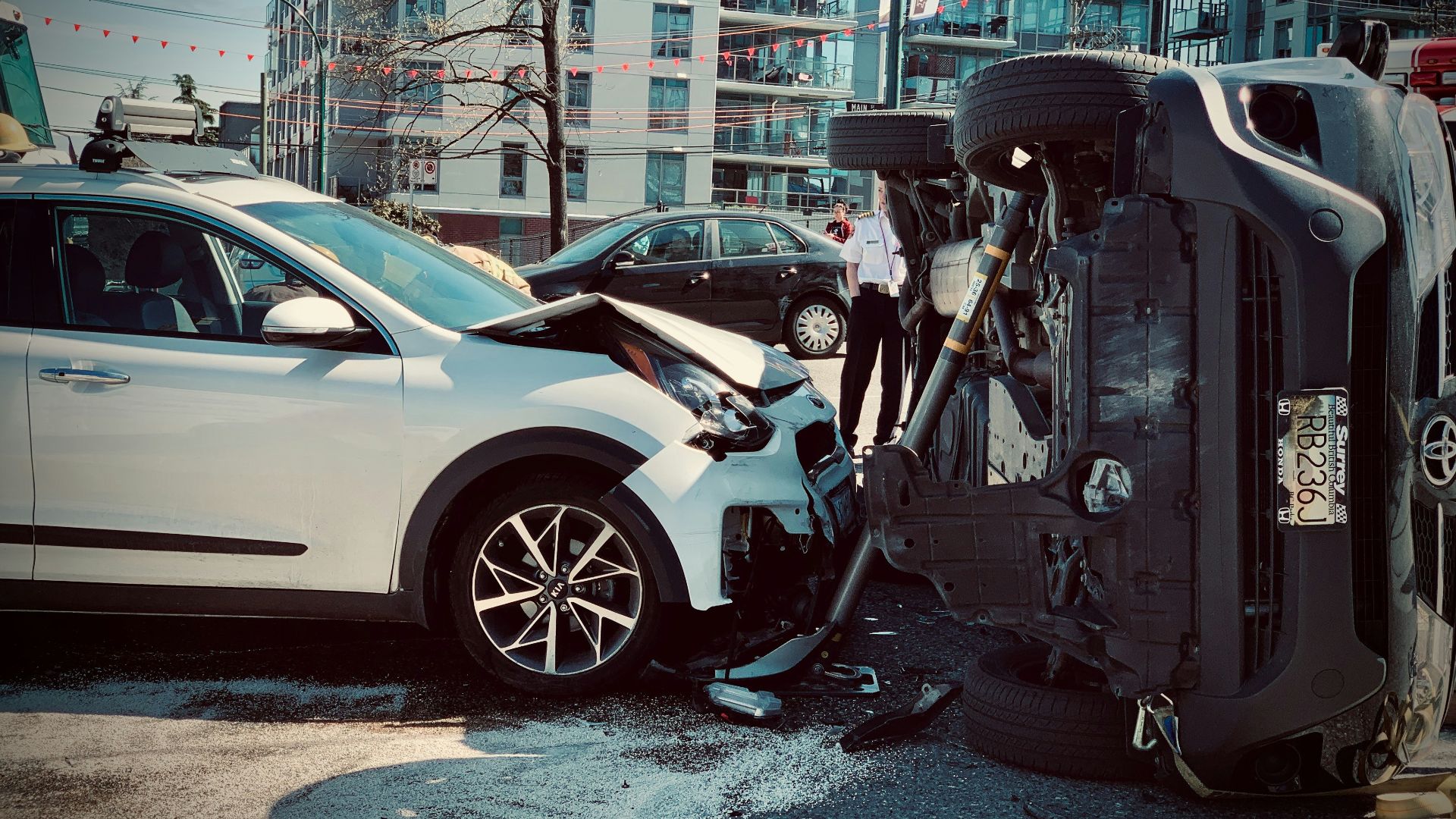
9. You Can Do Everything Right And Still Get Stuck
Sometimes another driver is clearly at fault and you still spend weeks dealing with adjusters, repair shops, and delays. Subrogation and fault disputes can drag out even straightforward situations, depending on state rules and evidence. From the outside, it can look like the company is stalling when you just want normal life back.
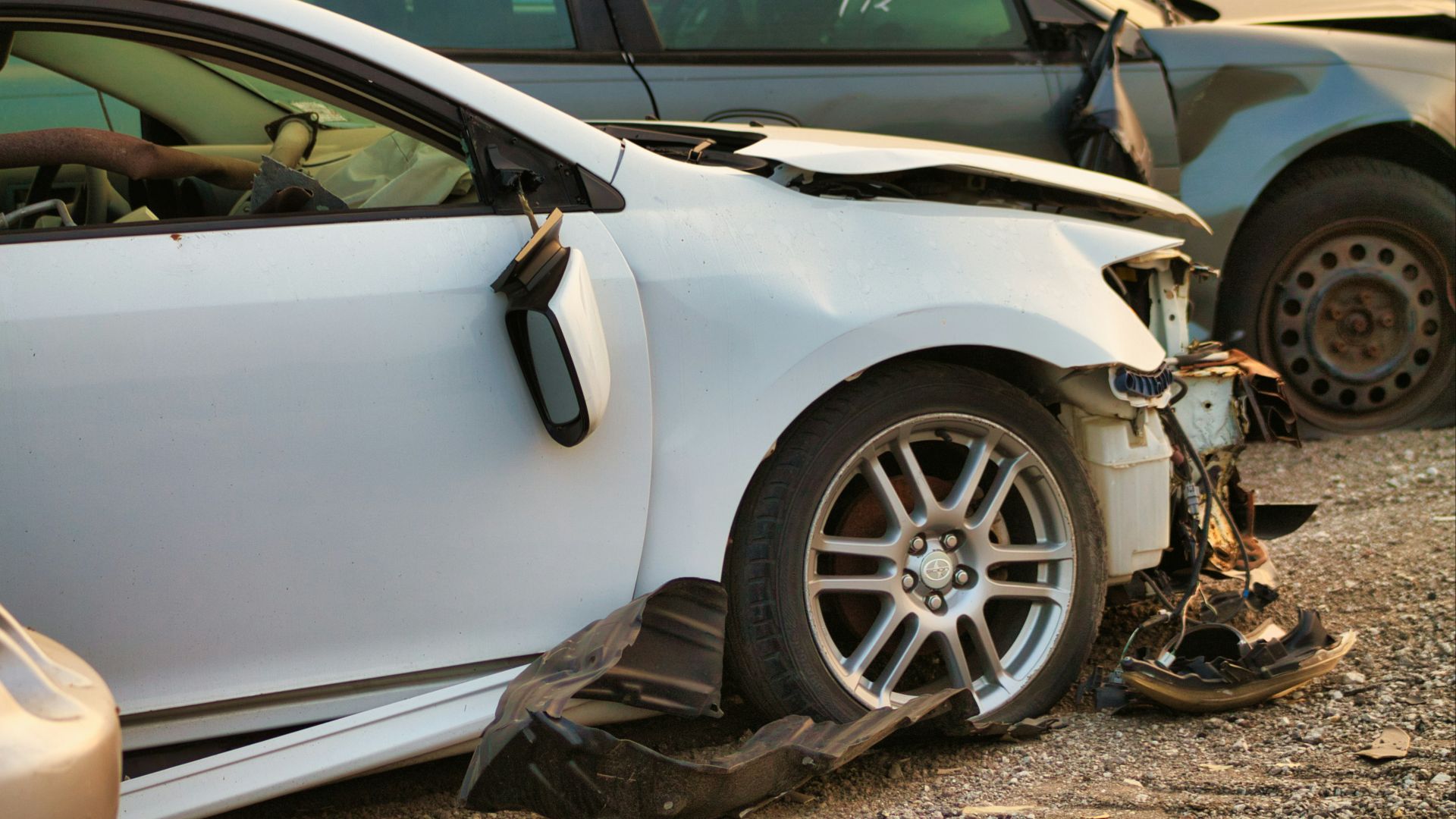
10. You Feel Like You’re Paying For Other People’s Chaos
Insurance is a pooled system, so other people’s crashes, fraud, and lawsuits influence the price everyone pays. That’s hard to accept when you drive carefully and rarely make claims. The resentment makes sense because you’re asked to be responsible in a system that prices you as part of a crowd.
And now, here are ten reasons why insurance rates make sense.
1. Insurance Is A Pool, Not A Personal Account
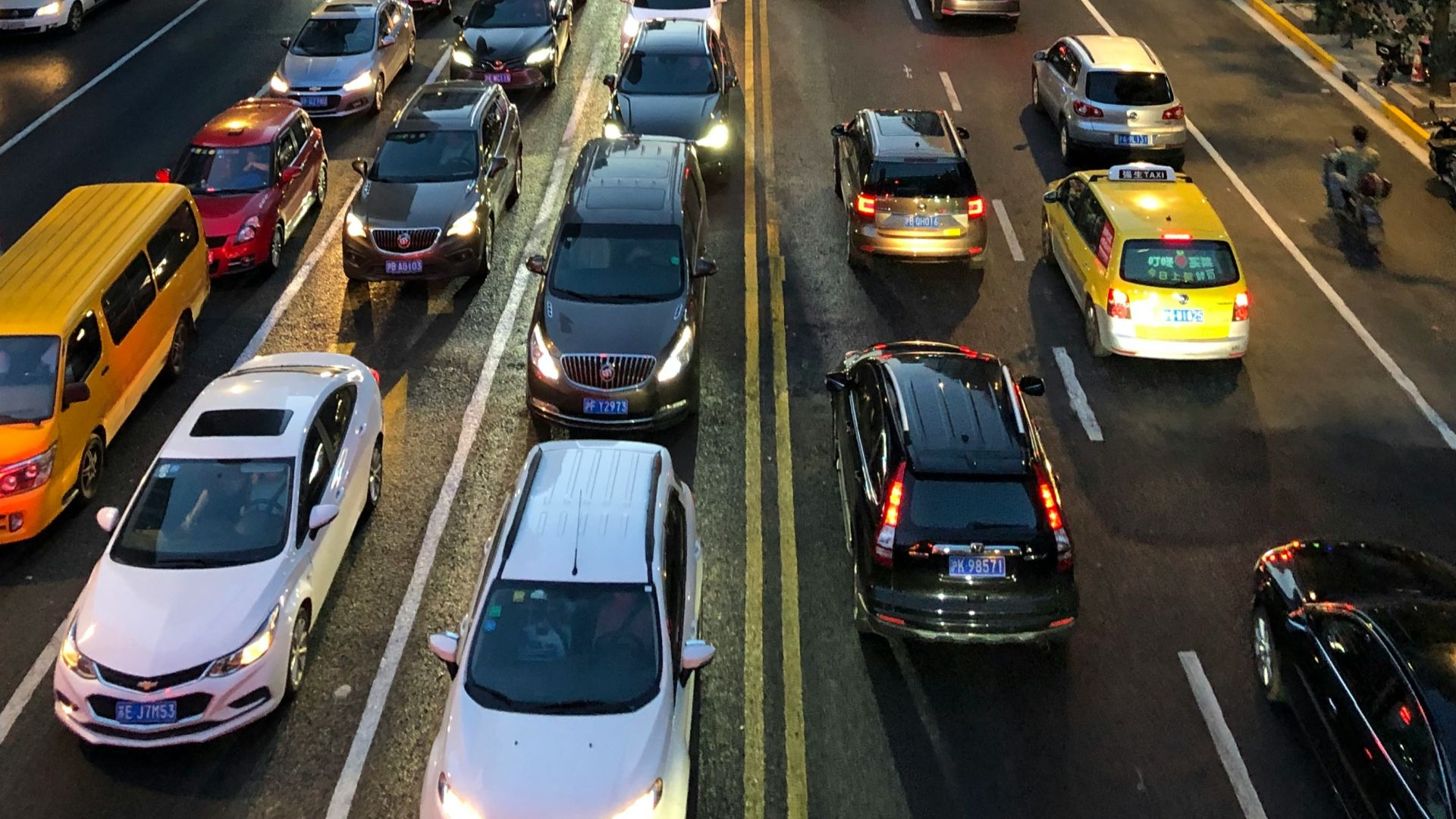
Premiums from many drivers fund the claims of the smaller number who have losses this year. If every person got back exactly what they paid in, insurance would stop being insurance and turn into forced savings. The whole premise is spreading risk across a group so one bad day doesn’t become a financial disaster.

2. Prices Are Built On Expected Costs
Auto insurance pricing is driven by forecasting, which is why actuaries exist and why regulators care about rate filings and justification. Companies estimate how often claims will happen and how expensive they’ll be, then add administrative costs and a margin for uncertainty. That math can feel cold because it’s designed to ignore feelings.
3. Repairs Are More Expensive Than They Used To Be
Cars are packed with sensors, cameras, and specialized materials, and even a seemingly minor collision can require expensive calibration and parts. Labor costs rise, supply chains wobble, and repair times stretch, which increases costs for rentals and claims handling. This shows up in premiums because the insurer is pricing tomorrow’s repairs, not yesterday’s.

4. Medical And Legal Costs Shape Liability Pricing
Liability coverage is often the big-ticket risk, especially when injuries are involved, and the costs can be enormous. Medical billing, physical therapy, long recoveries, and litigation can turn one crash into years of expense. Regulators and consumer agencies routinely emphasize liability as the coverage that protects against financial ruin, which is also why it is not cheap.

5. Deductibles Reduce Small Claims And Keep Premiums Lower
Deductibles exist partly to keep every door ding from becoming a claim with administrative costs attached. Processing claims costs money even before a repair is paid, and lots of tiny claims would push premiums higher for everyone. A deductible shifts the small stuff back to the driver so the pool can focus on bigger losses.

6. Risk Factors Work At Scale, Even When They Feel Unfair
Rating factors like age band, driving history, vehicle type, and location are used because they correlate with claims in large datasets. That doesn’t mean they describe any one person perfectly, and plenty of careful drivers get lumped into pricier groups. The goal is consistency across millions of policies, not individualized moral judgment.

7. Fraud Is Real, And It Warps The System
Staged crashes, inflated repair bills, and exaggerated injury claims are a documented concern in insurance oversight and enforcement. That reality pushes insurers to verify details, request documentation, and sometimes move slowly. Honest drivers experience the friction, yet the friction is partly a response to bad actors.

8. State Regulation Creates Different Rules
Auto insurance is regulated primarily at the state level in the United States, which is why required coverages and claim rules vary widely. Some states are no-fault for certain claims, some have different minimum liability requirements, and many have unique consumer protections. This patchwork affects prices, and it also affects how claims feel when you file one.

9. Premium Hikes After Claims Are Risk Signals
A claim can indicate higher future likelihood of another claim, even when the first one felt like a one-time mess. Insurers price based on probability, so a change in your record changes the forecast, not the moral scorecard. That’s frustrating when you feel unlucky rather than risky, yet the model doesn’t know luck from pattern.

10. The Whole Product Is Designed For Bad Days
Insurance is built to function under stress, when emotions run high and costs are uncertain. The process relies on documentation, definitions, and standardized valuation because that’s what scales across millions of drivers and millions of claims. It can still feel like a scam in the moment, yet a lot of what you’re seeing is the machinery of risk pooling, cost forecasting, and regulation trying to keep a messy system from collapsing.







.jpg)