
Selling your car privately can put significantly more money in your pocket than trading it in at a dealership, but it also comes with some real risks. Fraud, identity theft, and post-sale liability are just a few situations that catch unprepared sellers off guard, and a little preparation goes a long way toward avoiding them.
The good news is that protecting yourself throughout the process doesn't require anything complicated. With the right paperwork, a clear process for vetting buyers, and smart habits around payments, you can close the deal confidently and walk away with little to no risk at all.
Preparing Your Car
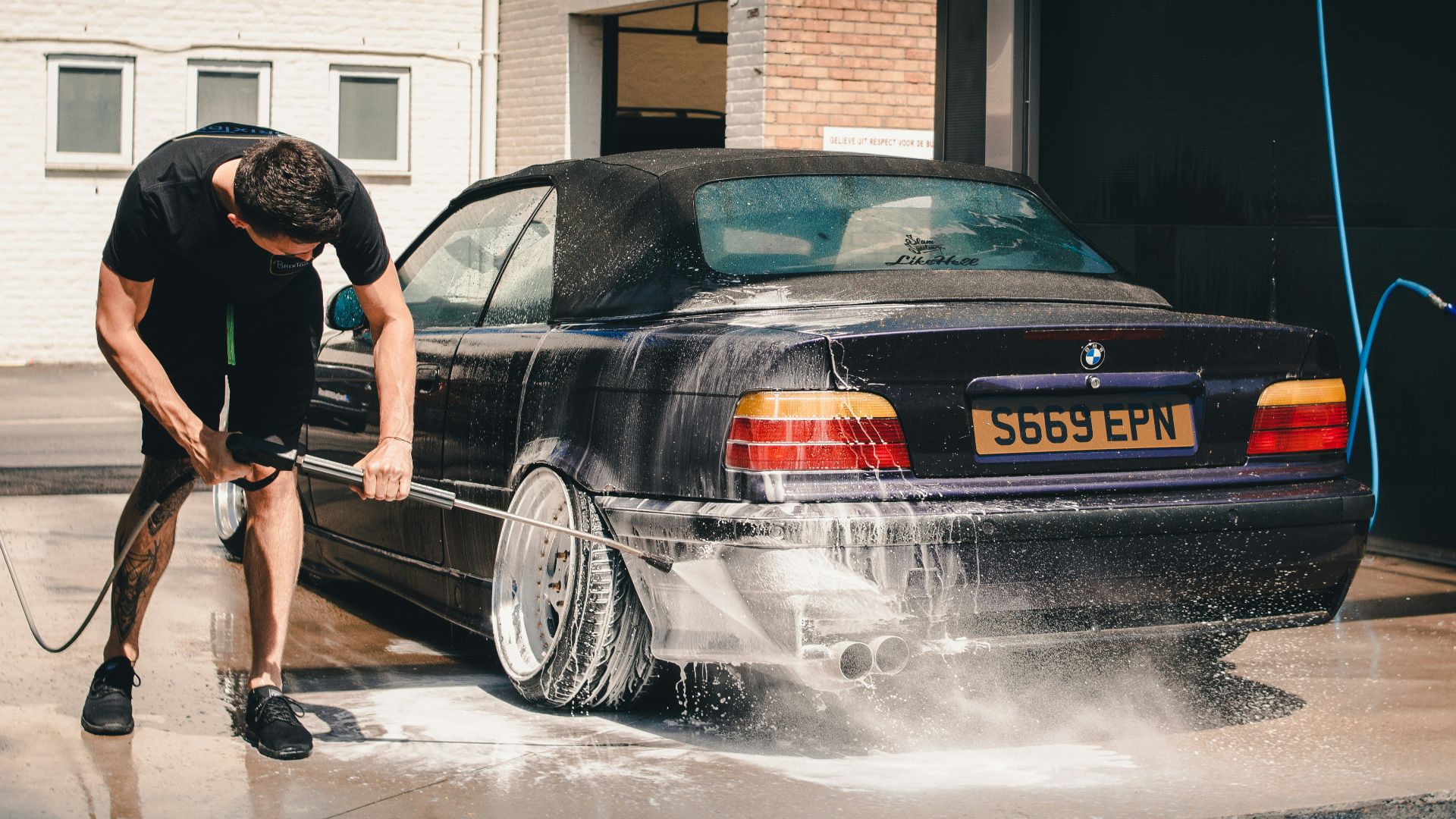
Before you list your car anywhere, spend some time getting both the vehicle and your paperwork into solid shape. A thorough interior and exterior detail, along with small fixes like replacing burnt-out lights or topping off fluids, makes a better impression and gives you more leverage on price. Pulling together your maintenance records also signals to buyers that the car has been cared for, which builds trust early.
On the paperwork side, you'll also require a clear title with no liens, a current registration, an odometer disclosure for vehicles under ten years old, and a bill of sale, which are all standard requirements, while some states also require a smog or emissions certificate. According to GiveMeTheVIN's state-by-state guide, filing a release of liability with your DMV is one of the most critical steps, as it legally separates you from anything the buyer does with the car after the sale.
Pricing your car correctly is the last piece of this preparation stage. Tools like Kelley Blue Book let you calculate a fair market value based on your vehicle's condition, mileage, and location. Being upfront about the car's history, including any accidents or repairs, also helps prevent disputes later. Buyers who feel informed are far less likely to come back with complaints after the sale.
Screening Buyers
Where and how you list your car matters more than most people realize. Platforms like Craigslist and Facebook Marketplace have a wide reach, but they also attract scammers, so it's worth taking a few precautions before your listing goes live. Blur or crop out your license plate and VIN in photos, avoid including any personal details in the description, and consider using a separate email address or a temporary phone number specifically for the sale. Meeting in a public place, like the parking lot of a police station, is a smart habit that many experienced sellers swear by.
When inquiries start coming in, treat the screening process seriously. Ask potential buyers about their financing situation, their timeline, and specific questions about the vehicle to see whether their responses make sense. Red flags to watch for include offers that are significantly above your asking price, requests to pay via wire transfer, or buyers who seem to be applying unusual pressure to move quickly.
Before you agree to a test drive with anyone, ask for a copy of their driver's license and some form of proof that they actually have funds available to complete the purchase. Never invite a buyer to your home address, and avoid sharing that information at any stage of the process. Keeping your personal details out of the transaction until you're confident in someone's legitimacy is simply good practice.
Test Drives & Closing The Deal

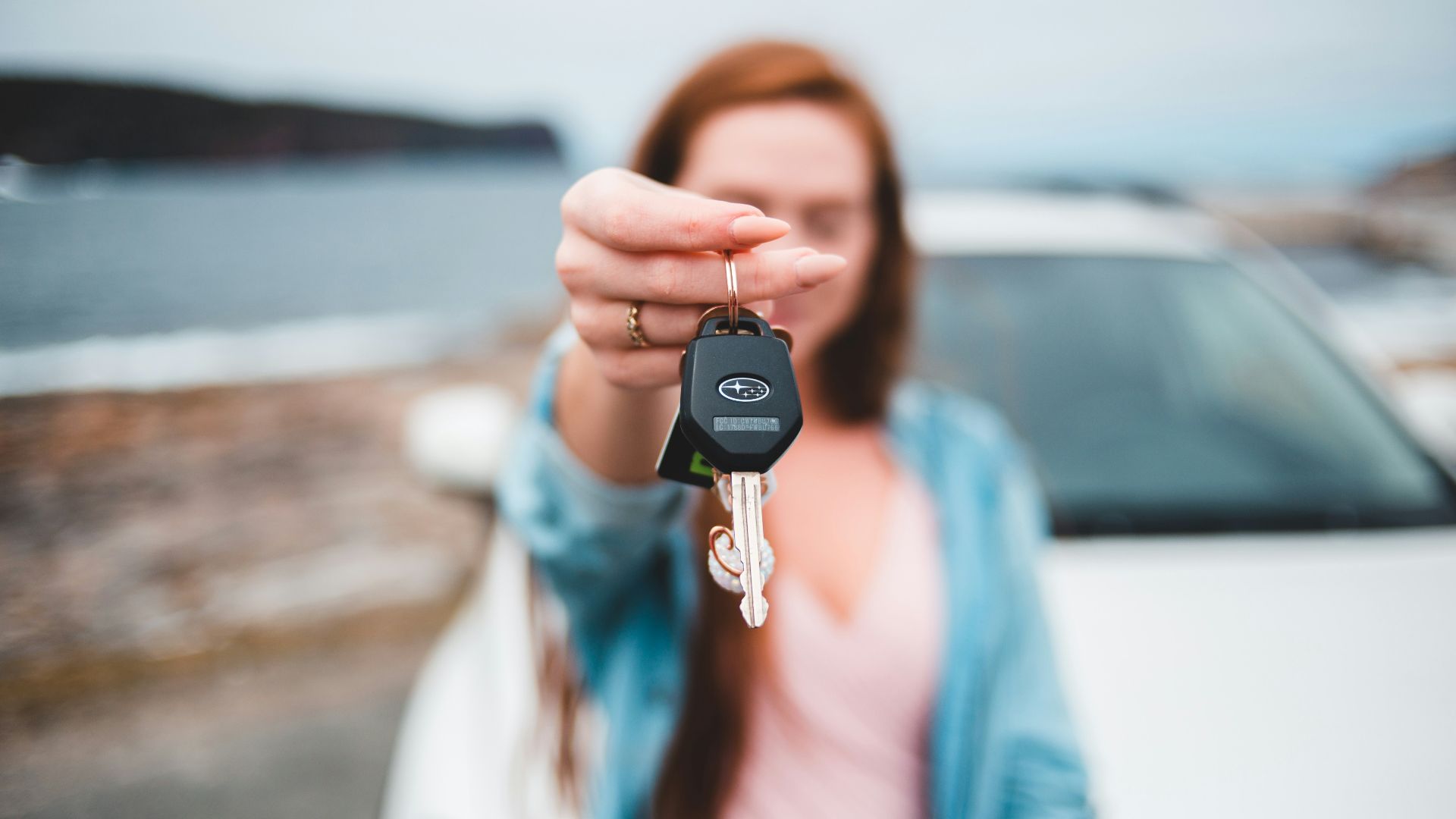
Test drives are where a lot of sellers let their guard down, which is exactly when problems tend to happen. Always accompany the buyer on the drive rather than handing over the keys and waiting behind, and hold onto their ID for the duration of the test. Pre-agree on a short, familiar route and make clear that deviations from it aren't on the table. Bringing a friend or family member along adds another layer of security, and it’s also a good idea to keep your insurance active on the vehicle until the title officially transfers.
During the drive, pay attention to how the buyer handles the car. If anything seems off, like aggressive driving or attempts to take unexpected detours, that's worth taking seriously. Noting the car's condition before and after the test drive also protects you if a buyer later tries to claim damage that was already there.
When it comes time to finalize the payment, stick to cash or a cashier's check that you can verify directly at the bank, and complete the exchange inside the bank itself when possible. Personal checks, money orders, and wire transfers all carry the risk of reversals or fraud, sometimes days after you think the deal is done. As Sell Car Advisor explains, you should never hand over the keys or sign over the title until you've confirmed that the funds have fully cleared, no exceptions.
Once payment is confirmed, sign the title over in front of the buyer and provide a bill of sale that includes the price, the VIN, the date, and an "as-is" clause. File your release of liability with the DMV the same day, either online or by mail, so you're not on the hook for any tickets, tolls, or incidents that occur after the car leaves your hands. Remove your plates, notify your insurance company, and keep copies of all the documents you signed. Above all else, having that paper trail is your best protection if any questions come up down the road.