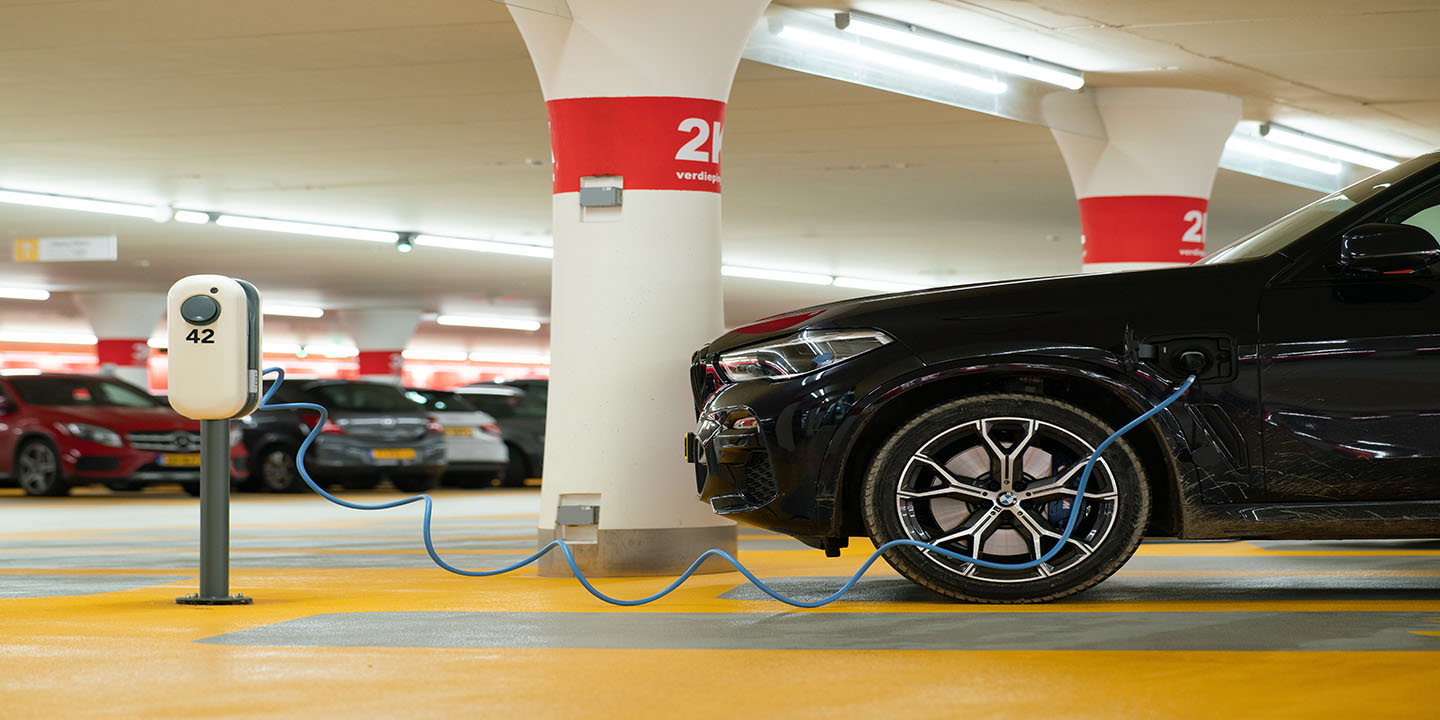
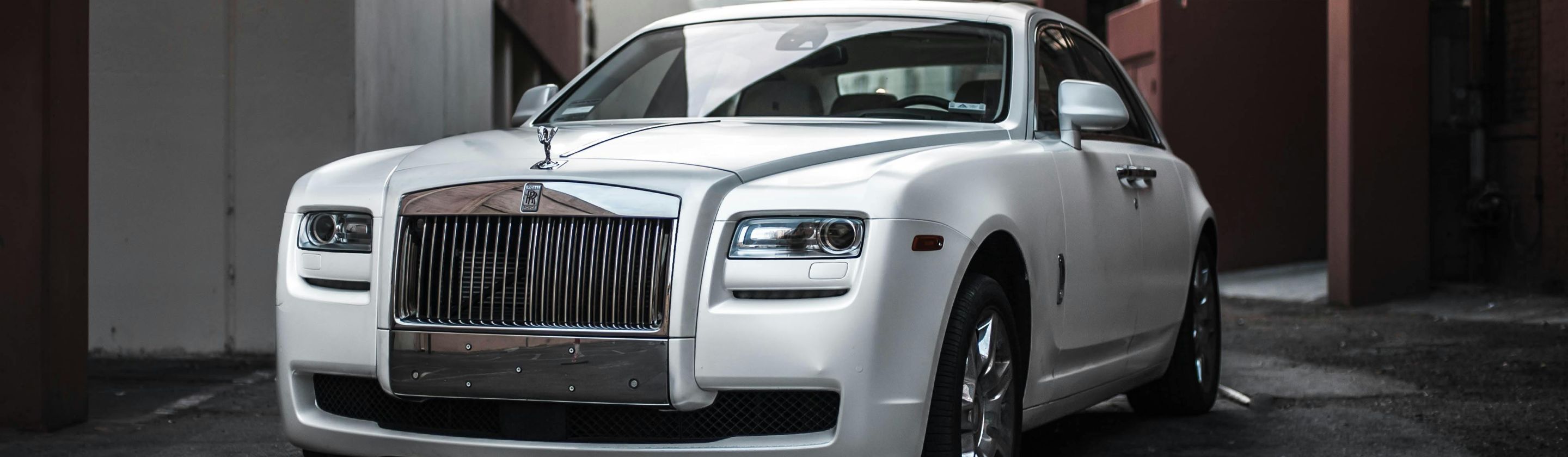
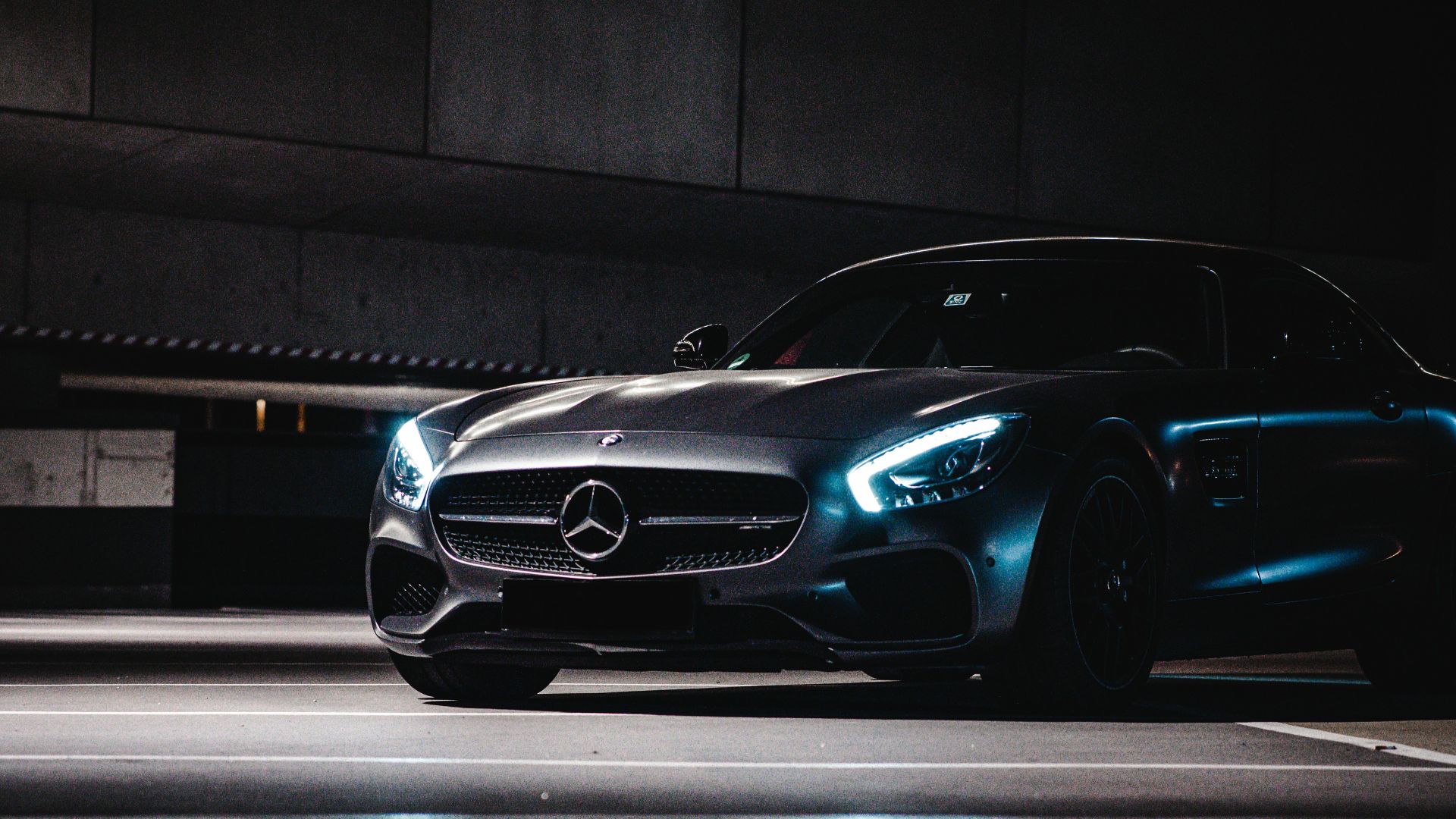
When people shop for luxury vehicles, resale value usually isn’t the first thing on their minds. Most buyers focus on performance, comfort, brand prestige, and tech features. However, depreciation quietly becomes one of the highest costs of ownership over time. If you’re thinking long term, it’s worth understanding why some vehicles hold their value better than others.
While SUVs dominate sales charts in the United States, luxury sedans often perform surprisingly well in the resale market. This isn’t about popularity alone. Several economic and market factors influence how quickly a vehicle loses value. When you look at supply, demand, and production strategy, the pattern starts to make sense.
Lower Supply Creates Stronger Demand
One reason luxury sedans hold value well is simple economics. Over the last decade, many manufacturers have shifted production toward SUVs and crossovers to meet consumer demand. As a result, fewer luxury sedans are being built compared to previous years. That production shift wasn’t subtle, as entire sedan nameplates have quietly disappeared from lineups. When supply tightens, and demand remains steady, resale prices tend to stabilize. Basic supply-and-demand principles still apply in the automotive market and hold a lot of weight.
Brands like BMW, Mercedes-Benz, and Lexus have reduced or discontinued certain sedan models in the United States. That limited availability can increase desirability in the pre-owned market. Buyers who prefer traditional sedan handling and styling have fewer options to choose from. Some shoppers specifically seek out discontinued models because they appreciate their look, proportions, and driving feel. Scarcity often supports stronger resale performance. When there are fewer comparable listings available, sellers have more pricing leverage.
SUVs, by contrast, are widely available at nearly every trim level and price point. High production numbers mean more used inventory eventually floods the market. When supply exceeds demand, resale values soften. Dealership lots and online marketplaces often show dozens of similar SUV configurations at once. That abundance gives buyers negotiating power and puts downward pressure on pricing. Over time, the sheer volume of available units makes it harder for any single SUV model to retain standout resale strength.
Slower Design Cycles Preserve Appeal
Luxury sedans often experience more gradual design changes than SUVs. Manufacturers tend to update sedans with evolutionary styling rather than radical redesigns every few years. That consistency helps older models age more gracefully in the resale market. A five-year-old luxury sedan may still look current compared to newer versions.
SUVs, particularly in the luxury segment, often receive frequent tech and styling updates. Rapid innovation can make older models feel outdated more quickly. Advanced infotainment systems and driver-assistance features tend to improve rapidly in high-demand segments. When technology evolves quickly, depreciation accelerates.
Sedans also benefit from a more classic silhouette. The traditional three-box design doesn’t fluctuate dramatically with trends. Because their aesthetic shifts are subtle, older luxury sedans don’t scream their age as loudly. That visual longevity supports stronger perceived value.
Performance And Driving Dynamics Matter
Luxury sedans are typically engineered with driving refinement as a core priority. Lower centers of gravity, balanced weight distribution, and sport-tuned suspensions often create a smoother and more controlled ride. Enthusiast buyers recognize and value those characteristics in the used market. Performance credibility tends to hold steady across model years.
SUVs prioritize space and versatility, which can come at the expense of handling precision. While modern SUVs drive well, they generally can’t match the agility of similarly priced sedans. Buyers seeking a true luxury driving experience may gravitate toward pre-owned sedans instead of newer SUVs. That sustained niche demand helps support resale prices.
Fuel efficiency can also play a role. Sedans usually weigh less and have better aerodynamics than SUVs, which often translates into better gas mileage. In periods of rising fuel prices, efficiency becomes a stronger selling point in the secondary market. Practical operating costs can influence long-term value retention.
Luxury vehicles will always depreciate to some degree, but not all segments behave the same. Sedans may no longer dominate new car sales, yet their limited supply, timeless styling, and refined driving dynamics give them staying power. If you’re evaluating ownership costs beyond the sticker price, resale trends deserve a closer look. In many cases, the understated sedan quietly wins the long game. That advantage becomes more noticeable if you plan to trade in or sell within five to seven years. Lower depreciation can translate into thousands of dollars retained compared to higher-volume segments. Buyers who prioritize long-term value often discover that popularity doesn’t always equal stability. While SUVs offer versatility, sedans frequently offer smarter financial efficiency over time.