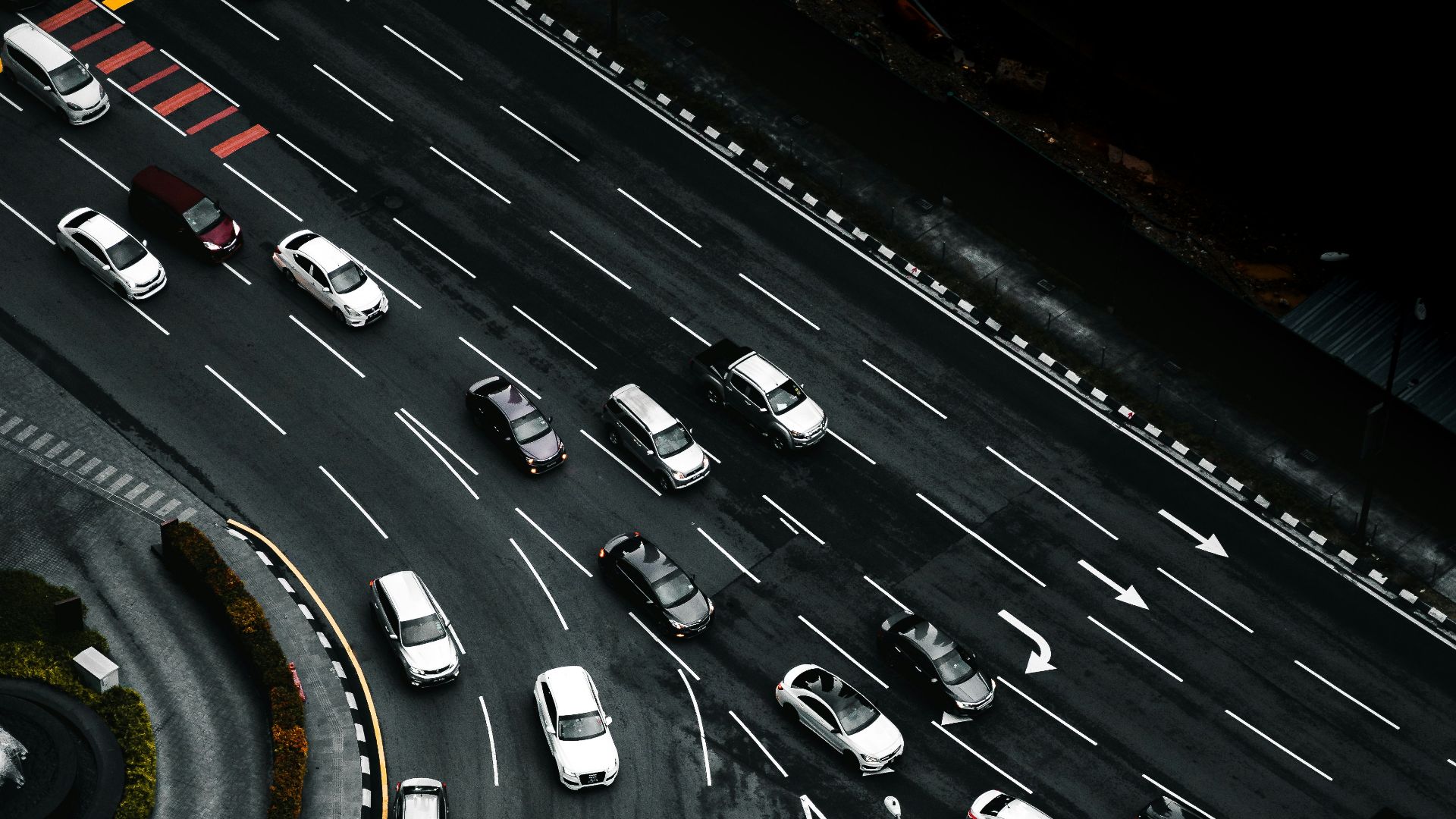
Few road scenarios trigger faster anger than a lane closure on a busy highway. Orange signs appear, cones march toward the horizon, and drivers immediately start sorting themselves into the righteous and the reckless. Zipper merging asks everyone to use both lanes all the way to the merge point, then take turns filtering in like teeth on a zipper.
The problem is that zipper merging doesn’t look like an effective organizational strategy from the driver’s seat. Watching an open lane roll past while your lane is incredibly frustrating, and no amount of signage fully quiets it. Research from Indiana DOT shows zipper merging can cut congestion by up to 40 percent and smooth out the speed differences that cause crashes, yet that data rarely surfaces when horns are already blaring.
The Urge To Merge
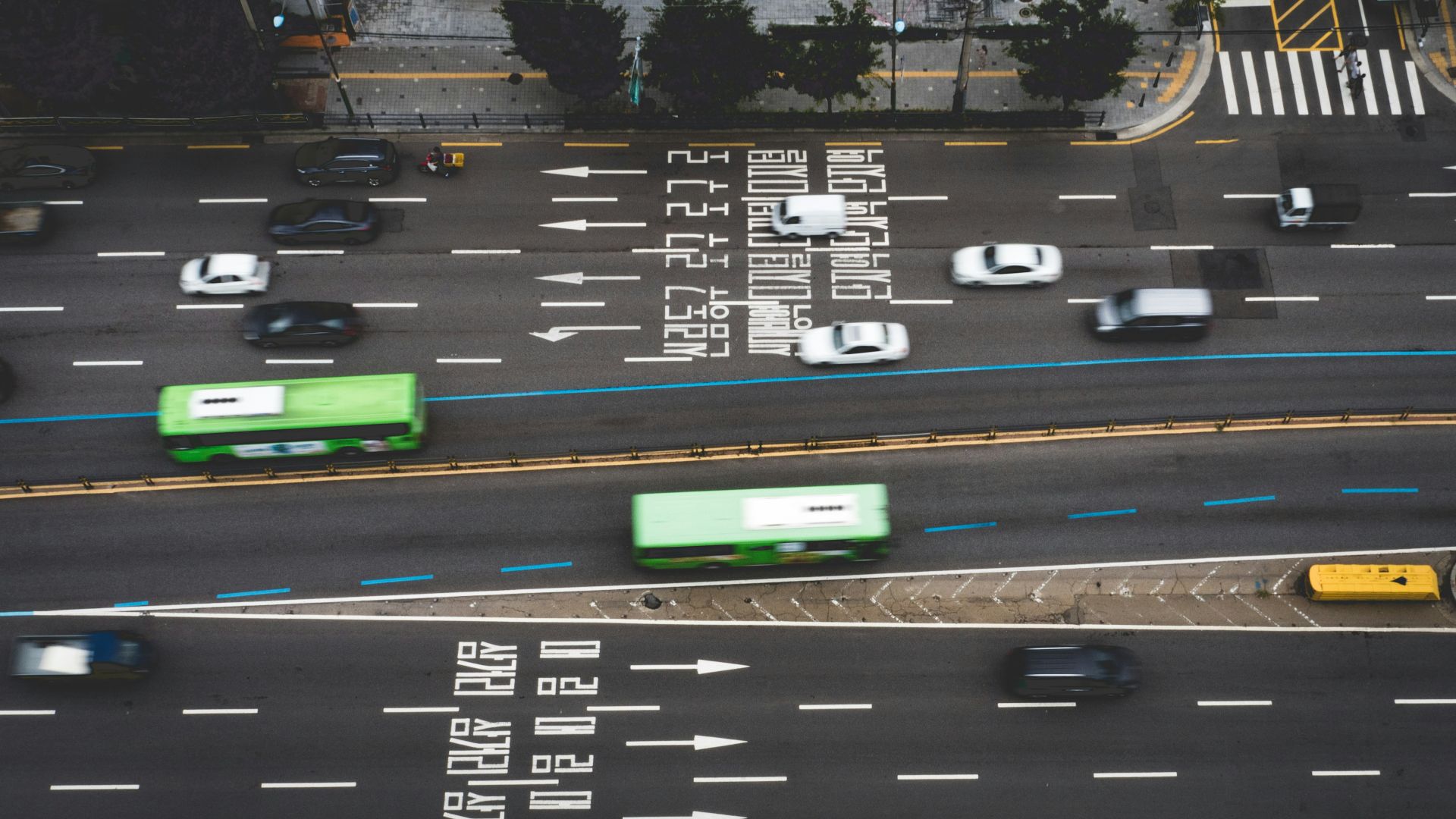 Nicki Eliza Schinow on Unsplash
The moment most drivers spot a lane-closed sign, they drift toward the open lane without giving it much thought. Yielding early carries the social weight of being a considerate person, the kind who holds doors and doesn't cut in line at the grocery store. Those early-merger instincts are reinforced by decades of signs reading "merge now" and "lane ends ahead," which have wired the drift-right reflex into most drivers from the time they first sat behind a wheel. Colorado DOT notes that early merging works acceptably when traffic is light, but under heavy volume, it creates a single long queue that stretches miles past where the backup ever needed to start.
Social norms around driving courtesy run surprisingly deep, and holding the left lane through a work zone feels like breaking an unspoken contract. Drivers who yield early tend to view their own behavior as virtuous, which makes the driver still cruising in the closing lane look like a rule-flouter by comparison. AAA research supports zipper merging as the method that actually distributes traffic load evenly across both lanes, shortening total wait times for everyone in the line. The benefit only materializes when most drivers participate, so a handful of holdouts can disrupt the rhythm and hand skeptics a reason to dismiss the whole approach.
Public awareness campaigns have tried to reframe the courteous move as the one that helps the most people, rather than the one that looks least aggressive. Gantry message signs and highway social media accounts push the dual-lane message across several states, with Minnesota DOT running some of the more visible efforts in recent years. Old habits die hard, though, and the pressure of merging tends to override whatever a driver absorbed about zipper etiquette.
Feeling Left Out
Few sensations in traffic feel worse than sitting still while other cars glide past in the lane that is about to disappear. Even drivers who understand zipper merging intellectually report a flash of anger when the closing lane moves faster than their own. Indiana DOT simulations confirm that keeping both lanes active until the merge point shaves meaningful minutes off total trip times, but that statistical payoff lands somewhere in the abstract, while the immediate visual feeds a sense of injustice.
Psychology research on perceived fairness explains much of this reaction. When effort looks unequal, even temporarily, the brain registers it as cheating regardless of whether the eventual outcome is actually fair. The actual delay difference between the two lanes under proper zipper merging is minimal, but the visual impression of being passed creates a felt grievance that numbers alone cannot dissolve.
Ransin's legal analysis points out that zipper merging distributes delay evenly across all drivers, which is the closest thing to a fair outcome the math can produce. The deeper frustration comes from the gap between what looks fair and what is fair, and that gap tends to close only after a driver has experienced enough work zones to notice their commute actually got shorter.
The Last-Second Scramble
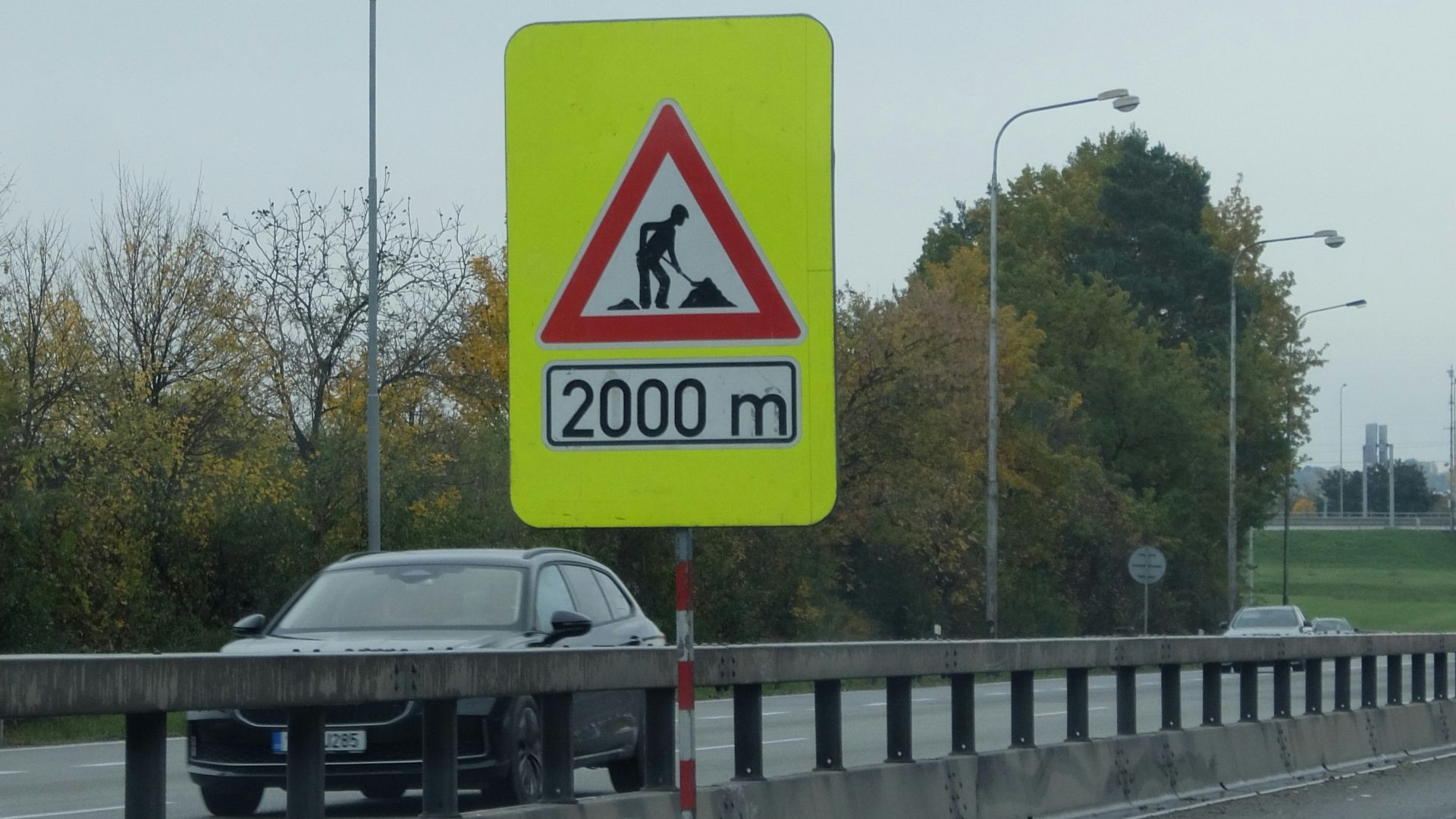
Many drivers avoid zipper merging, not out of spite but out of genuine concern about what happens at the cutoff line. The mental image of cars crossing lanes at speed near construction workers feels dangerous enough to justify an early exit from the closing lane. Minnesota DOT data shows the opposite pattern: turn-taking at the merge point creates a predictable rhythm that actually reduces erratic behavior precisely where the most attention is needed.
Engineering analysis from SEH logged zipper merging cutting queue lengths by up to 87 percent on high-volume roads and reducing travel times by up to 54 percent, with fewer hard stops and abrupt lane changes throughout. Fewer hard stops translate directly into fewer rear-end crashes, and a predictable merge point means construction crews deal with less erratic traffic drifting near their work area.
Resistance softens in areas where overhead message signs and pre-trip video tutorials walk drivers through the sequence before they ever reach the cones. Greater Sudbury's transportation team has used proactive communication to nudge zipper participation rates upward, finding that familiarity with the concept reduces hesitation at the actual merge point.
Anxiety about the endgame fades once drivers have a clear picture of what a proper zipper merge actually looks like, and that picture turns out to be a calm, orderly one-for-one alternation at low speed rather than the last-second scramble everyone was dreading.