They Cost A Fortune To Get, But They Don’t Do A Whole Lot
Luxury car buyers are a patient, optimistic group. They hand over six-figure sums expecting every feature to justify its price tag, and automakers are happy to encourage that belief. Of course, that’s not always the case, is it? Sure, some of these features were groundbreaking when they debuted, but have since been replicated by mainstream brands at a fraction of the cost. Others were always more about showroom appeal than real-world usefulness. Whether you are shopping for a new luxury vehicle or already own one, these 20 features deserve a hard second look before you sign anything.
1. Ambient Lighting
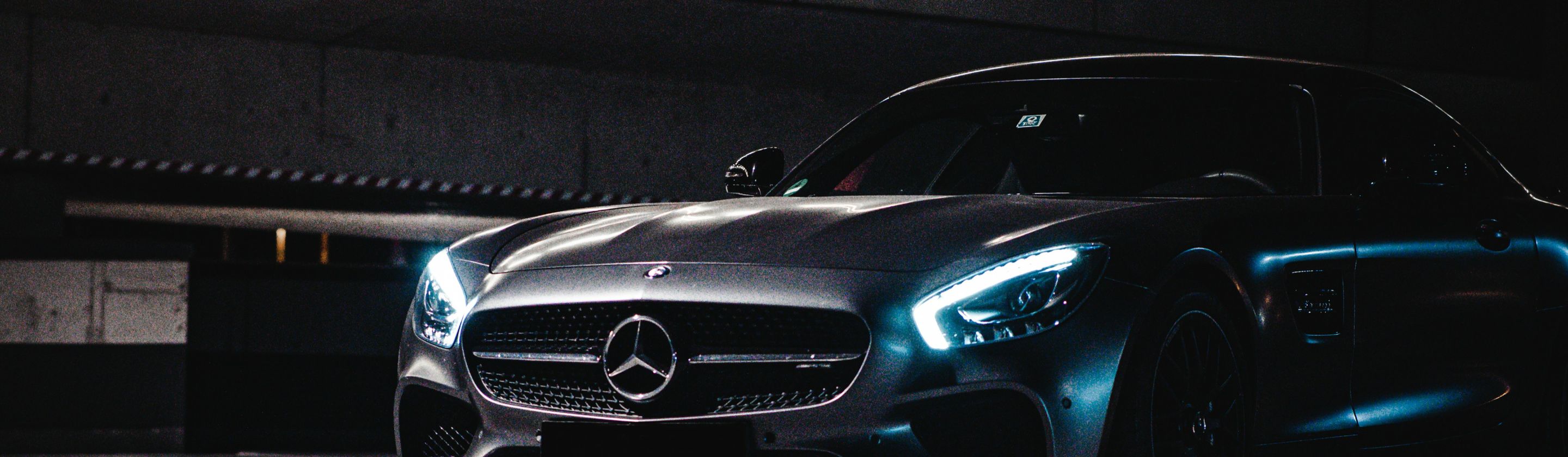
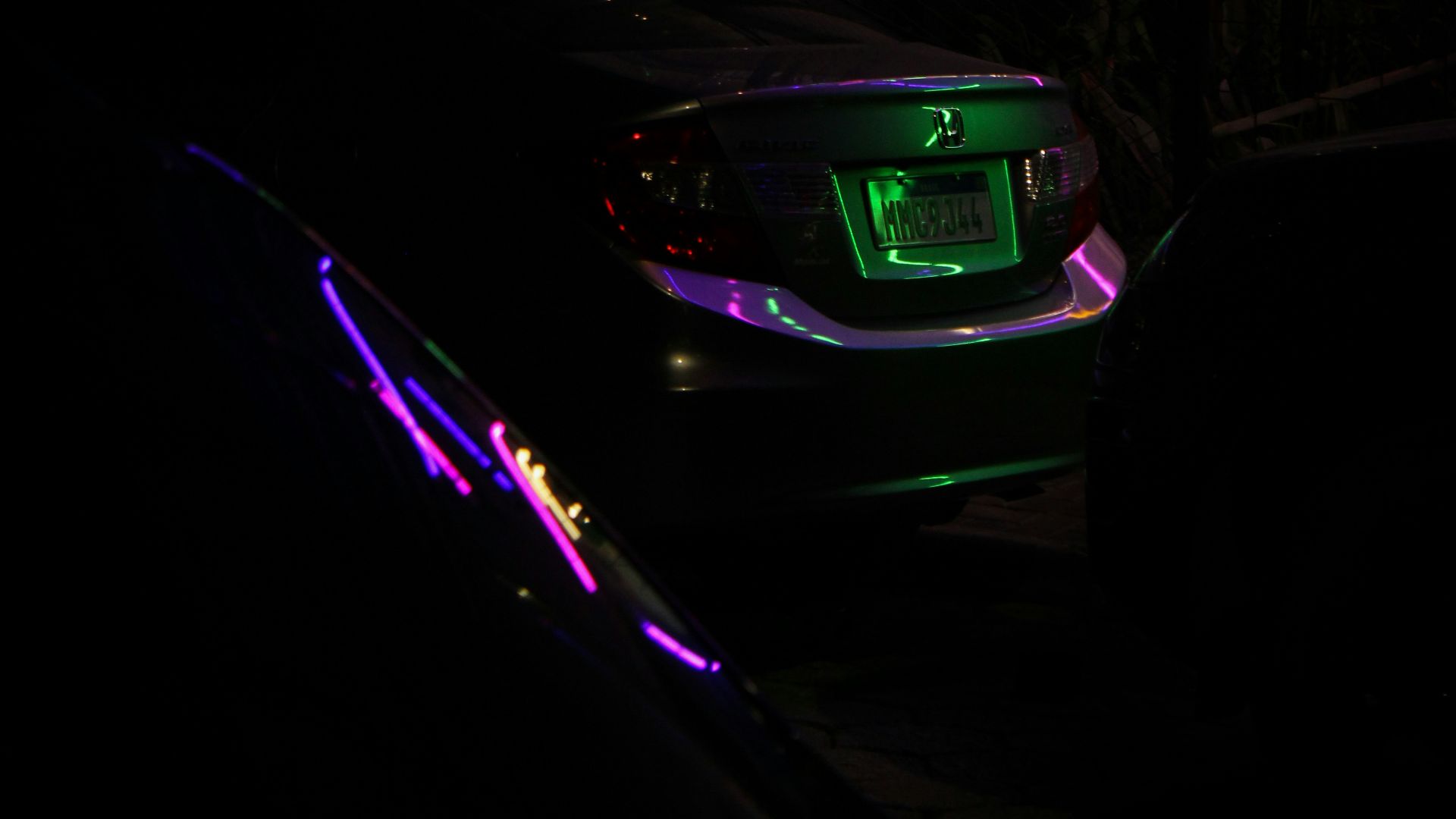
Customizable cabin LEDs sound appealing, but a lot of the designs only allow you to set a preferred color instead of being able to change them at will. These systems can add thousands of dollars to a build price, and when the lighting strips start to fail, which they often do within a few years, the repair costs are wildly disproportionate to what the feature actually does.
2. Gesture Control
BMW introduced wave-based air controls as a flagship convenience feature, but driver feedback and dealer service data have consistently shown frustratingly high failure and misread rates. Reaching for a physical knob takes about the same amount of time and works every single time.

3. Panoramic Sunroofs
A large glass roof looks absolutely stunning in a brochure, but it makes the car just so dang hot. Panoramic sunroofs are known to raise cabin temperatures significantly, and when the seals degrade or the glass cracks, replacement costs can reach well into the thousands.

4. Air Suspension
Automakers market air suspension as a ride-quality revolution, and it does feel noticeably smoother when it works. The catch is that air suspension systems have a well-documented reliability problem, with many failing well before a vehicle reaches high mileage, leaving owners with a pretty wicked repair bill.
5. Massaging Seats
The first time you use a massaging seat on a long highway stretch, it seems like a worthwhile splurge. Within a year or two, the mechanical components inside the seat bolster tend to degrade, and the massage function becomes inconsistent or stops entirely.
6. Heads-Up Display
Heads-up displays project speed and navigation data onto the windshield so you can keep your eyes on the road - a pretty useful idea in theory. However, if you wear polarized sunglasses, the projected image becomes nearly invisible.
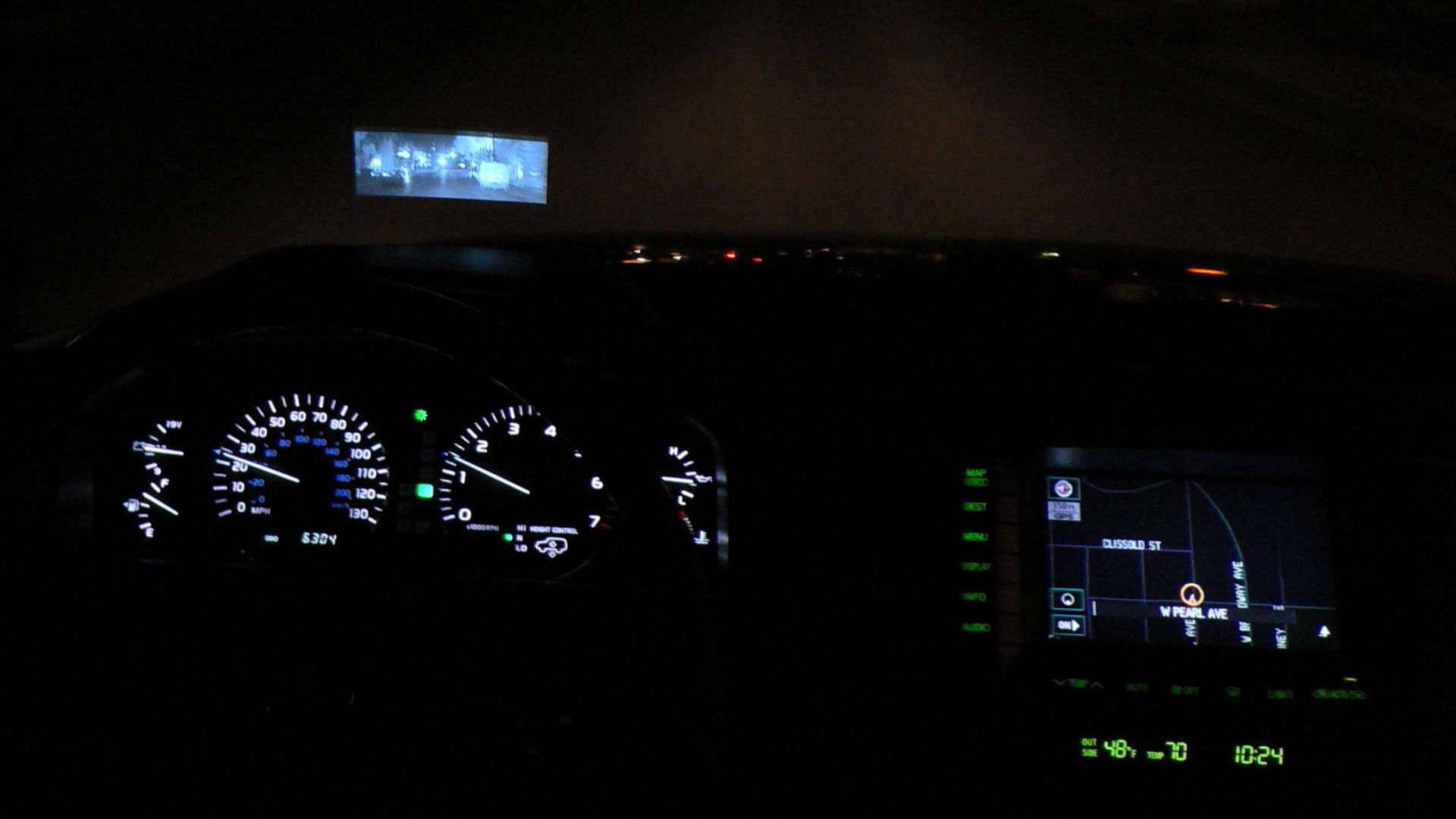 Steve Jurvetson from Menlo Park, USA on Wikimedia
7. Soft-Close Doors
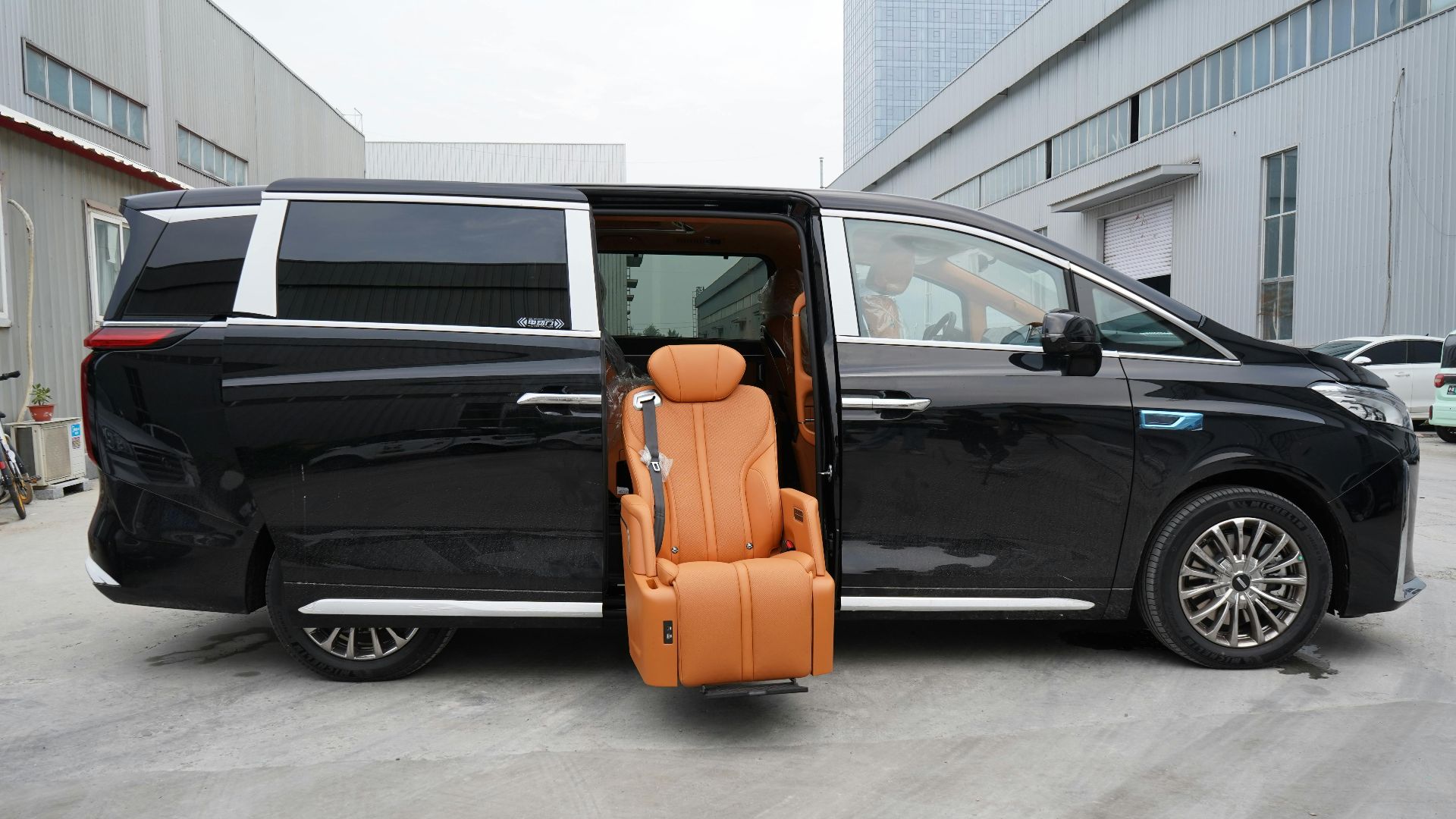
Soft-close doors are one of the most widely praised luxury touches in the showroom - and one of the most quietly resented features once the sensors start misbehaving. When the mechanism fails, which it does with some regularity on high-mileage vehicles, repairs per door can exceed well over a thousand dollars.
8. Power Trunk Lids
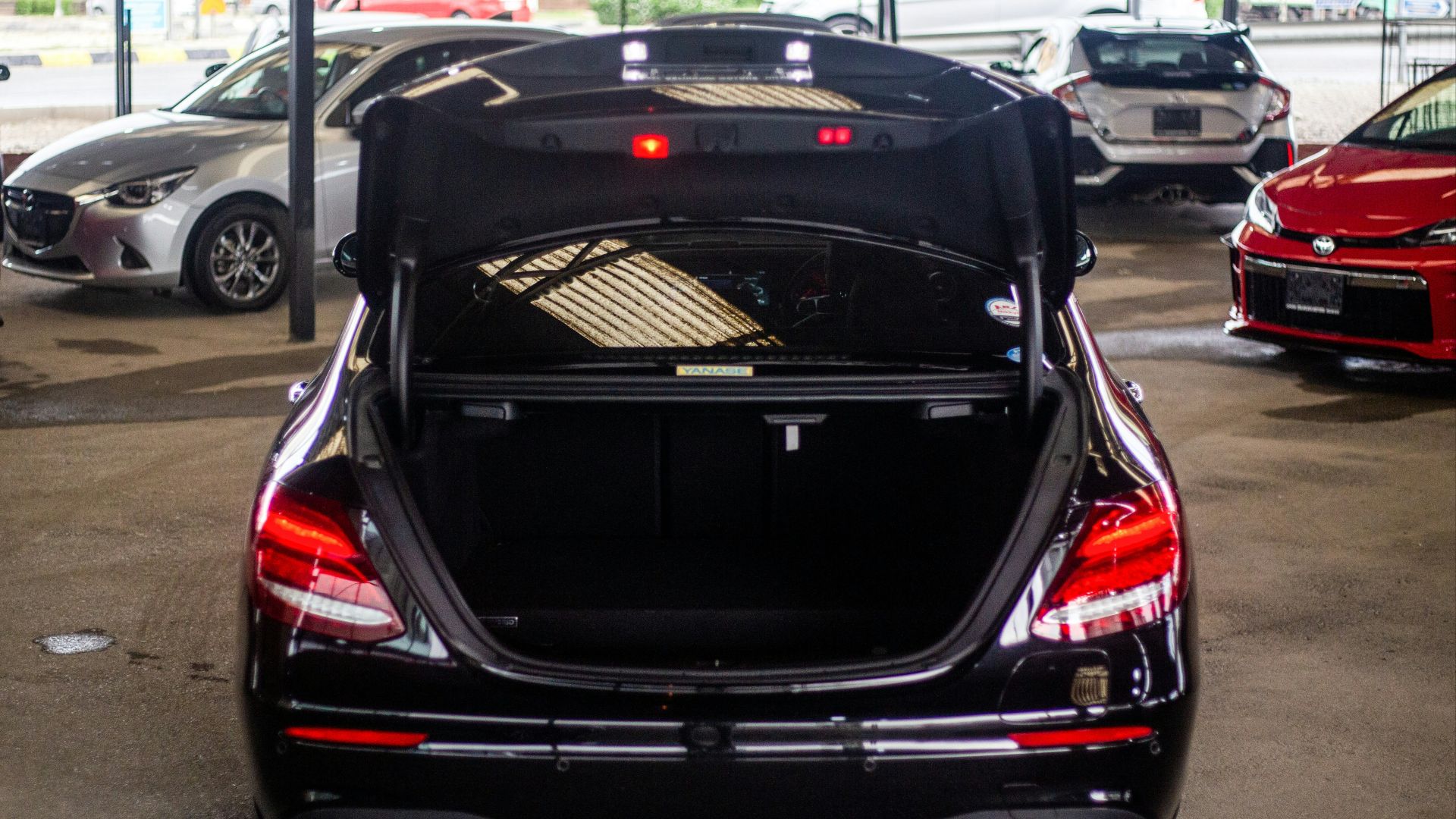
The automatic trunk lid is a huge convenience when your hands are full, but that doesn’t mean it's a quick convenience. In fact, a lot of these lids are incredibly slow-moving, so you’re stuck with your hands full a lot longer than you’d prefer to be.
 Divaris Shirichena on Unsplash
9. Electronic Side Mirrors
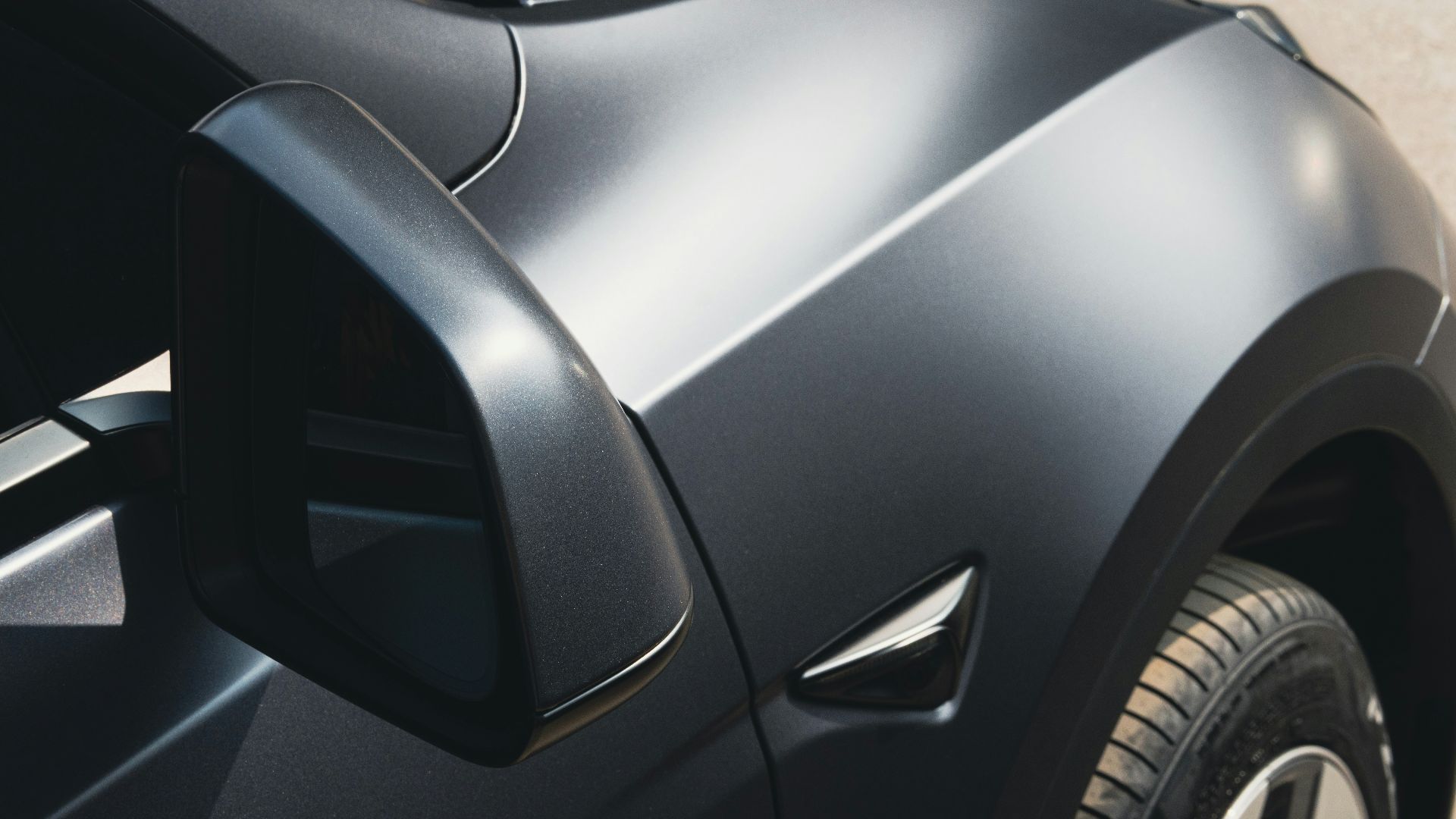
Camera-based side mirror systems have been promoted as a visibility upgrade, but in practice, they introduce a new set of problems: lag, poor contrast in low light, and replacement costs that can run several thousand dollars per side. Traditional mirrors with a good blind-spot monitor accomplish the same safety goal for a fraction of the price.
10. Headrest Speakers
Headrest-integrated speakers are positioned close to your ears to create an enveloping sound experience, but the audio quality from most factory-installed versions is mediocre at best. Sadly, they’re also quite expensive to replace.

11. Puddle Lights with Brand Logos
Logo-projecting puddle lights were once a novelty on flagship models, and they have since migrated to much more affordable vehicles. The feature projects a brand logo onto the pavement when you open the door, adds nothing to safety or usability, and has become more of a marketing emblem than a meaningful upgrade.
 atelierbyvineeth ... on Unsplash
12. Animated Exterior Lighting
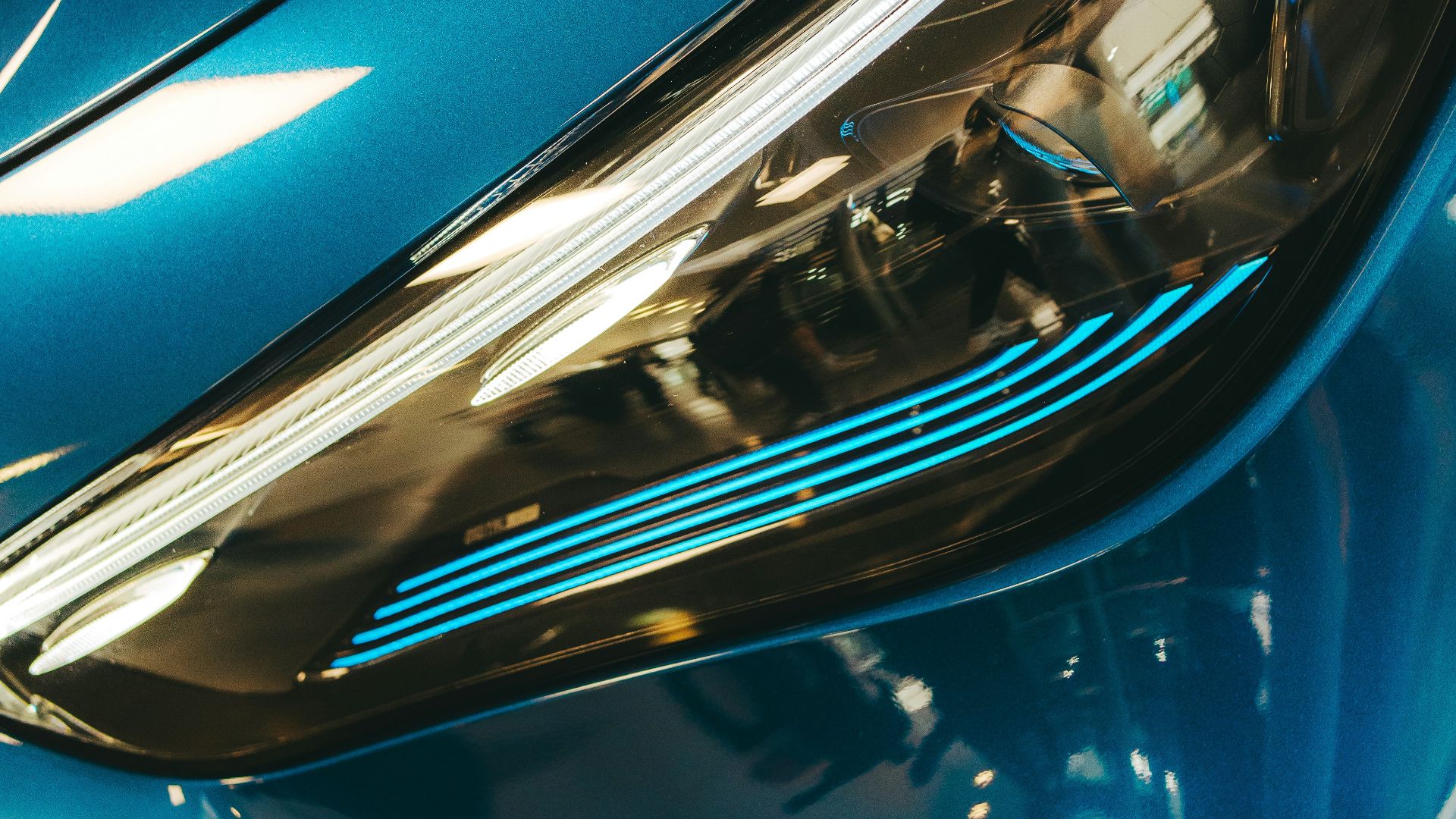
‘Welcome’ lighting sequences that ripple across headlights and taillights when you approach your car are a fun little addition, but don’t actually “do” anything. After the novelty wears off, the animation becomes background noise at best, and the software that controls it can introduce electrical gremlins that are tedious to diagnose.
13. Bespoke Interior Customization
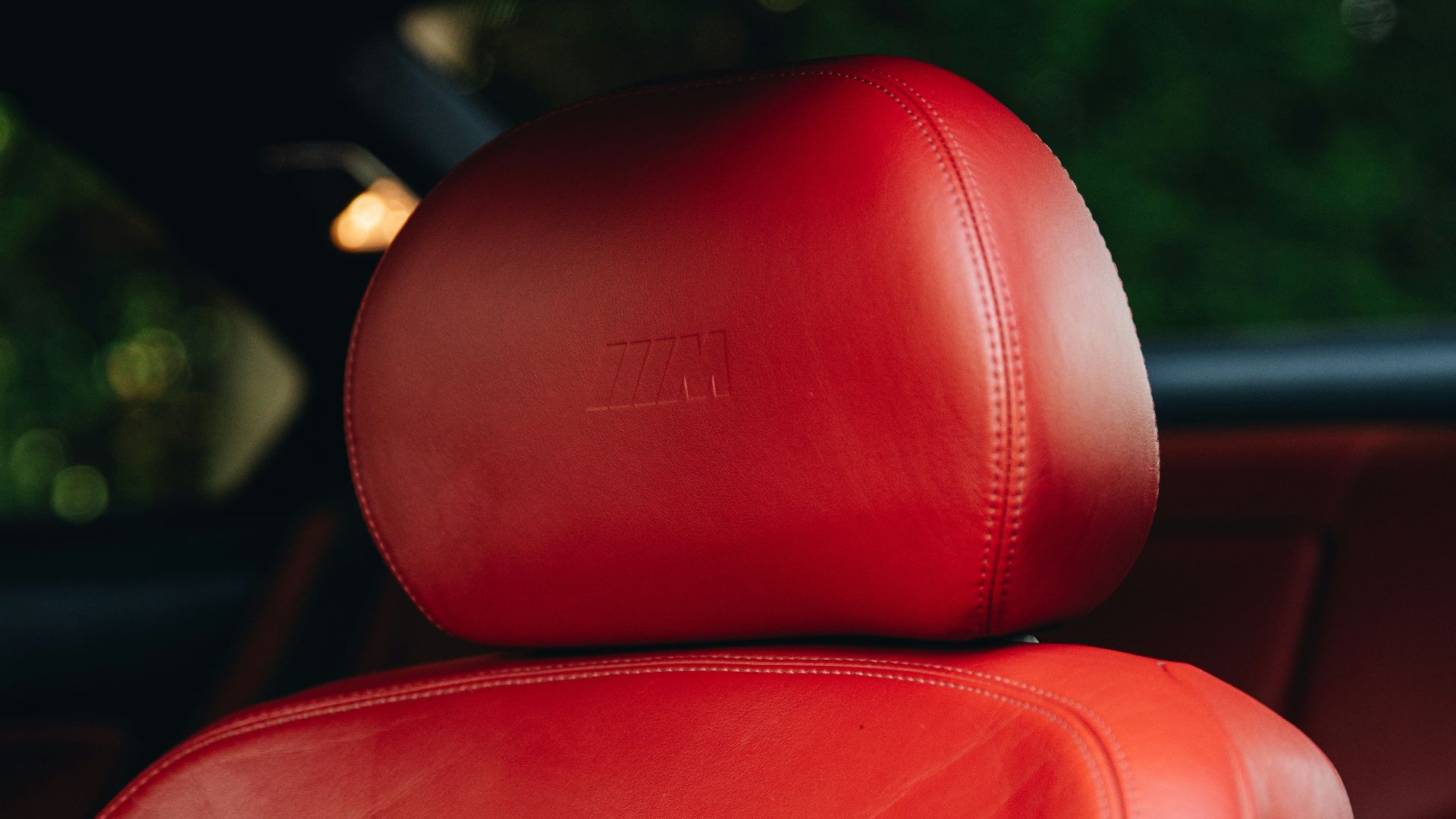
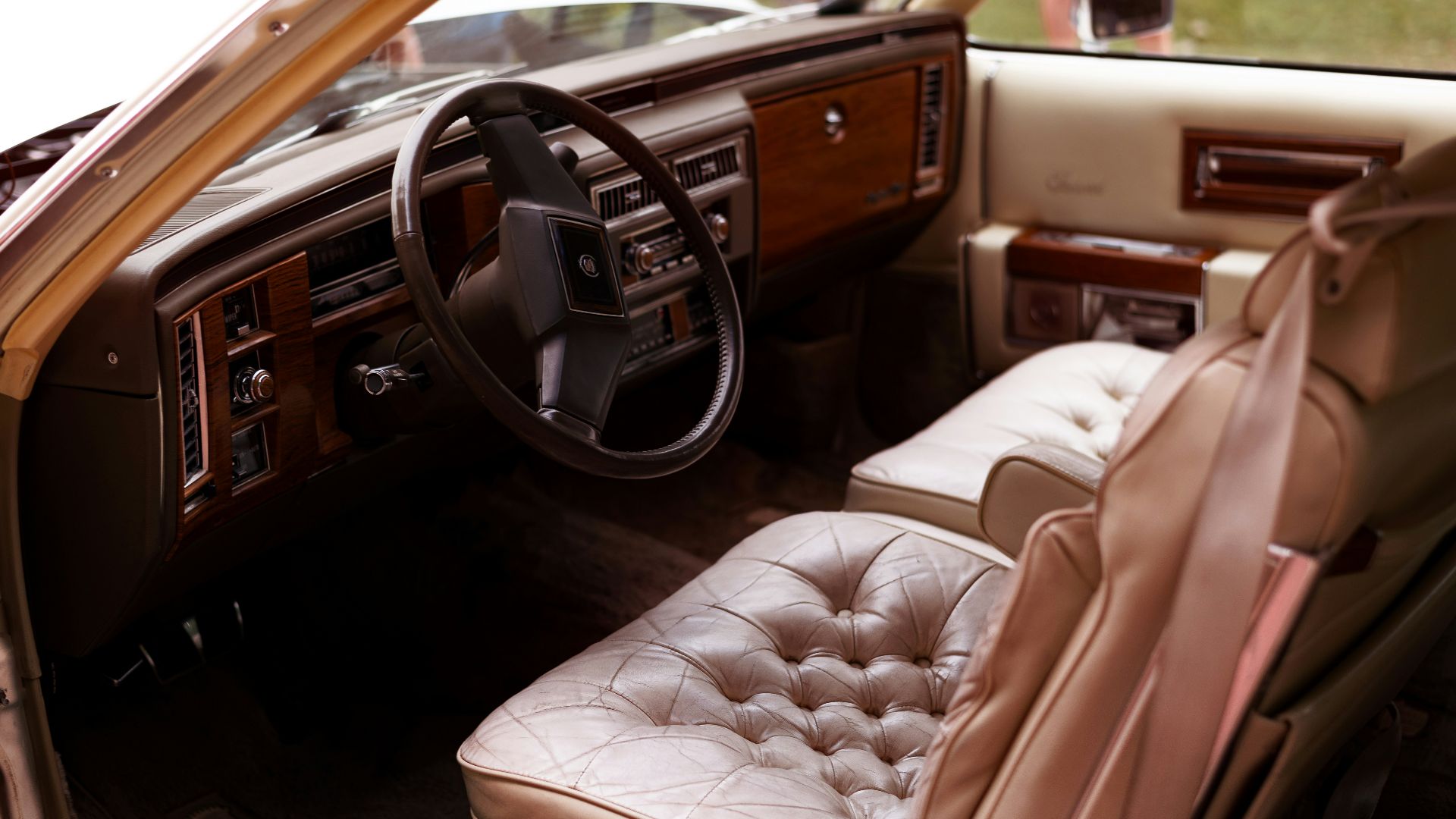
Hand-stitched leather, personalized color combinations, and monogrammed headrests can add 20 percent or more to a vehicle's final price. The resale market for highly personalized interiors is also notoriously weak, since the next buyer rarely shares your taste in pistachio green Alcantara.
 Vitali Adutskevich on Unsplash
14. Charm-Priced Option Packages
A package listed at $999 or $1,499 is priced that way on purpose, using the same psychological pricing strategy grocery stores do. These add-ons often bundle one feature you want with two you do not, and the structure makes it difficult to refuse without feeling like you are leaving something on the table.

15. Factory Delivery Experiences
Some automakers offer paid programs where buyers fly to the factory, attend a ceremony, and drive their new vehicle off a ceremonial ramp before it gets shipped home. The car arrives in the same condition it would have off a dealership lot, and the experience, while memorable, puts a pretty big dent in your wallet.

16. Limited-Edition Badges
A numbered plaque on the center console or a special badge on the trunk can add thousands to a purchase price by implying exclusivity. The challenge is that limited-edition variants often rely on specialized parts that become difficult to source as the model ages, making them more expensive to maintain than the standard version they’re based on.
17. AI-Powered Online Configurators
Manufacturer websites now use sophisticated configurator tools that adapt in real time based on your clicks, surfacing options you are statistically likely to add. The personalization is less about building your ideal car and more about nudging you toward higher-margin selections before you ever sit down with a salesperson.
18. Night Vision Cameras
Infrared night vision systems have been available on vehicles like the Cadillac DeVille since 2000, and the technology has not improved as much as the price suggests. In real-world rain or fog, the image quality drops significantly, and the systems are rarely integrated intuitively enough to become second nature before they require expensive servicing.

19. Rear-Seat Entertainment Screens
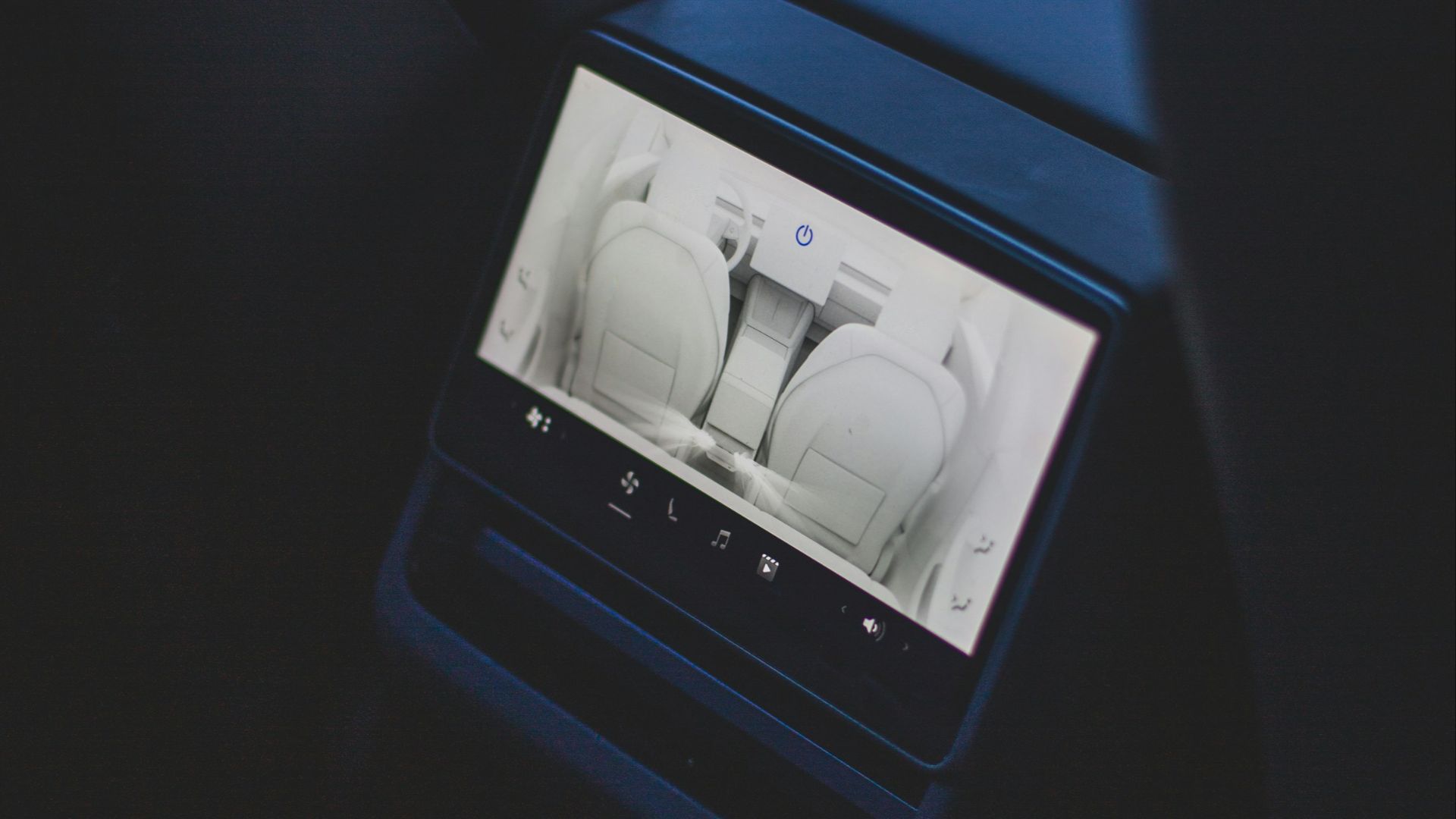
Flip-down screens and seatback displays were a hot commodity when they appeared in early 2000s luxury sedans and SUVs. They are now standard features in minivans and mid-range crossovers, which makes their continued positioning as a luxury premium in high-end sedans hard to justify, especially since most passengers travel with their own streaming devices.
20. Active Noise Cancellation
Active noise cancellation uses microphones and speakers to counteract unwanted engine and road noise, and sadly, it works inconsistently at best. The system is less effective than well-applied sound deadening material, which adds no software complexity and nothing to fail, and yet ANC systems carry significant replacement costs when the hardware or calibration drifts out of spec.