20 Parking Lot Behaviors That Cause Most Dings
Your Paint Job's Worst Enemies Are Closer Than You Think
Parking lots have a reputation problem, and for good reason. Roughly 50,000 accidents happen in U.S. parking lots every year, and the vast majority of minor damage claims come down to one humble culprit: the door ding. These aren't dramatic collisions or high-speed fender benders. They're the slow-motion, totally preventable moments that leave a half-inch dent in your passenger door and a sour feeling in your stomach. Here are the 20 behaviors that cause the most damage.
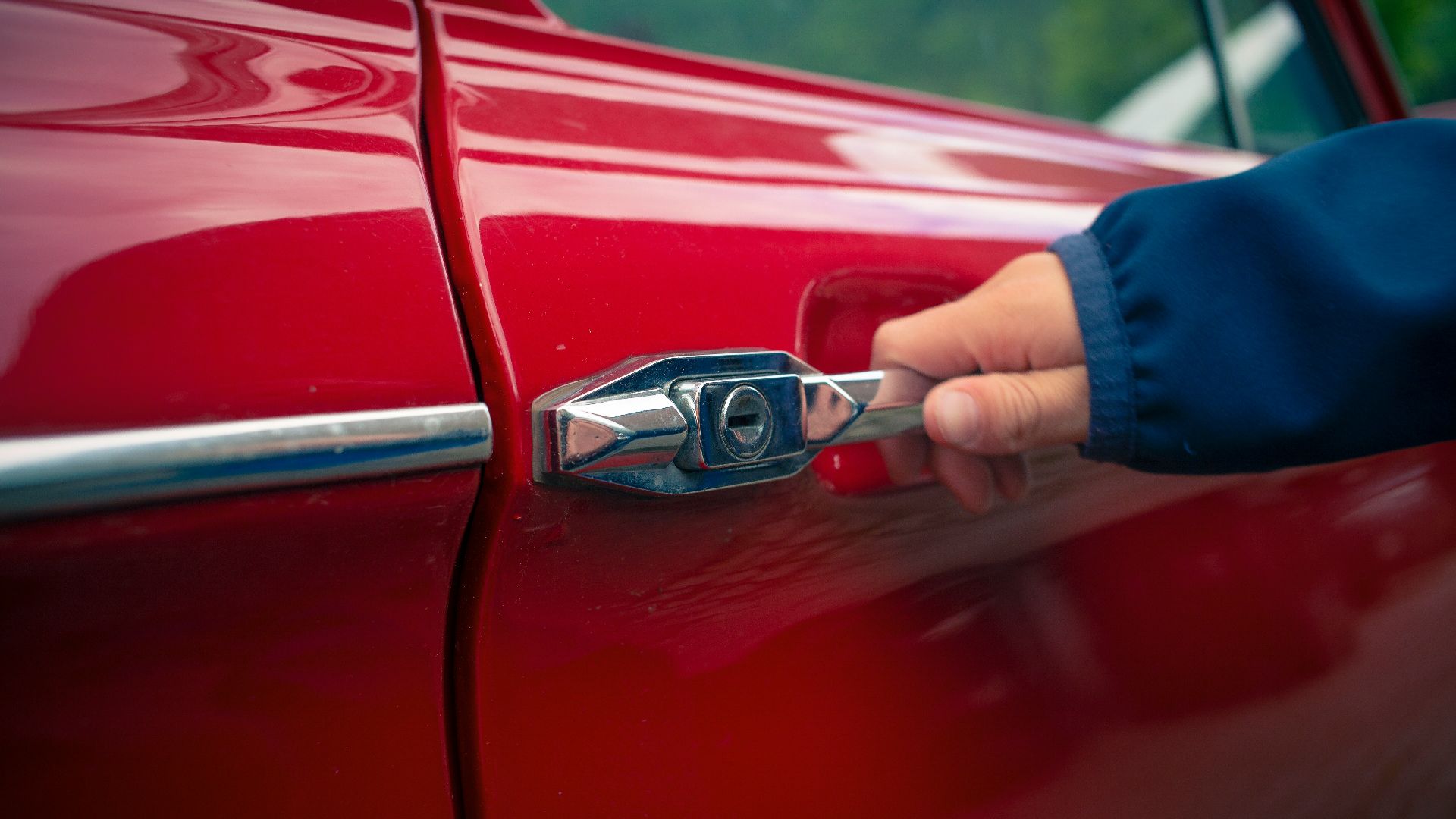
1. Swinging Doors Open Too Forcefully
There's a version of this that happens in every parking lot, every single day: someone steps out of their car and lets the door fly without so much as a glance at the vehicle next to them. The edge of a car door is surprisingly sharp and unforgiving, and even a moderate swing can leave a clean dent on an adjacent panel.
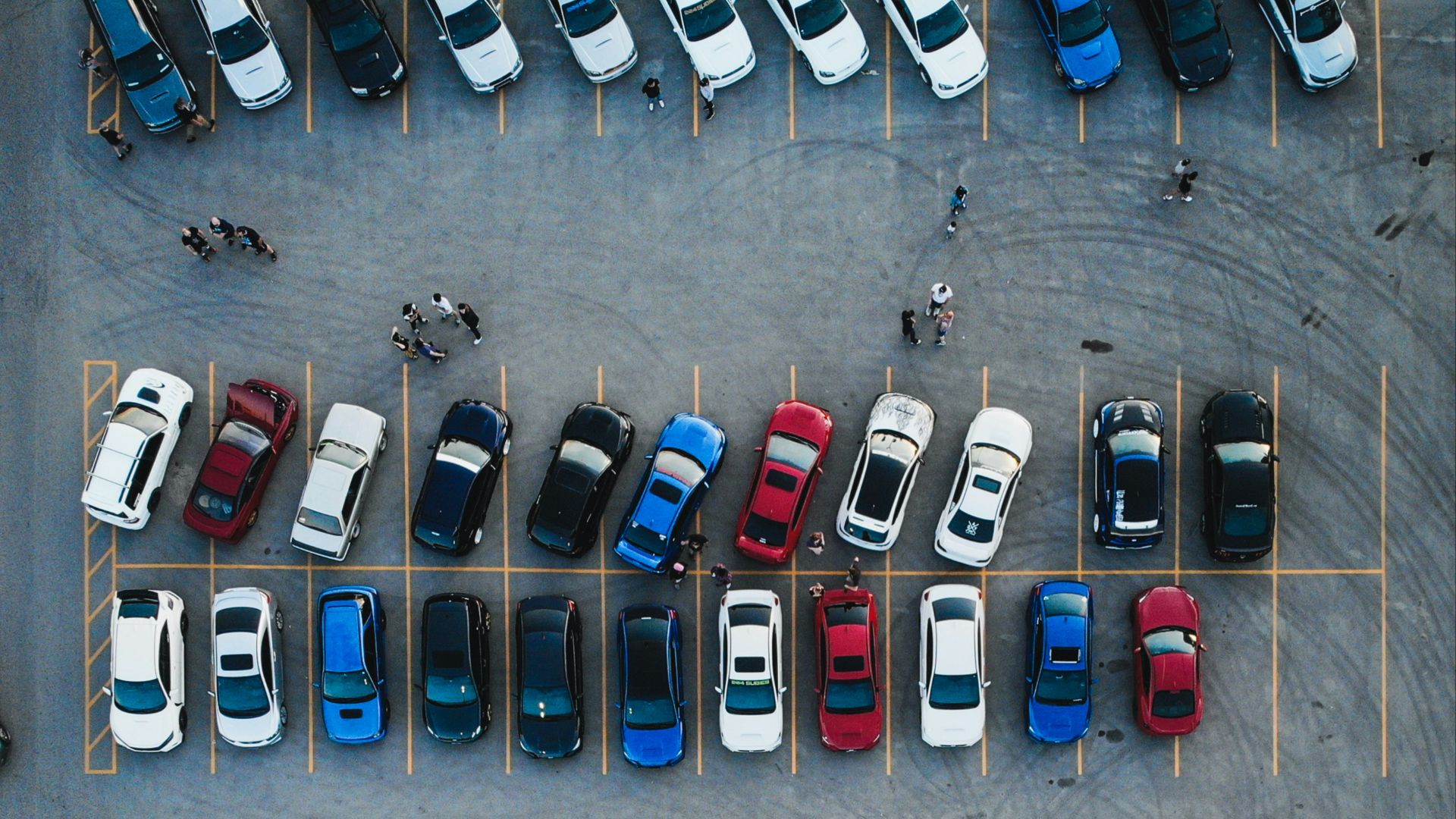
2. Parking Too Close To Neighboring Vehicles
When a driver squeezes into a tight space with inches to spare on each side, they've essentially made door damage inevitable. There's no graceful way to exit a vehicle when your door can only open halfway, and the neighboring car pays the price for that gamble.
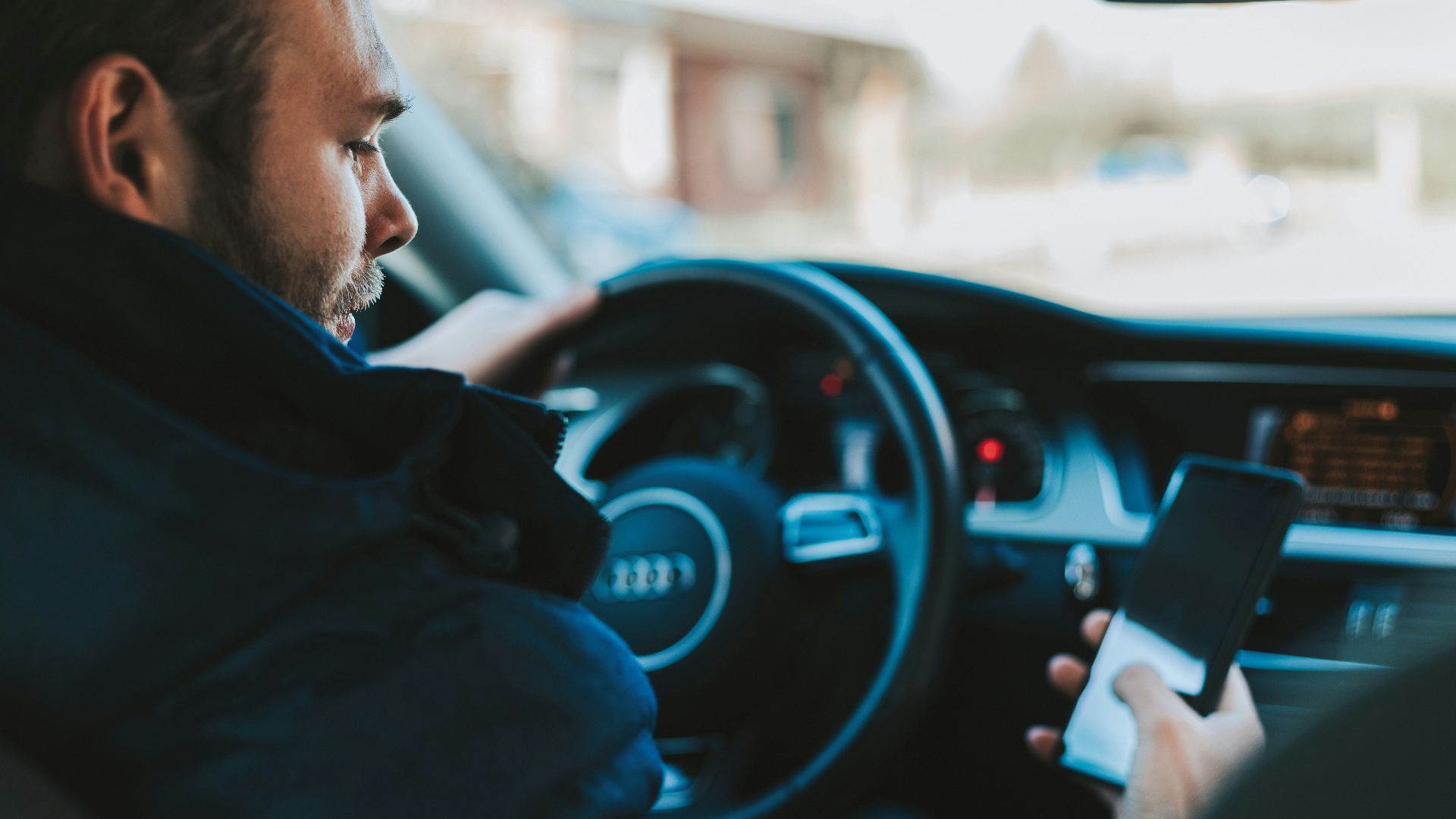
3. Opening Doors While Distracted
Phones, toddlers, handbags, and lunch orders all compete for a driver's attention the moment the car stops. When someone's focus is split between unbuckling a seatbelt and answering a text, the door tends to swing out faster and further than intended, with no awareness of what's waiting on the other side.
4. Letting Kids Open Doors Unsupervised
Children don't have the spatial awareness or the impulse control to ease a car door open gently, and that's completely understandable. What's less understandable is a parent in the front seat who doesn't pause to supervise or remind a kid to check before pushing the door open into the next car's side panel.

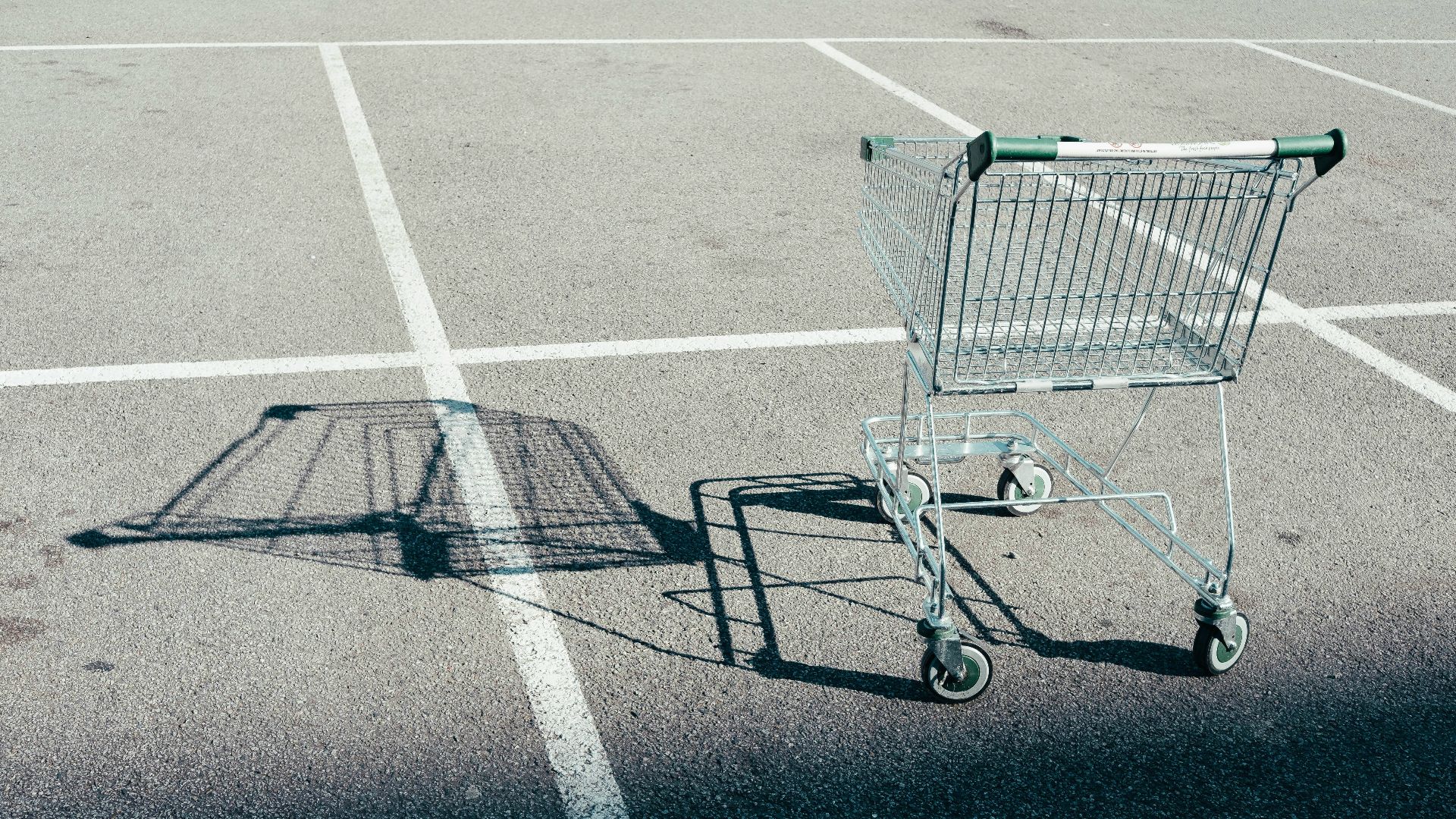
5. Abandoning Shopping Carts Near Vehicles
A cart left on a slight slope in a grocery store parking lot is essentially a slow-motion projectile. Even a gentle grade is enough to send a full-size cart rolling a surprising distance, and it doesn't take much momentum for some wicked metal-on-metal collisions.
6. Backing Out Without Checking Blind Spots
Reversing out of a parking space without a full check of the surrounding area is one of the most common causes of low-speed collisions in lots. The angles are awkward, and sightlines are often blocked by SUVs and trucks.
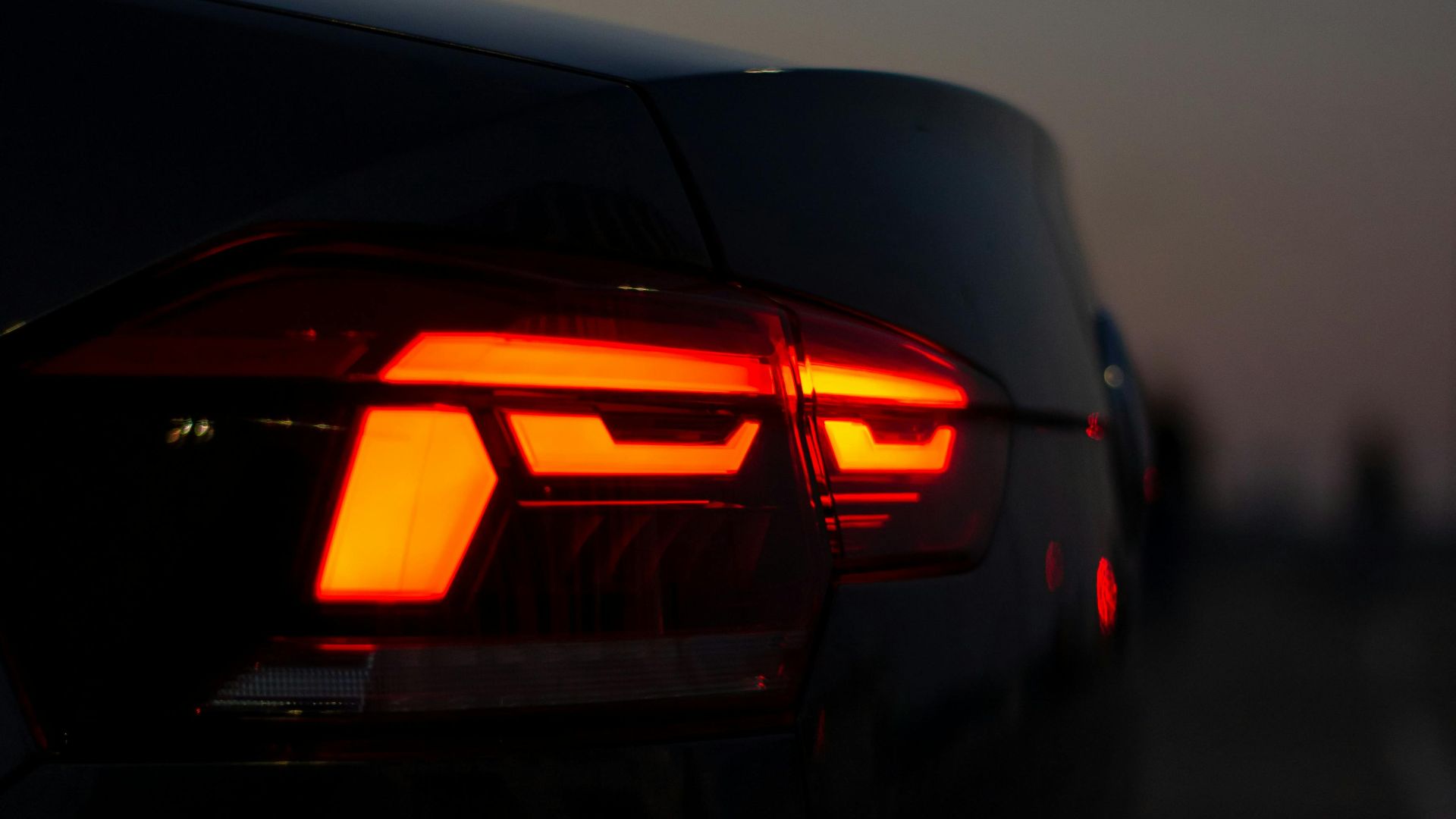
7. Reversing While Using A Phone Or GPS
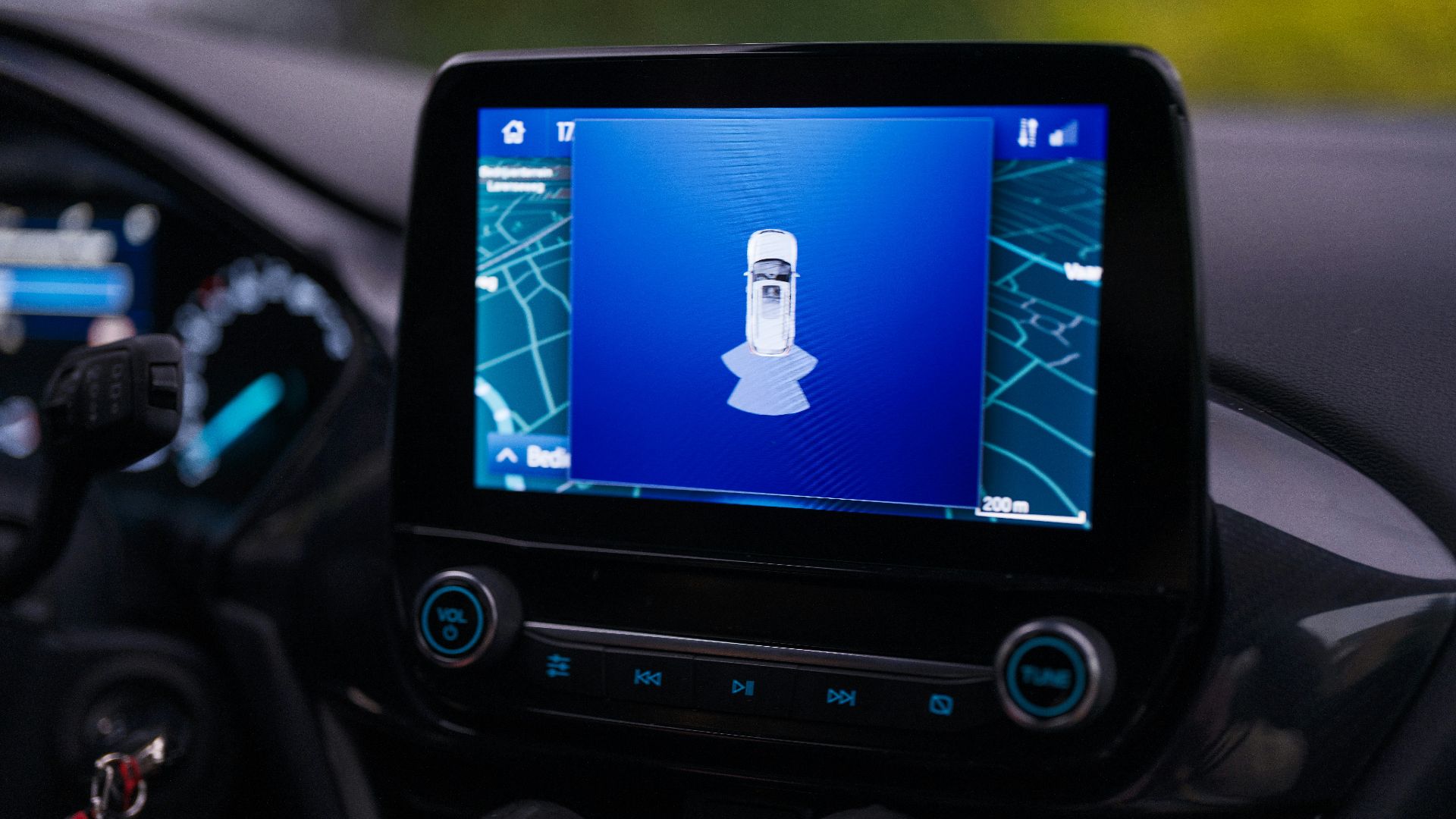
Programming a destination into a GPS or glancing at a phone while backing out is a habit that tends to end badly. A driver moving in reverse with their attention split between the screen and the mirrors is operating with a significant delay in reaction time.
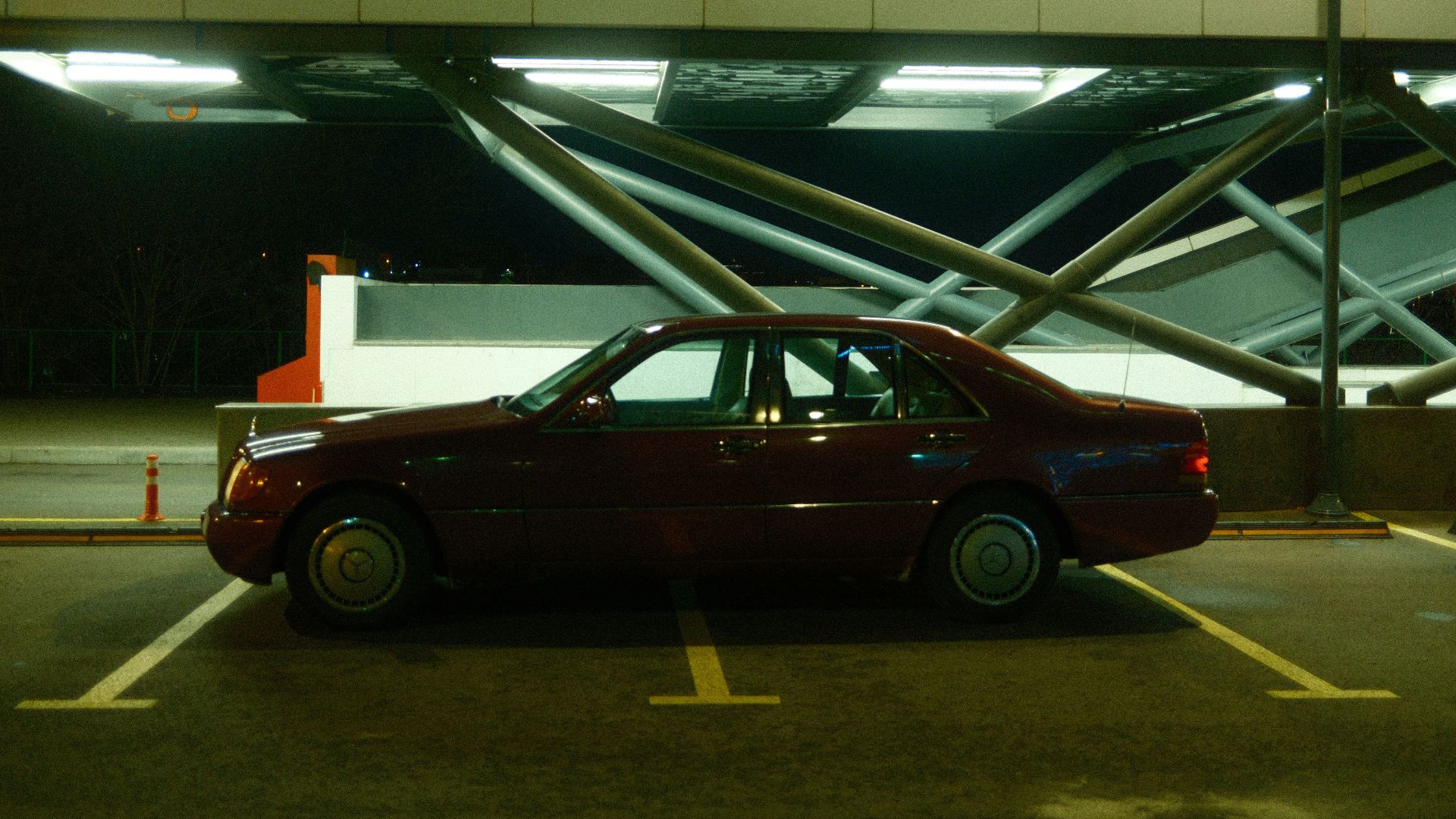
8. Parking Crooked Across The Lines
When a car sits at an angle instead of centered in its space, every neighboring driver is forced to work with less room than the space intended. That reduced margin makes door contact more likely on both sides, compounding the problem across multiple vehicles.
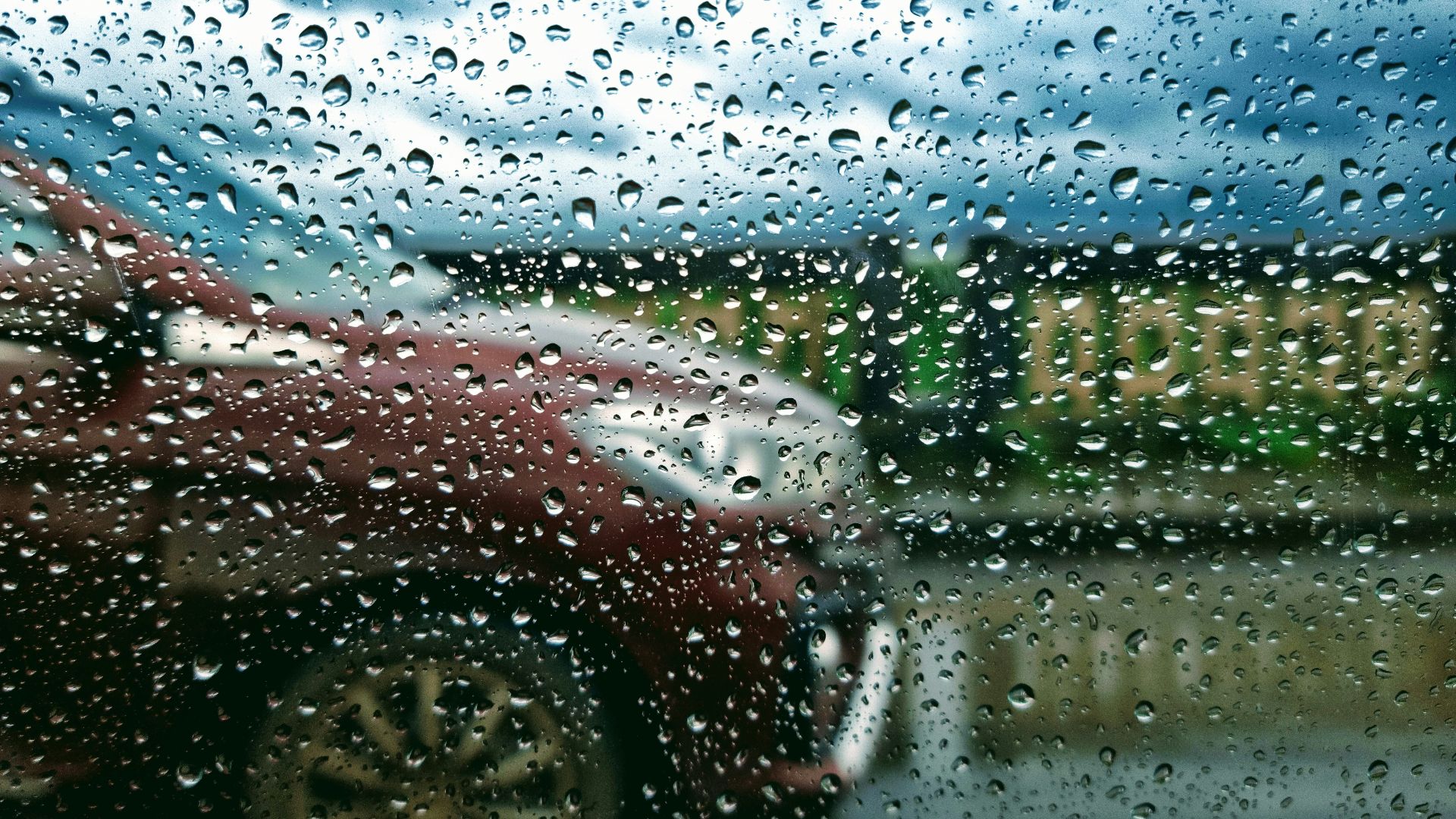
9. Rushing Out During Bad Weather
Rain, wind, and cold temperatures all create an urgency to exit the car quickly and get inside. That rush tends to produce harder, faster door swings with less awareness of nearby vehicles.
 Ashwini Chaudhary(Monty) on Unsplash
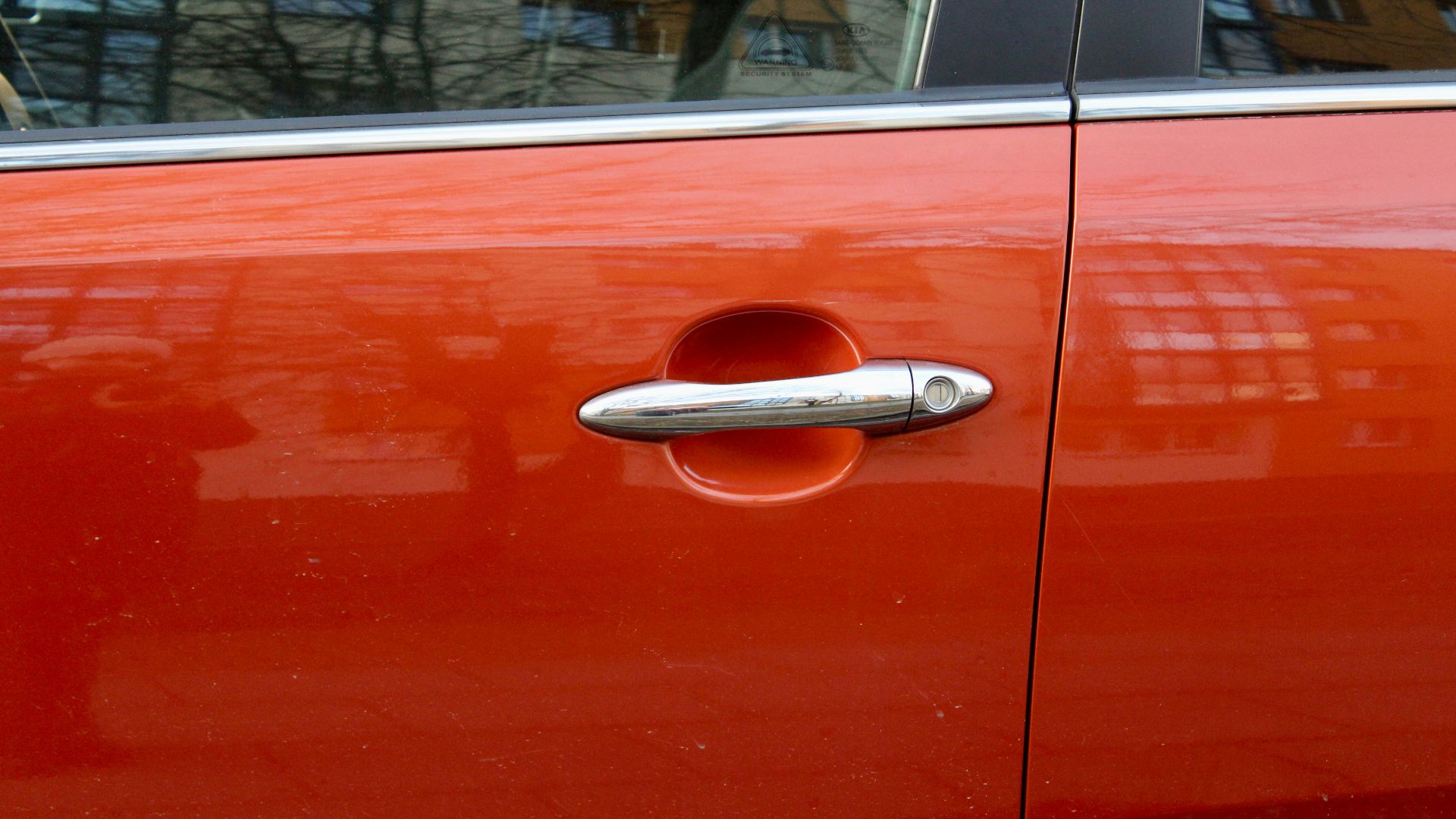
10. Skipping Door Edge Guards
Door edge guards are inexpensive, widely available, and almost universally ignored. They won't prevent every ding, but they absorb a meaningful amount of contact force and protect both the car they're attached to and whatever happens to be parked beside it.
11. Angling Doors Upward On Hills
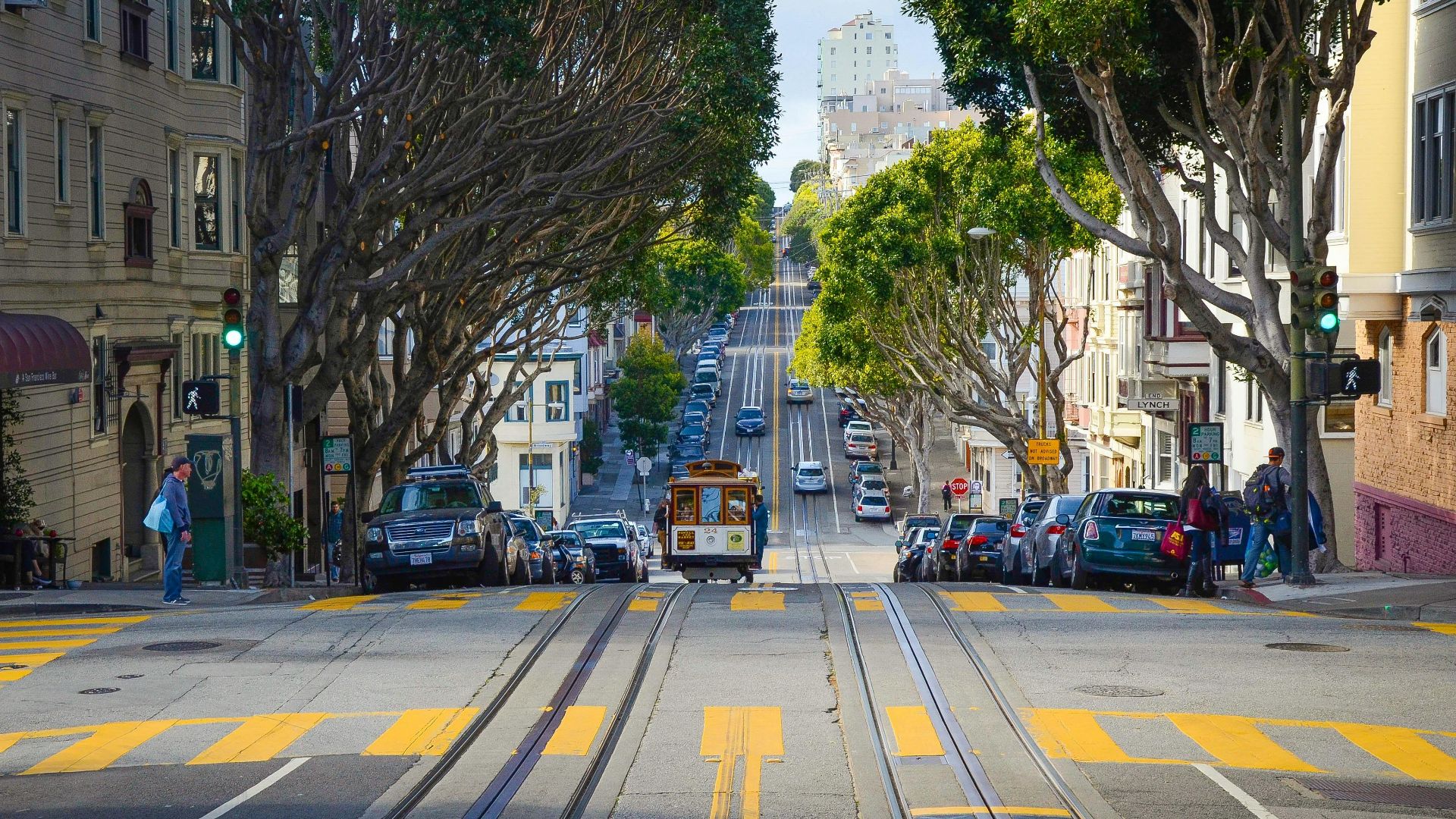
On an incline, a car door that isn't held carefully can swing upward and outward faster than expected due to gravity working against the hinge. The result is a harder, less controlled impact with the car parked on the downhill side.
12. Repeatedly Using The Same High-Traffic Spot
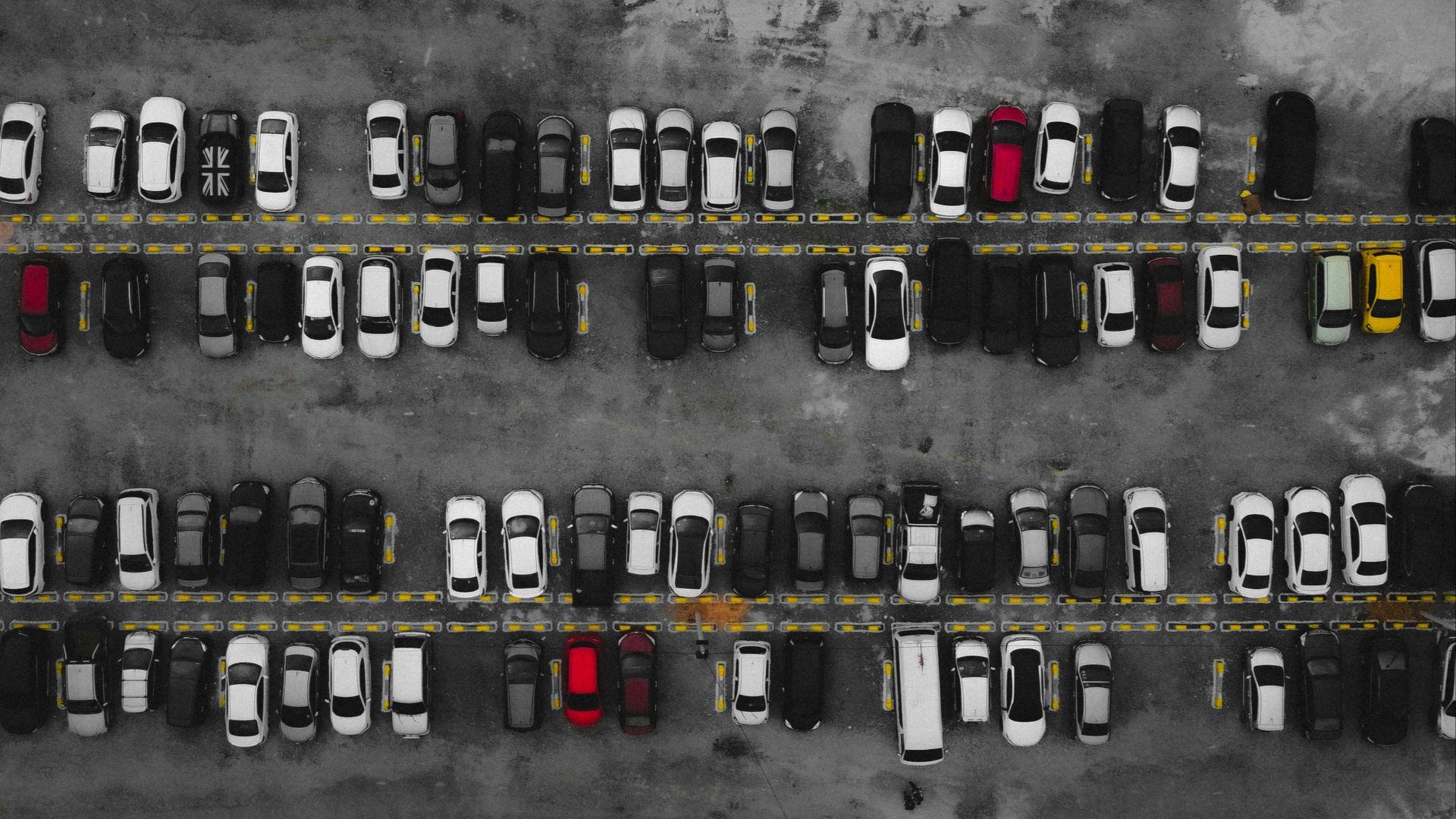
Parking in the same crowded row every day out of habit means your car is consistently exposed to the highest volume of door-swinging activity in the lot. Over time, those odds catch up, and a car that parks near a popular entrance or a busy cart return will accumulate minor damage faster than one tucked further away.
13. Opening Doors Into Traffic Lanes
Some parking spaces are tight enough that a fully opened door extends into an active traffic lane. Drivers who don't account for passing vehicles risk not just a ding, but a much more significant collision, and the door itself usually takes considerable damage in those encounters.
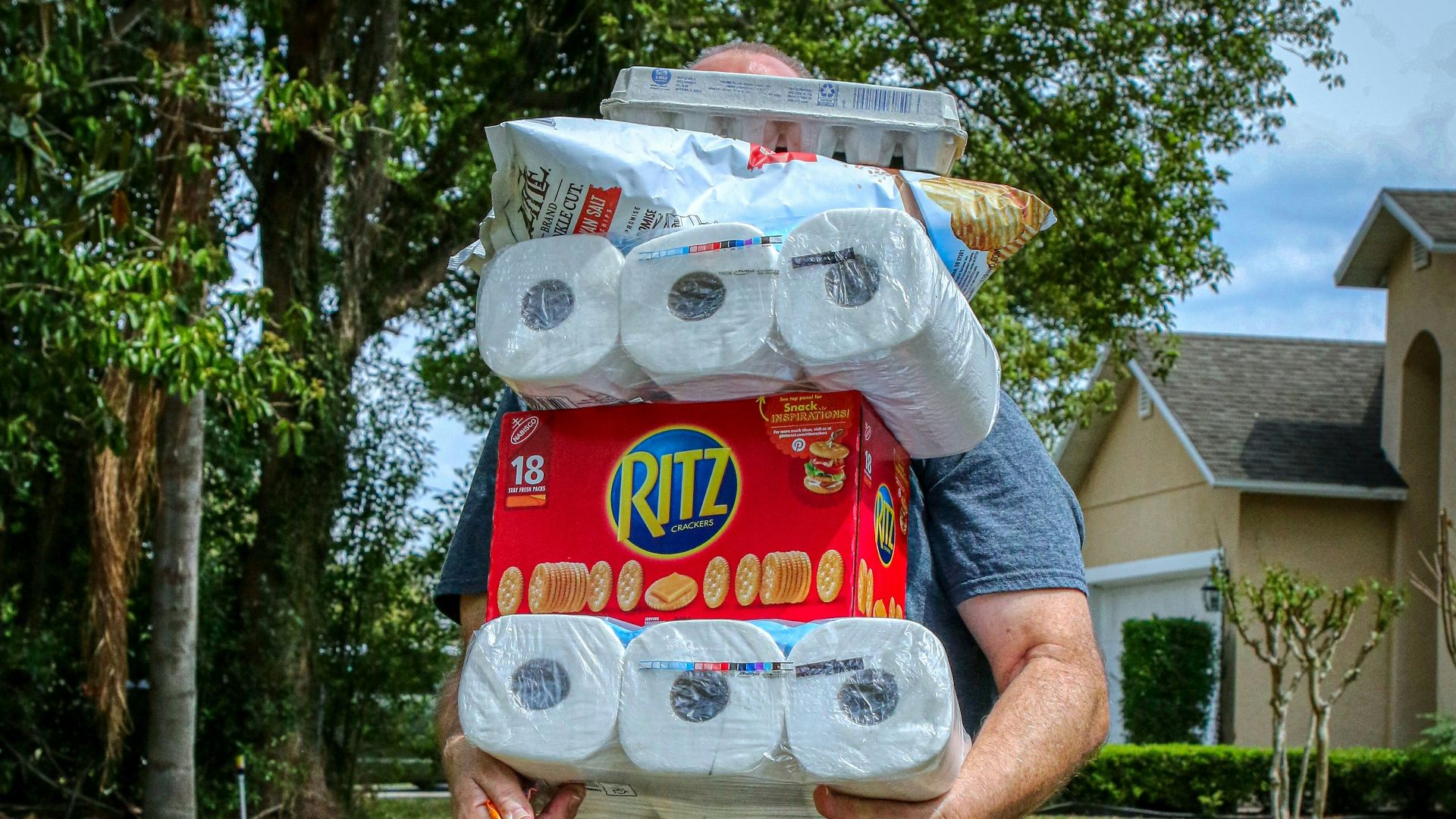
14. Carrying Bulky Items
Walking between cars while carrying a large box, a flat-pack piece of furniture, or an oversized bag means the sides of nearby vehicles are completely invisible. Corners make contact before anyone realizes what's happening, and the damage often goes unnoticed by the person carrying the load.
15. Parallel Parking With Insufficient Clearance
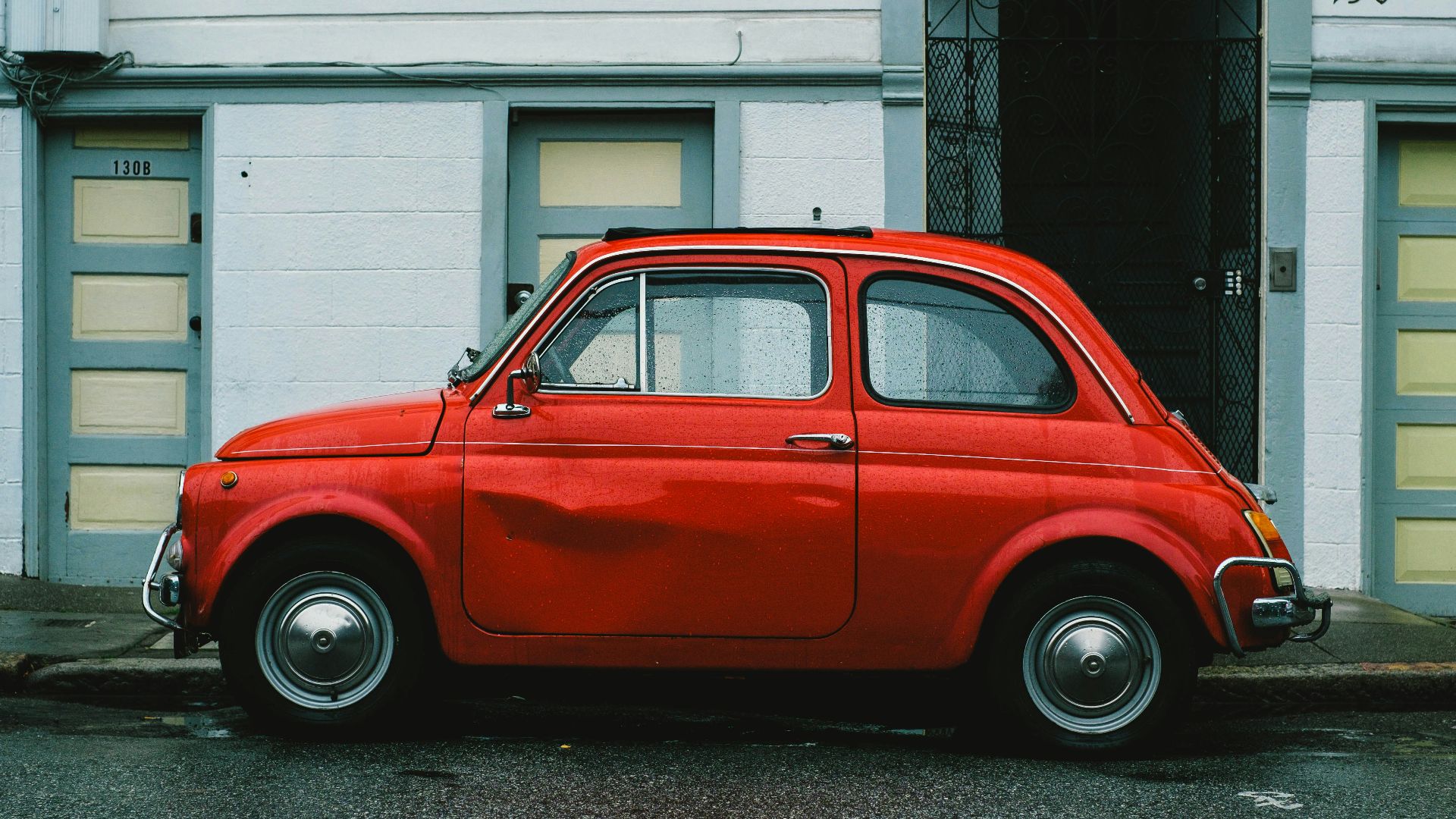
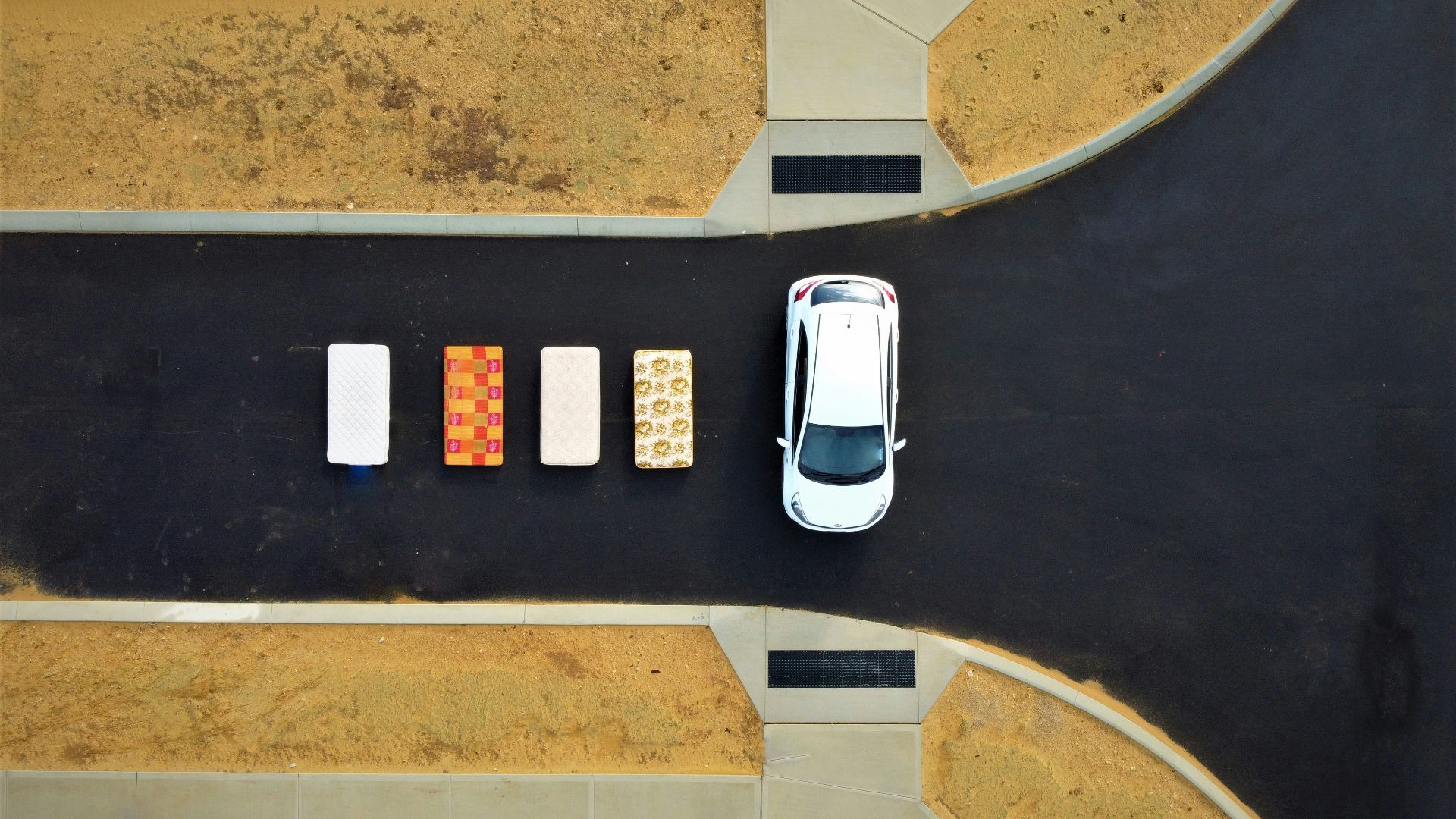
Parallel parking well is a skill that a surprising number of drivers never fully develop. Pulling in too tight to the car in front or behind while maneuvering into place can result in bumper contact, and the repeated micro-adjustments required to correct a bad initial angle create additional opportunities for scrapes and taps.
16. Sitting With Doors Ajar In Crowded Lots
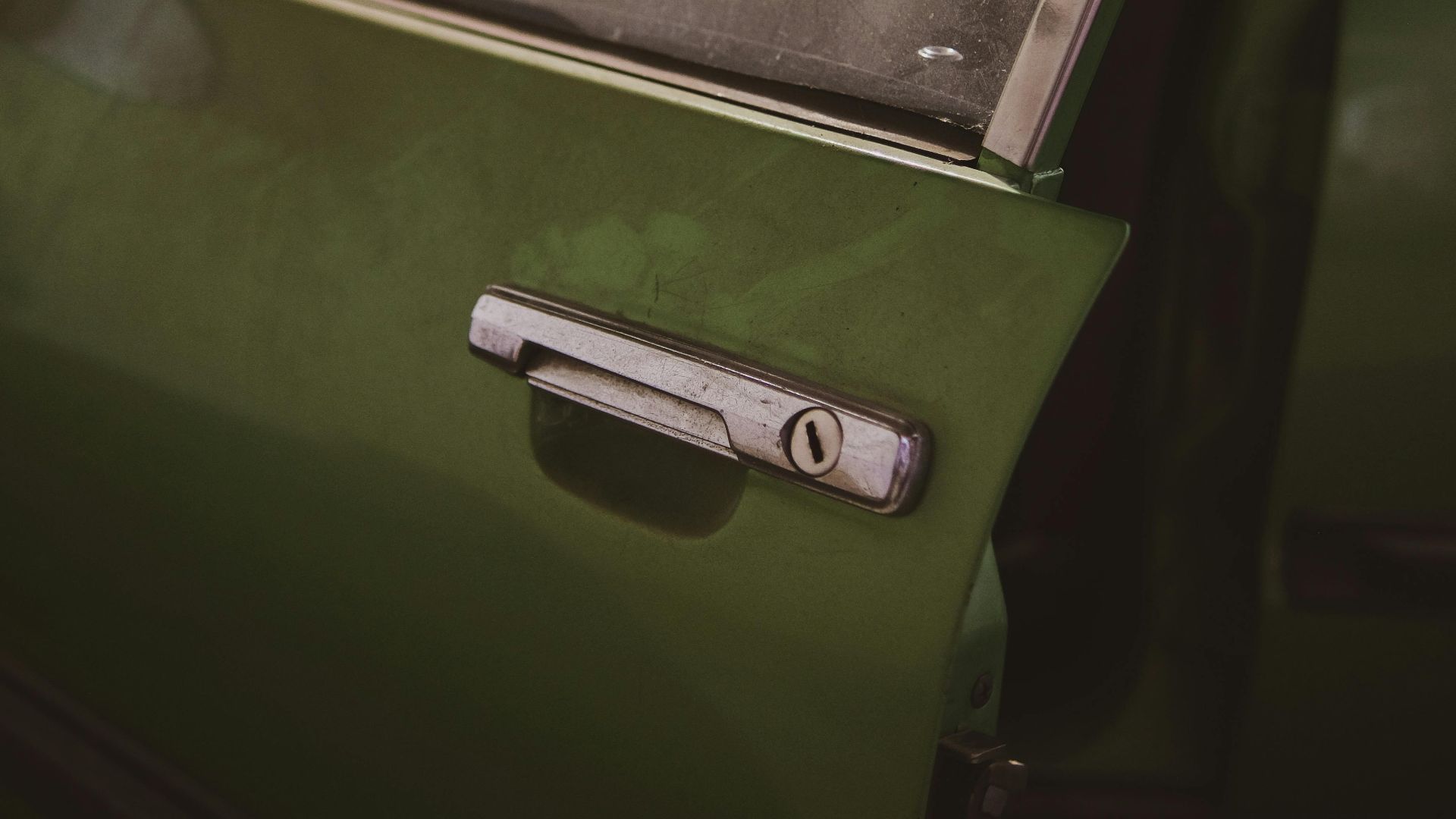
Waiting in a parking lot with a door hanging open while loading groceries or getting situated is an underappreciated hazard. A passing vehicle or a neighboring car pulling out can clip an open door, and the structural damage from that kind of contact tends to be more significant than a standard ding.
 Burak Bahadır Büyükkılınç on Pexels
17. Forgetting The Parking Brake On A Slope
A car that rolls even a few feet in a parking lot because the brake wasn't engaged can do a surprising amount of damage before anything stops it. The absence of a driver means there's no one to steer, correct, or slow the vehicle as it makes contact with whatever is in its path.
18. Multitasking While Entering Or Exiting The Vehicle
Eating, talking on the phone, or rummaging through a bag while climbing in or out of a car splits attention at exactly the moment it should be fully on the door, the surrounding space, and the neighboring vehicles. These small distractions account for a larger share of parking lot damage than most drivers would guess.
19. Choosing End Spots And Still Swinging Wide
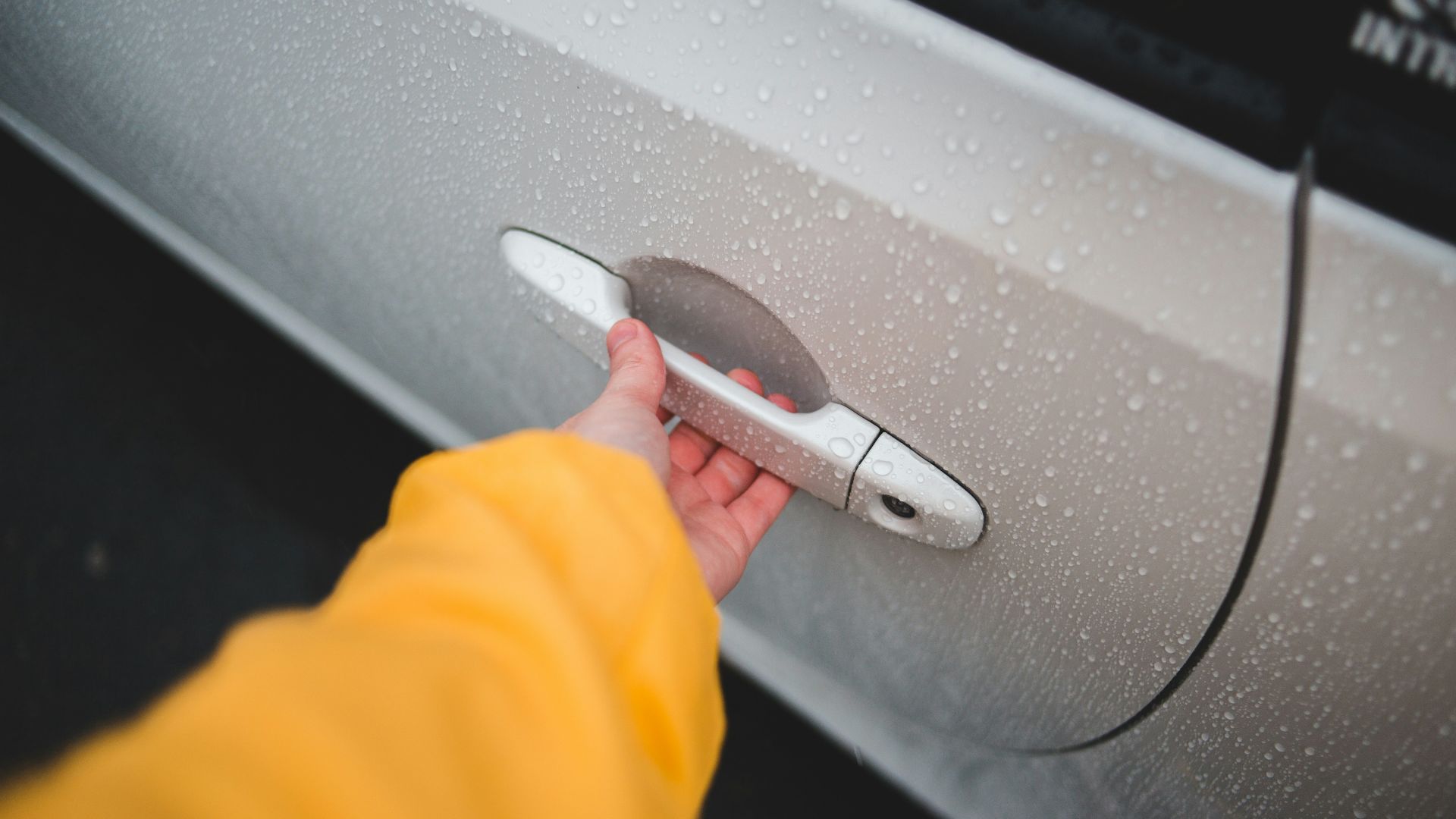
End spots are often chosen specifically to avoid having a car on one side, but drivers sometimes treat that open space as a free pass to throw the door open with no restraint. The problem is that pedestrians, cyclists, and passing cars are often moving through that supposedly empty zone.
20. Ignoring Compact-Car-Only Signage
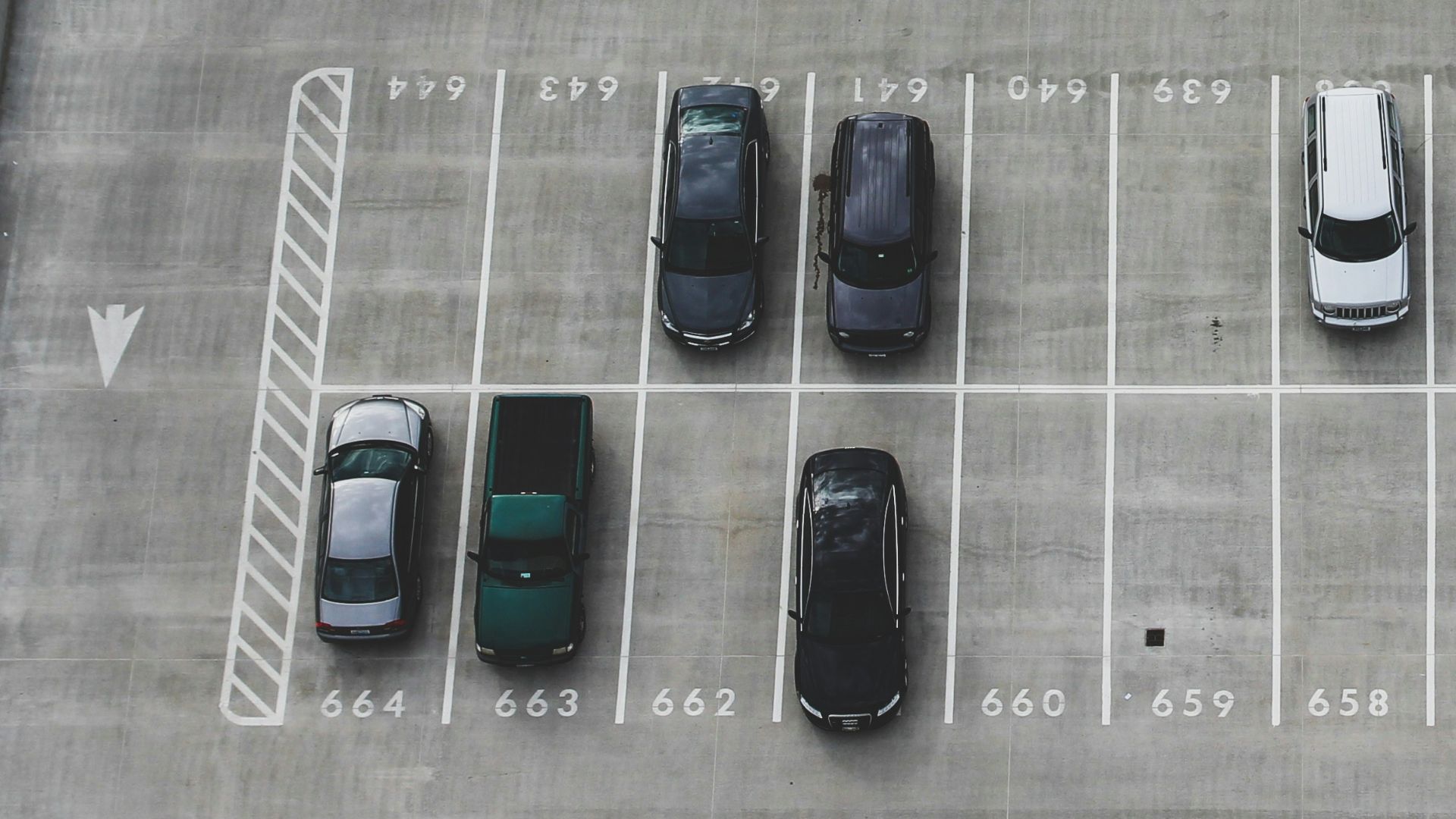
Compact-only spaces are sized for smaller vehicles, and a full-size truck or SUV that squeezes into one doesn't just inconvenience neighboring drivers. It physically reduces the available space on both sides to the point where normal door movement becomes impossible without contact.