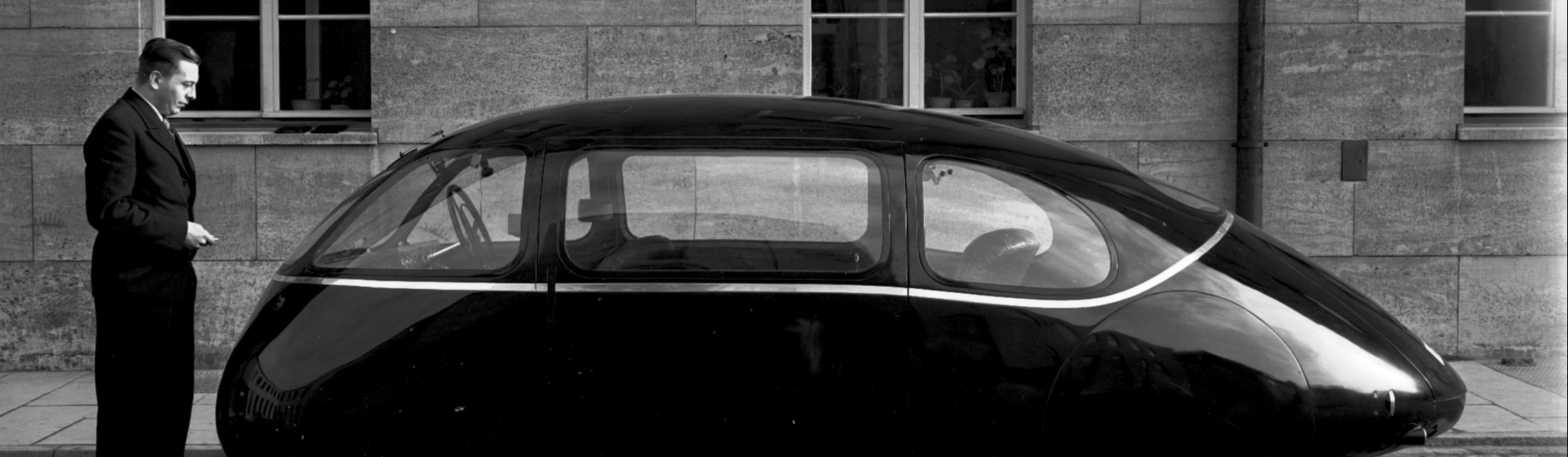
Fancy On Day One, Annoying By Year Five
A lot of modern luxury is just more hardware layered onto the same basic job of getting you from one place to another. It’s thrilling on a test drive, when everything is spotless, freshly updated, perfectly calibrated, and safely wrapped in warranty confidence. Then real life moves in with road salt, summer heat, spilled coffee, dead key fobs, and a battery trying to survive its third winter. The issue isn’t that these features never work. The issue is that when they don’t, the fix usually involves a specialized module, a picky sensor, or hours of labor to reach a part that never should’ve been buried in the first place. Here are twenty features that pose as premium upgrades while quietly lining up to become your next expensive problem.
 David Villarreal Fernández on Wikimedia
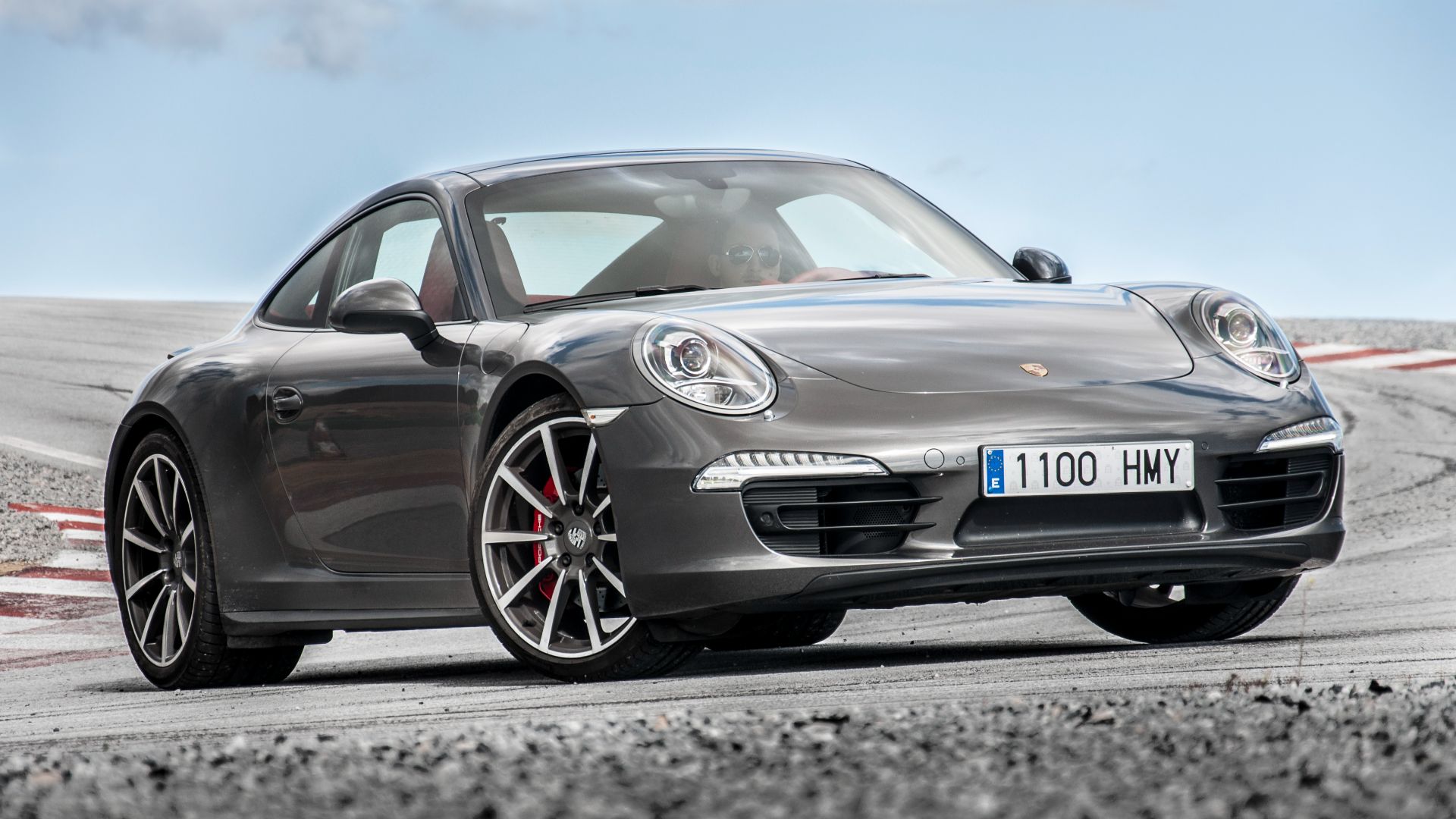
1. Panoramic Glass Roofs
They look great until a drain clogs or a seal dries out and you discover water travels to the least convenient place possible. Even when it doesn’t leak, wind noise, rattles, and cracked glass can turn a simple roof into a four-figure headache. A lot of owners learn the hard way that glass replacement is not priced like regular body glass.
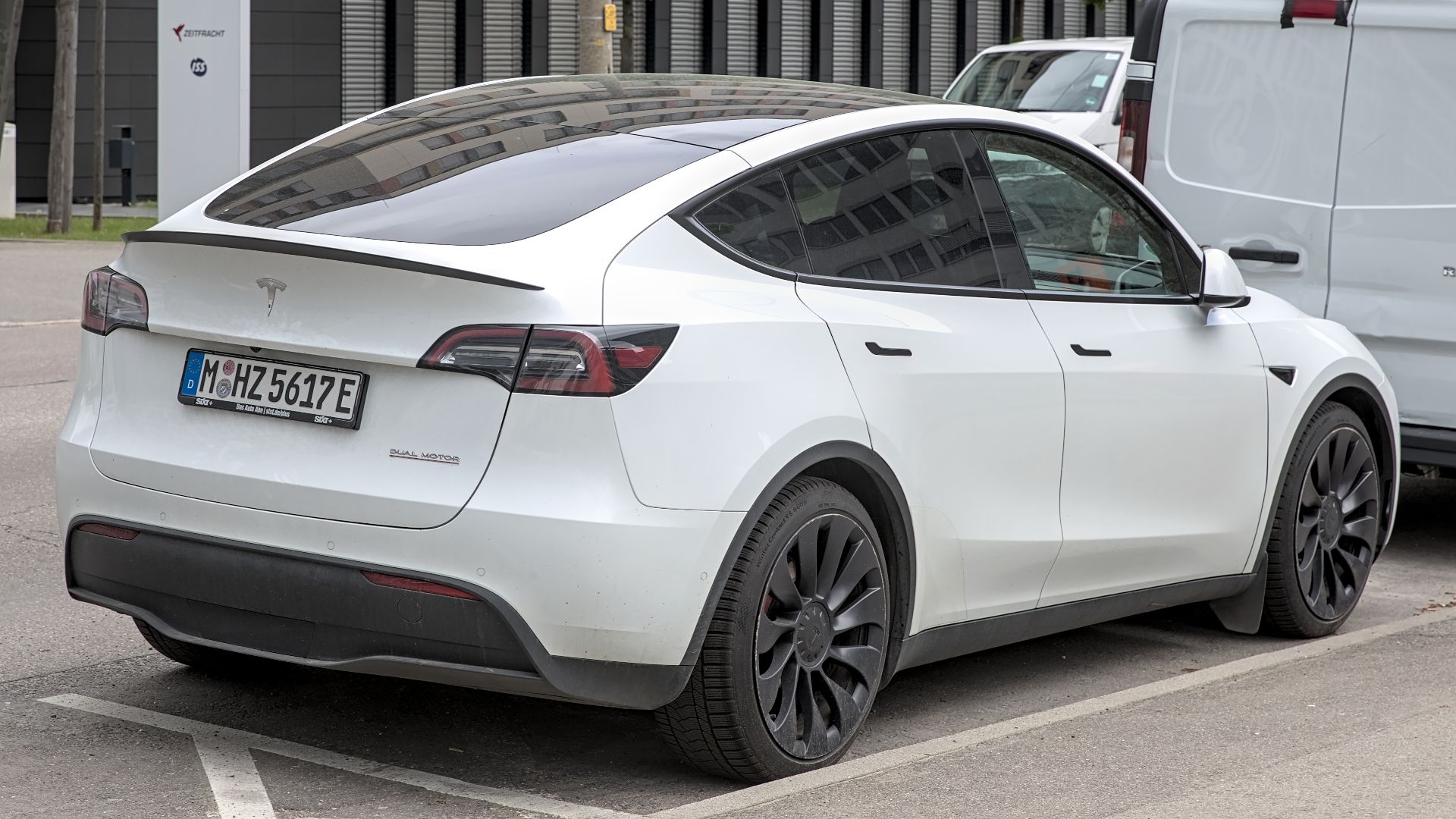
2. Air Suspension
The ride can feel unreal when it’s healthy, especially on rough roads, and that’s why people fall for it. Then a leaking air strut, a tired compressor, or a finicky height sensor shows up, and the car starts sagging like it gave up on life overnight. Repairs are rarely cheap, and you often replace more than one component to keep it level again.
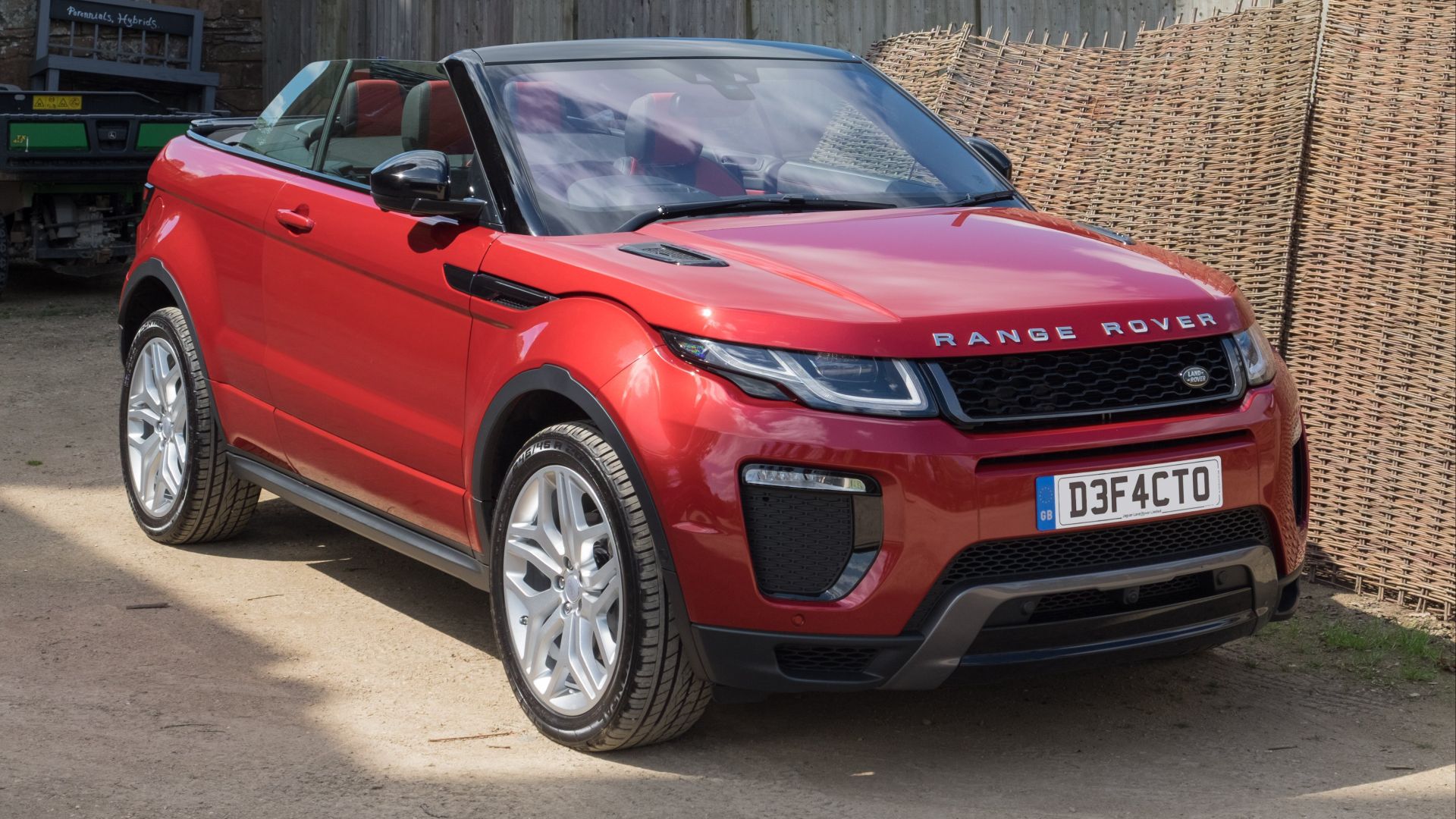
3. Motorized Door Handles That Pop Out
These are catnip for design teams and a nuisance for anyone living through rain, ice, grime, and parking lots. The mechanism is exposed to the exact conditions that make motors and switches unhappy, and a stuck handle can turn into a you’re-not-getting-in moment. When it fails, it tends to fail in a way that feels personal.
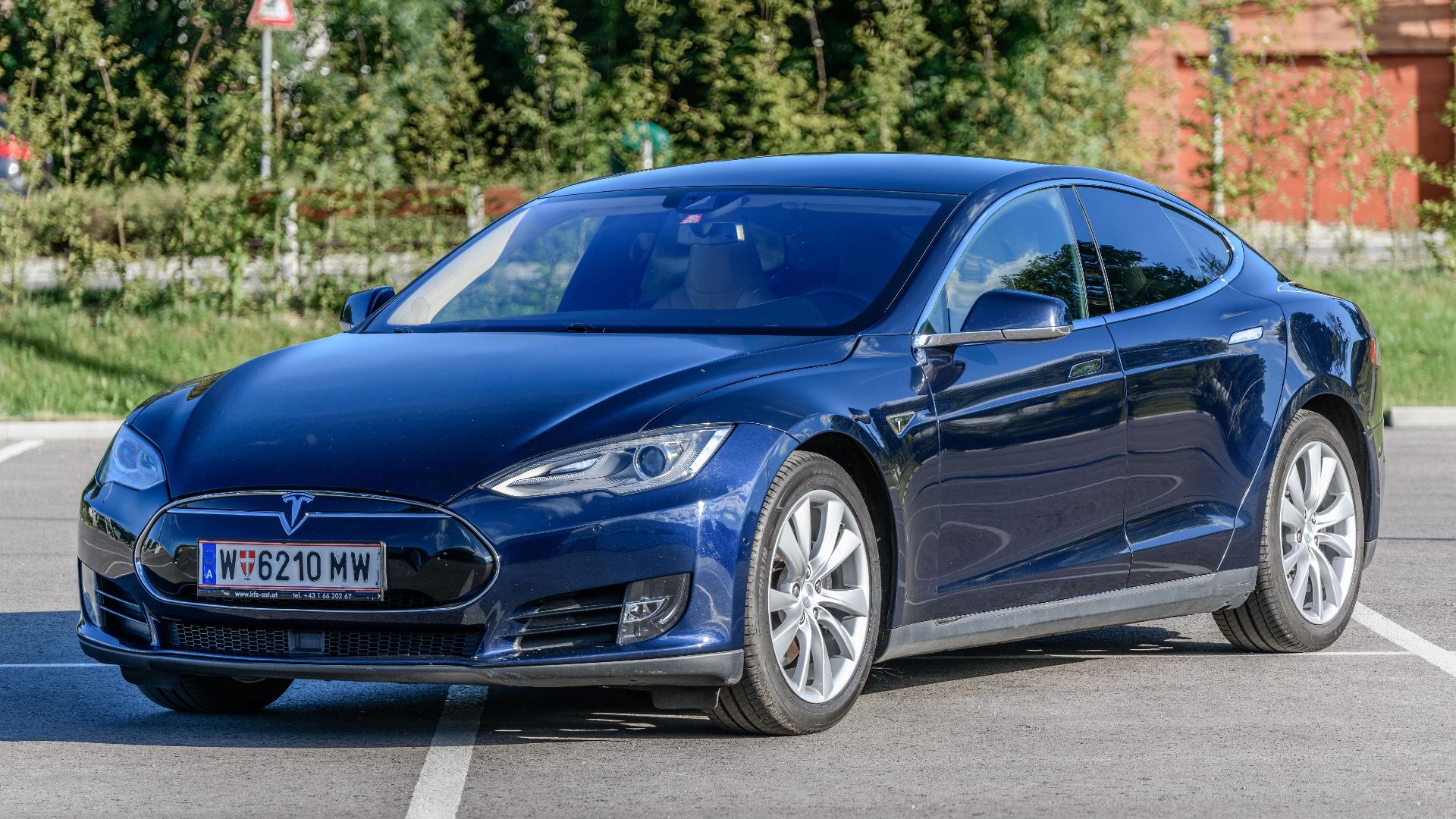
4. Soft-Close Doors
It’s a small flex, and it’s also a lot of extra hardware to accomplish a task a normal latch does just fine. When the motor or sensor acts up, doors can refuse to latch correctly or drain the battery by trying again and again. The fix is usually not a quick adjustment, and the parts pricing can feel insulting.

5. Power Trunk And Liftgate Systems
A powered liftgate is great until it decides the weather is too cold, the struts are weak, or the latch motor is tired. Then you get half-open behavior, random beeps, or a trunk that won’t close unless you perform a little ritual. These systems stack motors, sensors, and control modules on top of a simple hinge.

6. Automatic Parking Systems
They sound like the future, and they often work well in perfect conditions with clear lines and a patient driver. In the real world, a slightly dirty sensor, a scuffed camera, or a calibration issue can turn it into a dash warning you can’t ignore. The irony is that the feature meant to prevent bumper taps can be the reason you’re paying for diagnostics.
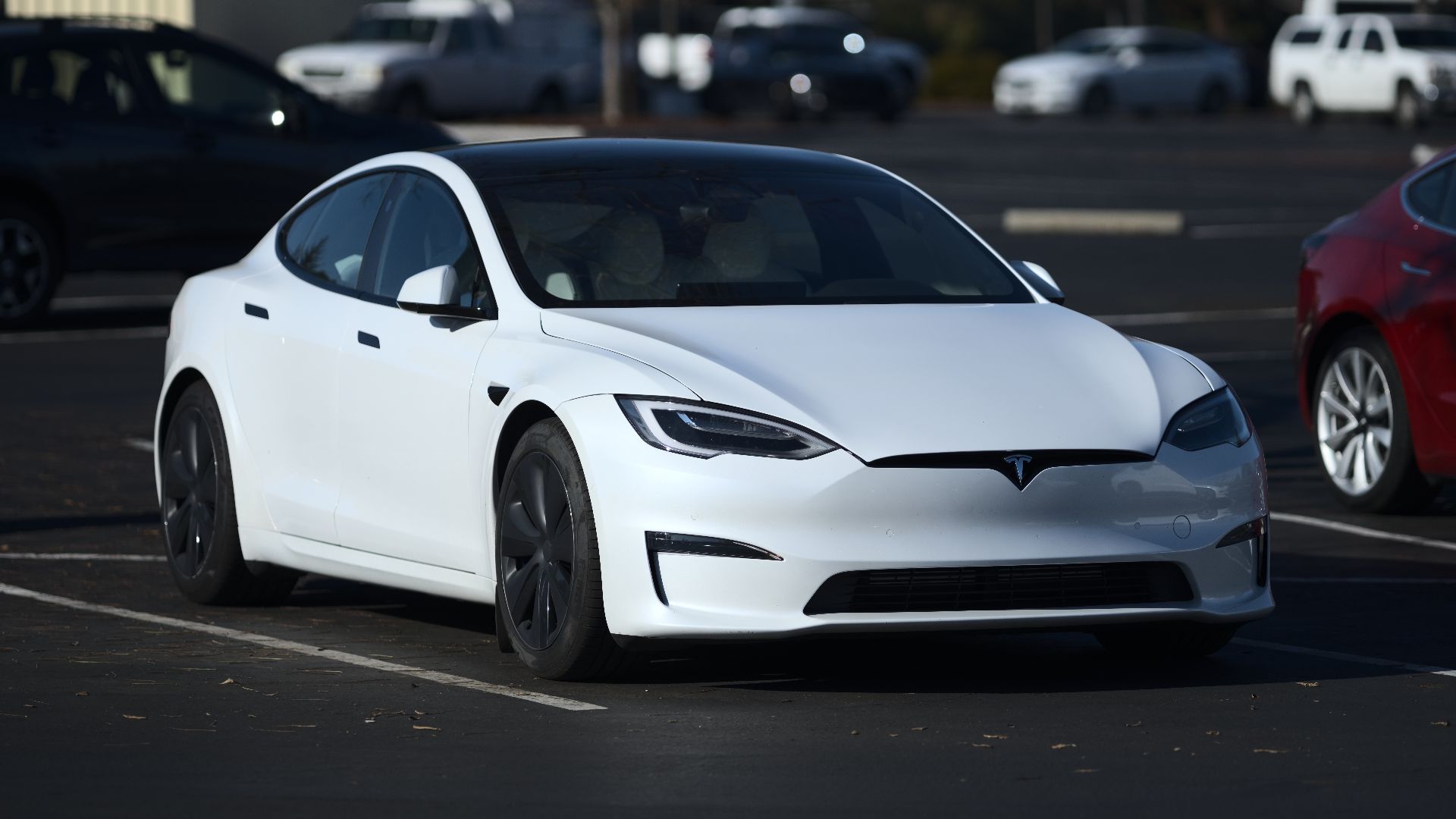
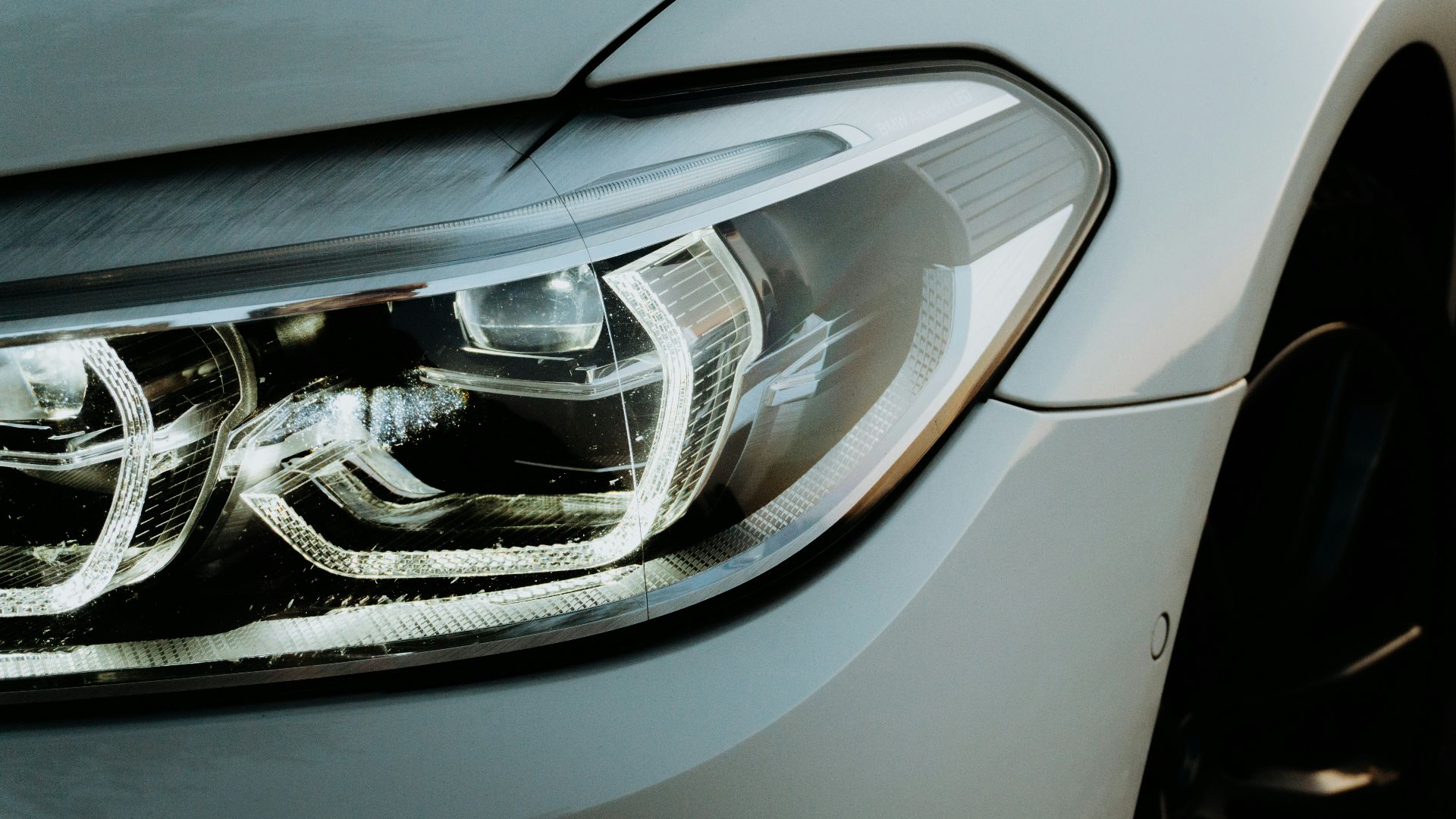
7. Adaptive Headlights With Swiveling Motors
Adaptive lighting is genuinely useful, and it’s also a complex assembly with motors, leveling sensors, and expensive housings. A minor front-end bump that might have been a cheap headlight swap becomes a specialty part and a programming session. Even without a crash, moisture inside the housing or a failed motor can mean replacing the whole unit.
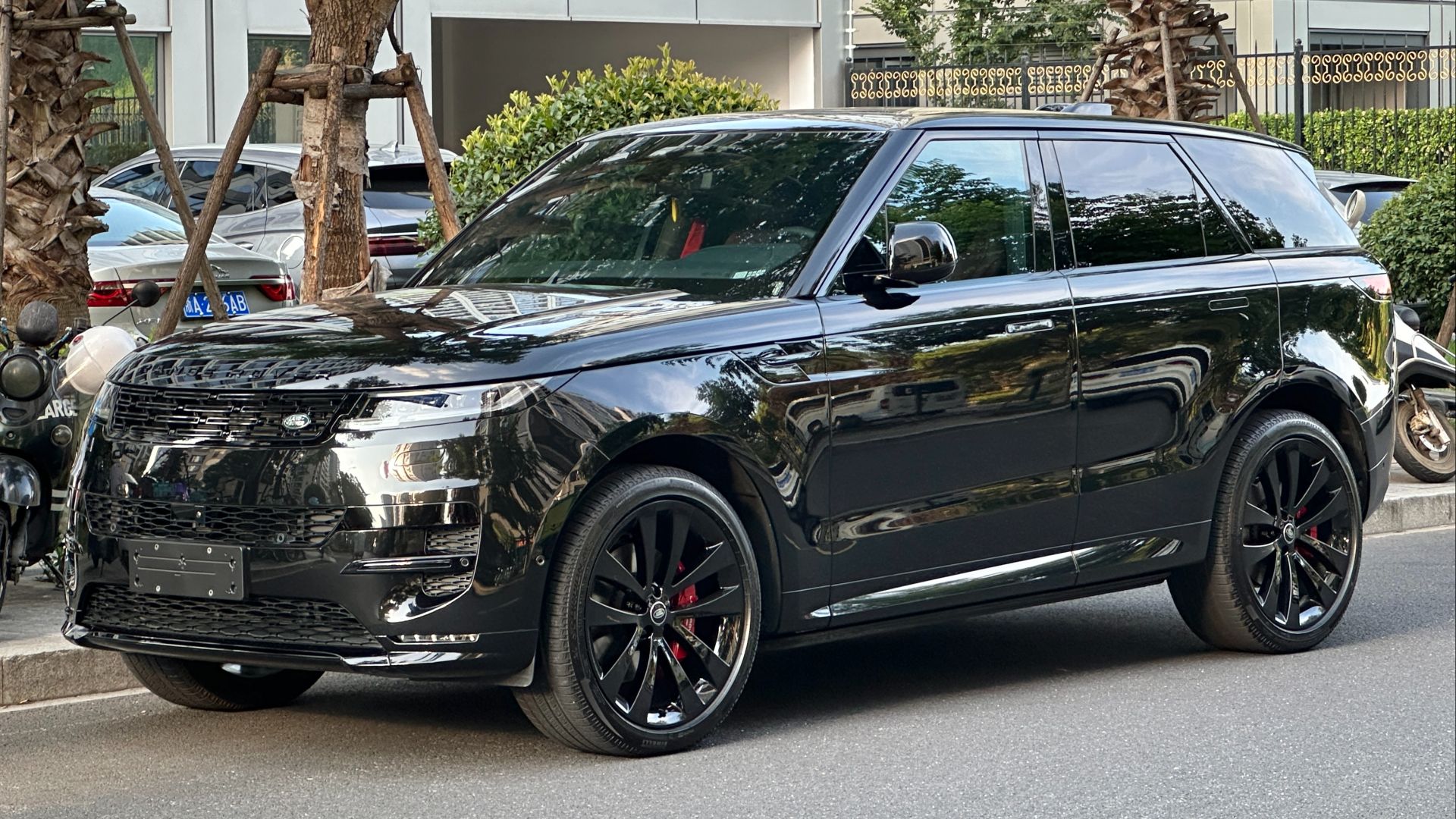
8. Massive Wheel Packages With Ultra-Low-Profile Tires
Big wheels photograph well and punish you quietly, one pothole at a time. Low-profile tires ride harsher, bubble sidewalls more easily, and make bent wheels more common, especially in cities with cratered streets. You also pay more every time you need tires, and you need them more often.
9. Run-Flat Tires
Run-flats promise convenience, yet they often ride stiff and loud, and they can be surprisingly fragile. Many punctures that would be a simple patch on a normal tire become a full replacement. You end up paying extra for the privilege of fewer repair options.

10. Rear-Wheel Steering
It makes big cars feel smaller and quick cars feel sharper, and it adds a whole system that can go out of alignment or develop faults. When something is off, it can feel like the car is slightly crab-walking, which is not a vibe anyone wants at 70 mph. Repairs are specialized, and not every shop wants to touch it.

11. Electronic Door Latches
Replacing a mechanical cable with an electronic latch sounds clean and modern until the electronics don’t agree. A weak battery, a module issue, or a wiring fault can turn a normal door into a complicated problem with safety implications. When the fix involves removing panels and reprogramming, the bill climbs fast.
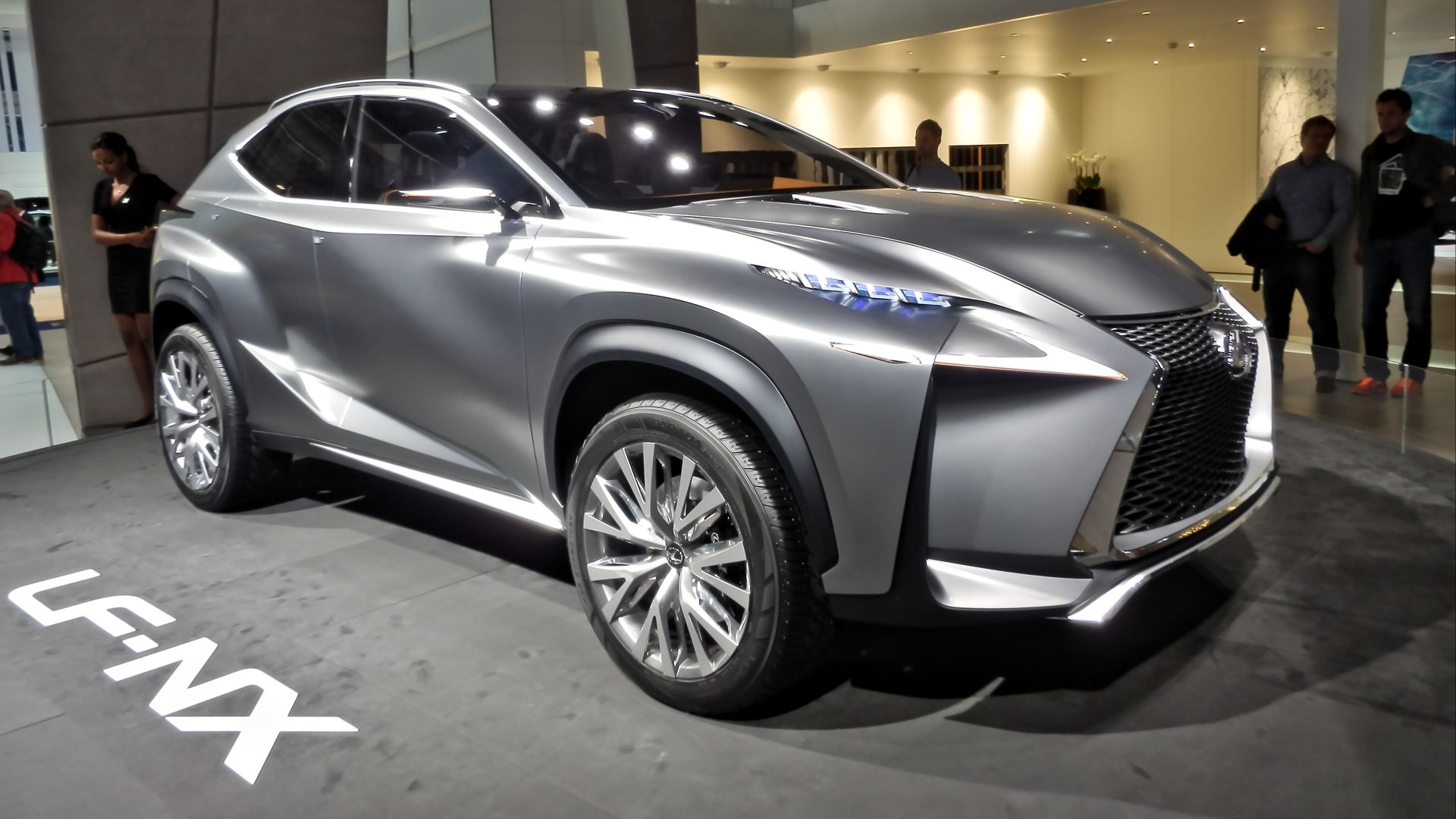
12. Keyless Entry And Push-Button Start Systems
They’re convenient right up until the fob battery dies, the antenna acts up, or the car starts throwing intermittent no-start drama. These systems can be sensitive to interference and water intrusion, and diagnosis is rarely obvious. It’s the kind of failure that makes you late and then makes you pay.

13. Gesture-Control Trunks
Waving a foot under the bumper feels slick when it works and ridiculous when it doesn’t. Dirt, snow, trailer hitches, and sensor drift can make it either overly sensitive or totally unresponsive. You end up doing an awkward dance in a parking lot while strangers pretend not to notice.

14. Giant Touchscreens For Basic Controls
A big screen looks modern, yet it turns simple tasks like adjusting air flow or seat heat into a software dependency. When the screen glitches, lags, or fails, you lose access to functions that should never be held hostage by a reboot. Replacement can be shockingly expensive, and used units often come with compatibility issues.
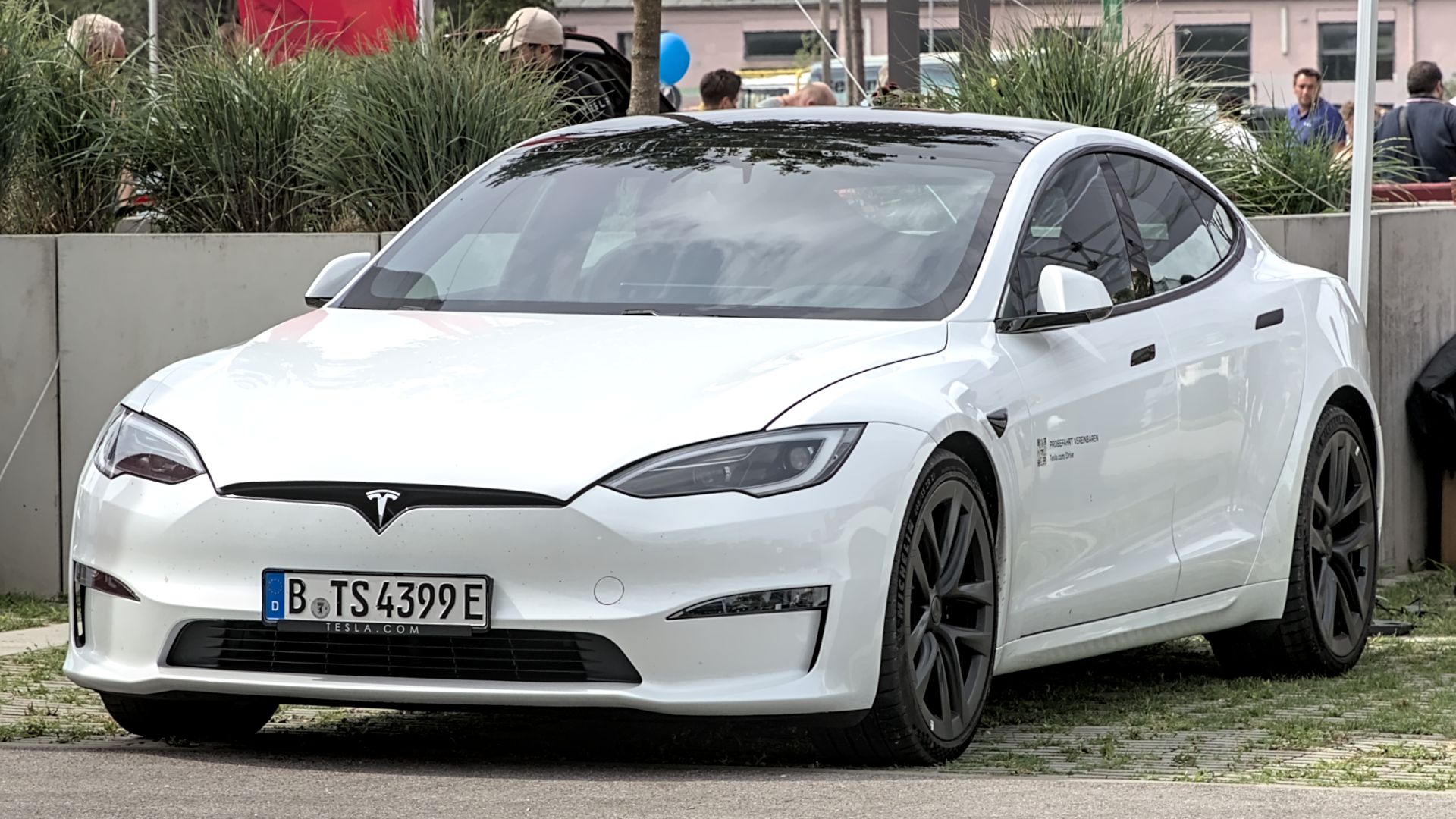
15. Haptic Touch Buttons On Steering Wheels And Consoles
They look sleek and feel like a prototype, especially when you hit the wrong function with a thumb you didn’t even move on purpose. The buttons can become unresponsive, overly sensitive, or just annoying to use with gloves. When they fail, the fix is often a whole control module, not a single button.
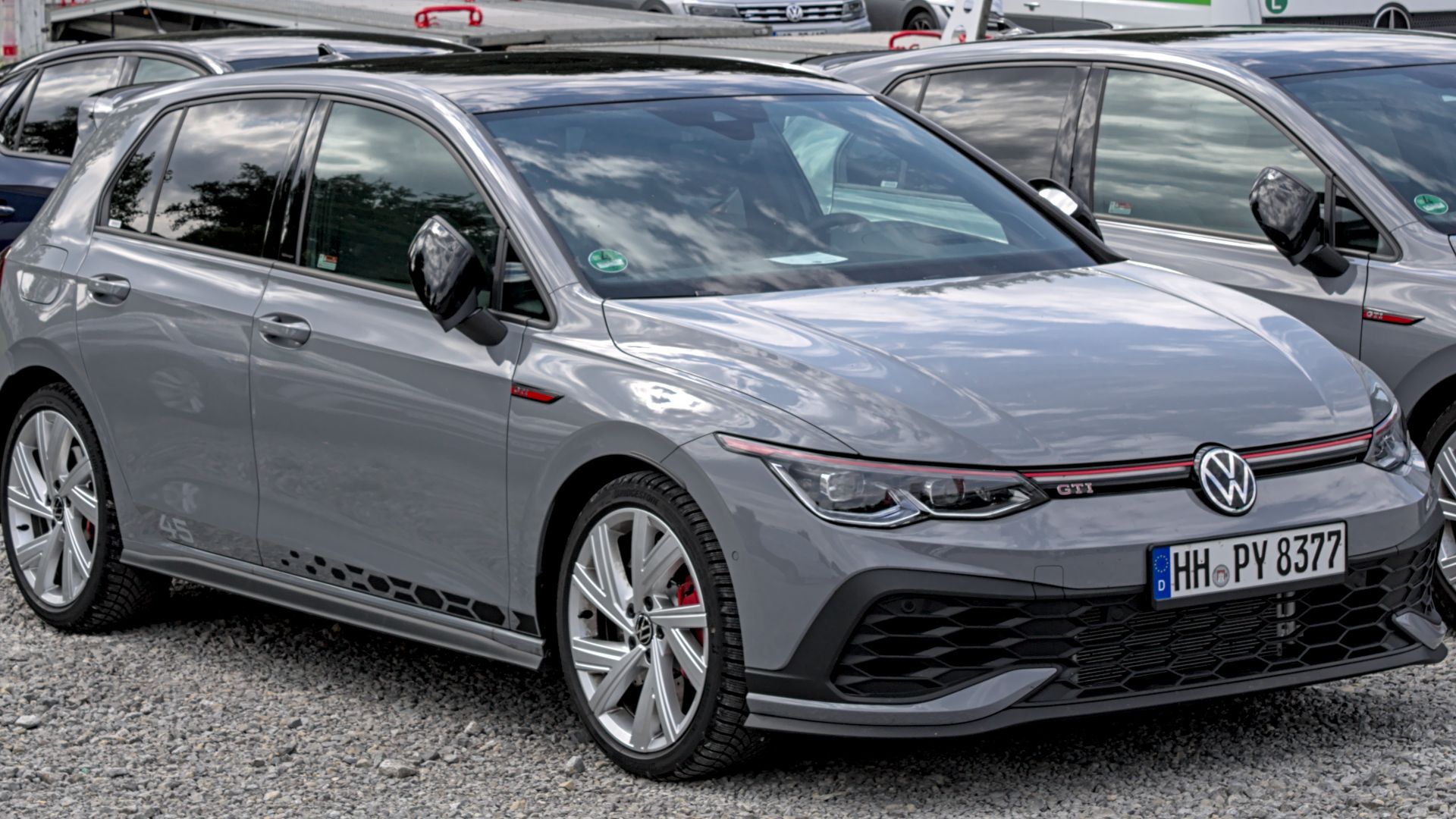
16. Automatic Stop-Start Systems That Are Too Aggressive
In theory, stop-start saves fuel, and in practice, some systems feel like they’re constantly interrupting you at the worst times. The extra cycling puts more demands on batteries, starter systems, and related hardware, even when it’s engineered for it. When it gets glitchy, it can create rough restarts and warning lights that linger.

17. Mild Hybrid And 48-Volt Add-Ons
These can make a drivetrain smoother and more efficient, and they also add another electrical system, extra cooling needs, and more specialized parts. When something goes wrong, you’re dealing with higher-voltage components and fewer independent shops willing to diagnose deeply. Even small failures can become expensive because access and safety procedures add labor.
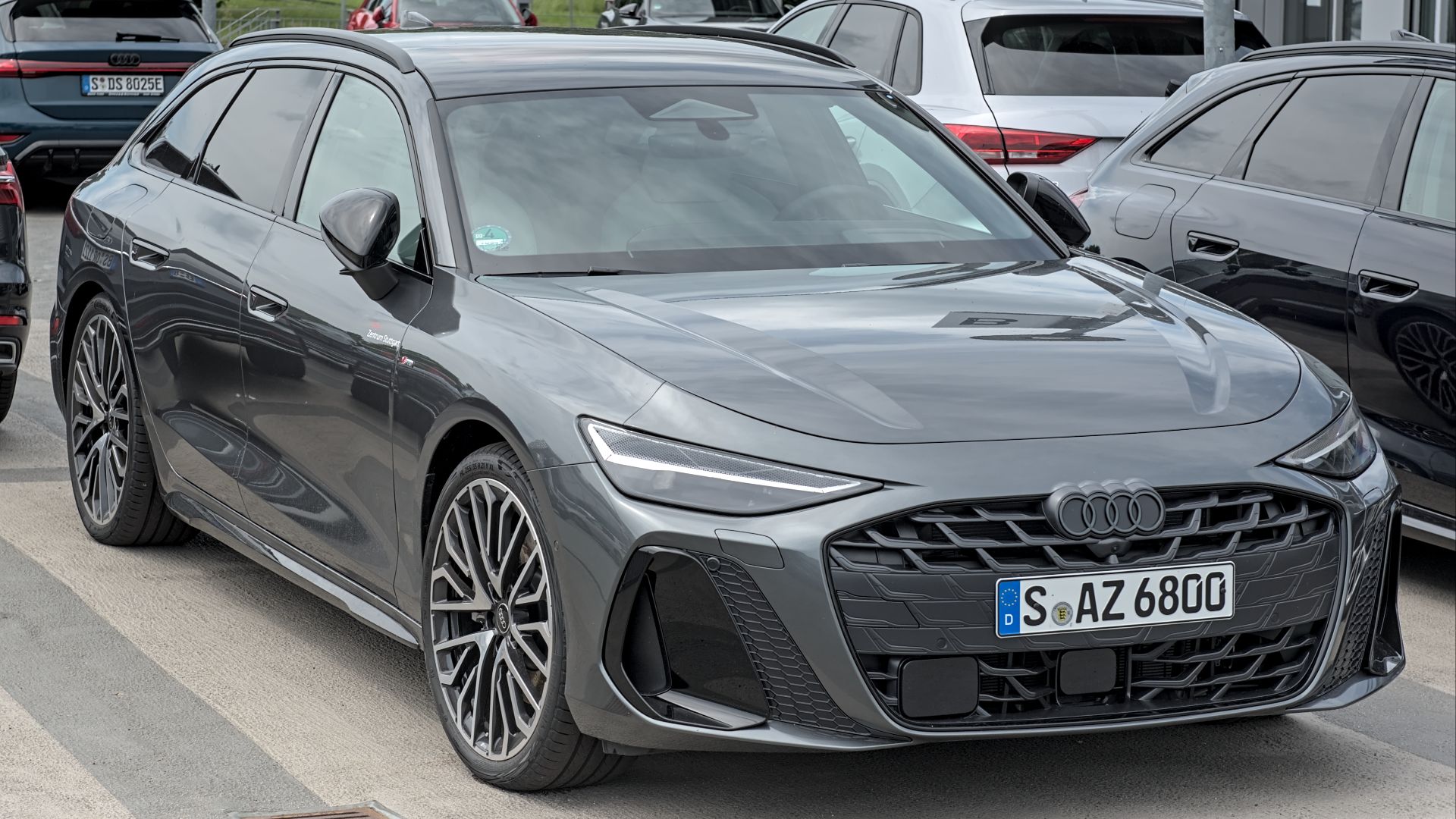
18. Active Grille Shutters
They’re built for efficiency, yet they live in a spot that gets hammered by road debris, ice, and minor impacts. When they stick open or closed, you can trigger warning lights, cooling issues, or reduced efficiency, which is exactly the opposite of the point. The part itself can be pricey, and it’s rarely the only thing you pay for.
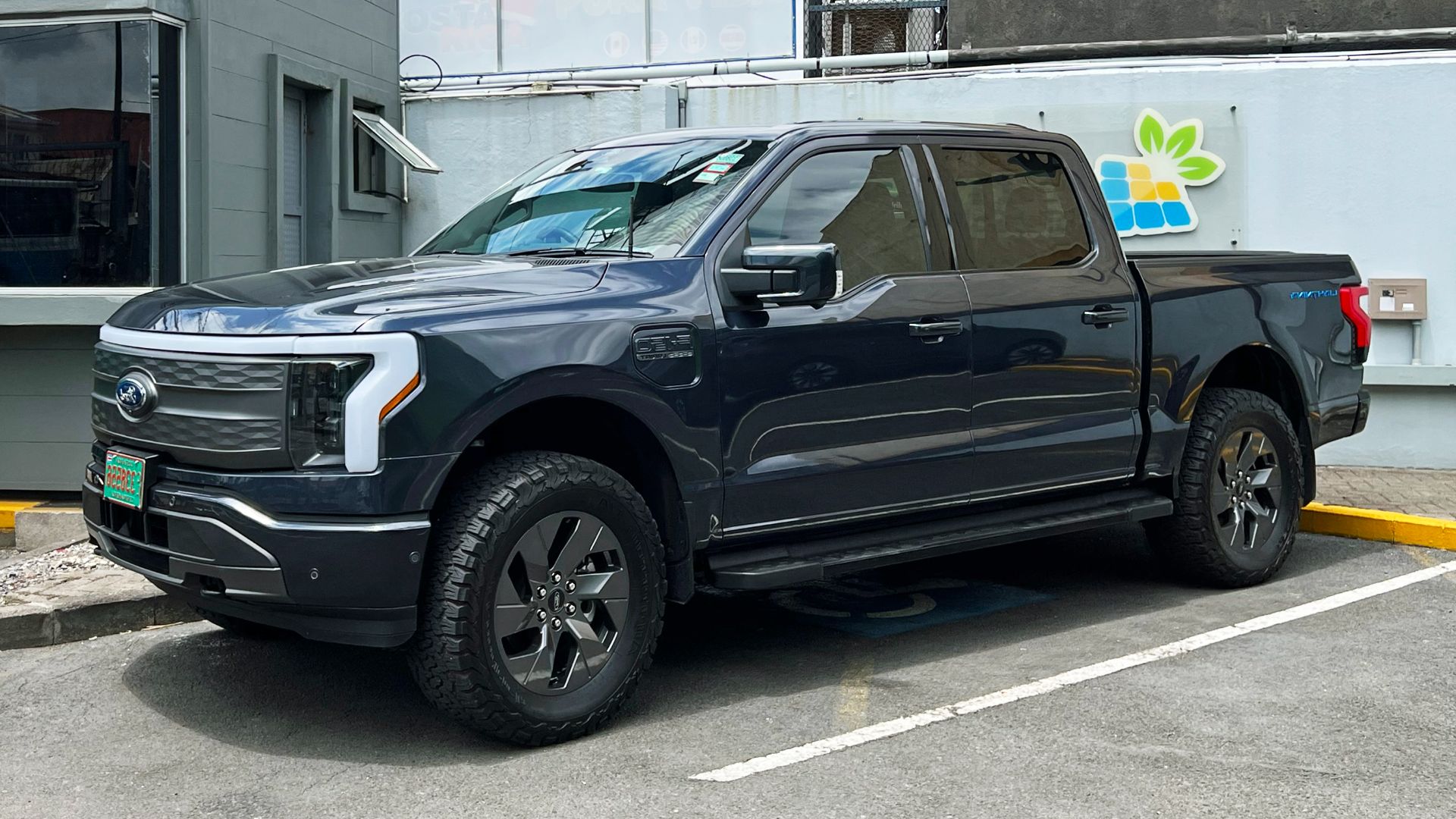 Mariordo (Mario Roberto Durán Ortiz) on Wikimedia
19. Power Side Steps
They’re helpful on tall SUVs until winter salt, mud, or one bad curb kiss makes the mechanism bind. A stuck step can drain a battery, throw errors, or just sit there half-deployed like a broken wing. It’s one more motorized exterior part that lives in the splash zone.

20. Fragrance Diffusers And Built-In Scent Systems
This is luxury in its purest form, and it also adds cartridges, pumps, and interior plumbing nobody asked for. When it leaks or clogs, you can end up with persistent smells, residue in vents, or a system that throws errors you can’t ignore. The most annoying part is realizing the fix costs real money for something you never needed in the first place.