Some Great Cars Faded Too Soon
The automotive industry is constantly evolving, but not every brand disappears because it lacked potential. Some were ahead of their time, while others struggled with timing, ownership changes, or shifting markets. Looking back, many of these brands offered unique designs, engineering innovations, or strong identities that could still resonate today. If revived with modern technology and direction, they might find a whole new audience. Here are 20 forgotten car brands that deserve a comeback.
1. Saab
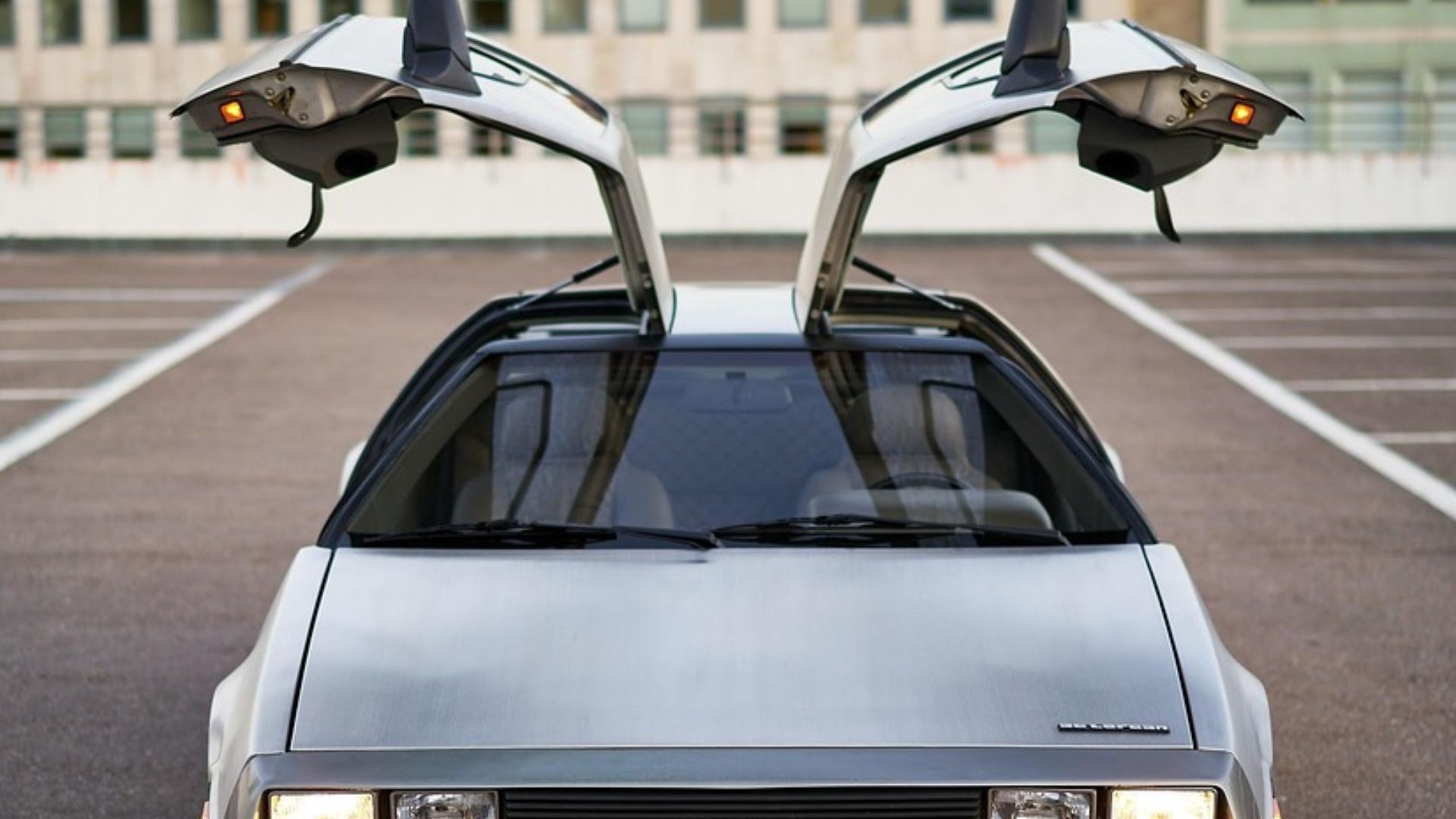
Known for its aviation-inspired engineering, this brand focuses on safety and unconventional design. It built a loyal following thanks to its distinctive approach to performance and ergonomics. Financial struggles and ownership changes led to its decline. A modern revival could lean into its reputation for innovation and driver-focused features.
2. Pontiac
This brand once represented performance and excitement within a mainstream lineup. It delivered memorable models that appealed to drivers looking for something sportier. Changing priorities and restructuring led to its closure. With today’s interest in performance vehicles, it could find renewed relevance.
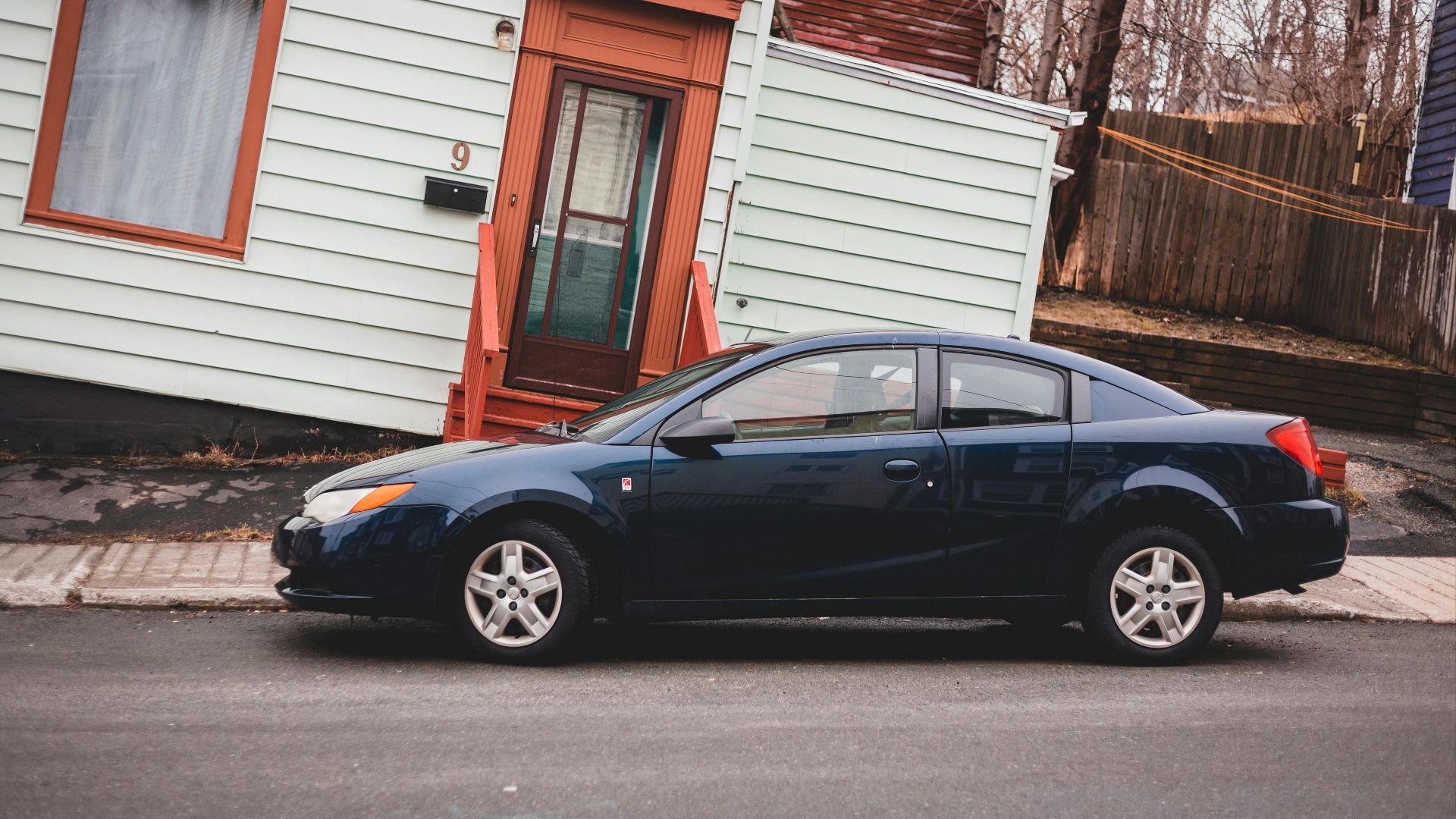
3. Saturn
Created to compete with import brands, this company emphasized customer experience and reliability. It introduced innovative sales models and built a strong identity early on. Over time, its uniqueness faded within a larger corporate structure. A comeback could focus on simplicity and trust.
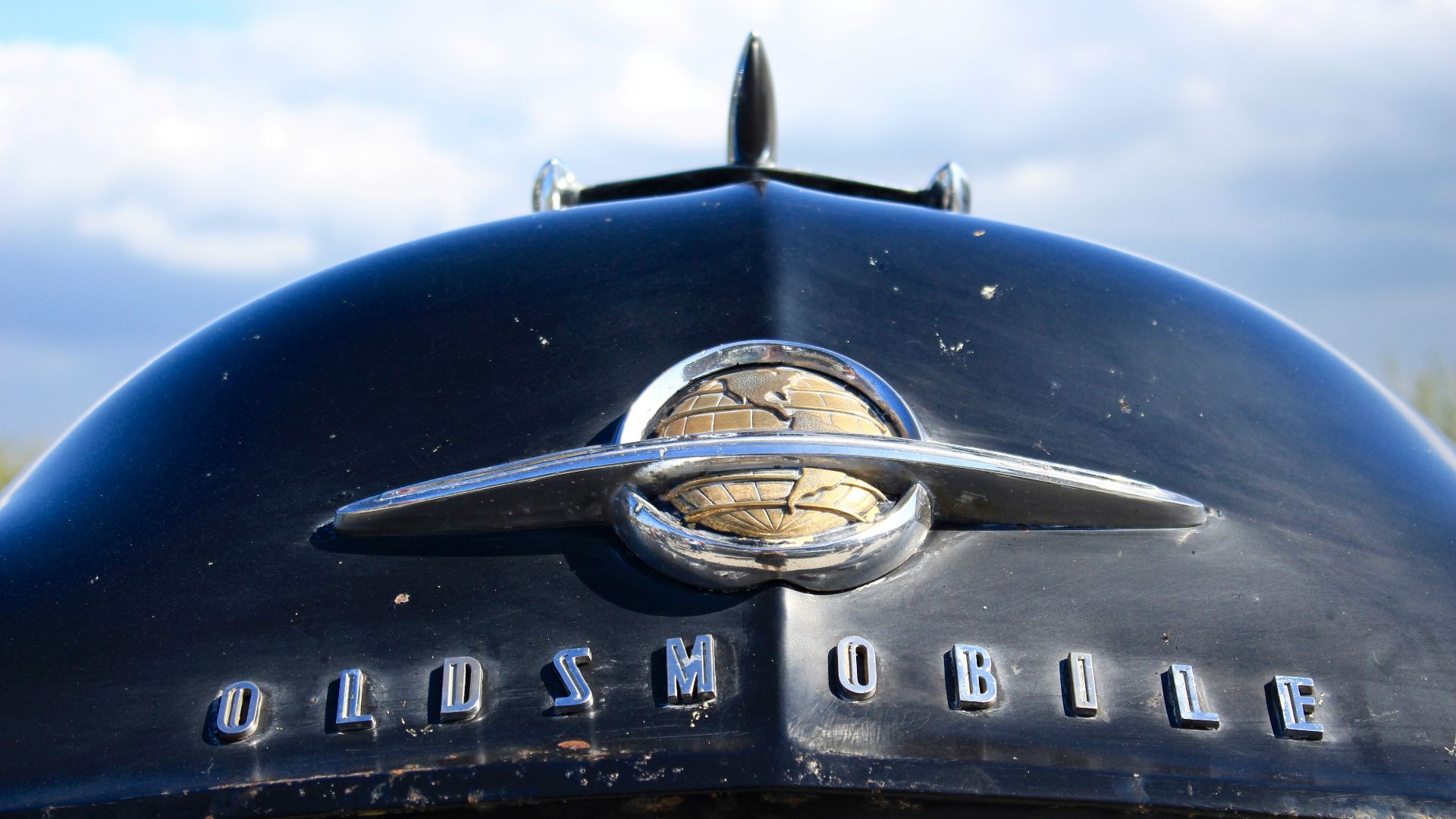
4. Oldsmobile
One of the oldest automotive brands, it was known for innovation and accessible luxury. It introduced new technologies before they became standard. Declining sales and brand confusion contributed to its end. A revival could highlight its history while embracing modern design.
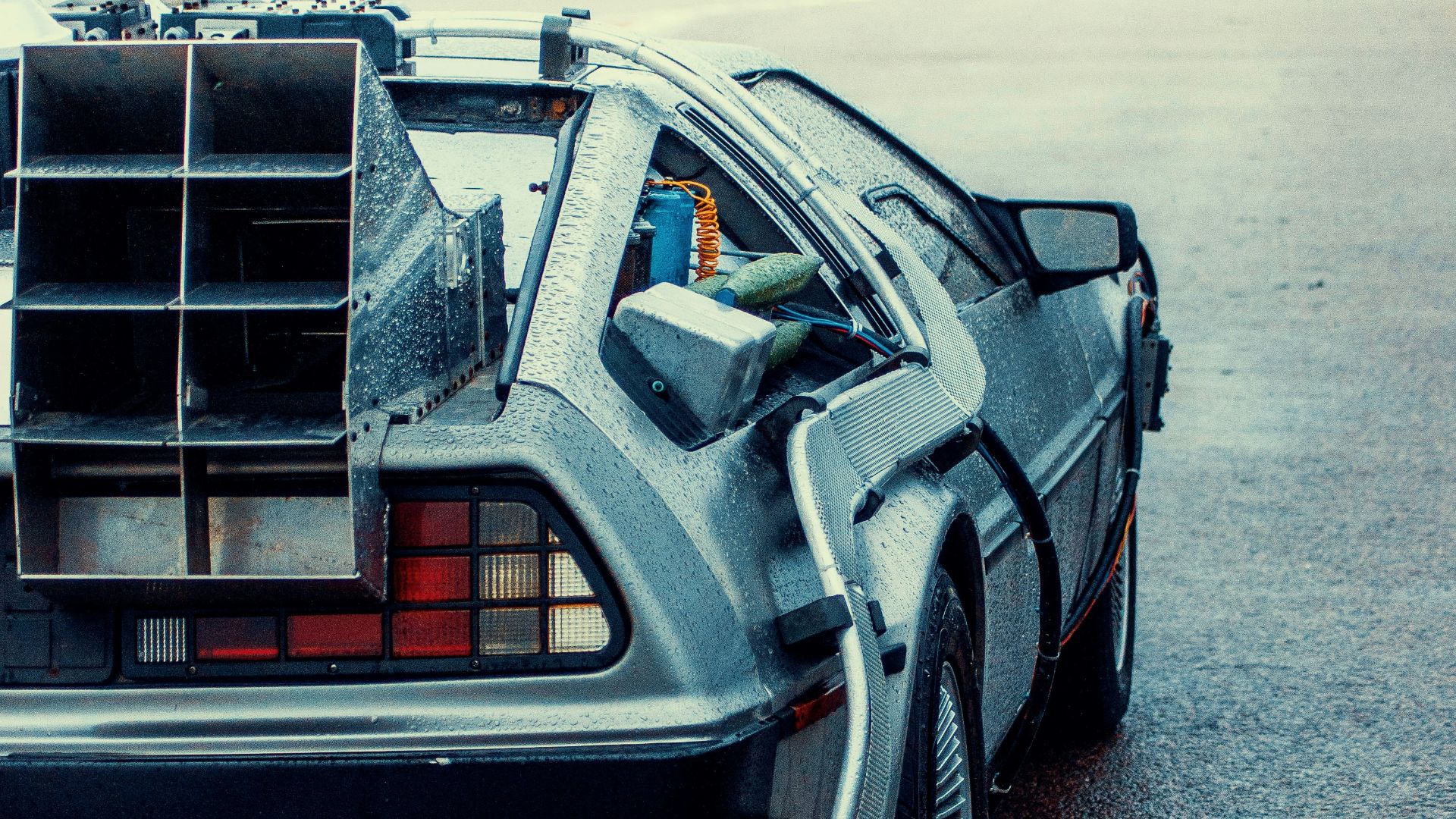
5. DeLorean
Famous for its iconic stainless steel design, this brand stood out immediately. Despite a strong visual identity, production and financial issues limited its success. It never had the chance to fully develop as a company. Today’s market for unique electric vehicles could suit its image well.
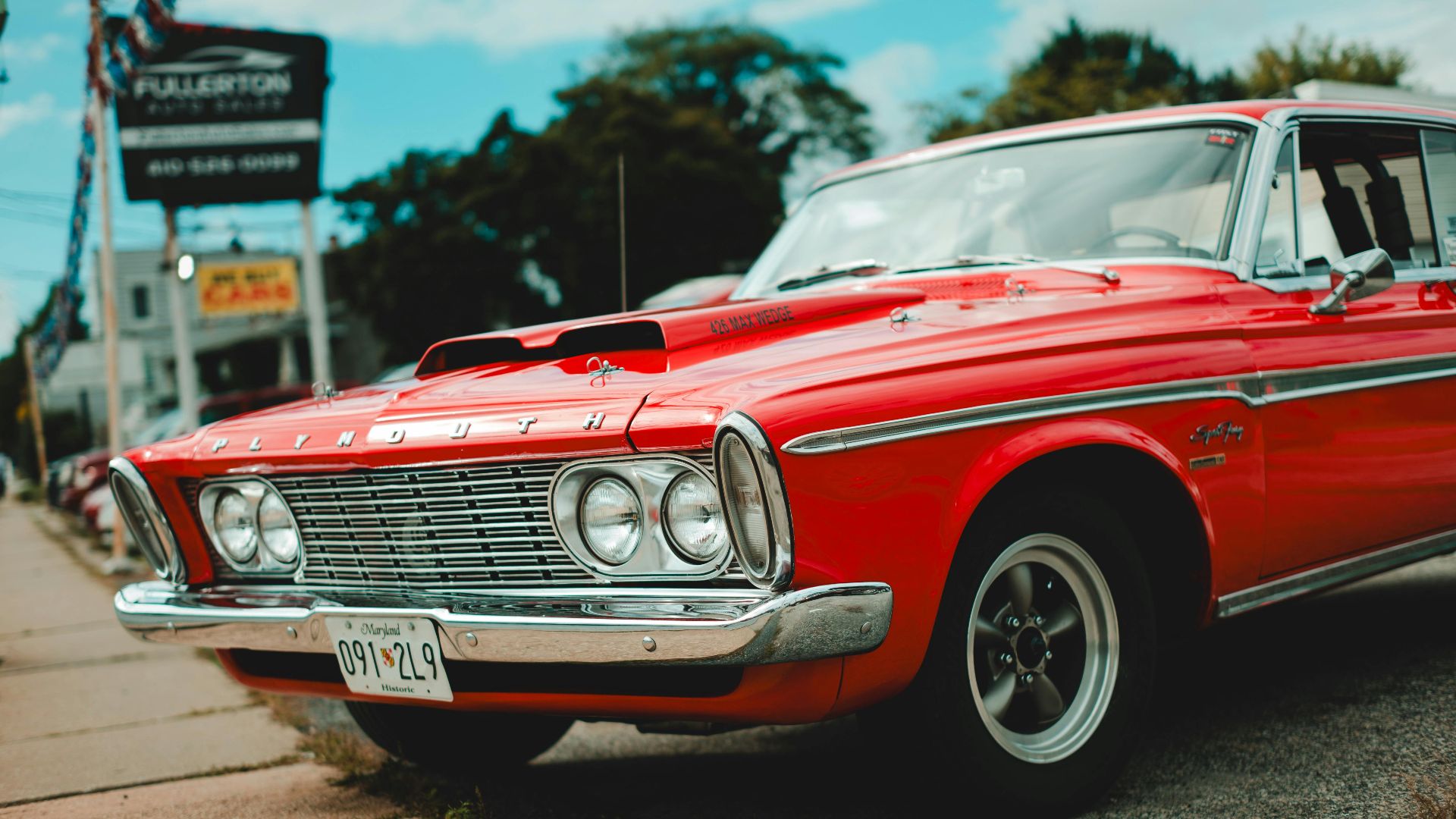
6. Plymouth
This brand focused on affordability while still offering distinctive styling. It played a major role in making cars accessible to a wider audience. Over time, overlap with other brands reduced its importance. A modern version could target value-conscious buyers with personality.
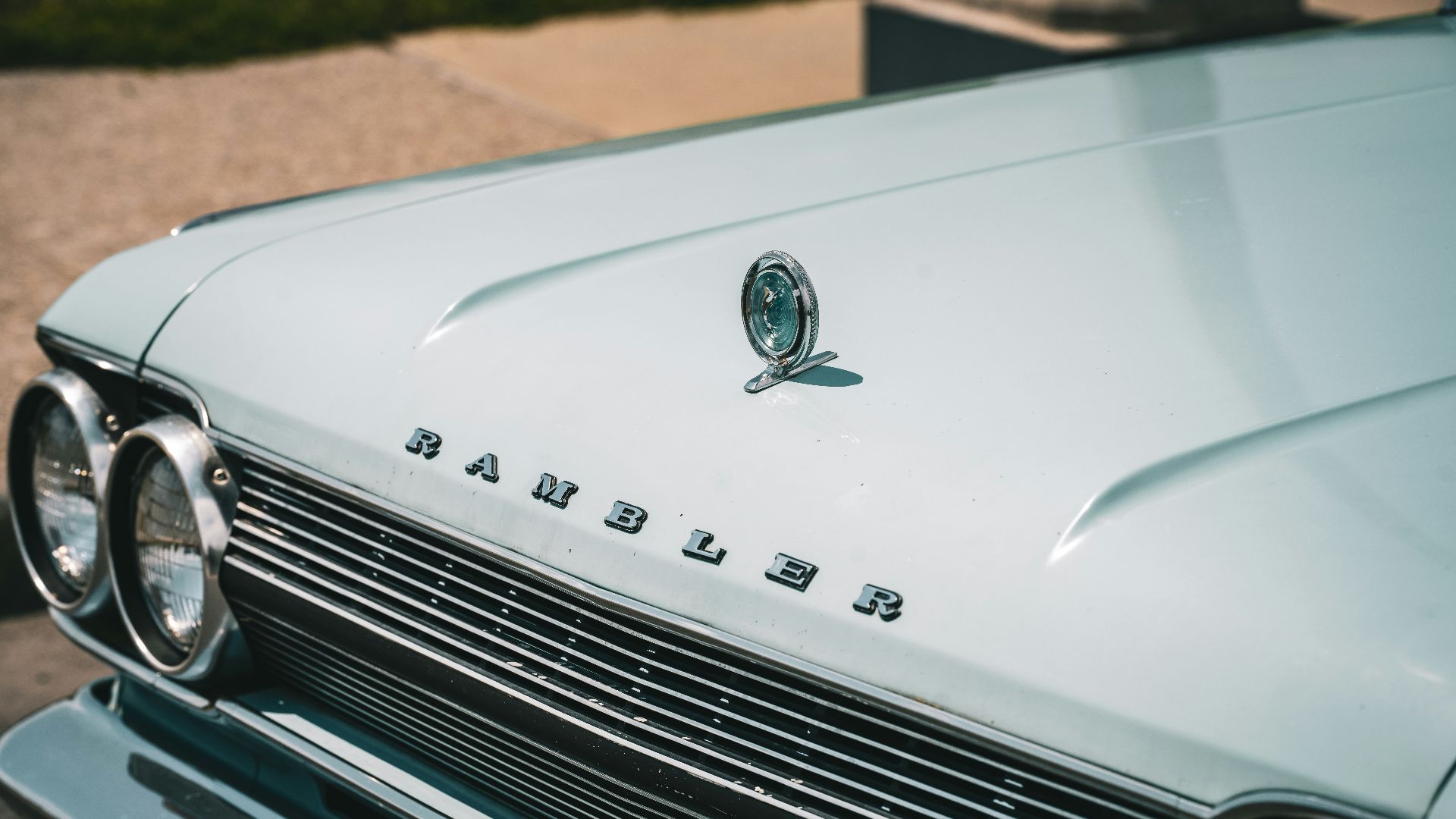
7. AMC (American Motors Corporation)
AMC built practical vehicles but also produced bold and unconventional designs. It often took risks that larger companies avoided. Financial pressures eventually led to its acquisition and disappearance. Its willingness to experiment could resonate in today’s market.
 Christopher Luther on Unsplash
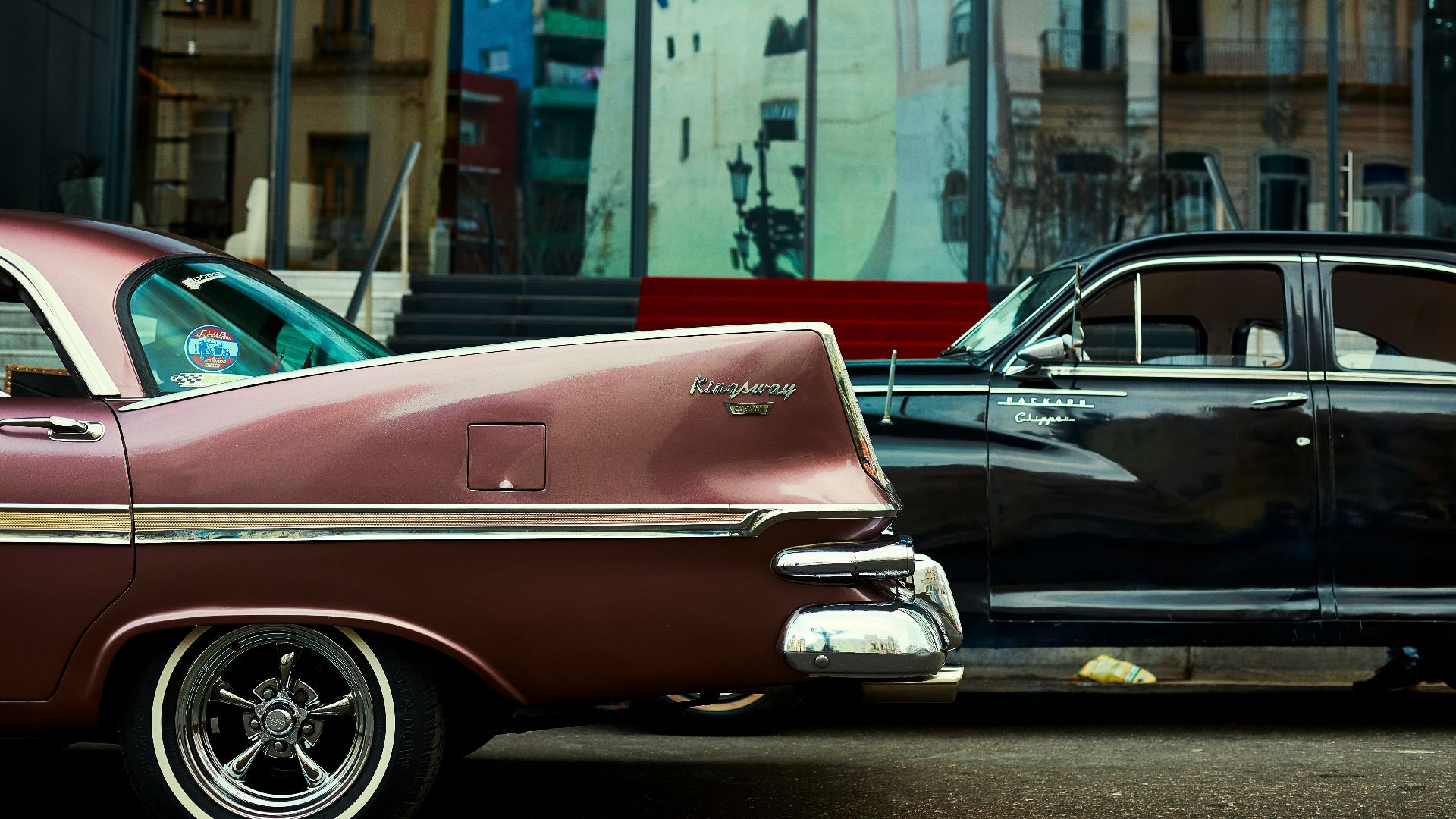
8. Packard
Once associated with luxury and prestige, this brand competed with the best in its era. It focused on craftsmanship and refined engineering. Post-war challenges and competition led to its decline. A revival could position it as a heritage luxury brand.
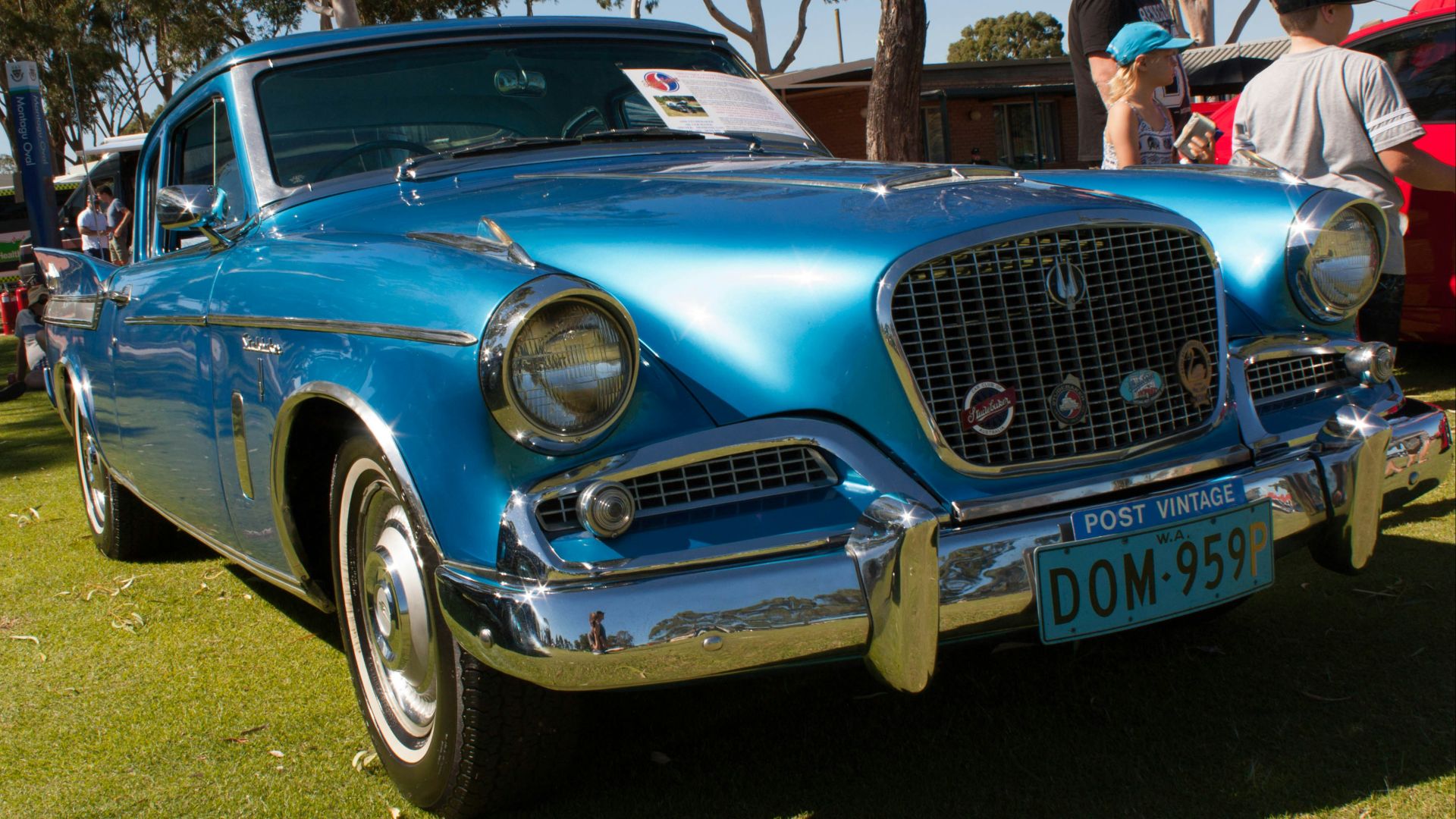
9. Studebaker
This company combined innovation with distinctive styling during its peak years. It adapted quickly but struggled with long-term financial stability. Its designs often stood out from competitors. A comeback could emphasize creativity and individuality.
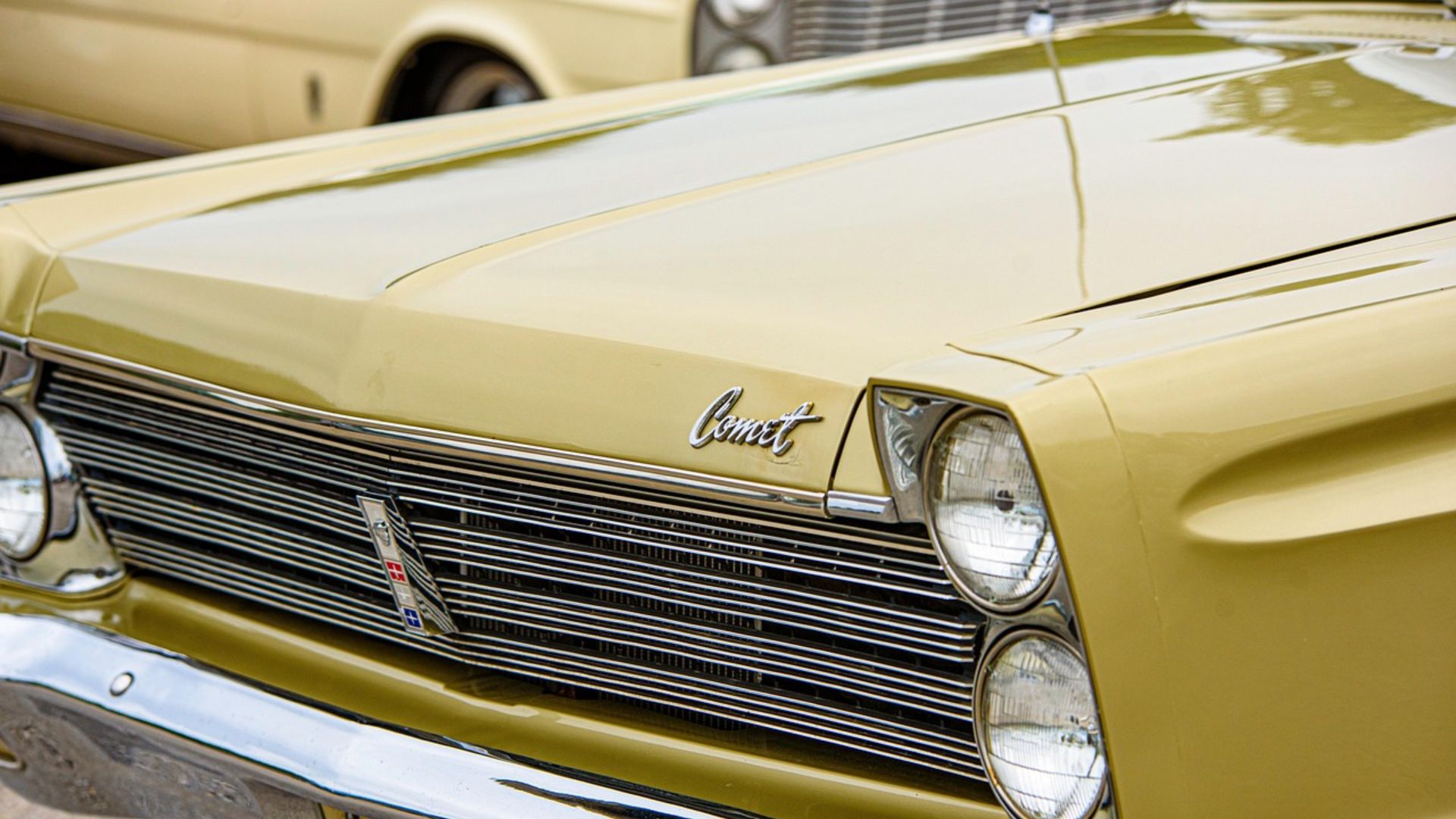
10. Mercury
Positioned between mainstream and luxury, this brand offered a balanced approach. It provided upgrades without reaching premium pricing levels. Over time, it lost a clear identity within its parent company. A modern version could fill that middle-ground niche again.
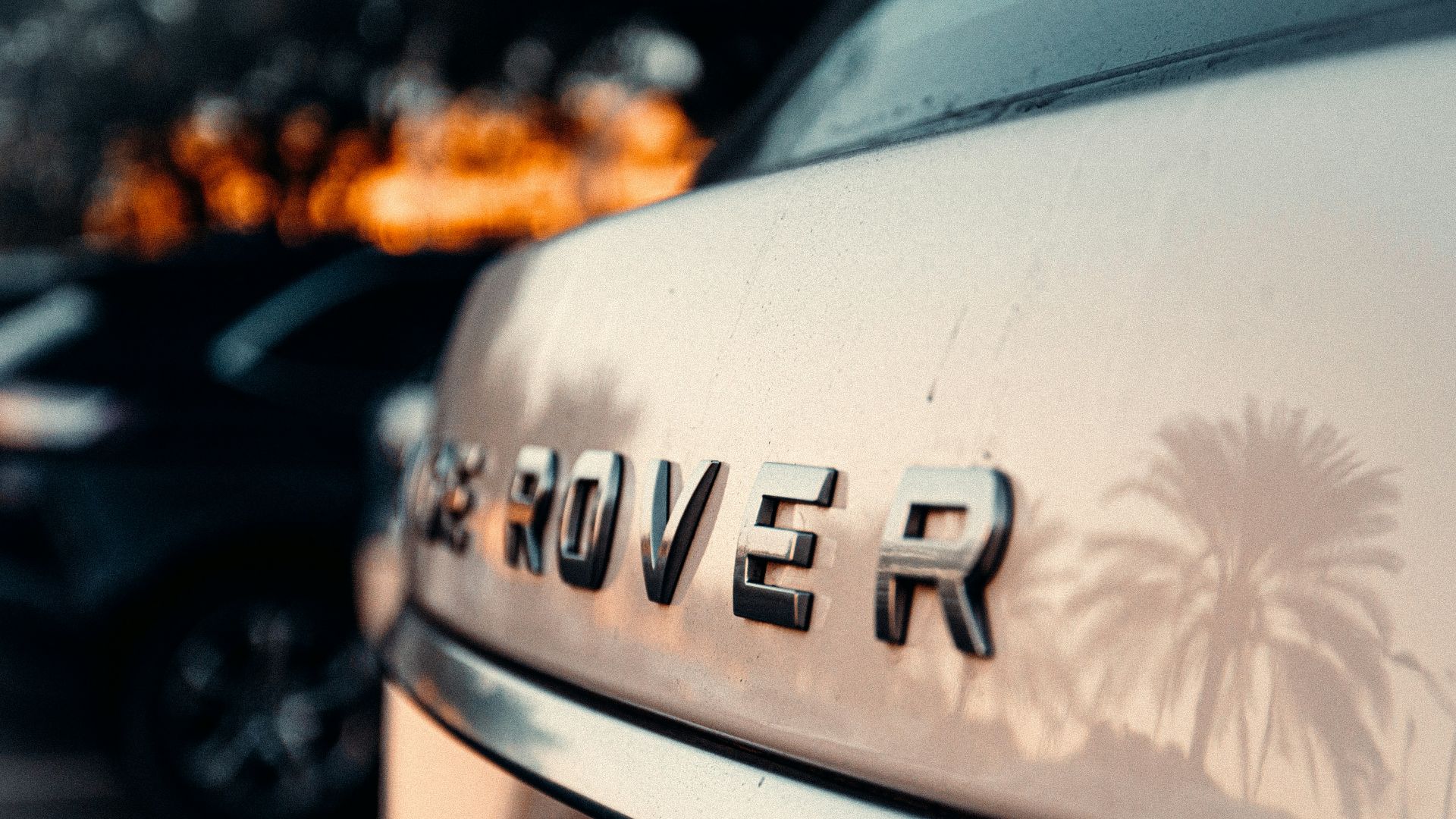
11. Rover
Known for blending practicality with a touch of refinement, this brand has a long history. It produced vehicles suited for both everyday use and comfort. Ownership changes and market challenges led to its end. A revival could focus on its understated quality.
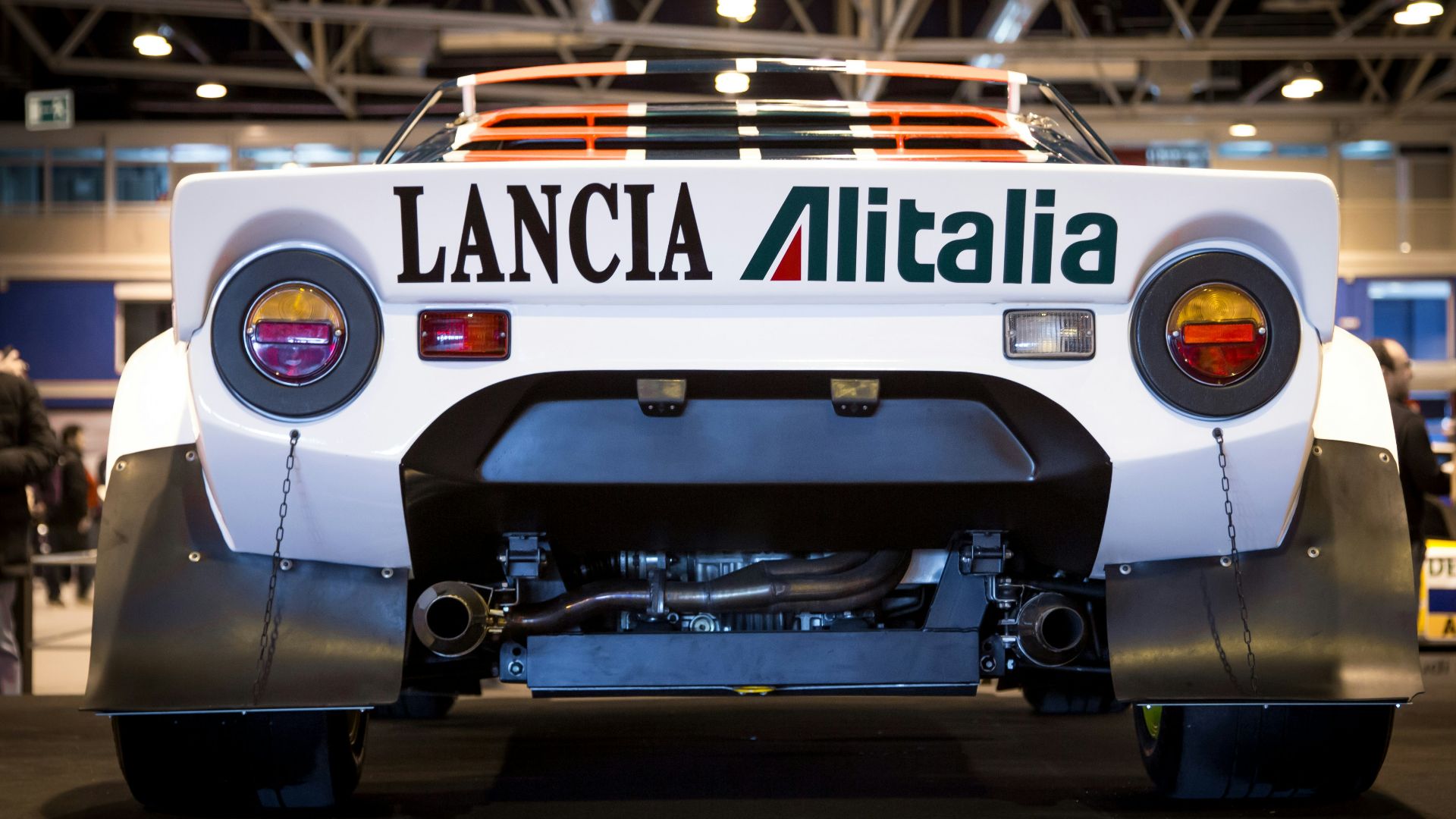
12. Lancia
This brand was once celebrated for engineering innovation and rally success. It introduced advanced technologies ahead of competitors. Financial struggles and limited global presence reduced its impact. A comeback could reconnect with performance heritage.
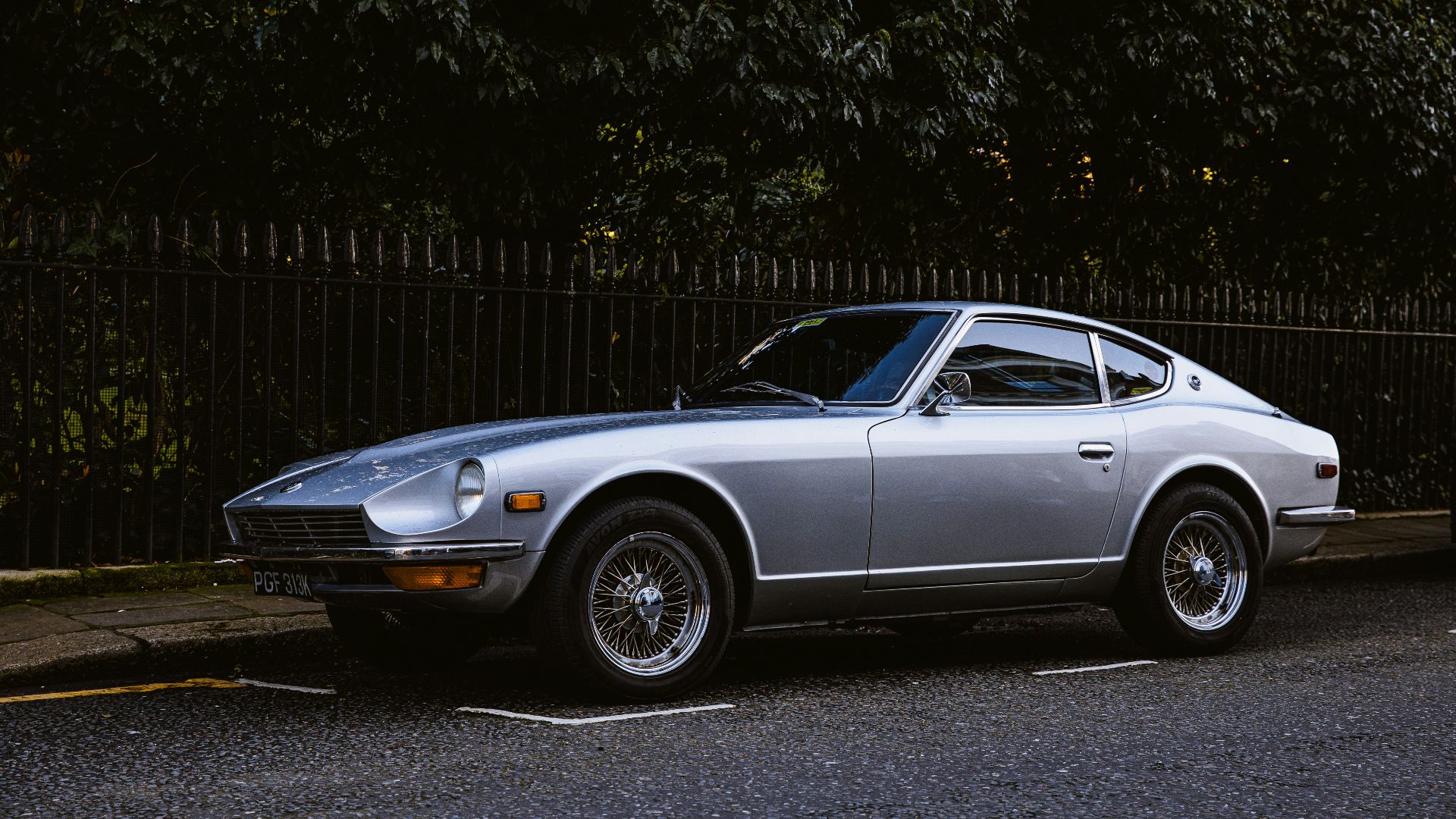
13. Datsun
Originally known for affordable and reliable vehicles, this brand built strong global recognition. It was eventually absorbed into a larger identity, and attempts to revive it have been inconsistent. With the right direction, it could again appeal to budget-conscious buyers.
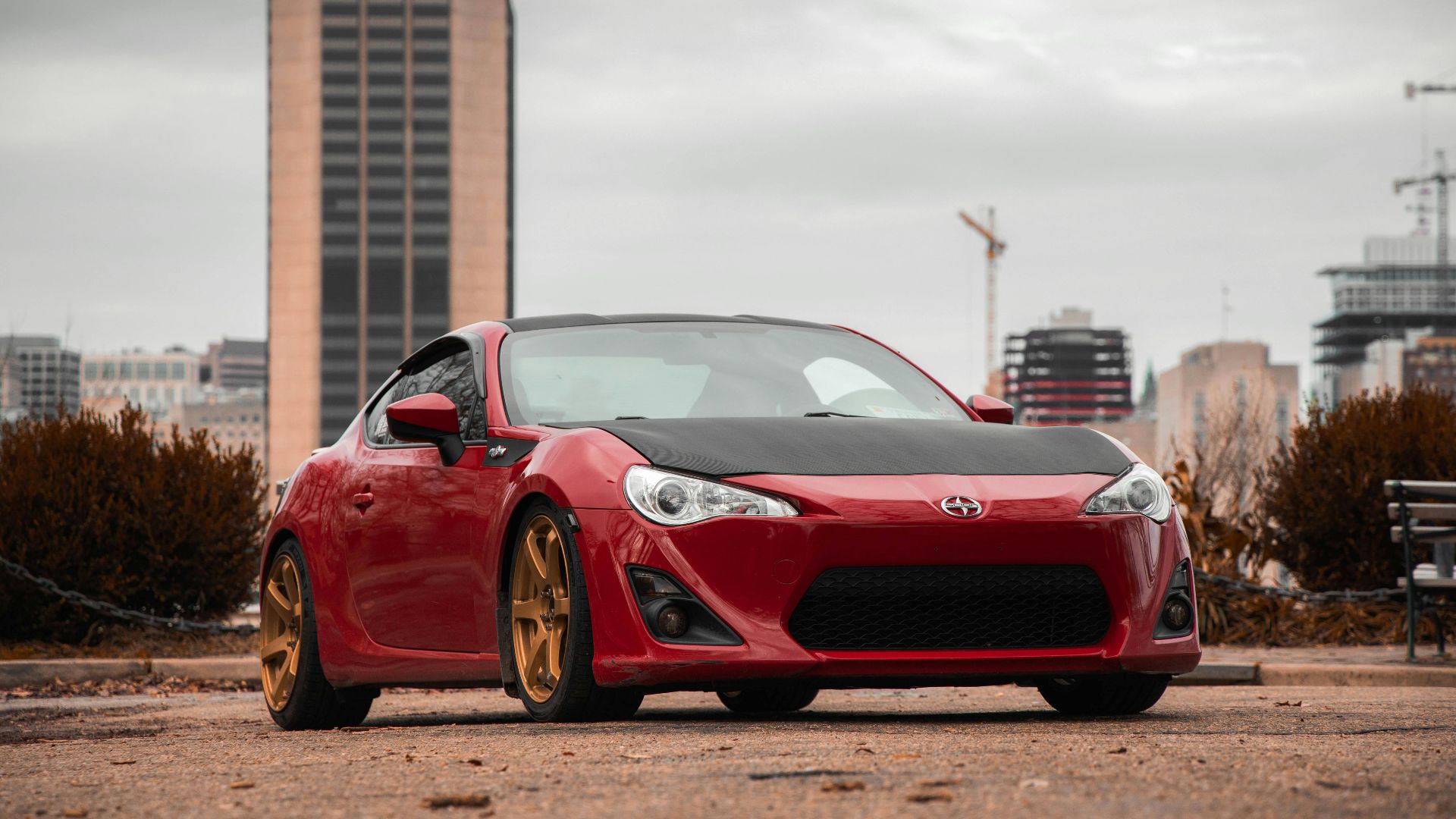
14. Scion
Designed to attract younger drivers, this brand focused on customization and affordability. It offered simple, flexible models that encouraged personalization. Changing market trends led to its integration into a larger lineup. Its original concept could still work today.
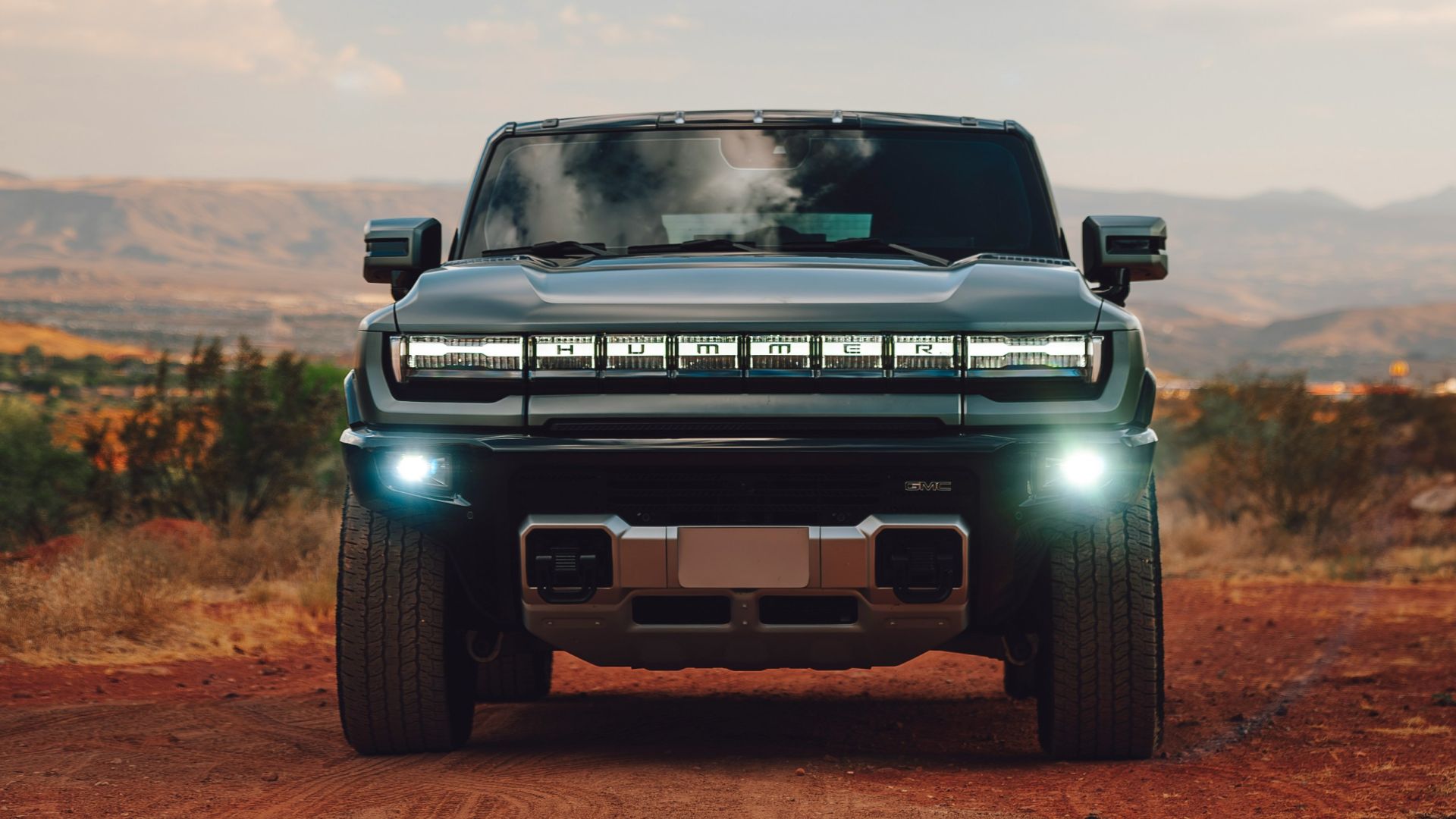
15. Hummer
This brand became known for its bold, oversized vehicles and strong visual identity. It appealed to those who wanted something distinctive and capable. Shifts in consumer preferences led to its decline. A modern version could adapt with more efficient technology.
16. Triumph (Automotive)
Famous for lightweight sports cars, this brand emphasized driving enjoyment. Its vehicles were simple but engaging. Financial instability eventually ended production. A revival could tap into demand for driver-focused experiences.

17. Isuzu (Passenger Cars)
While still active in commercial vehicles, this brand stepped away from passenger cars. It was known for durability and practicality. Changing priorities shifted its focus away from consumer models. A return could emphasize reliability in a competitive segment.

18. Geo
This brand offered compact, fuel-efficient vehicles aimed at practical buyers. It focused on affordability and simplicity. Over time, it was absorbed into a larger brand structure. A modern version could align with current efficiency trends.

19. Fisker (Original Iteration)
This brand aimed to combine luxury with early electric vehicle technology. It introduced bold design but struggled with execution and funding. Its initial vision was ahead of its time. With better support, the concept could succeed today.
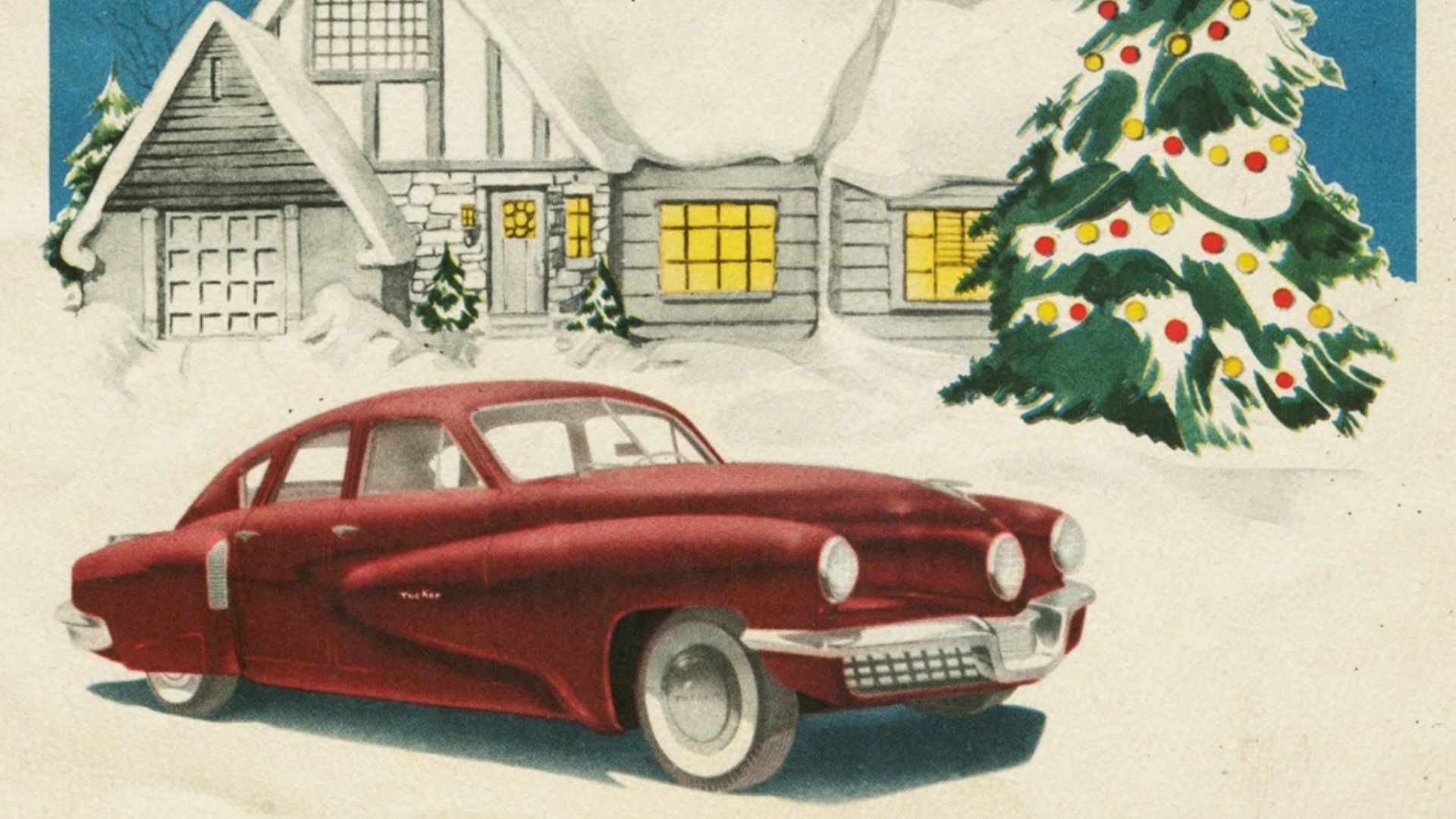
20. Tucker
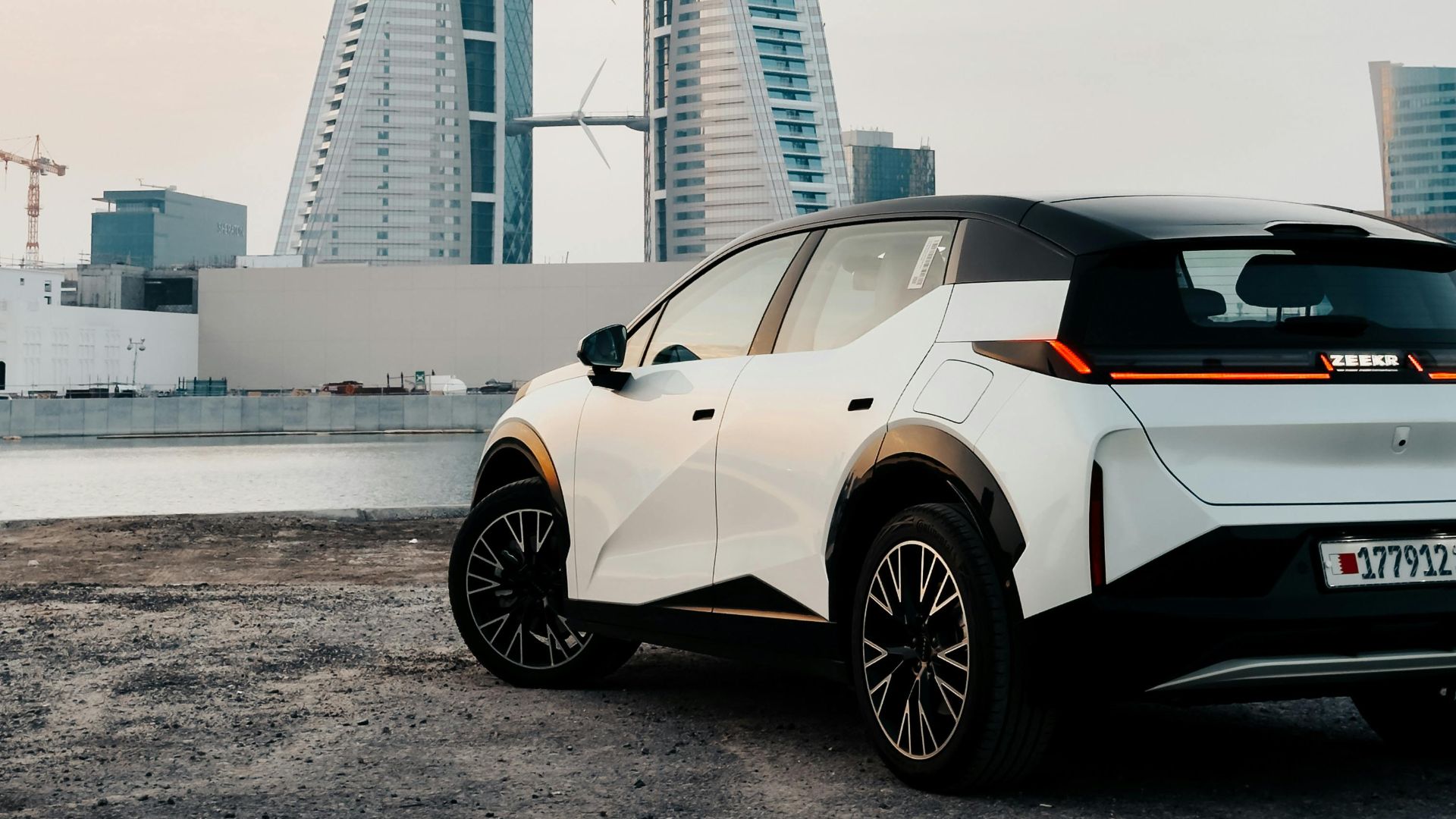
This short-lived brand introduced advanced safety features far ahead of its era. Despite strong innovation, it faced significant production and financial challenges. Its limited run made it more of a legend than a lasting company. A revival could highlight forward-thinking engineering once again.