Cars They Still Trust
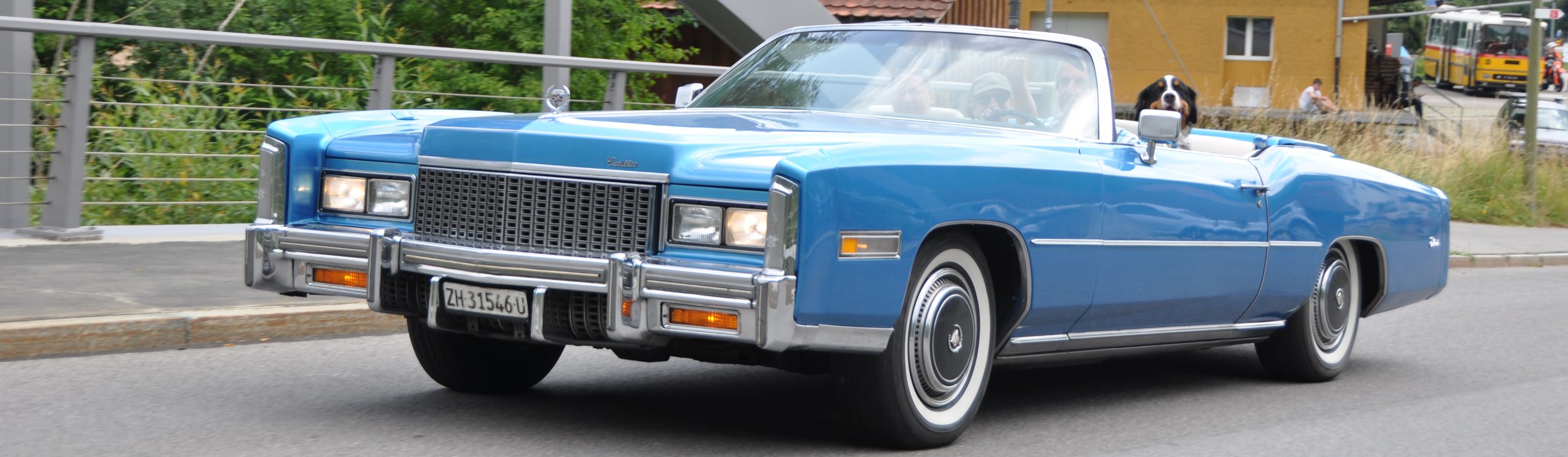
Gen X came of driving age in the late '70s, the '80s, and the early 90s. People born from 1965 to 1980 learned about cars with physical keys, real knobs, and simple dashboards. Newer cars are safer overall, to be sure. Stronger structures and modern driver-assistance systems have changed the game. But even with the safety changes in place, Gen X'ers still trust older cars more. No, it's not nostalgia. It's the feel of these machines.
 Miguel Marcos Omaña Alfaro on Wikimedia
1. Problems Used To Announce Themselves
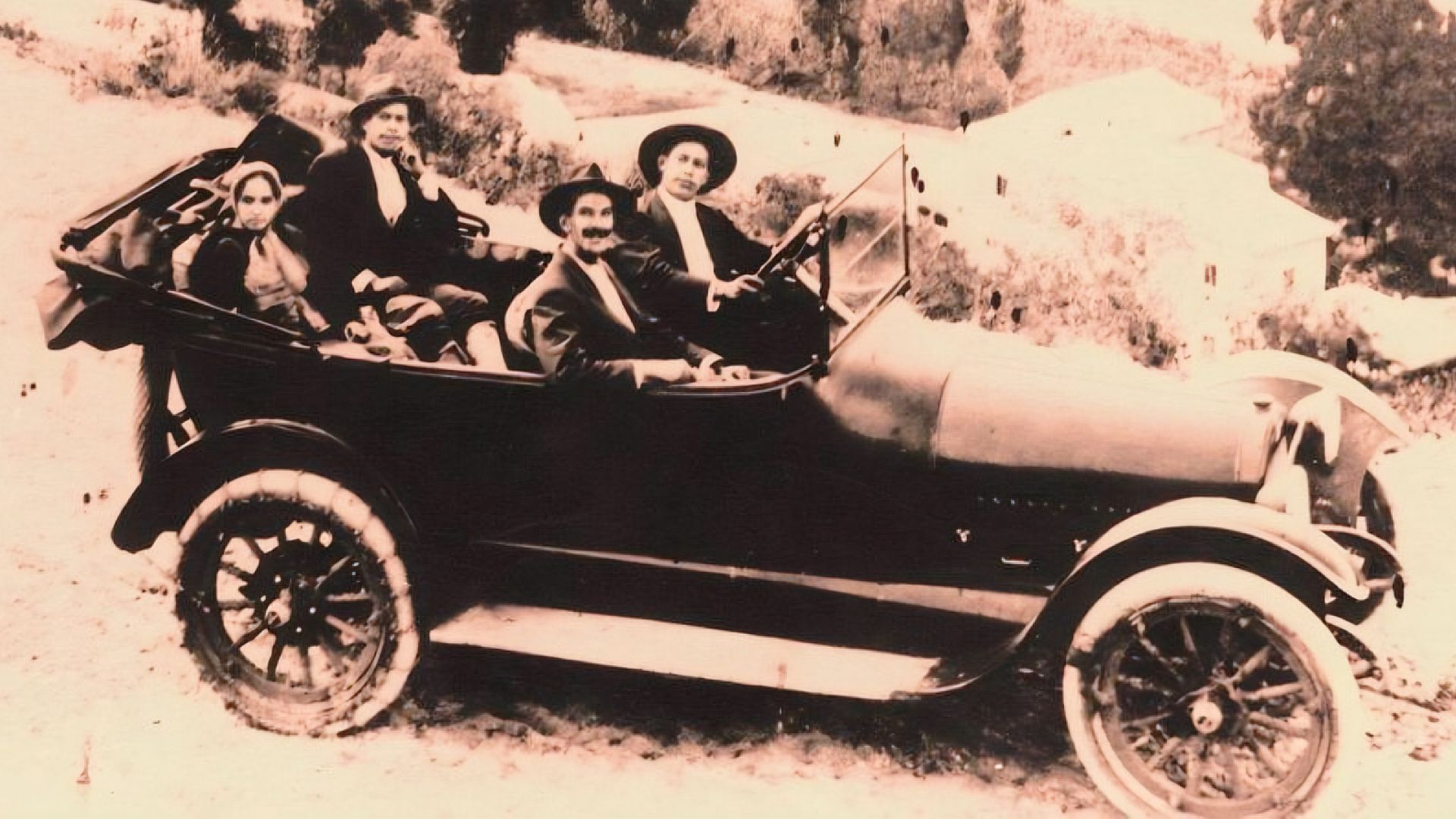
An older car usually gave you some warning before it left you stranded. You'd hear the belt squeal, feel the brake pedal get soft on the way home, or notice the idle go weird at a red light. Whatever it was, you knew a trip to the mechanic wasn't far off.
2. A Basic Tool Kit Still Got You Somewhere
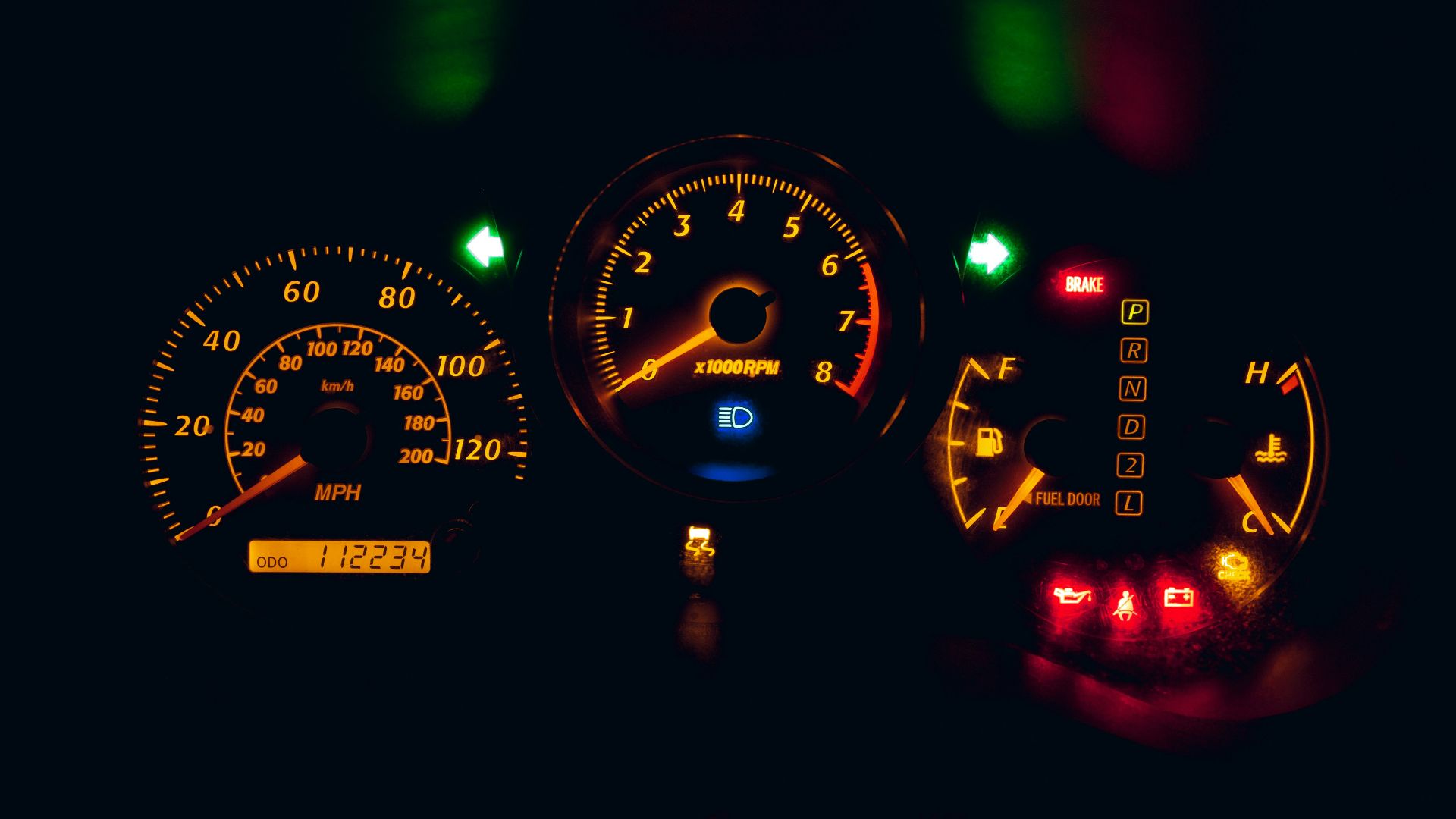
A lot of Gen X drivers grew up around a socket set, a floor jack, and a Haynes or Chilton manual sitting open on the fender. That kind of hands-on ownership still means something to a lot of folks. Today, modern cars typically require a "specialist" to look them over.
3. The Features Felt Like They Were Already Yours
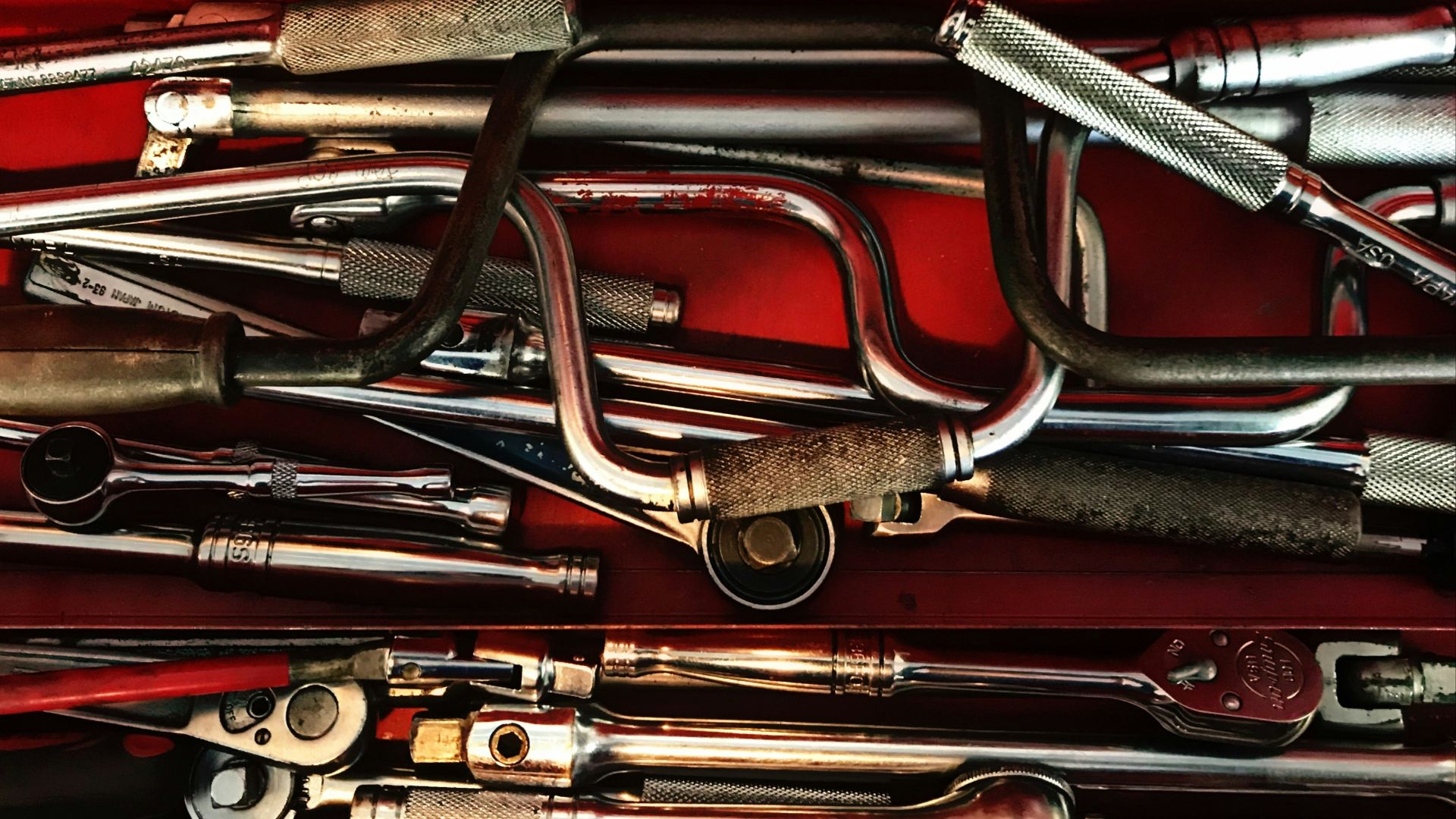
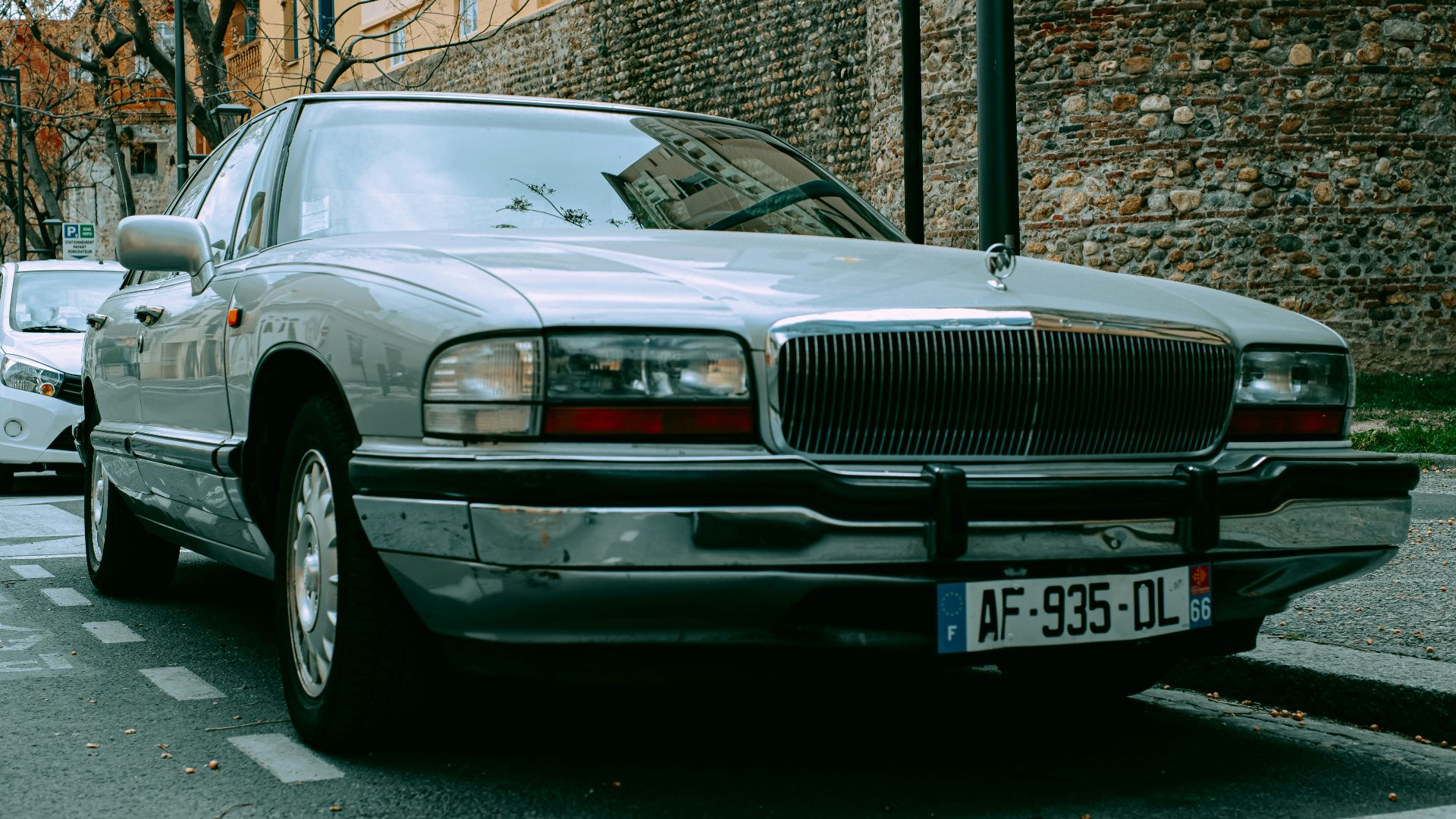
If your 2002 Buick Park Avenue had heated seats, you could use them. Nobody was asking you to log in, activate anything, or sort through some billing-page nonsense to use hardware that was already in the car.
4. The Steering Actually Told You Something
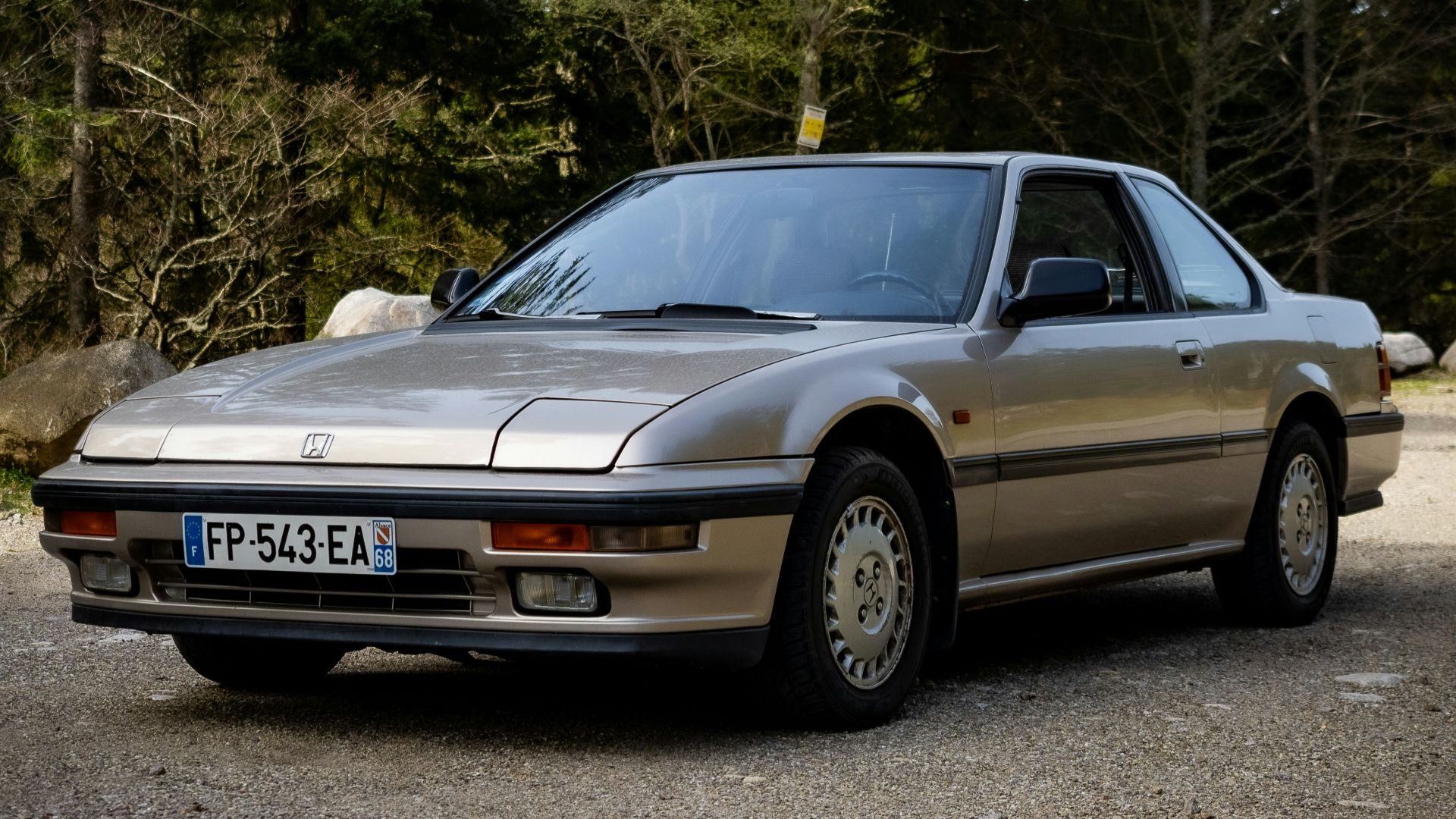
A '93 BMW 325i, a '95 Honda Prelude, or even an old half-ton Chevy pickup could feel chatty in a way a lot of newer cars don't. You felt the road, the weight shift, the little corrections, and for people who learned to drive that way, it still feels more trustworthy.
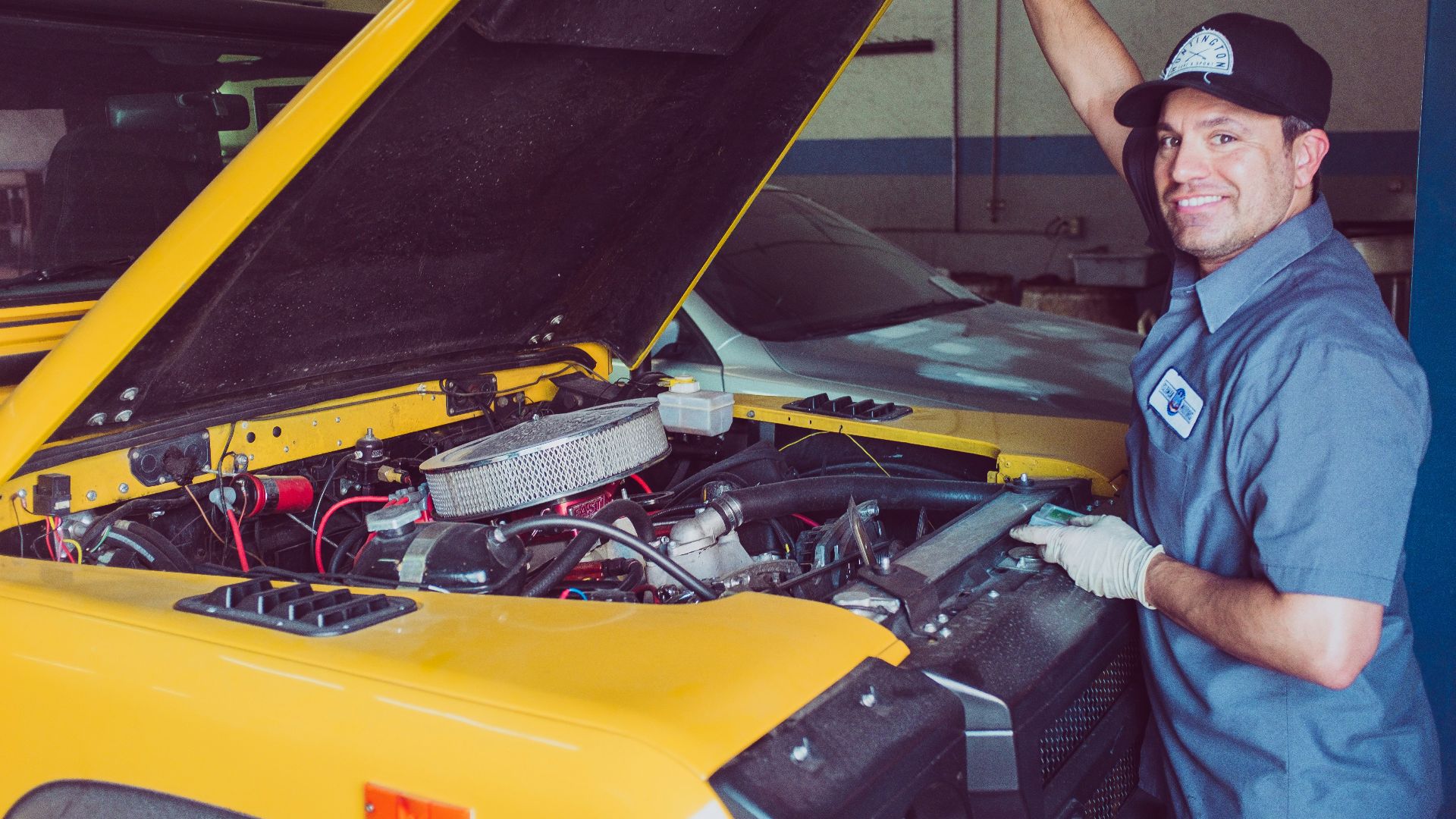
5. You Could Open The Hood And Find Your Bearings
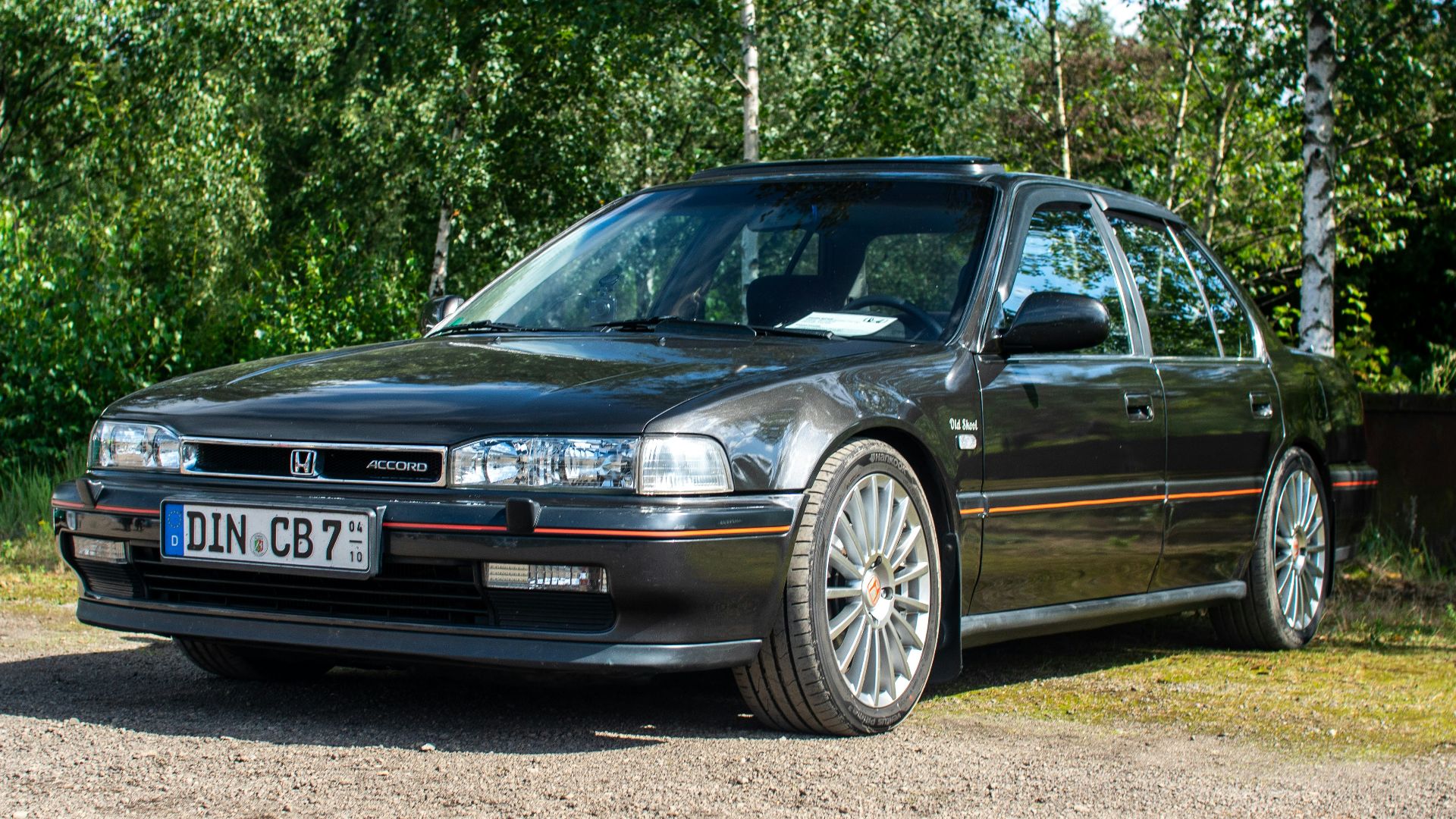
A '98 Accord or a first-gen Tacoma didn't exactly make every repair easy, though you could usually look under the hood and understand what lived where. That alone gave owners confidence, which matters more than carmakers seem to realize.
6. Parts Were Everywhere
Older mainstream cars built up huge support networks over time. You were never more than a store or two away from finding what you needed.

7. Maintenance Had A Familiar Rhythm
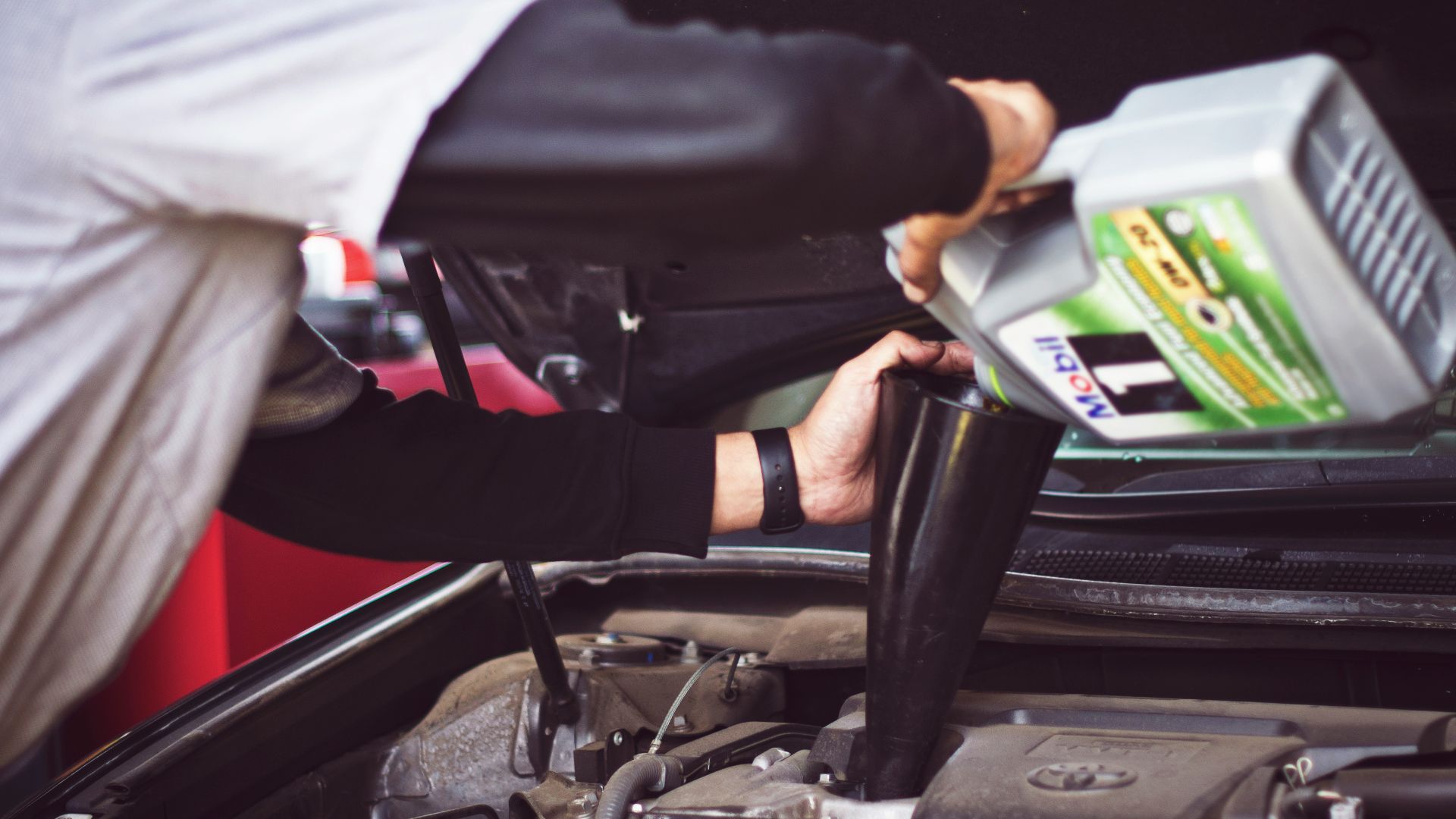
Oil changes, brake jobs, belts, tires, batteries, repeat. The rhythm wasn't glamorous, though it was easy to understand. A lot of Gen X drivers still trust predictable maintenance a lot more than an app notification.
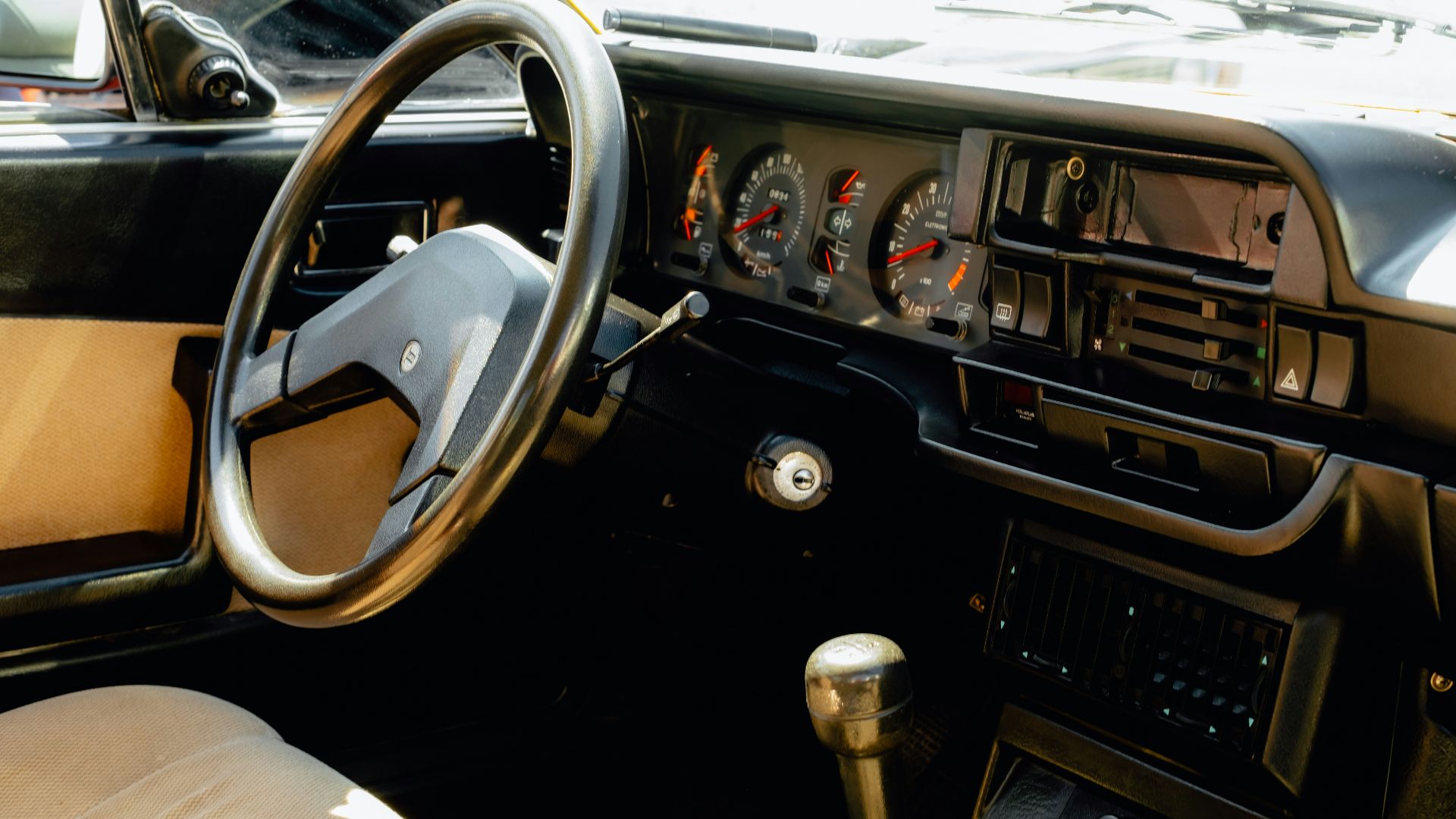
8. The Cabin
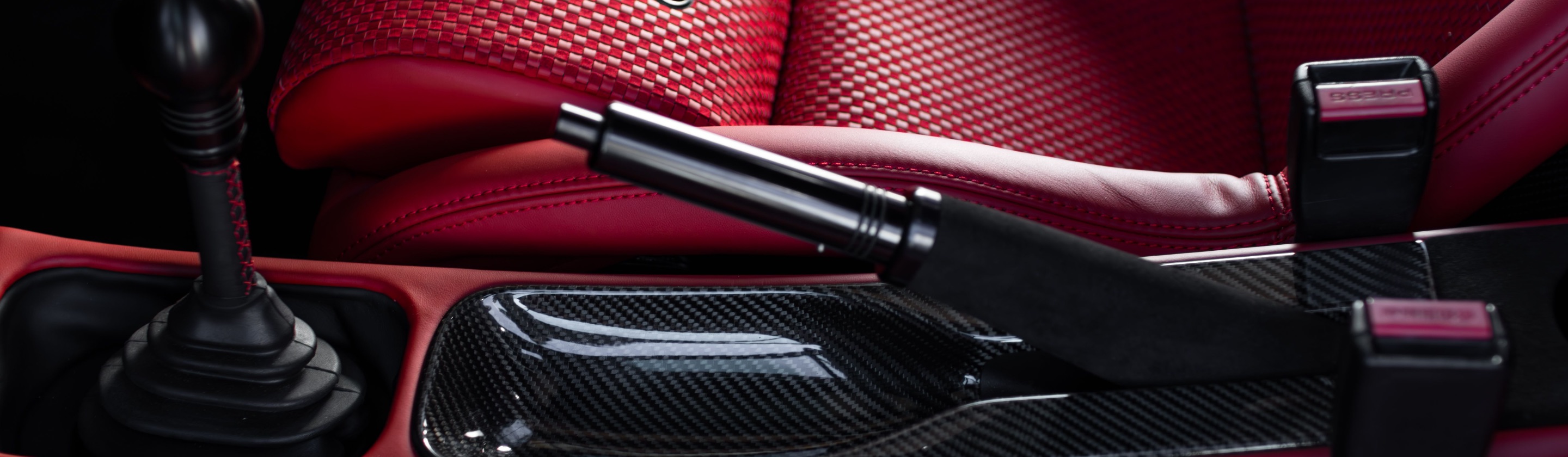
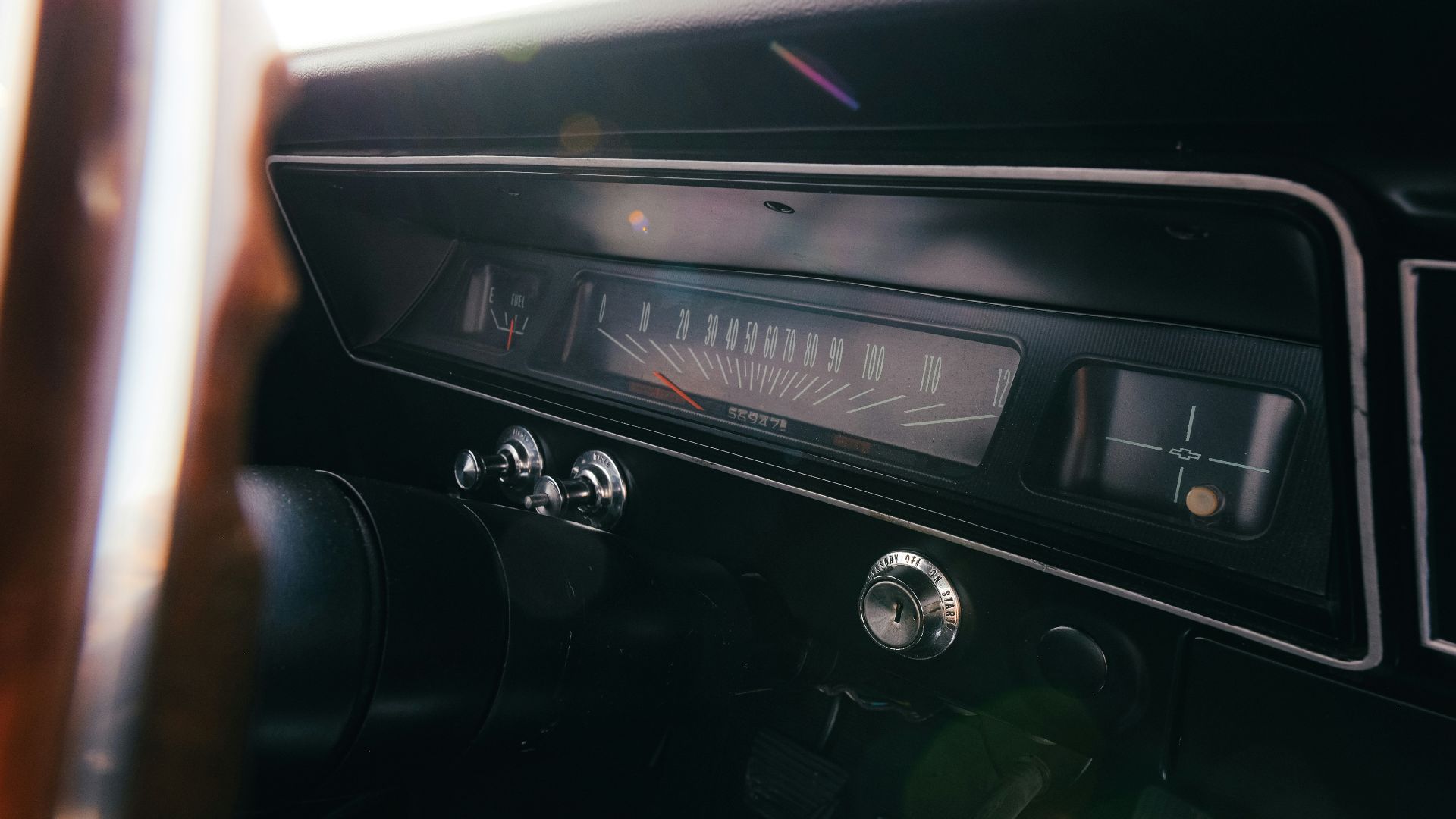
You didn't have to swipe through tabs to find the A/C button or fan speed. Older cars had real knobs and dials that made driving a lot less distracting.
 atelierbyvineeth ... on Unsplash
9. Heavier Cars Felt Reassuring
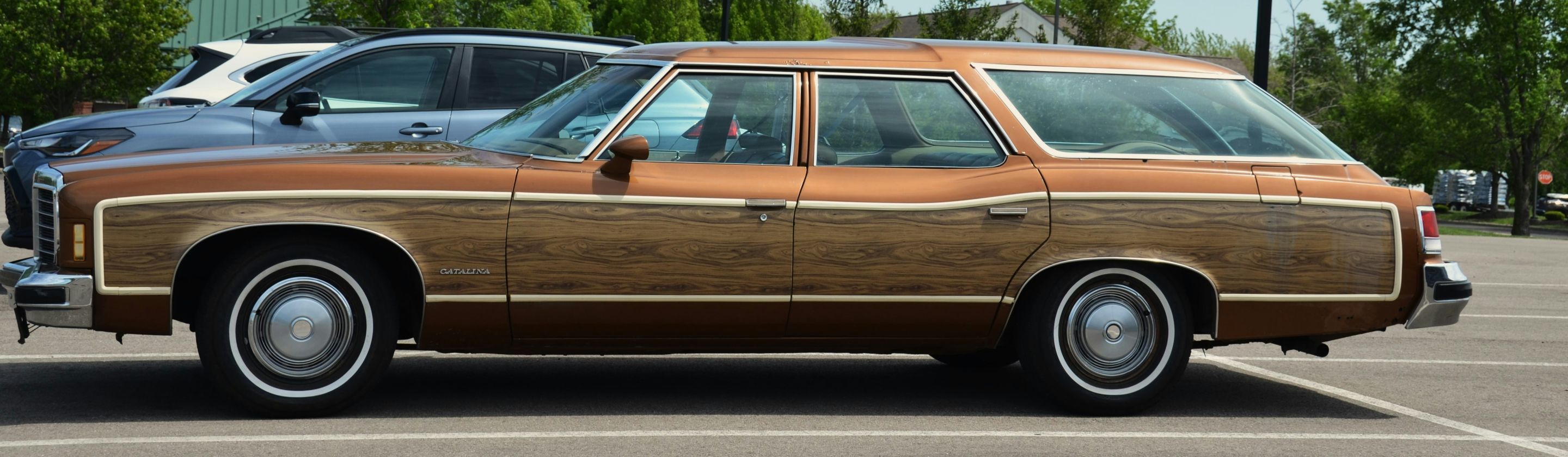
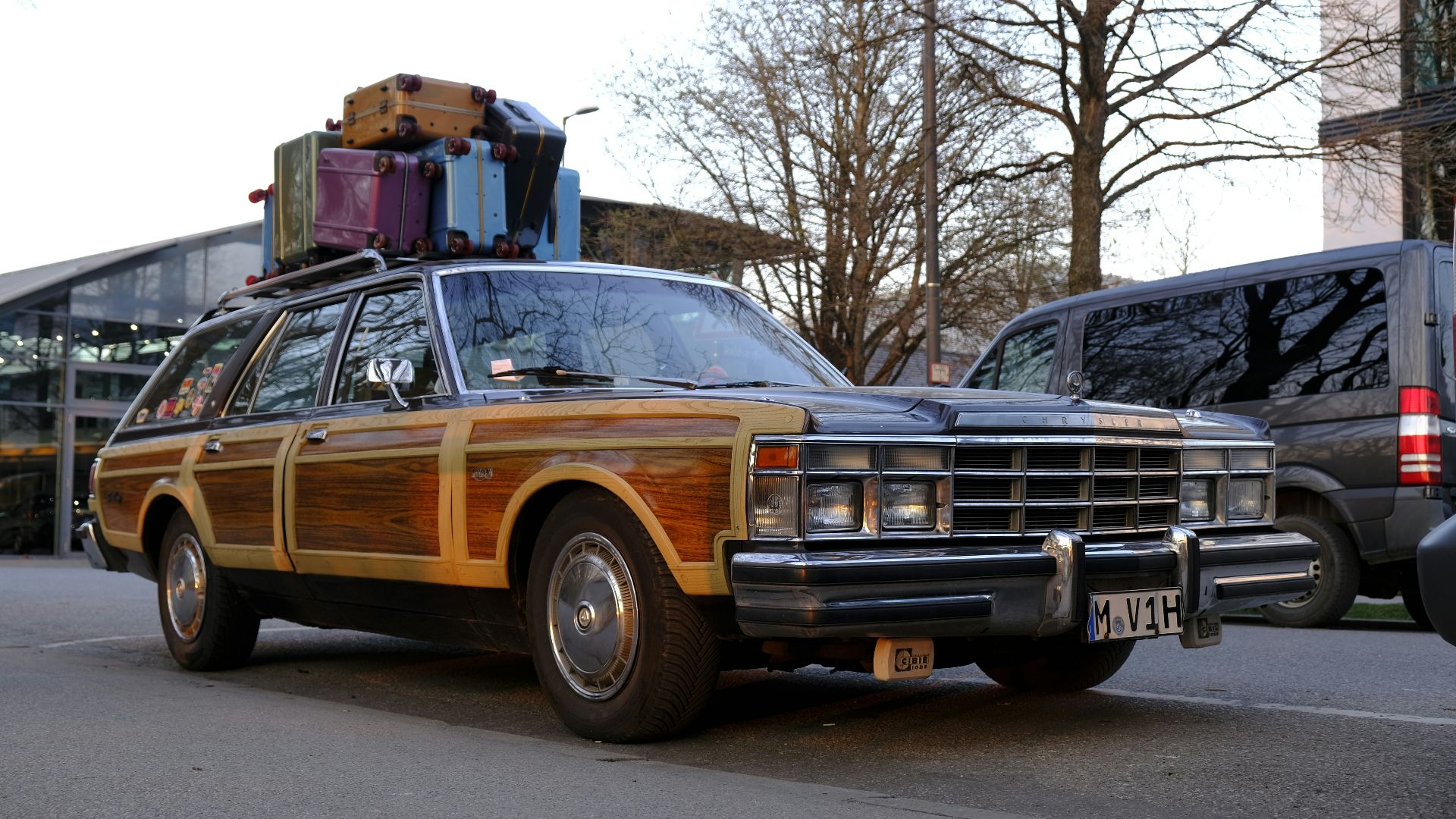
A lot of older sedans and wagons had that planted, substantial feel people still describe as solid. That feeling doesn't override the fact that newer cars are safer overall, though it shaped what many Gen X drivers came to trust in the first place.
10. Some Drivers Still Hate Being Second-Guessed
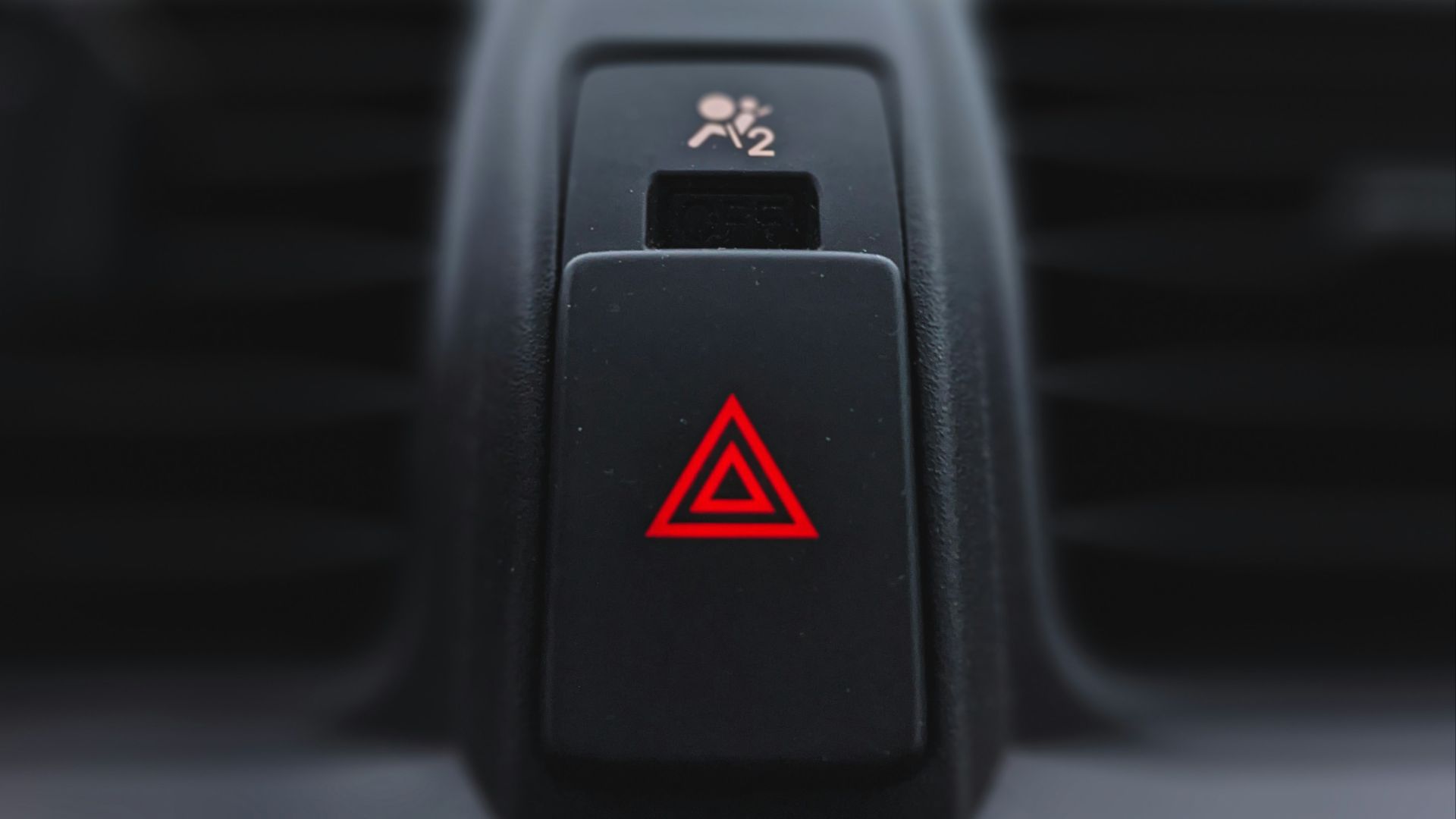
Automatic emergency braking does help to reduce crashes. Even so, plenty of drivers who learned on older cars still feel more settled when every steering, braking, and last-second decision-making stays in their hands.
11. The Sounds
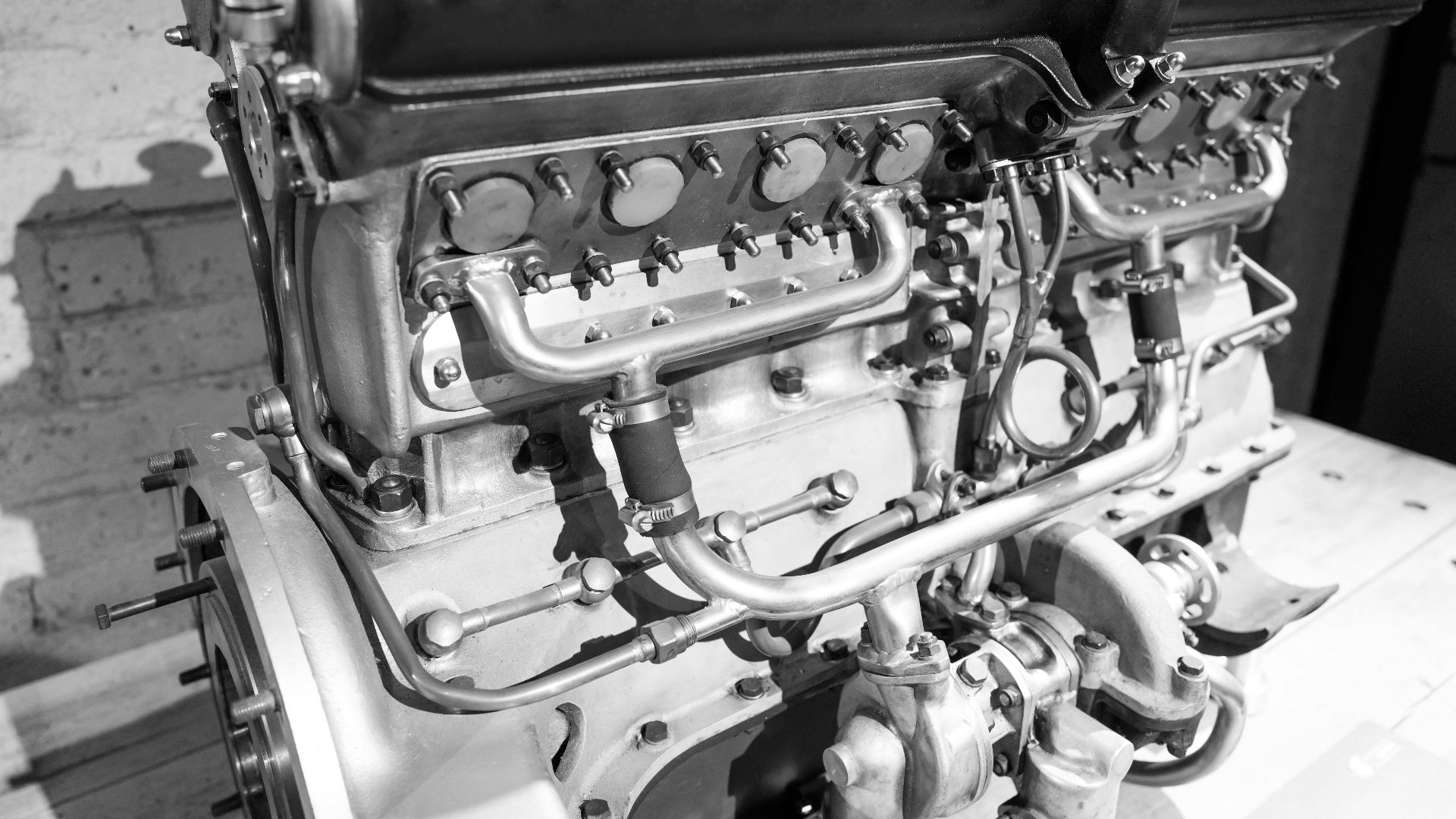
People remember the tone of an old small-block V8, a straight-six, or a tired four-cylinder that always sounded a little rough on cold mornings. Gen X learned to read cars by ear, and that kind of familiarity sticks around longer than most people expect.
12. A Paid-Off Car Feels Different
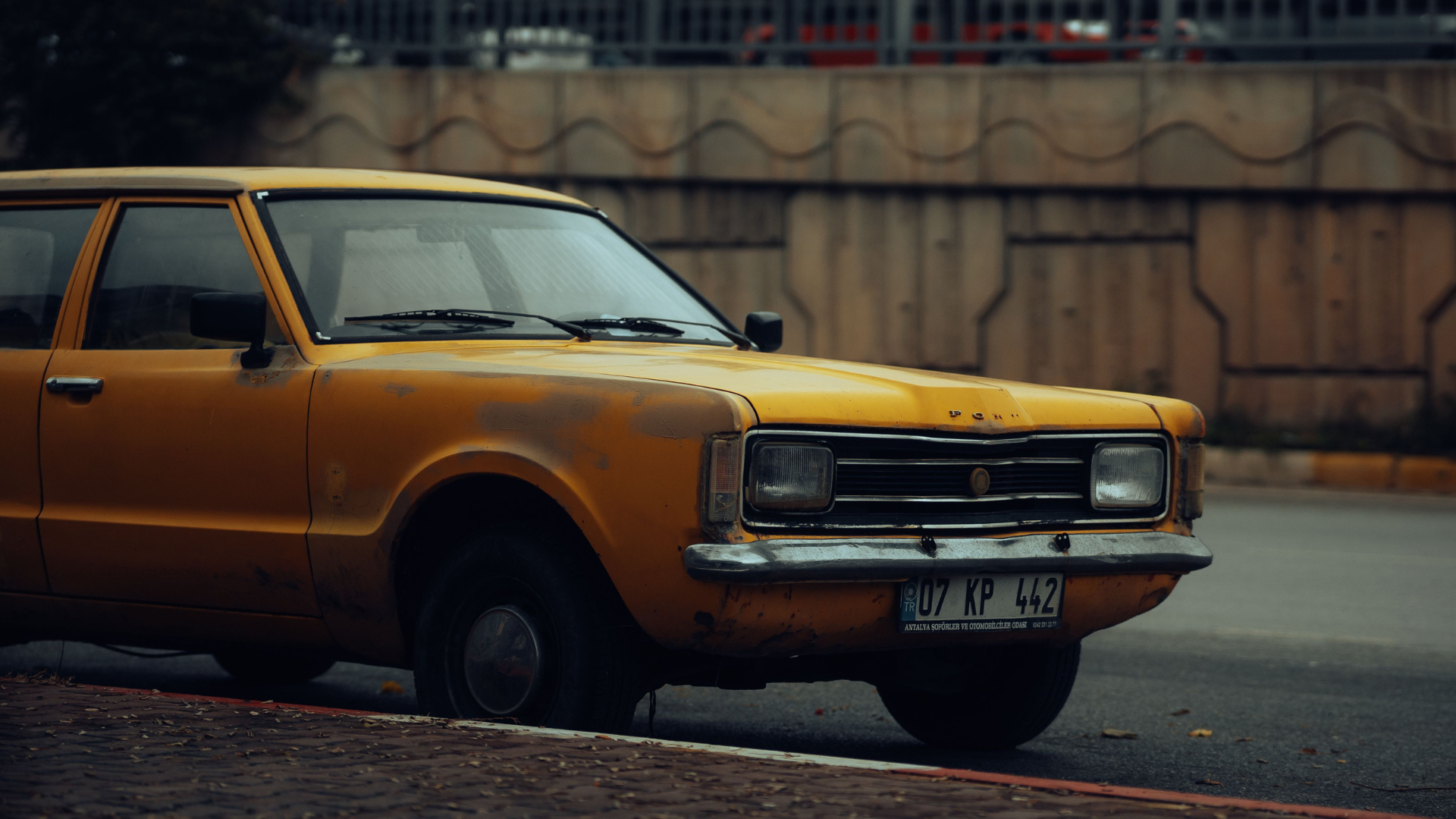
A 2001 Tahoe with faded paint and no payment can be easier to trust than a brand-new crossover that's still got years left on the note. Every little scrape hurts less, and every weird noise feels less financially loaded.

13. Physical Controls Still Matter
This isn't just older-driver grumbling. Ongoing owner complaints around infotainment systems and spotty over-the-air software updates help explain why simple controls still feel better overall.
14. Mechanical Trouble Felt More Contained
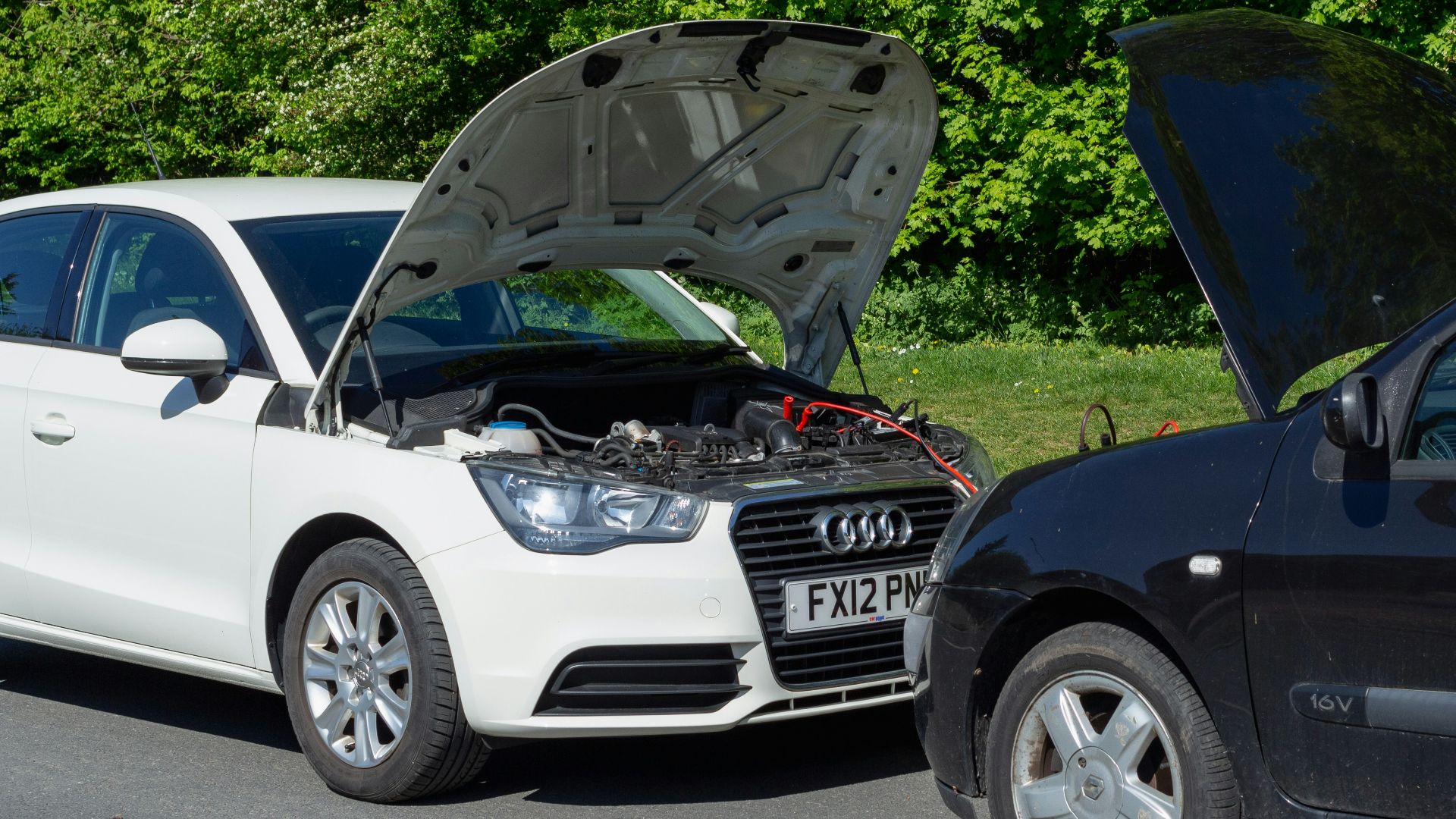
A dead alternator in Akron or a starter that gave up in a grocery-store lot in Tulsa could still ruin your day. That said, it still felt like something you could conceptualize. It's a lot easier to price out something you understand than to read through jargon on a laptop.
 Daniel @ bestjumpstarterreview.com on Unsplash
15. You Could Still Make The Car Your Own
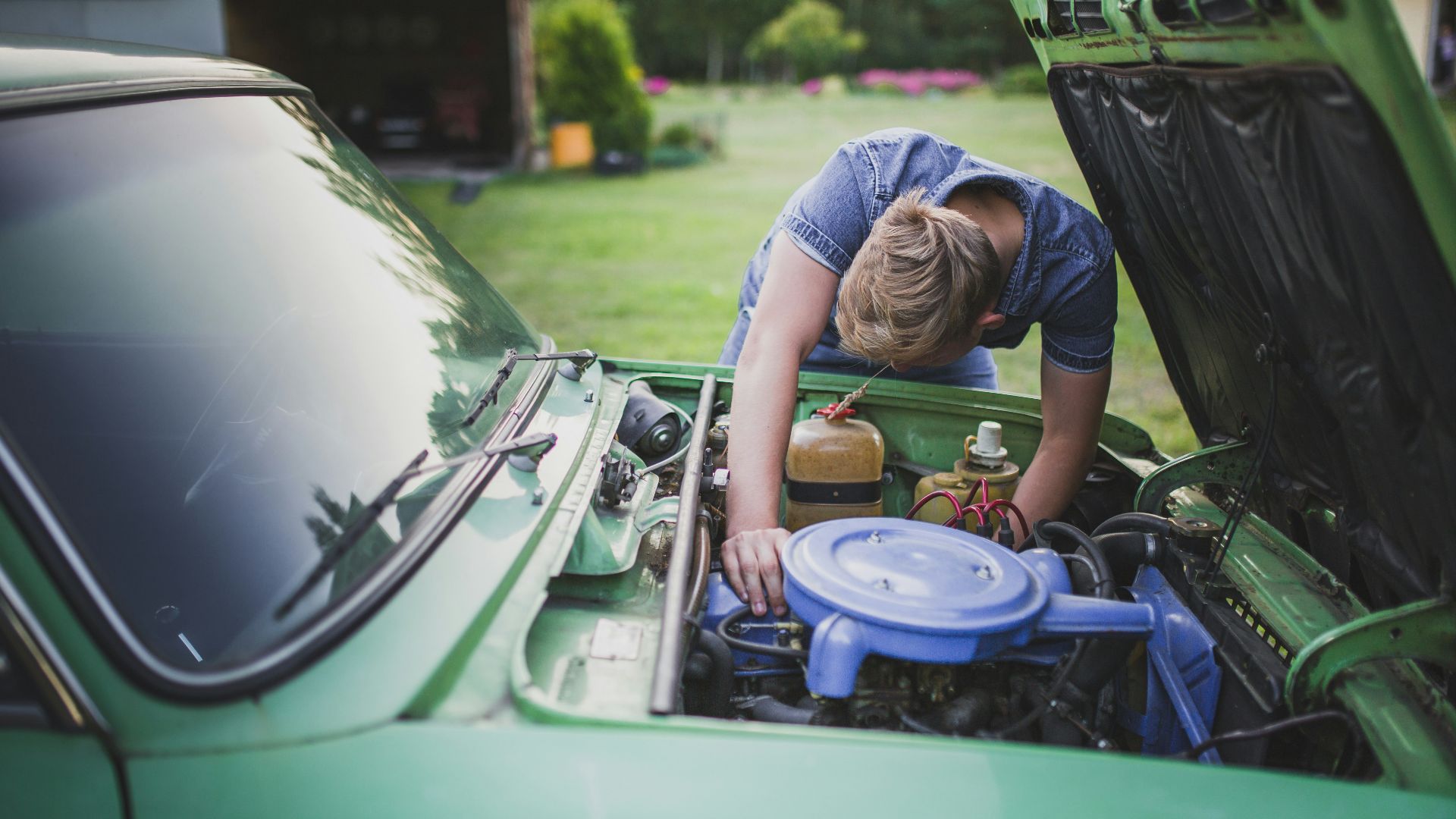
A lot of Gen X car memories involve driveway projects after work. New shocks on a Saturday, a head unit swap in the garage, maybe a set of wheels you definitely didn't need. That's what makes a car feel like yours.
16. Winter Had Rules You Knew
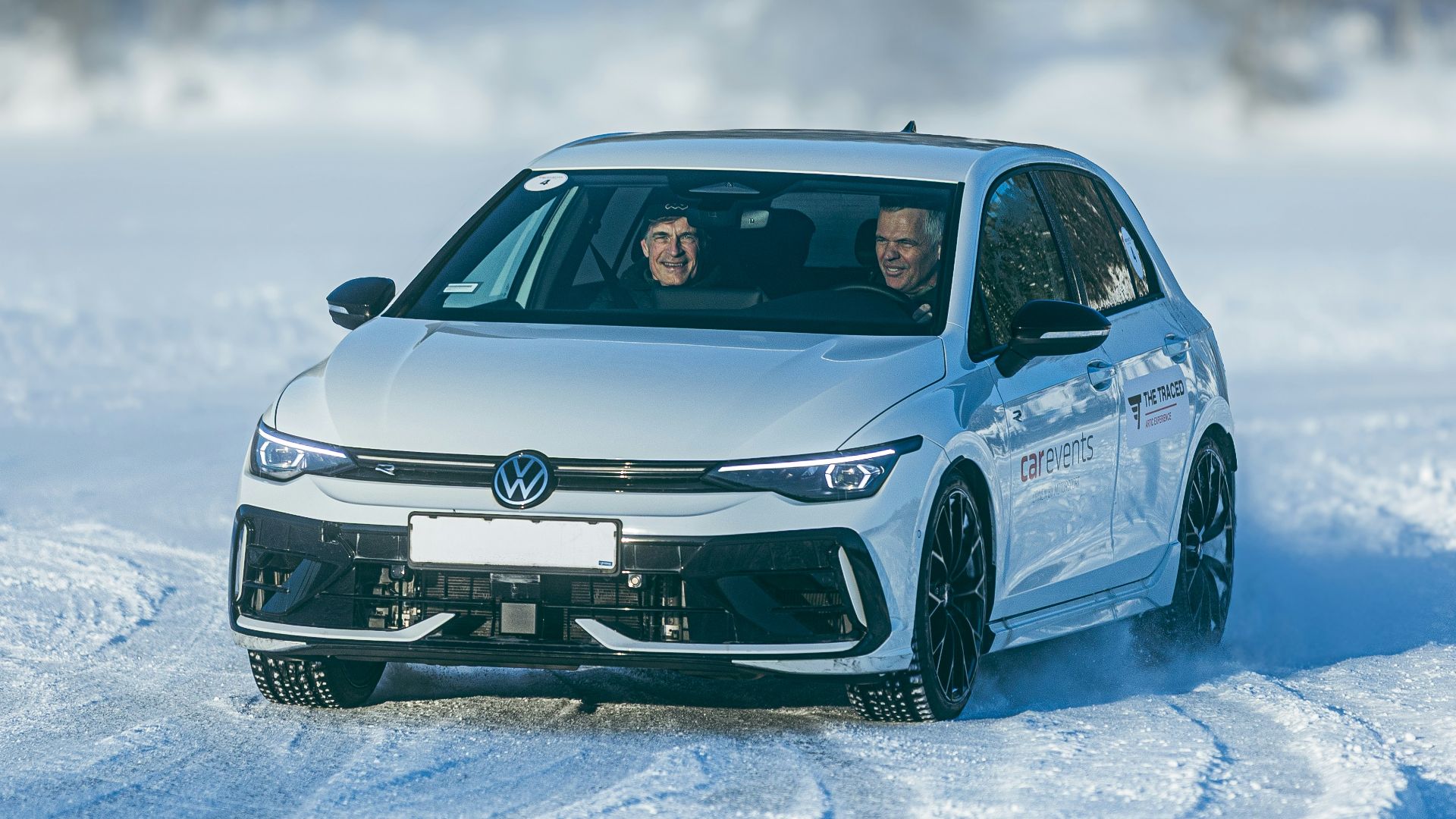
An old rear-wheel-drive sedan in Buffalo, Detroit, or Minneapolis could be a handful when the roads got ugly. The strange comfort was that its bad habits were familiar and easy to work with.
17. Insurance Felt Less Heavy
A paid-off older car usually comes with lower stakes, and that makes it easier to park at the train station, leave it outside overnight, or hand it to a teenager without feeling uber uneasy.

18. Independent Shops Still Had A Place
One reason older cars keep earning trust is that they fit more naturally into the world of local repair shops and long-time mechanics. That helps explain why older, more open vehicles still appeal to people who value that local ecosystem.
19. The History
People remember the car they drove to their first job, the one that hauled boxes during a move, the one that sat outside the hospital during a bad week, the one that somehow kept starting when money was tight. That history gets attached to the machine, and by middle age, that kind of attachment can feel more personal than people like admitting.

20. Time Already Tested Them
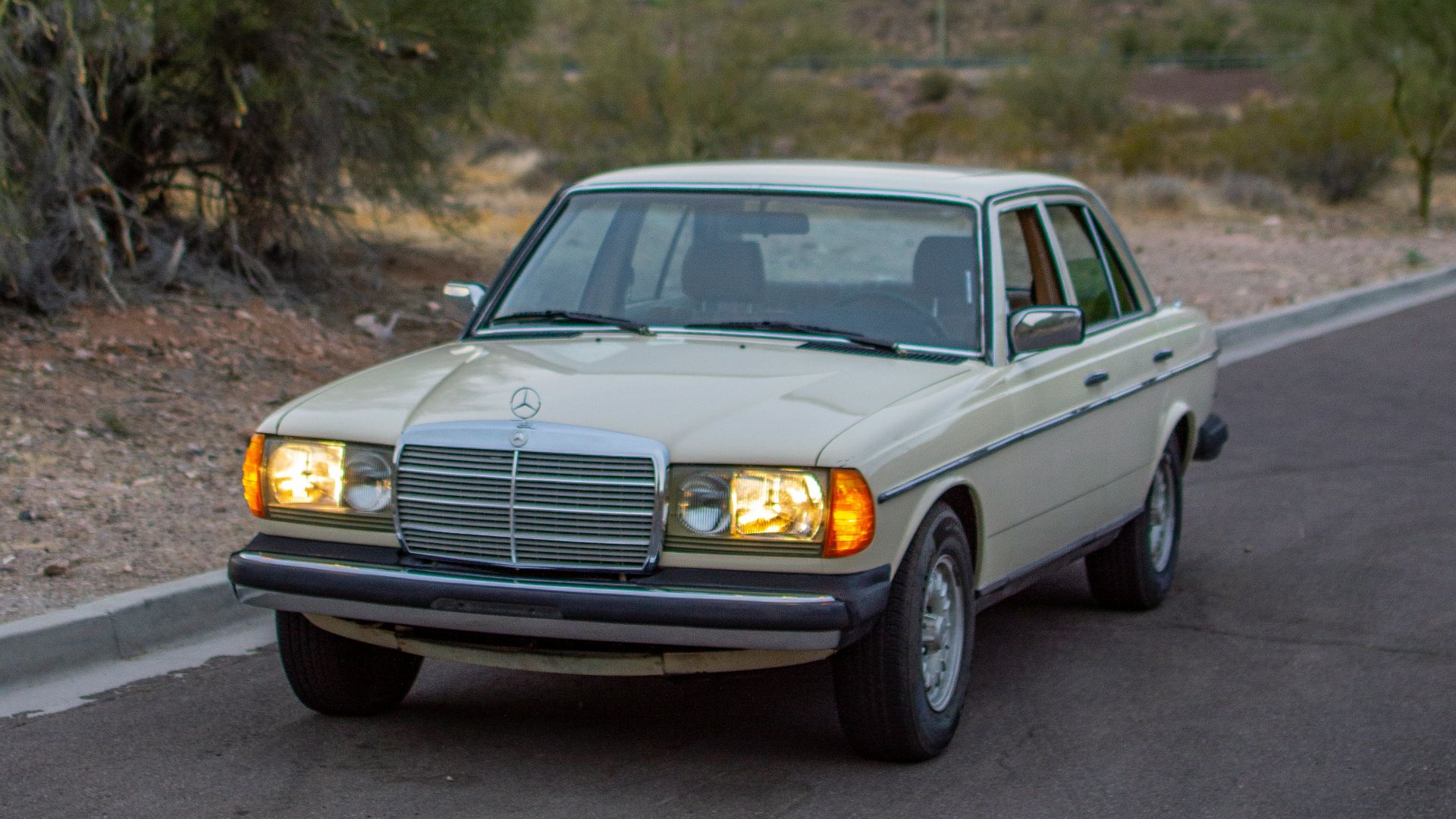
By the time a Volvo 240, a W123 Mercedes, or a late-'90s Toyota pickup earns its reputation, people know what breaks and what keeps going. Gen X tends to trust the longer track record, maybe because by now they know trust usually gets built slowly, through consistency, repetition, and a lot of mileage.