Old-School Driving Knowledge
Cars used to ask more from the person behind the wheel. You had to listen for a rough idle, feel what the clutch was doing, and know how to get home when a paper map was your only available navigation system. Modern vehicles have made driving easier in many ways, from anti-lock brakes and stability control to backup cameras, automatic transmissions, and tire-pressure warnings. Still, a lot of practical driving skills have faded from everyday life, and these are the ones many drivers used to learn before cars started doing so much of the thinking for us.
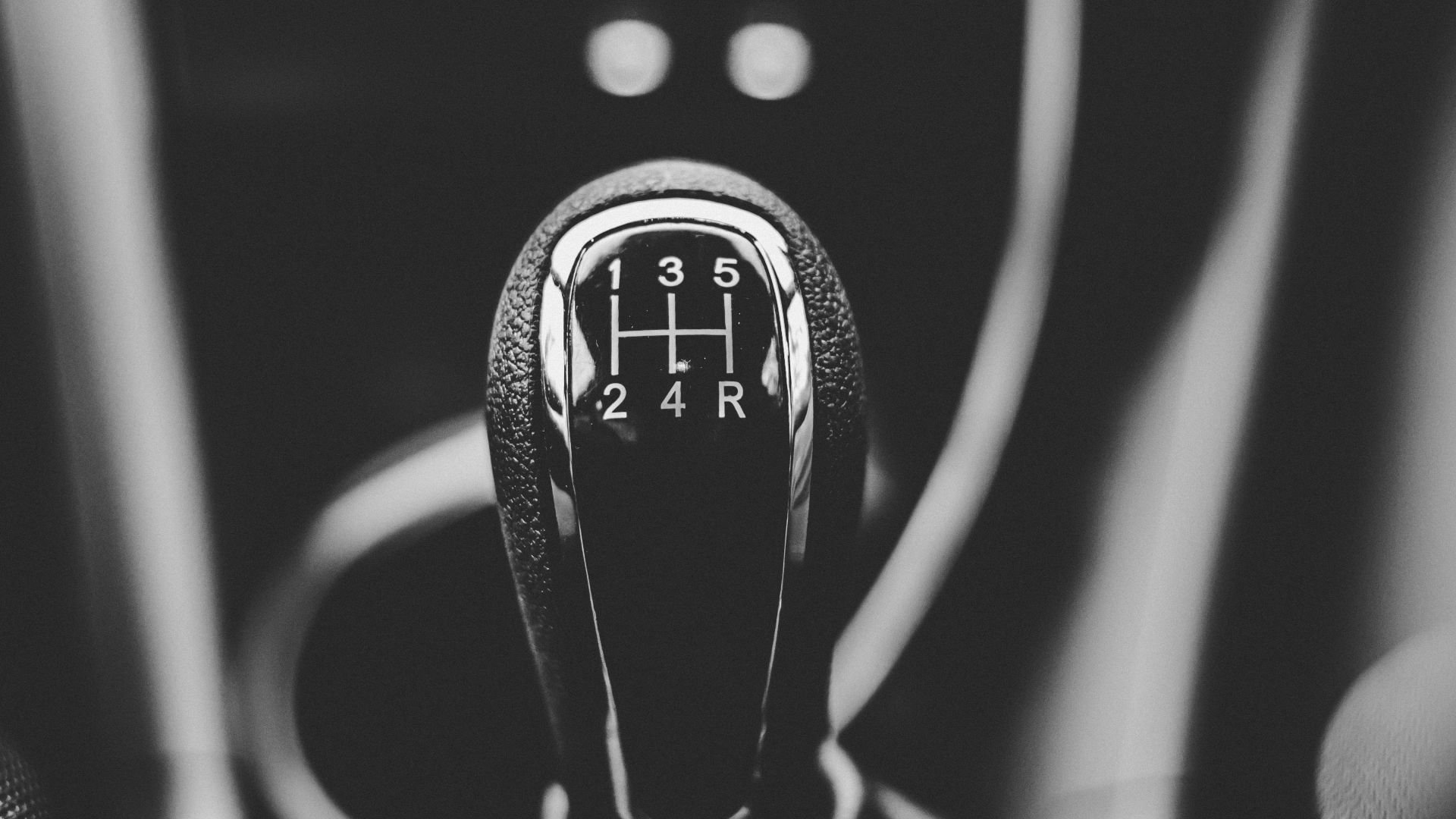
1. Driving A Stick Shift
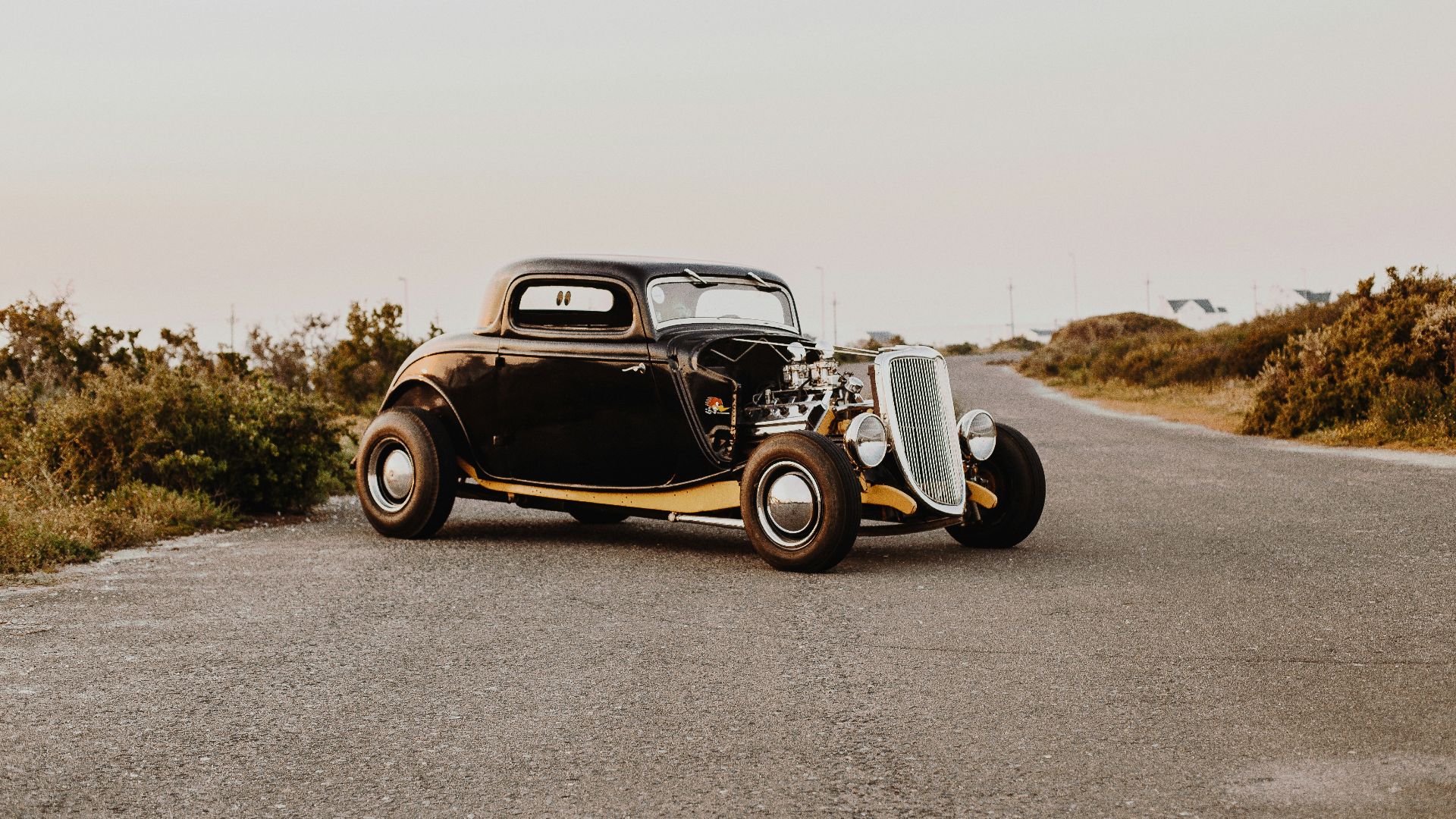
Manual transmissions used to be the prominent car style. Many folks learned on an older economy car, a farm truck, or a hand-me-down sedan. Now, most new drivers can go years without ever touching a clutch pedal, and the once standard style has become a specialty skill.
2. Starting On A Hill
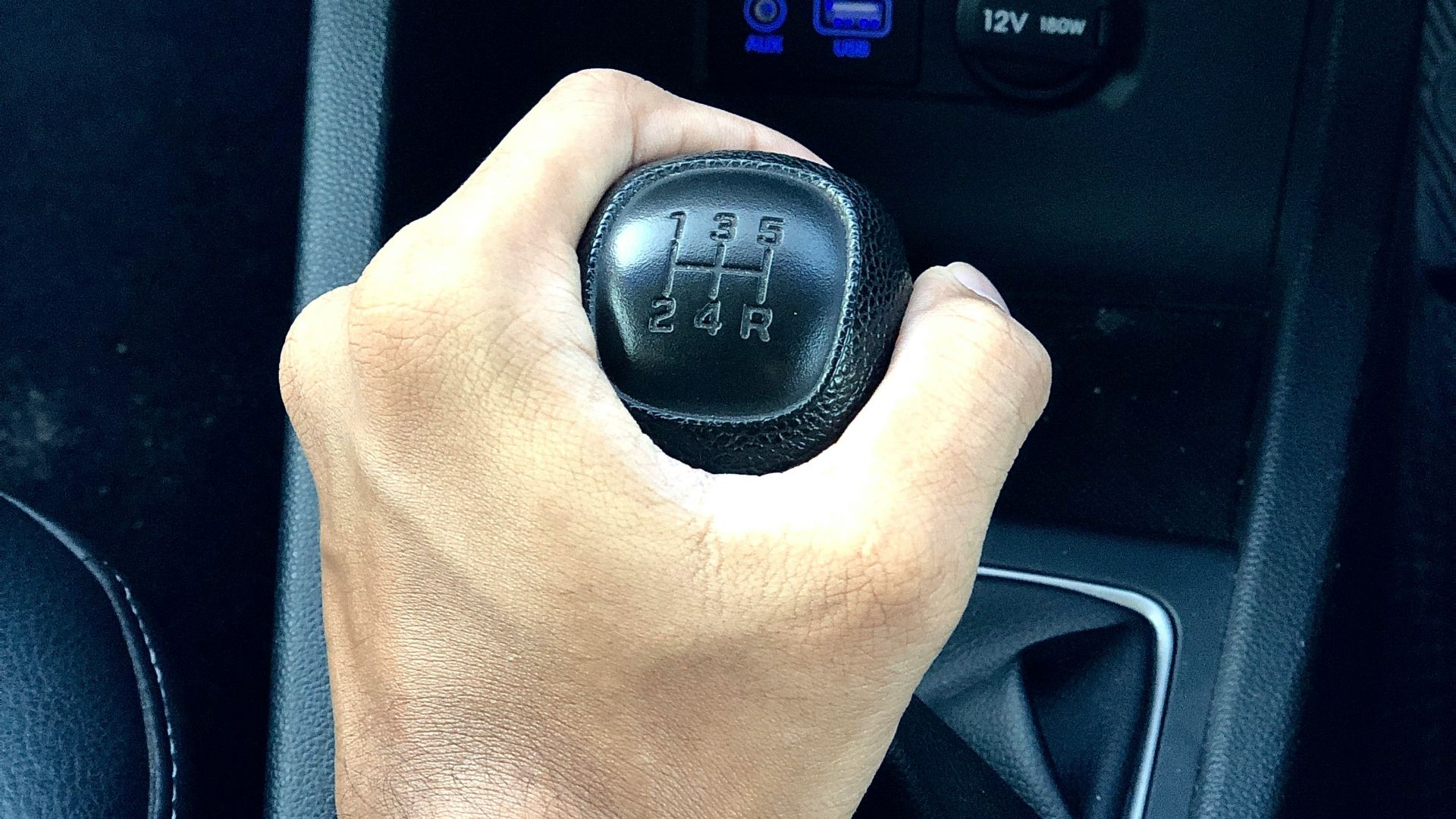
A hill start in a manual car teaches you extreme amounts of patience. You have to hold the car still, bring the clutch to the bite point, add throttle, and pull away without rolling backward into the bumper behind you, which is exactly as stressful as it sounds.
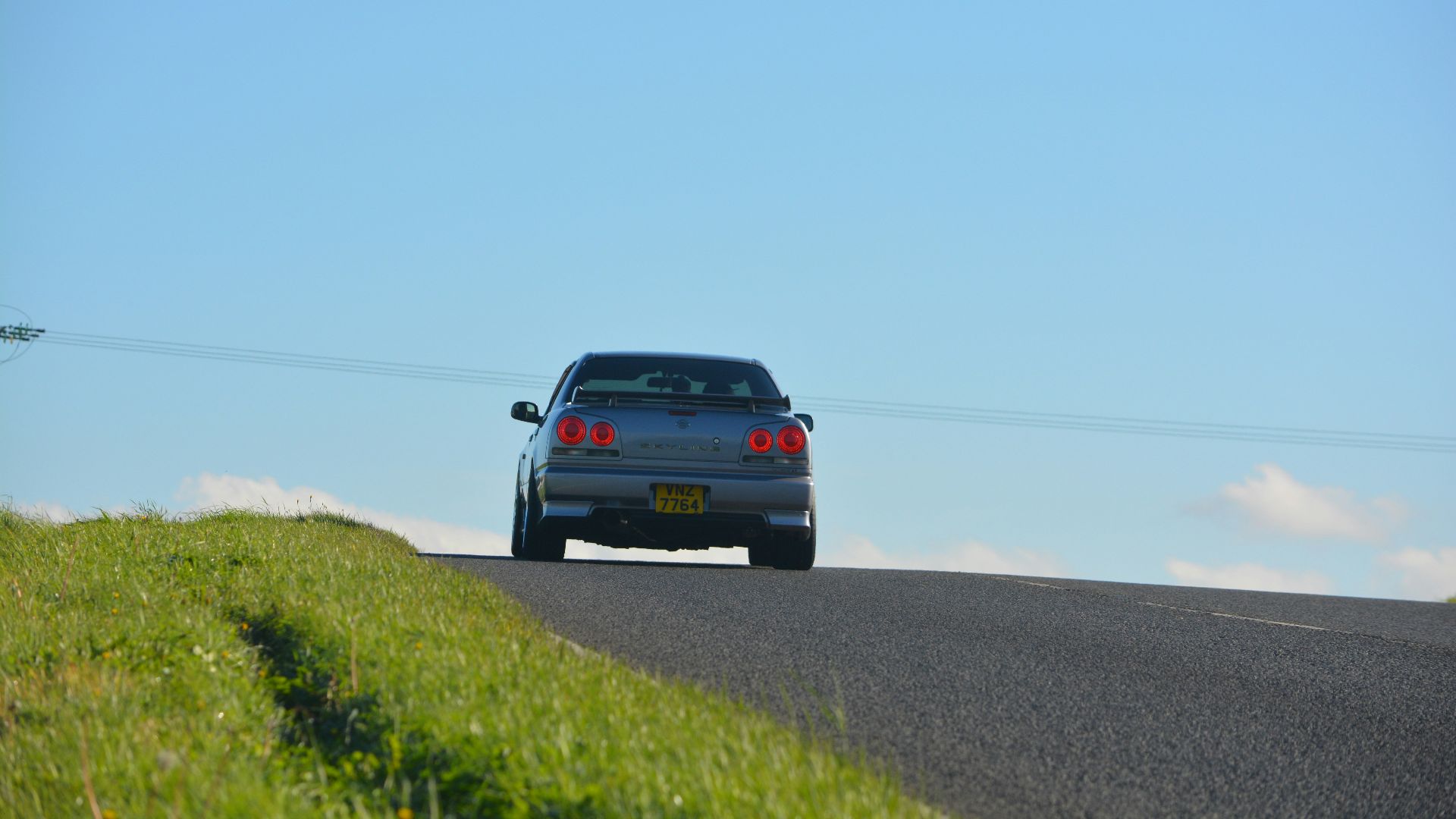
3. Rev-Matching A Downshift
Rev-matching makes a manual downshift feel smoother by raising the engine speed before the clutch comes back out. Without it, the car can lurch or tug against the drivetrain, which is why older manual drivers learned to give the throttle a quick, well-timed blip.
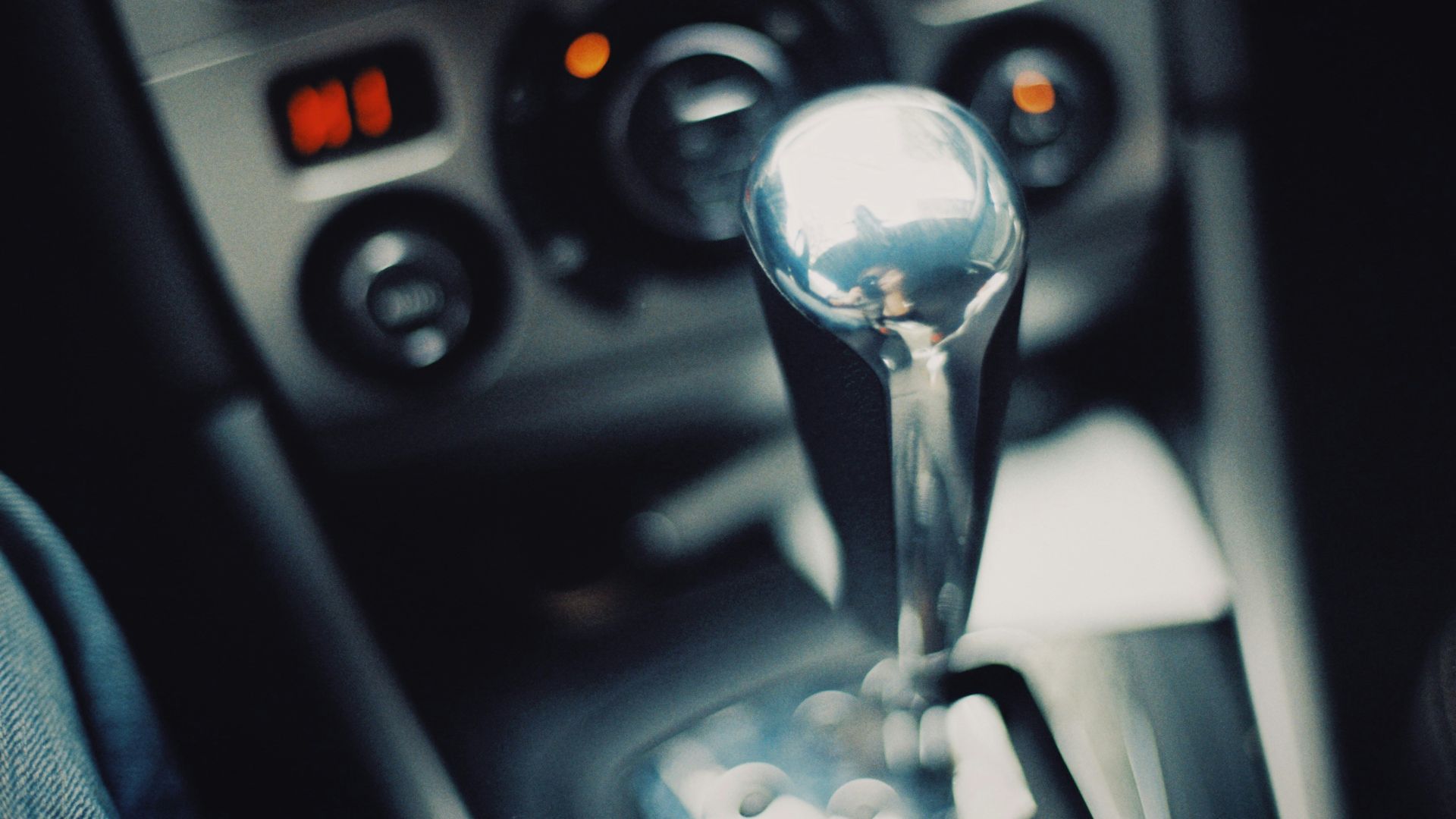
4. Double-Clutching An Older Gearbox
Double-clutching is mostly associated with older trucks, vintage cars, and gearboxes without modern synchronizers. The driver shifts to neutral, matches the engine speed, and then selects the next gear, preventing any nasty grinding sounds.
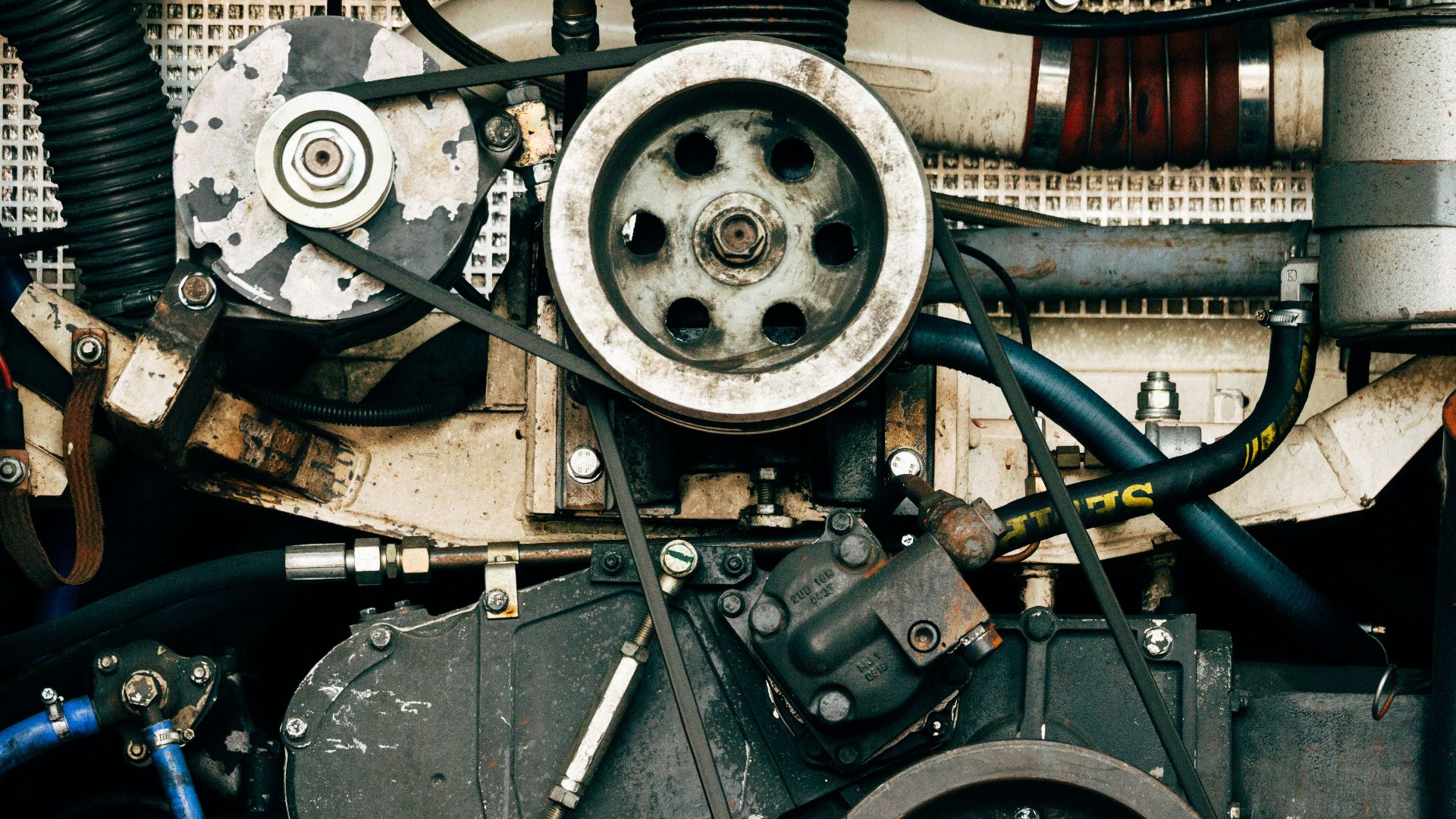
5. Heel-And-Toe Braking
Heel-and-toe braking is a more advanced manual-driving move, mostly used in performance driving. The driver brakes while blipping the throttle for a downshift, keeping the car nice and even before turning a corner.

6. Using A Manual Choke
Older carbureted engines often needed help starting cold, and that’s where a manual choke came in. Drivers had to pull the choke, start the engine, listen to how it ran, and ease the choke back as the engine warmed up. It's not necessarily something we want to do on winter mornings, but we’re sure it was fun to learn.
7. Reading A Paper Map
Before GPS, a road trip started before the car left the driveway. You had to find the highway numbers, understand where towns connected, watch for alternate routes, and keep a rough picture of the trip in your head instead of waiting for a voice to tell you the next turn.

8. Backing Up With Mirrors
Backup cameras have made reversing safer and easier, especially around kids, pets, posts, and low objects that disappear behind a bumper. Older drivers had to use mirrors, shoulder checks, and slow movements, which helped build a better sense of where the car's rear corners actually were.
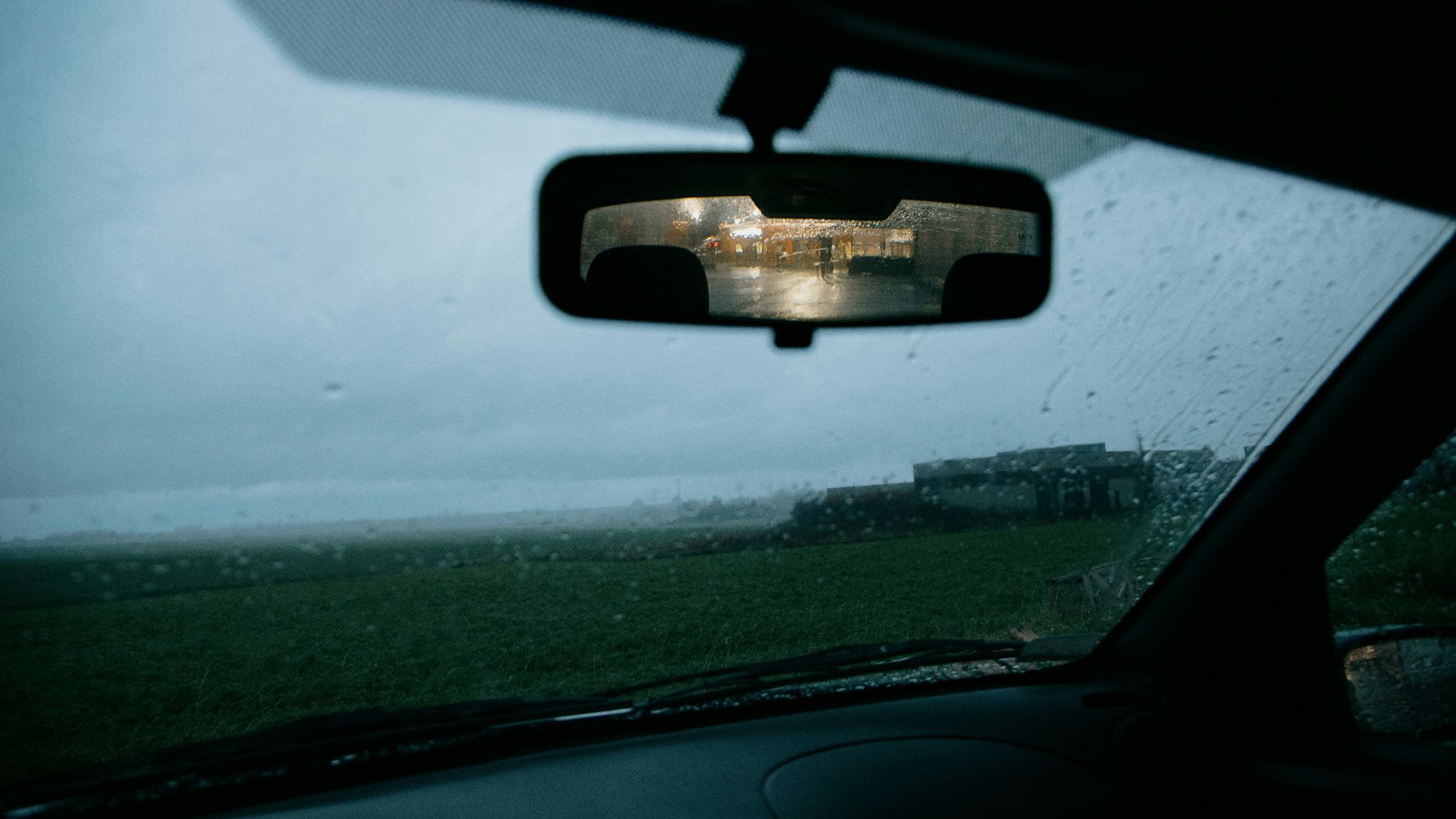
9. Parallel Parking Without Sensors
Parallel parking used to be a small test of nerve, especially in busy city areas. You had to judge the space, line up correctly, turn at the right moment, and correct smoothly without waiting for beeps, camera lines, or automated parking to bail you out.
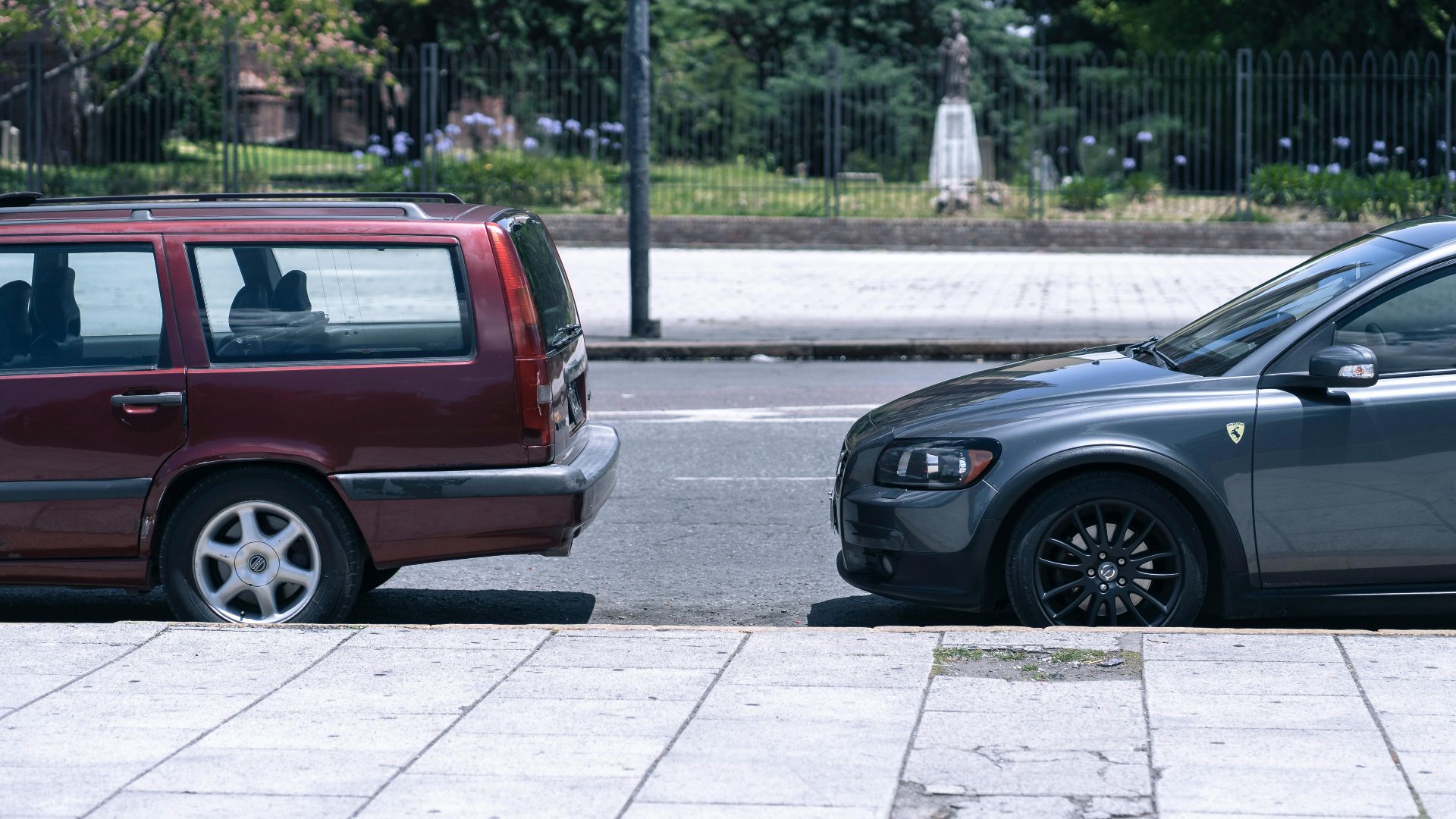
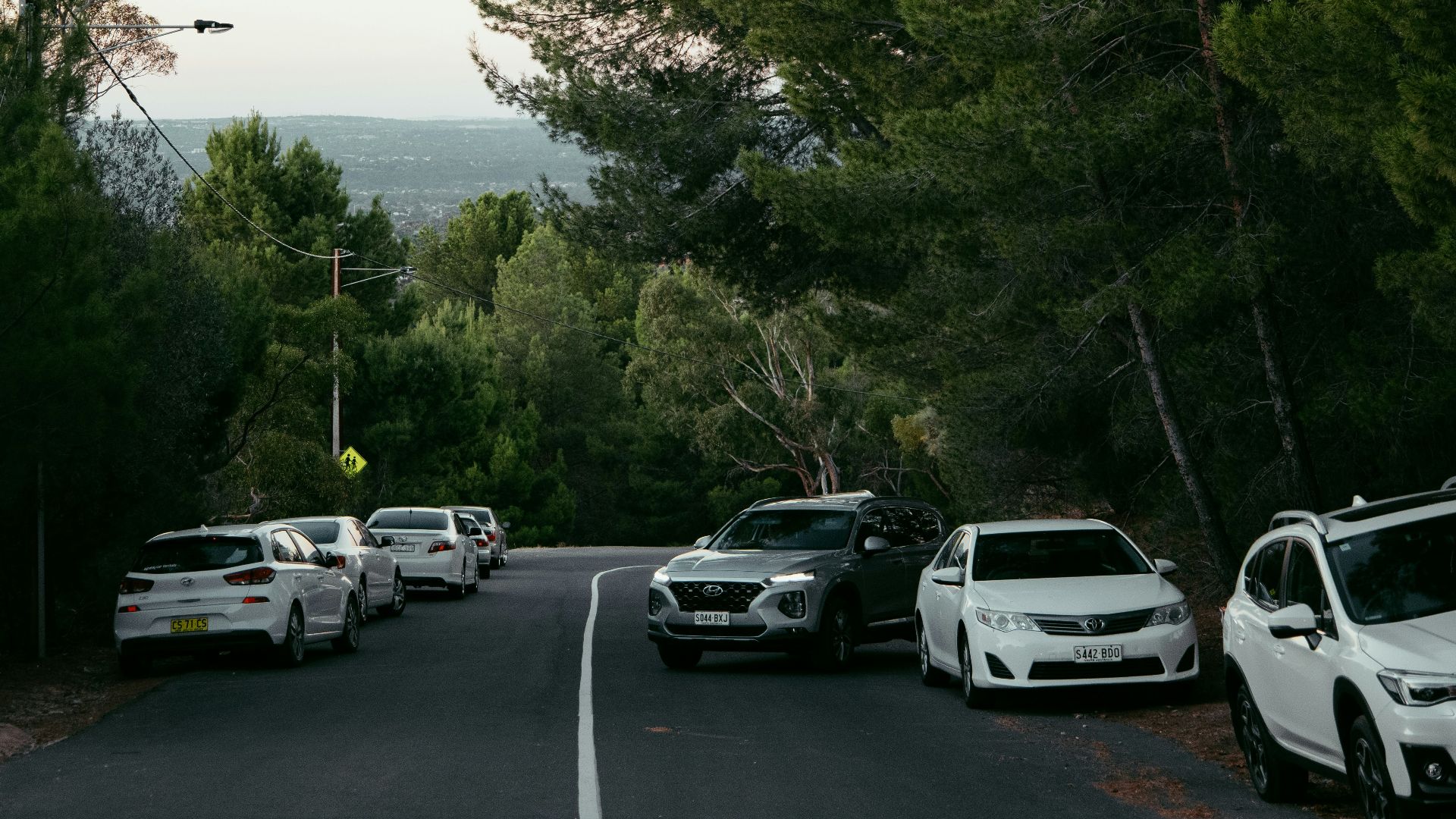
10. Parking On A Hill Properly
Hill parking is still taught, but plenty of drivers forget it once the test is over. The old habit was to turn the wheels so the curb or shoulder could stop the car if it rolled, then set the parking brake and leave the vehicle properly secured.
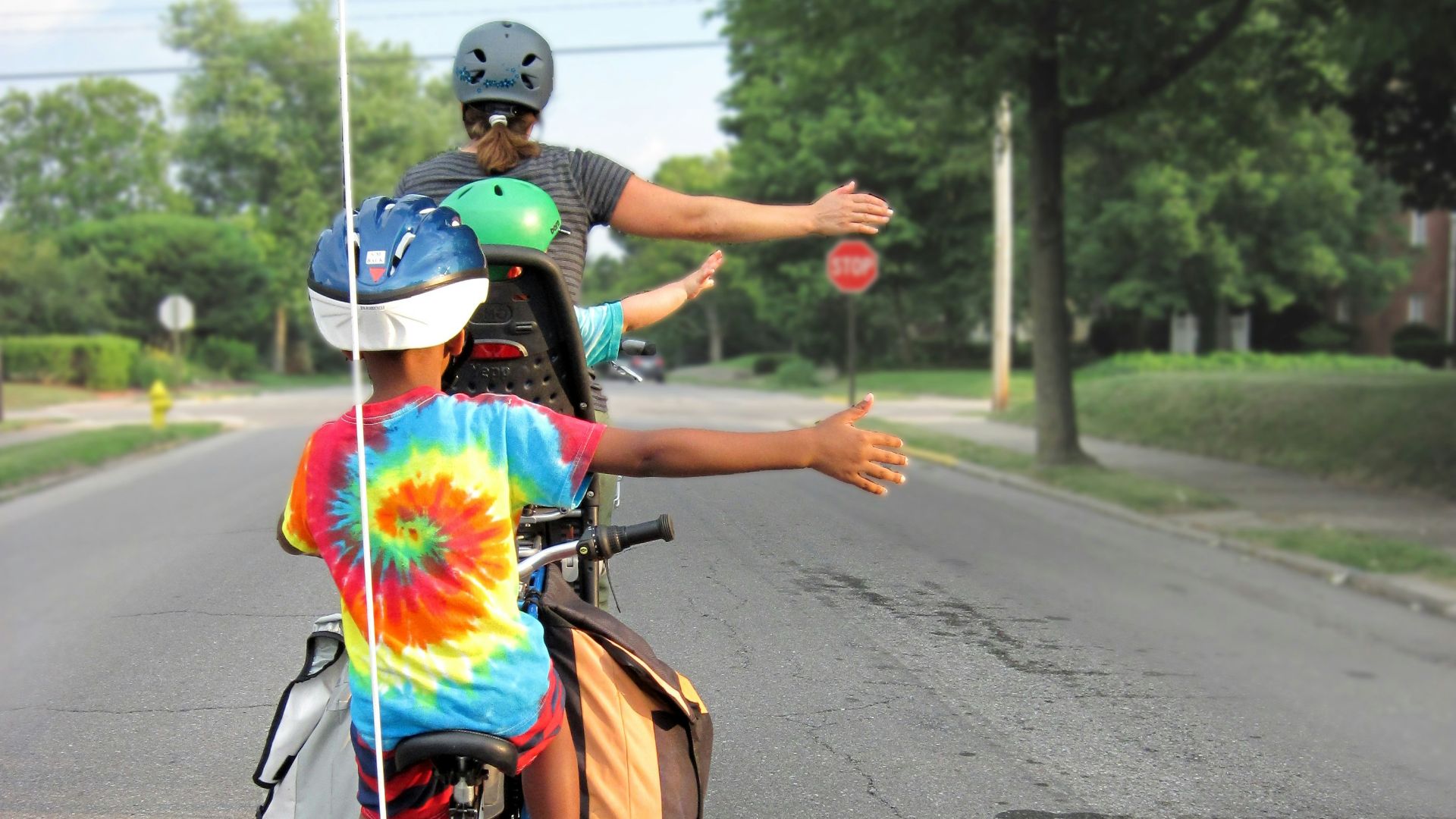
11. Using Hand Signals
Turn signals and brake lights usually work, so most drivers never think about a backup plan. Hand signals still matter when lights fail, especially in older cars, with the left arm showing a left turn, right turn, or stop depending on its position.
12. Threshold Braking Without ABS
Before anti-lock brakes became common, drivers had to learn how to brake hard without locking the wheels. Threshold braking meant finding the edge of available grip, then holding the brake pressure there to prevent the car from skidding.
13. Knowing When Not To Pump The Brakes
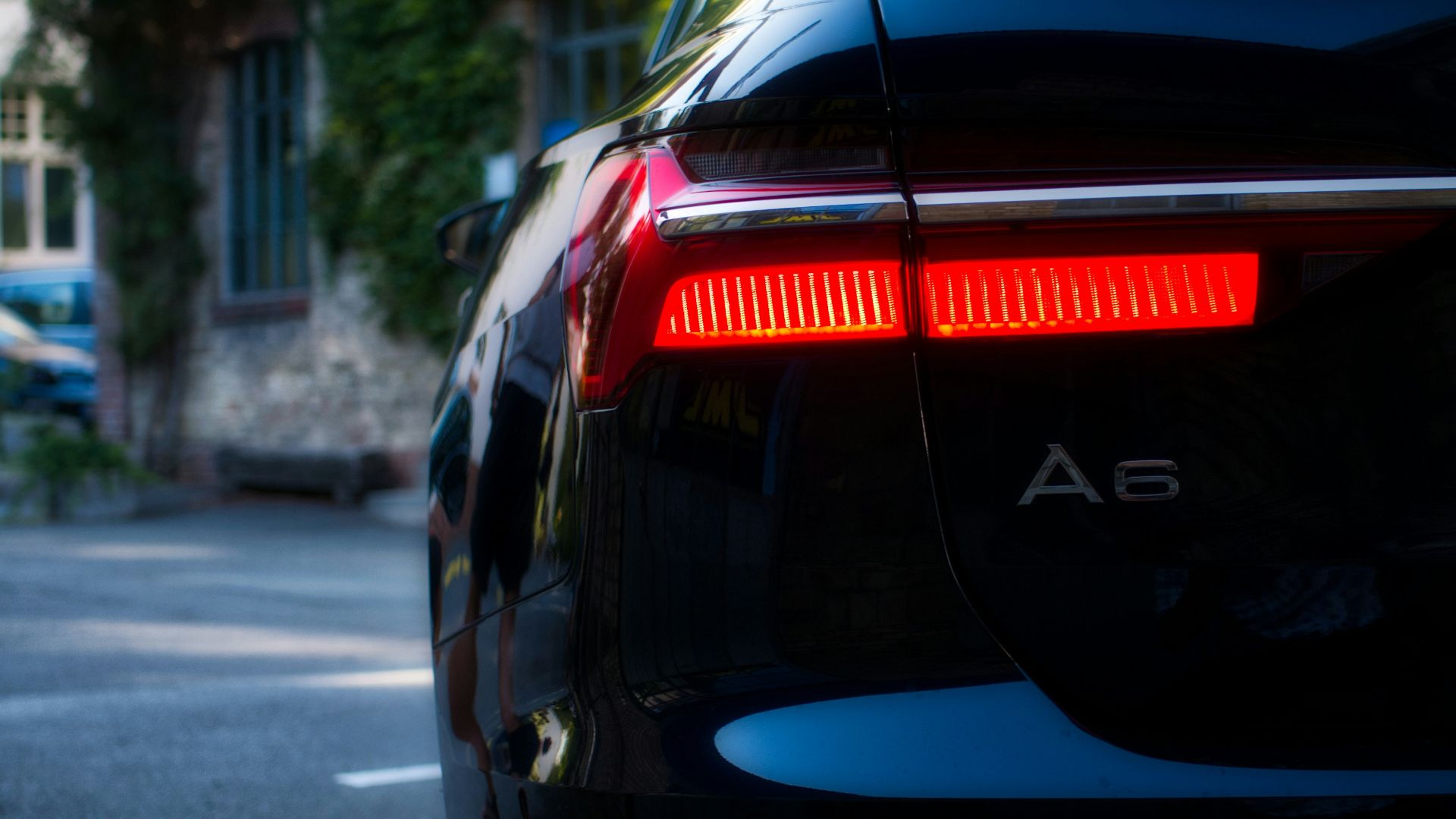
Plenty of older drivers were taught to pump the brakes on slick roads, and that advice made sense in many non-ABS cars. Modern ABS-equipped vehicles usually need firm, steady pressure instead, so the real skill is knowing which braking technique fits the car you’re actually driving.
14. Recovering From A Skid
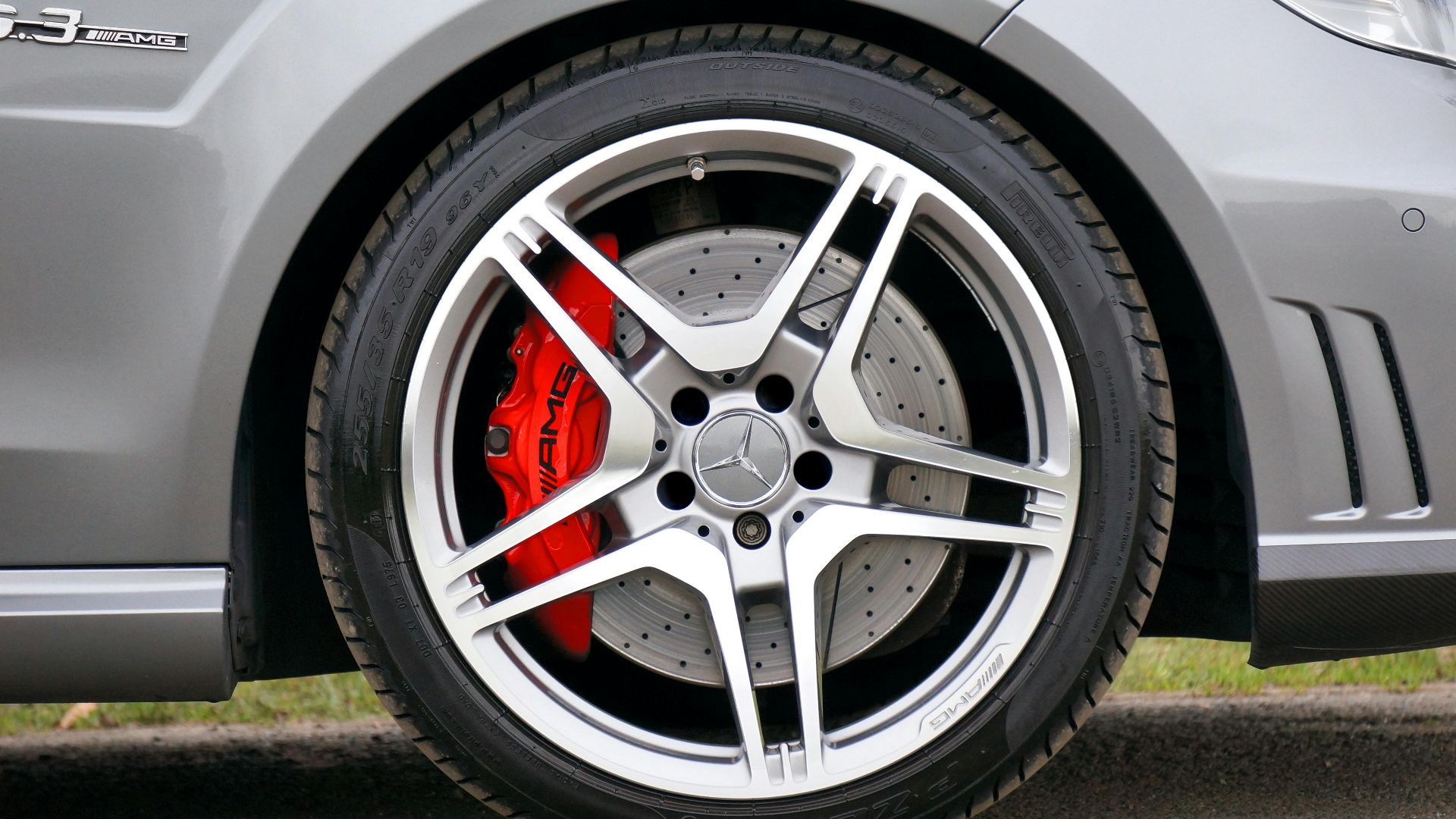
Electronic stability control can help correct a slide, but older drivers had to rely more heavily on feel and calm hands. You looked where you wanted to go, eased off the worst inputs, steered smoothly, and tried not to overcorrect when the rear of the car slid out.

15. Steering Without Power Assist
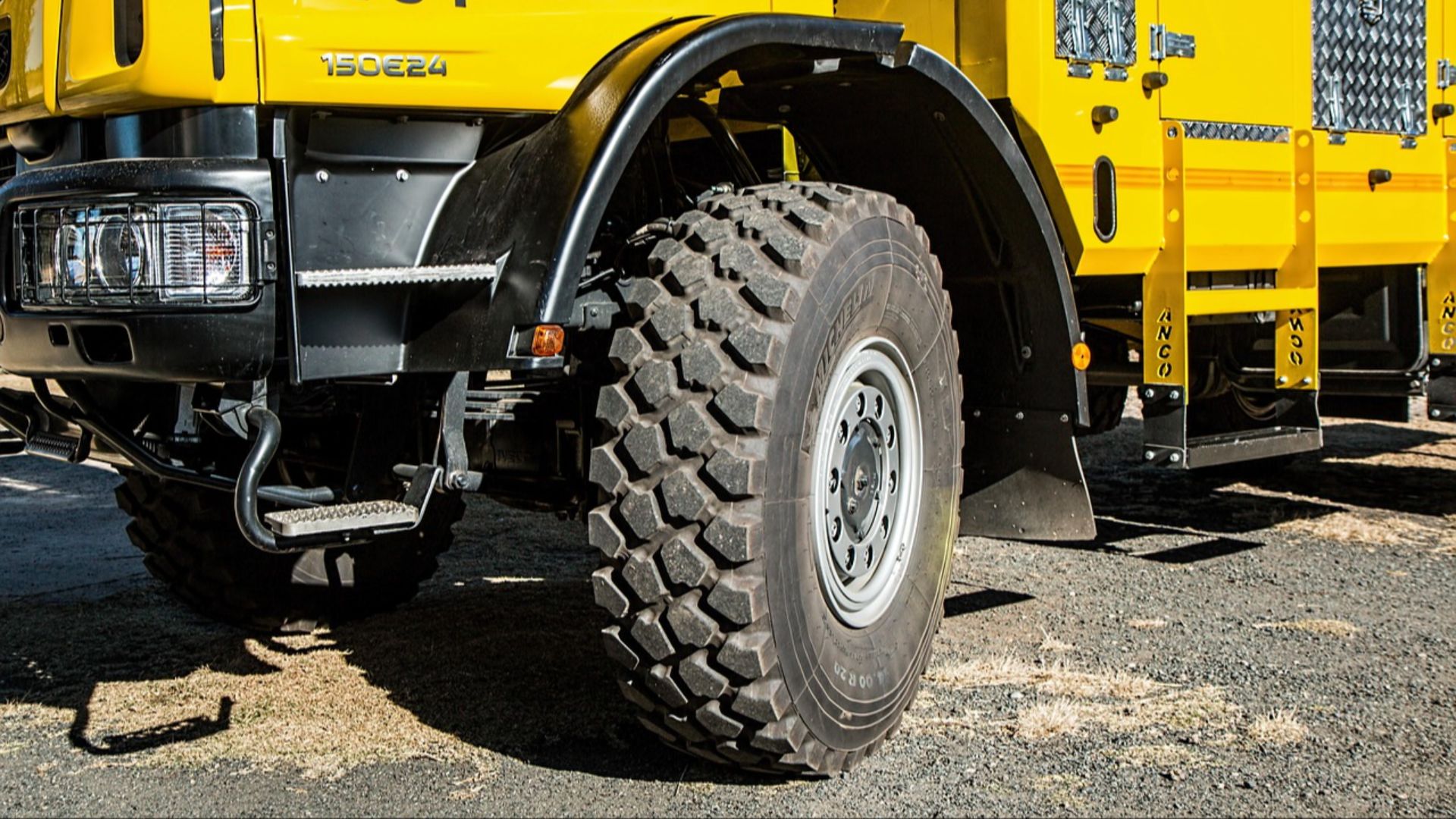
Manual steering taught drivers to work with the car instead of forcing it around at a standstill. In older pickups, vintage sedans, and tractors, you learned to let the vehicle roll slightly before turning the wheel, because cranking wide front tires while parked took real effort.
16. Checking Tire Pressure With A Gauge
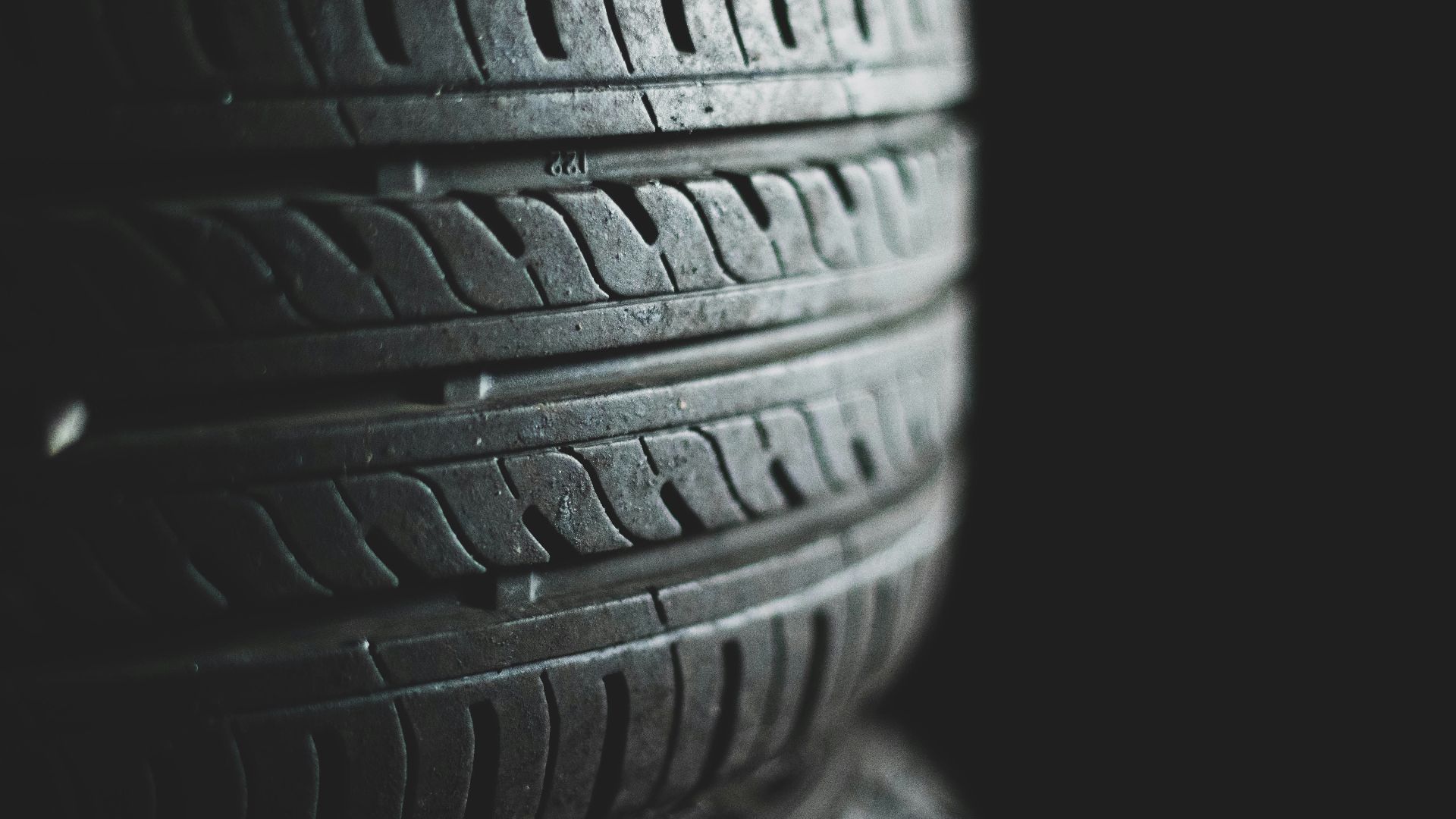
Tire-pressure warning lights are helpful, but they don’t replace an actual gauge. Old-school drivers checked tires when they were cold, used the pressure listed for the vehicle, and noticed worn tread or sidewall damage well before the dashboard lit up.
17. Changing A Flat Tire
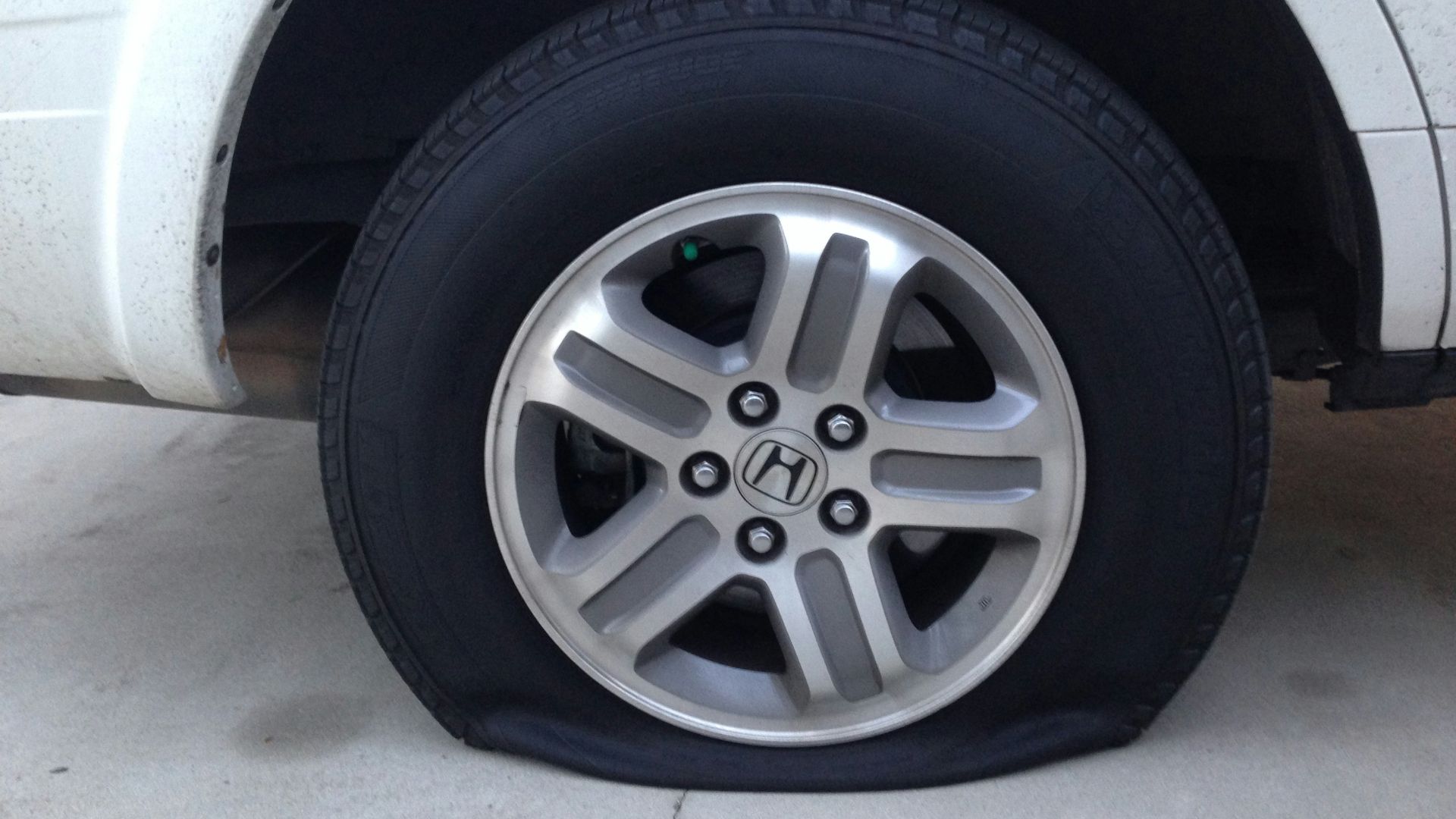
Changing a tire used to be treated as basic roadside knowledge. You found a safe place, turned on the hazards, loosened the lug nuts before lifting the car, used the jack correctly, installed the spare, and tightened everything back up.
18. Using Engine Braking Downhill
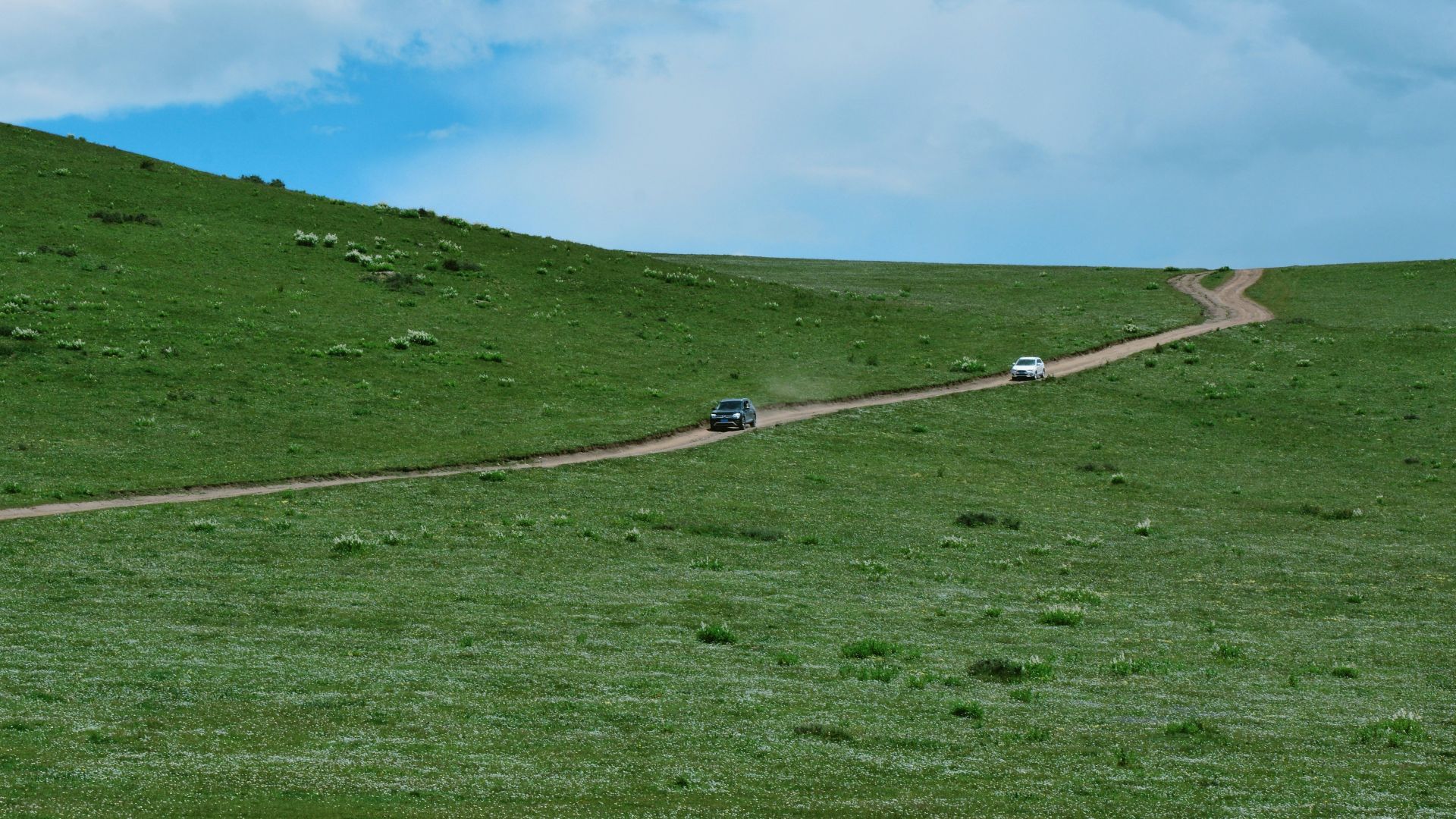
Long downhill grades can punish the brakes if the driver rides the pedal the whole way. Older drivers were taught to shift into a lower gear and let the engine help control speed, especially on mountain roads where overheated brakes can become a real problem.
19. Rocking A Car Out Of Snow
Getting stuck in snow or mud used to come with a familiar routine. You cleared around the tires, straightened the wheels, used gentle throttle, and shifted carefully between forward and reverse instead of spinning the tires until the car dug itself in deeper.
 Vitali Adutskevich on Unsplash
20. Push-Starting A Manual Car
Push-starting, or bump-starting, was the old dead-battery trick for some manual cars. You got the car rolling, turned the ignition on, selected a gear, released the clutch at the right moment, and hoped the engine caught.