

Buying a used luxury vehicle can seem like a smart way to enjoy premium comfort, advanced technology, and strong performance without paying full showroom prices. Many luxury models lose value quickly during their first few years, which allows secondhand buyers to access features that may have originally been far outside their budget. While the lower purchase price can look appealing, ownership costs often remain much higher than those of standard vehicles.
Luxury vehicles also come with more complex engineering, specialized parts, and advanced electronics that require careful attention before purchase. A car that appears affordable upfront may quickly become expensive if maintenance history, repair records, or long-term reliability are ignored. Understanding what to check before buying can help you avoid costly surprises and make a much more confident decision.
Maintenance History Matters More Than Appearance
A used luxury vehicle should always come with detailed maintenance records because regular servicing plays a major role in long-term reliability. Oil changes, brake work, transmission servicing, and scheduled inspections become especially important on high-end vehicles with more complex systems. Missing records can sometimes indicate neglected maintenance, even if the exterior still looks clean and polished. A shiny paint job doesn't always reflect how well the vehicle was cared for mechanically.
Luxury vehicles often use specialized parts and fluids that cost significantly more than standard car components. Brands like BMW, Mercedes-Benz, Audi, and Porsche frequently require manufacturer-specific maintenance procedures to perform properly. Skipping those services may lead to larger mechanical problems later on. This is one reason buyers should research expected maintenance costs before committing to a purchase.
It also helps to have the vehicle inspected by an independent mechanic who specializes in luxury brands before buying. A professional inspection can uncover hidden issues involving suspension systems, electronics, cooling systems, or previous accident damage. Many luxury vehicles contain advanced technology that general inspections may overlook. Spending money on a thorough pre-purchase inspection can potentially save thousands in future repairs.
Depreciation Can Create Opportunities And Risks
Luxury vehicles tend to depreciate faster than many mainstream models during their early years. A car that originally sold for over $80,000 may lose a large percentage of its value within five years, creating attractive pricing for used buyers. This rapid depreciation allows people to purchase premium vehicles with advanced safety and comfort features at much lower prices. However, repair and maintenance costs usually don't depreciate along with the vehicle itself.
Some luxury vehicles hold value better than others, depending on brand reputation, reliability, and long-term demand. Models with strong reliability records and enthusiast appeal often maintain healthier resale values over time. Vehicles with poor reliability histories, expensive known issues, or unpopular designs typically lose value much faster. Researching ownership reviews and reliability data can help buyers avoid models known for costly problems.
Certified pre-owned programs can provide additional peace of mind for buyers concerned about unexpected repairs. Many luxury manufacturers offer extended warranties and detailed inspections through their certified programs. While certified vehicles often cost more than private-party sales, the added protection may reduce financial risk substantially. Buyers should still read warranty coverage details carefully because certain repairs or wear items may not be included.
Ownership Costs Extend Beyond The Purchase Price

Insurance costs for luxury vehicles are usually much higher than those for standard sedans or SUVs. Expensive replacement parts, specialized labor, and higher repair values all contribute to increased insurance premiums. Some performance-oriented luxury models may also carry elevated rates because insurers view them as higher-risk vehicles. Getting insurance quotes before purchasing helps buyers avoid unexpected monthly expenses.
Fuel costs can also increase significantly depending on the engine and performance level of the vehicle. Many luxury cars require premium gasoline, while larger engines naturally consume more fuel during daily driving. Performance models with turbocharged or high-horsepower engines may become particularly expensive to operate over time. Buyers should consider long-term fuel expenses alongside the initial purchase price.
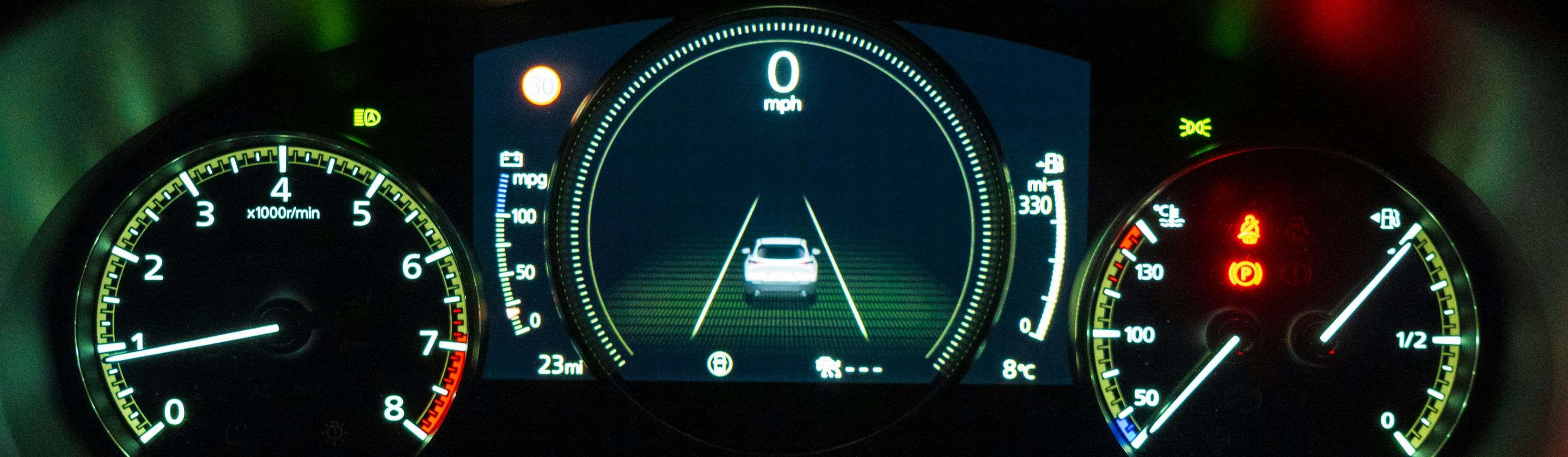
Technology features deserve close attention as well because repairing electronic systems in luxury vehicles can become extremely costly. Features like adaptive suspension, large infotainment systems, driver-assistance technology, and digital dashboards add convenience but increase repair complexity. Even minor electronic failures may require expensive dealership diagnostics and specialized replacement parts. Testing every major feature before buying helps reduce the risk of unpleasant surprises later.
Buying a used luxury vehicle can be rewarding when the car has been maintained properly and researched carefully beforehand. Lower purchase prices often make premium brands more accessible, but ownership costs still require realistic budgeting and preparation. Maintenance records, reliability history, inspection results, and long-term operating expenses all matter just as much as appearance or performance. When buyers approach the process carefully, a used luxury vehicle can deliver comfort, technology, and driving enjoyment without becoming a financial headache.