A Little Prep Goes A Long Way
Long highway drives seem to make any small problem feel much bigger than it really is. Maybe you have a seat that feels too stiff, or your windshield wipers aren't actually wiping properly. Maybe you discover you're missing your phone charger 40 minutes into the drive. Most drivers don’t need a luxury SUV or a trunk full of expensive gear to make a long haul more pleasant. What you need is a car that is clean and comfortable, and a plan that isn't based on chance. These 20 things can make any long highway drive better.

1. Check Your Fluids
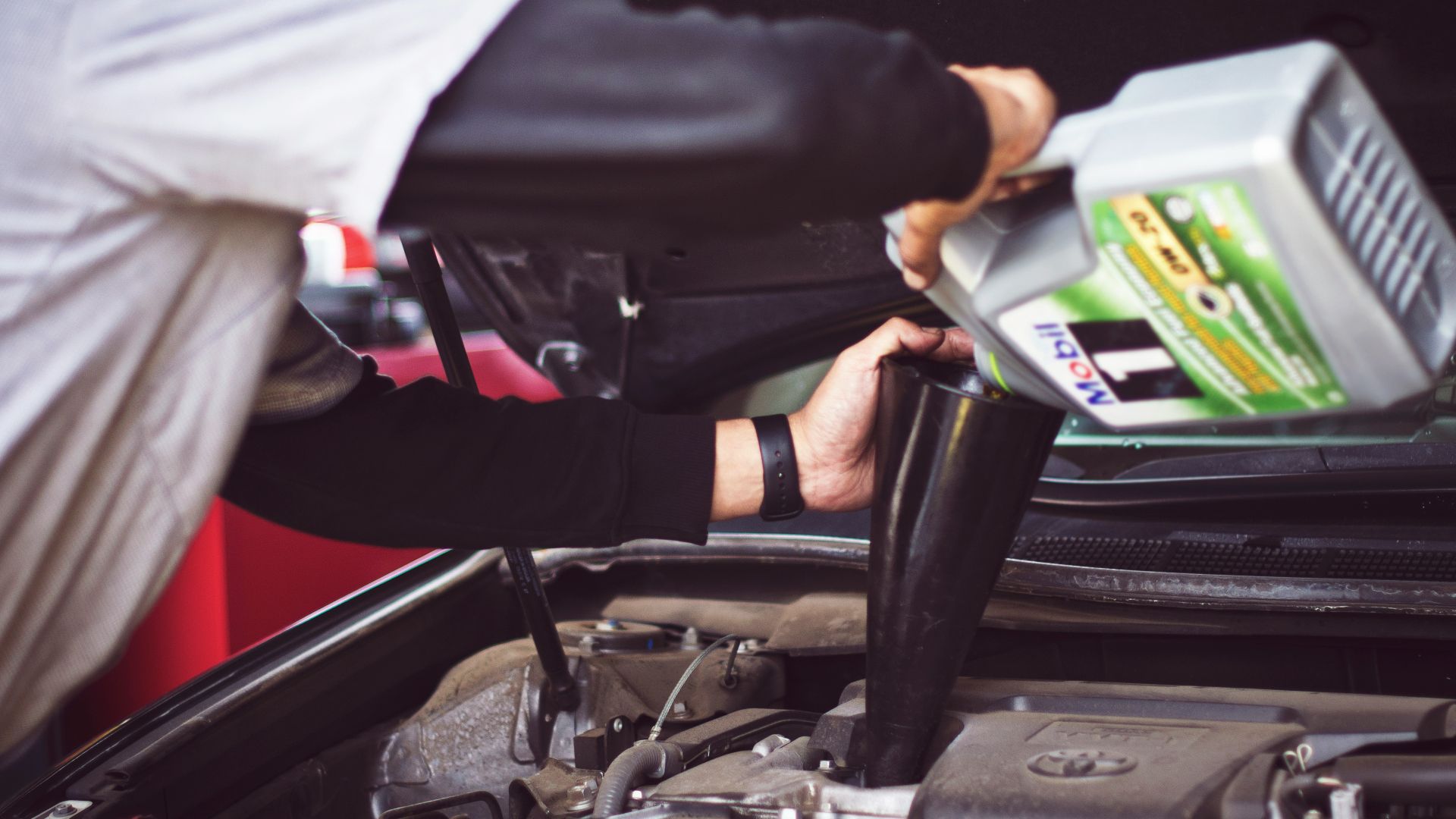
A basic check before a long drive can save you from a roadside problem that didn’t need to happen. Look at the oil, coolant, washer fluid, lights, wipers, and battery before you pull out of the driveway. It's important to remember, but easy to forget.
2. Check The Tire Pressure
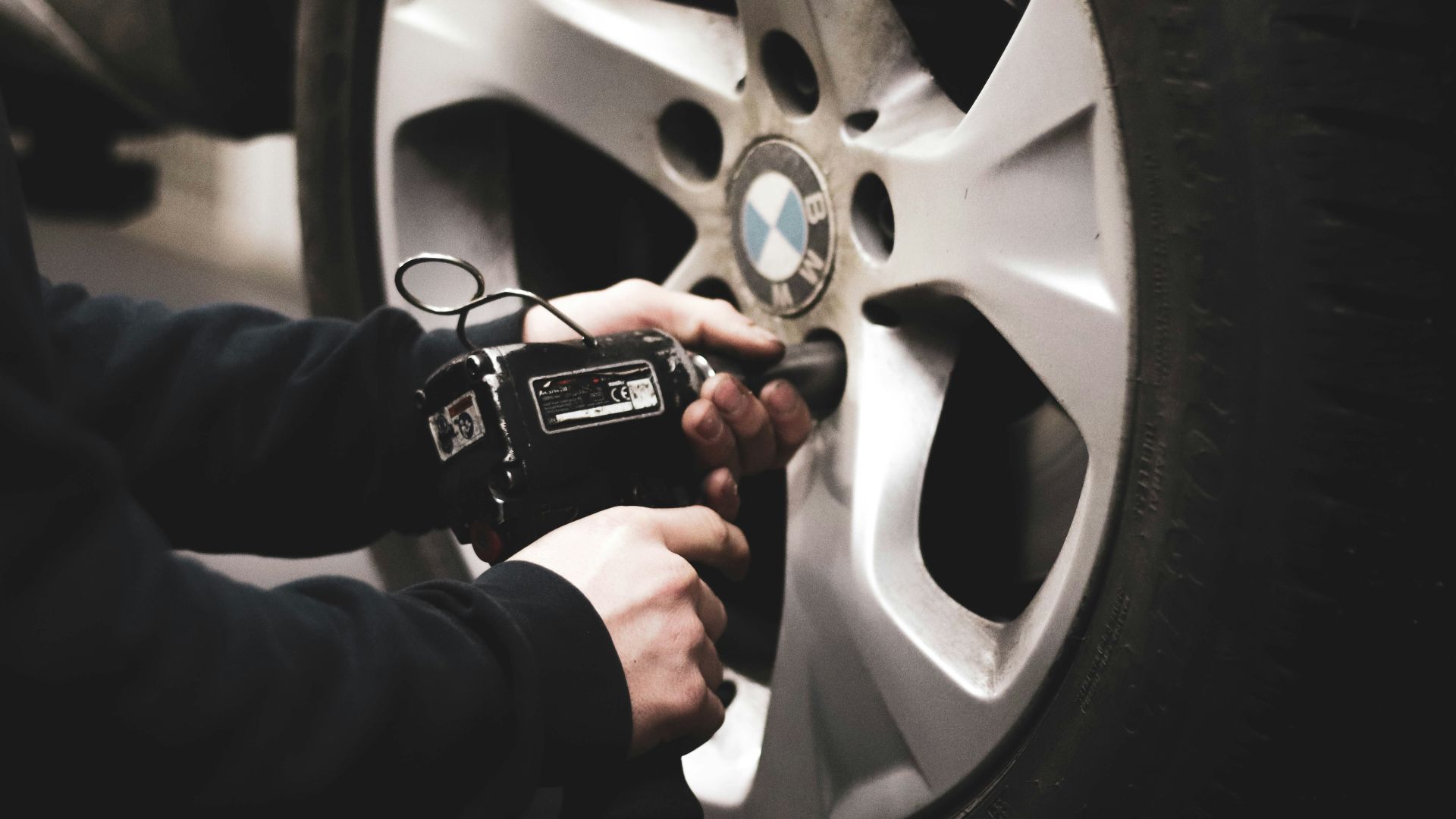
Tires do their heaviest lifting on long highway trips. Check the pressure when the tires are cold, and look for uneven wear, cracks, bulges, or anything lodged in the tread. Proper inflation supports safer tire performance and can help fuel economy, too.
3. Plan Your Route
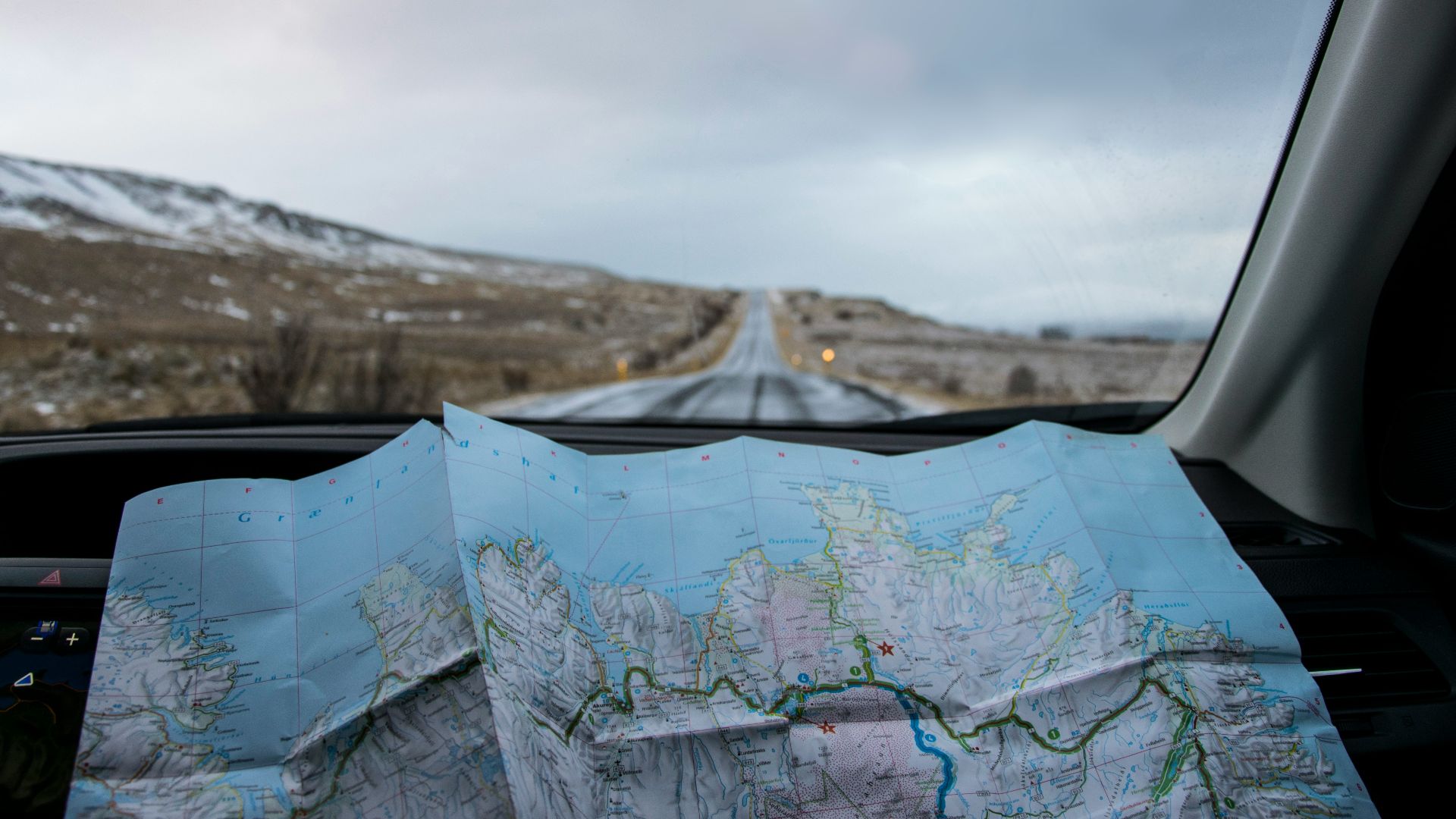
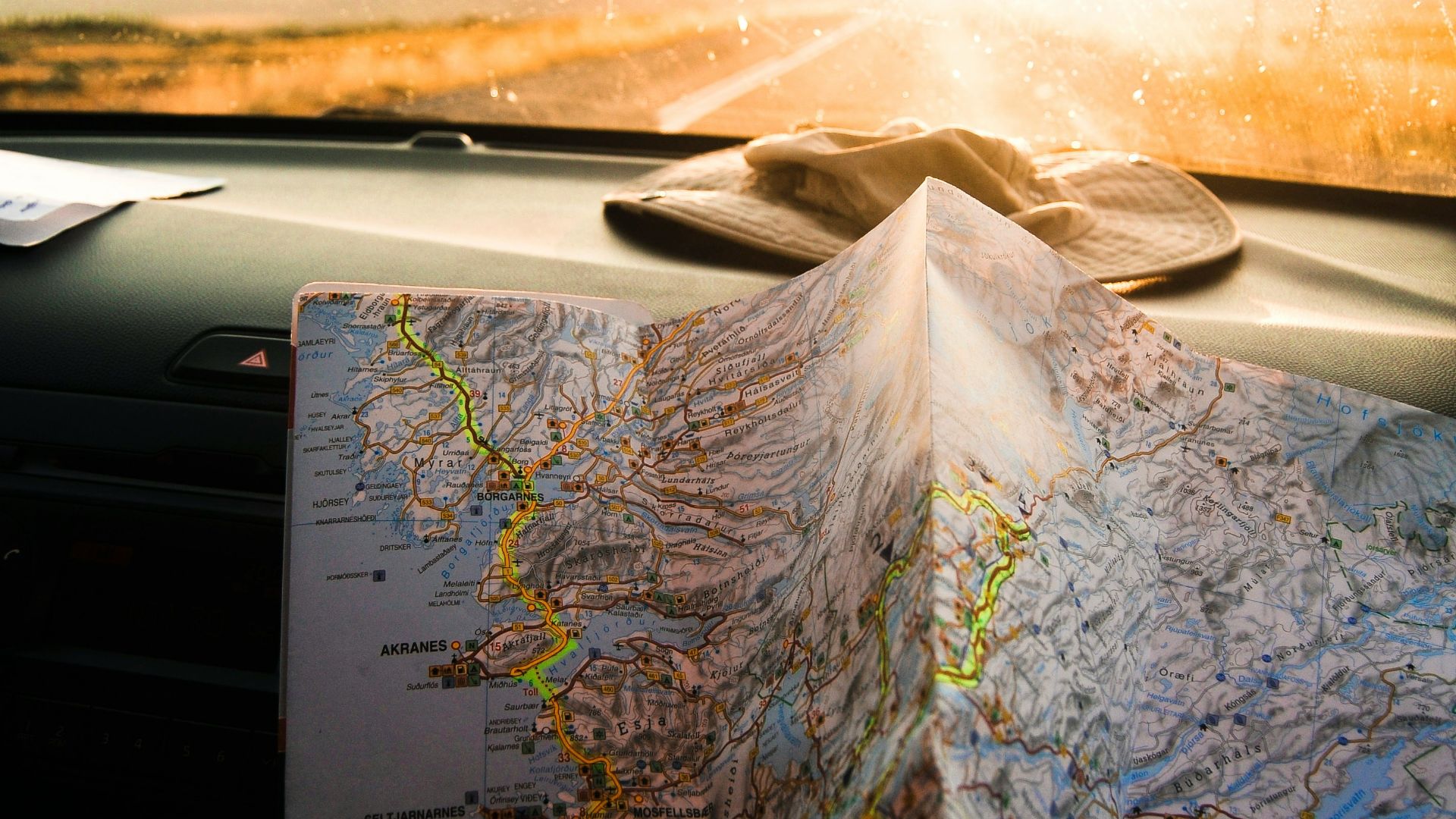
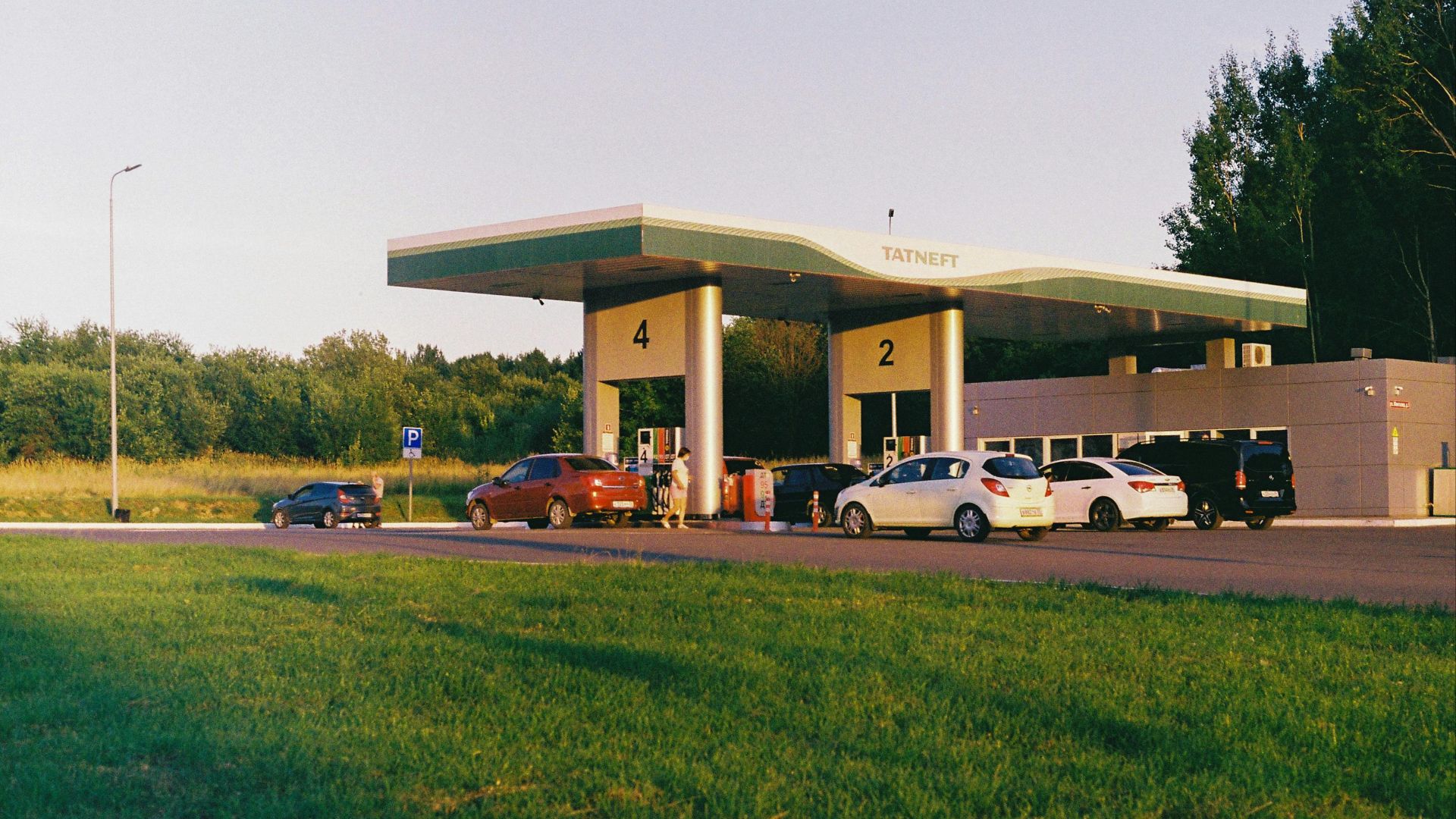
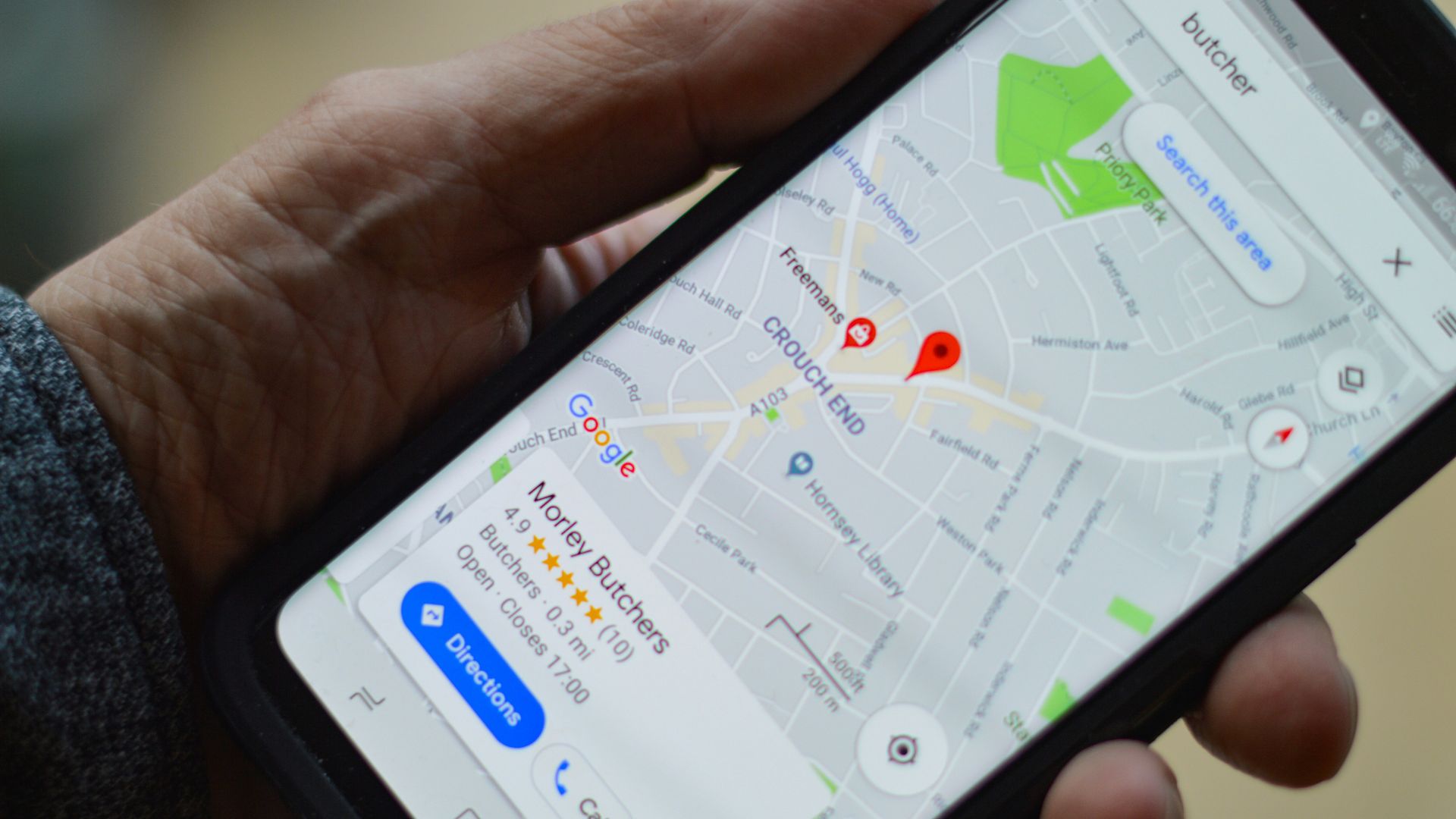
The quickest route on an app may not be the easiest route to actually drive. Instead of the shortest trip, pick the route with better rest areas and gas stations. It's also good to check if you're hitting any major highways during rush hour or the holiday season.
 Julentto Photography on Unsplash
4. Clean The Windshield
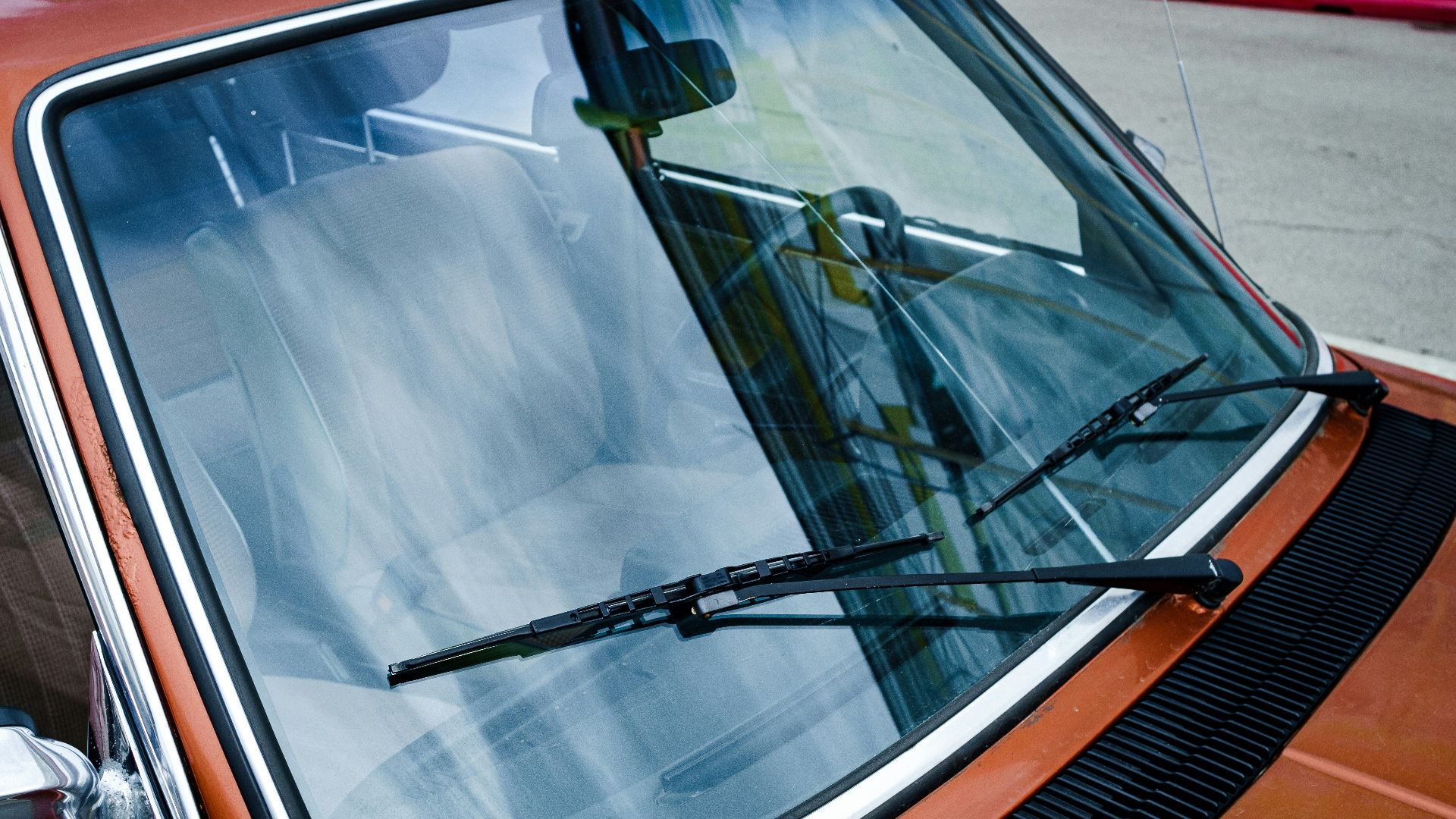
A hazy windshield is never ideal for long hauls. Morning sun, bug splatter, road salt, interior film, and half-working wipers can make the view rougher than it needs to be. Clean the glass inside and out, top up the washer fluid, and replace wipers that streak or chatter.
5. Set The Seat
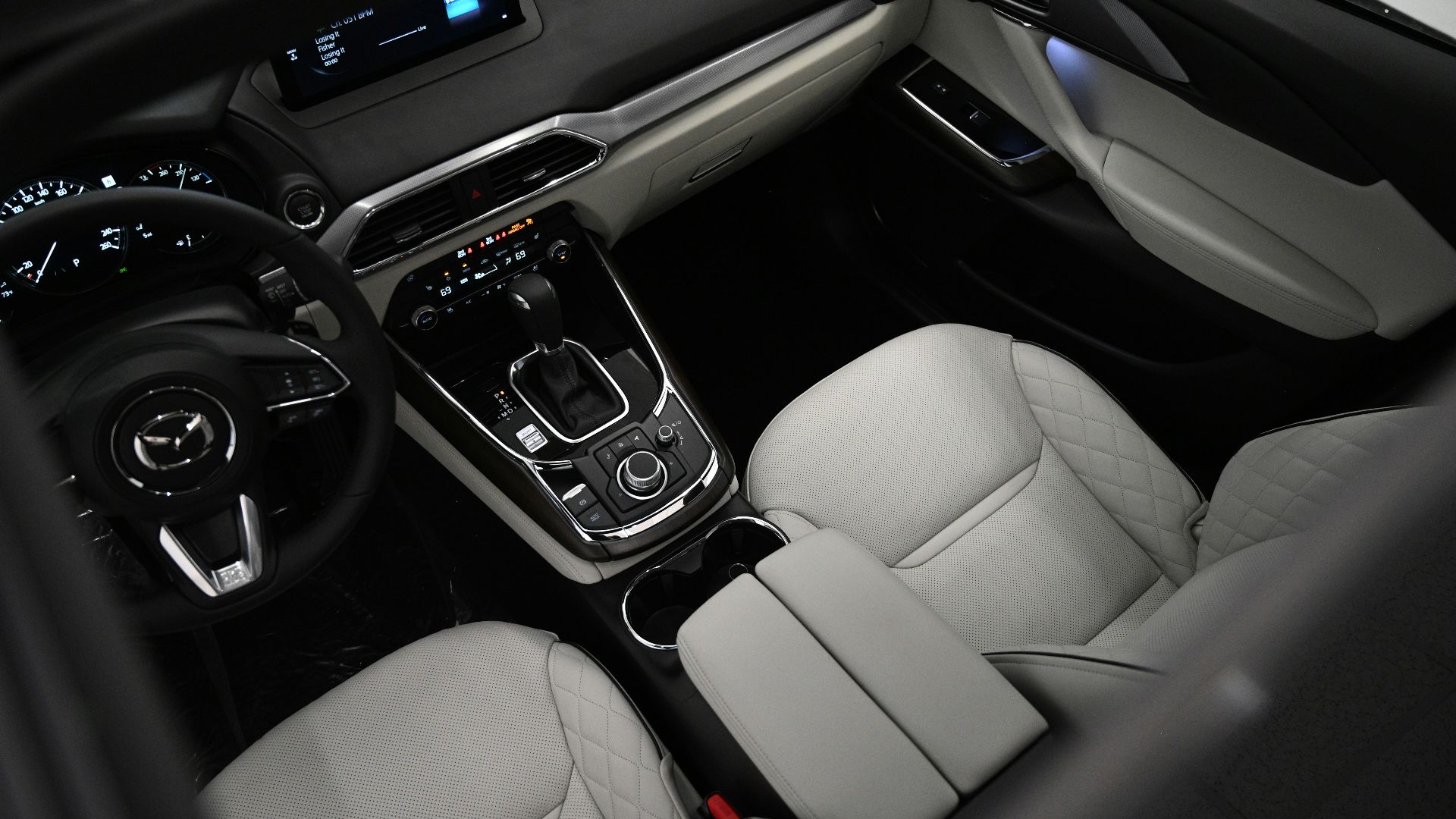
A seat position that feels fine around town can feel awful after three hours on the interstate. Adjust the seat, steering wheel, mirrors, and lumbar support before the trip starts, so your arms, legs, and back rest comfortably. A small cushion or rolled towel can help if the lower-back support is weak.
6. Get Some Decent Sleep
A long highway drive is a poor time to run on four hours of sleep and a gas-station coffee. Fatigue can affect attention, reaction time, and judgment, which makes driving difficult.

7. Build Breaks Into The Plan
A short stop can do a lot for your mood and concentration. Get out, stretch, go for a lap around the rest area, and refill your water bottle. Planning breaks every few hours is much better than waiting until everyone's achy and miserable.
8. Pick The Right Passenger
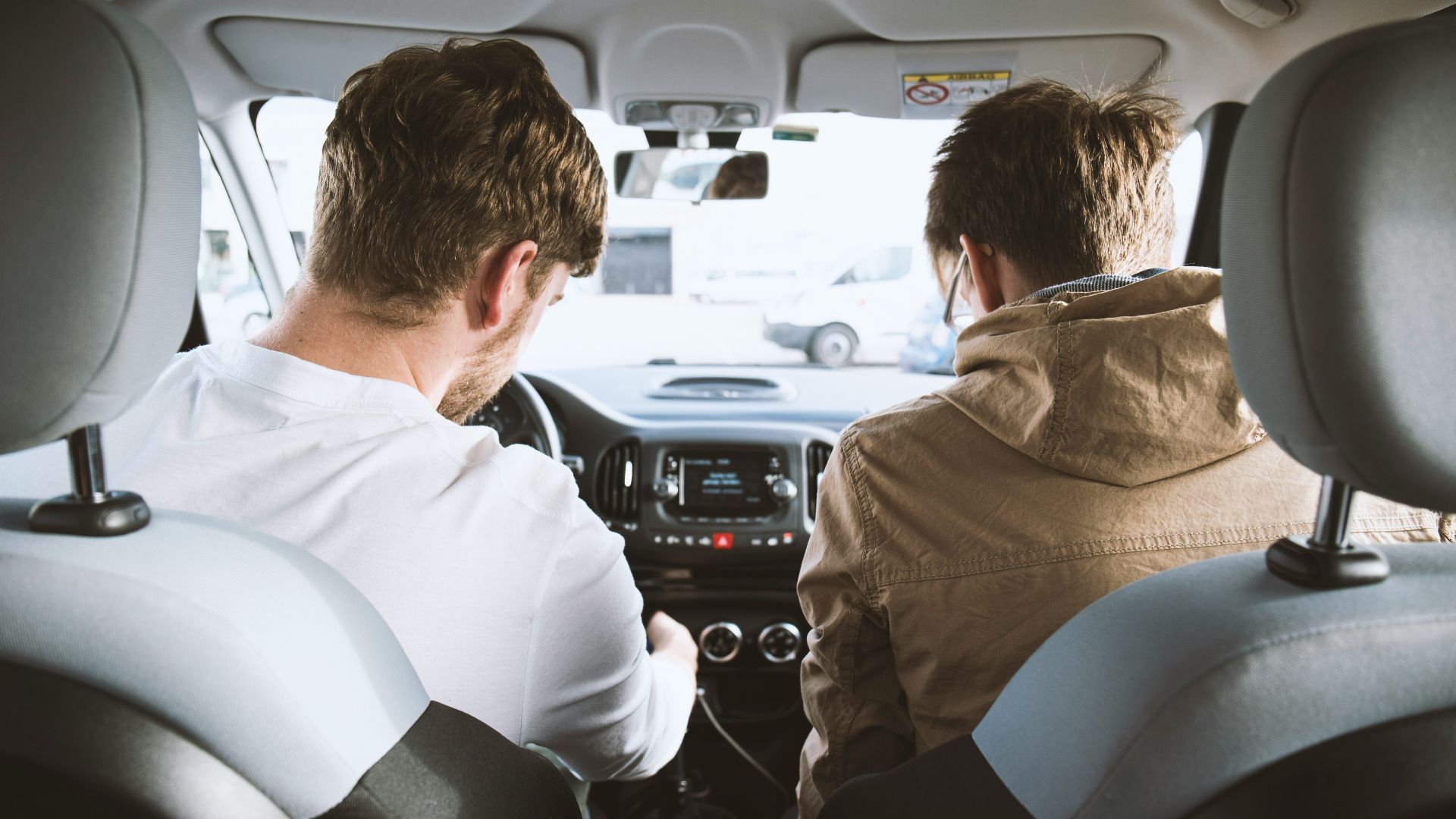
An underrated positive of long drives is the helpful passenger. Between navigation help, handling snacks, and curating playlists, they're the ultimate aid for any long haul. If they also drive, they're also there to swap out with you.
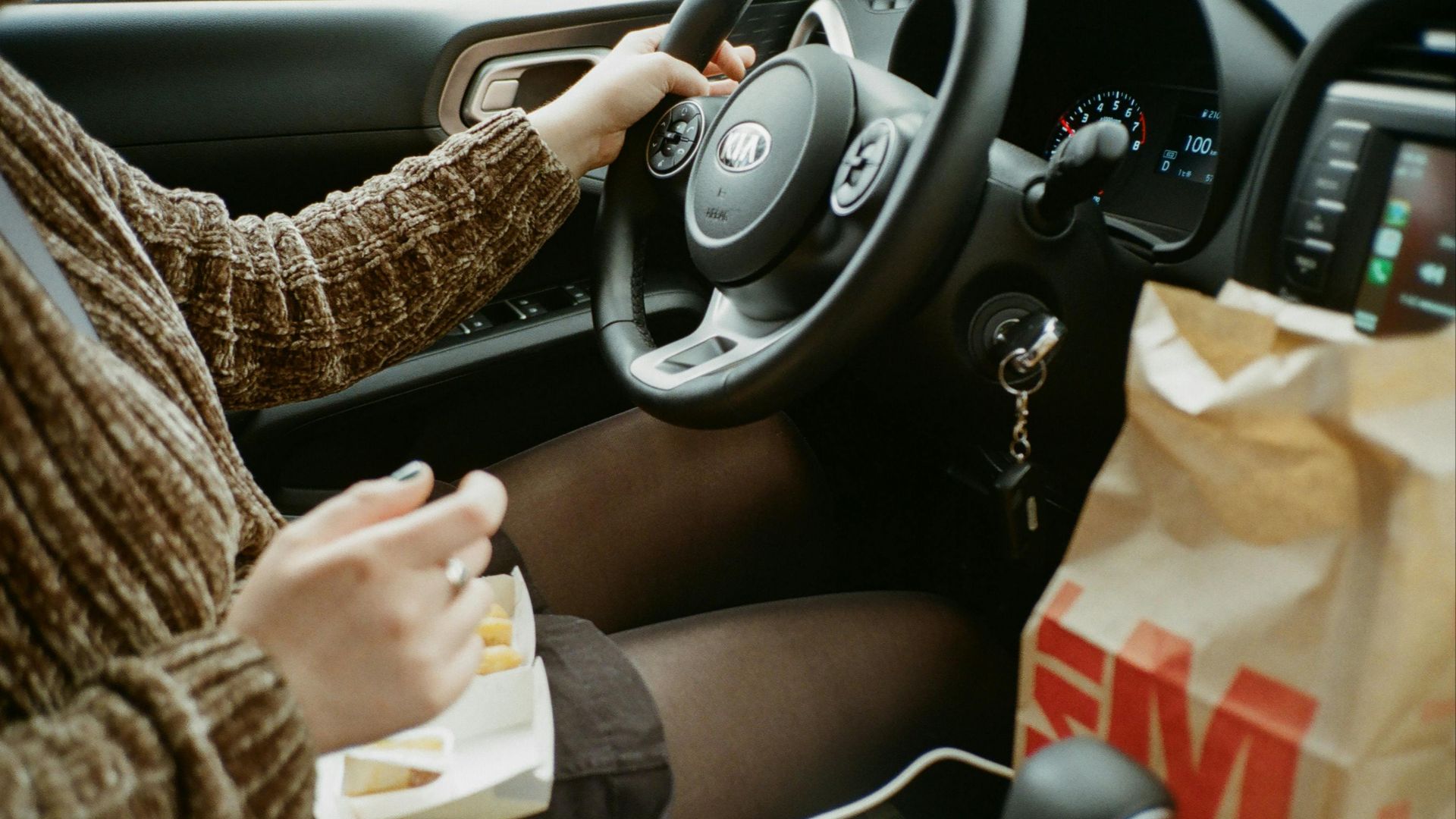
9. Pack Snacks
Some snacks belong in a car, and some belong nowhere near upholstery. Granola bars, crackers, fruit, nuts, sandwiches, and cheese sticks in a cooler are easy enough to manage on the road. Anything melty, greasy, sticky, or crumbly enough to leave lasting evidence should stay sealed.
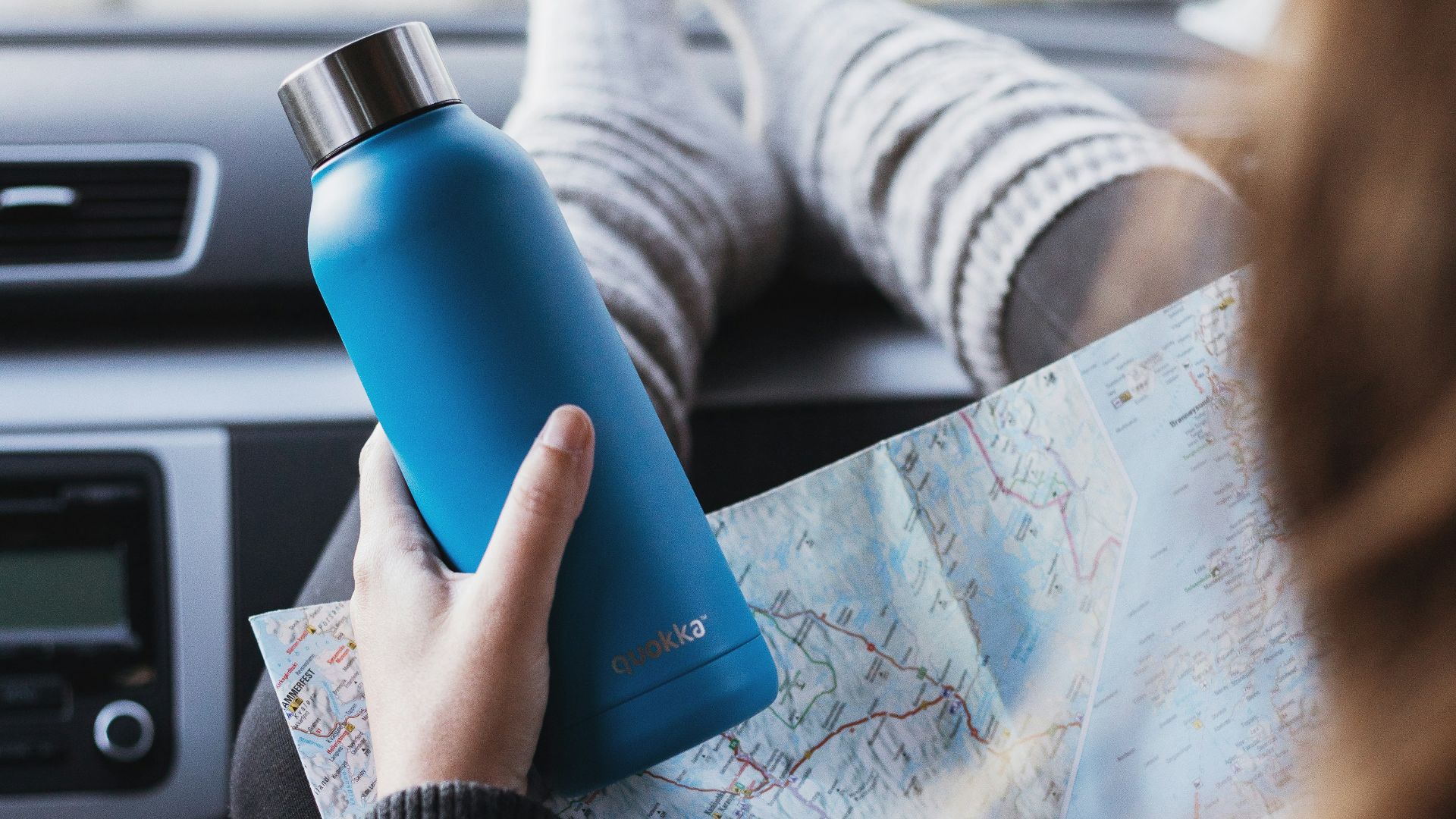
10. Keep Water Within Reach
A car stocked only with coffee or soda isn't ideal. Keep water where the driver and passengers can reach it without digging through bags. This is especially important when you're dealing with hot or dry weather.
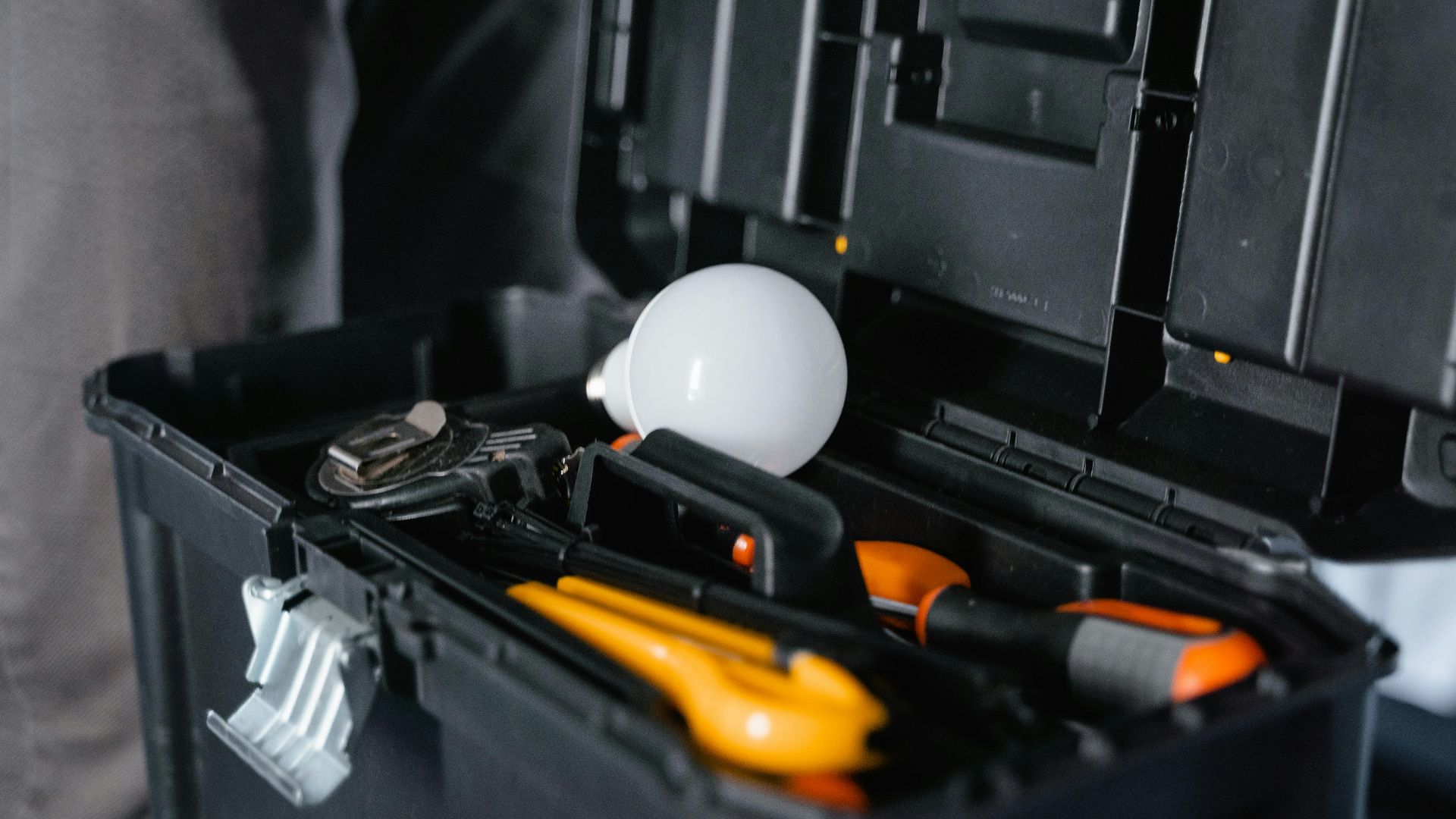
11. Bring A Roadside Kit
A roadside kit doesn’t need to be fancy, but it should be useful. A flashlight, jumper cables, reflective markers, first-aid supplies, gloves, water, and a blanket are all smart basics. The best-case scenario is that it sits untouched in the trunk, but at least you have it.
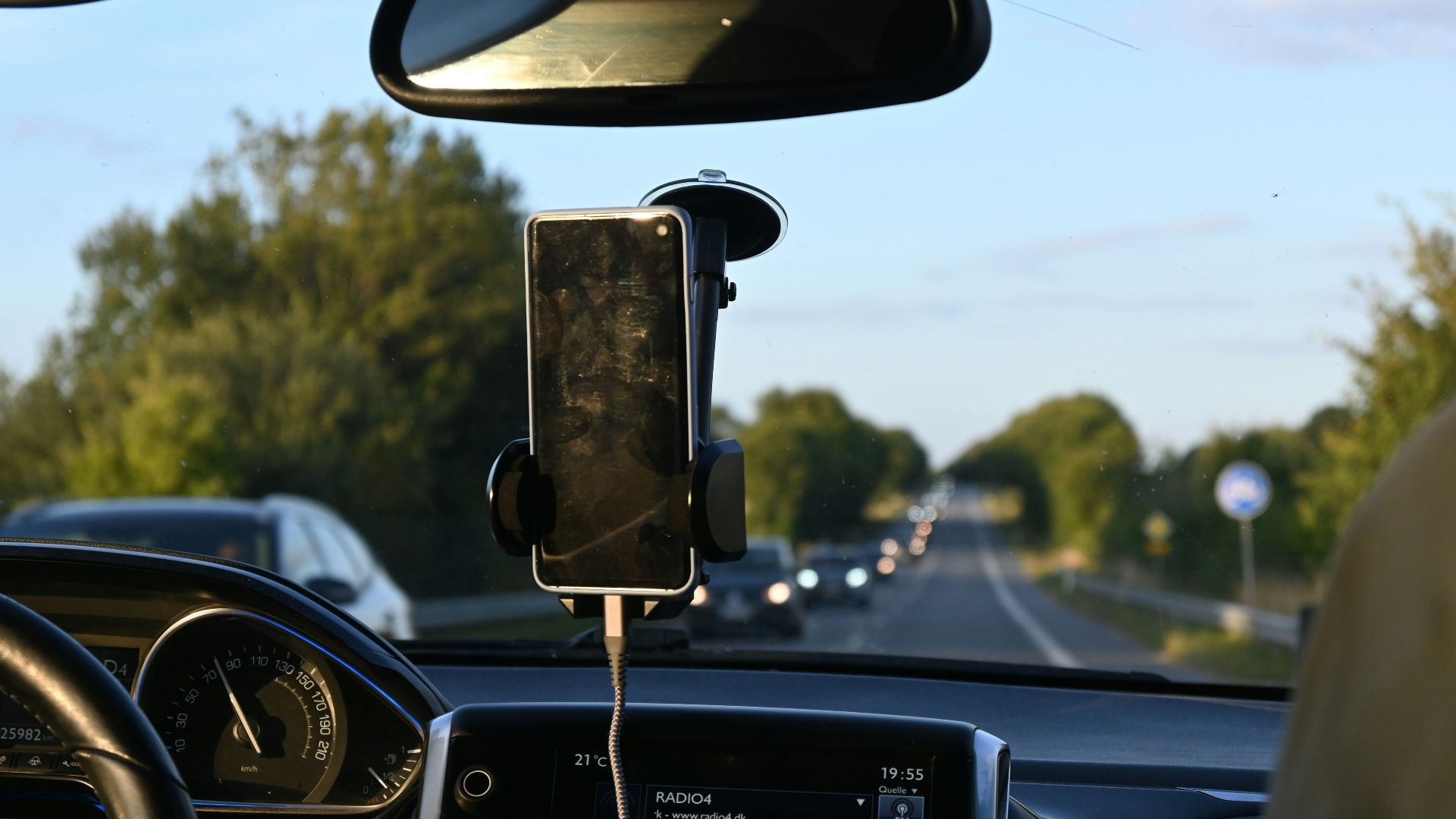
12. Pack The Right Chargers
Phones carry a lot of the trip now, from maps and music to hotel details and emergency calls. Bring the cables you actually need, a working car adapter, and a charged power bank for backup.
13. Download Maps Beforehand
Cell service can disappear at any point, especially if you're in an isolated area. It's crucial that you download your necessary maps before heading out. Saving fuel stops, hotels, and restaurants can also spare anyone from having to look for options later.
14. Pick Your Entertainment
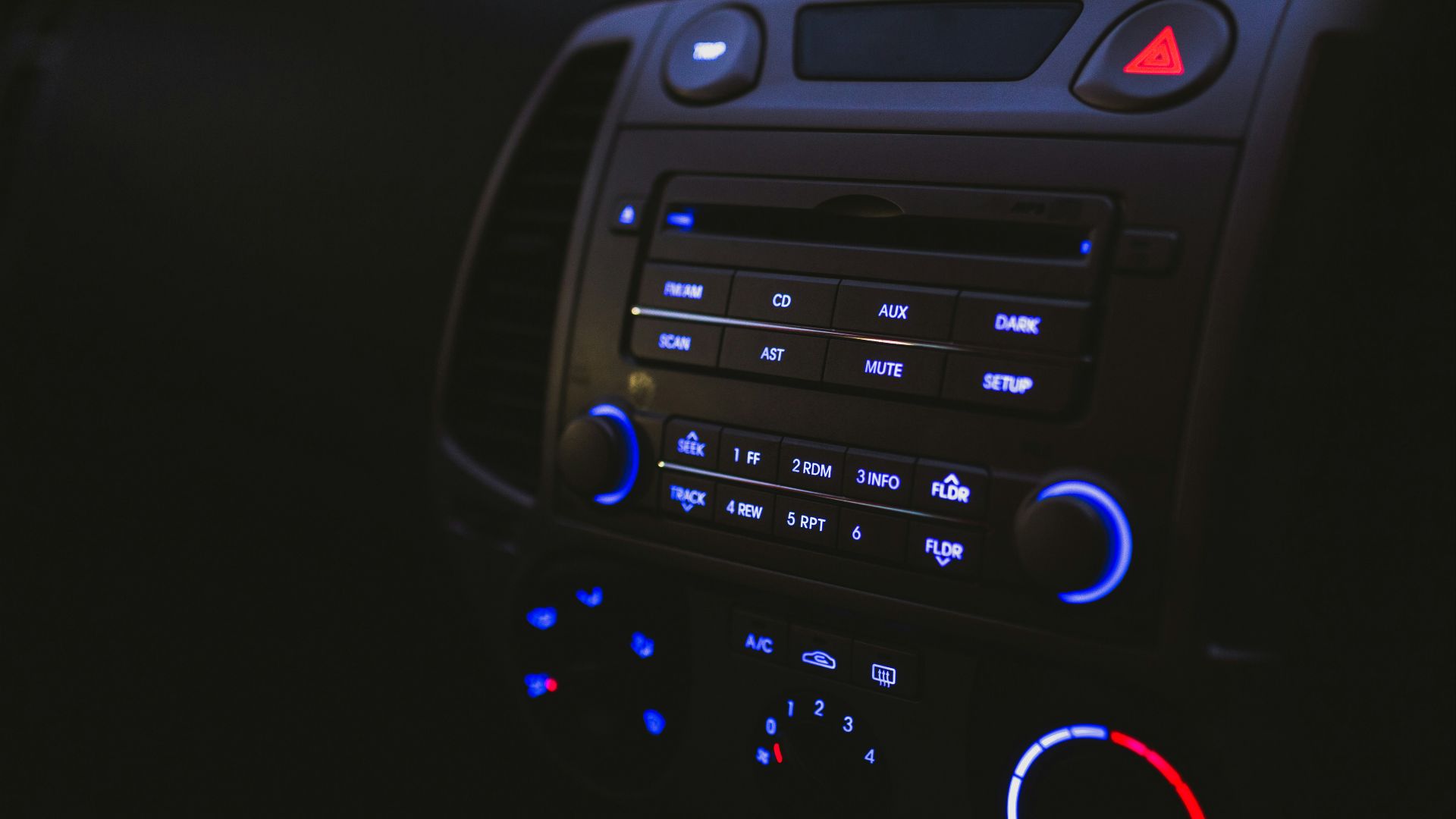
A playlist, podcast queue, or audiobook can make the miles pass way easier. Set it up before driving so nobody is scrolling through a phone or jabbing at the screen in fast traffic. This is especially helpful when the trip involves kids, older relatives, or two adults with polarizing musical tastes.
15. Keep The Cabin Clean
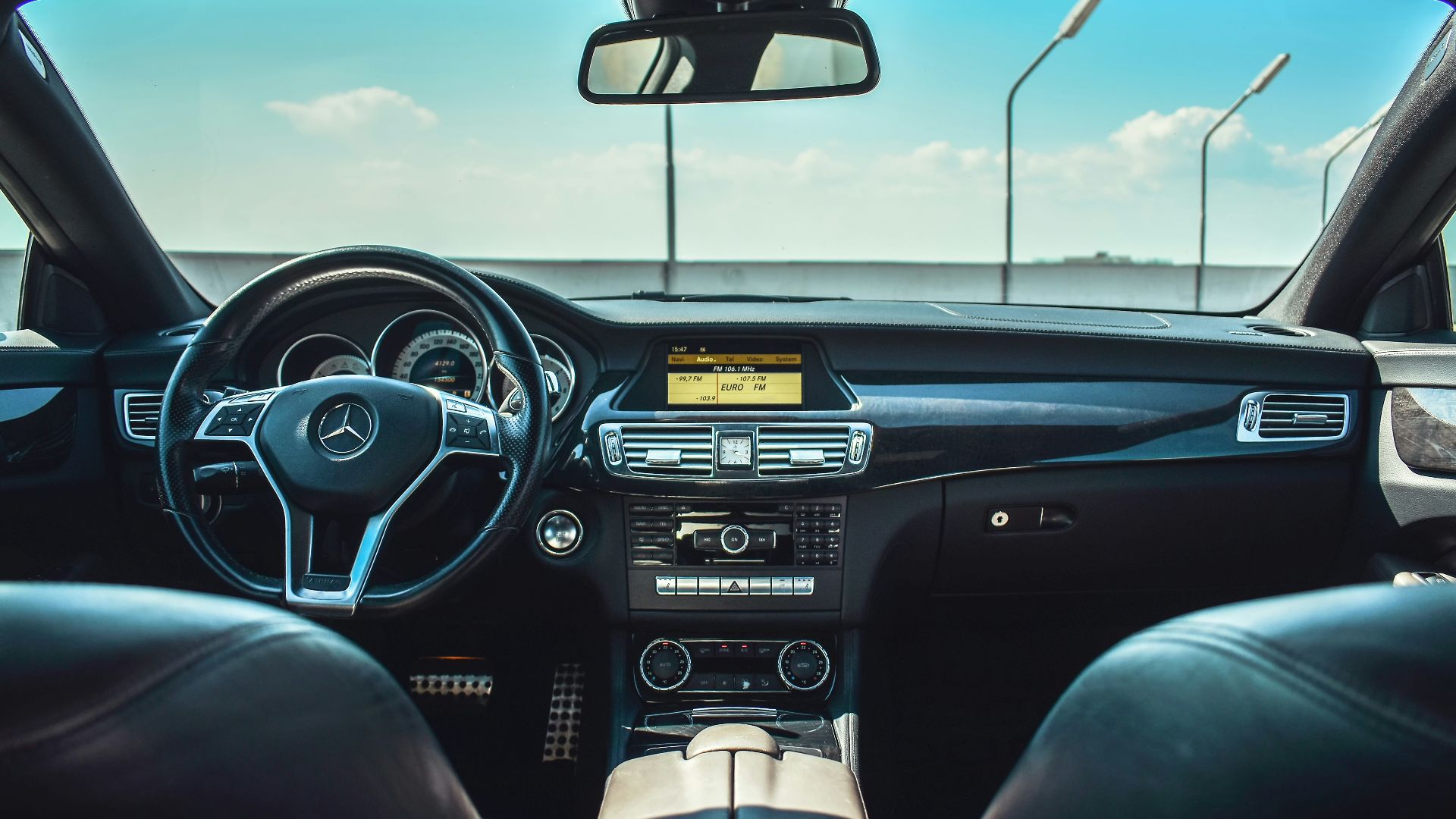
The inside of the car matters more after the first hundred miles. Sunglasses, layers, a trash bag, napkins, and a little open space can make the cabin feel easier to live in. A packed floorboard and loose wrappers don't add positivity to the space.
16. Load Luggage Smartly And Safely
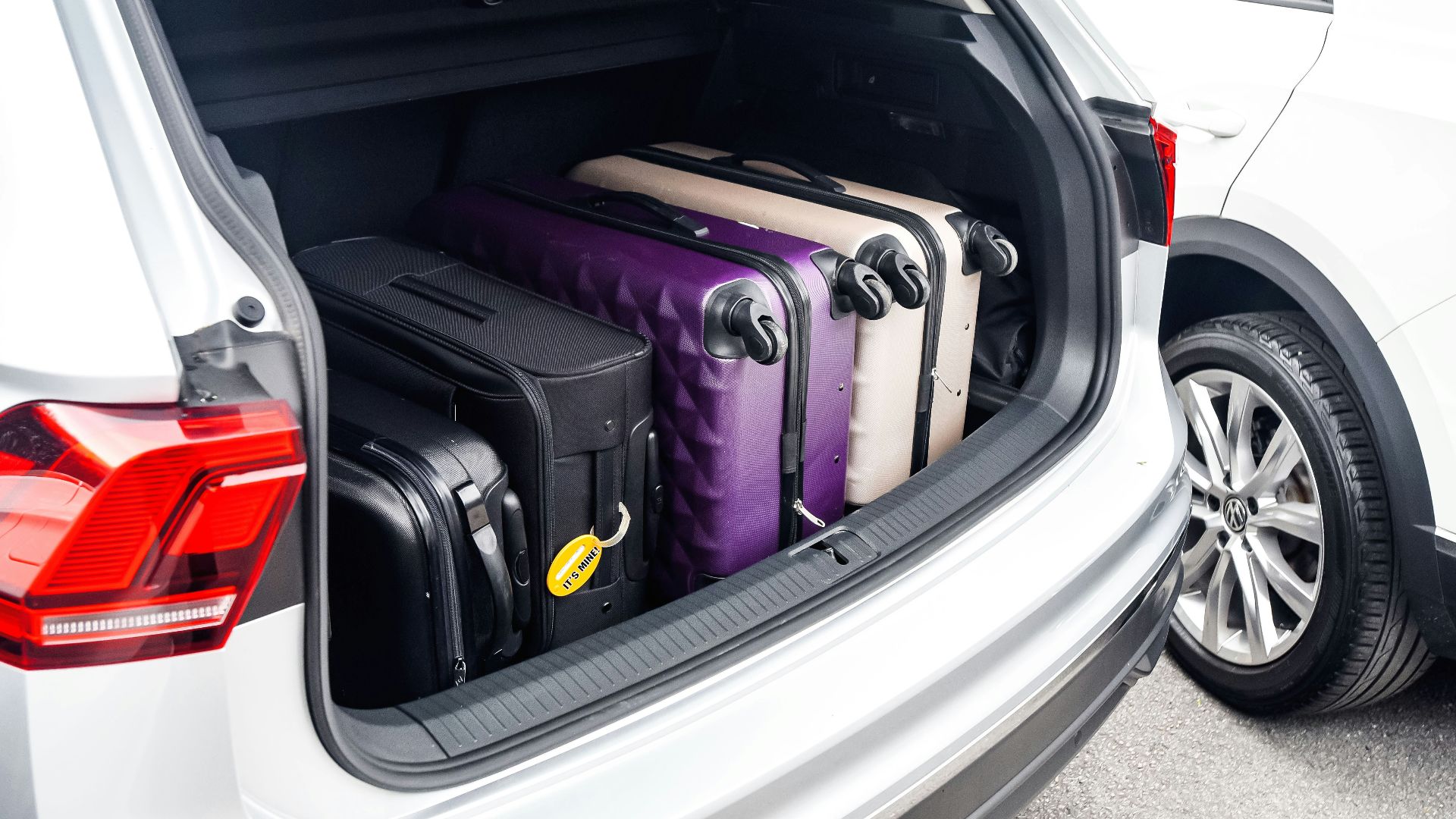
This is where your Tetris skills come in handy. Keep luggage secured out of the driver's sightlines. Put heavier bags on the bottom, and secure loose items so they're not sliding around. Most importantly, keep the items you'll need during your drive in a reachable area.
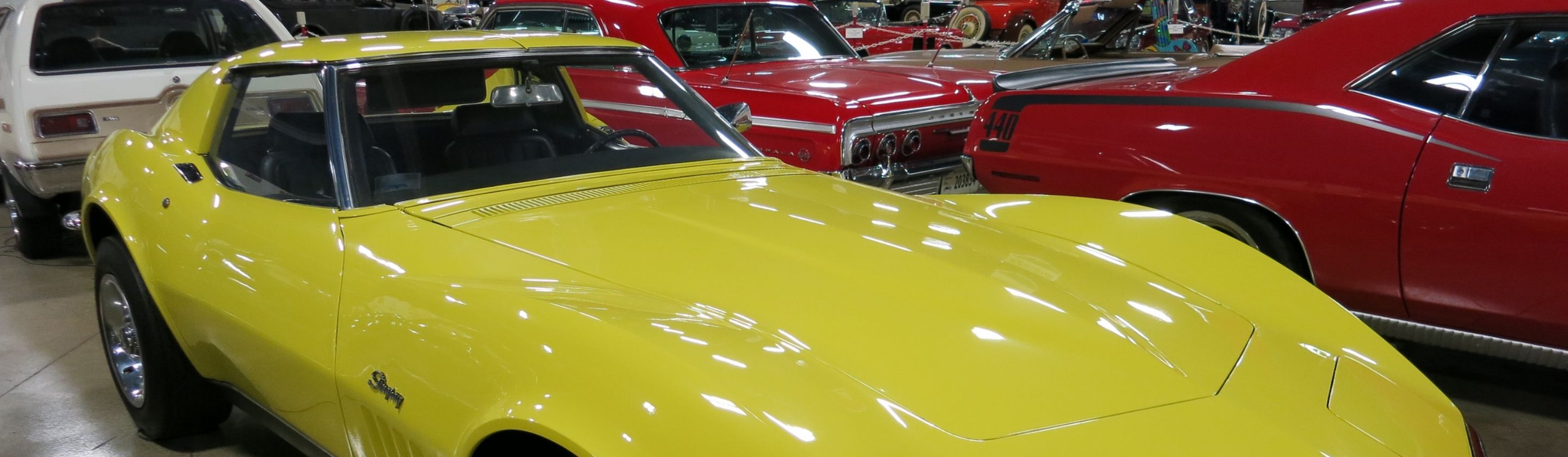
 Swansway Motor Group on Unsplash
17. Drive With Care
A smooth driver makes the trip feel less tense. Sudden braking, sharp acceleration, and constant lane changes wear on passengers and can burn extra fuel. Holding a pace usually feels better than trying to make up a few minutes between exits.

18. Leave Space Ahead
Highway speed leaves less time to react when traffic changes. Give yourself extra room behind the vehicle ahead of you. More space ahead makes sudden slowdowns easier to handle and keeps the drive from feeling so jumpy.

19. Know Your Driver-Assist Features
Modern driver-assist features can help on a long highway drive, but they aren’t a substitute for paying attention. Cruise control, lane assistance, blind-spot alerts, and automatic braking systems are common in cars. However, they have their limits. Learn what's useful for you before hitting the highway.
20. Have A Backup Plan
A long drive goes better when there’s room for the day to go sideways. Weather can shift, traffic can stall, kids can get restless, pets can need extra stops, and drivers can get tired sooner than planned. Knowing where you could stop, reroute, or call it a night takes plenty of the pressure off.