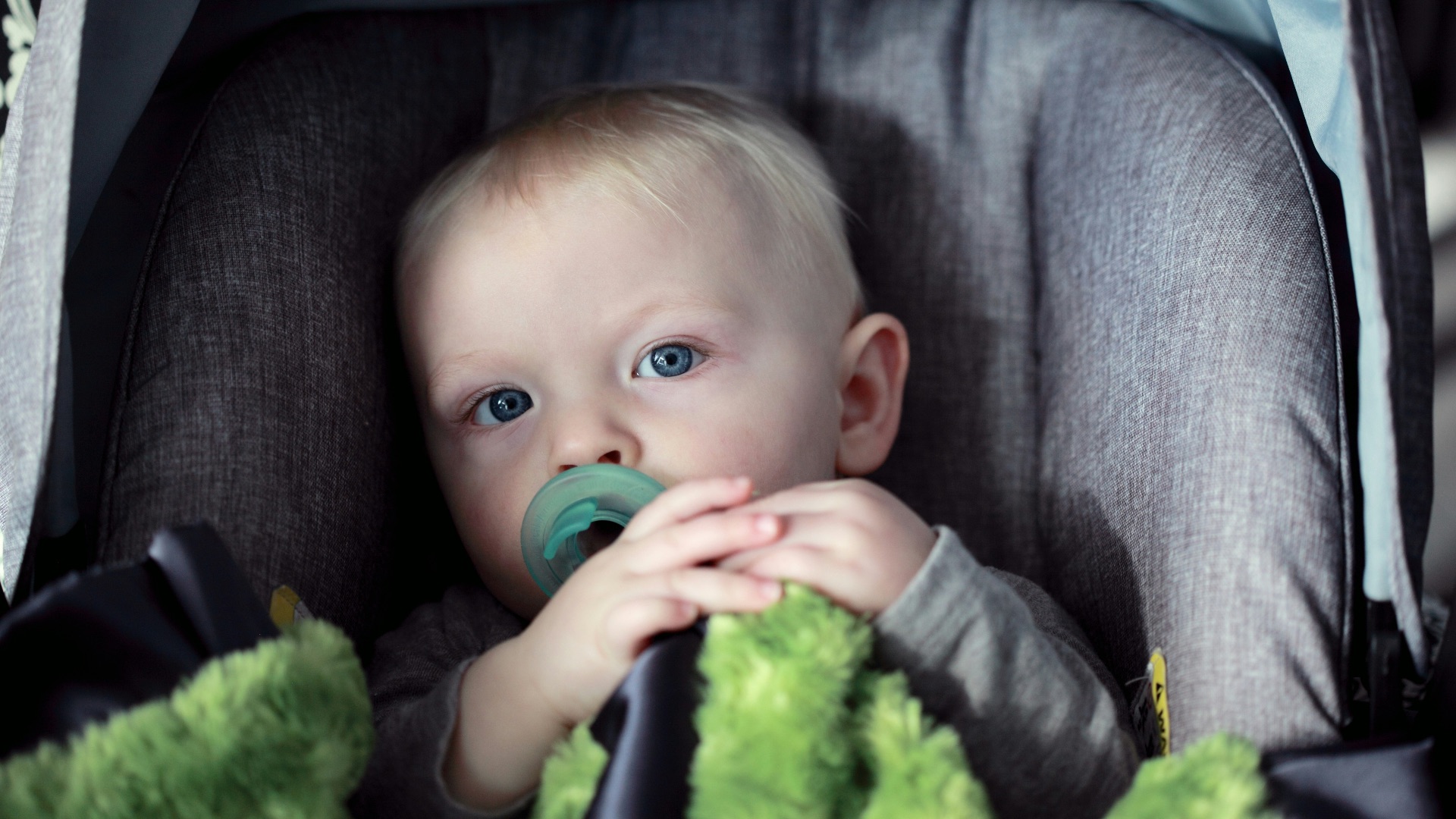
Becoming a parent changes just about everything, including how you think about driving. What once felt like a routine task now carries a lot more weight when you've got a little one in the backseat, and it's completely normal to feel a bit more cautious behind the wheel than you used to.
The good news is that safe driving as a parent is less about instinct and more about preparation. By understanding the right techniques and habits, you can make every car ride as safe as possible for both you and your child. Whether you're heading to a doctor's appointment or running errands across town, these tips will help you feel more confident every time you get in the car.
Getting the Car Seat Right from the Start
One of the most important things you can do as a new parent is make sure your child's car seat is installed correctly. Studies have found that a significant number of car seats are actually used incorrectly, which can seriously reduce their effectiveness in a crash. If you're unsure whether yours is installed properly, many local fire stations and police departments offer free car seat inspections.
You'll also want to pay attention to which type of car seat is appropriate for your child's age, height, and weight. Infants should always ride rear-facing until they outgrow the weight or height limit of their seat, as this position provides the best protection for their head, neck, and spine. The American Academy of Pediatrics recommends keeping children rear-facing for as long as possible before transitioning to a forward-facing seat with a harness.
Once your child has outgrown a forward-facing harness, they'll move to a booster seat, and eventually to just a seat belt when they're ready. It's worth knowing that most children aren't ready for a seat belt alone until they're between 8 and 12 years old and at least 4 feet 9 inches tall. Rushing through these stages too quickly puts your child at greater risk, so always follow the manufacturer's guidelines and your state's car seat laws.
Minimizing Distractions While You're on the Road
Distracted driving is one of the leading causes of accidents, and the risk doesn't disappear just because you're a cautious driver. Babies and toddlers can be unpredictable passengers: they cry, drop toys, and demand attention at the worst possible moments. It's important to resist the urge to reach back or turn around while the car is moving, no matter how persistent your child is being.
If your child is upset, the safest thing you can do is pull over in a safe location and attend to them before continuing the drive. Trying to soothe a crying baby while navigating traffic is far more dangerous than taking a few extra minutes on the side of the road. Planning ahead can also help: make sure your child is fed, comfortable, and has everything they need before you even start the car.
It's also a good idea to set up your GPS, music, and mirrors before you begin driving so you're not fumbling with anything once you're on the road. Keeping a small bag of toys or snacks within your child's reach can help keep them entertained without requiring your involvement. The less you need to manage while driving, the better your focus will be on the road ahead.
Adjusting Your Driving Habits for Added Safety
Becoming a parent is a good opportunity to take stock of your driving habits and make some adjustments if needed. This means following speed limits consistently, maintaining a safe following distance, and avoiding any aggressive driving behaviors like sudden braking or sharp lane changes. Children are more vulnerable to the forces of a crash than adults, so smooth and controlled driving matters more than ever.
Weather conditions also deserve more attention when you're driving with a child on board. Rain, snow, and fog all increase stopping distances and reduce visibility, so you'll want to slow down and increase your following distance accordingly. If conditions are particularly bad, it's worth asking yourself whether the trip is necessary or whether it can wait until it's safer to travel.
Finally, make it a habit to do a quick safety check before every drive. This includes checking that your child is properly buckled in, that no items are loose in the car that could become projectiles in a sudden stop, and that your mirrors are correctly adjusted. Keeping your vehicle well-maintained, including checking tire pressure and ensuring your brakes are in good condition, is just as important as anything you do while you're actually driving. A little preparation goes a long way toward making every journey a safe one.