
You don’t have to be a “car lover” to understand the understated appeal of your tiny, mobile living room. For a lot of drivers, the car is where coffee gets finished, calls get handled, playlists are played, and a few quiet minutes in the driveway can feel like a tiny act of self-preservation. The cabin becomes familiar, lived-in, another place where you can be yourself.
It’s not surprising, really. That feeling makes sense when you look at how much of daily life passes through a vehicle. Commutes, errands, school pickups, road trips, and those little pauses between obligations all happen in the same seat. After a while, the cupholder, charger, sunglasses, and jacket in the back feel like a part of your routine.
How They’re A Part Of Our Day
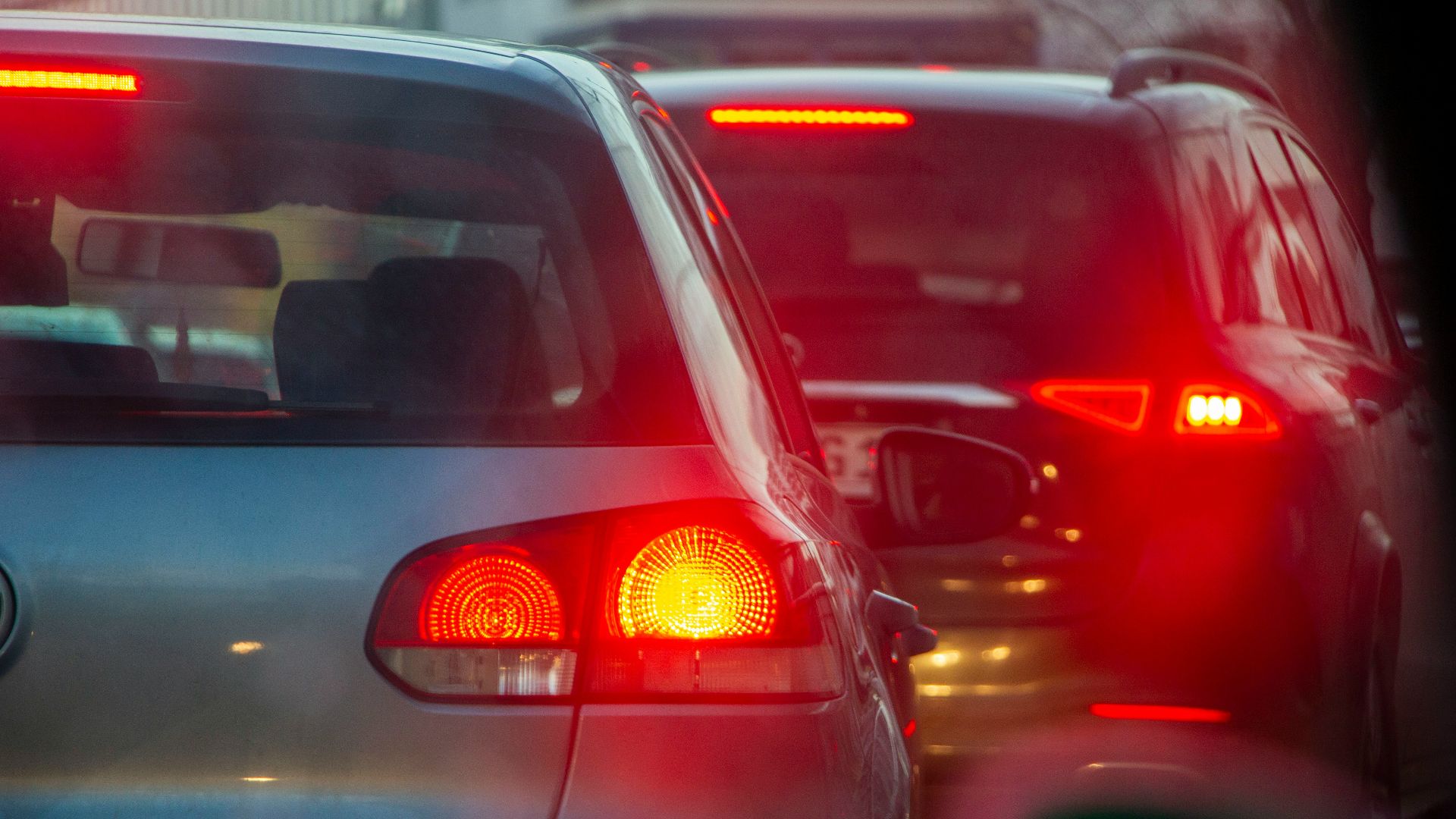
The easiest reason people treat their cars like second homes is time. According to the AAA Foundation for Traffic Safety’s 2023 American Driving Survey, U.S. drivers averaged 2.43 driving trips per day and spent 60.7 minutes behind the wheel daily in 2023. The same report estimated 229 billion driving trips, 95 billion hours of driving, and 2.74 trillion miles driven nationally that year.
That much time in one place changes the way a vehicle feels. You learn exactly where the good travel mug fits, which vent angle works best, and how the seat should feel before you even leave the neighborhood.
Commuting makes that connection even stronger. The U.S. Census Bureau reported that the mean one-way travel time to work in 2024 was 27.2 minutes, and 69.2% of workers drove alone to work. For many people, that means nearly half an hour in the same private cabin before the workday has even started.
For some drivers, the car becomes the place where the day gets mentally sorted. The morning drive can work like a quiet planning session, while the ride home can soften the jump from work mode to home mode. Even when the drive is boring, the cabin gives people a known space to think, listen, and shift gears - if you’ll excuse the pun.
Privacy
The second-home feeling isn’t only about driving. Sometimes, it’s about sitting still. The Associated Press has reported on the habit of sitting in a parked car before going inside, describing it as a brief reset between parts of the day.
That little pause can matter more than it looks from the outside. A parked car might be the only place where nobody is asking a question, assigning a task, or waiting for an answer. The house may be a few steps away, but those few minutes can give someone room to finish a song, send a text, and breathe.
In that Associated Press story, psychologist Thuy-vy Nguyen of Durham University described the car as an “in-between space.” The article also noted that the car is an environment people can control, from the temperature to the music. That part feels very familiar, because control is a big piece of why a car can feel comforting. Inside a car, the driver gets to choose the seat position, the sound, the route, and who comes along. That may sound small, but small things count when the rest of the day is shared, loud, or constantly interrupted. A car door closes, the outside noise drops a little, and suddenly the world feels more manageable.
Modern cars have leaned into that comfort, too. McKinsey has noted that connected-car features can fall into categories including safety and security, comfort, autonomous driving, performance, infotainment, and assistant services. Even in a modest vehicle, phone integration, climate settings, audio systems, and familiar controls can make the cabin feel personal in a way older, bare-bones cars often didn’t.
Your Bits And Bobs
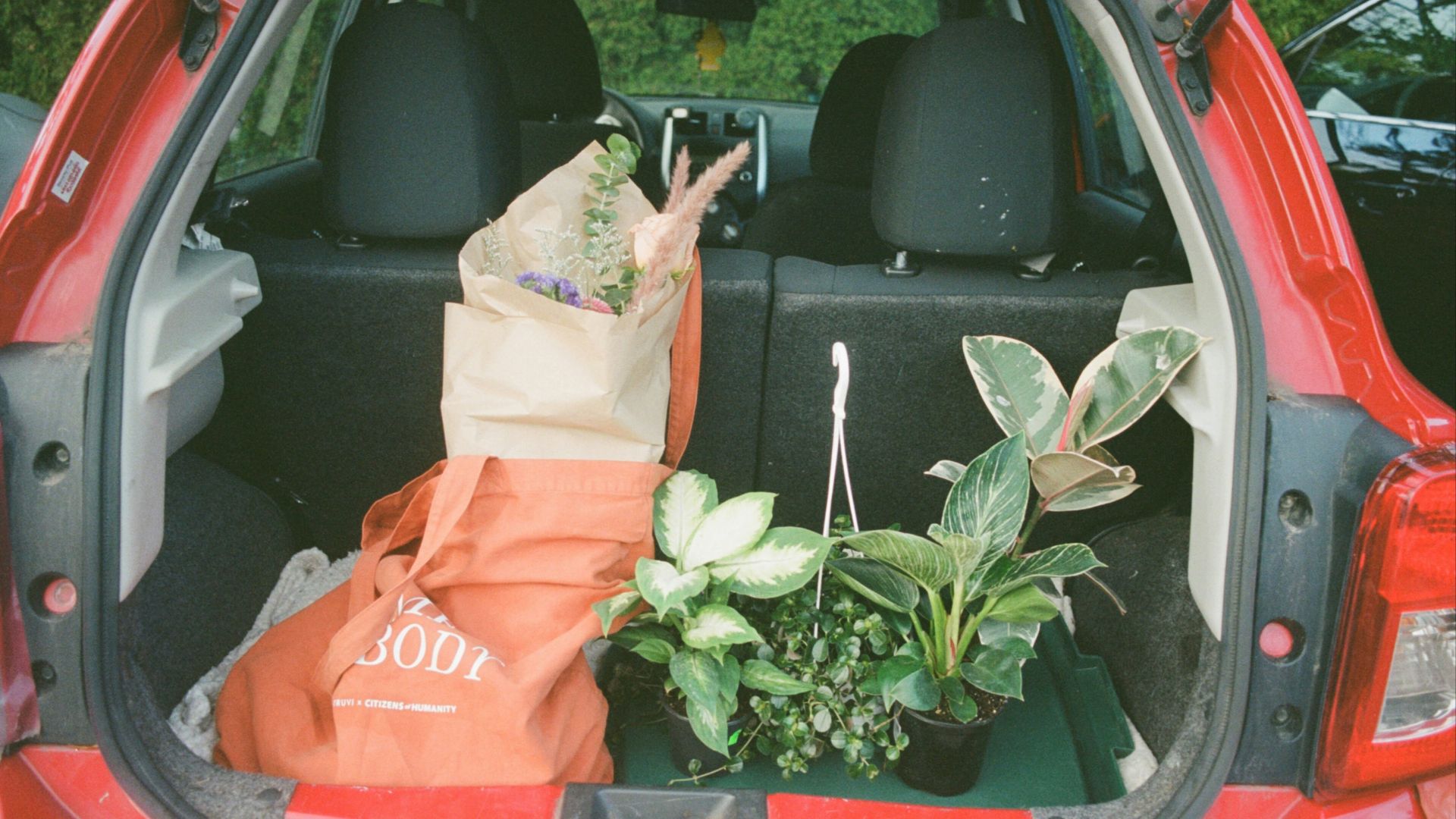
A car that works like a second home usually looks like it, at least a little. You’ve got way too many reusable bags in the trunk, napkins in the glovebox, a spare hoodie in the back seat, a charger in the console, and a water bottle rolling around somewhere it shouldn’t. It’s not always pretty, but at least it’s honest.
For many households, the car turns into a rolling storage system because the day demands it. The 2022 National Household Travel Survey reported that the average daily mileage in a one-vehicle household is about 50 miles. In a two-vehicle household, the first vehicle averages nearly 60 miles per day.
Those miles often connect several different jobs in one loop. A single vehicle might handle school drop-off, a commute, groceries, a pharmacy stop, a gym bag, and takeout before it finally lands back in the driveway. When a car supports that many pieces of ordinary life, it makes sense that ordinary-life gear starts living there, too.
There’s also an emotional side to all of this, even when the car isn’t rare, expensive, or especially exciting. A vehicle can hold the memory of a first solo drive, a long road trip, a rough week, or years of small errands that somehow add up. The familiar seat, worn armrest, and little scratch from a tight parking lot can become part of the car’s story.
That attachment doesn’t only belong to enthusiasts. Someone doesn’t need to know horsepower figures or engine codes to feel loyal to a car that has been reliable, comfortable, and familiar for years. Sometimes the bond comes from something much simpler: the car kept showing up and doing its job.