Glory And Warning Signs
Pontiac was once the fun one at General Motors, the division that made sensible corporate machinery feel a little louder, lower, and more alive. At its best, the brand understood attitude as well as horsepower. At its worst, it tried to fake personality with plastic cladding, rebadged Chevrolets, and names with all the romance of a rental-car confirmation number. GM announced in 2009 that Pontiac would be discontinued by the end of 2010, citing years of losses and too many models that overlapped with Chevrolet instead of giving buyers a clear reason to choose Pontiac. Here are 10 Pontiacs worth remembering, followed by 10 that help explain why the badge disappeared.
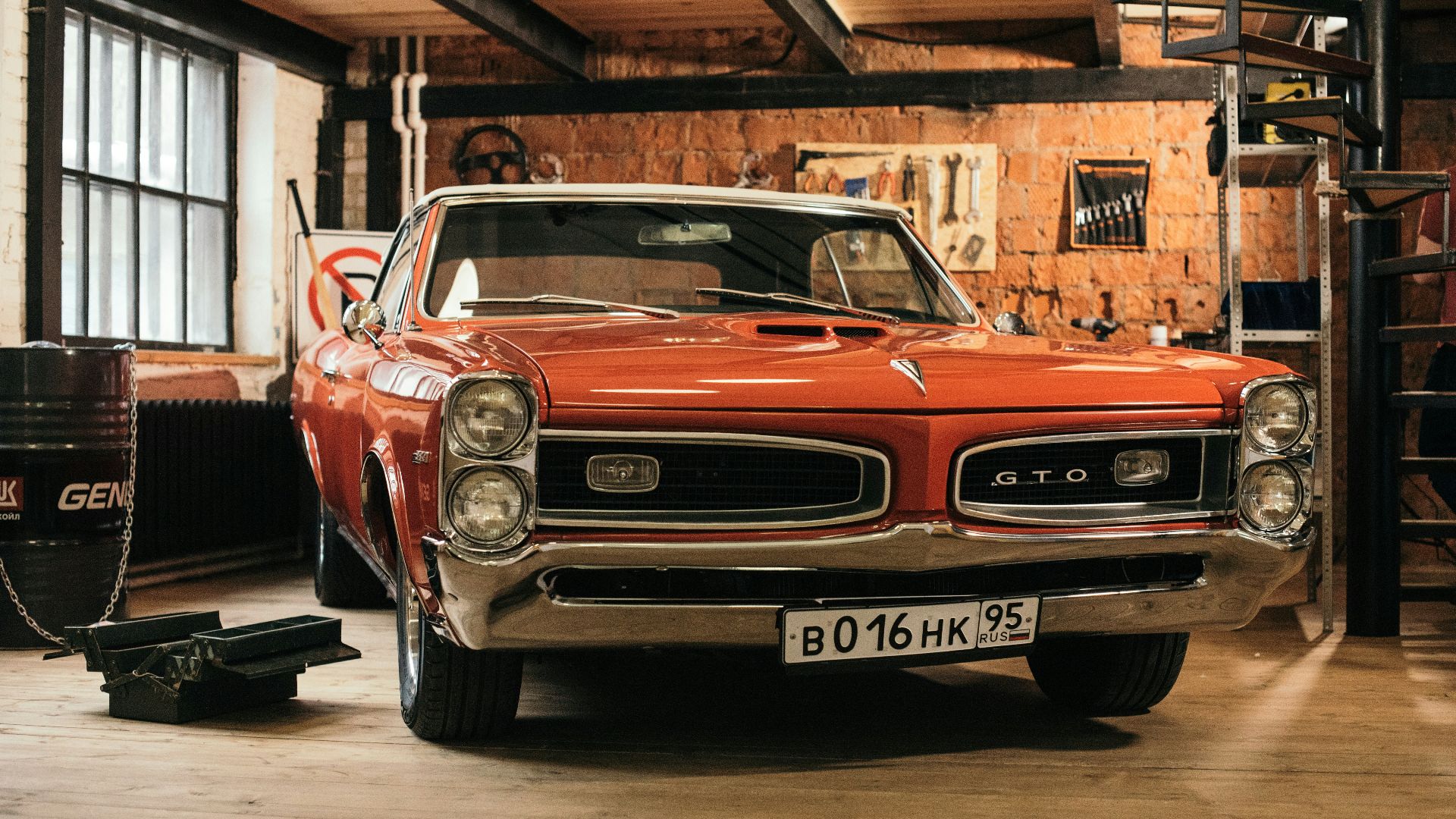
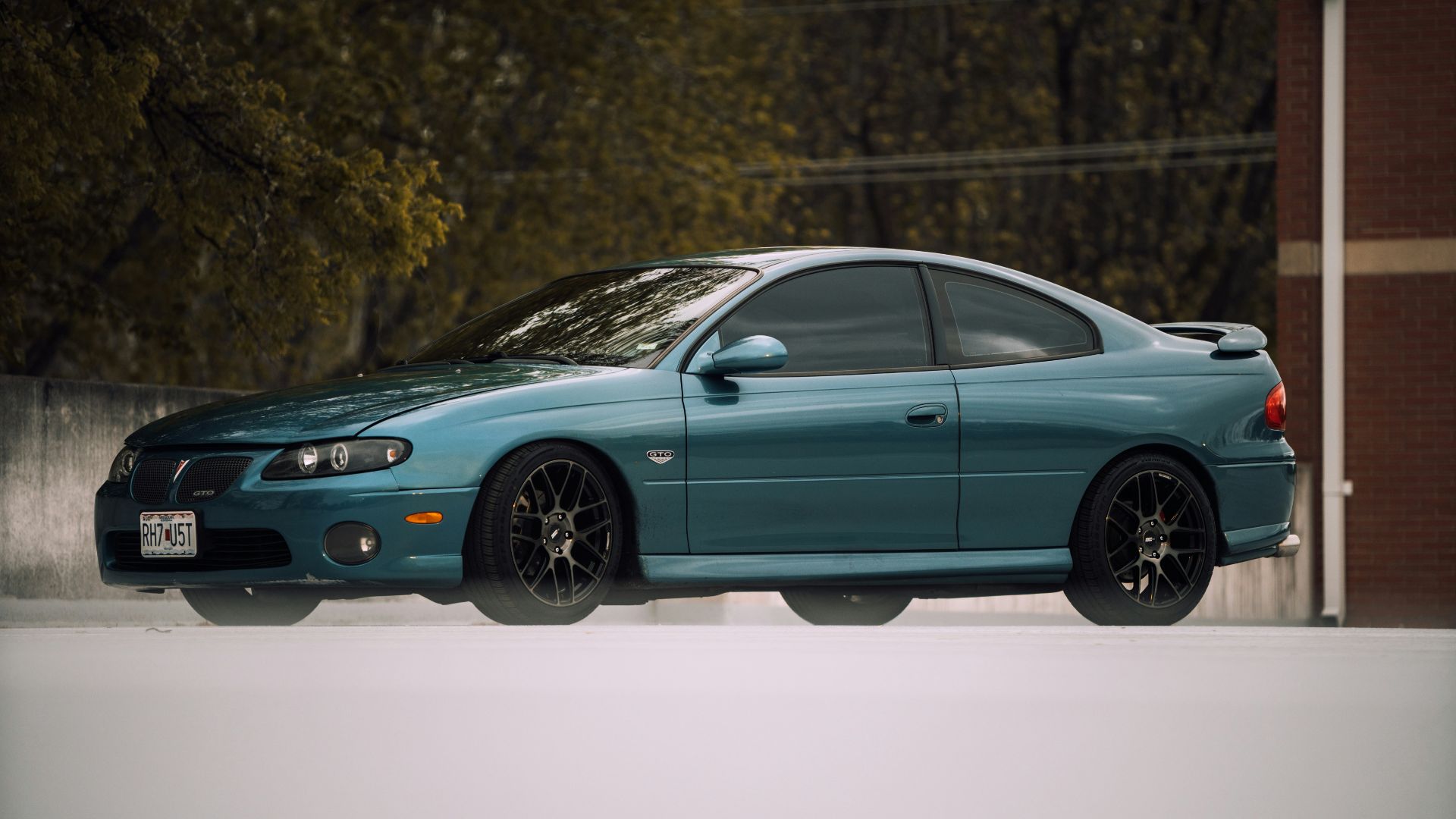
1. Pontiac GTO
The 1964 GTO is the car that made Pontiac feel dangerous in the best possible way. GM’s own heritage collection calls the Tempest LeMans GTO the car that started the muscle car era, with a 389-cubic-inch V8 and more attitude than a mid-size coupe had any right to carry.
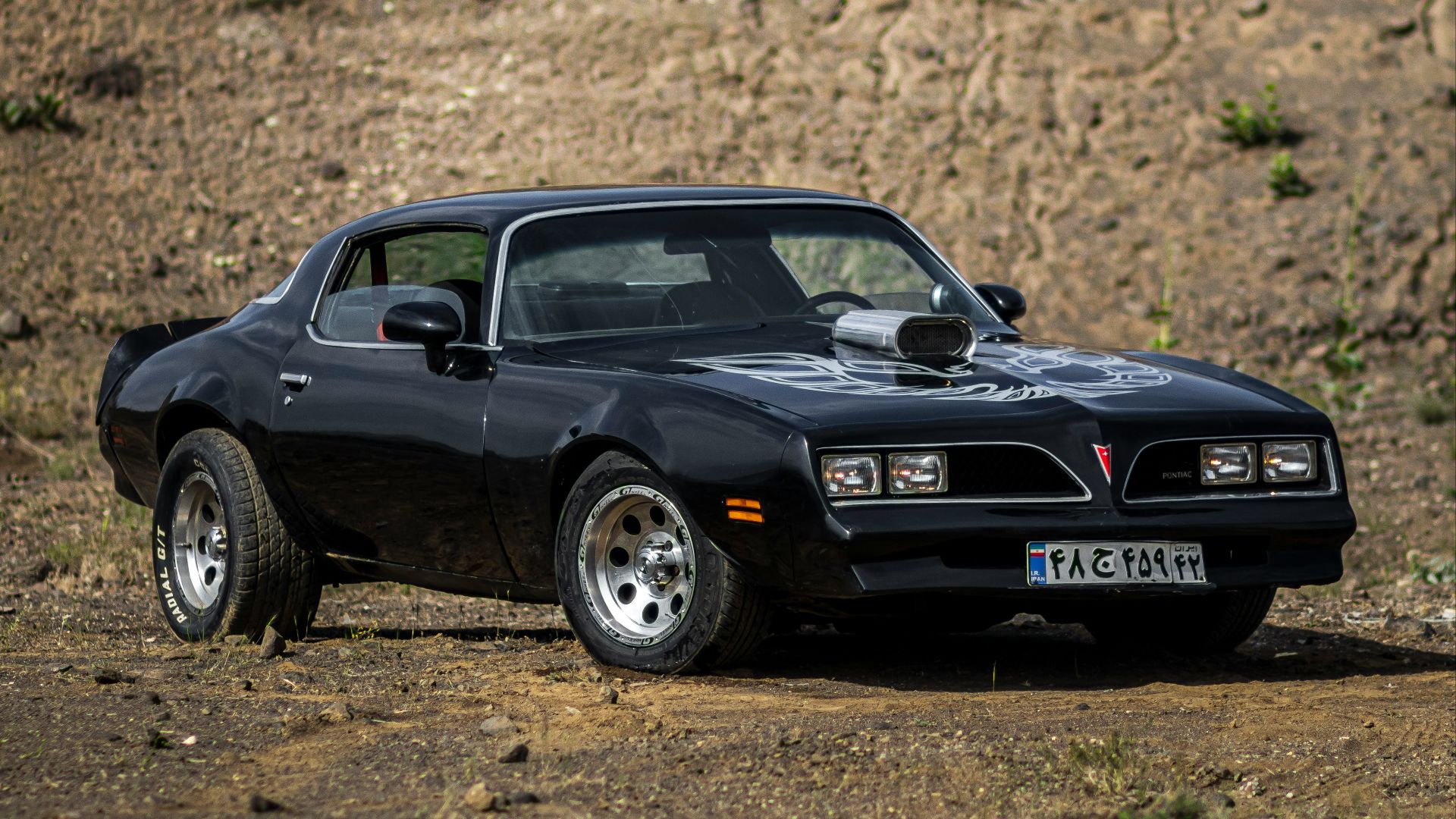
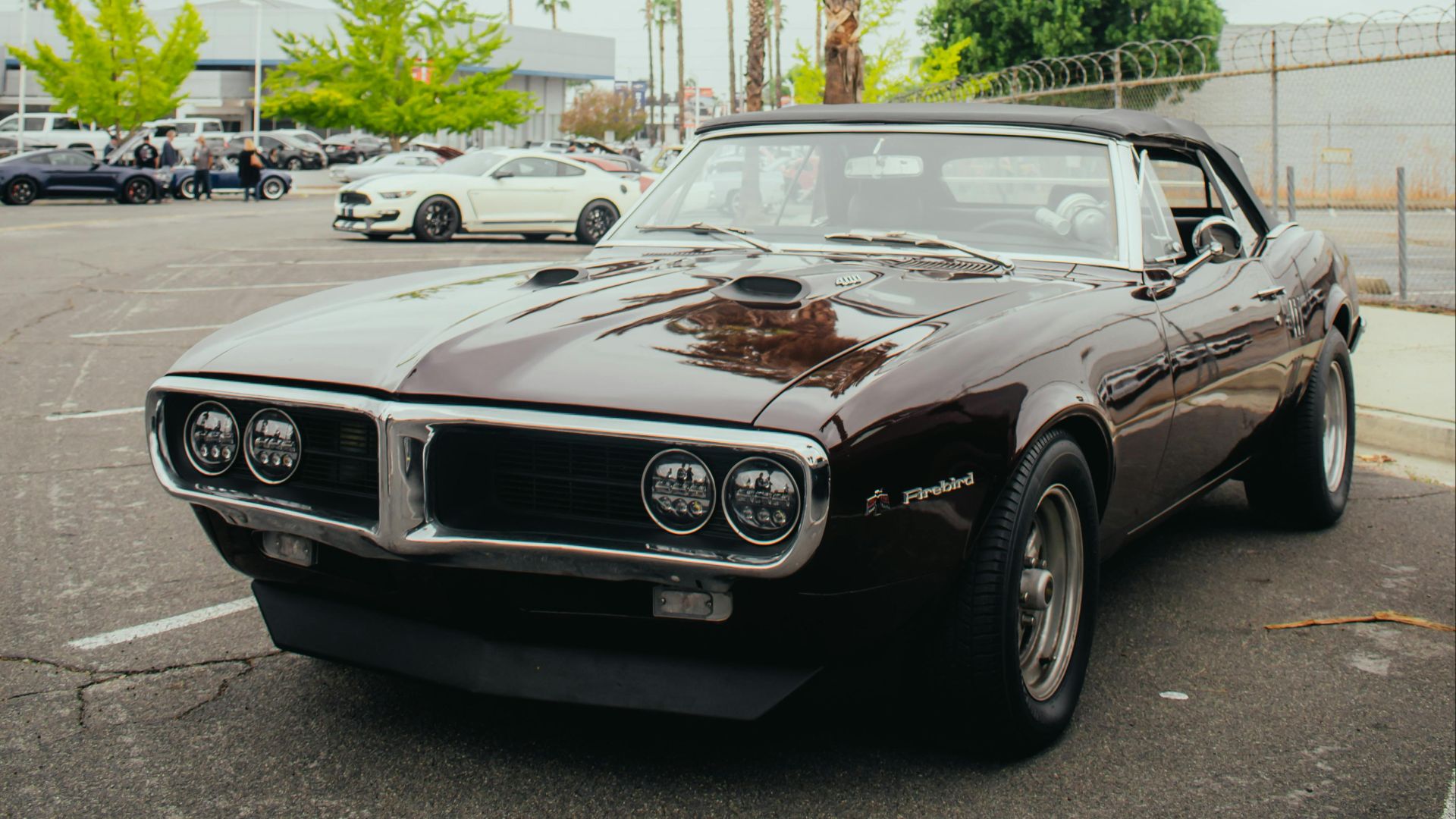
2. Pontiac Firebird Trans Am
The Trans Am was not subtle, and that was the whole point. Between the shaker hood, the screaming chicken, and the Smokey and the Bandit mythology, it turned Pontiac performance into something you could recognize from three blocks away.
 Amir Mohammad Kalaei on Unsplash
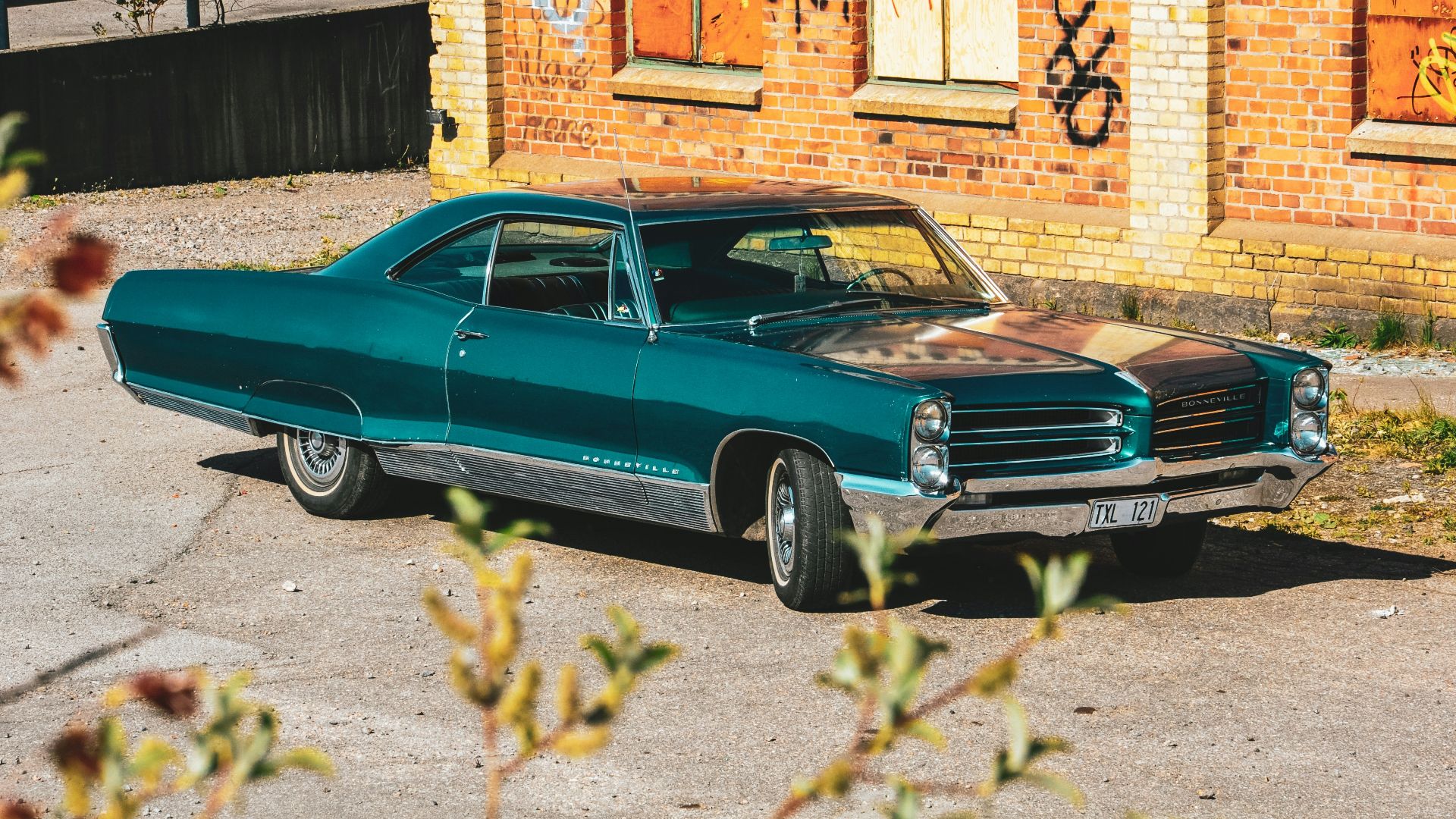
3. Pontiac Bonneville
The Bonneville gave Pontiac glamour before the brand became shorthand for tire smoke. It had the long, confident stance of a car built for wide roads, chrome reflections, and people who still dressed up to drive somewhere.
 Patrik Storm (Alstra Pictures) on Unsplash
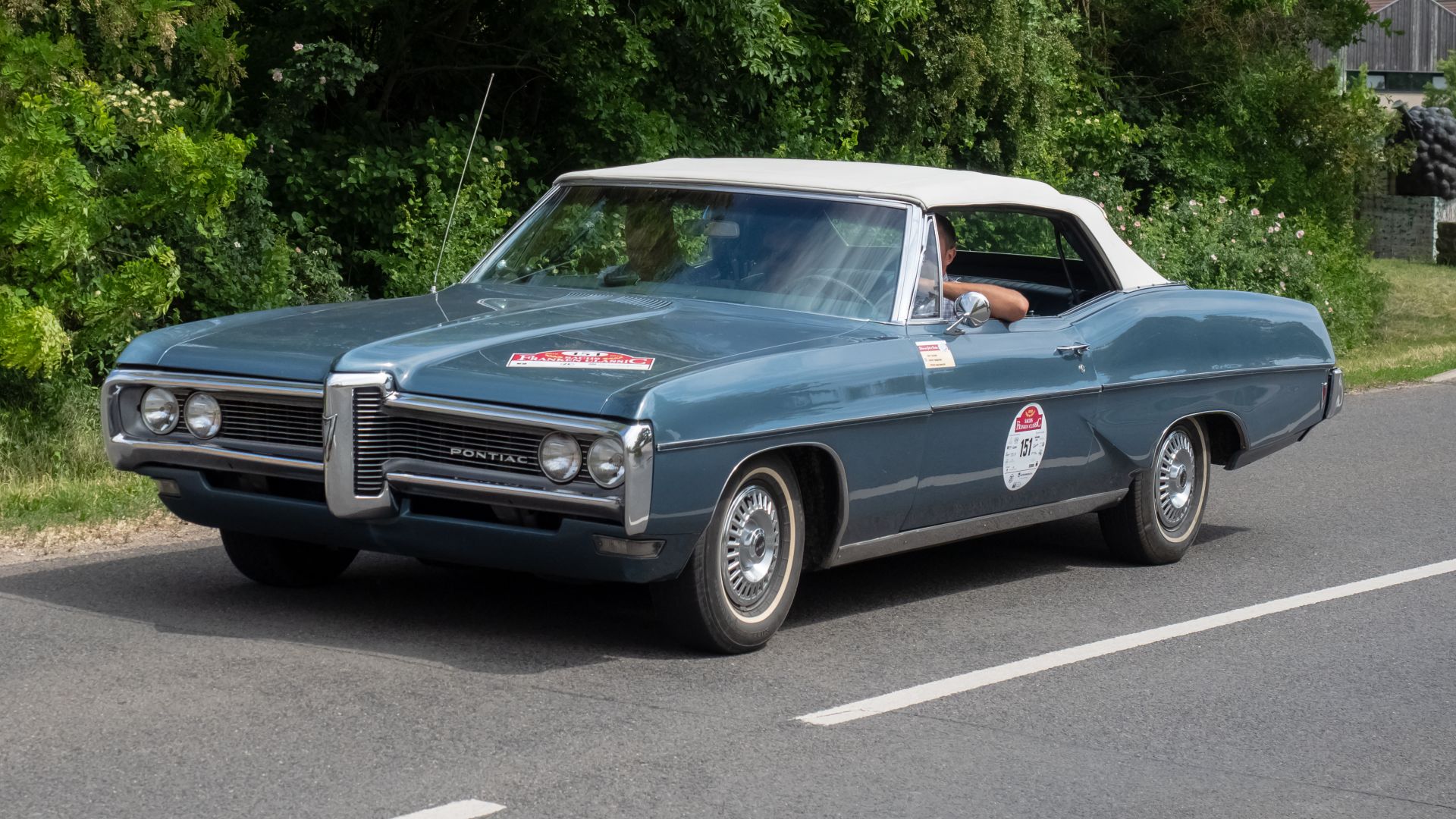
4. Pontiac Catalina 2+2
The Catalina 2+2 was big, handsome, and quietly mean. It proved Pontiac could make a full-size car feel like more than transportation, especially when a large V8 turned all that sheet metal into something with a pulse.
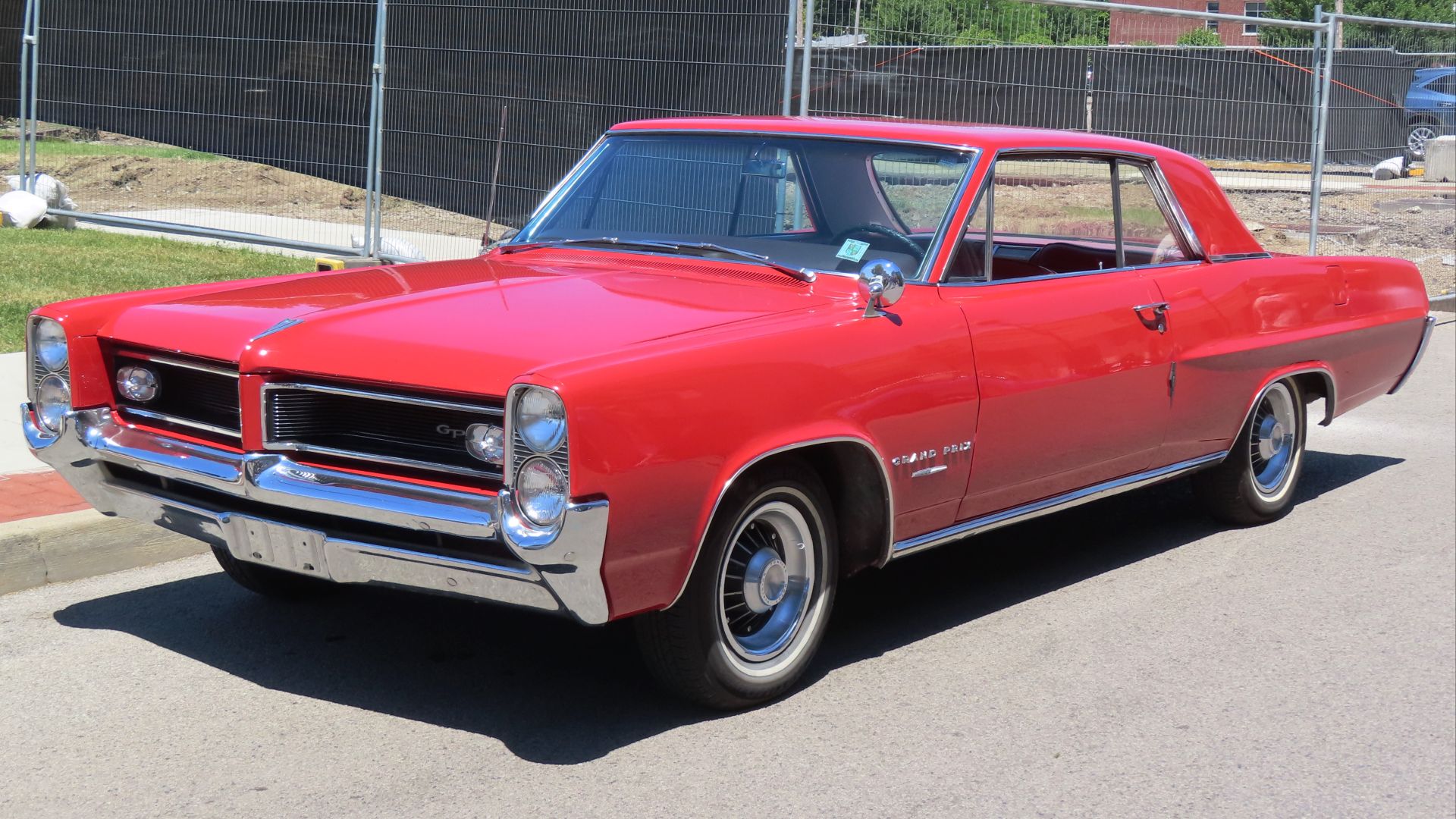
5. Pontiac Grand Prix
The Grand Prix was at its best when it felt personal, stylish, and just a little more special than a regular coupe. It had a way of making everyday luxury look muscular, which was exactly the lane Pontiac used to understand.
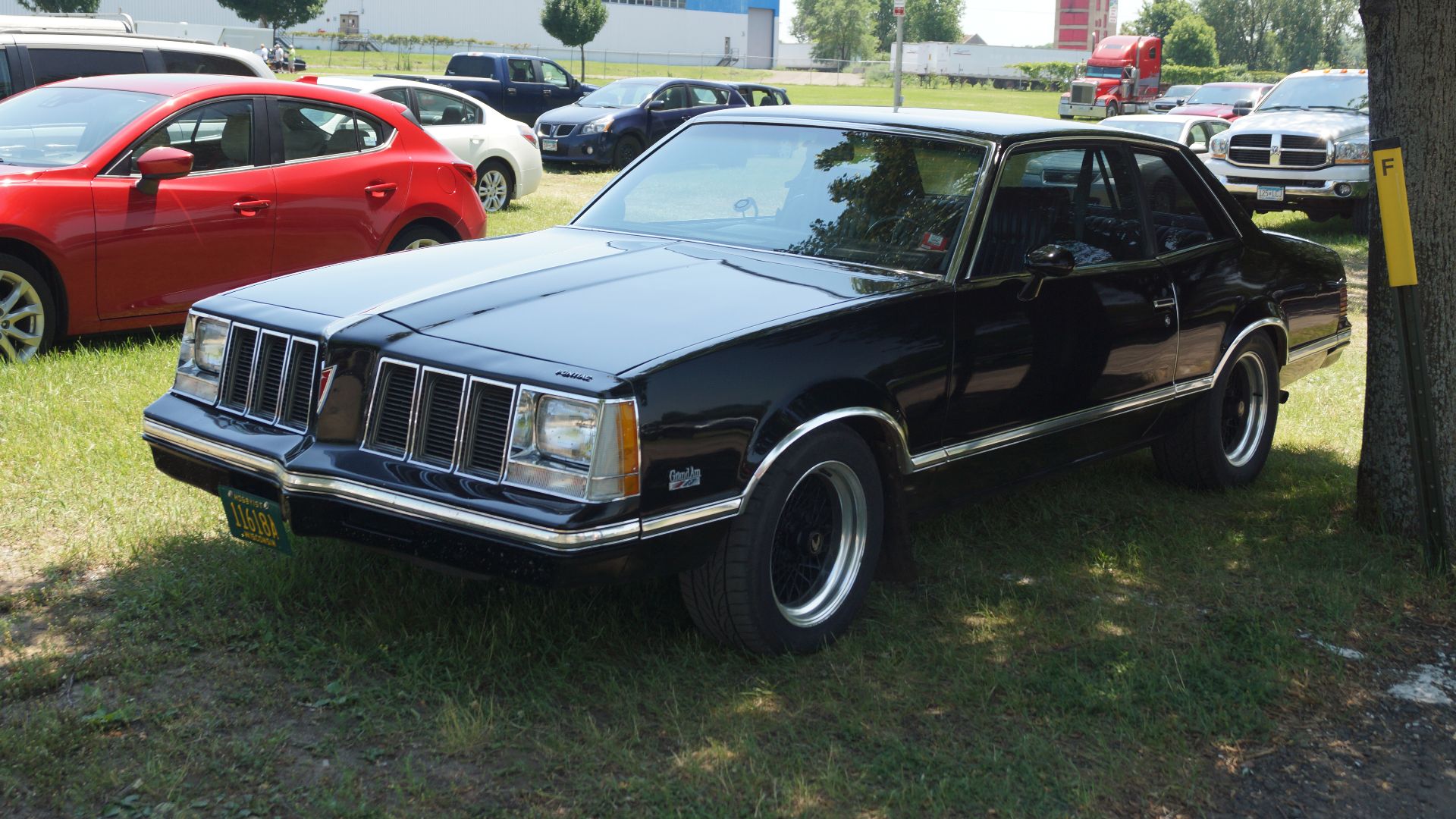
6. Pontiac Grand Am
The early Grand Am had a strange but memorable brief: European-flavored manners with American muscle-car bones. That mix did not always make perfect sense, but it gave the car a personality, which is more than many later Pontiacs could claim.
7. Pontiac Fiero
The Fiero was flawed, but it was never boring. A mid-engine, two-seat Pontiac sounded like someone had smuggled an interesting idea into GM, and even its problems helped make it more fascinating in hindsight.
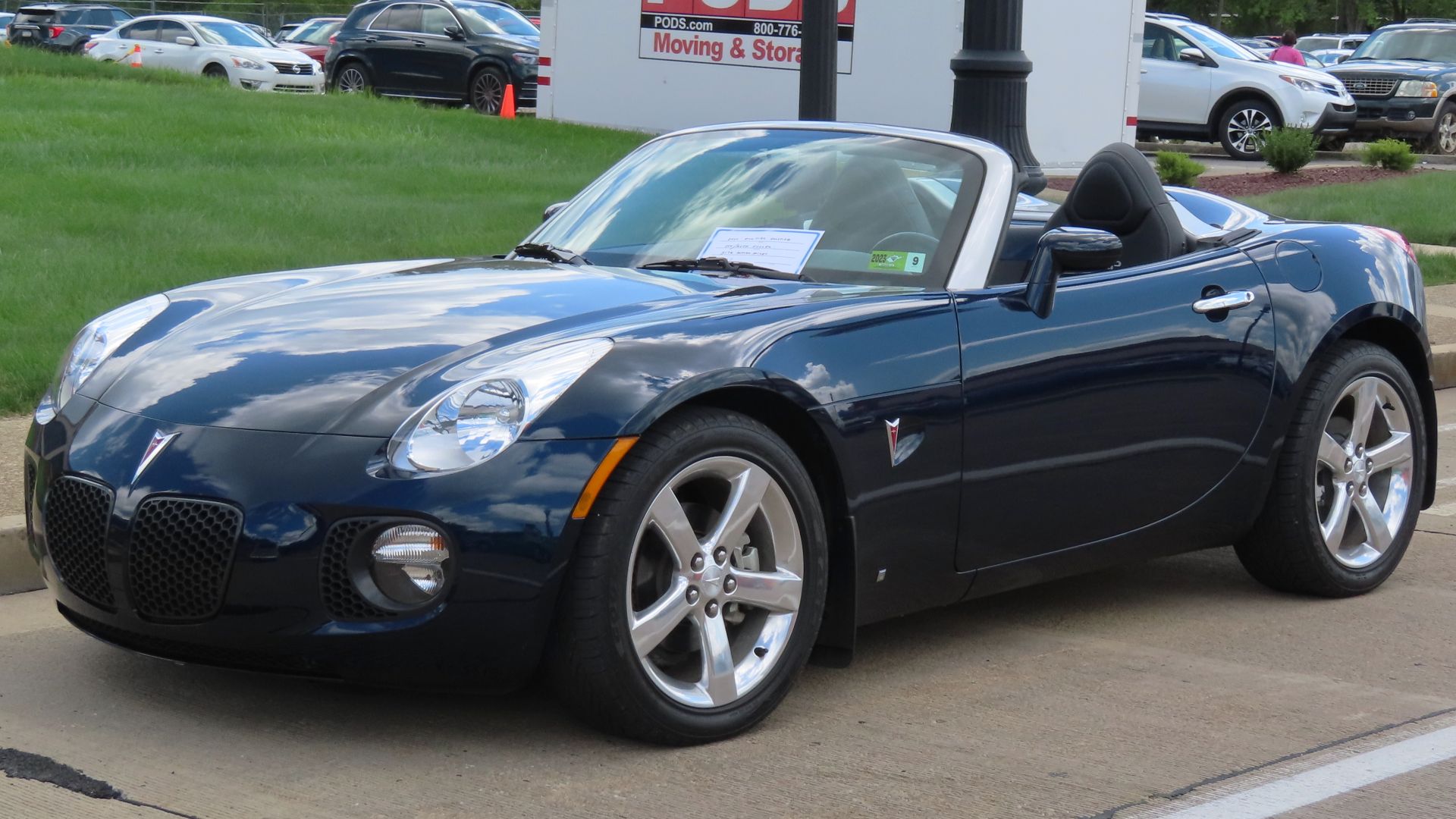
8. Pontiac Solstice
The Solstice arrived late, but it reminded people Pontiac could still build something pretty. It was small, low, and dramatic in a way that felt refreshing after years of sedans trying too hard to look aggressive.
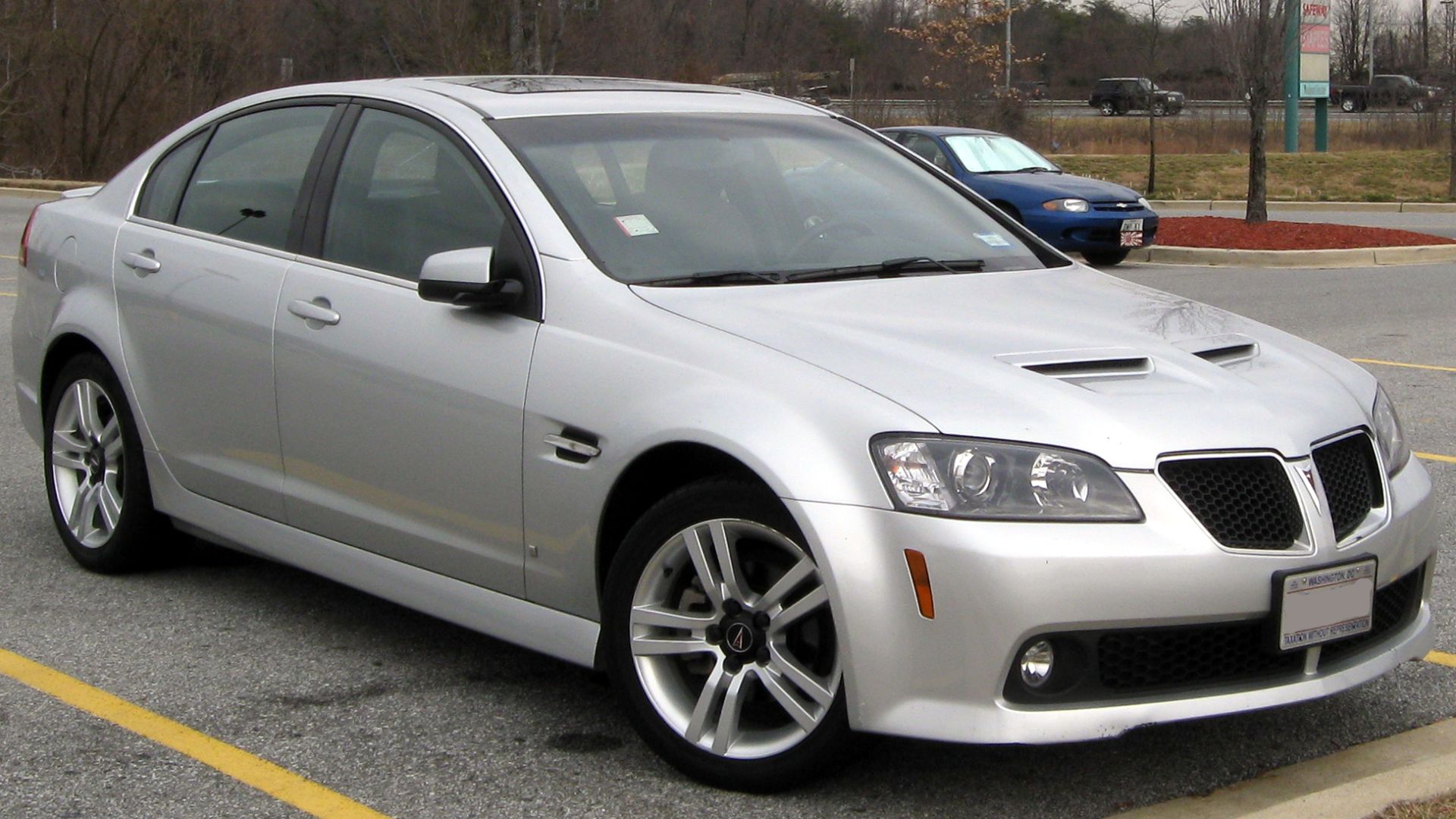
9. Pontiac G8
The G8 was the kind of car Pontiac should have been building all along: rear-wheel drive, muscular, and genuinely enjoyable. Edmunds called the 2009 G8 a sharp-handling performance sedan with muscle-car power and a major step forward for Pontiac interior quality.
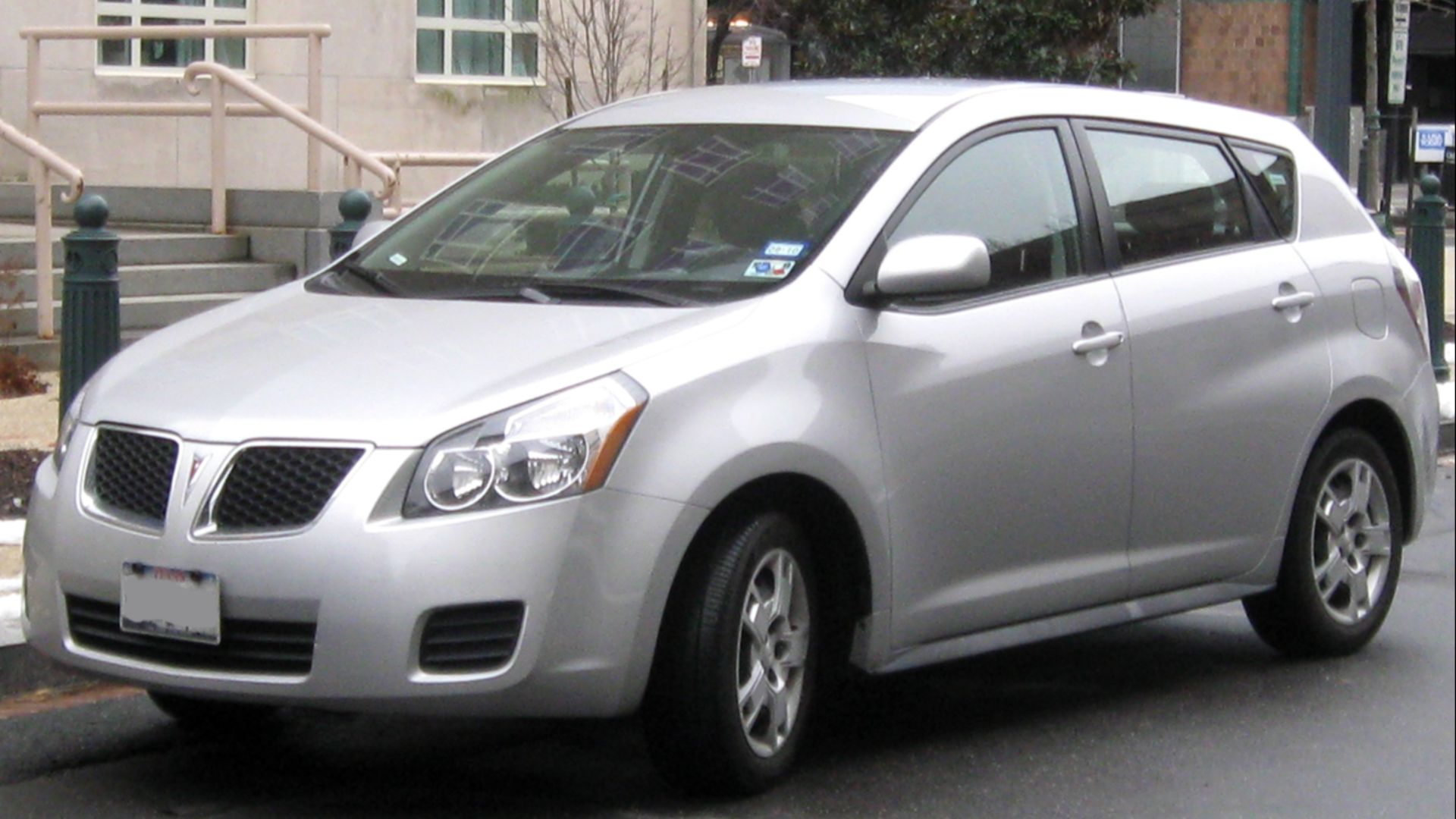
10. Pontiac Vibe
The Vibe was not a tire-smoking legend, but it was one of Pontiac’s smartest late moves. Its Toyota Matrix connection gave it real-world credibility, and it managed to be useful without drowning itself in fake performance theater.
The trouble is that for every Pontiac that felt like a reason to believe, there was another one that felt like a warning light on the dashboard. Here are 10 that tanked the brand.
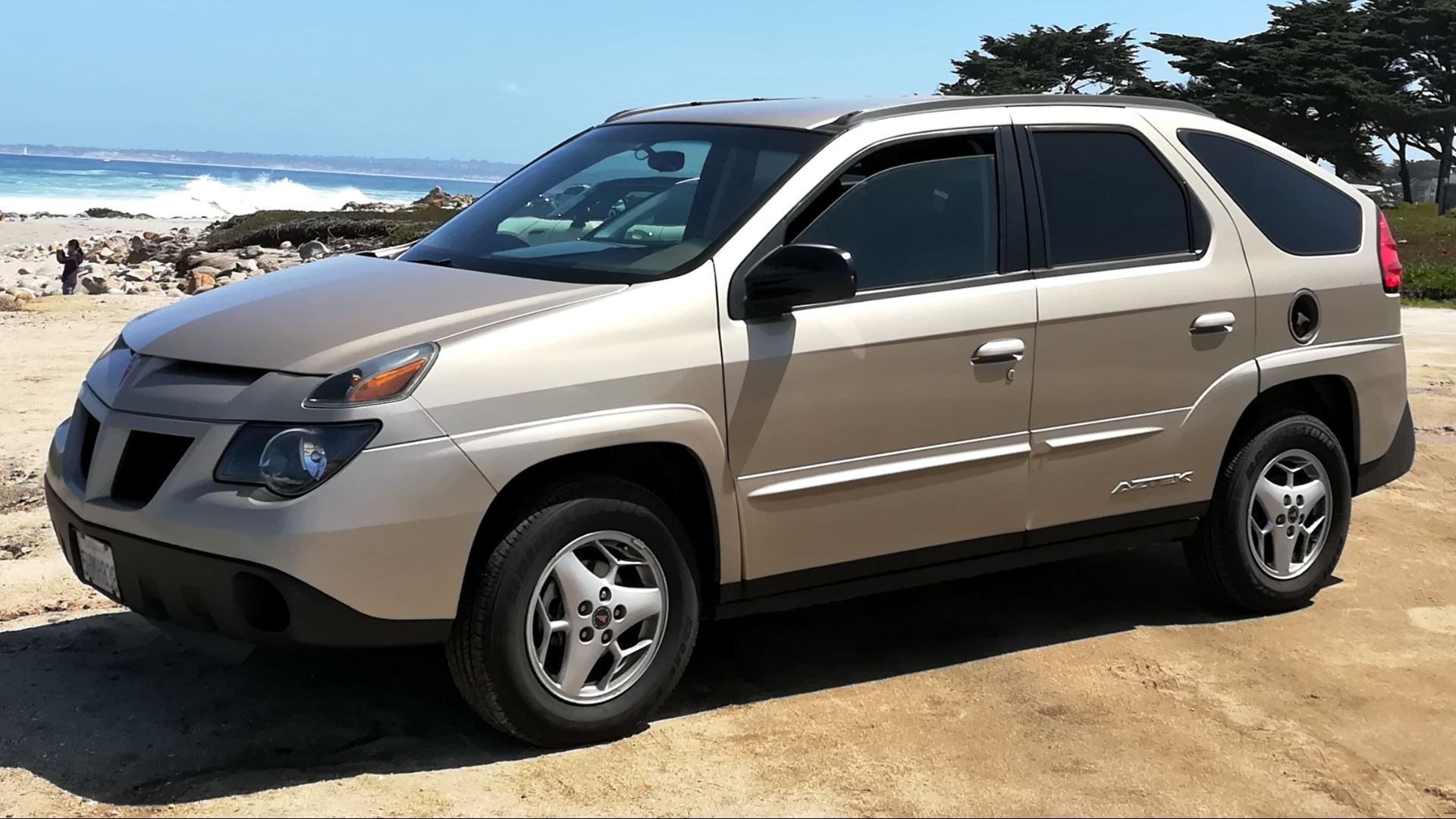
1. Pontiac Aztek
The Aztek has become too easy to dunk on, but it still belongs here. It was practical in ways people later came to appreciate, yet the awkward shape, busy surfaces, and strange proportions made it feel like Pontiac had mistaken weirdness for bravery.
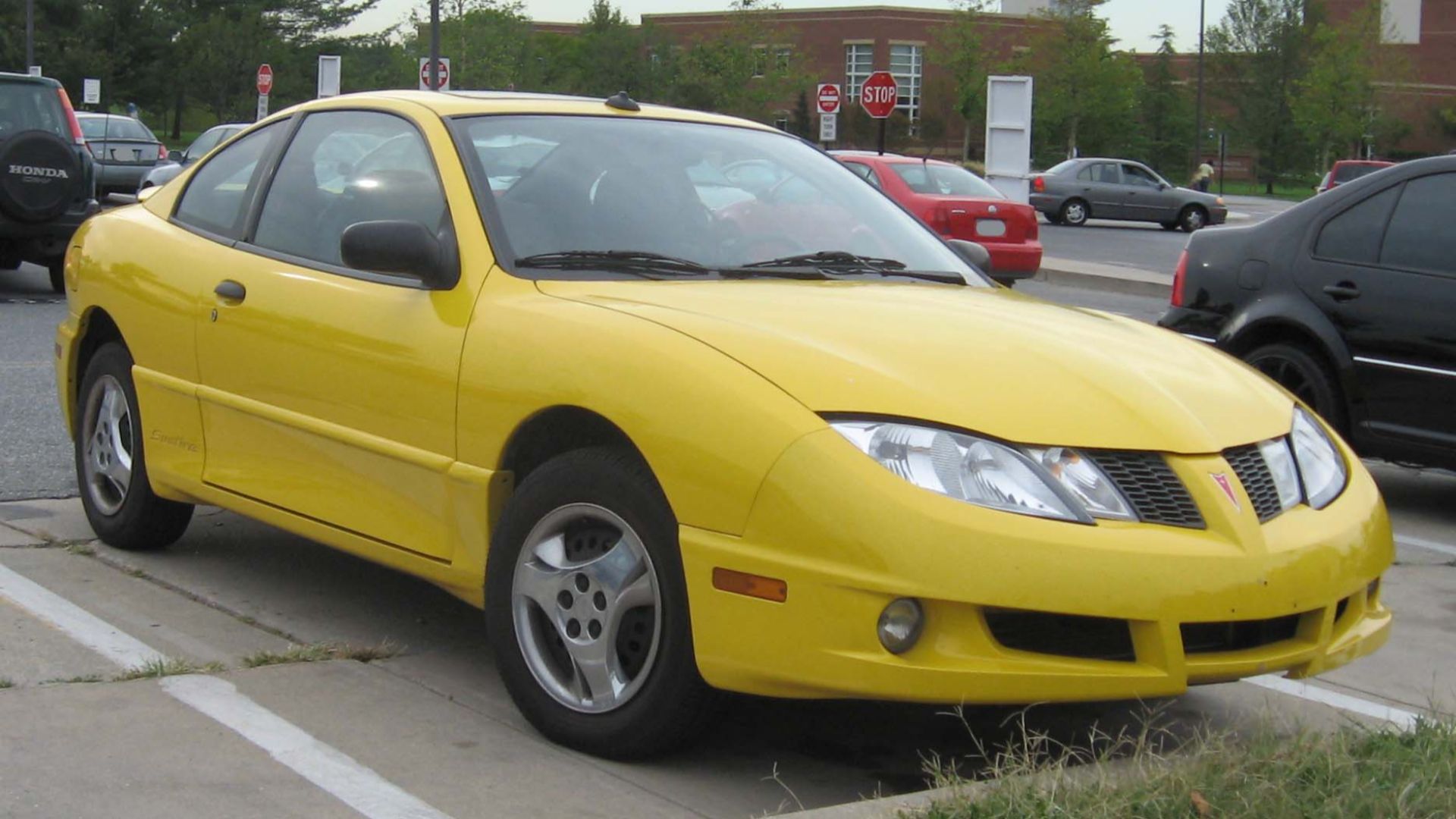
2. Pontiac Sunfire
The Sunfire looked like it was trying to win a street race in a parking lot before anyone started the engine. Underneath, it was a small economy coupe and sedan that could not hide its ordinary bones behind all that swoopy plastic.
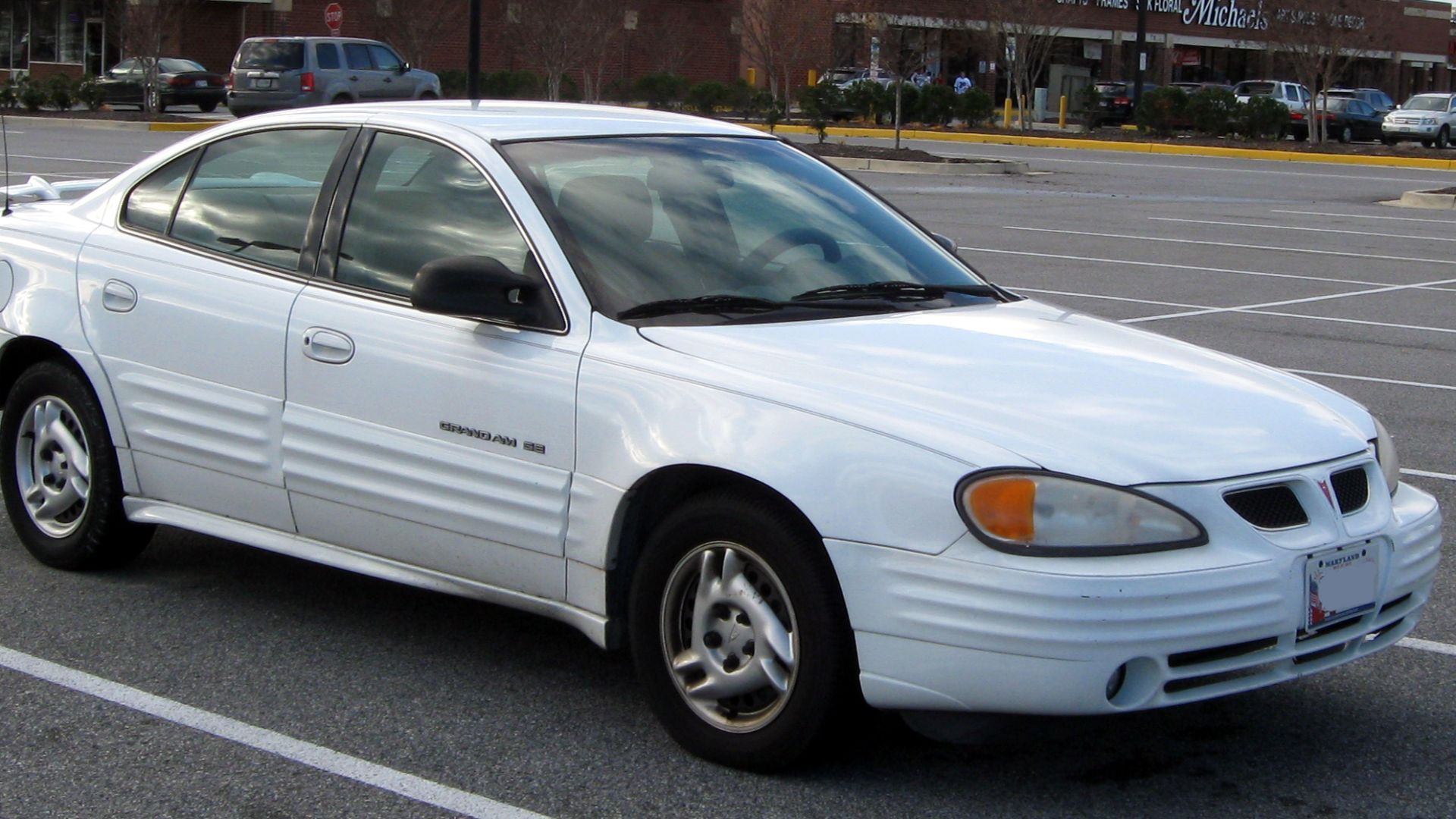
3. Pontiac Grand Am
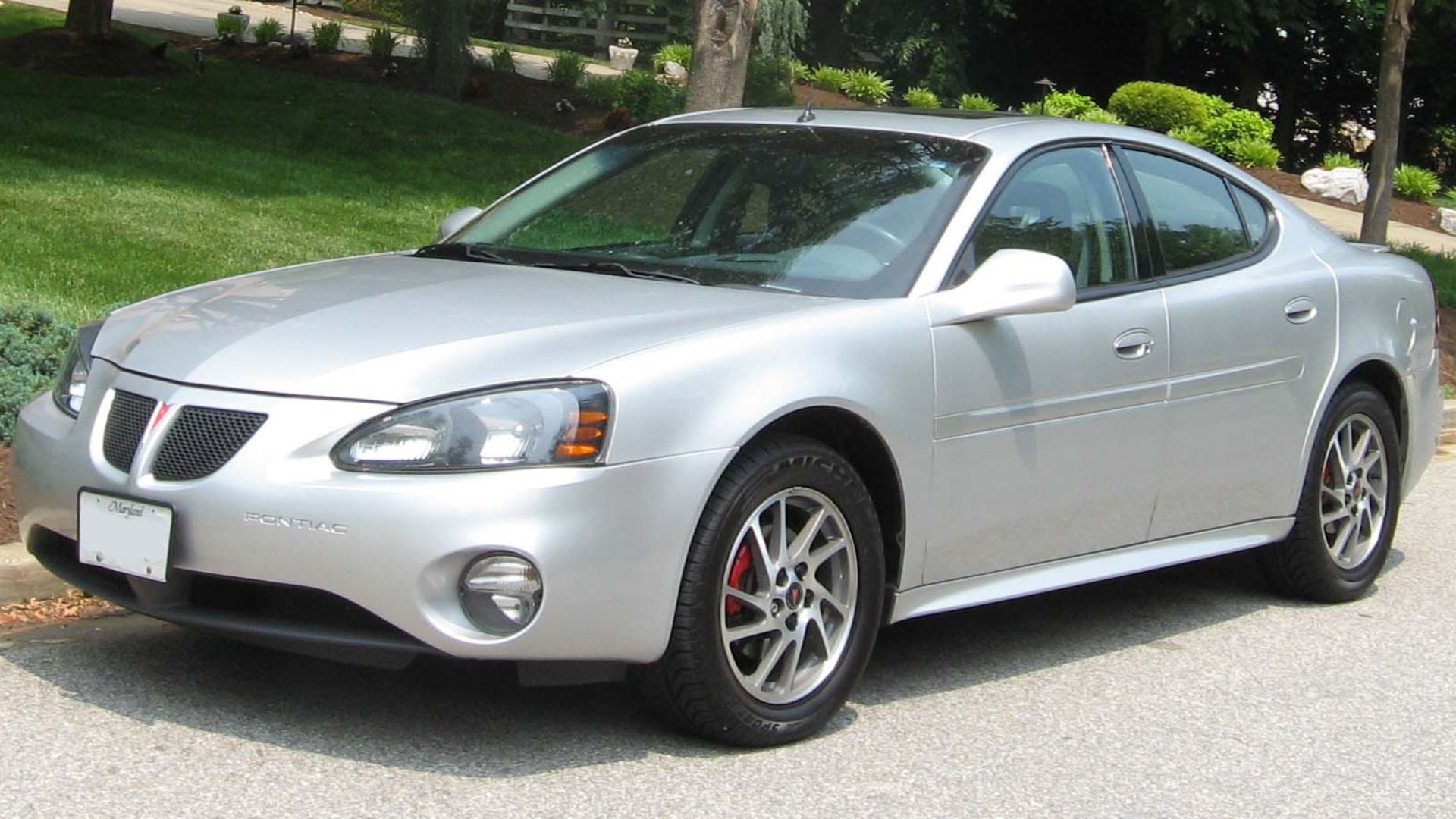
The later Grand Am sold well, but it also showed the problem. It had the cladding, the vents, the red gauges, and the big Pontiac energy, but much of it felt like decoration applied to a very regular commuter car.
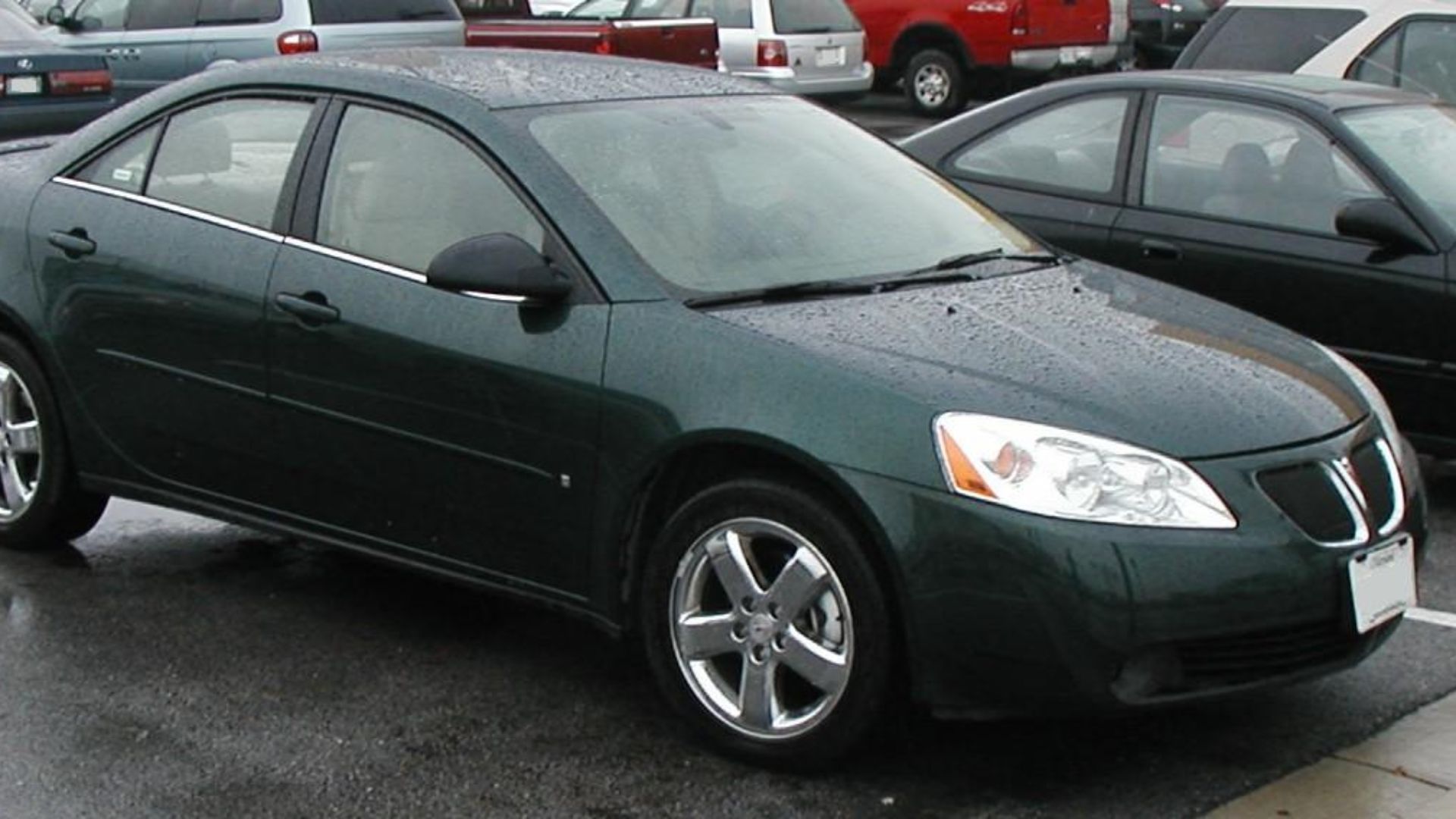
4. Pontiac G6
The G6 was supposed to help modernize Pontiac, but it mostly felt anonymous. It was not terrible enough to be memorable and not exciting enough to save the brand, which might be the most Pontiac problem of all.
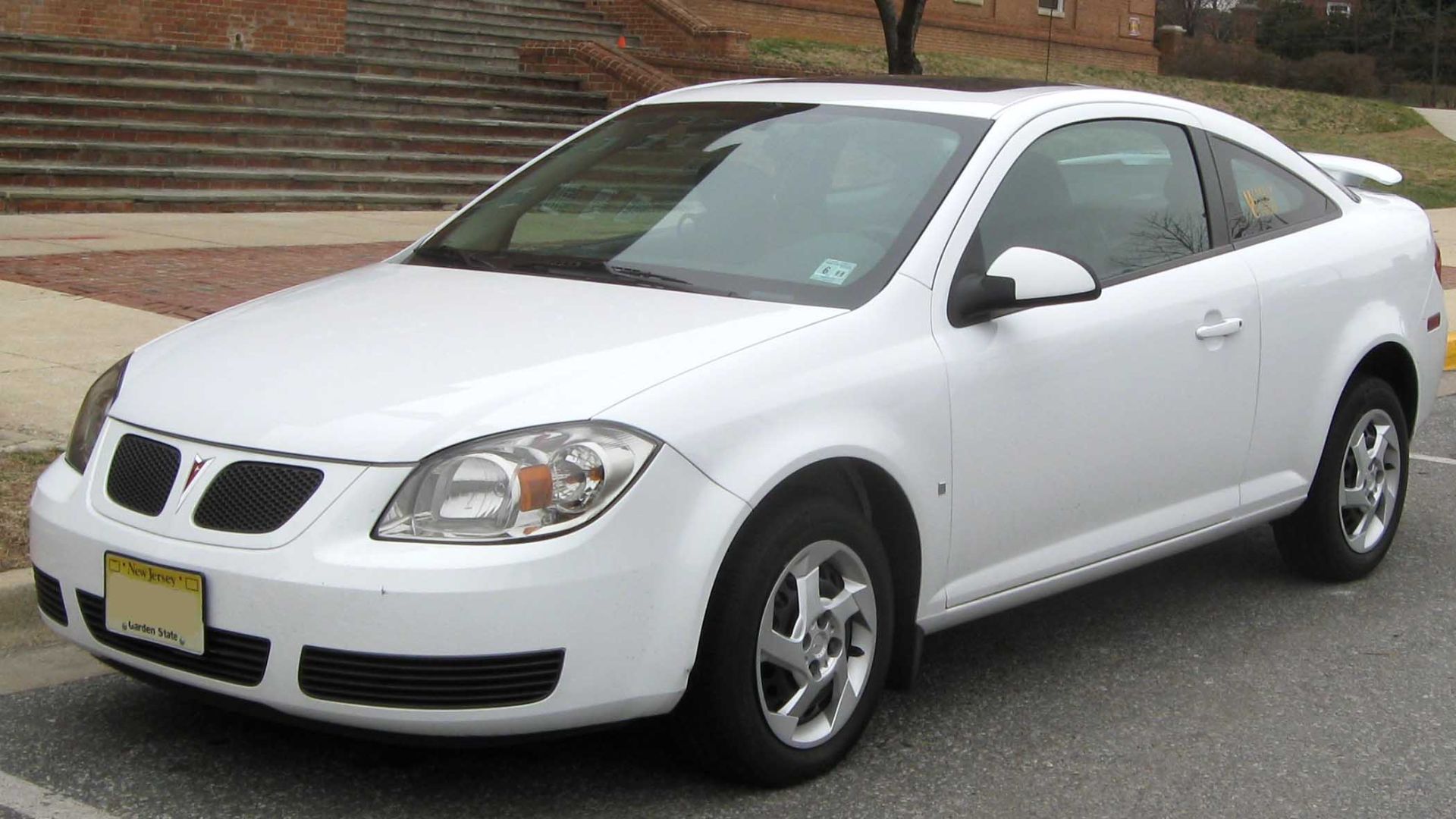
5. Pontiac G5
The G5 was essentially a Chevrolet Cobalt wearing a Pontiac badge and a slightly different expression. That kind of rebadging is exactly what made Pontiac harder to defend when GM had to decide which brands still mattered.
 commons.wikimedia.org on Google
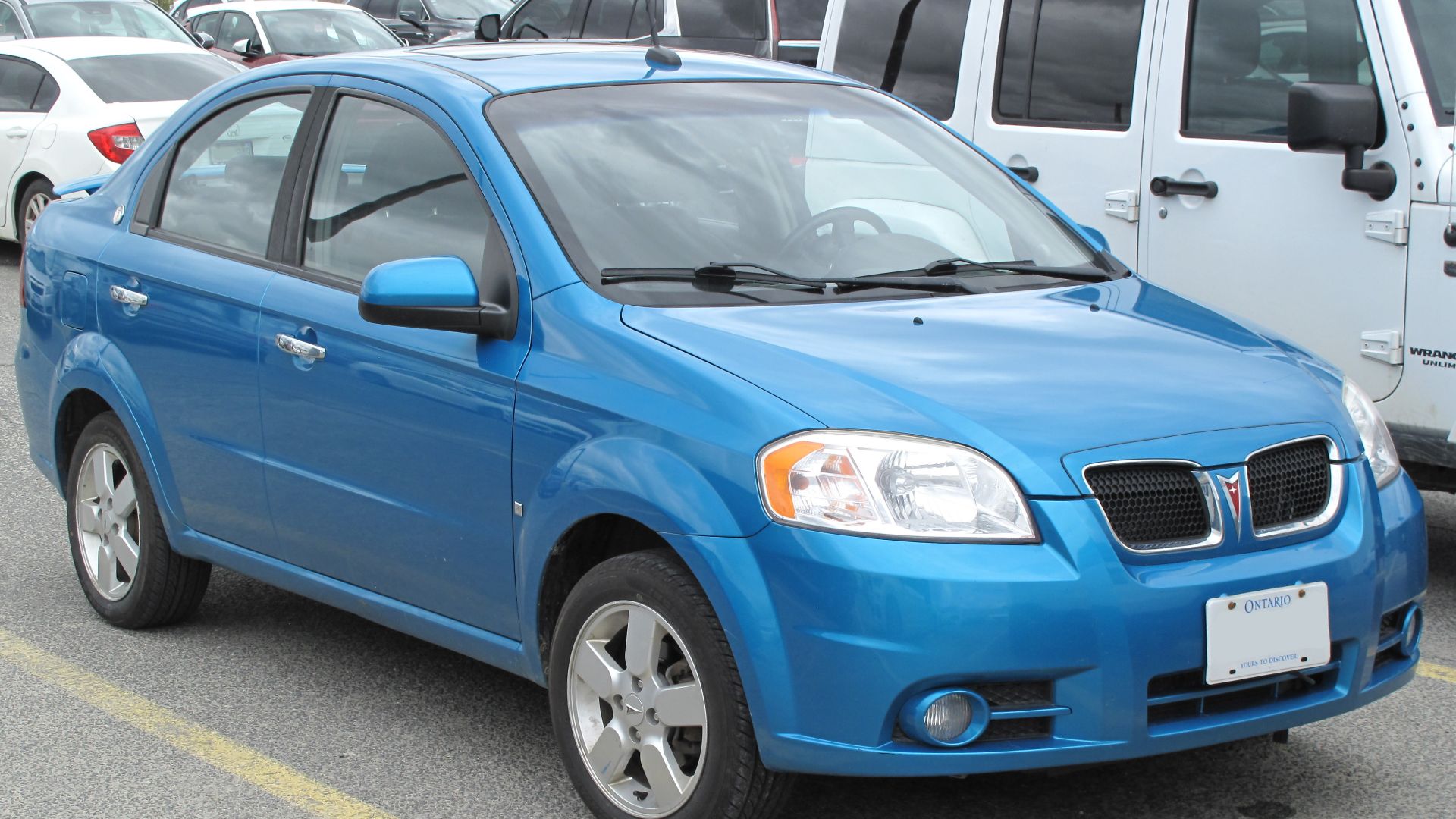
6. Pontiac G3
The G3 made the brand feel smaller in the worst way. A rebadged economy hatchback might have made sense on paper, but it did almost nothing for a division that was supposedly about driving excitement.
 commons.wikimedia.org on Google
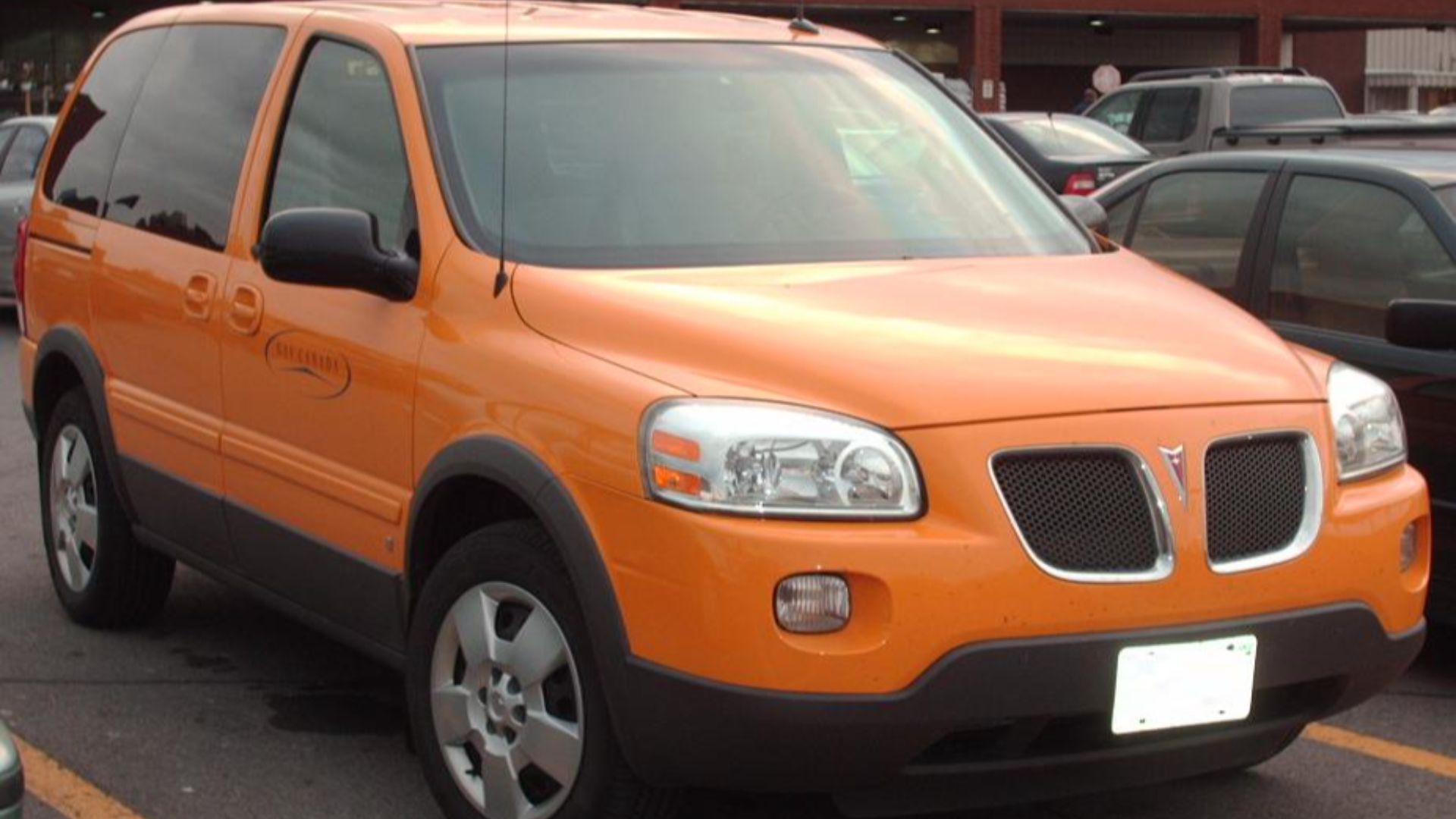
7. Pontiac Montana SV6
The Montana SV6 tried to make a minivan sound rugged, which was already a difficult assignment. The result felt like a family hauler with a tougher name than personality, and Pontiac’s performance image got thinner every time one passed by.
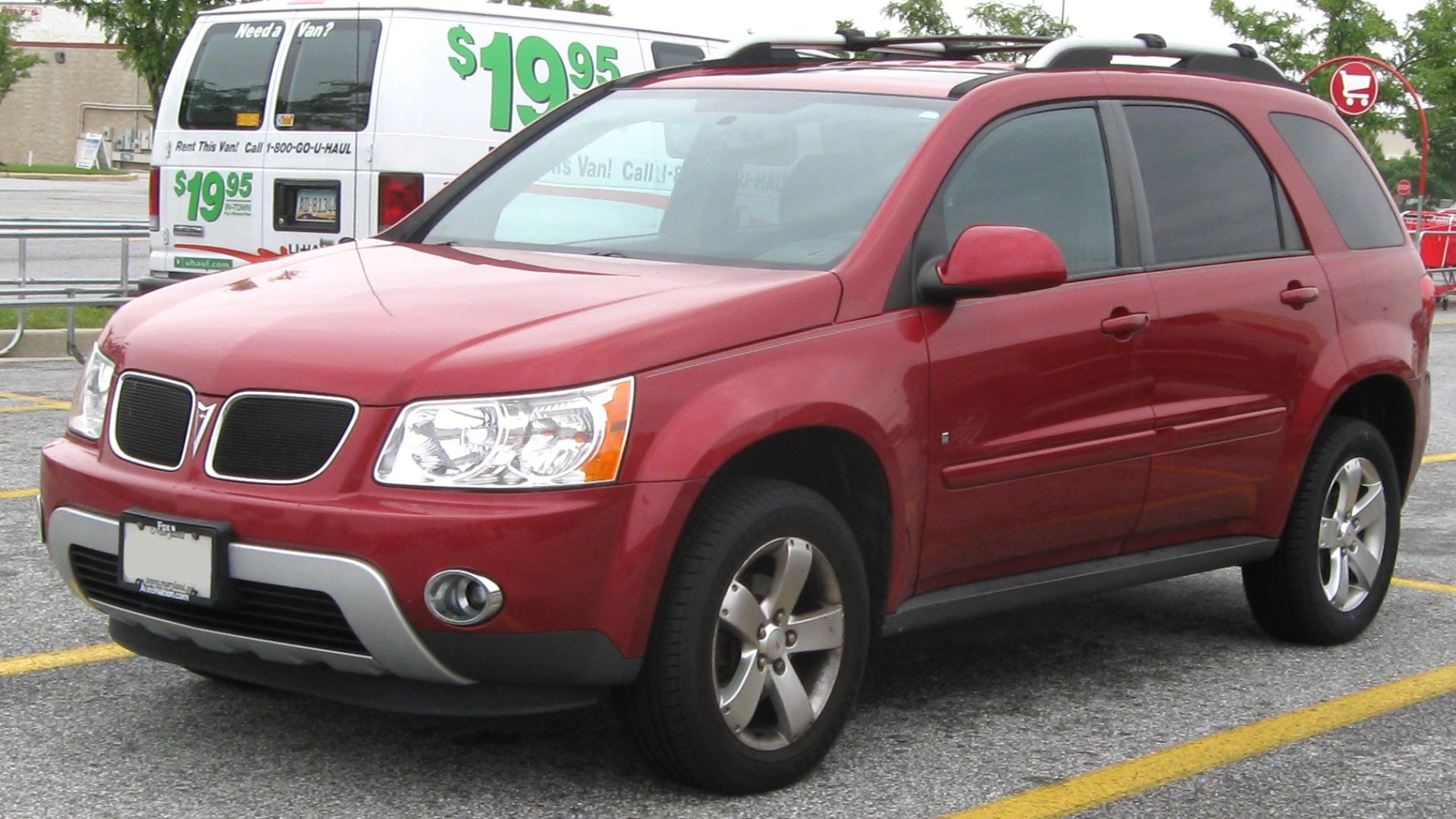
8. Pontiac Torrent
The Torrent had the look of a Pontiac but not much of the substance people still associated with the badge. Sharing its bones with the Chevrolet Equinox, it felt less like a distinct model than another reminder that Pontiac was running out of reasons to exist.
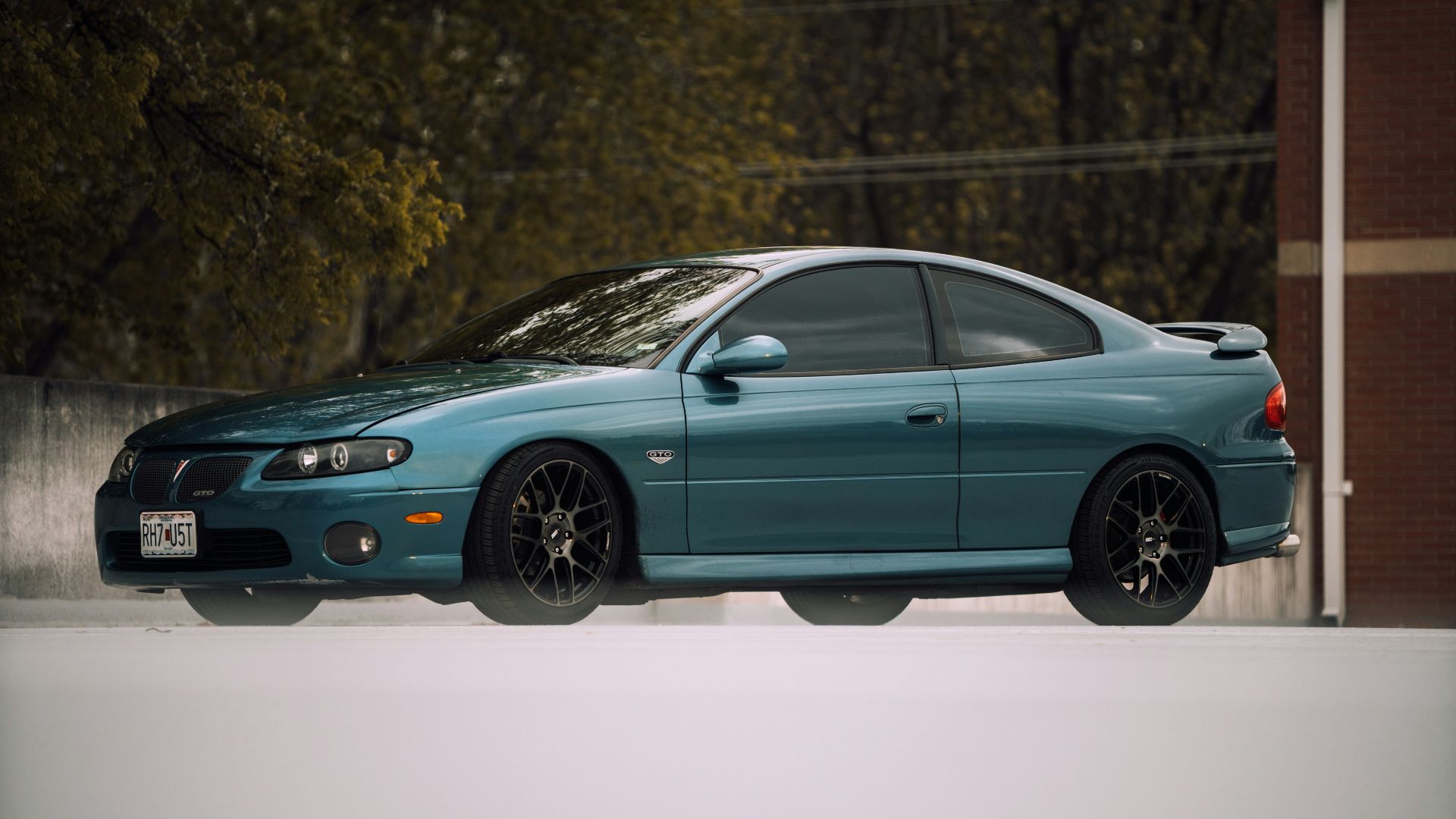
9. Pontiac GTO
The revived GTO was a good car hamstrung by a branding problem. It had real performance thanks to its Holden roots, but the styling was too quiet for a name that carried so much muscle-car theater.
10. Pontiac Grand Prix
The final Grand Prix still had some muscle in the right trims, but the car around it felt past its prime. By then, Pontiac’s habit of dressing up front-wheel-drive sedans with scoops, cladding, and red gauges no longer read as excitement. It read like a brand trying to remember what made it interesting.